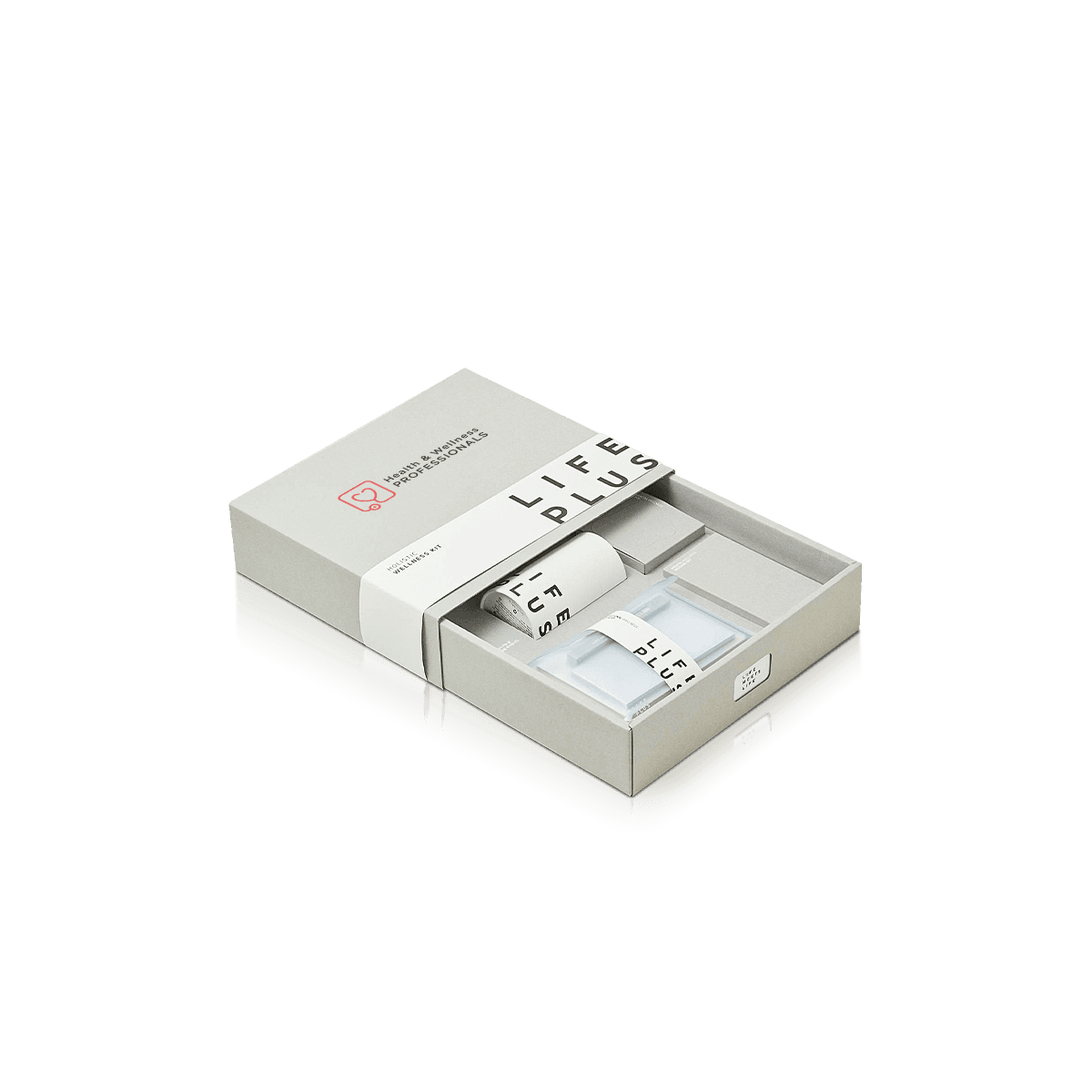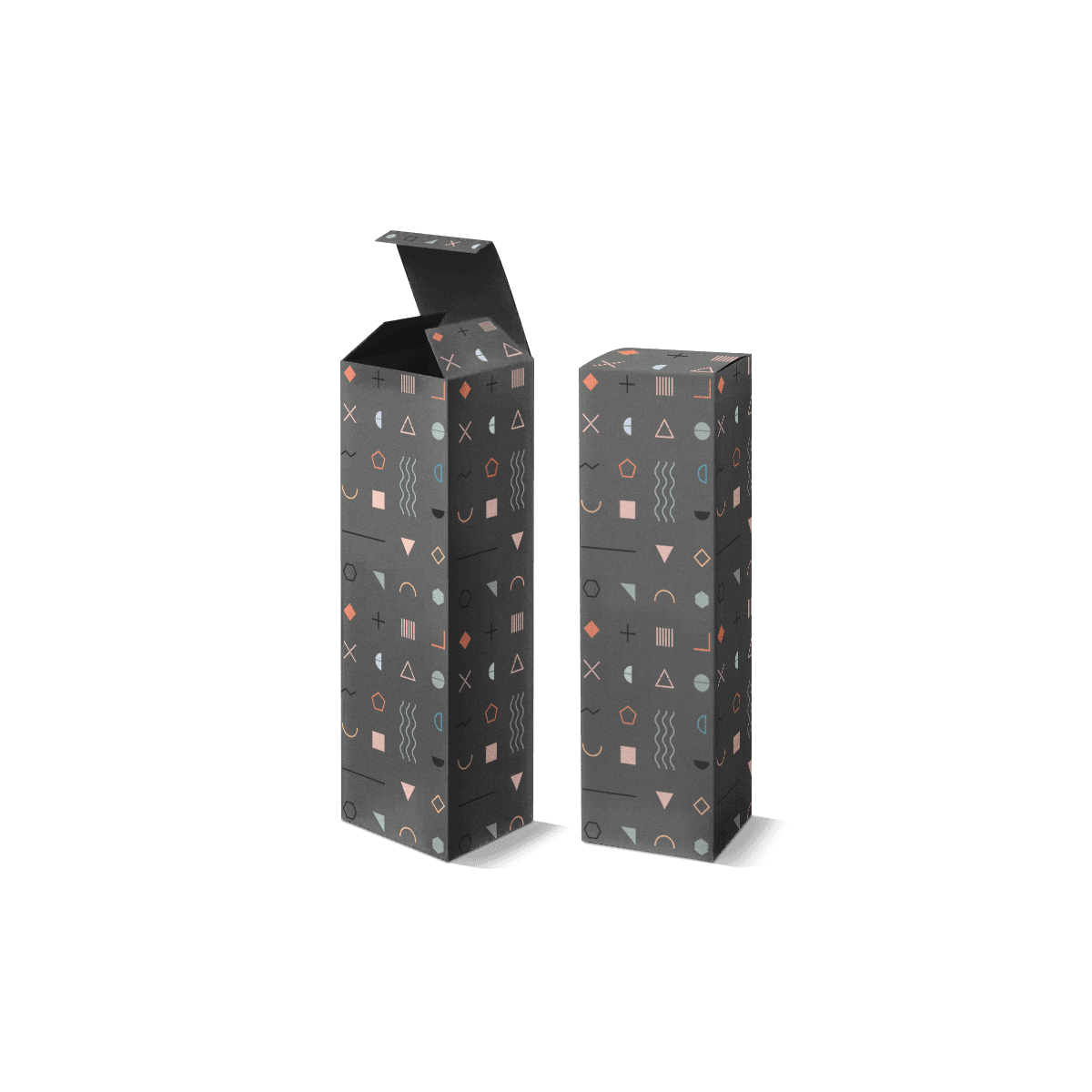
Same-Side Tucks Free the Display Face
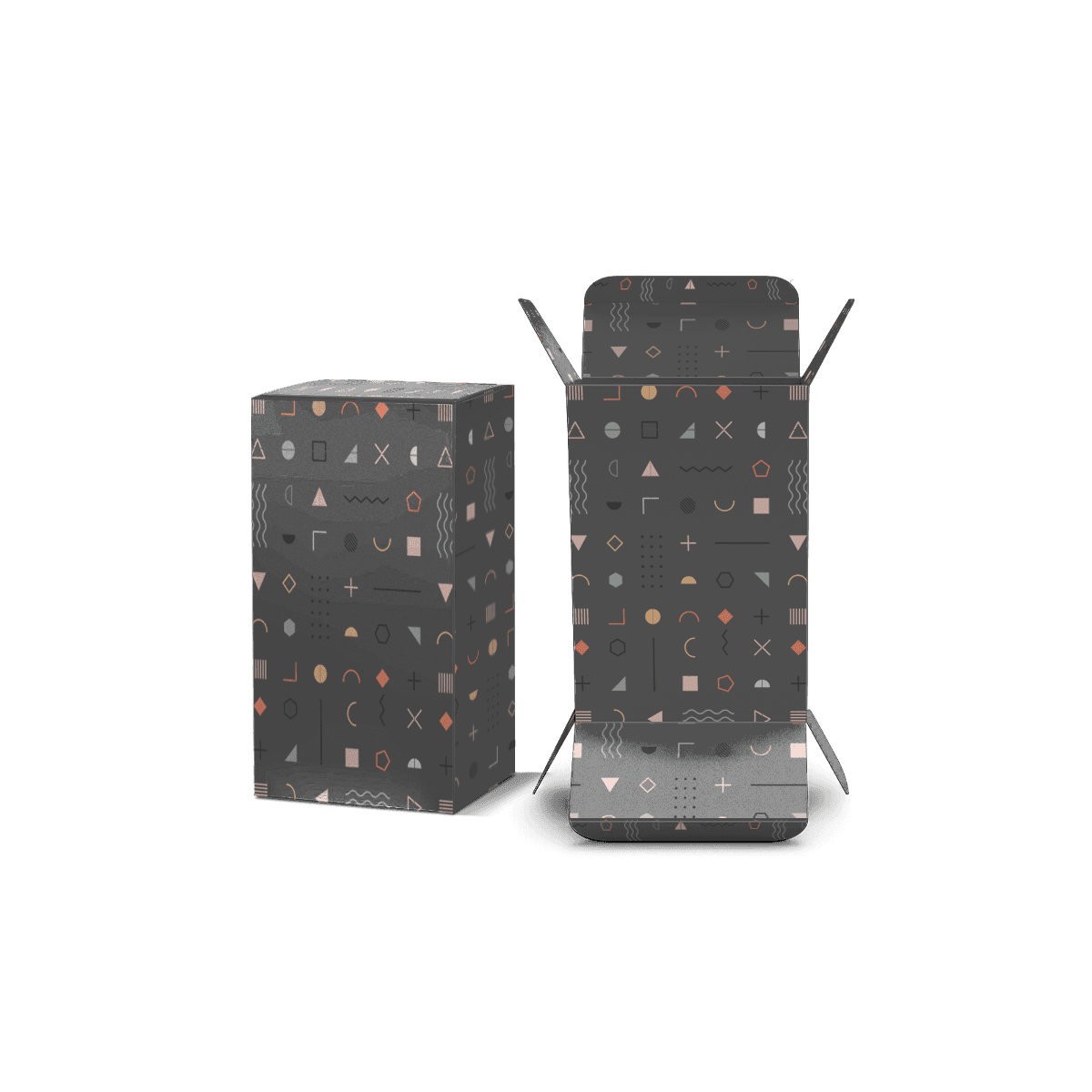
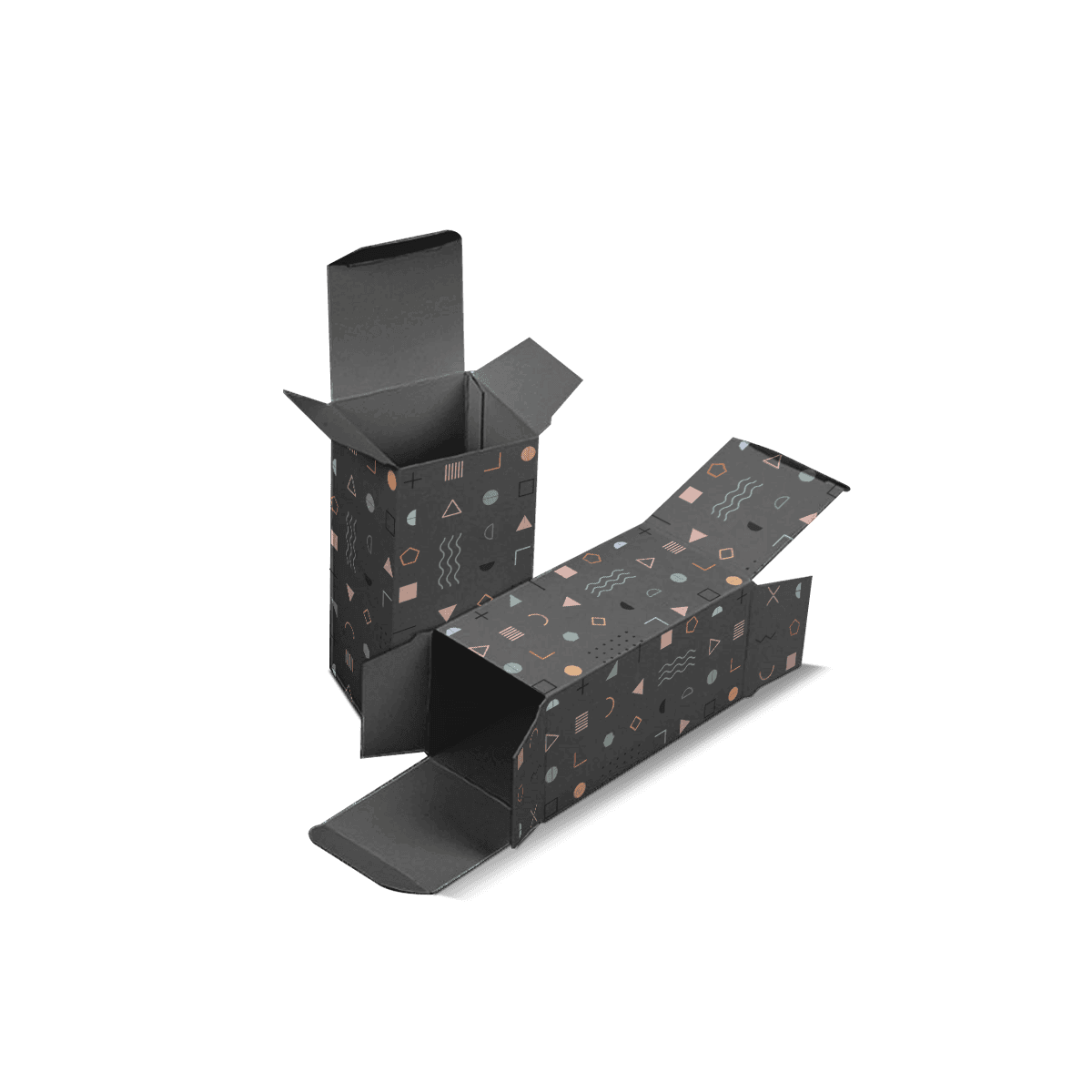
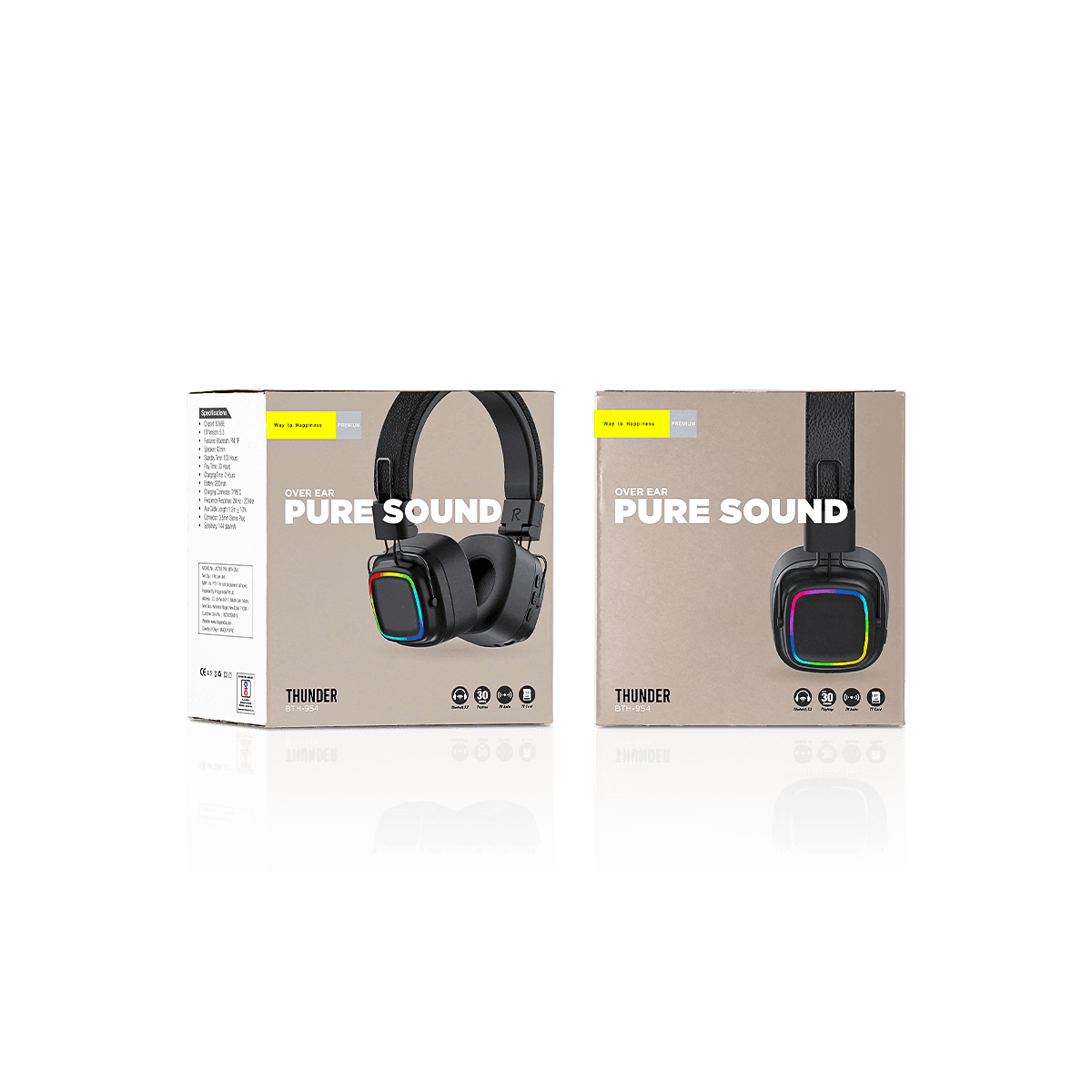
A retail carton can have strong artwork and still lose visual order when a closure edge competes with the main display panel. Straight tuck-end construction solves that problem by putting the top and bottom main tuck flaps on the same side, usually toward the rear, so one face can stay cleaner for the product name, variant and primary selling message.
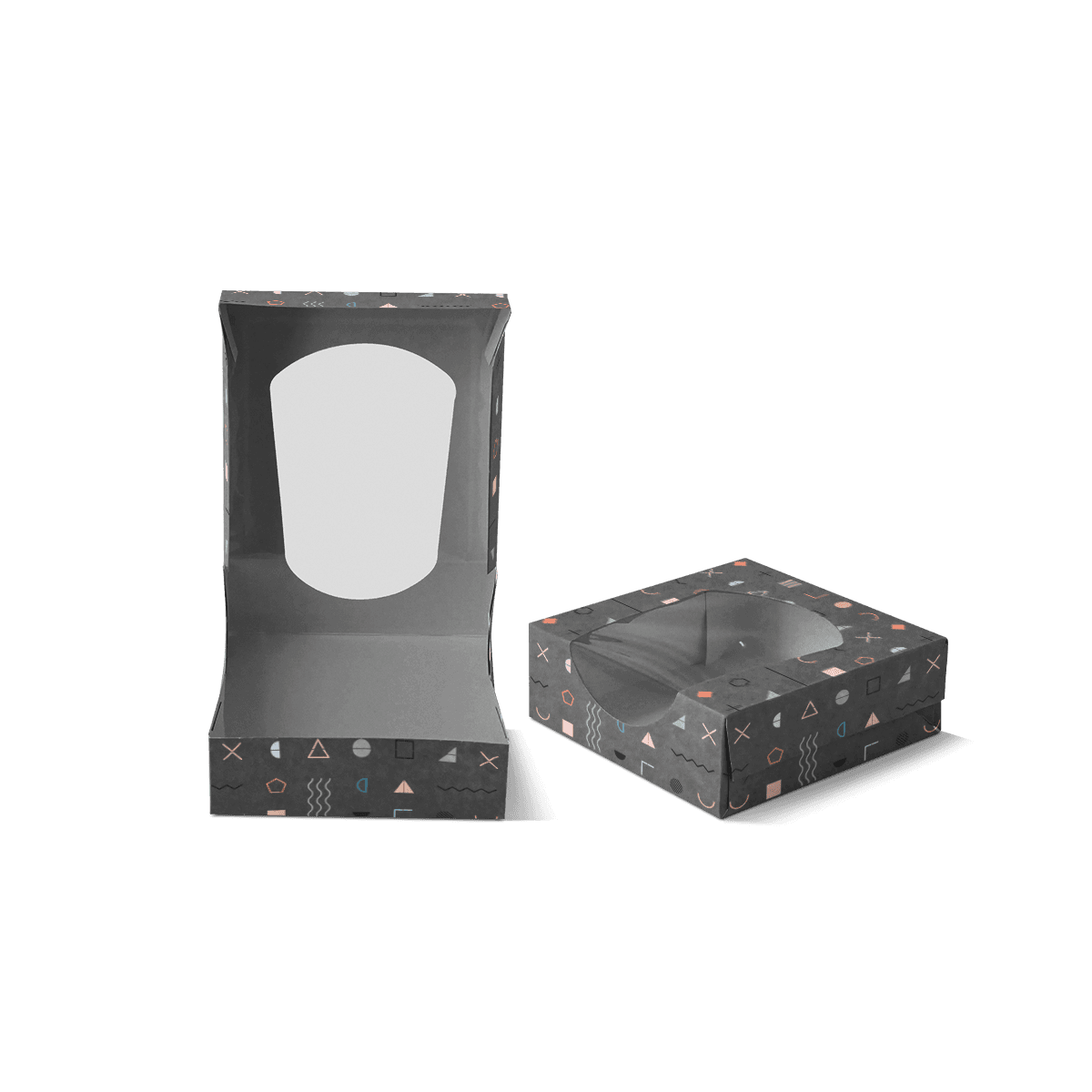
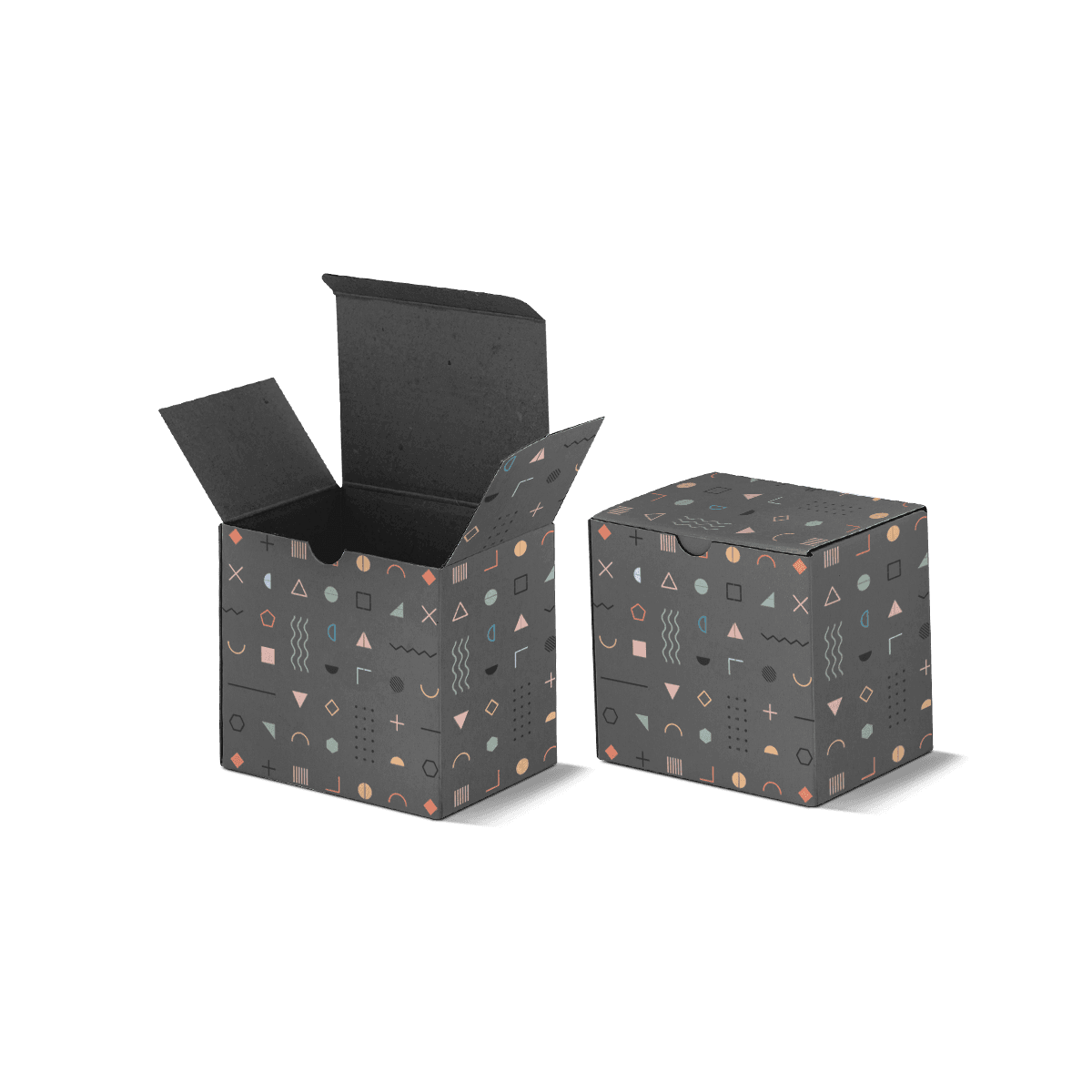
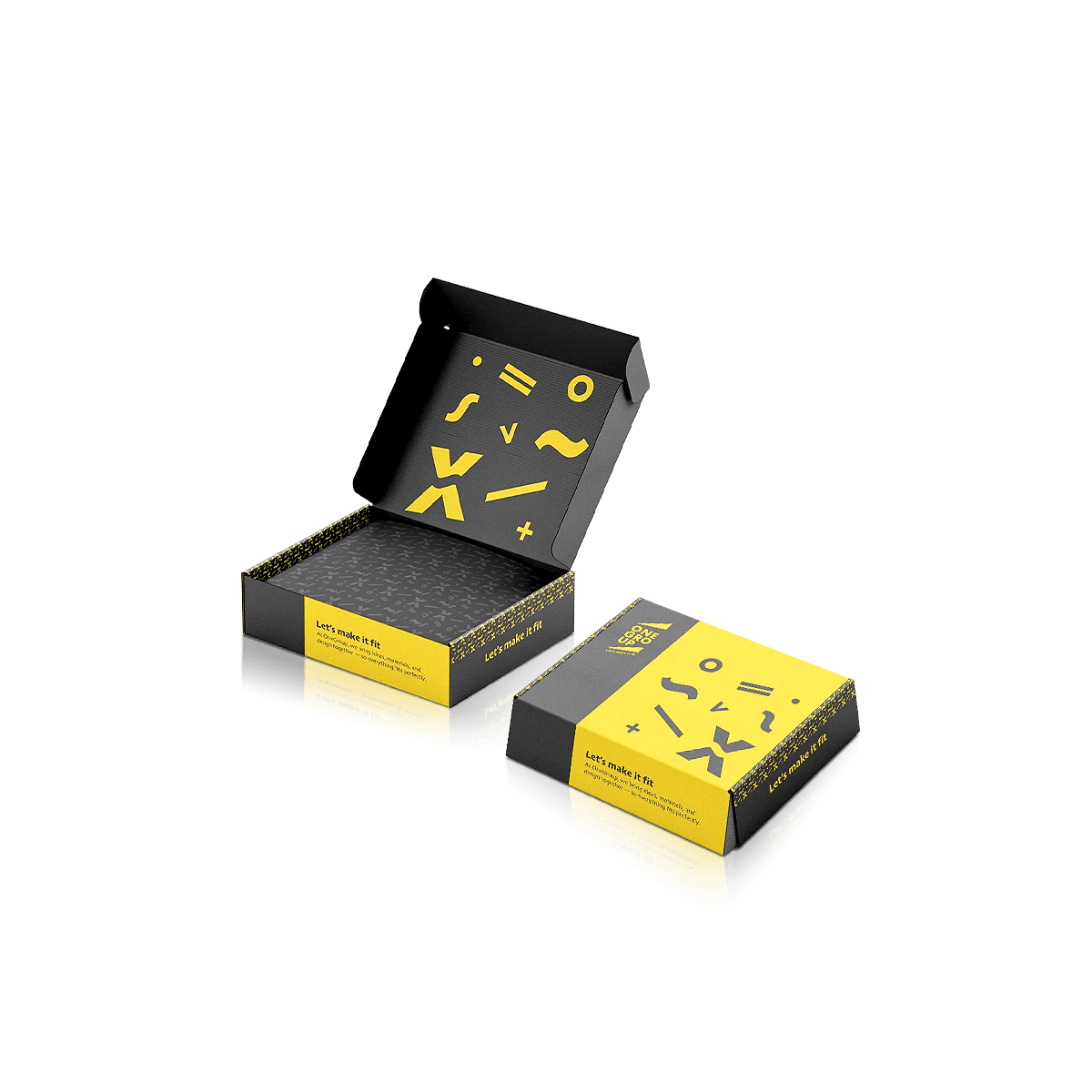
Custom Straight Tuck-End Cartons are one-piece paperboard cartons with a glued side seam, dust flaps and tuck closures at both ends. They arrive flat, open into a rectangular tube and work best for lightweight retail products where print hierarchy and simple packing matter more than extra bottom strength.
Within folding cartons, the reason to choose straight tuck is therefore specific: use the same-side closure layout when the front merchandising face deserves priority.
Rear Panel Becomes the Working Side
Once both main tuck flaps work from the same side, the rear panel naturally carries more of the closure activity. That makes the opposite face easier to treat as the visual front.
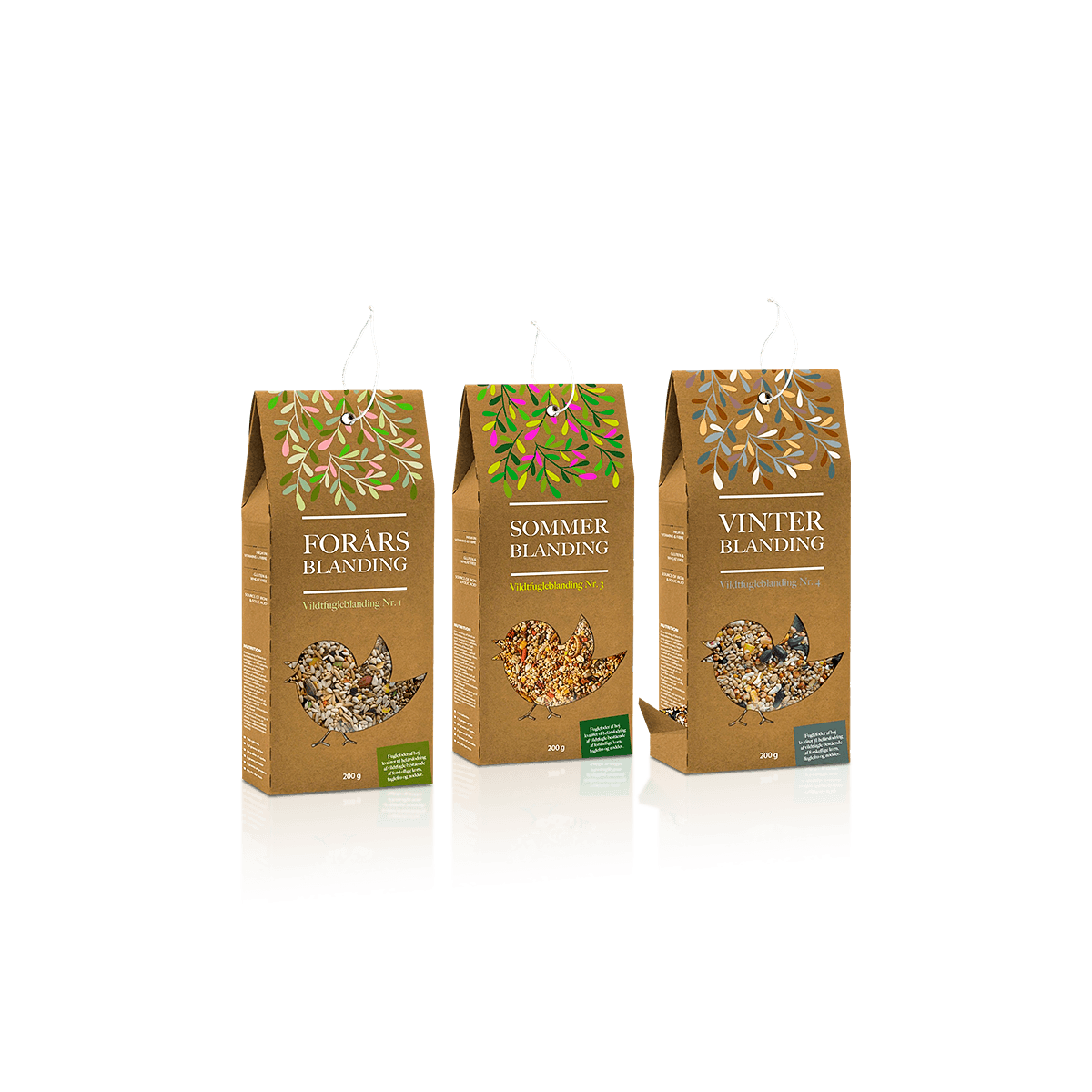
This matters across a shelf of several SKUs. Keeping the same front-edge relationship makes logos, product names, shade systems and benefit lines easier to align from one carton to the next.
Same Direction Does Not Mean Stronger
Both flaps pointing the same way does not create a reinforced base. The lower closure is still a standard tuck.
Choose the structure because the panel orientation helps the product and artwork. Dense bottles, heavy jars or products that load the bottom aggressively may need a lock-bottom or another stronger base regardless of how attractive the straight-tuck front looks.