The Feeder Sets the Opening
Pouring bird seed into a narrow feeder requires more control than emptying a large container into an open tray. A wide carton opening may release too much seed at once, while a small cutout can become obstructed by larger kernels and seed shells.
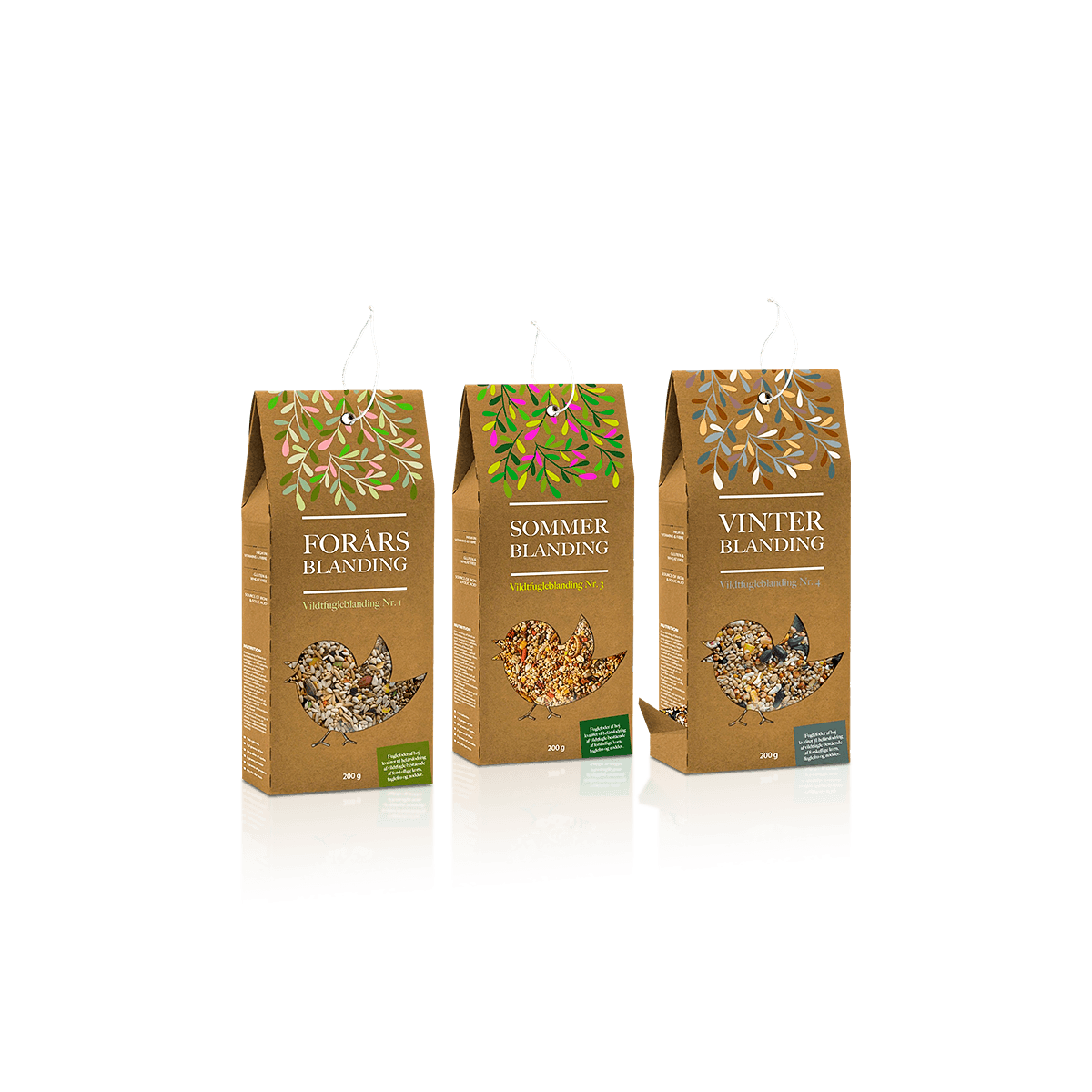
This is the central design decision for Custom Bird Seed Boxes intended for everyday refilling. The opening must suit the seed blend, the container's weight and the way customers transfer the contents.
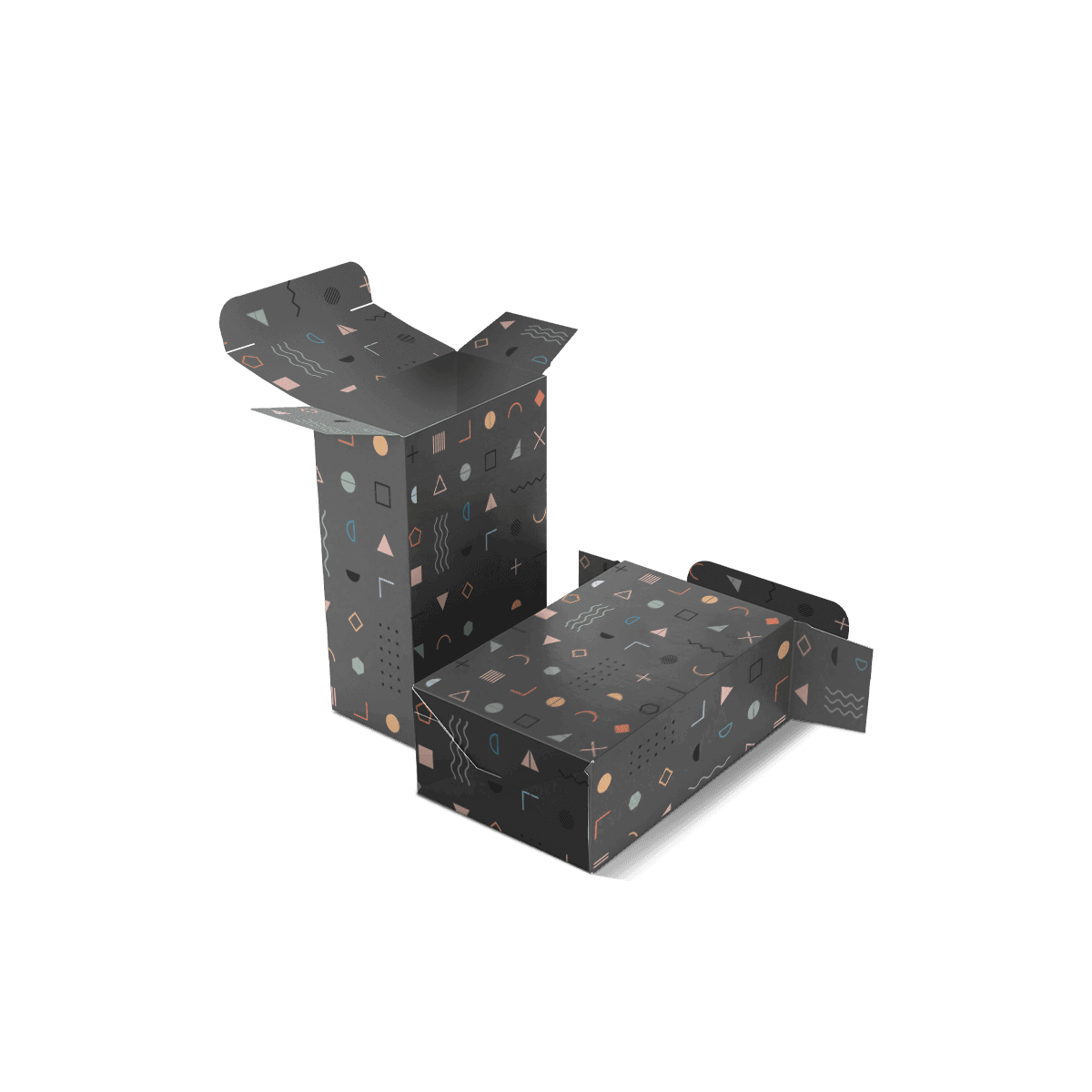
A carton sold primarily as a retail package may need only a conventional tuck closure. A package intended for repeated feeder refills may benefit from a more controlled opening or a separate dispensing component.
Custom Packly develops printed bird seed cartons around these requirements, with custom dimensions and structural guidance for the intended product.
Controlled Pour Openings
A dispensing opening should allow seed to leave the package at a manageable rate.
The appropriate opening depends on the largest components in the blend, the consistency of the mixture and the size of the receiving feeder.
Fine millet and small seed mixtures can pass through relatively narrow openings. Sunflower seeds, larger kernels and mixed blends may need more clearance.
The opening also needs to remain accessible as the carton empties.
An opening that works when the container is full may require awkward tilting when only a small amount of seed remains.
A controlled dispensing feature should be assessed using the actual seed mixture and the intended receiving container.
Folded Pouring Edges
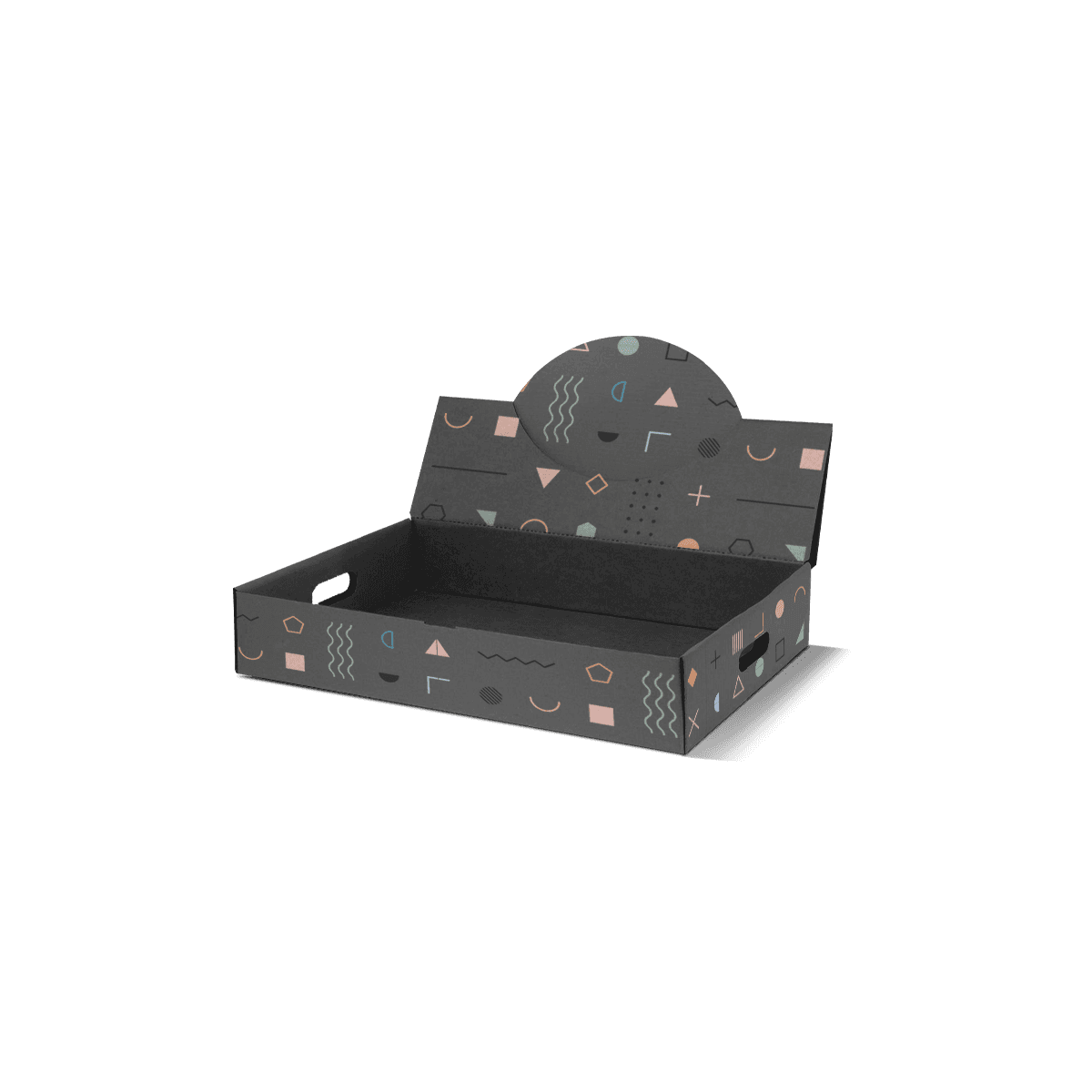
A folded pouring edge can help direct loose seed away from the carton wall.
However, the fold must not create an unintentional pocket that traps seeds or an opening that releases material around the sides.
Die-cut and scored features can be considered where the construction supports them.
For a carton that incorporates a specialized pouring feature, the opening geometry, remaining board strength and any primary containment material must work together.
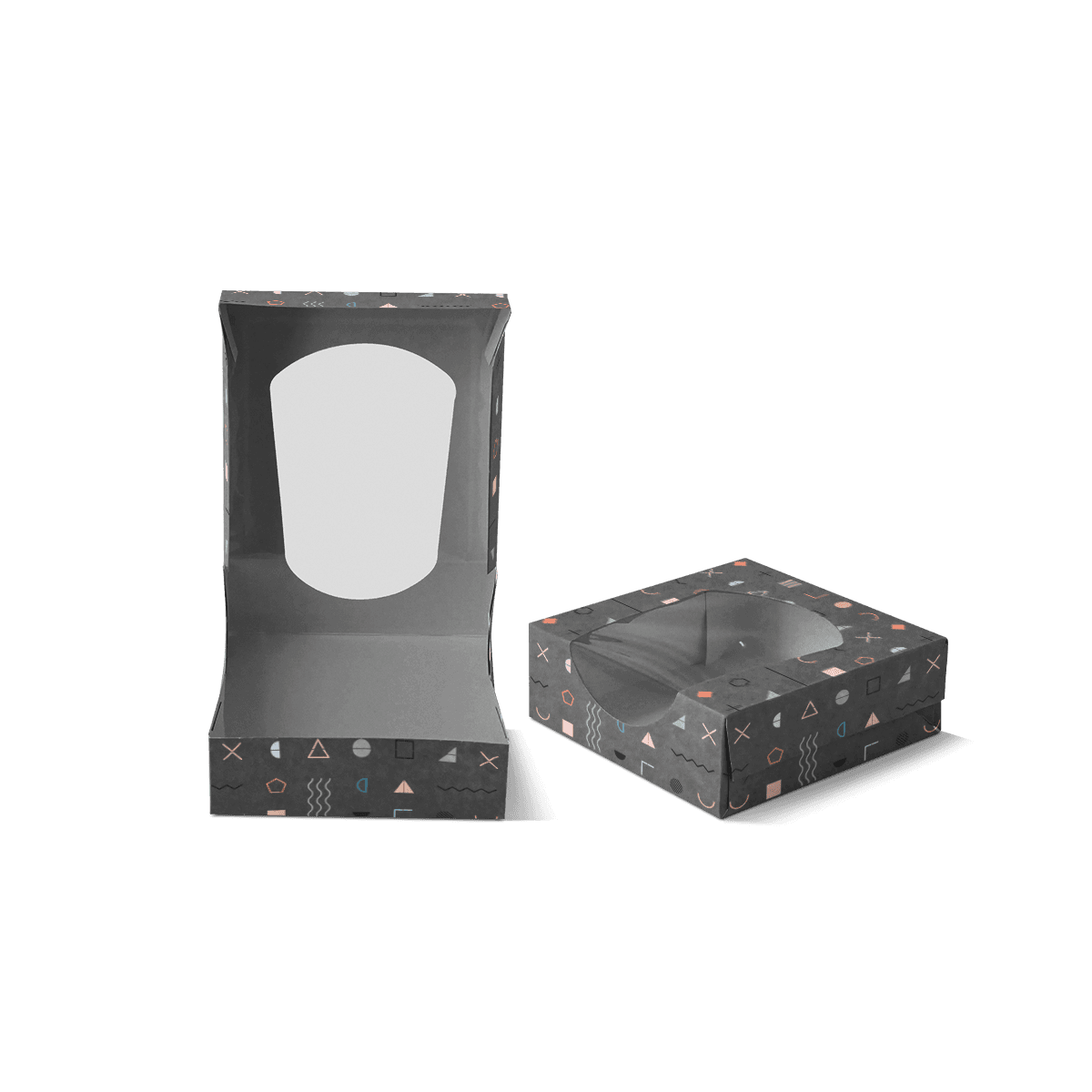
A decorative cutout alone does not establish a functional pouring system.
Conventional Tuck Closures
A standard tuck-top carton may be sufficient when the contents are enclosed in a separate sealed bag that customers remove before use.
In this arrangement, the outer carton handles presentation and organization rather than dispensing.
The opening should accommodate the complete inner package, including its sealed edges.
Introducing a complex pouring feature to the outer carton would add little value if customers are expected to remove the inner bag.