Skip to content
Details

Custom Fish Food Boxes

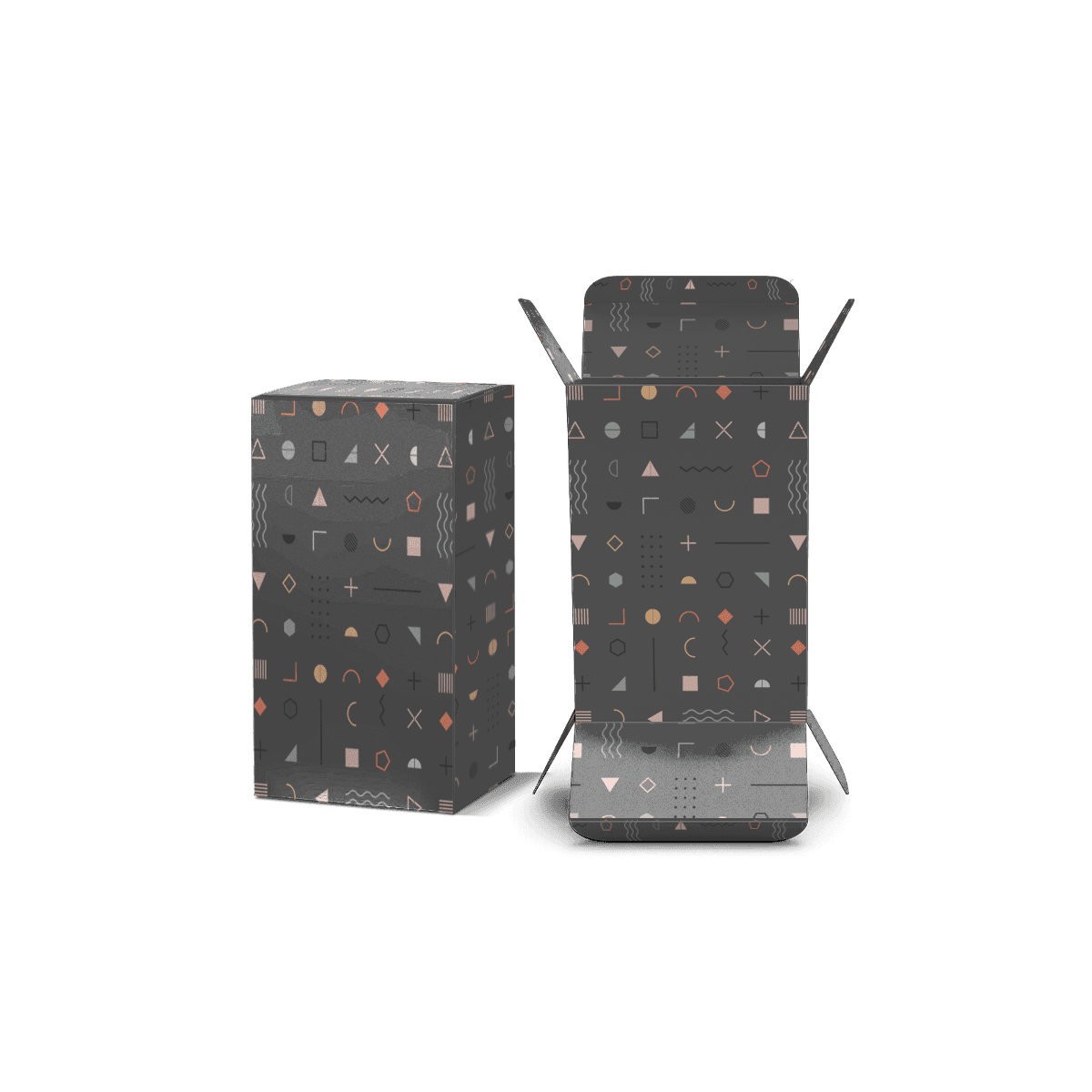
Custom printed cartons for fish food flakes, pellets, feeding bottles and aquarium nutrition kits, with accurate container fit, clear feeding instructions and compact retail presentation.

Cap Clearance Controls the Carton

The cap is often the widest part of a small fish food bottle. Measuring only the container body can produce a carton that looks correctly sized but becomes difficult to fill or close.

This matters particularly for aquarium food sold in plastic jars, cylindrical bottles and small containers with screw caps or dispensing lids.

Custom Fish Food Boxes need to accommodate the complete container, including its cap, shoulder and any projecting closure components. The structure should hold the product securely without transferring unnecessary pressure to the lid.

For aquarium food manufacturers and private-label brands, the carton creates a rectangular retail presentation around a product that may otherwise be difficult to display consistently.

Custom Packly develops custom dimensions, printed panels and suitable internal support around the finished fish food container.

Screw-Cap Containers

A bottle's cap may extend beyond its body diameter or have a different shape around the gripping surface.

The carton should accommodate the largest external measurement rather than the nominal bottle diameter.

A closely fitted structure can limit unnecessary sideways movement. However, it should not make the cap difficult to grip when the customer removes the container.

The cap must also have sufficient vertical clearance.

A carton that closes by pressing against the lid can place unnecessary force on the primary container and may cause the upper panel to bulge.

Dispensing Lids

Fish food containers sometimes use specialized dispensing openings that help customers control the amount of food released.

These components may project beyond the main lid or require additional space around their edges.

The carton should not press against a dispensing feature or allow it to catch during insertion.

A raised dispensing component also changes the maximum container height.

Custom sizing should therefore account for the complete assembled bottle, not an empty container supplied without its final closure.

Container Neck Support

A tall bottle with a narrow body may move inside a rectangular carton even when the upper cap fits closely.

A paperboard support can control the container at a suitable point around its body or shoulder.

The support should not rely on an unsupported lid to carry the container's weight.

For lightweight bottles, accurately sized carton walls may provide sufficient retention without an additional insert.

The appropriate arrangement depends on the actual container shape and intended handling.
Flakes, Pellets and Powder

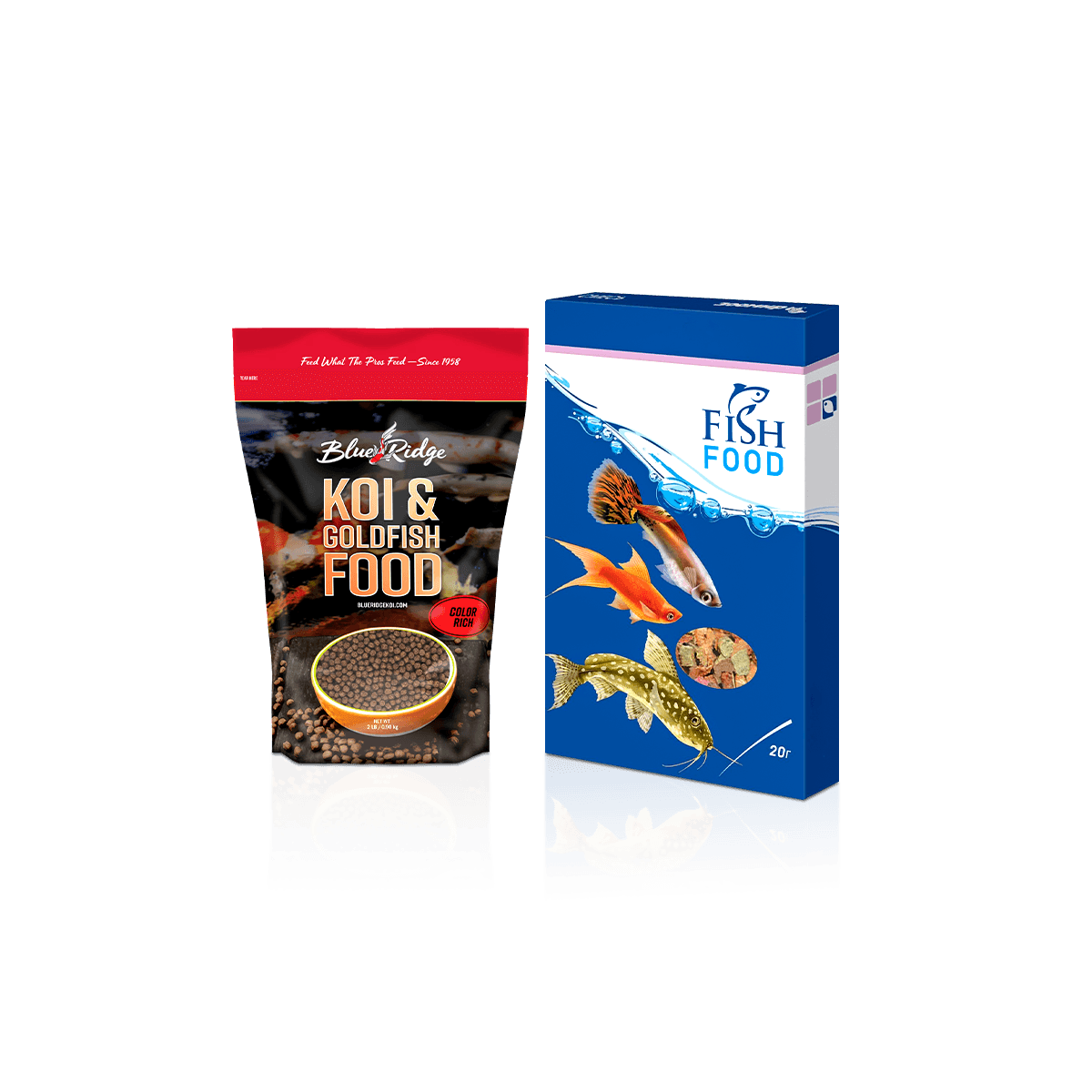
Different fish food products create different packaging requirements, even when sold in containers of similar dimensions.

Flake food is lightweight and can break into smaller particles during handling. Pellets have a different bulk density and may place more weight in the same container volume. Powdered food introduces additional containment concerns because fine particles can escape through unsuitable openings.

The outer carton should be specified according to the finished primary package and the protection that package already performs.

Delicate Fish Flakes

Fish flakes can fracture when exposed to pressure or repeated movement.

A printed carton cannot prevent damage caused by excessive empty space inside the primary container.

The bottle or pouch must first be suitable for the product's intended filling, storage and handling conditions.

The outer box can then help prevent the primary container from moving excessively or receiving concentrated pressure from neighboring products.

For a lightweight flake bottle, close-fitting paperboard walls may be sufficient.

A heavier carton is not automatically necessary simply because the food itself is delicate.

Dense Pellet Food

Pellet products may create a different weight distribution from flakes.

The carton should accommodate the actual filled container and support its weight without depending on the cap or another vulnerable component.

For smaller retail bottles, a conventional folding carton may be appropriate.

Larger pellet containers or multipacks may require additional bottom support, depending on the total weight and intended handling.

The correct specification should follow the packed product rather than assuming every fish food container needs the same board thickness.

Fine Powdered Food

Powdered fry food and other fine formulations require particular attention to primary containment.

A conventional carton has folds, flaps and seams that should not be treated as powder-tight.

The primary package must handle containment and any required protection against moisture or contamination.

The outer carton can organize small containers or individual sachets, but it should not be relied upon to compensate for an unsuitable primary closure.

For individually sealed powder sachets, a compact carton can group multiple portions without requiring each sachet to have its own rigid compartment.

Moisture Protection Around Aquariums

Fish food may be stored near an aquarium, where customers handle feeding equipment and may encounter splashes or elevated humidity.

This makes the primary container's closure and storage characteristics important.

A standard printed paperboard carton does not become a moisture barrier simply because it surrounds the food.

The manufacturer must establish the appropriate primary packaging for the product's preservation requirements.

Sealed Primary Containers

A qualified bottle, jar or pouch should handle the food's direct containment and any necessary barrier protection.

The outer carton can then concentrate on product identification, presentation and retention.

A printed box should not be described as airtight unless the complete construction has been specifically developed and verified for that function.

The same applies to claims about moisture resistance and shelf-life preservation.

Household Storage

A fish food carton may be discarded after the customer removes the primary bottle.

In that situation, the bottle's dispensing closure and storage characteristics matter more to repeated use than the carton opening.

If the outer carton is intended to remain in use, its material and construction should be assessed for the expected storage environment.

A decorative coating alone should not be treated as proof that a paperboard carton is suitable for prolonged exposure to moisture.

For refill products that do not need a rigid outer box, flexible pouches may be a more appropriate direction when their barrier and closure construction meets the food manufacturer's requirements.

Small Cartons on Aquarium Shelves

Aquarium food products often occupy relatively little retail space.

Small bottles, starter packs and specialty feeds need sufficient visibility without requiring oversized cartons that waste shelf space.

The display position should influence the box's proportions.

A narrow carton can create a consistent standing shape around a cylindrical bottle. However, increasing its height solely to gain printing space may make the finished package less stable.

The intended retail arrangement should be established before the carton dimensions are approved.

Upright Shelf Cartons

A conventional rectangular carton can give a cylindrical bottle a predictable external shape.

Its base should be sufficiently stable for the intended shelf position.

The product should not be able to lean excessively inside the carton or cause the outer structure to tilt.

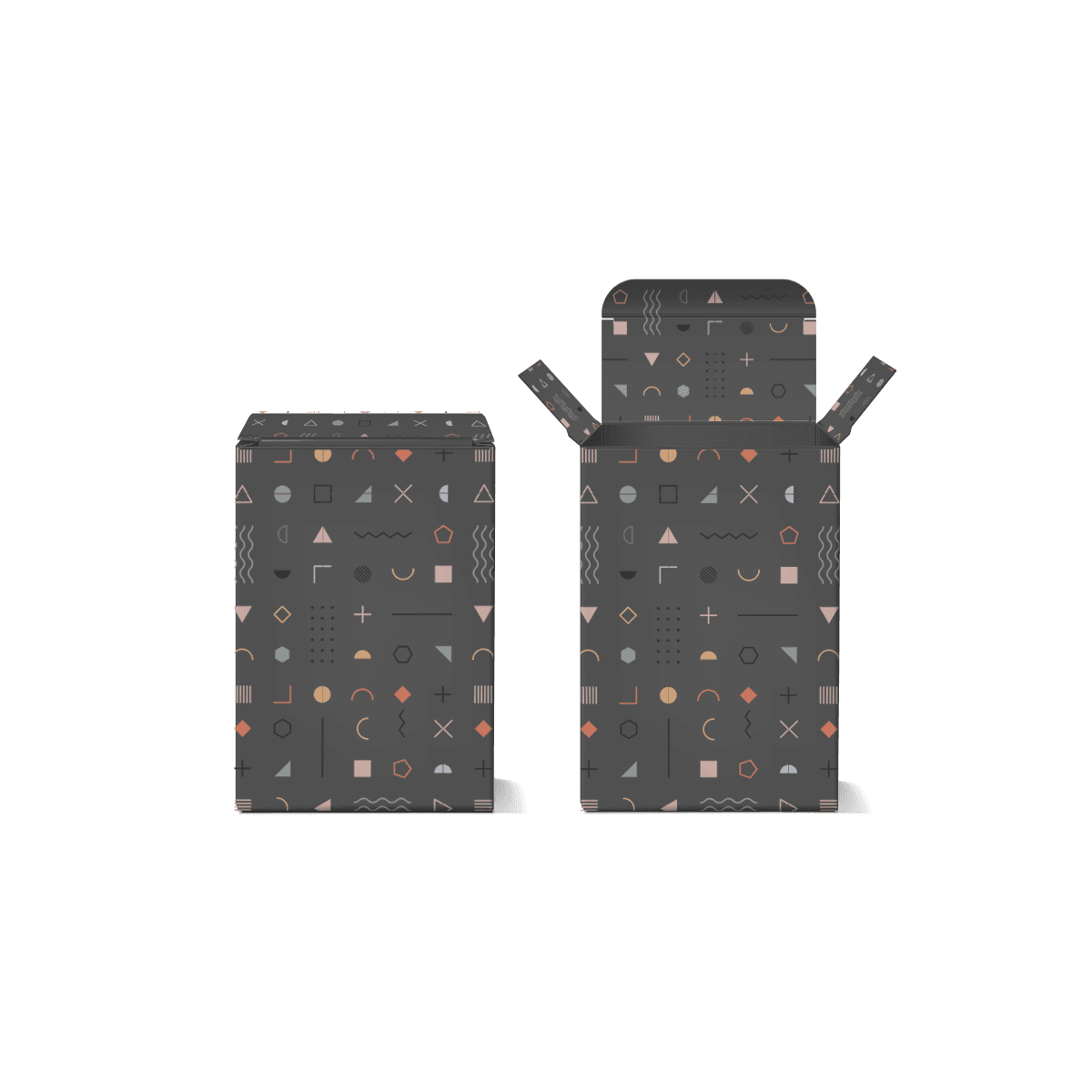
For compact lightweight containers, straight tuck-end cartons can retain a clean front display panel while supporting straightforward manual packing.

The closure construction should still suit the actual container weight and loading method.

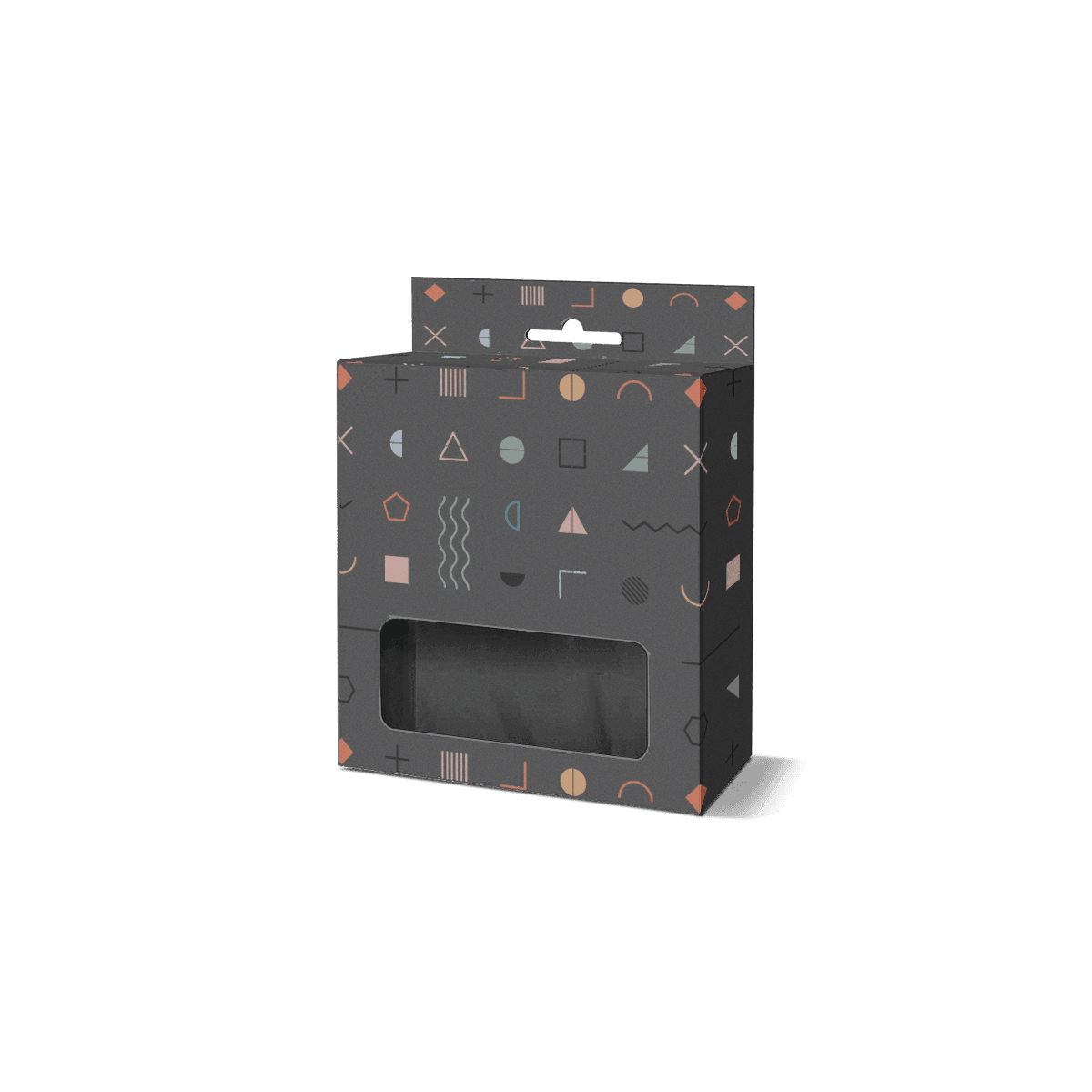
Hanging Retail Packs

Small trial bottles or compact food cartons may be sold in stores that use hooks or pegboard fixtures.

A hanging feature can conserve shelf space, but it must be positioned around the complete package's center of gravity.

A hole placed too close to the carton edge may leave insufficient material to carry the product.

An incorrectly positioned hang tab can also cause the package to lean or rotate, making the printed front difficult to read.

For larger hook-based merchandising programs, peg hook display boxes can organize several lightweight products in a defined retail position.

An individual carton needs its own suitable hanging construction when it will be suspended directly from a store fixture.

Countertop Presentation

Aquarium specialty stores may merchandise small food products near service counters or feeding equipment.

This placement changes the viewing angle.

Customers may encounter the top and front of a compact carton rather than viewing only its principal display panel.

For products sold in a dedicated countertop arrangement, the individual cartons should remain accessible without requiring customers to move neighboring products.

The package also needs enough stability to remain upright after surrounding units are removed.

Species and Feeding Identification

The artwork on fish food packaging must help customers distinguish products intended for different aquarium animals and feeding requirements.

A tropical community fish formula, goldfish food and a specialty cichlid product may have different intended uses.

The printed presentation should make those distinctions clear without relying entirely on fish illustrations.

The manufacturer's approved product identity and feeding instructions should determine the wording.

Intended Fish Species

The front panel should identify the intended fish or product type clearly.

Species-specific artwork can help customers recognize the product, but the written identification remains essential.

A photograph of a particular fish should not imply suitability for other species unless the product manufacturer has established that claim.

For formulas intended for several species, the approved product description should communicate the intended use accurately.

Floating or Sinking Pellets

Floating and sinking pellet products can serve different feeding requirements.

The carton should distinguish the product's verified behavior prominently when it is relevant to the intended use.

A customer purchasing a sinking formula should not have to inspect several small panels to distinguish it from a floating product.

Product naming and suitable visual cues can communicate the difference.

The behavior must reflect the actual formulation. Packaging artwork should not introduce unsupported claims about pellet performance.

Feeding Instructions

Small fish food cartons need enough space for the manufacturer's approved feeding directions.

Instructions may address feeding quantity, frequency and the intended use of the product.

The packaging should accommodate this text without reducing it to an impractical size.

For specialized foods, additional preparation or storage instructions may also be necessary.

The final wording should come from the manufacturer rather than being created during the graphic design process.

Feeding Copy and Label Space

A compact box has limited printable space. Allocating that space becomes particularly important when the product requires ingredient information, feeding directions and several identifiers.

The principal display panel should establish the product's identity. Supporting panels can carry the approved instructions and other required labeling.

Federal animal food labeling requirements include product identification, a net quantity statement, an ingredient list and the manufacturer or distributor's name and place of business. Applicable state requirements must also be considered.

The brand remains responsible for confirming the complete labeling and claims for the actual fish food product.

Small-Panel Typography

A narrow carton may not have enough space for extensive feeding instructions on one side.

Text should be distributed across suitable panels while maintaining a readable hierarchy.

The dieline needs to identify folds, the glue seam and closure areas so important text does not become interrupted during assembly.

Custom Packly's free design and dieline support can help establish the printed arrangement around the final carton structure.

Lot and Date Coding

Variable production information needs an appropriate location when required by the manufacturer's identification and traceability process.

A lot or date code should not be positioned where a fold, flap or other carton feature makes it difficult to read.

The chosen surface must also be compatible with the intended marking process.

A dedicated coding area is particularly helpful when the same printed artwork is used across multiple production runs.

Barcode Placement

Small cartons can make barcode positioning difficult.

A barcode should remain on a sufficiently flat, suitable surface and should not extend across a crease or glue seam.

Decorative finishes and neighboring graphics should not interfere with the intended scanning area.

The final barcode should be checked against the retailer's requirements and applicable barcode specifications.

Paperboard Around Lightweight Containers

Most compact fish food retail cartons do not need the same structural strength as large pet food multipacks.

Their principal requirements are shape retention, reliable closure, container fit and sufficient printable space.

A suitable board can perform these functions without making the package unnecessarily bulky.

White SBS Board

SBS paperboard offers a smooth surface for detailed printing and small product text.

It can suit cartons containing lightweight fish food bottles, sealed sachets and other compact primary packages.

Its white surface supports colorful fish illustrations and precise artwork reproduction.

The selected caliper should reflect the carton dimensions and packed weight.

A tall, narrow carton may require greater panel stiffness than a smaller structure made from the same stock.

Natural Kraft

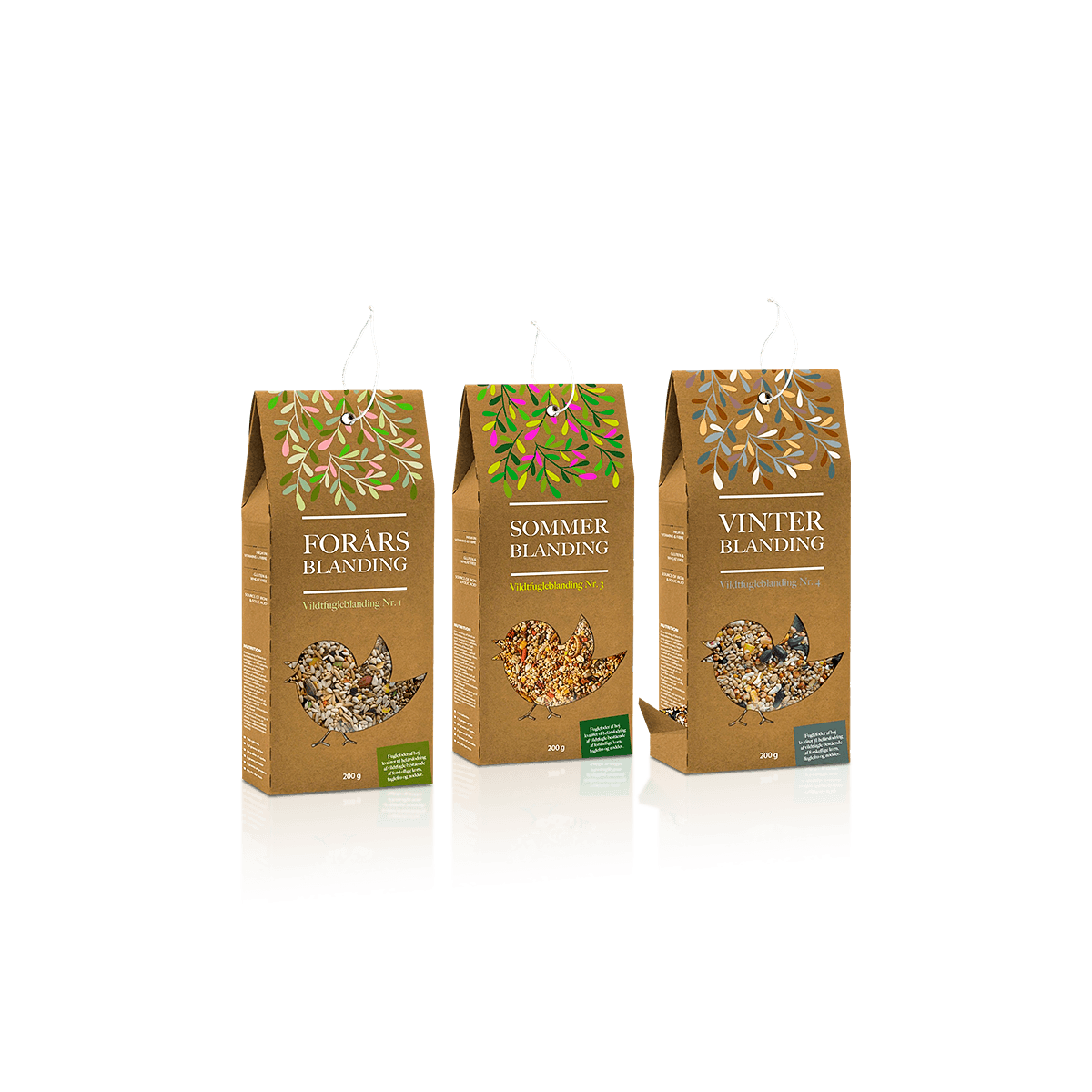
Kraft paperboard can support a restrained visual presentation for aquarium food products.

Its brown surface influences printed colors, so artwork originally created for white board may require adjustment.

The carton should still be assessed for its structural requirements.

Kraft appearance does not establish food-contact suitability, moisture resistance or the environmental performance of the finished package.

Custom Packly supports eco-friendly packaging solutions and suitable recyclable material options where they meet the intended packaging requirements.

Closure and Side Seam

Small cartons can use conventional tuck closures when the intended contents are lightweight.

The side seam creates the rectangular carton body, while the top and bottom flaps close around the product.

The bottom must support the packed container without opening unintentionally during ordinary handling.

For a taller bottle, the carton should also have enough stiffness to resist twisting when handled.

Increasing the board caliper may improve wall stiffness, but it does not correct an unsuitable closure or inaccurate internal dimensions.

Trial Packs and Feeding Kits

Some fish food products are sold as individual bottles. Others are introduced as assortments containing several smaller portions.

The assortment arrangement should reflect its intended use.

A trial kit may contain several sealed food sachets. A starter package might combine a compact fish food container with approved feeding instructions or another appropriate accessory.

These products require different internal arrangements from a conventional single-bottle carton.

Multi-Formula Samples

Several lightweight sachets can be grouped inside a compact printed carton.

If the sachets have similar dimensions, a single cavity may be sufficient.

Separate compartments become more relevant when the assortment needs a defined presentation or the contents must remain in a particular order.

The external carton should identify the included formulas and quantities accurately.

An unnecessary divider should not be added simply to make a small assortment appear more elaborate.

Bottle and Accessory Kits

A starter kit containing a fish food bottle and a separate accessory may require internal separation.

A small paperboard insert can retain the bottle and prevent it from pressing against the other component.

The arrangement should be established before the carton dimensions are finalized.

Where the accessory has a hard edge or projecting component, its contact points need particular attention.

The goal is to prevent unnecessary movement without making the contents difficult to remove.

Sample Carton Access

A trial pack should allow customers to remove each product without tearing the remaining packaging.

A conventional tuck opening may be sufficient for a small assortment.

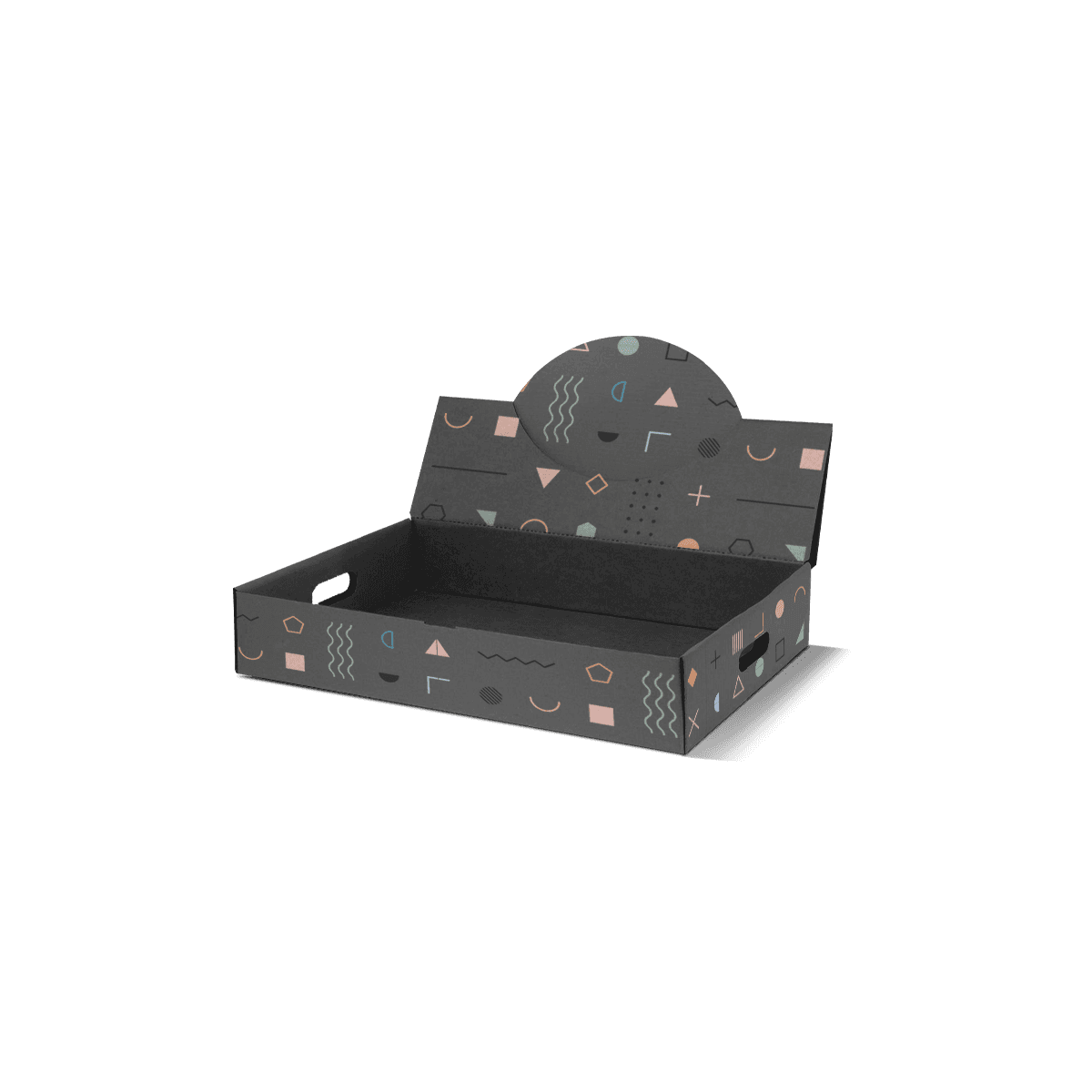
For a kit intended to remain in use, a more substantial opening or internal tray can be considered.

The choice should follow the intended product arrangement rather than introducing a complicated structure to a lightweight trial package.

Printing Across Aquatic Formulas

Aquarium food brands may sell several formulas using containers that look physically similar.

A consistent visual identity helps customers recognize the brand, but the printed packaging must make each formula distinguishable.

The strongest artwork system establishes a stable relationship between the brand, product name, intended species and feeding characteristics.

The placement of these elements should remain consistent where the carton dimensions permit.

Formula Color Coding

Color can help separate tropical flakes, goldfish pellets and specialty feeding products.

However, color should reinforce the printed product name rather than replace it.

Two formulas with similar packaging colors should remain distinguishable through readable text.

The artwork should also account for the actual paper stock, since colors reproduce differently on white and natural kraft surfaces.

Detailed Aquarium Artwork

Fish illustrations, underwater imagery and other intricate graphics may benefit from premium offset printing.

The intended print process should follow the artwork, substrate and production quantity.

CMYK printing can reproduce multicolor illustrations, while Pantone colors may be considered when particular brand colors require more controlled matching.

A small retail carton still needs clear product identification. Decorative imagery should not consume the space required for the formula name and feeding instructions.

Finishes on Small Panels

Matte, gloss and selected specialty finishes can change the appearance of a printed carton.

For compact fish food packaging, large decorative effects may leave little room for the essential product text.

Finish placement should also account for folds, closure flaps and any area used for variable coding.

Custom Packly's artwork and prepress review can help identify these conflicts before production.

A free 3D mockup and digital proof can help assess the assembled appearance and final panel arrangement.

Pricing a Bottle Carton

The production cost of a fish food box depends on its construction and the number of components required.

A compact folding carton around one sealed bottle has different manufacturing requirements from a hanging retail pack with reinforcement or a starter kit containing several products.

The primary cost decisions include the finished dimensions, board specification, closure construction, printing, quantity and any additional components.

For a straightforward bottle carton, accurate sizing may eliminate the need for an internal insert.

A specialty retail pack may justify additional converting work when the hanging or merchandising feature serves a clear purpose.

Custom Packly's USA minimum order quantity starts from 100 boxes. Instant pricing is available for suitable packaging requirements, with structural guidance for projects that need a more specialized construction.

US production and free shipping support domestic packaging orders.

The standard turnaround is 4–6 days after final artwork and specifications are approved. Specialty materials, complex structures or advanced finishes may require additional time.

Free sample examples of previous work can assist with material and finish selection. A fully custom physical sample may be arranged as a paid sample when exact container fit or a specialized retail feature needs validation.

For a bottle carton or aquarium starter kit, request custom packaging pricing once the intended container, structure, printing and order quantity are established.

Small Packages in Distribution

Compact fish food cartons can create a different shipping problem from larger retail boxes.

An individual carton may be lightweight, but several small products can move inside an oversized shipping case.

The distribution package should accommodate the intended quantity and arrangement without allowing excessive movement.

Retail Case Packing

A master case containing several individual cartons should be sized around their completed external dimensions.

The arrangement should limit unnecessary shifting while remaining practical for warehouse and store handling.

For products with protruding caps, the retail cartons should prevent the primary containers from carrying the stacking load.

The outer case must also support the combined weight and expected distribution conditions.

Online Aquarium Orders

A fish food carton shipped alongside aquarium accessories may encounter components that are considerably heavier than the food itself.

The shipping arrangement should prevent those products from pressing against or damaging the smaller carton.

For mixed pet product orders, custom shipping boxes can be specified around the complete packed assortment rather than treating the lightweight food carton as the main protective structure.

A separate outer package may also be appropriate when the printed retail carton contains a hanging feature that could be damaged during parcel handling.

The Aquarium Retail Footprint

The finished fish food carton should match the way the product will be merchandised.

A small bottle sold individually on a shelf may need only a compact rectangular carton. A trial product intended for pegboard display has a different physical requirement. Several lightweight formulas positioned near a service counter may benefit from a dedicated display.

These choices affect the individual selling unit before the packaging artwork is finalized.

For a product line using several container sizes, consistency should come from the printed identity and deliberate display arrangement rather than forcing every bottle into an identical carton.

A narrow feeding bottle, a compact jar and a multi-sachet starter pack may each deserve a different structure.

The result should be packaging that fits the primary container, keeps the feeding identity clear and occupies the appropriate retail space without unnecessary material or structural complexity.

FAQs

Boxes usually work best as the outer pack for flakes, pellets, wafers, vacation feeders and smaller refill formats that need stronger shelf presence than a loose pouch alone.

A carton with stronger front-panel hierarchy helps shoppers compare feed type, pellet size and target species faster than tightly packed labels on small inner containers.

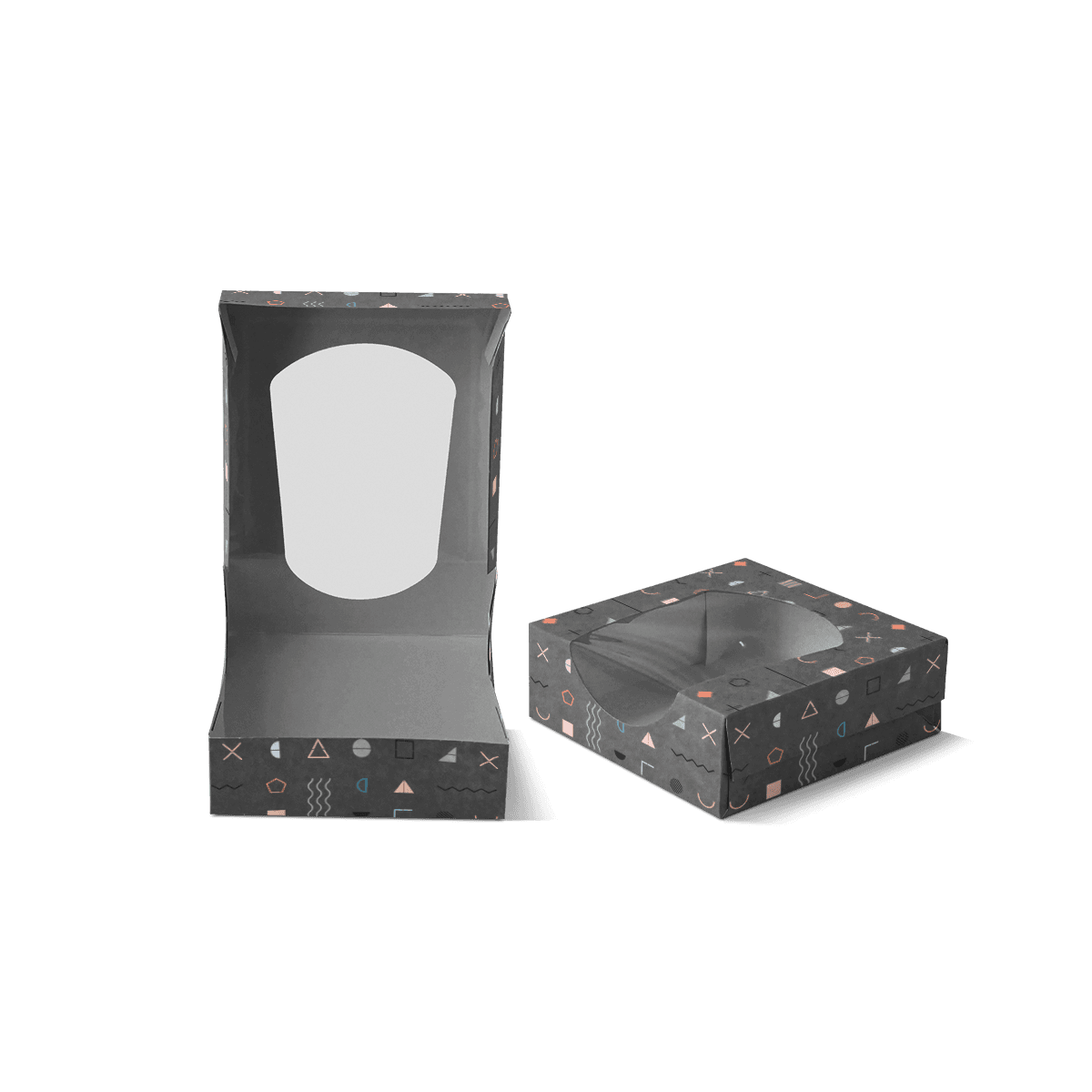
Standard fish food cartons are usually the better pick when label space and compact stacking matter most. Windowed Folding Cartons make more sense when visual product viewing is part of the selling strategy and the inner fill still looks clean on display.

Not always. Many brands use them as a secondary pack around jars, canisters, sachets or refill pouches so the barrier protection stays with the primary pack while the box handles organization and merchandising.

Yes. A tailored carton family can keep the same visual structure while adjusting depth, count format and panel emphasis for sample, standard and value-size programs.

Process

How it works

Your Packaging Journey, From Idea to Production and Delivery

01

Tell Us Your Specs

Custom packaging boxes

Tell Us Your Specs

Provide size, quantity, printing, and finishes.

02

Get a Fast Quote

Custom packaging boxes

Get a Fast Quote

Instant transparent pricing, no hidden fees.

03

Design and Approval

Custom packaging boxes

Design and Approval

Artwork checks, revisions, and final sign-off.

04

Produce

Custom packaging boxes

Produce

Expert manufacturing to meet deadlines.

05

Ship to Your Door

Custom packaging boxes

Ship to Your Door

Hassle-free, flexible delivery options.

Get Your Quote for Custom Fish Food Boxes

Share your product details, size, quantity and artwork needs. We’ll help choose the right packaging style and send a clear quote.