Skip to content
Details

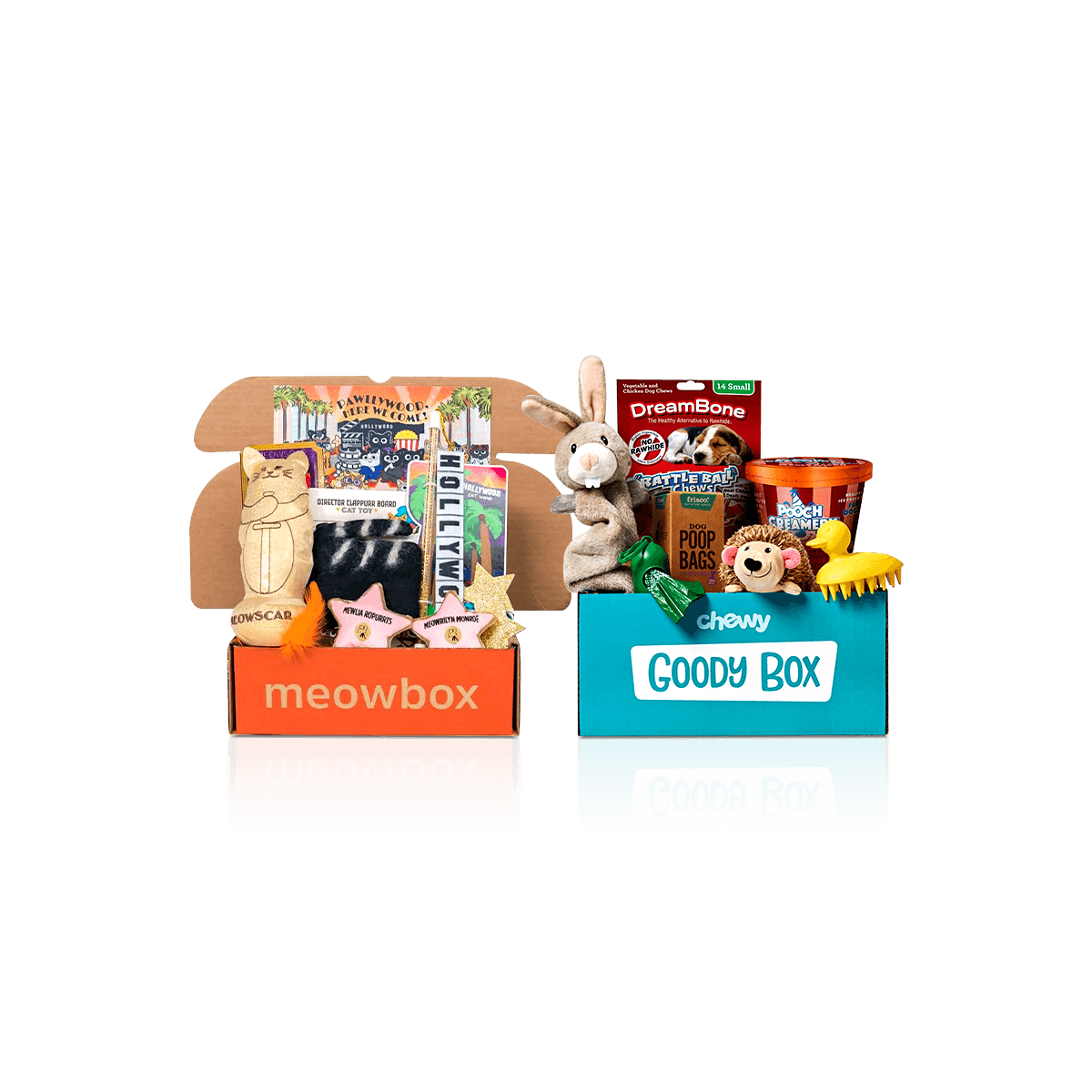
Custom Subscription Pet Boxes

Custom printed subscription packaging for rotating pet assortments, organized monthly kits and dependable recurring fulfillment.

The Rotation Sets the Box Size

The rope toy planned for April may be twice as long as March's plush. A new chew assortment might add weight without taking up much more space. By summer, a grooming accessory could change the entire packing arrangement.

Custom Subscription Pet Boxes need to accommodate these changes without forcing a new box design every month.

The challenge is finding a practical balance. A box sized around the smallest assortment may struggle when a larger toy arrives. An oversized box creates unnecessary empty space throughout the rest of the subscription calendar.

The right dimensions depend on the actual product combinations, not simply the largest item in the catalog.

Establish the Working Assortment

Before selecting dimensions, identify the items most likely to appear together during a typical subscription cycle.

For a monthly dog subscription, that might include:

  • One featured toy or enrichment product.
  • A sealed treat pouch.
  • A chew or training accessory.
  • A printed card introducing the month's theme.
  • An occasional promotional sample.

The box should accommodate the working assortment with enough clearance for the closure, internal support and protective materials.

Occasional oversized products deserve separate consideration. Increasing every subscriber's box to accommodate an unusually large toy may be less economical than adjusting that particular product selection.

This distinction matters when the same subscription runs throughout the year.

Different Pet Profiles Need Different Space

Dog and cat subscriptions may use the same structural design, but their product dimensions can differ considerably.

A small-dog assortment might contain compact plush toys, training treats and lightweight accessories. A larger-dog subscription may need room for substantial chews, thicker rope toys or bulkier enrichment products.

Cat subscriptions introduce different shapes. Wand toys, long handles, feather attachments and scratching accessories may require more length than their weight suggests.

A practical subscription program may therefore need two box sizes rather than one oversized design.

However, separate sizes should follow meaningful differences in packed dimensions. Creating a new box for every breed, age group or subscription tier adds inventory complexity without necessarily improving the packaging.
Organizing a Changing Pet Assortment

Recurring subscriptions frequently combine products that would normally use different retail packaging.

The outer subscription box has to accommodate those differences without compromising the individual products.

A sealed treat pouch, grooming bottle and plush toy may fit comfortably inside the same mailer. That does not mean they should move freely against one another during shipping.

Separate Food and Nonfood Products

Treats should remain inside their appropriate sealed primary packaging. The corrugated subscription box is an outer shipping and presentation pack, not a substitute for food-contact packaging or a moisture barrier.

A sealed treat Mylar bag can manage the treat's packaging requirements while the subscription box organizes the complete assortment.

Pay particular attention to products containing liquids.

Shampoos, sprays and similar grooming products need properly secured primary closures and suitable secondary leak protection. A cardboard divider can help separate products, but it cannot contain a leaking bottle.

A bottle already packed in a grooming product box may still require additional protection against leakage or impact when shipped beside treats.

Keeping these functions separate allows the outer box to concentrate on parcel handling and presentation.

Flexible Dividers Instead of Fixed Cavities

A tightly fitted insert works well for a product that rarely changes. It becomes less practical when next month's assortment contains a different toy.

For recurring pet kits, consider a more adaptable arrangement:

  • Folded paperboard dividers for separating product groups.
  • Corrugated rails for restraining longer accessories.
  • Shallow trays for consistent promotional items.
  • Paper cushioning for irregular products.
  • Removable compartments when subscription tiers contain different combinations.

The insert should control the items that genuinely need restraint without forcing every product into a permanent cavity.

The trade-offs between cardboard, foam and molded-pulp inserts matter when a kit contains products with different cushioning and retention needs.

An insert intended primarily for organization is not automatically suitable for protecting a fragile bottle.

A Cat Enrichment Packing Problem

Consider a monthly cat enrichment subscription containing a wand toy, two soft toys and a sealed treat pouch.

The wand fits diagonally inside the empty box. During packing, however, the rigid handle ends up resting across the treat pouch. Once the lid closes, pressure from the handle concentrates near the pouch seal.

Adding more loose paper does not correct that contact point.

A better arrangement gives the wand a narrow channel along one side of the mailer. The treat pouch sits flat in a separate area, while the soft toys occupy the remaining space.

If the wand still prevents proper closure, the product itself may need a shorter or sectional handle, or the shipment may require a longer box.

The adjustment addresses the actual packing conflict without redesigning every component of the monthly kit.

The Box Has to Close on the Full Pack

Subscription packaging is frequently photographed with the lid open. The more demanding moment occurs after everything has been packed and the lid must close without pressure from the contents.

A corrugated mailer is generally appropriate for lighter subscription assortments that need both parcel protection and a branded opening experience.

However, the structure must accommodate the packed weight, product height and shipping conditions.

Corrugated Mailer Construction

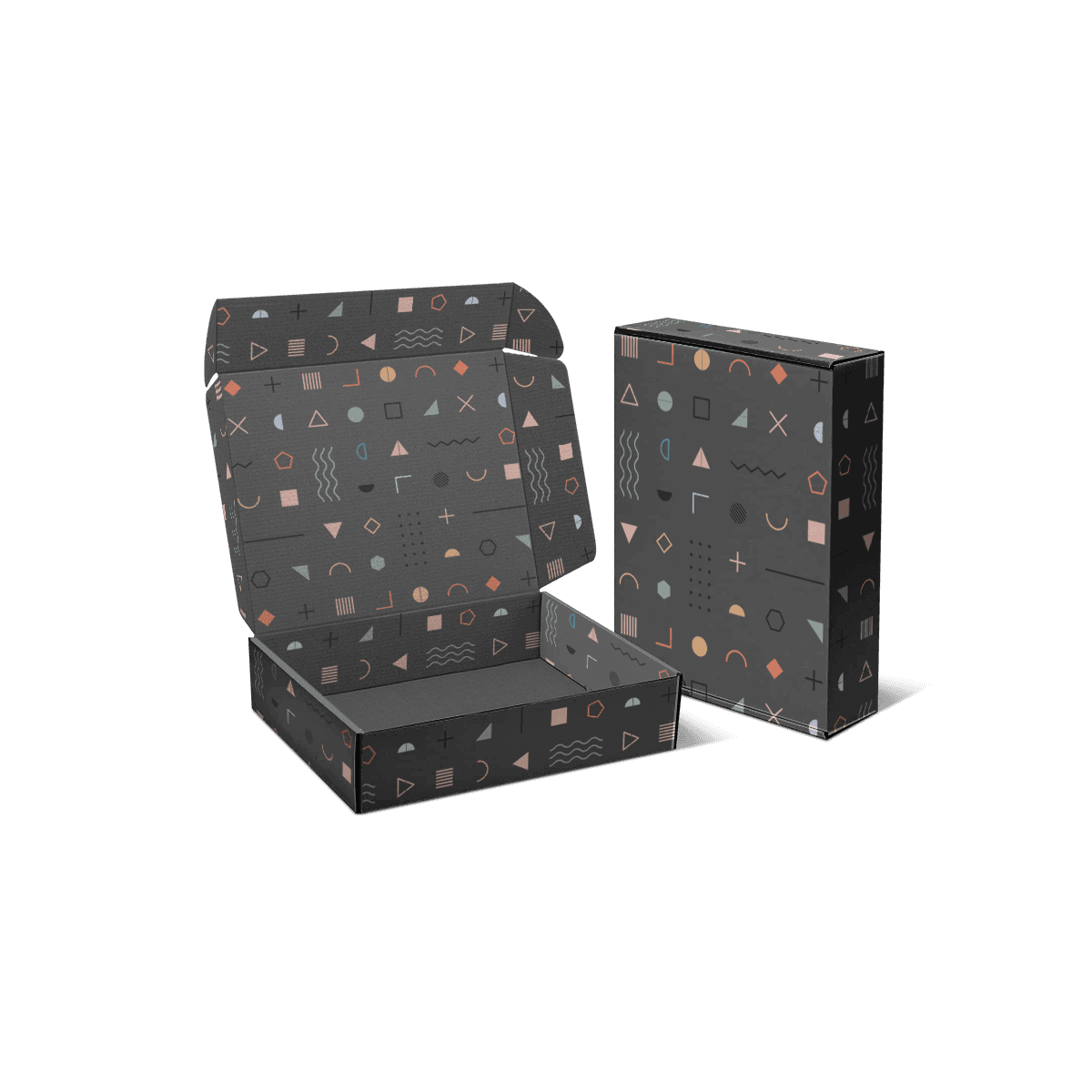
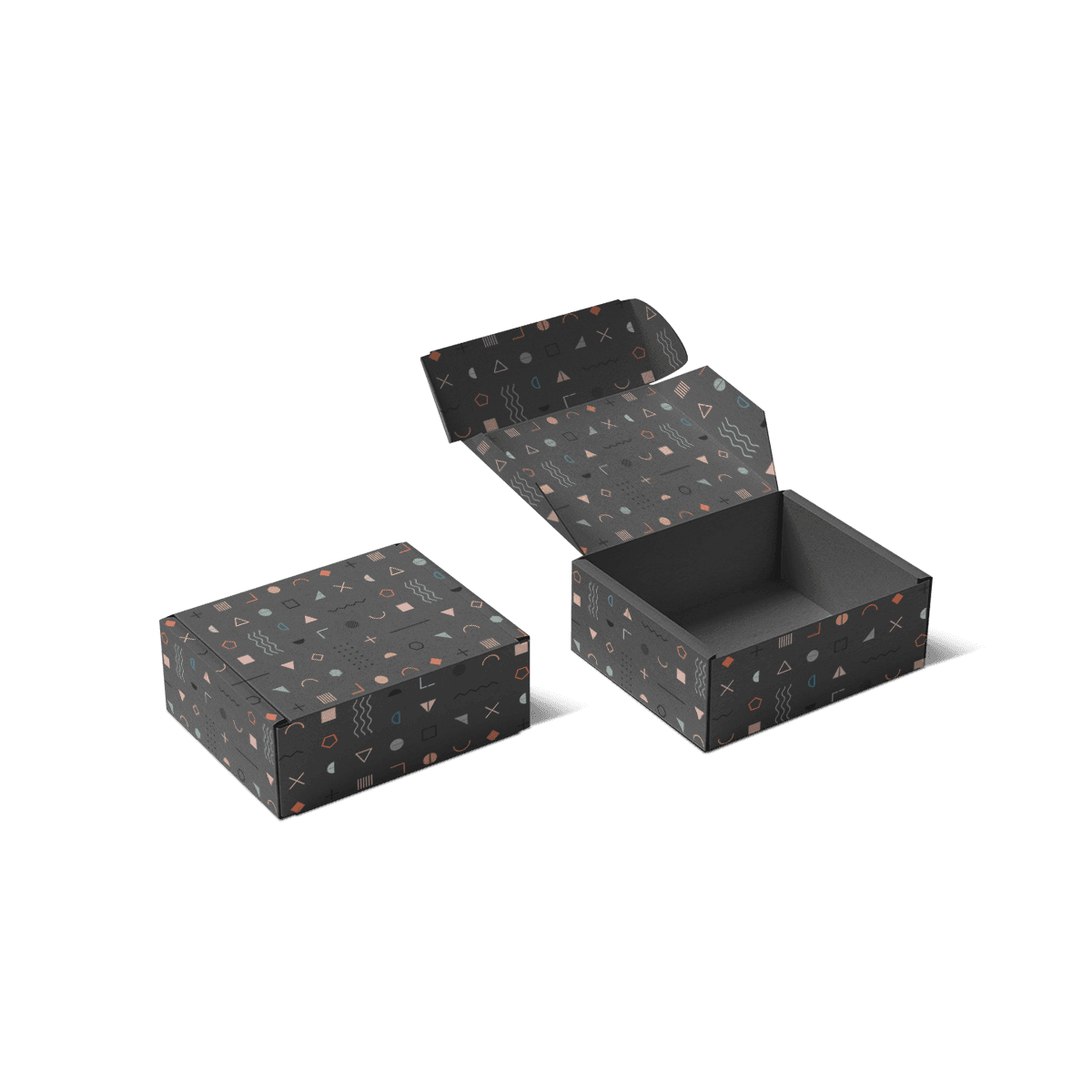
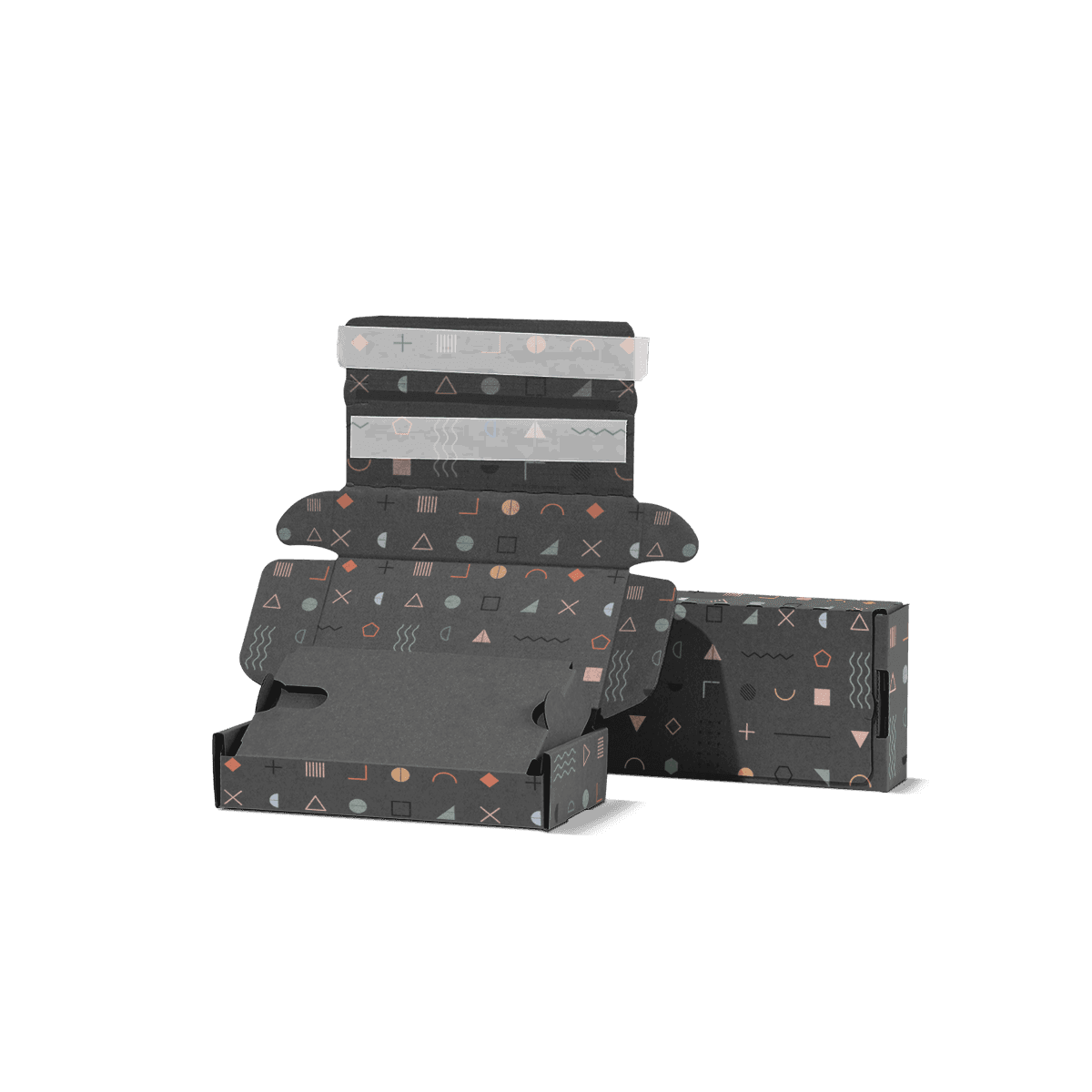
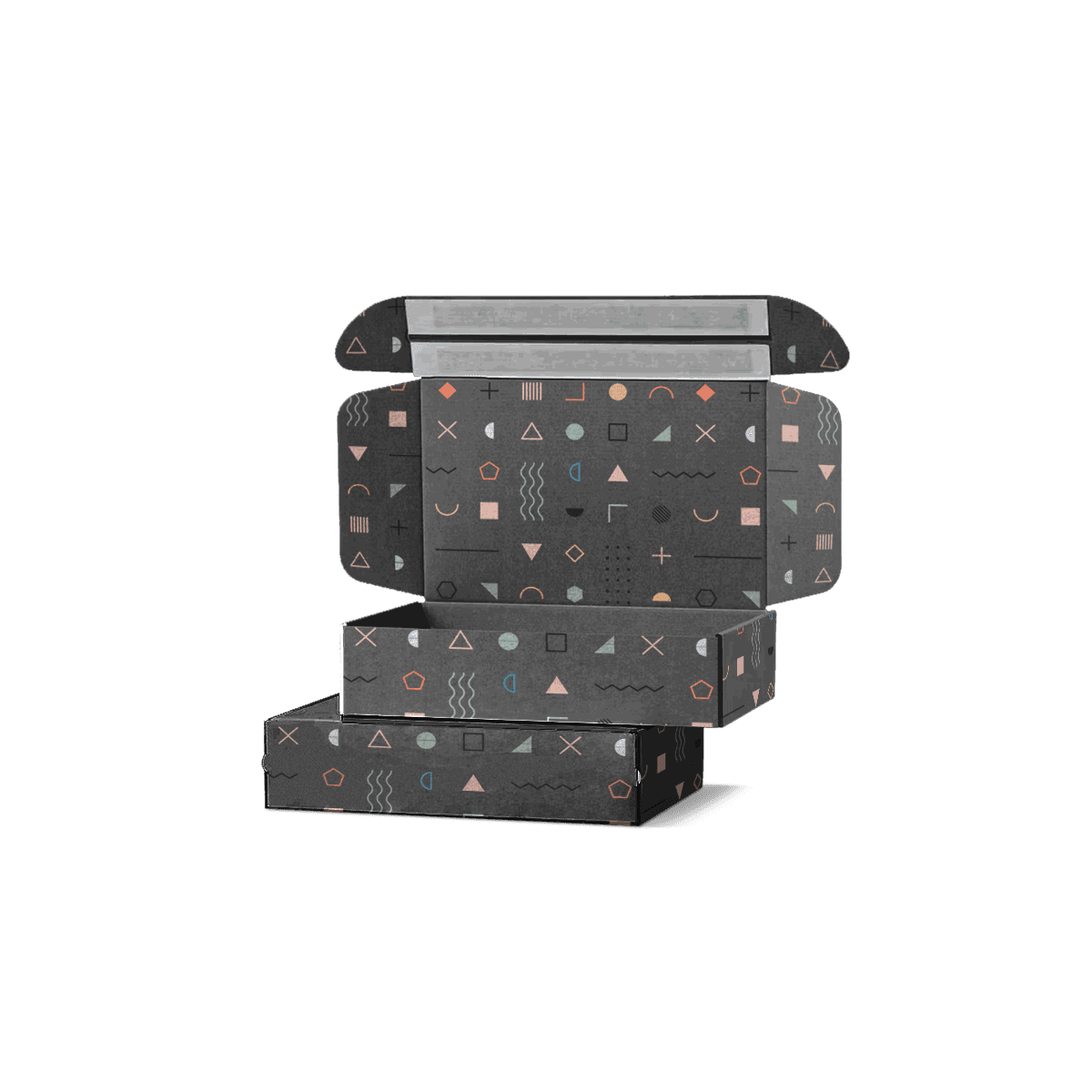
For lightweight and medium-weight assortments, a pet product mailer box can combine folded sidewalls, a hinged lid and a secure front closure.

E-flute corrugated board may suit compact packs where a relatively slim profile and a cleaner print surface matter. B-flute construction can be considered where a thicker board profile is appropriate for the load.

The final board specification should account for the box dimensions, total packed weight, stacking conditions and required transit performance.

Flute choice alone does not establish whether a finished mailer can safely carry a particular assortment.

For pet subscription programs, the front closure deserves particular attention. A bulky toy positioned directly beneath the lid can prevent the tuck from engaging properly or leave the lid under constant tension.

Allow clearance for the complete packed arrangement, including any dividers and protective materials.

Heavier Subscription Assortments

Some subscription programs gradually shift toward heavier products.

A box originally intended for toys and small treat pouches may eventually contain canned food, ceramic feeding accessories or larger grooming products.

In those cases, shipping boxes for pet supplies may be more appropriate than increasing the weight carried by a presentation-focused mailer.

The structural choice should follow the actual shipping load.

A stronger outer box cannot correct unrestricted movement inside it. Poor fit and product contact remain important causes of packaging damage during shipping.

For an assortment containing hard accessories, check the fully packed box under handling conditions representative of the intended shipping route. Pay particular attention to the lid, corners, closure and contact between products.

The Monthly Cost of an Extra Inch

A larger subscription box may appear more flexible because it accommodates more possible product combinations.

That flexibility has a cost.

Every additional inch changes the amount of corrugated material used and increases the space occupied by the finished parcel. Depending on the carrier's pricing rules, larger dimensions can also affect shipping charges.

For a recurring program, those differences apply to every shipment using that box.

Compare the Filled Parcel

The empty box price is only one part of the packaging cost.

Consider the complete monthly operation:

  • Box manufacturing cost at the intended quantity.
  • Any inserts or protective materials.
  • Assembly and packing labor.
  • Finished parcel dimensions and weight.
  • Carrier charges for the packed shipment.
  • Storage requirements for unused packaging.

A slightly more expensive box may be economical if it reduces packing work or avoids unnecessary shipping volume.

Conversely, an elaborate insert can increase production and fulfillment costs without improving protection when the products are already sufficiently restrained.

The decision should reflect the actual subscription assortment and expected monthly volume.

Pricing the First Production Run

Custom Packly starts custom box orders from 100 units, allowing a smaller subscription program to begin without committing to a large inventory.

For an established monthly program, larger quantities may reduce the unit manufacturing cost when dimensions and artwork remain consistent.

Compare the intended quantities using an instant packaging quote based on the actual box dimensions, board construction, print requirements and expected order volume.

For recurring programs, it is also worth assessing the cost of storing additional packaging against the potential unit-price benefit of a larger production run.

Custom Packly supports US production and free shipping, with design and dieline assistance for projects that need structural development.

The First View Belongs to the Pet Owner

The person opening a subscription box needs to understand what arrived before unpacking every item.

That matters particularly when the assortment contains products intended for different purposes, such as enrichment toys, training rewards and grooming accessories.

The packaging should make the monthly theme recognizable without hiding the products beneath unnecessary decorative materials.

Give the Theme a Clear Position

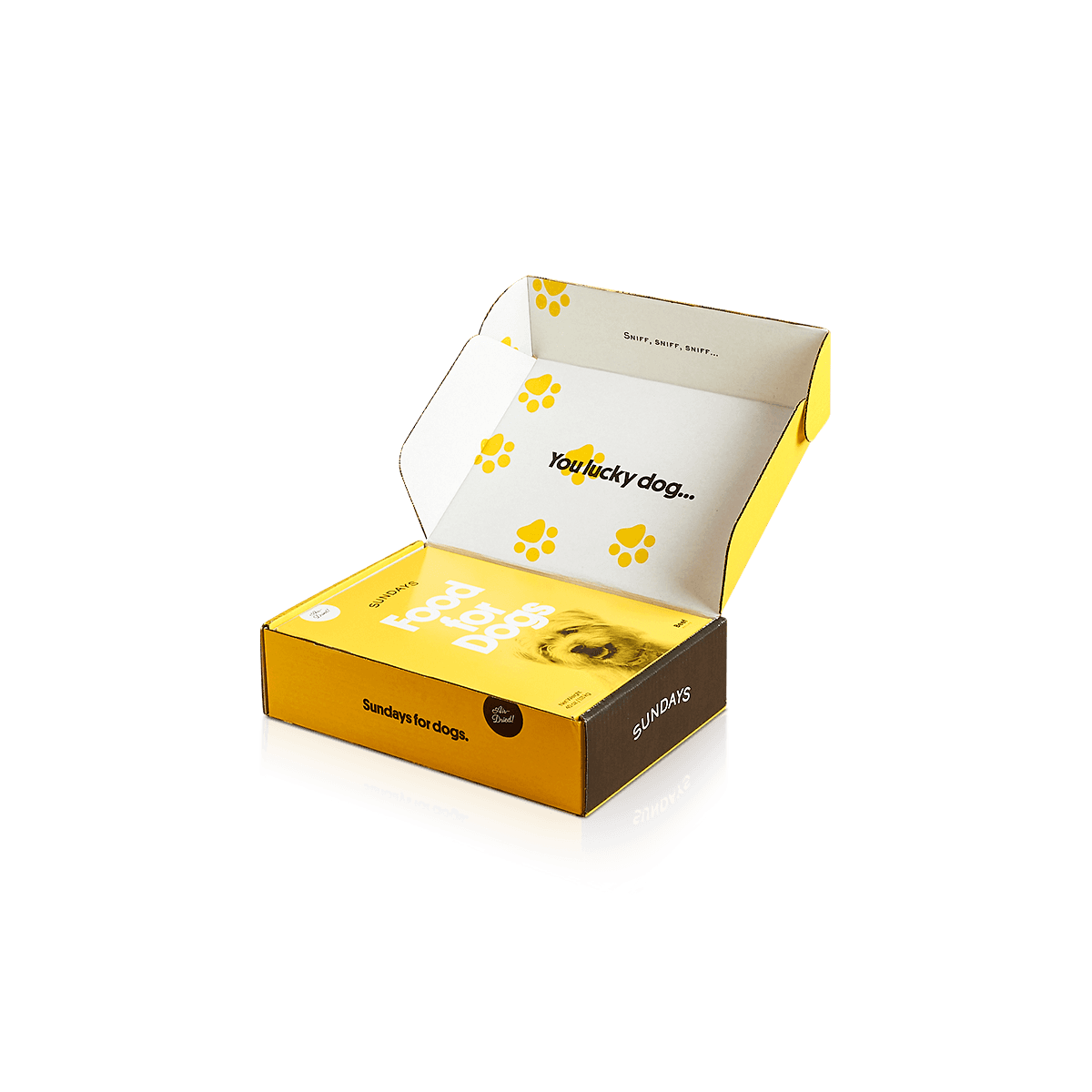
The inside lid is a natural place for a short theme introduction.

A dog enrichment subscription might use this space to introduce an activity-focused assortment. A cat subscription could present its monthly play theme through a different illustration or campaign message.

Keep the essential communication separate from the shipping label area.

The outside of the box must accommodate carrier labels and normal parcel handling. Interior printing can carry artwork that should remain undisturbed until the subscriber opens the package.

For subscriptions with several membership tiers, the printed theme can stay consistent while a removable card identifies the specific assortment.

Product Cards Should Help

Printed cards work best when they serve a purpose.

A monthly pet kit may need instructions for an unfamiliar enrichment toy, information about the included treats or an explanation of how the products work together.

A QR code can direct subscribers to product instructions or other relevant brand content. It should not replace essential instructions or warnings that need to accompany the product.

Place these materials where the owner can retrieve them without unpacking the entire box.

Avoid loose decorative strings, detachable embellishments or other unnecessary components that a pet might chew or swallow. The packaging should be opened and cleared by the owner before the pet receives its products.

A Consistent Brand With Changing Themes

Seasonal artwork is part of many pet subscription programs, but changing every printed panel each month is not always necessary.

A recurring brand can maintain a recognizable outer box while introducing new themes through selected interior graphics, printed cards or removable decorative components.

The best approach depends on how often the campaign changes and the quantity being produced.

Permanent and Seasonal Artwork

Separate the elements that remain consistent from those that change.

Permanent artwork might include the logo, brand colors, website and a recurring visual identity.

Seasonal material can carry the monthly theme, limited-edition illustrations, featured products or subscriber messaging.

This separation creates more flexibility when the subscription assortment changes after the boxes have been ordered.

For example, a pet brand could use a consistent exterior throughout the year and introduce each monthly theme with a different printed card.

A larger subscription program may instead produce several themed box designs in advance when the campaign calendar is sufficiently stable.

Neither approach requires changing the structural dieline simply because the artwork changes.

Printing and Surface Finishes

Premium offset printing is appropriate when the project requires high-quality graphics and consistent reproduction across an established production run.

CMYK printing suits illustrated themes, photographs and multicolor brand artwork. Pantone colors may be appropriate when a particular brand color requires tighter control.

For subscription mailers, a matte finish can create a restrained appearance, while a gloss finish can support a brighter visual treatment.

More elaborate finishes should be assessed against the expected use of the package.

Foil stamping or spot UV may suit a premium subscription launch, but they are not automatically necessary for every monthly delivery.

Custom Packly's free 3D mockups can help assess the placement of exterior and interior artwork before production. The actual dieline must still govern folds, print-safe areas and the positions of functional closures.

The Fulfillment Bench Matters

Monthly subscription fulfillment usually happens within a defined dispatch window.

The packaging therefore has to support an operation in which employees may assemble hundreds or thousands of identical boxes before the scheduled shipment.

A design that takes several extra steps to pack can become expensive at higher volumes.

Assembly Should Be Predictable

Most custom corrugated mailer boxes can be supplied flat, helping reduce the space required before assembly.

The fulfillment team must still erect the box, prepare any inserts, load the assortment and close the parcel.

A straightforward packing sequence is particularly valuable when monthly products change.

For example, a program might establish permanent positions for the treat pouch and subscription card while allowing the toy to occupy a flexible area.

That arrangement gives the team a consistent method without requiring an entirely new insert for every shipment.

Separate Necessary Steps From Decoration

Consider the difference between a subscription pack requiring five loose decorative components and one that uses printed interior graphics.

The first may look attractive in a sample photograph. It also requires more handling during every fulfillment cycle.

The second may communicate the same theme with fewer manual operations.

For high-volume subscriptions, the relationship between packaging design and fulfillment costs becomes particularly important when a growing business transfers packing to a third-party logistics provider.

Before approving a complicated arrangement, assemble a complete kit using the same process the fulfillment team will follow.

Check that the insert can be positioned consistently, that products are easy to load and that the final closure does not require force.

A paid, fully custom pre-production sample may be appropriate when the assortment contains unusual shapes or the final fit cannot be established confidently from dimensions and a 3D mockup.

Supply Boxes Around the Subscription Calendar

A subscription business cannot treat packaging replenishment as an occasional purchase.

The next shipment may already be approaching while the current month's boxes are being packed.

That makes packaging availability, artwork approval and delivery scheduling part of the subscription operation.

Separate Box Inventory From Monthly Products

The number of subscription boxes required is not always identical to the number of units held for each product.

A business may have sufficient toys and treats for the next dispatch but still be short of the correct printed mailers.

Maintain visibility into outer boxes, dividers and any campaign-specific printed components as separate inventory items.

For stable programs, larger orders of bulk custom boxes can support recurring production while reducing the need to purchase a new structural run every month.

Custom Packly's warehousing and scheduled deliveries can help coordinate packaging inventory with planned fulfillment cycles.

This arrangement is particularly relevant when a brand needs larger purchasing quantities but has limited storage space at its own facility.

Account for Artwork Changes

The risk changes when every subscription month uses unique printed artwork.

Ordering too many boxes for a short seasonal campaign can leave unused packaging that cannot easily be carried into the next cycle.

A permanent outer design avoids some of that exposure. Alternatively, themed runs should be based on realistic subscription forecasts and the campaign's expected duration.

Custom Packly's standard turnaround is 4–6 days after final artwork and specifications are approved. Complex structures, specialty materials and advanced finishes may require additional time.

Production scheduling and the delivery date should be confirmed for the particular project rather than assuming every subscription cycle has identical requirements.

For a new program, 24/7 packaging expert support is also available when sizing, structural or artwork decisions need attention before the next run.

New Members and Returning Subscribers

The first delivery and the sixth delivery have different communication needs.

A new subscriber may need an introduction to the brand, an explanation of the membership and instructions for using unfamiliar products.

An established subscriber already knows how the program works. Repeating the same introductory material in every box adds unnecessary printing and can make the experience feel repetitive.

The outer subscription box can remain consistent while the internal printed materials serve these different needs.

The Welcome Shipment

A first-time subscriber's package may include a welcome card, introductory product information and a short explanation of the subscription schedule.

Position those materials in the first visual layer so the owner can read them before removing the products.

If the welcome assortment differs substantially from a standard monthly kit, check whether its packed dimensions still suit the established box.

Regular Monthly Deliveries

Returning subscribers can receive a shorter theme card focused on the current products.

This leaves more room for the actual assortment and reduces the amount of repeated printed material.

For brands operating several pet profiles, the monthly card can identify the intended assortment without requiring completely different exterior packaging for every membership option.

The result is a subscription system in which the box remains recognizable, the contents can change and the owner receives communication appropriate to that delivery.

The packaging continues to serve the program without requiring every monthly shipment to become a new structural project.

FAQs

The best results come from planned placement. Inserts, divider panels and simple packing zones help each item land where it should instead of arriving as a loose mix.

Subscription boxes are usually the better fit for repeat shipping, flatter storage and faster fulfillment. Rigid boxes suit premium one-off kits or higher-end presentation where recurring parcel efficiency matters less.

Usually not. Many brands keep the same structural dieline and refresh the artwork, insert card, product mix or interior print so the campaign feels new without rebuilding the whole format.

Not always. Size tiers often improve both presentation and packing efficiency, especially when programs vary by dog size, cat count, chewing strength or add-on selection.

They work best in the first visual layer. Placing them on top or in a dedicated slot lets the brand message land immediately before the customer starts pulling products out.

Process

How it works

Your Packaging Journey, From Idea to Production and Delivery

01

Tell Us Your Specs

Custom packaging boxes

Tell Us Your Specs

Provide size, quantity, printing, and finishes.

02

Get a Fast Quote

Custom packaging boxes

Get a Fast Quote

Instant transparent pricing, no hidden fees.

03

Design and Approval

Custom packaging boxes

Design and Approval

Artwork checks, revisions, and final sign-off.

04

Produce

Custom packaging boxes

Produce

Expert manufacturing to meet deadlines.

05

Ship to Your Door

Custom packaging boxes

Ship to Your Door

Hassle-free, flexible delivery options.

Get Your Quote for Custom Subscription Pet Boxes

Share your product details, size, quantity and artwork needs. We’ll help choose the right packaging style and send a clear quote.