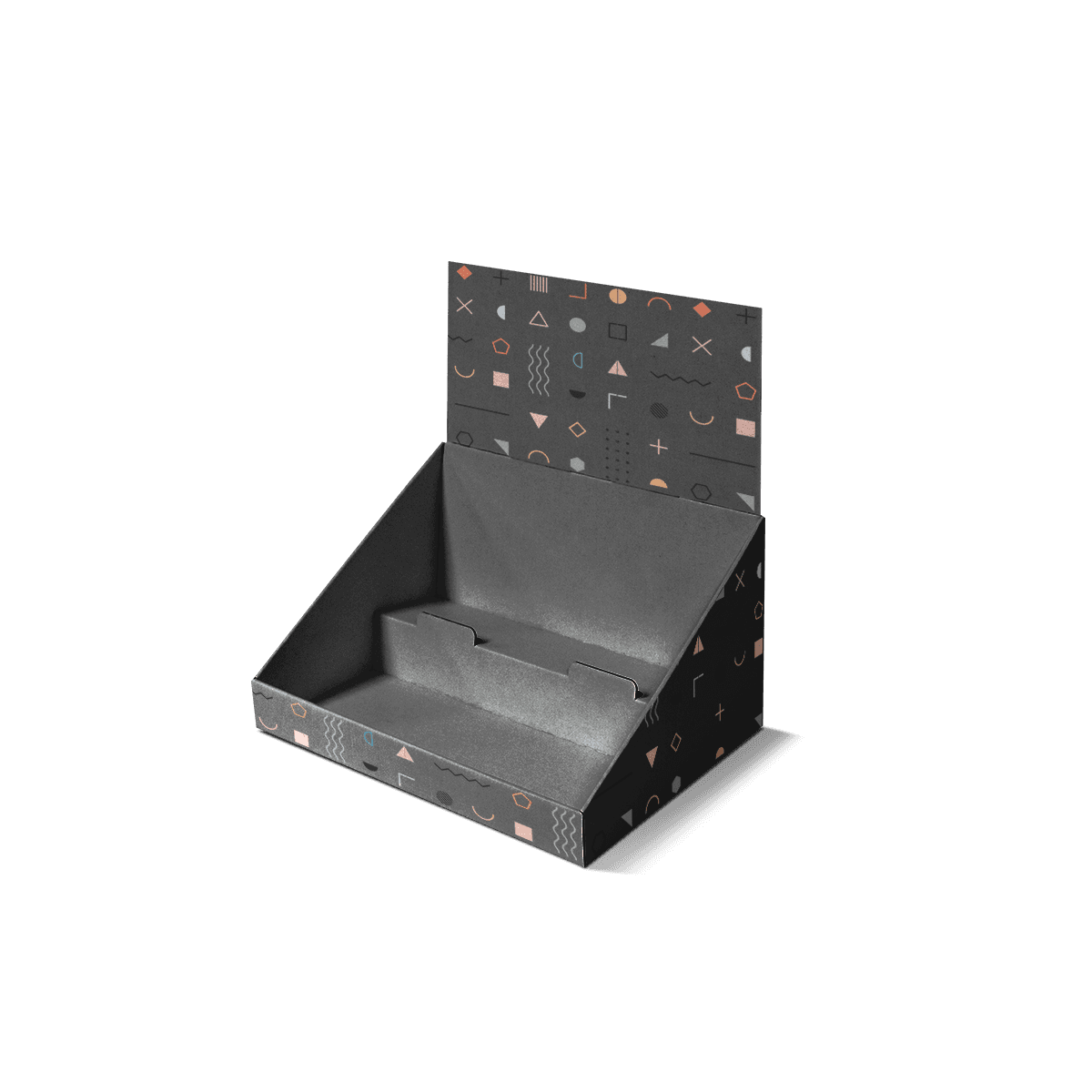
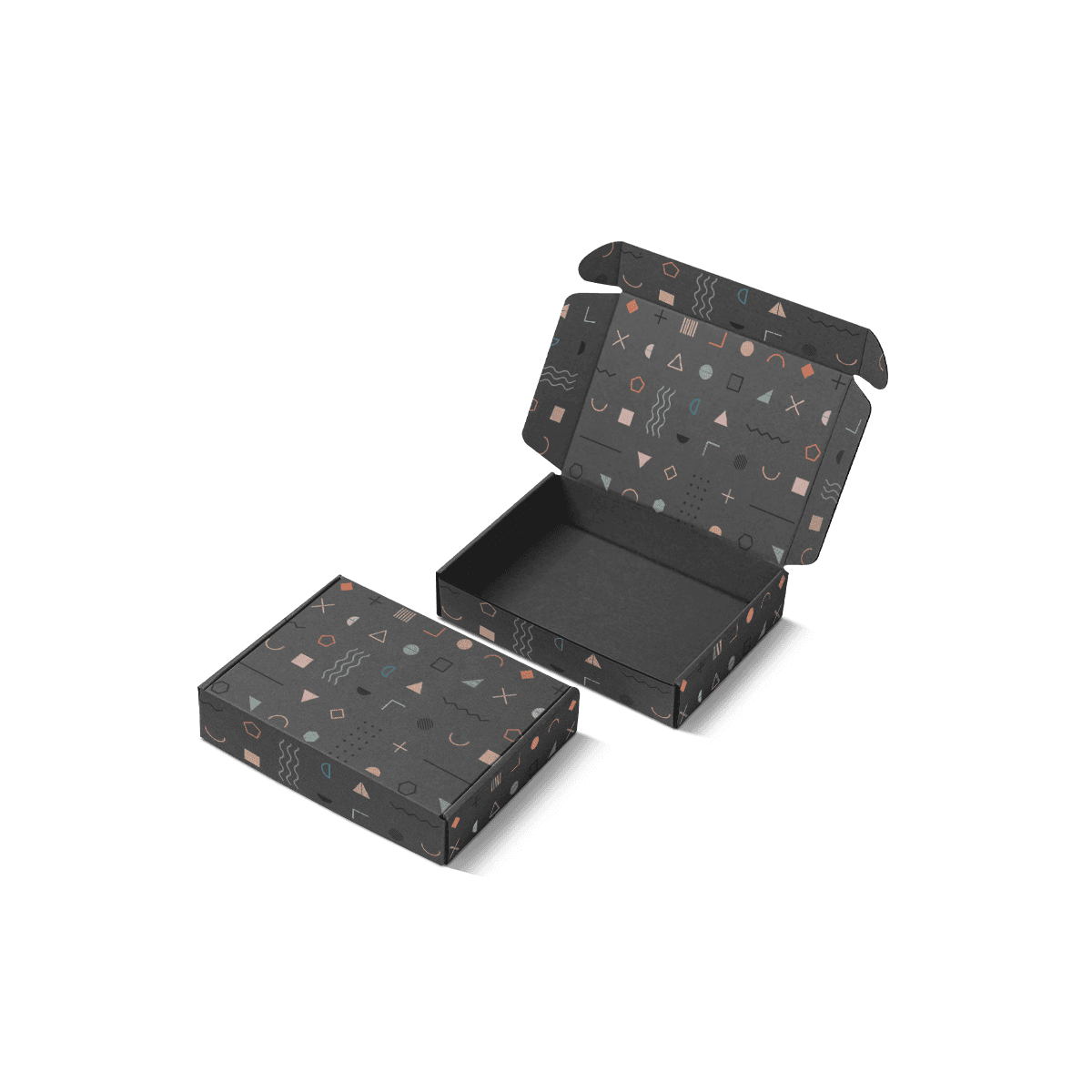
Visible Product Reveal
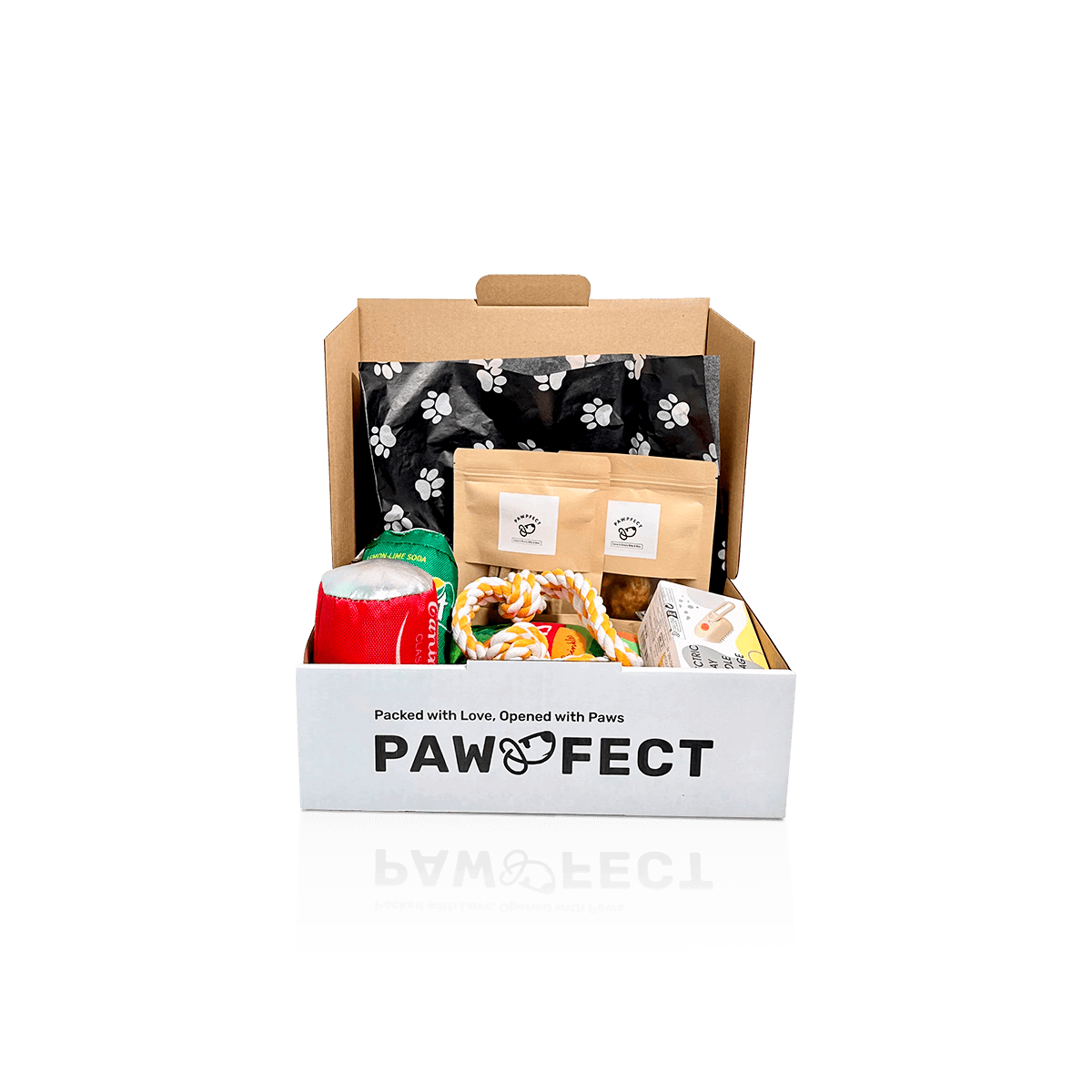
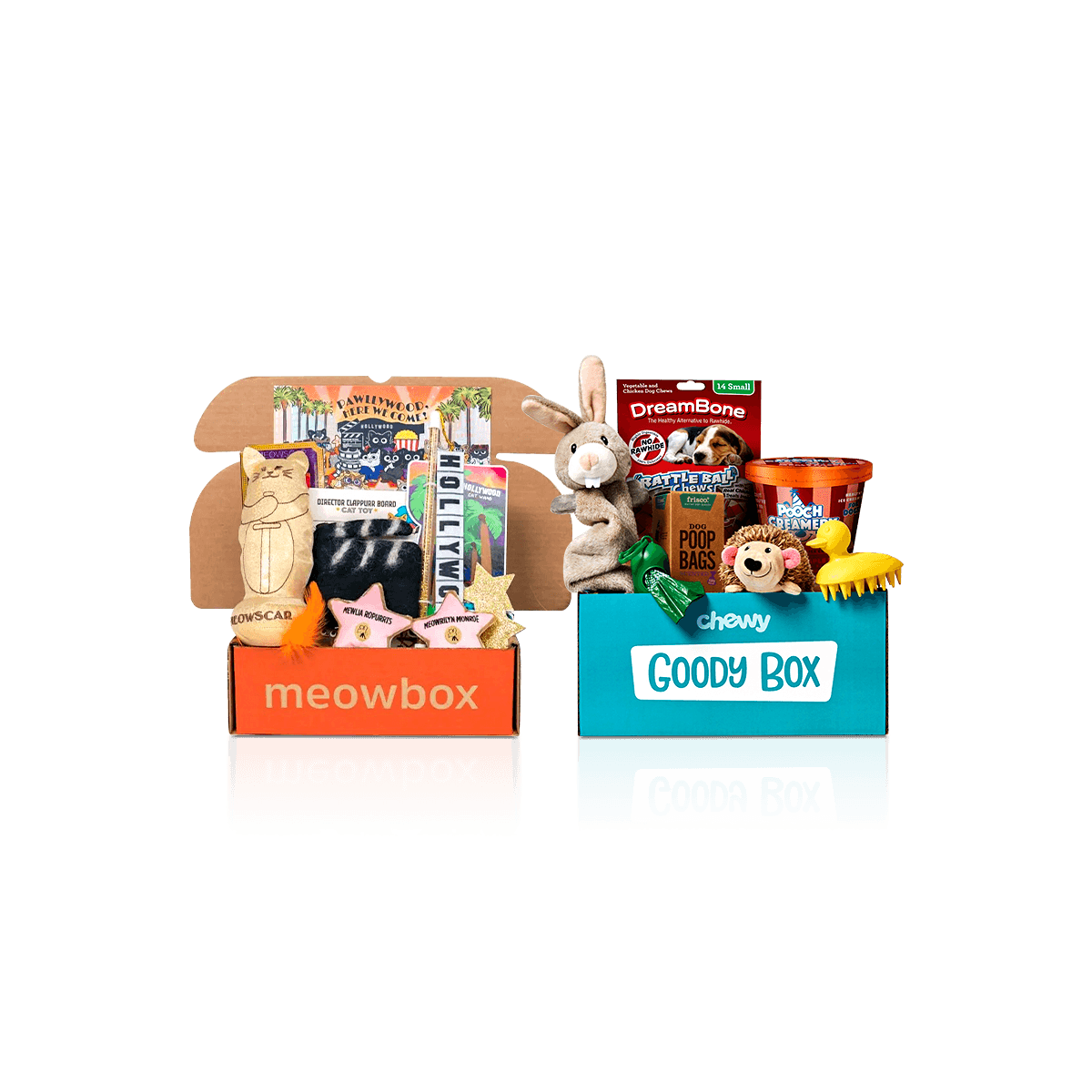
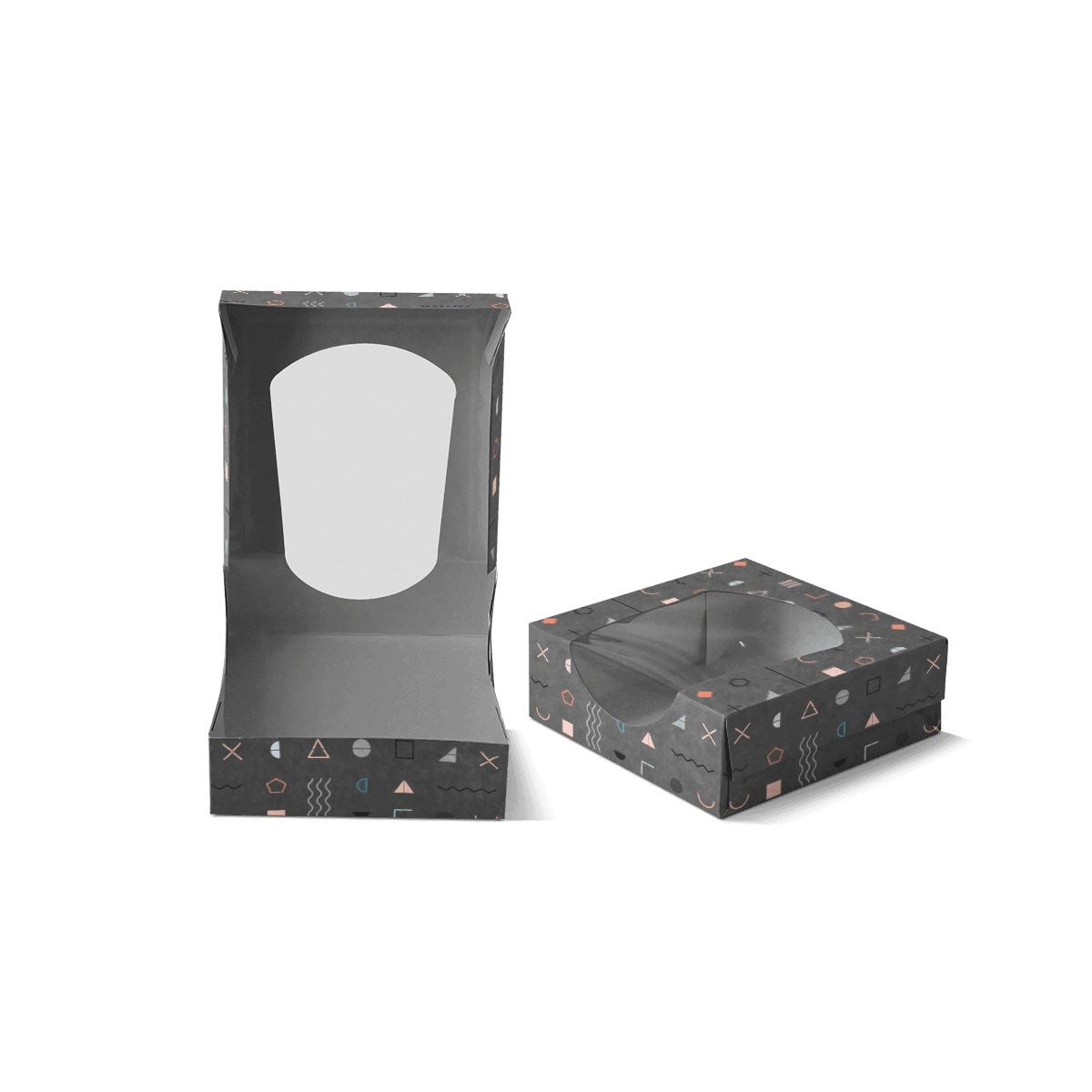
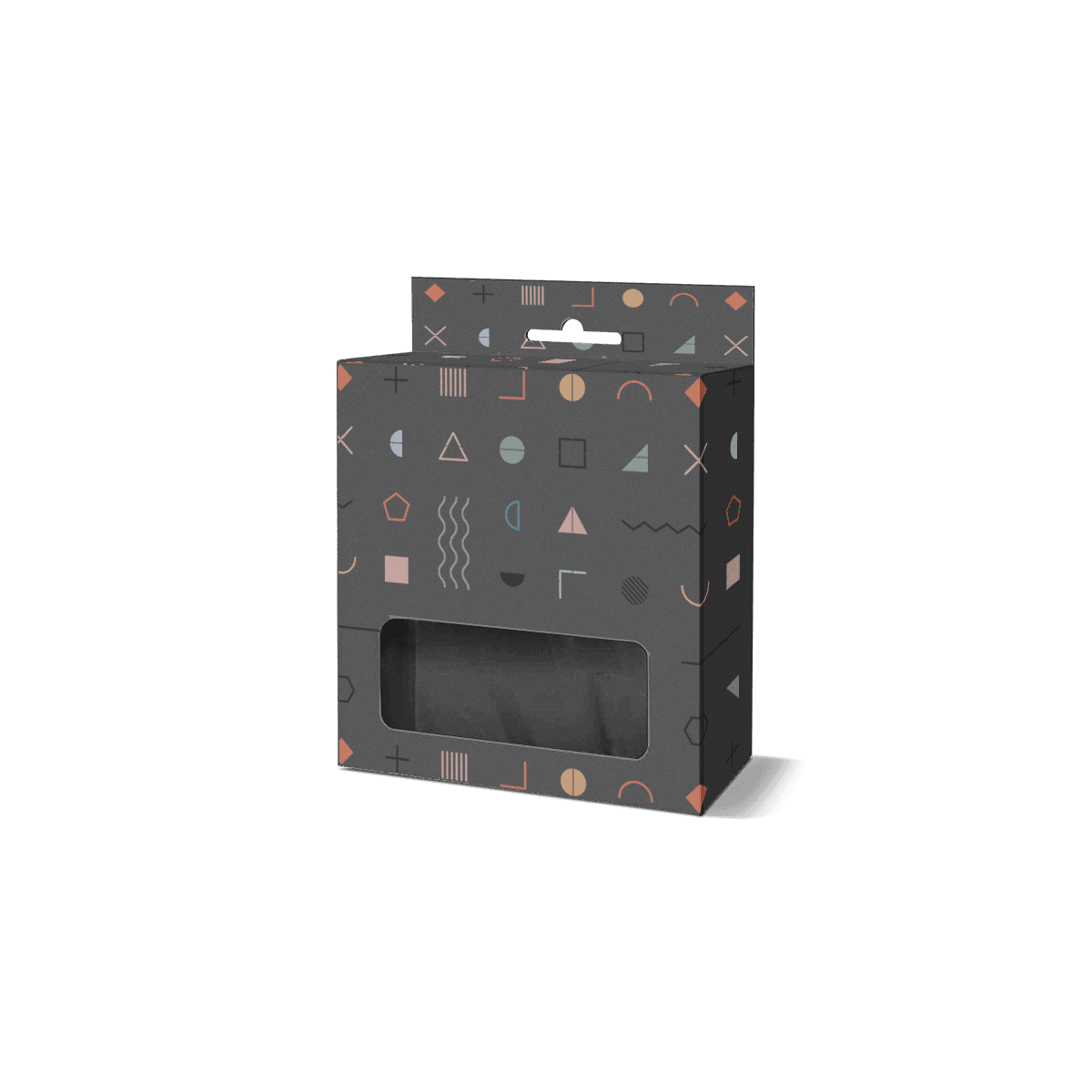
Window panels help buyers see texture, color and character details before purchase.
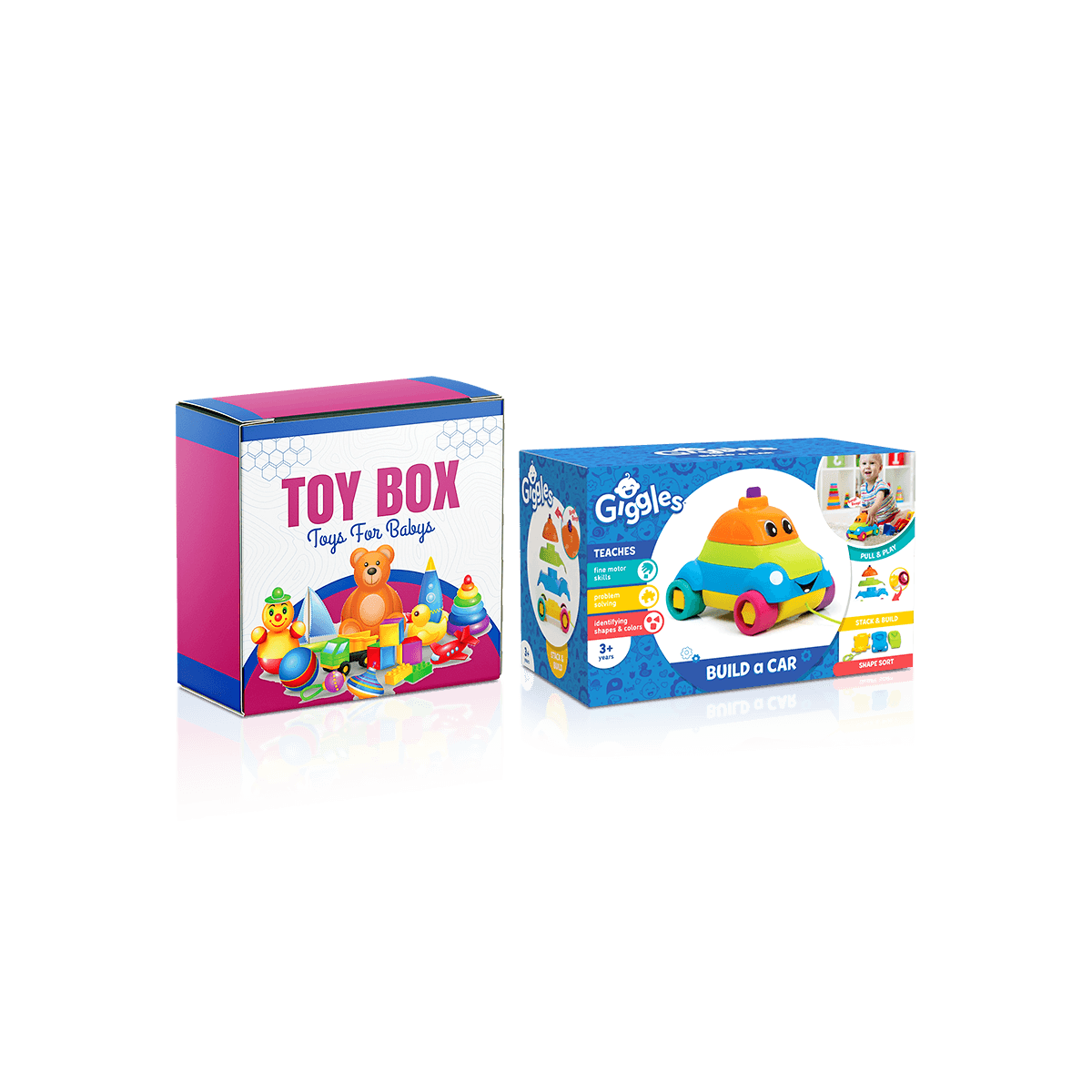
Clear product communication is what makes Toy Boxes useful in pet retail. Pet parents often compare toy size, chew level, texture, sound features and refill or treat-dispensing functions in just a few seconds, so the pack needs to guide that decision without hiding the product. A box format gives brands room for usage notes, safety callouts and merchandising details while supporting shaped inserts, windows and made-to-order layouts for plush toys, rubber toys, teaser kits and multi-part play sets.
Helps shoppers compare size, material and play type faster
Supports hanging display and shelf presentation in the same line
Keeps odd-shaped toys neater than loose wrap or simple cards
Leaves room for warnings, care notes and age guidance
Fits seasonal launches, bundles and retail exclusives well
Window panels help buyers see texture, color and character details before purchase.
Panel space can highlight chew level, squeaker features, refill info and pet-size guidance.
Paperboard fitments help plush, rope and molded toys stay positioned inside the pack.
Structures can be planned for peg display, countertop selling or clean side-by-side shelf stocking.
Personalized dimensions and insert choices help each SKU match the product instead of forcing one box across the whole range.
Plush squeaker collections sold through specialty pet retail
Puzzle feeders and treat-dispensing toys with instruction panels
Cat teaser kits with wand parts, attachments and refill pieces
Value bundles of fetch toys, ropes and chew items for club retail
Seasonal toy drops, licensed collaborations and promo assortments
Simple steps from idea to delivery
Tell Us Your Specs
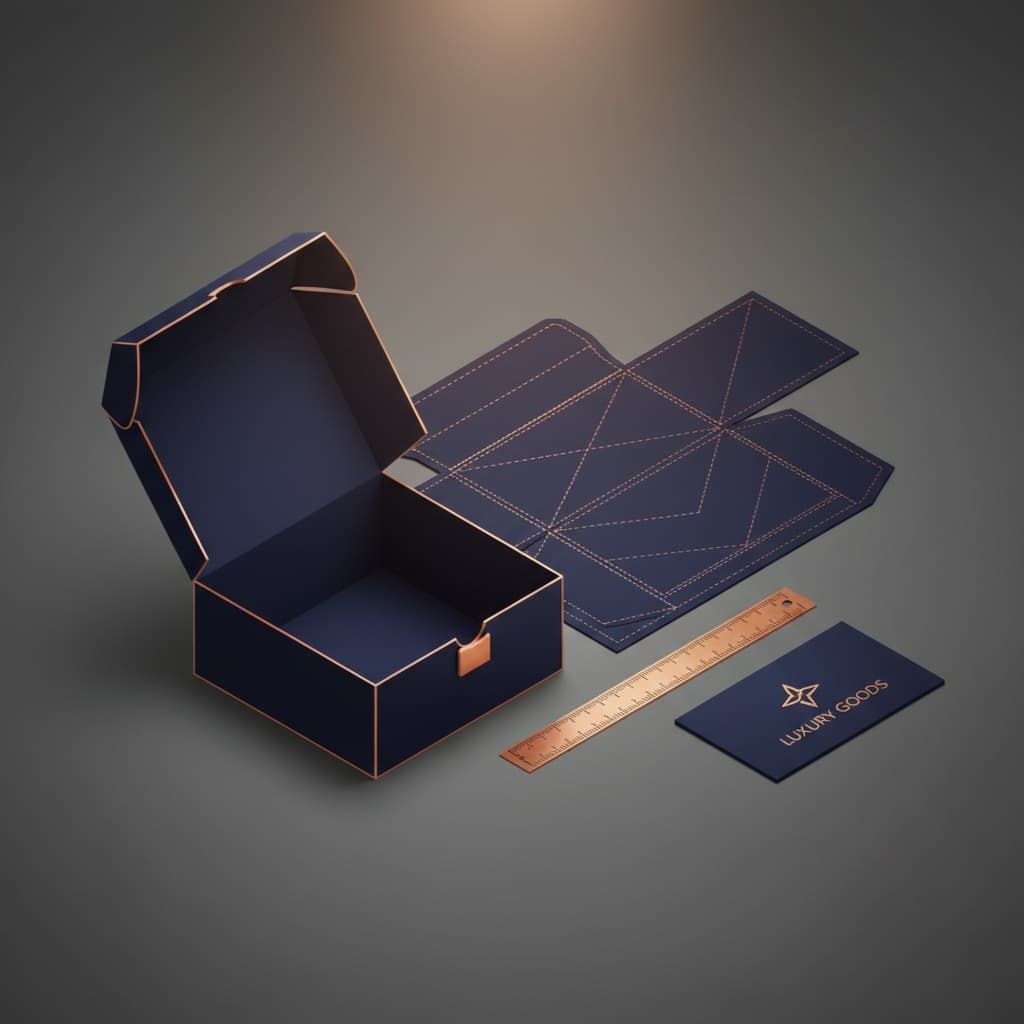
Provide size, quantity, printing, and finishes.
Get a Fast Quote

Instant transparent pricing, no hidden fees.
Design and Approval

Artwork checks, revisions, and final sign-off.
Produce

Expert manufacturing to meet deadlines.
Ship to Your Door

Hassle-free, flexible delivery options.
Share your product details, size, quantity and artwork needs. We’ll help choose the right packaging style and send a clear quote.