Skip to content
Details

Custom Hang-Tab Display Boxes

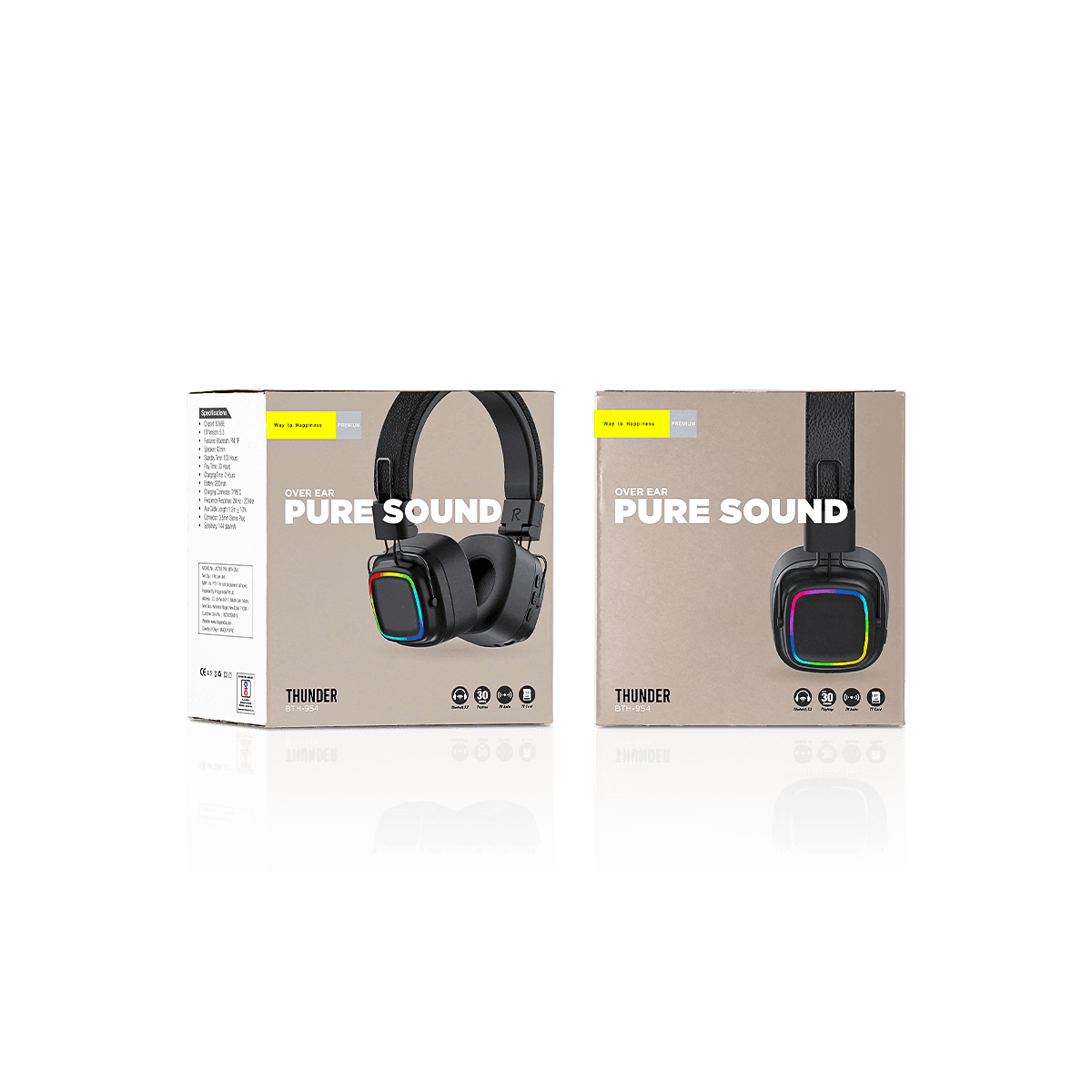
Peg-ready folding cartons engineered around product weight, hanger position, hook clearance and front-facing balance so compact retail products stay upright and easy to shop.

The Product Has to Hang From One Small Area

A shelf-supported carton spreads its weight across the base. A hang-tab carton asks a small area at the top of the pack to carry the entire product.

That changes the structural problem.

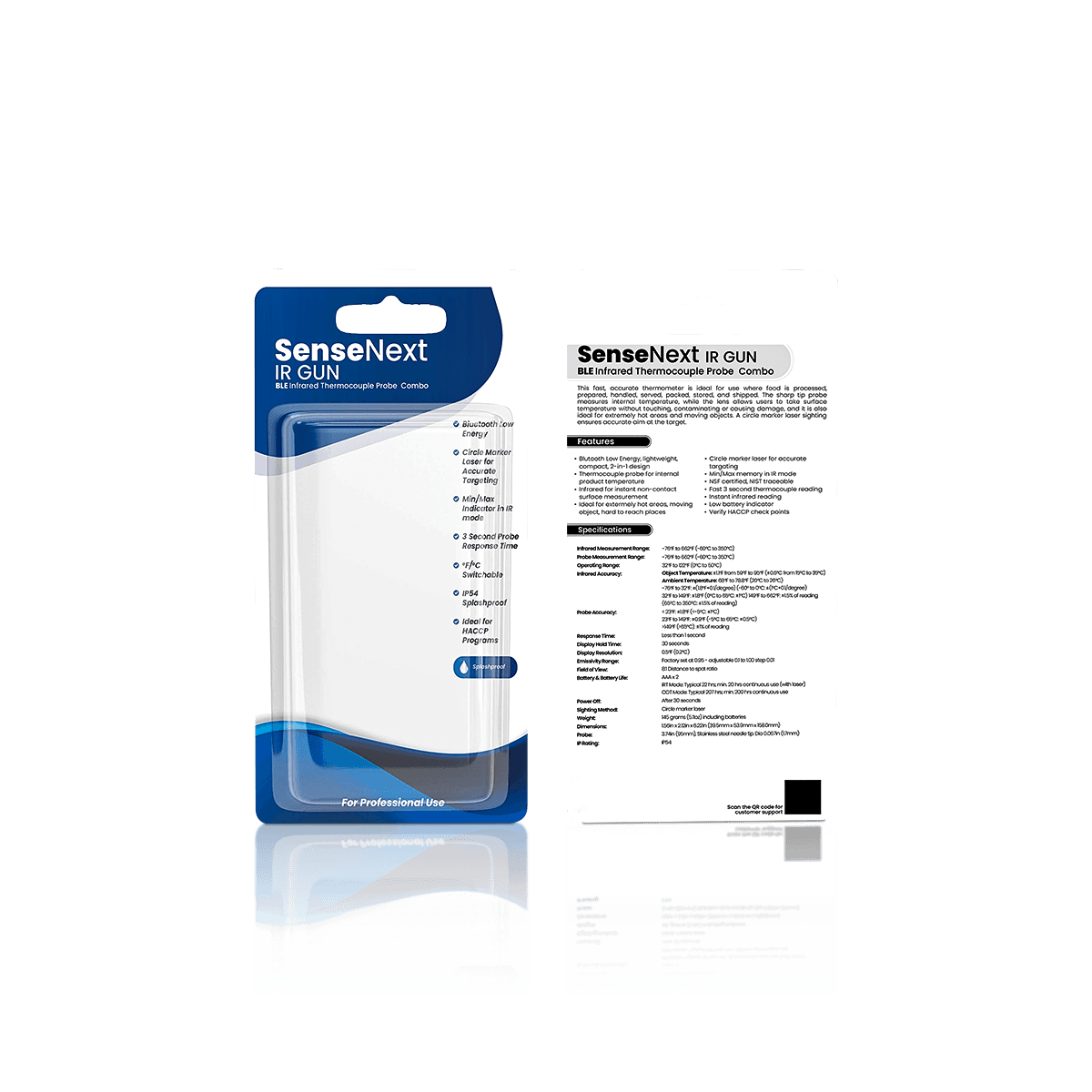
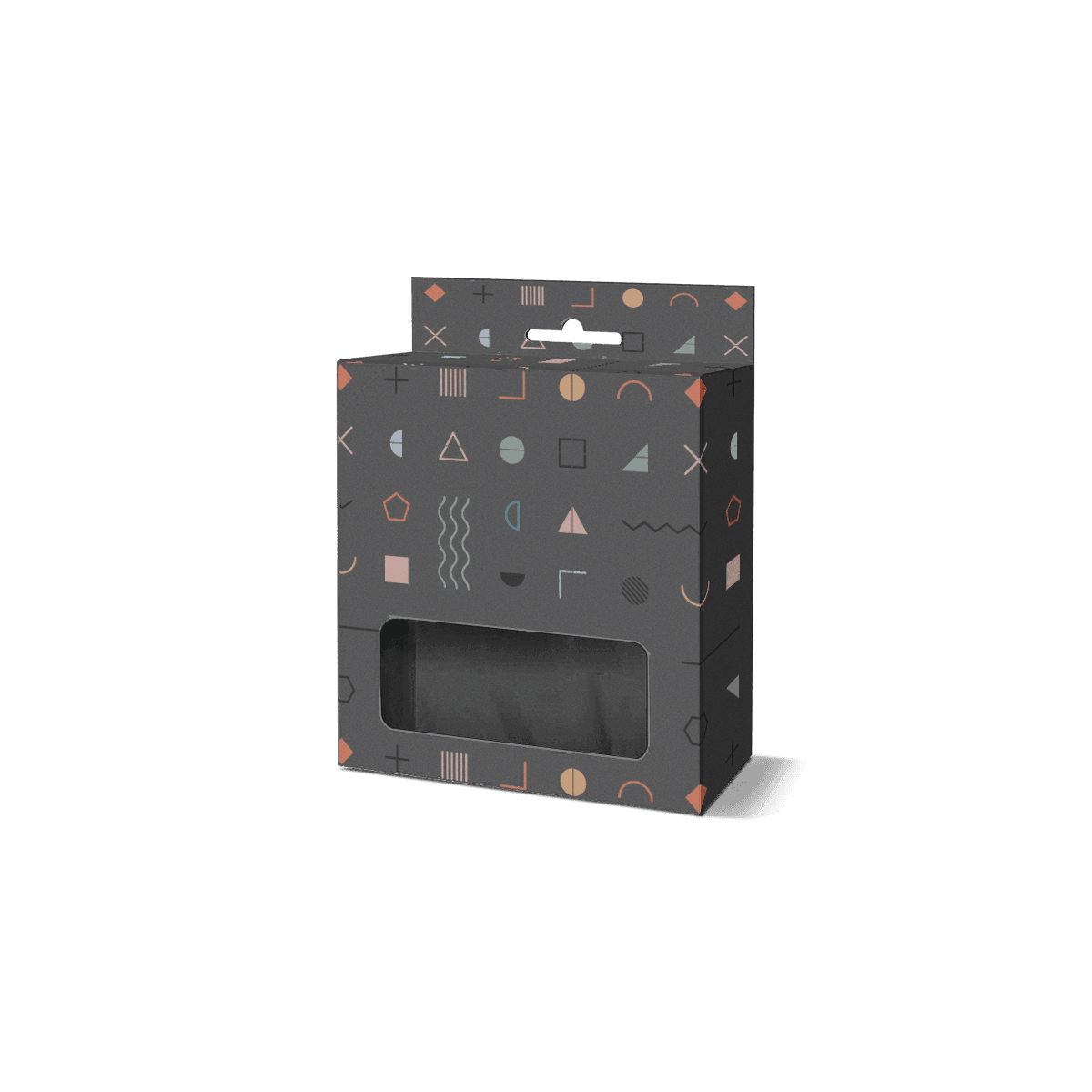
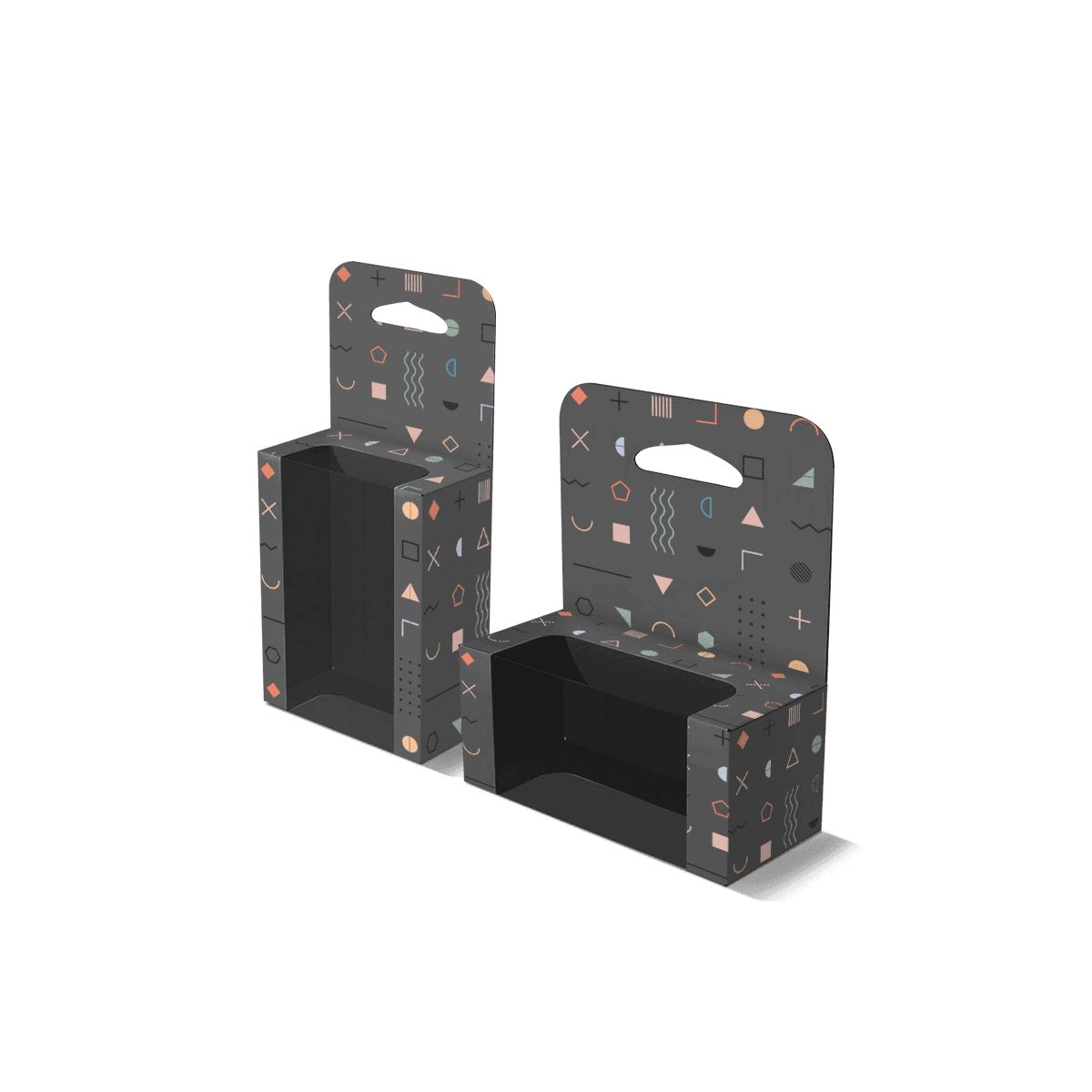
Custom Hang-Tab Display Boxes combine a closed product carton with an integrated hanging tab so each packaged item can sit on a retail peg or hook as its own selling unit. The tab has to carry the packed weight, the aperture has to fit the intended fixture and the carton has to remain reasonably level once suspended.

This is why the hanger should not be treated as a decorative extension added after the main box has already been designed.

The tab, carton dimensions and internal product position work together.

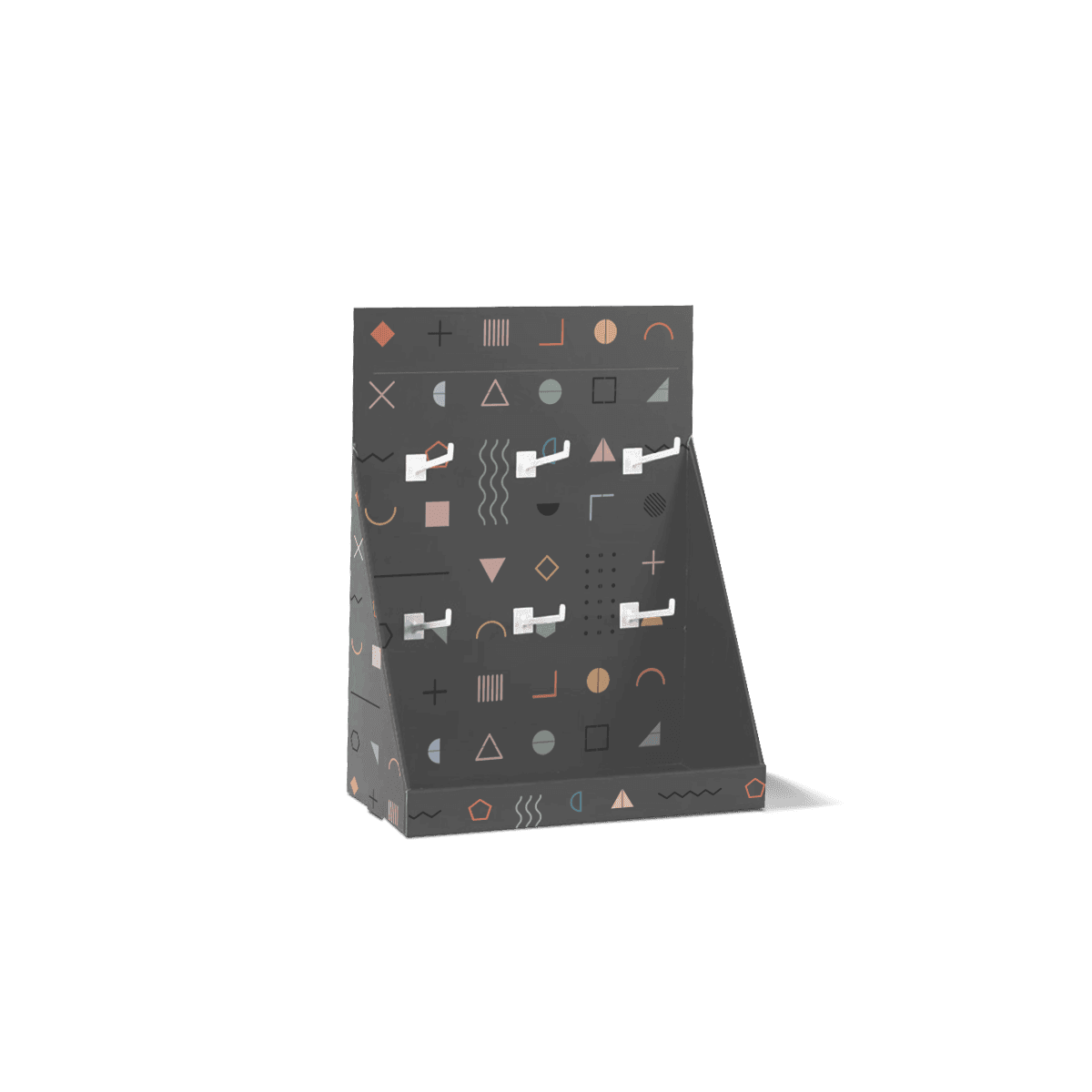
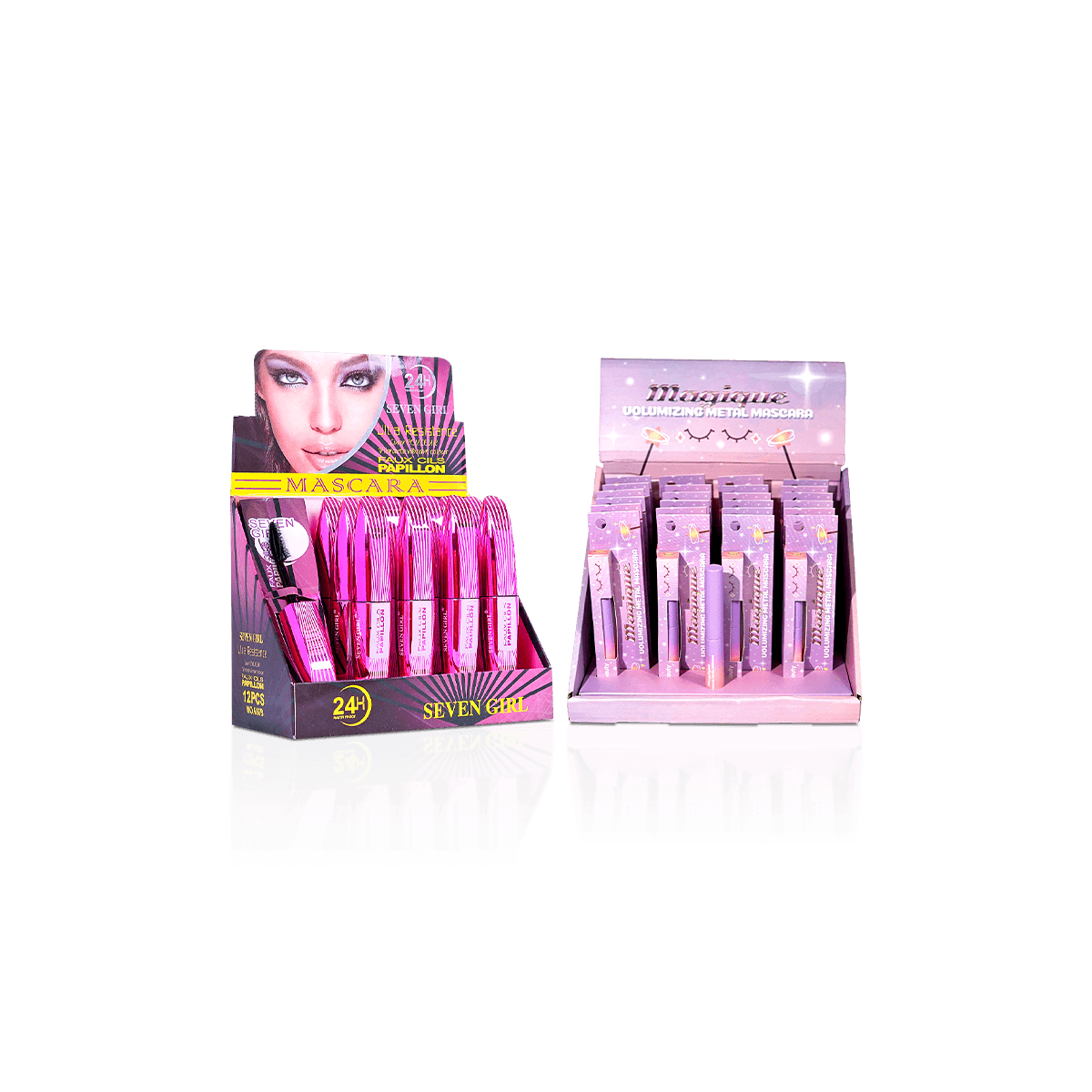
The Display Boxes structure group includes several retail formats, but Hang-Tab Display Boxes have a specific job: the individual closed carton itself hangs from the fixture.

That single load point should influence the package from the beginning.
Balance Starts Below the Hook

The hanging point needs to sit above a product mass that behaves predictably.

A symmetrical carton does not guarantee a balanced hanging pack. The product inside may be much heavier on one side, an insert may position it off-center or accessories may shift after the carton is placed on the peg.

If the center of mass sits noticeably to one side of the hanger, the carton can rotate or lean.

Pack Position Matters as Much as Tab Position

Moving the hanger is not always the best correction.

The internal product position may need adjustment first.

A compact charger carton, for example, may contain a dense power adapter beside a lightweight cable. If the adapter sits hard against one side panel, the whole carton can cant slightly when hung.

Repositioning the adapter, changing the insert or altering the carton proportions can bring the packed mass into better alignment with the suspension point.

Depth Changes the Way the Carton Hangs

A deep package projects farther from the fixture.

That moves part of the product mass forward from the pegboard or rail and can create more leverage around the hanging area. A shallow pack generally behaves differently from a deep carton even when both weigh the same.

Product depth should therefore be considered alongside weight rather than treated only as a capacity dimension.

The Tab Is a Structural Panel

An integrated hang tab carries load.

Its width, board construction, fold geometry and aperture all affect how force moves from the packed carton to the retail hook.

The weak point is often not the hook itself. It is the paperboard surrounding the cutout.

If too little board remains around the aperture, repeated shopper handling can enlarge the opening or start a tear. If the tab is too flexible for the packed weight, it can bend forward and leave the carton hanging at an awkward angle.

Reinforcement Should Follow the Load

A lightweight beauty accessory may need relatively little reinforcement.

A denser hardware item or electronic accessory puts more demand on the same hanging area.

Depending on the project, structural reinforcement can come from the carton geometry, folded board layers or a stronger stock selection. The answer should follow the actual packed product rather than a generic assumption that every hanging carton needs the same tab.

More Board Is Not a Substitute for Better Geometry

Simply making the entire carton heavier does not automatically solve a poorly engineered hanger.

A stronger board can still tear if the remaining material around the aperture is badly proportioned or if the product constantly twists on the fixture.

The load path should be corrected first. Material strength can then support it.

Retail Hardware Sets the Aperture

The hanging hole has to work with the fixture that will actually carry the pack.

Retail environments can use different hooks, peg systems and merchandising hardware. The aperture therefore should not be selected from appearance alone.

Common hang-tab cartons may use slot-style or round openings, but the final cut should follow the intended fixture and retail requirement.

If a retailer supplies packaging or peg specifications, those should be confirmed before the cutting die is finalized.

Hook Clearance Affects Restocking

A hole can technically fit over a hook and still be frustrating for store staff.

The pack should move onto and off the fixture without forcing the board around the aperture. Replenishment becomes slower if each carton has to be tilted aggressively or pushed past a tight opening.

That repeated handling can also wear the tab before a shopper ever touches the product.

Do Not Assume Every Retailer Uses the Same Fixture

A pack intended for several stores may encounter different merchandising setups.

Where retailer hardware is not yet fixed, the hanger design should be discussed before production rather than copied blindly from another SKU.

This is one reason physical samples become particularly valuable for hook-sold products.

The Top Closure Cannot Compete With the Hanger

The tab often shares structural space with the carton’s upper closure.

That creates a packaging problem that ordinary folding cartons do not always face.

A tuck flap needs room to open and close. Dust flaps need to move. The hang tab needs enough uninterrupted material to carry the suspended product.

Trying to fit all of those functions into a shallow top area can create unnecessary interference.

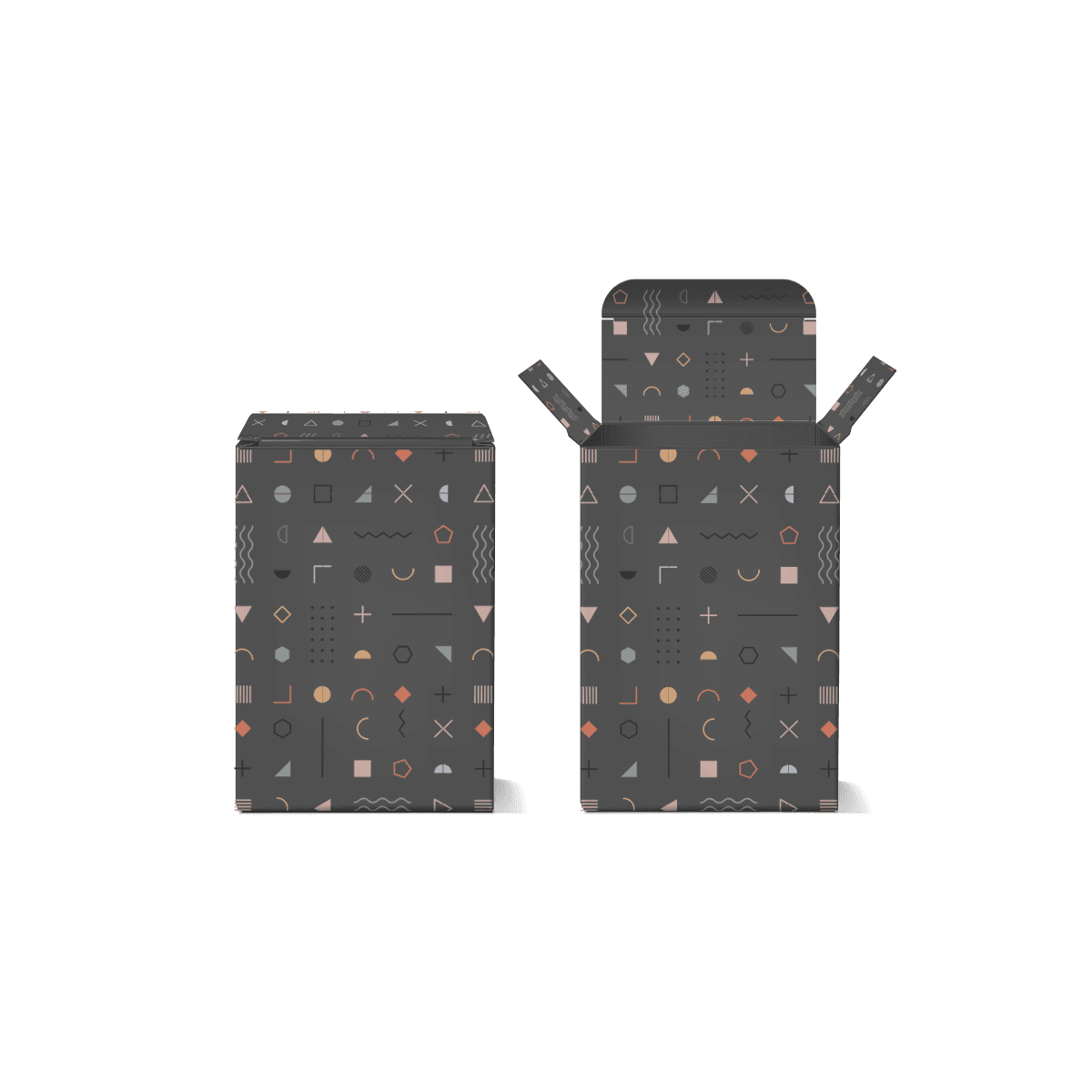
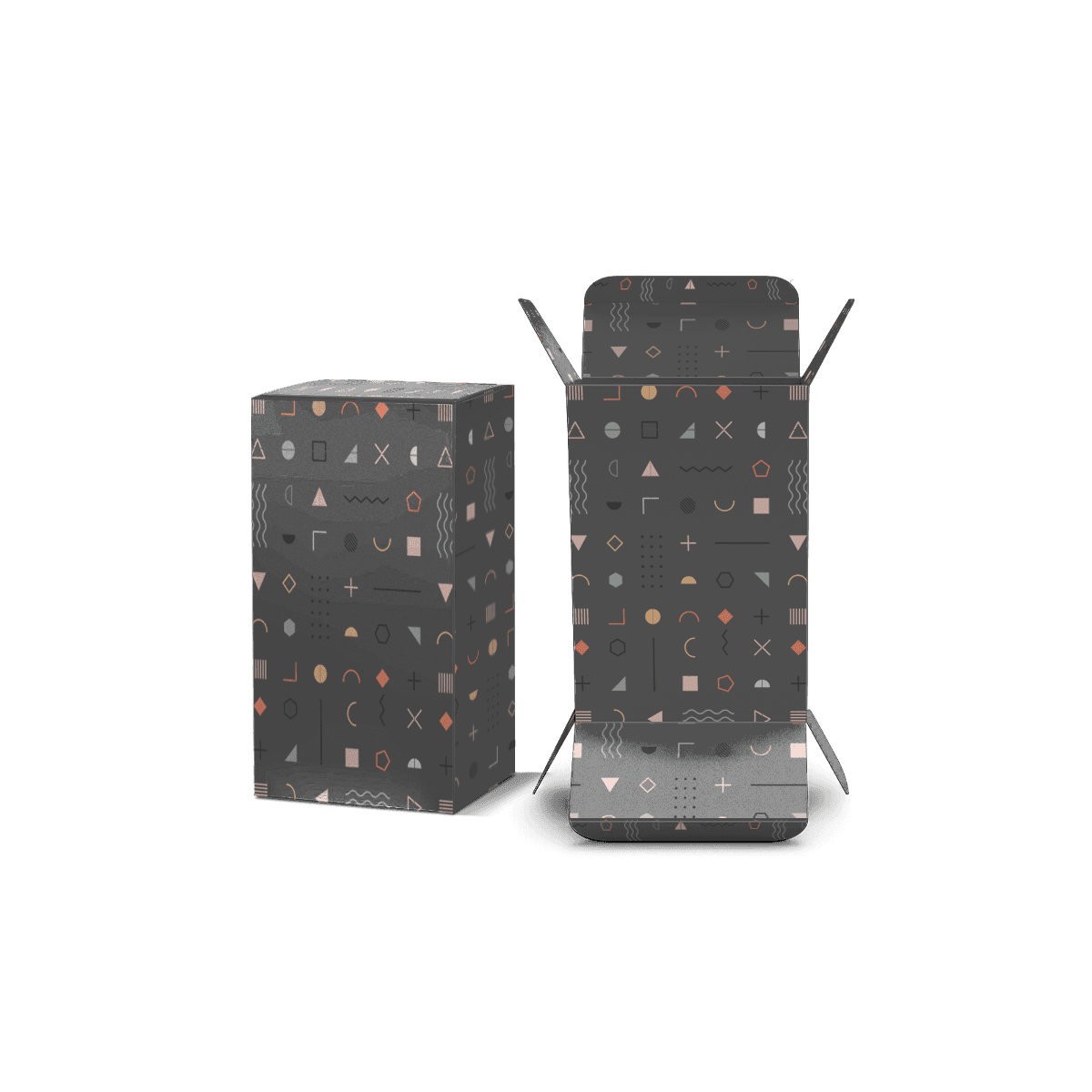
A Straight Tuck-End Carton can form the underlying carton body when straightforward folding-carton access suits the product.

For a hang-tab version, the upper structure still has to leave the suspension area doing its own job.

Opening Should Not Damage the Retail Function

Some products remain in the carton after first opening.

If the customer may reclose the box or retain it for storage, the opening action should not tear through the hanger area.

The hang tab and closure should operate as distinct structural zones wherever practical.

A Balanced Empty Carton Can Still Hang Badly

Consider a compact electronics carton designed to hang perfectly level when empty.

The finished pack contains an adapter on the left, a coiled cable on the right and a slim instruction leaflet behind them. The adapter is substantially denser than the other components.

Once the completed carton is placed on a hook, the left side drops slightly.

The front artwork is no longer level and the carton begins touching the neighboring SKU on that side.

Strengthening the tab would not correct the visual problem because the tab is not failing.

The internal mass is out of balance.

A revised insert can move the adapter closer to the centerline while the cable shifts outward into the remaining space. The outer carton can stay almost unchanged, but the hanging behavior improves because the load now sits more naturally beneath the hook.

That is a product-positioning correction, not a print or board upgrade.

Neighboring Packs Need Clearance Too

A hanging carton does not exist alone.

Several products may occupy one hook. Adjacent hooks may carry different SKUs. Packs can overlap visually or physically if width and depth are not considered as part of the merchandising setup.

A carton that rotates slightly can interfere with the product next to it.

A pack that is unnecessarily wide can reduce the number of facings available across the fixture.

A pack that is excessively deep can project farther into the aisle or make rear units harder to reach.

This makes fixture spacing an important part of right-sizing.

Peg Hook Display Boxes shift the decision toward the multi-hook merchandising setup itself, including product rows, hook arrangement and fixture organization.

Hang-Tab Display Boxes remain focused on the individual carton that has to perform correctly once placed onto that system.

One Hanging Carton Is Not a Hanging Display

The terminology is easy to blur, so the operating difference should stay clear.

A Hang-Tab Display Box is the individual product package. Each carton has its own hanger and each unit can be removed separately from the retail hook.

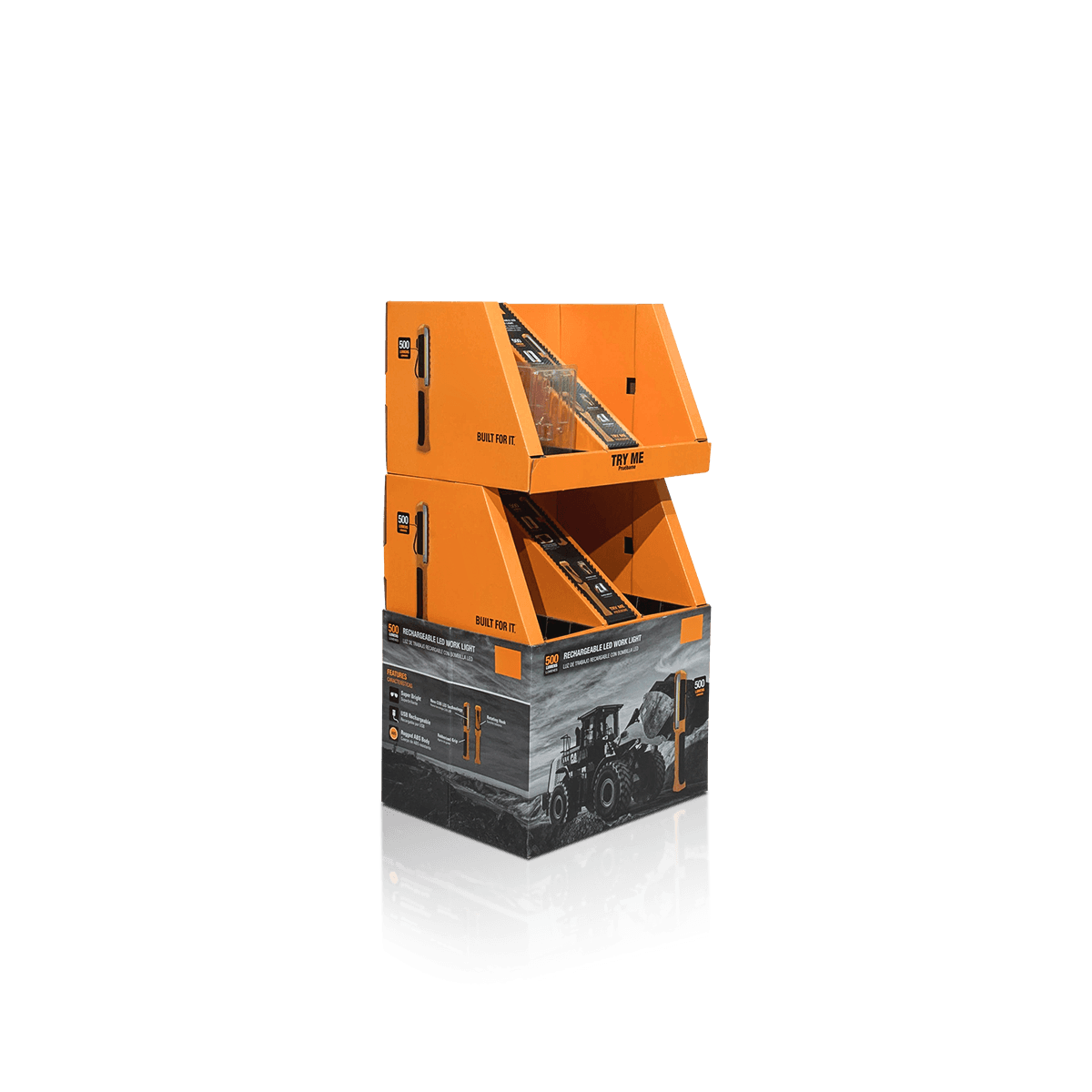
A Hanging Display Box is more appropriate when one larger merchandising structure carries several products together.

The distinction changes the engineering.

An individual hang-tab carton has to balance its own product, protect its own contents and survive repeated direct shopper handling.

A larger hanging display distributes merchandising work across the display structure instead.

Keeping those responsibilities separate prevents the individual product carton from being designed like a miniature fixture.

Price the Packed Hanging Unit

A quote should start with the complete packed product.

Share the product dimensions, packed weight, carton dimensions if already known, quantity and the type of retail hanging setup expected.

If several SKUs will use the same carton structure, identify the heaviest and most dimensionally demanding versions.

Also specify whether an insert is needed, what carton closure is preferred and whether the package needs outside-only or inside-and-out printing.

Custom Hang-Tab Display Boxes can start from 100 units. Transparent pricing can account for the carton, hanger geometry, insert and print as one packed retail unit, with no hidden charges.

When the carton size, hanger construction, board, print and quantity are settled, an instant custom packaging quote can price the actual retail pack.

For larger retail programs, warehousing and scheduled deliveries can help stage packaging supply around launches and replenishment cycles.

Front-Facing Stability Is a Merchandising Requirement

Retail buyers often care about how consistently products face the aisle.

A carton that turns sideways hides branding and makes neighboring products look untidy even if the package remains physically intact.

Front-facing behavior depends on several connected factors:

  • Tab position
  • Product weight distribution
  • Carton width and depth
  • Hook geometry
  • Clearance between neighboring units
  • Internal product movement
  • Board stiffness around the hanger

This is more useful than treating the hanger as a simple yes-or-no feature.

A carton may hang securely and still merchandise badly.

The package should therefore be assessed visually while loaded on the intended hook, preferably beside neighboring units rather than in isolation.

Shopper Handling Tests the Aperture Repeatedly

A product may be removed from a hook, inspected and returned several times before someone buys it.

That creates a different kind of stress from one-time shipping.

The aperture repeatedly contacts the hook. The tab flexes as shoppers lift and replace the carton. Some customers pull the product forward before lifting it clear.

This behavior should influence physical validation.

Test Removal, Not Just Static Hanging

Place the packed carton on the intended fixture.

Leave it suspended, but also remove and replace it repeatedly. Watch the material around the aperture. Look for elongation, tearing, excessive bending or a tab that begins curling forward.

The package should also be tested after normal distribution because a tab weakened in transit may behave differently once it reaches the store.

Check the Heaviest Finished SKU

If several variants share one structural carton but carry different weights, the heaviest configuration deserves particular attention.

A hanger approved only with the lightest SKU can create avoidable problems when the same board and tab geometry are used for a denser product.

A paid fully custom pre-production sample can be used when the exact hanging performance needs physical approval.

Free sample examples of previous Custom Packly work can help assess general print and manufacturing quality.

The Carton Still Has to Protect the Product

Peg-ready presentation does not replace normal product protection.

The carton body still has to control the item, protect surfaces and keep components from moving enough to damage one another.

An insert can also play a second role here: keeping the center of mass predictable.

A dense item that slides inside the carton can change the way the package hangs as shoppers handle it.

Custom Packly's packaging capabilities can coordinate paperboard, structural design, inserts, printing and finishes after the product load is understood.

The product should not be relying on the hang tab to hold it in position.

The tab suspends the package. The internal structure controls the product.

Shelf Use Can Still Matter

Some retail programs need one carton to work in more than one placement.

A store may hang the product on pegs in one location and stand it on a shelf in another.

If that flexibility matters, the bottom panel should remain stable enough for the carton to stand cleanly rather than rocking or leaning.

The branding also needs to work in both orientations.

On a hook, the top area and full front panel are highly visible. On a shelf, the lower front and base relationship can become more noticeable.

A dual-use requirement should be identified before artwork and proportions are finalized.

That does not mean every hang-tab carton needs to be optimized for shelf standing.

It means the package should not accidentally lose a merchandising option that the retail program actually needs.

Artwork Competes With a Structural Feature

The top of the carton is valuable visual territory, but part of it is occupied by the hanger.

A logo or headline placed too close to the aperture may look visually interrupted. Fine text can disappear into the cut area. A color block may reveal an unattractive white or kraft edge where the board is die cut.

The hanger should therefore be present on the artwork template from the beginning.

The Front Panel Has to Read While Hanging

Products on pegs are often viewed among many other small packs.

The strongest front face normally establishes a clear hierarchy: brand, product identity and the most important differentiator.

Secondary copy can move to the side or back rather than competing for attention around the hanger.

Premium offset printing can support detailed graphics and controlled repeat brand color when the project calls for it.

CMYK can handle multi-color artwork and imagery, while Pantone can be considered where a specific brand color requires closer matching.

The Dieline Shows the Load-Bearing Area

A packaging dieline maps the tab, aperture, folds, closure and printed panels before artwork moves into production.

That matters here because moving the hanging hole after artwork approval can shift the visible balance of the entire front face.

Custom Packly also includes design and dieline support plus free 3D mockups, helping teams check the carton proportion and branding before production.

Finishes Should Not Hide Structural Weakness

Hang-tab cartons can use matte or gloss coatings, foil, spot UV, embossing and other premium effects when they suit the product.

Those effects should come after the hanging mechanics are settled.

A premium finish cannot compensate for a weak tab, poor product balance or badly placed aperture.

Some finishes also need thoughtful placement around folds and die-cut edges so the pack remains clean after converting and retail handling.

The hanger area is a mechanical zone first.

Decorative treatment should respect that function.

Approve the Carton on the Actual Hook

The final approval should happen in the position where the package is expected to sell.

Pack the real product.

Place it on the intended hook.

Stand back and check whether the carton faces forward. Remove it. Replace it. Load several units behind one another. Put neighboring SKUs on adjacent hooks. Observe the tab after repeated handling.

That simple retail simulation can reveal problems that are invisible in a flat dieline or isolated 3D render.

Custom Packly's 24/7 packaging experts can resolve the carton around the real fixture. For Hang-Tab Display Boxes, the most important specification is not merely the hole at the top.

It is the relationship between the hook, the hanger and the packed product hanging beneath it.

FAQs

No. They are best for small and compact items, but heavier products can also work when the box uses a stronger cardstock grade and a properly engineered tab structure. Packaging suppliers commonly offer multiple paperboard thicknesses for this reason.

Earbuds, chargers, cosmetic tools, pharmacy cartons, repair accessories, and other peg-sold items are strong matches because they need front-facing presentation in a limited footprint.

Hang-Tab Display Boxes are better when the product itself is packed inside a closed carton with a built-in hanger. Peg Hook Display Boxes make more sense when the broader display format is built around hook merchandising rather than a single peg-ready box.

Yes. The front panel remains a full branding surface, so logos, product benefits, usage details, and color-coded variants can all be shown without losing structural function.

Yes. Hanging cartons keep units aligned, easier to count, and easier to replenish, which makes them useful for stores managing many small SKUs across one fixture.

Process

How it works

Your Packaging Journey, From Idea to Production and Delivery

01

Tell Us Your Specs

Custom packaging boxes

Tell Us Your Specs

Provide size, quantity, printing, and finishes.

02

Get a Fast Quote

Custom packaging boxes

Get a Fast Quote

Instant transparent pricing, no hidden fees.

03

Design and Approval

Custom packaging boxes

Design and Approval

Artwork checks, revisions, and final sign-off.

04

Produce

Custom packaging boxes

Produce

Expert manufacturing to meet deadlines.

05

Ship to Your Door

Custom packaging boxes

Ship to Your Door

Hassle-free, flexible delivery options.

Get Your Quote for Custom Hang-Tab Display Boxes

Share your product details, size, quantity and artwork needs. We’ll help choose the right packaging style and send a clear quote.