Skip to content
Details

Custom Windowed Display Boxes

Printed retail displays with die-cut viewing panels, optional clear window patching and product-specific framing that presents merchandise without leaving it fully exposed.

The Viewing Position

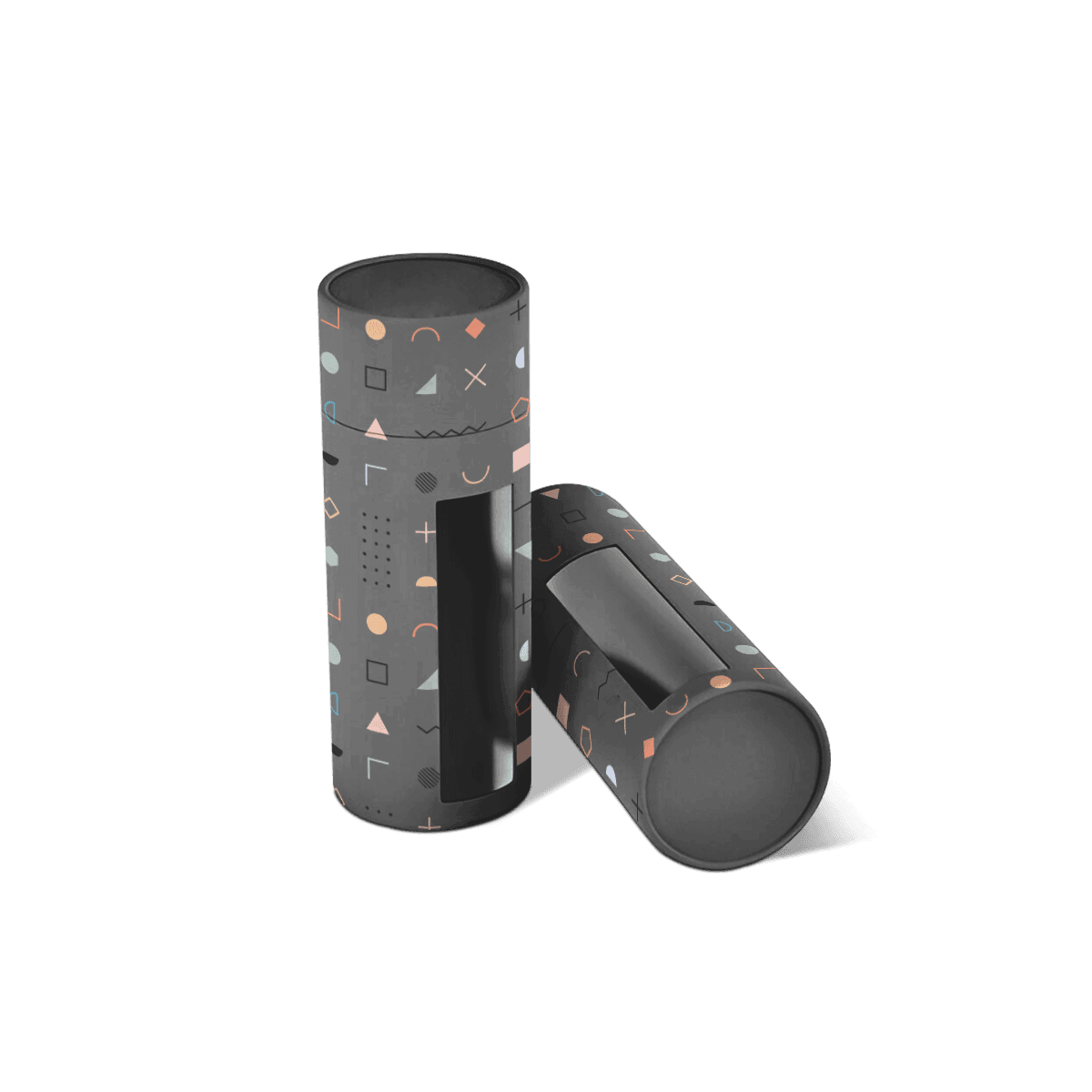
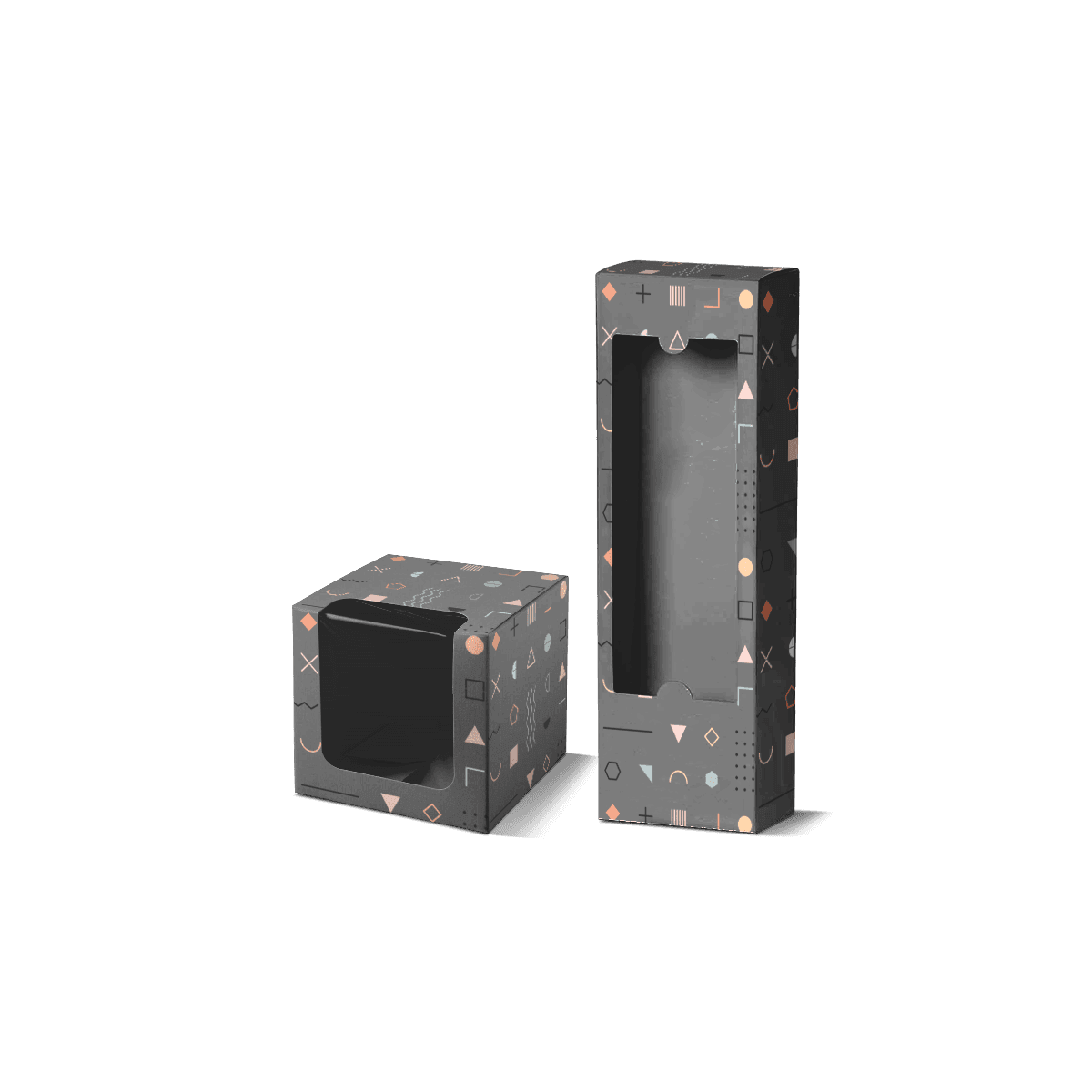
Custom Windowed Display Boxes use a die-cut opening, with or without a transparent film patch, to reveal merchandise while a printed structural shell controls its presentation. The window can show an individual featured item, a coordinated product set or merchandise arranged inside a dedicated retail display.

The most important decision is what shoppers can actually see from their normal position.

A top-facing opening may work on a low counter but reveal little from a straight-on shelf view. A broad front window may show the contents clearly while removing too much material from the display's supporting panels.

The correct viewing position determines the opening's shape, location and orientation.

Front-Facing Product Views

Front windows suit merchandise presented on standard retail shelves, display tables or counters where shoppers approach the product directly.

They can reveal the actual color, surface texture, shape or arrangement of the merchandise.

The product should occupy enough of the visible opening to make the view meaningful.

An oversized window surrounding a small product can expose unnecessary empty space, while a narrow opening may conceal the feature customers want to inspect.

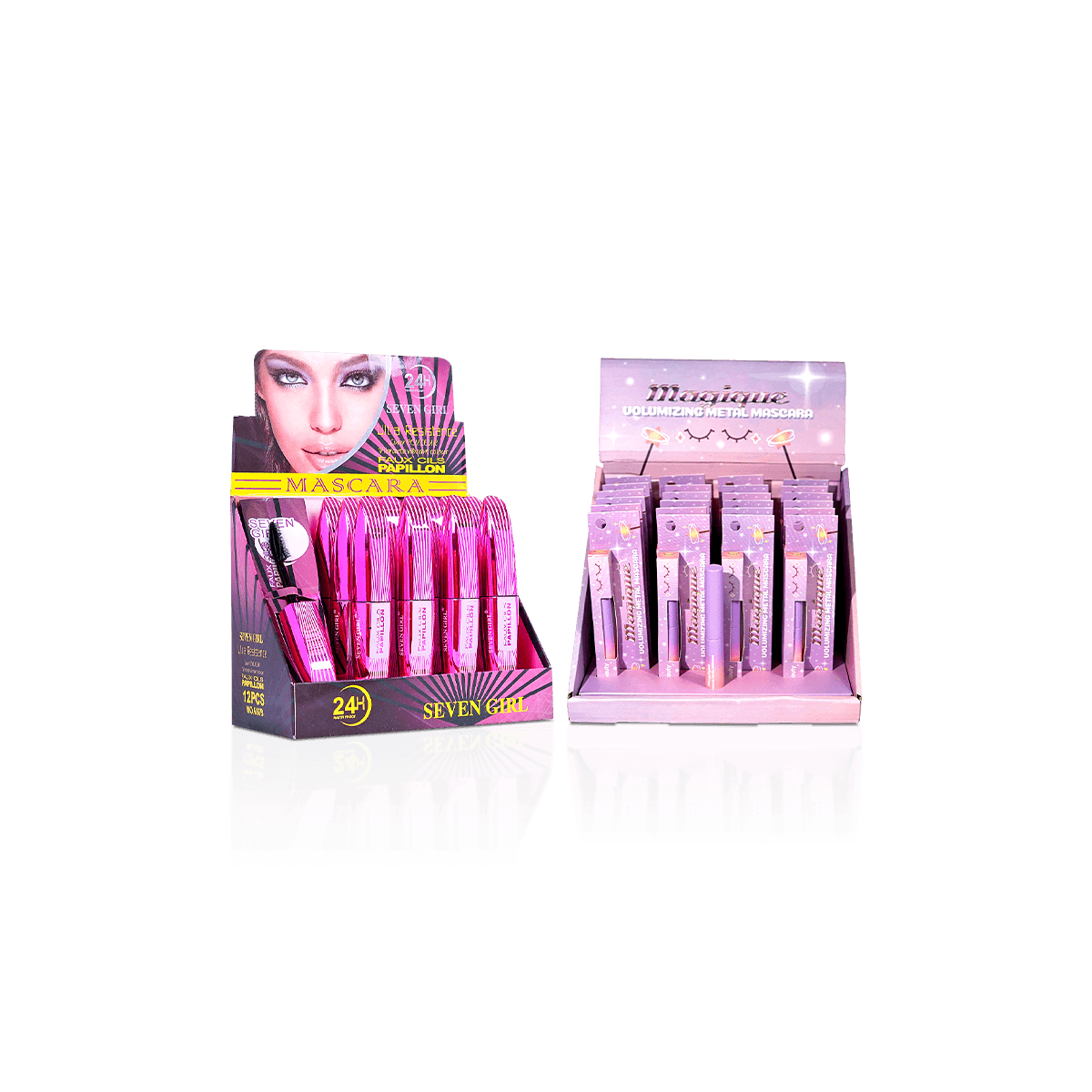
For cosmetics, the viewing area might frame the product shade or finished container. A gift display may instead reveal how several items are arranged together.

Top and Angled Windows

A top window works when customers naturally look downward, particularly with shallow products presented on counters.

However, the same window can become ineffective when the display is placed on a shelf near eye level.

An angled viewing panel may improve visibility in certain countertop structures, but its geometry needs to work with the supporting board and product position.

The viewing angle should be established from the actual merchandising location rather than the most attractive perspective in a digital rendering.

The Display's Physical Role

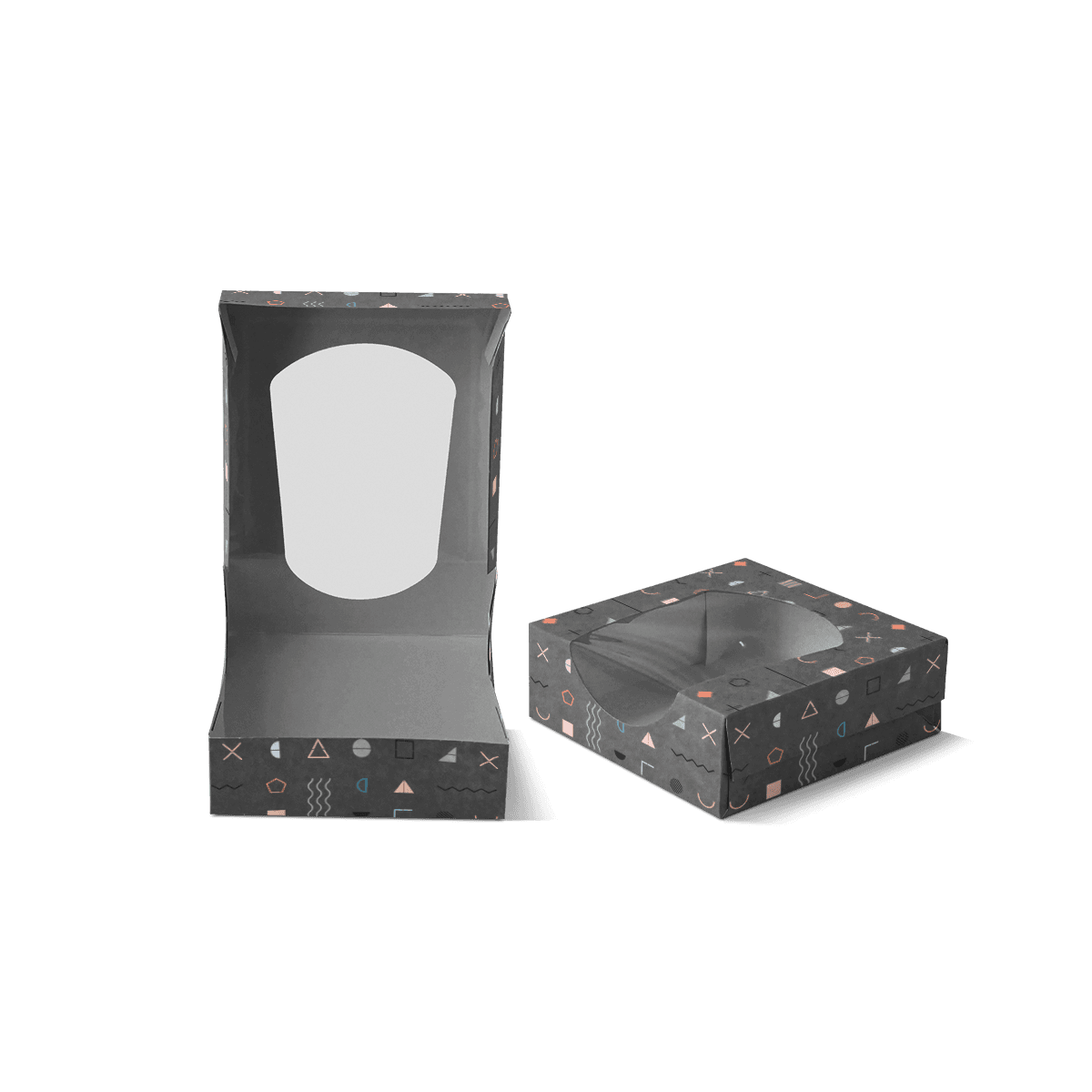
A window can be incorporated into an enclosed display shell, a presentation-oriented tray with a lid or another suitable retail structure.

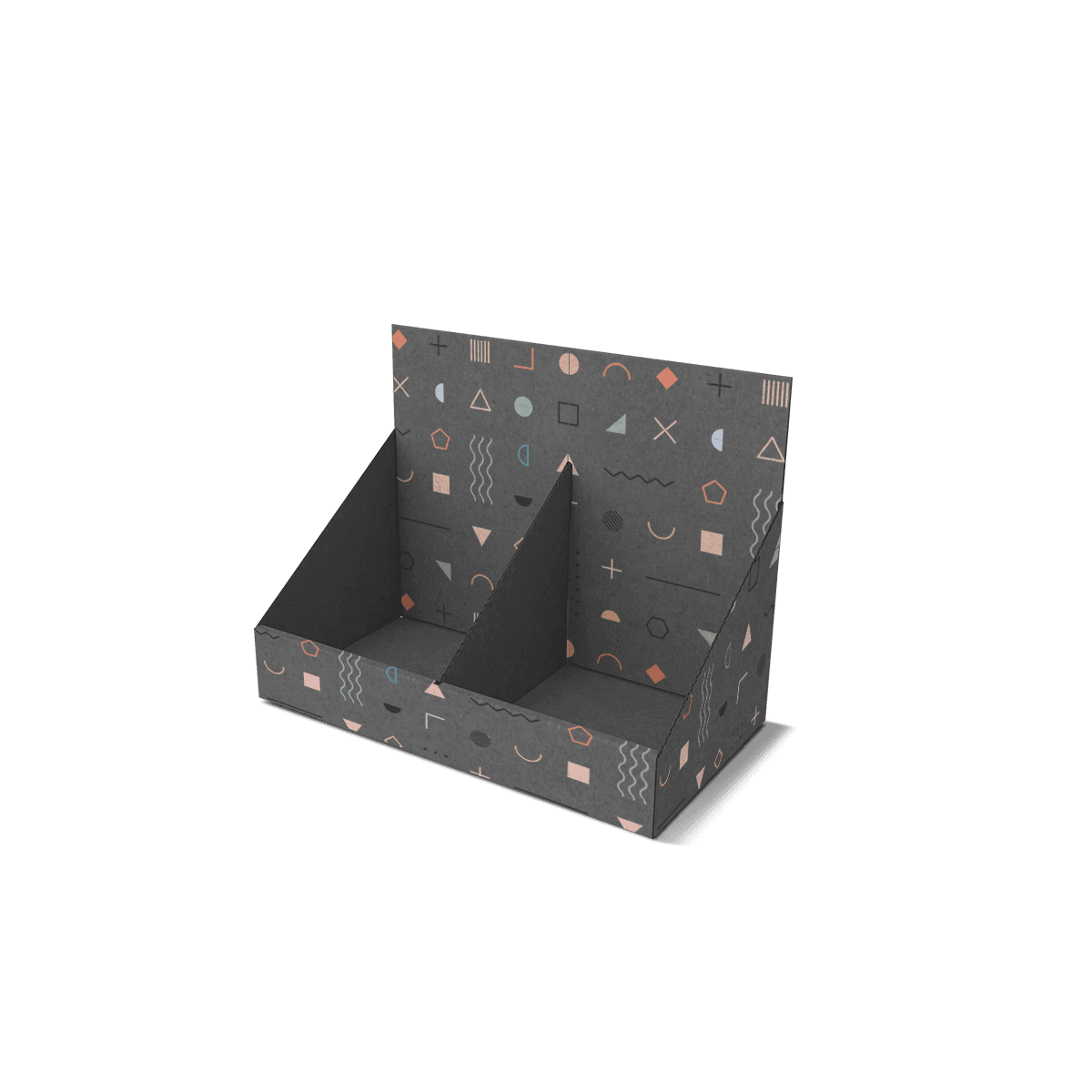
The display may hold a single featured product, a coordinated set or several units arranged behind a common viewing area.

Its construction determines how merchandise is presented, retained and accessed.

For individually sold products that simply need a viewing opening in their primary retail cartons, windowed folding cartons can achieve that without requiring a separate merchandising unit.

A dedicated display becomes relevant when the enclosure or supporting structure contributes to the selling presentation itself.
Show the Deciding Feature

The most effective window reveals something customers need to inspect before buying. The opening should be selected according to the merchandise rather than added as a decorative shape after the artwork is finished.

Product photography can communicate the same visual information for every unit. A window introduces the actual product into that communication.

That distinction matters when appearance varies naturally between individual items.

Color, Texture and Finish

Decorative soaps, handcrafted gifts, textured beauty products and similar merchandise can benefit from a controlled view of the actual item.

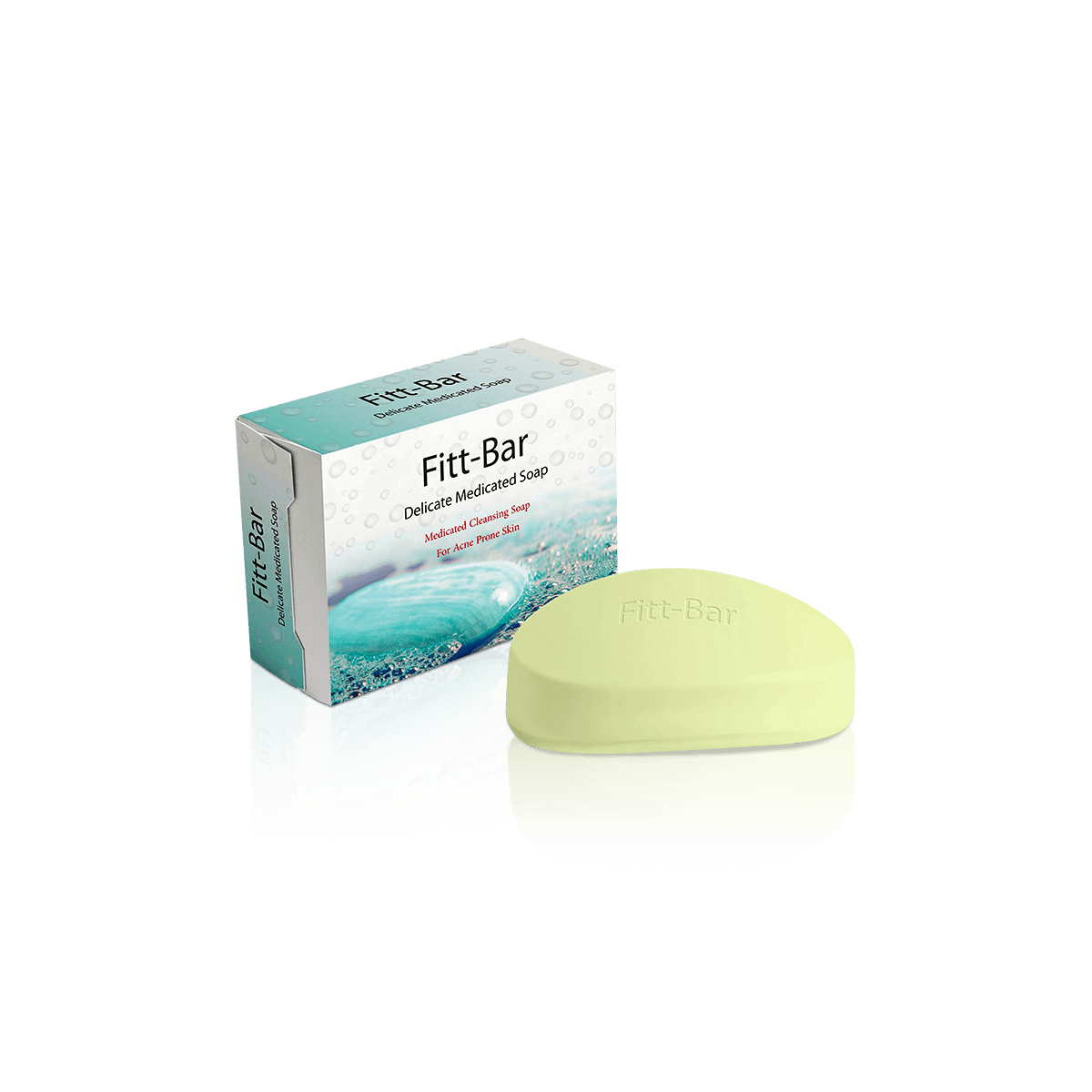
For a soap with a distinctive swirl pattern, a window positioned over the bar's main face may communicate more than a narrow opening along its edge.

For a metallic accessory, the finish may be the important feature. Showing the back of the item instead of its decorated face defeats the purpose.

The principles behind choosing packaging for a soap business are particularly relevant when product visibility must be balanced against moisture, fragrance and surface protection.

Window placement should follow the characteristic that customers are expected to judge.

Product Sets and Arrangements

A window can also communicate the contents of an assembled kit.

For a gift set containing several small products, a clear opening may reveal the arrangement and confirm what the customer will receive.

The opening does not necessarily need to expose every component.

Sometimes the main product and a carefully positioned accessory communicate the set more clearly than an oversized opening displaying every item.

Internal separation matters when the contents have different shapes or heights. Without suitable support, an attractive arrangement can become disorganized during handling.

A Product-Reveal Scenario

Consider a hypothetical retail display containing three decorative bath products in different colors.

The initial design uses one large front window. The products are visible, but the opening exposes empty spaces between them and leaves little uninterrupted board for branding.

A revised design could use a smaller opening that frames the strongest visual area of the arranged products.

The backing and internal supports could hold each item in its intended position without occupying the visible portion.

The result is a more controlled presentation without increasing the display's external dimensions.

Open or Film-Covered

Windowed displays can use an exposed die-cut opening or a transparent film patch. These options serve different handling requirements.

An open window allows direct access to the exposed area. A film-covered window creates a physical layer between the merchandise and the shopper while preserving visual access.

The decision should reflect the product's sensitivity, the retail environment and the actual purpose of the opening.

Open Die-Cut Windows

An uncovered opening may suit merchandise that does not require a protective viewing barrier.

It avoids the additional film component and can allow direct inspection of an exposed product feature.

However, an open cutout can also permit touching, dust accumulation and accidental contact.

The risk increases when the opening is large enough for shoppers to reach the merchandise.

For some products, an open cutout is acceptable only when the merchandise has its own protective wrapping or primary packaging.

Clear Film Patching

Transparent PET or another appropriately specified window film can cover the opening while allowing shoppers to inspect the contents.

The film is typically secured to the inside of the die-cut panel.

Its dimensions must extend beyond the opening sufficiently to establish a suitable attachment area.

A clear patch can reduce direct contact and limit exposure through the opening, but it does not automatically make the entire package airtight, moisture-resistant or contamination-proof.

Those properties depend on the complete packaging construction.

The patch also needs to remain securely attached during converting, assembly and normal retail handling.

Clarity and Reflections

Transparency is not the only visual requirement.

A highly reflective film can make products difficult to inspect under strong retail lighting. Surface scuffs, adhesive contamination or wrinkles can interfere with the intended view.

A display positioned beneath overhead lighting may look different from the same display photographed in a controlled studio.

Film selection and positioning should therefore account for the lighting conditions expected in store.

For merchandise where exact color assessment matters, the physical sample should be viewed under representative retail lighting before the final patch specification is approved.

Food and Moisture Considerations

Bakery products and other food items require additional material assessment.

A transparent window does not establish that the film, adhesive or surrounding board is suitable for direct food contact.

The applicable material specification must match the actual food, contact conditions and intended use.

For food, bakery and restaurant packaging, the window also needs to account for the product's condition during display.

Warm products, temperature changes and moisture can affect visibility or the surrounding packaging. Film fogging and condensation should be evaluated where those conditions are expected.

A visual opening must not compromise the product's required containment or preservation.

The Frame Is Structural

Cutting a window removes material from the display panel. The remaining board must carry the loads and maintain the shape required by the complete construction.

The opening's position therefore affects more than appearance.

A large window near a fold, corner or load-bearing attachment can leave insufficient material to support the intended structure.

Board Around the Opening

The perimeter surrounding the window acts as its structural frame.

Its required width depends on the board grade, opening dimensions, panel geometry and loads acting on the display.

A narrow frame may be adequate for a lightweight presentation shell but unsuitable for a larger display carrying several products.

Rounded opening corners can help avoid the sharp internal corners that may encourage tearing in certain board constructions.

The window should also leave enough material around major creases, locking features and glued connections.

The finished structure needs to be assessed as a complete assembly rather than a flat panel with an attractive cutout.

Window Patching Margins

Film attachment requires enough uninterrupted material around the opening.

If the patch extends into a fold or interferes with a closure, the display may become difficult to assemble.

If the attachment margin is too narrow, the bond may be unreliable.

The dieline must identify the cutout, film boundary, relevant glue areas and nearby creases.

For a complex opening, Custom Packly's packaging capabilities can help establish the appropriate relationship between board construction, die-cutting and finishing.

Paperboard and Corrugated Construction

Paperboard suits many compact windowed displays where detailed printing and relatively lightweight merchandise are priorities.

Smooth white stock can support clean graphics around the opening. Kraft board may suit a simpler visual treatment where the natural paper color contributes to the presentation.

Corrugated board becomes relevant when the display needs greater stiffness, carries more merchandise or has a more demanding structural arrangement.

However, an unnecessarily thick board may complicate narrow die-cut features and tight folds.

The board should have enough strength to support the opening without making the display unnecessarily bulky.

For larger displays, the cutout may need to be positioned away from the principal load-bearing panels.

Merchandise Behind the Window

A clear opening cannot compensate for merchandise that shifts, tilts or sits too far behind the viewing panel.

The product's position should be controlled in three dimensions.

Its depth determines how clearly the featured surface can be seen. Its height and lateral position determine whether that surface remains aligned with the opening.

The Visible Product Face

The featured surface should face the intended viewing direction.

A cylindrical container may need rotational restraint so its label remains visible. A flat product may need backing support to stop it from leaning away from the window.

A product with an irregular outline may require a shaped support rather than a simple rectangular cavity.

The objective is not necessarily to hold every surface tightly.

It is to control the movements that would alter the selling view or damage the product.

Depth and Shadow

A product positioned too far behind a small opening can appear recessed, particularly when the surrounding board creates a deep shadow.

Moving the product closer may improve visibility, but it must not press against the window film.

The required clearance depends on the product's shape, the film's position and the expected movement during handling.

Delicate finishes may need additional separation to avoid rubbing against the transparent patch.

The opening should frame the merchandise without turning the film into an unintended support surface.

Internal Supports

Paperboard inserts, folded retaining panels and suitable dividers can hold products in position.

Their placement should not conceal the feature being displayed.

For a grouped presentation, the support arrangement may need to maintain several different product orientations simultaneously.

A fitted support behind an irregular product can be more effective than adding extra material around the visible front.

This is especially relevant to packaging for cosmetics and personal care, where container shape, shade identification and finished surfaces influence the retail presentation.

Printed Borders and Product Views

The window becomes part of the graphic composition. The printed board and the visible merchandise should work together rather than compete for the same visual attention.

A display with a large cutout has less uninterrupted space for branding.

That makes the placement of printed information particularly important.

Artwork Around the Cutout

The printed border can reinforce the brand identity while framing the merchandise.

A solid color field may draw attention to a product with a distinctive shape or surface. More restrained graphics may suit a colorful assortment that already carries considerable visual detail.

Important typography should not sit too close to the die-cut edge.

The artwork should also account for normal cutting tolerances so the border remains visually balanced after production.

A free 3D mockup can help evaluate the proposed layout in its assembled form.

For a complex die-cut shape, a physical sample may still be necessary to establish whether the printed border and final opening align as intended.

Information Outside the Window

Product names, essential claims, instructions and other required information need sufficient printable space.

Do not assume that visible merchandise replaces the need for appropriate labeling.

Barcode placement should remain on a suitable uninterrupted surface where it can be scanned without interference from folds, curved panels or the transparent opening.

The window may be the main visual feature, but the printed shell still carries important retail communication.

The principles behind packaging that stands out on store shelves apply particularly well when balancing the product itself against the surrounding graphics.

Printing and Finishes

Premium offset printing supports detailed artwork and controlled color reproduction on appropriate display materials.

CMYK suits multicolor graphics and product imagery. Pantone can be considered when a particular brand color needs more precise matching.

Matte and gloss finishes change how the printed frame appears beside the transparent window.

Foil, embossing and spot UV may emphasize selected artwork, but their placement should respect the window edge, attachment areas and structural folds.

A decorative finish should not interfere with film bonding or create unnecessary distortion around the opening.

Retail Handling Behind Glass-Clear Film

A film-covered display still needs an appropriate way to access its contents.

The viewing panel and the product-access opening may serve different functions. Combining them without considering handling can weaken the structure or make the display inconvenient to use.

The correct arrangement depends on whether customers purchase the complete enclosed unit or remove individual products from it.

Complete Retail Units

An enclosed presentation display may be sold as one packaged product or coordinated set.

In that case, the transparent opening allows inspection before purchase, while the main closure remains intact.

The design should provide an appropriate opening method for the eventual customer without requiring the window to be torn or removed.

Where the complete unit is intended as gift packaging, the closure and internal arrangement should remain presentable after the customer opens it.

Displays With Removable Products

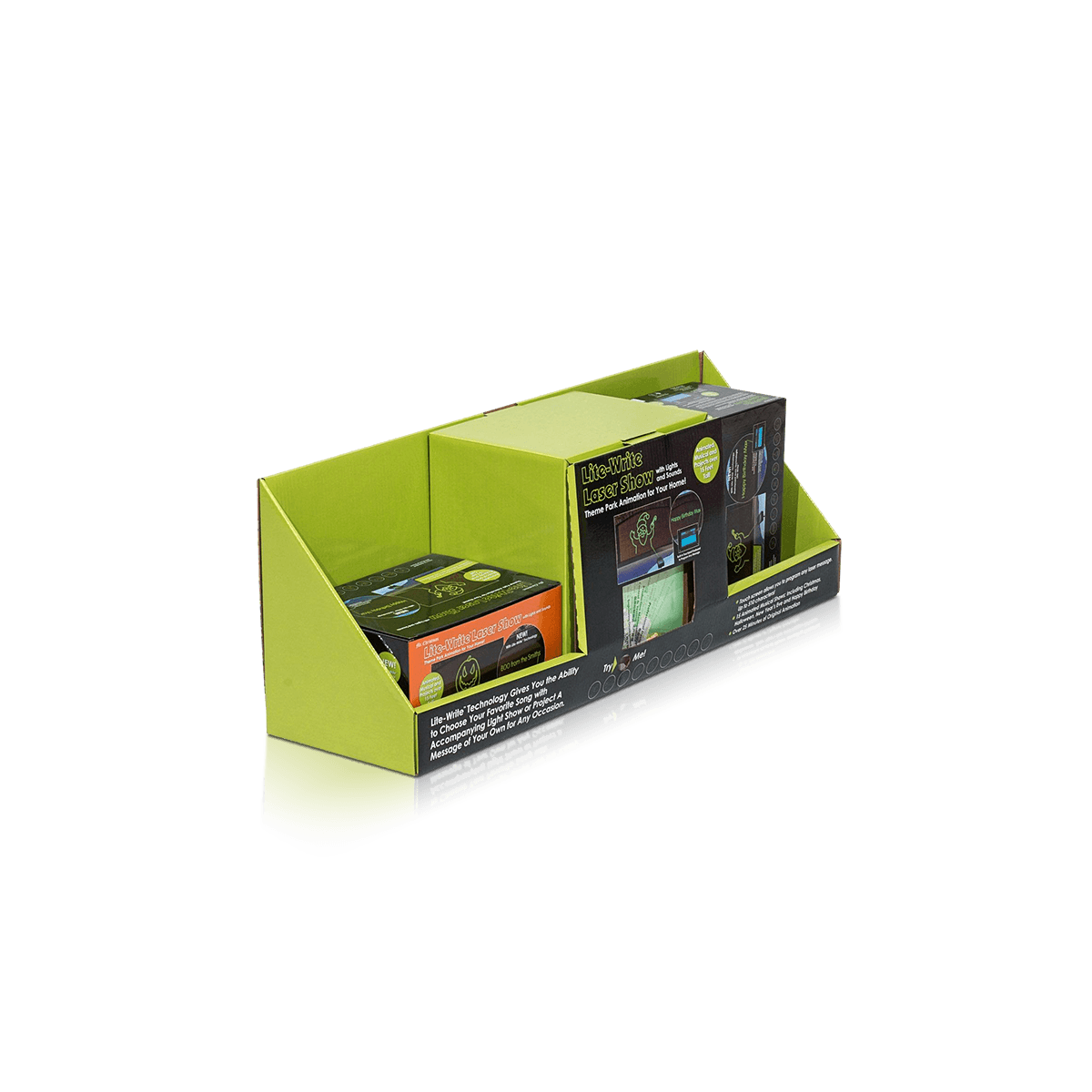
A merchandising display holding several individually sellable products needs a different access arrangement.

The window may occupy the front or upper presentation area while merchandise is removed through a separate opening.

That opening should allow shoppers to take the intended product without disturbing the remaining contents.

If the unit is refilled in store, the access method must also accommodate staff handling.

The transparent panel should not obstruct replenishment or create an unnecessary step each time merchandise is added.

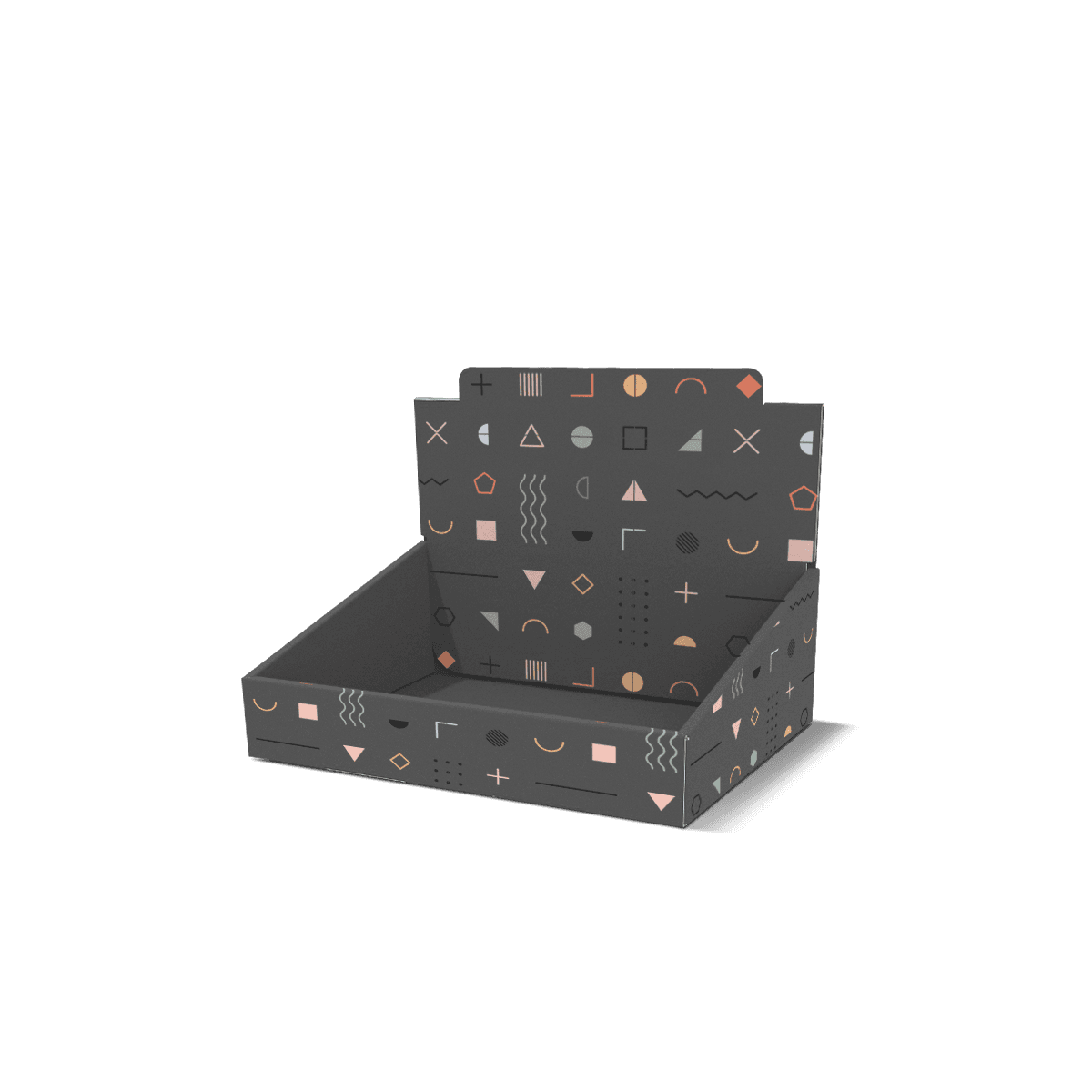
A dedicated counter-ready display box may be more appropriate when rapid conversion from a stocking carton into an open selling tray is the primary operational requirement.

Distribution Protection

A windowed retail display should not automatically be treated as a parcel shipping box.

The transparent opening can be a vulnerable area when packages face compression, abrasion or impacts during distribution.

For ecommerce orders, the retail-facing unit may need an appropriate corrugated outer shipper and internal protection.

The distinctions in retail packaging versus ecommerce packaging matter when deciding whether the display travels individually, inside a shipping carton or as part of a larger case-packed shipment.

A protective outer layer should prevent other items or cushioning materials from pressing directly against the window.

Retail Applications With Clear Value

Selective visibility is most effective when an actual product feature influences the purchasing decision.

The opening should reveal that feature while the surrounding structure performs the necessary presentation and containment duties.

Different merchandise calls for different viewing arrangements.

Beauty and Personal Care

Decorative soaps, bath products, gift sets and certain cosmetics can benefit from visible color, texture or arrangement.

However, not every beauty product needs a transparent opening.

A container with strong existing branding may communicate its identity more effectively through a printed panel.

For items with delicate surface finishes, the packaging should also prevent unnecessary contact with the viewing film.

Bakery and Confectionery

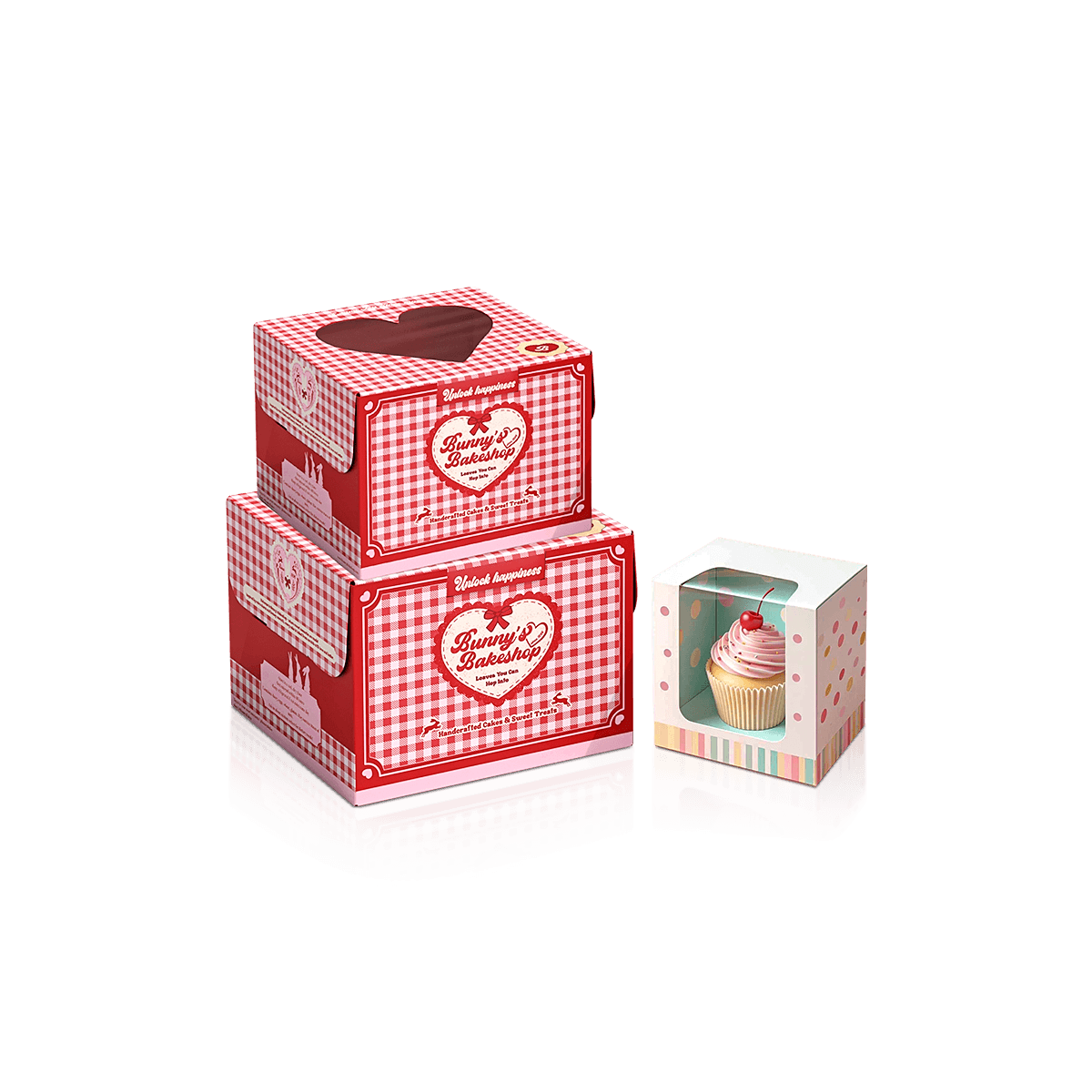
Decorated treats and gift assortments can benefit from a window that reveals their actual appearance.

The opening should account for the product's finished dimensions, including icing, toppings and other protrusions.

A support tray may be needed to prevent movement and maintain separation from the window.

The board, film and any direct-contact components must be assessed for the intended food application.

For products that need an individual carry-ready package rather than a dedicated retail display, a windowed gable or folding carton may be a more suitable construction.

Accessories and Gift Merchandise

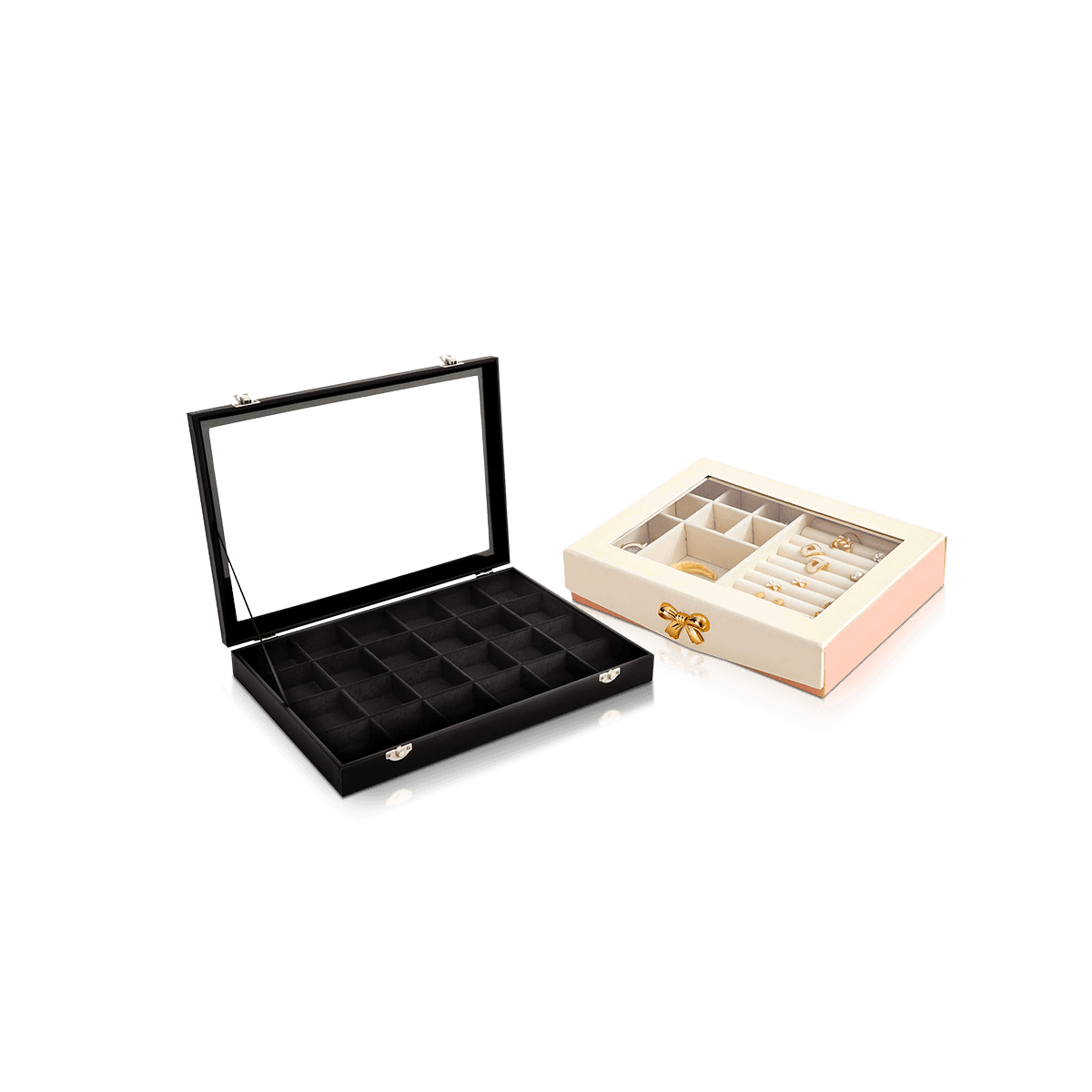
Jewelry accessories, decorative products, small promotional sets and similar merchandise may benefit from selective viewing.

A window can reveal the finish or composition of a set while the printed enclosure establishes its retail presentation.

For highly reflective merchandise, the film and viewing angle need particular attention.

A transparent window that creates distracting reflections can work against the intended presentation.

Windowed or Acrylic Displays

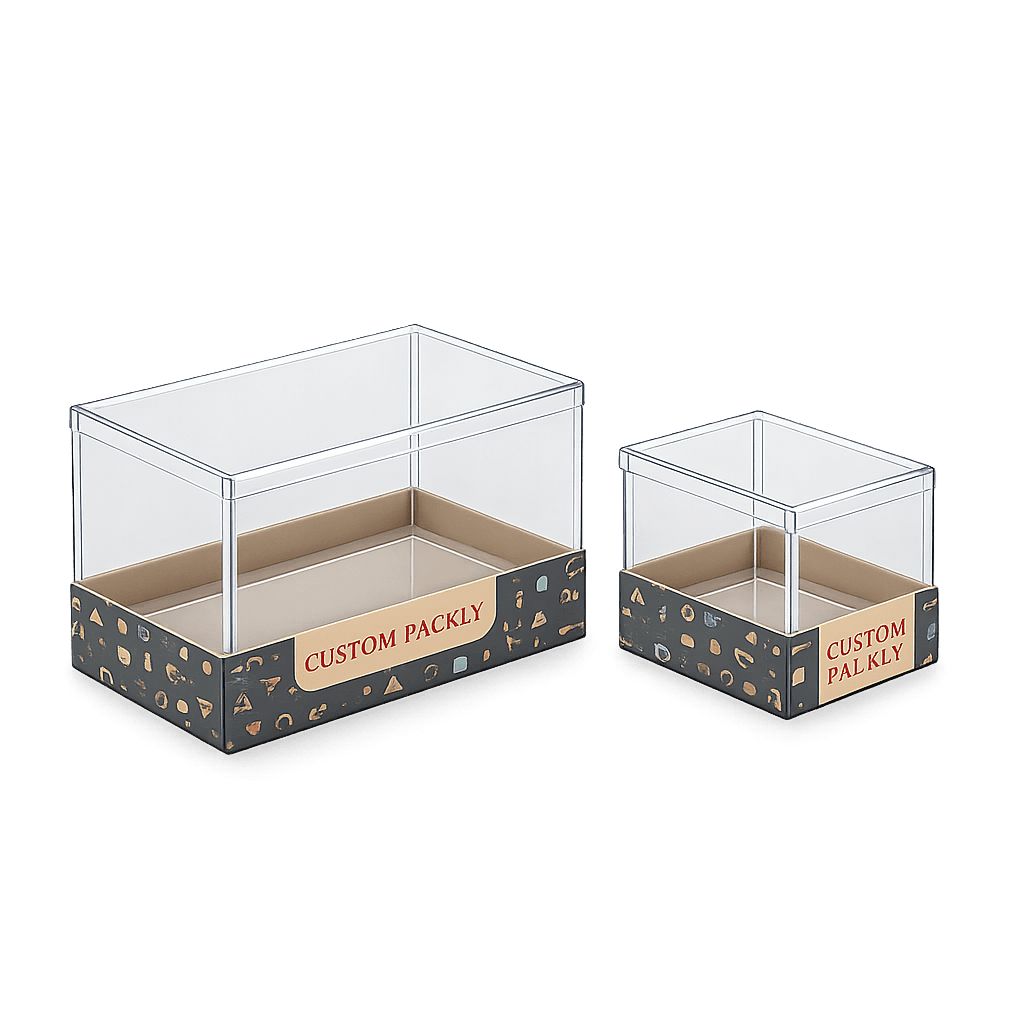
Windowed paper-based displays and acrylic display boxes can both make merchandise visible, but their construction and intended use differ.

A printed board structure suits applications where selective visibility, printed identity and a product-specific enclosure matter.

Acrylic can be appropriate for reusable merchandising fixtures that need extensive transparency and repeated product access.

A windowed display does not need to imitate an entirely transparent fixture.

Its advantage is the ability to control which part of the product shoppers see while retaining printed and structural surfaces.

The Cost of Transparency

A window introduces converting and, when film is specified, additional material and attachment requirements.

These costs should be assessed against the value of the viewing feature rather than treated as an automatic upgrade.

A simple window may be appropriate for an otherwise straightforward display. A complicated opening with intricate geometry and specialized patching can change both the manufacturing process and the commercial specification.

Cutout and Film Decisions

The cost of a windowed display can be affected by:

  • The finished display dimensions and board grade.
  • The shape and complexity of the die-cut opening.
  • The number and position of windows.
  • The selected transparent film.
  • Film attachment and assembly requirements.
  • Internal supports or product-retaining components.
  • Printing, finishing and production quantity.

A window with an unusual outline should have a reason beyond its decorative appearance.

If a simpler opening reveals the same product feature, the additional converting complexity may not improve the finished display.

Production Support and Sampling

Custom Packly provides free design and dieline support, free 3D mockups and US production for made-to-order packaging.

Free examples of previous work can assist with assessing material and print characteristics.

Fully custom physical samples can be arranged as paid samples when the exact window, product fit or film attachment needs to be evaluated before a production run.

The standard USA turnaround is 4–6 days after final specifications and artwork are approved. Complex constructions, specialty materials and advanced finishes may require additional time.

Free USA shipping is included, but standard production turnaround should not be interpreted as a guaranteed delivery date.

Pricing the Actual Construction

The USA minimum order quantity starts from 100 boxes.

The final quote depends on the approved structural configuration, material, printing, film specification and quantity.

A project with a conventional die-cut opening and a straightforward presentation arrangement may have different production requirements from a custom-shaped display with several windows and fitted internal components.

Once the intended construction is established, request a custom packaging quote using the finished dimensions, product requirements, desired window treatment and order quantity.

Custom Packly's 24/7 support can assist with resolving the remaining structural or material decisions.

Let the Product Earn Visibility

A clear window is valuable when it reveals something that printed graphics cannot communicate as directly.

That may be the actual texture of a handmade product, the arrangement of a gift set or the finish of a small retail accessory.

However, the most effective opening is not necessarily the largest.

The display must still retain its merchandise, support its own structure and carry the branding and product information needed at the selling position.

A carefully framed product can communicate more than an oversized transparent panel surrounded by weak construction.

For brands considering several retail merchandising approaches, the display box structures include arrangements with different access, support and visibility requirements.

The final decision should come from the product and its retail presentation.

If shoppers need to inspect an actual feature before purchasing, a correctly positioned window can make that inspection easier. If the product is already clearly presented or its appearance contributes little to the decision, retaining a fully printed panel may be more appropriate.

Windowed displays should make the merchandise easier to judge without creating unnecessary complexity in the packaging surrounding it.

FAQs

Because they show the product while keeping it more protected from direct handling, dust, and messy shelf presentation than a fully open display format. Window patching is specifically used to reveal the product through a die-cut opening while keeping a film layer over that opening.

Not always. Some packs use an open cutout, but many retail formats use a clear film patch because it keeps the product visible while adding a barrier over the opening.

Windowed Display Boxes are usually the better choice when brands want printed paper-based packaging with selective visibility. Acrylic Display Boxes make more sense when the whole unit is meant to stay transparent and reusable as the main fixture.

Yes, when the structure is engineered around fit. Inner supports, inserts, and controlled product placement help keep the featured face centered behind the window instead of shifting inside the pack.

They perform best where shoppers benefit from seeing the actual item quickly, especially in gift-led retail, bakery counters, compact beauty displays, and accessory programs where appearance strongly affects purchase decisions.

Process

How it works

Your Packaging Journey, From Idea to Production and Delivery

01

Tell Us Your Specs

Custom packaging boxes

Tell Us Your Specs

Provide size, quantity, printing, and finishes.

02

Get a Fast Quote

Custom packaging boxes

Get a Fast Quote

Instant transparent pricing, no hidden fees.

03

Design and Approval

Custom packaging boxes

Design and Approval

Artwork checks, revisions, and final sign-off.

04

Produce

Custom packaging boxes

Produce

Expert manufacturing to meet deadlines.

05

Ship to Your Door

Custom packaging boxes

Ship to Your Door

Hassle-free, flexible delivery options.

Get Your Quote for Custom Windowed Display Boxes

Share your product details, size, quantity and artwork needs. We’ll help choose the right packaging style and send a clear quote.