Let the Product Take Center Stage
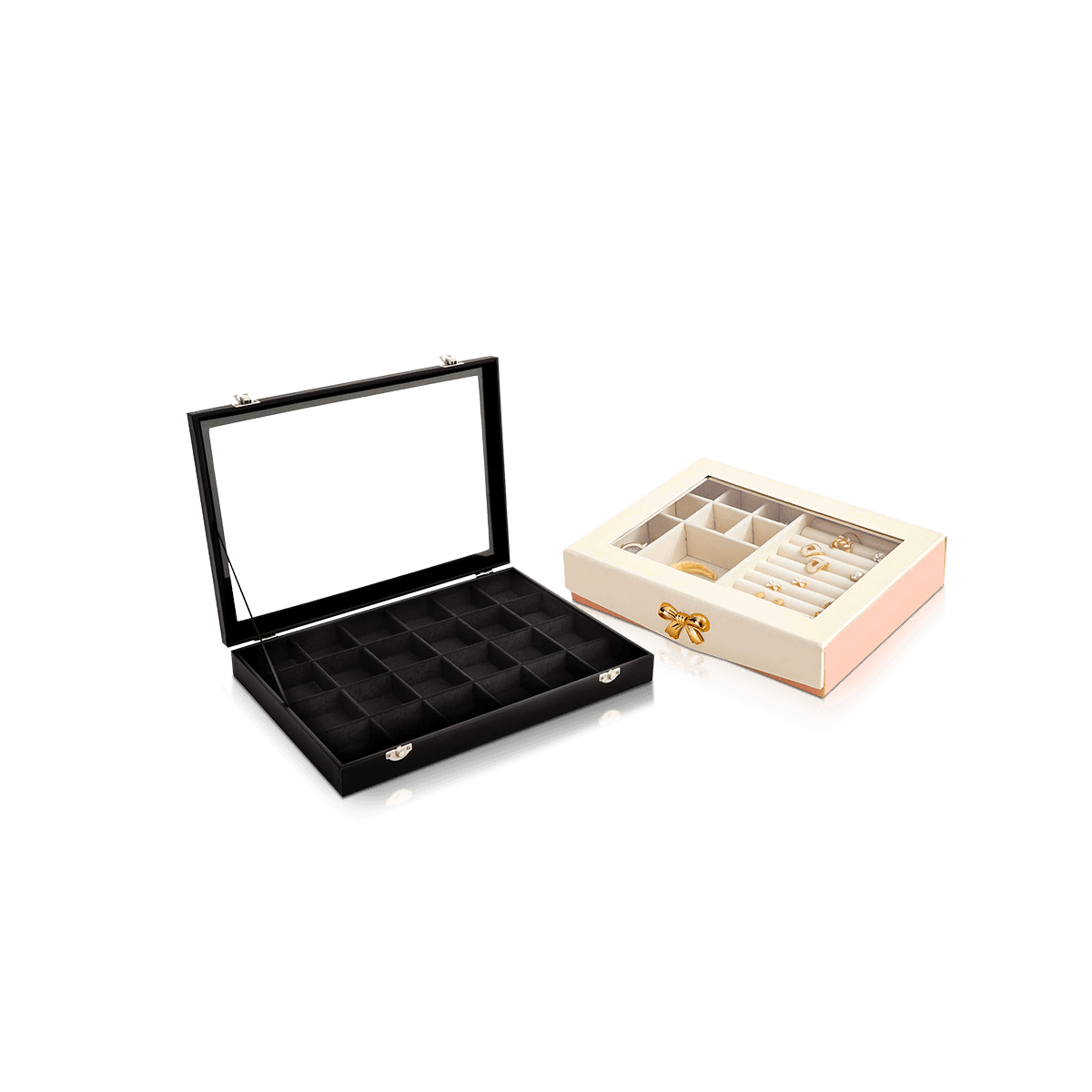
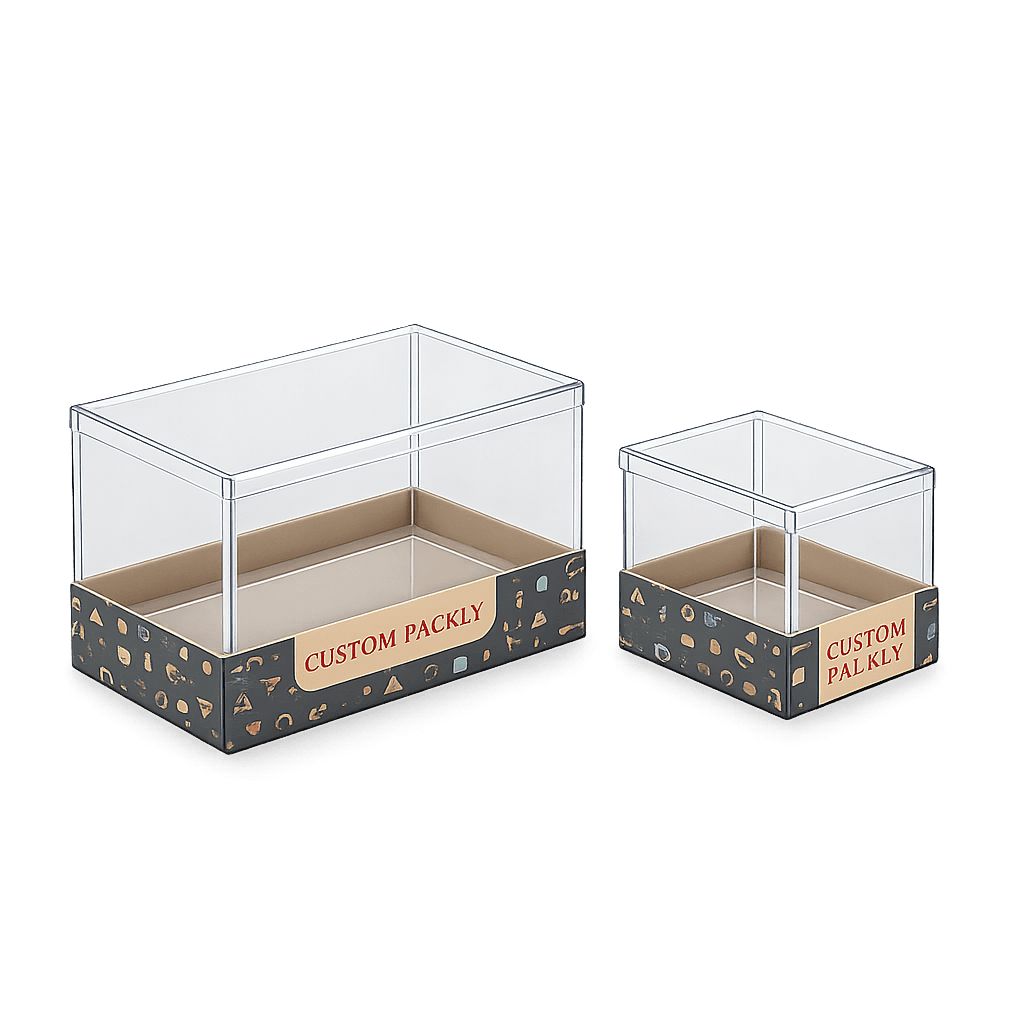
Custom Acrylic Display Boxes are rigid, transparent merchandising cases that present products from multiple viewing angles while controlling their position, accessibility and handling. They suit retail counters, boutique displays, reception areas and other selling environments where the merchandise itself should remain the main visual feature.
Unlike a printed display with a limited viewing opening, an acrylic case can expose the product's front, sides and overall shape through its clear panels.
This makes the construction particularly relevant to jewelry, cosmetics, electronics accessories, collectibles and small premium products whose appearance contributes to the purchasing decision.
The transparency also introduces an important responsibility: everything inside the display becomes part of the presentation.
Loose packaging, exposed supports, uneven product positioning and fingerprints are often more noticeable when there is no printed panel to conceal them.
The Transparent Structure
Acrylic, technically known as polymethyl methacrylate (PMMA), is a rigid plastic used in transparent display cases, covers and retail fixtures.
A typical acrylic display box uses joined panels to form its body. Depending on the intended application, the structure may incorporate an open front, removable lid, access door, internal shelf or fitted product support.
Its construction differs from a folding carton. The walls do not normally fold flat for storage, and the finished case often requires protective packing during transport.
Acrylic is lighter than conventional glass and has good optical clarity. However, it can scratch during handling and may crack under sufficiently severe impact or stress.
Its suitability should be judged against the actual display environment rather than assuming transparency makes it appropriate for every product.
A Reusable Merchandising Asset
Acrylic displays are particularly relevant when the same fixture will remain in service beyond a single promotional campaign.
The products, pricing cards or branding inserts may change while the main display body remains in use.
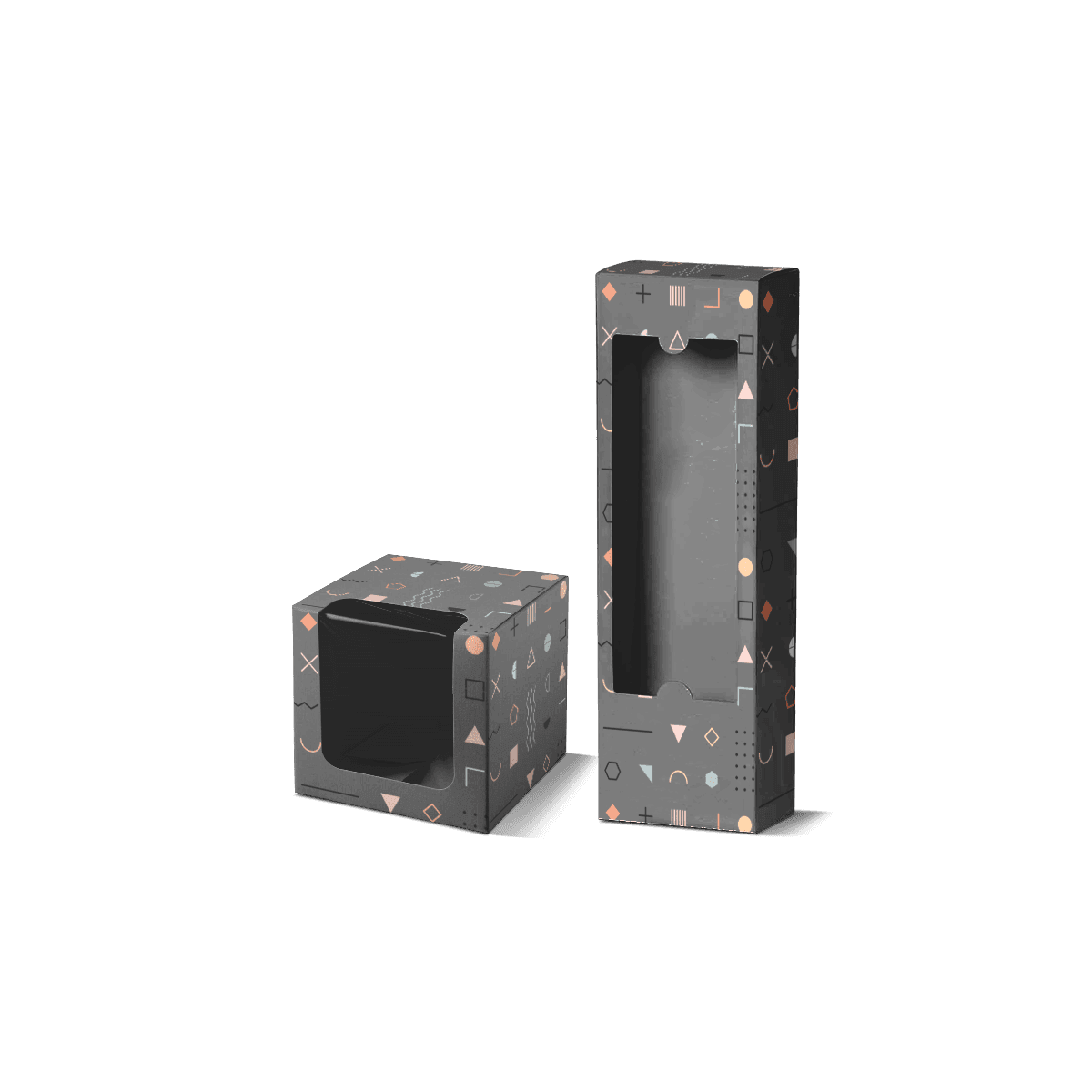
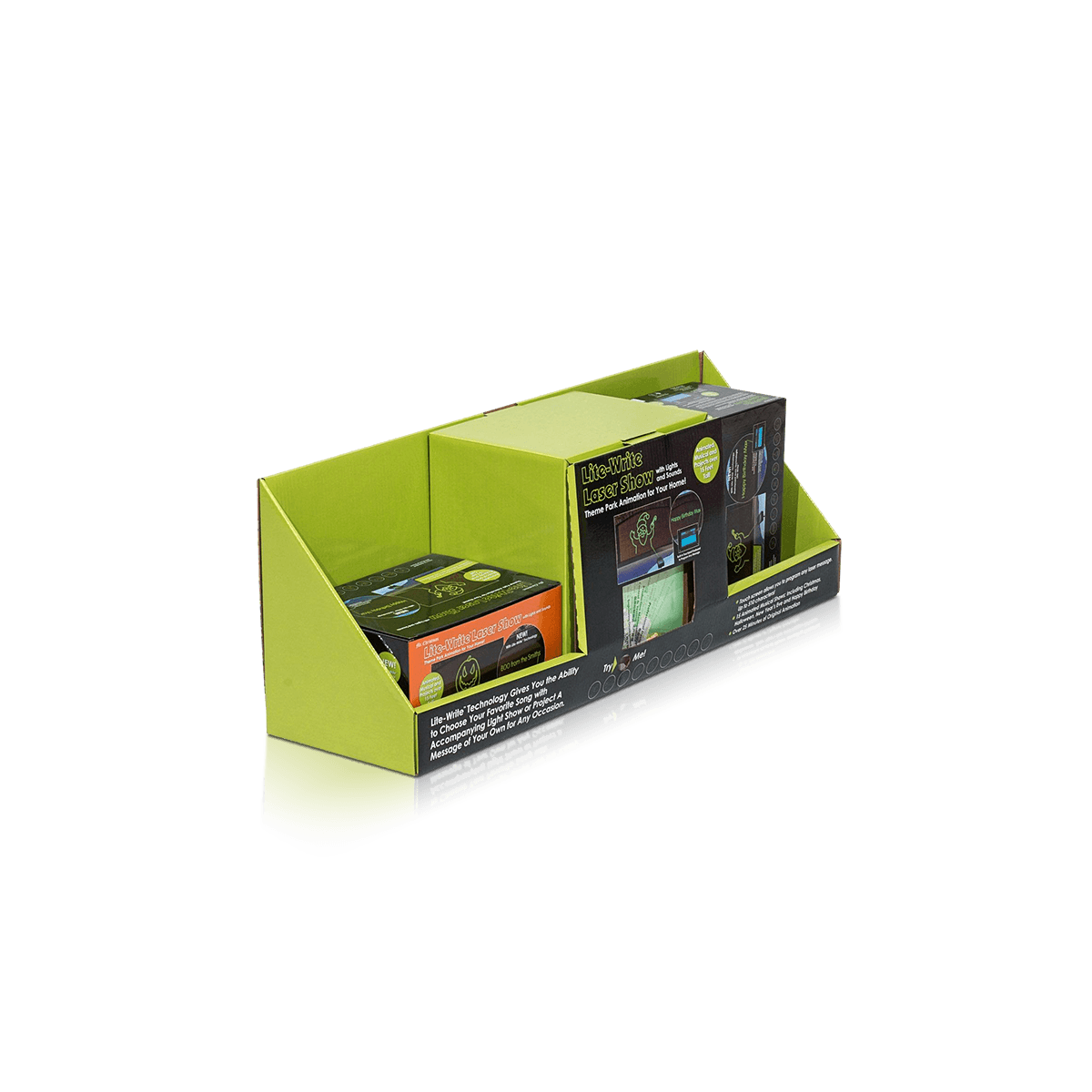
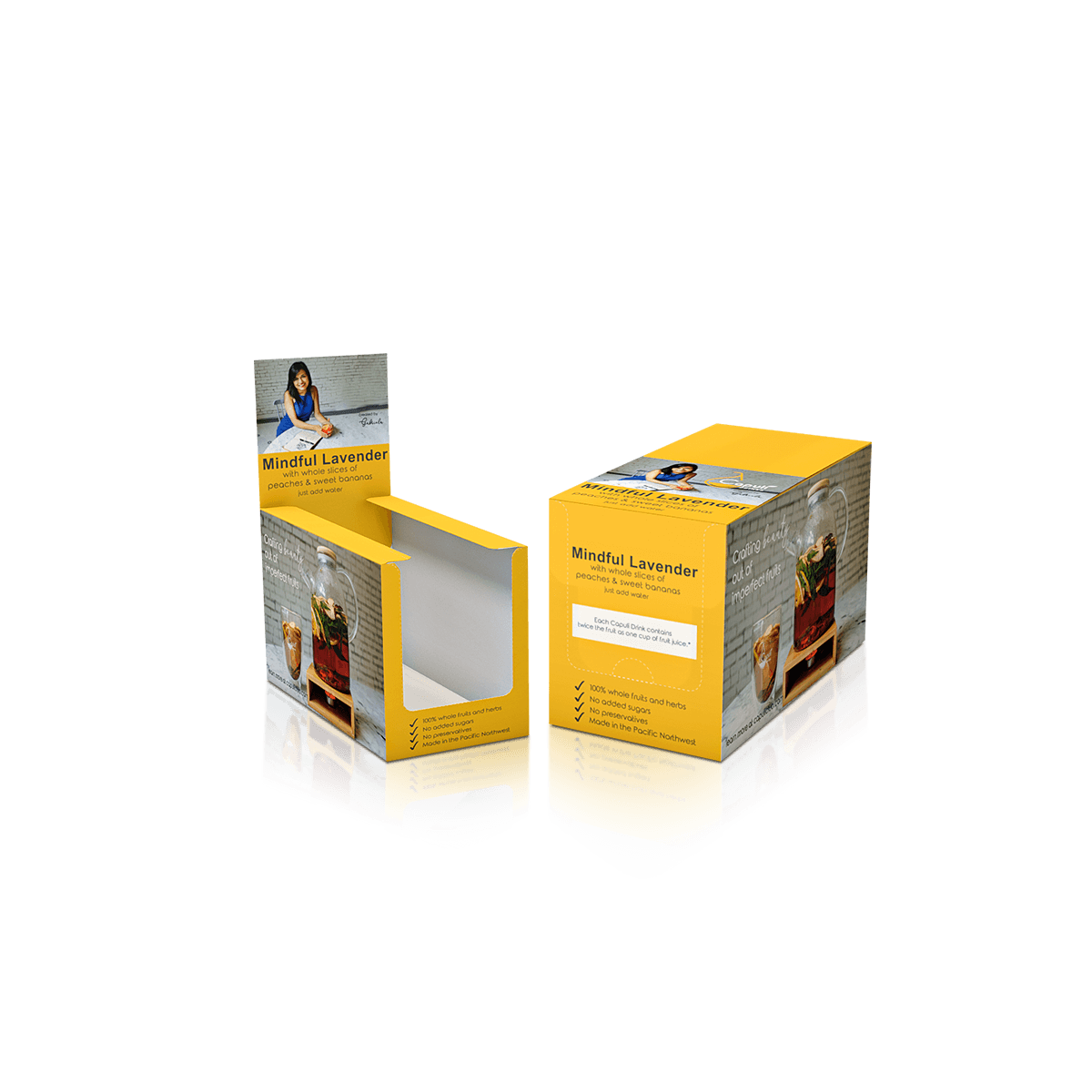
That is a different commercial requirement from a temporary windowed display box, where a printed paper-based structure selectively exposes the merchandise through a cutout.
The acrylic case becomes a reusable part of the retail presentation rather than simply the packaging surrounding one selling unit.