Skip to content
Details

Custom Cardboard Display Boxes for Retail Merchandising

Printed paperboard and corrugated retail displays specified around board conversion, assembled footprint, product load and the work required to install each unit.

A Sheet Becomes a Fixture

A cardboard display begins as a cut and scored sheet, but the finished object must behave like a small retail fixture. Its walls hold a changing product load, its printed panels compete for attention and its joints must survive assembly and everyday handling. A flat sheet that looks economical in a dieline can become an awkward store display if it needs excessive tape, exposes unfinished edges or twists after the first refill.

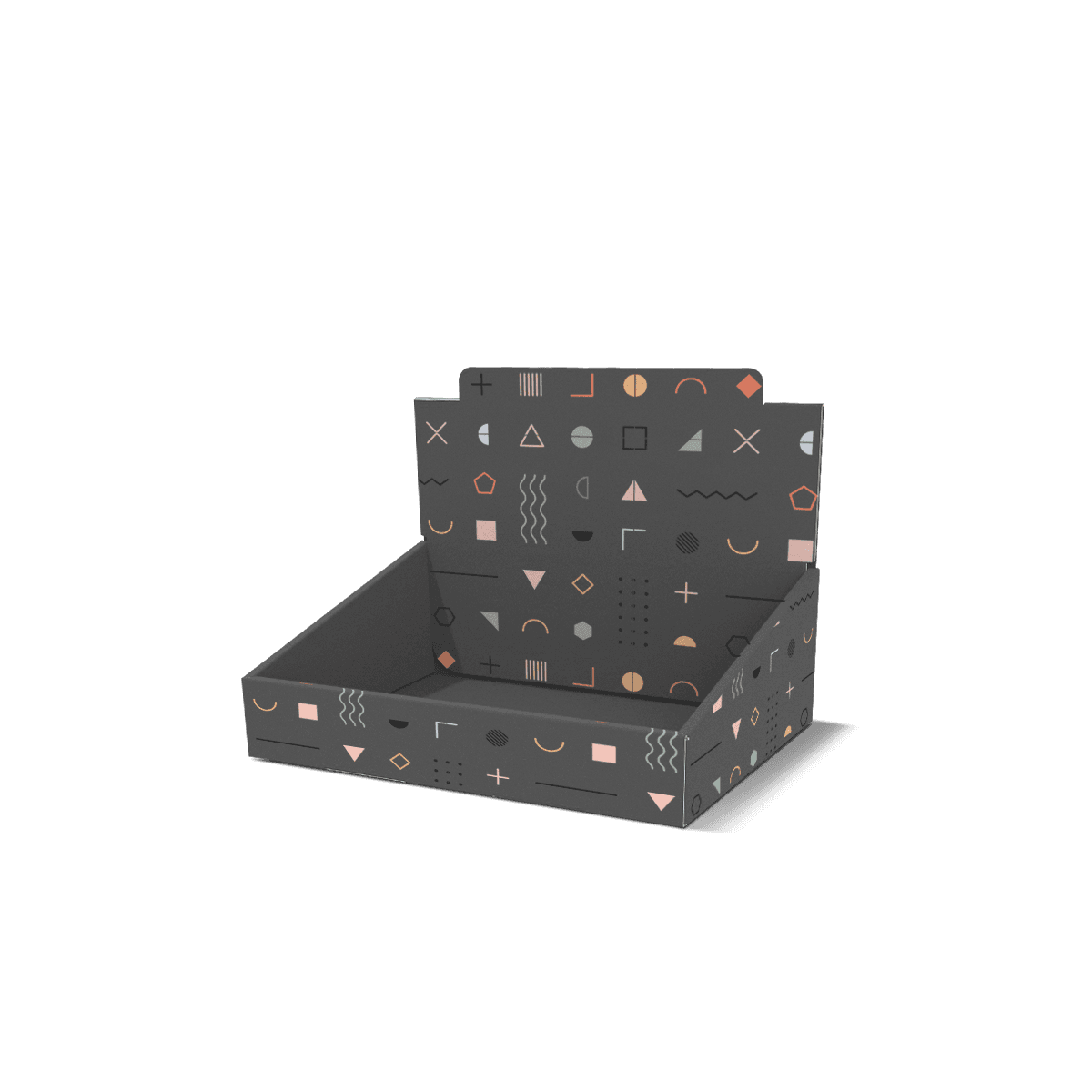
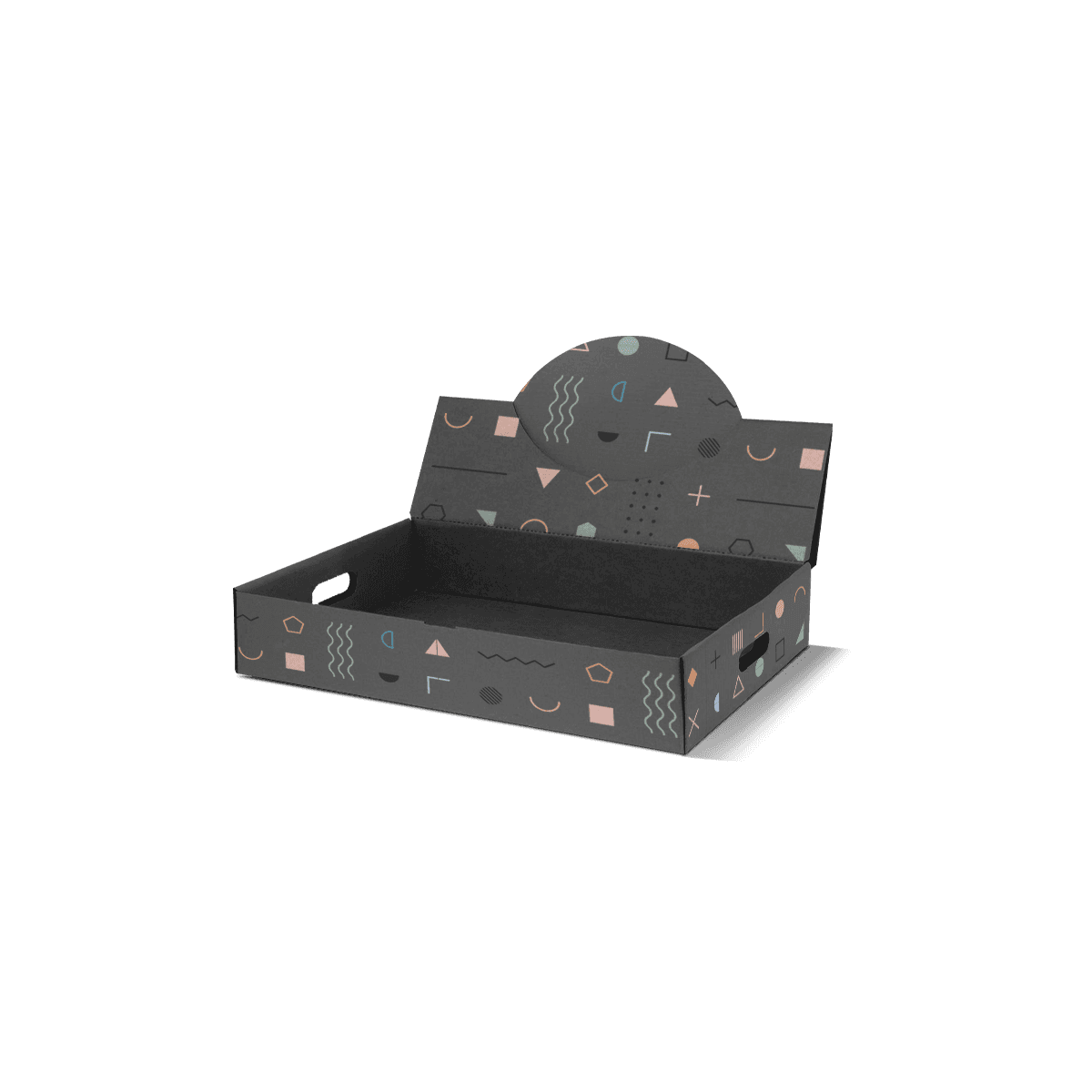
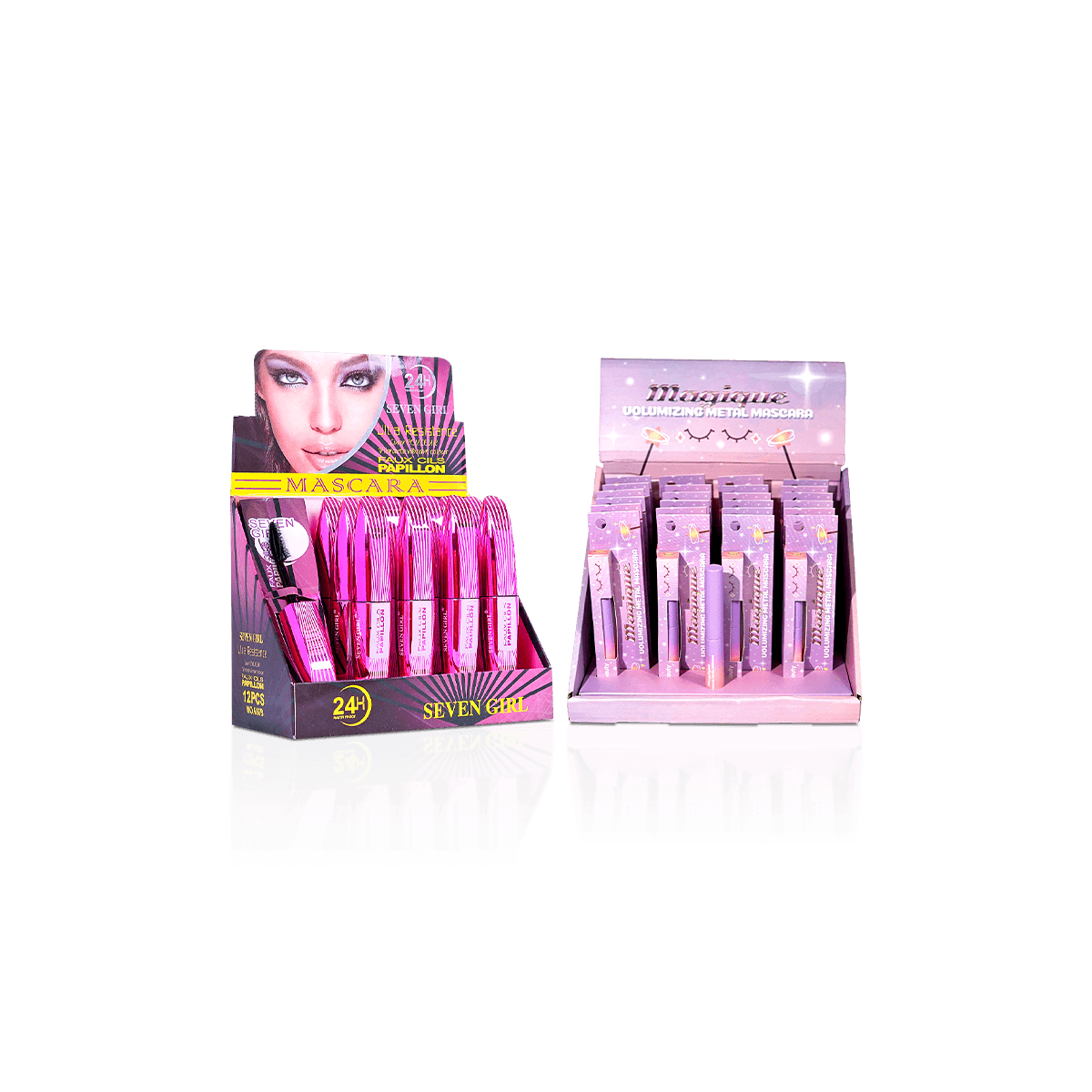
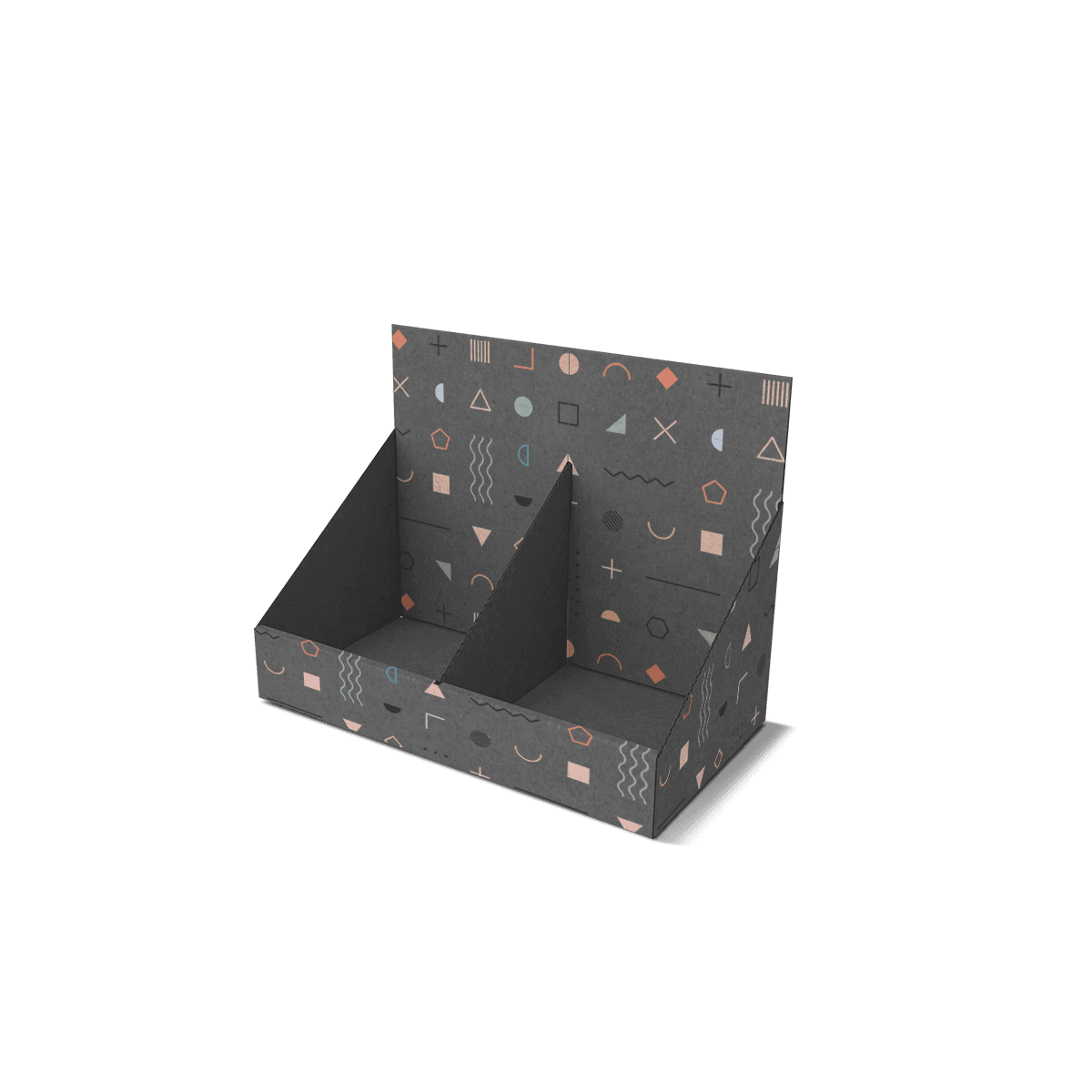
Custom Cardboard Display Boxes are made-to-order paperboard or corrugated merchandising structures for presenting several sellable units on a counter, shelf, promotional table or designated retail fixture. They are especially relevant to temporary promotions, branded launches and store programs that benefit from a printed structure rather than a permanent acrylic or metal fixture. Products normally remain in their own retail packaging; the cardboard unit organizes and presents them.

The central decision is how the fiber-based structure will be converted, shipped, erected and used. A display that arrives flat demands a reliable assembly method. A preassembled unit uses more shipping and storage space. The right construction balances these practical costs with the appearance required at the point of sale.
Board Architecture Before Appearance

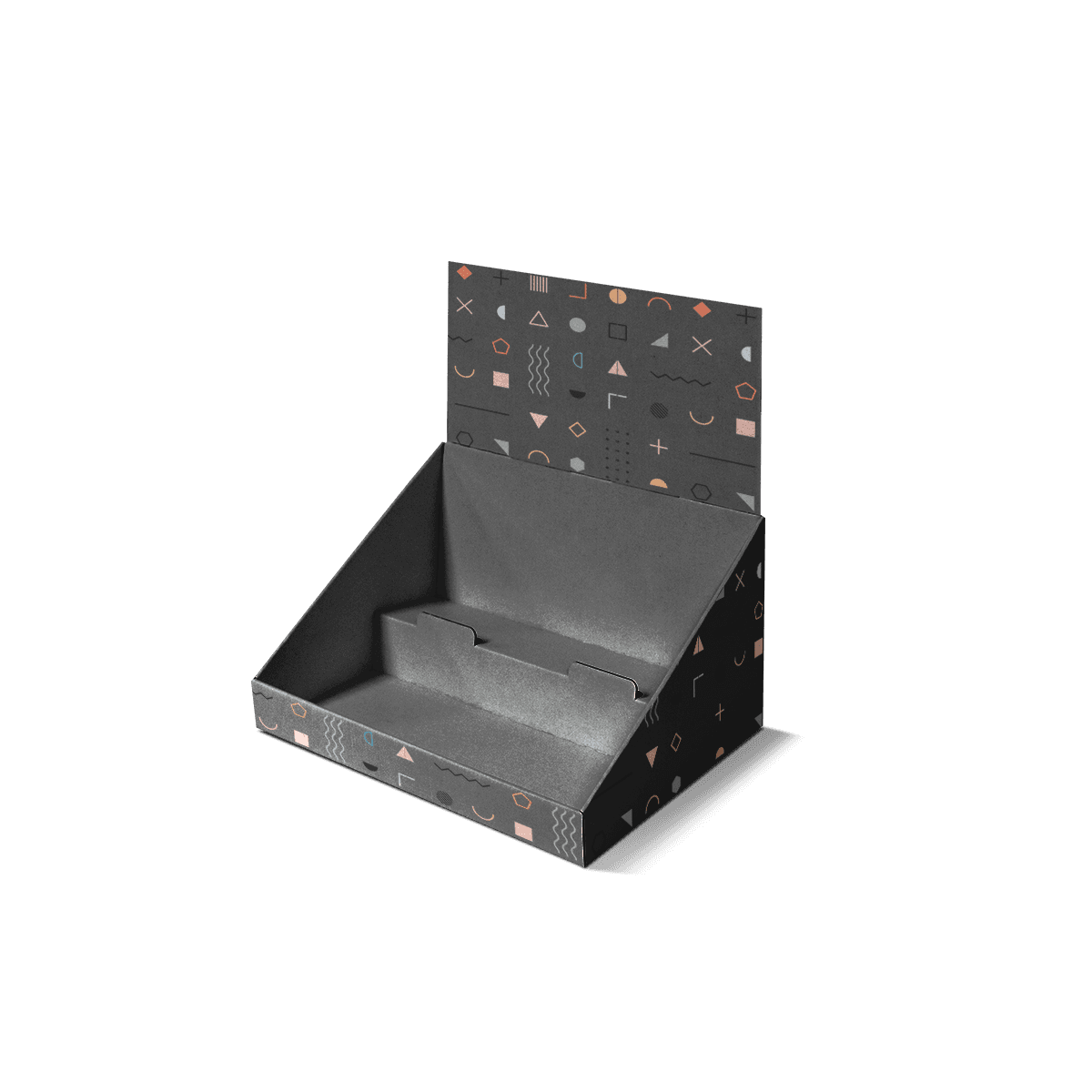
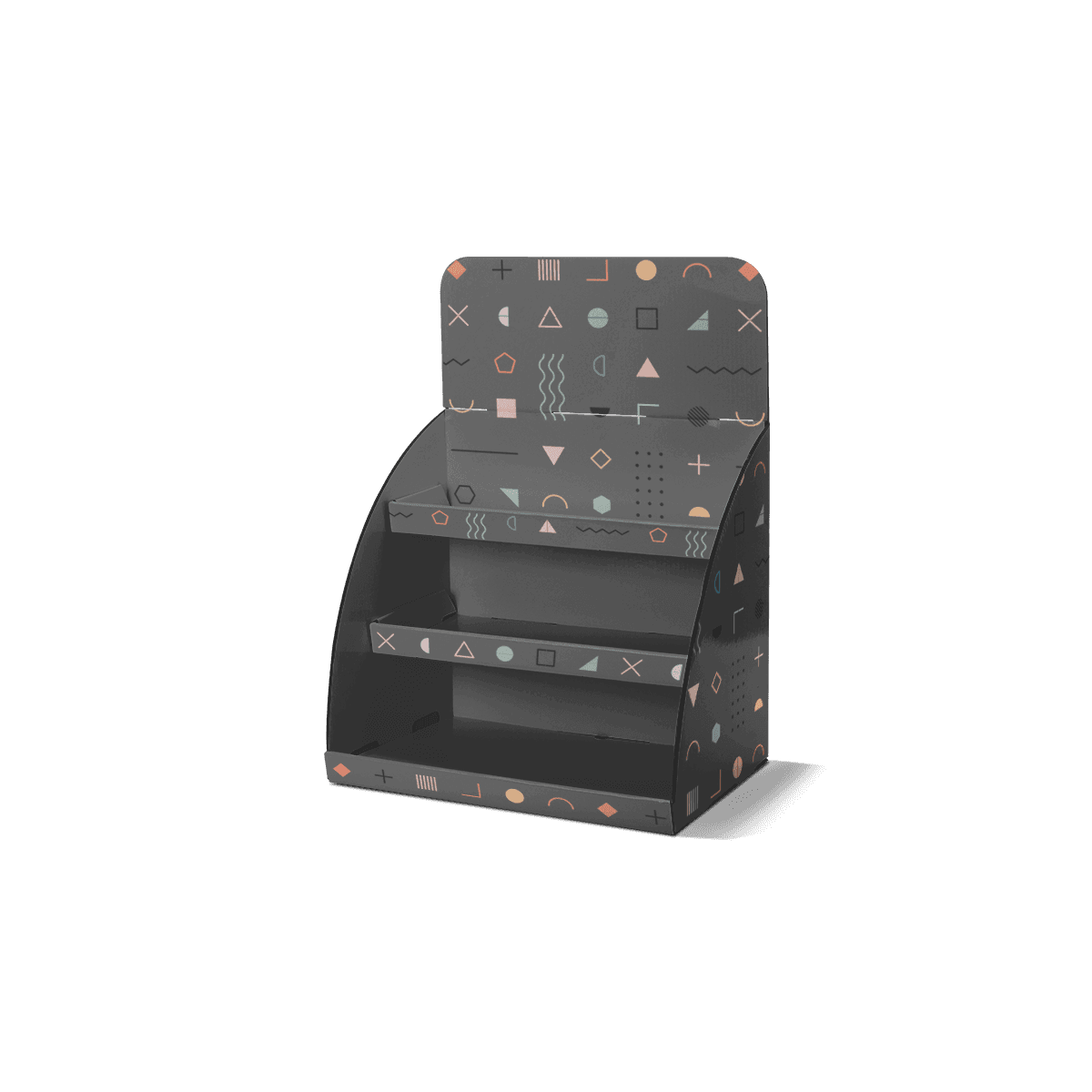
The material specification should describe the complete board construction, not simply call the display cardboard. A compact paperboard tray and a corrugated promotional stand may share printed graphics but have different stiffness, edge thickness, scoring behavior and load paths. Specify the installed dimensions and packed product weight before committing to either.

Paperboard for Small Structures

Folding paperboard suits compact trays, lightweight merchandise and shorter installations when folded flanges and tabs give the unit enough stiffness. Its smoother surface can reproduce fine logos and product imagery clearly. A large unsupported base, however, may sag even when the sheet feels substantial before folding. Narrow folded returns and correctly located support tabs can matter more than simply increasing caliper.

Corrugated for Working Loads

Corrugated board adds a fluted core between liners. Flute profile, board combination and panel orientation affect thickness, bending resistance and cut-edge appearance. A corrugated shelf spanning between two walls needs a different support arrangement from a short tray base resting on a counter. E-flute may suit finer printed compact structures; other flute constructions can be considered as size and load increase, subject to the actual design.

Do not assume that a nominally stronger board automatically fixes a weak display. A long shelf with poor end support can bend regardless of attractive outer printing. The distinctions in paperboard, corrugated and kraft packaging materials are worth resolving before a structural layout is approved.

Cutouts Spend Structural Strength

Every window, lower front opening and decorative cut removes material from a panel that may also be supporting merchandise. The apparent saving from a bold die-cut shape can disappear if the remaining wall requires additional pieces or a heavier board to resist bending. Treat cutouts as part of the load design rather than graphic decoration.

Header and Sidewall Connections

A tall printed header is useful only when its connection to the tray can resist leaning and handling. A narrow tab at each side may let the header rock when the display is moved. Wider folded returns, positive tab engagement or an appropriate bonded joint distribute that movement across more board. Keep the header clear of any opening that weakens its connection to the base.

Windows and Front Corners

A deep scooped front makes products easier to grasp, but cutting too close to the corners can leave slender bridges that split when shoppers lift stock over the edge. A generous corner radius and enough uninterrupted material at the base of the sidewall can preserve the intended opening while reducing stress concentrations. Inspect the physical die-cut sample at those transitions, not just the uninterrupted back panel.

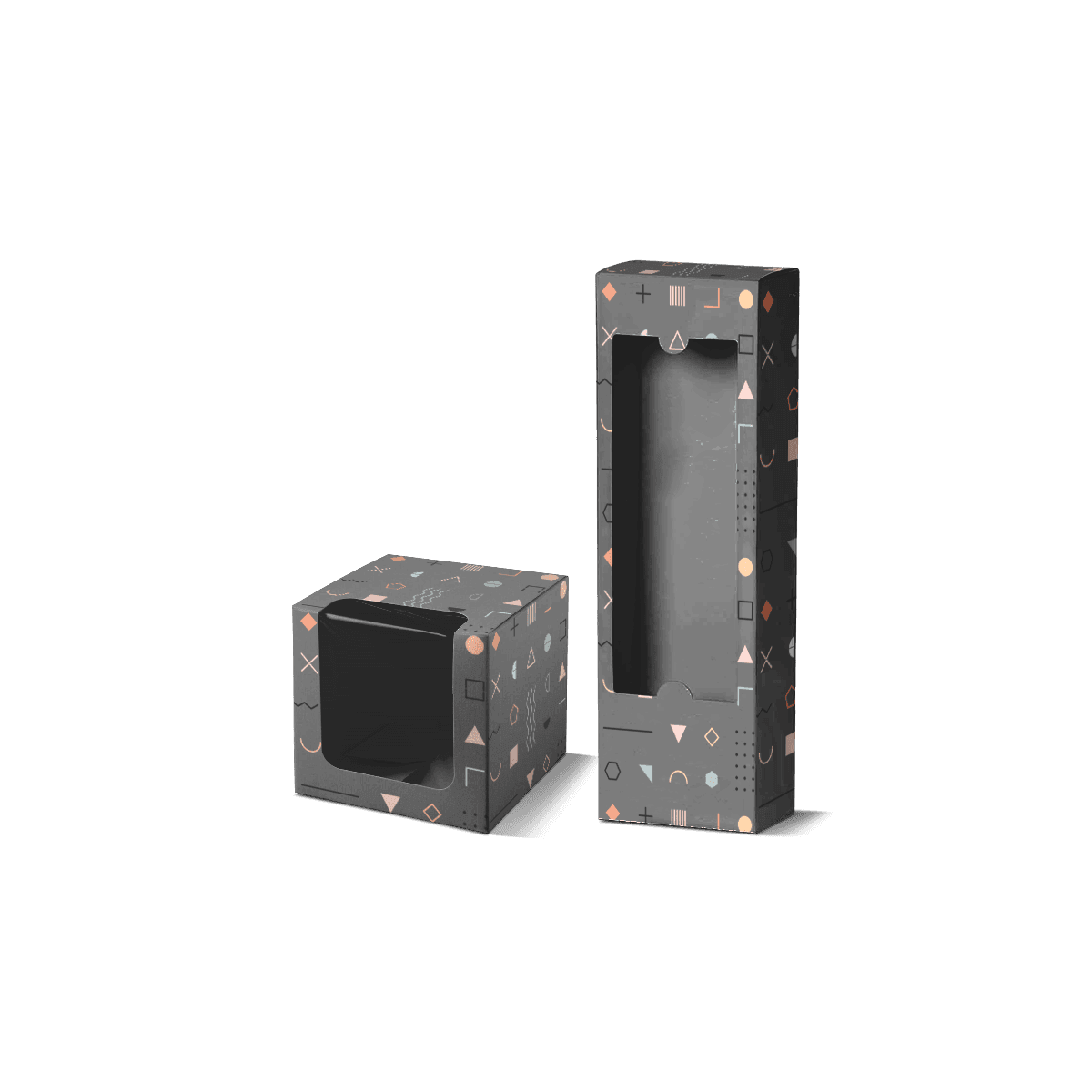
For displays that need a clear view through the merchandise, windowed display boxes may call for a different opening and support arrangement. A cardboard display need not have the largest possible opening to merchandise effectively.

The Installed Footprint Is Real

A retail specification needs two sets of dimensions: the flat shipping form and the fully installed display. Folded returns, attached headers and projecting support feet can extend beyond the nominal product tray. If the retailer allocates a fixed shelf bay, that assembled footprint is the limit, not the size shown on the unfolded artwork.

Allow for Every Projection

Record overall assembled width, depth and height with the highest header and outermost structural feature included. Check whether the unit must sit under a shelf, against a wall or beside an existing fixture. A header that clears an open workbench may strike the shelf directly overhead. The width of a support foot can also prevent two displays from sitting neatly beside each other.

Count the Sellable Units

Calculate the merchandise load using each finished retail pack, including caps, hang tabs and projecting seals. Then decide the intended facings and depth. A long run of identical products might use a continuous tray; visually similar variants may need divided positions or individually identified bays. Add enough removal clearance for a hand without creating so much free space that units rotate.

The Display Boxes assortment includes structures selected by store position and shopping method. On this cardboard build, the measurement that cannot drift is the actual installed envelope, including the board features that make the sheet stand up.

Assembly Is a Store Task

Many cardboard displays are economical to distribute because they can arrive flat. That advantage disappears if staff cannot identify the correct folds or need improvised adhesive to finish assembly. Before choosing flat supply, decide who will erect the display, what tools they can use and how much setup time the store can realistically give it.

Scores, Tabs and Fold Sequence

A clean assembly uses score lines that fold in the intended direction, tabs with sufficient engagement and a base that remains square once loaded. Where a display must be assembled without glue, test the final locking method at the approved board grade. Tabs that fit a thin white prototype may bind after the corrugated construction or coating changes.

Give staff a simple sequence that places load-bearing folds before decorative panels. Avoid a step that requires one person to hold a heavy shelf while simultaneously reaching underneath to secure a tab. If glue joints are specified, decide whether they are completed during production or left for store assembly; they are not interchangeable operations.

Flat Pack or Preassembled

Flat supply reduces the space needed to store and send empty display structures, but adds store labor and creates opportunities for inconsistent setup. Preassembled supply can suit small counts or complex joints, though it generally occupies more volume. A pop-up display box is worth considering when the brief specifically calls for a faster deployment mechanism rather than ordinary fold-and-tab construction.

Check an erected sample with the intended merchandise and ask someone unfamiliar with the dieline to assemble it using the proposed instructions. If the structure only stands correctly after a designer adjusts the tabs by hand, the conversion is not ready for a multi-store rollout.

Printing Follows the Actual Folds

The printable sheet and the visible display are not the same graphic surface. Front lips conceal parts of lower product packs, folded flanges can carry artwork onto a side face and the underside of a shelf is rarely visible to shoppers. Place brand identity and product recognition on panels that remain exposed after the unit is assembled and filled.

Artwork on the Finished Shape

Lay artwork onto the final die-cut and score pattern, including the real crease widths, glue zones and folded returns. Important typography should not cross a scoring channel or sit against a die-cut edge. A large uninterrupted logo may be better split across two intentional visible faces than stretched over a fold that breaks its letterforms.

A free 3D mockup can check assembled appearance before the production artwork is approved. It should show a loaded display from the actual shopper approach, not just an empty three-quarter view. The principles behind packaging that stands out on store shelves are particularly relevant to visible hierarchy and readable type.

Ink, Coating and Cut Edges

White-coated board supports bright full-color graphics; unbleached kraft gives a different print result and can mute pale inks. Premium offset printing can deliver detailed retail artwork where the chosen substrate and structure permit it. Confirm whether the design calls for CMYK process printing or a specific spot-color target, and approve critical color on the intended material.

Folded ink areas and exposed corrugated edges deserve separate attention. Dark solids can show abrasion during packing and store handling, while heavy coatings across a tight score may crack. Test printed folds and contact points before adding a finish purely for appearance.

Merchandise Needs Its Own Pack

The cardboard display normally presents already packaged merchandise. It should not be treated as the food-contact layer, leakproof container, tamper barrier or protective package for delicate bare components unless an appropriate separate construction has been verified. A visually open display can still carry sealed snack packets, cosmetic cartons, hardware bags or retail accessory packs.

For example, consider an illustrative hardware promotion with individually bagged fittings arranged in two rows. A corrugated base carries the weight, but a tall rear wall is needed to display the assortment name. If the bags slide into one another, a low internal partition can establish lanes without turning the unit into a deep open bin. The bags keep their product identification and containment; the display handles the merchandising.

Electrical parts display boxes address the additional problem of distinguishing similar components at a trade counter. The cardboard construction here is the retail fixture rather than the technical protection surrounding an individual electrical part.

A separate shipping case may still be needed when displays and merchandise travel through distribution. A display tray with an open face is not automatically suitable for parcel handling, pallet compression or loose transport simply because it is corrugated.

The Store Environment Consumes Board

Temporary cardboard merchandising needs a realistic service period. A display in a dry boutique faces different wear from one beside a busy checkout, in a humid stockroom or in an area cleaned frequently with liquids. Fiber-based boards can lose stiffness when exposed to moisture, and repeated rubbing can mark printed edges and exposed corners.

Contact Points Wear First

Inspect the corners that employees grip, the lip customers rub when removing products and the bottom face that rests on the fixture. Reinforcement is most valuable at the actual handling points. A thicker decorative header adds little if the front corner is the part tearing during repeated picks.

Coatings can help protect selected printed surfaces from routine scuffing, but no ordinary coating should be represented as making a cardboard display waterproof or suitable for every cleaning process. Test the actual display against the store's expected handling conditions when exposure is significant.

Dispose of the Actual Construction

Recyclability depends on the complete construction and the collection system that will receive it. Board type, plastic window film, lamination, adhesives, metallic effects and attached components can change the disposal route. A predominantly paper-based display is not proof that every finished version will be accepted in local recycling.

If simplified end-of-promotion handling matters, discuss removable nonpaper parts and the actual board/finish combination before artwork approval. Make a disposal claim only after confirming the selected construction and the relevant local rules.

Costs Accumulate Around Conversion

The lowest sheet price is not necessarily the lowest installed display cost. Die-cutting yield, scoring, separate header pieces, adhesive operations, print coverage, assembly labor and the shipping form can all change the economics. Compare quotes against the same finished display and the same number of selling locations.

One Piece or Multiple Parts

A one-piece cut and folded layout may simplify component handling, but a large sheet can waste board if the parts do not nest efficiently. Separating the header from the base can improve sheet yield or allow different printing, while adding a connection and an assembly step. Neither construction is cheaper in every quantity; compare the actual production route.

The Retail Program Quantity

Estimate how many complete displays are required per store, how many backup units are needed and whether stores will replace the full display or refill an existing one. A short campaign with new artwork may justify replacing the printed unit. A longer program may benefit from retaining the structural base while changing an independently printed header, if its attachment has been designed for that use.

Custom Packly's USA minimum order quantity starts at 100 boxes, with project-specific requirements determined by structure and specifications. Standard turnaround is typically 4–6 days after artwork and specifications are approved, while complex display builds or special finishes may take longer. Free shipping and US production are part of the current USA offering.

The cost drivers for custom printed boxes are a sound starting point for a quantity discussion, but obtain a display-specific price that includes all required parts and the intended packing form. Once the installed construction, print treatment and rollout count are known, request a custom display quote using that complete specification.

A Different Fixture Changes Economics

Cardboard is most compelling when printed merchandising, manageable shipping weight and a finite display life matter. It is less convincing when the same unit must withstand years of cleaning, frequent relocation or heavy repeated loads. Changing to a different material or merchandising format can eliminate the weakness rather than trying to compensate with ever more cardboard.

Acrylic display boxes suit programs that need a see-through, reusable fixture and do not rely on large printed board panels. A dedicated paperboard or corrugated tray is more flexible for replacing seasonal graphics. An acrylic fixture carries a different initial cost and handling method, so compare its expected reuse rather than just its purchase price.

When stock should arrive in a closed case that opens directly into the selling position, counter-ready display boxes solve the conversion-from-shipping requirement. A separate cardboard display can be shipped empty and filled after installation. That distinction affects case packing, retailer labor and protection through transit.

For loose, bulk promotional stock that customers browse by rummaging, bin display boxes have a different containment and fill-level problem. A slender printed shelf display should not be forced to carry the lateral pressure or access pattern of a bulk bin.

Release the Store-Ready Configuration

The final approval should reproduce what the store will receive and what shoppers will see after setup. That means an installed cardboard structure at its actual location, merchandise packed to the proposed count and the intended refill method documented. A flat artwork proof alone cannot approve any of those operating conditions.

Confirm the approved assembled footprint, load-bearing joints, exposed print panels, assembly sequence and shipping form on one complete physical example when the structural risk warrants it. During repeated production, retain a clear identification for the approved dieline and board construction so a later artwork change does not accidentally alter the fold or tab geometry.

For multi-store programs, agree whether the retailer wants empty flat displays with separate merchandise cases, preassembled units or a specifically qualified ship-and-display configuration. Then determine who applies product labels, installs the header and allocates stock to each location. A store team should be able to recognize the finished configuration without reconstructing the original design decision.

Custom Packly can support design and dieline checks, digital proofs and 24/7 packaging assistance while this handoff is defined. Physical sample examples are available; a fully customized physical sample may be paid. The deliverable is an agreed display that staff can erect, stock and maintain, not merely an attractive printed sheet.

FAQs

They are the right fit when products need branded visibility, quick deployment, and a display format that is easier to replace, refresh, or roll out across multiple stores.

Cardboard Display Boxes are usually the better option for printed promotions, seasonal campaigns, and lighter-weight rollouts, while Acrylic Display Boxes suit reusable, see-through merchandising where the display itself is meant to stay in use longer.

No. They work best for lightweight to medium-weight products when the board grade, panel depth, and structural packaging design are matched to the load.

Header cards, inside printing, full-color CMYK artwork, PMS color matching, perforated openings, and branded side walls are all common options for this format.

Recyclability depends on the specific board, coating, adhesives and attachments, along with local collection rules. Confirm the finished construction before making a recycling claim.

Process

How it works

Your Packaging Journey, From Idea to Production and Delivery

01

Tell Us Your Specs

Custom packaging boxes

Tell Us Your Specs

Provide size, quantity, printing, and finishes.

02

Get a Fast Quote

Custom packaging boxes

Get a Fast Quote

Instant transparent pricing, no hidden fees.

03

Design and Approval

Custom packaging boxes

Design and Approval

Artwork checks, revisions, and final sign-off.

04

Produce

Custom packaging boxes

Produce

Expert manufacturing to meet deadlines.

05

Ship to Your Door

Custom packaging boxes

Ship to Your Door

Hassle-free, flexible delivery options.

Get Your Quote for Custom Cardboard Display Boxes for Retail Merchandising

Share your product details, size, quantity and artwork needs. We’ll help choose the right packaging style and send a clear quote.