Skip to content
Details

Custom Makeup Boxes

Coordinate tubes, pencils, compacts, palettes and makeup kits through one packaging system without forcing different products into the same box structure.

One Structure Cannot Fit the Whole Makeup Line

A makeup collection can share one visual identity without sharing one box.

Lipstick tubes are narrow and upright. Eye pencils are long and light. Compacts are flat. Palettes spread their weight across a wider footprint. Multi-product kits may combine several of those shapes in one presentation.

Custom Makeup Boxes work best as a coordinated packaging system for different makeup products, not as one universal carton stretched or padded until every SKU fits.

The structural rules should change with the product while the visual rules stay recognizable. Logo placement, typography, brand colors, finish hierarchy and variant identification can remain consistent even when dimensions, board and internal support change.

When a project extends beyond makeup into skincare or fragrance, cosmetics and personal care packaging can keep those product types under the same overall brand direction without treating them as physically identical.
Group Products by Physical Behavior

A useful makeup packaging system starts by grouping products according to how they behave inside a box.

That is more practical than organizing packaging only by product name.

Tubes and Pencils Need Close Cartons

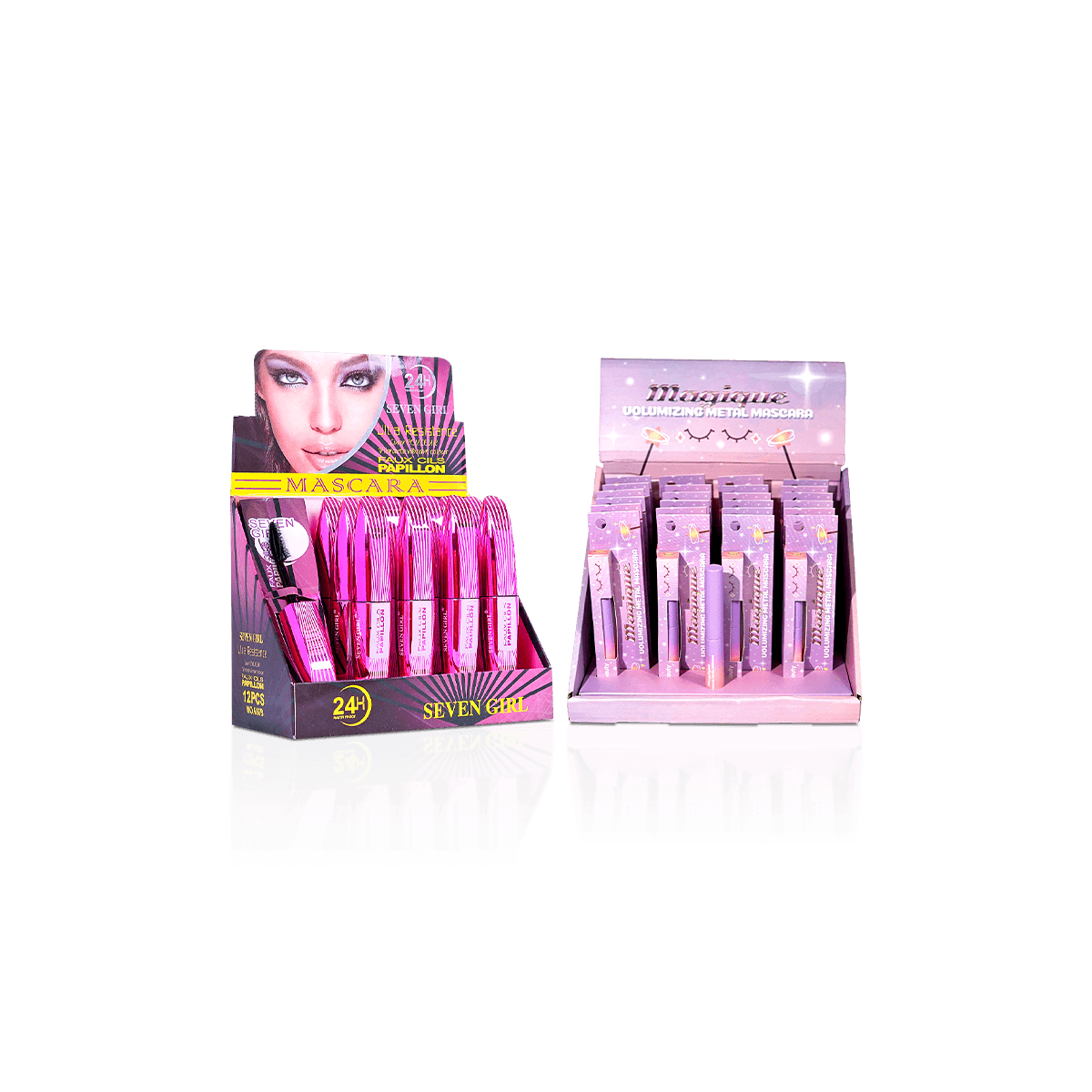
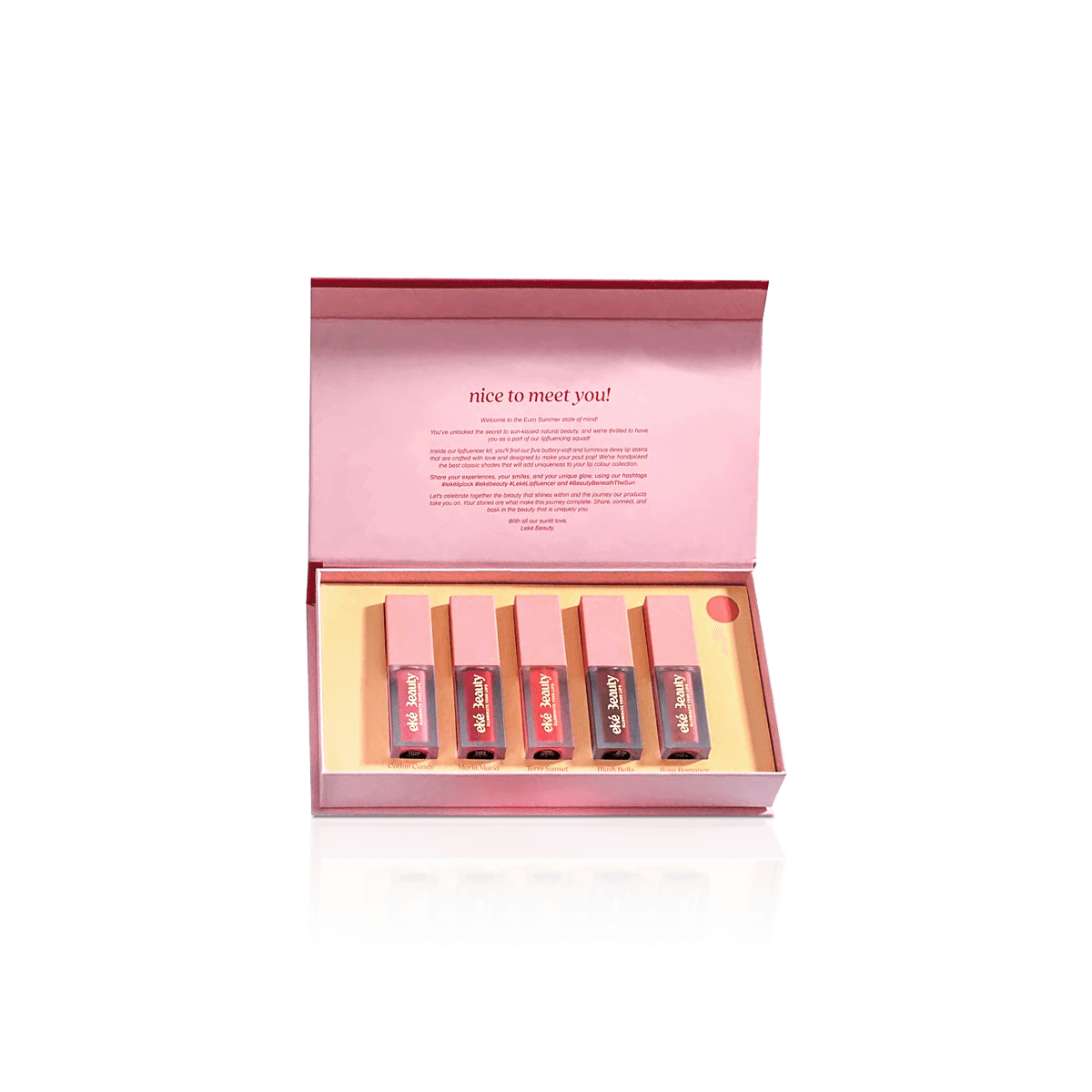
Lipsticks, mascara, eyeliner and similar products usually benefit from compact secondary cartons that limit unnecessary movement.

Long narrow products can exaggerate small fit errors because the carton has little spare width. Caps, shoulders and applicator housings also need to be included in the finished dimensions.

For a lipstick SKU, custom lipstick boxes can focus more closely on tube clearance, shade identification and small-panel artwork.

The wider makeup system should preserve the same brand logic without assuming that every other product needs those exact proportions.

Compacts Need Flat-Surface Support

Blush, bronzer, pressed powder and similar compacts spread their mass across a wider face.

Their packaging should limit sliding and protect the compact housing without squeezing hinges, catches or opening lips.

A paperboard carton can work well for everyday retail units. High-value compacts may justify a firmer presentation structure if the package itself is part of the premium experience.

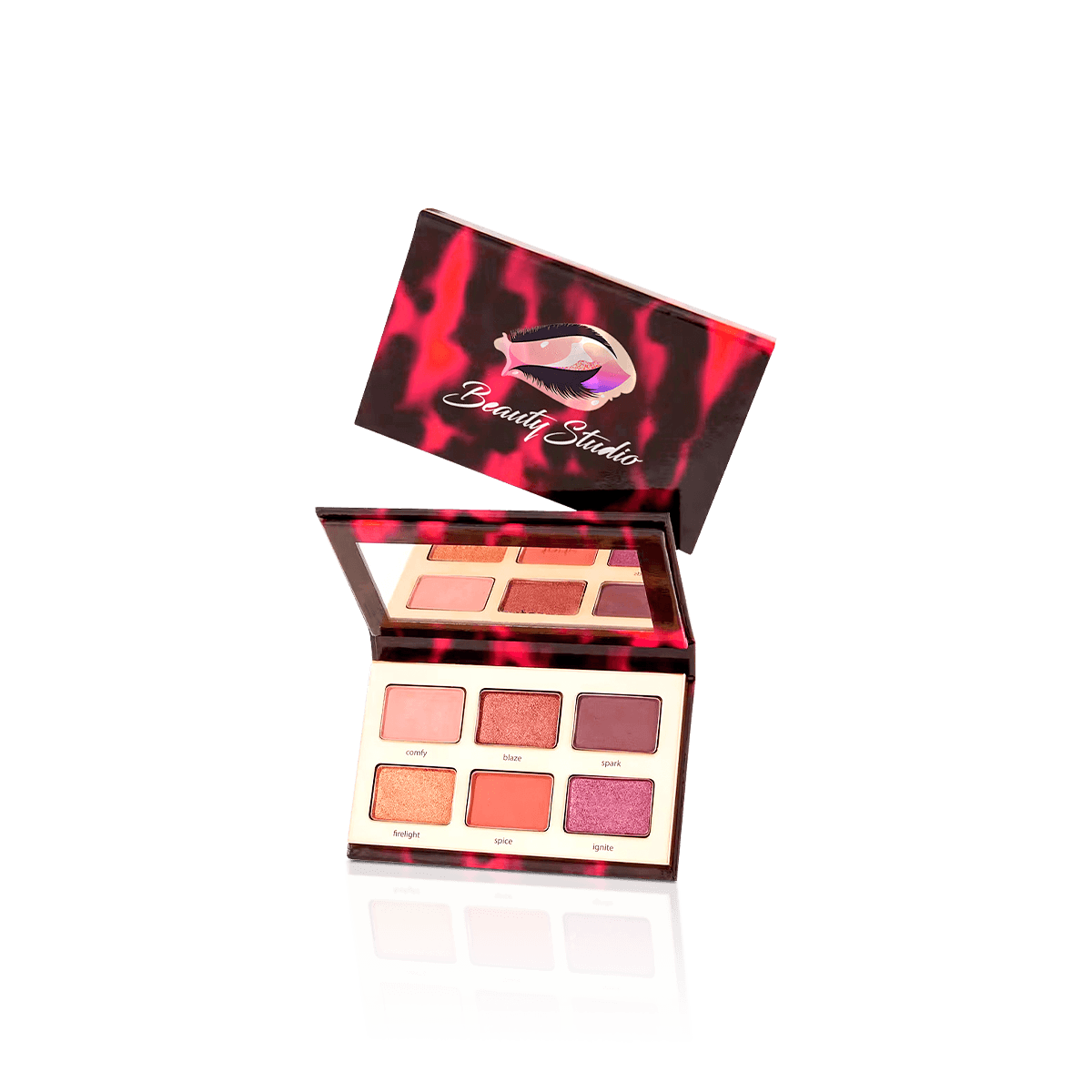
Palettes Need Movement Control

Large palettes can be relatively thin yet still carry meaningful weight.

That combination can stress broad carton panels and allows the product to build momentum if excessive internal space is left around it.

A better fit or simple internal support often contributes more than making the entire outer package unnecessarily heavy.

Keep the Brand Stable While Dimensions Change

A recognizable makeup line does not require every box to have the same proportions.

It requires consistent design rules.

For example, the logo might always occupy the upper third of the principal panel. Shade or formula identification might always sit near one edge. A defined accent color may identify product families while the primary brand color stays fixed.

That allows a slim lipstick carton, square compact box and wide palette package to look connected without distorting any of them into an unsuitable shape.

Custom printed boxes become relevant when color, artwork placement and repeat print consistency have to stay controlled across several box sizes.

Create Flexible Artwork Zones

Rigid artwork templates become difficult when product proportions vary significantly.

Instead, define zones that can adapt.

A makeup system might establish:

  • fixed logo position
  • consistent type hierarchy
  • one variant-information zone
  • controlled barcode placement
  • repeatable finish position
  • adaptable campaign-art area

The system stays recognizable while each carton still respects its own usable panel space.

Price Tier Can Change the Structure

Not every makeup SKU deserves the same packaging weight.

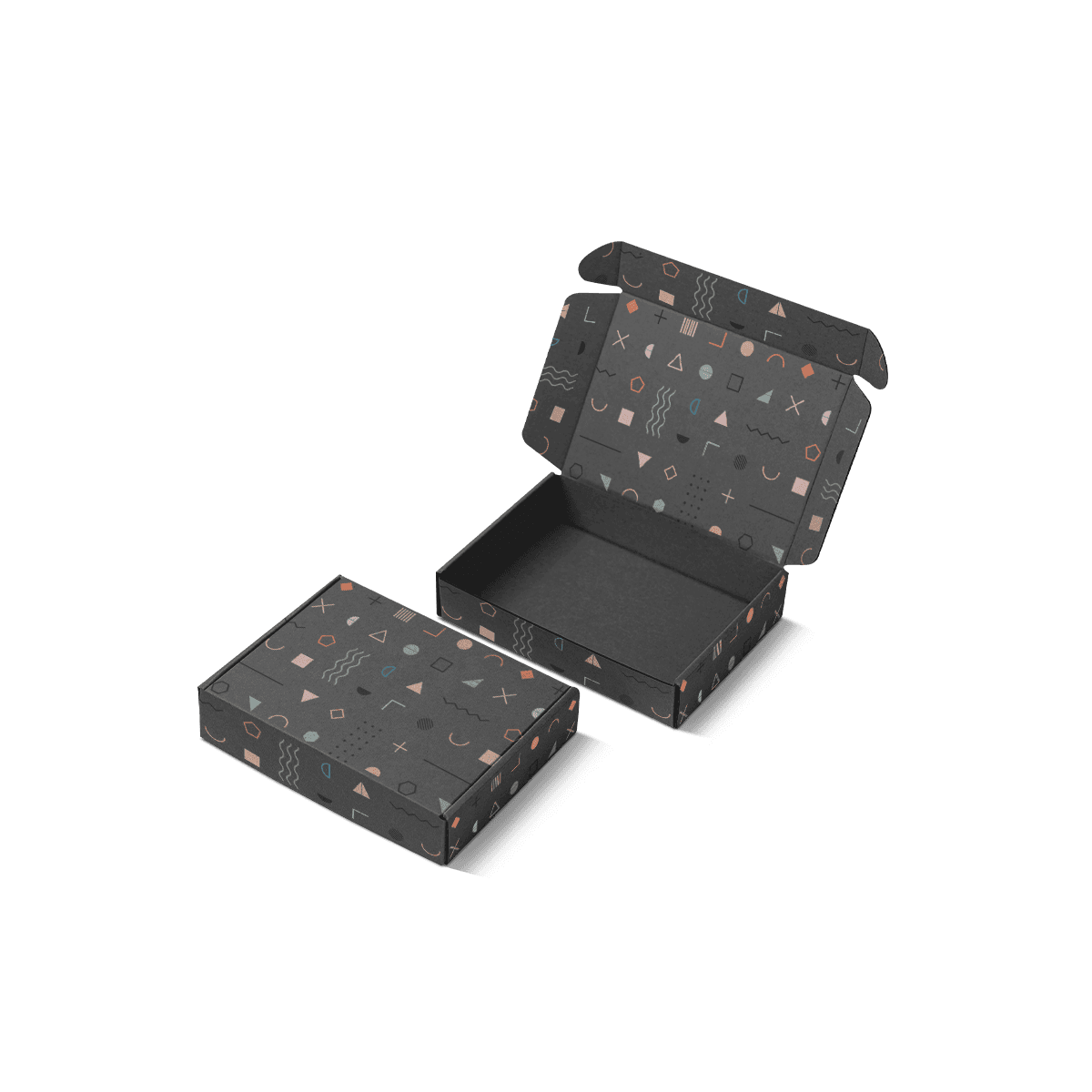
Core retail products often benefit from folding cartons because they store flat, run efficiently across multiple SKUs and give enough surface area for branding and product information.

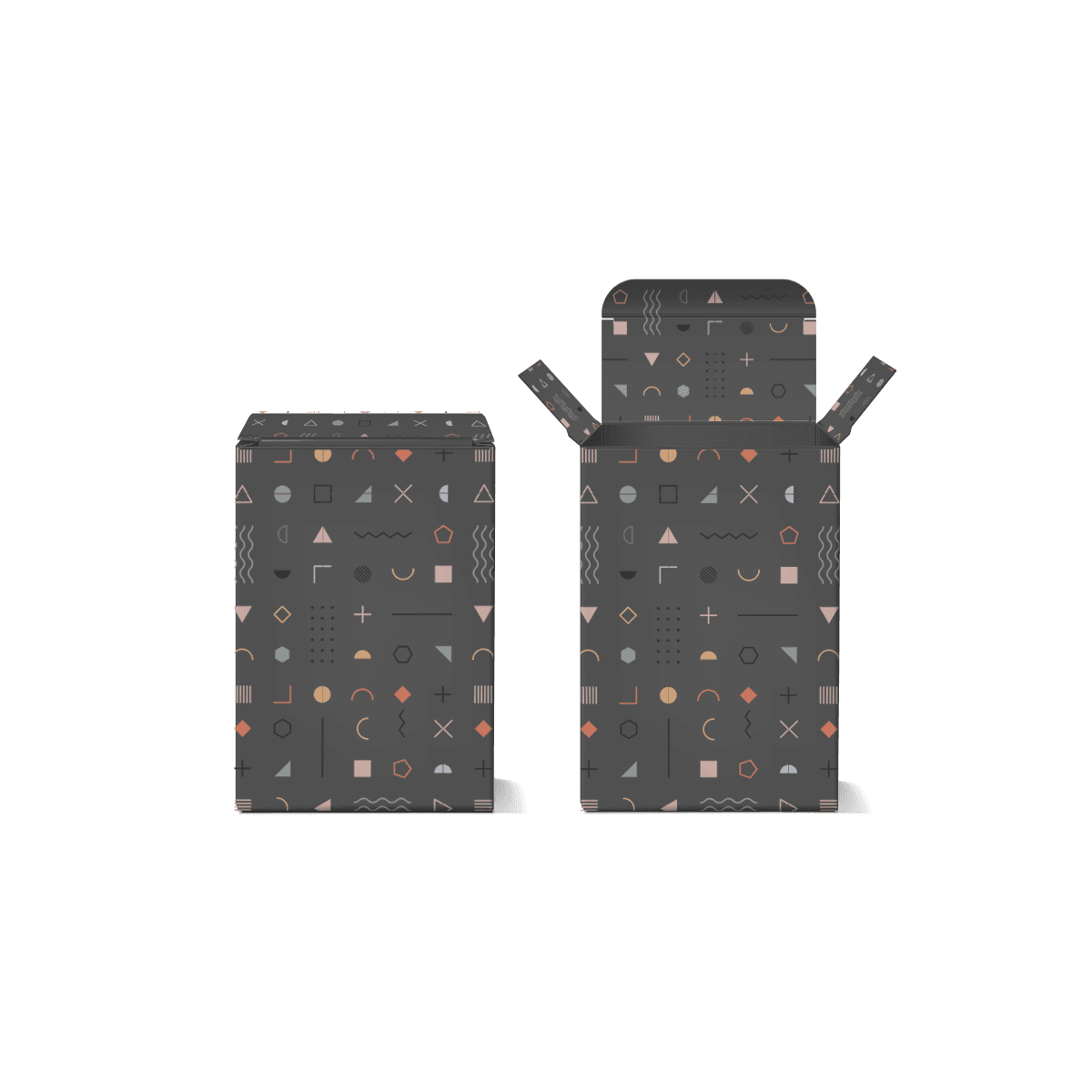
Folding Carton Cosmetic Boxes suit many everyday beauty products where efficient storage, packout and printed communication matter.

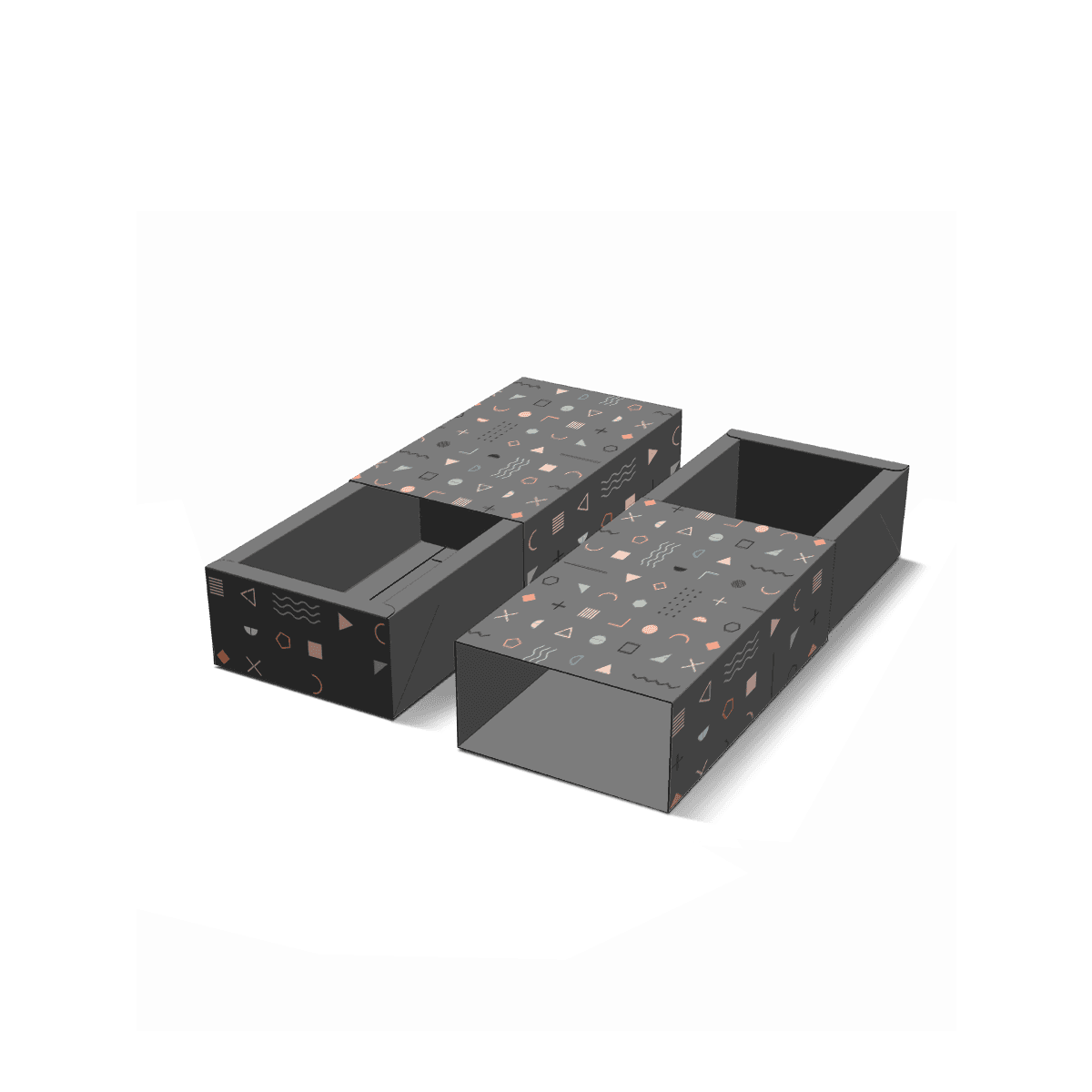
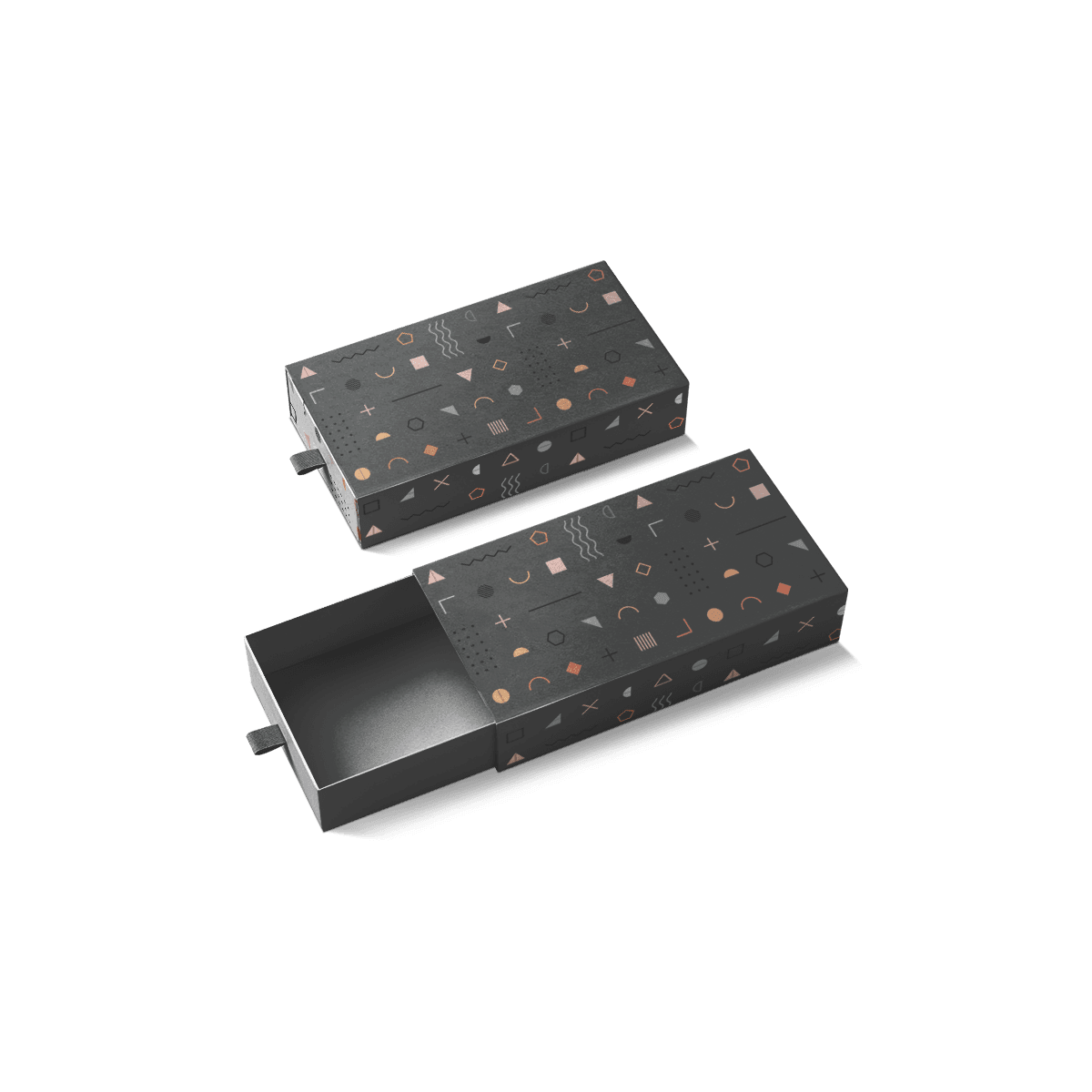
Prestige launches, high-value kits and limited editions can step into Rigid Cosmetic Boxes when heavier walls, fitted interiors and a more substantial opening experience justify the extra material and storage volume.

Using structure to signal price tier can be cleaner than redesigning the brand every time the product moves up in value.

The customer should still recognize the same makeup company. The physical experience simply becomes more substantial.

SKU Recognition Needs a Fixed System

Makeup collections can multiply quickly.

A product may have several shades, finishes, formulas or limited-edition versions while the physical container remains almost identical. That creates a fulfillment and retail problem long before it becomes a graphic-design problem.

Variant information should appear in a predictable location.

Use One Recognition Zone

Shade names, shade numbers or formula identifiers should not move randomly from one package to another.

A fixed zone helps warehouse teams, retail staff and customers locate the distinction faster.

The zone can move proportionally when carton dimensions change, but its logic should remain consistent.

Do Not Depend on Color Alone

A colored panel can reinforce a shade or product family, but typography and identifiers still matter.

Print is not the cosmetic formula itself and similar hues can become hard to distinguish under different lighting.

A written shade name, number or other supplied identifier makes the system easier to manage when visual differences are subtle.

For brand colors that must stay stable while product accents change, CMYK and Pantone printing can help establish which colors should be process printed and which may need tighter spot-color control.

Mixed Sets Need Their Own Interior Logic

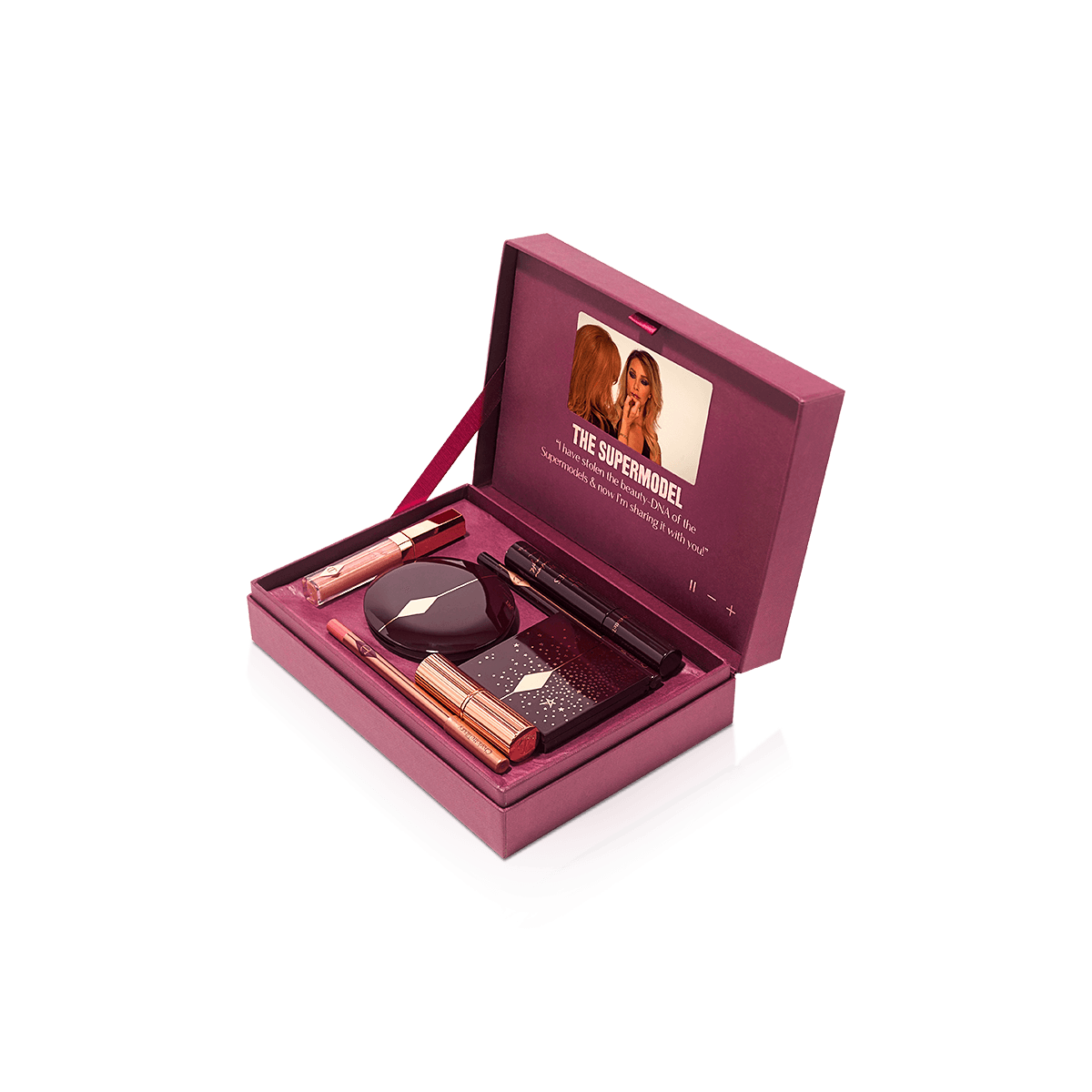
Putting several makeup products into one box is not simply a matter of making the carton larger.

A mascara tube, lipstick, compact and pencil have different footprints and can move differently during handling.

The internal layout needs to assign each component a stable position.

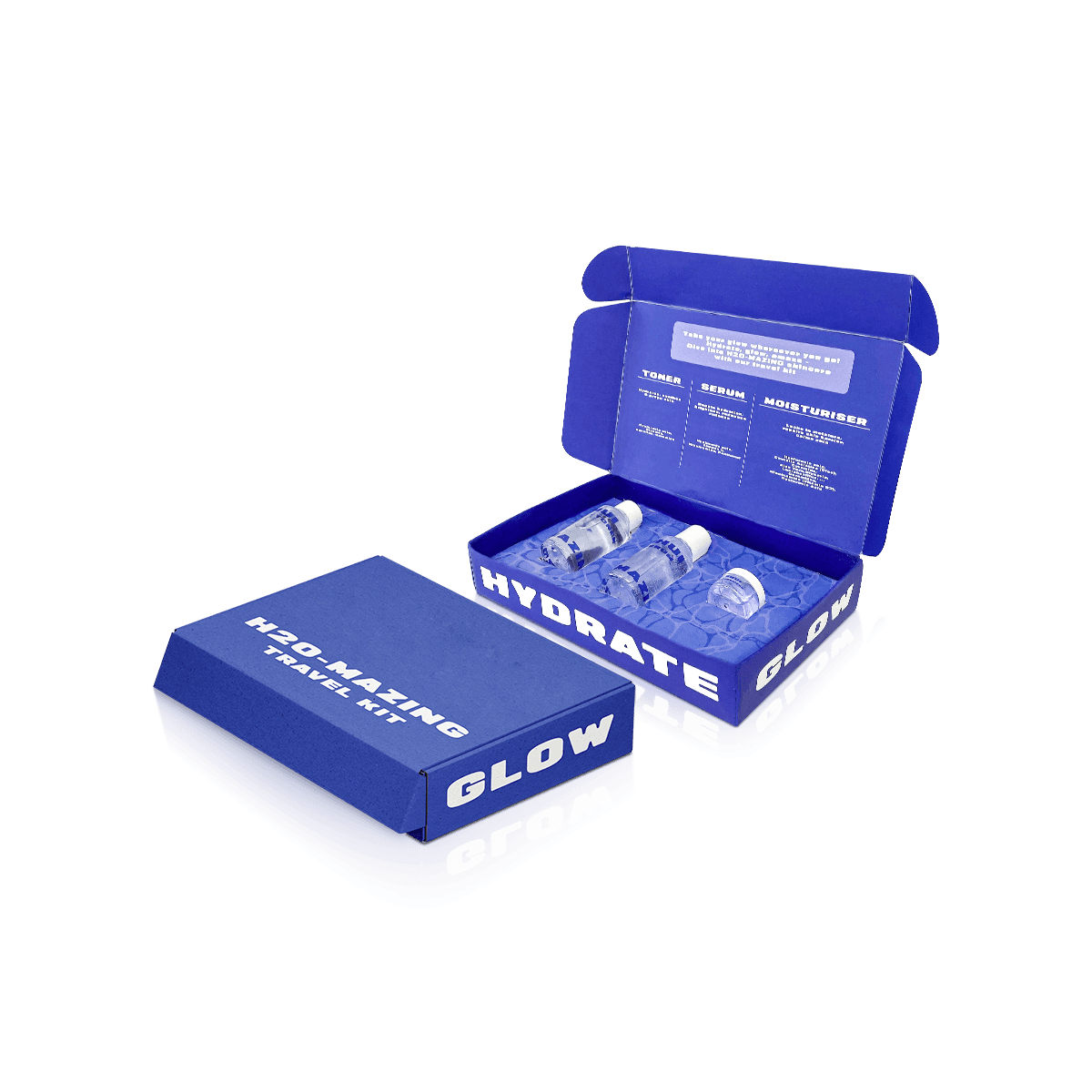
Packaging inserts can help organize mixed product shapes when the outer box alone cannot control them.

Set the Heaviest Item First

A practical layout often begins with the heaviest or least forgiving component.

A compact or glass-containing makeup product should not be positioned where its movement can push lighter tubes or pencils out of place.

Once the main load is stabilized, smaller cavities can be arranged around it.

Leave a Removal Path

A perfectly organized set can still frustrate the customer if every item is buried tightly in its cavity.

Finger access, pull tabs or deliberate spacing should make components easy to remove without prying against the packaging.

The insert is there to control movement, not trap the product.

A Shared Box Size Can Create More Work

Consider a makeup brand launching lipstick, a powder compact and a small eyeshadow palette at the same time.

To simplify purchasing, all three products are assigned one outer carton size.

The lipstick then needs substantial empty space. The compact sits off-center unless extra packing material is added. The palette fits more closely but forces the artwork into a different orientation from the other two products.

The purchasing system looks simpler because there is only one structural SKU. Packing becomes harder because every product needs a different workaround.

A stronger approach keeps shared design rules while creating product-fit dimensions for each physical family.

The lipstick receives a slim carton. The compact gets a flatter package. The palette gains enough panel area and movement control for its larger footprint.

There are now more structural specifications, but fewer compromises during packing, retail presentation and customer use.

Unit Packaging and Gift Packaging Have Different Jobs

An individual makeup carton should not carry the burden of every future bundle.

Core units usually need efficiency, product identification and clean retail presentation.

Gift sets, holiday assortments, collaborations and PR launches can use a second packaging layer when several products need to appear together.

Beauty Gift Boxes work when multiple makeup products need coordinated placement and a more deliberate reveal.

This keeps everyday product packaging compact.

A standard lipstick or compact does not need an oversized premium box merely because the brand occasionally sells it inside a seasonal set.

The unit package and set package can share artwork cues while solving different physical problems.

Panel Space Should Be Planned Before Artwork

Makeup packaging can carry a surprising amount of text relative to its size.

Branding, product identity, shade or formula details, barcode areas and other copy supplied by the brand all compete for limited panel space.

If the design is completed before that content is mapped, operational information often gets squeezed into whatever space remains.

That creates small type, awkward hierarchy and crowded folds.

Assign Jobs to Panels

Decide early which surface carries the main visual identity and which surfaces handle supporting information.

This is especially important when a brand uses several box proportions.

A broad palette carton may have generous rear space while a pencil or lipstick carton may rely on several narrow faces.

The packaging system should preserve hierarchy rather than forcing identical artwork density everywhere.

Keep Critical Copy Clear of Folds

Creases, glue zones and cut edges can interfere with small text and thin graphic elements.

When a supported carton structure is being sized, the dieline generator can help establish the flat panel layout before finished artwork is placed.

Custom Packly also provides dieline and design support when a makeup line needs several structures coordinated under one artwork system.

Retail and Ecommerce Add Different Outer Demands

A retail carton and a shipping package do not perform the same job.

The makeup box should protect the product during normal handling, provide branding and arrive ready for shelf or customer presentation.

The mailer or shipping carton around it should handle parcel movement.

Trying to make the cosmetic carton do both jobs can lead to oversized secondary packaging or excessive board without addressing the actual fulfillment problem.

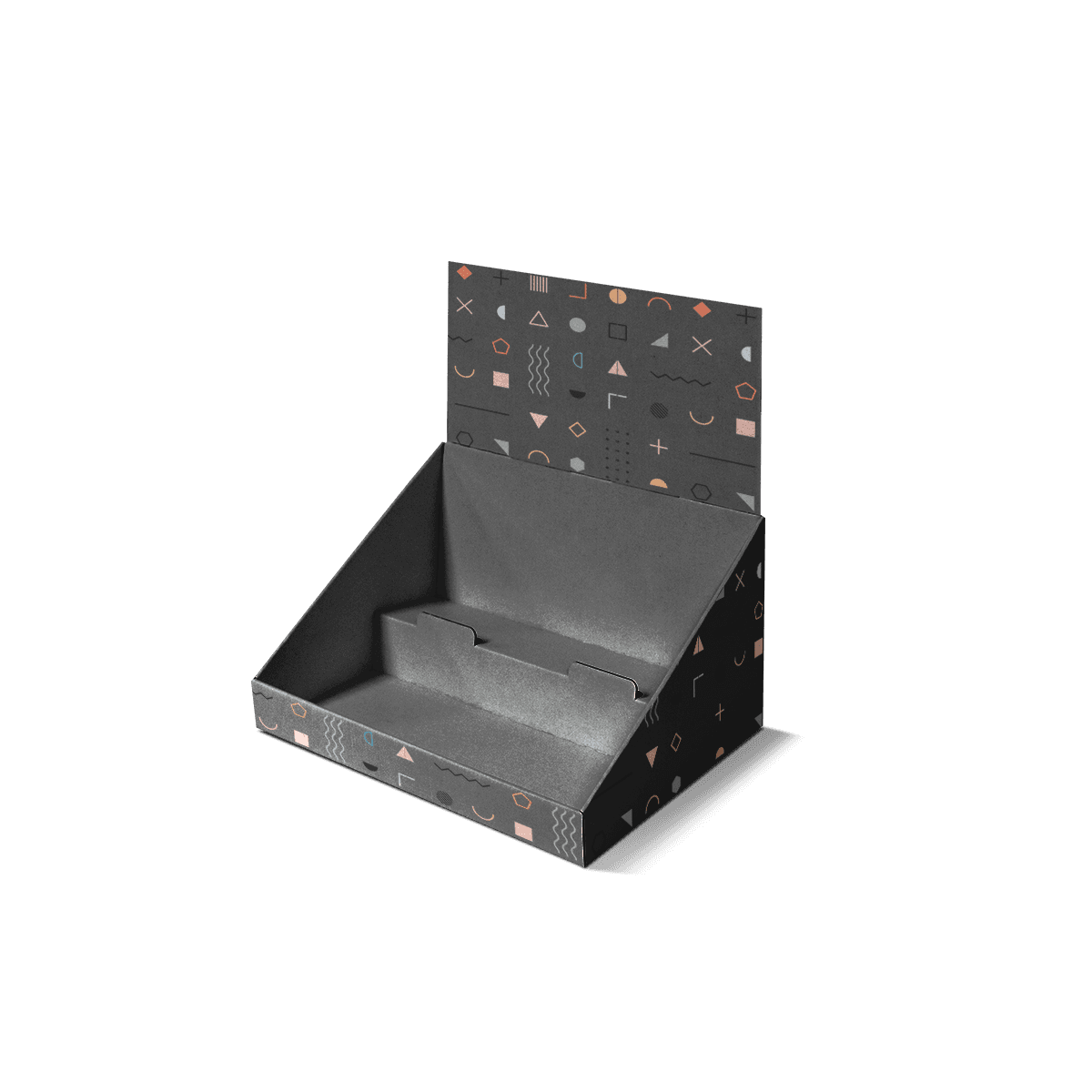
Custom retail packaging becomes important when barcodes, shelf orientation, displays and store handling shape the unit package.

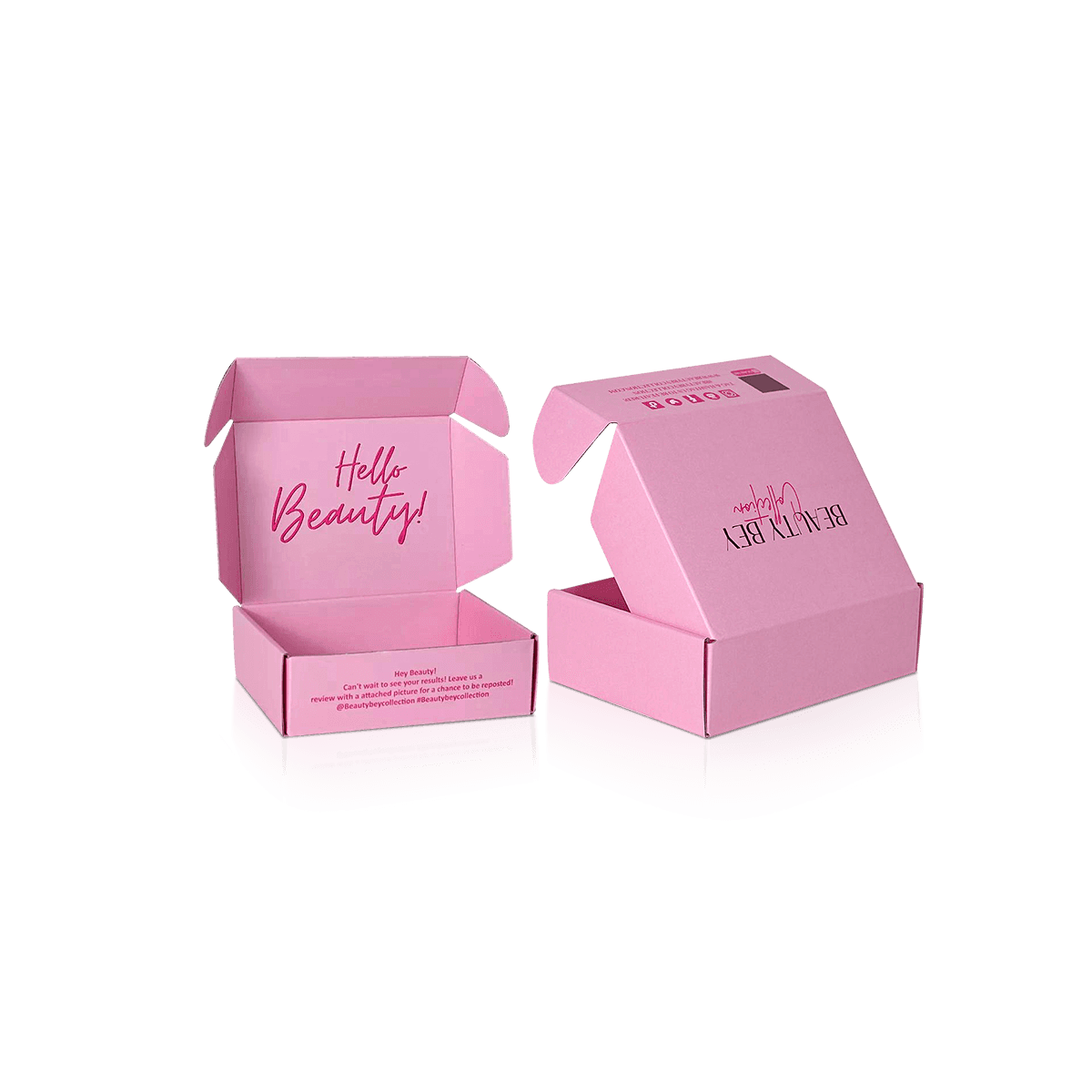
For ecommerce, product fit inside the retail carton still matters. The order then needs suitable outer protection so polished makeup packaging is not expected to survive courier handling by itself.

Finishes Can Mark the Product Hierarchy

A consistent beauty line does not require identical finishes on every SKU.

Finish intensity can help separate permanent products, premium tiers and limited launches while keeping the underlying visual identity recognizable.

A core line might use premium offset printing with matte or gloss treatment. A prestige drop could add foil or embossing. A seasonal collection might use one controlled spot UV detail.

Packaging finishes should be selected according to the artwork and handling conditions rather than stacked onto every package.

Custom Packly’s packaging capabilities include paperboard, rigid board, printing, inserts, proofing and specialty finish options for makeup projects that mix several packaging structures.

The finish rule should be simple enough to repeat.

If every SKU requires a completely different specialty treatment, maintaining a coherent product line becomes harder and repeat production becomes more complicated.

Prototype the Hardest SKU First

A packaging system is only as useful as its most difficult product.

If one makeup line includes simple tubes, a broad palette and a mixed kit, the palette or mixed kit usually deserves more physical attention than the straightforward tube carton.

Prototype where uncertainty is highest.

Check:

  • difficult product fit
  • insert behavior
  • removal clearance
  • broad-panel flex
  • component movement
  • artwork orientation
  • finish placement
  • interaction between several products

Free 3D mockups can help review structure and artwork before production. Free sample examples of previous work can support material and finish decisions. A fully custom pre-production sample can be arranged as a paid option when the actual product-to-package relationship needs physical approval.

This avoids spending the sampling effort on the easiest carton while assuming the more complex SKU will behave the same way.

Quantity Planning Should Follow SKU Complexity

A makeup launch with six products is not automatically one packaging order.

The useful production question is how many structural versions and artwork versions exist.

Three lipstick shades may share one physical carton while changing artwork. A palette may require another size. A compact may need a third structure. A holiday kit might use a fourth package with an insert.

That structure-to-artwork map affects production planning, inventory and reorders.

Custom Packly’s USA MOQ starts from 100 boxes. That can support smaller makeup launches when quantities are planned at the actual SKU and structural level rather than treated as one undifferentiated total.

Once dimensions, structures, quantities and print requirements are sufficiently defined, an instant custom packaging quote can be based on the real mix instead of one generic “makeup box.”

Decide What Can Actually Be Standardized

As the makeup line grows, the packaging system should become easier to manage rather than more dependent on memory.

The practical question is which decisions can stay fixed across SKUs and which must change with the product.

A simple specification matrix can link every SKU to the decisions that actually control production.

Useful fields include:

  • product name and variant
  • finished container dimensions
  • box dimensions
  • structure
  • board or rigid material
  • insert requirement
  • artwork file
  • brand-color references
  • finish locations
  • barcode or SKU zone
  • approved sample status
  • current production quantity

The matrix makes it easier to see which products truly share packaging and which only share branding.

It also helps when one primary container changes. If a supplier modifies a cap, compact or palette housing, the affected packaging can be identified and rechecked without questioning every box in the line.

The strongest Custom Makeup Boxes system is not the one with the fewest structures. It is the one where each product fits properly, the line still looks unmistakably connected and repeat orders can be produced without rediscovering the logic every time.

FAQs

The best way is to plan panel hierarchy early. Clear shade naming, consistent side-panel logic, and well-defined barcode and batch zones make stocking and fulfillment much easier.

Single-product cartons work better for core assortments sold by the unit, while set boxes make more sense for curated launches, discovery kits, and multi-item promotions. Many brands use both at the same time.

No. A strong line usually keeps the visual system consistent while letting the structure change by product type, price tier, or sales channel.

Usually on the side, back, or bottom panels where they stay readable without interrupting the front-facing brand and shade presentation.

Yes, especially when they are paired with inserts, sleeves, or outer mailers that keep multiple items organized and reduce rubbing during transit.

Process

How it works

Your Packaging Journey, From Idea to Production and Delivery

01

Tell Us Your Specs

Custom packaging boxes

Tell Us Your Specs

Provide size, quantity, printing, and finishes.

02

Get a Fast Quote

Custom packaging boxes

Get a Fast Quote

Instant transparent pricing, no hidden fees.

03

Design and Approval

Custom packaging boxes

Design and Approval

Artwork checks, revisions, and final sign-off.

04

Produce

Custom packaging boxes

Produce

Expert manufacturing to meet deadlines.

05

Ship to Your Door

Custom packaging boxes

Ship to Your Door

Hassle-free, flexible delivery options.

Get Your Quote for Custom Makeup Boxes

Share your product details, size, quantity and artwork needs. We’ll help choose the right packaging style and send a clear quote.