Skip to content
Details

Custom Eyeshadow Boxes

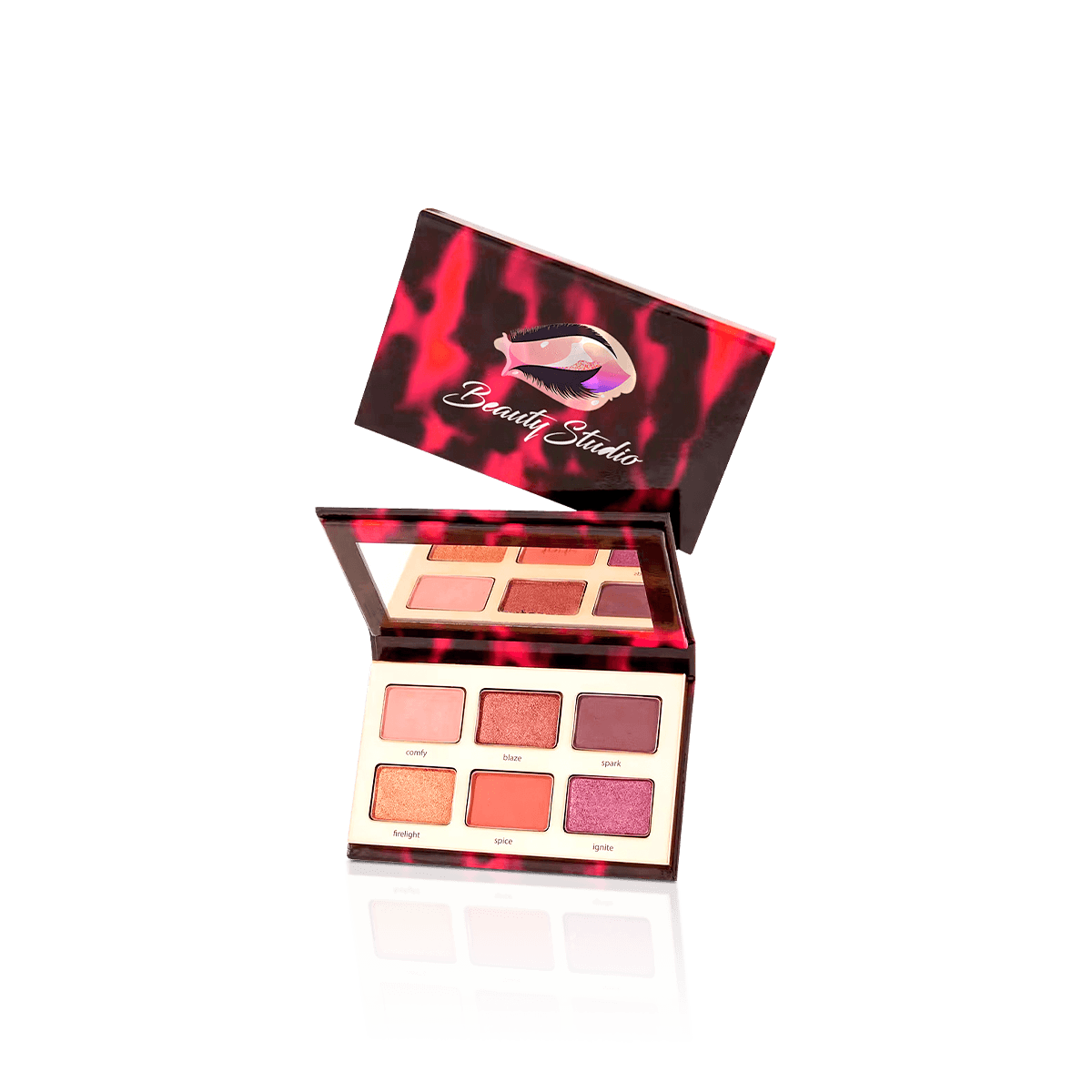
Protect pressed powders and compact palettes with packaging planned around pan depth, palette movement, surface protection and the way customers see the shades.

Pressed Powder Changes the Packaging Job

Eyeshadow packaging has to protect something that can look perfectly secure while still being vulnerable to shock.

A palette or compact may have a hard outer case, but the pressed powder inside can crack if the unit repeatedly moves, drops against the carton wall or takes concentrated impact during handling. Custom Eyeshadow Boxes therefore need to control the finished palette or compact, not simply surround it with enough paperboard to look substantial.

The packaging job also changes by product type. A single shadow compact, four-pan palette and large multi-color palette may all contain eyeshadow, but their footprint, weight distribution and presentation needs are different.

That makes product format the right starting point.

When eyeshadow sits beside lipstick, liner, skincare or other beauty products, cosmetics and personal care packaging can coordinate the brand system while each product keeps its own structural requirements.
Stop the Palette From Sliding

A box that is slightly oversized may appear harmless because the palette still fits inside. The problem appears when the package is tilted, stacked or shipped.

Repeated movement lets the compact strike the carton walls. Corners can scuff, decorative palette surfaces can rub and impact reaches the pressed product inside.

The goal is not to clamp the palette tightly. It is to limit unnecessary travel while keeping packing and removal easy.

Measure the Closed Palette

Take dimensions from the finished item in its retail-ready condition.

Include:

  • hinges or raised spine areas
  • clasps
  • decorative trims
  • protruding logos
  • mirror housings that alter thickness
  • sleeves already fitted around the palette
  • any component that creates the true maximum dimension

A nominal palette size is not enough if the case becomes wider at the hinge or thicker near the closure.

Allow Removal Space

Tight fit can create its own problem.

A broad flat palette with very little side clearance may be difficult to grip. Customers can end up turning the box upside down or pulling at one exposed edge to remove it.

Finger access, a pull feature or a deliberately positioned opening can solve that without creating excessive empty space.

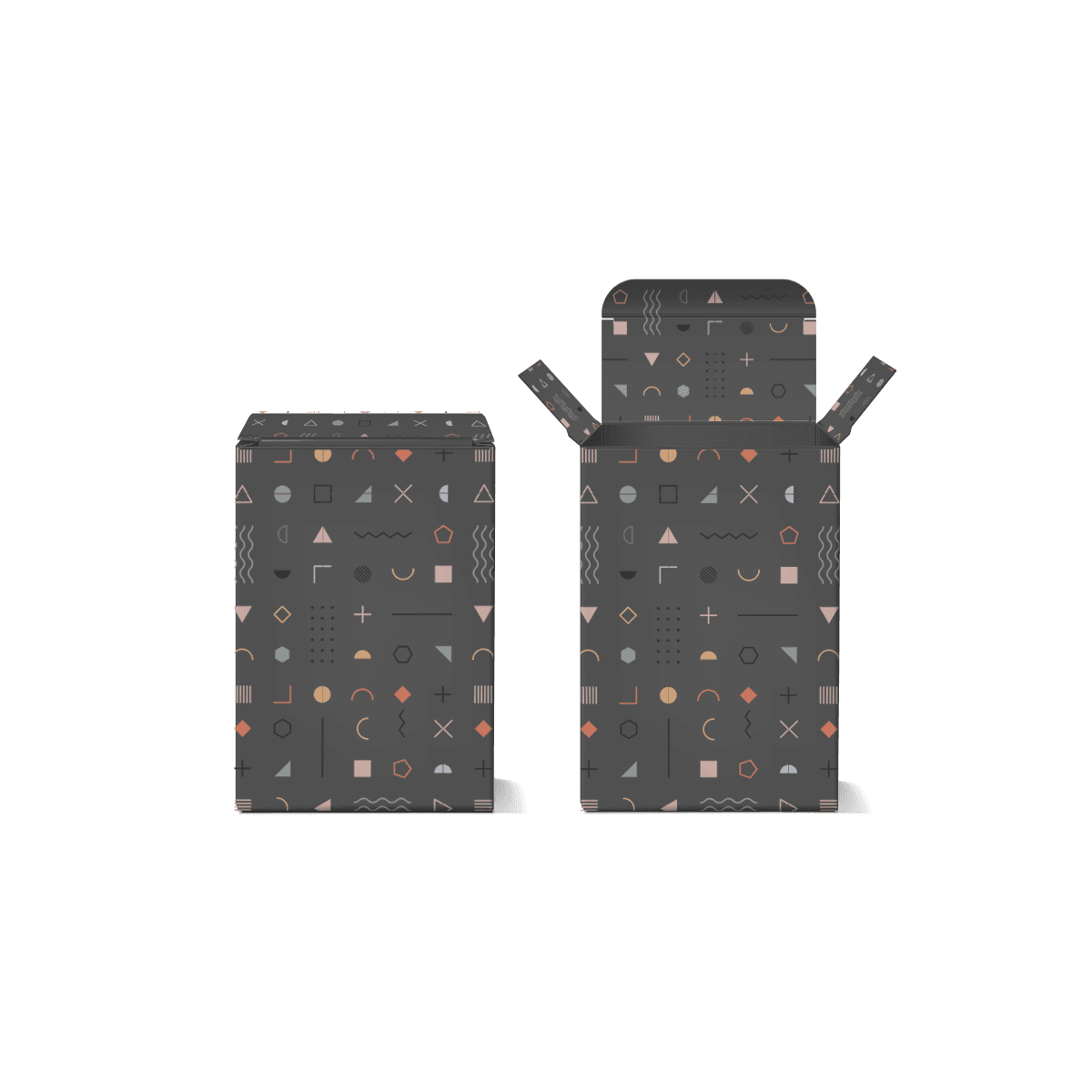
A folding carton cosmetic box can keep storage and print efficient when a lightweight palette needs retail presentation rather than a heavy rigid shell.

Wide Palettes Need Support Differently

A lipstick concentrates its mass in a narrow vertical unit. An eyeshadow palette spreads weight across a larger flat surface.

That changes how the carton behaves.

A wide palette can flex a weak paperboard panel more noticeably, especially when the box is picked up from one edge. Large unsupported faces can also bow during stacking or handling.

The right board therefore depends on palette dimensions as well as weight.

A compact single shadow may need little more than a well-sized paperboard carton. A wider palette may justify stronger stock, a sleeve, an internal platform or a more substantial box construction.

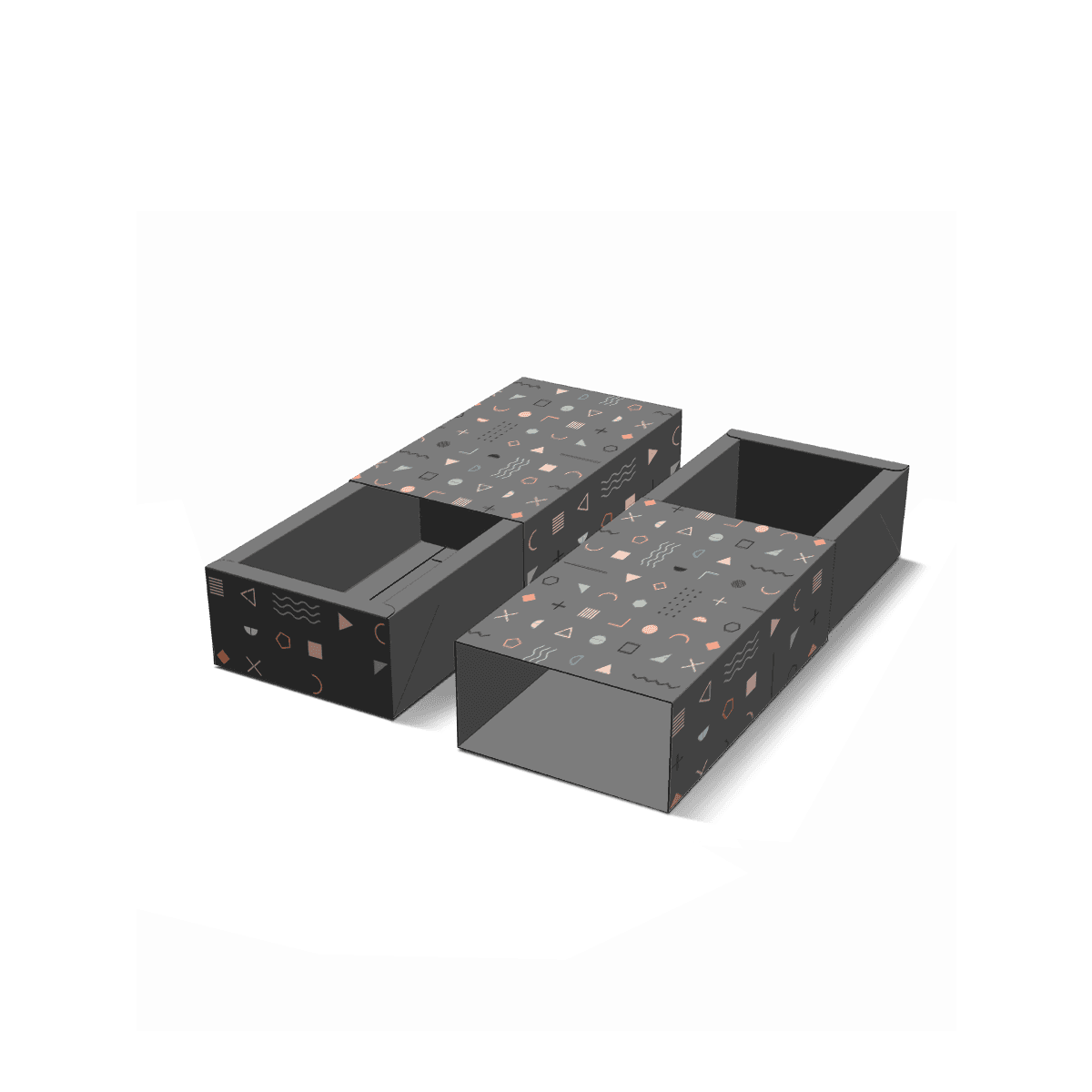
If the palette itself is high-value, heavy or intended as a prestige gift object, Rigid Cosmetic Boxes give the product firmer walls and greater insert depth.

That should be a deliberate step up, not an automatic response to the word “premium.”

Inserts Should Support the Case, Not the Powder

An insert should interact with the palette housing rather than applying pressure to the cosmetic product itself.

The safest support points are normally the durable external surfaces of the closed compact or palette.

A paperboard insert can create a shallow platform, corner restraints or side control. More substantial presentations can use other fitted insert materials where the product weight and brand level justify them.

When movement cannot be controlled by carton dimensions alone, packaging inserts can stabilize the closed compact without pressing directly on the powder.

Avoid Point Pressure

A fitted component that presses hard against one small section of the palette can create a new stress point.

The insert does not need to squeeze the case to work.

Support distributed across appropriate surfaces usually gives better retention than one tight tab pressing heavily into a corner or hinge area.

Leave the Opening Mechanism Clear

If the palette has a clasp or opening lip, the insert should not catch it during removal.

This is especially important when a compact is presented face-up. The customer should be able to lift the product without accidentally opening the palette inside the packaging or pulling against a weak cosmetic closure.

One Drop Can Expose a Loose Fit

Consider a compact eyeshadow palette packed into a folding carton with several millimeters of unused space around the product.

On shelf, the packaging looks correct. The palette sits flat and the box closes cleanly.

During ecommerce handling, however, the carton changes orientation repeatedly. The palette slides from side to side and strikes the walls. The exterior carton survives, but one pressed shade arrives cracked.

Making the outer box dramatically heavier would not address the main problem.

The more direct adjustment is to reduce internal travel through closer carton dimensions or a simple fitted paperboard support. The palette then has less distance in which to accelerate before meeting the package wall.

The improvement comes from controlling movement, not merely adding material.

Where shipping risk is important, packaging testing can help frame the physical checks needed around fit, handling and finished pack performance.

The Front Face Can Do More Than a Slim Carton

Eyeshadow packaging often has a wider front panel than lipstick, eyeliner or mascara cartons.

That extra area changes the artwork opportunity.

A palette box can carry larger typography, campaign graphics, shade stories or a strong visual system without squeezing everything onto narrow vertical faces.

The danger is treating the available area as an invitation to fill every inch.

Large panels make weak hierarchy more obvious too.

Give the Palette One Visual Center

Decide what should be noticed first.

That may be:

  • the brand
  • palette name
  • collection identity
  • a graphic tied to the color story
  • a restrained product image
  • one specialty finish

Secondary details can move to side or rear panels.

A broad front face with five competing focal points often feels less deliberate than one confident visual idea.

Plan the Artwork Around the Opening

If the box opens from a particular end, make sure artwork orientation feels correct when the product is removed.

The customer may first see the package vertically on shelf and then rotate it horizontally to slide out the palette. Logos, pattern direction and internal print should account for both moments where relevant.

Showing the Real Shades Requires a Real Reason

Eyeshadow is highly visual, so a die-cut window can appear attractive because it promises direct shade visibility.

But the window only helps if the actual shades can genuinely be seen.

If the palette is already closed inside an opaque compact, cutting a window in the outer carton may reveal nothing more useful than part of the case.

A window has greater value when the internal product design allows the colors themselves to remain visible or when the compact artwork contributes directly to retail recognition.

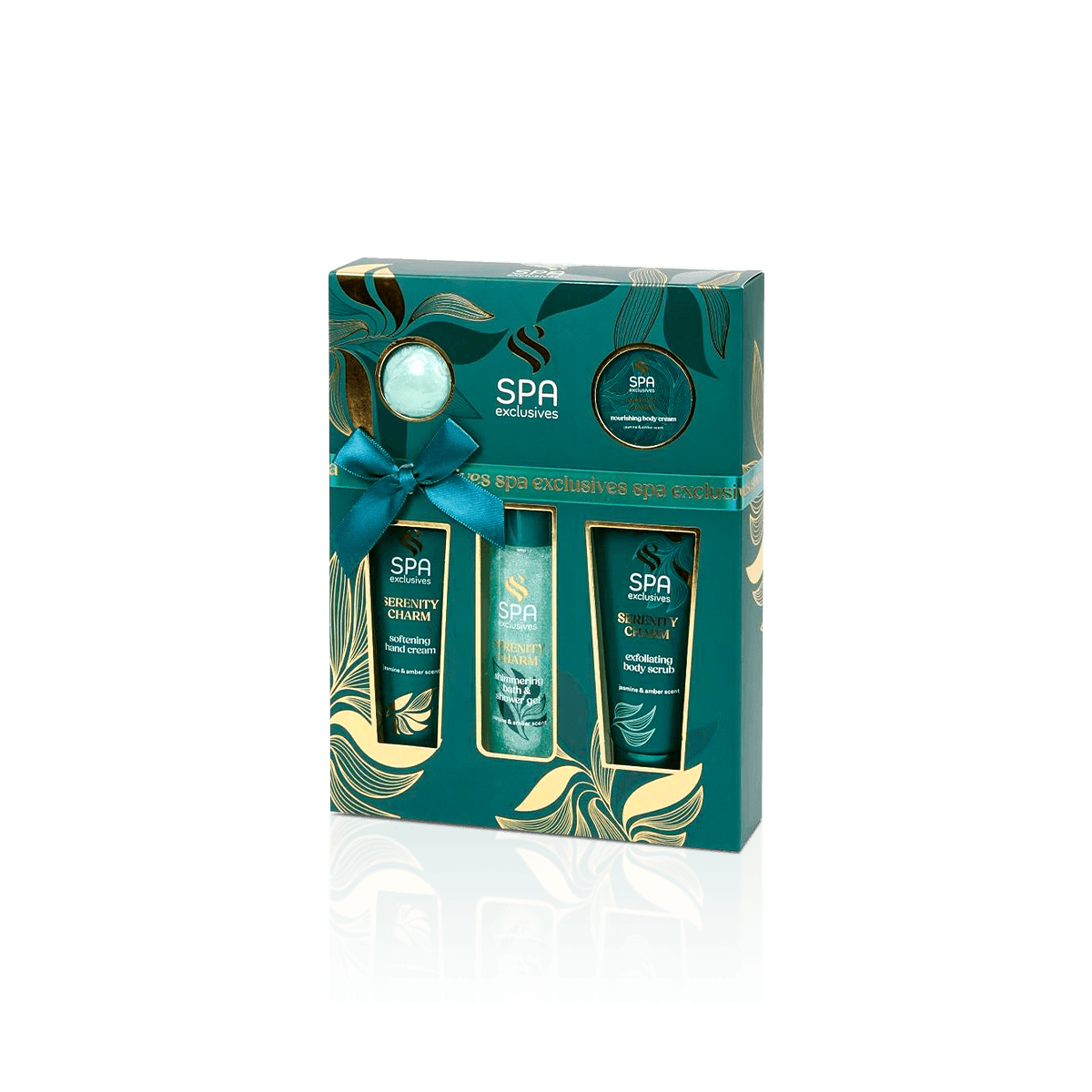
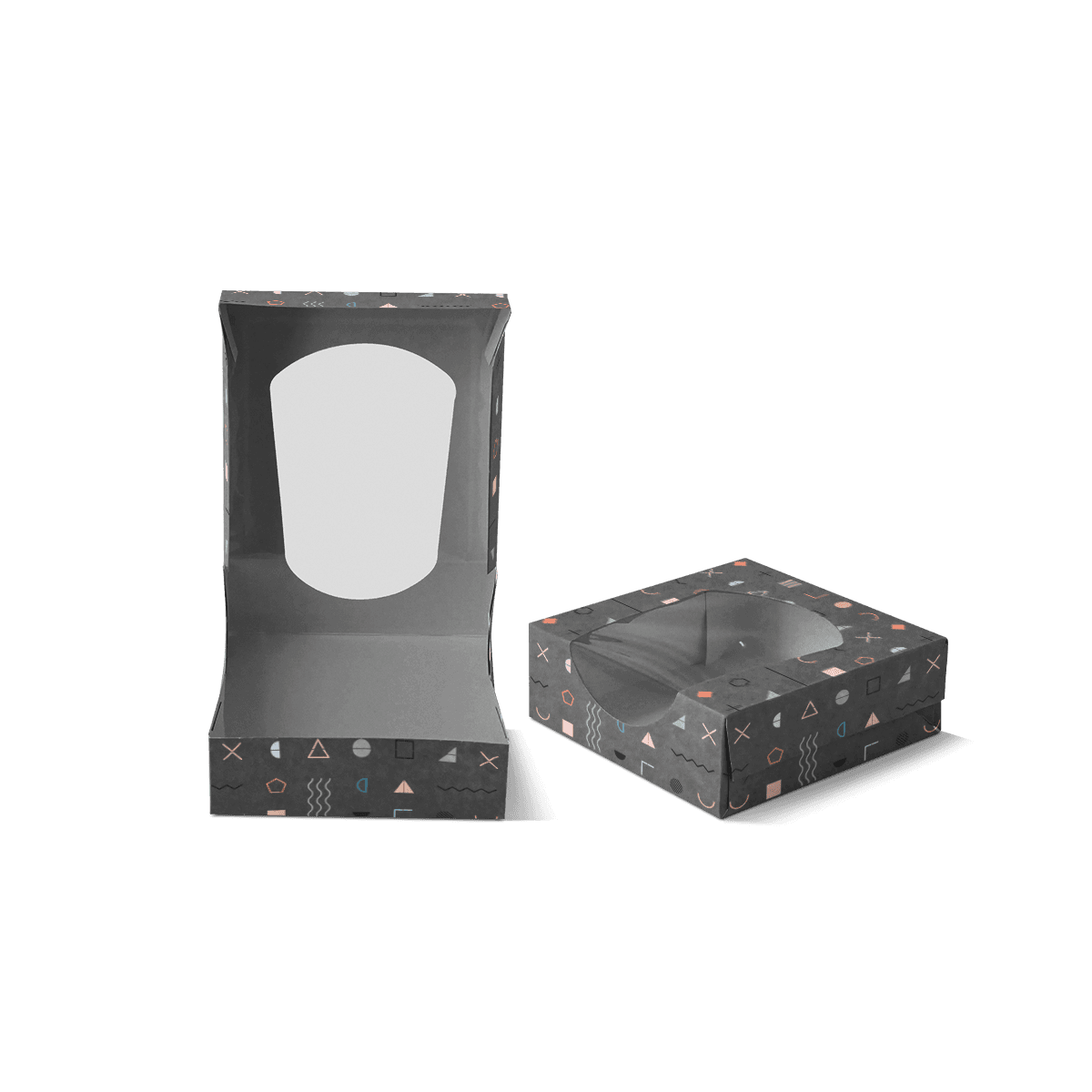
Windowed Folding Cartons are worth considering when visibility has a specific merchandising purpose.

Otherwise, use the full printable panel.

Printed color, palette names and clear shade-family cues can sometimes communicate the product more effectively than sacrificing artwork area for a window that shows little.

Printed Color Sets an Expectation

Eyeshadow collections often sell through color stories: warm neutrals, jewel tones, metallics, pastels or coordinated seasonal combinations.

The carton can communicate that direction, but printed packaging should not be treated as an exact simulation of cosmetic pigment.

Pressed powder, shimmer particles and printed ink reflect light differently.

Use packaging color to establish the palette identity and help customers distinguish products. If accurate brand color control is important, decide whether CMYK or Pantone is appropriate for the artwork rather than expecting screen colors to reproduce automatically in print.

CMYK and Pantone printing addresses that production decision directly.

For palettes using metallic or iridescent visual language, foil or spot UV can add contrast without pretending printed ink is the same material as the eye shadow itself.

Finishes Should Survive Makeup Handling

Beauty packaging is handled closely. Eyeshadow cartons can also encounter traces of powder from testers, makeup bags, retail counters or customers’ hands.

That makes finish selection practical as well as visual.

Matte surfaces can create a restrained look. Gloss can increase shine. Soft-touch adds a particular tactile character, while foil, embossing, debossing and spot UV can isolate specific graphics.

Dark matte surfaces may show rubbing or powder residue more readily than lighter or more forgiving graphics. Highly tactile finishes should therefore be considered in the context of real handling rather than selected only from a digital rendering.

Packaging finishes should be chosen according to the artwork and handling conditions rather than stacked onto every palette box.

Custom Packly also supports premium offset printing and extensive customization for eyeshadow packaging that needs tighter control over small graphic details and repeated production.

Singles and Palettes Should Not Share Space Blindly

A single eyeshadow compact and a twelve-pan palette can belong to one collection without belonging in the same box dimensions.

Forcing both into one outer size creates problems at opposite ends.

The single compact gains unnecessary empty space. The large palette may end up with inadequate clearance or weak surrounding board.

Shared brand rules are more useful than shared dimensions.

Keep typography, color hierarchy, finish zones or logo placement consistent while letting each carton follow the actual product footprint.

Custom Makeup Boxes become particularly relevant when the packaging system must coordinate palettes with several other makeup types instead of optimizing one eyeshadow product alone.

Palette Sets Need a Different Presentation

Several individual palettes sold together create another packaging job.

A holiday trio, artist collaboration or launch collection may need one outer package to organize multiple compacts. At that point, internal spacing and presentation become more important than the efficiency of a single retail carton.

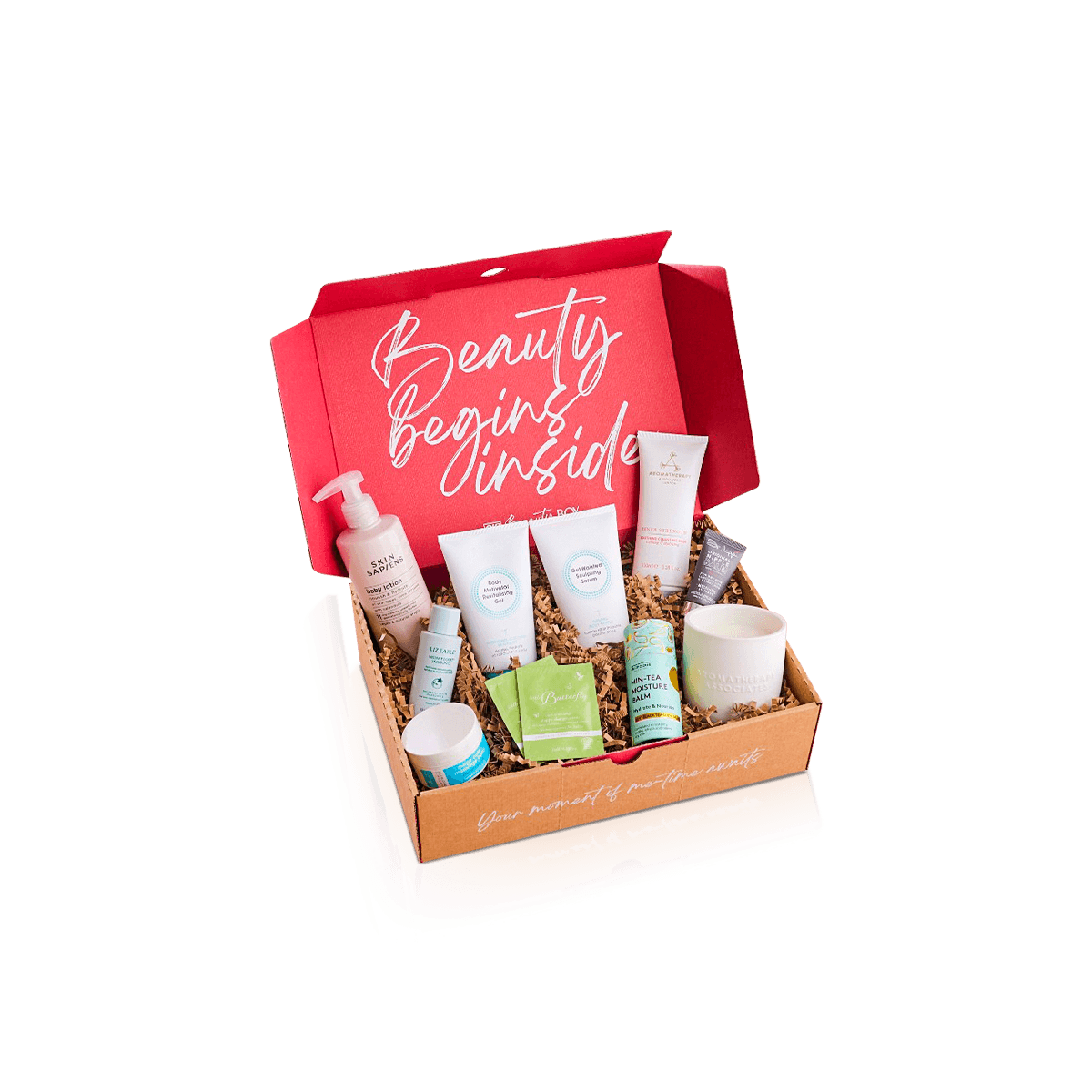
For holiday trios and launch sets, Beauty Gift Boxes can organize several compacts in one presentation without making every core palette carton larger.

This keeps the everyday Eyeshadow Box focused on unit packaging.

There is little value in making every core palette carton large and elaborate just because occasional limited editions need more presentation space.

Rear Panels Carry the Operational Load

The broad front face gets most of the design attention, but the rear and side panels often carry the information that makes a palette practical to manufacture, stock and sell.

Depending on the product and the information supplied by the brand, those areas may need to accommodate ingredients, product identity, barcode placement, net contents, usage details, batch information or other required copy.

Packaging design should reserve that space early.

Leaving operational copy until the artwork is almost finished often forces text into narrow margins or disrupts the original visual hierarchy.

The final legal or regulatory content for a cosmetic product should come from the responsible brand or qualified compliance source. Packaging layout can create the space for that information, but packaging artwork should not invent the requirements.

Retail and Ecommerce Stress the Box Differently

A palette carton sitting on a retail shelf mainly needs clean presentation, stacking stability and enough structure to survive normal handling.

The same carton shipped online becomes one unit inside a second packaging system.

The outer mailer or shipping box should handle courier conditions. The eyeshadow carton should maintain product fit and arrive looking like retail packaging, not act as the sole transit package.

This distinction matters because pressed powders are sensitive to impact even when their primary cases look solid.

A DTC brand can use custom product packaging to coordinate product fit with the secondary carton and the route the item takes to the customer.

Do not solve every shipping concern by making the retail carton much larger or much heavier. That can add cost and space without addressing movement inside the parcel.

Large Palettes Change the Structural Choice

As palette dimensions increase, the decision can move beyond board thickness.

A broad, relatively heavy palette may need a different carton style altogether.

Standard tuck cartons work well when the product remains light enough for the structure. Heavier palettes may benefit from stronger bottoms, tray-and-sleeve constructions or rigid packaging depending on presentation level and handling.

The question is not whether one style looks more luxurious.

The question is what happens when the filled box is lifted, stacked and opened.

A closure that performs well around a small single shadow may not be the strongest choice for a much larger palette.

Custom Packly can help review paperboard, rigid board, inserts, printing and structural options through its packaging capabilities.

Prototype the Fit Before a Large Palette Run

Digital dielines and 3D mockups are valuable for checking proportions and artwork, but a fragile palette may justify physical validation before a large production run.

The sample should be assessed with the real product inside.

Check whether:

  • the palette can move laterally
  • the hinge or clasp catches the carton
  • the product is easy to remove
  • broad panels bow around the item
  • the insert creates concentrated pressure
  • the closure stays flat
  • printed surfaces rub against the compact
  • the finished package still stacks cleanly

Free sample examples of previous Custom Packly work are available for material and quality reference. A fully custom pre-production sample can be arranged as a paid option when the exact palette fit or construction needs physical approval.

Decide Which Palette Sizes Deserve Shared Rules

Eyeshadow lines often grow in more than one direction.

A brand may begin with one six-pan palette, then add a compact quad, a larger seasonal palette and single shades. Trying to improvise packaging each time can create inconsistent proportions, artwork zones and packing methods.

A stronger system establishes a small number of repeatable rules.

For example, several palettes with similar footprints might share the same closure style and artwork hierarchy while changing box dimensions. Singles can use a smaller structure that still carries the same front-panel logic. Limited-edition sets can step up to a presentation box without changing the core identity.

Record the finished product dimensions, approved carton dimensions, board, structural style, color references and artwork version for each SKU.

The aim is not to make every eyeshadow box identical. It is to make each size feel connected while still protecting the palette inside.

FAQs

Not always. Single shadows and lighter cartons may work without inserts, but palettes, mirror packs and fragile pressed pans usually benefit from insert support so components stay centered and protected during handling.

Enough to help the buyer shop quickly and enough to help compliance teams avoid cramped artwork later. Shade names, finish cues, ingredients, barcode space and basic usage or collection details usually need to be considered early in the dieline.

Yes. Recyclable paperboard and eco-conscious print choices are commonly used for cosmetic cartons, especially when a brand wants a cleaner material story without moving away from strong shelf presentation.

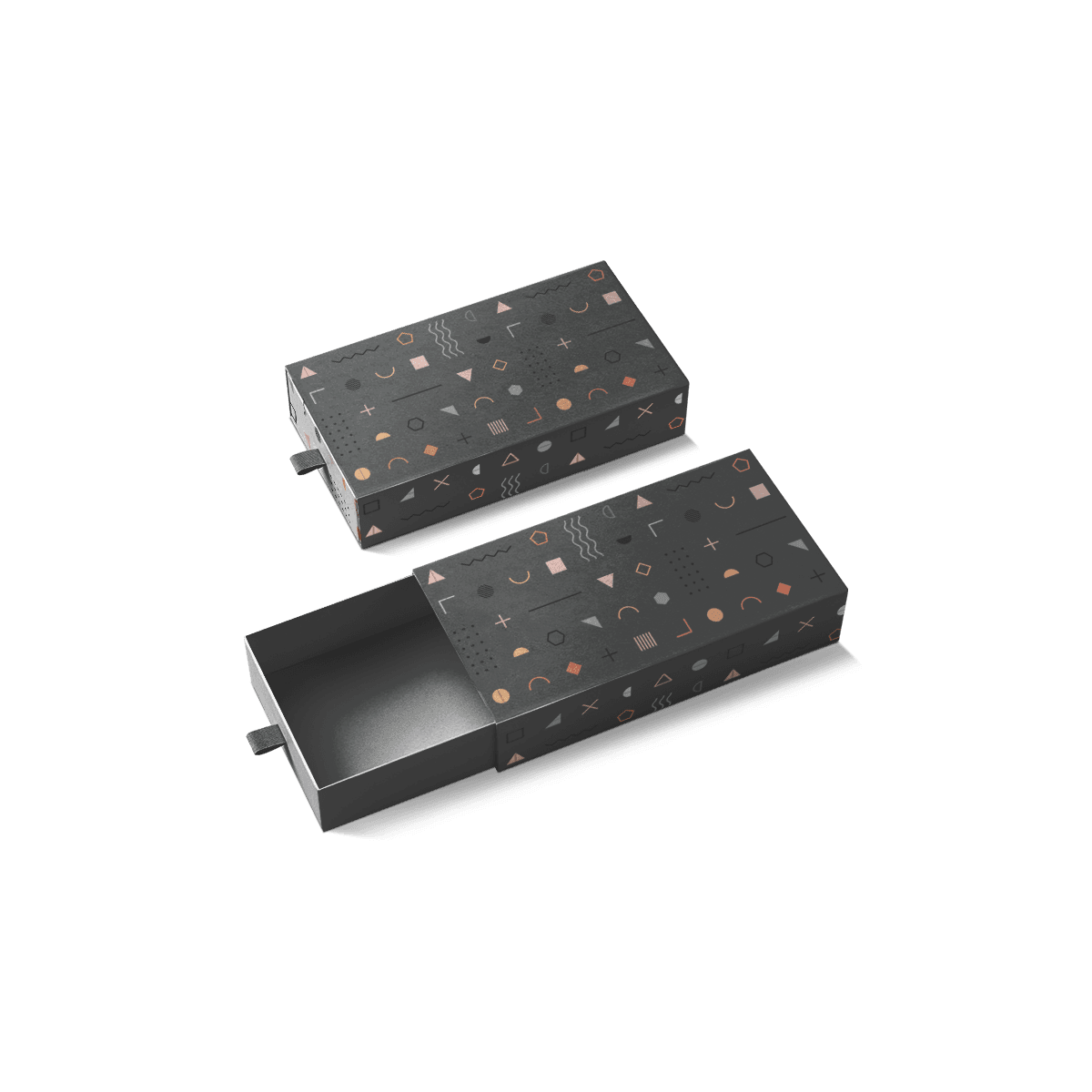
Folding cartons are usually the better choice for everyday retail volume and efficient unit cost, while Drawer-Style Rigid Boxes suit collector palettes, PR kits and higher-end presentation where heft, layered unboxing, and insert detail matter more.

Yes, when the product concept supports it. Window panels can improve color visibility and more elevated builds can be engineered for mirrors, specialty inserts, or magnetic-style presentation in premium formats.

Process

How it works

Your Packaging Journey, From Idea to Production and Delivery

01

Tell Us Your Specs

Custom packaging boxes

Tell Us Your Specs

Provide size, quantity, printing, and finishes.

02

Get a Fast Quote

Custom packaging boxes

Get a Fast Quote

Instant transparent pricing, no hidden fees.

03

Design and Approval

Custom packaging boxes

Design and Approval

Artwork checks, revisions, and final sign-off.

04

Produce

Custom packaging boxes

Produce

Expert manufacturing to meet deadlines.

05

Ship to Your Door

Custom packaging boxes

Ship to Your Door

Hassle-free, flexible delivery options.

Get Your Quote for Custom Eyeshadow Boxes

Share your product details, size, quantity and artwork needs. We’ll help choose the right packaging style and send a clear quote.