Skip to content
Details

Custom Folding Carton Cosmetic Boxes

Paperboard beauty cartons planned around the primary container, packing motion, panel space, SKU system and retail presentation.

A Tube, Jar and Compact Load Differently

Folding carton cosmetic packaging works best when the structure follows the primary container rather than forcing every beauty SKU into the same tuck box.

A slim mascara tube can enter a narrow carton quickly and place little load on the bottom. A glass skincare jar creates more weight across a shorter footprint. A compact may be shallow and broad, while a serum bottle adds a tall cap, pump or dropper that becomes the critical clearance point.

Those differences affect carton proportion, closure choice, board stiffness and whether an insert is needed at all.

That is the distinct job of custom folding carton cosmetic boxes: turn primary beauty containers into efficient secondary retail packs without automatically moving into heavier rigid packaging.

For teams deciding how different products should sit inside the same beauty program, custom cosmetic packaging keeps the packaging decision tied to the product, sales channel and presentation level.

Slim Containers Need Clean Vertical Control

Lipsticks, eyeliner, mascara and cosmetic tubes often create tall, narrow cartons. Excess internal width lets the item lean or rattle even when the height is correct.

A close-fitting paperboard carton can be enough for a lightweight tube. The important dimensions are not only the body width and height. Caps, collars, applicator ends and projecting features can set the true maximum size.

If the carton becomes very narrow relative to its height, panel stiffness and bottom stability matter more because a small amount of distortion becomes visually obvious on shelf.

Jars Put More Load at the Base

Cream jars and similar containers distribute more weight near the bottom of the carton. A closure that works easily for a lightweight pencil pack may feel less convincing under a heavier jar.

The solution is not automatically thicker paperboard. Carton footprint, bottom construction, grain direction and internal fit all contribute to how the finished pack stands and closes.

Compacts Need Face Protection

Flat compacts and small palettes create a different problem. Their large faces can sit close to broad carton panels, so excessive movement may lead to rubbing while a carton that is too tight can make removal awkward.

Controlled clearance around the product perimeter is usually more important than adding unnecessary depth.
Closures Should Follow the Packing Motion

The top and bottom of a cosmetic carton affect how quickly it can be erected, filled and closed. Closure selection should therefore begin with the packout sequence rather than appearance alone.

A standard tuck structure is often enough for lightweight retail cosmetics. Heavier contents, automated packing requirements or unusual product proportions may justify a different bottom construction.

The main folding carton structures can be adapted around the same cosmetic brand system without making every SKU physically identical.

Straight Tuck for Aligned Panels

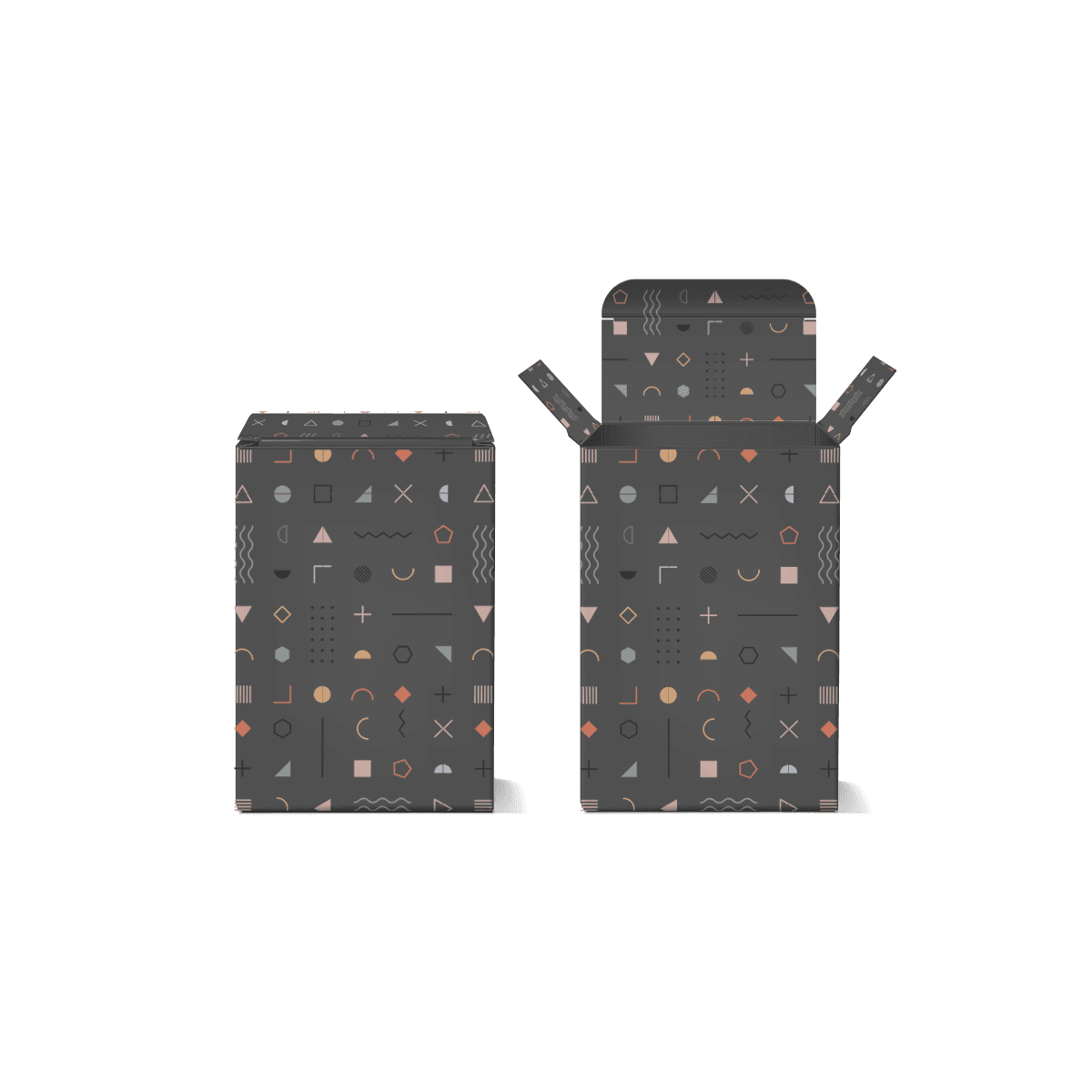
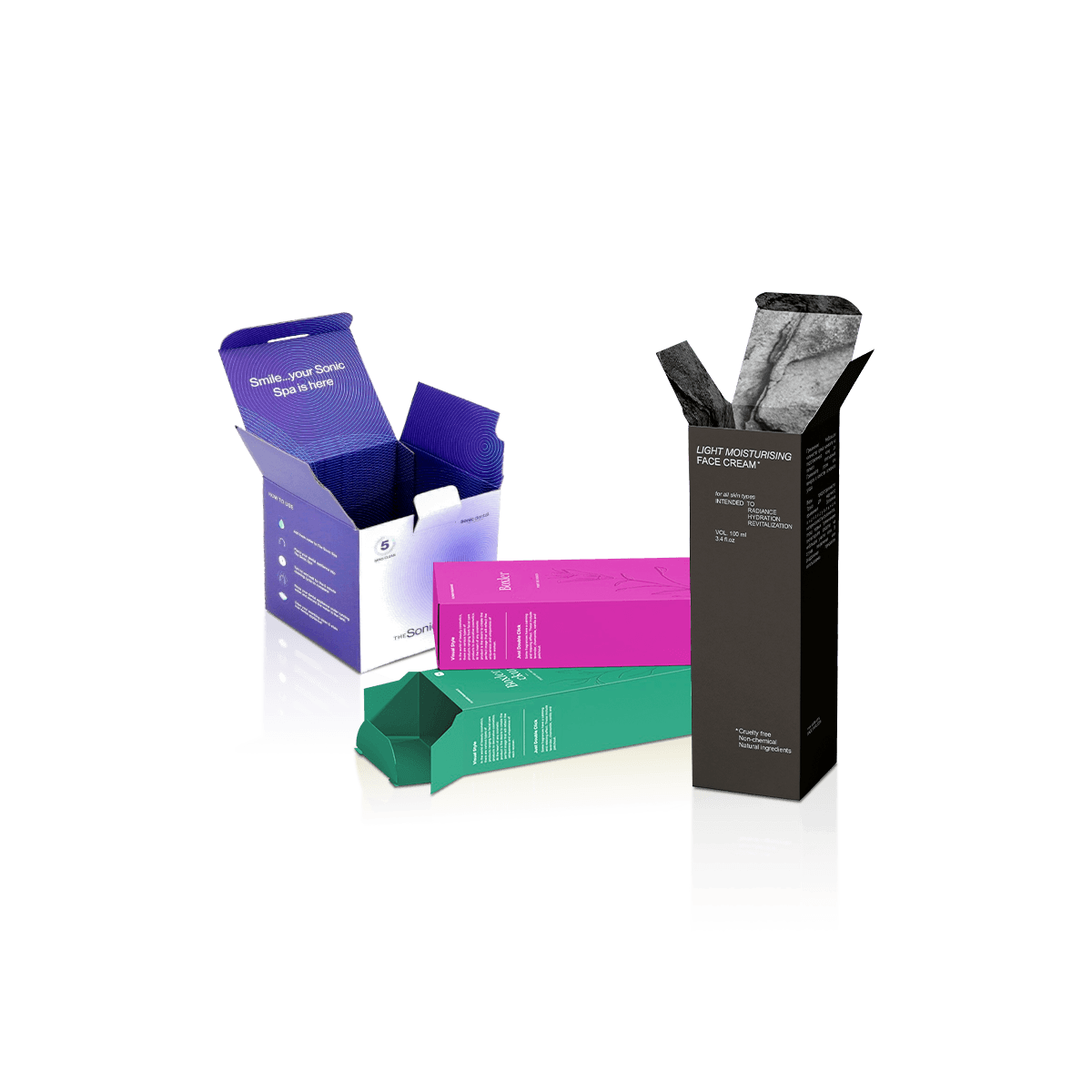
Straight tuck-end cartons place the top and bottom tuck closures on the same side of the carton.

That arrangement can work well when the front and back panel layout benefits from consistent orientation or when the filling process makes same-direction closures convenient.

The primary container still decides whether the structure is appropriate. A narrow lipstick carton and a larger jar carton may both use straight tuck ends, but their board and dimensions should not be copied from one another.

Reverse Tuck for Efficient Retail Cartons

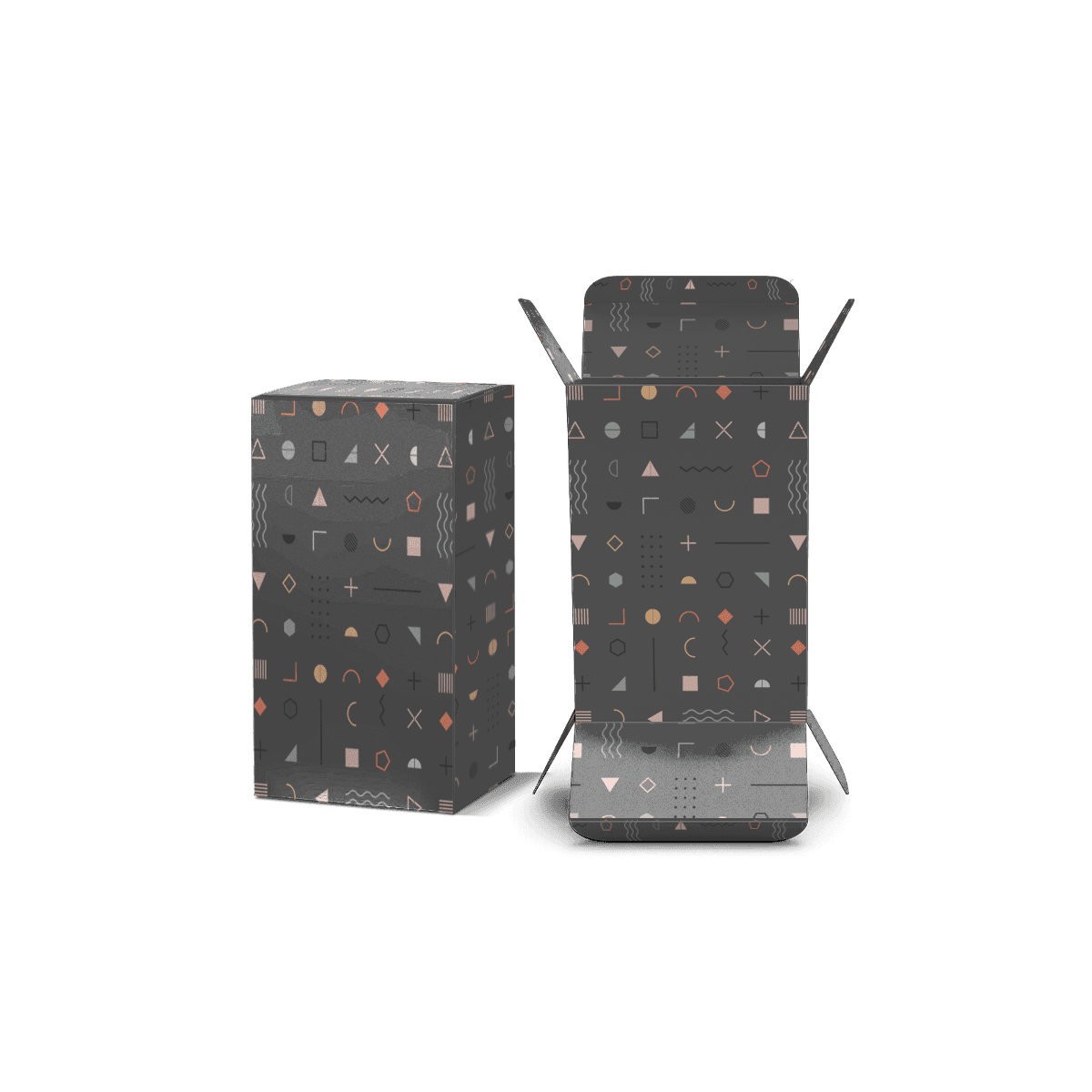
Reverse tuck-end cartons place the top and bottom tuck panels in opposite directions.

They are common for lightweight retail products because the structure is economical in paperboard and straightforward to assemble. Cosmetics with tubes, pencils, small bottles and compact primary packs can often use this construction when the load suits a tuck-bottom carton.

The right choice between straight and reverse tuck is usually operational rather than cosmetic. The closure should support the filling direction, panel layout and product load.

Sleeves Change the Opening Experience

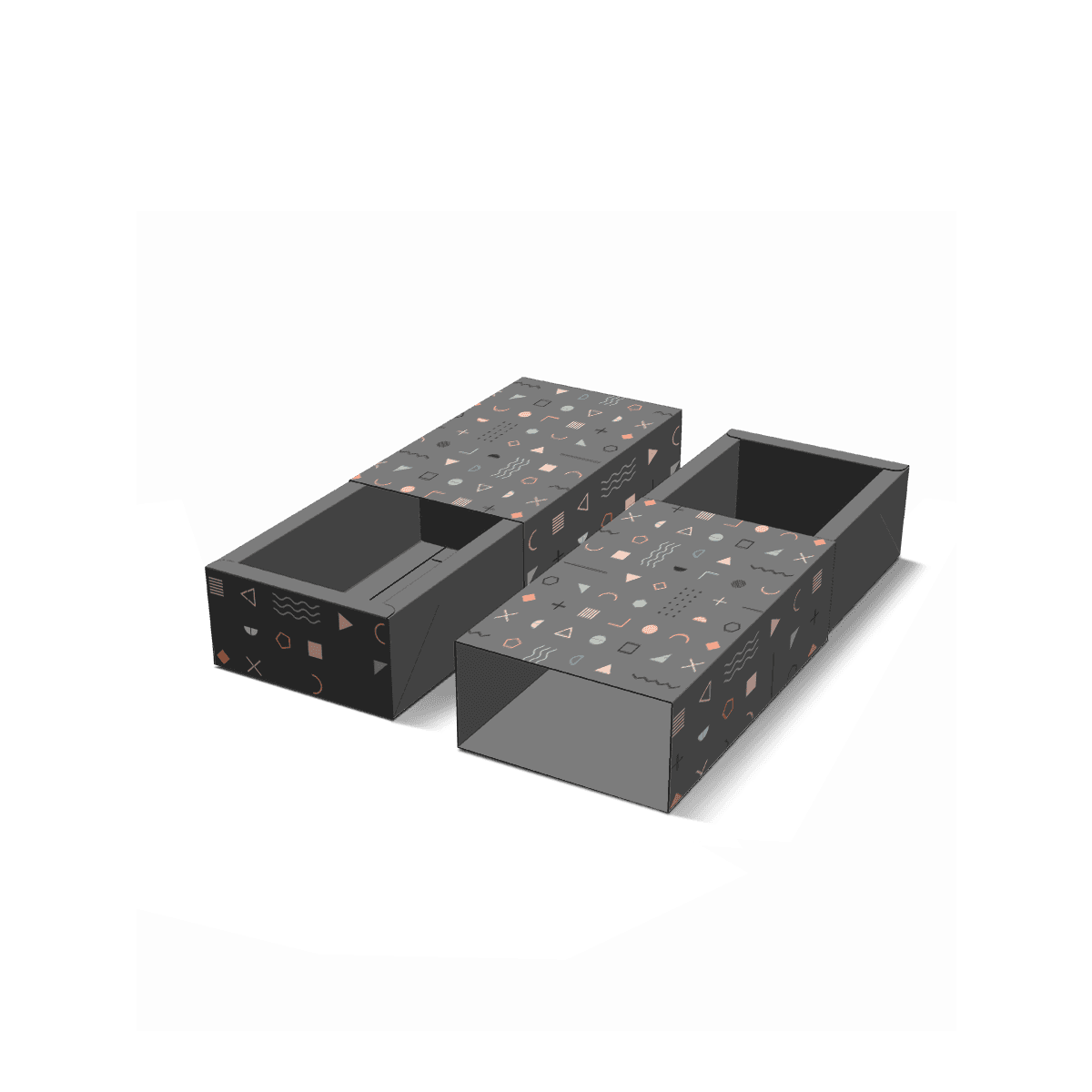
A sleeve folding carton shifts attention from top-flap opening to a sliding reveal.

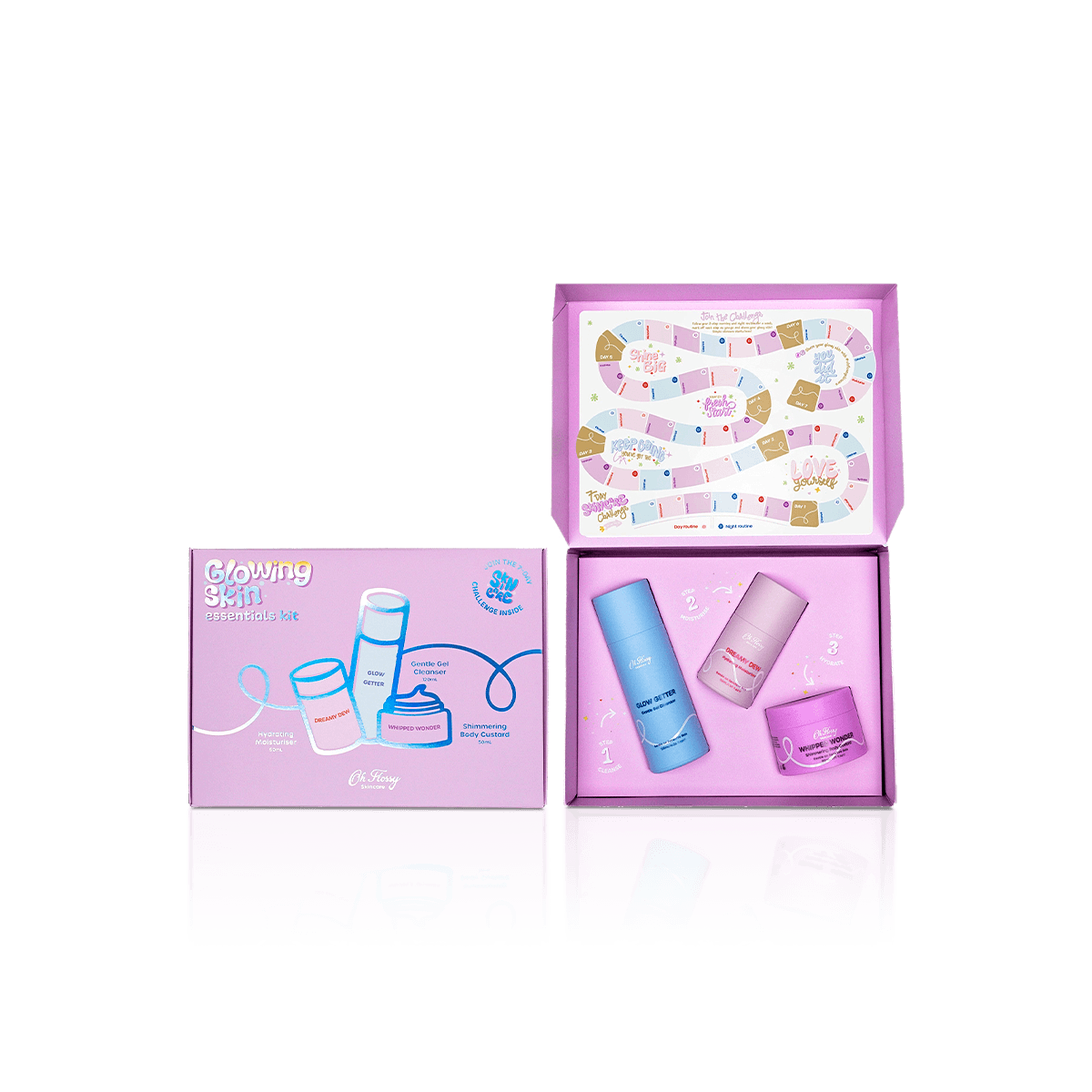
That can suit cosmetic sets, trays or products where the brand wants more presentation without the weight of a rigid box. The inner tray then becomes part of the structural decision rather than a decorative extra.

Every Panel Needs a Job

Cosmetic cartons can carry a surprising amount of copy, but usable panel space disappears quickly once the front hierarchy, barcode, variant identification, required product copy and production marks are allocated.

Planning those zones early prevents the design team from treating the dieline as a blank poster and discovering later that important text sits across a crease or tuck flap.

The front panel normally carries the strongest shelf signal. Side panels can handle secondary product copy. The back may carry longer text. The bottom can work for compact operational identifiers when readability and production requirements permit.

Exact regulatory content depends on the product and selling requirements, so packaging artwork should use the copy confirmed by the brand's regulatory or compliance process rather than assuming one universal cosmetic label layout.

A packaging dieline turns those panel decisions into cut lines, crease lines, flaps and artwork boundaries before production.

Do Not Let Variant Names Drift

Shade, scent, formula, SPF level, finish and product strength can create visually similar cartons that are operationally different.

Give the distinguishing identifier a consistent location. Warehouse staff, retail teams and customers should not have to search a different panel every time the SKU changes.

A line of concealers might use one panel zone for shade names while a skincare series uses that same zone for formula strength. The structural logic stays predictable even though the printed content changes.

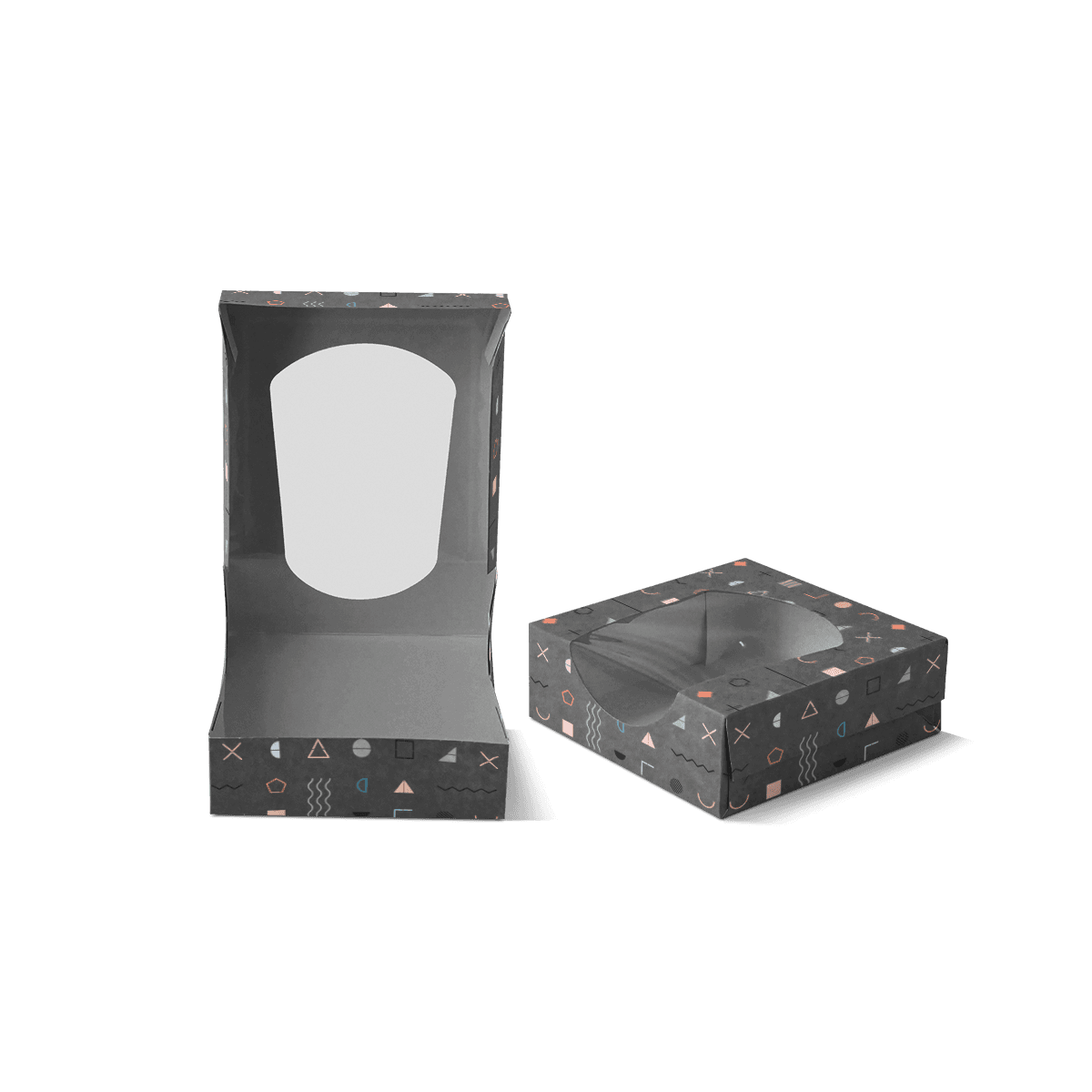
Free 3D mockups can help check front-panel hierarchy, side-panel balance and how artwork crosses adjacent faces before print production begins.

Tall Cartons Need a Stable Base

A carton can fit the primary container correctly and still feel unstable if its height, footprint and weight distribution work against each other.

This matters with serum bottles, pump products, mascara and other narrow beauty packs. A tall carton around a top-heavy container may tip or feel loose even though the external dimensions look clean.

The first correction should be the product relationship inside the carton. Reducing unnecessary lateral clearance can improve stability without making the outer box heavier.

Board stiffness can then be set according to carton size, weight and the amount of unsupported panel area.

If the product is unusually heavy for a simple tuck construction, a stronger bottom style or insert may be the better change.

Creases Matter as Much as Caliper

Thicker board does not automatically create a neater carton.

Paperboard still has to score, fold and close accurately. A poorly balanced board-and-crease specification can create springy flaps, rounded corners or panels that refuse to sit square.

Small cosmetic cartons make these defects especially visible because the customer handles the entire box at close distance.

Board selection should therefore consider the carton dimensions and conversion behavior as well as the desired tactile feel.

Inserts Should Fix a Real Movement Problem

Many lightweight cosmetics do not need an insert. Adding one where the carton already fits closely can increase material, assembly and cost without meaningfully improving the pack.

Inserts make more sense when the primary container has a fragile component, narrow body, unusual shoulder or large empty area around it.

A paperboard insert can restrain a bottle at stable contact points while leaving pumps, droppers and decorative caps clear.

Consider a narrow serum bottle with a broad dropper collar. Sizing the entire carton tightly around the collar can leave too much empty space around the bottle body. During handling, the container can rock from side to side even though the top appears closely fitted.

Making the whole carton smaller is not the answer because the collar still needs clearance.

A small internal support around the bottle body or shoulder can control that movement while preserving space around the dropper. The improvement comes from changing where the carton supports the container, not from squeezing the largest feature.

That fit is worth checking with the actual filled primary pack. A fully custom pre-production sample can validate insert position and loading when physical behavior matters.

Build the Artwork System Before the SKU Count Grows

Beauty lines can expand rapidly from a few core products into many shades, scents, formulas and sizes. Folding cartons handle that growth well because different graphics can sit on a shared structural system where the primary containers genuinely share dimensions.

The mistake is allowing each new SKU to become an independent design exercise.

Keep fixed brand elements stable. Define where the product name, variant cue, barcode and operational marks belong. Then decide which visual elements are allowed to change between SKUs.

This reduces artwork confusion without forcing every carton to look identical.

A cosmetics business with lipstick, mascara and serum should not force all three into one dieline merely for visual consistency. It can instead keep typography, color behavior and panel hierarchy consistent while giving each container the dimensions and structure it needs.

Custom printed boxes can use the same brand color standards across several carton sizes without requiring one physical carton specification.

For launches with several artwork versions, MOQ starts from 100 boxes. That gives brands room to structure initial quantities by real SKU demand rather than committing every variant to one oversized run.

Once carton dimensions, structure, artwork count and quantity are settled, an instant custom packaging quote can price the actual production mix.

Color Consistency Has to Survive Different Carton Sizes

A beauty line can use the same brand color across lipstick, serum and cream cartons, yet those packs may not look identical if artwork coverage, substrate or finish changes from one SKU to another.

Premium offset printing is well suited to cosmetic programs where crisp type, fine graphics and controlled brand color matter across repeat production.

CMYK works well for photographic imagery, illustrations, gradients and multi-color graphics. Pantone spot colors can be considered when a specific brand color needs tighter control.

The choice between CMYK and Pantone printing should be made against the actual artwork and color requirement rather than the number of cosmetic SKUs alone.

Kraft Changes the Color Base

Artwork developed for a bright white board will not reproduce the same way on natural kraft.

That difference may be desirable for the brand, but it needs to be intentional. Light colors, subtle skin tones and pale gradients need particular attention because the stock itself becomes part of the visual result.

White SBS or another suitable white paperboard gives a cleaner base when bright cosmetic graphics and fine color control dominate the design.

Finishes Need Space Away From Creases

Foil, embossing, debossing and spot UV can sharpen a cosmetic carton, but small folding cartons leave little room for decorative effects that ignore the structure underneath.

A foil logo positioned too close to a crease may not read as cleanly once the carton is folded. Deep embossing across very small panels can compete with fine text. Spot UV loses impact when every visible area receives a special effect.

The carton should first establish a strong hierarchy through print and layout. Finishes can then emphasize the few elements that deserve tactile or reflective contrast.

Matte and gloss treatments also change how artwork behaves under retail lighting. A glossy pack can make color feel brighter and more reflective. A matte surface can reduce glare and create a quieter appearance.

The right finish is the one that supports the product tier and artwork rather than trying to make thin paperboard imitate rigid packaging.

Retail Cartons Have to Work Beyond the Front Face

A cosmetic carton is usually seen front-first, but retailers and fulfillment teams handle every side of it.

Side-panel identifiers can help distinguish visually similar variants when cartons sit tightly together. Top or bottom coding zones can assist stock handling. Consistent barcode positions reduce unnecessary variation across a large carton program.

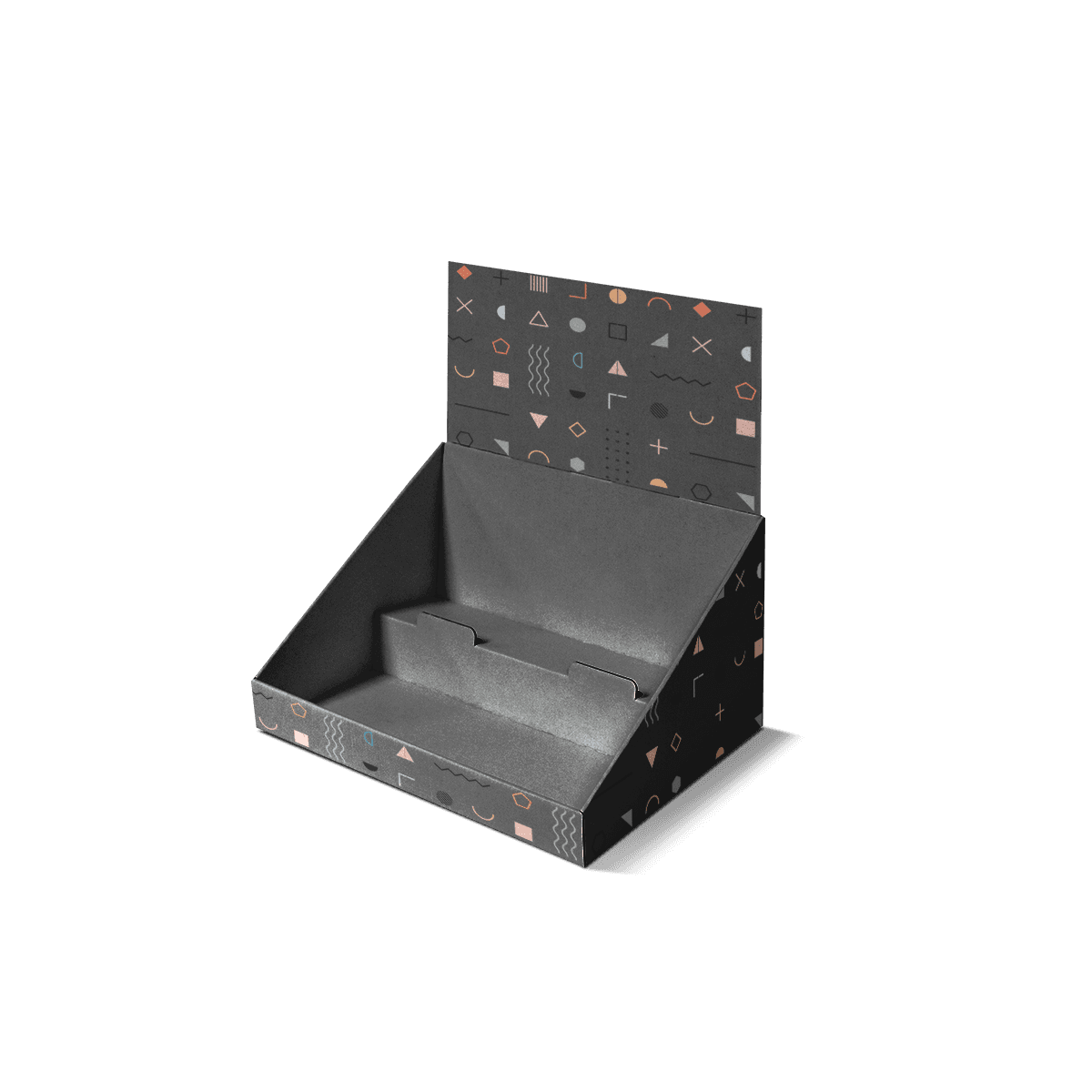
When unit cartons move into trays or counter displays, front-panel dimensions and orientation should also work with the merchandising structure around them.

Cosmetic cartons feeding into custom retail packaging should maintain predictable facings rather than forcing each display to compensate for a different box orientation.

US production and a standard 4–6 day turnaround after final artwork and specifications are approved can support beauty launches and replenishment where packaging timing is tied closely to product availability. Free shipping removes a separate freight charge from the finished custom box order. Complex structures, specialty materials or advanced finishes may require additional time.

Warehousing and scheduled deliveries can also help when a larger carton run needs to be released in stages rather than received all at once.

Know Where Folding Cartons Stop Making Sense

Folding cartons are strongest when the cosmetic product needs lightweight secondary packaging, efficient storage, clear printed panels and retail-ready presentation.

They become less convincing when the package itself must create substantial structural presence.

A heavy glass bottle, premium gift set or presentation-led launch may need stronger walls and deeper insert support than a conventional paperboard carton should be asked to deliver.

A rigid cosmetic box becomes more appropriate when structural weight, fitted presentation and the opening experience are central to the product tier.

That does not mean every premium cosmetic needs rigid packaging. A well-proportioned folding carton with strong offset printing, controlled color and one deliberate finish can still present a high-end product cleanly.

The better dividing line is functional.

Use the folding carton when the primary container already carries most of the physical product value and the outer pack needs efficient retail presentation. Move toward rigid construction when the outer package itself must become a substantial part of the product experience.

Custom Packly can coordinate folding carton dimensions, dielines, printing and finishing with 24/7 packaging expert support. The goal is not to force an entire cosmetic portfolio into one box style. It is to let lightweight retail SKUs stay efficient while reserving heavier packaging for the products that genuinely need it.

FAQs

They fit best where brands need attractive unit packaging without unnecessary bulk. That includes cartons for makeup, skincare, boxed beauty accessories, travel-size lines, and coordinated launch assortments.

Start with the product’s retail channel, handling risk, and visual goal. Fast-turn shelf items often use efficient paperboard with clean print finishes, while elevated launches may call for thicker stocks, textured coatings, or foil accents.

Yes, especially when the pack needs organized presentation without moving into a rigid setup. Inner fitments, sleeves, or segmented layouts can help hold more than one component in a neat retail pack.

Choose folding cartons when speed, storage efficiency, lighter weight, and broader SKU rollout matter most. Rigid Cosmetic Boxes are more suitable when the goal is gift-style presentation, heavier perceived value, or a luxury unboxing experience.

Yes. Many cosmetic programs use folding cartons alongside countertop displays, launch trays or retail-ready outer packs so the primary unit packaging stays consistent across shelf and campaign formats.

Process

How it works

Your Packaging Journey, From Idea to Production and Delivery

01

Tell Us Your Specs

Custom packaging boxes

Tell Us Your Specs

Provide size, quantity, printing, and finishes.

02

Get a Fast Quote

Custom packaging boxes

Get a Fast Quote

Instant transparent pricing, no hidden fees.

03

Design and Approval

Custom packaging boxes

Design and Approval

Artwork checks, revisions, and final sign-off.

04

Produce

Custom packaging boxes

Produce

Expert manufacturing to meet deadlines.

05

Ship to Your Door

Custom packaging boxes

Ship to Your Door

Hassle-free, flexible delivery options.

Get Your Quote for Custom Folding Carton Cosmetic Boxes

Share your product details, size, quantity and artwork needs. We’ll help choose the right packaging style and send a clear quote.