Skip to content
Details

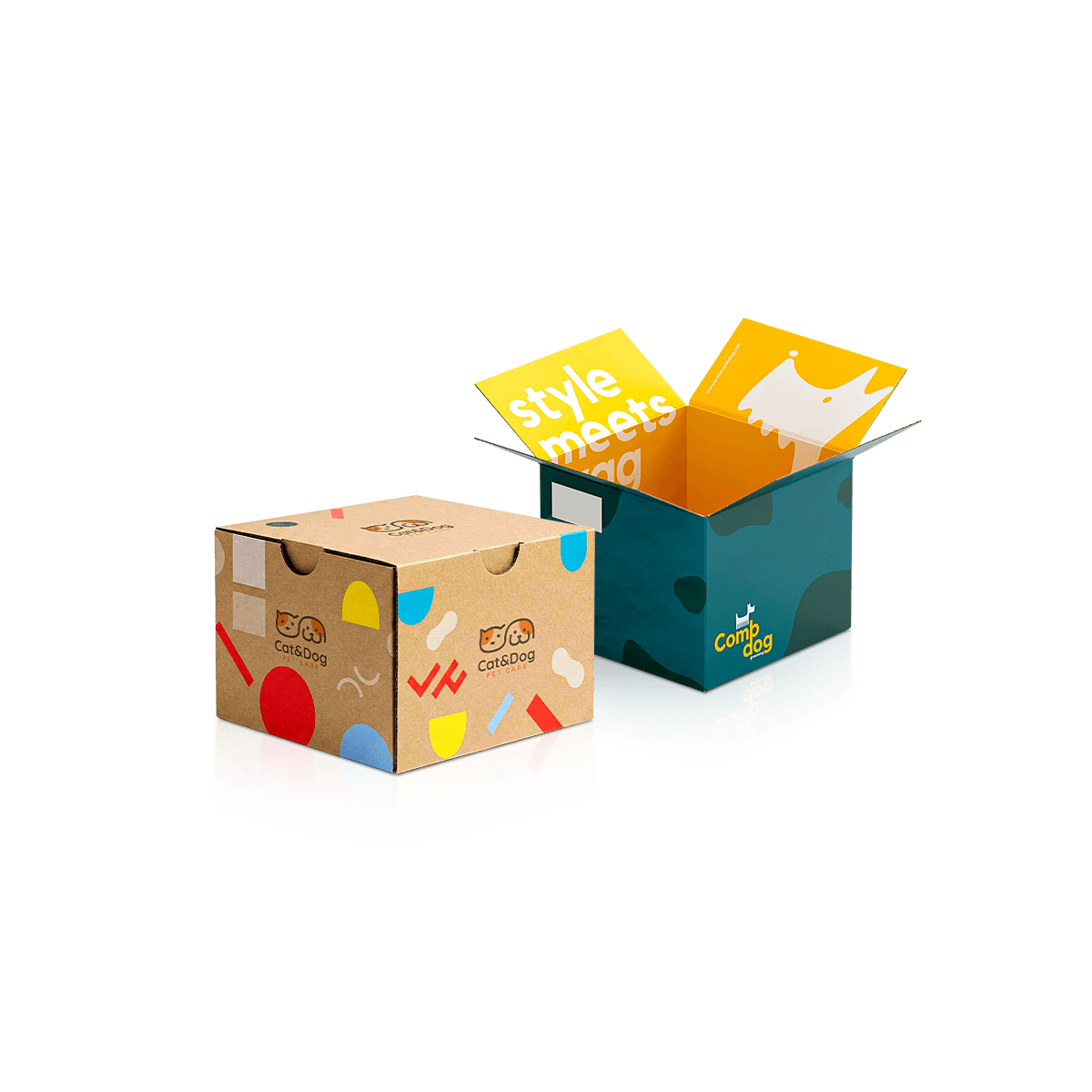
Custom Folding Cartons for Pet

Custom printed paperboard cartons for sealed pet treat multipacks, grooming products and compact accessories. Select practical closures, efficient flat-packed construction and retail printing that fits your products and packing process.

The Bottom Determines the Packout

At a pet-product packing station, a flat carton has to become a stable, fillable box before the product can go inside. The bottom closure determines how much assembly is needed and whether the carton stays upright during loading.

For a lightweight treat multipack, a conventional tuck bottom may be sufficient. A heavier grooming bottle may benefit from a pre-glued bottom that forms as the carton is opened.

Custom Folding Cartons for Pet give brands a lightweight paperboard structure that can be printed, die-cut, creased and supplied flat. The construction can then be selected around the product and its actual packing operation.

Unlike a rigid setup box, a folding carton does not occupy its full assembled volume while it is awaiting use. That can make a substantial difference when a manufacturer stores several carton sizes beside a production line.

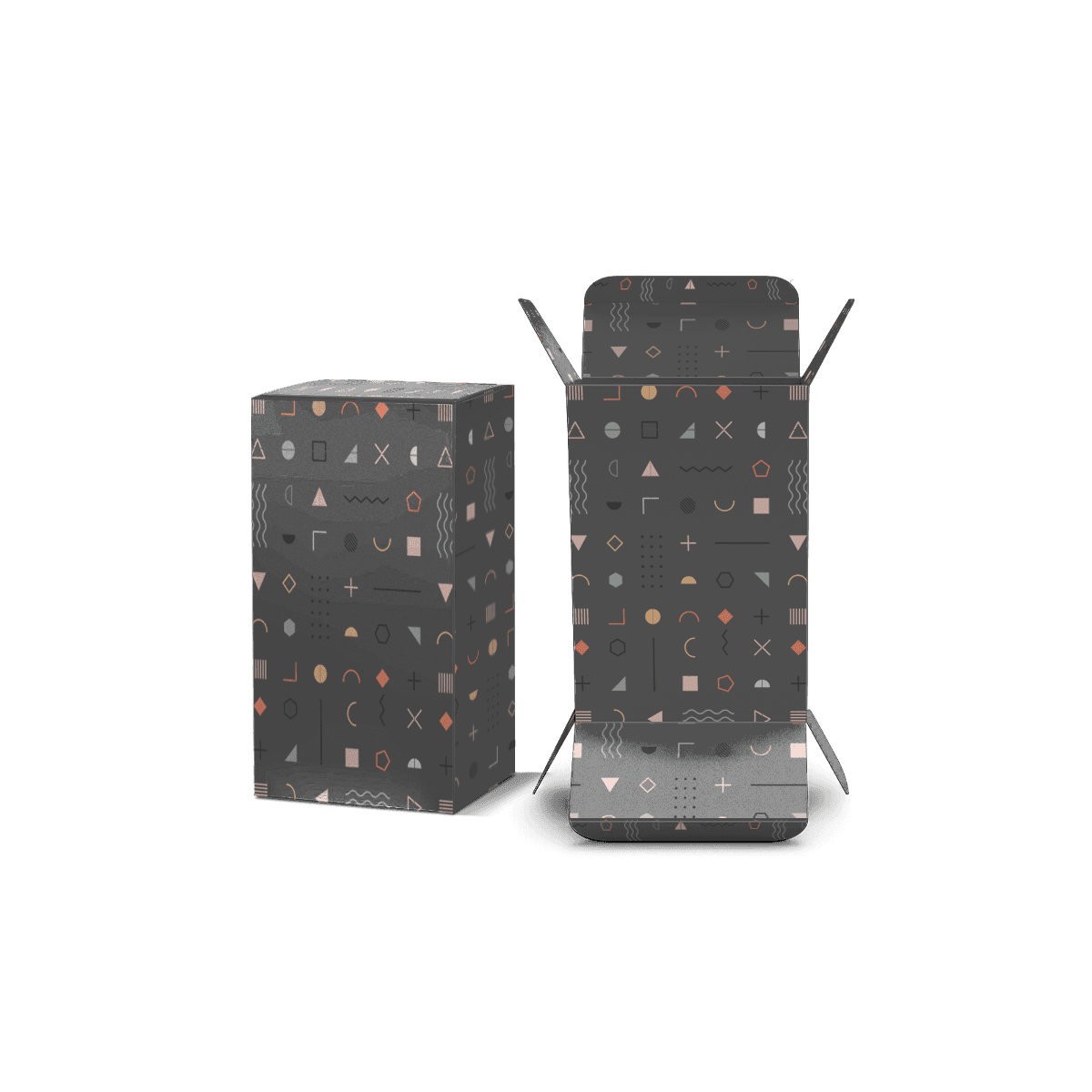
The folding carton structures used for pet retail products include tuck-end, pre-glued bottom, sealed-end and windowed constructions. Each has a different assembly and handling role.

Manual Packing

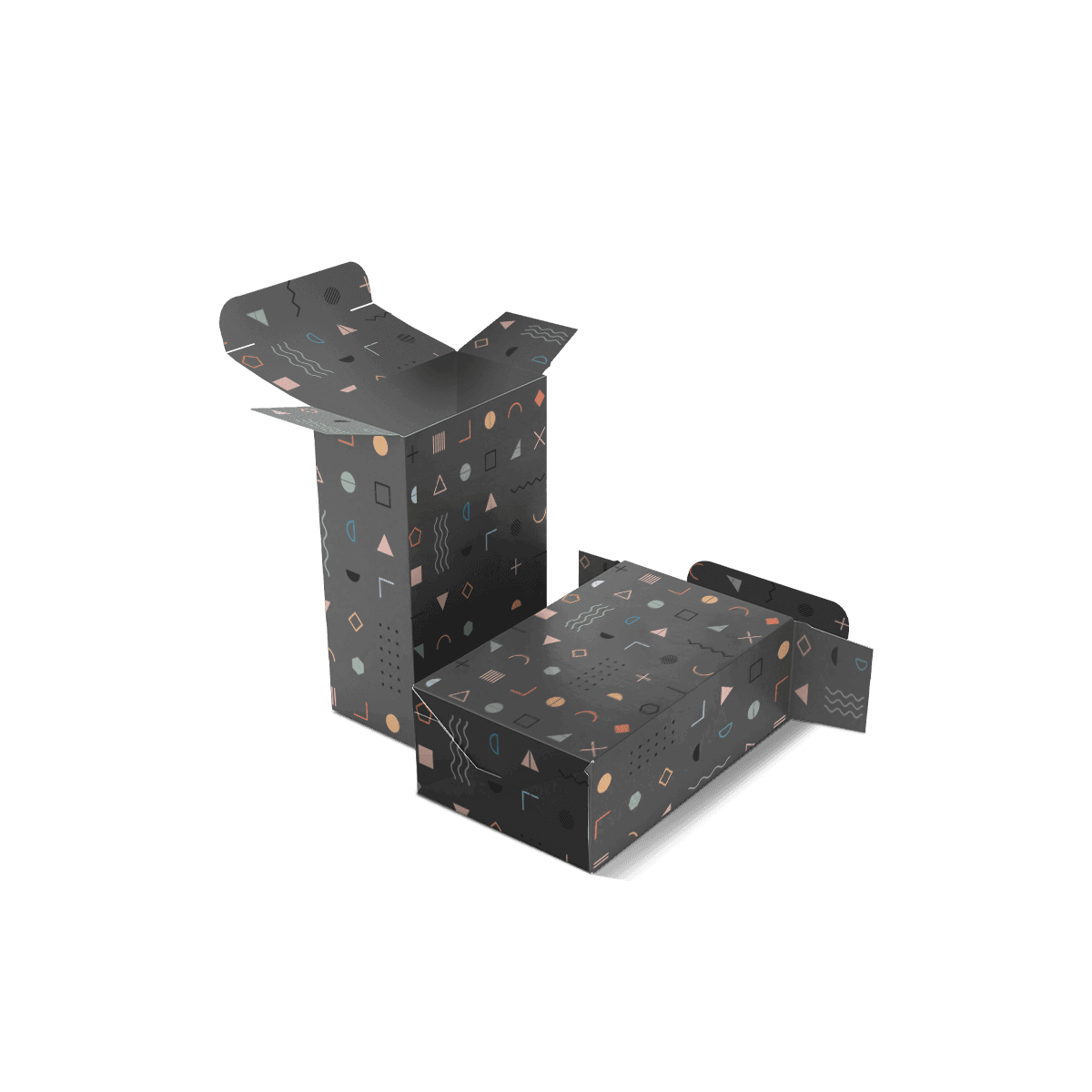
A conventional tuck-end carton can suit smaller production runs where workers assemble and fill each box.

The bottom flaps are folded into position before the product is inserted. The top is then closed using the specified tuck arrangement.

This can work well for lightweight accessories, compact grooming items and sealed treat packs.

The assembly sequence should remain straightforward. A carton that requires repeated adjustments during packing may become unnecessarily labor-intensive at higher quantities.

Pre-Glued Bottoms

A pre-glued bottom can reduce manual assembly because the base forms as the flat carton is erected.

For a grooming bottle or heavier retail product, auto-lock bottom boxes can combine quicker setup with a bottom construction selected for the intended load.

The base still needs to be specified for the actual filled product.

A pre-glued bottom should not automatically be treated as sufficient for every weight or filling process.
Closures for Different Pet Products

The correct closure depends on the product's weight, the filling method and whether the customer needs to reopen the outer carton.

A simple paperboard carton can accommodate several closing arrangements without changing the underlying material.

The practical differences concern flap direction, bottom assembly, closure security and access after purchase.

Tuck-End Cartons

Tuck-end cartons work well for many lightweight retail products.

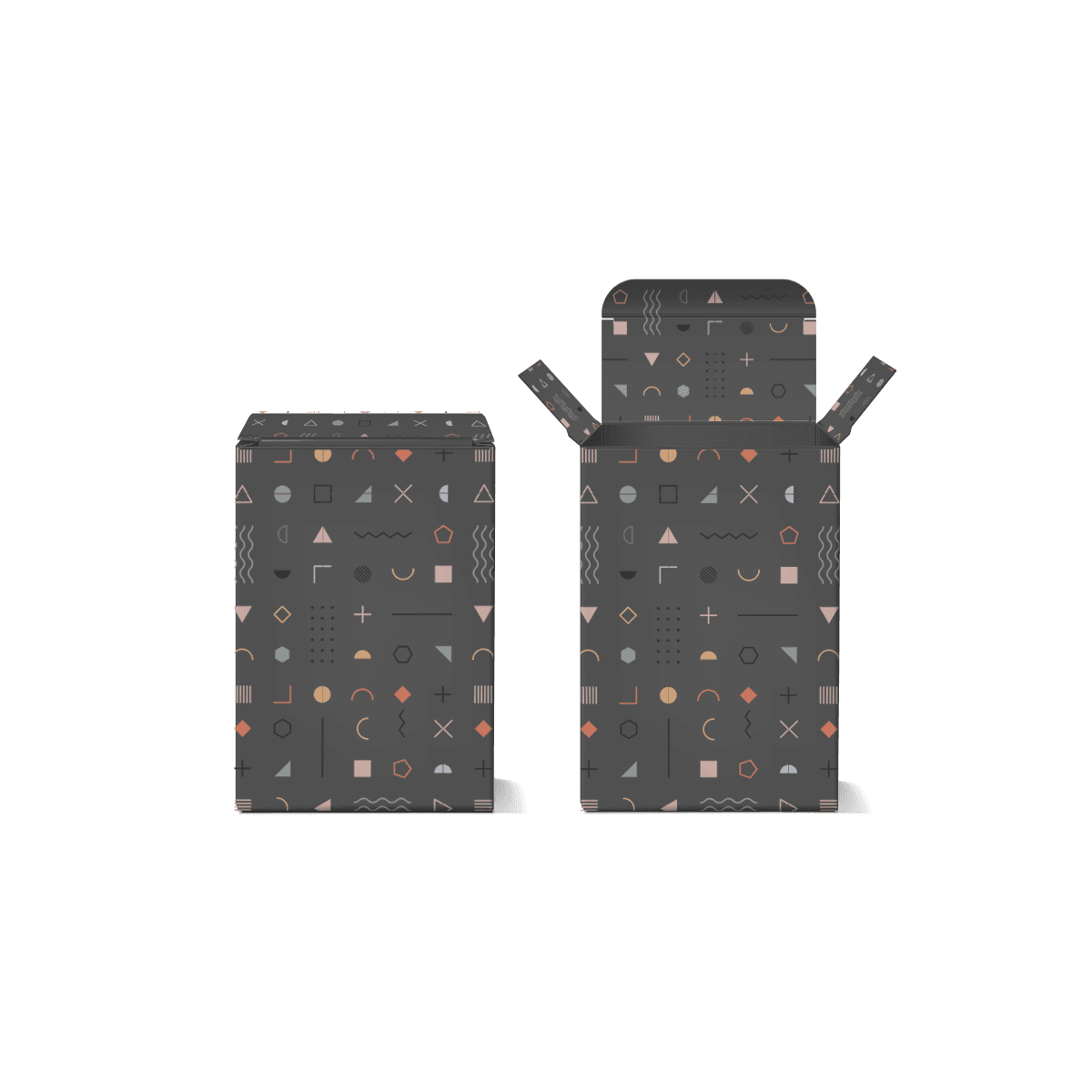
Straight tuck-end construction places the top and bottom tucks in the same direction, commonly toward the back of the assembled box.

Reverse tuck-end construction places them in opposite directions.

For a compact pet care product that needs an uninterrupted front-facing panel, straight tuck-end cartons can be appropriate.

Reverse tuck construction may be worth considering when its blank layout suits the manufacturing specification and the opposite flap directions do not interfere with the intended presentation.

Neither construction is automatically appropriate for a dense or unusually heavy product.

Snap-Lock Bottoms

A snap-lock or 1-2-3 bottom uses interlocking flaps that must be assembled in the correct sequence.

This can create a more supportive base than a basic tuck-bottom arrangement, depending on the board and construction.

It may suit products that need additional bottom support but do not justify a pre-glued automatic bottom.

The trade-off is the additional manual folding required during setup.

Sealed-End Cartons

Some pet products are packed once and do not require a repeatedly accessible outer closure.

For those applications, seal end boxes use an end-closing construction intended for sealing rather than routine tuck reopening.

The sealing method must suit the actual packing equipment and manufacturing requirements.

A sealed outer carton does not automatically establish that the contents are tamper-evident or protected by a moisture barrier. Those properties depend on the complete, appropriately specified packaging system.

A Packing-Line Problem

Consider a hypothetical pet treat manufacturer packing individual sealed sachets into printed retail cartons.

Each carton contains several sachets, and the filling operation is carried out manually.

The original design uses a conventional tuck-bottom box. Workers must open each blank, fold the bottom flaps into position and hold the carton upright before inserting the sachets.

The structure is functional, but the additional handling becomes inconvenient as production increases.

A pre-glued automatic bottom could simplify this operation.

The carton would still arrive flat, but opening it would form the base without requiring workers to assemble each bottom flap individually.

The next decision is whether the carton geometry works with the sachets and the intended loading direction.

A bottom that opens quickly achieves little if the product catches against the upper flaps or requires repeated adjustment.

For this type of project, the carton should be evaluated as part of the complete packing sequence, not simply as an empty assembled box.

The adjustment may increase the manufacturing cost of each carton while reducing the labor required to prepare it.

That trade-off should be evaluated against the actual production volume and packing method.

Packaging Cost Includes Assembly

The purchase price of a folding carton is only one part of its commercial cost.

A simple tuck-end design may require less manufacturing work than a pre-glued automatic bottom. However, the latter can reduce the number of manual operations required at the filling station.

The difference becomes more relevant when the same carton is packed repeatedly at meaningful volume.

For a new pet product, the main cost considerations include the structural blank, board consumption, printing, gluing requirements, order quantity and any separate internal components.

A larger carton may also use more paperboard and occupy more space in retail cases.

The cost of custom tuck boxes changes with the actual structure, dimensions, stock, printing and quantity.

A sound purchasing decision should account for the complete manufacturing and packing process rather than treating the lowest carton price as the only objective.

Custom Packly's USA minimum order quantity starts from 100 boxes.

Its instant pricing system can help assess the intended specification, while free design and dieline support can assist with the structural setup.

For a defined carton requirement, request a custom packaging quote using the intended product, closure construction, board and production quantity.

Contents and Internal Dimensions

The carton's internal dimensions should follow the product in its actual packed condition.

A folded accessory, filled treat pouch and grooming container may require different allowances even when their nominal dimensions appear similar.

Paperboard thickness, internal supports and the loading direction all affect the usable space.

Sealed Treat Packs

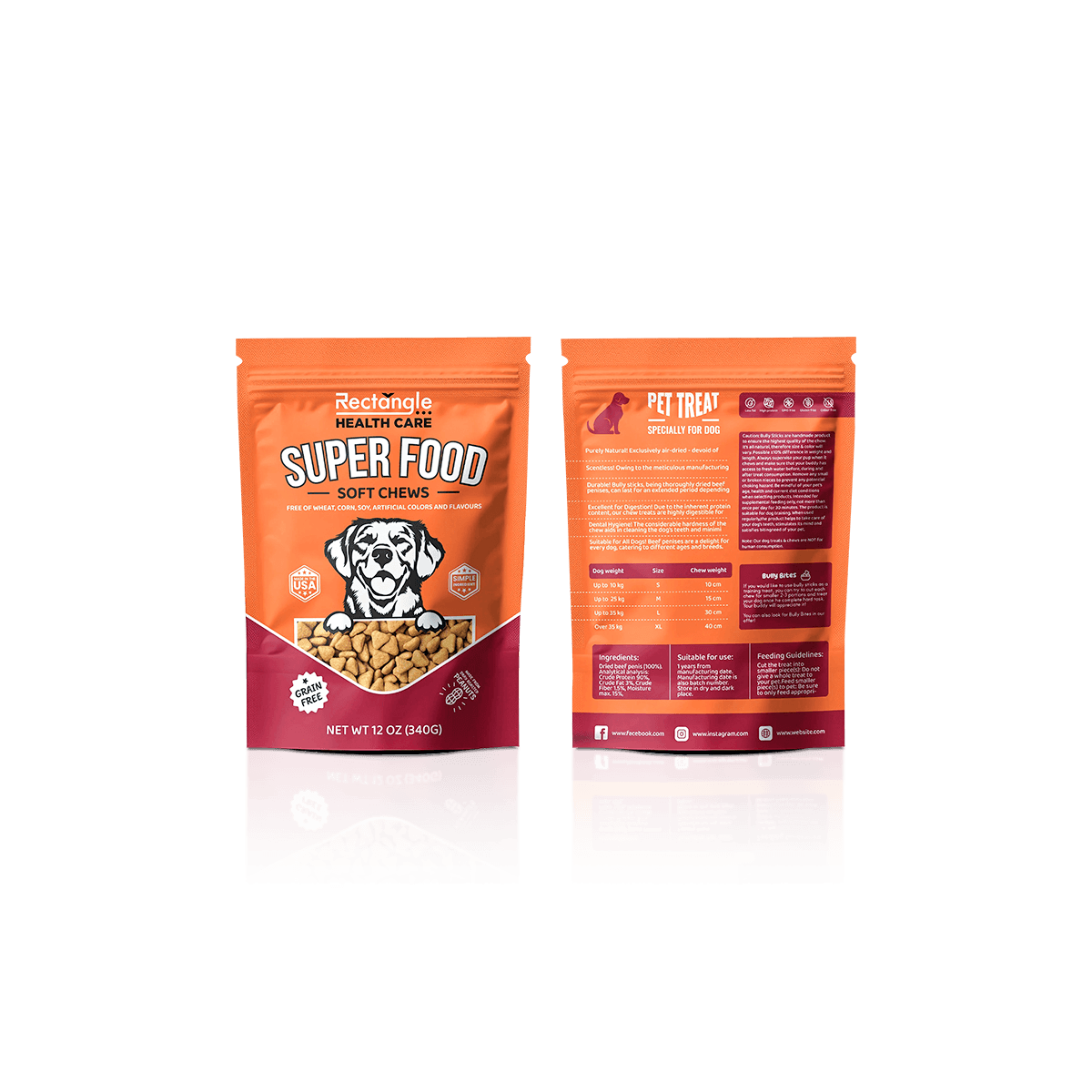
An outer carton can organize several individually sealed treat pouches into one retail unit.

The primary pouches remain responsible for containment and the appropriate barrier requirements.

Their finished thickness, seal positions and natural filled shape determine the practical internal dimensions.

For pet treat boxes, the carton should accommodate the intended quantity without putting unnecessary pressure on the primary packaging.

The top closure must also have a clear path when the final pouch is inserted.

Grooming Containers

Small shampoo bottles, balms and grooming tubes may need internal support to remain upright.

A close-fitting carton can help limit movement, but it should not place pressure on a pump or cap.

For cylindrical containers, an appropriately shaped paperboard support can control rotation.

The carton dimensions should accommodate any component that extends beyond the main container body.

Compact Accessories

Small accessories can often be positioned using a folded retaining card or integrated paperboard tabs.

The support must accommodate the product's actual shape.

For an accessory containing metal hardware, the carton should prevent unnecessary contact between the hardware and vulnerable product surfaces.

In each case, the interior should support efficient packing without making the finished product difficult to remove.

Board That Converts Cleanly

Paperboard selection affects how a folding carton behaves during manufacturing, assembly and retail handling.

The material must be suitable for printing, die-cutting, creasing, folding and gluing.

A board selected solely for its appearance may not perform correctly when a complex carton is repeatedly erected.

SBS Paperboard

Solid bleached sulfate board is an option for cartons requiring a clean white printing surface.

It can support detailed retail graphics, fine text and consistent artwork across multiple product variants.

The appropriate grade and caliper depend on the carton dimensions, product weight and closure construction.

Kraft Paperboard

Kraft stock can create a natural brown appearance suited to restrained artwork and simple branding.

Its actual performance depends on the selected grade.

The appearance of kraft does not establish its recycled content or recyclability.

A recycled-content requirement should be addressed through a verified material specification rather than inferred from the board's color.

Creasing and Fold Quality

Paperboard does not bend equally well in every direction or under every converting condition.

Grain direction, board caliper, surface coating and crease geometry can affect the quality of the finished folds.

Poorly specified creases may lead to surface cracking, resistance during erection or inconsistent flap movement.

These issues are particularly relevant for cartons with several small folds, tightly positioned retaining tabs or thicker coated stock.

For a new construction, physical validation should focus on the proposed board and the actual assembly movement.

The objective is a carton that opens consistently and closes without damaging its printed surface.

Retail Display Without Extra Hardware

Folding cartons can accommodate different retail presentations without changing to a permanent rigid-board structure.

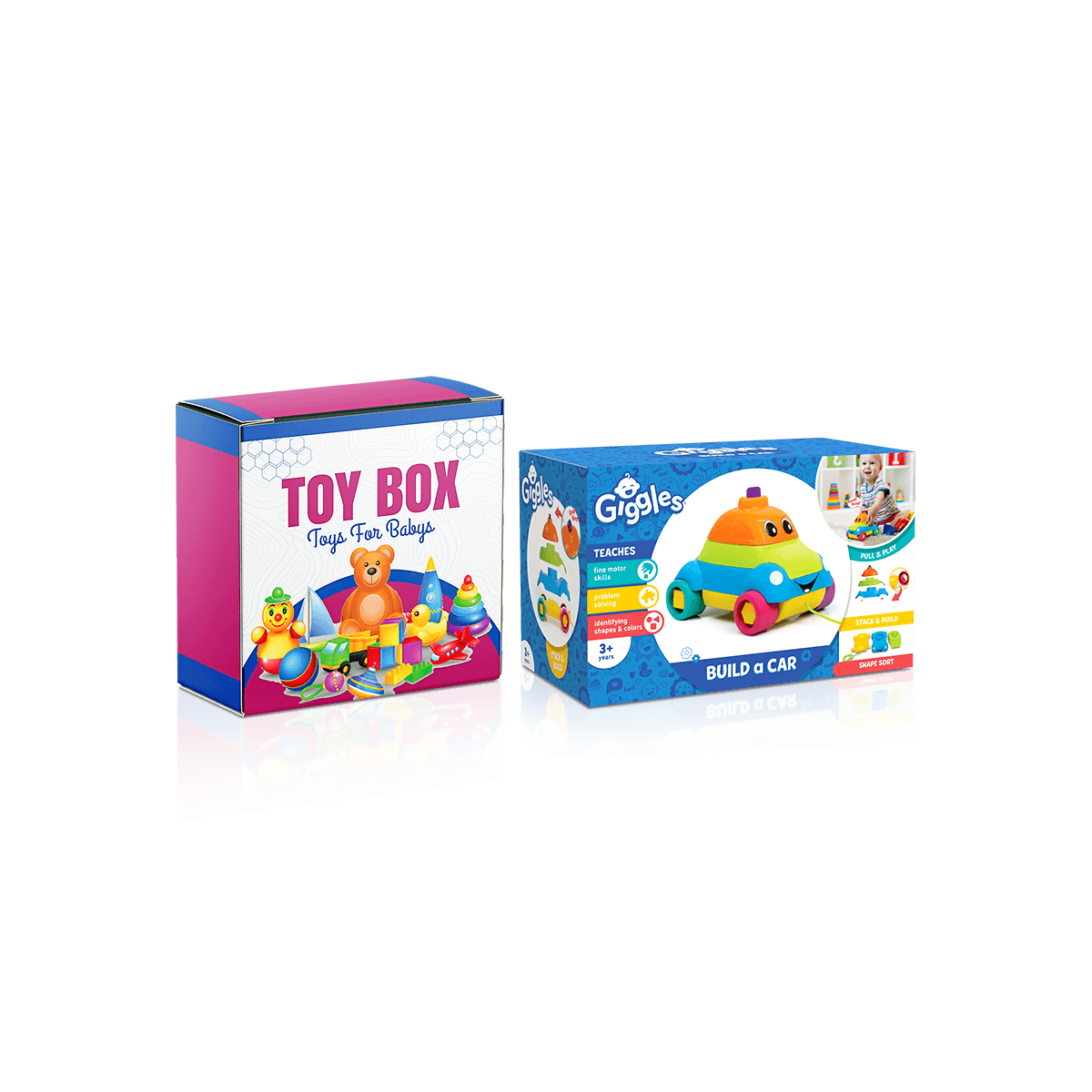
A standard closed carton may be sufficient for a compact pet care product. A windowed construction can be appropriate for an accessory whose appearance influences the purchase.

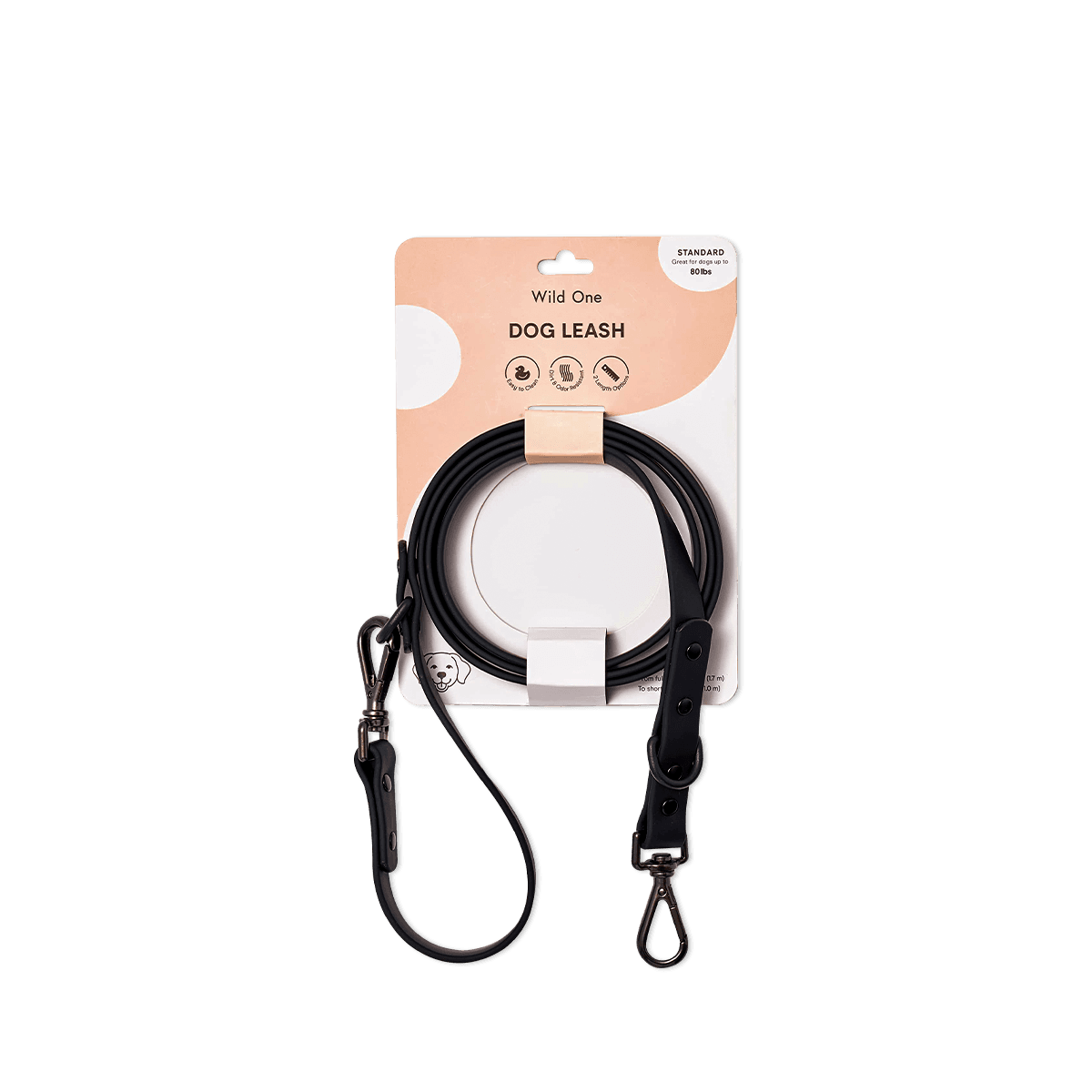
Hanging presentation introduces different requirements because the carton must support the packed product from its upper panel.

Closed Cartons

A closed printed carton gives brands uninterrupted surfaces for artwork, product identification and applicable instructions.

It can work well for sealed treat multipacks, small grooming products and other items that do not require physical inspection before purchase.

The carton's shape should support stable shelf placement.

Windowed Cartons

A window may be appropriate when the customer needs to inspect the product's color, texture or shape.

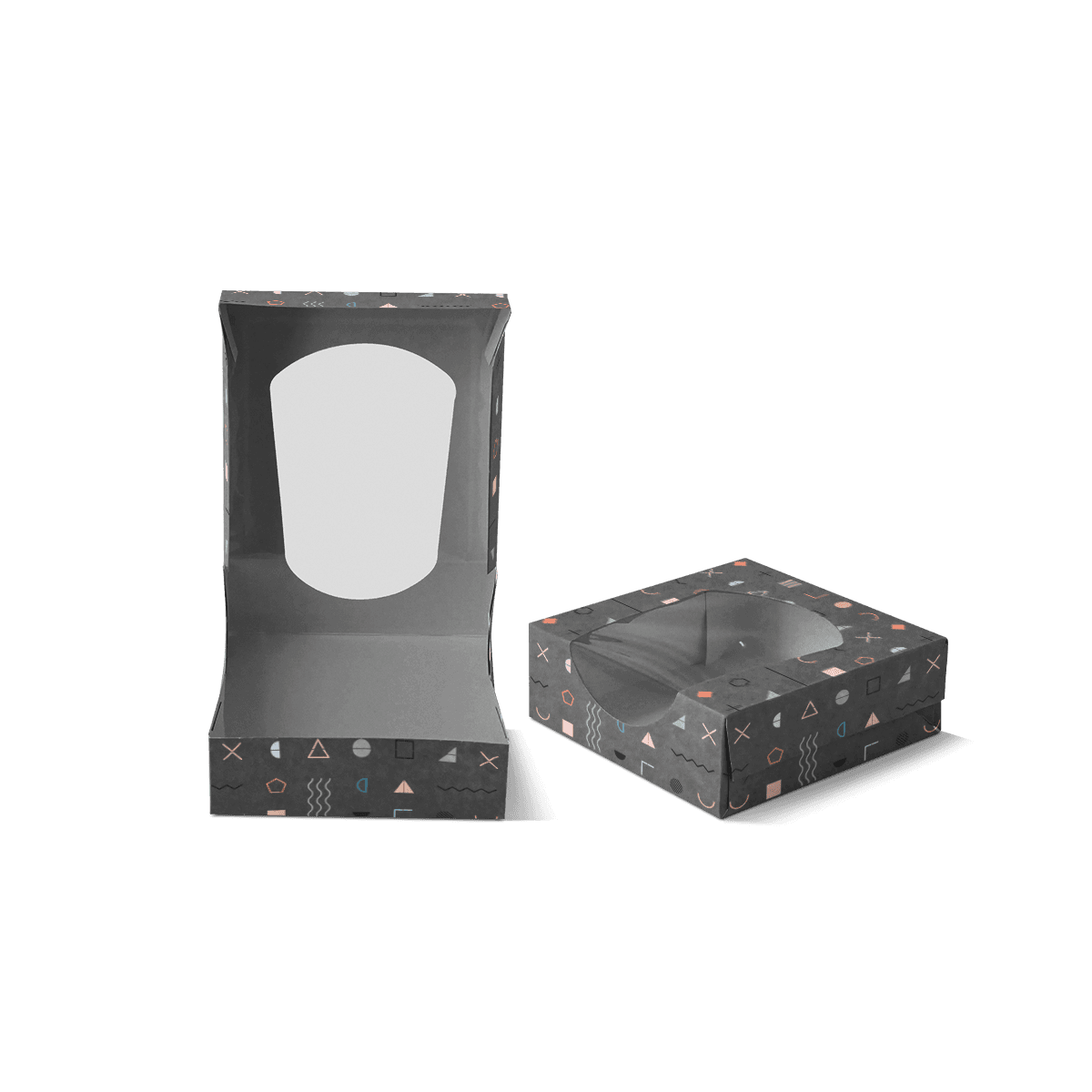
For accessories and grooming tools, windowed folding cartons can reveal the item while maintaining a printed retail exterior.

The cutout must preserve sufficient board around the opening.

A window can also reduce the space available for required copy, so its position needs to be considered alongside the artwork.

Hanging Cartons

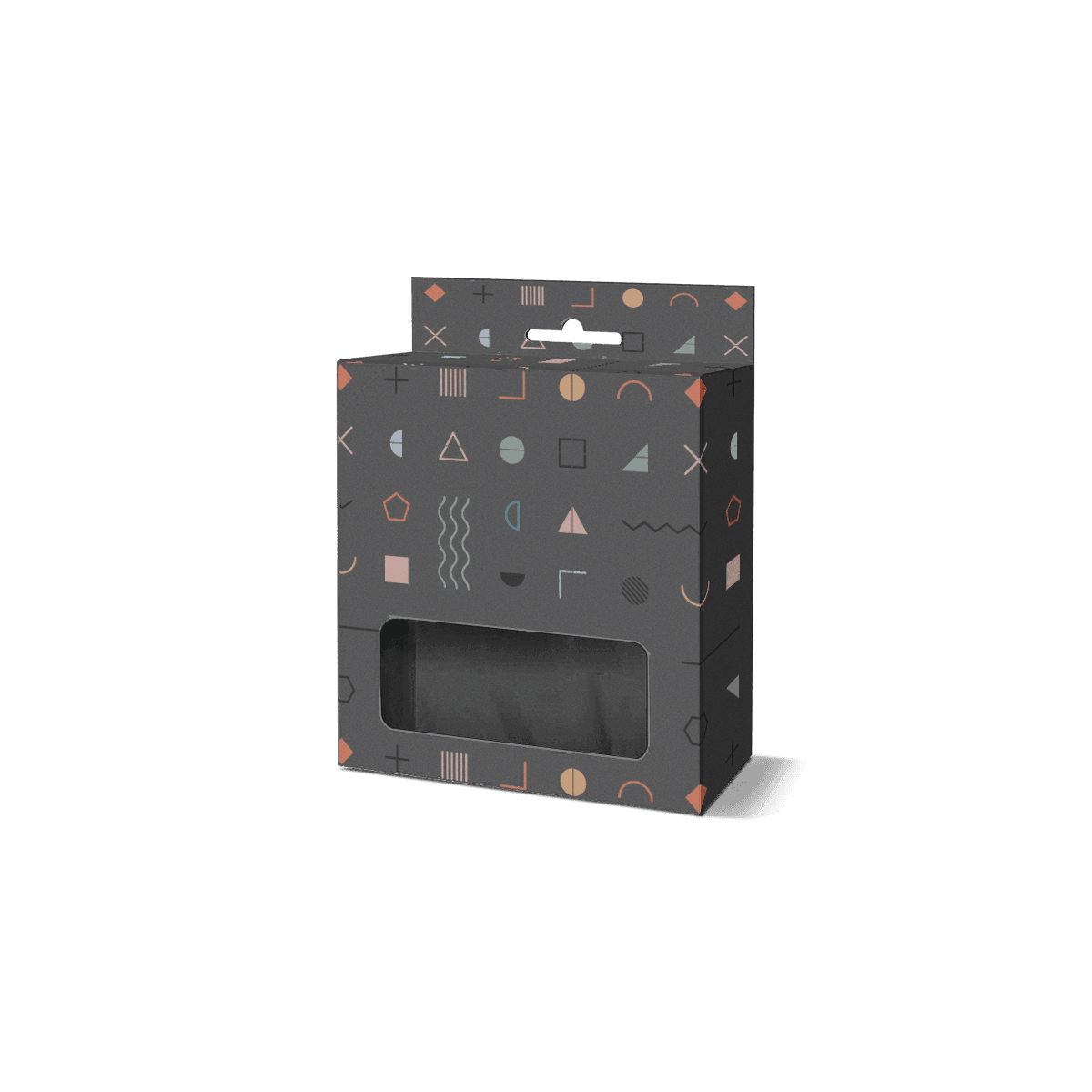
A hanging tab can be integrated into a suitable carton construction when the retail fixture and packed weight justify it.

The tab position affects how the carton hangs.

An accessory with concentrated weight on one side may require a different internal arrangement to maintain its intended orientation.

The hanging construction should be evaluated with the finished product and intended retail fixture.

Artwork on the Assembled Carton

Folding cartons begin as flat printed sheets, but customers see them after cutting, creasing, gluing and assembly.

That transformation changes the position and visibility of the artwork.

A logo that appears correctly positioned on the flat sheet may cross an assembled edge. A barcode placed near a tuck may become difficult to scan.

For pet products, the graphic layout needs to accommodate both the structural features and the approved product information.

Product Identification

The front panel should identify the actual product and its intended use.

For treats, this may include the product name, flavor, intended animal and net quantity.

For a grooming product, the main distinction may be the formulation or care function.

Accessory cartons may need size information that remains visible on the shelf.

The artwork must reflect the manufacturer's approved product specifications and applicable labeling requirements.

Cut Lines and Glue Areas

The packaging dieline establishes the relationship between the printable surfaces, cut lines, creases and structural flaps.

Artwork should not place essential text where it will be interrupted by a fold or covered by a glued panel.

Background graphics need appropriate bleed, and important copy should remain inside the designated safe area.

For custom retainers or windowed cartons, the layout also needs to account for the additional die-cut features.

Custom Packly provides free design and dieline support. Free 3D mockups can help assess the assembled artwork before production.

Printing Across Variants

A pet product line may have several flavors, sizes or formulations sharing one carton structure.

Premium offset printing can support sharp retail graphics and consistent branding for appropriate production runs.

CMYK is suitable for multicolor artwork, while Pantone specifications can be considered for tighter control of particular brand colors.

The number of artwork versions matters when selecting the printing process.

The differences between digital, offset and flexographic printing become commercially relevant when the same carton construction is ordered across multiple designs.

Flat Storage and Retail Replenishment

One of the practical advantages of folding cartons is that they can be supplied flat before assembly.

A suitable pre-glued carton can occupy considerably less storage space in its flat condition than the same number of erected boxes.

For pet brands handling several products, this can simplify the storage of unused packaging.

However, flat supply does not eliminate the need to organize different structural specifications and artwork versions.

A carton for one grooming bottle should not be assumed interchangeable with another because the exterior dimensions appear similar.

The closure, interior geometry and approved artwork may differ.

For established product lines, packaging inventory should reflect the actual demand for each structural blank and printed version.

Custom Packly supports US production, warehousing and scheduled deliveries for suitable larger orders.

Its standard turnaround is 4–6 days after final artwork and specifications are approved. Complex structures, specialty materials and advanced finishes may require additional time.

The packaging supply plan should account for the production schedule and the quantities of each carton that will be consumed.

Paperboard Is the Retail Layer

An individual folding carton is not automatically the appropriate package for every pet product.

The distinction becomes important when comparing lightweight retail products, premium gift sets and heavier distribution requirements.

For a substantial grooming assortment or gift, rigid pet product boxes may suit the intended presentation when the permanent shape and more substantial construction are justified.

For a dense or heavy product, corrugated construction may be more appropriate than a conventional paperboard folding carton.

The same principle applies to direct-to-consumer shipping.

A lightweight retail carton can sit inside a protective custom mailer box when the outer package needs to withstand parcel handling.

There is no requirement to make the retail carton perform the full shipping job when another package is responsible for that protection.

For pet brands using multiple packaging types, pet product packaging can combine individual retail cartons with suitable primary containers and distribution packaging.

The folding carton remains responsible for its defined retail role.

The Carton Must Open as Intended

The customer's opening experience should follow the structure selected for the product.

A tuck-end carton may be suitable when the outer box needs to be opened and closed again.

A sealed-end construction creates a different opening requirement because the customer must break or otherwise release the specified closure.

The intended opening method should be established before the structure and artwork are approved.

A compact grooming carton should allow the customer to remove its bottle without pulling against a vulnerable dispensing component.

For a sealed treat multipack, the carton should give access to the primary pouches without damaging their seals.

For an accessory, the opening should not force the product against its retaining tabs or create unnecessary resistance during removal.

The carton should also have a clear relationship with its contents after purchase.

A treat pouch may remain in use after the outer carton has been discarded. A grooming bottle may carry its own instructions and identification.

The manufacturer's approved product information should remain accessible in the manner required for the actual product.

A folding carton performs well when its construction works consistently at both ends of the process: it opens reliably at the packing station and gives the customer straightforward access to the finished product.

FAQs

They are usually the best fit for lighter items that need strong branding, clean retail presentation and efficient case packing without the extra mass of rigid or corrugated packaging.

Yes. Folding cartons are useful when brands want retail-ready hanging formats with easier warehouse storage and smoother pack assembly.

Folding cartons are the better match for faster-turning pet products that need lower pack weight and stronger merchandising value per unit. Rigid Pet Product Boxes make more sense for gift-style presentation, premium kits or reusable packaging goals.

Often they do. Inserts can keep smaller tools, hardware and paired accessories from shifting while also making the inside of the pack feel more organized.

Very workable. A tailor-made carton system can keep one visual framework while adjusting panel copy, depth and structural details for different products.

Process

How it works

Your Packaging Journey, From Idea to Production and Delivery

01

Tell Us Your Specs

Custom packaging boxes

Tell Us Your Specs

Provide size, quantity, printing, and finishes.

02

Get a Fast Quote

Custom packaging boxes

Get a Fast Quote

Instant transparent pricing, no hidden fees.

03

Design and Approval

Custom packaging boxes

Design and Approval

Artwork checks, revisions, and final sign-off.

04

Produce

Custom packaging boxes

Produce

Expert manufacturing to meet deadlines.

05

Ship to Your Door

Custom packaging boxes

Ship to Your Door

Hassle-free, flexible delivery options.

Get Your Quote for Custom Folding Cartons for Pet

Share your product details, size, quantity and artwork needs. We’ll help choose the right packaging style and send a clear quote.