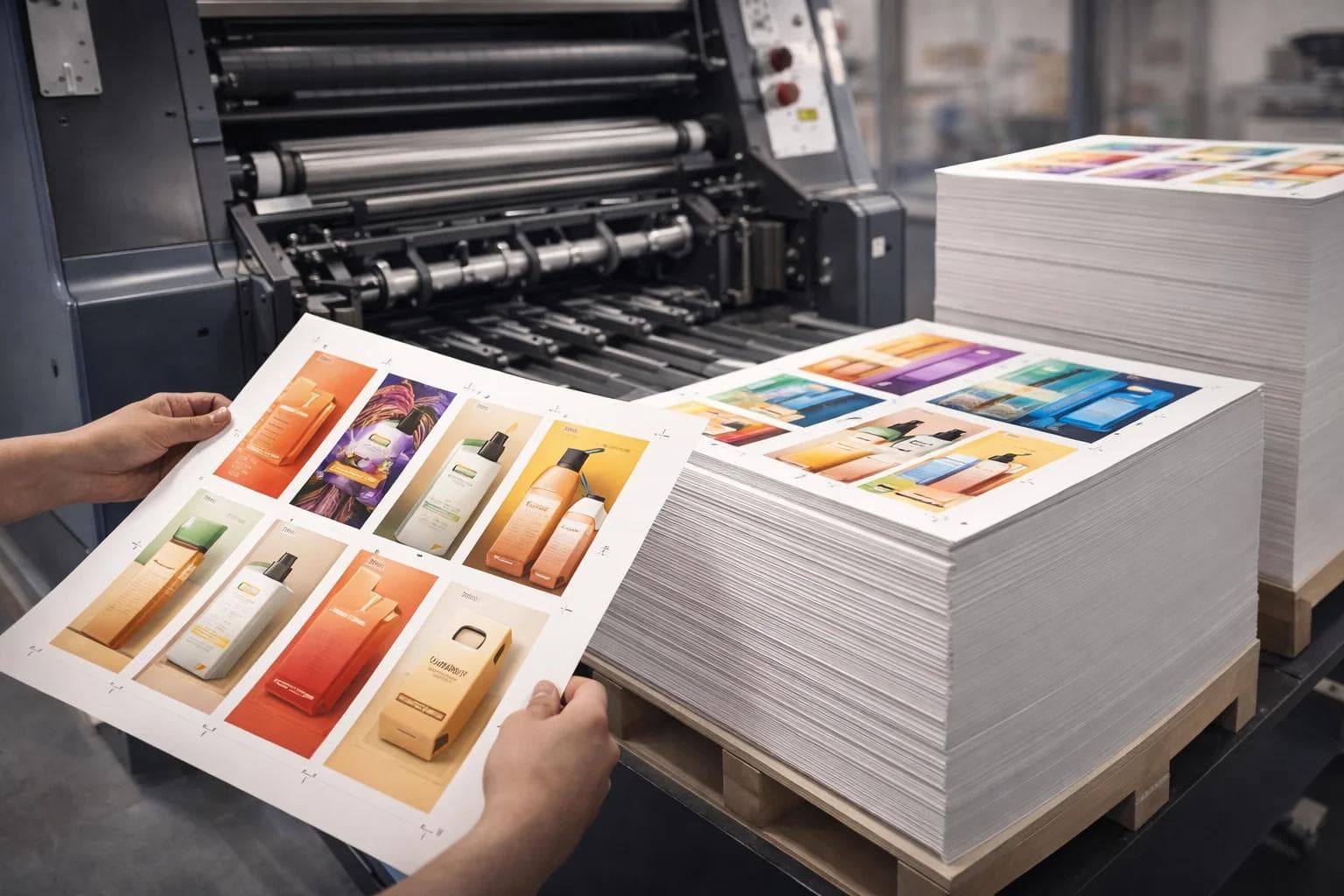
Offset Printing
Ideal for larger runs with sharp detail and stable color.
Compare materials, board thickness, printing, finishes, inserts and structure before production so your packaging fits the product budget and customer experience.
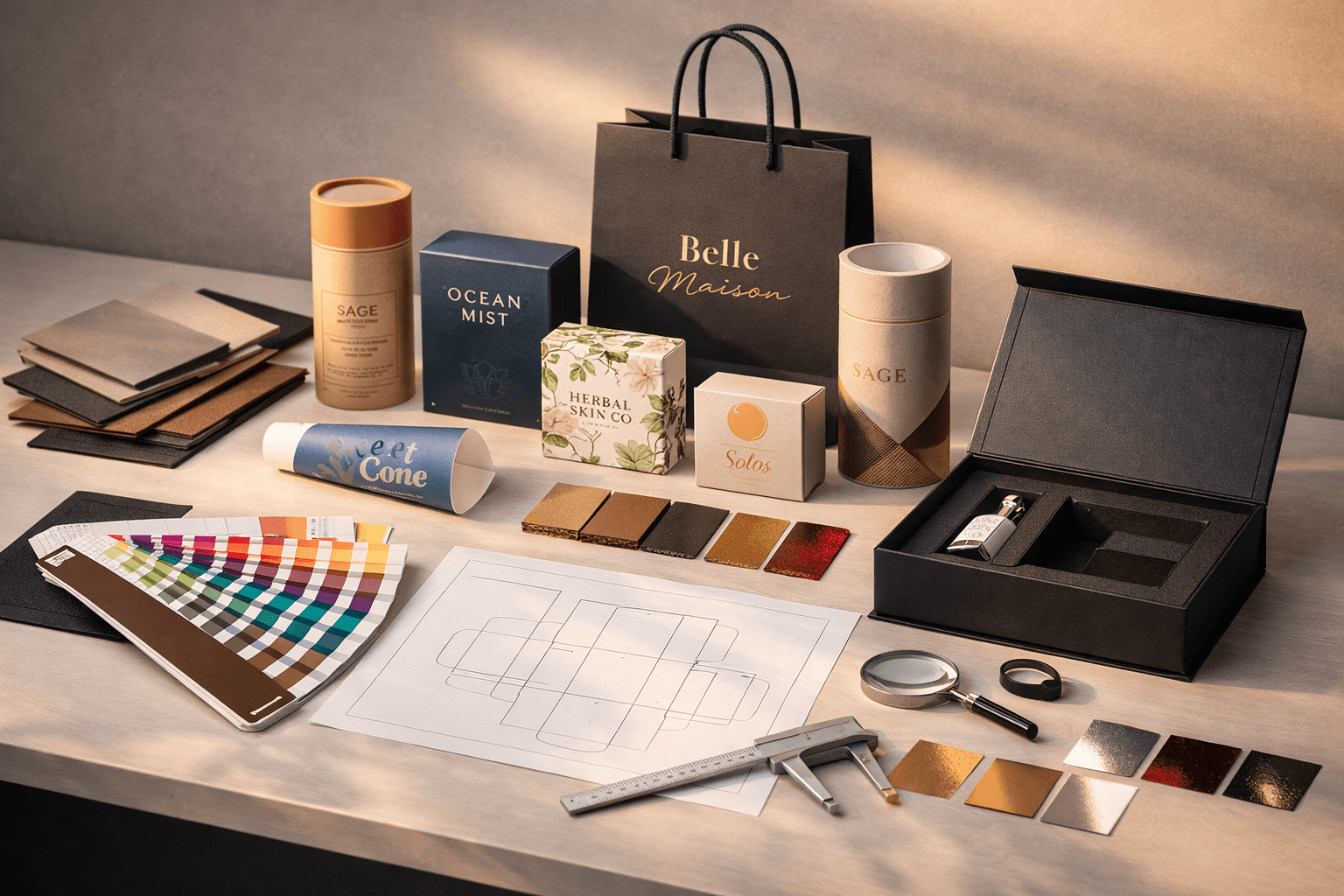
Start with product weight, fragility, selling environment, print needs and presentation goals. Then match those needs to the right board type, print method, finish and insert strategy so the packaging performs well without adding unnecessary cost.
Printing affects speed, run, size, color quality and overall presentation.
Ideal for larger runs with sharp detail and stable color.
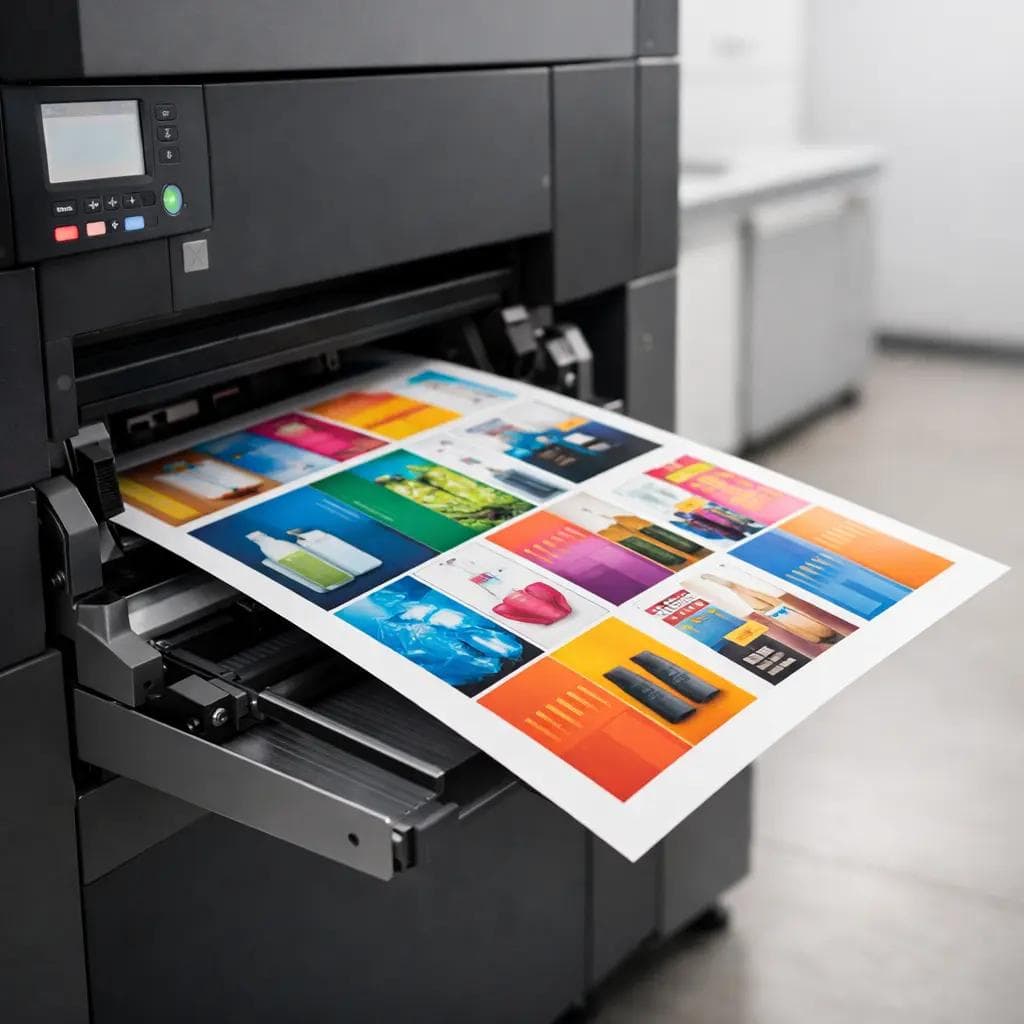
Best for short runs, quick updates, and full-color artwork.
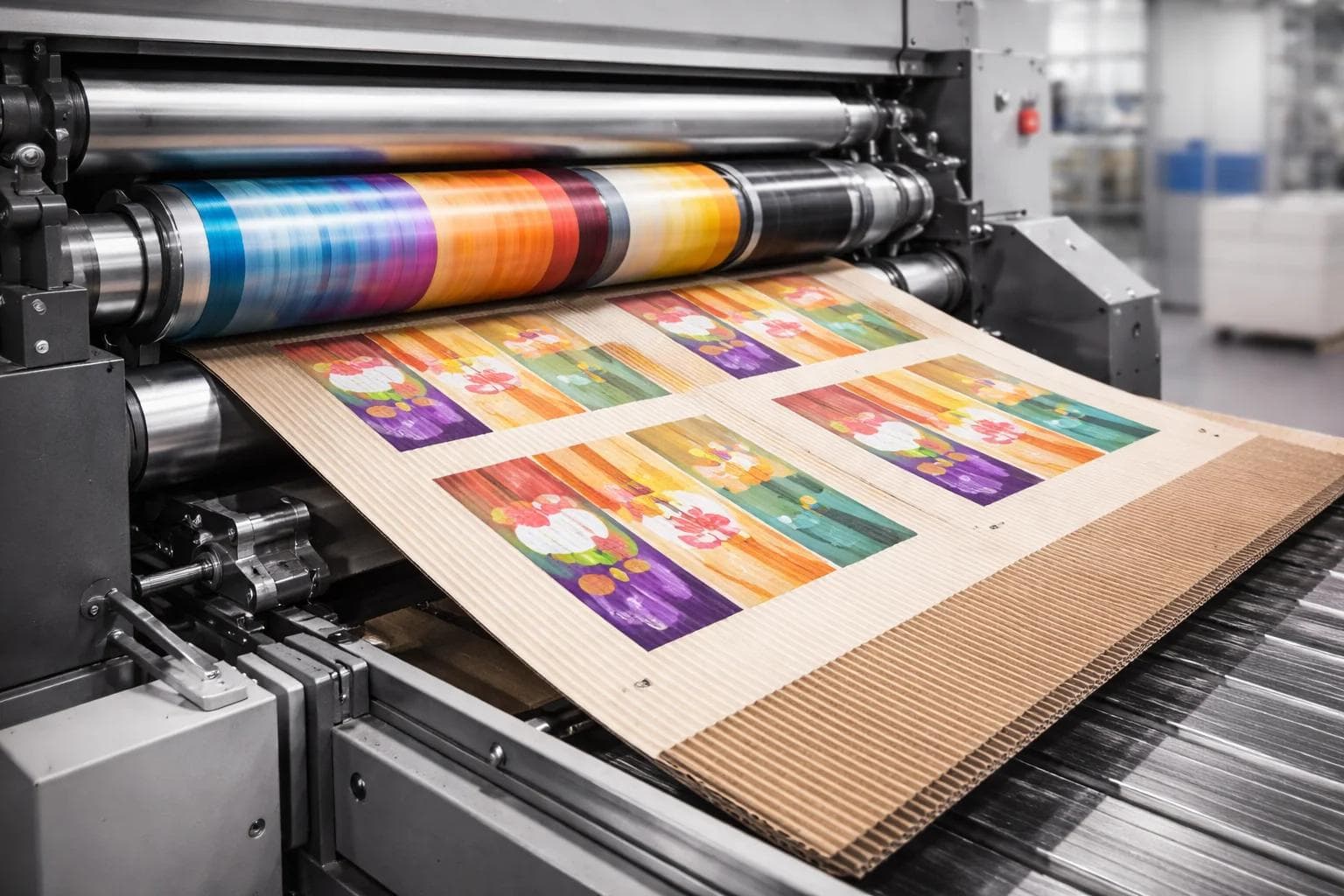
Good for corrugated packaging and repeat production runs.
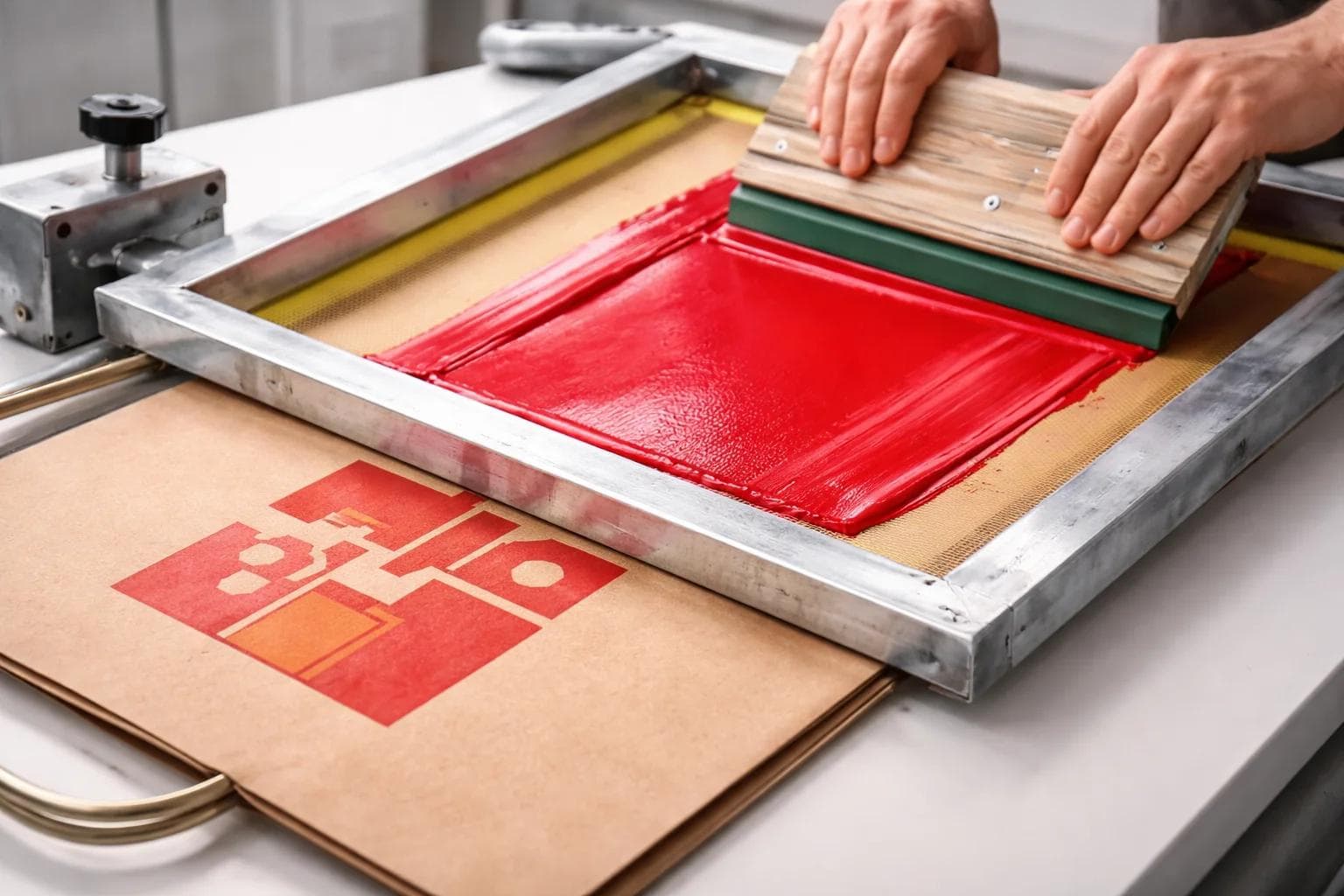
Useful for bold graphics and selected premium packaging.
Choose the printing method based on artwork detail, order size, color accuracy and packaging material. Offset printing suits premium high-volume packaging, digital printing works well for shorter runs and flexographic printing is often used for corrugated and repeat production.
| Method | Best For | Run Size | Print Strength | Common Packaging Use |
|---|---|---|---|---|
| Offset Printing | Premium Artwork | Medium to Large | Sharp Detail | Rigid Boxes, Folding Cartons, Retail Packaging |
| Digital Printing | Short Runs | Small to Medium | Fast Setup | Samples, Prototypes, Small Batch Boxes |
| Flexographic Printing | Corrugated Packaging | Large | Efficient Repeat Print | Shipping Boxes, Mailer Boxes, Display Packaging |
| Screen Printing | Bold Graphics | Small to Medium | Strong Ink Coverage | Specialty Boxes, Premium Panels, Branded Details |
Printing method affects color accuracy, surface detail, setup time and final packaging feel. The best choice depends on your artwork, material, order quantity and whether the package needs bold branding, premium detail or efficient repeat production.
Color systems matter when branding needs to stay consistent across formats and repeat orders.
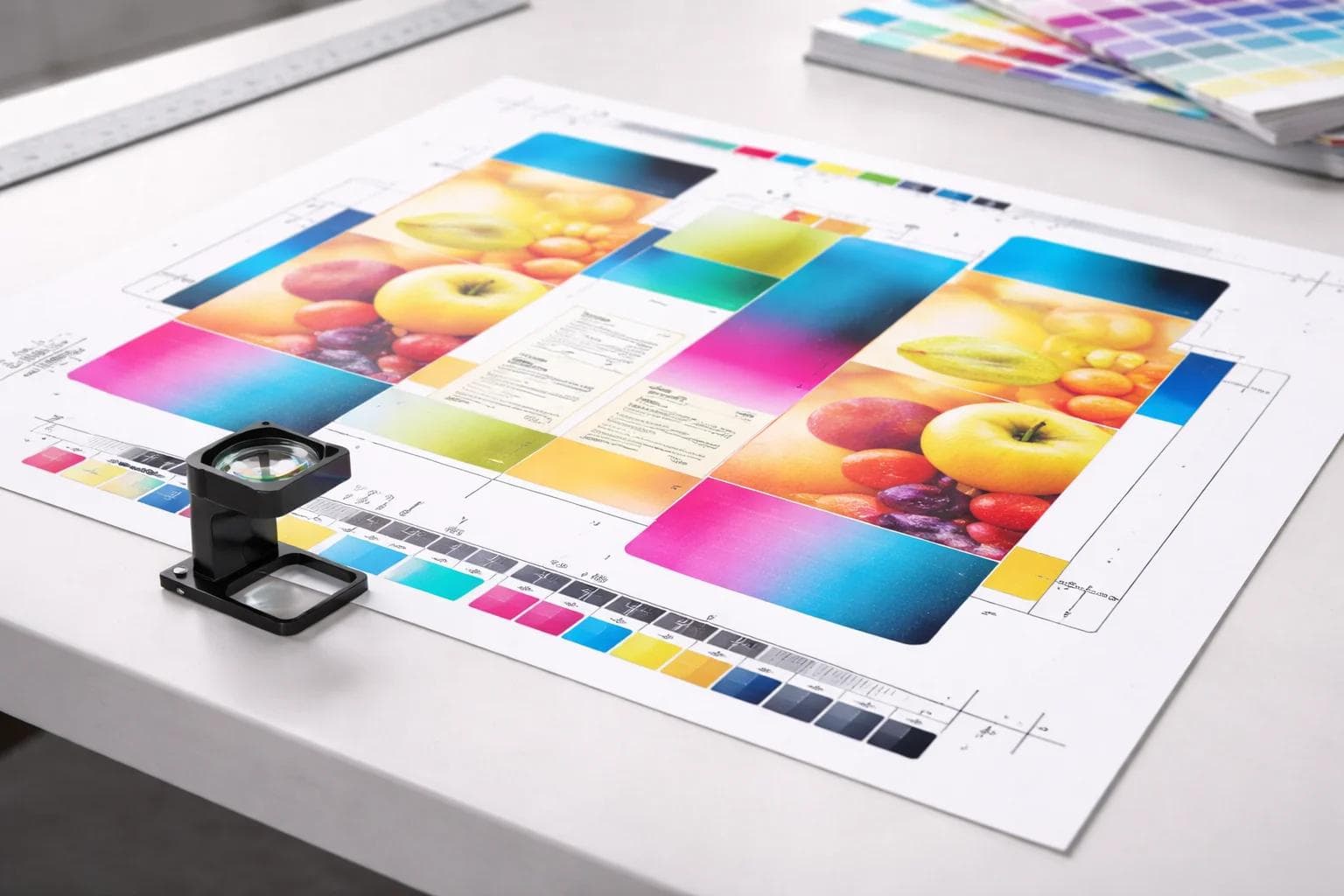
Best for gradients, photos and multi-color designs.
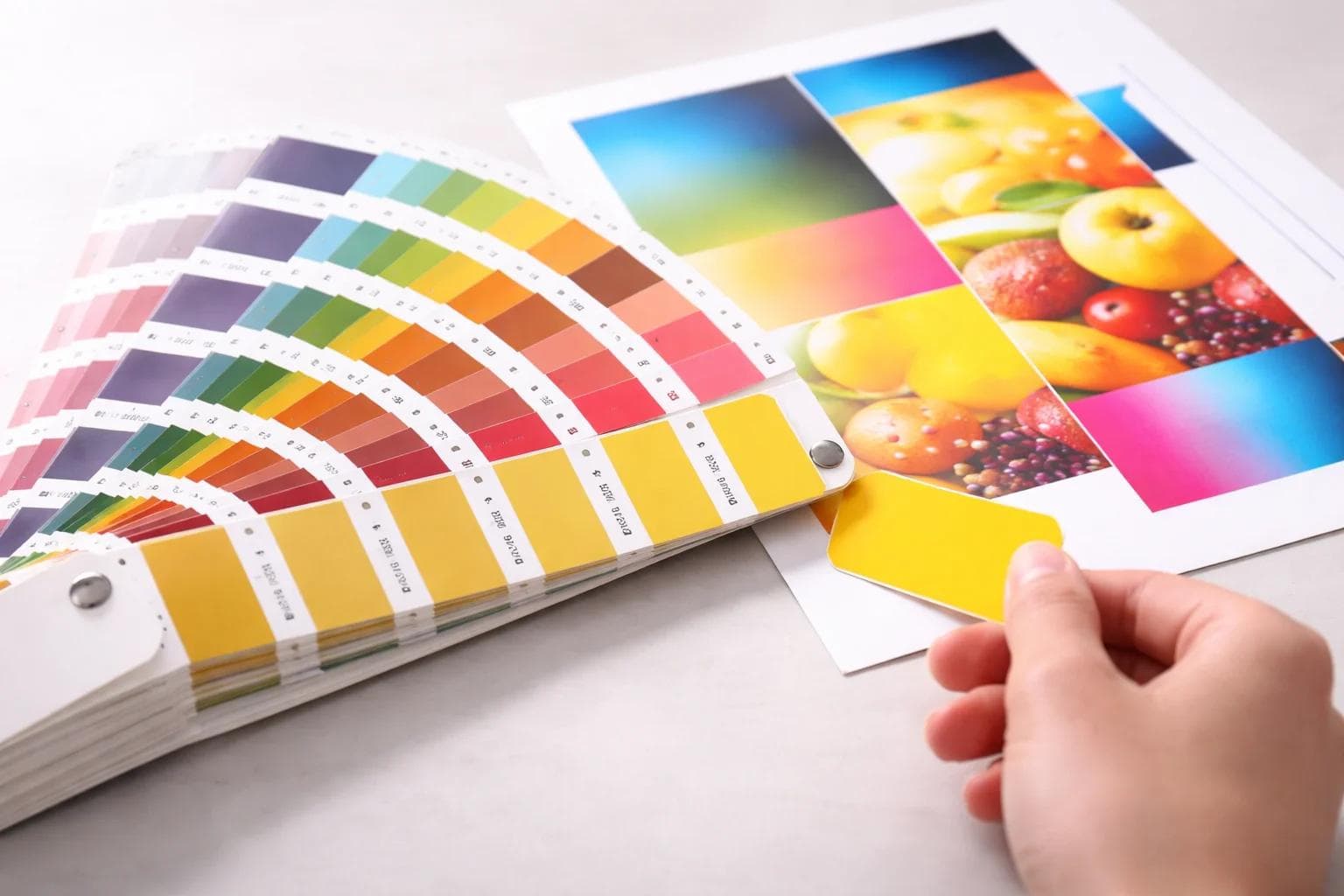
Keeps brand colors consistent across products and repeat orders.
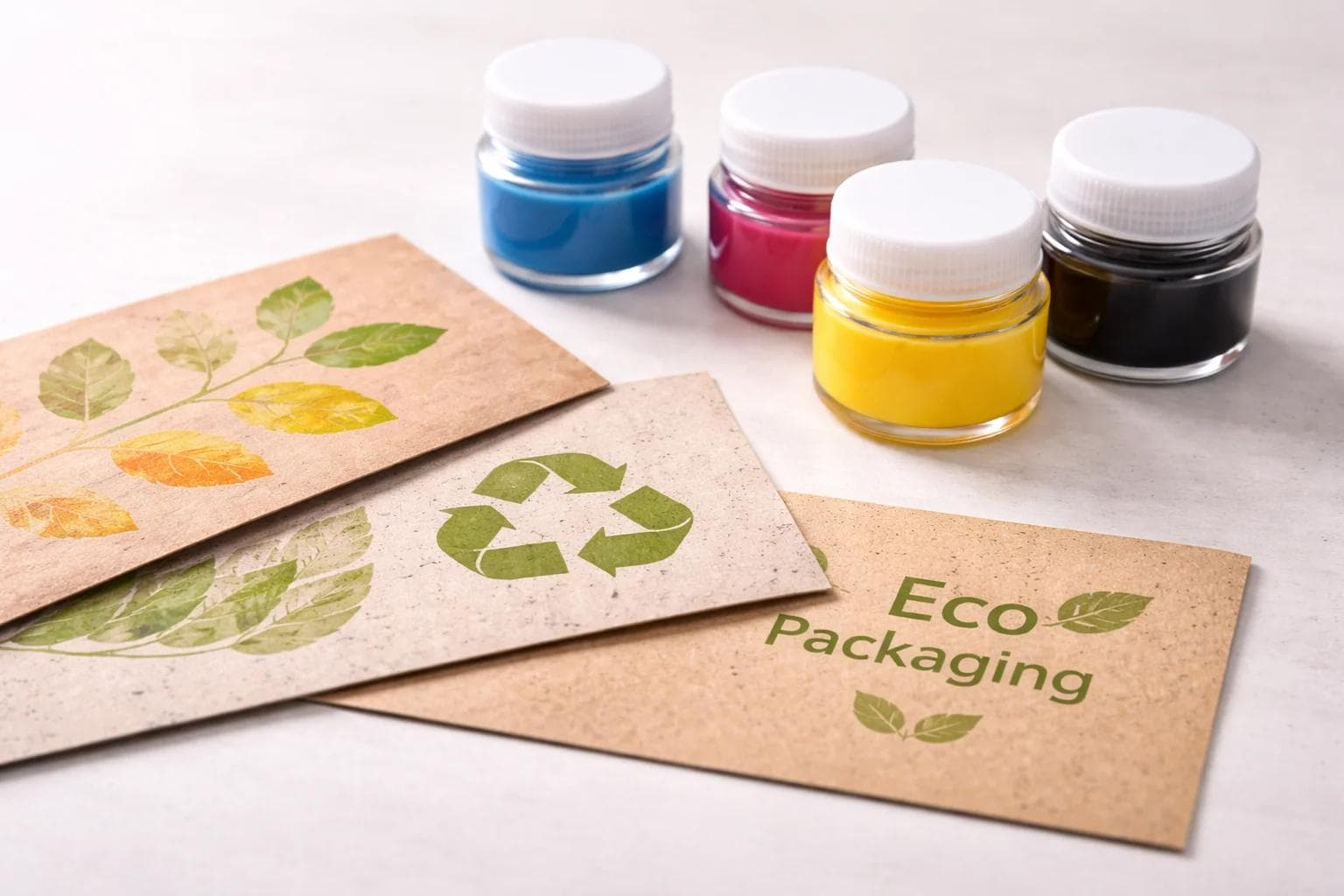
Better for brands seeking lower-impact ink options.
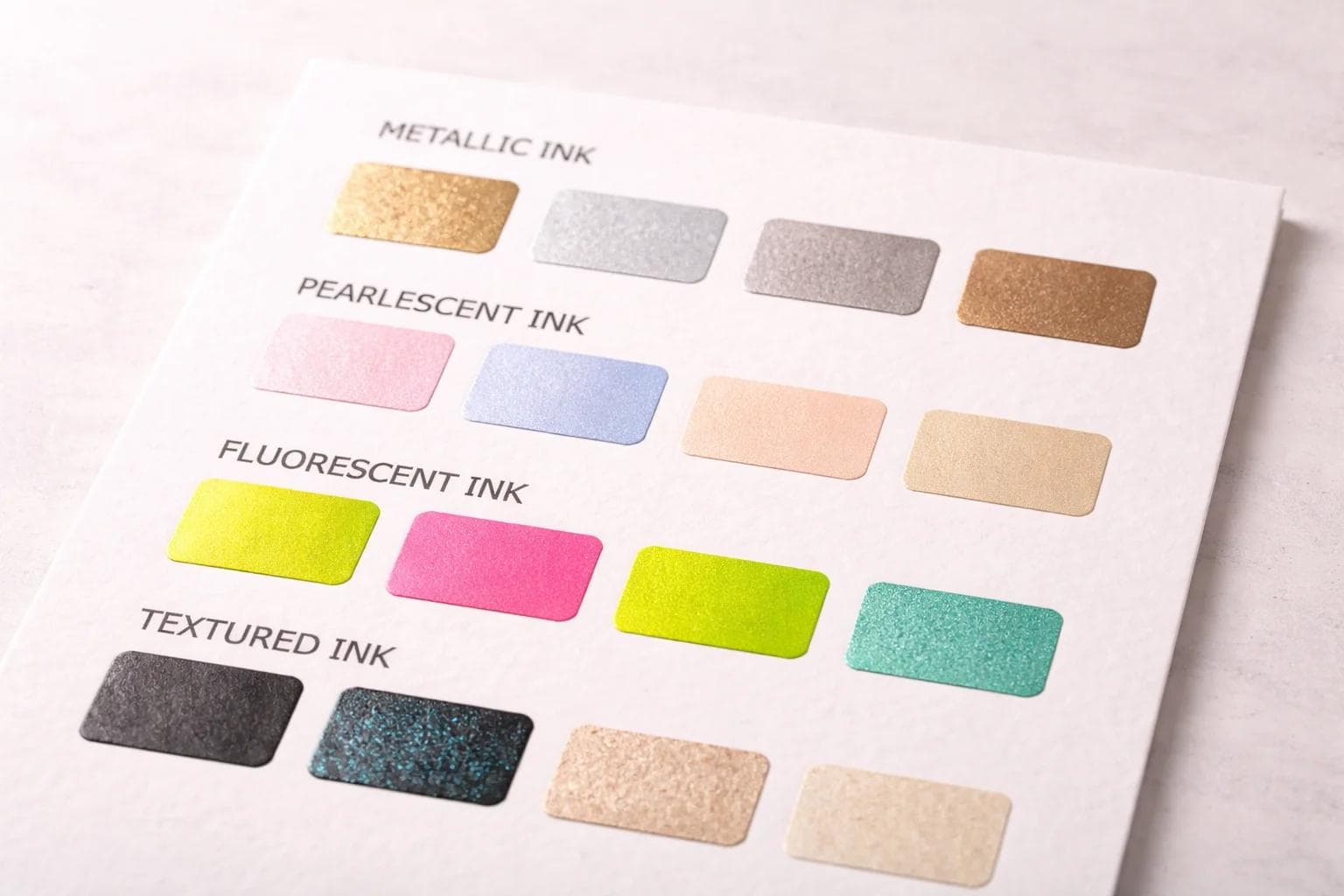
Adds stronger shelf impact with metallic or bright effects.
CMYK works well for full-color packaging artwork, while Pantone is better when exact brand color matching matters. Use this guide to compare ink and color options by print goal, color control and packaging use.
| Color Option | Best For | Color Control | Useful When | Common Packaging Use |
|---|---|---|---|---|
| CMYK Process Printing | Full-Color Artwork | Standard | Designs include photos, gradients or multiple colors | Retail Boxes, Mailer Boxes, Folding Cartons |
| Pantone Matching | Brand Colors | High | Logos or brand shades must stay consistent | Luxury Boxes, Product Boxes, Branded Packaging |
| Water-Based and Soy Inks | Eco-Focused Printing | Good | Sustainability and softer print chemistry matter | Recyclable Boxes, Paperboard Cartons, Retail Packaging |
| Specialty Inks | Premium Effects | Varies | The packaging needs metallic, raised or standout details | Rigid Boxes, Gift Boxes, Promotional Packaging |
Color choice affects more than appearance. It can change brand consistency, material compatibility, print clarity and the final feel of the packaging. For exact logo colors, Pantone matching is usually the safest route, while CMYK gives more flexibility for detailed full-color artwork.
Material choice changes print quality, structure, protection, cost and the way packaging feels in hand.
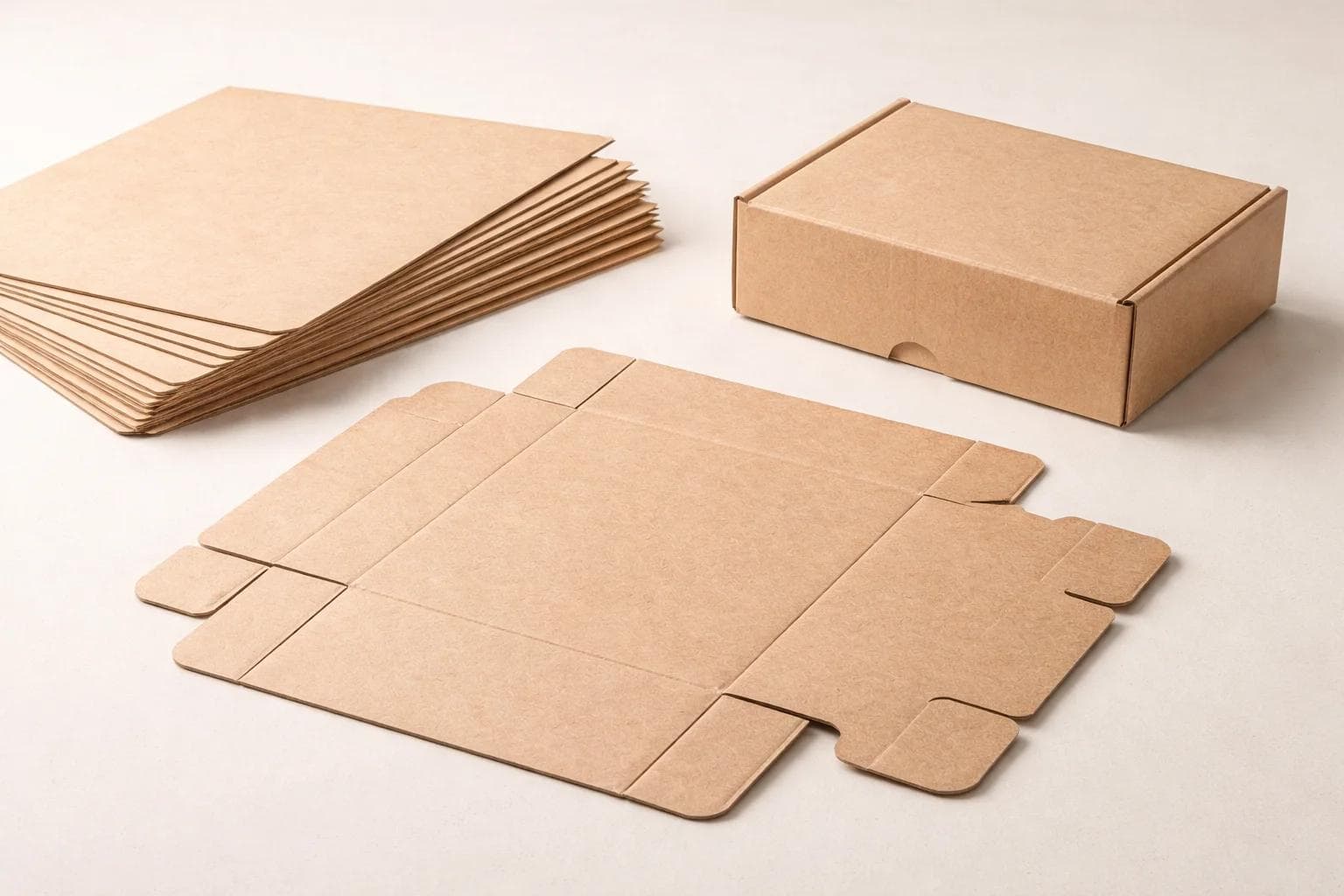
Natural-looking stock for recyclable and earthy packaging styles.
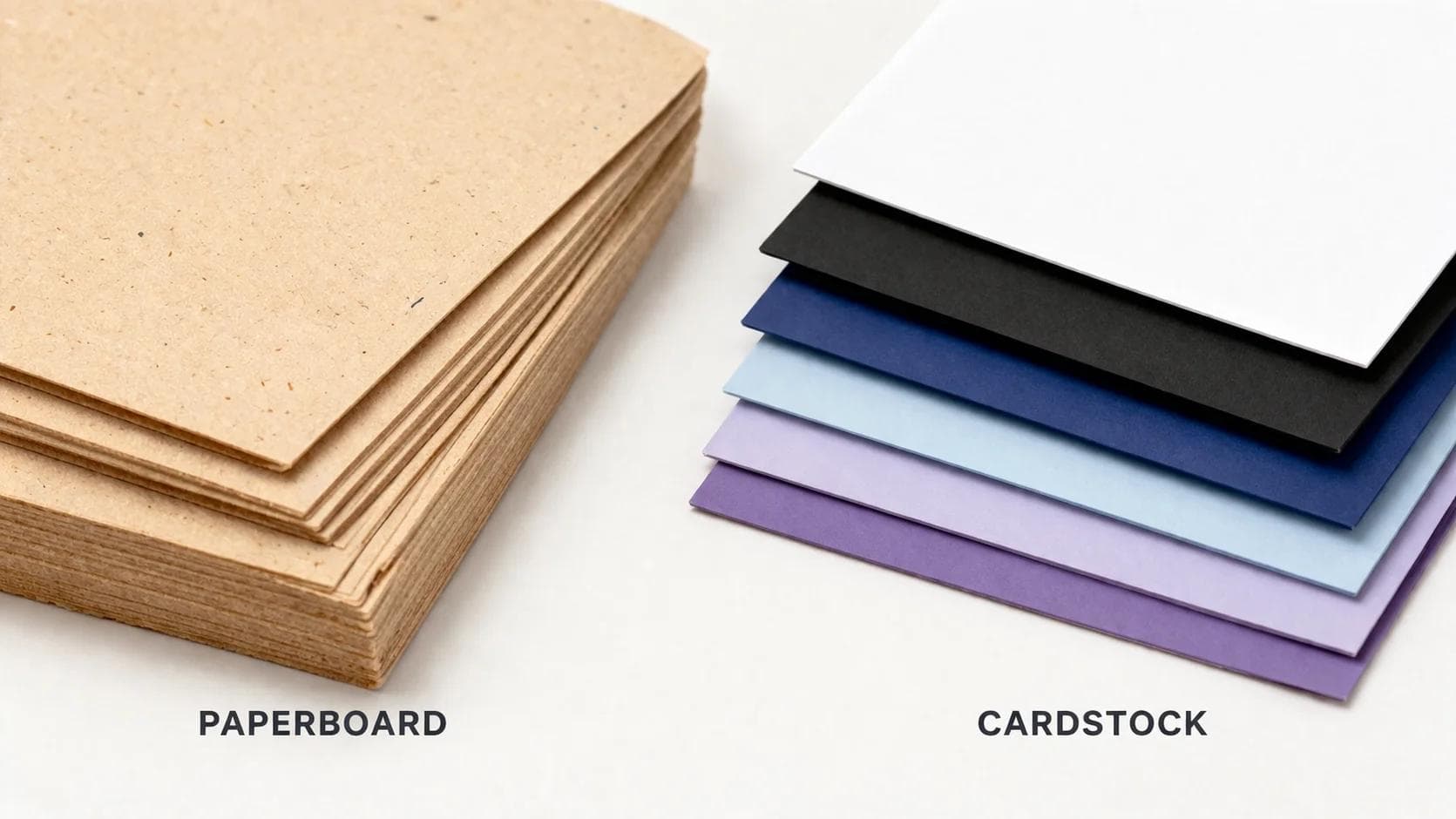
Great for folding cartons, sleeves and retail packaging.
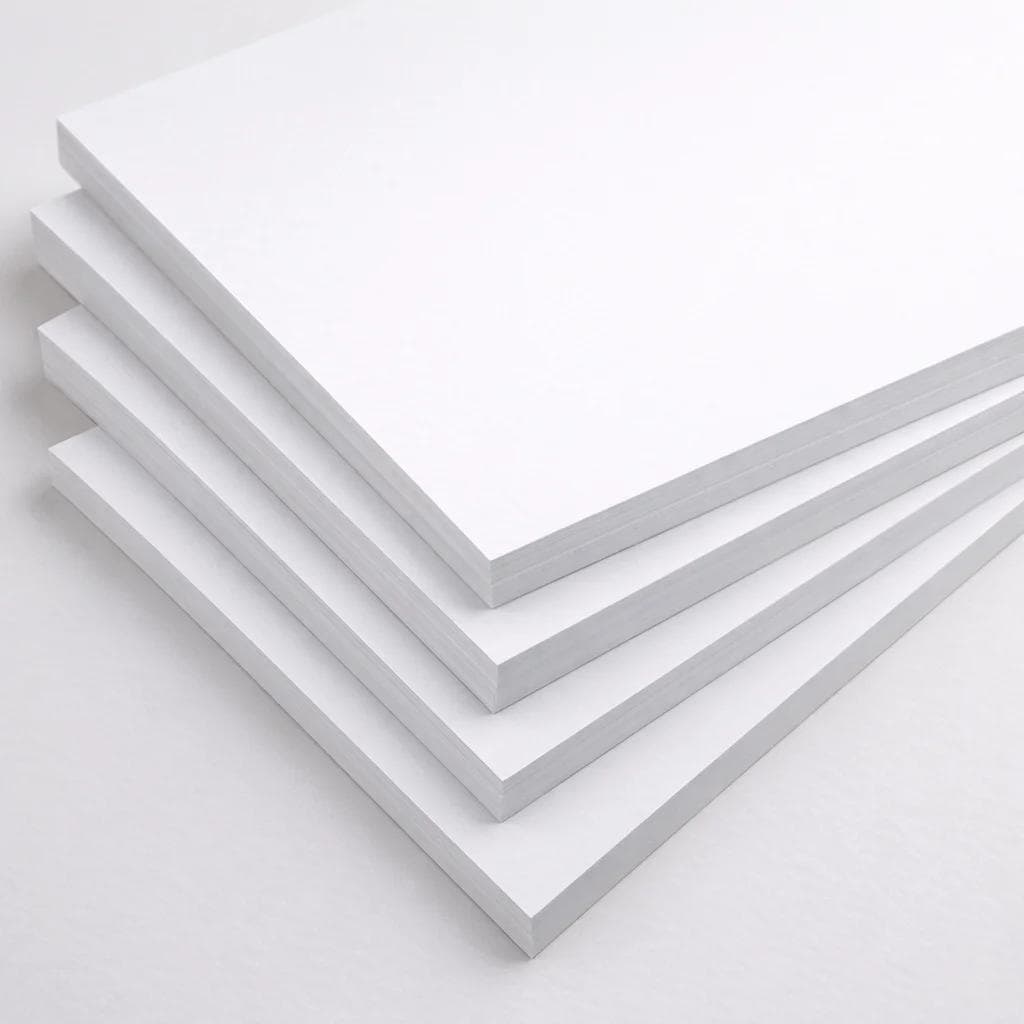
Smooth white stock for sharp print and cleaner presentation.
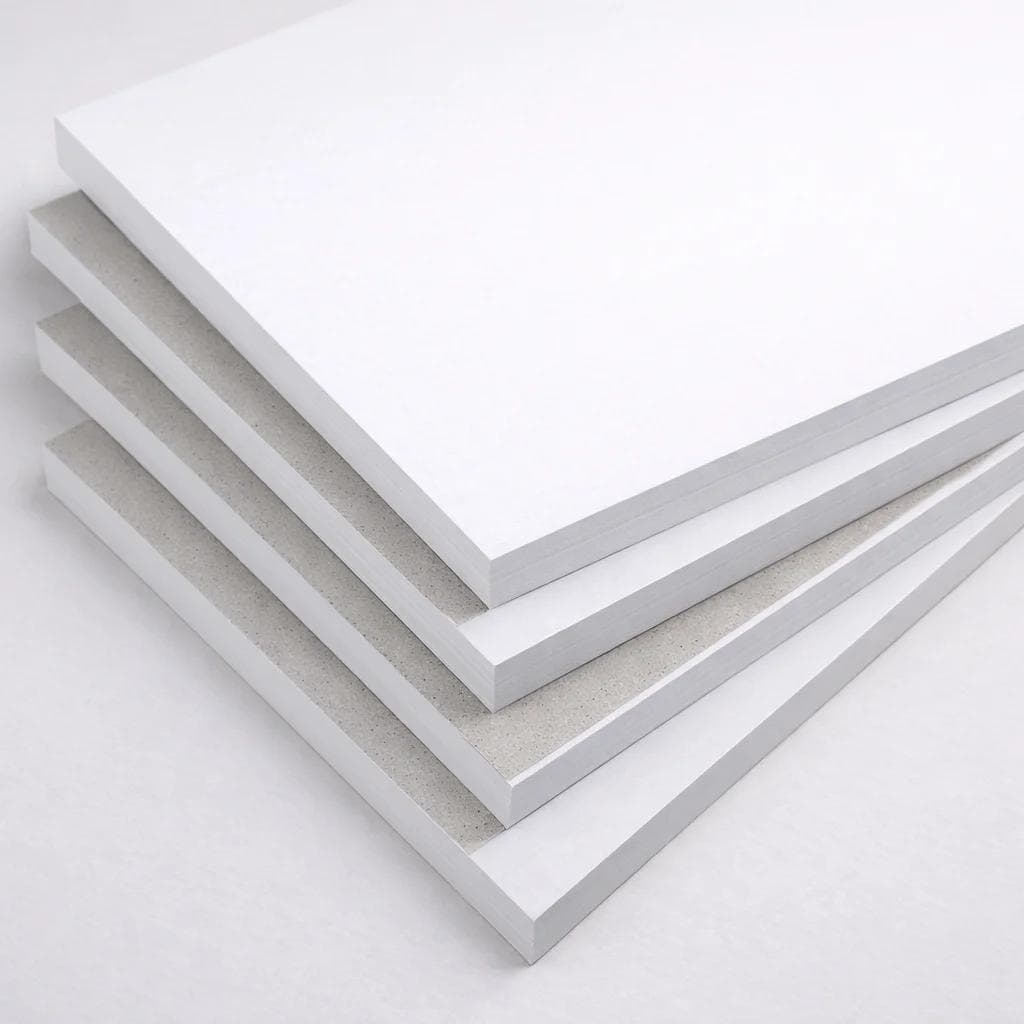
Cost-effective board for printed cartons and everyday packaging.
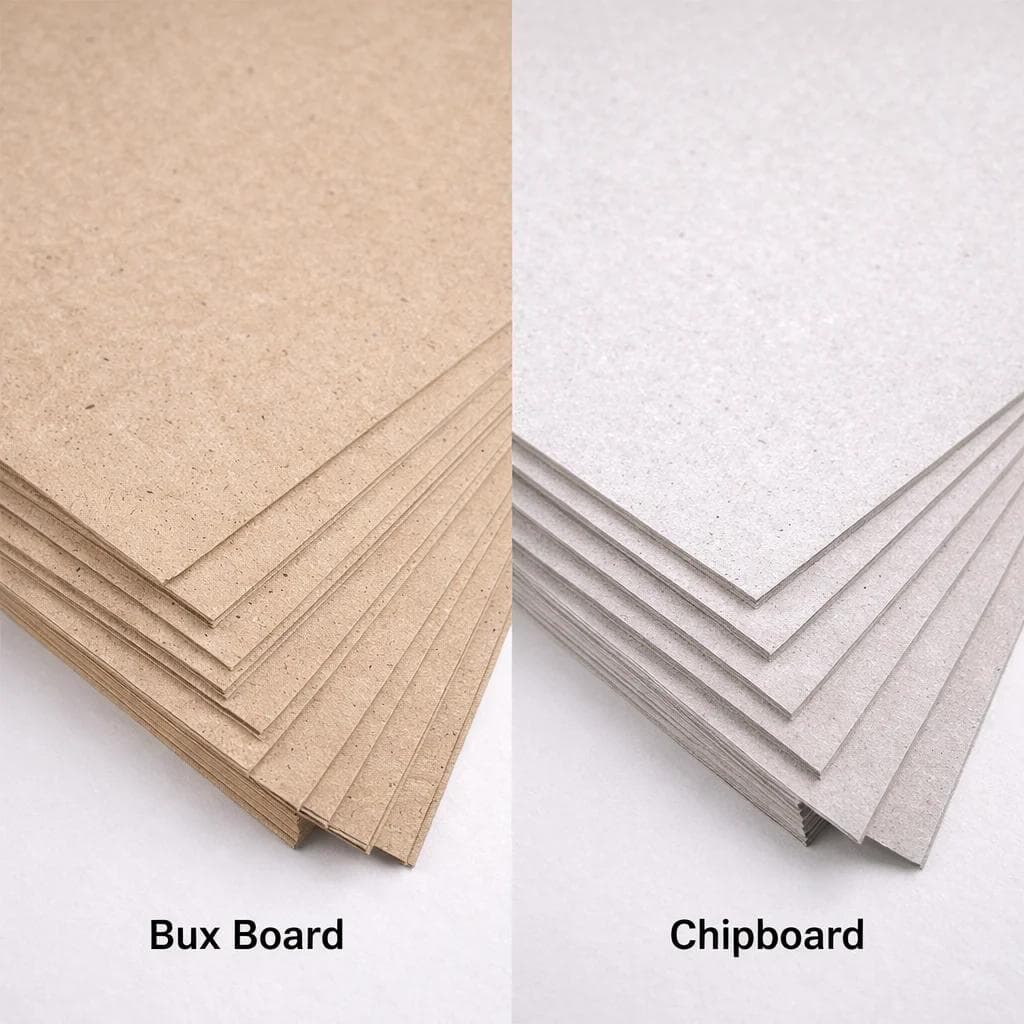
Practical stock for inserts, cartons and budget-friendly packaging.
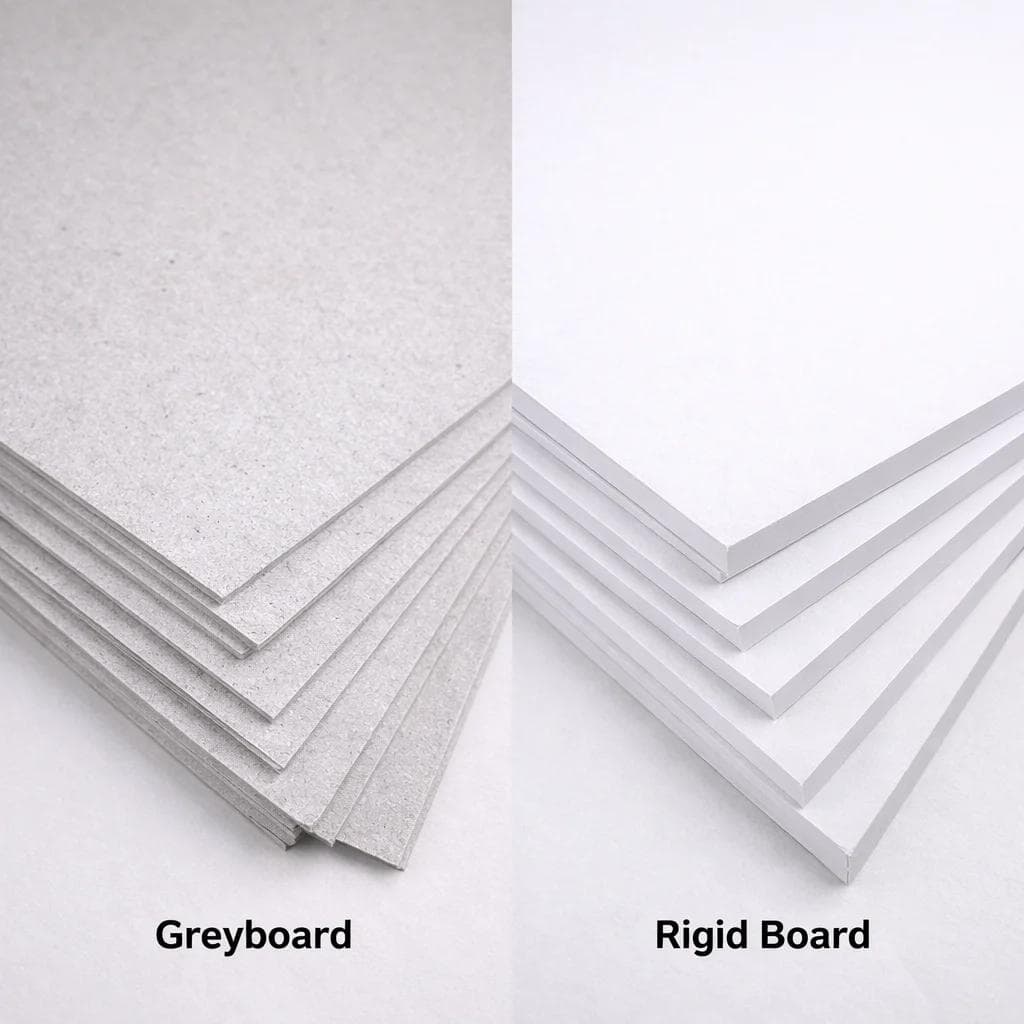
Thick board for luxury boxes and stronger presentation.
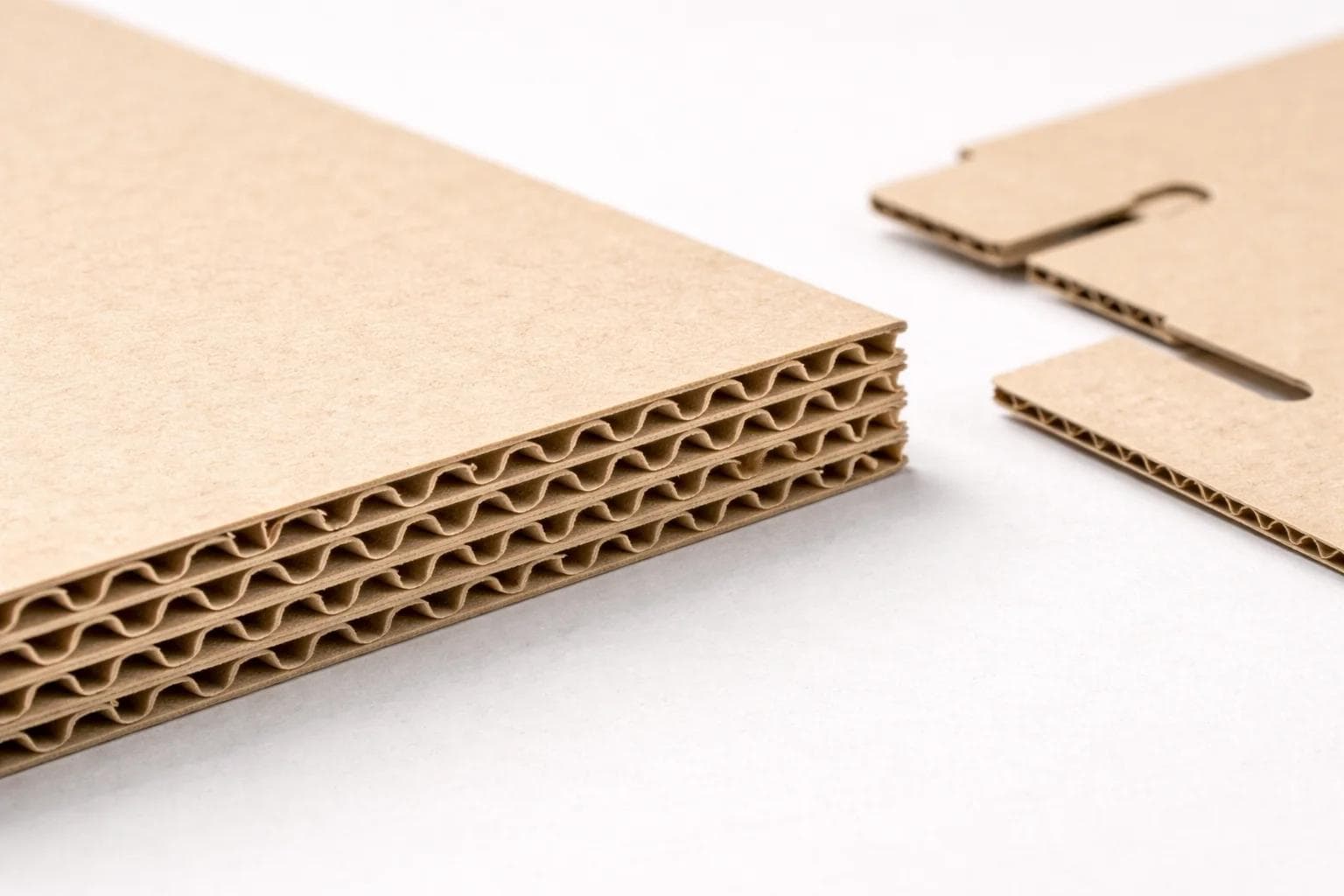
Strong and smooth for branded mailers and shipping packs.
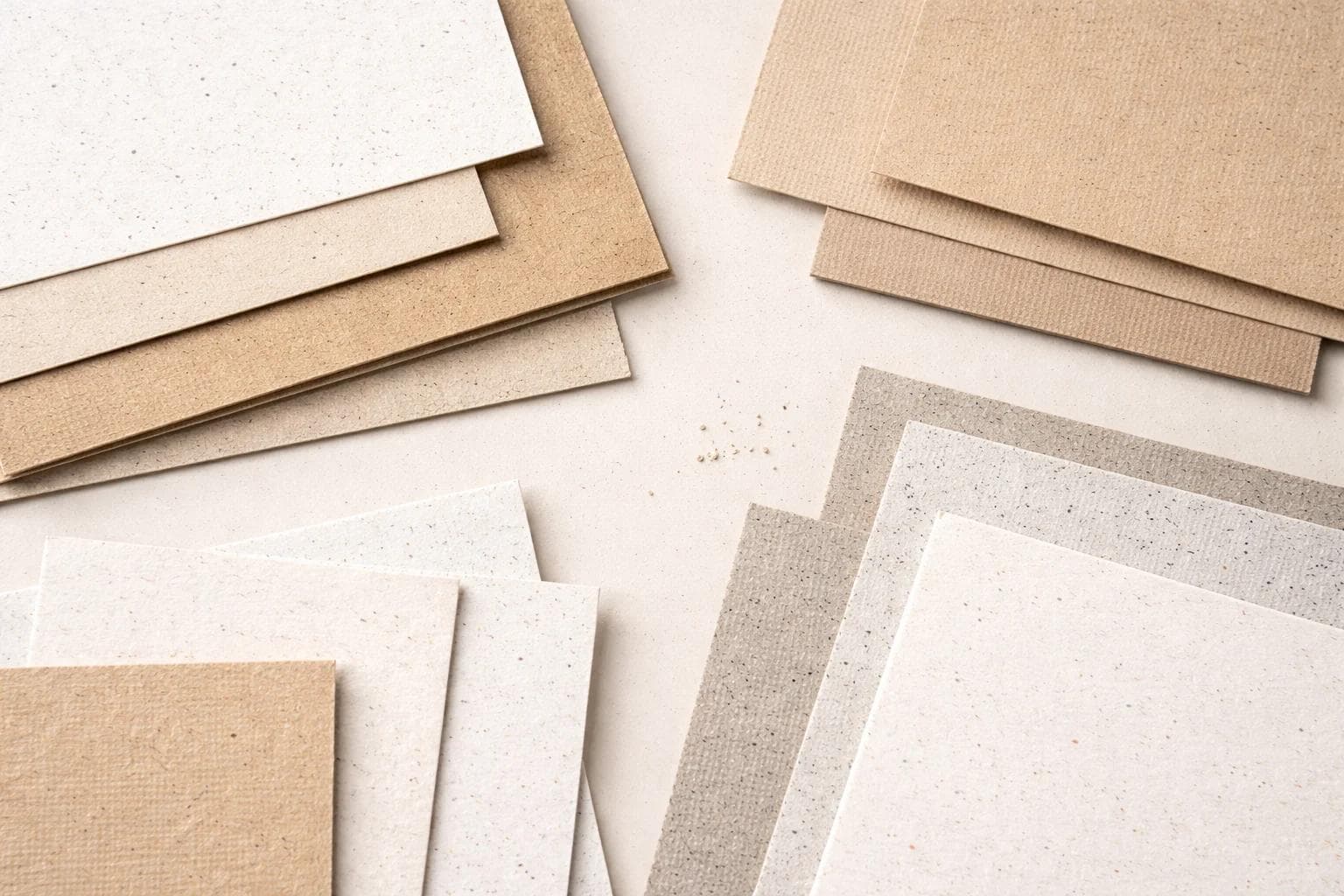
Useful for sustainability goals and more distinctive packaging.
Material choice affects structure, print quality, protection and how the packaging feels in hand. Use this guide to compare common packaging stocks by best use, strength direction and typical packaging application.
| Material / Stock | Best For | Strength / Feel | Print Fit | Common Packaging Use |
|---|---|---|---|---|
| Eco-Friendly Kraft | Natural Packaging | Medium | Best with simple or earthy artwork | Kraft Boxes, Mailers, Paper Bags |
| Cardstock and Paperboard | Retail Packaging | Light to Medium | Good for clean printed panels | Folding Cartons, Sleeves, Inserts |
| SBS and Premium White Paperboard | Sharp Presentation | Smooth and Clean | Excellent for full-color printing | Cosmetic Boxes, Product Boxes, Retail Cartons |
| CCNB and Duplex Board | Everyday Cartons | Cost-Efficient | Good printable white face | Printed Cartons, Food Boxes, General Packaging |
| Bux Board and Chipboard | Practical Structure | Firm and Budget-Friendly | Works best with simple print needs | Inserts, Cartons, Inner Supports |
| Greyboard and Rigid Board | Luxury Packaging | Thick and Substantial | Usually wrapped with printed paper | Rigid Boxes, Gift Boxes, Presentation Boxes |
| B, E and F Flute Corrugated | Branded Mailers | Varies by flute | Good for printed corrugated packaging | Mailer Boxes, E-commerce Boxes, Retail Shippers |
| Recycled and Specialty Stocks | Distinctive Packaging | Varies | Depends on texture and coating | Sustainable Boxes, Premium Inserts, Specialty Retail Packaging |
For paperboard packaging, GSM helps estimate weight and firmness. For rigid boxes, thickness matters more than GSM alone, while corrugated packaging is usually chosen by flute profile, stacking strength and shipping needs.
Final stock choice depends on product weight, fragility, shipping method and the opening experience you want.
Finishing shapes visual tone, tactile feel, scuff resistance and shelf impact.
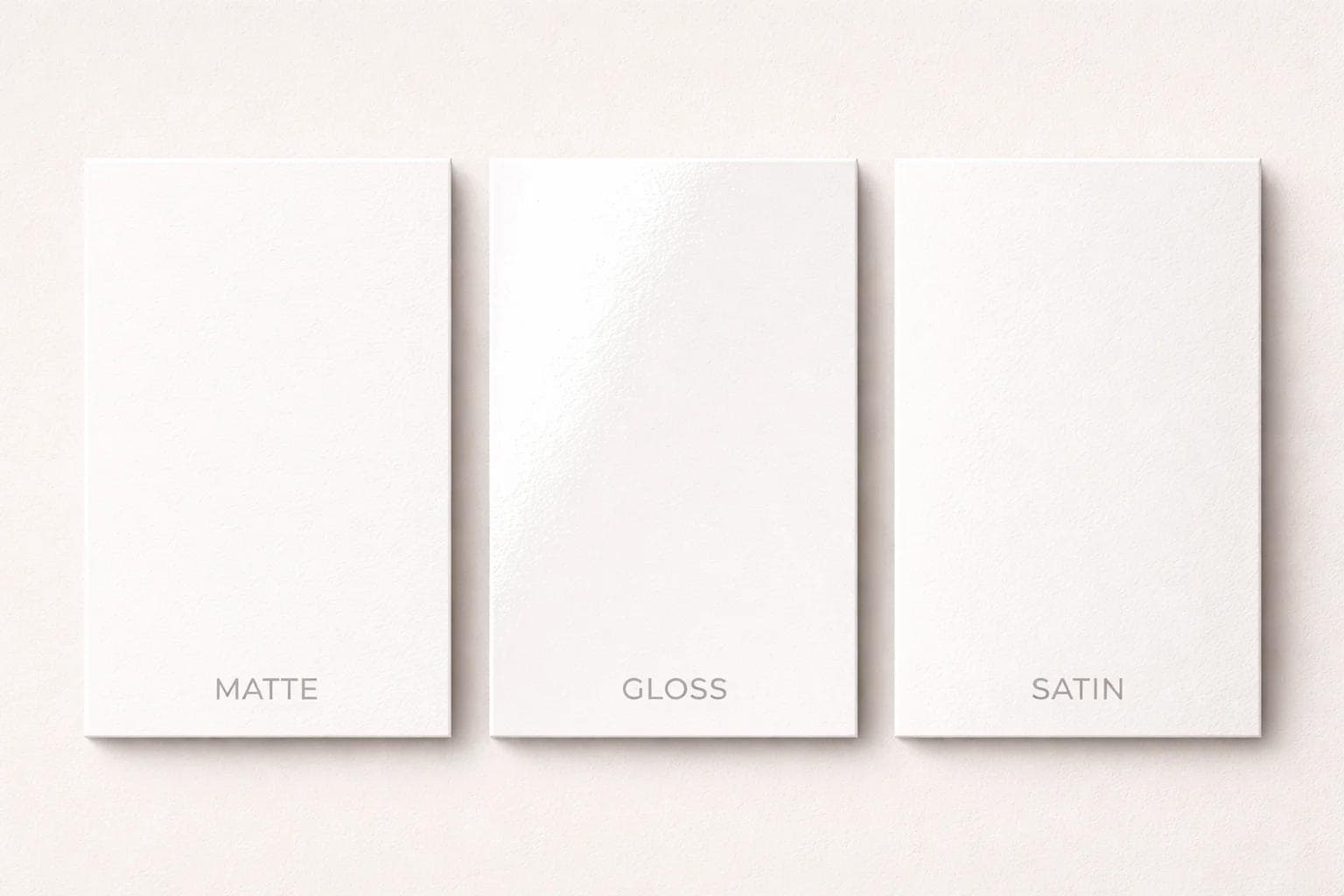
Changes shine level and overall visual tone.
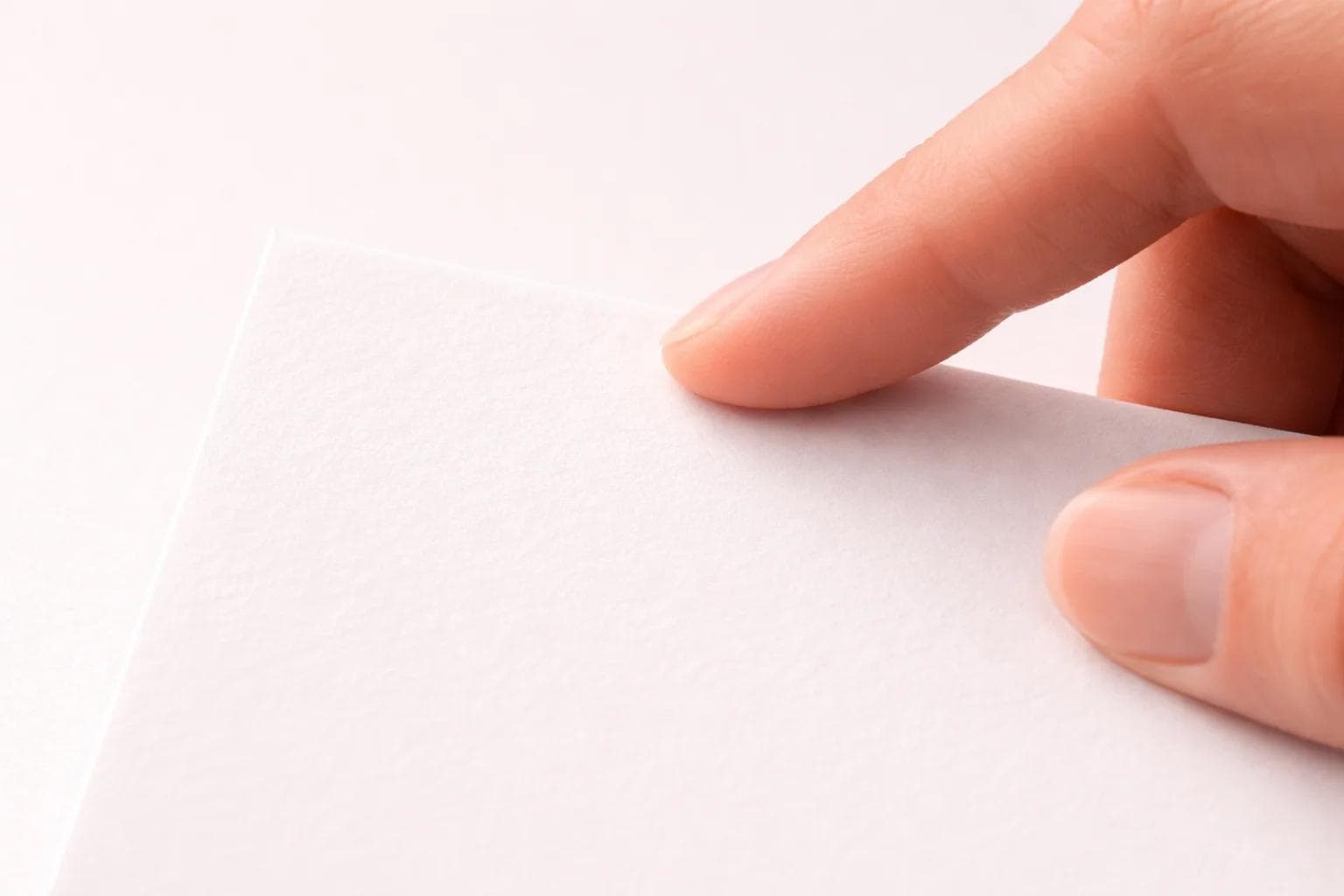
Adds a smoother feel and better scuff resistance.

Highlights logos and patterns with gloss contrast.
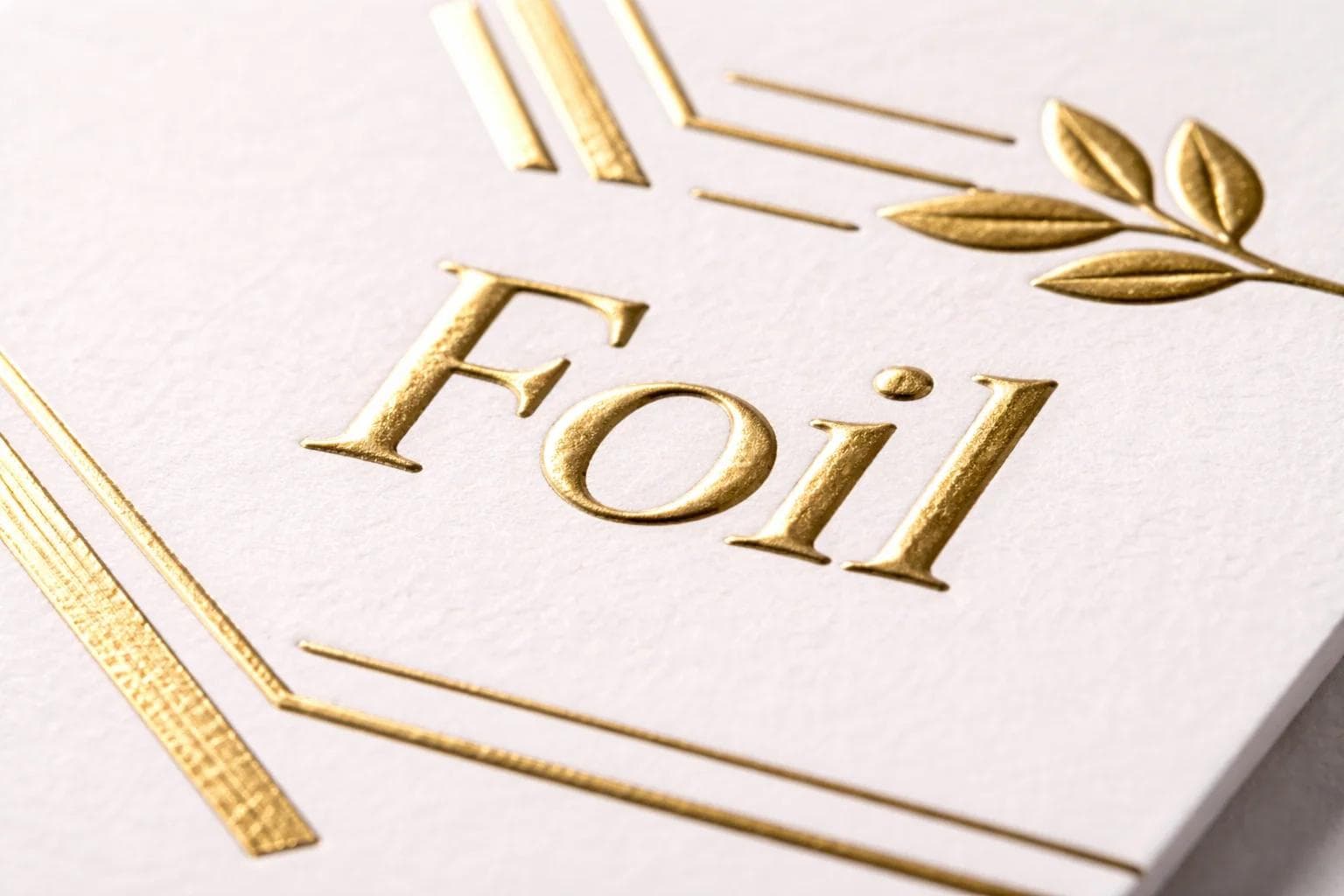
Adds metallic detail for premium retail and gift packaging.
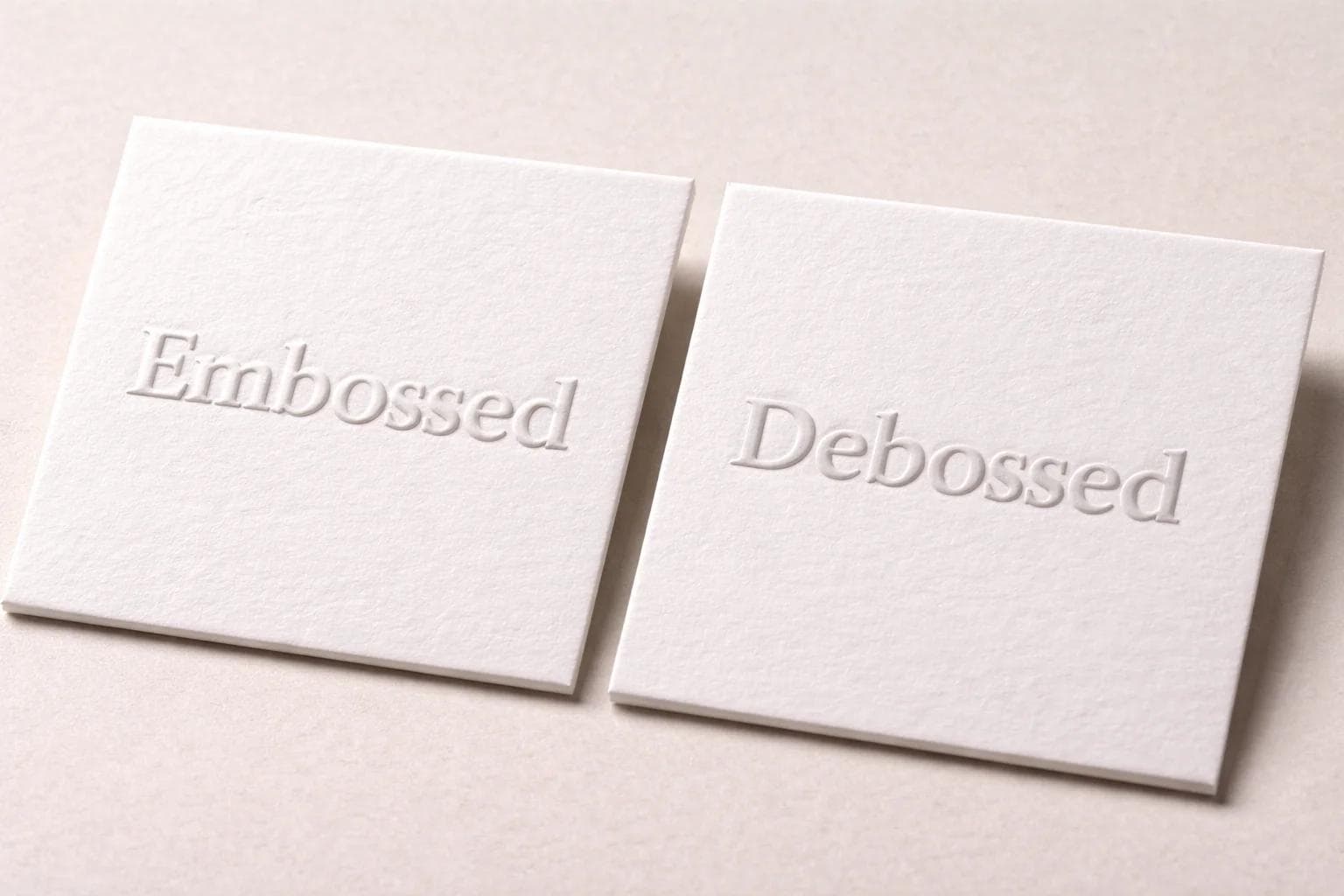
Creates depth and a more tactile branded look.
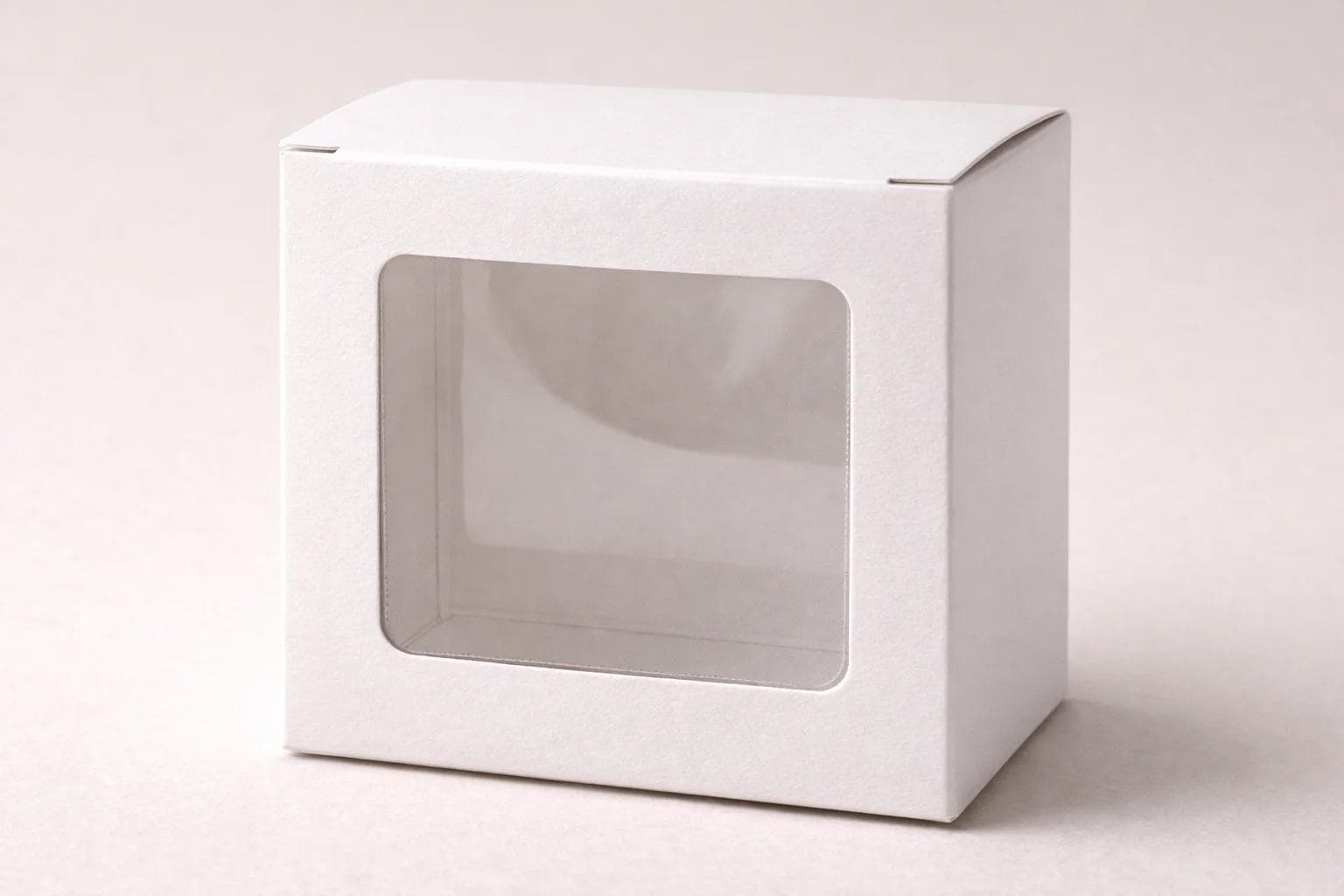
Shows the product while keeping the box structured.
Inserts improve product fit, presentation and transit protection.
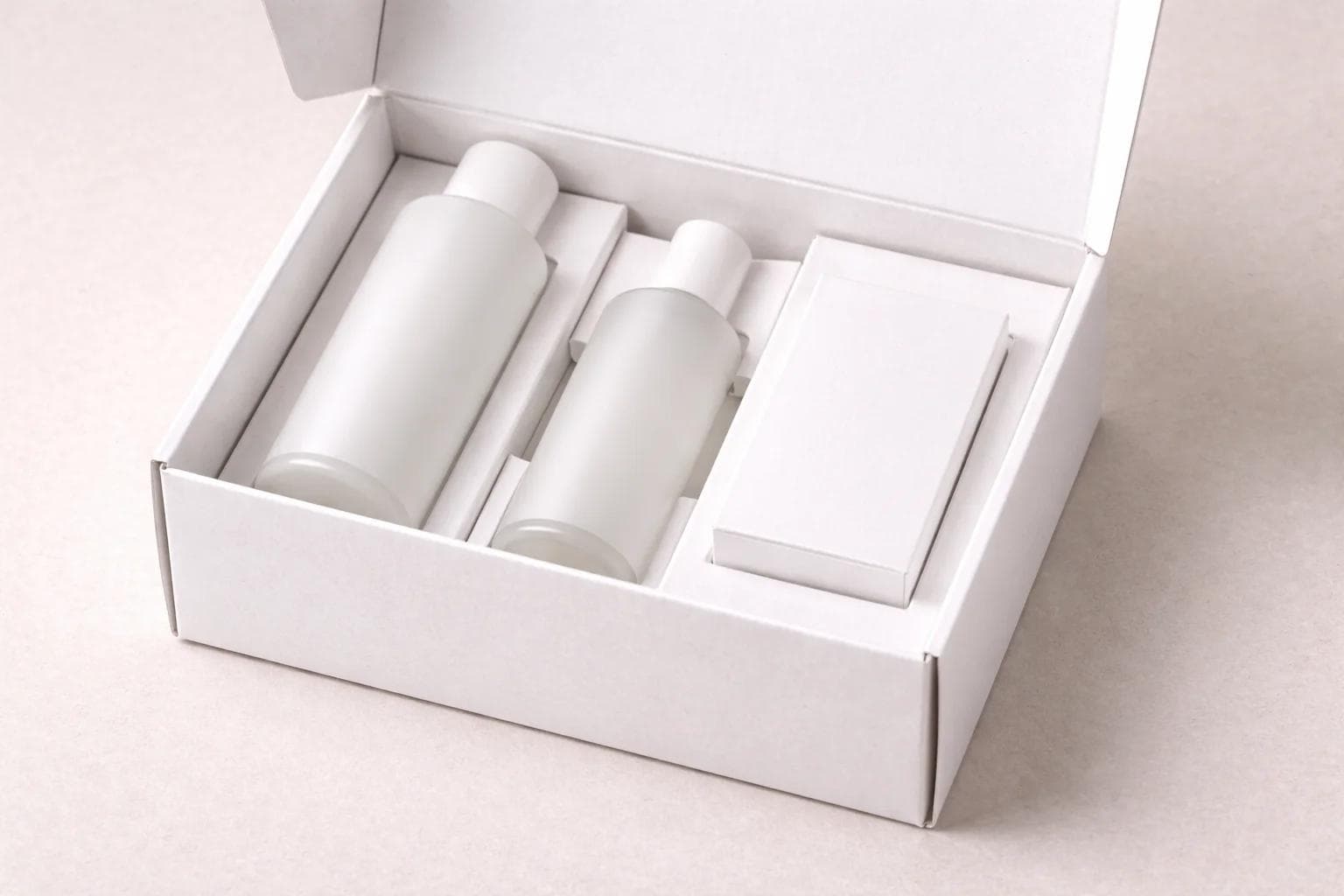
Lightweight support for organized inner product presentation.
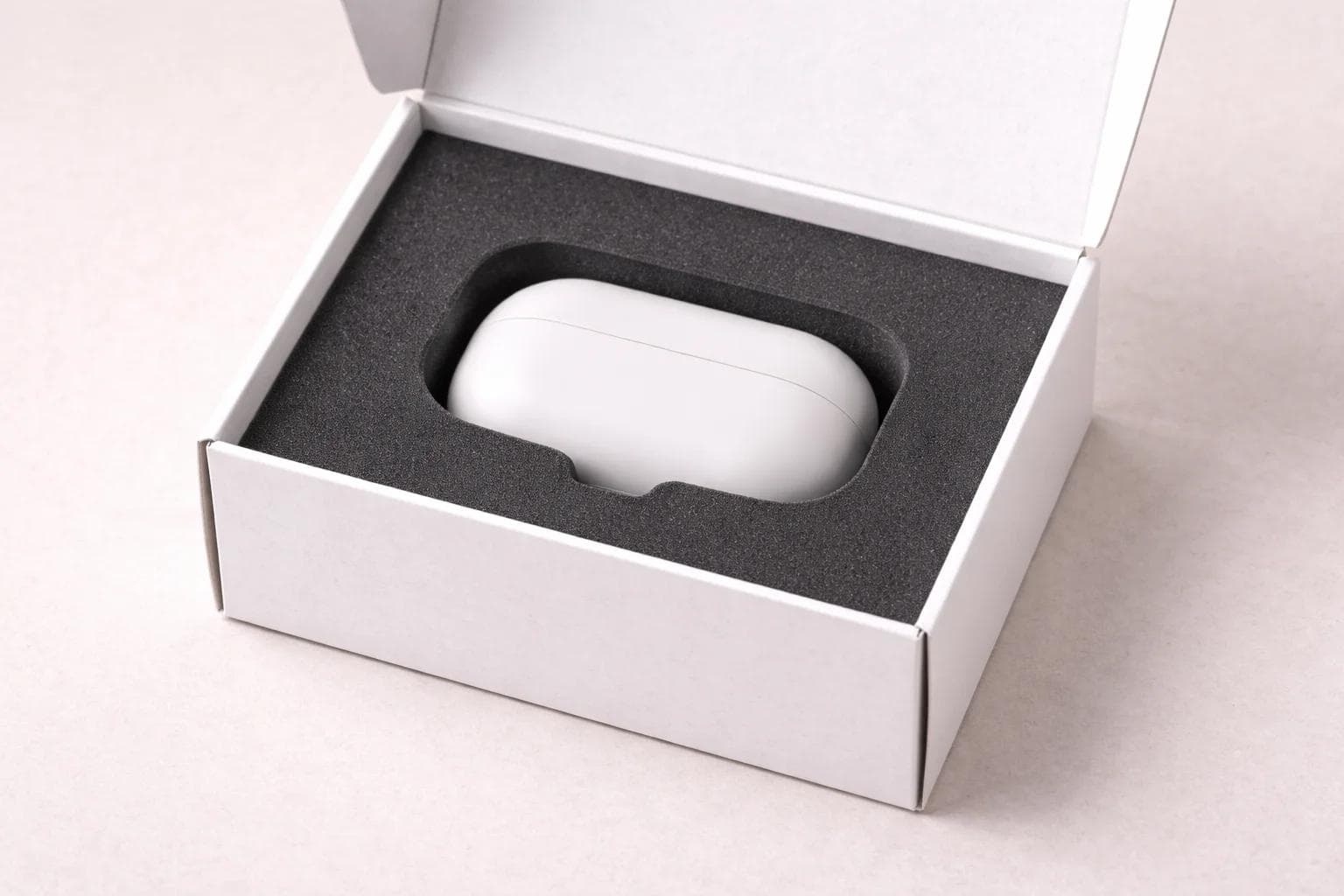
Better for fragile, premium or electronic products.
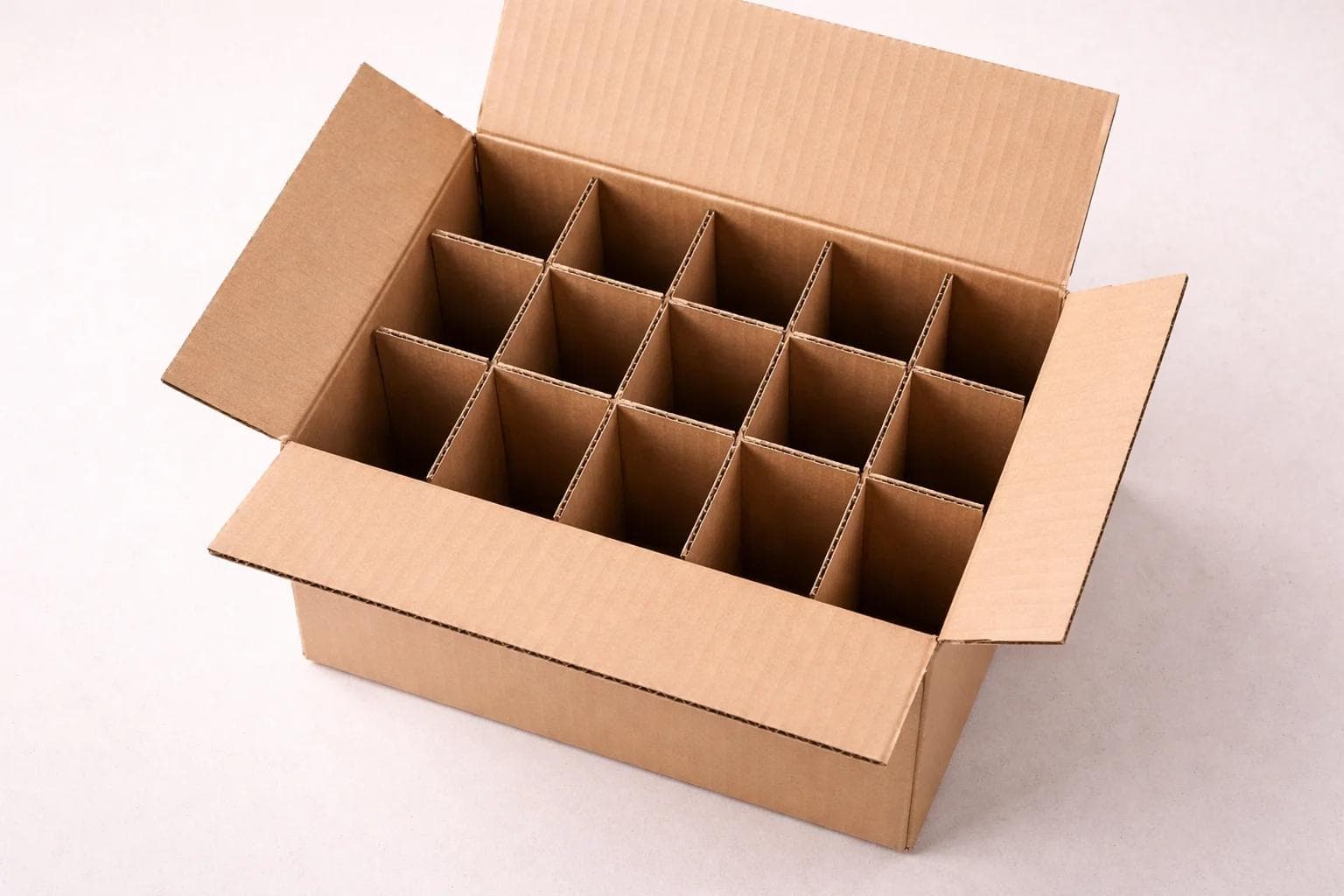
Separates bottles, jars and multi-item packs safely.
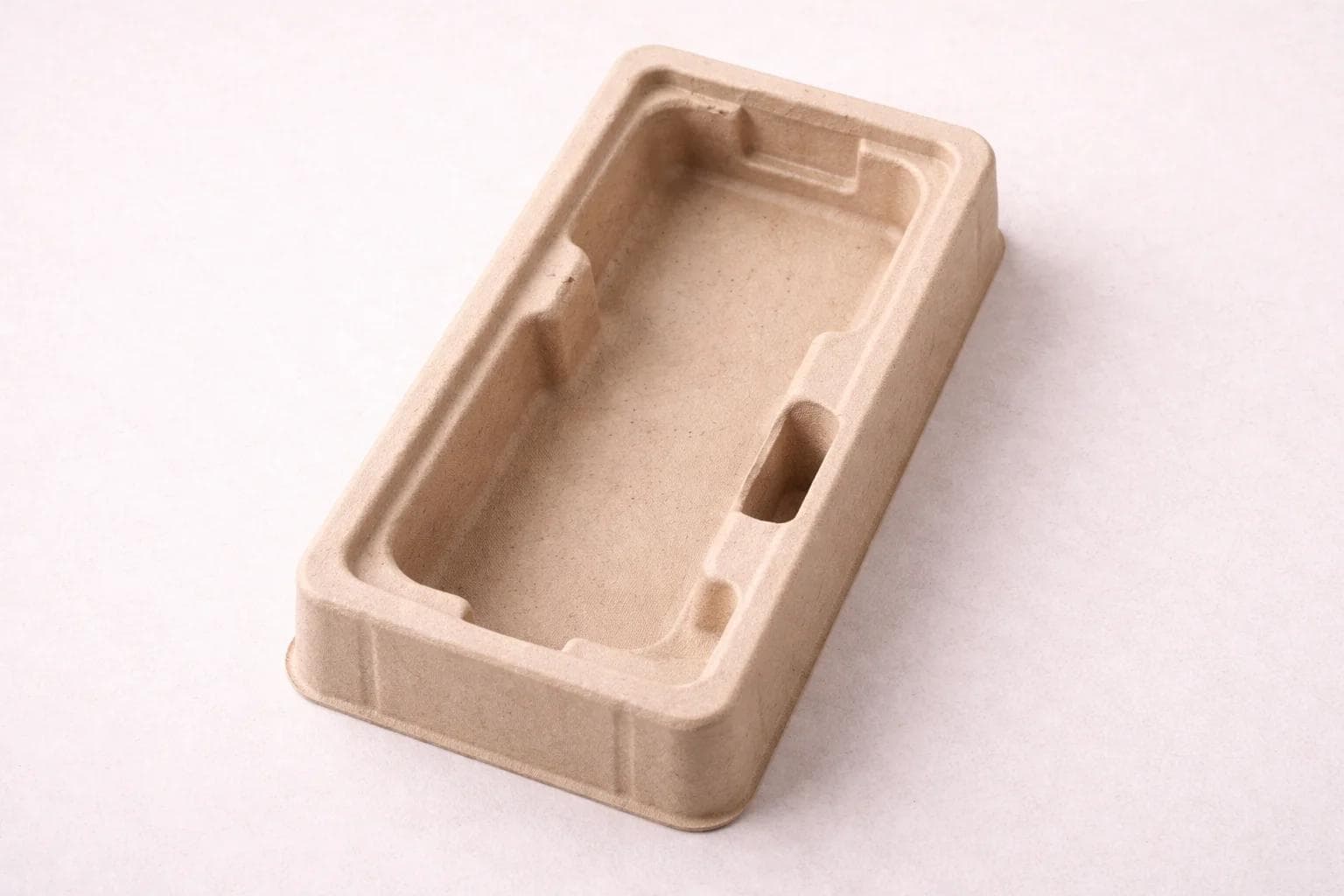
Holds products firmly in place during handling.
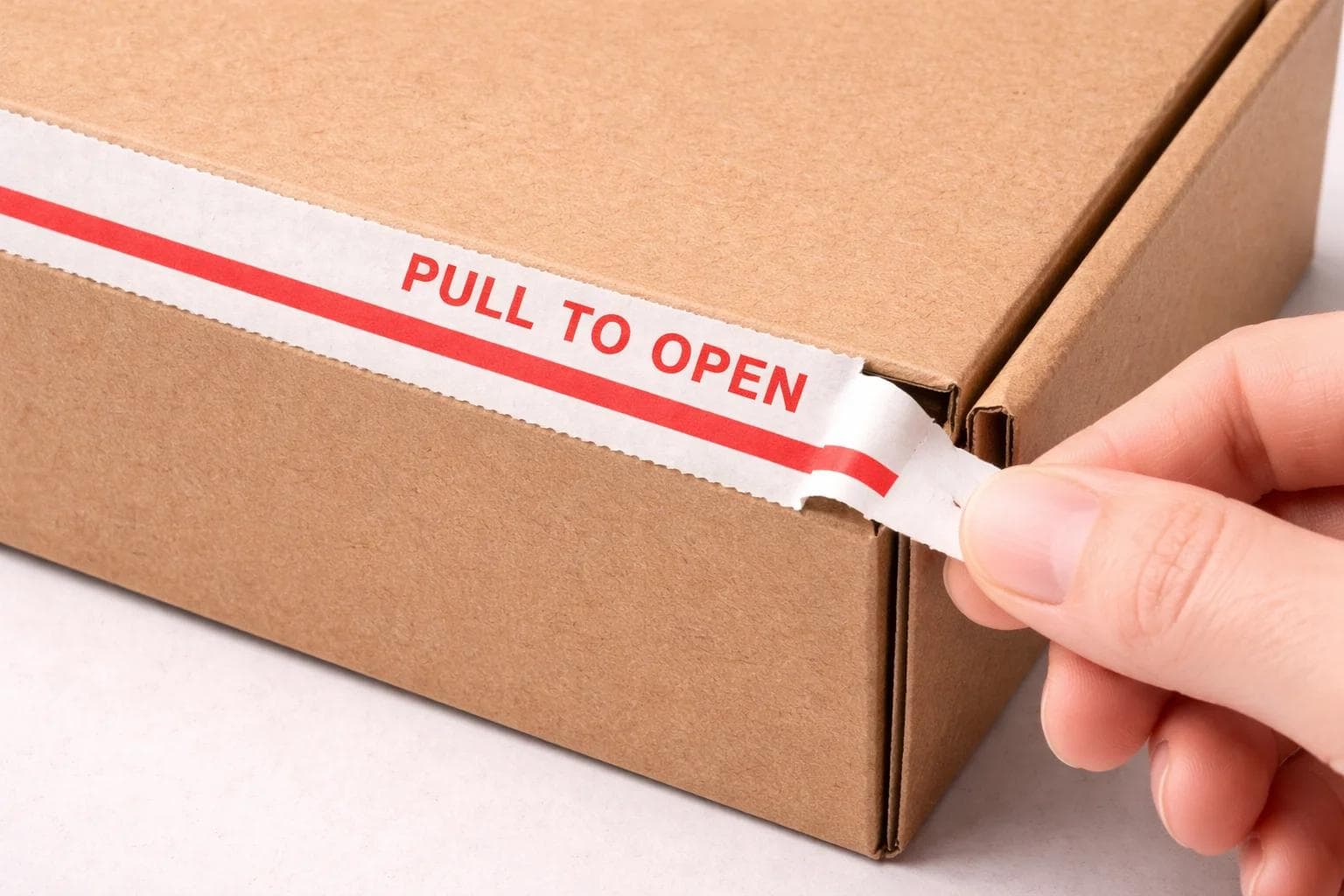
Improves opening, carrying and retail display.
Structure affects fit, stacking, opening style and shipping performance.

Reduces empty space and improves product protection.
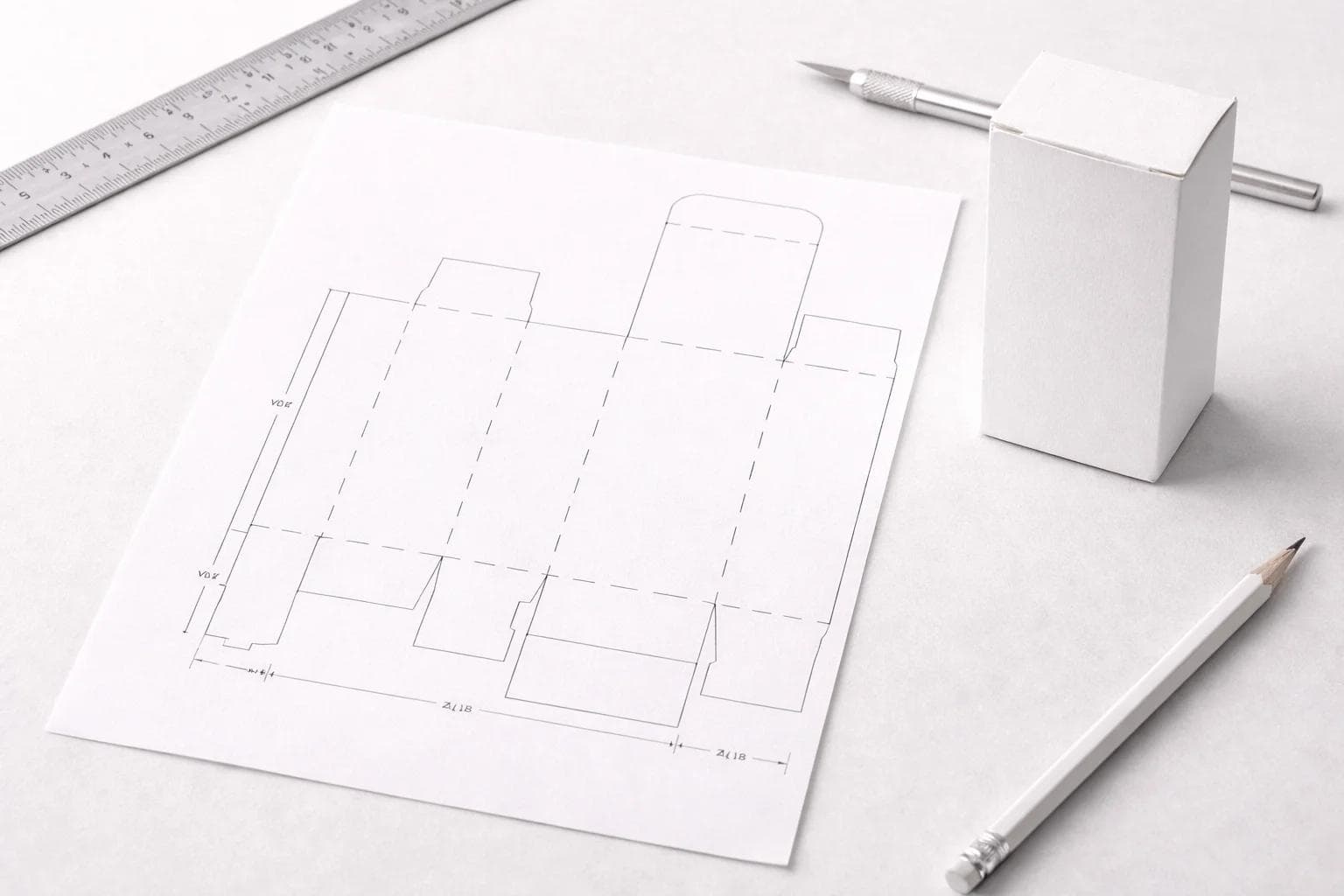
Helps artwork and product details fit correctly.
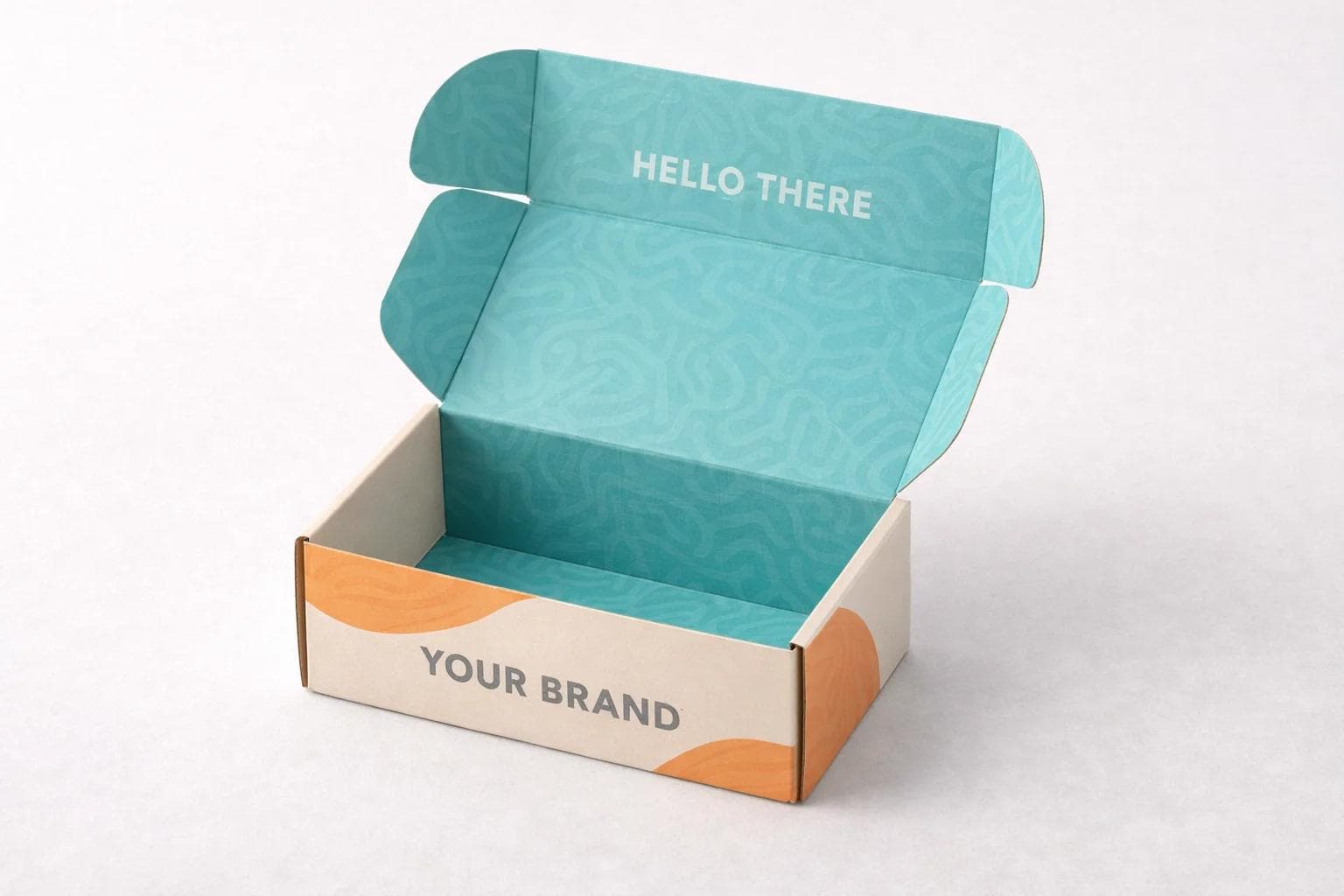
Adds branding inside and outside the package.
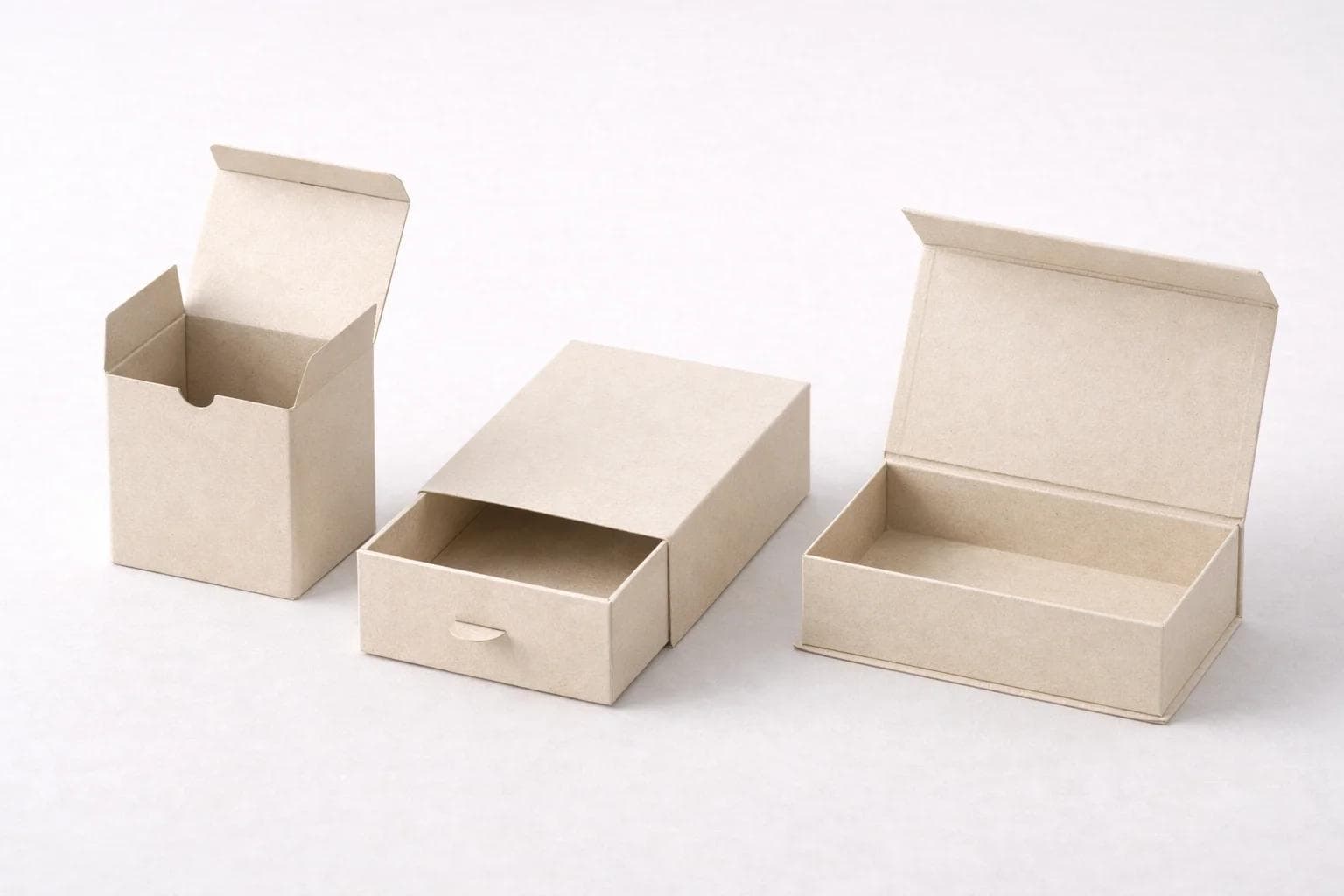
Changes how the package opens and feels.
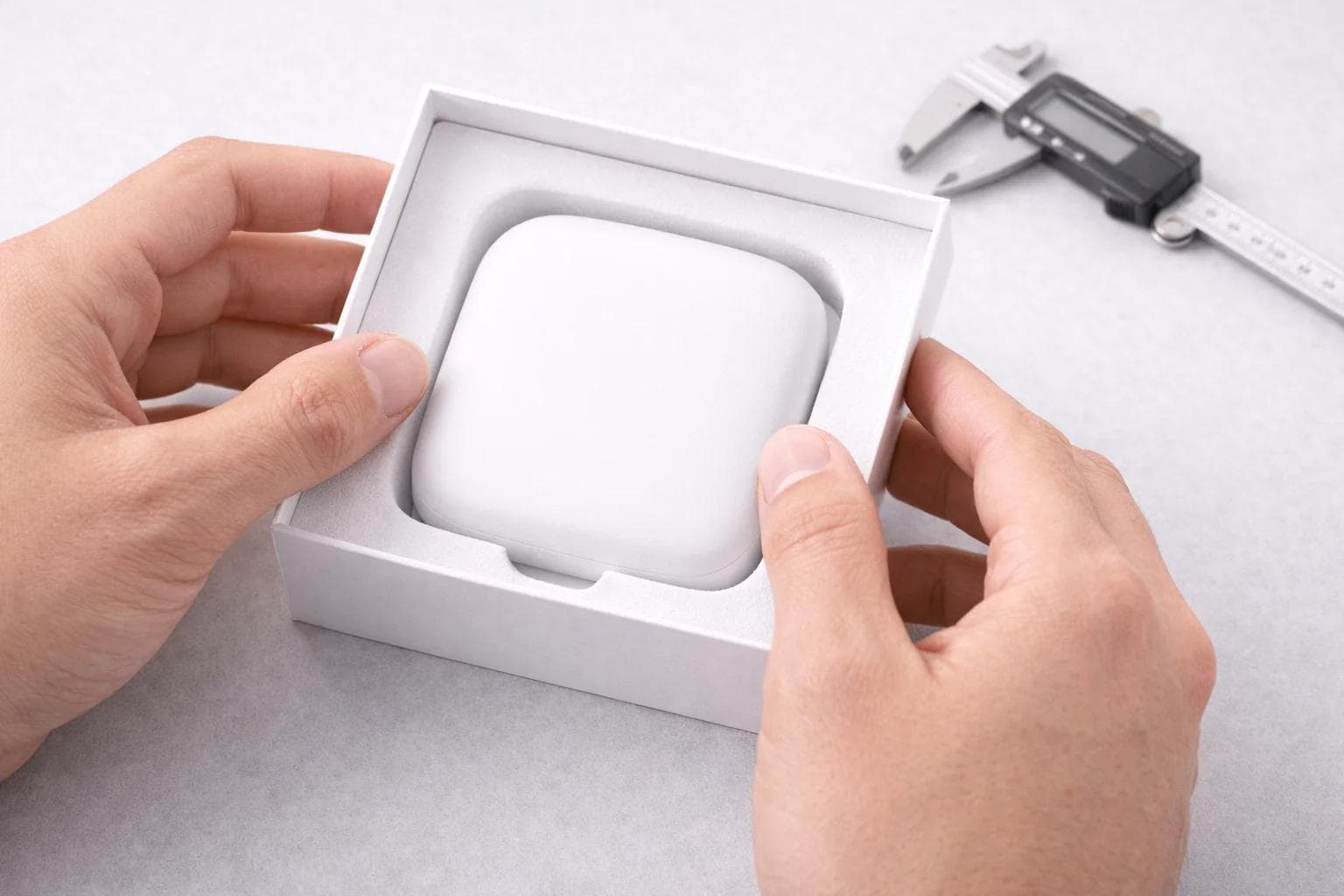
Confirms the structure works before production begins.
Proofing helps catch layout, fit and finish issues before the full run starts.
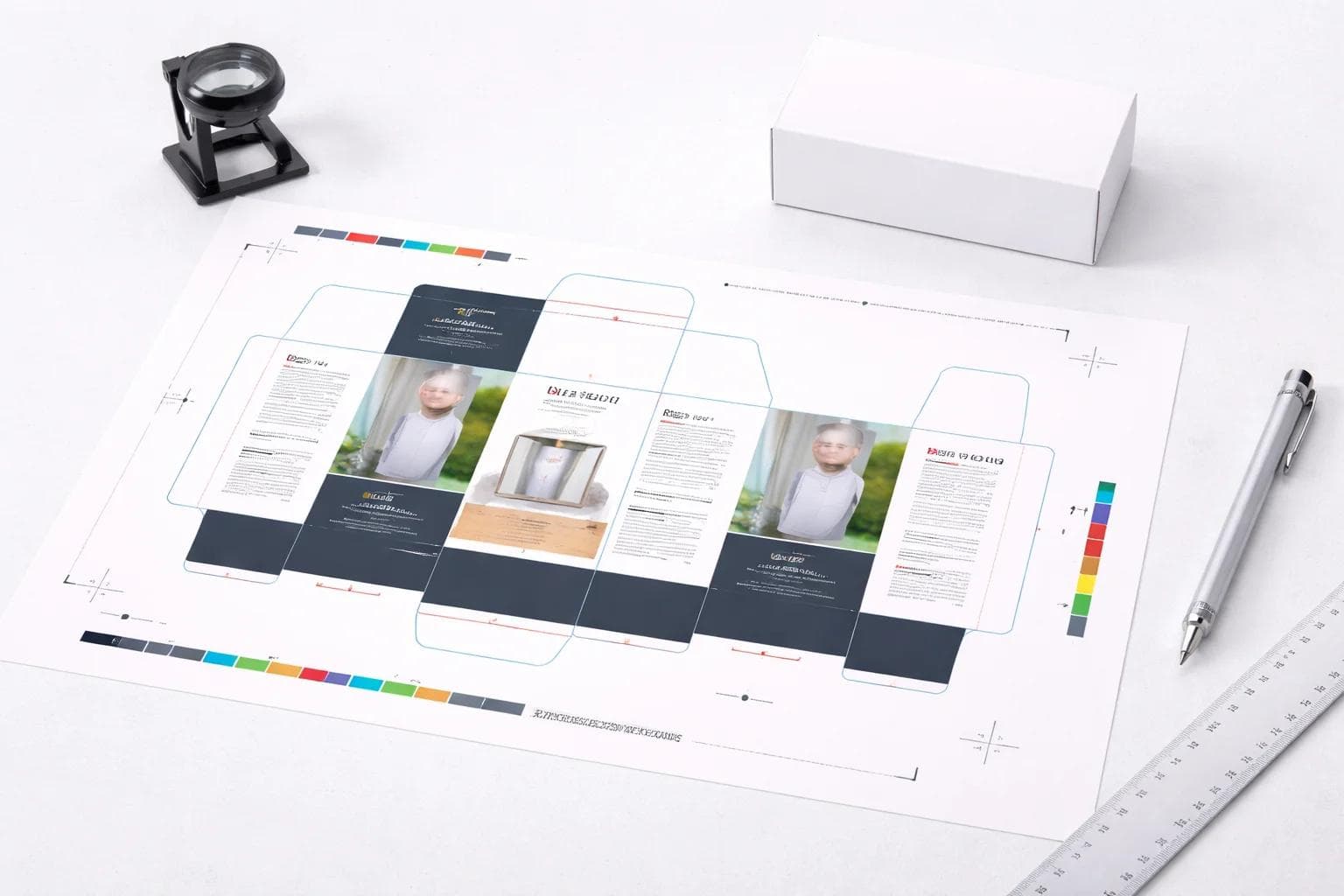
Flat proofs for bleed, safe area and panel placement
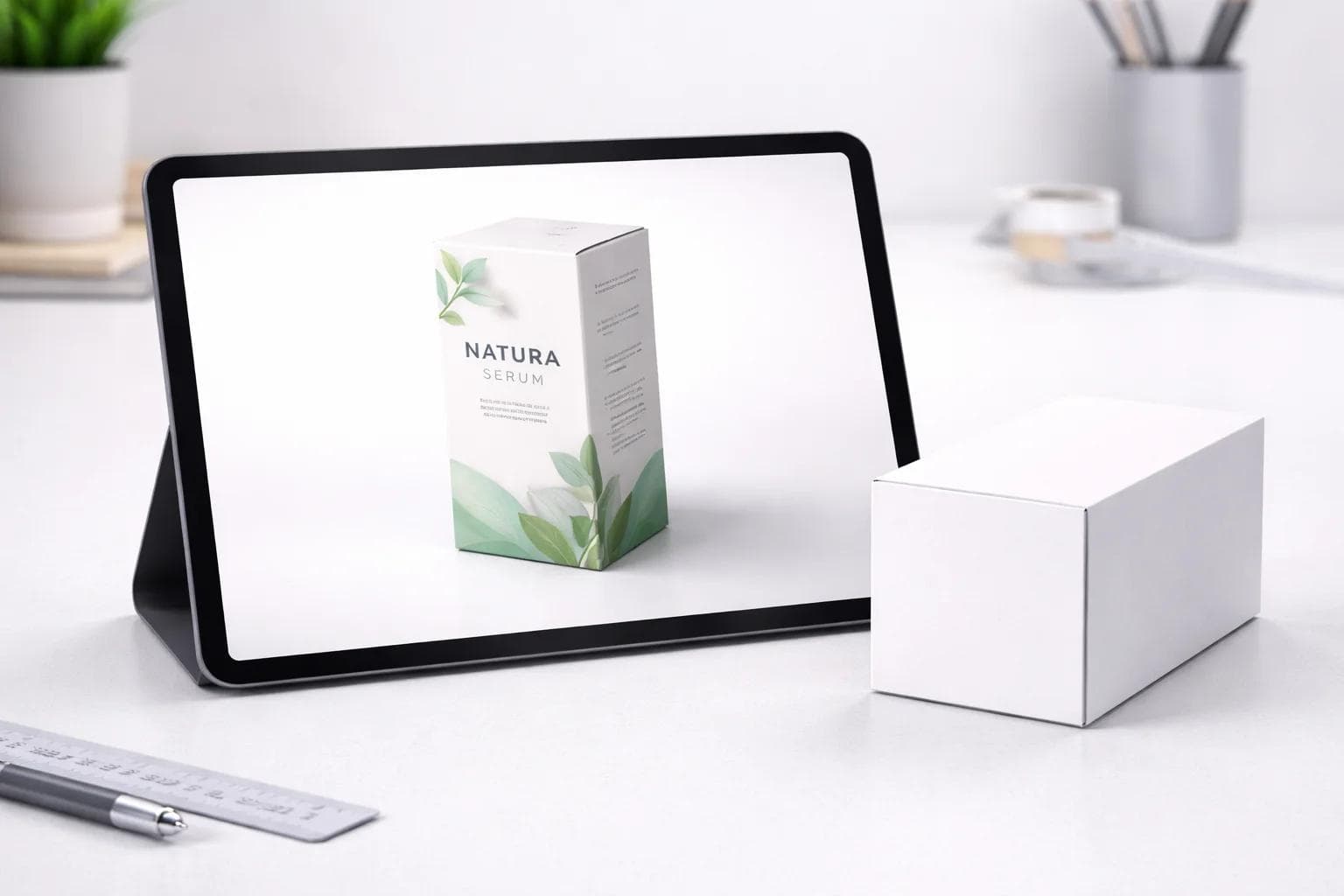
3D mockups for early visual review
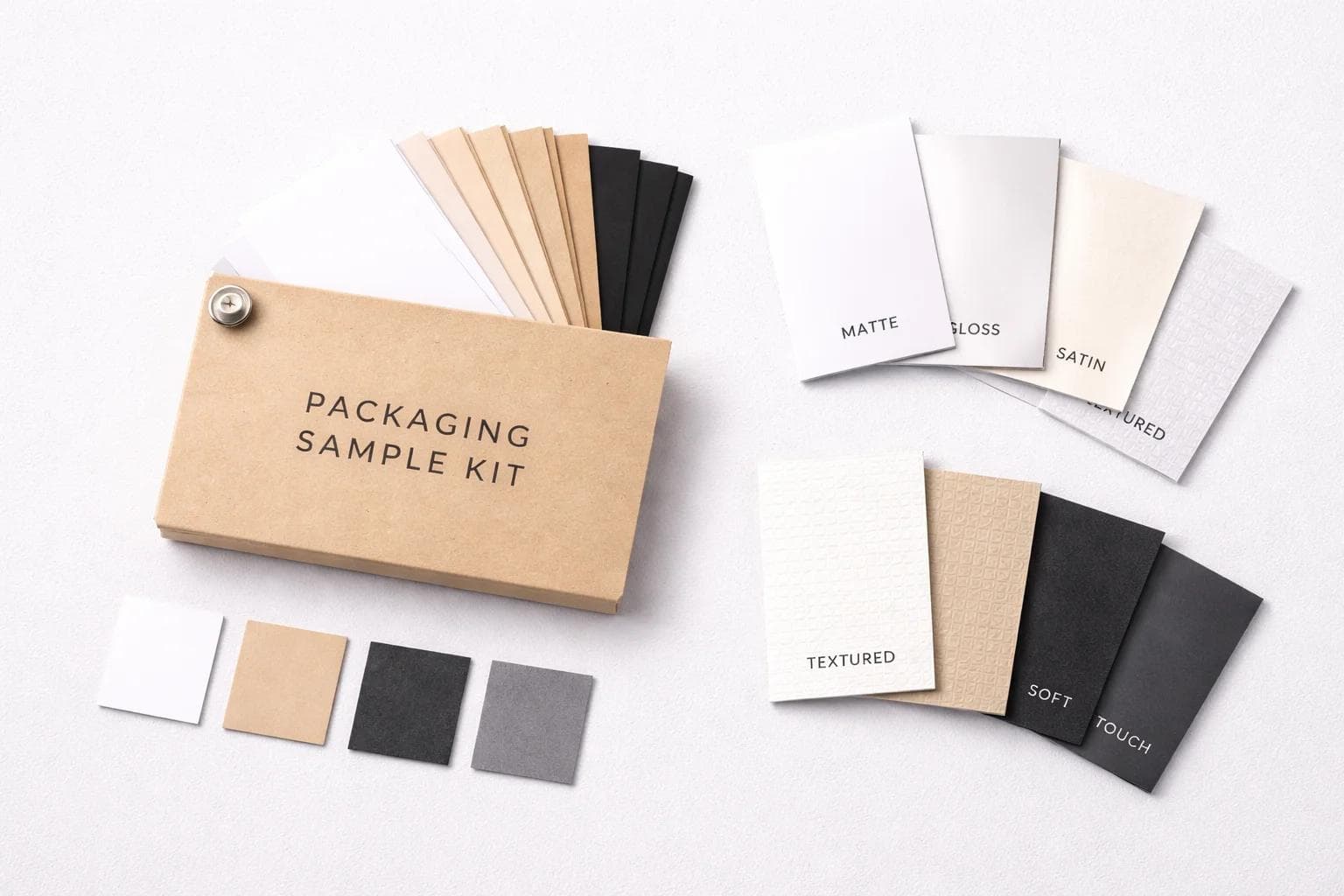
Swatches for comparing stock and finish options
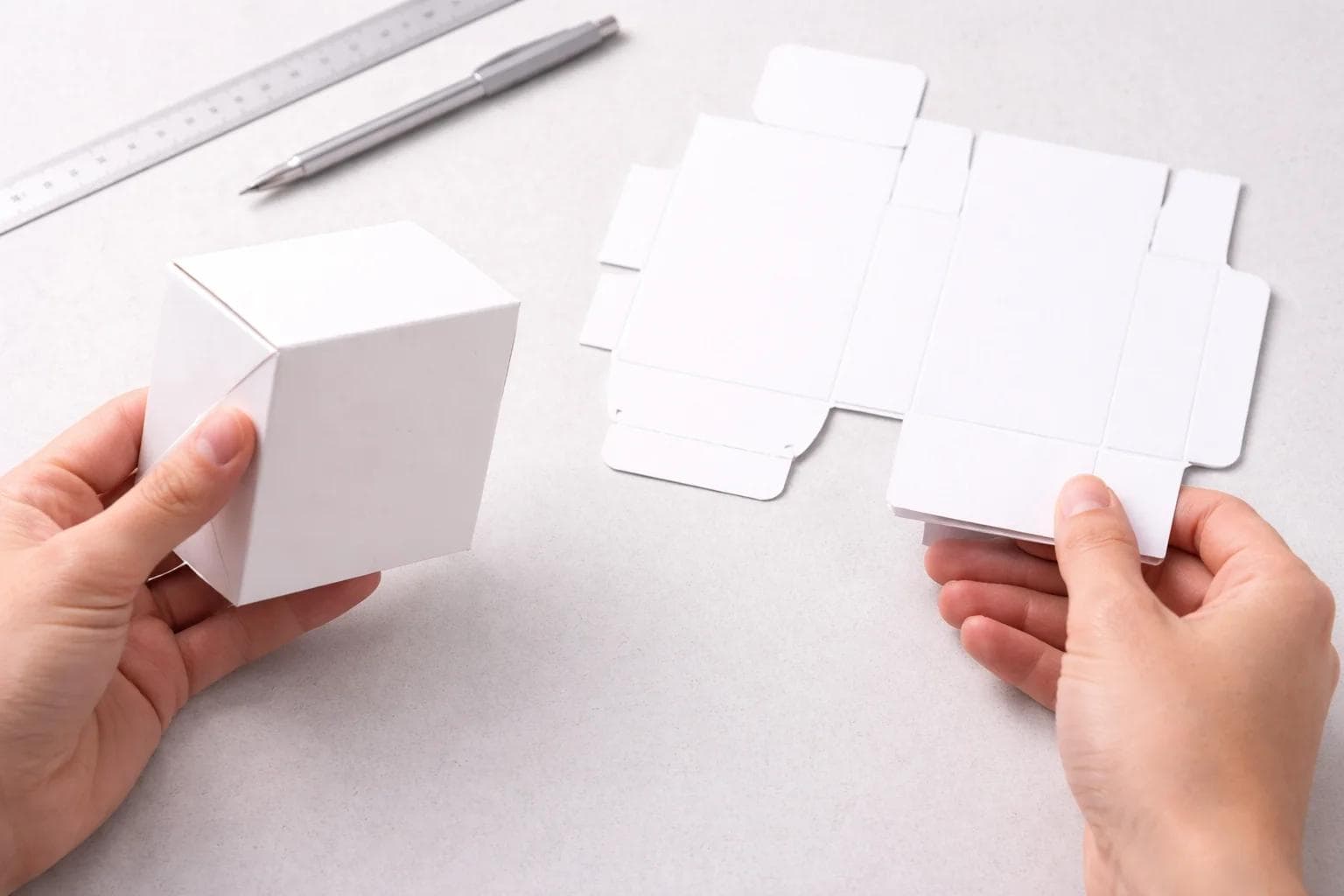
Physical samples for fit and insert testing
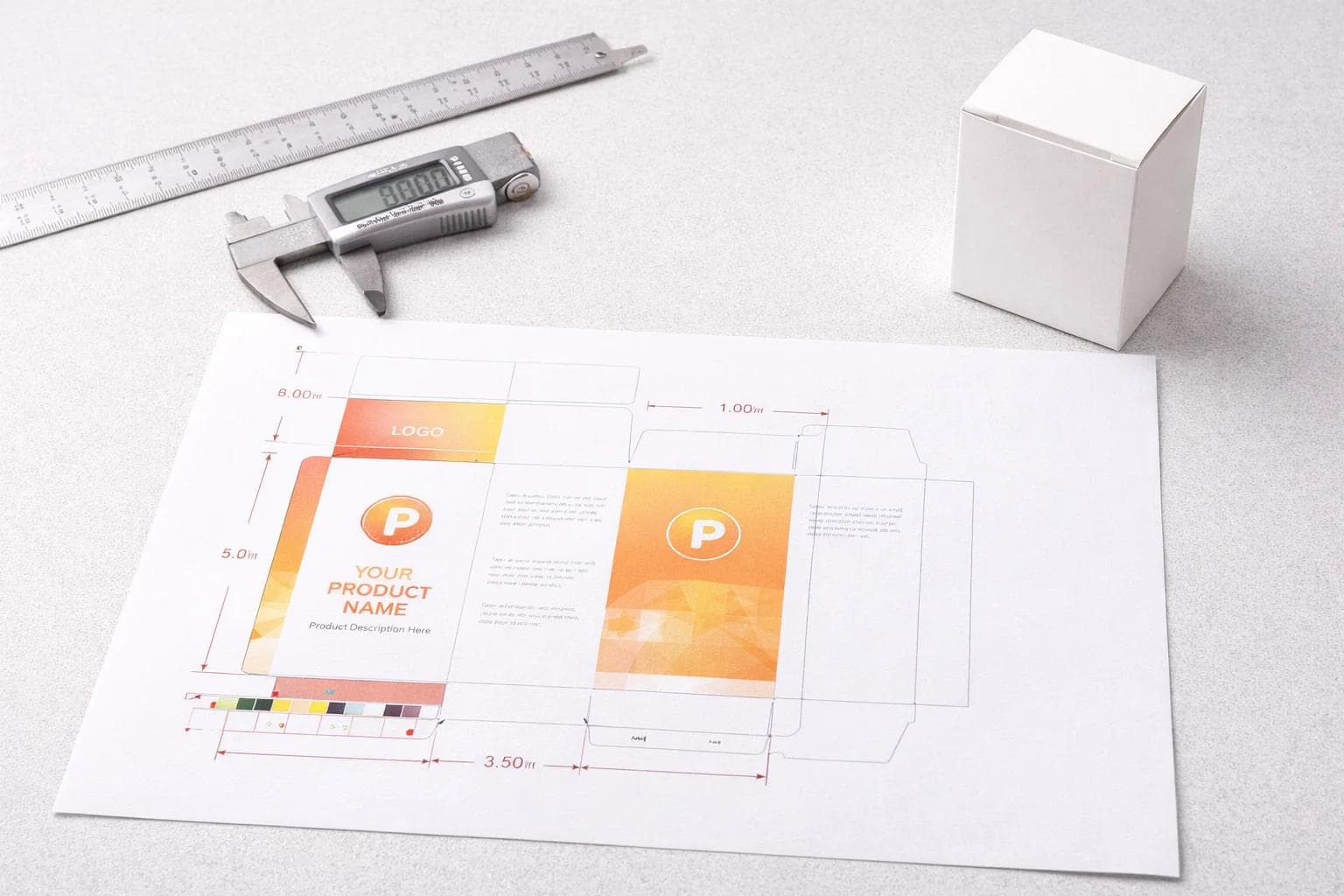
Artwork support for production-ready files
Sustainability works best when it is tied to real material and design decisions.
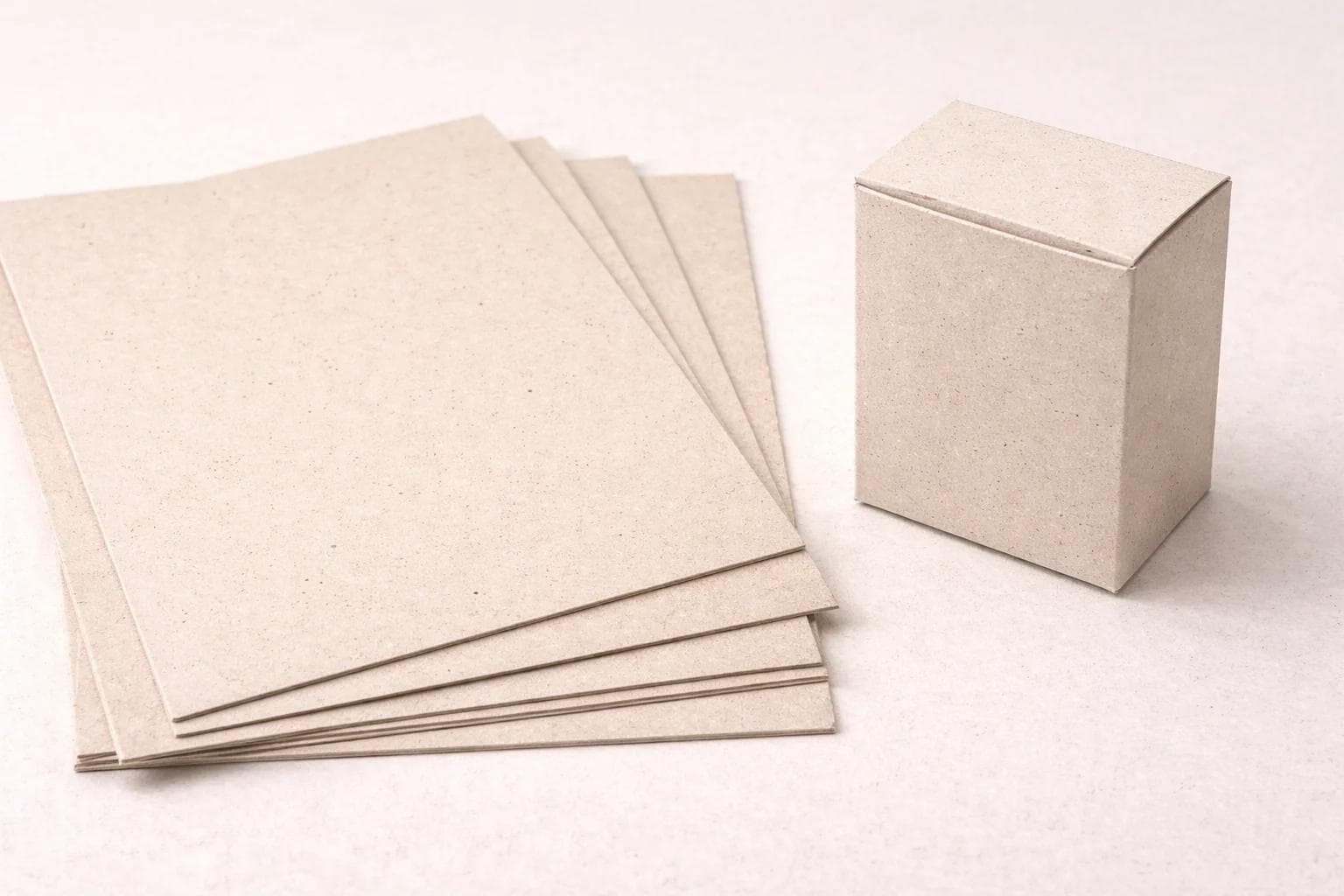
Supports packaging with stronger recycled material content.

Helps reduce filler, waste and shipping inefficiency.
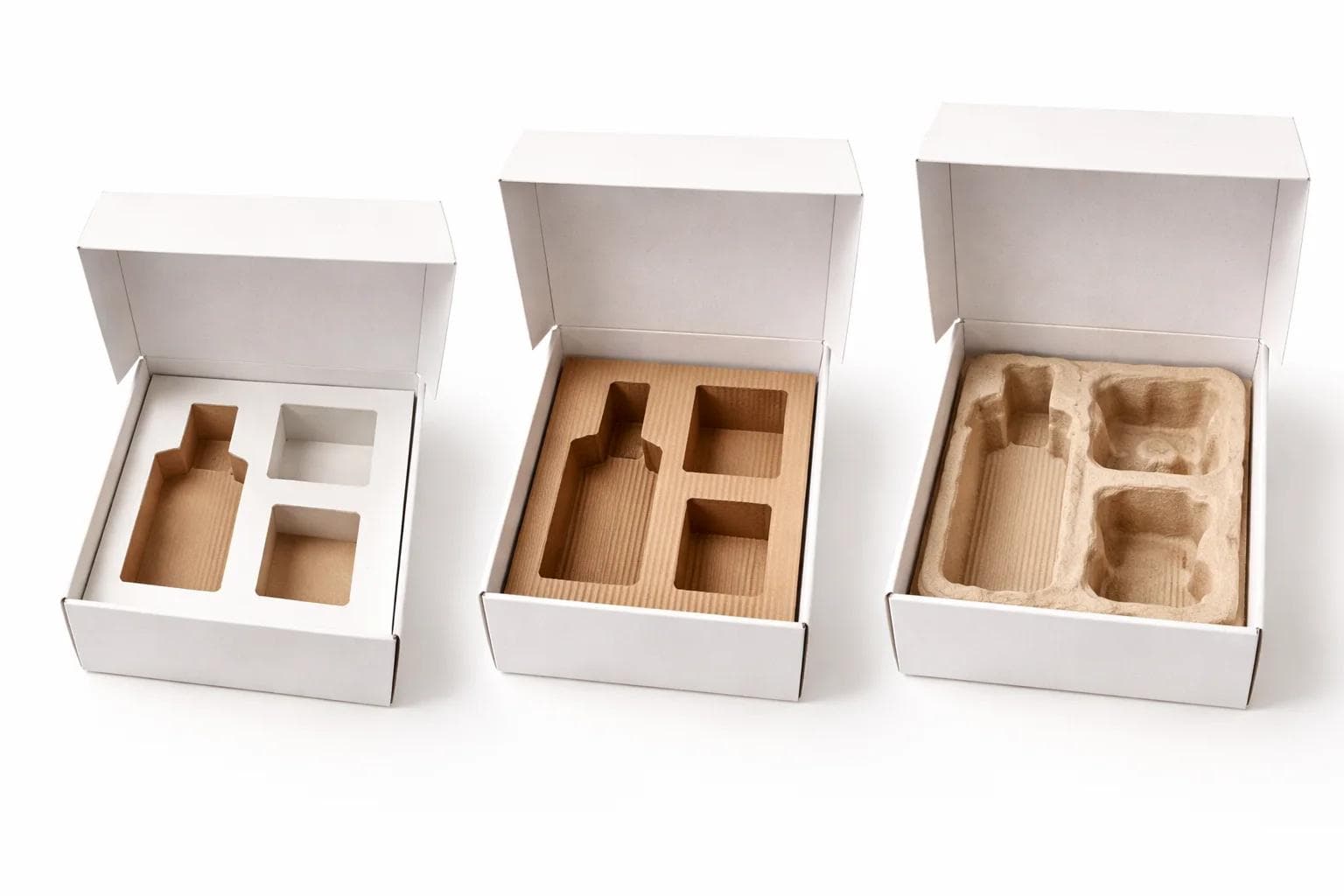
Replaces plastic-heavy inserts in many packaging formats.
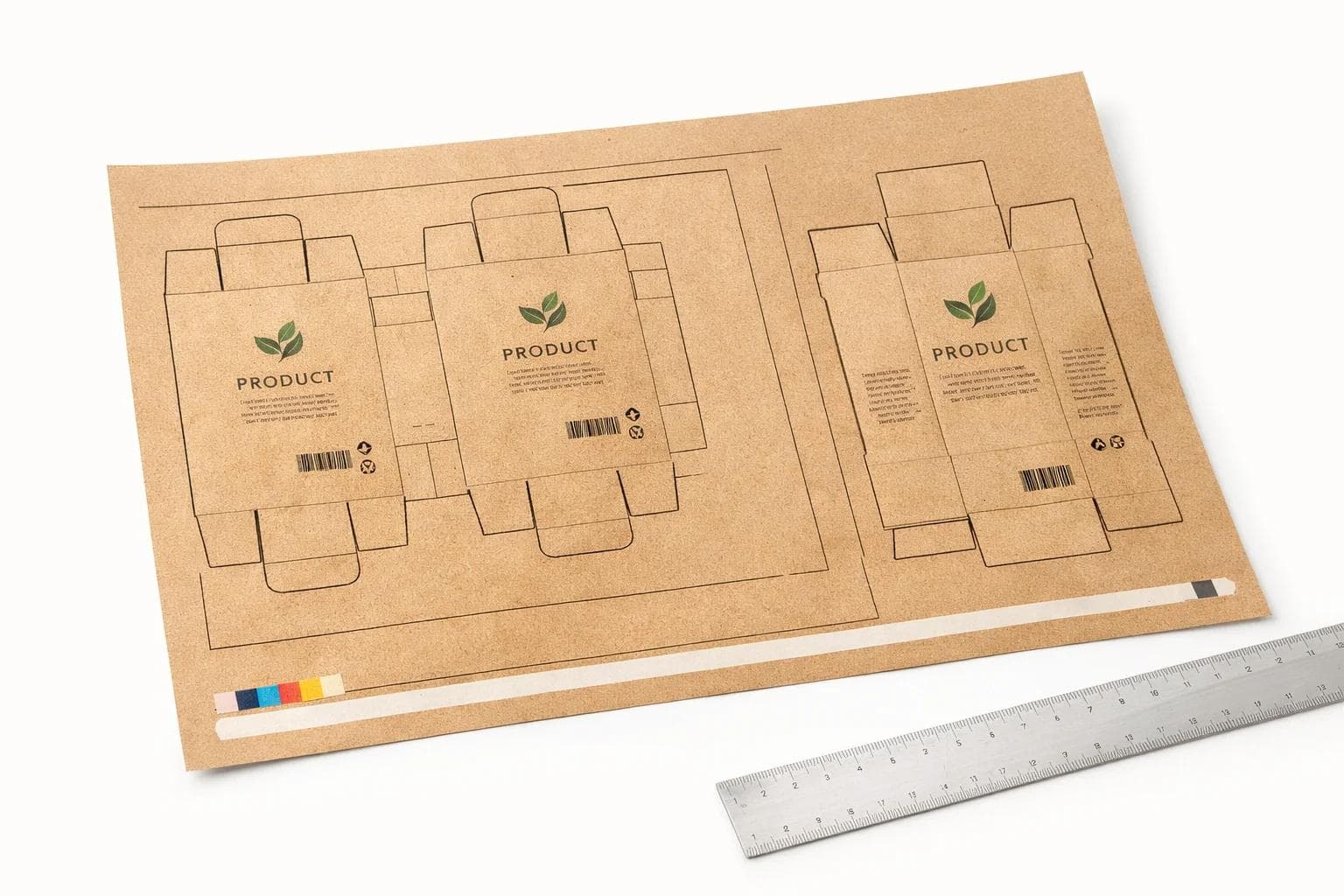
Supports cleaner production with better ink options.
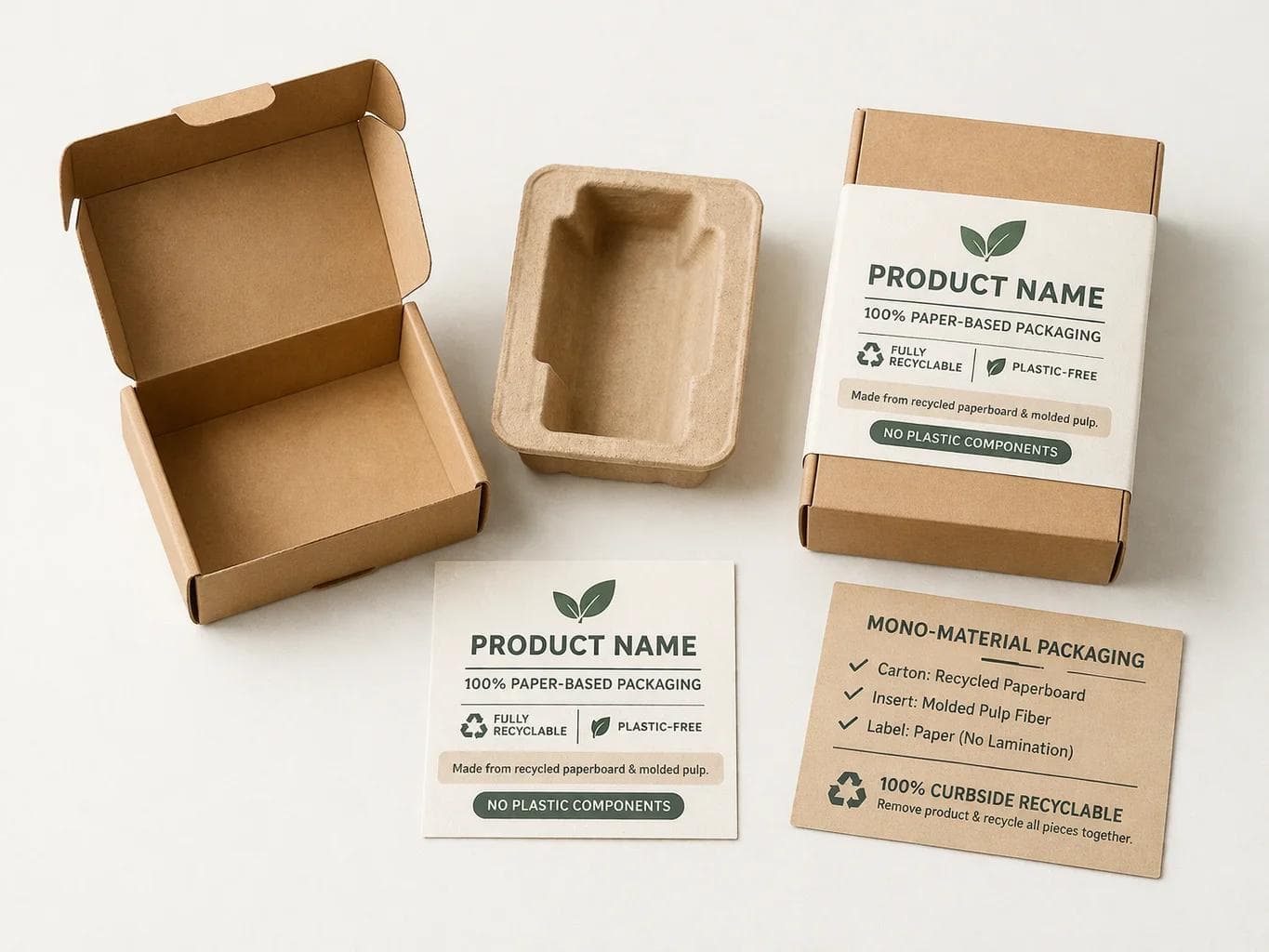
Keeps packaging simpler and easier to recycle.