Custom Pet Product Packaging
Pet product packaging needs to protect the contents, stay practical for retail or shipping and make product type, size and usage easy to understand.
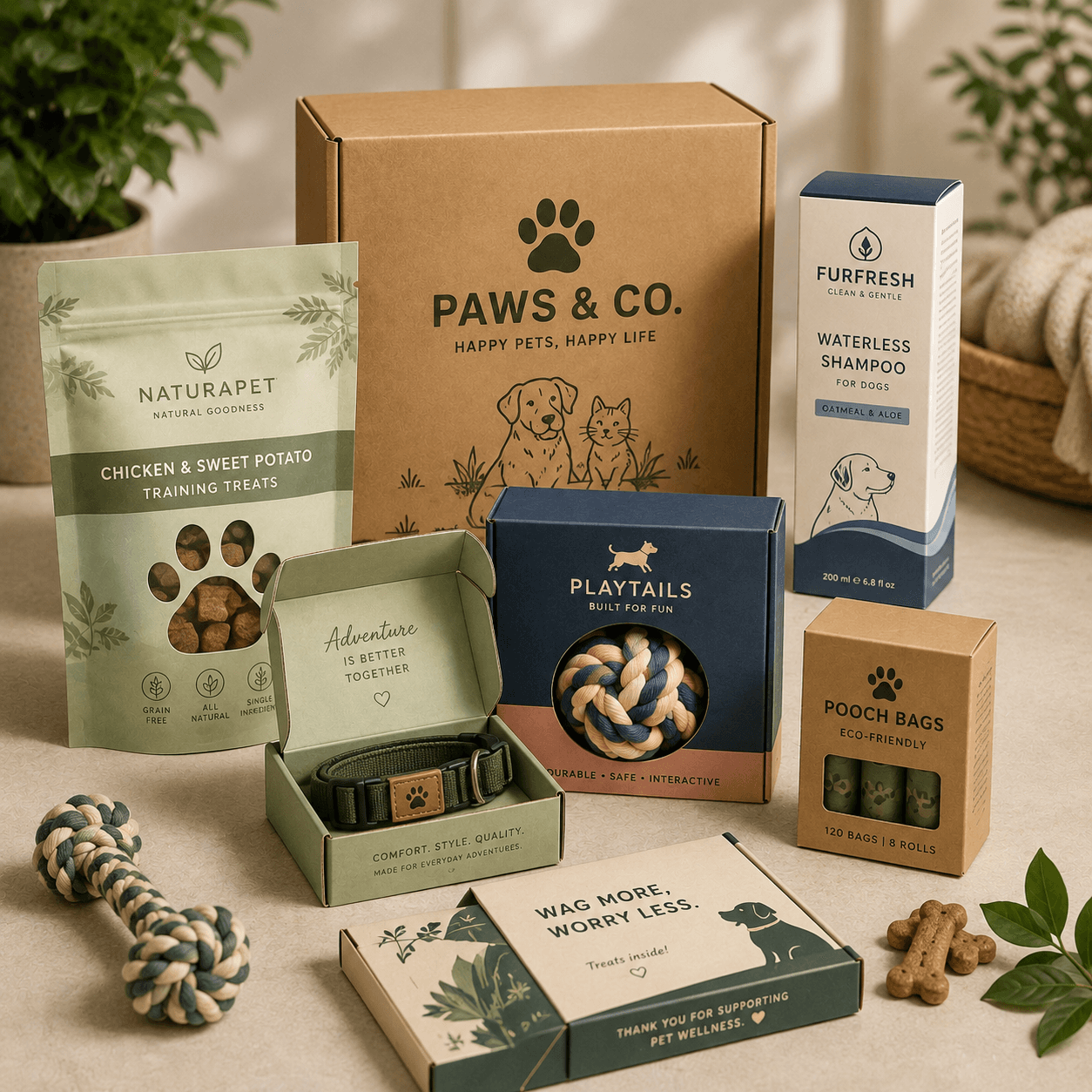
Pet Products options
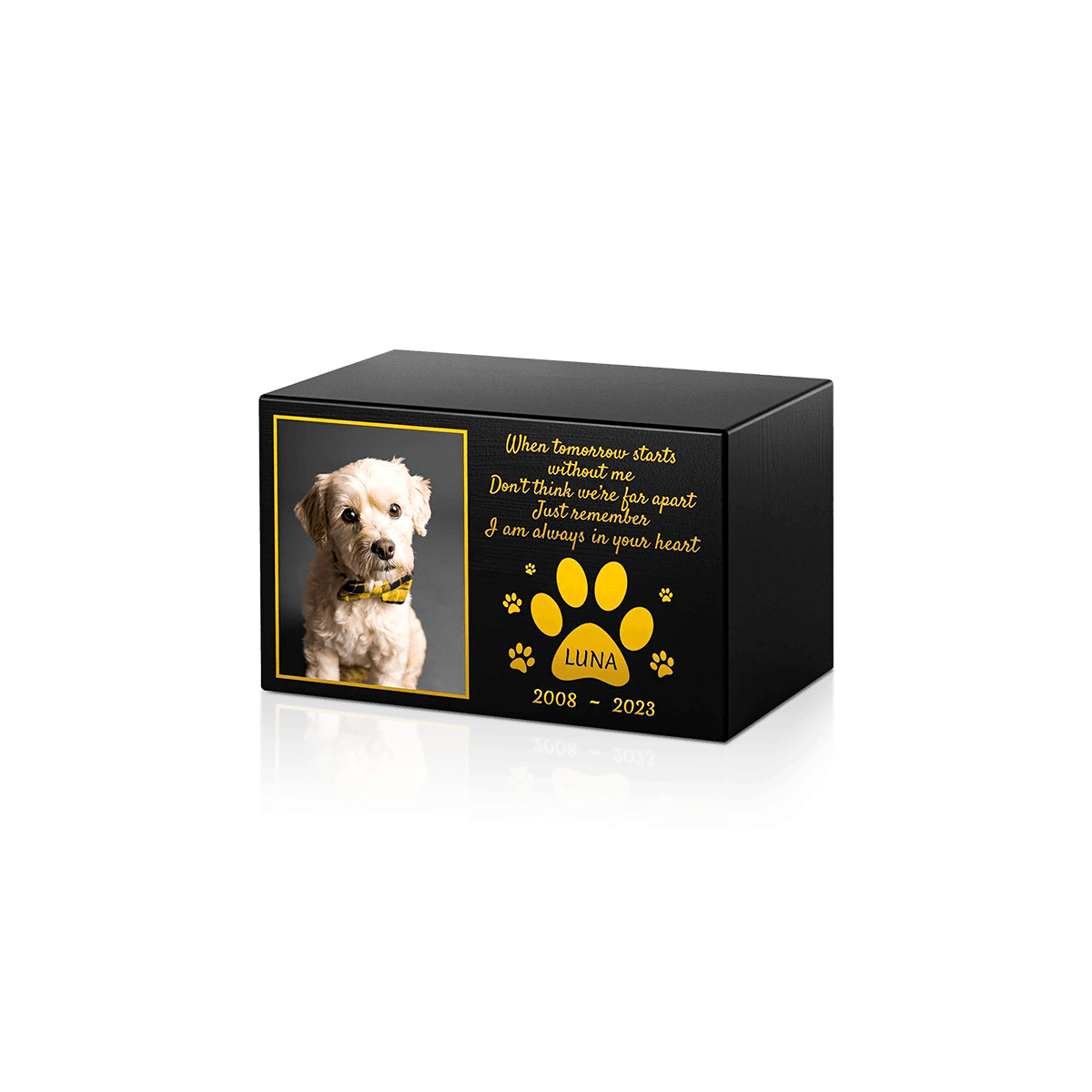
Pet Food Boxes
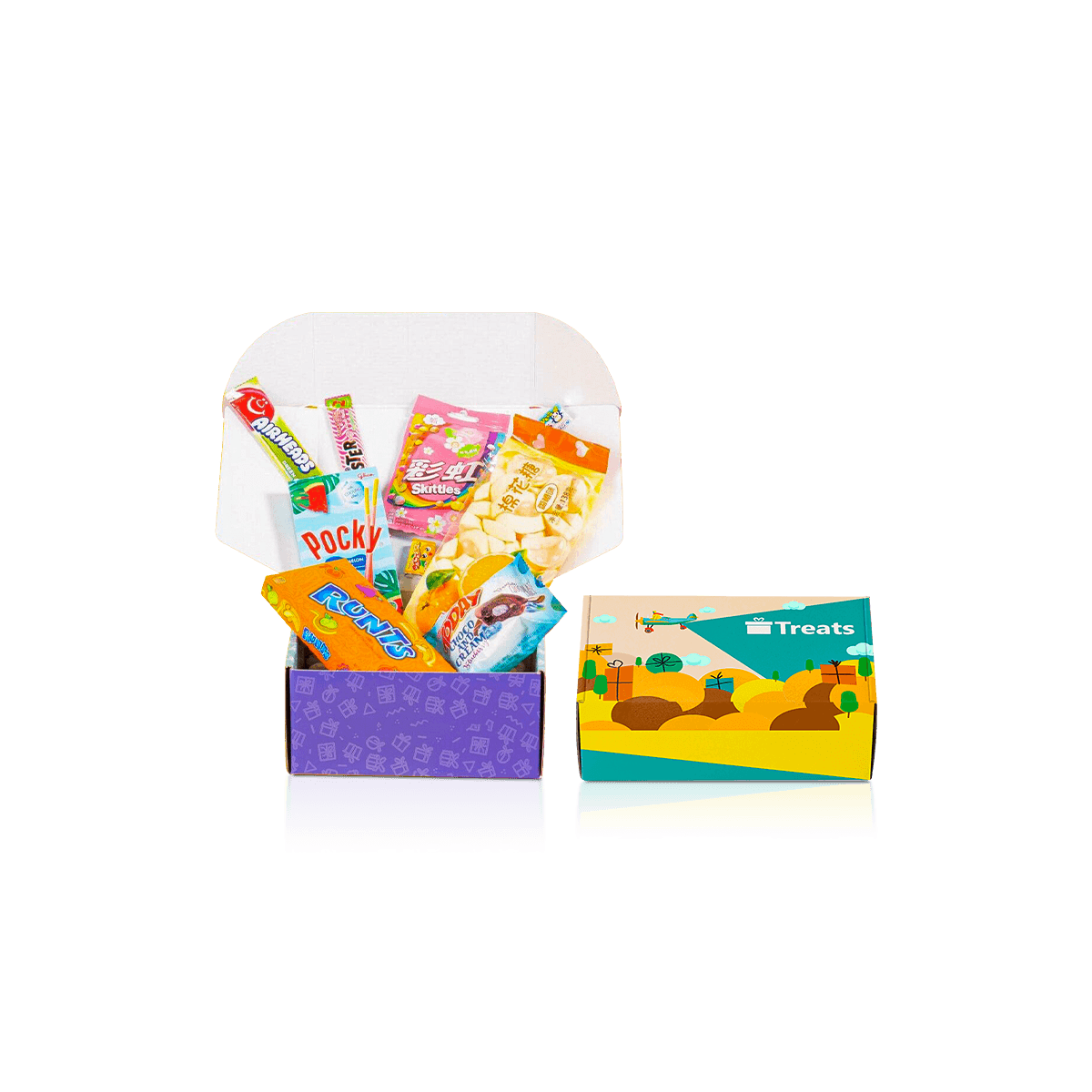
Treat Boxes
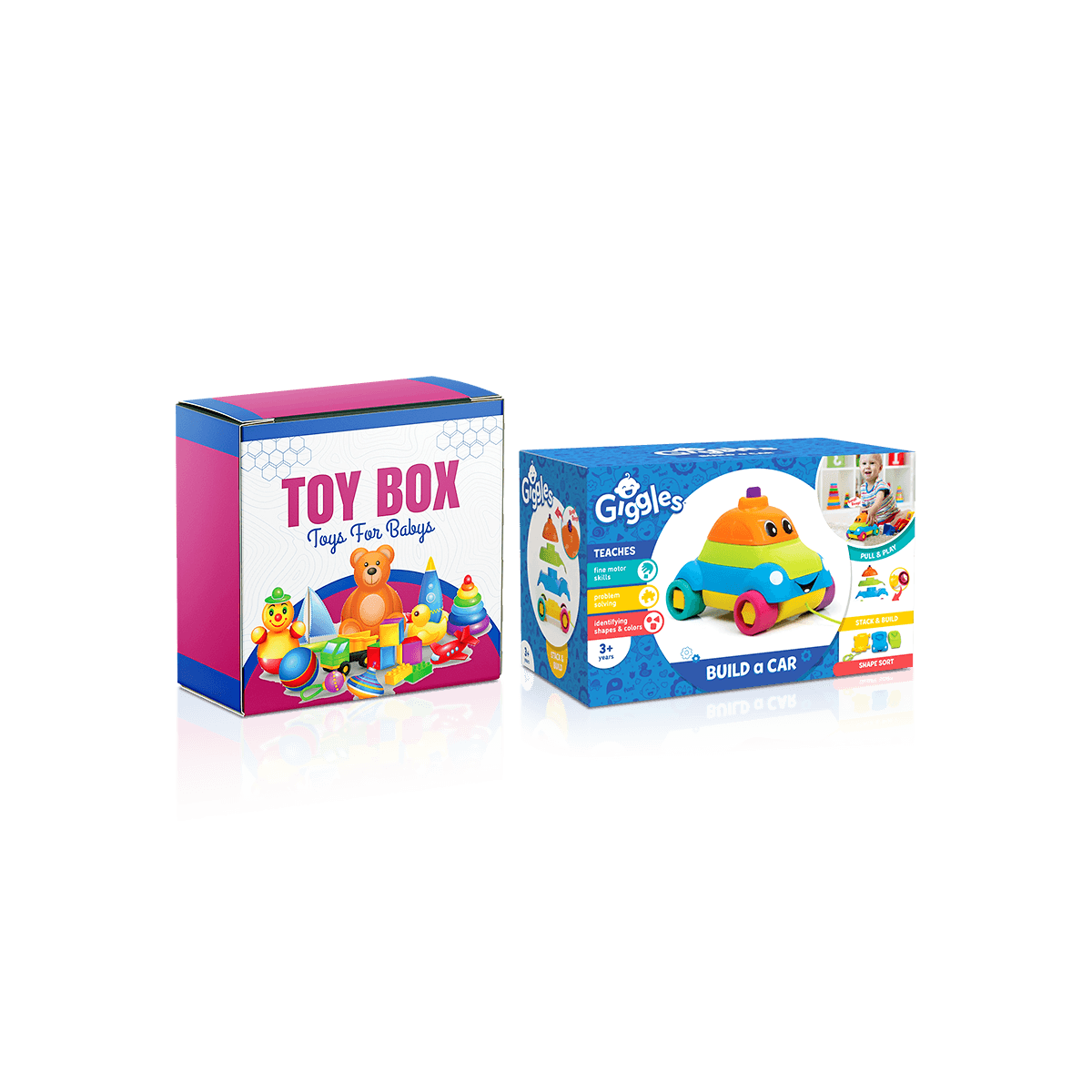
Toy Boxes
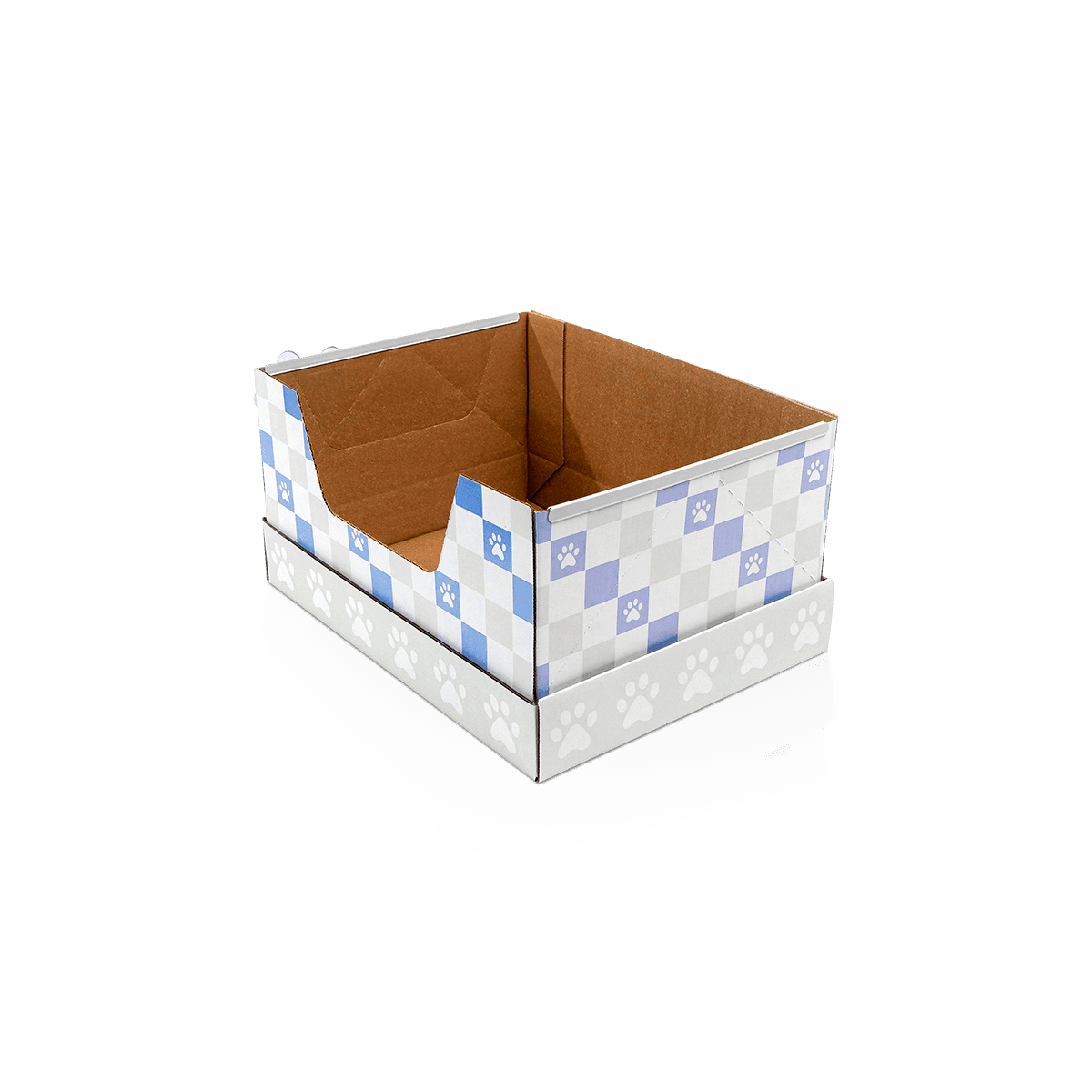
Litter Boxes
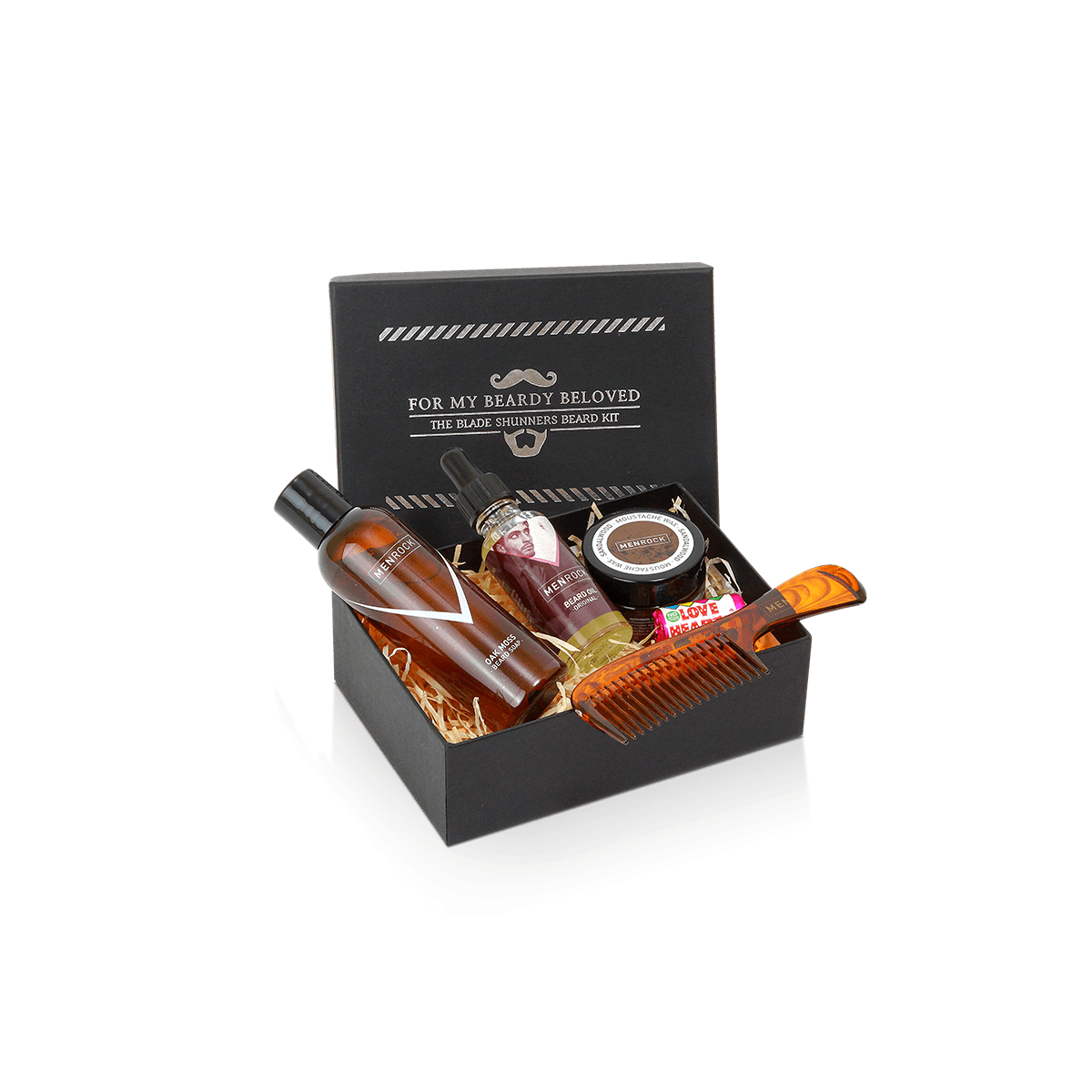
Grooming Product Boxes
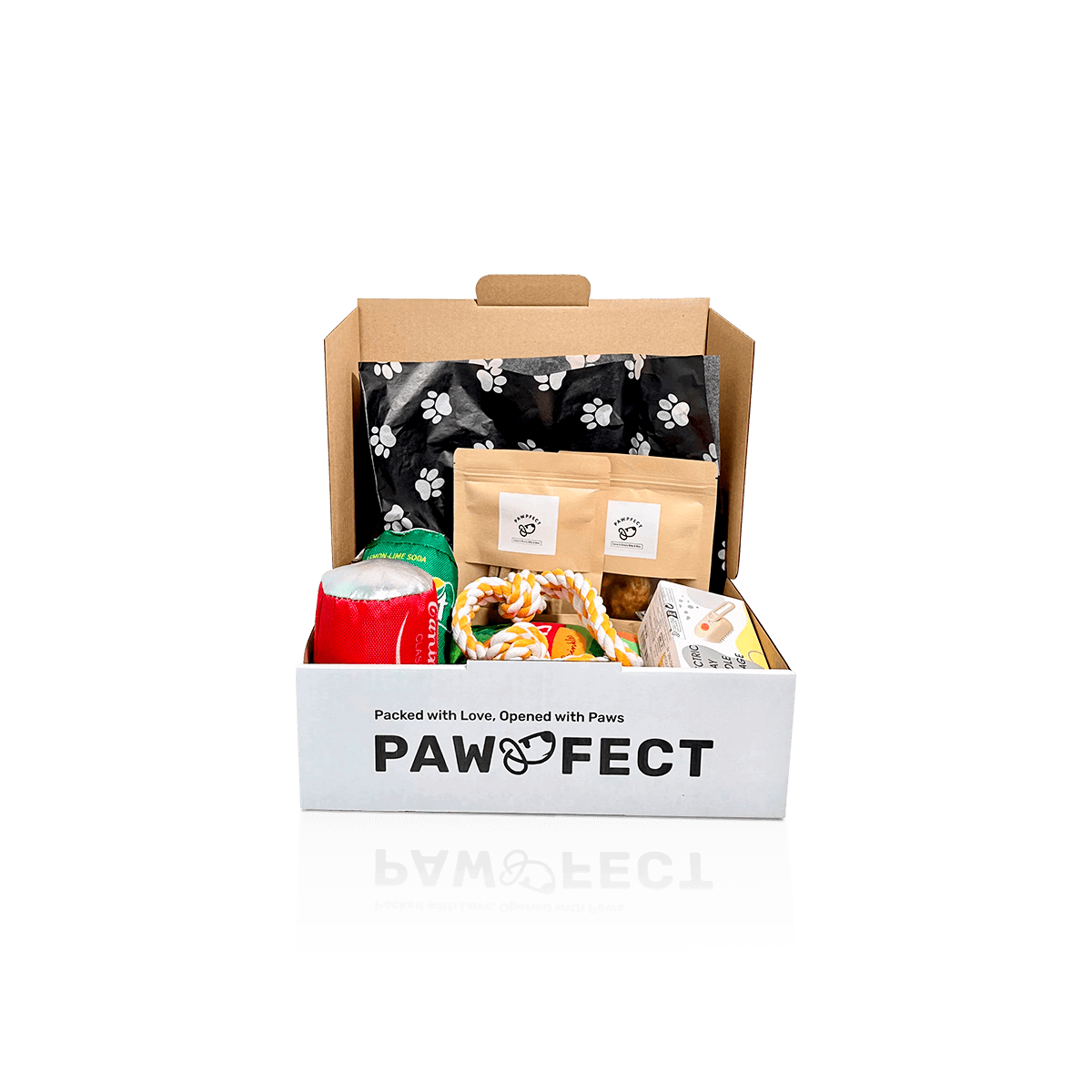
Pet Accessory Boxes
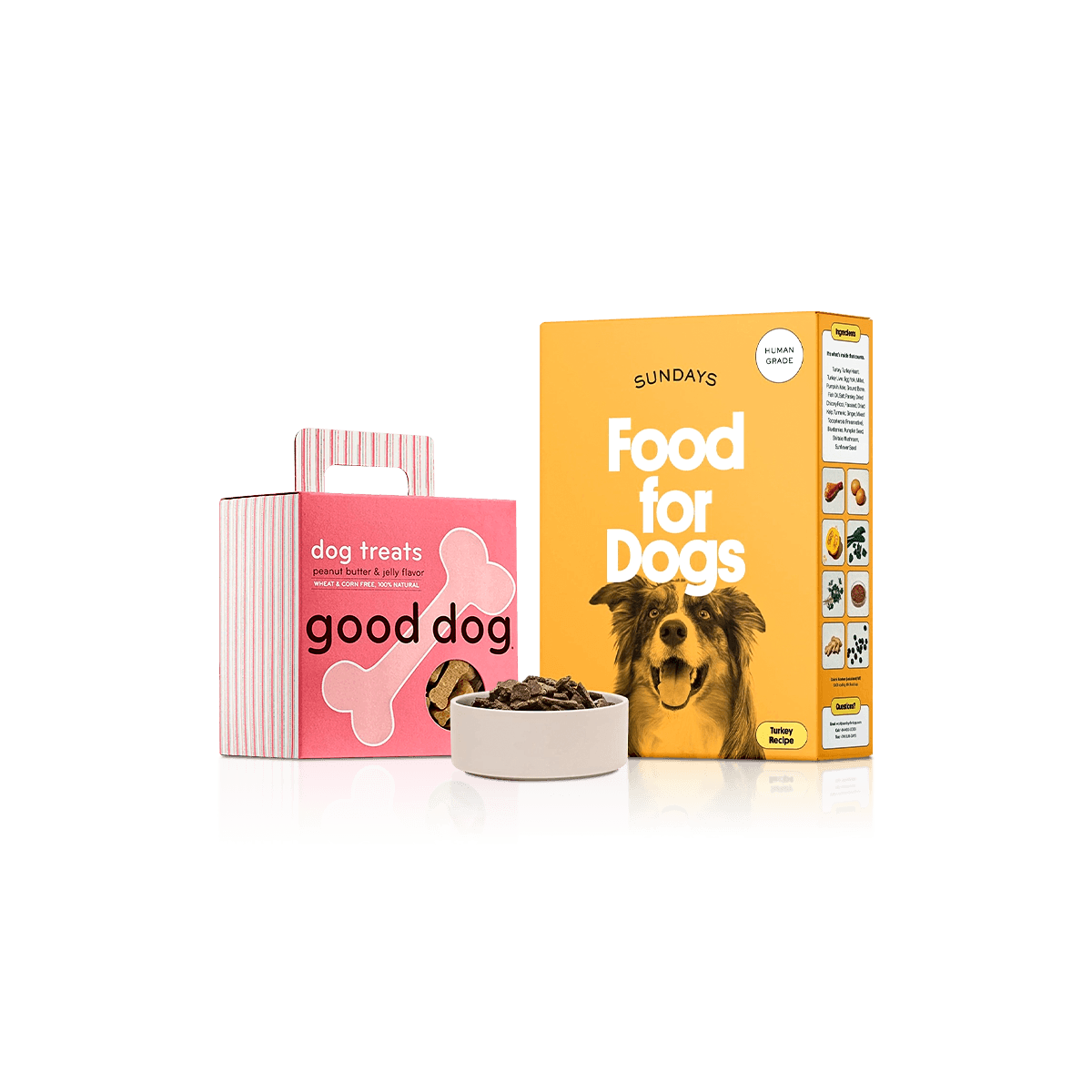
Dog Food Boxes
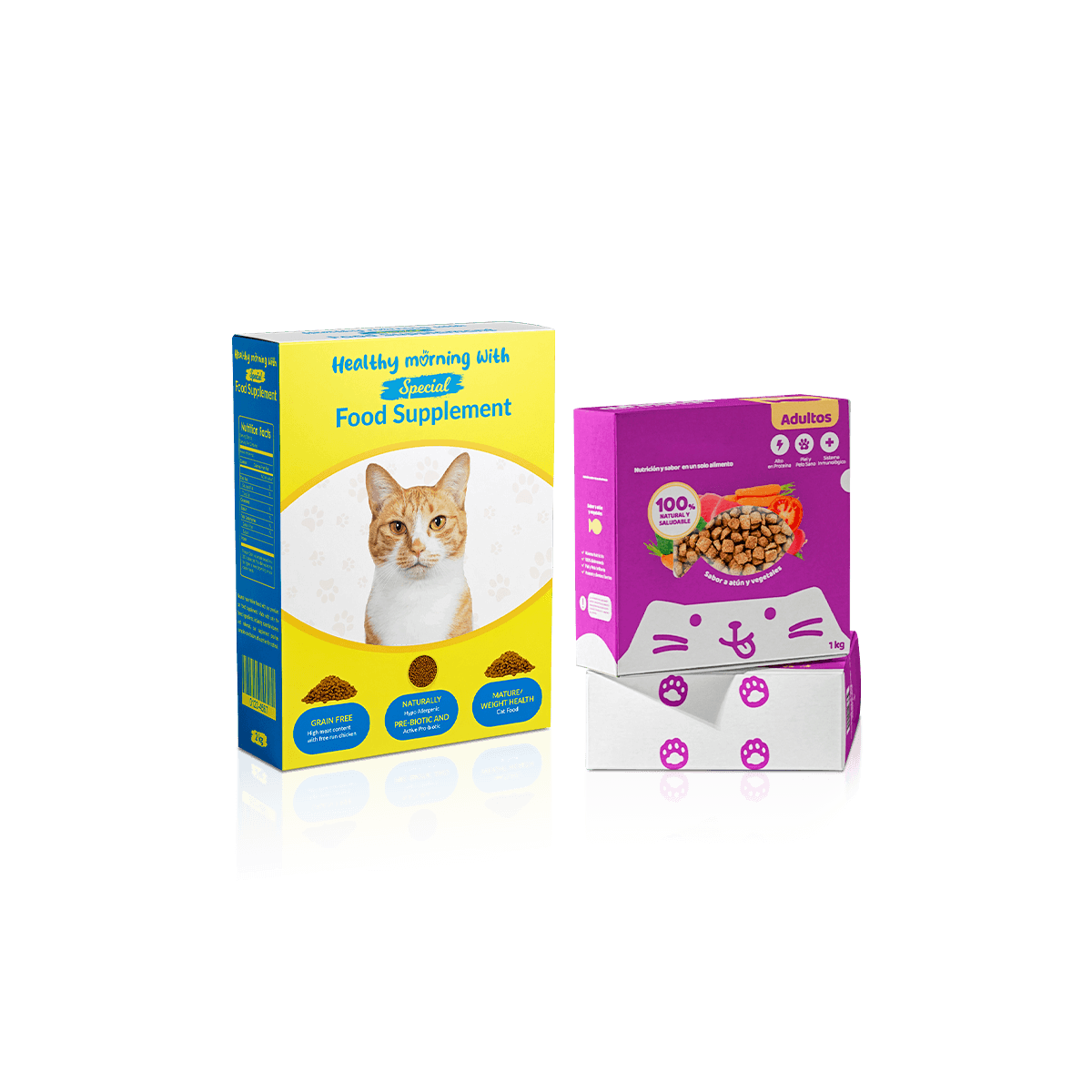
Cat Food Boxes
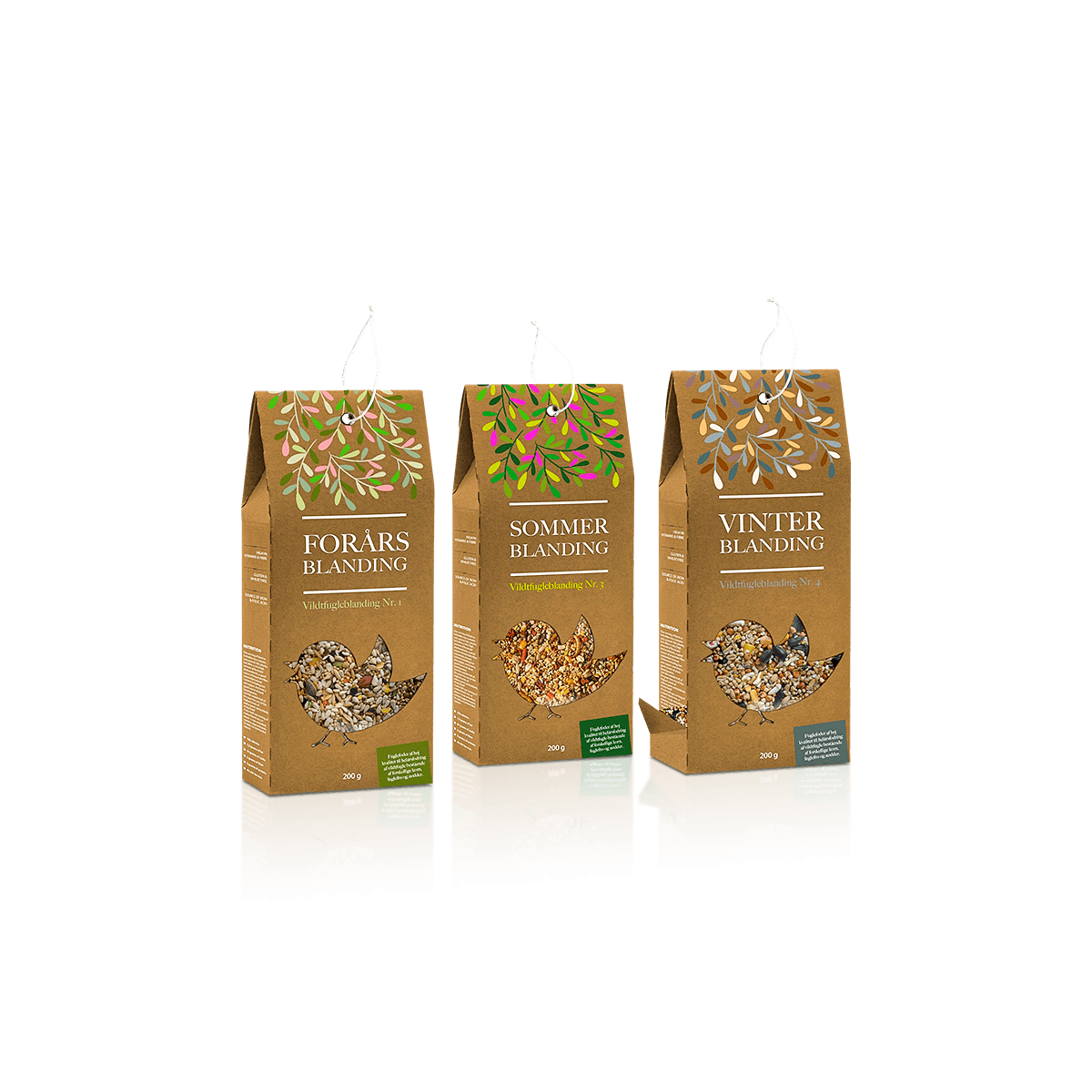
Bird Seed Boxes
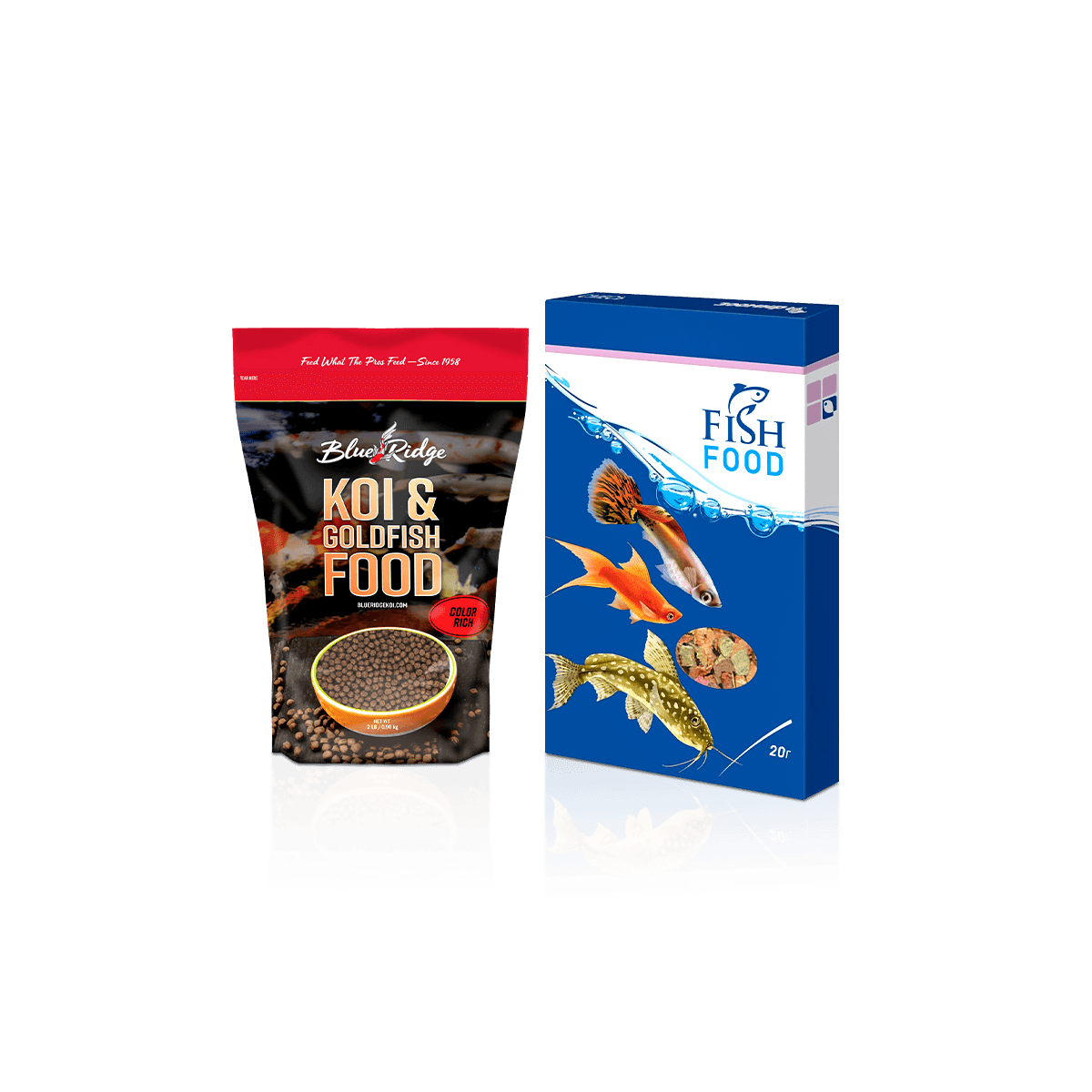
Fish Food Boxes
Custom Pet Boxes
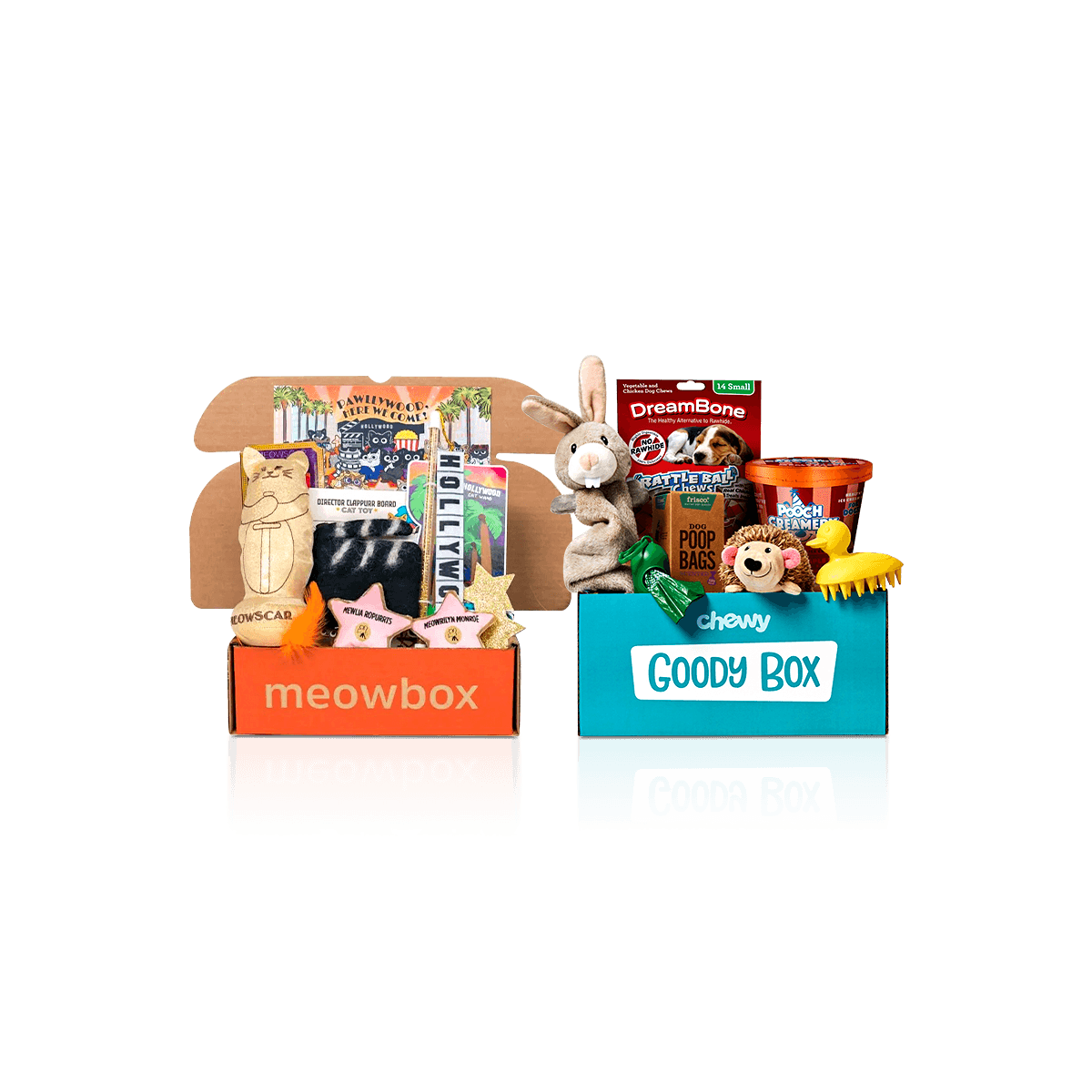
Subscription Pet Boxes
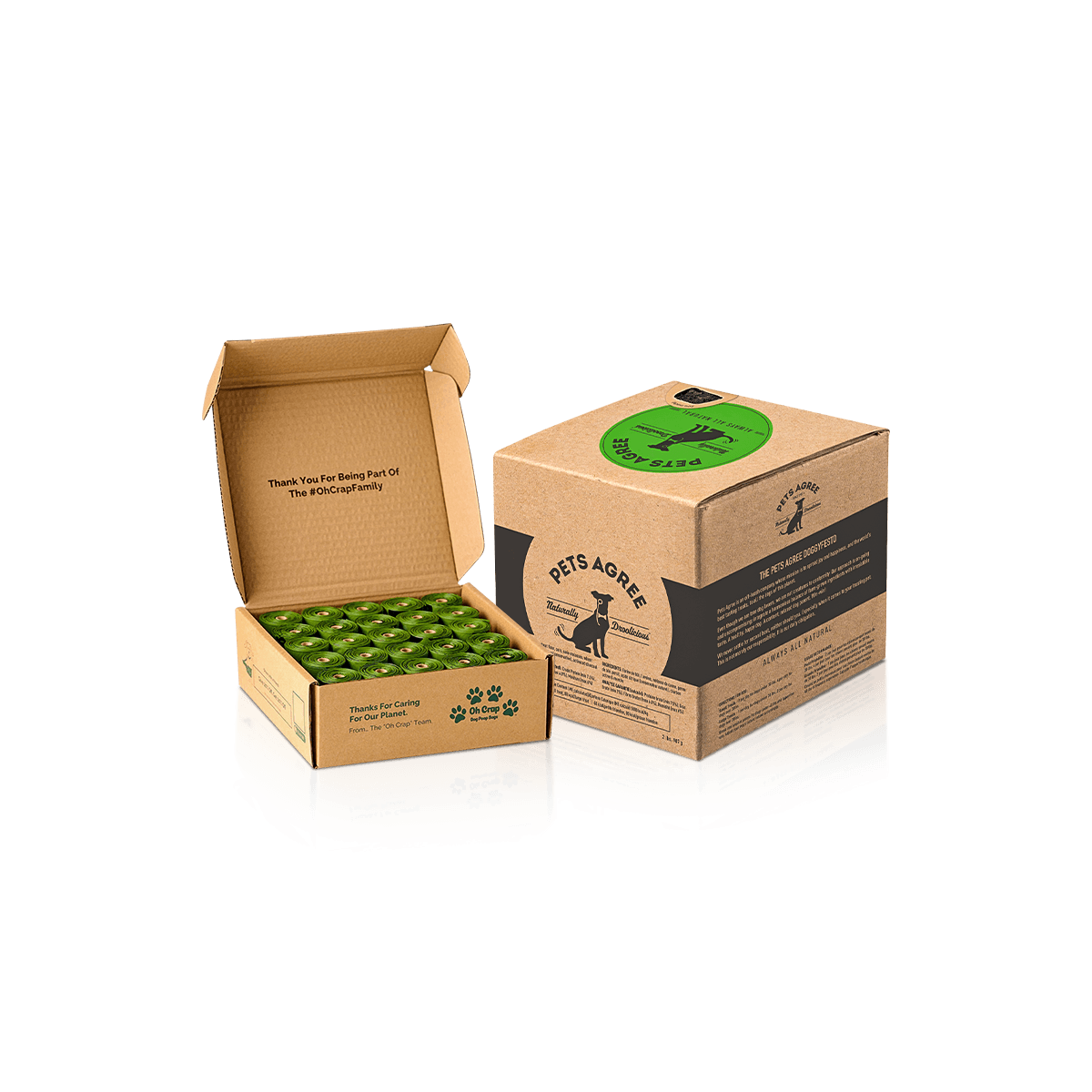
Eco-Friendly Pet Boxes
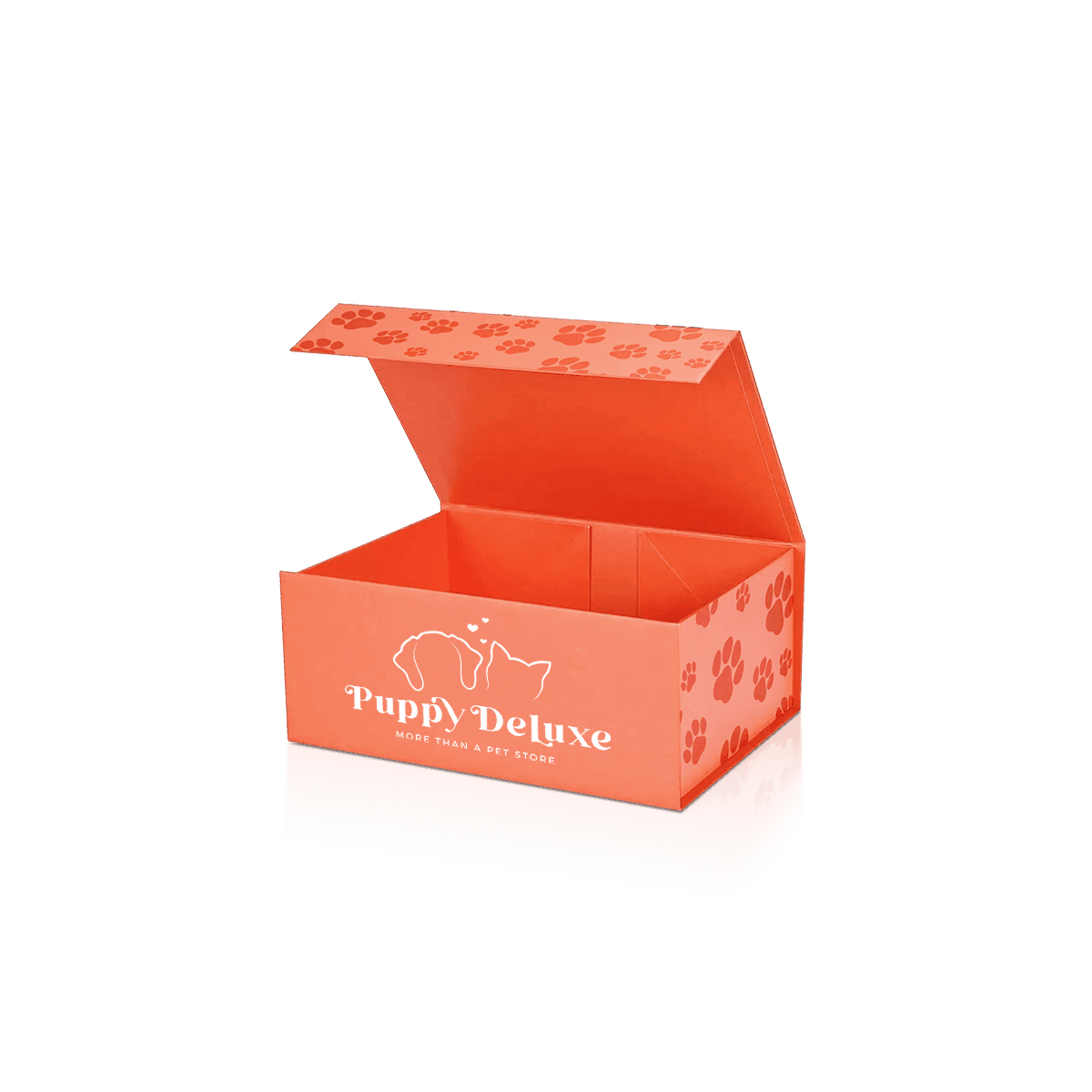
Rigid Pet Product Boxes
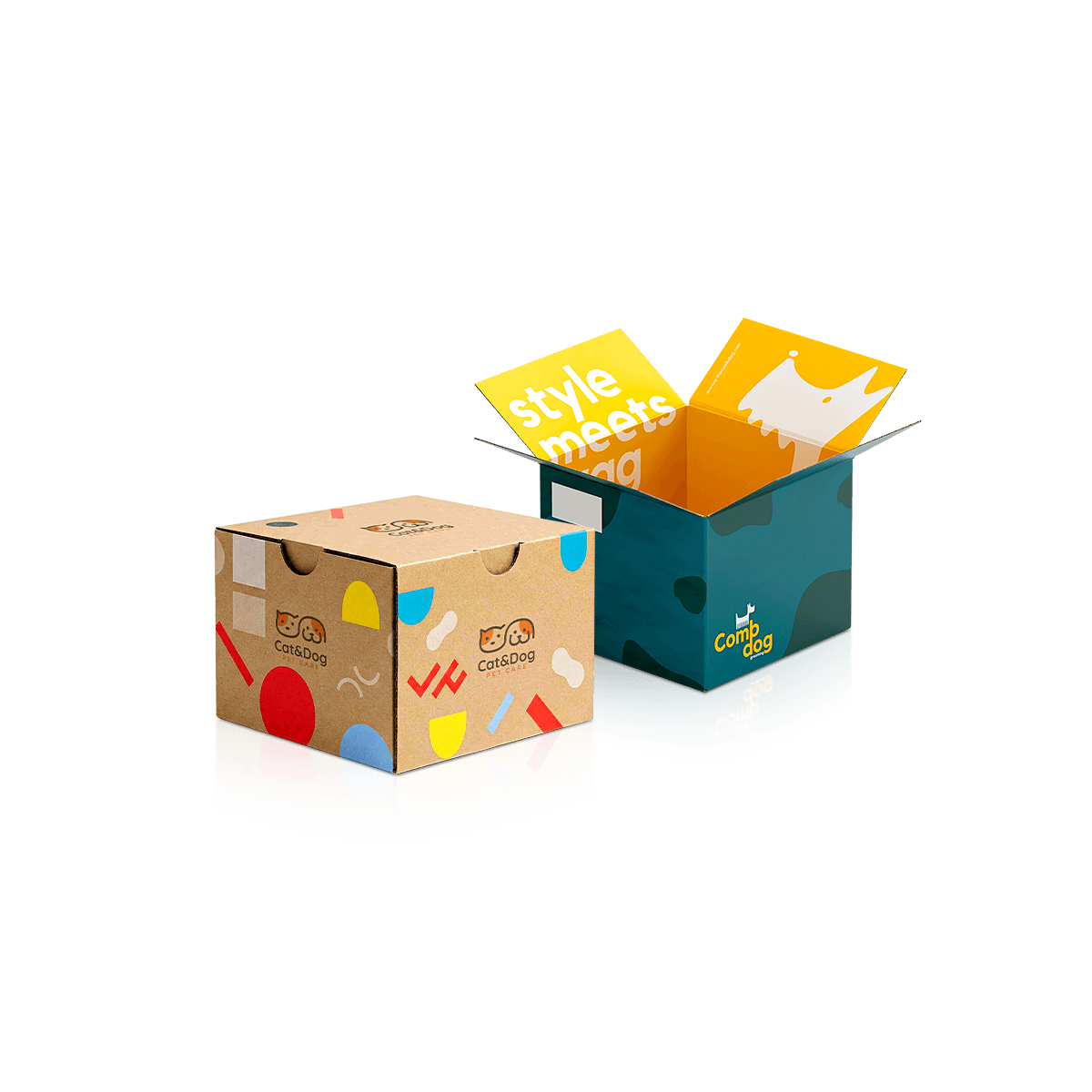
Folding Cartons for Pet
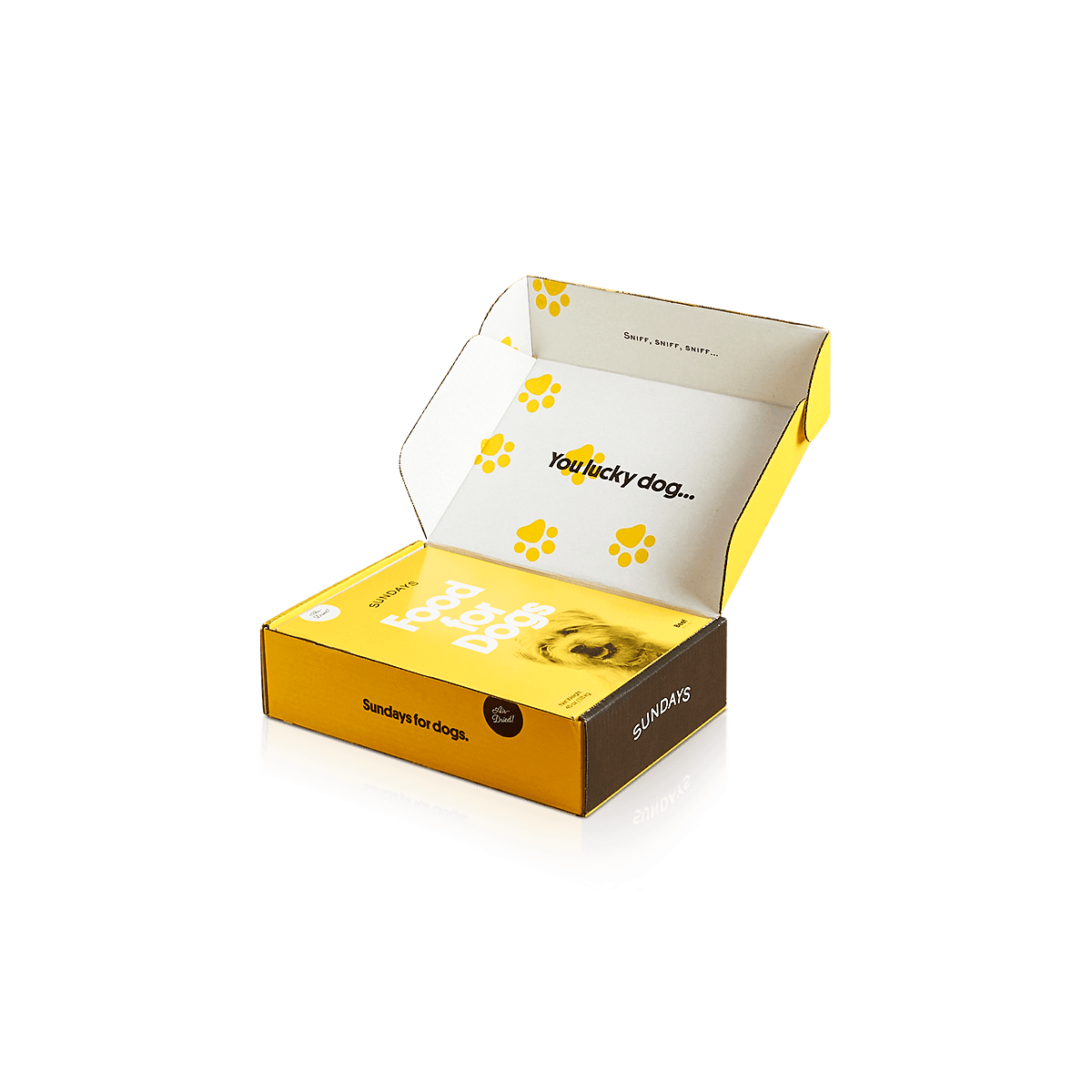
Mailer Boxes for Pet Products
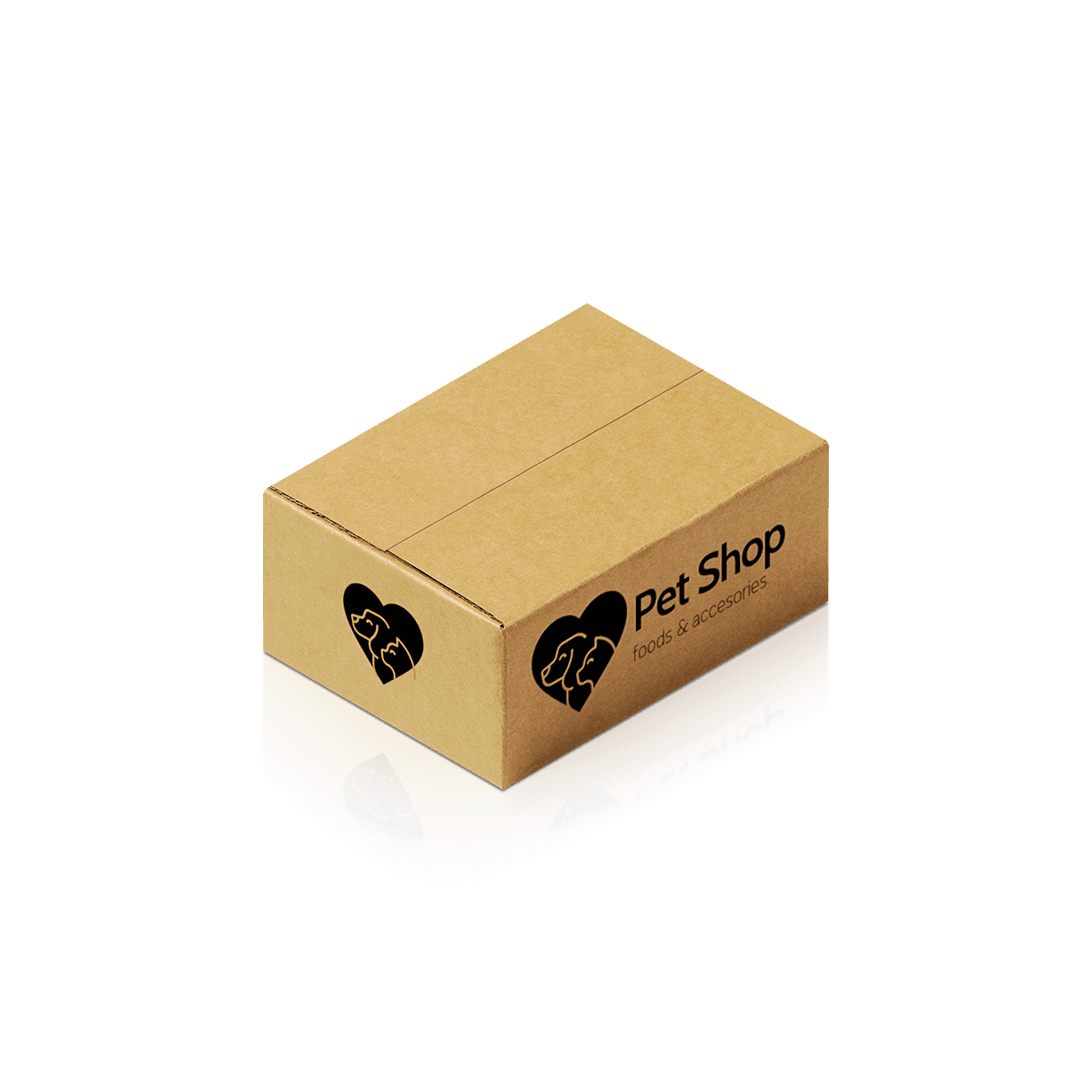
Shipping Boxes for Pet Supplies
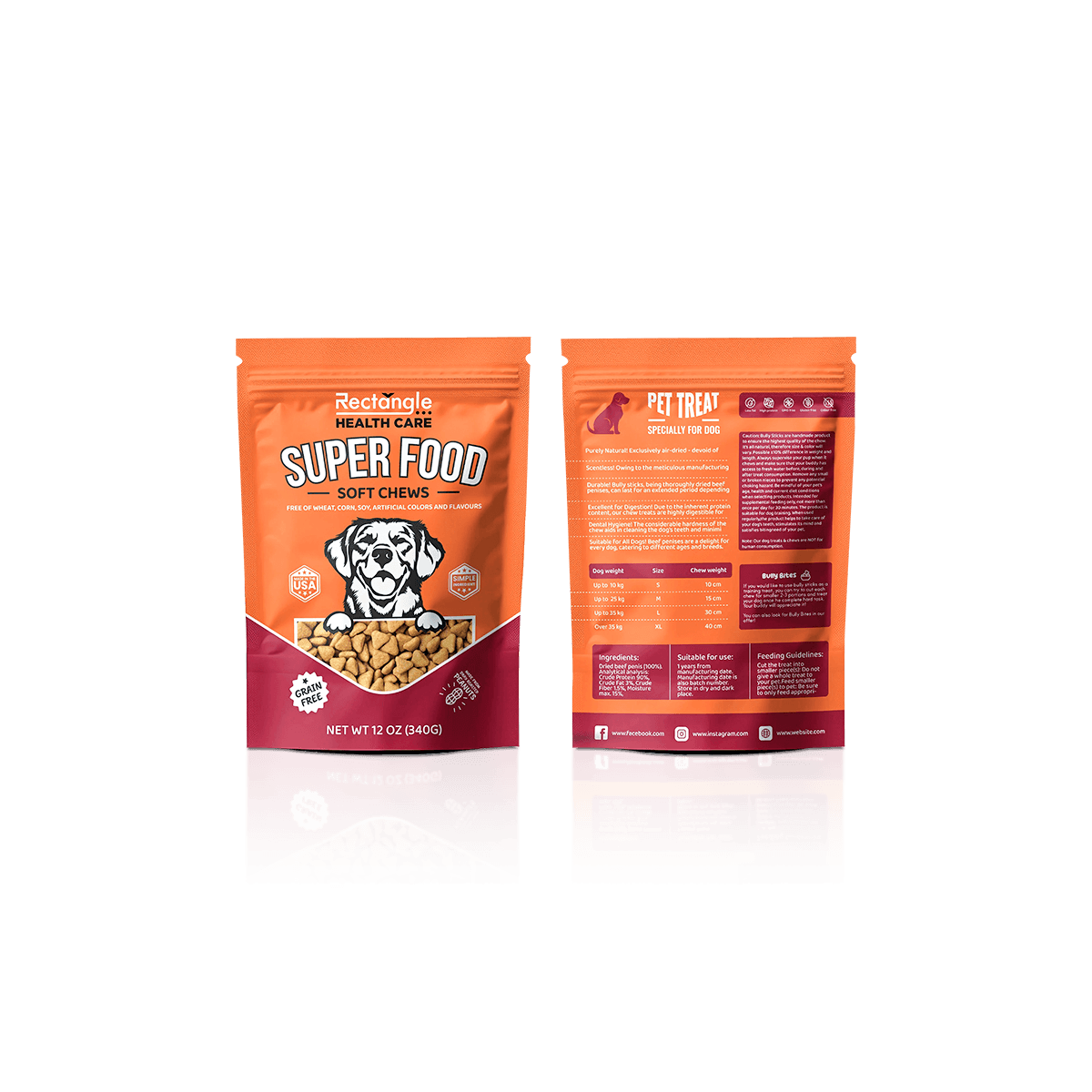
Treat Mylar Bags
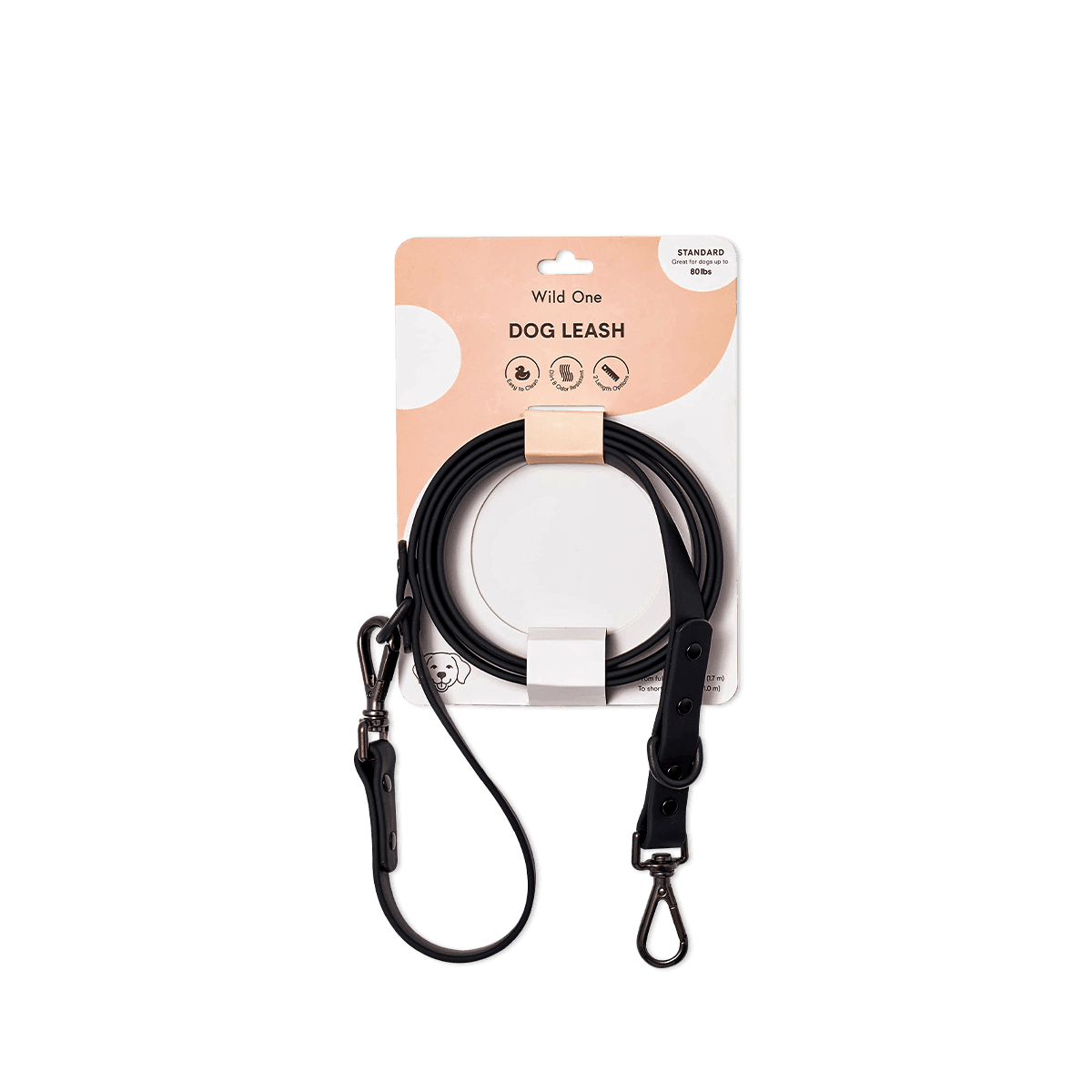
Leash Tubes
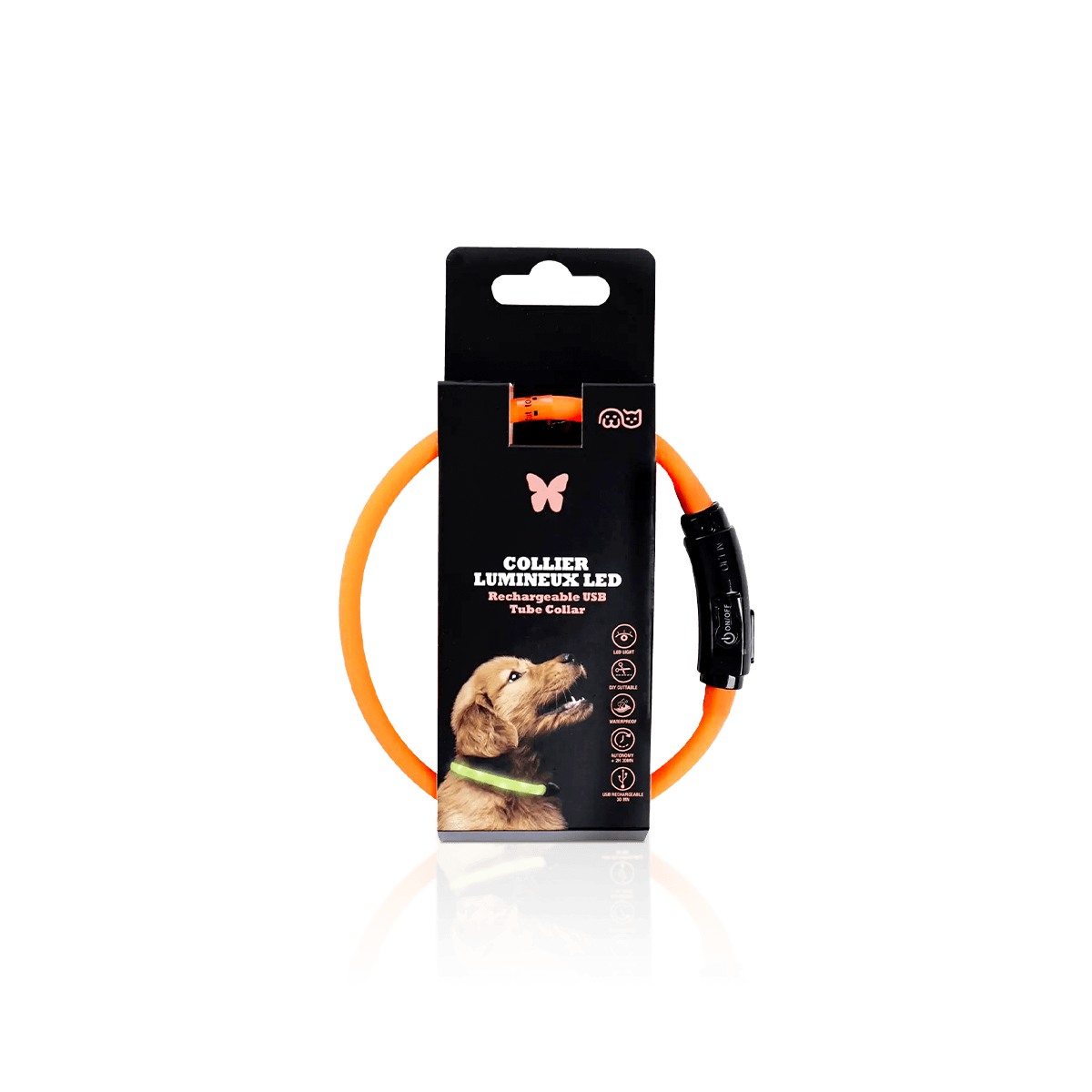
Collar Flexible Pouches
Your product shouldn’t have to fit an off-the-shelf box.
Share the shape, size, material, finish, or insert you have in mind. We’ll turn the details into a tailored packaging recommendation and a clear quote.
Custom sizes · materials · finishes · inserts
A Treat Is Not a Toy
A resealable treat pouch, a paperboard carton for grooming drops, a corrugated shipper for litter and a subscription mailer can all belong to the same pet brand. Their packaging should not behave the same way.
The structure should follow the product first. Consumables may need a primary pack that manages freshness and repeat opening. Toys need shape control and retail visibility. Grooming products may need support around bottles, pumps or jars. Heavy supplies need stronger board and bottom support. Subscription assortments add another problem because several product types must travel together without damaging one another.
That is why a pet brand with ten SKUs may need only three or four well-defined packaging systems rather than ten versions of the same box.
For dry food multipacks or products sold inside an outer carton, pet food boxes can organize the selling unit and give the brand useful panel space. Cat Food Boxes and Fish Food Boxes can then follow species-specific pack dimensions or merchandising needs instead of sharing one outer-carton size by default. For loose treats that benefit from a lightweight resealable pack, Treat Mylar Bags solve a different job.
The first decision is not “box or bag?” It is what the packaging must control after filling, through selling, shipping and daily use.
Put Barrier Duty in the Right Layer
A carton does not create freshness simply because it surrounds a food product. If moisture, aroma or air exposure matters, the primary package has to carry that duty.
This distinction prevents over-specifying the outer box. A treat brand may use a barrier pouch for the product itself and a folding carton only for presentation, multipacking or extra print space. Another SKU may use the pouch alone because the carton adds little value. Flexible pouches make more sense when resealability, compact storage and low pack weight matter more than rigid walls.
Primary Pack or Outer Carton
Ask what touches the product, what the consumer opens first and what has to remain functional after opening.
If the pouch is the primary containment layer, the carton should not duplicate the pouch's job. Instead, use it to improve stacking, group multiple units, organize retail display or carry information that would crowd the flexible pack. Paperboard folding cartons are useful when that extra structure earns its space.
For pet food and treat artwork, leave enough room for product information, instructions and whatever regulatory copy your compliance review requires. Do not shrink essential copy after the dieline is already approved. Structural and artwork planning should happen together so important information stays readable without turning the front panel into a wall of text.
Heavy Products Stress the Pack
Dense pet products can punish a box that looks perfectly adequate when empty. Cat litter, multi-can packs, bulk treats and larger supply kits create concentrated bottom load, stacking pressure and harder handling.
The box should be specified from the packed weight and how the load sits inside it. Increasing dimensions without strengthening the bottom can make the problem worse because the product gains more room to move.
For dense litter products, litter boxes should be planned around bottom support, carry behavior and stacking rather than decorative finish first. Corrugated board can become the better choice when the package must carry more weight or travel through parcel and warehouse handling.
Weight Placement Matters
A dense fill that settles toward the bottom changes how the carton behaves. The base takes most of the load, lower sidewalls see more pressure and poorly controlled empty space can let the contents shift.
Right-size the pack, keep the load centered and decide whether the retail pack can handle distribution on its own. If not, separate the retail job from the transit job rather than making the shelf pack unnecessarily bulky.
This is one place where a free 3D mockup can help review proportions and panel layout, but physical validation should use the real packed weight before production is approved.
Grooming Packs Need Leak-Aware Fit
Shampoo, sprays, balms, wipes and grooming tools create a very different brief from dry treats. The outer carton cannot fix a weak cap, loose pump or leaking primary container, but it can reduce movement and protect vulnerable components.
For bottles, leave clearance around pumps and caps instead of using the top panel as a restraint point. A snug side fit or paperboard insert can hold the body while avoiding pressure on the closure. For mixed grooming sets, keep heavy bottles from striking smaller accessories during handling.
Grooming product boxes are most useful when the carton needs to organize several care items, improve shelf presentation or protect a primary container that would otherwise move too freely.
Separate Containment From Presentation
If leakage would create a serious failure, solve containment at the primary-package level first. Then use the box for fit, protection, print and presentation.
This matters because adding thicker board around a poor bottle closure does not solve the underlying problem. Packaging layers should each have a clear responsibility.
Toys Need Shape Control
Pet toys can be light but awkward. Rope loops, plush shapes, balls, squeakers and rubber parts do not always sit neatly inside a rectangular carton.
The main decision is how much of the product needs to be enclosed. A fully closed carton gives more surface area for branding and keeps loose shapes contained. A die-cut opening or display-led structure may make the toy easier to understand on shelf. Some accessories can also use hanging presentation when the product itself is durable enough.
For these cases, toy boxes should follow the toy's actual outline and compression behavior rather than a standard cavity chosen from a catalog.
If the product has hard protrusions, metal clips or stiff edges, check where they contact the board. A small reinforcement, insert or orientation change can be more useful than making the entire carton heavier.
Retail visibility also changes the structure. If shoppers need to see texture, size or color before buying, the package can expose part of the product while still keeping the main branding and information panels intact. When store presentation is the main job, custom retail packaging can help narrow the carton, display and visibility choices around the merchandising environment.
Make the Shelf Easy to Read
Pet shelves can carry several flavors, animal sizes, life stages, counts and product types under one brand. Packaging has to help shoppers separate those choices quickly.
Build a repeatable panel system before adding decorative finishes. Keep the brand position stable, then reserve clear zones for the product type, species, size, flavor or variety and other required information. The exact hierarchy will vary by product, but the shopper should not have to hunt for the difference between two nearby SKUs.
Premium offset printing is useful when several cartons need controlled color and repeatable artwork across a line. Dieline and design support can also help keep important copy away from folds, glue areas, windows and closure interference.
Color Should Support the SKU System
Color coding can speed recognition, but it should not be the only distinction. Printed names, counts and product identifiers still need to do the work when two colors look similar under store lighting or when the same artwork is viewed online.
For a growing line, create one visual rule that survives across cartons, pouches and mailers without forcing those structures to look identical.
Subscription Boxes Mix Risk Types
A subscription pack may combine a toy, sealed treats, a grooming bottle and printed inserts in one shipment. That makes internal arrangement more important than any one item's retail package.
Subscription Pet Boxes work best when the assortment has a repeatable packing logic even if the products change each month. A corrugated custom mailer box can carry the mixed set, while dividers or inserts control products that should not collide.
A Loose Monthly Kit
Imagine a monthly dog pack with a rubber toy, sealed jerky pouch, grooming spray and an instruction card. If all four items share one open cavity, the bottle can move into the treat pouch, the toy can bury the printed card and the assortment can arrive looking accidental.
The problem is not the mailer itself. It is the lack of internal zoning.
A better setup keeps the heavier bottle restrained along one wall, gives the sealed treat pack its own clear area, positions the toy where it cannot crush lighter components and places the card in the first visual layer. The outer box can then be sized around the packed arrangement instead of around the largest item.
The practical improvement is a cleaner packing sequence and a more controlled arrival without adding a separate premium box for every component.
Retail and Ecommerce Can Split
The pack that wins on a store shelf does not always need to survive parcel delivery by itself. Pet brands selling through both channels should decide whether one structure can reasonably do both jobs.
A lightweight toy carton may work well in retail but still need an outer shipper online. A durable treat pouch may ship inside a mailer with minimal extra packaging. A heavy litter pack may need a stronger distribution structure from the beginning.
Shipping boxes become relevant when stacked load, parcel handling or bulk movement is more demanding than the primary pack can handle. The decision between retail packaging and ecommerce packaging is especially useful when one SKU is creating too much void fill, damage risk or packout work online.
Do not make the retail package heavier simply to avoid an outer shipper unless the numbers and handling conditions support that choice. Sometimes two simple layers perform better than one compromised structure.
Control the SKU Count
Pet brands can accumulate packaging SKUs quickly: chicken and beef treats, small and large dog versions, cat variants, subscription sizes and retailer-exclusive packs. The packaging system should absorb some of that variation without forcing a completely new structure every time.
Group products by real physical differences first. Two flavors with the same fill volume may share a pouch size and differ only in artwork. Two toys with different shapes may need separate structures even if their retail price is identical. A grooming bottle and refill pouch should not share a box merely because they belong to the same product line.
For products with unusual dimensions or mixed components, custom product packaging helps define the box around weight, fragility and inside support rather than around a generic pet-product assumption.
Pilot Without Freezing the Whole Line
MOQ starts from 100 boxes, which gives smaller brands room to test a new carton or packaging size without committing every SKU at once. Use that flexibility to validate the structure that is genuinely new while preserving proven specifications elsewhere.
As order volume grows, packaging that scales becomes less about adding decoration and more about controlling assembly time, shipping cube, version count and repeat-production drift.
Reorders Need Stable Specifications
Repeat pet products should return to production with the same approved dimensions, material, print file and functional details unless the product itself has changed.
That matters for pouches with zipper positions, cartons with feeding or usage panels, mailers with inserts and dense products that rely on a particular board construction. A quiet packaging change can create fit problems even when the artwork looks unchanged.
Custom Packly can support US production, warehousing and scheduled deliveries for repeat programs. A standard 4–6 business-day turnaround after final artwork and specifications are approved can also help brands plan replenishment when a retail or subscription run is approaching. Complex structures, specialty materials or advanced finishes may require additional time.
Free sample examples of previous work can help with material and print direction. When an exact custom sample is needed before a larger run, a fully custom pre-production sample can be arranged as a paid sample where applicable.
Keep one approved specification per pack and record changes intentionally. That is more reliable than rebuilding the box from an old purchase order or visual reference.
One Brand, Different Packaging Rules
A strong pet packaging system does not make every SKU look structurally identical. It makes the rules behind the line consistent.
Consumables should get the containment and convenience they need. Dense supplies should get the strength their weight demands. Grooming products should be packed around closures and movement. Toys should be controlled according to shape and merchandising. Subscription assortments should be organized as mixed loads rather than treated like one product.
The brand can still feel unified through color, typography, illustration and print standards, but structure should remain free to change with the product.
For most pet brands, the useful final framework is simple: decide what must touch and contain the product, what must present it for sale and what must protect it during delivery. Sometimes one package can perform all three jobs. Sometimes the better system uses two layers.
That distinction keeps the packaging practical as the line grows without forcing every treat, toy, litter pack and grooming item into the same box.
For a mixed product line that still needs a shared packaging system, Custom Pet Boxes can be specified around the individual SKU rather than one generic pet format. Rigid Pet Product Boxes make more sense when retained presentation or gifting justifies a heavier presentation structure.
FAQs
Start Your Custom Packaging Quote
Share your product details, size, quantity and artwork needs. We’ll help choose the right packaging style and send a clear quote.