Skip to content
Details

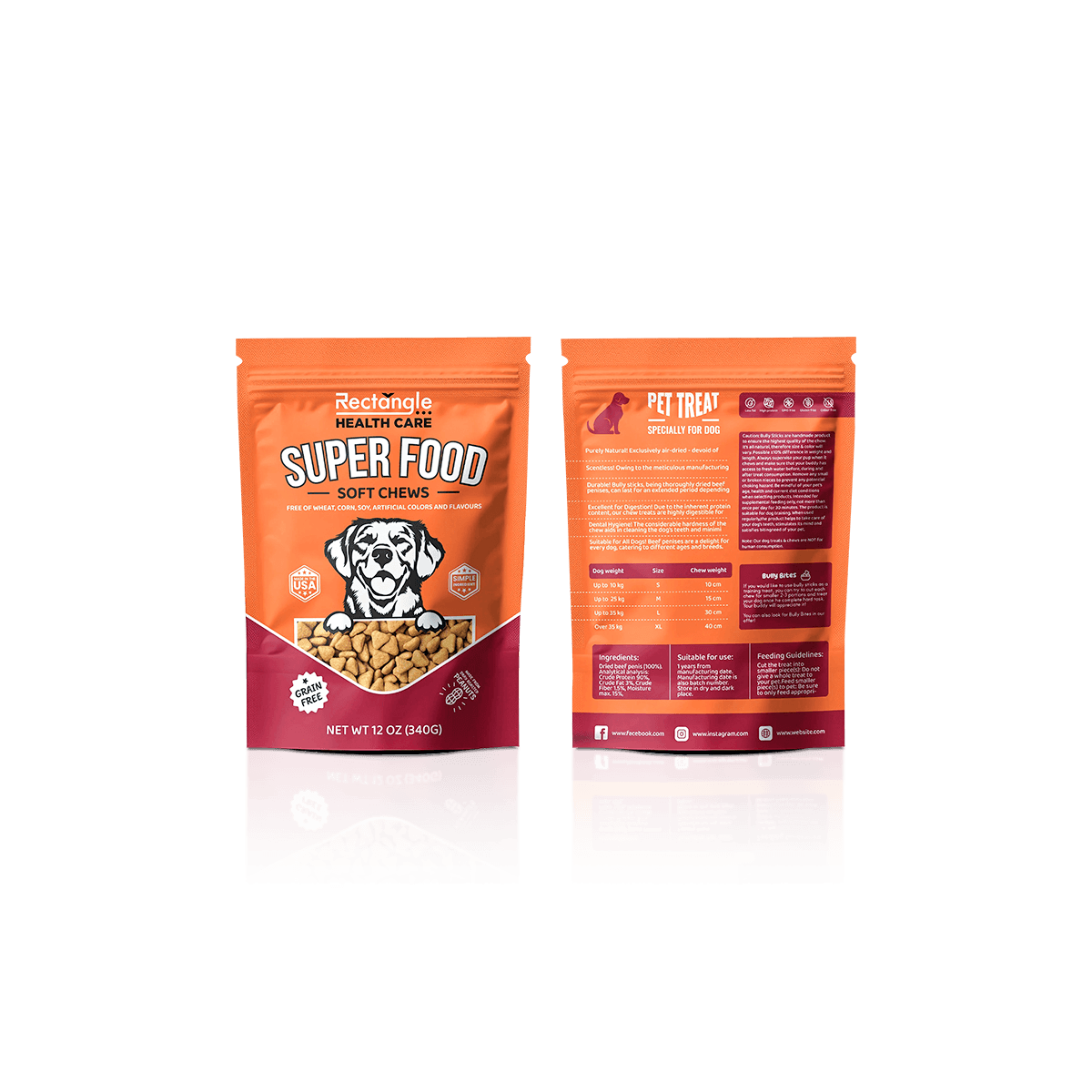
Custom Treat Mylar Bags

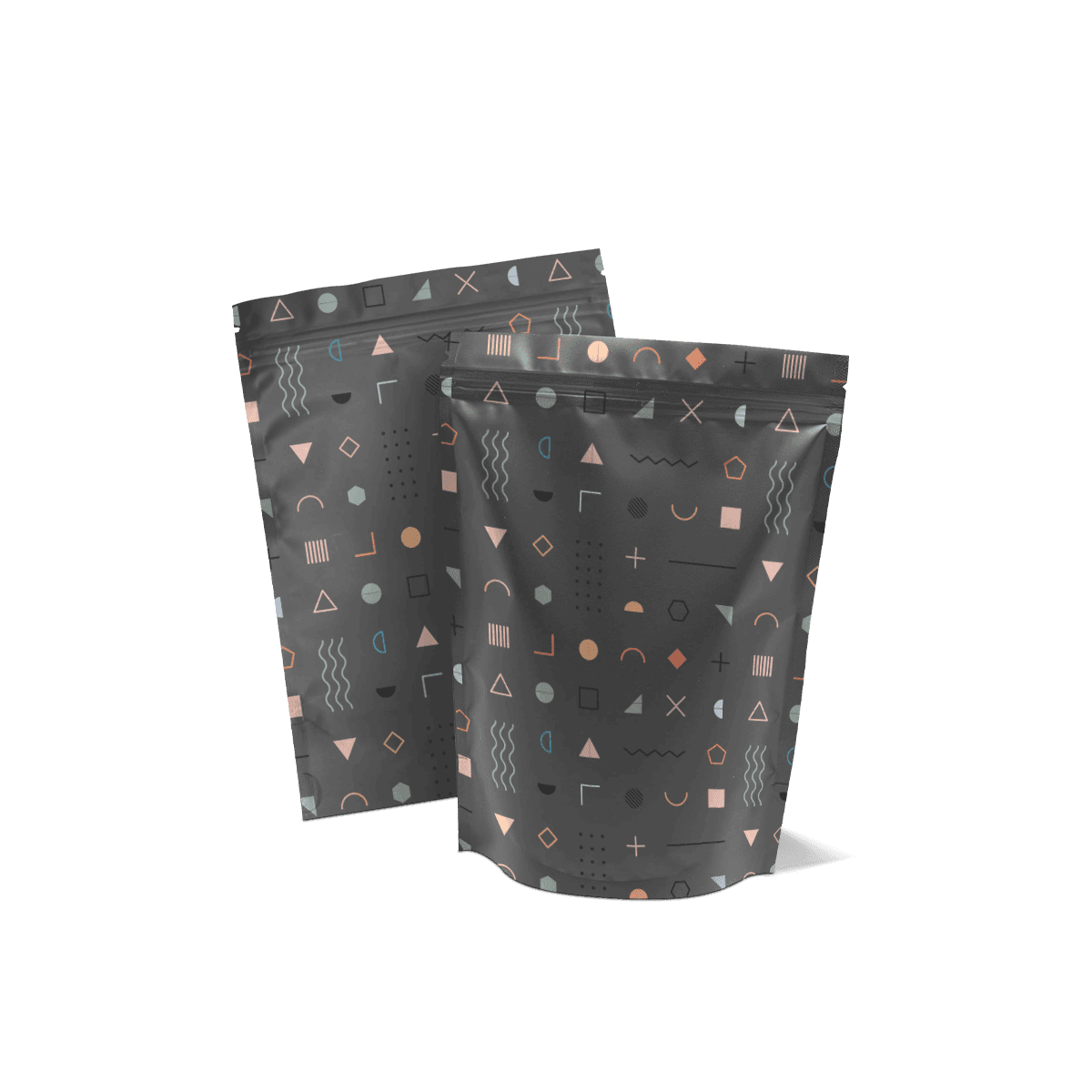
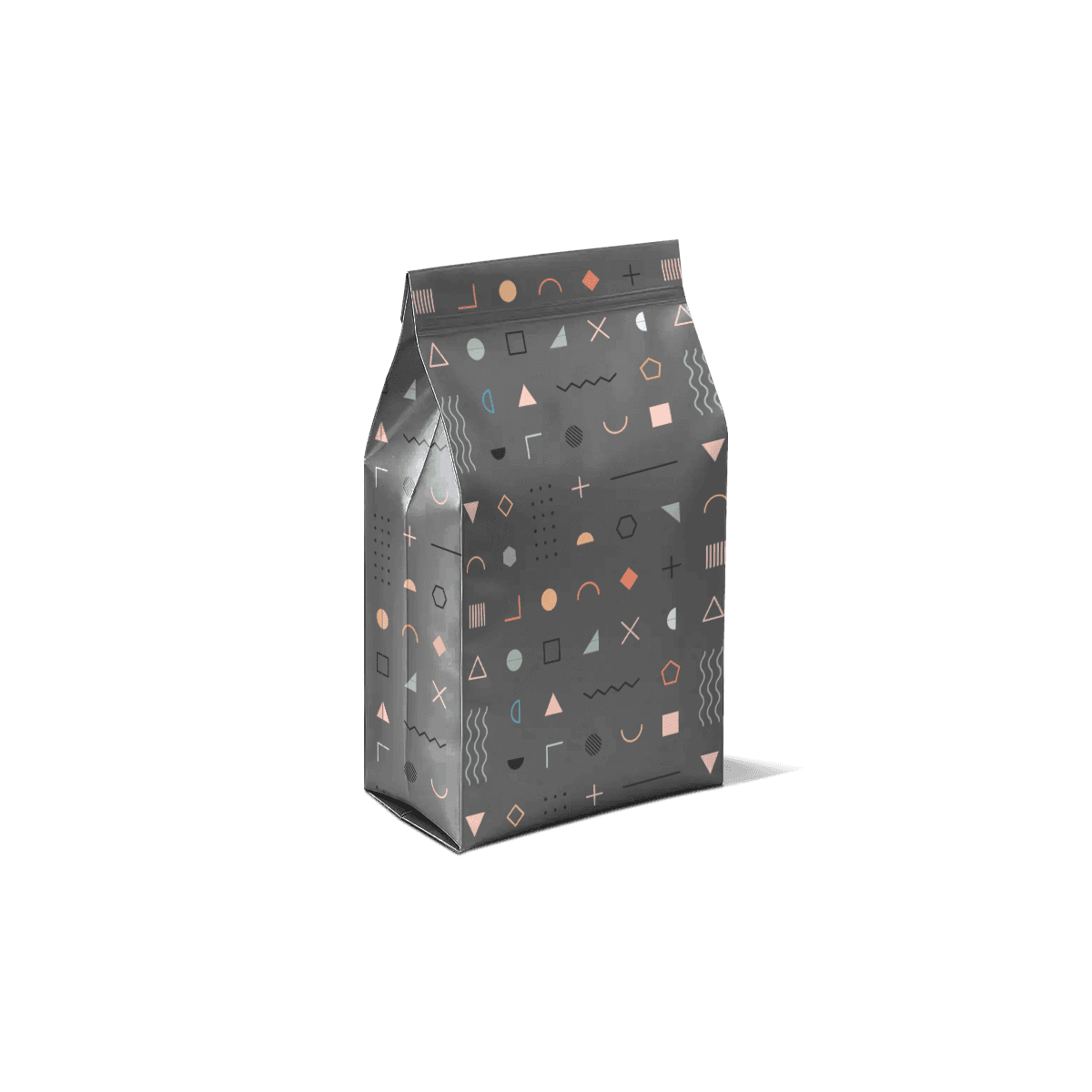
Custom printed pet treat pouches for biscuits, jerky, training rewards and freeze-dried snacks, with product-specific barrier films, secure seals and convenient resealable closures.

Crumbs at the Top Seal

Small fragments left behind during filling can interfere with an otherwise well-made pet treat pouch. A bag may look correctly filled, but crumbs, powder or oily residue across the sealing area can prevent the film layers from bonding consistently.

That is particularly relevant to jerky strips, brittle biscuits and freeze-dried treats, which can release particles during handling.

Custom Treat Mylar Bags need a dependable initial seal as well as a film structure appropriate for the product's freshness requirements. The sealing operation, pouch dimensions and treat characteristics must work together.

A zipper adds convenience after opening, but it does not correct a defective factory seal or compensate for unsuitable barrier materials.

Leave Space Above the Fill

The finished pouch needs sufficient space between the intended fill level and the top sealing area.

This is not simply unused packaging. It gives the filling equipment room to deposit the product and allows the heat-sealing equipment to form the closure without contacting the contents.

For small training treats, the product may settle relatively evenly. Longer jerky strips can project into the upper part of the pouch, particularly if they enter in different orientations.

Increasing the pouch height may help, but controlling the filling process can sometimes resolve the issue without changing the finished dimensions.

The correct arrangement depends on the treat shape, filling method and required seal position.

Keep the Sealing Surfaces Clean

A heat seal works by bonding compatible inner film layers under controlled conditions.

The temperature, pressure and dwell time must suit the particular laminate. The sealing surfaces also need to be sufficiently clean for a consistent bond.

Fatty jerky residue can create a different contamination problem from the dry crumbs produced by a biscuit.

When sealing problems occur, the cause should be identified rather than automatically increasing the sealing temperature.

Excessive heat can damage the laminate or distort the pouch without correcting contamination.

For products that produce substantial crumbs, the filling arrangement and the position of the sealing area deserve particular attention before the packaging specification is approved.
Barrier Films for Different Treat Recipes

Two treats sold in similar-sized bags can have very different packaging requirements.

A crunchy biscuit may be sensitive to moisture absorption, while a fatty meat treat may be more vulnerable to oxidation. Freeze-dried snacks can require protection against both moisture and physical damage.

The material specification should follow the product's actual sensitivity, intended shelf life and storage conditions.

The word Mylar does not establish a fixed level of protection. Commercial Mylar-style bags can use different laminated film constructions, and their performance depends on the complete material structure.

Crunchy and Freeze-Dried Treats

For low-moisture treats, moisture protection is often a leading concern.

If the product absorbs moisture during storage, its texture can change. Freeze-dried products may also lose the characteristics that make them appealing to customers.

The film's water vapor transmission rate, or WVTR, is one of the relevant material specifications.

A lower WVTR generally indicates less moisture passes through the material under the stated test conditions.

However, film performance is only one part of the finished package. Seams, closures, handling and storage conditions also affect how well the bag performs.

Meat Jerky and Oily Treats

Jerky and other treats containing fats introduce additional concerns.

Exposure to oxygen can contribute to oxidative deterioration, making the oxygen transmission rate, or OTR, relevant when specifying the laminate.

The inner sealing layer must also be compatible with the product and its intended use.

For oil-containing treats, the material must tolerate the expected contact conditions without compromising its functional properties.

The appropriate laminate may include polyester, a barrier layer and a heat-sealable inner layer. Metallized film or aluminum foil can be considered where the required oxygen, moisture or light protection justifies it.

These materials are not interchangeable merely because they have a similar appearance.

The selected flexible pouch construction should meet the product's established barrier requirements rather than relying on the appearance of a metallic lining.

Shelf-life claims should be supported by product-specific testing under the intended storage conditions.

Treats With Hard Edges

Dental chews, compressed biscuits and irregular dried products can place concentrated pressure on the pouch.

A thick-looking laminate is not automatically puncture-resistant.

The material's puncture and tear performance must be considered alongside its barrier properties.

For particularly hard or pointed treats, the packing orientation may also matter. Preventing sharp edges from pressing repeatedly against the same seam can reduce mechanical stress.

The Zipper Below the Factory Seal

For pet owners who use treats repeatedly throughout the day, the opening and reclosing arrangement deserves as much attention as the initial appearance of the bag.

The factory heat seal protects the unopened product. The zipper serves a different purpose after the customer first opens it.

A reclosable zipper is not equivalent to an intact factory seal, and its performance depends on proper engagement and cleanliness.

Opening Without Damaging the Zipper

The tear notch should be positioned above the zipper, leaving the closure intact after the sealed upper portion is removed.

There must be enough space for the customer to grip and open the pouch without tearing through the zipper track.

A notch positioned too close to the closure can make the first opening awkward and potentially damage the remaining bag.

For small treat packs, this space becomes a meaningful part of the overall pouch height.

Crumbs in the Zipper Track

Training treats and brittle biscuits often produce crumbs as the customer removes individual pieces.

Those particles can collect in the zipper track and prevent it from closing completely.

A poorly positioned zipper may make the problem worse if the customer repeatedly has to pull treats through a narrow opening.

A wider opening and a closure positioned appropriately above the normal fill level can improve access.

For products consumed over several days, zipper pouches allow the owner to reclose the pack after breaking the original heat seal.

The zipper still needs to be compatible with the selected laminate and intended filling process.

Pricing the Primary Treat Pack

The cost of a custom treat pouch depends on more than its external dimensions.

Film construction, barrier requirements, zipper components, gusset geometry, printing and the number of artwork versions all influence the production specification.

An inexpensive material is not economical if it cannot meet the product's required shelf life.

Similarly, an elaborate pouch may add cost without improving the experience of a small single-use treat pack.

For an established product, the most meaningful price calculation uses the actual packaging specification and expected purchasing quantity.

For specialist flexible-pouch production, the applicable minimum depends on the confirmed film, construction and printing method.

An instant packaging quote can establish an initial price for a defined packaging requirement. Product-specific material, sealing and production requirements must still be confirmed for the finished pouch.

For a new pet treat brand, purchasing decisions should account for how much product can realistically be sold before any packaging artwork or formulation changes.

Pouch Shape After Filling

An empty bag does not reveal how the finished product will behave on a retail shelf.

Loose treats settle, irregular pieces create uneven pressure and different fill weights change the pouch's proportions.

The appropriate structure depends on the intended presentation and how customers will use the contents.

Stand-Up Retail Pouches

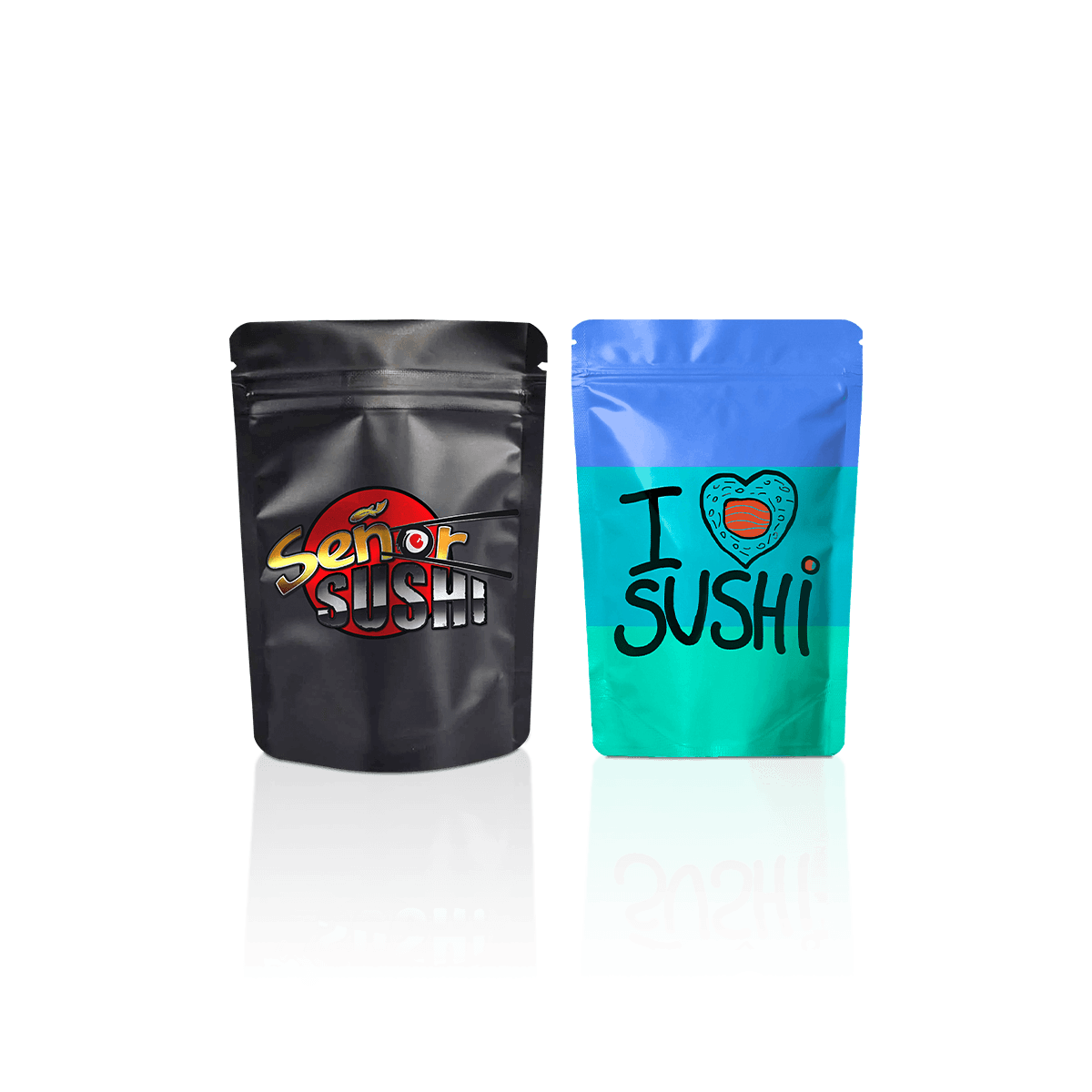
A bottom gusset allows the filled pouch to spread at its base and stand upright when its dimensions and contents support that arrangement.

For everyday pet treats sold in specialty stores, stand-up pouches can combine shelf presentation with compact storage.

Their stability depends on more than gusset depth.

The amount of product, its distribution and the pouch's height-to-width proportions also influence how it stands.

A lightly filled, tall pouch may remain unstable despite having a correctly formed bottom gusset.

Flat Trial Packs

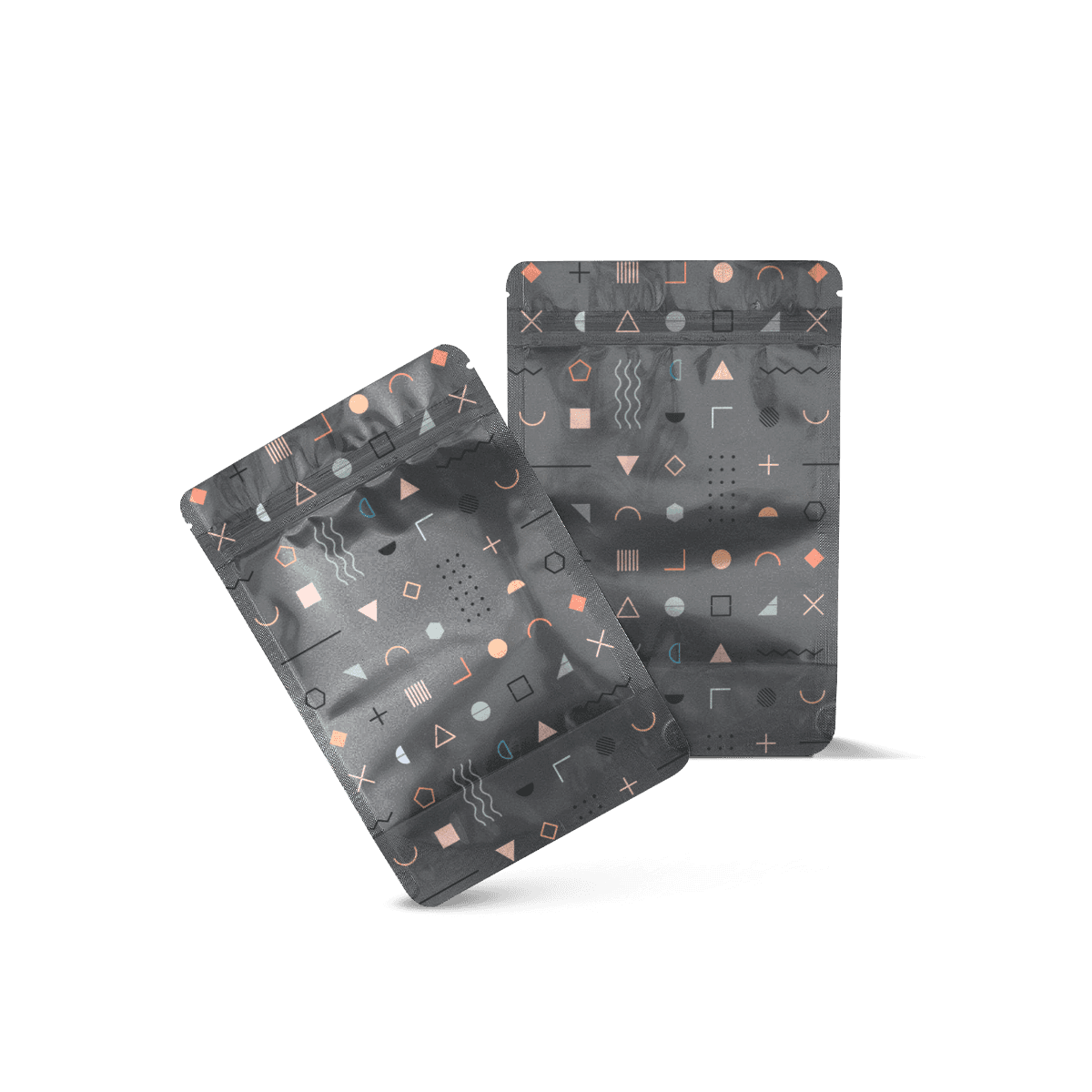
Small samples and low-count treat packs may not need an upright structure.

A flat pouch can be appropriate for individually packaged chews, promotional samples or slim treat portions distributed inside another box.

It generally requires less material than a comparable gusseted structure, although the actual material consumption depends on the dimensions and construction.

For a product intended to hang on a retail peg, a suitable hang hole may be more important than its ability to stand.

The hang-hole position must account for the filled pack's weight and the surrounding seal area.

Windows That Show the Treat

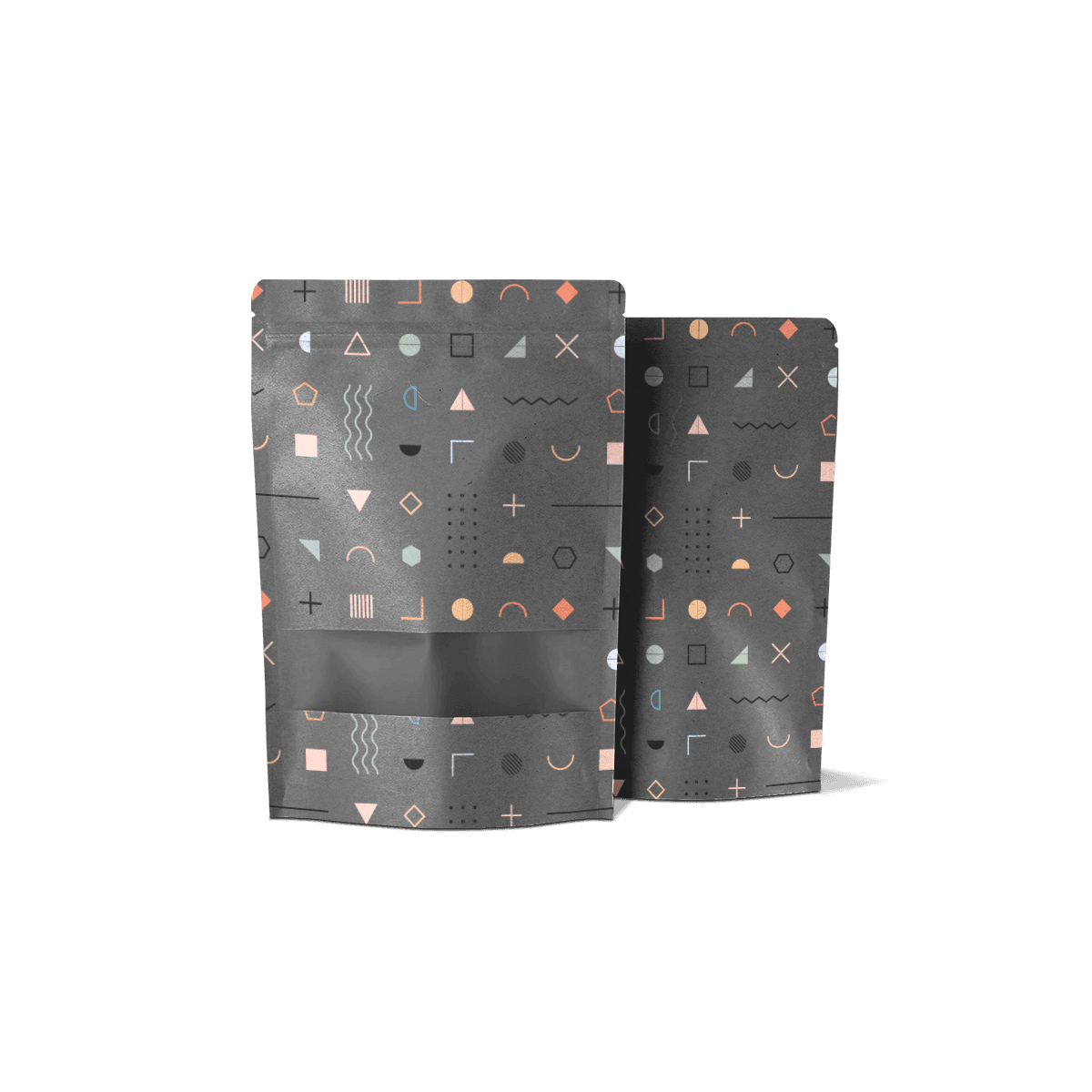
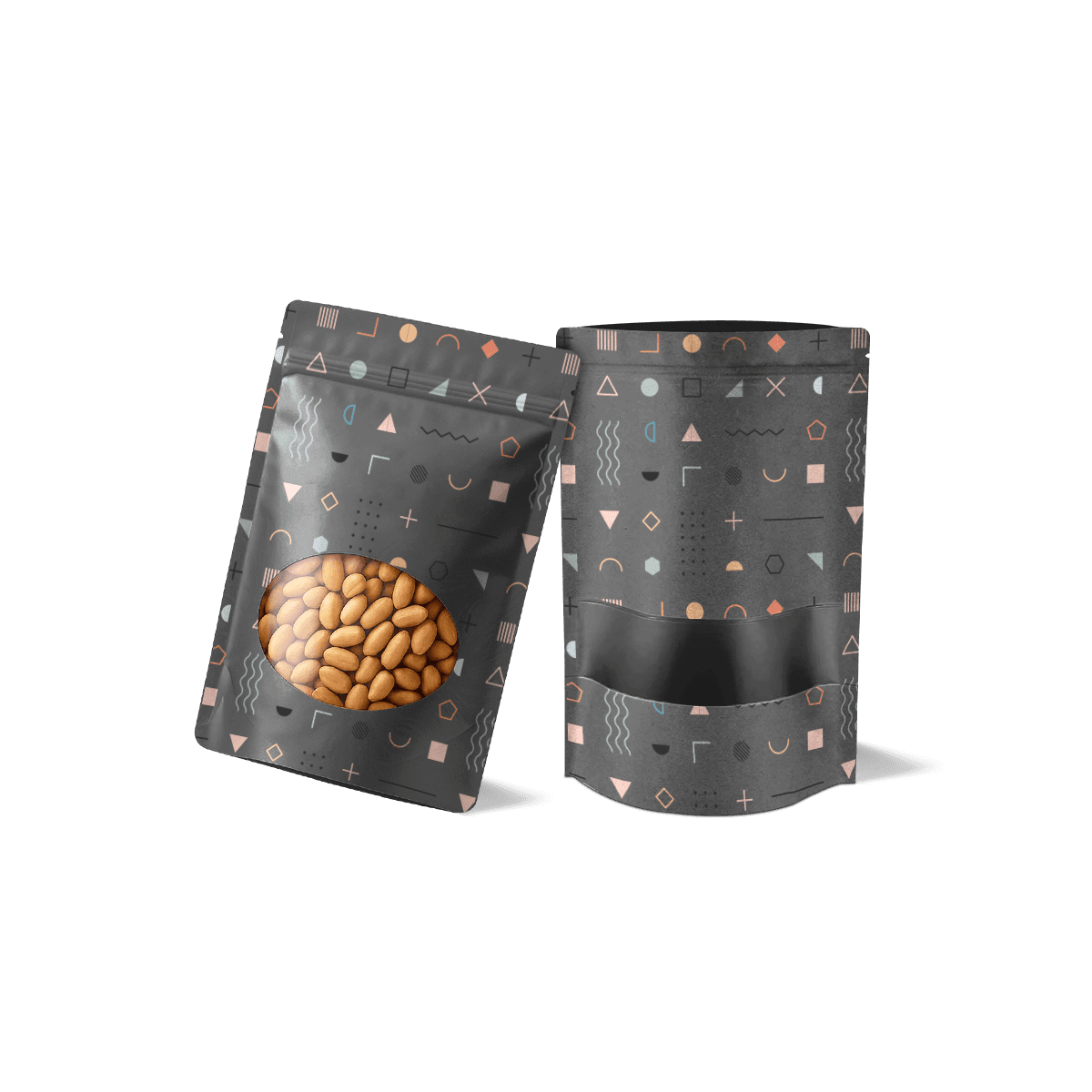
A clear window can help customers assess treat shape, texture and visible inclusions before purchase.

Its position should follow the filled product rather than an arbitrary position in the artwork.

Consider a freeze-dried salmon treat pack.

The initial artwork places a narrow window near the center of a tall pouch. After filling and handling, the treats settle into the lower portion, leaving much of the viewing area empty.

The customer sees the back of the pouch instead of the product.

Moving the window into the area occupied by the settled treats creates a more meaningful product view.

Windowed Mylar pouches can combine clear viewing areas with printed film, but the window material must also meet the product's required barrier performance.

Replacing part of a high-barrier laminate with transparent film can change the finished package's protection.

Pet Treat Labels and Printed Panels

A treat pouch must communicate the product accurately while leaving enough room for the functional parts of the packaging.

The artwork cannot occupy every part of the flat film.

Heat-seal areas, gussets, zipper components and any spaces reserved for variable coding all affect the printable layout.

Front-of-Pack Identification

The front panel should make the product recognizable without requiring customers to turn the pouch around.

For a dog treat line, that may mean presenting the product identity, flavor or recipe, intended animal and net quantity.

Different flavors can share a consistent brand identity while using distinct colors or illustrations for faster recognition.

Any nutritional, ingredient or product-benefit claims must be substantiated and appropriate for the product.

The graphic design should not turn an ordinary treat into an implied veterinary treatment.

Ingredients and Required Labeling

US animal-food labeling requirements include product identification, net quantity, manufacturer or distributor identification, and ingredient declarations. State requirements can add further obligations.

The pet treat manufacturer remains responsible for determining the exact labeling requirements for its product and intended distribution markets.

Other necessary content may include feeding directions, storage instructions, nutritional statements and product-specific warnings.

Reserve sufficient printable space for the final approved wording before completing the artwork.

Important text should remain clear of seams, folds and areas where the pouch's natural shape makes reading difficult.

Lot Codes and Date Marking

The location of variable production information deserves attention before printing.

A lot code or best-by date may be applied during the filling operation rather than preprinted with the artwork.

The designated coding area should suit the selected printing equipment, ink and pouch surface.

Do not place variable coding over a heavy graphic treatment without confirming that the finished code remains readable.

The code should also remain accessible after the bag has been filled and sealed.

Print Choices for Multiple Treat Flavors

A pet brand may sell several treats using the same pouch dimensions and structural construction.

The distinction between those products often appears in the printed artwork.

Chicken training bites, salmon jerky and freeze-dried liver treats may share a consistent visual identity while carrying different ingredient declarations and product information.

This creates an opportunity to standardize compatible packaging specifications without making the printed products difficult to distinguish.

Color and Product Recognition

A consistent logo position and graphic hierarchy can help customers recognize the brand across several flavors.

Color can distinguish individual products, provided the final printing process can reproduce the intended appearance.

CMYK may be appropriate for illustrated packaging and multicolor graphics. Pantone matching can be considered where tighter brand-color control is required.

The print process must suit the selected film and production quantity.

The economics of digital, offset and flexographic printing differ when one brand needs several artwork versions rather than one large run of identical packaging.

Custom Packly supports premium offset printing for suitable packaging applications, with the production method for a particular flexible pouch determined by its material and requirements.

Matte and Gloss Finishes

A matte exterior can give pet treat packaging a restrained appearance, while gloss can make printed colors appear brighter.

The finish should also tolerate the expected handling conditions.

Repeated contact during case packing, shelf stocking and customer use can affect the printed surface.

For a treat bag that will be opened repeatedly, the overall film and print construction should remain practical throughout the product's intended use.

Decorative effects should not compromise seal performance or the readability of essential product information.

The Pouch Is Not the Shipping Carton

Flexible primary packaging can protect a treat against appropriate environmental exposure while remaining vulnerable to crushing, puncture or repeated impact.

That distinction matters when a product moves from retail distribution into direct-to-consumer delivery.

A sealed pouch should not automatically be treated as its own shipping package.

Retail Case Packing

Retail cartons and corrugated shipping cases can protect filled pouches as they move between production, warehouses and stores.

The case dimensions should suit the finished pouch's filled shape.

Overpacking may compress the upper sealing area or deform the bottom gusset. Excessive empty space can allow the pouches to move and fold during handling.

For a retailer purchasing several treat flavors, the case arrangement should also support accurate receiving and stocking.

Direct-to-Consumer Orders

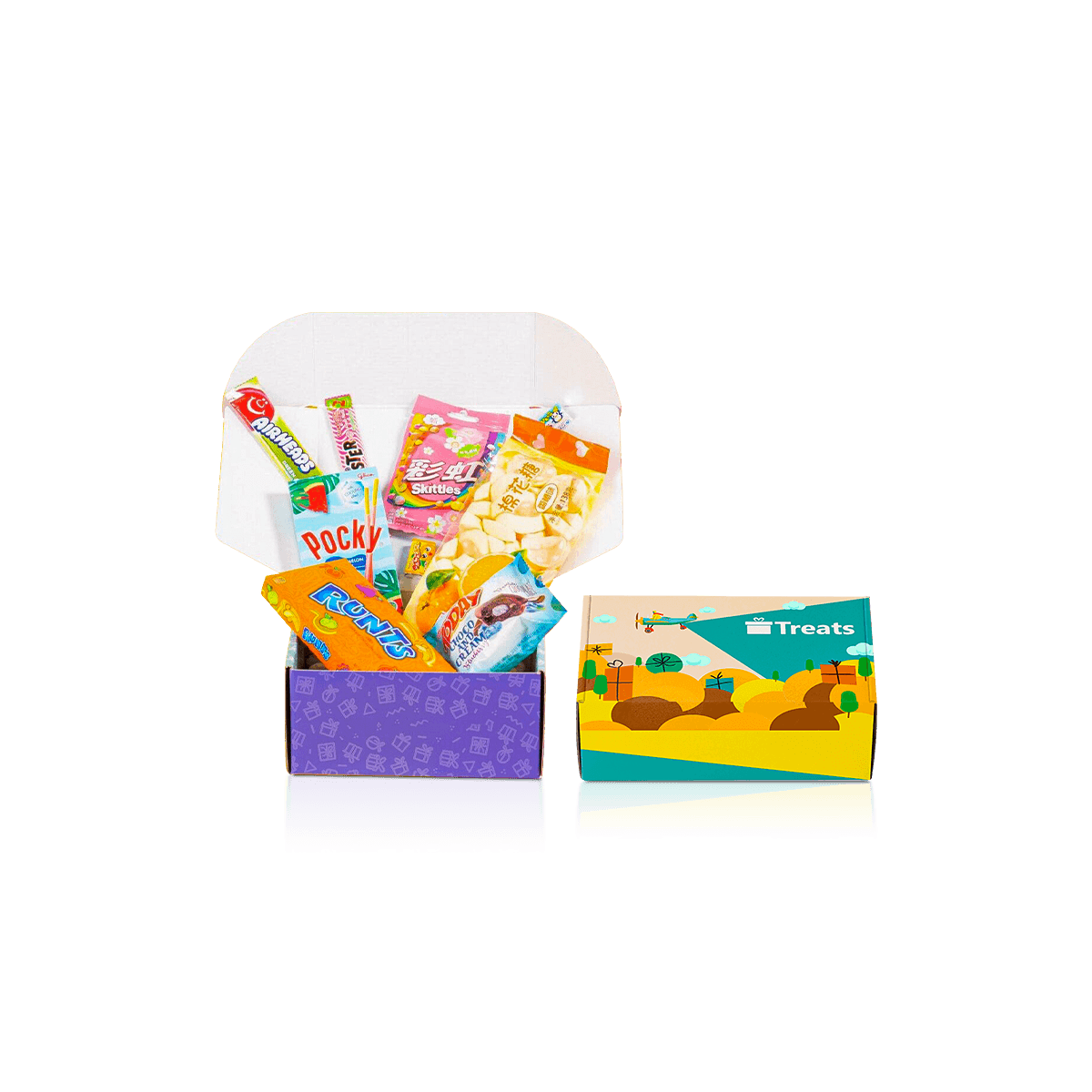
Online pet treat orders may include individual pouches, multipacks or assortments combined with toys and accessories.

A filled pouch may be suitable for shipment inside a compact corrugated mailer, provided the complete order has adequate protection.

The subscription pet box also needs to accommodate the treat's primary packaging when it is shipped alongside other products.

The flexible pouch retains responsibility for product containment. The outer box carries the mechanical demands of parcel distribution.

The distinction between retail and ecommerce packaging becomes important when the same sealed treat pouch moves through both sales channels.

A Treat Line With Several Fill Weights

Different pack weights can change both the pouch proportions and the production arrangement.

A small training-treat pouch may share the same recipe and artwork direction as a larger everyday pack, but its closure space and filling requirements may differ.

Do not assume the smaller pack can simply use the larger pouch with less product.

A low fill may leave excessive empty space, make an upright pouch unstable or position the contents too far beneath a viewing window.

A larger refill pack may require a different gusset, stronger film or a wider opening.

Standardize Compatible Components

Where several SKUs use the same compatible film construction, zipper and sealing requirements, standardization may simplify purchasing and production.

However, a common laminate should not be imposed on treats with different barrier or puncture requirements merely to reduce the number of packaging specifications.

The commercial advantage of standardization disappears if a product needs a materially different package to remain suitable.

Avoid Excess Printed Inventory

Flavor launches, recipe adjustments and new retail requirements can make previously printed pouches obsolete.

For a smaller brand, this may justify shorter initial runs rather than purchasing large quantities of every flavor.

An established product with predictable demand may benefit from larger production quantities and scheduled replenishment.

Excess artwork versions can turn packaging inventory into a scaling problem when product demand changes faster than preprinted stock can be consumed.

Custom Packly supports bulk and repeat orders, warehousing and scheduled deliveries for established packaging programs.

Standard production turnaround is 4–6 days after final artwork and specifications are approved. Complex structures, specialty materials and advanced finishes may require additional time.

The Customer's Hand Goes Into the Bag

The final test of a reusable treat pouch is ordinary daily handling.

An owner may open it several times during a training session, remove small pieces and close it again before storing the remaining treats.

A pouch that looks attractive on a shelf can become frustrating if the opening is too narrow or the zipper is difficult to engage.

For small training rewards, the opening should allow convenient access without forcing the customer to empty the contents into another container.

For larger jerky strips, the opening needs enough clearance to remove a piece without repeatedly bending or breaking it.

The pouch should also remain easy to close as the fill level decreases.

An unnecessarily tall bag may become awkward when only a small quantity remains at the bottom.

A practical design balances the initial fill, the position of the zipper and the customer's access to the remaining treats.

The objective is a bag that protects the unopened product, remains manageable after opening and helps the owner keep the treats stored appropriately between uses.

FAQs

They are a strong fit for biscuits, jerky pieces, training bites, freeze-dried snacks, topper packs and smaller chew formats that need a lighter resealable pack.

Treat Mylar Bags are usually better when freshness retention, lightweight shipping and resealability lead the decision. Treat Boxes make more sense for counted multipacks, gift-style assortments or carton-first shelf presentation.

Not always. Single-serve and low-count trial packs may work well with a simple heat seal, while larger everyday packs benefit from a zipper because customers reopen them many times.

A window helps most when treat appearance supports the sale. Shape, texture and visible inclusions can build confidence faster than graphics alone, especially in specialty retail.

Yes, when the panel layout is planned properly. Front panels can carry the main selling points while back and side areas handle feeding guidance, ingredient notes, lot coding and date information.

Process

How it works

Your Packaging Journey, From Idea to Production and Delivery

01

Tell Us Your Specs

Custom packaging boxes

Tell Us Your Specs

Provide size, quantity, printing, and finishes.

02

Get a Fast Quote

Custom packaging boxes

Get a Fast Quote

Instant transparent pricing, no hidden fees.

03

Design and Approval

Custom packaging boxes

Design and Approval

Artwork checks, revisions, and final sign-off.

04

Produce

Custom packaging boxes

Produce

Expert manufacturing to meet deadlines.

05

Ship to Your Door

Custom packaging boxes

Ship to Your Door

Hassle-free, flexible delivery options.

Get Your Quote for Custom Treat Mylar Bags

Share your product details, size, quantity and artwork needs. We’ll help choose the right packaging style and send a clear quote.