Skip to content
Details

Custom Windowed Mylar Pouches

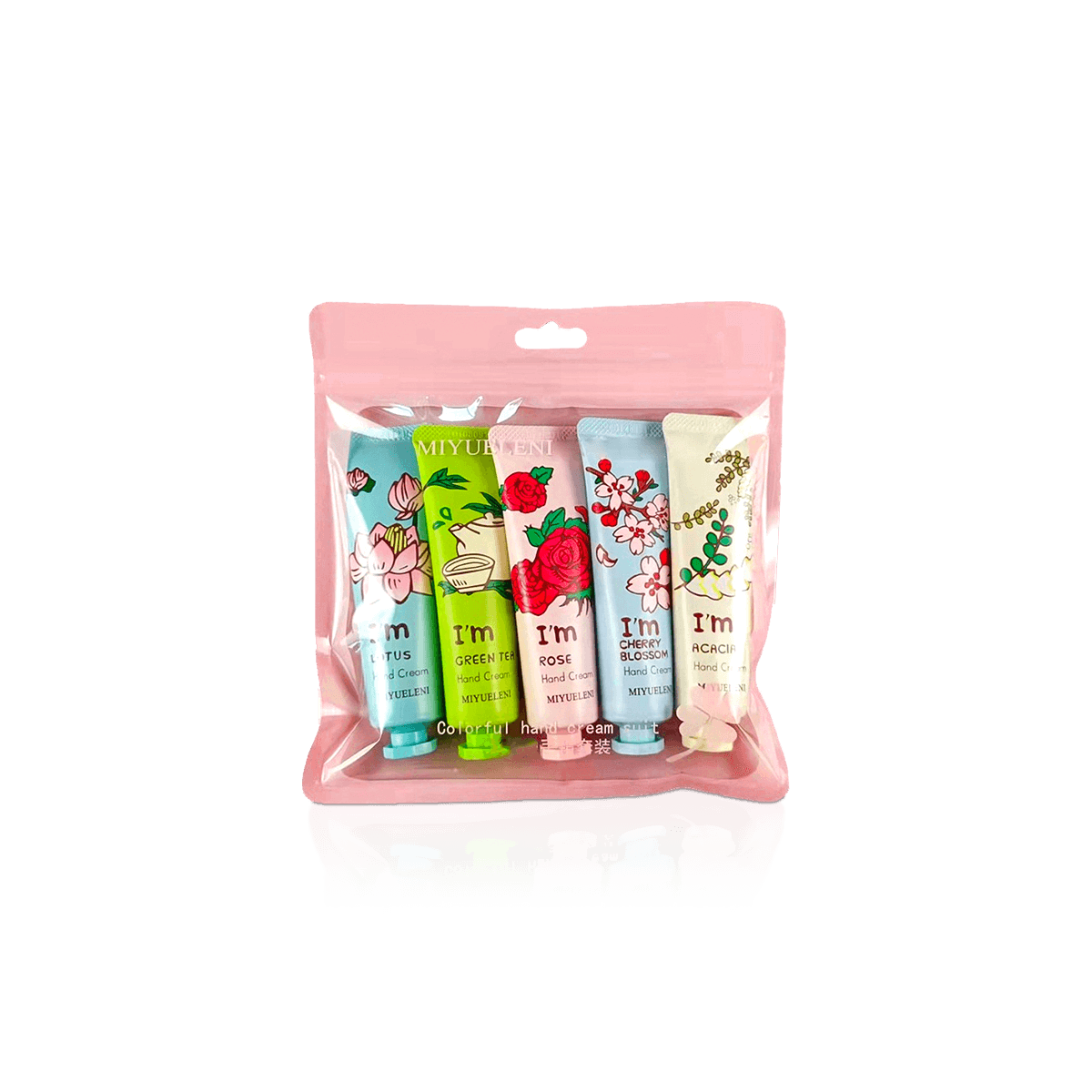
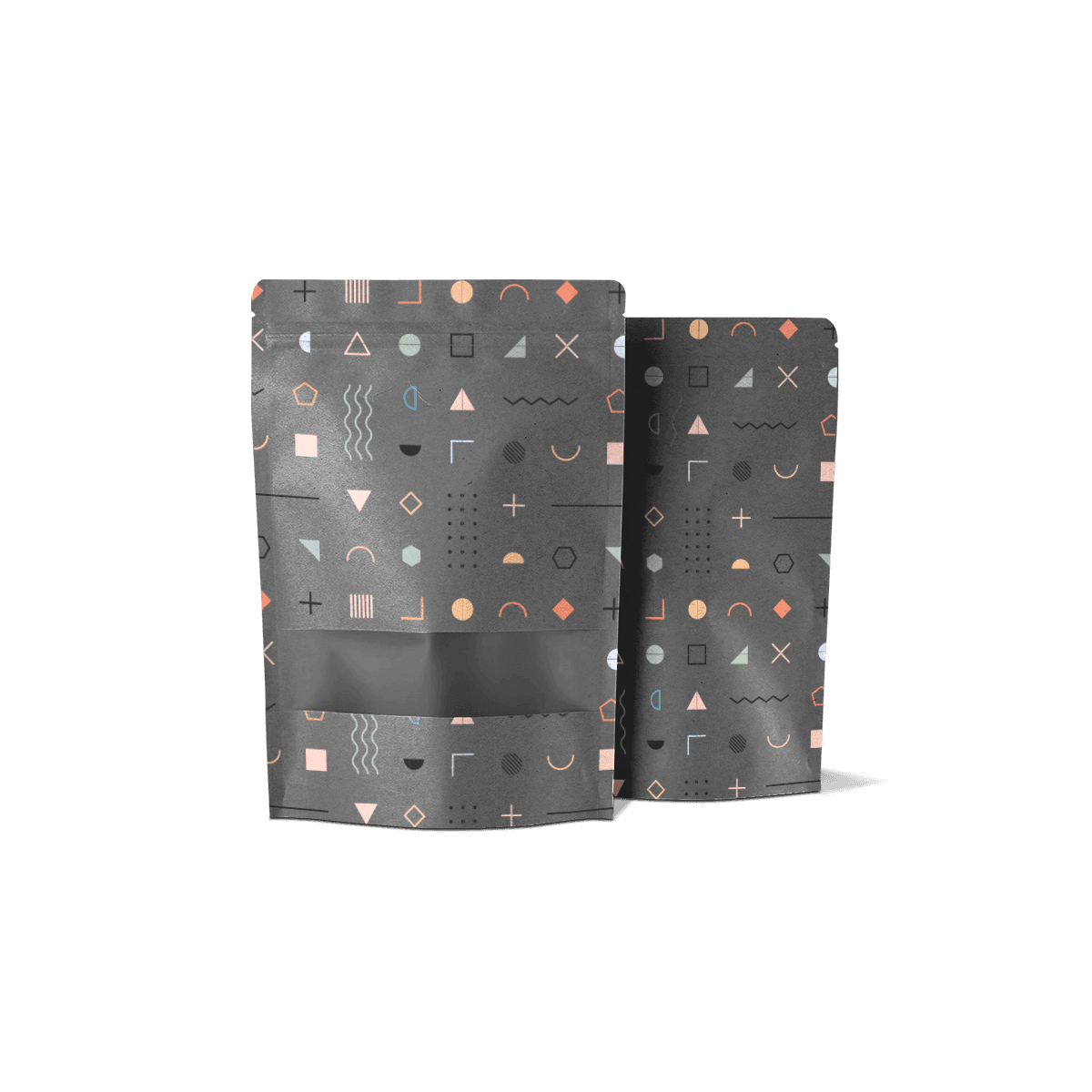
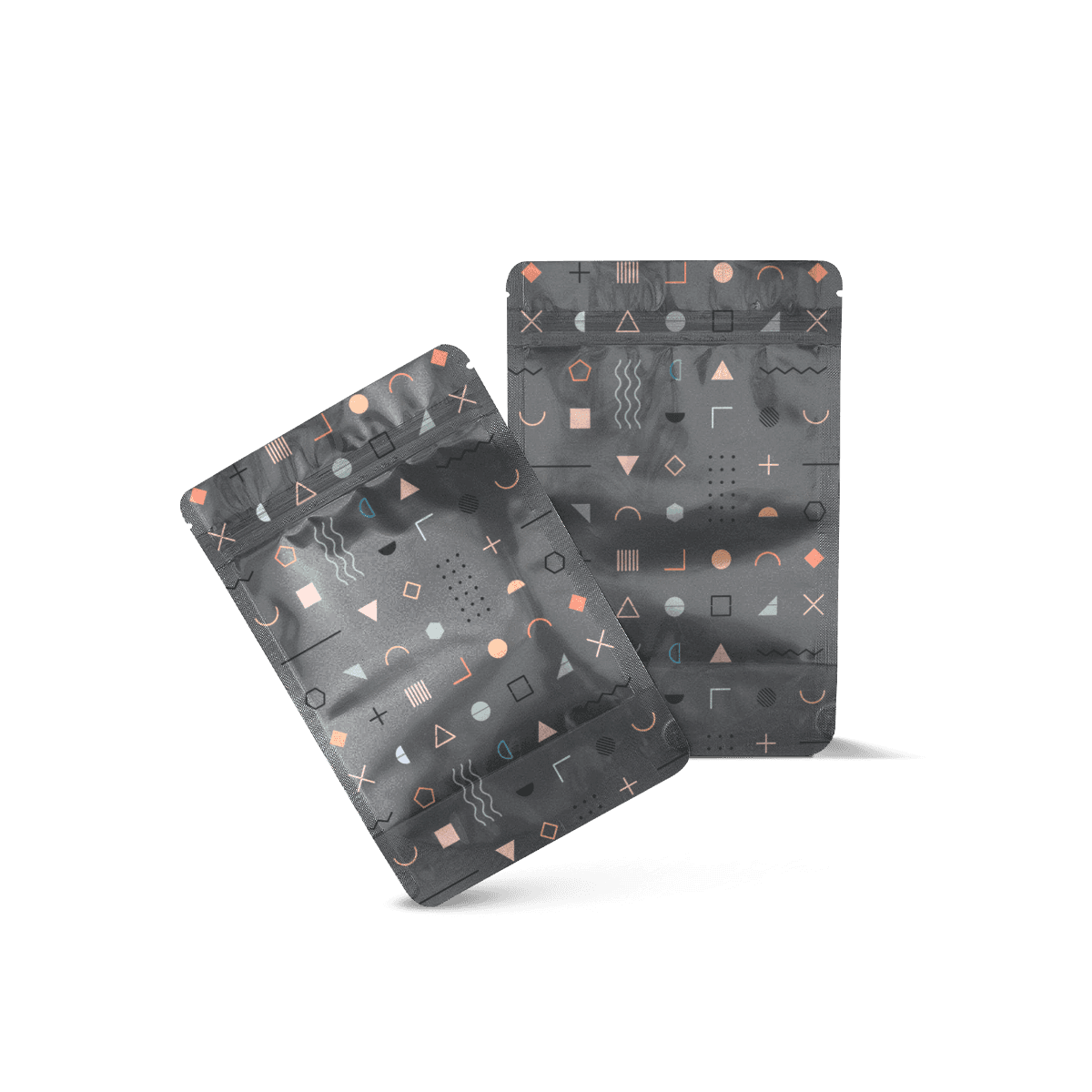
Custom printed pouches with clear viewing panels that reveal product color, texture and quantity while retaining the material and sealing requirements of the finished pack.

Show Product, Not Empty Space

A clear window has little value if customers see an empty part of the pouch instead of the product.

Loose snacks, granules and irregularly shaped goods settle after filling. A window that looks correctly positioned on an empty bag may reveal mostly headspace once the finished package reaches the shelf.

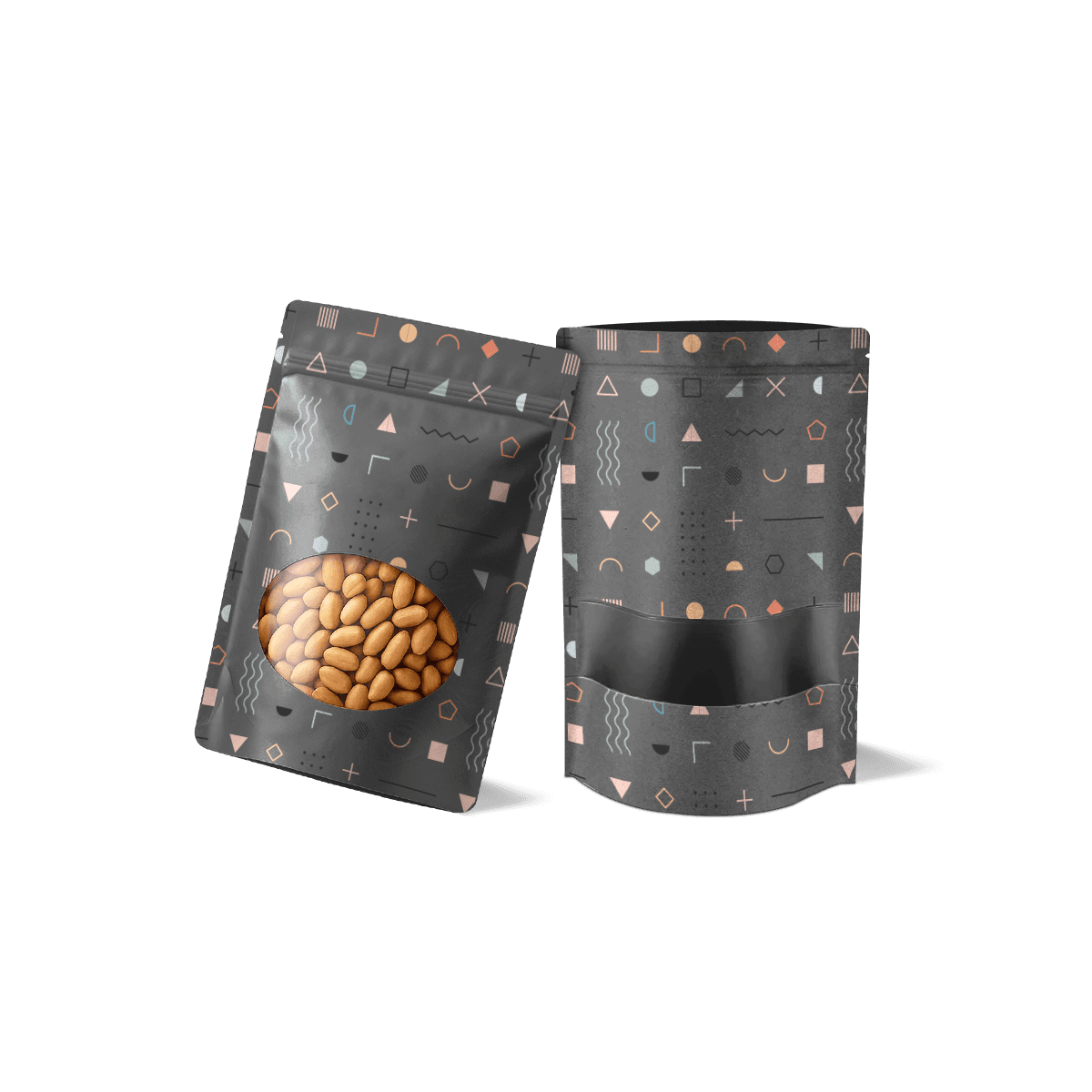
Custom Windowed Mylar Pouches address this problem by combining a clear viewing area with printed flexible packaging. Customers can inspect the actual contents without opening the package.

The window can reveal a product's color, texture, shape or visible quantity. Surrounding printed panels retain space for branding and product identification.

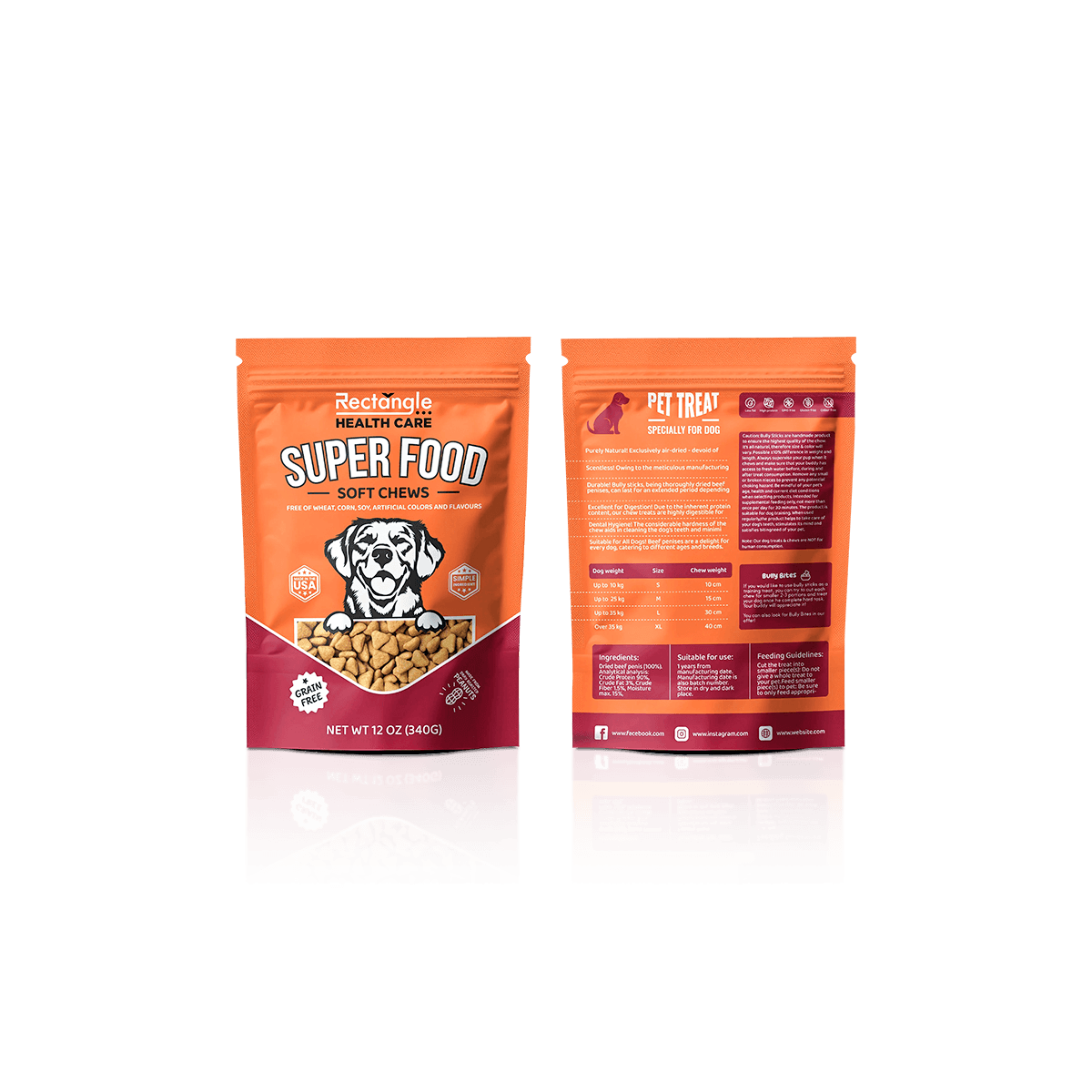
These pouches suit selected snacks, dried fruits, nuts, pet treats, specialty ingredients and other products whose appearance helps customers identify what they are purchasing.

The first design decision is what the customer should see. The window's position and dimensions should follow the product's filled behavior rather than an arbitrary shape in the artwork.

The Settled Fill Line

Loose products rarely remain evenly distributed throughout a pouch.

Granules, nuts and small snacks settle toward the bottom. Larger pieces may form an uneven surface, particularly after transportation.

The window should reveal a representative portion of the contents under normal retail conditions.

Positioning it too high can expose unnecessary empty space. Placing it too low may cause the bottom gusset to distort the visible area.

The correct position depends on the actual product, intended fill quantity and selling orientation.

Representative Product Visibility

A small window can be sufficient when it reveals the characteristic that distinguishes the product.

For dried fruit, customers may want to see the actual color and cut size. A pet treat brand may want to reveal the shape and surface texture of its treats.

Showing the entire contents is not always necessary.

A carefully positioned window can communicate the intended product characteristics while leaving adequate printed space and minimizing unnecessary transparent film.
The Window Changes the Barrier

A transparent viewing area may have different protective properties from the opaque material surrounding it.

This is particularly important when a pouch uses metallized film or another construction selected for its barrier performance.

The window must therefore be considered part of the complete material specification, not simply a decorative opening.

A package requiring oxygen, moisture, aroma or light protection needs a construction that meets those requirements across the finished pouch.

Transparent Film

The clear area may be created using a transparent laminate or a suitably manufactured viewing region in a laminated film.

Its exact construction depends on the manufacturing method and required performance.

A transparent film can contribute mechanical strength and heat-sealing properties, but its oxygen and moisture transmission must be assessed against the intended product.

A clear area should not automatically be assigned the same barrier performance as the opaque material.

Where the window and surrounding pouch have different constructions, their combined effect matters.

Metallized Film

Metallized films are often considered when a product requires protection against oxygen, moisture or light.

However, a conventional opaque metallized layer prevents customers from seeing the contents.

Creating a transparent region may require a different material arrangement or a specialized manufacturing process.

That change can affect the finished pouch's barrier performance.

The correct specification should establish the required properties of the complete package, including the window.

Simply describing the surrounding material as high barrier does not establish the performance of the transparent region.

Light Exposure

A transparent window permits light to reach the product.

This may be unsuitable for products whose quality depends on substantial light protection.

Certain foods, ingredients and other light-sensitive products may require an opaque construction.

The relevant decision is whether the value of product visibility justifies the exposure permitted by the proposed window.

If the required protection cannot be maintained, an opaque pouch with suitable product photography may be more appropriate.

Products Worth Showing

A window is most effective when the product's physical appearance helps customers make an informed purchasing decision.

The contents should remain visually consistent with the product's intended presentation.

Some products naturally benefit from a clear view. Others may become less attractive when tightly packed, shaken during shipping or exposed to direct light.

The material and window arrangement should follow those differences.

Nuts and Dried Fruit

Nuts and dried fruit are common candidates for windowed packaging because their shape, cut and appearance can help distinguish one product from another.

A window can reveal whole nuts, sliced fruit or a mixed assortment.

However, products containing oils may also require appropriate oxygen-barrier performance.

The film specification must address the product's actual protection requirements. Visual appeal alone does not determine material suitability.

For mixed products, the window should reveal a representative assortment rather than only the ingredients that happen to settle against the front panel.

Snacks and Confectionery

Pretzels, candies and selected dry snacks may benefit from windows that reveal their shape, coating or color.

The size of the visible area should reflect the product's physical characteristics.

A narrow opening may adequately show small candies. Larger irregular snacks may require a taller or broader viewing area.

For fragile products, the pouch dimensions should also prevent unnecessary compression.

The window should not dictate a smaller pack that damages the contents.

Pet Treats

Treat appearance can help customers distinguish products by size, shape and texture.

A window may be particularly relevant to products sold in visibly different shapes or assortments.

However, treat formulations may require different barrier properties.

The packaging material must suit the actual ingredients and intended storage conditions.

For brands selling multiple treat varieties, custom treat Mylar bags also need to account for the contents, pack quantity and intended feeding occasion.

The window's purpose is visual identification. Closure, material and food-contact requirements remain separate decisions.

Powders and Fine Ingredients

A window is not automatically beneficial for powdered products.

Fine powder may cling to the transparent film, making the viewing area appear cloudy or uneven.

Product color may also be difficult to judge through several layers of transparent film and settled material.

Before specifying a window, consider whether it will actually communicate something useful about the product.

A well-printed opaque pouch may create a clearer presentation for products whose physical appearance is not important to the purchasing decision.

Position the Window After Filling

The finished pouch should determine the window's position.

A flat artwork drawing cannot reliably establish how loose contents will settle or how the film will curve around the product.

The visible area needs to be assessed against the intended fill weight, product volume and actual pouch construction.

Bottom Gusset Clearance

A gusseted pouch changes shape as it fills.

The bottom panel expands to accommodate the contents and support the finished package.

A window positioned too close to the base may bend around that transition.

This can distort the visible product and make the clear area appear smaller than intended.

For a stand-up construction, the window should sit on the portion of the front panel that remains suitable for viewing after the gusset expands.

The correct distance depends on the finished pouch geometry.

Side Seal Clearance

The side seals occupy part of the pouch's outside width.

A window placed too close to them may extend into material that folds, wrinkles or becomes visually distorted.

Its position must also be compatible with the intended manufacturing method.

A suitably positioned viewing area leaves the required seal construction intact and does not interfere with the pouch's closure.

Uneven Product Distribution

Irregular products can settle against the front panel differently from fine granules.

Large nuts, dried fruit pieces and specialty snacks may form uneven layers.

For example, a pouch may appear full when first packed but develop a lower fill line after transportation.

The window should still show the product under those conditions.

A practical assessment uses the intended contents and filling quantity, then evaluates the pouch in its expected selling position.

This directly tests the visual decision rather than treating sampling as a separate production formality.

Window Shape Has a Purpose

The outline of a viewing panel can contribute to the brand's visual identity, but the shape should also work with the pouch's construction.

Rectangular windows, narrow strips and rounded openings produce different visual effects.

The correct shape depends on what the customer needs to inspect and how much printed space the package must retain.

Horizontal Windows

A horizontal strip can reveal the product across much of the pouch's face.

This may suit snacks or granulated products that settle into a relatively consistent layer.

The strip should be positioned where it will remain occupied by the product at the intended fill quantity.

An excessively narrow strip may reveal too little to justify the additional manufacturing requirement.

Vertical Windows

A vertical window can reveal the contents across several levels of a filled pouch.

This may help show differences in shape or color throughout a mixed product.

However, its upper portion may become empty as the product settles.

The window length should reflect the expected distribution of the contents.

For a multi-serving product, consider how the visible area will change after customers remove several portions.

Shaped Viewing Areas

A rounded or custom-shaped window can create a distinctive retail presentation.

The outline must remain compatible with the selected film and manufacturing process.

Small corners, narrow extensions and complicated shapes may introduce production limitations.

A highly decorative shape is not necessarily more effective than a straightforward opening.

The useful question is whether the outline reveals the product clearly while preserving the pouch's required material and print performance.

Continuous Clear Panels

A continuous transparent front may be more appropriate when customers need to inspect most of the contents.

However, this changes the visual balance between product visibility and printed branding.

The resulting material specification must still satisfy the product's protection requirements.

A fully transparent construction should not be selected merely because it avoids the need to position a smaller window.

Artwork Around the Clear Area

The window and printed artwork need to function as one composition.

A large viewing area can make the product the dominant visual element. A smaller window can support a more typography-led design.

Neither arrangement is automatically preferable.

The decision depends on the product's appearance, brand identity and required information.

Product Name Placement

The product name should remain readable without requiring customers to inspect the contents first.

Place essential text on a stable printed area rather than across transparent film where the background changes with the product.

A window showing mixed colors and textures can reduce the contrast of text placed directly over it.

For products with several variants, retain a consistent position for the product name even when the visible contents change.

This can help customers recognize the brand while distinguishing individual products.

Printed Window Borders

A printed border can visually define the viewing area.

However, narrow borders require careful artwork registration.

If the printing and window manufacturing processes have different tolerances, an excessively tight border may appear uneven on the finished pouch.

A suitable design should account for the actual production method rather than assuming perfect alignment.

Custom Packly's free design and artwork support can help establish the layout.

The digital proof should be reviewed against the approved manufacturing specification, including the intended window position.

Transparent Versus Printed Areas

Printing should not unintentionally obscure the viewing area.

Depending on the manufacturing process, the window may require unprinted film or a specifically controlled print arrangement.

Opaque white ink, colored graphics and other printed layers can affect transparency.

The artwork should clearly distinguish the areas intended to remain transparent from those intended to carry print.

A free 3D mockup can help assess the visual composition, although it does not establish the finished film's optical or protective properties.

Back-Panel Information

The rear panel may need to accommodate ingredients, allergen declarations, nutrition information, instructions, barcodes and other applicable labeling.

The exact requirements depend on the product and its regulatory classification.

A front-facing window should not consume so much usable space that essential information becomes difficult to position.

For a multi-SKU retail program, each product must also retain the correct identification and labeling.

Retail Lighting Changes the View

A transparent window should remain practical under the lighting conditions where the product is sold.

Glossy film can reflect overhead lights. Certain transparent materials may introduce haze, while condensation or product residue can further affect visibility.

The visual assessment should reflect the intended environment rather than rely exclusively on a studio photograph.

Reflection and Glare

A highly reflective film can make the contents difficult to inspect from certain angles.

A matte printed exterior may reduce reflections in surrounding areas, but the transparent viewing panel has its own optical characteristics.

The selected clear film should be assessed for clarity and any relevant surface treatment.

For a product normally displayed upright, the viewing angle at shelf height matters.

For pouches placed in baskets or countertop displays, customers may inspect them from a different position.

Condensation and Haze

Products sold under refrigeration may create additional visibility challenges.

Condensation can obscure the viewing area, particularly when the package experiences temperature changes.

An anti-fog treatment may be appropriate for certain applications, but its availability and suitability depend on the selected construction.

The product's moisture behavior and storage conditions must also be considered.

A window does not eliminate the need to establish the correct food packaging and temperature-control requirements.

Product Residue

Oil, seasoning and fine particles may collect against the inner film.

This can reduce the clarity of the window over time.

The effect depends on the product and how it moves inside the package.

For heavily seasoned products, a smaller or differently positioned viewing area may remain more presentable.

The decision should reflect the actual product rather than an idealized photograph of perfectly arranged contents.

The Selling Shape Still Matters

A transparent window does not determine whether the pouch stands, hangs or lies flat.

Those characteristics come from the underlying construction.

A window can be considered for several flexible pouch structures, subject to manufacturing feasibility and material requirements.

Stand-Up Display

A stand-up pouch may suit products that need a stable, front-facing retail presentation.

The bottom gusset supports the filled shape while the front panel carries the window and printed branding.

The product's weight and distribution affect how the pouch stands.

If the window extends into an area that bends during gusset expansion, the contents may be harder to inspect.

Compact Packs

A flatter construction may suit samples, smaller portions or products sold from retail trays.

The window should account for the way the pouch rests when filled.

A product that spreads into a thin layer may remain visible across a relatively broad portion of the panel.

A small loose product may collect in one area, making a carefully positioned window more practical.

Resealable Packs

A zipper may be appropriate for products intended for repeated access.

Its position must leave enough room for the window, initial seal and necessary artwork.

For multi-serving products, zipper pouches address the opening and reclosing requirements independently of the transparent viewing area.

The window should also remain useful as the contents decrease.

A pouch that reveals the product only before its first opening may not need a large continuous viewing panel.

Confirm the Window Construction

The commercial specification must identify how the proposed viewing area will be manufactured.

Not every flexible-film production method supports every combination of transparent regions, opaque films, printing and specialized closures.

A pouch that is technically straightforward in a fully transparent laminate may require a different production route when it combines metallized material with a localized clear window.

Integrated Clear Regions

One manufacturing approach uses a film construction that incorporates a transparent viewing area.

Depending on the selected material and converting process, the clear region may be established through the laminate design or another specialized process.

Its position must remain consistent with the intended printed artwork.

The manufacturing method also needs to preserve the required seal construction and protective properties.

Window Patching

A separate transparent patch is another possible construction in applications where the manufacturing method supports it.

The patch material, attachment method and surrounding structure must be compatible with the intended use.

A patched window introduces additional material interfaces that may affect sealing or barrier performance.

It should not be assumed that a production process intended for windowed paperboard cartons can be transferred directly to flexible barrier packaging.

Production Feasibility

The window construction can affect tooling, registration requirements, material selection and the applicable production minimum.

The quantity per printed design also matters when several product variants share a physical pouch.

Custom Packly supports US production, free shipping, structural packaging guidance and artwork review.

The standard USA packaging turnaround is 4–6 days after final specifications and artwork approval. Specialty materials or more complex window constructions may require additional time.

The exact film construction, window-manufacturing capability, minimum quantity and production schedule must be confirmed for the proposed pouch.

Once those requirements are established, custom packaging pricing can be assessed against the intended manufacturing method.

Food Contact Across the Window

For direct food-contact applications, the transparent area must meet the requirements applicable to the actual food and intended conditions of use.

The suitability of the surrounding laminate does not automatically establish the suitability of a different window film.

The FDA states that the regulatory status of a food-contact material depends on the status of its individual constituent substances and their intended uses.

The finished material specification should therefore account for the complete construction.

Contact Layer Compatibility

The film touching the food must be suitable for the intended product.

Oil content, acidity, moisture, contact duration and storage conditions can affect the material requirements.

If the window and surrounding film use different constructions, both must be assessed for their intended applications.

A transparent panel should not be described as food-safe without appropriate confirmation for the actual material and conditions.

Barrier Across the Pack

The complete pouch must meet the established protective requirements.

A high-barrier opaque film cannot compensate automatically for an unsuitable transparent area.

Where oxygen or moisture transmission matters, the relevant performance should be evaluated for the finished construction.

The package's protective behavior also depends on the final seals.

For a product with an established shelf-life requirement, material changes introduced to create a window may require additional assessment.

Decide What Stays Opaque

A window introduces a trade-off between product visibility and the protective or visual characteristics of the surrounding material.

That trade-off should be intentional.

If customers need to inspect only a small part of the product, a limited window may be sufficient.

If the product's appearance is the main selling feature, a larger transparent area may be appropriate, provided the material meets its protection requirements.

For a product that is particularly sensitive to light, an opaque construction may remain the appropriate choice.

The objective is to reveal enough of the contents to support the purchasing decision without unnecessarily compromising the packaging specification.

For products whose selling appeal depends more on their formulation, fragrance or printed identity than their physical appearance, an opaque pouch can retain a more consistent visual presentation.

Where visibility is genuinely useful, the final window should be judged against the actual filled product, expected retail position and required barrier performance.

A clear view earns its place when it shows customers something that matters while the rest of the pouch continues to perform its intended packaging duties.

FAQs

Yes. This format performs best when the product itself helps drive conversion, such as colorful snacks, textured bath blends, premium pet treats, or neatly packed accessories.

Enough to confirm quality without exposing too much of the pack face. The right balance depends on branding, compliance copy, and how much of the item needs to be seen to support the sale.

They are not mutually exclusive. A stand-up pouch can have a clear window. Choose the structure for shelf stability and the viewing panel for product visibility.

Not when the layout is planned well. Good panel placement still leaves room for logo treatment, usage details, ingredients, barcode space, and supporting claims.

They usually perform well in categories where shoppers compare appearance quickly, especially food add-ons, wellness blends, dry personal care products, and small specialty goods.

Process

How it works

Your Packaging Journey, From Idea to Production and Delivery

01

Tell Us Your Specs

Custom packaging boxes

Tell Us Your Specs

Provide size, quantity, printing, and finishes.

02

Get a Fast Quote

Custom packaging boxes

Get a Fast Quote

Instant transparent pricing, no hidden fees.

03

Design and Approval

Custom packaging boxes

Design and Approval

Artwork checks, revisions, and final sign-off.

04

Produce

Custom packaging boxes

Produce

Expert manufacturing to meet deadlines.

05

Ship to Your Door

Custom packaging boxes

Ship to Your Door

Hassle-free, flexible delivery options.

Get Your Quote for Custom Windowed Mylar Pouches

Share your product details, size, quantity and artwork needs. We’ll help choose the right packaging style and send a clear quote.