Skip to content
Details

Custom Flat Pouches

Low-profile flexible packaging for samples, refills and compact products, specified around filled thickness, closure choice, barrier need and packout.

Low Profile Is the Point

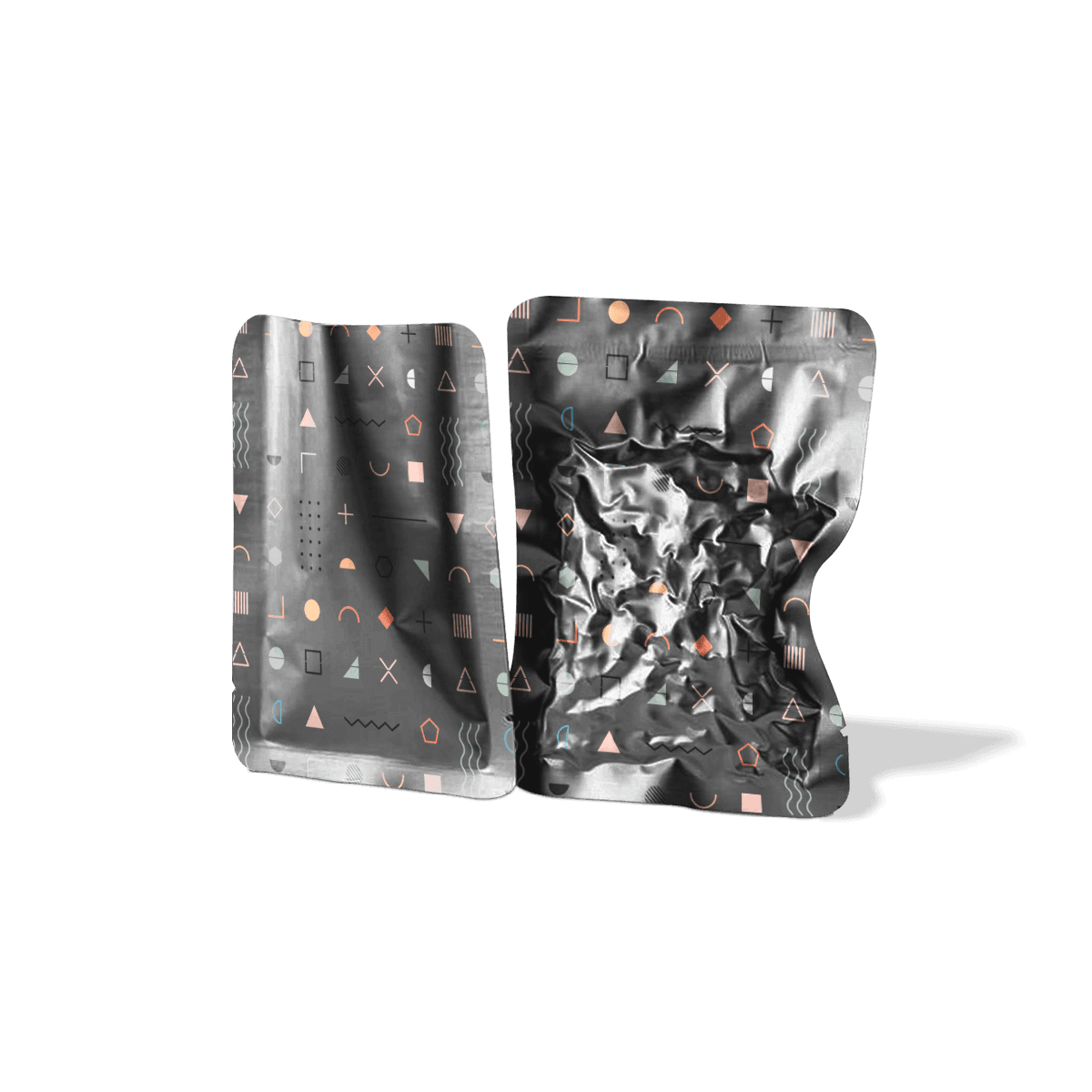
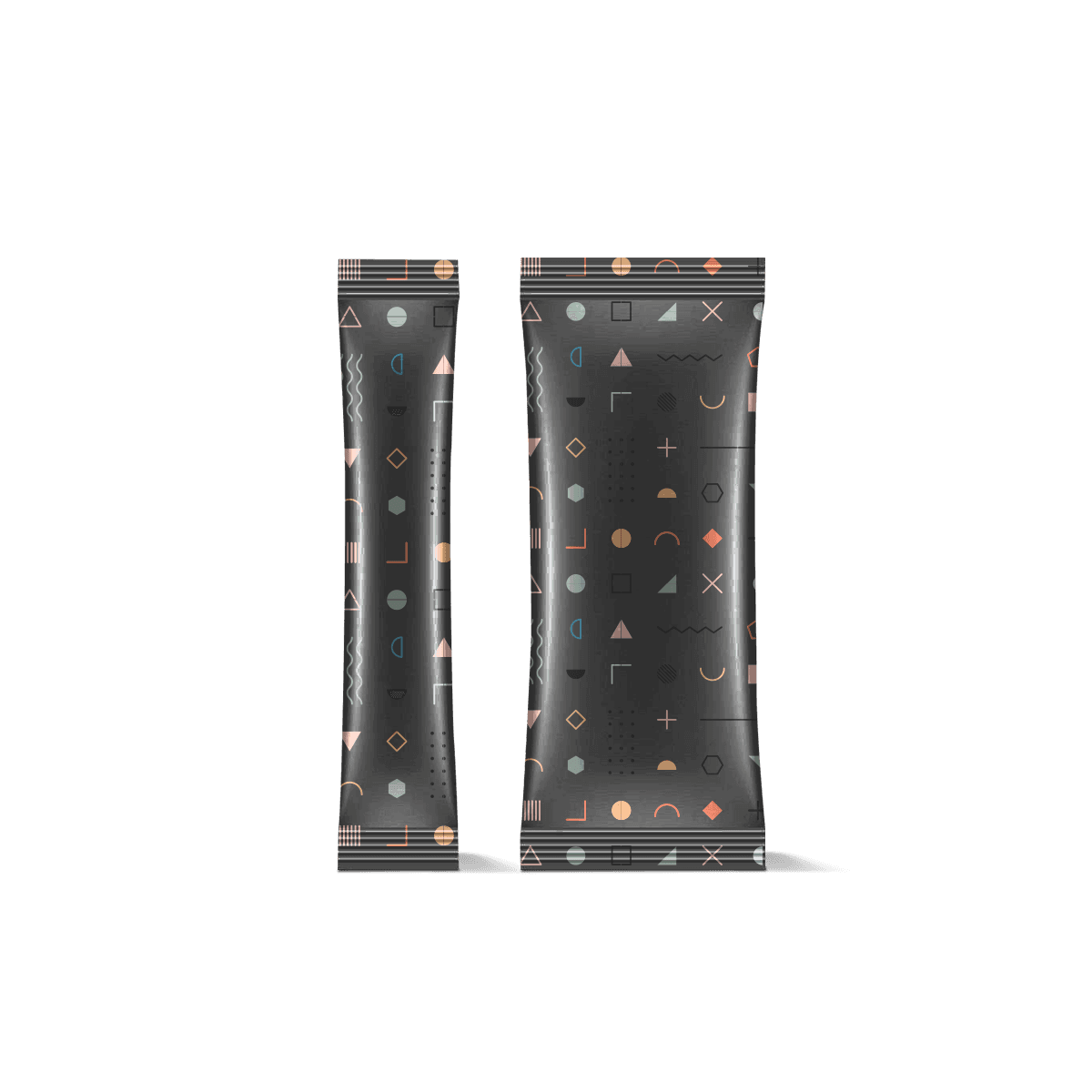
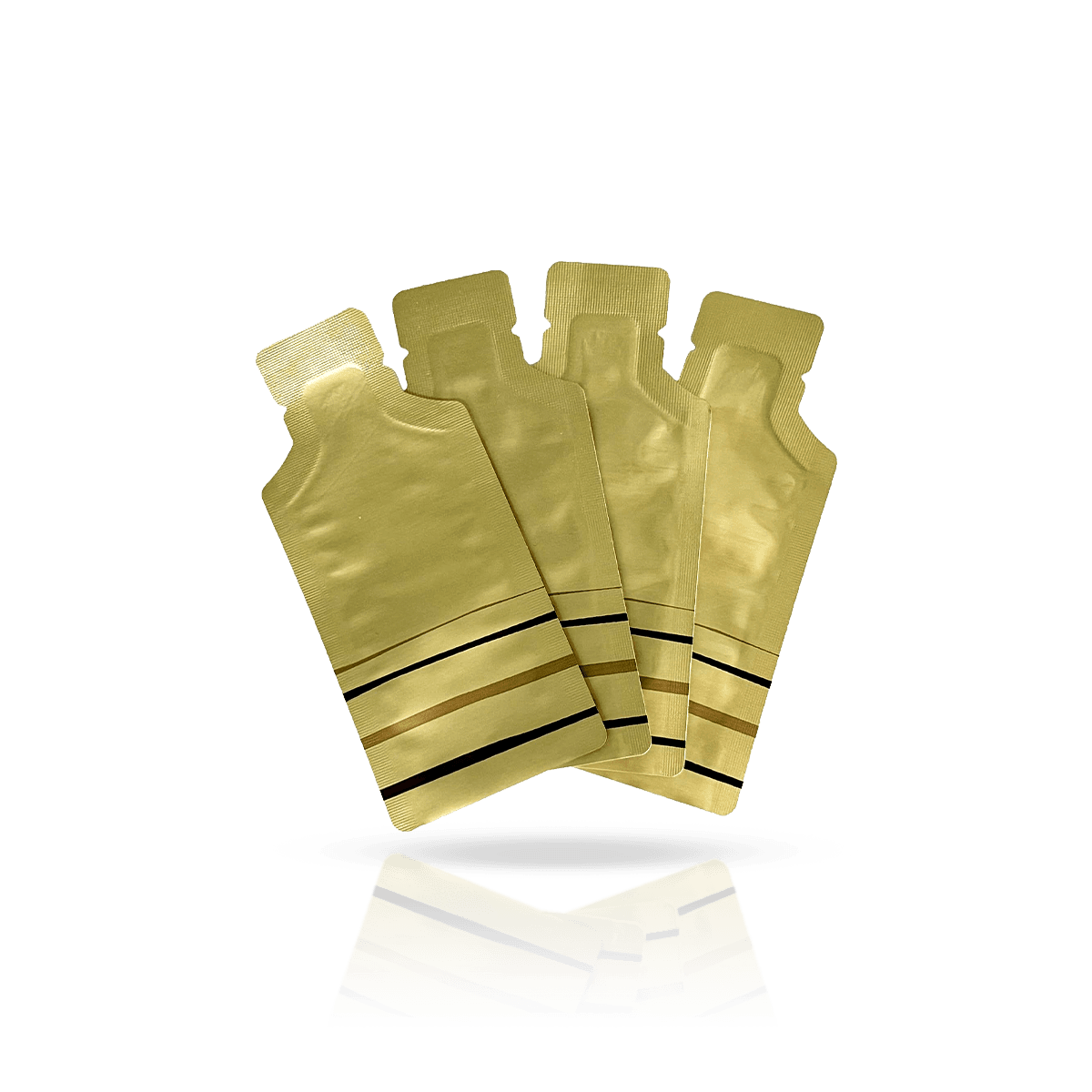
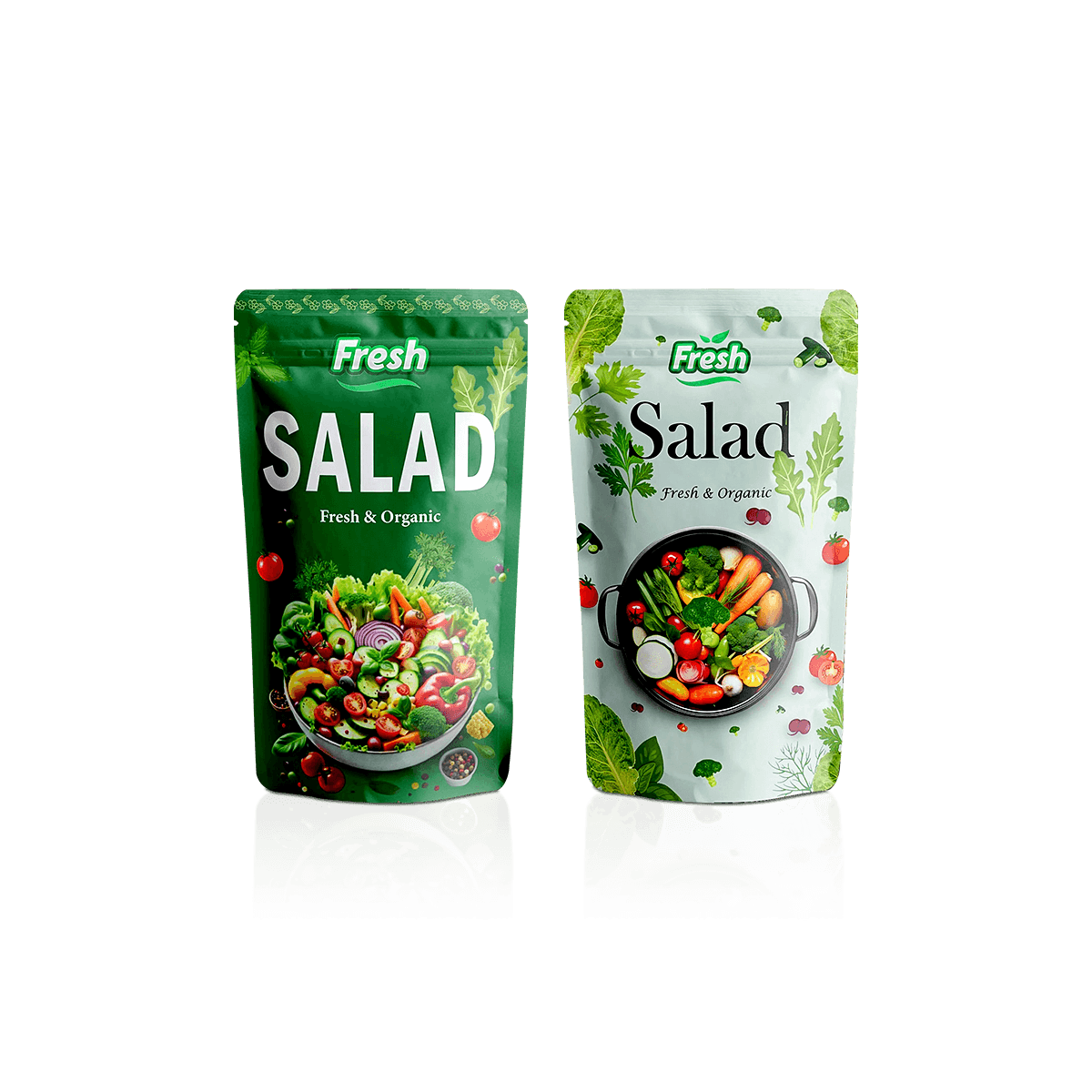
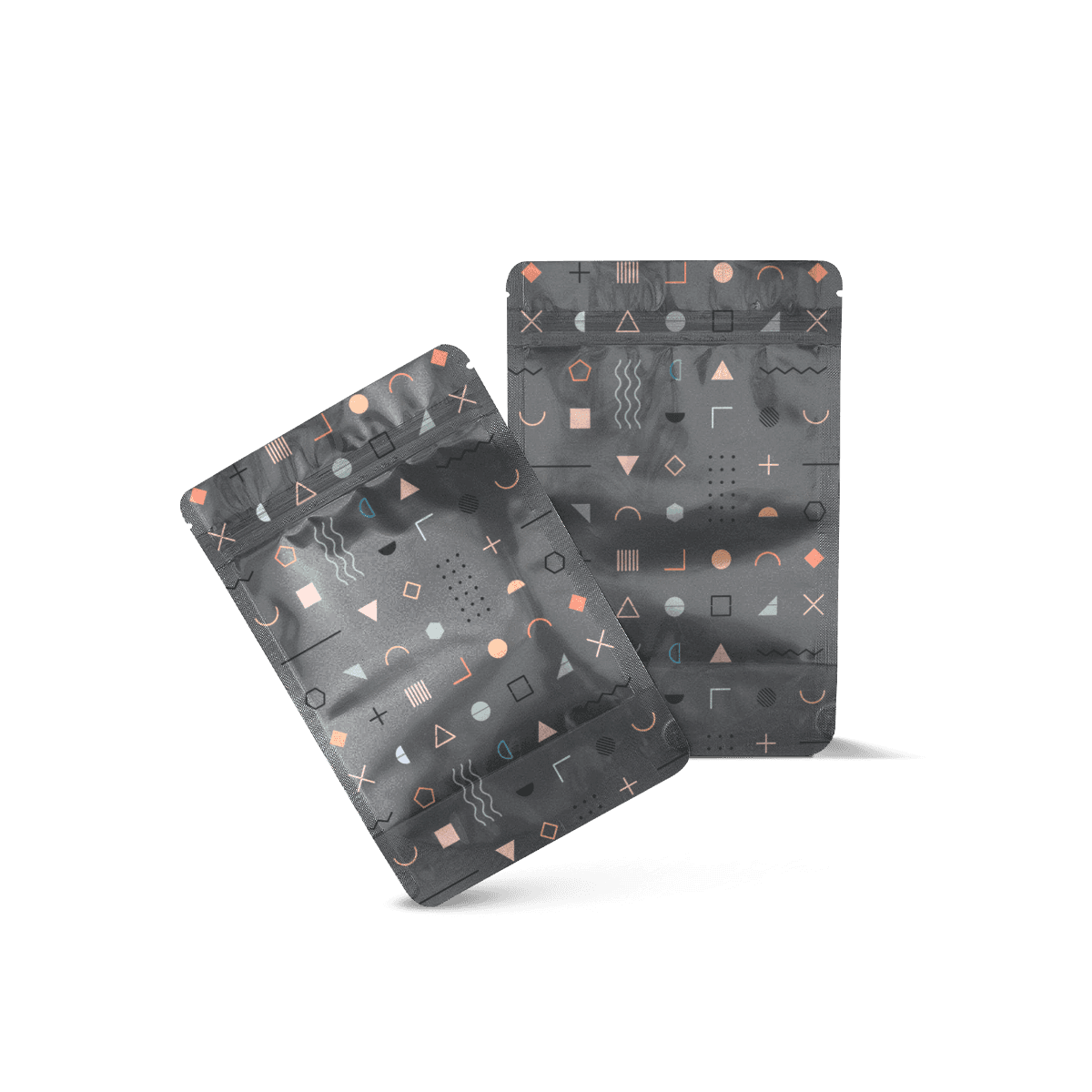
Custom flat pouches are chosen when the product does not need a bottom gusset to stand. The format lies flat, stores efficiently and works well for samples, refills, wipes, small accessories, powders and products that are packed inside another carton or mailer.

The useful specification is the filled profile, not the empty bag. A pouch that looks almost two-dimensional before filling can become much thicker once it holds a folded wipe, hardware set or dense powder charge.

Lay-flat and flat-pouch naming often describe the same buying decision: a non-standing flexible pack. This page therefore owns the broad low-profile format rather than creating a second product around the same physical behavior.
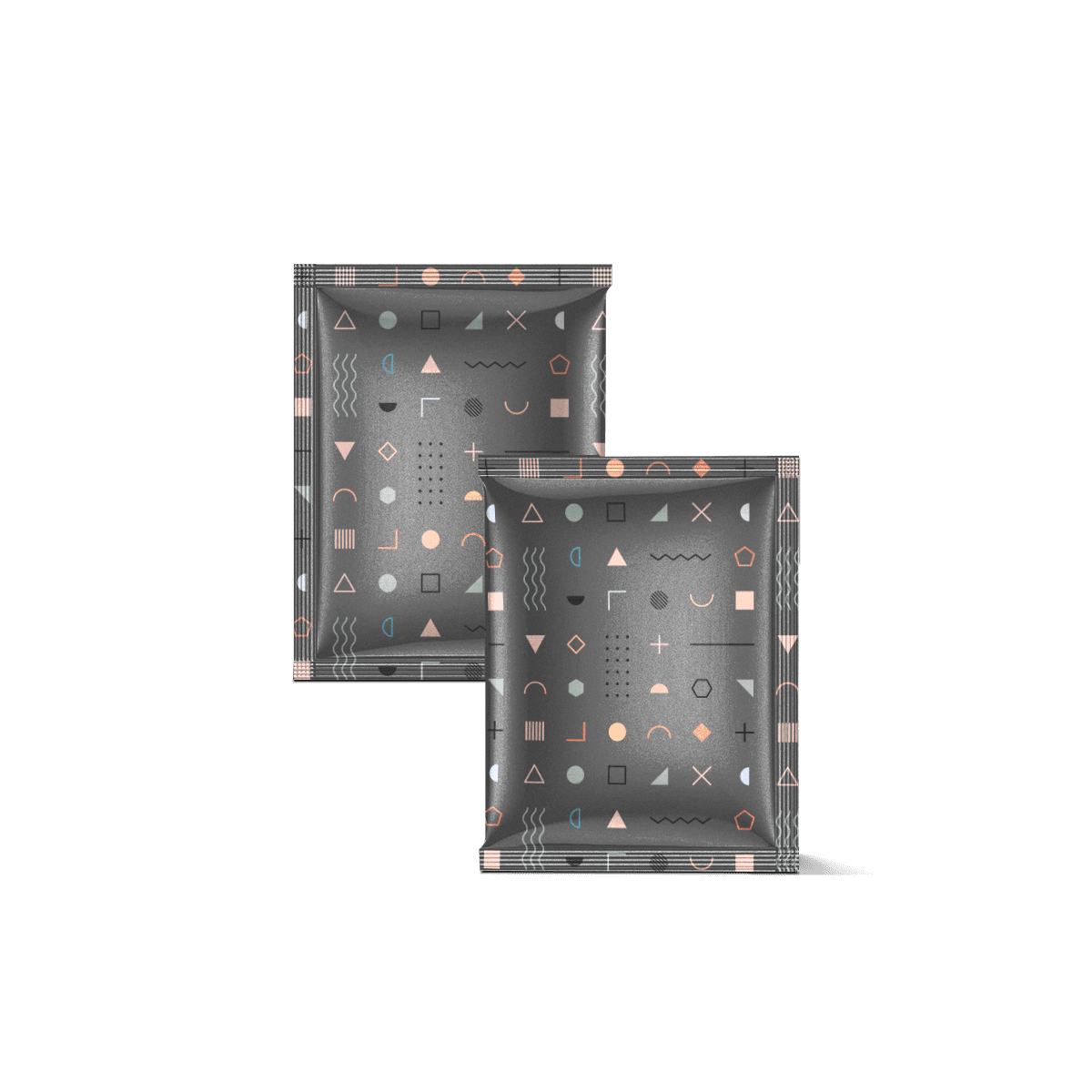
A Flat Pouch Can Be Primary or Secondary Packaging

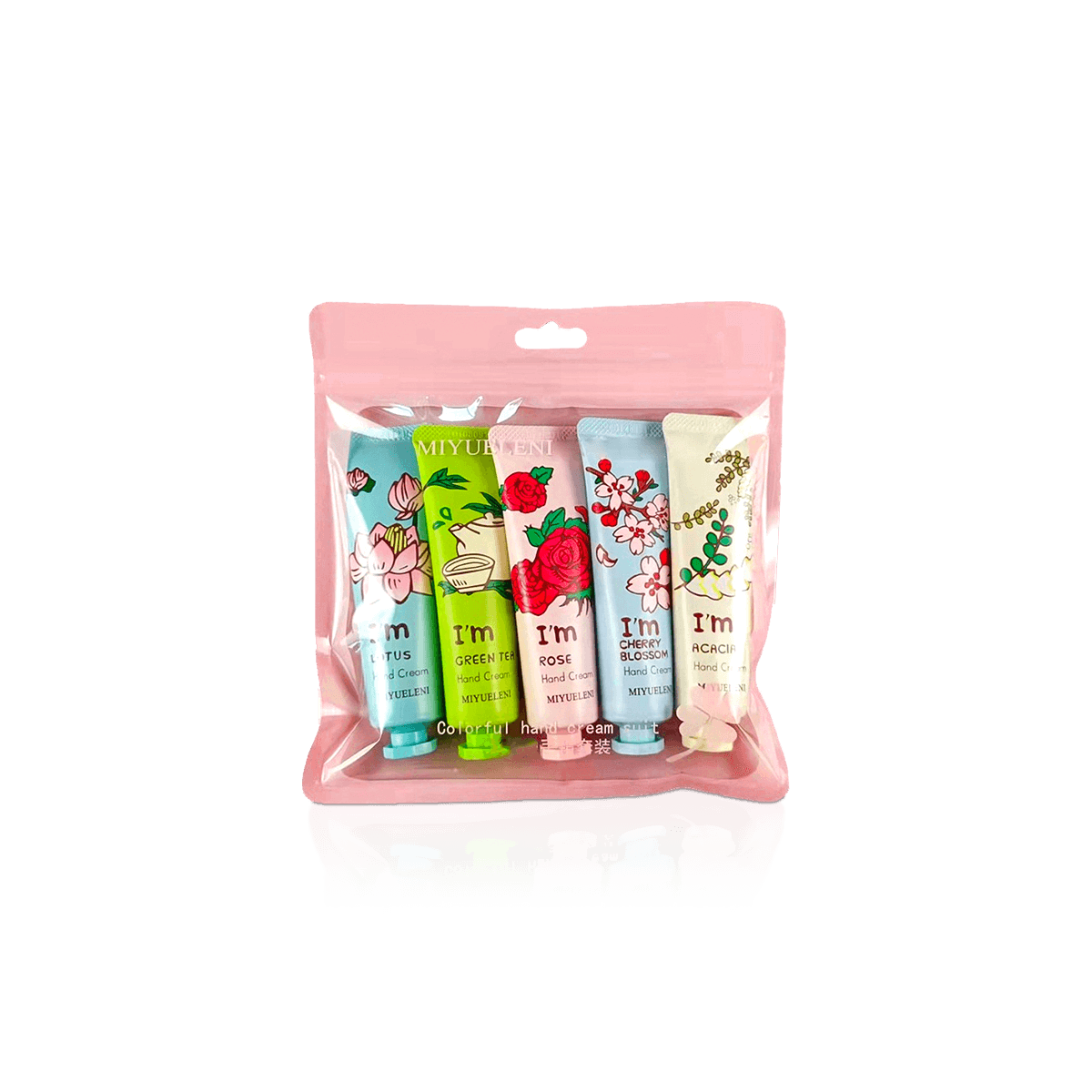
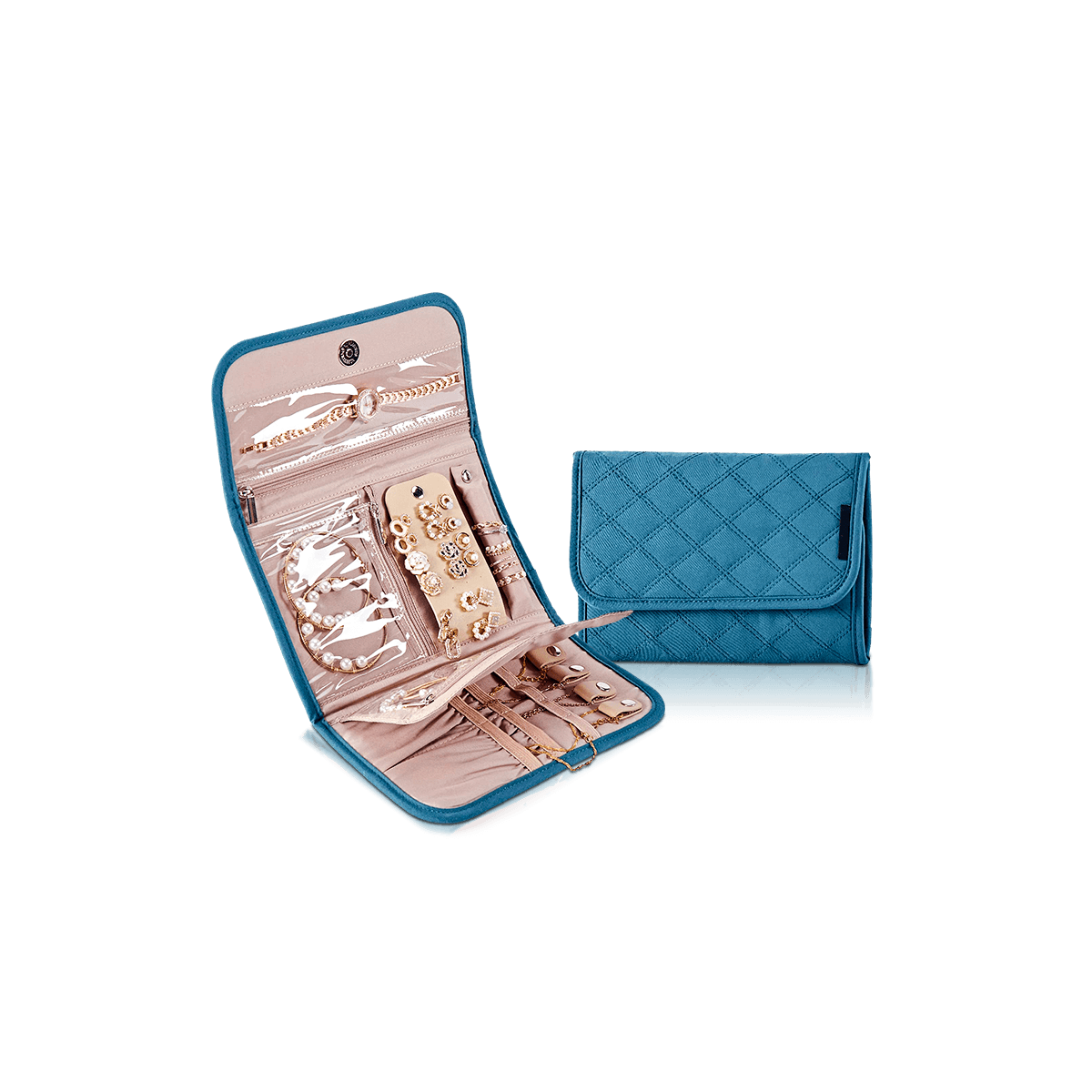
Some flat pouches directly contain powders, wipes, refills or small consumer goods. Others hold an accessory inside a larger kit. Those two jobs should not be specified the same way simply because the finished shape is flat.

Primary packaging needs the film, seal and product-contact decisions to match the contents. A secondary accessory pouch may care more about puncture resistance, organization and printed identification than oxygen or moisture barrier.

State which job the pouch performs before selecting the laminate. That prevents an over-specified accessory packet or an under-specified primary pack.

Capacity Comes From Width, Height and Filled Thickness

Without a bottom gusset, internal volume comes from the face dimensions and the way the film bulges around the contents. That makes product thickness especially important.

Measure rigid items at their thickest point. For powders or granules, use the expected fill weight and bulk density rather than copying a competitor pouch size. For wipes or soft goods, check the compressed and relaxed stack.

Too little room can make sealing difficult. Too much room produces a loose pack and can shift the visual center of the artwork after filling.

Choose the Seal Pattern for the Filling Method

Flat pouches can be built with different seal arrangements. The filling method, open edge and final heat-seal step should be agreed before the dieline and artwork are treated as final.

When the exact construction is three finished seals with one open fill edge, Custom 3 Side Seal Pouches give that seal geometry its own production specification.

The broader flat-pouch format makes more sense when the customer is choosing between seal positions, zipper placement, hang holes or other features and the key need is a slim non-standing pack.

Reclosure Only Matters After First Opening

A zipper adds material, height and cost. It should be used because the product is consumed over several openings, not because resealability sounds premium.

Single-dose powders, swabs and sample creams usually need dependable heat sealing and a controlled tear. Multi-use supplements, craft parts or refill products may justify a press-to-close zipper.

The header above a zipper also needs enough room for a final heat seal and tear notch if both features are required.

Tear Notches Need Clearance Above the Fill

A tear notch should start an opening path without cutting into the product, zipper or mandatory copy. This becomes more difficult on a short pouch because the top seal, tear line and usable fill height compete for the same space.

Keep the product level below the intended tear path and check how a consumer will hold the pack while opening it. Fine powders and small parts can spill if the tear removes too much of the header at once.

For multi-use packs, place the tear feature above the reclosure so the zipper remains functional after the first opening.

Barrier and Puncture Are Separate Questions

A high moisture or oxygen barrier does not automatically mean strong puncture resistance. Sharp accessories, coarse granules and hardware can stress film in ways that soft food or cosmetic samples do not.

Specify the product contact, storage period, light sensitivity, aroma retention and handling risks separately. The laminate can then be chosen around the actual failure modes rather than a generic 'high barrier' label.

If the product would be better served by a paperboard carton, Custom Product Packaging can shift the decision toward rigid fit, inserts or secondary protection.

Hanging Changes the Header

A round or Euro hang hole turns the top area into a load-bearing zone. Product weight hangs from the material between the hole and the upper edge, so the header height and film strength need to work together.

Retail copy should stay clear of the hang hole and tear zone. If a zipper is also present, the hierarchy becomes seal, tear, zipper and product fill, all inside a limited vertical space.

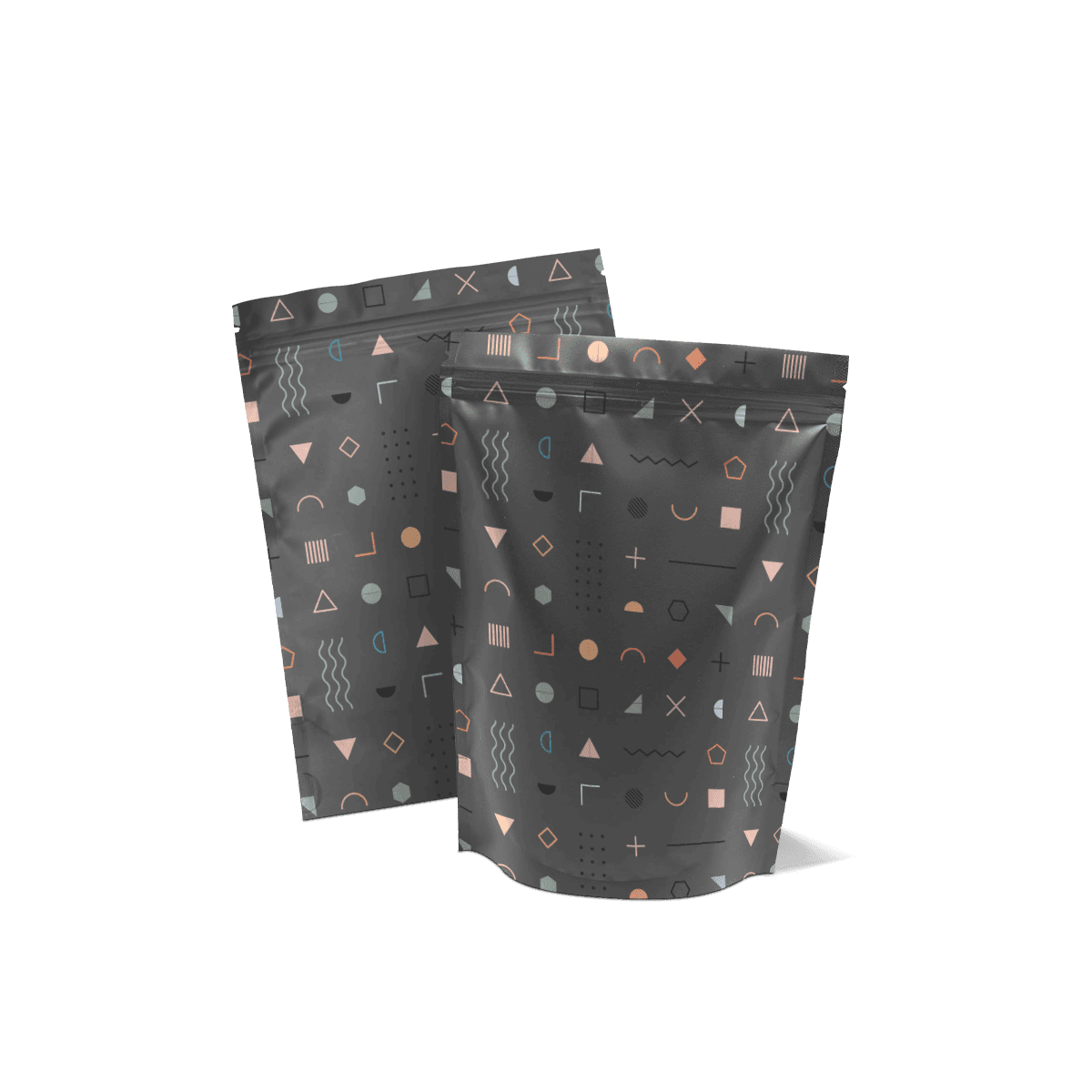
For products that need self-standing shelf presence instead of peg display, Custom Stand-Up Pouches use a gusset to create a different merchandising behavior.

Mail-Friendly Does Not Mean Transit-Proof

A flat pouch can reduce parcel thickness and fit efficiently inside ecommerce orders, but flexible film does not automatically prevent bending, crushing or puncture. The outer shipment still needs to reflect what the contents can tolerate.

Soft refills may need little more than an appropriate mailer. Rigid samples, glass components or sharp accessories may need a paperboard carton, insert or stronger shipper around the pouch.

Treat the pouch as one layer in the shipment. Right-sizing the outer package around the filled pouch can reduce movement without forcing the flexible pack itself to become rigid.

Flat Packs Fit Easily Into Secondary Packaging

Low-profile packs are useful inside kits, cartons and mailers because they use little empty volume. That can make a refill pouch, sample sachet or accessory packet easier to combine with the main product.

The secondary package still has to control bending, crushing or puncture when those risks exist. Custom Mailer Boxes suit many lightweight D2C kits, while denser or fragile shipments may need a stronger shipping structure.

When inserts are being considered, foam, cardboard and molded-pulp inserts show how restraint changes once a flexible pack sits inside a box.

Print Has to Share Space With Production Marks

The large front and back faces make flat pouches attractive for branding, but print still has to coexist with heat seals, tear features, batch coding and any required product copy.

Do not place a barcode across a wrinkle-prone edge or squeeze small copy between a zipper and top seal. Review the filled pouch because the artwork can curve around the product thickness.

For color-sensitive product lines, CMYK and Pantone printing can help set realistic repeat-color expectations across film and paperboard.

Build Size Families Around the Fill

A brand with several products should not create a new pouch dimension for every small weight change. Group SKUs only when filled thickness, seal area and visual presentation remain acceptable.

The same outer size can work for several flavors or artwork versions when the fill behaves the same. A denser or bulkier formula may need a different width or height even when the labeled net weight looks close.

For repeat orders, record finished pouch dimensions, material structure, closure, seal bands, coding zone and artwork version. Those details matter more than remembering only the nominal width and height.

One Pouch Size Should Earn Its SKU Coverage

Standardizing one size across several products can simplify inventory and artwork management, but only when the different fills still look and perform correctly. A light product in an oversized pouch can appear underfilled, while a bulky version may crowd the seal area.

Group SKUs by filled envelope rather than nominal net weight. Record the smallest and largest realistic fill for each proposed common size, then check seal clearance, presentation and case count at both ends.

If one outlier forces the common pouch to become inefficient for every other SKU, give that product its own size instead of turning standardization into waste.

Approve the Pouch in Its Real Route

Review the pouch after filling, sealing and packing into the carton or mailer it will actually use. Check opening behavior, filled thickness, print distortion and whether the pack remains easy to count and handle at the packing station.

Custom Packly supports custom sizes, print planning and 3D mockups, with US production and MOQ starting from 100 where the chosen pouch construction is suitable. Free shipping applies to standard US orders.

A useful quote starts with product type, fill weight or count, width and height target, quantity per design, film or barrier requirement, zipper or tear features and the final packing method.

FAQs

Both can work. Flat Pouches are especially strong for sample programs, trial packs, refill portions, and slim retail items where a standing shelf format is not necessary.

Choose Flat Pouches when compact storage, low shipping bulk, and simple front-and-back presentation matter most. Stand-Up Pouches are better when the product needs a self-standing shelf display or more internal volume.

Yes. One of the main strengths of Flat Pouches is the clean panel layout, which gives buyers usable space for logo treatment, compliance text, QR codes, and usage details.

Yes. Their slim shape is helpful for starter kits, sample mailers, subscription inserts, and multi-item packs where space efficiency matters.

Most are heat sealed after filling, with opening features added based on the product and user experience target. Tear notches are common for quick access.

Process

How it works

Your Packaging Journey, From Idea to Production and Delivery

01

Tell Us Your Specs

Custom packaging boxes

Tell Us Your Specs

Provide size, quantity, printing, and finishes.

02

Get a Fast Quote

Custom packaging boxes

Get a Fast Quote

Instant transparent pricing, no hidden fees.

03

Design and Approval

Custom packaging boxes

Design and Approval

Artwork checks, revisions, and final sign-off.

04

Produce

Custom packaging boxes

Produce

Expert manufacturing to meet deadlines.

05

Ship to Your Door

Custom packaging boxes

Ship to Your Door

Hassle-free, flexible delivery options.

Get Your Quote for Custom Flat Pouches

Share your product details, size, quantity and artwork needs. We’ll help choose the right packaging style and send a clear quote.