Cream Flow Sets the Structure
Thick cream changes how a pouch has to work. The package has to hold the formula securely, but it also has to release it without excessive squeezing, trapped product or a messy opening. A pouch that works for a thin serum can behave very differently with body cream, moisturizer, conditioning treatment or a dense cosmetic mask.
Among flexible pouches, cream packs need extra attention to flow, seal cleanliness and how the pouch collapses as product is removed.
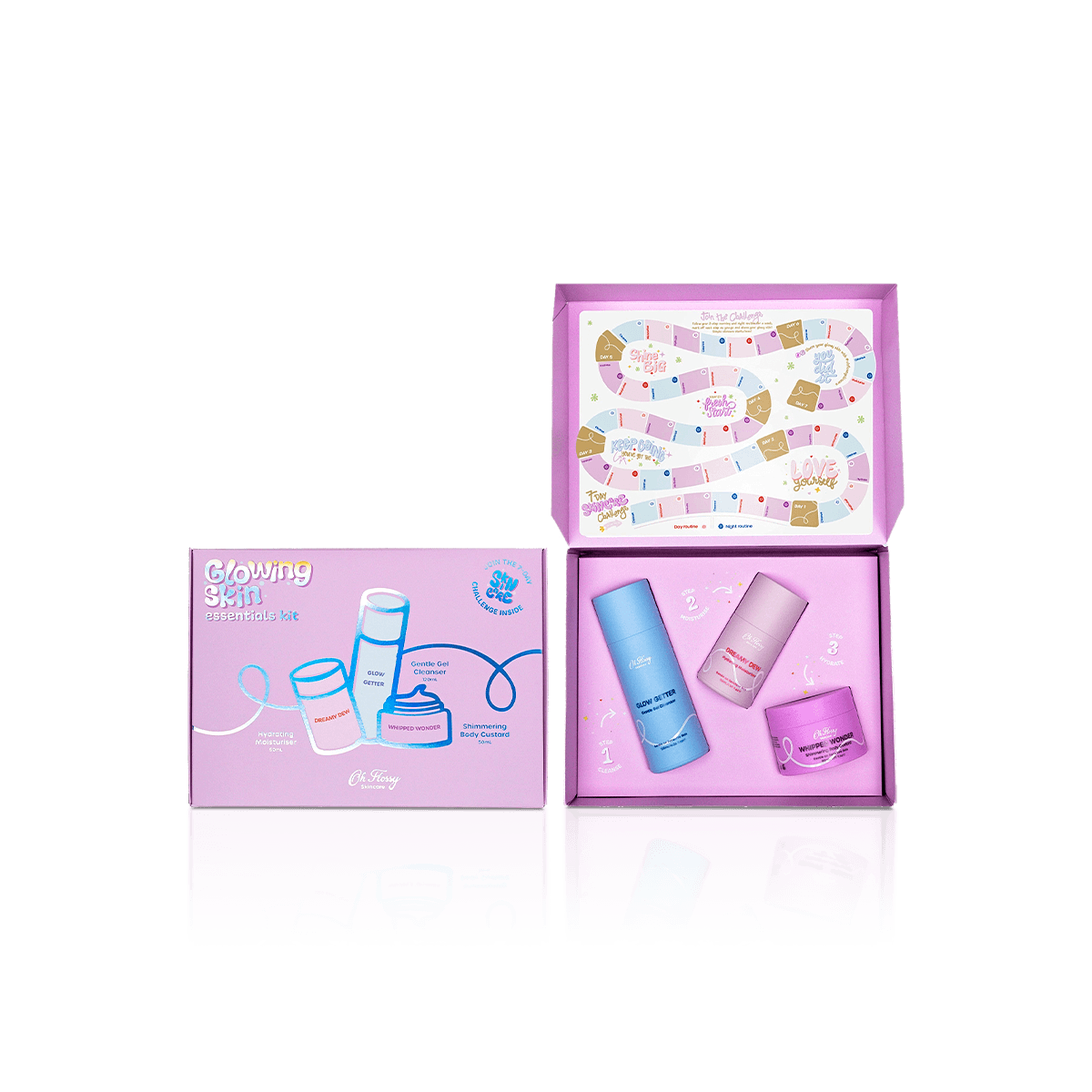
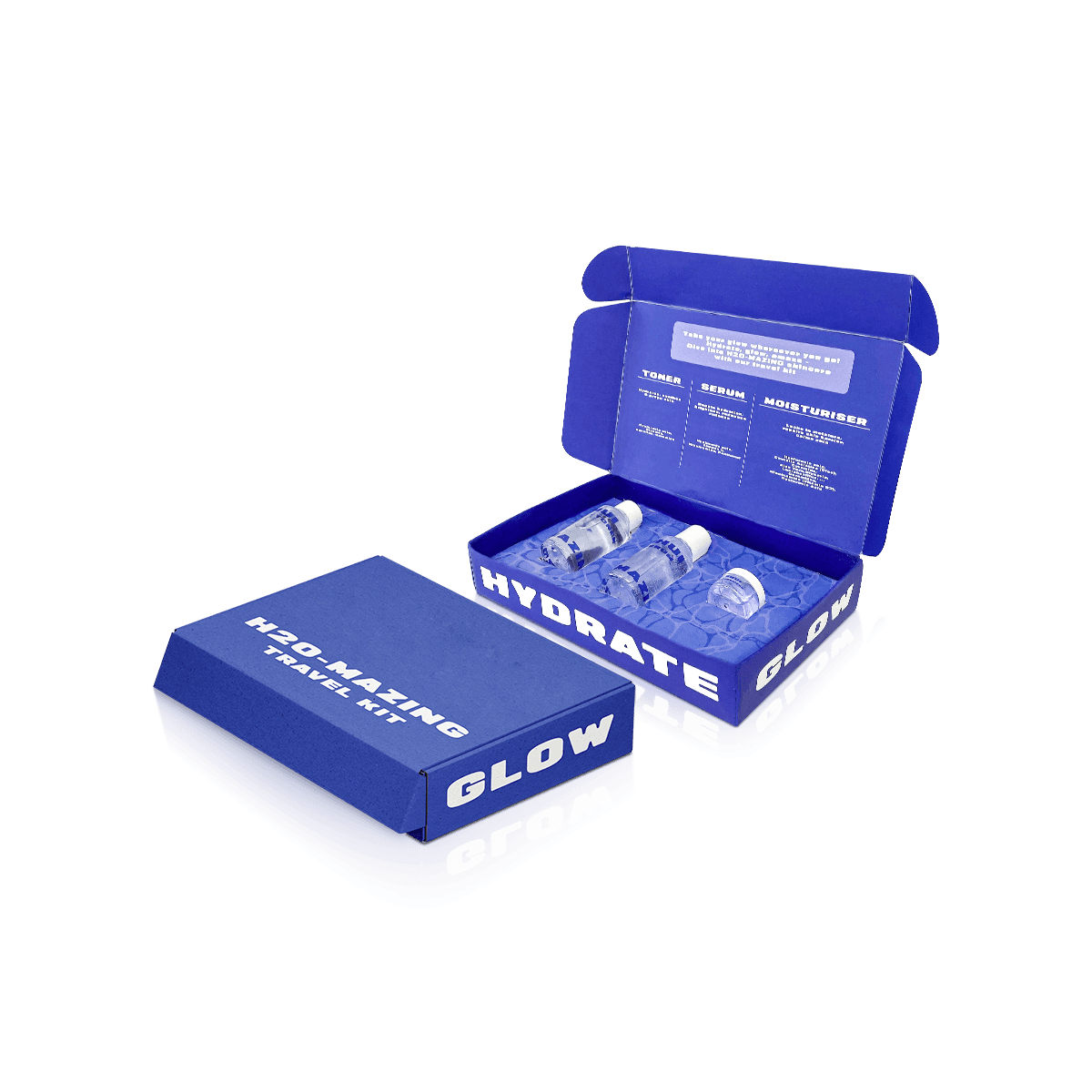
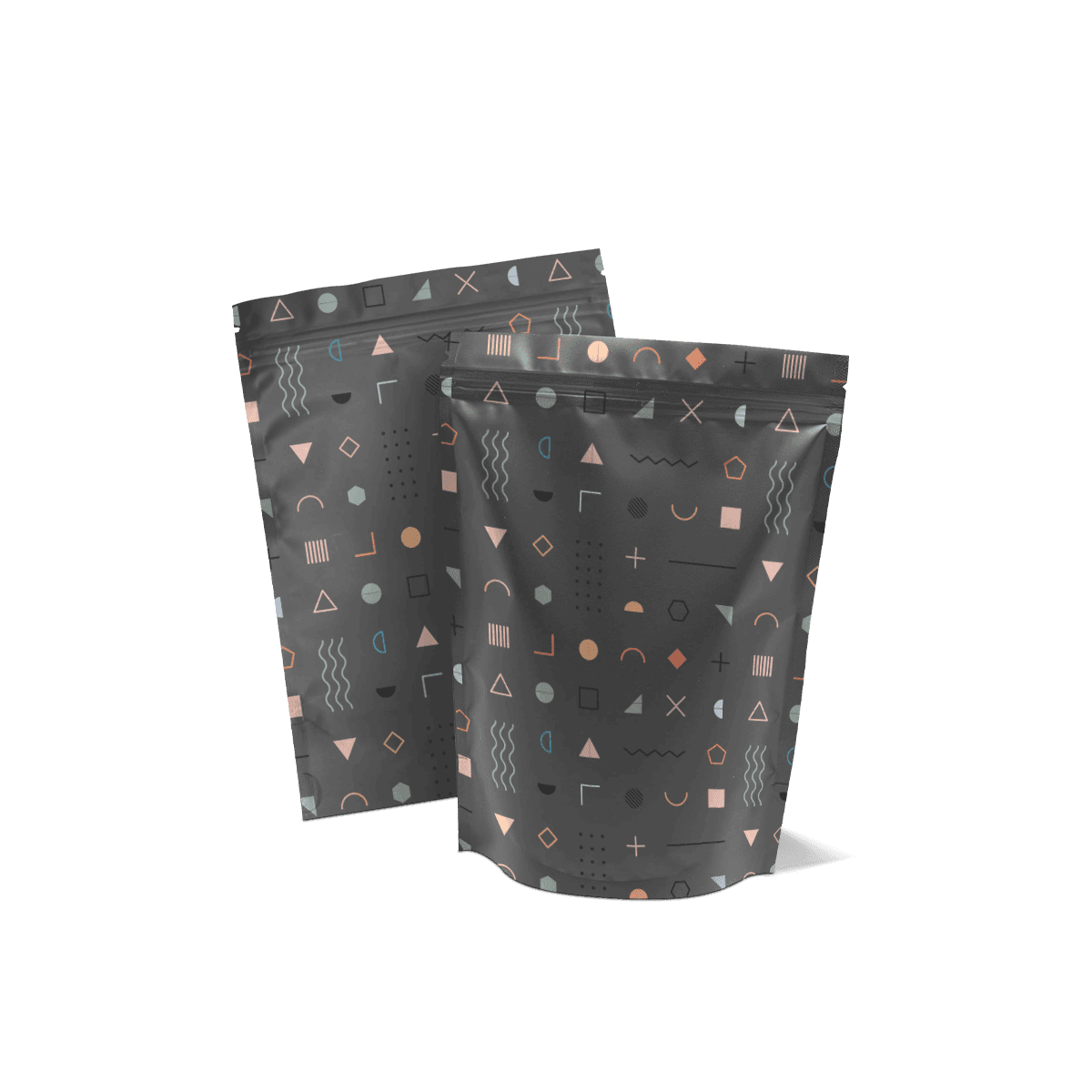
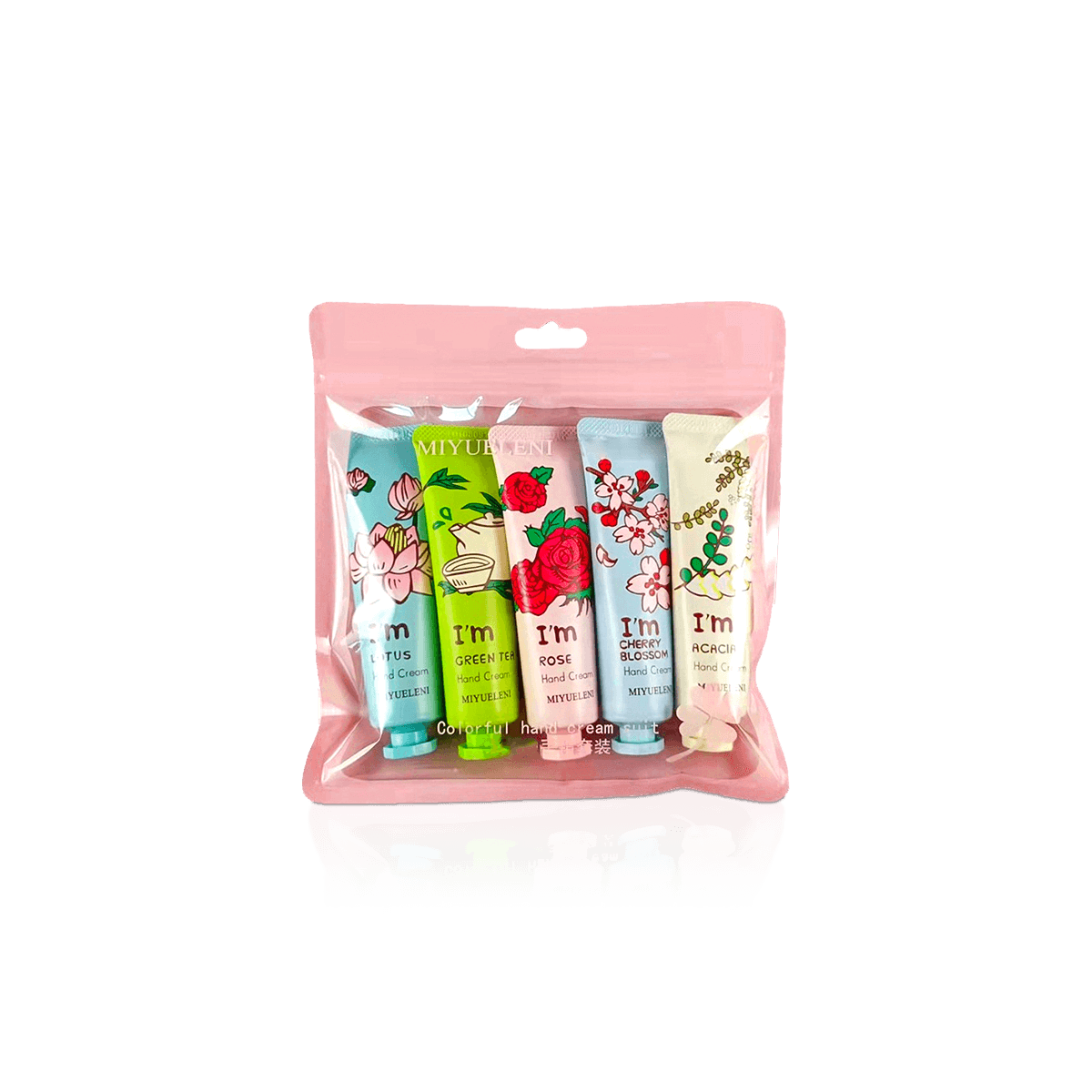
That makes intended use the first structural decision. A refill pack may need a spout and cap for repeated dispensing. A trial-size cream can use a compact sealed pouch that tears open once. A larger retail pouch may need a bottom gusset so it stands while still squeezing easily in the hand.
Refills Need Controlled Dispensing
A refill pack should move cream into the original jar, bottle or dispenser with as little waste as practical. The outlet has to suit the formula rather than simply look proportionate to the pouch.
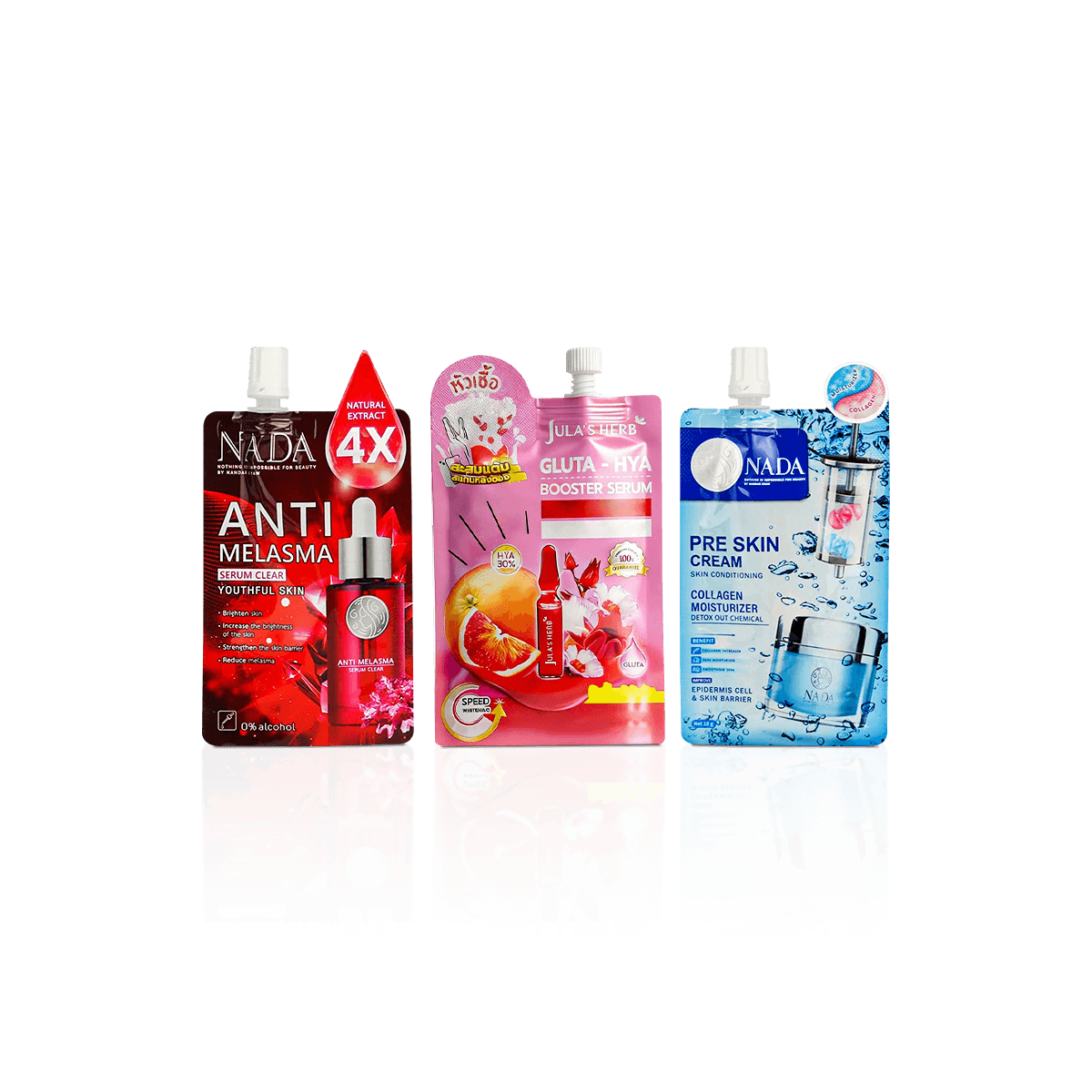
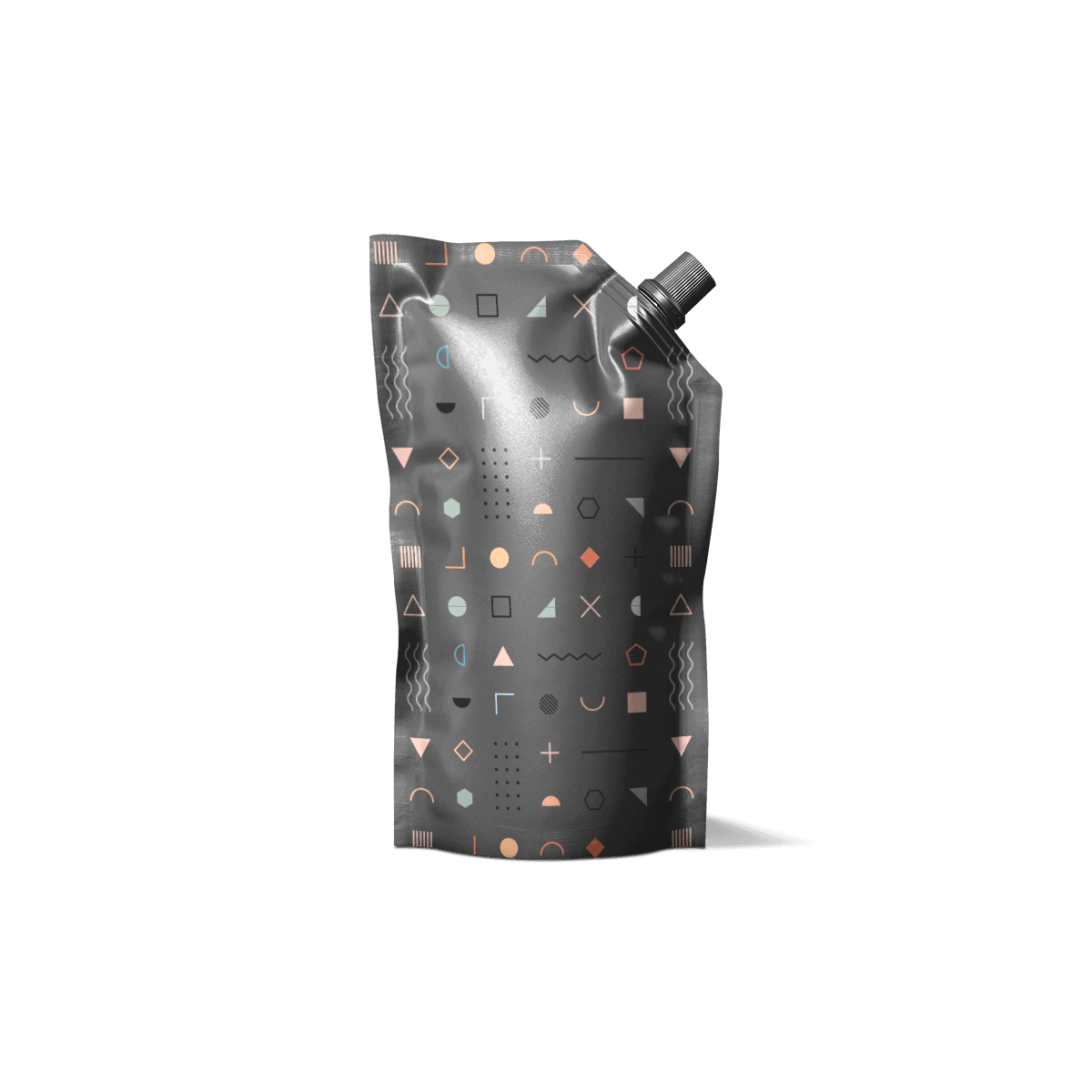
For multi-use refills, spouted pouches can pair a reclosable cap with a flexible body that compresses as cream leaves the pack.
The fitment position also matters. A corner spout can make controlled pouring or squeezing easier for some refill applications, while a top-centered fitment changes how the pouch is held and emptied. The right choice depends on viscosity, fill volume and how the customer transfers the product.
Samples Need a Clean First Opening
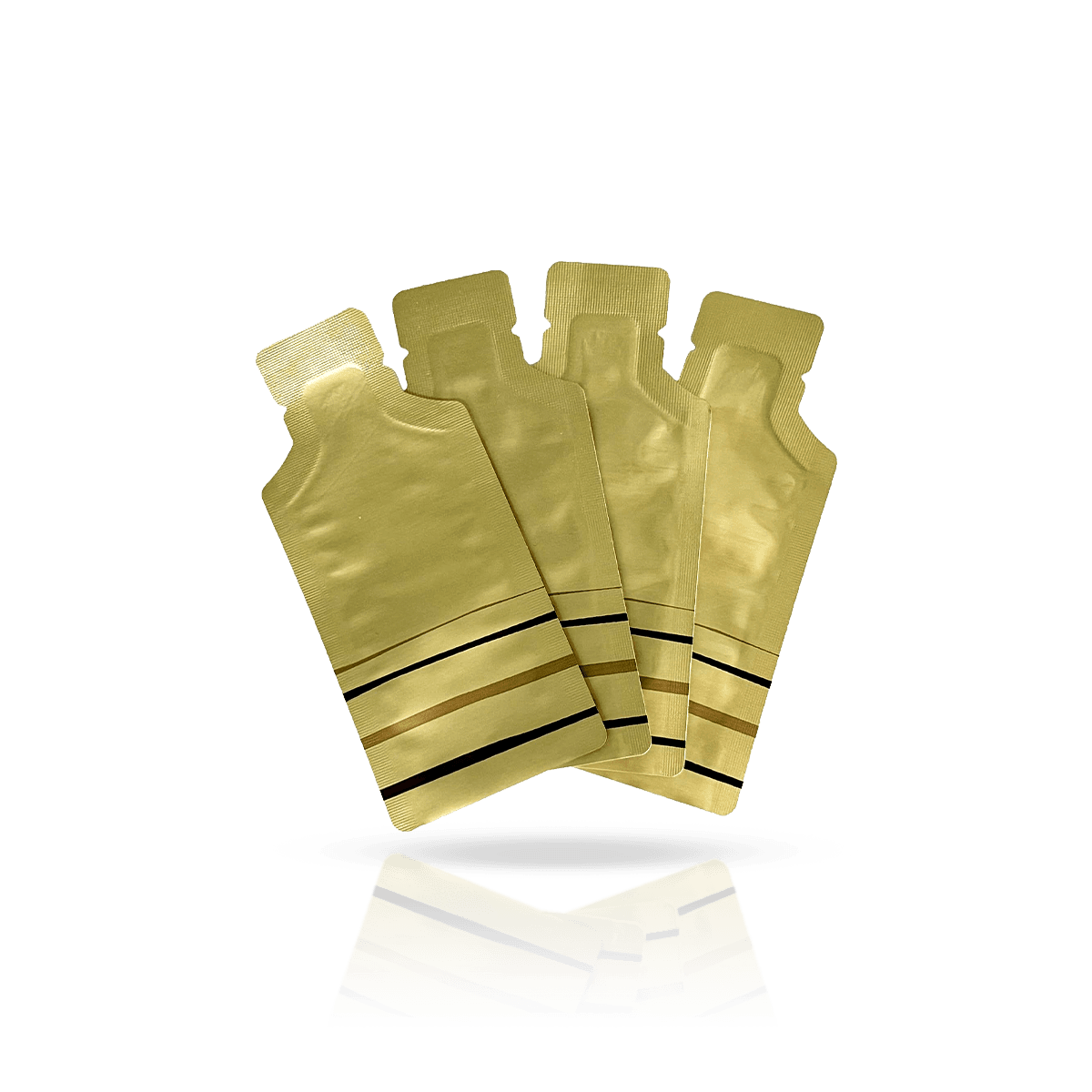
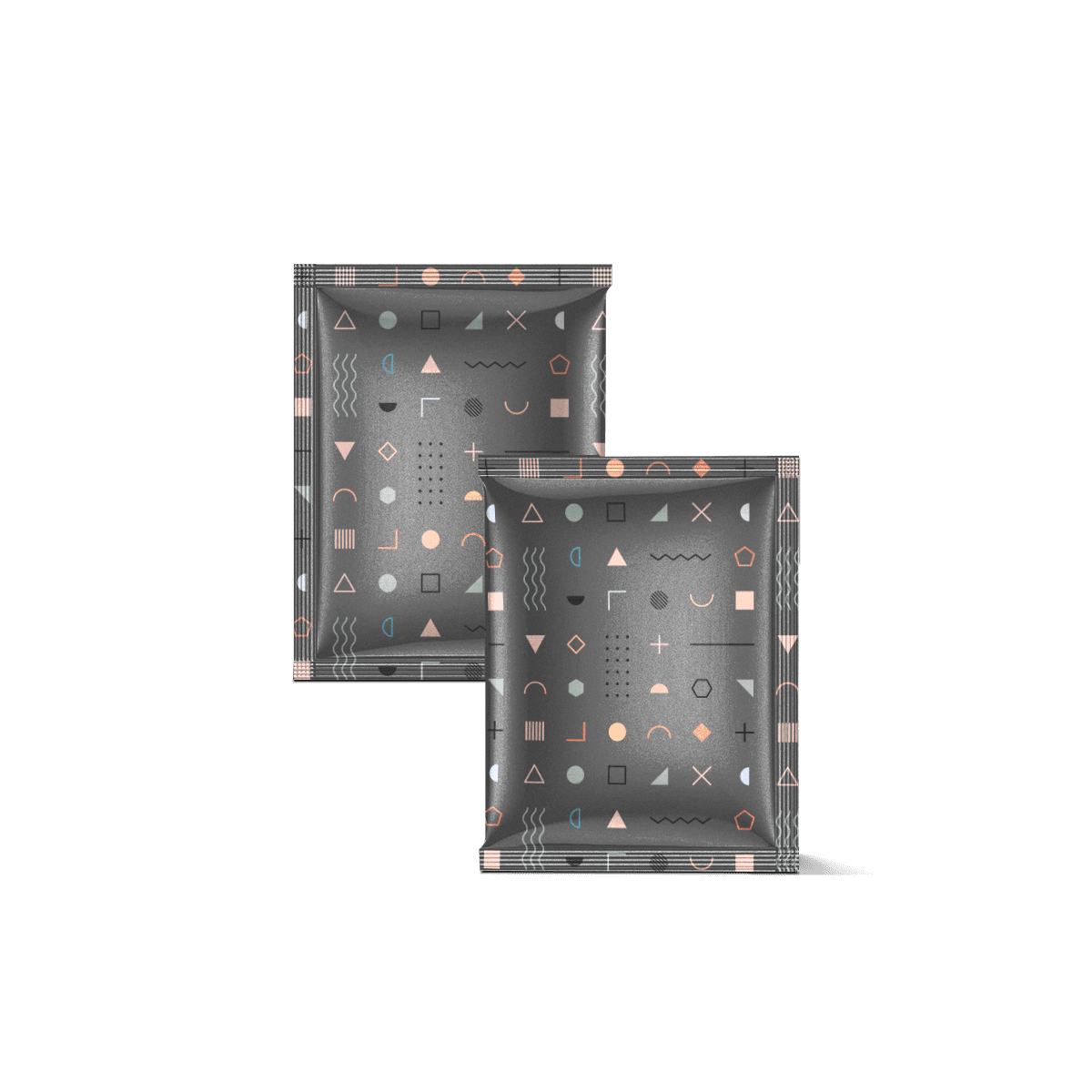
Single-use cosmetic cream samples have a different job. They do not need a cap or repeated reclosure, but the tear point should open without forcing the customer to squeeze product through a tiny accidental gap.
Seal width, notch position and fill location all affect the experience. The cream should sit away from the tear area before opening, especially when the pouch may be carried in a handbag, promotional kit or subscription shipment.