Skip to content
Details

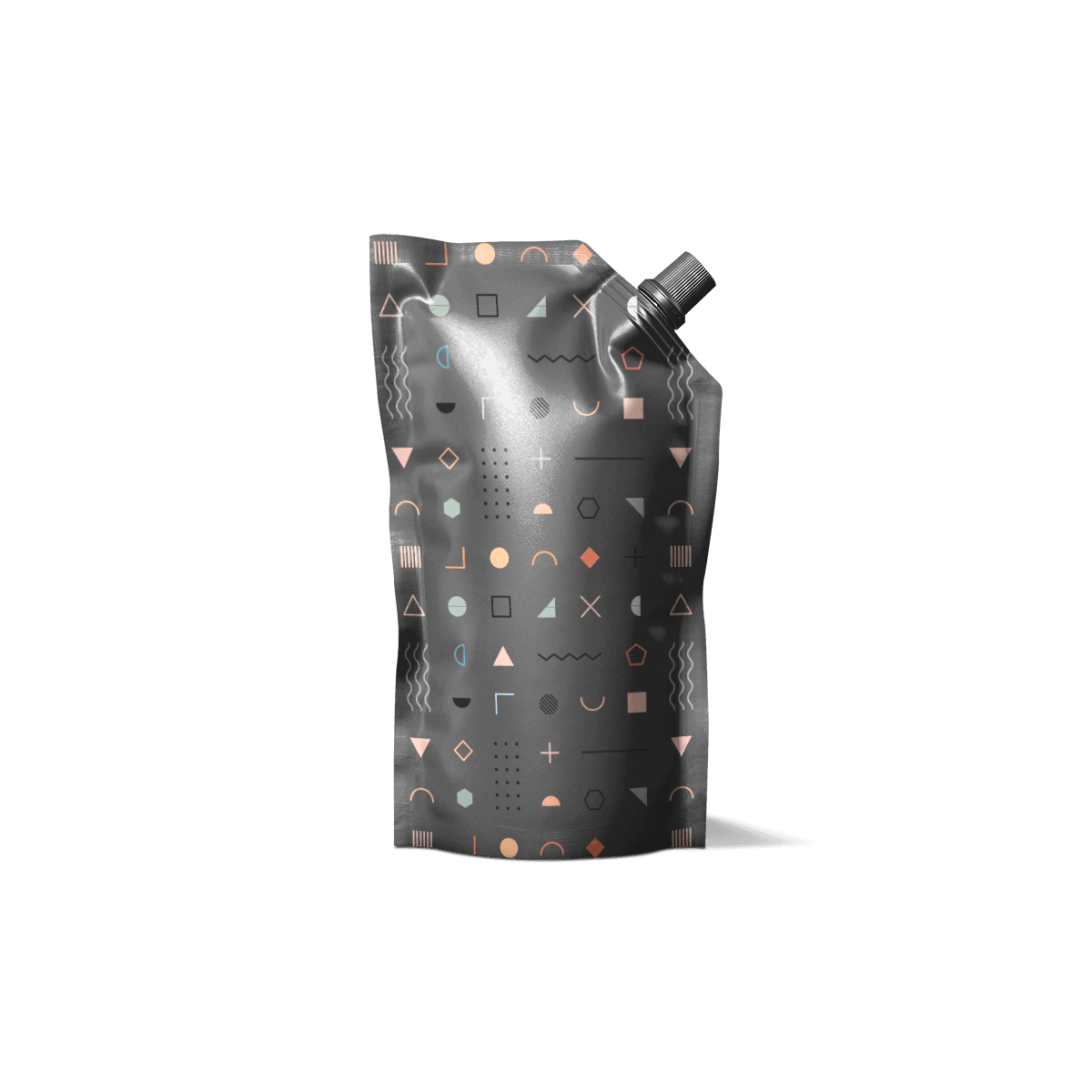
Custom Liquid Pouch Packaging

Custom flexible packaging for liquid products, concentrates and refills, with product-compatible films, reliable heat seals and structures suited to filling, storage and distribution.

Three Routes to a Leak

When a liquid pouch leaks inside a shipping carton, the spilled contents do not immediately reveal which part of the package failed.

The liquid may have passed through an incomplete heat seal, escaped through a damaged film or leaked from an improperly sealed fitment. Each failure requires a different correction.

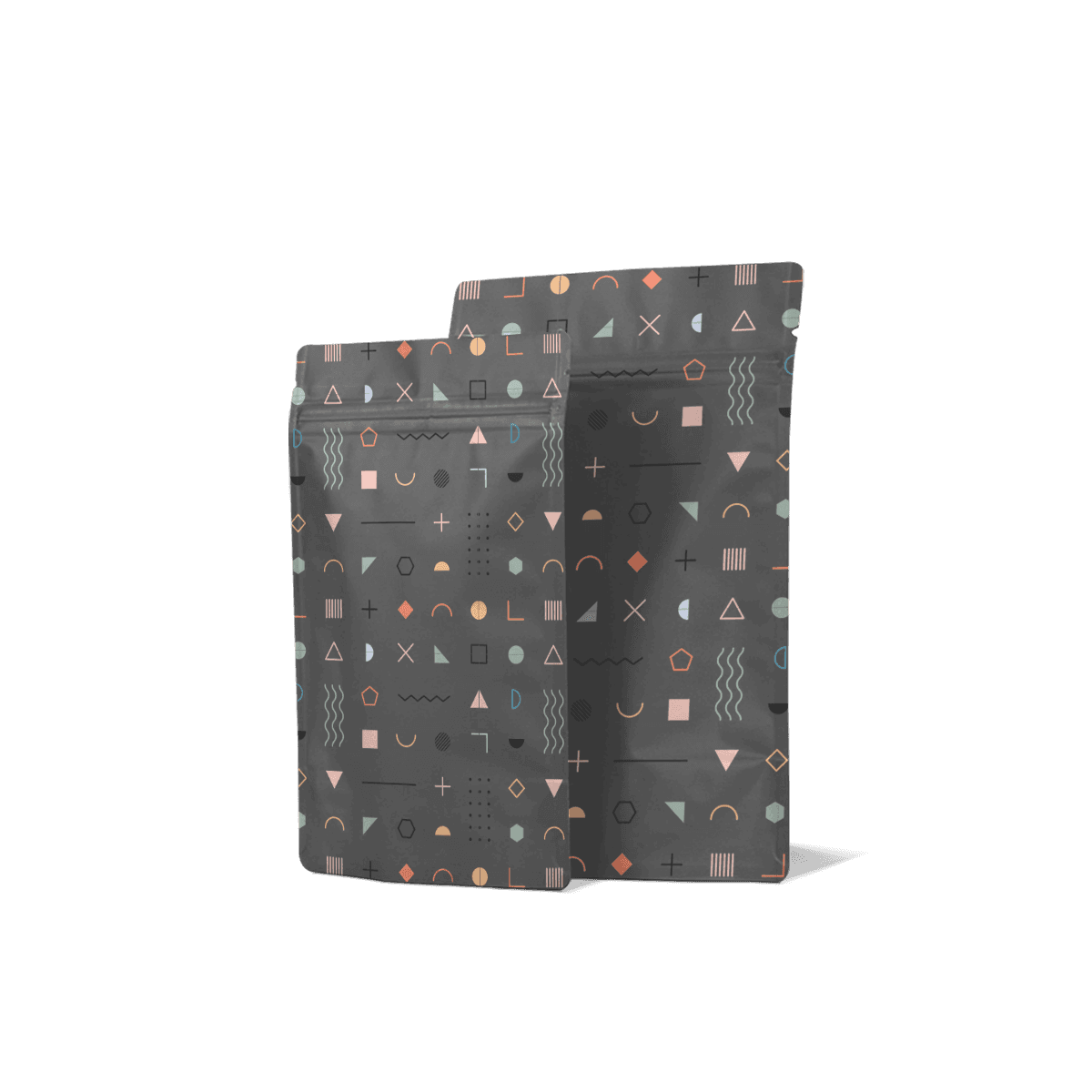
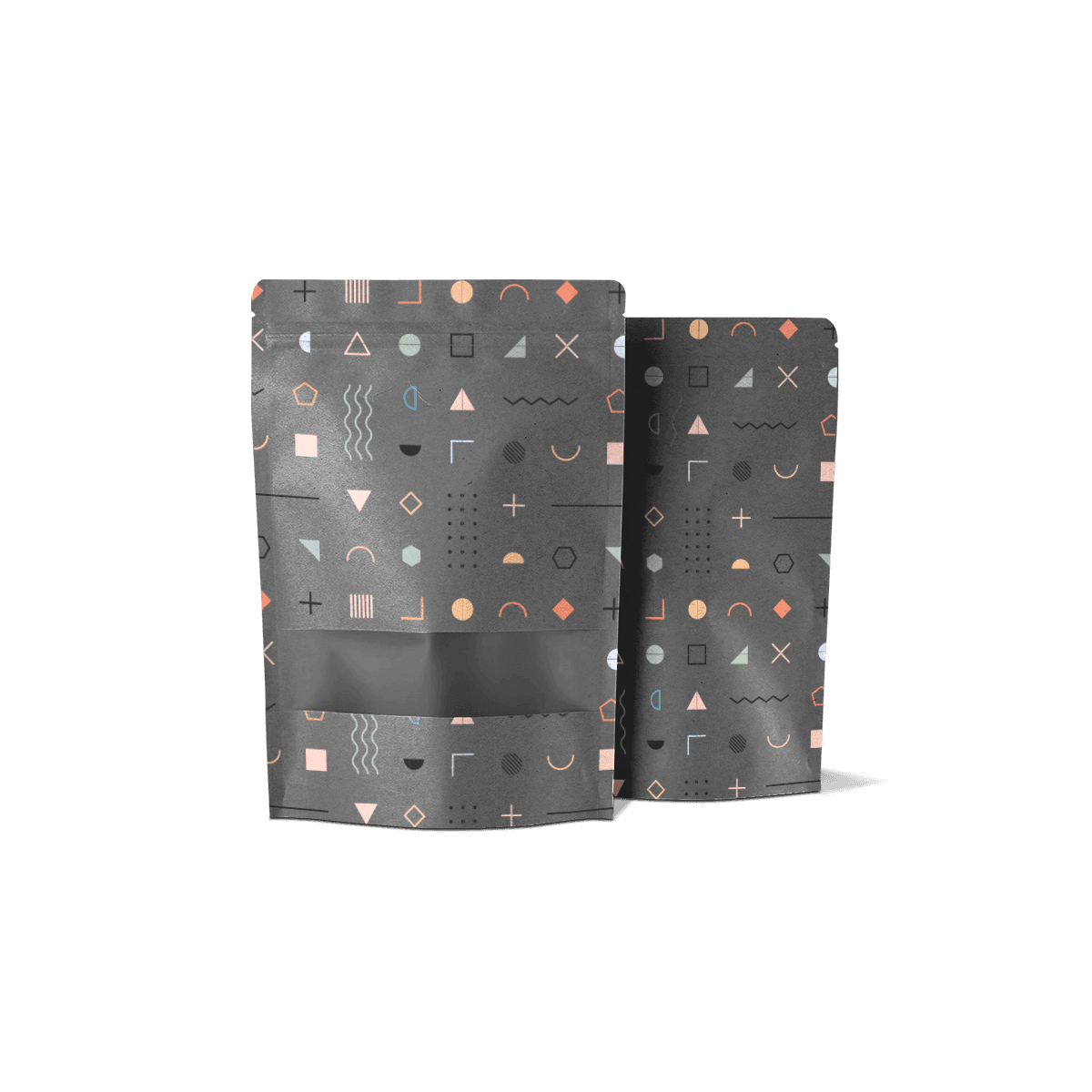
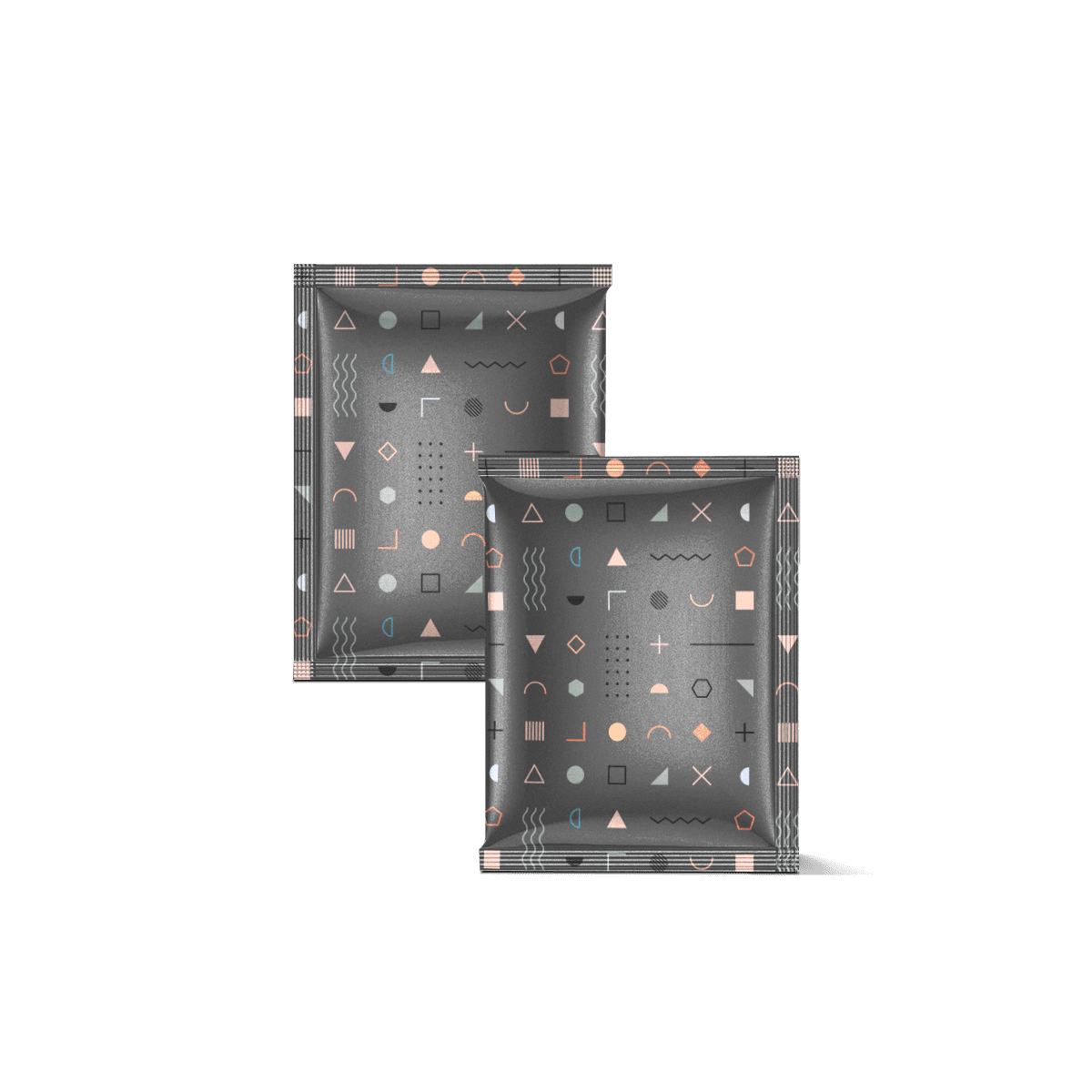
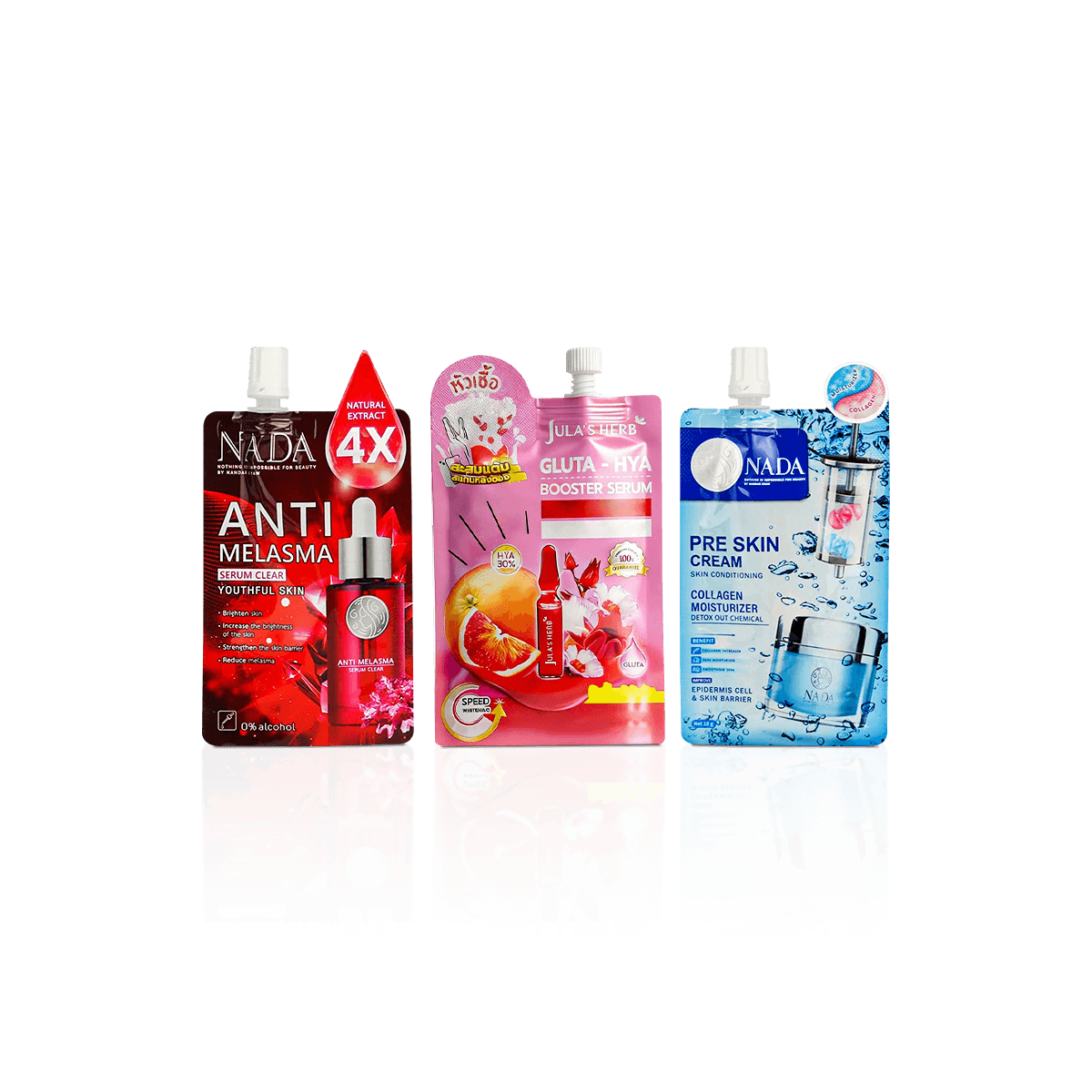
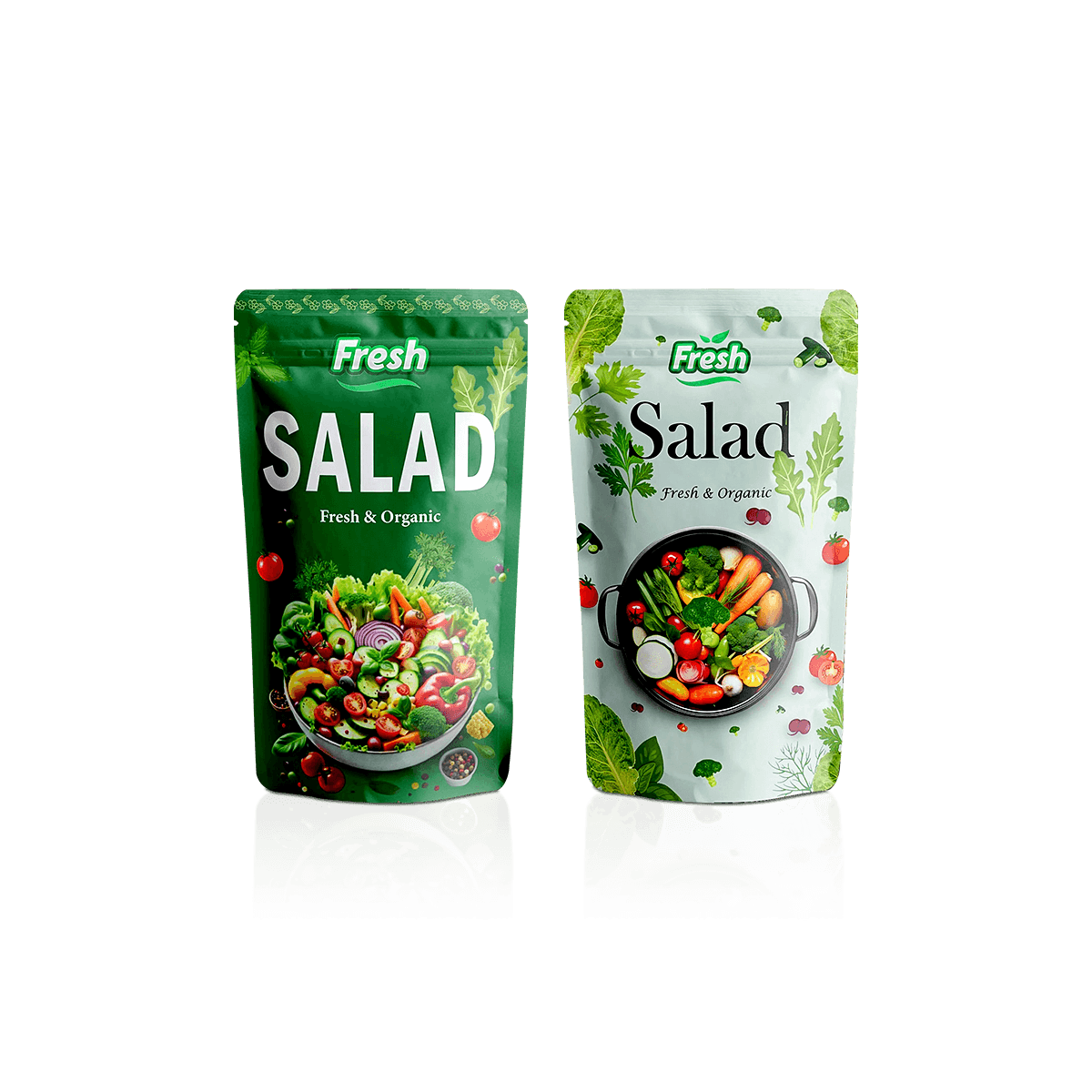
Custom Liquid Pouch Packaging uses flexible films and suitable sealing structures to contain liquids and semi-liquids. Depending on the product, the finished package may be a compact single-use sachet, a larger stand-up pouch or a refill pack.

These constructions must accommodate the actual liquid and the conditions it encounters during filling, handling and distribution.

For beverages, sauces, personal care liquids and compatible wellness formulations, the important decisions extend beyond choosing a pouch's dimensions and appearance.

Seal Channels

A seal channel is a path through the sealed area that allows the contents to escape.

It can occur when the intended seal has not formed continuously. Contamination, unsuitable sealing conditions or irregular material contact may contribute to the problem.

Liquid on the sealing surface is particularly important during filling.

A pouch can have an apparently complete top seal while a small channel remains where the film layers did not bond correctly.

Seal integrity must therefore be assessed using the actual laminate and production process.

Film Punctures

A pouch may have sound seals but still leak through damage to its body.

Punctures can result from contact with sharp objects, inappropriate handling or concentrated stress during distribution.

The appropriate puncture resistance depends on the contents and their surroundings.

A pouch holding a smooth liquid has different internal contact conditions from one containing hard particles or irregular ingredients.

Increasing film thickness may improve certain mechanical properties, but the complete construction must address the actual source of damage.

Fitment Interfaces

Where a pouch has a spout or another dispensing component, the attachment introduces an additional potential leakage path.

The fitment and flexible film must form a suitable bond.

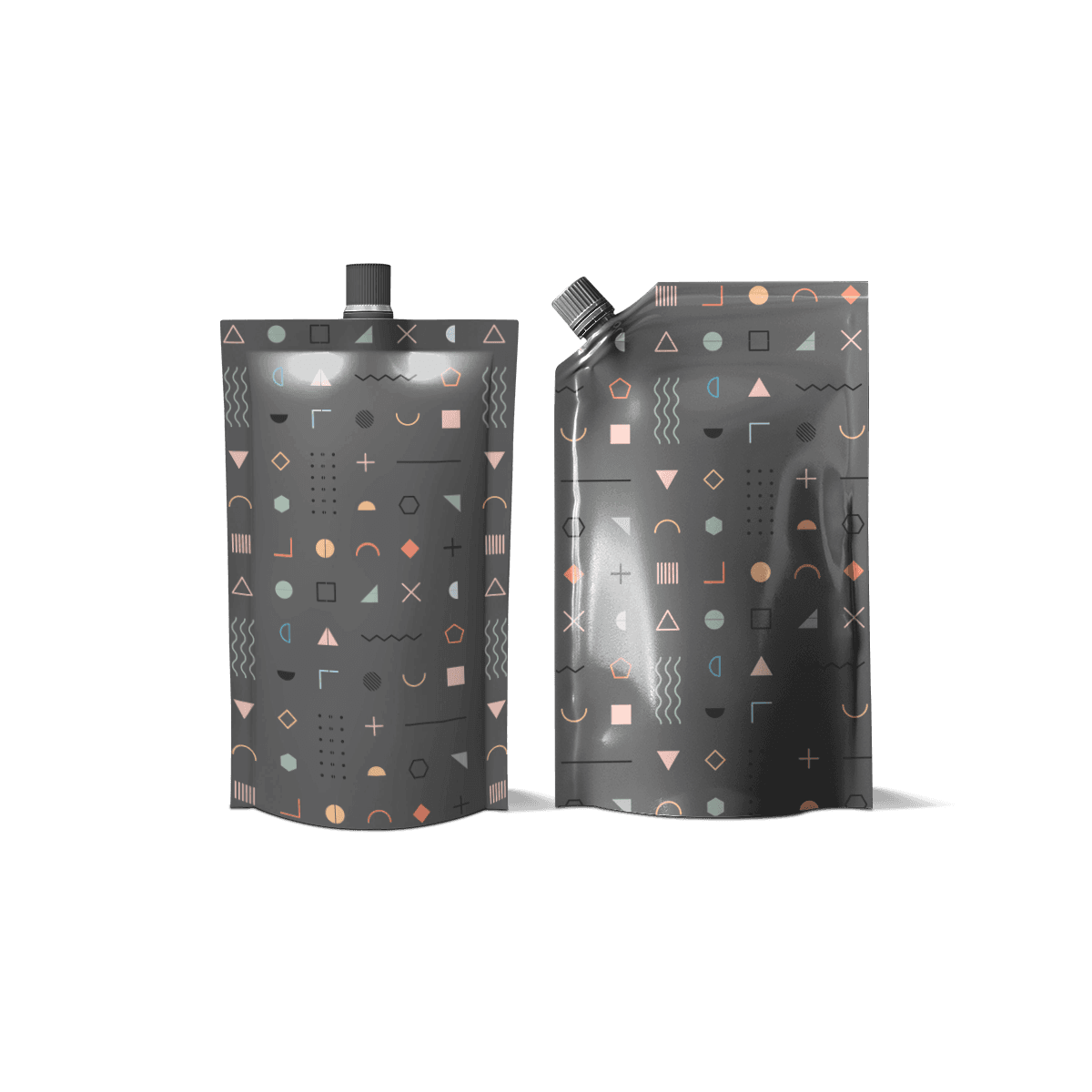
For products that require controlled pouring and repeated reclosure, spouted pouches place greater emphasis on dispensing hardware and its operation.

For liquid packaging more generally, the decision is which construction can contain the product throughout its intended use.

A spout is not automatically necessary for every liquid.
The Fill Line Sets Capacity

A pouch's stated capacity does not establish how much liquid can be filled under actual production conditions.

The filling method, product behavior and space needed for sealing all affect the usable capacity.

A container that physically holds the intended volume may still be unsuitable for the equipment used to fill it.

The correct dimensions should reflect the product and the filling operation together.

Filling Nozzle Clearance

For pouches filled through an open top, the filling nozzle needs an appropriate position.

The pouch must open sufficiently for the equipment to deliver the product without interfering with the intended seal area.

A narrow opening may complicate filling, particularly for viscous products.

The nozzle's operating position and the pouch's effective opening width should be established before production.

For automated equipment, the construction must also be compatible with the machine's gripping, opening and transfer mechanisms.

A manually filled product may permit a different arrangement, but the finished seal still needs to meet the established requirements.

Product Flow Behavior

Thin liquids and viscous formulations behave differently during filling.

A free-flowing liquid may enter the pouch quickly but can splash or spread across exposed sealing surfaces.

A thicker formulation may require a different filling method or additional time to enter the package.

Products containing suspended particles introduce further considerations because the filling equipment and opening must accommodate those particles.

These characteristics affect the production setup and the appropriate pouch construction.

The actual formulation should be used to establish the filling method rather than assuming that all liquids can follow the same process.

Headspace and Air

The pouch needs an appropriate amount of space beyond the intended liquid fill.

The correct headspace depends on the product, filling process, temperature, sealing method and expected handling conditions.

Excessive headspace can create unnecessary packaging volume and affect the finished appearance.

Insufficient headspace can interfere with sealing or create inappropriate pressure under certain handling conditions.

Trapped air may also influence how the package behaves during transport.

The filling team should establish the required headspace and any relevant air-management process using the actual formulation.

The commercial fill volume should not be confused with the pouch's maximum physical capacity.

Liquid Weight at the Base

A flexible pouch changes shape when it contains liquid.

The panels expand, the base takes on the weight of the contents and the bottom seams become important structural elements.

An empty pouch may appear stable, but its final standing behavior depends on the filled product.

Bottom Gusset Geometry

A bottom gusset allows a pouch to expand and can establish a standing base.

The gusset must accommodate the intended liquid volume while supporting the finished package.

Its geometry influences the pouch's footprint, the distribution of the contents and the position of the printed panels.

A narrow base may become unstable as the liquid moves.

A larger base can improve the standing arrangement for some constructions, but it may also increase the required shelf footprint.

The correct geometry depends on the filled weight and intended presentation.

Pressure at the Seams

Liquid exerts pressure on the surrounding package.

That pressure changes as the pouch is handled, compressed or dropped.

The bottom and side seals must be suitable for the intended conditions, particularly where the package contains a substantial liquid weight.

The junctions where folds and seals meet deserve attention because several layers or changes in geometry may occur in a relatively small area.

These areas should be assessed as part of the complete pouch construction.

A strong-looking seal is not sufficient evidence of its performance.

Stability After Filling

A filled pouch should be evaluated in the position in which it will be displayed or stored.

The actual contents determine its center of gravity and the extent to which the panels expand.

A stand-up pouch may need different proportions from a package intended to lie flat inside a carton.

For liquid products sold in flexible pouches, the correct structure depends on how the package is filled, displayed and handled.

The standing arrangement should be established using the finished product, not an empty printed sample.

Film Compatibility Comes Before Appearance

A liquid pouch's internal material must be suitable for the actual product.

The outer print may look identical across several constructions, but the internal film and laminate can differ significantly.

The right material depends on the formulation, filling conditions, storage requirements and intended shelf life.

Water-Based Formulations

Water-based liquids may be compatible with suitable flexible-film constructions, but compatibility cannot be established from the product's water content alone.

Other ingredients, acidity, preservatives and intended processing conditions may influence material selection.

The product manufacturer should establish the necessary contact and performance requirements for the complete formulation.

Where the product is intended for consumption, the selected materials must be suitable for the applicable food-contact conditions.

That suitability must be supported for the actual material and intended use.

Oils and Concentrates

Oil-containing products can introduce different material-compatibility requirements.

The internal sealing layer and any adhesive or laminate components must be assessed for their intended exposure.

A material suitable for one formulation should not automatically be used for another with different ingredients.

Concentrated personal care products may also require additional consideration because their composition can differ significantly from a diluted product.

The required material specification should follow appropriate compatibility assessment rather than a generic claim that the pouch is resistant to all oils or chemicals.

Oxygen and Light Protection

Some liquids require protection from oxygen or light to maintain their established quality specifications.

The necessary barrier depends on the formulation and intended shelf life.

Oxygen transmission rate, or OTR, is one property used to characterize a film's oxygen-barrier performance.

Metallized films and foil laminates may be considered where their characteristics satisfy the product's requirements.

A transparent window can affect light exposure and may change the overall barrier construction.

The material should therefore be selected according to the product's established protection requirements.

Barrier films do not eliminate the need for an appropriate sealing process.

Temperature Changes the Specification

The temperature at which a liquid enters the pouch can materially affect packaging suitability.

A film intended for ambient filling should not automatically be used for hot filling, pasteurization or another thermal process.

Temperature can affect the film, seals, product and pressure conditions inside the package.

Hot-Fill Conditions

Where a product requires hot filling, the complete pouch construction must be suitable for the established filling temperature and process.

The laminate, sealing layer and any attached components must be compatible with those conditions.

Cooling may also change the pouch's shape as the contents and any enclosed gases contract.

The finished package should be evaluated after cooling rather than relying exclusively on its appearance immediately after filling.

No particular hot-fill temperature should be assumed suitable without confirmation for the selected construction.

Thermal Processing

Products requiring retort processing, pasteurization or other thermal treatment introduce additional requirements.

The selected pouch must be suitable for the specific process, and the product manufacturer must establish the necessary validation.

A general high-barrier film is not automatically suitable for retort processing.

The same applies to fitted components, seals and printed construction.

The packaging specification must reflect the approved processing conditions rather than treating thermal suitability as an optional finishing feature.

Storage Temperature

Temperature variation during storage and distribution may influence the product and packaging.

Some formulations can become more viscous when cold. Others may separate or undergo changes that affect filling, dispensing or package performance.

The manufacturer should establish appropriate storage conditions and product-specific limitations.

The selected film and closure must remain suitable for the intended environment.

Single Portions and Multi-Use Packs

Liquid pouch construction changes according to how much product is sold and how it will be consumed or transferred.

A single-use portion needs an appropriate factory seal and practical opening.

A multi-use pack may require a controlled dispensing mechanism and a means of reclosure.

These uses should not automatically share the same structure.

Single-Use Liquid Sachets

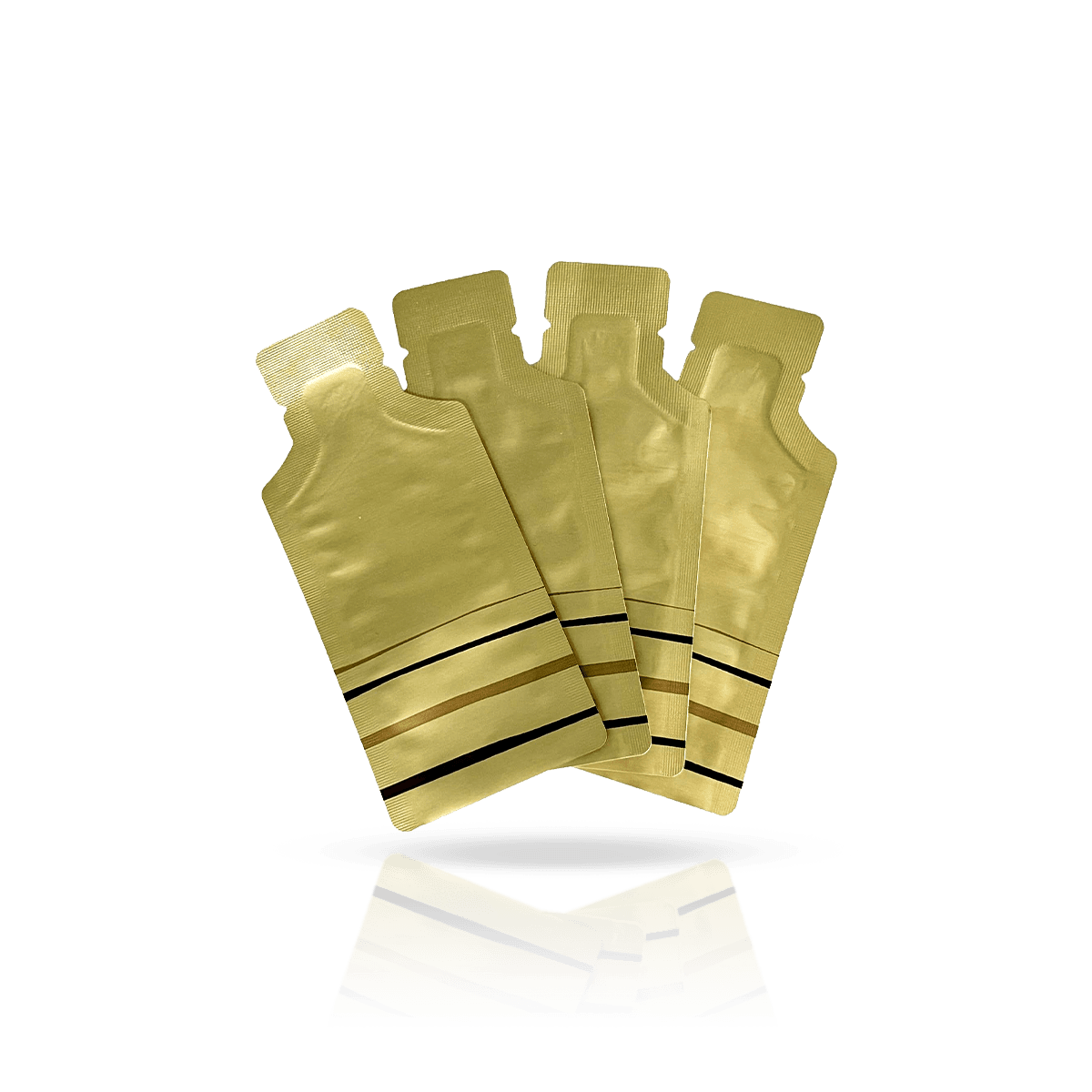
Small portions of compatible liquids, gels and concentrates may suit sealed sachets.

A flat, three-side-seal or pillow-style construction may be appropriate depending on the filling equipment and intended opening method.

For suitable automated applications, pillow pouches can support compact single-use packaging.

The opening must suit the contents.

A very narrow tear opening can make a viscous product difficult to dispense. An uncontrolled opening may release a thin liquid too quickly.

The seal arrangement and intended tear direction should reflect the product's actual behavior.

Multi-Use Refills

Larger liquid pouches may serve as refills for an existing bottle or container.

The intended transfer method determines whether a tear opening, fitment or other dispensing arrangement is appropriate.

A refill that is emptied in one operation may not need the same closure as a product that remains in its original pouch.

The pouch must also be manageable when partially full.

Its shape and grip area can affect how easily the customer controls the product during transfer.

Secondary Liquid Packaging

Some liquid products are already enclosed in a bottle, vial or other primary container.

A flexible outer pouch may support presentation or organization, but it should not be expected to replace the primary container's protective function.

The completed product dimensions determine the outer pouch's size.

Fragile containers may require additional structural protection rather than a flexible bag alone.

Pressure During Parcel Handling

A liquid pouch can experience concentrated loads during shipping.

When a package is compressed, the liquid transfers force to the surrounding film and seams.

The outer shipping arrangement needs to account for that behavior.

Case Compression

A shipping carton containing several flexible pouches must support the intended stacking load.

The arrangement should avoid placing excessive pressure on individual liquid packs.

Pouches may need suitable orientation, separators or an appropriately specified case.

The correct arrangement depends on the filled weight, package geometry and distribution conditions.

Drop and Impact Loads

A drop can produce a sudden change in pressure inside a filled pouch.

That load can affect the seals, film and any attached components.

Physical evaluation should reflect the expected handling conditions of the finished product.

A leak test performed on an empty pouch does not establish how the filled package will behave during distribution.

The complete package should be assessed using the actual formulation or a technically appropriate test medium under an established protocol.

Mixed-Product Shipments

Direct-to-consumer orders may place liquid pouches alongside rigid containers and other products.

The outer packaging should prevent damaging contact and unnecessary movement.

Sharp edges, concentrated loads and unsuitable packing arrangements can compromise flexible packaging.

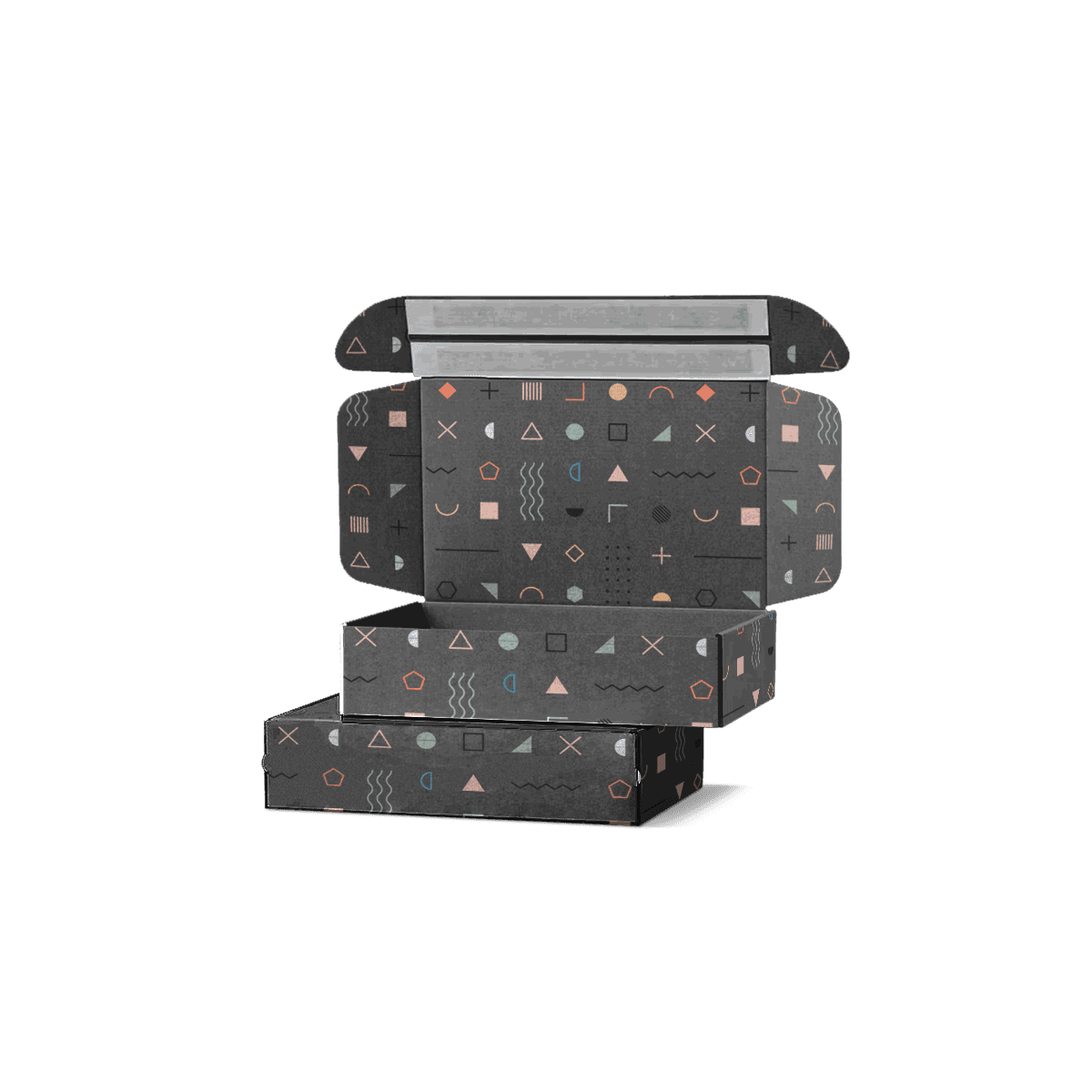
For products traveling through parcel networks, shipping boxes may be needed to control external loads and protect the finished pouch.

A printed liquid pouch should not automatically be treated as a suitable standalone parcel shipper.

Print on an Expanding Surface

The printable area of a liquid pouch changes when the package is filled.

The front panel may curve, the gusset expands and artwork close to the sealed edges can become less visible.

The printed design should be developed for the finished package.

Main Panel Placement

The product name and principal graphics need a position that remains visible in the intended display arrangement.

Artwork placed too close to a gusset may distort when the pouch expands.

Essential text should remain clear of seams and areas where the material is folded.

The finished pouch should be reviewed with its intended fill volume.

Product Labeling

The space required for ingredients, directions, warnings, net quantity and other labeling depends on the product's classification.

The brand's responsible team should establish and approve the required content.

Where lot or date coding is needed, reserve a suitable position for the intended coding equipment.

A coding area should remain accessible and readable after the package has been filled.

Artwork and Prepress

Custom Packly provides free design and dieline support, including artwork review before production.

A digital proof can help identify panel-placement problems, incorrect text positions and unsuitable artwork near seals.

Free 3D mockups can support the visual review of the assembled package.

However, a digital proof cannot establish film compatibility, seal integrity or the performance of a filled pouch.

Premium printing and suitable surface finishes can support the desired brand presentation, provided they are compatible with the selected film and manufacturing requirements.

Price Around the Filling Method

The commercial specification for liquid pouch packaging should account for the complete production process.

A simple single-use pouch and a larger refill pack may differ in film consumption, converting operations and filling requirements.

Specialist materials or closures introduce further considerations.

The intended filling equipment is particularly important.

A pre-made pouch needs to be compatible with the equipment that opens, fills and seals it.

A roll-fed construction may suit a different production arrangement.

Selecting the wrong manufacturing approach can create unnecessary conversion work or require changes after the packaging has been quoted.

Custom Packly's USA packaging offer includes low minimum quantities, US production, free shipping, free design support and 24/7 packaging expert assistance.

The minimum order quantity for a particular liquid pouch construction should be confirmed against its material, size and manufacturing requirements.

The standard 4–6 day turnaround applies after final artwork and specifications are approved. Specialist films, fitments and additional technical requirements may affect the production schedule.

Once the filling method and package construction are established, request custom liquid pouch pricing based on the intended production arrangement.

The specification should identify the actual formulation, fill conditions, required capacity, film requirements and intended distribution route.

This allows pricing to reflect the package that will be manufactured rather than an assumed stock-pouch equivalent.

Liquid Left in the Pouch

A liquid package can retain a noticeable amount of product after the customer believes it is empty.

The amount depends on the formulation, pouch geometry, opening position and dispensing method.

This is an important final decision for both single-use portions and refill products.

Corners and Residue

A viscous product may remain in the pouch's corners or along its internal surfaces.

The folds and gusset geometry can influence how easily the contents move toward the opening.

For products intended to be emptied completely, the package should support a practical dispensing motion.

An unnecessarily complicated shape may create areas that are difficult to empty.

Opening Position

The location and size of the opening affect how the contents leave the package.

A tear-open sachet must permit the intended product to be dispensed without unnecessary squeezing or cutting.

A refill pouch may need a different arrangement if the receiving container has a narrow opening.

For repeated dispensing, the appropriate fitment and closure should follow the product's flow characteristics and intended use.

The Right End-of-Use Design

The best liquid pouch is not necessarily the one with the most elaborate construction.

A single-use pack should suit the intended serving and opening method. A refill should support controlled transfer. A multi-use package must remain practical as the contents decrease.

Material efficiency also needs to be considered against the required product protection.

Recyclable material options can be evaluated where they meet the actual packaging requirements, but the complete laminate, closure and applicable recycling arrangements determine the finished package's disposal options.

The final construction should allow the product to be filled, contained, transported and dispensed in the manner intended.

FAQs

It makes the biggest difference for products that are pourable, refillable, or messy to dispense from bulky rigid containers, especially when shipping efficiency also matters.

Choose Liquid Pouch Packaging when you want broader format flexibility across sachets, refill packs, and pourable pouches. Spouted Pouches are the better fit when repeat dispensing, controlled pouring, or reclosure is the main buying priority.

Seal integrity comes first. After that, film selection, liquid viscosity, headspace control, and filling conditions all play a big role in reducing failures.

Yes. Liquid products often need more communication space, and pouch faces usually give buyers enough room for directions, ingredients, warnings, and barcode placement.

Often, yes. Flexible packaging’s flat inbound profile and lower material weight can support more efficient transport and storage than many rigid alternatives.

Process

How it works

Your Packaging Journey, From Idea to Production and Delivery

01

Tell Us Your Specs

Custom packaging boxes

Tell Us Your Specs

Provide size, quantity, printing, and finishes.

02

Get a Fast Quote

Custom packaging boxes

Get a Fast Quote

Instant transparent pricing, no hidden fees.

03

Design and Approval

Custom packaging boxes

Design and Approval

Artwork checks, revisions, and final sign-off.

04

Produce

Custom packaging boxes

Produce

Expert manufacturing to meet deadlines.

05

Ship to Your Door

Custom packaging boxes

Ship to Your Door

Hassle-free, flexible delivery options.

Get Your Quote for Custom Liquid Pouch Packaging

Share your product details, size, quantity and artwork needs. We’ll help choose the right packaging style and send a clear quote.