Skip to content
Details

Custom Spouted Pouches

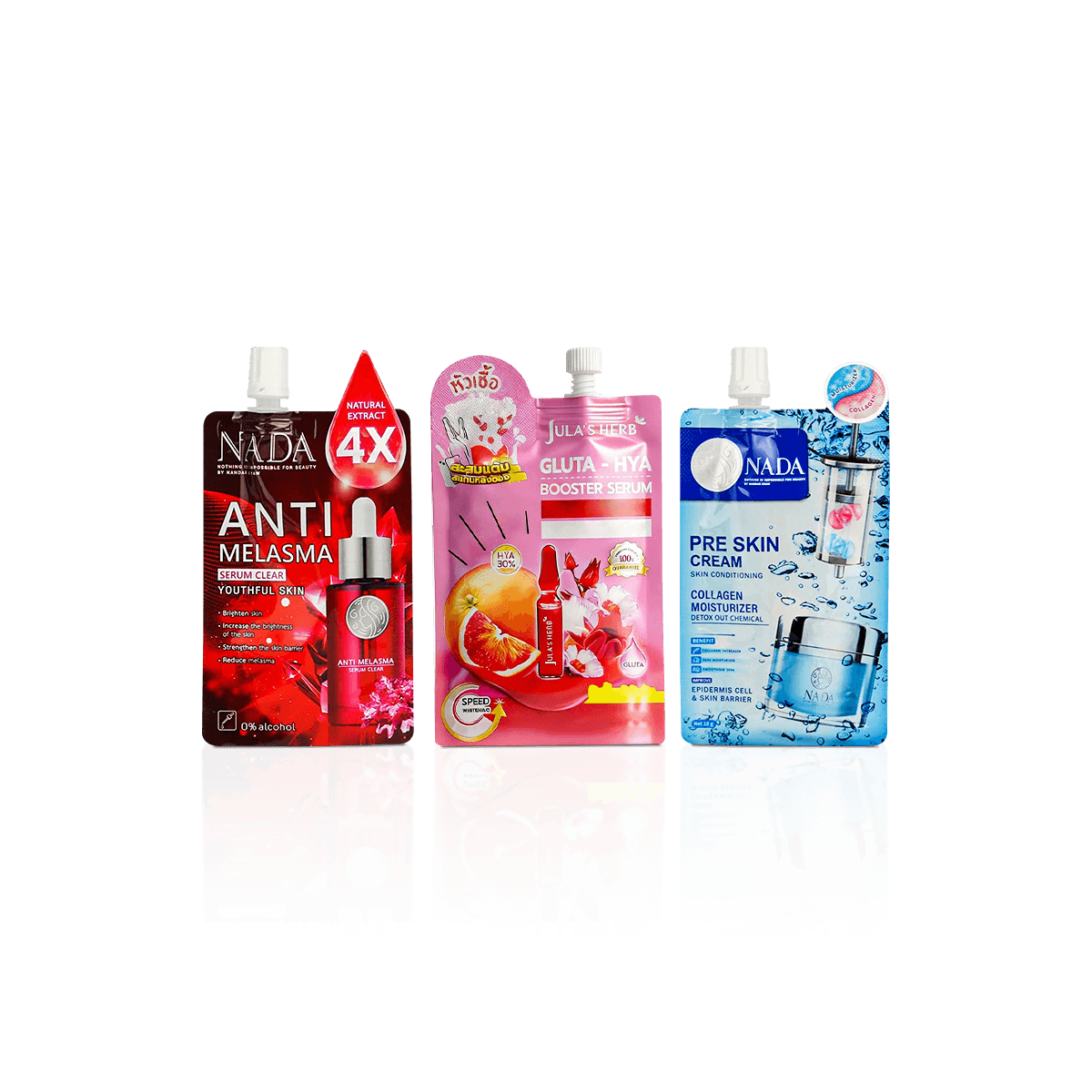
Custom spouted pouches for liquid refills, beverages, sauces and personal care products, with controlled dispensing, product-specific fitments and secure reclosable caps.

The Receiving Bottle's Neck

A wide spout pointed at a narrow bottle neck can turn a simple refill into an unnecessarily messy task. The pouch may hold the correct quantity and close securely, yet its dispensing outlet may be poorly suited to the container the customer is trying to fill.

For refill products, the receiving container should influence the spout before the pouch's final shape is established.

Custom Spouted Pouches combine a flexible pouch body with an attached dispensing fitment and a compatible cap. They are used for liquids, concentrates, sauces, gels and other products that benefit from directed pouring or repeated dispensing.

Unlike an ordinary tear-open pouch, the spout establishes a permanent outlet.

Its internal diameter, external dimensions and position influence how the product leaves the package. These decisions also affect filling equipment, closure selection and the surrounding pouch construction.

The Receiving Opening

A refill intended for an existing bottle needs an outlet appropriate for that bottle's opening.

The spout should support controlled transfer without requiring the customer to hold the pouch in an awkward position.

For a narrow receiving container, a smaller outlet may improve pouring control. However, a very small outlet can restrict the flow of thicker products.

The appropriate fitment depends on the actual formulation and intended transfer method.

The receiving bottle's neck also affects how close the pouch can be positioned during pouring. A large cap assembly or projecting pouch corner may prevent the outlet from approaching the opening comfortably.

These dimensions should be considered together rather than selecting the fitment solely by its nominal diameter.

Pouring Versus Squeezing

A spout intended for gravity pouring may need different characteristics from one used with a squeezable pouch.

A free-flowing liquid can leave the package as it is tilted. A thicker product may require pressure on the flexible body.

For squeeze dispensing, the film construction and pouch shape must allow the intended deformation without compromising the seals or fitment attachment.

The customer should also be able to control the amount dispensed.

A large opening may be suitable for transferring an entire refill into a bottle but less appropriate for dispensing a small amount directly into the hand.

The intended use determines the outlet.
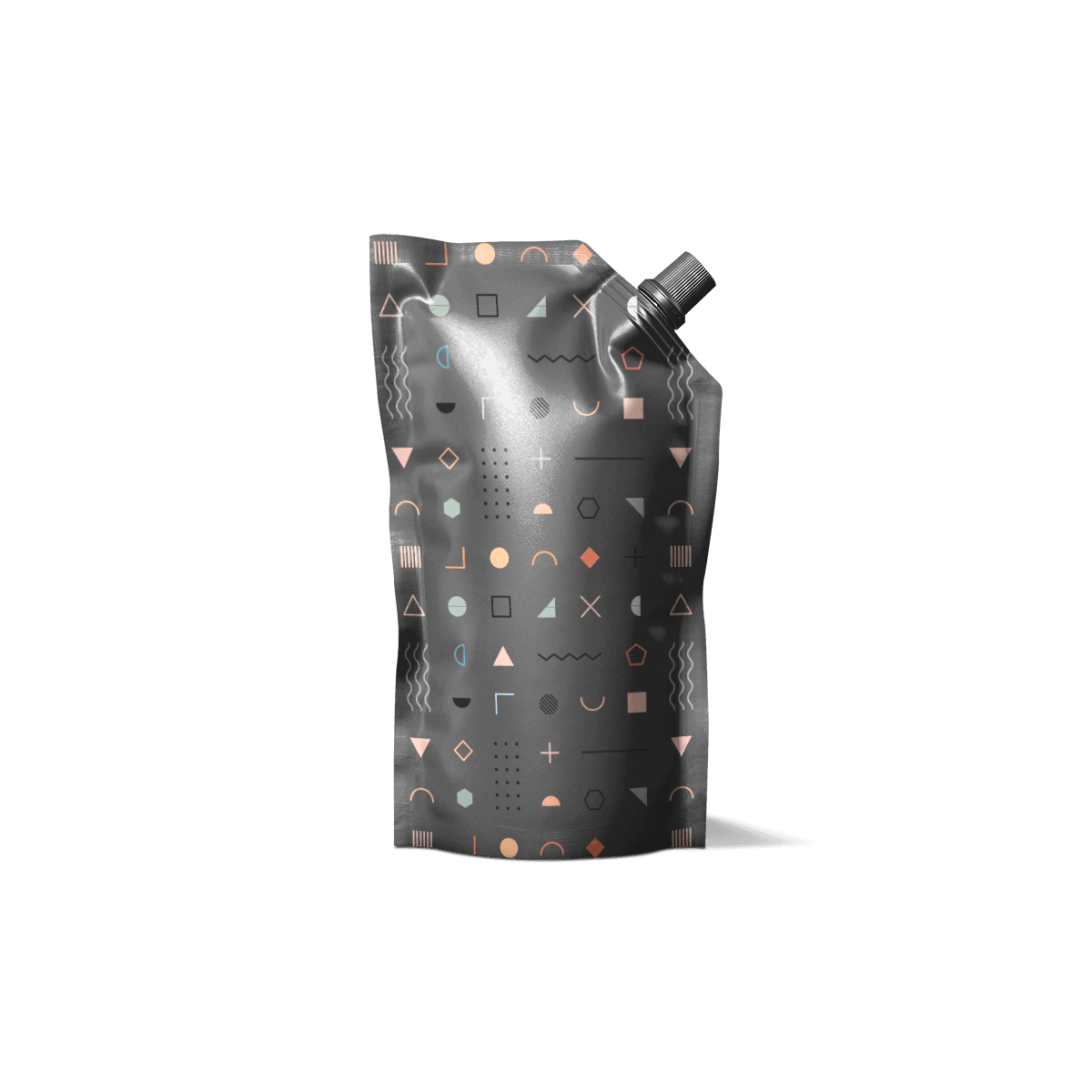
Spout Position Changes the Pour

Spout position determines how the pouch is held, tilted and emptied.

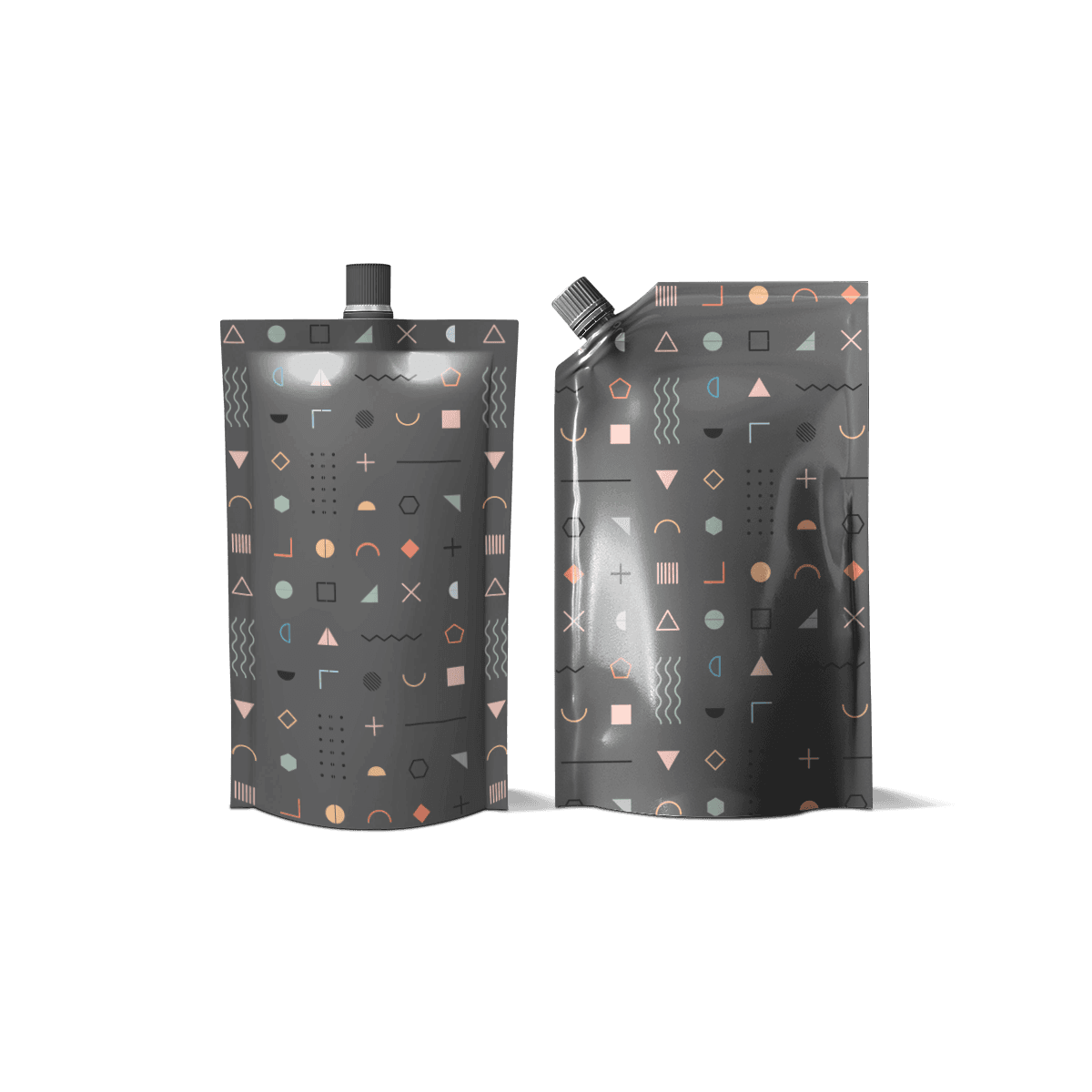
The two common starting arrangements are a fitment positioned near an upper corner and one positioned near the center of the top edge. Other positions may be appropriate for specialist constructions.

Neither arrangement is universally preferable.

The choice should follow the product's flow characteristics, the intended receiving container and the way the pouch will be handled.

Corner Spouts

A corner spout can establish a directed pouring point when the pouch is tilted.

This arrangement may suit liquid refills that are transferred into bottles or other containers.

The corner geometry must support the fitment without creating an awkward shape around its attachment.

The outlet should also remain accessible when the pouch is full.

A cap positioned too close to a projecting pouch edge may be difficult to grip or turn.

For heavier refills, the user needs a suitable way to support the pouch while directing its contents toward the outlet.

The spout position and body proportions should work together during that movement.

Top-Center Spouts

A top-center spout establishes a more symmetrical opening.

This can suit products intended for direct drinking, upright handling or controlled squeeze dispensing, provided the complete construction meets the product's requirements.

The centered position also influences the pouch's appearance and the arrangement of its upper panels.

The fitment may occupy space that would otherwise be used for artwork or a carrying feature.

For products dispensed repeatedly, assess how comfortably the user can reach the cap and hold the package.

A centered outlet is not automatically more convenient for transferring liquid into a narrow bottle.

Fitment Angle

The fitment's installed orientation determines the direction of the outlet relative to the pouch.

Its position must be compatible with the panel and seal geometry.

An unsuitable angle can make pouring awkward or leave an unnecessarily large portion of the pouch body in the path of the receiving container.

The intended pouring action should be considered using the actual refill and receiving vessel.

For a reusable product, the outlet should also be practical when the pouch is only partially full.

Cap Access After First Use

The cap needs to perform two jobs: establish the intended closure and remain practical during repeated use.

Its size, grip and opening mechanism should suit the contents and the intended customer.

A cap selected solely for its appearance may be difficult to remove when the pouch is flexible or the user's hands are wet.

Screw Caps

Threaded caps can support repeated opening and closing.

The cap and fitment must have compatible threads and sealing surfaces.

The intended tightening requirements should be established for the selected components.

A cap that feels secure is not necessarily properly engaged.

The complete assembly should be assessed for the intended handling conditions, including repeated use where appropriate.

Grip Clearance

The user needs sufficient room around the cap to operate it.

A broad pouch shoulder or projecting corner may interfere with the gripping action.

The fitment should also have adequate support so the user does not need to squeeze the liquid-filled body excessively while removing the cap.

For personal care refills, this becomes particularly important when the product is used in bathrooms or other environments where handling conditions differ from those at the packing bench.

The surrounding pouch geometry should accommodate the intended grip without requiring unnecessary material.

Initial Opening Evidence

Where tamper evidence is required, the selected cap system needs an appropriate feature.

A breakaway band or other opening-indication mechanism may be considered if it is compatible with the fitment and applicable requirements.

An ordinary screw cap should not be described as tamper-evident without suitable supporting evidence.

Child resistance is a separate requirement.

If the contents require restricted access, the complete closure must satisfy the applicable requirements. A tight-fitting cap or decorative tamper band is not automatically child-resistant.

The Welded Fitment Shoulder

The spout is not simply inserted through a hole in the pouch.

Its attachment must form a suitable bond with the surrounding film. The fitment geometry, laminate and welding process determine how that connection performs.

This junction is one of the defining technical features of spouted pouch construction.

The spout attachment must tolerate the intended handling and pressure without separating from the flexible body.

Fitment Flange Geometry

A fitment generally incorporates a flange or attachment area that interfaces with the pouch film.

Its shape must be compatible with the intended welding process.

The surrounding film needs to conform appropriately to the attachment geometry without creating unintended channels.

The correct arrangement depends on the selected fitment and laminate.

The fitment manufacturer's technical specification should establish the applicable construction and installation requirements.

Film Compatibility

The internal sealing layer must be compatible with the fitment material and intended attachment process.

Two films with similar external appearances may behave differently during welding.

The complete laminate also needs to suit the contents and any required filling or thermal treatment.

Substituting a different film can therefore affect both product compatibility and fitment attachment.

A material change should be assessed against the actual assembly rather than treated as a purely visual decision.

Pressure on the Shoulder

The fitment attachment experiences handling loads when the customer opens the cap, squeezes the pouch or pours the contents.

Those loads differ from the pressure experienced by a simple flat seal.

The package should be assessed using the intended cap and actual filled construction.

The fitment weld, closure seal and pouch body perform different functions. Each needs appropriate acceptance criteria.

A successful cap check does not establish the integrity of the welded shoulder.

The Filling Route Matters

Spouted pouches may be supplied as pre-made packages or formed and fitted as part of an integrated manufacturing process.

The appropriate production route depends on the filling equipment, intended product and selected components.

This decision can change how the pouch is manufactured and how the product enters it.

Filling Through the Spout

Some production arrangements introduce the product through an installed spout before the cap is applied.

The outlet must accommodate the intended filling nozzle and product flow.

A small fitment may be adequate for the customer dispensing a thin liquid but unsuitable for the intended filling operation.

The filling-line requirements should therefore be established before the spout is selected.

Products containing particles or having high viscosity may introduce additional restrictions.

Filling Through the Top

Some pre-made constructions can be filled through an open top before the final seam is sealed.

This arrangement separates the filling opening from the dispensing outlet.

It may permit a larger filling opening while retaining a smaller spout for controlled customer use.

However, the selected pouch construction and manufacturing process must support this arrangement.

The filling team should establish the appropriate final sealing conditions and ensure that the installed fitment does not interfere with handling equipment.

Caps on the Production Line

The capping operation must be compatible with the selected fitment.

Automated equipment may require a particular cap geometry, thread specification or presentation method.

A cap that is convenient for customers may introduce a separate production requirement.

For automated filling, establish how the pouch is supported during capping and how the completed closure is checked.

This should be resolved before committing to custom fitment components.

Flow Through the Outlet

The same spout diameter does not produce identical dispensing behavior for every product.

Flow depends on viscosity, temperature, suspended particles, outlet geometry and the pressure applied during dispensing.

For a flexible pouch, the body may collapse as liquid leaves, changing the way the remaining contents move toward the outlet.

Thin Liquids

Free-flowing liquids generally require an outlet that permits controlled pouring without releasing the contents faster than intended.

The appropriate diameter depends on whether the product is transferred into another container or dispensed directly.

For concentrated products, a smaller opening may support more controlled handling.

The intended use should determine whether the pouch relies primarily on gravity or squeezing.

Creams and Gels

Thicker products may require a larger outlet or a pouch body that can be squeezed comfortably.

A narrow fitment can make dispensing unnecessarily difficult.

For a skincare refill, the customer's ability to transfer the product into its intended container may be more important than producing a compact outlet.

The formulation's viscosity under actual use conditions should inform the fitment specification.

For cosmetics and personal care packaging, material compatibility and the receiving container's geometry can be just as important as the intended retail presentation.

Products With Particles

Purees, sauces and other products containing suspended particles may need particular attention to the outlet.

The largest expected particles and the product's flow behavior can affect whether the fitment is suitable.

An outlet that performs well with a smooth liquid may become obstructed by a product containing pieces or fibers.

The complete formulation should be evaluated.

A larger outlet does not automatically resolve every dispensing problem because the fitment's internal geometry may still restrict the product.

The Pouch Behind the Spout

The body of the pouch needs to support the chosen dispensing method.

A package that is difficult to grip or tilt can undermine the benefit of an otherwise suitable fitment.

The required construction depends on how the customer holds the pouch and how the liquid moves as the fill level decreases.

Standing Refill Packs

A bottom gusset can establish a standing base for retail display and storage.

The filled weight and pouch proportions determine its stability.

A heavily filled pouch with a narrow footprint may be difficult to stand securely, especially after the contents have been partially used.

The location of the cap also matters.

A projecting fitment may change the finished package's overall height or prevent it from fitting into a shallow storage space.

The intended display and handling requirements should influence the final dimensions.

Squeezable Bodies

Some products benefit from a pouch that can deform as the contents are dispensed.

The film construction should permit the intended squeezing action while meeting the product's mechanical and barrier requirements.

Excessively stiff material may make a small pouch awkward to use.

However, flexibility should not be increased at the expense of suitable film strength or fitment attachment.

The complete package must accommodate the actual product and its expected handling conditions.

Carrying Larger Refills

Larger refill quantities may require a grip area or handle feature.

The decision depends on the filled weight and the intended pouring action.

A handle must be incorporated into an appropriate structural design. It should not create a weak area or place excessive force on the spout attachment.

For refill products, the customer should be able to support the package while directing the contents into the receiving container.

Fitment Cost Changes the Order

A spouted pouch contains components and manufacturing operations that an ordinary heat-sealed pouch may not require.

The fitment, cap, attachment process and any specialist closure features affect the commercial specification.

The production route also matters.

A pre-made pouch and an integrated filling arrangement may involve different equipment and supply requirements.

For a single-use product intended to be emptied immediately, an ordinary flexible pouch may be more economical if a permanent dispensing outlet adds no practical value.

Spouted construction is more relevant when controlled pouring, repeated dispensing or reclosure justifies the added components.

Custom Packly provides custom sizing, free design support, digital proofing and free 3D mockups to help establish the intended packaging specification.

The USA minimum starts at 100 boxes. The minimum quantity for a specific spouted pouch construction must be confirmed separately because specialist components and manufacturing requirements may affect production.

The standard USA turnaround is 4–6 days after final artwork and specifications are approved. Specialist fitments, custom laminates and complex constructions may require additional time.

Once the fitment and intended manufacturing route are established, request custom spouted pouch pricing for the complete assembly.

Pricing should account for the selected spout and cap rather than treating them as accessories that can be changed without affecting production.

The Cap Claims Print Space

A spout changes the usable artwork area.

The upper portion of the pouch must accommodate the fitment, its attachment and the customer's required grip.

The printed design should respect those physical features rather than placing essential wording around them.

Artwork Near the Shoulder

Important text should remain clear of the fitment attachment and areas affected by its installation.

For a corner-spout pouch, the upper printed panel may have an irregular outline.

A top-center spout creates a different arrangement because the fitment occupies the middle of the upper edge.

The printed layout should follow the actual construction.

A design prepared for one spout position should not automatically be reused when the fitment moves.

Filled-Panel Readability

The front and rear panels change shape as the pouch is filled.

Artwork near the bottom gusset may become distorted, while the fitted shoulder can affect the upper print area.

The main product identity and any required labeling should remain readable in the finished package.

For a refill, the printed instructions may need to identify the compatible receiving container and approved transfer method.

The brand's responsible team must approve any product-specific claims, warnings and instructions.

Print and Finish

Custom Packly's prepress review helps check artwork against the approved pouch construction.

The digital proof should account for seams, fitment position, safe areas and the intended printed surfaces.

Free 3D mockups can help assess the appearance of the finished packaging.

CMYK printing supports full-color graphics, while the appropriate printing method and any spot-color requirements depend on the selected flexible substrate and production arrangement.

Matte and gloss finishes may be considered where they are compatible with the actual film.

Decorative effects should not interfere with the fitment attachment, sealing or required text.

Film for the Actual Formula

A spouted pouch's laminate must suit both the product and the fitment.

The internal sealing layer needs to be compatible with the contents and the selected attachment process.

For food products, the responsible manufacturer must establish the applicable food-contact requirements for the complete construction.

Personal care products, cleaning concentrates and other formulations may require different compatibility assessments.

The material should also meet the product's established protection requirements.

Depending on the formulation, these may include oxygen resistance, moisture control, light protection or chemical compatibility.

Some products also require specialist filling or processing conditions.

Hot filling, retort processing and other thermal treatments must be assessed for the actual film, fitment, cap and completed seals.

A pouch specified for ordinary ambient filling should not automatically be assumed suitable for a different processing method.

Recyclable material options may be considered where appropriate, but the film and rigid fitment must be evaluated together.

The final packaging should not be described as recyclable solely because one component uses a potentially recyclable material.

Caps Inside the Shipping Case

The finished spout and cap create projections that affect how pouches can be packed together.

A shipping case designed around the flexible body alone may fail to accommodate the completed package.

The cap can become the point where neighboring pouches make contact or where pressure is concentrated during handling.

Case Orientation

Spouted pouches may be packed upright, horizontally or in another arrangement suited to the actual construction.

The correct orientation depends on the filled weight, pouch shape and the location of the fitment.

Caps should not be forced against neighboring packages in a way that could affect the closure or attachment.

Where necessary, the shipping arrangement may require internal separation or additional clearance.

Cap Protection

The outer carton needs to account for the cap's complete installed dimensions.

A cap that projects beyond the flexible body can be exposed to concentrated loads.

For products shipped through parcel networks, the completed shipping arrangement should protect both the pouch and its dispensing components.

The fitment attachment must not be treated as a structural support for the weight of neighboring packages.

The Finished Case Count

The number of pouches that fit inside a shipping case depends on their filled dimensions and the space occupied by the installed caps.

Changing the fitment position can alter the case arrangement even when the pouch body retains the same nominal capacity.

For products supplied in large quantities, that difference can affect case dimensions, warehouse handling and pallet planning.

The finished packaging should therefore be assessed with the intended shipping carton before the case count is finalized.

A suitable spouted pouch must work as a complete assembly: the fitment directs the product, the cap supports the intended use and the outer packaging protects those components throughout distribution.

FAQs

Both can work well, but the pouch should be designed around how the product flows. Thinner liquids, gels, purees, and concentrates may need different spout sizes and seal planning.

Choose Spouted Pouches when controlled pouring and reclosure are central to the buying decision. Liquid Pouch Packaging is the broader category, while a spouted format is the more specific solution for repeat-use liquids.

That is exactly where this style performs well. It can keep the pack lighter and easier to store while still giving the user a practical pouring point.

It starts with the fitment, seal integrity, and material match. Product thickness, fill conditions, and transport demands should all be considered during structural planning.

No. They are also useful for toiletries, liquid supplements, grooming products, refill concentrates, and other formulas that need measured, cleaner dispensing.

Process

How it works

Your Packaging Journey, From Idea to Production and Delivery

01

Tell Us Your Specs

Custom packaging boxes

Tell Us Your Specs

Provide size, quantity, printing, and finishes.

02

Get a Fast Quote

Custom packaging boxes

Get a Fast Quote

Instant transparent pricing, no hidden fees.

03

Design and Approval

Custom packaging boxes

Design and Approval

Artwork checks, revisions, and final sign-off.

04

Produce

Custom packaging boxes

Produce

Expert manufacturing to meet deadlines.

05

Ship to Your Door

Custom packaging boxes

Ship to Your Door

Hassle-free, flexible delivery options.

Get Your Quote for Custom Spouted Pouches

Share your product details, size, quantity and artwork needs. We’ll help choose the right packaging style and send a clear quote.