Skip to content
Details

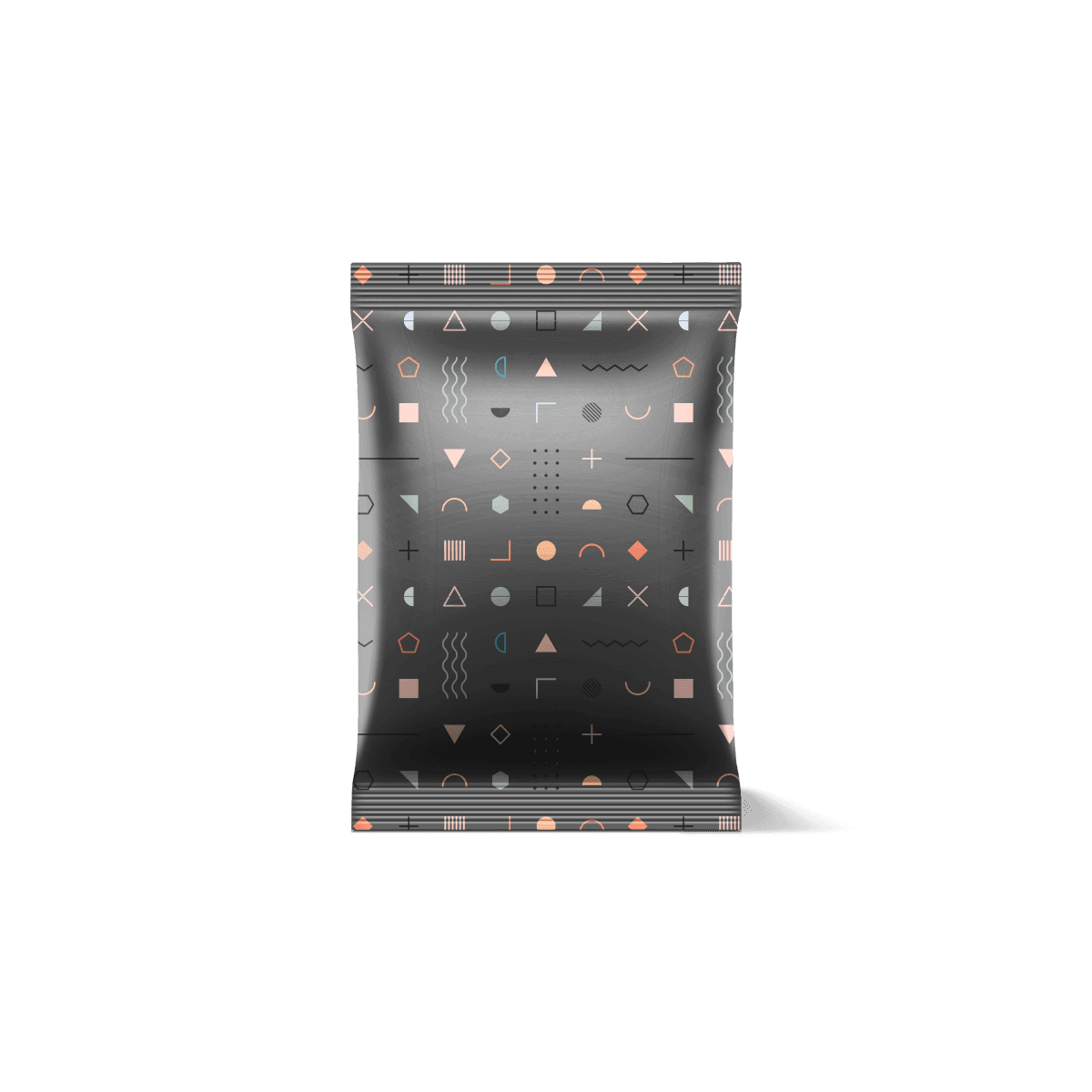
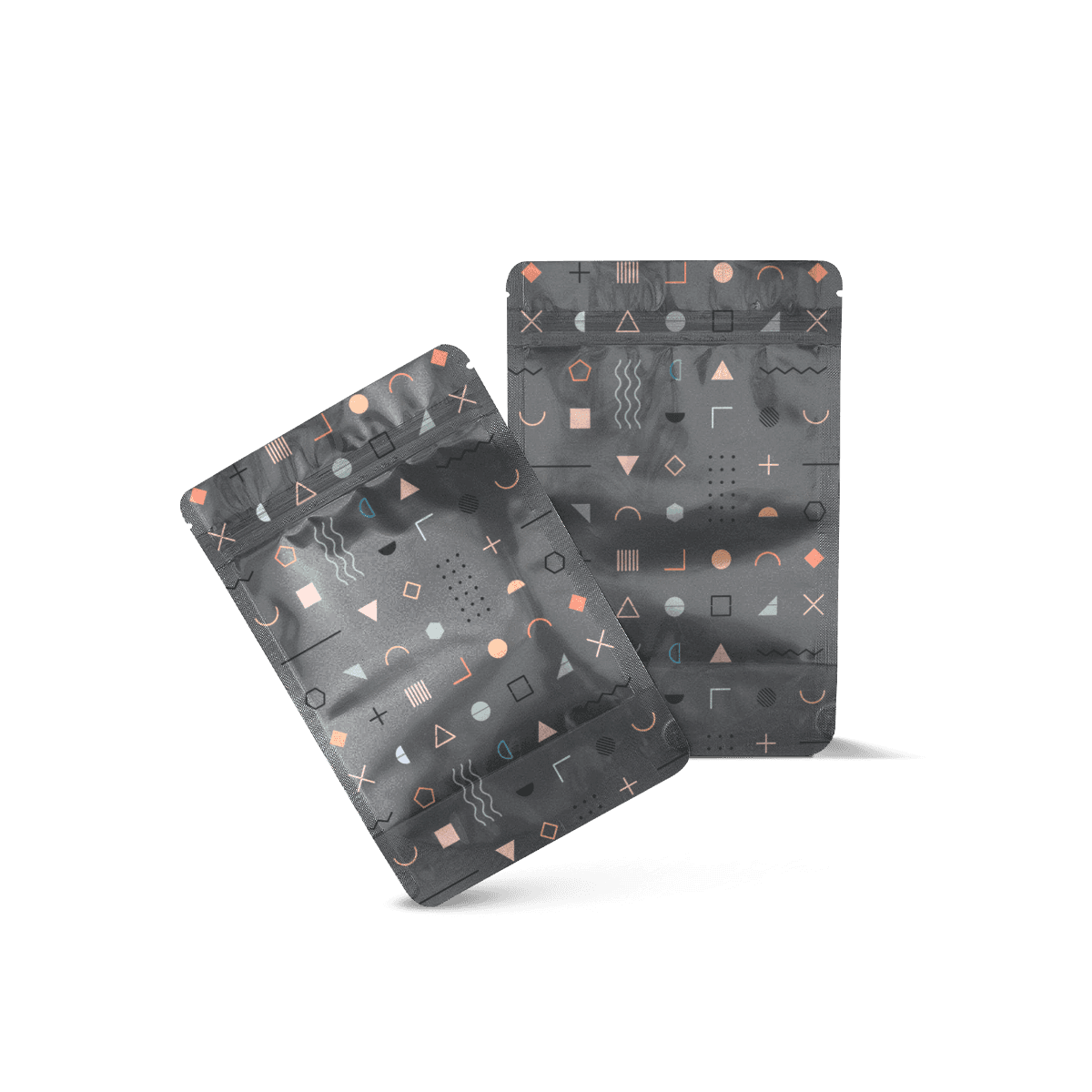
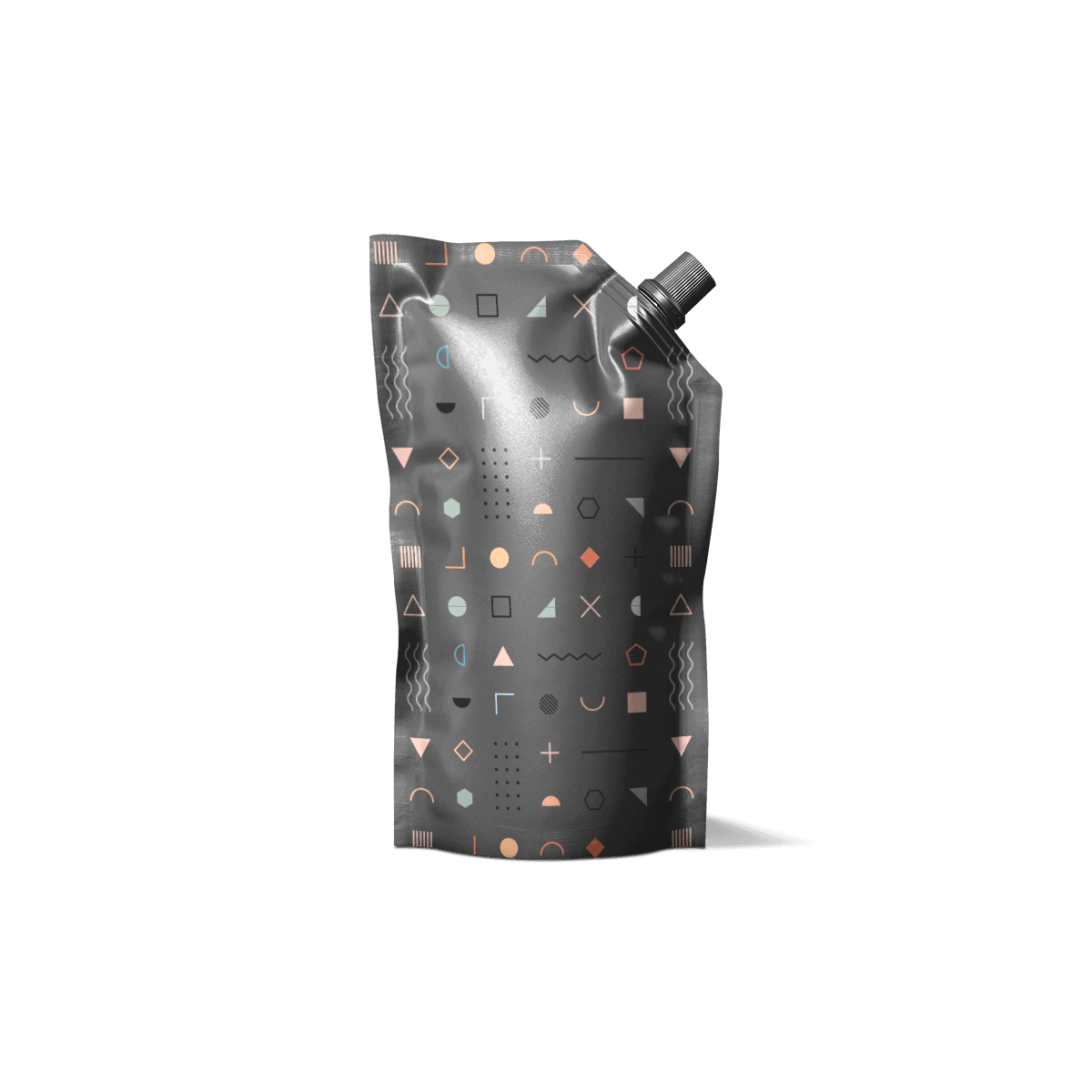
Custom Roll Stock Pouches

Custom printed roll stock film for automated packaging lines, with machine-specific web widths, print repeats, unwind direction and material specifications for consistent pouch production.

Which Side Reaches the Former

Roll orientation determines whether the printed film enters the packaging machine correctly. Even accurate artwork and a suitable laminate cannot prevent production problems if the reel unwinds in the wrong direction.

Custom Roll Stock Pouches are supplied as continuous flexible film wound onto reels. The film feeds into compatible packaging equipment, which forms the package, fills it with the product, seals it and separates the finished units.

Unlike pre-made pouches, roll stock reaches the packing facility before the individual packages have been formed.

This makes the filling machine a central part of the packaging specification.

Vertical form-fill-seal (VFFS), horizontal form-fill-seal (HFFS), sachet and flow-wrapping equipment can require different film dimensions, orientations and sealing characteristics.

The film must suit the actual equipment rather than a general description of the finished bag.

Printed Face Orientation

The printed surface and internal sealing layer must be positioned correctly as the film travels through the machine.

The required orientation depends on the selected laminate, forming arrangement and equipment.

Some machines need the printed impressions to unwind in a particular direction so the graphics reach the forming and cutting stations correctly.

Reversing the reel can place the artwork in the wrong position or cause the laminate to enter the equipment incorrectly.

The machine's approved film specification should establish the correct unwind arrangement.

Winding Direction

Winding direction describes how the printed impressions are oriented as the film leaves the reel.

It is not simply a preference for which way the roll turns.

The correct configuration depends on the machine's film path and how the finished package is formed.

Before production, establish the required unwind direction using the filling equipment's specification or an approved sample from the co-packer.

A photograph of an existing correctly wound reel may help identify the intended arrangement.

However, a photograph should supplement the technical specification rather than replace it.
Roll Width Is Not Bag Width

The width of a finished pouch cannot automatically be used as the required roll width.

The film may need additional material for its rear seal, side seams, gussets or the geometry of the forming equipment.

These allowances determine how much film is needed before the finished package is formed.

Forming Tube Circumference

For a conventional vertical form-fill-seal arrangement, the film travels around a forming collar and tube before its longitudinal seam is created.

The required web width depends on the forming geometry and the intended seam.

A pouch with a nominal finished width does not necessarily require a reel that is simply twice that measurement.

The actual construction may introduce additional allowances.

Fin-seal and lap-seal arrangements also have different material and compatibility requirements.

The machine's approved web-width specification should establish the required dimension.

Slitting Requirements

Printed roll stock is commonly slit to the width required for the intended equipment.

Slitting must maintain the appropriate relationship between the printed impressions and the film edges.

An incorrectly positioned slit can reduce the intended seal allowance or leave the artwork too close to the finished package's edge.

For equipment that forms multiple packs across the web, lane widths and cutting positions introduce further requirements.

The approved specification should identify the finished reel width, permissible tolerances and intended machine configuration.

Finished Pack Dimensions

The finished package's dimensions depend on more than the incoming web width.

Folds, longitudinal seams, transverse seals and the product's filled shape affect the resulting measurements.

Custom sizing should therefore connect the machine's film specification with the required finished pack.

The appropriate approach is to establish the forming equipment's requirements and then prepare the print layout around the resulting film geometry.

Registration Controls the Cut

Printed roll stock needs accurate registration so the machine can form and separate the packaging at the intended positions.

A registration mark, often called an eye mark, allows compatible equipment to detect the printed repeat and coordinate the cutting or sealing operation.

Its position must follow the machine's sensing arrangement.

Eye Mark Placement

The eye mark should have the dimensions, contrast and position required by the packaging equipment.

The sensor may read a particular area or side of the moving film.

An otherwise acceptable registration mark can be unusable if it appears on the wrong surface or outside the sensor's reading path.

The mark also needs to remain distinct from surrounding artwork.

Its color and contrast should be established using the actual printing and substrate conditions.

Custom Packly's artwork and prepress review can help identify placement problems before production.

Print Repeat Length

The print repeat is the distance between corresponding positions in consecutive printed impressions.

For a machine producing individual packages, the repeat must correspond to the required package pitch.

The finished pack length and the printed repeat are not always identical.

End seals, cutting positions and other structural allowances can affect the relationship.

An error in repeat length may cause artwork to shift relative to the sealing or cutting operation.

The correct repeat should come from the approved equipment and finished-package specification.

Artwork Near the Seal

Important text and graphics should remain clear of the areas used for sealing and cutting.

An attractive design on a flat artwork file can become unsuitable if essential wording falls across a transverse seal.

The final layout should account for:

  • Longitudinal and transverse seals.
  • Cutting positions and tolerances.
  • Registration marks.
  • Gussets or folds where applicable.
  • Required product identification.
  • Variable coding positions.

The approved repeat should represent the package that the machine will produce, not simply the dimensions of the original graphic design.

Film That Tracks Correctly

Roll stock must travel through the packaging equipment without excessive slipping, wrinkling or uncontrolled stretching.

The material's handling characteristics affect its compatibility with the intended machine.

A film that performs adequately as a finished pouch may behave differently when pulled continuously through a forming and sealing process.

Coefficient of Friction

Coefficient of friction, or COF, describes resistance to sliding between contacting surfaces.

In flexible packaging, the film's surface characteristics can affect how it travels across machine components and against other film surfaces.

A film with unsuitable frictional characteristics may create feeding or tracking problems.

The required COF depends on the equipment and laminate construction.

There is no universal value that suits every form-fill-seal machine.

The appropriate specification should be established using the machinery and material requirements.

Film Stiffness

The film must bend around the forming equipment while retaining the properties necessary for the finished package.

A laminate that is too stiff for a particular forming arrangement may wrinkle or resist the intended folds.

An excessively flexible film may introduce different feeding and handling difficulties.

Film thickness alone does not establish stiffness because different materials and laminate structures behave differently.

The selected construction should be compatible with the intended forming route.

Tension and Web Stability

The film is subjected to tension as it unwinds and travels through the packaging equipment.

Its mechanical properties need to suit the intended operating conditions.

Uncontrolled stretching can affect registration and the position of the printed impressions.

The reel's winding quality also matters because uneven winding can influence how consistently the film feeds.

These characteristics should be reviewed with the packaging equipment's requirements before the final reel specification is approved.

Seals Form During Packing

Roll stock must support the seals created by the packaging machine.

The intended sealing method determines which film surfaces come into contact and how the final package is closed.

The appropriate material depends on the sealing equipment, product and required finished-package performance.

Longitudinal Seals

Many form-fill-seal constructions use a longitudinal seal running along the package.

The seal arrangement may be a fin seal or lap seal, depending on the equipment and film construction.

A fin seal generally joins compatible internal sealing surfaces.

A lap seal can involve a different surface relationship and therefore requires a suitable material structure.

The laminate must support the actual sealing arrangement.

A film suitable for one seam construction should not automatically be substituted for another.

Transverse Seals

Transverse seals close the package at the appropriate positions along its length.

Their required geometry and performance depend on the product and the machine.

For powders and granules, product contamination can interfere with the sealing operation.

The filling process must control the product's movement so the intended seal area remains suitable for sealing.

For products containing oils or liquids, compatibility and contamination introduce different considerations.

The machine settings and material specification must be established for the actual application.

Sealing Temperature

The sealing layer needs to respond appropriately to the equipment's intended sealing conditions.

Temperature, pressure and dwell time can affect the resulting seal.

The acceptable operating conditions depend on the laminate and the machine.

A material substitution should therefore be assessed for its effect on the sealing process.

The filling team should establish suitable settings and acceptance criteria for the finished package.

Different Machines, Different Packages

Roll stock is a material supply method, not one fixed pouch structure.

The same general concept of supplying film on a reel can support different finished packages depending on the equipment and converting process.

The required construction must follow the machine that will turn the film into individual units.

Vertical Form-Fill-Seal

VFFS equipment commonly suits products that can be dispensed vertically into a forming package.

Applications may include powders, granules, snacks and other products compatible with the intended filling system.

The film is formed around the equipment, filled and sealed according to the selected machine configuration.

The intended finished construction determines its web-width, repeat and sealing requirements.

For products intended to become pillow pouches, the film specification must support the corresponding forming and sealing arrangement.

The finished pouch's physical behavior still depends on its construction and contents.

Horizontal Form-Fill-Seal

Horizontal equipment may suit individually wrapped products, bars, wipes and other items that need a different handling arrangement.

The film travels through the machine in a manner appropriate to the product and selected packaging structure.

The required roll dimensions and artwork orientation depend on the equipment.

A reel intended for a vertical line should not automatically be assumed suitable for a horizontal machine.

The product's dimensions, feeding arrangement and intended final seals all affect the specification.

Pre-Made Pouch Production

Not every production operation benefits from forming its own pouches.

A brand that uses a co-packer equipped only to fill and seal pre-made bags may need finished pouches rather than roll stock.

For products that need a ready-made gusset, retail presentation or separately installed closure, the conversion process should be evaluated before selecting the material supply method.

Zipper pouches may be a more practical purchasing choice when the filling operation requires a completed resealable structure.

Roll stock becomes commercially relevant when the available production equipment can perform the required forming and sealing operations.

Reel Geometry Affects Changeovers

The dimensions of the finished reel influence how it is handled and loaded into the packaging machine.

A roll containing the correct film can still be unsuitable if its core, outside diameter or weight exceeds the equipment's limits.

These constraints need to be established before the film is wound.

Core Diameter

The reel's core must fit the machine's mounting arrangement.

Its inside diameter and construction should suit the intended equipment.

An incorrect core specification may prevent the roll from being installed or create unnecessary handling problems.

The core also needs to support the intended reel weight.

Maximum Outside Diameter

The reel's outside diameter determines how much space it occupies when loaded.

The packaging machine may impose a maximum diameter or weight.

Larger reels can reduce the frequency of reel changes where the equipment can accommodate them.

However, increasing the reel size is not beneficial if it exceeds the machine's capacity or makes handling impractical.

The appropriate reel dimensions depend on the actual production equipment and planned operating arrangement.

Splices and Reel Length

The total length of film on a reel affects how frequently the operator needs to change rolls.

Splices may introduce separate requirements for machine handling and registration.

The specification should establish whether splices are permitted and how they must be identified.

An uninterrupted reel may be necessary for certain production arrangements.

The appropriate requirements should come from the filling facility.

These decisions can influence production efficiency without changing the finished package's retail appearance.

Print Economics Follow the Web

Roll stock printing is affected by film consumption, print repeat, artwork versions and the selected production process.

The number of finished packages matters, but it is not the only quantity that affects the commercial decision.

A production order may be specified in linear feet, linear meters, film area or weight, depending on the supplier and material.

The corresponding number of finished units depends on the reel width, repeat, production setup and waste allowances.

Quantity per Artwork

A single printed design running continuously creates a different production requirement from several product variations.

Each version may need its own approved artwork and identification.

Digital printing may be appropriate for certain lower-volume or frequently changing designs.

Flexographic printing may suit suitable film substrates and recurring programs where conventional setup is justified.

The decision between digital and flexographic printing depends on the actual material, artwork count and production requirements.

The printing process should be established for the selected roll stock rather than copied from an unrelated paperboard packaging specification.

Waste at Changeover

Every reel change or artwork change can introduce material and operational requirements.

The filling facility may need film for threading, registration, setup and process adjustment.

This means the purchased film quantity and the expected saleable package count are not necessarily identical.

The correct allowance depends on the equipment and production process.

For recurring programs, the actual consumption per accepted finished unit is more useful than calculating economics from nominal reel length alone.

Variable Product Versions

Several flavors, formulations or product counts may share the same machine and film construction.

That does not automatically mean the artwork should be combined into one undifferentiated production order.

The reel identification and approved artwork must correspond to the intended product.

Where artwork changes frequently, the print method and order quantities should be assessed against the actual demand for each version.

For a stable high-volume program, conventional printing may be commercially appropriate.

The most suitable production route depends on the specific order rather than a universal quantity threshold.

Film Requirements by Product

The correct laminate must satisfy the product's protection requirements while remaining compatible with the packaging machine.

A material selected for its barrier characteristics is not automatically suitable for every forming and sealing operation.

The product, laminate and equipment need to be considered together.

Moisture-Sensitive Products

Dry products may require protection from moisture.

The necessary barrier depends on the formulation, intended shelf life and storage conditions.

Water vapor transmission rate can help characterize the moisture-barrier performance of a specified film.

The complete packaging system must also account for the finished seals and any other components that affect protection.

Oxygen and Aroma

Certain products may require oxygen or aroma-barrier properties.

The appropriate laminate should be selected using the product's established requirements.

Metallized or foil-containing structures may be considered where their properties suit the intended application.

However, a particular barrier laminate may introduce additional stiffness or machine-handling requirements.

The finished material must remain suitable for the intended forming process.

Contact and Sustainability

Food, supplements, cosmetics and other products can have different material-contact requirements.

The responsible manufacturer must establish the necessary suitability and documentation for the actual contents and intended conditions.

Recyclable material options may be evaluated where they satisfy the product's barrier, sealing and machine requirements.

A film's individual material components do not automatically establish that the completed laminate can be recycled.

Environmental claims should reflect the actual construction and applicable recycling conditions.

The First Production Reel

An approved artwork file does not establish that the printed film will run correctly through the intended packaging machine.

The first production reel needs a defined acceptance process because it brings the printed film, reel construction and filling equipment together.

A physical trial is particularly relevant when the project introduces a new laminate, machine, sealing arrangement or printed repeat.

The trial should establish whether the film feeds correctly, registers appropriately and produces acceptable finished packages.

For a new construction, the filling facility should identify the appropriate checks before the trial begins.

These may include:

  • Correct unwind direction and reel mounting.
  • Film tracking through the equipment.
  • Registration and cut positioning.
  • Longitudinal and transverse seal performance.
  • Finished package dimensions.
  • Product fill accuracy.
  • Artwork position on the completed pack.

The appropriate checks depend on the product and machine.

Where packaging integrity or regulatory requirements apply, the responsible manufacturer must establish the necessary validation.

Custom Packly's free design and prepress support can help address artwork and specification issues before production. A digital proof can establish the approved printed layout, but it cannot replace physical machine validation.

Price the Actual Reel Requirement

Roll stock purchasing should reflect the equipment-ready film specification.

An order expressed only as a number of finished pouches may not establish how much material is required.

The commercial brief should identify the intended reel dimensions, laminate, print repeat and expected consumption.

Where the film is intended for a co-packer, its approved machine specification should be used.

A custom roll stock quote can then be prepared against the actual material and production requirements.

For a new reel specification, US production, free design support and free shipping can support the production program; packaging experts are available 24/7 when the technical brief needs review.

The standard USA turnaround is 4–6 days after artwork and specifications are approved. Specialist roll stock materials, printing requirements and reel production may require a separately confirmed schedule.

The standard 100-box MOQ should not be assumed to apply to roll stock, which may have a different minimum based on its film, printing process and production quantity.

For a repeat supply program, warehousing and scheduled deliveries may be considered where the approved material and order volume make them appropriate.

Receive Reels Ready to Run

Roll stock should arrive at the filling facility in a condition that supports the approved production process.

The final handoff needs to account for the reel's identity, handling and storage requirements.

Correctly printed film becomes significantly less useful if the receiving team cannot establish which product or machine it belongs to.

Reel Identification

Each reel should be identifiable against the approved production specification.

Depending on the operation, the identification may need to distinguish the material construction, dimensions, artwork version, intended product and relevant production reference.

Where traceability is required, the receiving and manufacturing teams must establish the necessary records.

This is especially important when several products share the same film dimensions but have different printed information.

Storage and Handling

The film should be handled according to its established material and storage requirements.

Reel weight and dimensions influence how it is moved, while storage conditions can affect the suitability of certain materials.

The appropriate handling arrangement should protect the reel from damage and unnecessary deformation.

The receiving facility should also account for any material-conditioning requirements established for the selected film.

Production Release

The approved roll specification should connect the film to the correct filling equipment and finished package.

A repeat order should preserve the established technical requirements unless a change has been reviewed and approved.

When a product's artwork changes, the new version needs clear identification without silently changing the film or machine specification.

When the film itself changes, compatibility with the equipment and finished package must be reassessed.

For Custom Roll Stock Pouches, the final deliverable is not simply printed film. It is a reel whose dimensions, orientation, material and print position are appropriate for the production line that will convert it into the finished package.

FAQs

They fit best in operations that already use automated equipment and need film delivered in a production-ready format for continuous packaging.

Roll Stock Pouches are the better choice when the priority is supplying film for in-line pouch creation on automated machinery. Pillow Pouches are the better fit when the focus is on the finished pack shape rather than the material format feeding the line.

Yes, if the machine and film suit each SKU. Roll stock is often chosen when brands want to adjust repeat length, fill weight, or pouch style across related products without changing the whole packaging approach.

It takes up less space before conversion than pre-made pouches, which can make storage, handling, and line-side replenishment easier.

No. It also works for wellness sachets, hospitality refills, personal care items, cleaning concentrates, and other compact products that benefit from automated sealing and controlled film performance.

Process

How it works

Your Packaging Journey, From Idea to Production and Delivery

01

Tell Us Your Specs

Custom packaging boxes

Tell Us Your Specs

Provide size, quantity, printing, and finishes.

02

Get a Fast Quote

Custom packaging boxes

Get a Fast Quote

Instant transparent pricing, no hidden fees.

03

Design and Approval

Custom packaging boxes

Design and Approval

Artwork checks, revisions, and final sign-off.

04

Produce

Custom packaging boxes

Produce

Expert manufacturing to meet deadlines.

05

Ship to Your Door

Custom packaging boxes

Ship to Your Door

Hassle-free, flexible delivery options.

Get Your Quote for Custom Roll Stock Pouches

Share your product details, size, quantity and artwork needs. We’ll help choose the right packaging style and send a clear quote.