Skip to content
Details

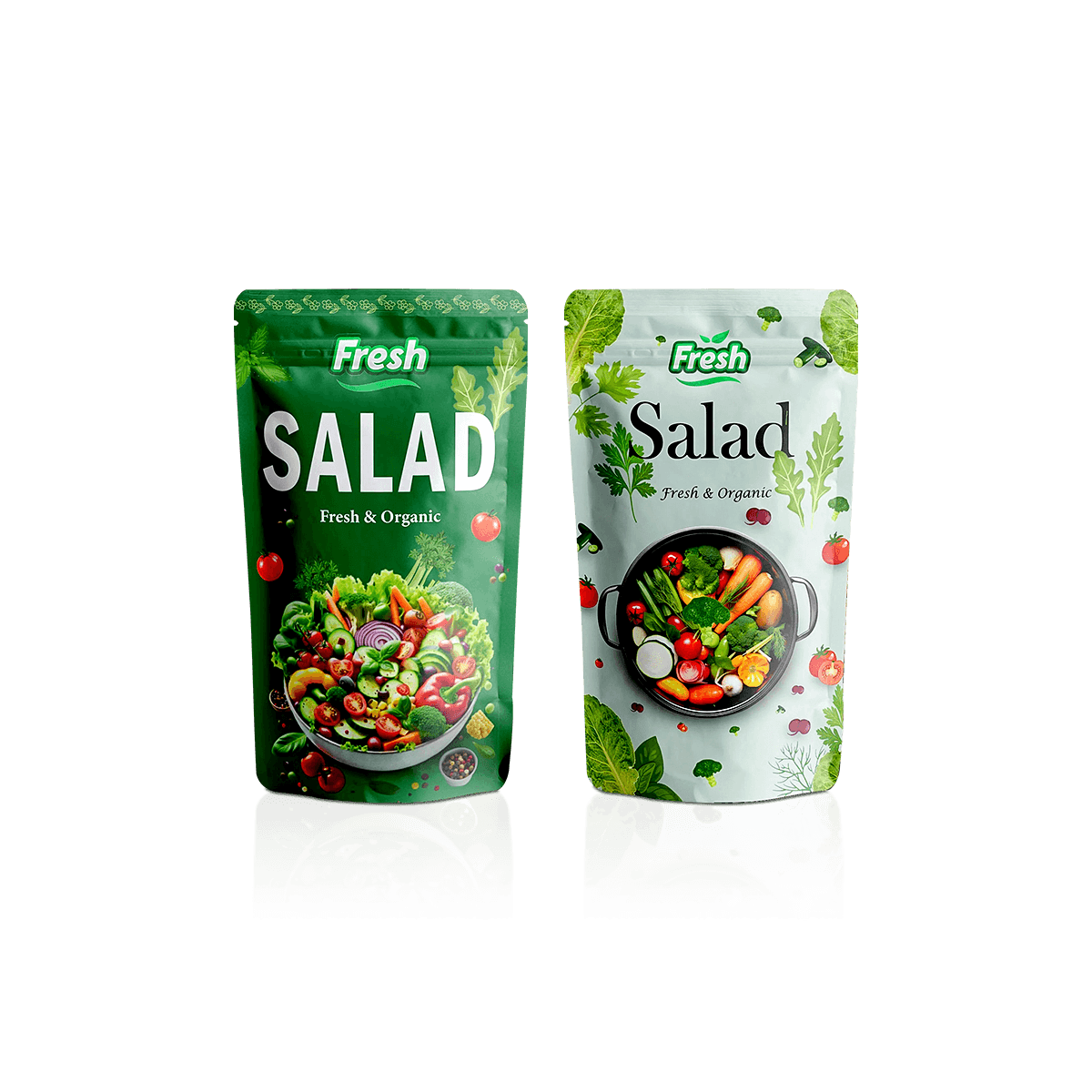
Custom Salad Flexible Pouches

Custom printed pouches for fresh-cut greens, salad mixes and refrigerated produce, with film, ventilation and packing specifications matched to the product.

Leaf Respiration Sets the Film

Fresh-cut lettuce continues to respire after packaging. The leaves consume oxygen and release carbon dioxide, changing the atmosphere inside a sealed pouch.

This makes the film specification particularly important for refrigerated salads. A material that performs well for dry snacks may create unsuitable conditions for living produce.

Custom Salad Flexible Pouches are intended for appropriately specified fresh-cut greens, shredded vegetables and salad mixes. The film construction, gas transmission, moisture behavior and filling method must suit the actual product and its cold chain.

The objective is to support the intended product quality without treating the pouch as a substitute for food-safety controls.

Oxygen Transmission

The oxygen transmission rate (OTR) determines how readily oxygen passes through the packaging film.

For fresh produce, this property must be considered alongside the product's respiration rate, pack weight, exposed film area and storage temperature.

A film with insufficient oxygen transmission can allow oxygen levels inside the pouch to fall too far. Excessively high transmission may also be unsuitable for the intended product and quality target.

The correct atmosphere depends on the produce itself.

USDA research confirms that fresh-cut produce varieties have different respiration requirements and that film permeability must be matched to the product.

An oxygen-barrier specification that works for dried food should therefore not be transferred automatically to fresh salad packaging.

Perforation Requirements

Microperforation is one possible method of adjusting gas exchange when the base film does not meet the product's requirements.

The number, diameter and arrangement of perforations affect how gases and moisture move through the package.

Perforation is not automatically necessary for every salad. Some products may require a carefully specified film without perforations. Others may need a different permeability profile or a validated modified atmosphere packaging process.

The decision must account for the intended salad blend, filling conditions, shelf life and refrigeration requirements.

Any proposed perforation pattern should be assessed for the specific product before it becomes part of the manufacturing specification.
Condensation Affects Product Visibility

Moisture inside a salad pouch is not automatically a packaging defect. Fresh greens need an appropriate moisture environment to limit wilting.

The problem begins when condensation interferes with presentation or creates unwanted free water inside the package.

A refrigerated pouch may contain healthy-looking greens, yet its front panel becomes difficult to see through because of condensation.

This creates a practical distinction between retaining appropriate moisture around the product and managing water on the film surface.

Anti-Fog Film

An anti-fog treatment can help maintain visibility by encouraging condensed moisture to spread across the treated surface rather than forming separate droplets.

Its suitability depends on the specific film construction, treatment and intended refrigerated conditions.

A clear film that looks excellent at room temperature may behave differently after cooling, transportation and refrigerated display.

For fresh salad packaging, appearance should be evaluated under the intended storage conditions rather than judged only from an empty pouch.

Free Water Inside the Pouch

Anti-fog treatment does not remove water from the product.

If washed leaves enter the packaging with excessive surface moisture, water may accumulate inside the pouch.

The resulting problem cannot necessarily be corrected through film selection.

The producer's washing, draining, drying and packing procedures affect the condition of the product before sealing, including its temperature when it enters the package.

Free water, film condensation and the intended internal humidity are different issues. They should not be treated as one packaging problem.

Salad Blends Change Pack Behavior

A single-ingredient lettuce pack and a mixed salad can behave differently even when both have the same net weight.

Leaf type, cut size, moisture content and respiration rate affect the packaging requirement.

A blend containing romaine, spinach and shredded cabbage should not automatically inherit the film specification established for one of those ingredients.

The finished product must be evaluated as a complete mixture.

Leaf Structure

Delicate leaves can be damaged when a pouch is overfilled, compressed or handled roughly.

Sturdier ingredients may tolerate a different packing arrangement, but they can also create pressure points against softer leaves.

The pouch needs sufficient internal volume for the intended amount of produce. That does not mean maximizing empty space.

Excessive space can affect the filled shape, product movement and retail presentation.

A practical size should accommodate the salad without unnecessarily compressing it during filling or case packing.

Cut Size

Whole baby leaves, shredded lettuce and finely chopped salad mixes occupy space differently.

Their exposed cut surfaces also affect respiration and product behavior.

An established pouch dimension may become unsuitable when a producer changes the cutting process, even if the declared net weight remains the same.

For this reason, the actual processed salad should be used when establishing the package's filled dimensions.

Ingredient Changes

Adding another vegetable to an existing salad can change more than the ingredient statement.

Different vegetables may have different respiration characteristics, moisture behavior and susceptibility to damage.

A significant change in blend composition may require a fresh assessment of the existing film specification.

The same applies when an established product changes from whole leaves to a chopped mixture. Artwork changes alone are insufficient if the product itself now behaves differently inside the pouch.

Filling Equipment Determines Pouch Construction

The method used to fill salad pouches can affect the appropriate packaging structure as much as the intended shelf presentation.

A producer packing small batches manually has different handling requirements from a processor using automated form-fill-seal equipment.

The distinction matters because the pouch must work with the actual filling and sealing process.

Premade Pouches

Premade pouches may suit operations that need a finished bag before filling.

The opening width must allow the intended portion to enter without excessive compression or damage.

The pouch must also have enough unfilled space for the sealing equipment to operate.

A gusseted construction may be appropriate when the finished product needs a particular display shape, provided it also works with the filling process.

For operations considering flexible pouch structures, the filling equipment and intended product presentation should determine which construction is investigated.

Automated Form-Fill-Seal

A high-throughput operation may require printed film compatible with its existing form-fill-seal equipment.

Film width, unwind direction, machine registration, sealing behavior and the finished pack dimensions all affect production suitability.

A pillow pouch may suit a flow-wrapped product, but the finished shape alone does not establish its suitability for fresh greens.

The film's gas transmission and food-contact requirements remain separate decisions.

Sealing Clearance

Leaf fragments or pieces of vegetables can enter the sealing area during filling.

Contamination at the seal may interfere with the intended seal integrity.

The filling equipment, sealing-jaw geometry and pouch dimensions should allow the product to settle clear of the sealing zone.

The actual filling process should be evaluated before approving the finished construction. A satisfactory seal on an empty pouch does not establish how the same equipment will perform during production.

Separate Dressing From Fresh Greens

Salad kits often contain ingredients that need different types of containment.

Fresh greens may require a breathable or otherwise carefully specified film. Dressing generally needs a separate primary package suited to its composition and dispensing requirements.

Combining the two directly inside the same pouch can change the salad's texture and increase the amount of free liquid surrounding the leaves.

For a kit intended to be mixed shortly before eating, separately packaged dressing can preserve that preparation sequence.

Dressing Sachets

A small dressing sachet can sit alongside the greens if the complete packaging arrangement has been assessed.

The sachet needs its own suitable food-contact material and secure seals.

Its position should not create unnecessary pressure on delicate leaves or interfere with the salad pouch's final seal.

Where the sachet is placed inside the main pouch, the packing process should prevent it from damaging the greens during filling and transportation.

Larger Dressing Portions

A separately sold or multi-use dressing may need a different packaging structure.

For a pourable product, spouted pouches may be considered where a fitted dispensing opening suits the intended serving size.

The dressing's acidity, oil content, viscosity and filling conditions determine the appropriate material and closure requirements.

Those requirements should be assessed independently of the fresh greens.

Prepared Salad Meals

A complete dressed salad containing bulky toppings, cooked ingredients or several separate components may need a more supportive container.

For restaurant pickup, takeout boxes can accommodate an appropriate inner food container and accompanying items.

A flexible produce pouch is better suited to food that can be packed without relying on the walls of a rigid container to maintain its intended arrangement.

Cold-Chain Requirements Come First

A fresh salad pouch cannot compensate for unsuitable product handling or a broken cold chain.

The packaging must work as part of the producer's complete food-safety process, including processing, filling, refrigeration, transportation and retail display.

FDA guidance identifies cut leafy greens as food requiring time and temperature control for safety. It recommends holding cut leafy greens at 41°F (5°C) or lower during retail storage and display.

A producer may need a lower operating temperature for its particular product or quality target.

The intended storage conditions should therefore be established before the film specification is finalized.

Modified Atmosphere Packaging

Modified atmosphere packaging (MAP) changes the gas composition inside a package.

It can be used in appropriately controlled fresh-produce applications, but the required atmosphere depends on the product and processing system.

A lower oxygen concentration is not automatically safer or better.

The film, initial gas composition, product respiration, expected temperature and intended shelf life must be evaluated together.

The FDA's August 2026 guidance for ready-to-eat fresh-cut produce addresses applicable food-safety requirements and preventive controls. Packaging choices must be considered as part of the producer's food-safety system.

Custom Packly should receive the producer's established packaging specification when a validated atmosphere is required.

A generic pouch should not be substituted for a validated MAP construction.

Food-Contact Documentation

The food-contact suitability of a salad pouch depends on its actual material composition and intended conditions of use.

The relevant assessment may involve the film layers, additives, coatings, adhesives and other components.

FDA states that the regulatory status of a food-contact material depends on the status of its individual substances and their authorized uses.

A generic statement that a film is food-grade does not establish its suitability for every fresh-produce application.

The proposed material must be checked against the product, contact conditions and applicable requirements.

A request for specialized food-contact documentation should be addressed before the material is approved for production.

Print Around the Visible Greens

Fresh salad is highly visual. Customers often assess the appearance of the leaves before deciding which refrigerated product to purchase.

The pouch artwork should preserve that visibility without sacrificing the required product identification and labeling space.

For many fresh-produce applications, a predominantly clear pouch with a controlled printed area may be more practical than extensive opaque artwork.

The precise balance depends on the salad's intended retail presentation.

Clear Front Panel

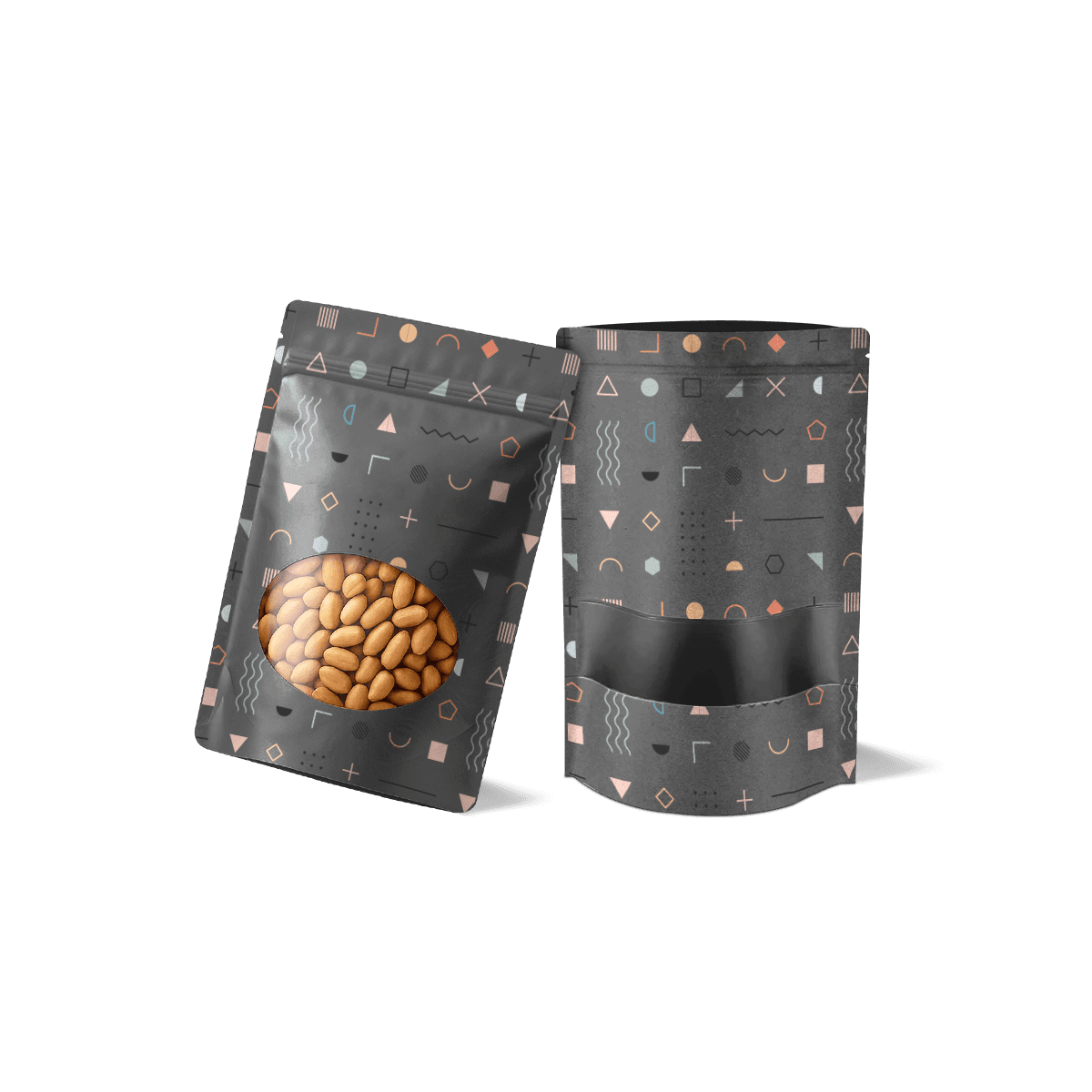
The transparent area should expose the part of the finished product that customers need to inspect.

The position of the printed graphics must account for how the salad settles after filling.

An attractive design on an empty pouch may cover the product once the film expands around the contents.

The intended visible area should therefore be reviewed using the actual filled shape.

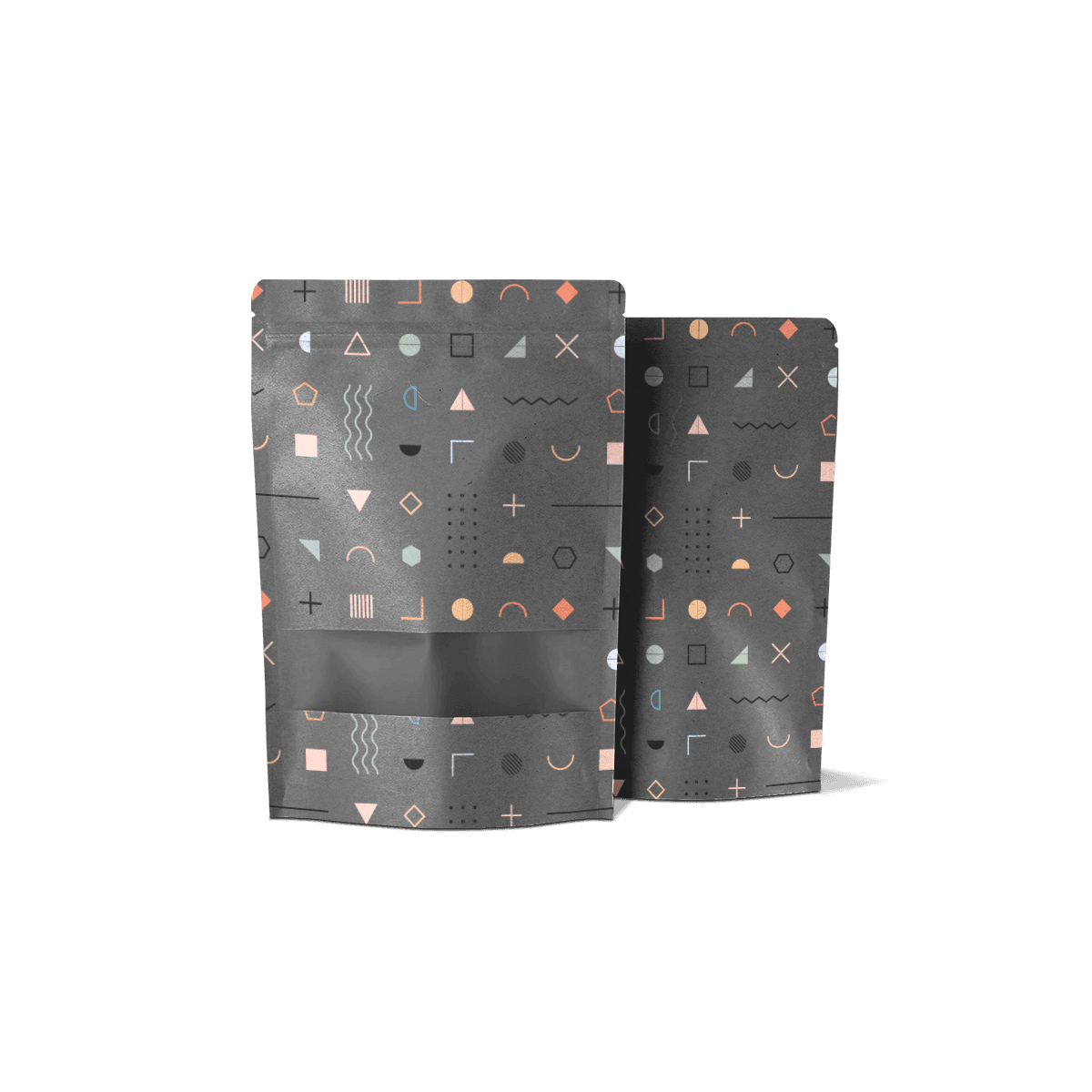
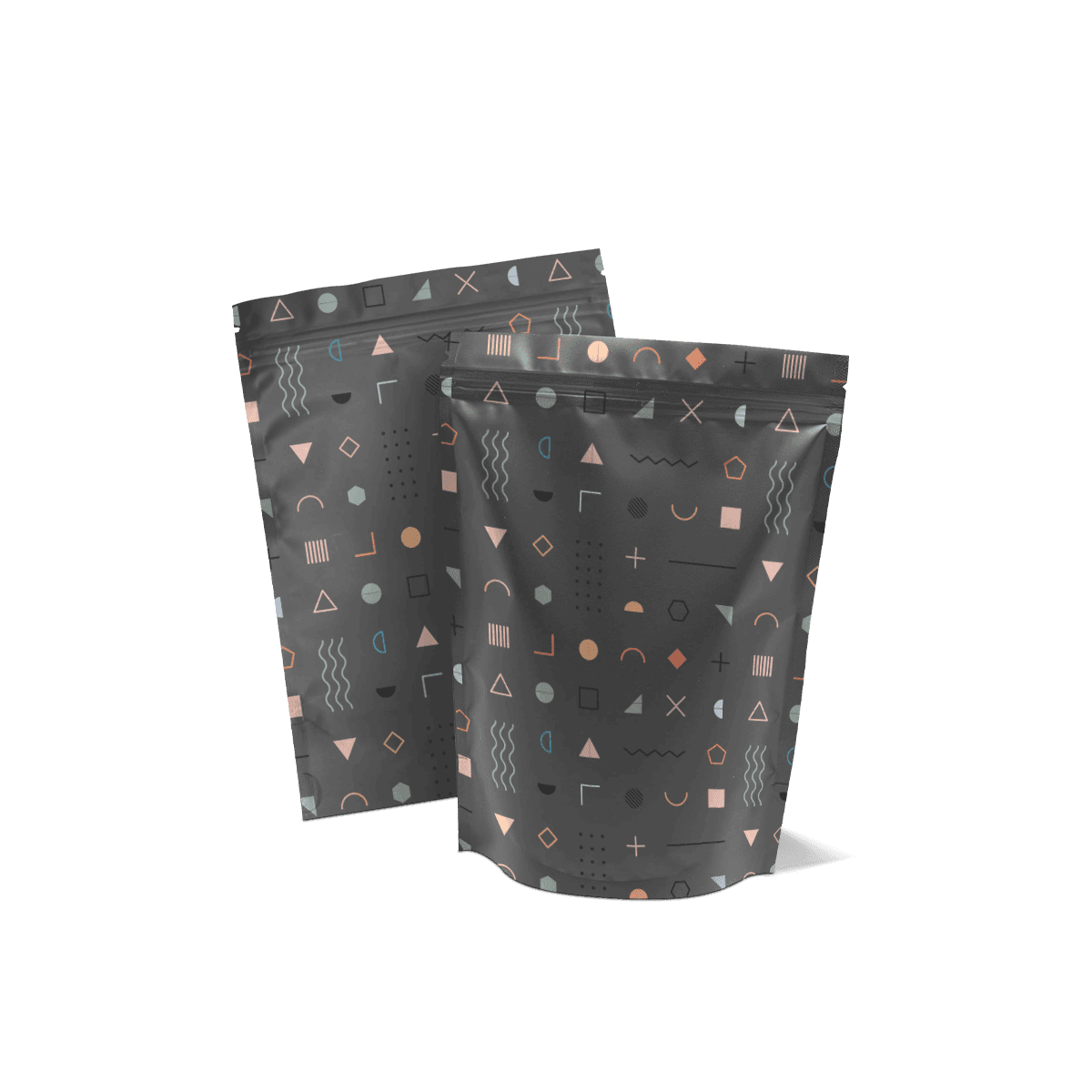
Free 3D mockups can assist with the visual arrangement, but they do not establish anti-fog performance or the appearance of the finished pouch under refrigeration.

Product Labeling

The printed layout should accommodate the applicable labeling requirements for the finished food.

Depending on the product, these may include its statement of identity, net quantity, ingredients, allergen declarations, nutrition labeling, responsible business identification and required handling statements.

Retail packaging may also need a barcode and space for production or date coding.

The applicable requirements must be established for the actual product.

Do not position essential text over a fold, gusset or area that becomes difficult to read after filling.

Film Printing

The print process should suit the selected film and production quantity.

Flexible-film printing has different substrate and converting requirements from printing paperboard cartons.

The decision between digital, offset and flexographic printing should account for material compatibility, artwork versions and the intended production volume.

For a salad brand selling several blends, identical pouch dimensions do not necessarily mean identical printing requirements.

Each product may need its own ingredients, barcode, nutrition statement and other product-specific text.

Custom Packly's artwork and prepress support can help review panel placement and the approved printed layout before production.

Confirm the Manufacturing Route

Specialist fresh-produce packaging requires more than selecting a pouch size and uploading artwork.

The production request must establish whether the proposed material and construction can meet the actual product requirements.

That assessment should happen before a final manufacturing commitment.

The most important inputs are the salad composition, net weight, intended shelf life, established storage conditions, filling equipment and existing film specification, where one is already in use.

If specialized permeability, perforation or anti-fog performance is required, its feasibility must be confirmed for the proposed manufacturing route.

Production Quantity

Order economics depend on the selected film, pouch construction, printing method and quantity per design.

A producer launching several salad blends may need different artwork for each product, even when the physical pouch is shared.

Combining their total demand into one number can obscure the actual production requirements.

For example, an order containing four blends may require four artwork versions, different production quantities and possibly different film specifications.

The quantity for each version should be established separately.

Custom Packly supports US production, free design assistance and free shipping. Standard packaging turnaround is 4–6 days after final approval, but specialist film constructions may require additional time.

The applicable production minimum and schedule must be confirmed for the chosen pouch.

Material Feasibility

A proposed film specification should identify the performance requirements that matter to the product.

These may include oxygen transmission, carbon dioxide transmission, water vapor transmission, thickness, clarity, sealing behavior and any specialized treatment.

Where perforation is required, its design also needs to be established.

A supplier's ability to manufacture a printed pouch does not automatically establish that it can produce every specialist film construction.

Before requesting custom packaging pricing, establish the product's actual film requirements and the intended filling process.

Custom Packly can review the proposed specification and confirm the applicable production options.

Account for the Refrigerated Display

The final retail presentation depends on more than the individual pouch.

Bagged salad is commonly displayed in refrigerated cases where the product may be stacked, laid flat or arranged in rows.

Each arrangement creates different handling conditions.

A pouch that looks balanced when held upright may behave differently under the weight of neighboring packs.

Compression in the Case

Excessive stacking pressure can flatten the pouch and place unnecessary pressure on the leaves.

The filled pouch dimensions should therefore be evaluated alongside the intended case count and stacking arrangement.

A more compact pouch is not automatically better if achieving that size requires compressing the product.

The outer shipping carton also needs to support the intended handling and distribution process.

Display Orientation

The intended selling position affects the artwork layout.

A pouch displayed flat may require a different placement of the product name and principal graphics from one displayed upright.

The barcode and date code must remain accessible without forcing the retailer to repeatedly reposition the product.

A consistent orientation can also make the refrigerated case easier to replenish.

Consumer Opening

The opening method should suit the intended portion size and customer use.

A single-use salad pouch may need a straightforward tear opening, while a larger pack intended for several servings may benefit from a suitable reclosure.

Any zipper, tear notch or opening feature must be compatible with the film and its required initial seal.

For fresh-cut greens, convenience must not override the established packaging and food-safety requirements.

The finished construction should let customers remove the leaves without unnecessary handling or damaging the remaining contents.

FAQs

They give chilled salads a cleaner shelf face with less package bulk while still leaving room for visibility, labeling and easy handling.

Salad Flexible Pouches are usually better when space efficiency, lighter pack weight and front-panel branding matter most. Clamshell Food Boxes are often the better choice when rigid protection and full top-view presentation matter more.

The best results usually come from matching the film and pouch structure to the product. Venting style, fill temperature, product dryness and cold-chain handling all play a role.

Usually not in direct contact with leafy greens for longer hold times. Many brands pair the main salad pouch with separate sachets or add-in packets to protect texture and freshness.

Yes. Pouches can provide usable panel space for ingredients, nutrition, handling notes, barcodes and shelf-ready graphics without needing a bulky carton.

Process

How it works

Your Packaging Journey, From Idea to Production and Delivery

01

Tell Us Your Specs

Custom packaging boxes

Tell Us Your Specs

Provide size, quantity, printing, and finishes.

02

Get a Fast Quote

Custom packaging boxes

Get a Fast Quote

Instant transparent pricing, no hidden fees.

03

Design and Approval

Custom packaging boxes

Design and Approval

Artwork checks, revisions, and final sign-off.

04

Produce

Custom packaging boxes

Produce

Expert manufacturing to meet deadlines.

05

Ship to Your Door

Custom packaging boxes

Ship to Your Door

Hassle-free, flexible delivery options.

Get Your Quote for Custom Salad Flexible Pouches

Share your product details, size, quantity and artwork needs. We’ll help choose the right packaging style and send a clear quote.