Skip to content
Details

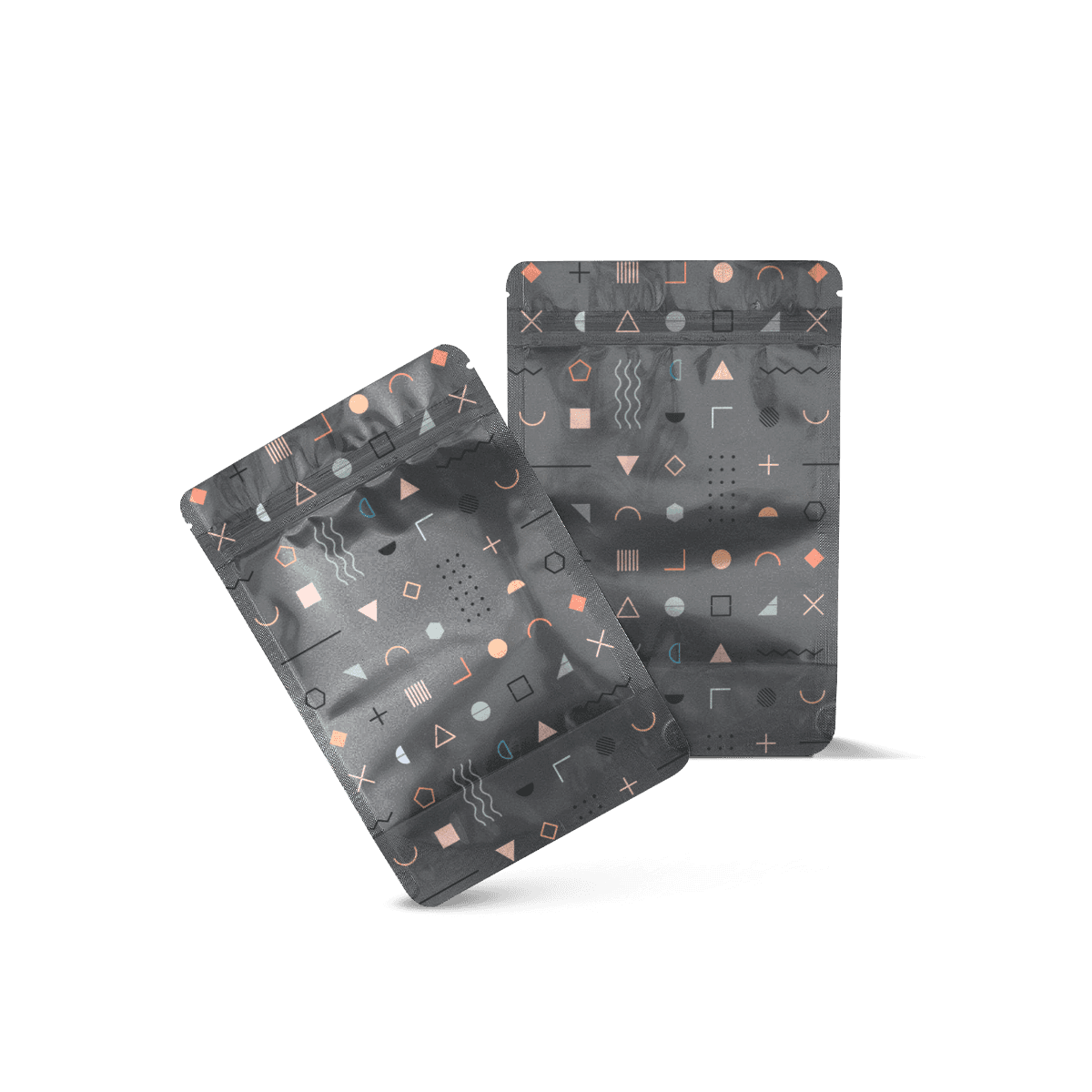
Custom Zipper Pouches

Custom printed resealable pouches for snacks, powders, pet treats and refill products, with zipper closures, film options and sizing suited to repeated use.

The Second Opening Matters

A customer opens a pouch of trail mix, takes a handful and presses the zipper shut. The next time they reach for the product, the closure must open easily, release the contents and close securely again.

That repeated interaction is the defining requirement of Custom Zipper Pouches.

Unlike single-use packaging, a resealable pouch remains part of the product experience after the initial opening. Its closure must accommodate repeated handling while the film and original production seals perform their separate protective functions.

Custom printed zipper pouches suit multi-serving snacks, powdered products, pet treats, selected personal care products and small accessories that customers access repeatedly.

The strongest construction depends on how frequently the pouch will be opened, how the contents behave around the zipper and how the customer removes each portion.

A zipper that works perfectly on an empty pouch may become difficult to use when the package is filled, partly emptied or handled with product residue around the closure.

For that reason, the zipper mechanism deserves attention before its appearance or decorative finishing.

Separate Reclosure From Initial Sealing

A press-to-close zipper and a heat seal perform different jobs.

The heat seal establishes the initial closure of an unopened package. The zipper allows the customer to close the pouch again after that initial seal has been removed.

For products that require a sealed barrier before purchase, the zipper should not automatically be treated as a substitute for the original heat seal.

This distinction affects the pouch's construction, opening instructions and intended shelf life.

Top Heat Seal

A common construction places a heat-sealed strip between the top edge of the pouch and the zipper.

The customer removes or tears through the sealed portion to reach the reclosable opening.

This arrangement allows the producer to establish the required initial seal while retaining the zipper for subsequent use.

If the top seal sits too close to the zipper, opening the package may damage the closure or leave insufficient material for the customer to grip.

Excessive distance introduces unnecessary material and may make the opening awkward.

The appropriate spacing depends on the selected zipper profile, film construction and opening method.

Tear Notch Placement

A tear notch can direct the opening across the sealed portion of the pouch.

Its position should allow customers to remove the intended top strip without cutting into the zipper.

The tear path also needs to account for the laminate's tear behavior.

A notch that works on one film construction may not produce the same opening behavior on another.

The opened package should leave enough film on both sides of the zipper for customers to separate the tracks.

Tamper-Evident Opening

A sealed top can make initial opening physically apparent when the construction requires the customer to remove part of the package.

However, a standard zipper alone does not establish tamper evidence.

Any required tamper-evident function must be specified and validated separately.

For products requiring controlled access, child-resistant pouches address a different closure requirement.

A conventional press-to-close zipper should never be represented as child-resistant merely because it is difficult to open.

Powder in the Zipper Track

Powders and fine granules introduce a problem that does not necessarily appear with larger snacks or solid products.

During dispensing, particles can collect inside the zipper's interlocking tracks.

When enough material accumulates, the tracks may not engage completely. The customer can press the top of the pouch together and believe it is closed even though part of the zipper remains open.

For powdered products, the filling arrangement and dispensing behavior should influence zipper selection.

Track Geometry

The zipper profile determines how its two sides engage.

A suitable profile should allow the intended customer to close the pouch consistently without excessive force.

Fine powders can interfere with that engagement.

Selecting a different profile may help, but it does not eliminate the need to assess the product's behavior around the closure.

For powders prone to static adhesion, the film's surface characteristics and filling conditions may introduce further complications.

A technical review should consider the actual product rather than assuming that all powdered contents behave alike.

Filling Past the Closure

A premade zipper pouch may need to be held open during filling.

If product passes directly through the exposed zipper area, some material may become trapped in the tracks.

Certain specialized constructions position or protect the zipper to reduce that interference. Their suitability depends on the selected manufacturing route and filling equipment.

The practical objective is to transfer the intended quantity into the pouch without contaminating the closure.

For a manually filled product, the opening must accommodate the scoop or dispensing equipment.

For automated production, the pouch and zipper must be compatible with the machine's opening, filling and sealing operations.

Dispensing Clearance

The opening should allow customers to pour or scoop the contents without repeatedly dragging product across the zipper.

A narrow mouth can make dispensing difficult, especially when the pouch contains a scoop.

For a protein powder or other suitable dry blend, the scoop dimensions can influence the usable opening width.

The zipper position must leave enough clearance for customers to retrieve the scoop without damaging the closure.

A production sample should contain the actual product or a representative material with comparable handling behavior when this decision needs assessment.
Grip at the Opening

A zipper pouch needs enough usable material around its opening for customers to operate the closure.

A technically functional zipper can still be inconvenient when it sits too close to the top edge or the film is difficult to grip.

This is particularly noticeable when the pouch is nearly full and the contents push against the upper panels.

The finished dimensions should account for how the customer holds the pouch during opening and closing.

Film for Gripping

The film remaining between the zipper and the opened top edge forms the gripping area.

If that area is too narrow, customers may struggle to separate the zipper tracks.

An oversized gripping area can create unnecessary packaging height.

The appropriate allowance depends on the material's stiffness, the closure profile and the intended user.

It should be assessed with the actual film rather than inferred from an enlarged digital drawing.

Closure Across the Width

Zipper alignment matters across the entire pouch opening.

Misaligned tracks can make the closure difficult to engage, particularly near the side seals.

The transition between the zipper ends and the pouch's side seals also deserves attention.

If these areas become excessively stiff or bulky, customers may find the ends difficult to close.

The finished construction should support a consistent closing action across the full usable width.

Partly Filled Handling

The pouch's behavior changes as customers remove the contents.

A full pouch may offer enough resistance to make closing straightforward. As it empties, the film becomes less supported.

The customer may need to hold the panels together while pressing the zipper closed.

A closure that works only when the pouch is full is poorly matched to a product intended for repeated use.

Evaluate the opening and closing action with the pouch full, partly filled and nearly empty.

Different Contents, Different Use Cycles

The contents determine how much work the zipper must perform.

A pouch of trail mix may be opened several times over a relatively short period. A larger dry refill pack may remain in use much longer.

The same zipper specification should not automatically be applied to both.

Frequency of use, particle size, serving method and storage conditions all affect the decision.

Multi-Serving Snacks

Trail mixes, dried fruit and suitable snack products are common applications for resealable packaging.

Customers may remove a handful directly or pour a portion into another container.

The opening should accommodate the intended serving method without unnecessarily spilling the remaining contents.

For larger pieces, the usable mouth width matters more than simply selecting a deep pouch.

The zipper should remain accessible when the product settles toward the bottom.

Pet Treats

Pet owners may open a treat pouch repeatedly throughout the day.

The closure should be easy to operate and support convenient storage between feeding occasions.

Treat shape can affect the opening requirement. Small training treats behave differently from larger chews or irregularly shaped pieces.

For treat brands, custom treat Mylar bags also require decisions about the food's characteristics, protective film and finished pack size.

The zipper addresses repeated access. It does not independently establish suitable storage conditions or product freshness.

Personal Care Refills

Selected dry personal care products can benefit from resealable pouches when customers use the contents over several occasions.

Bath salts, dry blends and small personal care components may suit this arrangement.

Creams, gels and other products with different dispensing behavior require additional consideration.

If controlled pouring is central to the product's use, a spouted pouch may be a more suitable construction.

For liquid products, a standard zipper should not be assumed to provide leakproof containment.

The product's composition, closure requirements and intended storage position must be assessed before the packaging structure is approved.

Reclosing Does Not Restore the Seal

A resealable closure can help customers contain a product after opening, but it does not recreate the unopened package's original protective condition.

This is particularly important for products whose shelf life depends on a high-barrier film, a controlled internal atmosphere or a hermetic initial seal.

The initial heat seal, film and zipper have distinct functions.

The film limits transmission according to its specified properties. The original seal establishes the initial closure. The zipper supports subsequent access and reclosure.

Moisture-Sensitive Products

Products that readily absorb moisture need an appropriately specified protective film.

Potential material constructions include suitable polyester laminates, metallized films and other barrier structures.

Their performance depends on the complete material specification.

A moisture-sensitive product may also require particular handling instructions once the package has been opened.

The zipper's reclosure performance should not be assumed to equal the original sealed package's moisture protection.

Aroma and Oxygen

Coffee, certain snacks and other aroma-sensitive products may require additional barrier consideration.

Oxygen transmission and aroma retention depend on the selected film construction.

Repeated opening also exposes the contents to the surrounding atmosphere.

A zipper cannot reverse that exposure.

If a product requires a one-way degassing valve, controlled atmosphere or another specialized feature, its compatibility with the proposed pouch must be established separately.

Food-Contact Suitability

Food-contact suitability depends on the actual material and its intended conditions of use.

The FDA identifies the regulatory status of the individual substances in a food-contact material as a determining factor in the finished material's regulatory status.

The selected laminate, sealant layer and applicable components should be assessed for the actual product.

Do not assume that a generic Mylar or zipper pouch is suitable for every food application.

The packaging specification should not claim a particular shelf-life extension without appropriate evidence for the finished product.

The Zipper Does Not Determine Shape

Resealable closure and pouch shape are separate decisions.

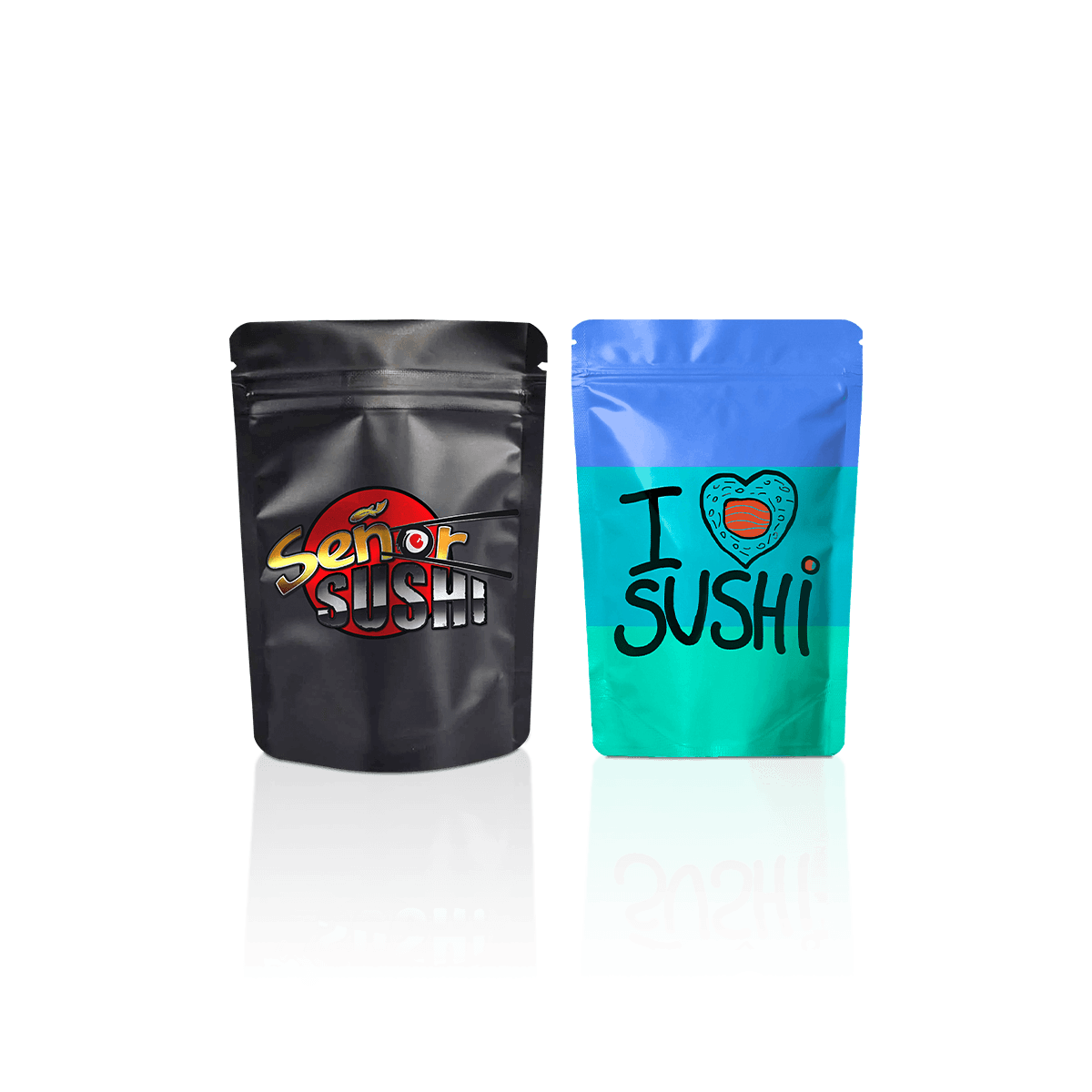
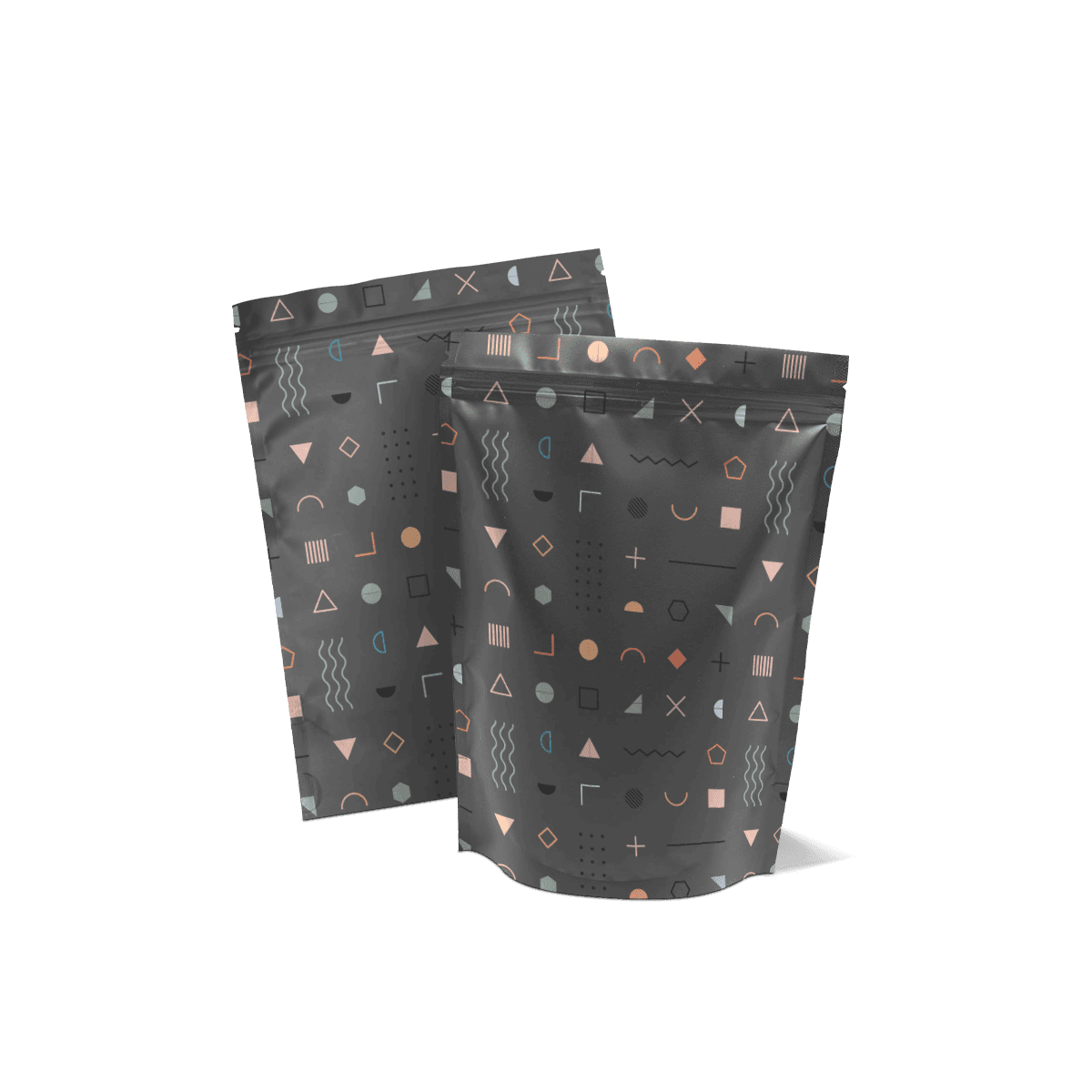
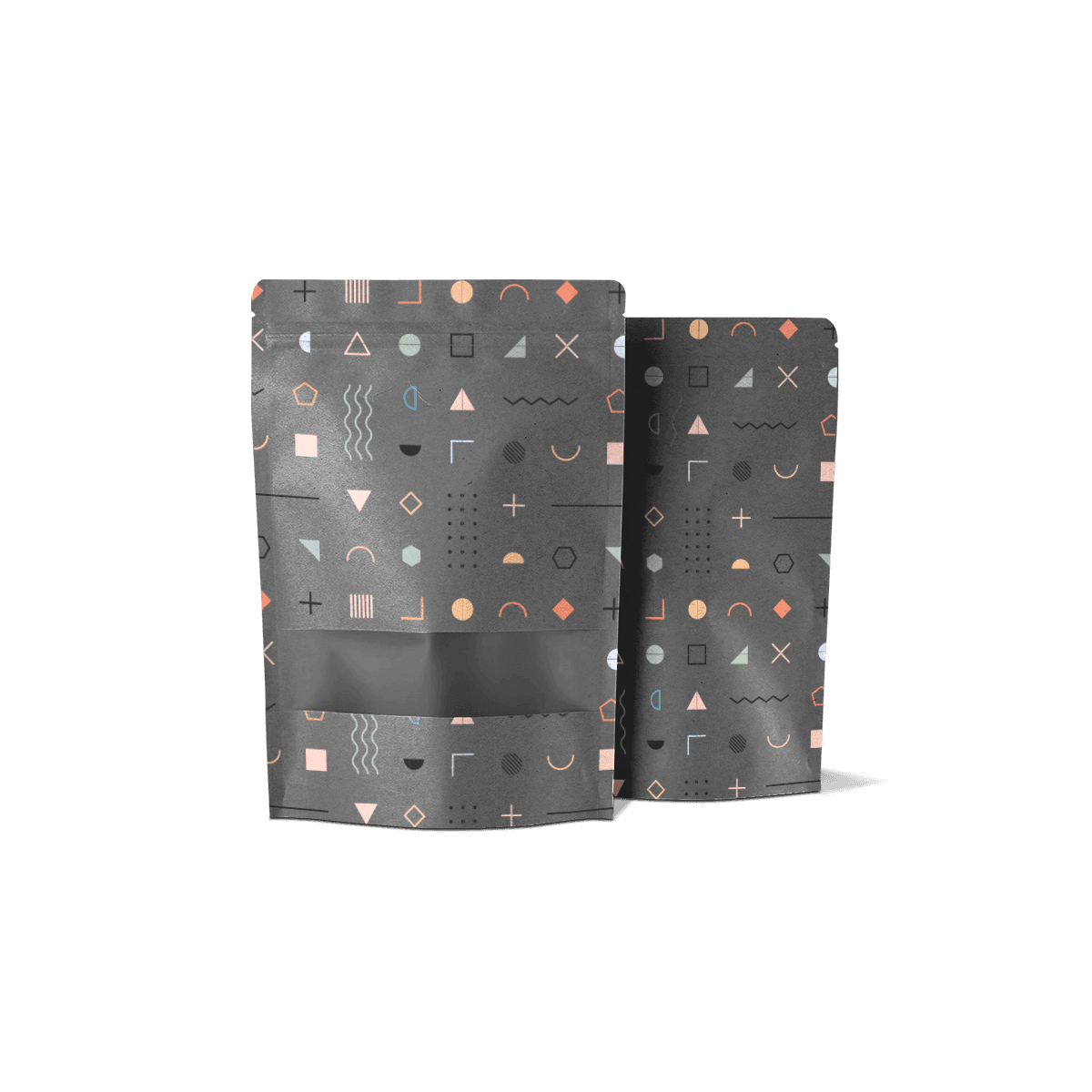
A zipper may be integrated into a flat pouch, stand-up pouch or another compatible flexible construction.

The product's intended display and storage position determines which structure makes sense.

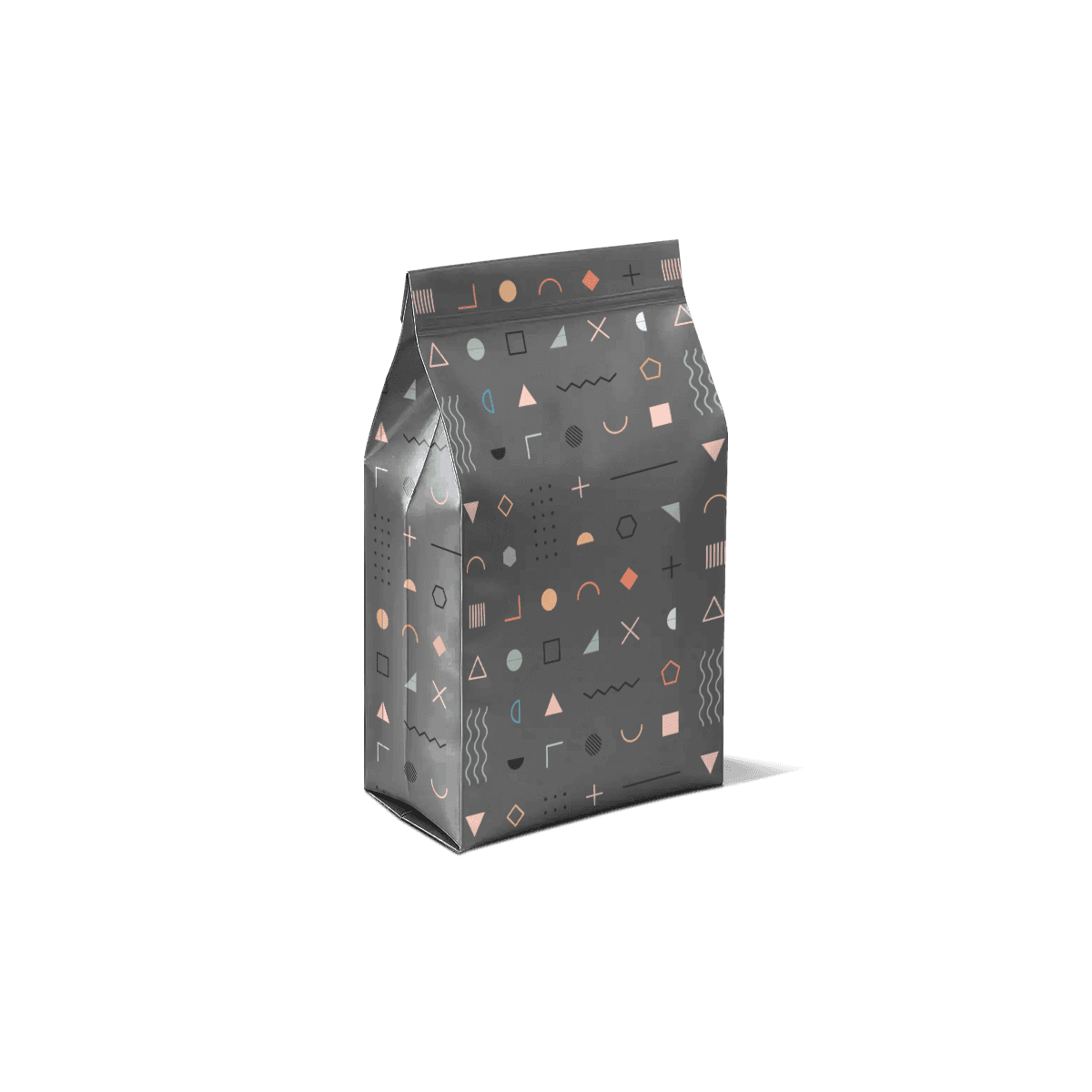
For a multi-serving snack sold on a grocery shelf, an appropriate bottom gusset may help the pouch stand.

A compact accessory kit may work better in a flatter package.

The closure requirement remains repeated access in either case.

Standing Pouches

A stand-up construction can make the product easier to display and may improve access during repeated use.

Its stability depends on the bottom gusset, film, product weight and filled shape.

The zipper must remain accessible when the pouch is standing.

A package that becomes unstable whenever the customer opens it may create an inconvenient dispensing experience.

Flat Resealable Packs

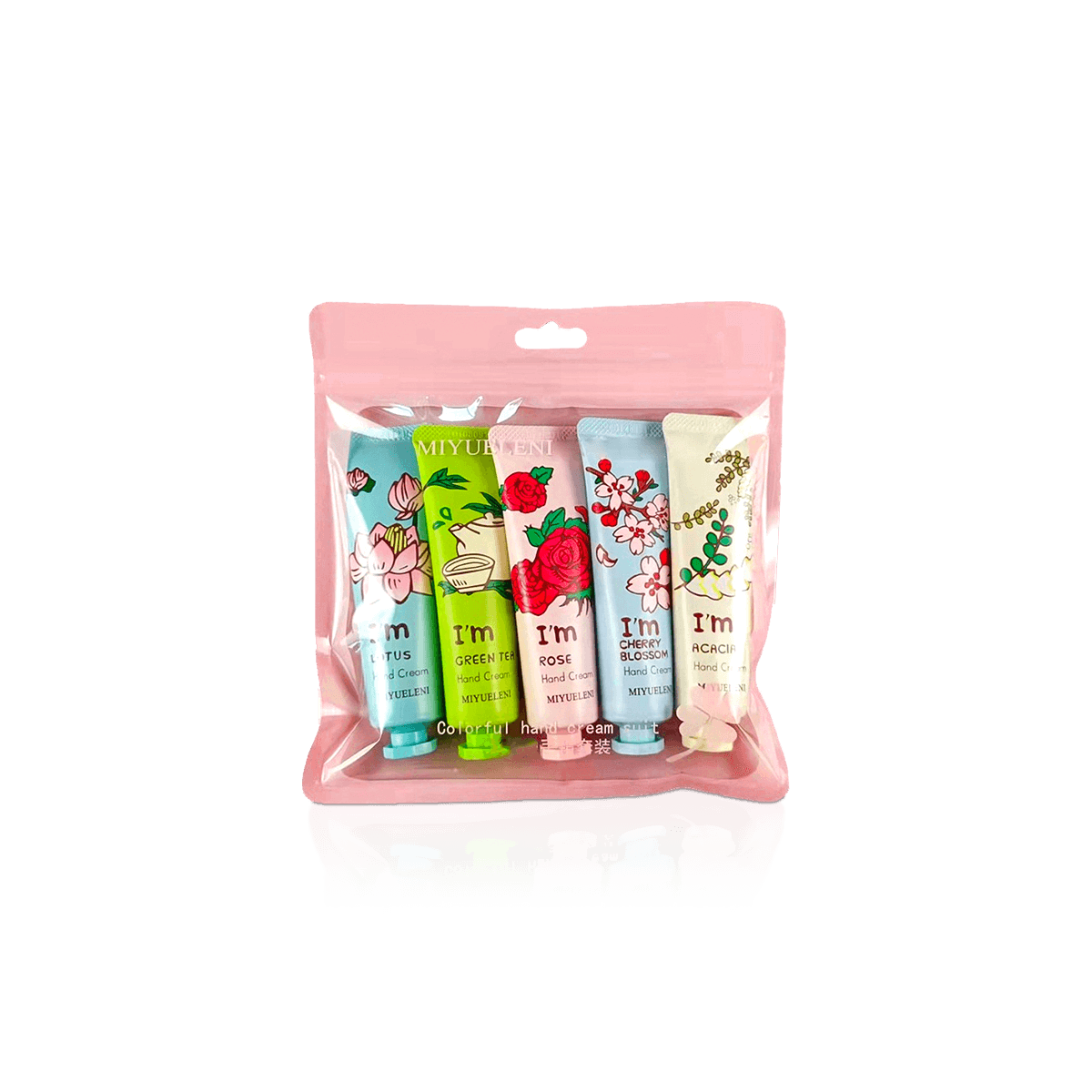
A flatter pouch can suit lightweight accessories, craft components and compact travel products.

It may be stored horizontally, placed in a drawer or carried inside another bag.

The zipper should accommodate the actual contents without allowing rigid components to damage the film.

For small parts, the opening should be large enough to retrieve the intended item without emptying the entire pouch.

Child-Resistant Requirements

Some products require more than ordinary resealability.

Where a child-resistant closure is legally required, a conventional zipper is not a substitute for an appropriately tested and compliant child-resistant construction.

The required closure should be established before the package's appearance and dimensions are finalized.

The finished packaging must meet the applicable requirements for its intended use.

Artwork Survives the Grip

A zipper pouch is repeatedly handled near its upper edge.

Customers pull the panels apart, press the closure together and may fold or squeeze the package as its contents decrease.

This handling should influence artwork placement.

Important text positioned too close to the zipper may become difficult to read or sit on material that wrinkles during use.

The Upper Print Area

The zipper, top seal and tear notch occupy space that cannot be treated as an uninterrupted printable panel.

The artwork should account for their actual positions.

A large logo extending into the opening area may become visually incomplete after the customer removes the sealed top.

Essential text should remain on the portion of the pouch that customers retain.

Custom Packly's free design and prepress support can help establish these boundaries before production.

A free 3D mockup can assist with reviewing the intended presentation, while the digital proof is used to approve the production artwork.

Instructions That Remain Visible

Products intended for repeated use may require instructions that remain accessible throughout their use.

These can include suitable storage directions, serving instructions and product-specific warnings.

For a multi-serving food pouch, any applicable labeling and required statements must be established before artwork approval.

The back panel should also accommodate necessary identification and barcode placement.

Avoid positioning essential information on a removable top strip.

Print Across Multiple SKUs

A shared zipper construction can support several products if their physical and protective requirements are compatible.

Different flavors or variants may use separate artwork while retaining a common pouch structure.

Each design needs the correct product information.

The printing process should suit the selected flexible film and the number of artwork versions.

For recurring flexible packaging, digital and flexographic printing can present different production and artwork-change considerations.

Premium offset printing is a confirmed Custom Packly capability, but it should not automatically be assumed to be the appropriate process for flexible film.

Price the Complete Closure

The commercial specification should account for the complete pouch, not just the zipper as an optional accessory.

A standard press-to-close profile may have different manufacturing requirements from a specialized zipper construction.

The initial heat seal, tear feature and chosen film also affect the production arrangement.

The relevant costs depend on the actual construction, material, printing method and order quantity.

Closure Specification

The production request should establish the intended zipper profile and opening arrangement.

If the pouch needs a particular tear feature, specialized closure or compatible filling arrangement, those requirements should be included before pricing is finalized.

A zipper added after the dimensions and artwork have been approved may require changes to the pouch height and printable area.

Custom Packly's 24/7 packaging expert support can help review closure and filling requirements before the artwork is finalized.

Quantity per Design

The total order quantity does not always represent one production run.

A brand ordering several product variants may require separate printed versions.

Different products may also need different pouch dimensions or barrier specifications.

Custom Packly's instant pricing system can support the initial commercial assessment. The exact production minimum and applicable manufacturing schedule must be confirmed for the selected pouch.

The standard USA packaging turnaround is 4–6 days after final specifications and artwork approval. Specialty films, closures and more complex constructions may require additional time.

US production and free shipping apply to the confirmed USA packaging offer.

Once the required closure, material and production quantity have been established, request custom pouch pricing for the intended construction.

The Almost-Empty Pack

A resealable pouch spends part of its life containing less product than it held when purchased.

That changing fill level deserves attention because the package must remain practical until the intended final serving.

As the contents decrease, the film becomes less supported. The product settles into a smaller occupied area and the customer may handle the pouch differently.

The final construction should account for that change.

Reaching the Remaining Contents

A deep pouch can make the last portion difficult to retrieve.

This matters for snacks, powders and small accessories.

Customers may need to reach farther into the package or tilt it more aggressively to remove the remaining contents.

The opening width and pouch depth should support the intended dispensing method.

For a product normally removed by hand, an excessively narrow opening may become inconvenient even if the zipper itself operates correctly.

Closing Without Product Interference

The last portions of a powdered or granular product may collect around the bottom corners.

When customers tilt the pouch to remove them, some material may travel toward the zipper.

The closure should remain practical under those normal handling conditions.

A production sample can help assess this behavior when the product presents a genuine uncertainty.

Free sample examples of previous Custom Packly work can help establish material and construction preferences. Fully custom physical samples may be paid.

Storage After Repeated Use

The remaining pouch should be convenient to close and store after each use.

For a standing package, consider how its stability changes as the contents decrease.

For a flat pouch, consider whether its opening remains accessible when stored horizontally.

The intended use ends only when the customer has removed the final portion.

A zipper pouch earns its place when its closure, opening geometry and flexible structure remain practical throughout that complete use cycle.

FAQs

Brands selling products in more than one serving usually benefit most. This includes snacks, powders, pet treats, bath products, and organized small-item packs that should stay closed between uses.

Yes. That is one of the biggest reasons buyers choose this format. It presents well at purchase and stays practical after opening.

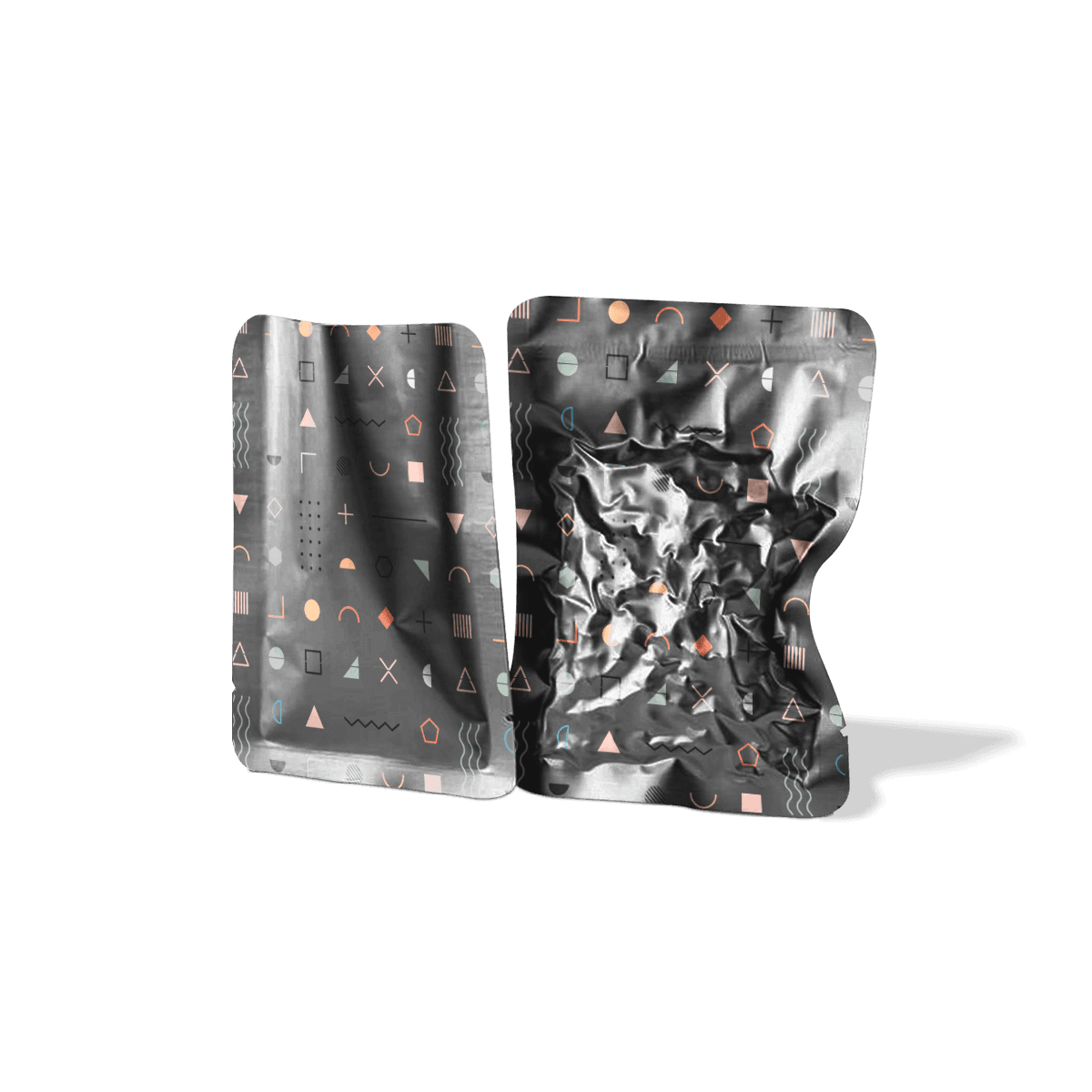
Zipper Pouches suit repeated opening and closing. Vacuum-Sealed Pouches suit products whose established packing process requires reduced air and a sealed package.

Only part of it. The zipper adds convenience, but overall performance still depends on film structure, seal quality, fill type, and how the pouch is stored and handled.

No. Zippers can be integrated into several pouch constructions, including stand-up, gusseted, and flatter formats, depending on the product and merchandising goal.

Process

How it works

Your Packaging Journey, From Idea to Production and Delivery

01

Tell Us Your Specs

Custom packaging boxes

Tell Us Your Specs

Provide size, quantity, printing, and finishes.

02

Get a Fast Quote

Custom packaging boxes

Get a Fast Quote

Instant transparent pricing, no hidden fees.

03

Design and Approval

Custom packaging boxes

Design and Approval

Artwork checks, revisions, and final sign-off.

04

Produce

Custom packaging boxes

Produce

Expert manufacturing to meet deadlines.

05

Ship to Your Door

Custom packaging boxes

Ship to Your Door

Hassle-free, flexible delivery options.

Get Your Quote for Custom Zipper Pouches

Share your product details, size, quantity and artwork needs. We’ll help choose the right packaging style and send a clear quote.