Skip to content
Details

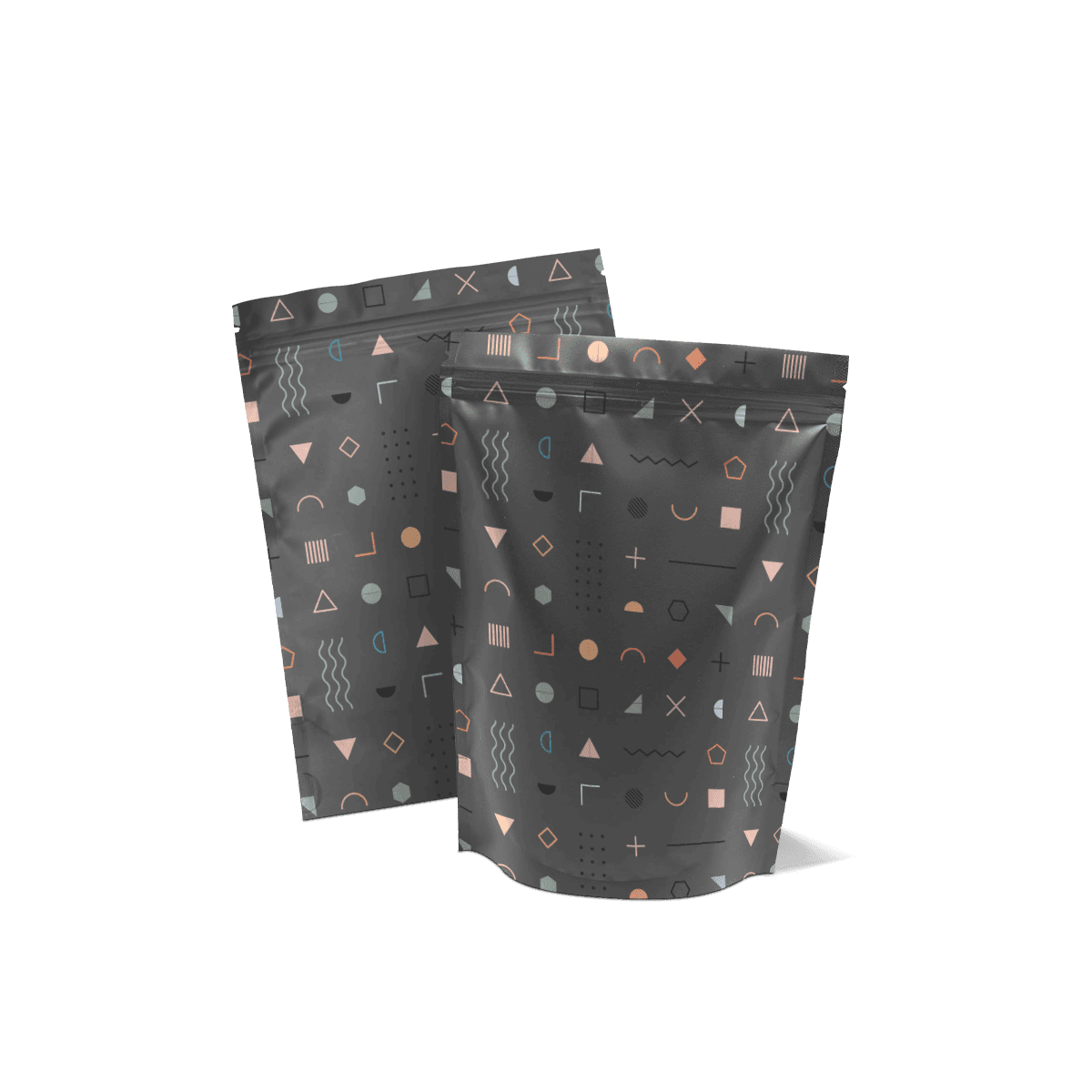
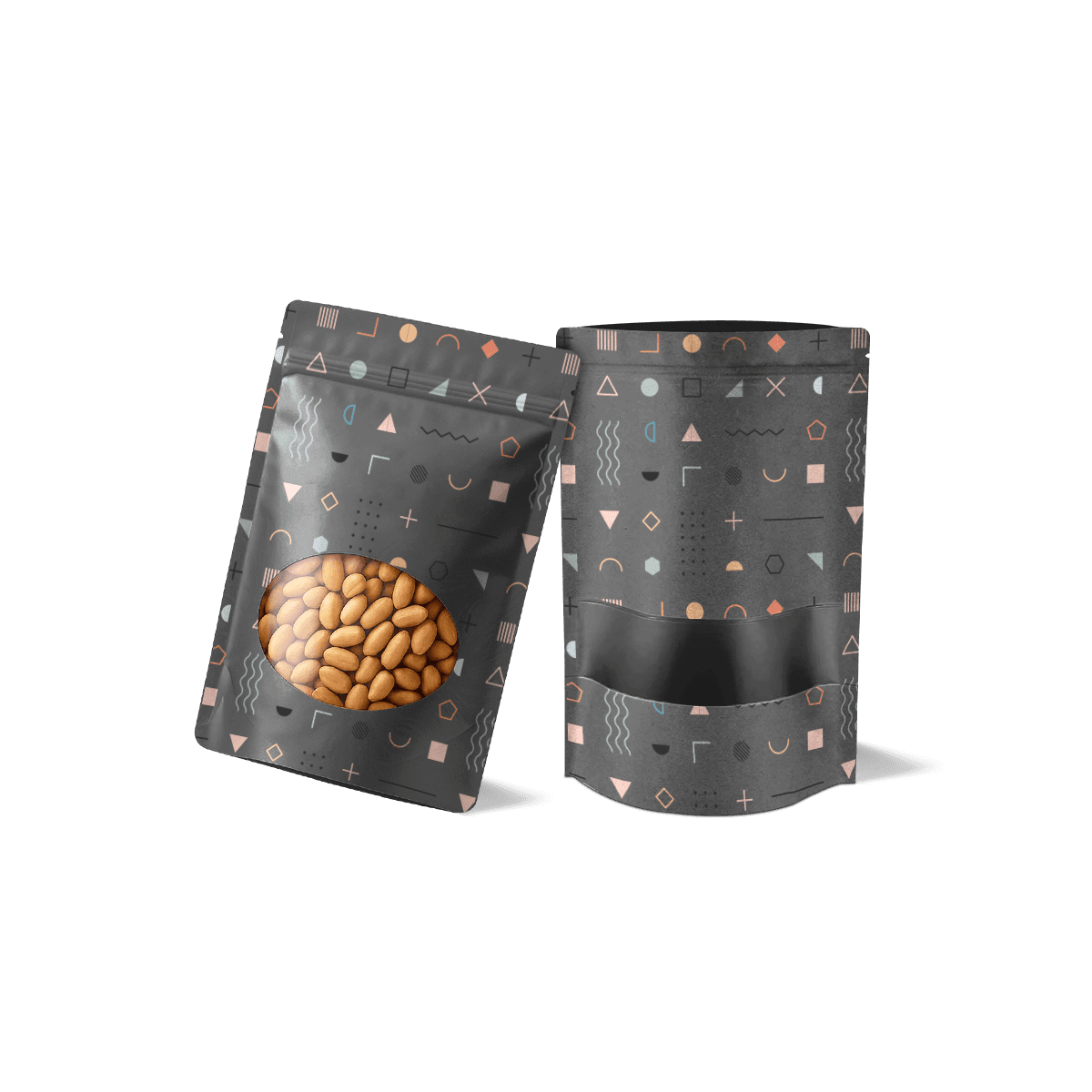
Custom Collar Flexible Pouches

Custom printed flexible packaging for folded pet collars, with clear size identification, secure retail hanging and practical protection for straps and hardware.

The Neck Size Faces Out

A small dog collar and a larger one can look almost identical when both are folded inside clear retail packaging. On a crowded peg display, customers should be able to identify the correct size without opening the package or removing several products from the hook.

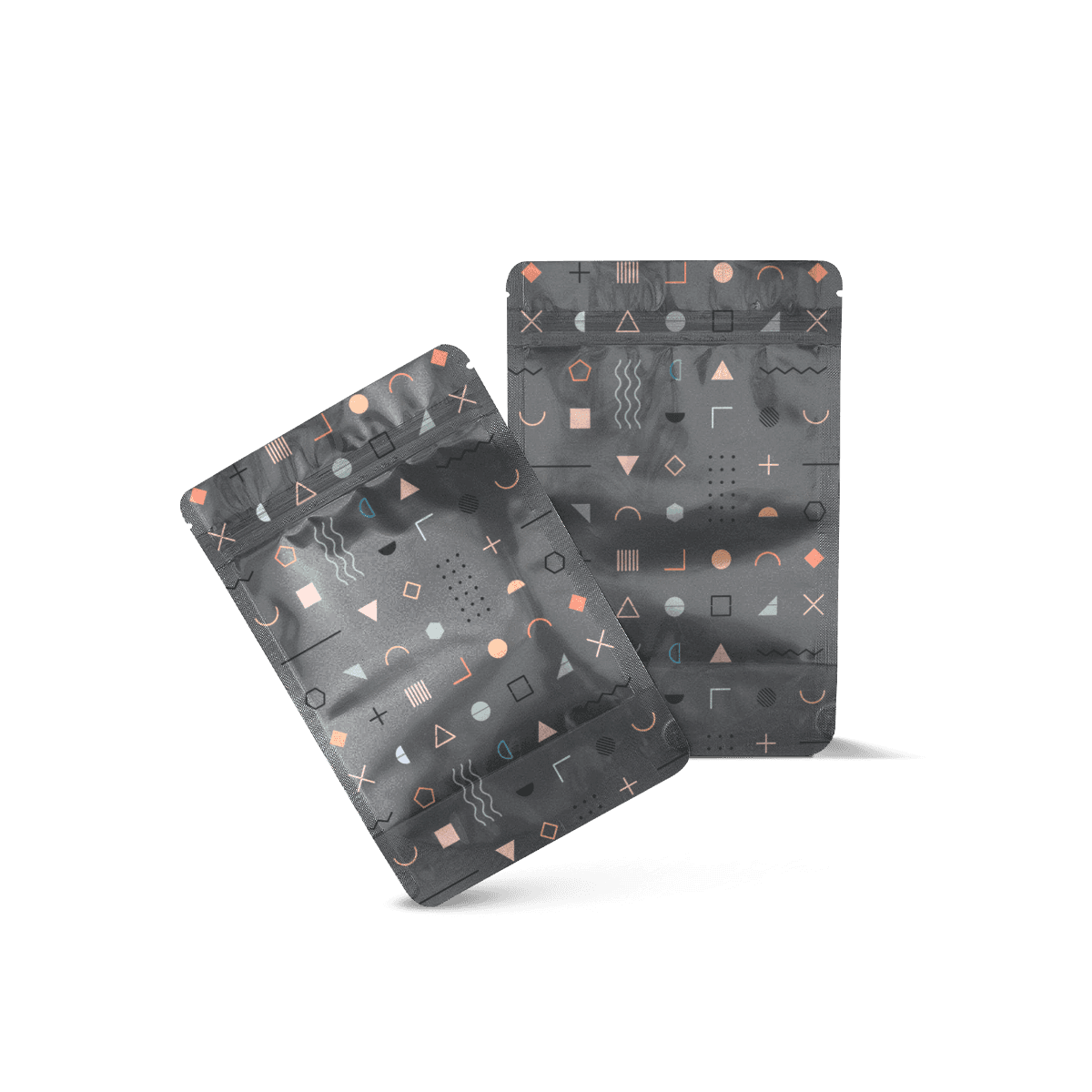
Custom Collar Flexible Pouches combine a compact flexible pack with enough printed space to identify the collar, show its appearance and communicate the intended fit.

The packaging is particularly suited to lightweight nylon, polyester, cotton and selected leather collars that can be folded without damaging their construction.

Unlike food pouches, collar packaging generally does not need a high-barrier laminate to preserve freshness. Its main responsibilities are keeping the product clean, containing the hardware and supporting retail presentation.

Size Identification

The collar's advertised size should be one of the most prominent elements on the finished package.

Depending on the product, customers may need to see:

  • Small, medium or large size designation.
  • The manufacturer's stated neck circumference.
  • Collar width.
  • Material and color.
  • Adjustment or fitting instructions.

The printed fit information must correspond to the actual collar.

A size label should never substitute for accurate product measurements, particularly when the same brand sells collars with different adjustment systems.

For a multi-size product line, a consistent label position helps customers compare products without searching different parts of every pouch.

Color and Hardware Visibility

Collar color, webbing texture and buckle appearance often influence the purchase.

A clear front panel can show the actual product, while printed graphics establish the brand identity.

The collar should be positioned so the relevant design remains visible.

If the product is folded with its buckle covering the distinctive pattern, a transparent pouch adds little merchandising value.

A printed insert or backing card can hold the collar in a consistent position while providing additional space for product identification.
The Weight Hangs From the Header

A retail pouch suspended from a peg hook experiences a different type of stress from one resting flat inside a shipping carton.

The product's weight pulls downward while the hang hole carries the load.

For a collar with a metal buckle or decorative hardware, that weight may be concentrated toward one side of the package.

The hanging arrangement needs to keep the pouch stable and the product properly presented.

Reinforced Hang Holes

A hang hole can be positioned in a dedicated header above the main product compartment.

Separating the hanging area from the product cavity helps preserve space for the collar and reduces interference between the opening and the retail fixture.

Reinforcement may be appropriate when the product is relatively heavy or the package will experience repeated handling.

The required construction depends on the packed weight, film properties and intended display fixture.

A reinforced header should be specified for the actual load rather than added automatically to every lightweight collar pouch.

Round Holes and Euro Slots

Round holes can suit individual retail hooks, provided their dimensions and position match the fixture.

Euro slots create an elongated hanging opening that can accommodate suitable retail display systems.

Neither shape guarantees that a finished pouch will hang correctly.

The location of the opening, its surrounding material and the distribution of the packed weight also affect stability.

For a retail program involving several store groups, confirm the intended peg configuration before finalizing the header.

A Collar That Hangs Crooked

Consider a folded dog collar with a substantial metal buckle.

The pouch is filled with the buckle positioned near its upper-right corner. Once the product is placed on a retail hook, the package tilts toward the hardware.

The size label is no longer level, and the lower corner begins to sag.

Moving the hang hole slightly may improve the appearance of an empty pouch, but it does not necessarily correct the uneven load.

A better arrangement positions the buckle lower and closer to the center of the packed product.

A lightweight backing card can help maintain that arrangement, while a suitable header carries the package on the hook.

The result is a more stable hanging presentation without requiring a rigid box around the entire collar.

Folding the Collar Without Distortion

Collars are adjustable products, but that does not mean they can be folded into any shape without consequences.

The material, thickness, stitching and buckle construction influence the packed profile.

A soft fabric collar may fold neatly into a compact rectangle. A thick leather collar may resist sharp bends, while a padded collar may retain considerable thickness.

The intended folding arrangement should be established before selecting the pouch dimensions.

Flat-Folded Collars

A flat-folded collar usually creates a relatively shallow package.

The strap can be arranged in smooth loops or folds, with the buckle positioned where it will not press excessively against the film.

For lightweight collars, lay-flat pouches can maintain a compact retail profile without requiring a standing base.

The pouch still needs sufficient internal width for the folded strap and its thickest components.

Avoid sizing the pouch exclusively around the fabric.

Buckles, adjustment sliders and D-rings can increase the finished thickness considerably.

Rolled Collars

Some collars are better suited to a loose roll, particularly when their material should not be sharply folded.

A rolled arrangement creates a thicker package and may require a different pouch shape.

A side or bottom gusset can accommodate additional depth when the product genuinely needs it.

However, adding a gusset to a thin collar pack increases construction complexity without necessarily improving product fit.

The rolled collar should retain its intended shape without pressing continuously against the pouch seams.

Leather and Padded Collars

Leather collars require particular care around bending and surface contact.

A pouch that forces the collar into an excessively tight fold may leave unwanted creases or distort its intended shape.

Padding can introduce similar difficulties when the product needs to lie naturally after unpacking.

For these products, a larger pouch may be appropriate, but the extra space should follow the collar's preferred packing arrangement.

If the material cannot be accommodated comfortably in flexible packaging, a more structured retail pack may be suitable.

Film That Shows the Product

The main advantage of a flexible collar pouch is that it can contain the product without adding substantial packaging bulk.

Material selection should therefore reflect the collar's weight, surface characteristics and desired retail appearance.

High oxygen-barrier or moisture-barrier laminates used for pet treats are not automatically necessary for a nonfood accessory.

The film needs to remain suitable for the actual storage and handling conditions.

Polyethylene Films

Polyethylene can suit flexible accessory packaging where softness and practical product containment matter.

The appropriate thickness depends on the collar's weight, hardware and expected handling.

A very thin film may be unsuitable for a heavy buckle or sharply finished metal components.

However, simply increasing the film thickness is not always the most economical correction. Hardware positioning or a small protective component may address the actual problem more effectively.

Polypropylene Films

Polypropylene films can offer high clarity and a relatively crisp retail presentation, depending on the selected construction.

They may suit lightweight collars where the product's color and pattern should remain clearly visible.

Film flexibility, stiffness, tear behavior and closure compatibility must still suit the finished package.

The appropriate material should be assessed as part of the complete pouch rather than selected from its transparency alone.

Printed Laminates

A printed laminate may be appropriate when the brand requires an opaque exterior, a specific finish or additional mechanical performance.

The laminate construction must remain compatible with the selected closure and manufacturing process.

A metallic film should not be specified merely because the product is sold as a premium accessory.

For collars, a clear or partially clear film may communicate more about the product than an opaque metallic package.

The flexible packaging structure should follow the collar's handling and presentation requirements.

Closures for Retail and Reuse

The pouch closure determines how the product is packed, secured and removed.

A collar sold as a single retail unit may not need the same opening arrangement as an accessory pack intended for repeated storage.

The appropriate closure depends on the product's intended use and the retailer's handling requirements.

Heat-Sealed Pouches

A conventional heat seal can secure the collar inside the package until the customer opens it.

The seal requires compatible film layers and appropriate production conditions.

The collar must remain clear of the sealing area during packing.

Metal buckles or adjustment components should not interfere with the sealing equipment or place pressure on the finished seam.

A tear notch may make opening easier, but its position must preserve the intended seal and leave enough material for the customer to grip.

Resealable Zippers

A zipper can be appropriate when the packaging is intended to remain usable after the collar is removed.

This may suit travel accessories, spare collars or selected product sets.

Zipper pouches can incorporate a reclosable opening without changing the basic purpose of the flexible product pack.

However, an ordinary zipper does not establish tamper evidence.

Where an unopened-product indication is required, a separate initial seal or suitable tamper-evident arrangement must be considered.

For a standard collar sold in a disposable retail pack, the additional zipper may not justify its cost.

Adhesive Flaps

A flap with a suitable adhesive closure can work for selected lightweight collar packs.

The film, adhesive and intended opening behavior must be compatible.

A removable or resealable adhesive strip may be appropriate for packaging that store staff need to open and close.

A permanent adhesive closure may be more suitable when the package is intended to remain closed until purchase.

The closure should also avoid contacting the collar itself.

The Price of a Hanging Pouch

A flexible pouch may use less material than a rigid retail box, but the final cost depends on its construction.

Film type, thickness, dimensions, printing, hang-hole reinforcement and closure components all affect production.

A simple clear pouch with a printed insert has different cost implications from a fully printed laminate with a reinforced header and zipper.

The intended retail presentation should determine which components earn their place.

Printed Film or Insert Card

A printed backing card can carry branding, size identification and product instructions while the film remains transparent.

This arrangement may be practical for smaller accessory collections or product lines that change frequently.

Direct printing can reduce the need for a separate branded card, but it may require different production economics and artwork preparation.

The choice should account for the number of collar variants, quantity per design and expected frequency of artwork changes.

Quantity and Construction

For an established collar line, standardizing suitable pouch dimensions can simplify purchasing.

However, different hardware sizes or collar thicknesses may require separate specifications.

Custom Packly supports made-to-order packaging, design assistance and US production.

An instant packaging quote can establish pricing for the intended construction, artwork and quantity.

The applicable minimum and production method should be confirmed for the selected flexible pouch specification.

Custom Packly's standard turnaround is 4–6 days after final artwork and specifications are approved. Complex structures, specialty materials and advanced finishes may require additional time.

Product Identification Across Collar Sizes

A pet brand may sell several collar sizes in the same pattern.

That creates a particular retail problem: the packages can appear identical from a distance even though their fit differs.

The visual system should make the size easy to identify while keeping the product line recognizable.

Consistent Front-Panel Placement

Position the brand, product name and size designation consistently across the product line.

A customer looking for a medium collar should not have to search a different part of every package.

Color can support size identification, but it should not be the only distinguishing feature.

Printed size text remains important when different collar colors or patterns share the same size.

For adjustable collars, the stated fit should correspond to the manufacturer's actual adjustment limits.

Back-Panel Instructions

The reverse of the pouch or backing card can carry supporting product information.

This may include:

  • Neck measurement instructions.
  • Adjustment directions.
  • Collar material and care instructions.
  • Product identification.
  • Manufacturer or distributor information.
  • Appropriate safety warnings.

The amount of copy depends on the actual product.

For example, a collar with a specialized fastening mechanism may need more fitting information than a conventional adjustable buckle collar.

The instructions should remain readable after the product has been packed.

Barcode Position

A barcode printed directly over a loosely folded collar may become distorted as the film bends around the product.

A backing card can create a more stable scanning surface.

If the barcode is printed on the pouch, its placement should account for the finished package's curvature, seams and any transparent areas.

Retail scanning should be assessed with the packed product rather than an empty film sample.

Printing on Flexible Film

A collar pouch must communicate the brand without preventing customers from seeing the product.

The amount of printed coverage should reflect that balance.

A full-color opaque pouch can support elaborate graphics, while a clear pouch with a printed header may make the collar itself the main visual element.

Selective Print Coverage

For patterned collars, a clear product area can preserve visibility while a printed header carries the logo and size.

A partially printed front panel may work when the brand requires more visual presence.

Avoid placing essential graphics directly over bulky buckles or folds that distort the finished surface.

If the collar's actual color is a major purchase factor, the packaging should not obscure it unnecessarily.

Color Consistency

Several collar designs may share the same logo and typography while using different product colors.

The printing method should suit the selected film, artwork complexity and production quantity.

Digital, offset and flexographic printing have different material compatibility, setup requirements and production economics.

The printing method for multiple artwork versions deserves particular attention when a brand sells many collar sizes and colors.

Premium offset printing can be considered for suitable packaging components, while flexible-film printing must be matched to the selected substrate and production process.

Custom Packly's free 3D mockups can help assess the finished presentation. The actual film construction and printing method must still support the approved artwork.

One Collar in Retail and Online Orders

The packaging used to display a collar in a physical store does not necessarily need to handle parcel delivery by itself.

A lightweight retail pouch can organize and identify the collar, while an appropriate outer package protects the order during shipping.

This arrangement allows the primary packaging to remain compact.

Retail Presentation

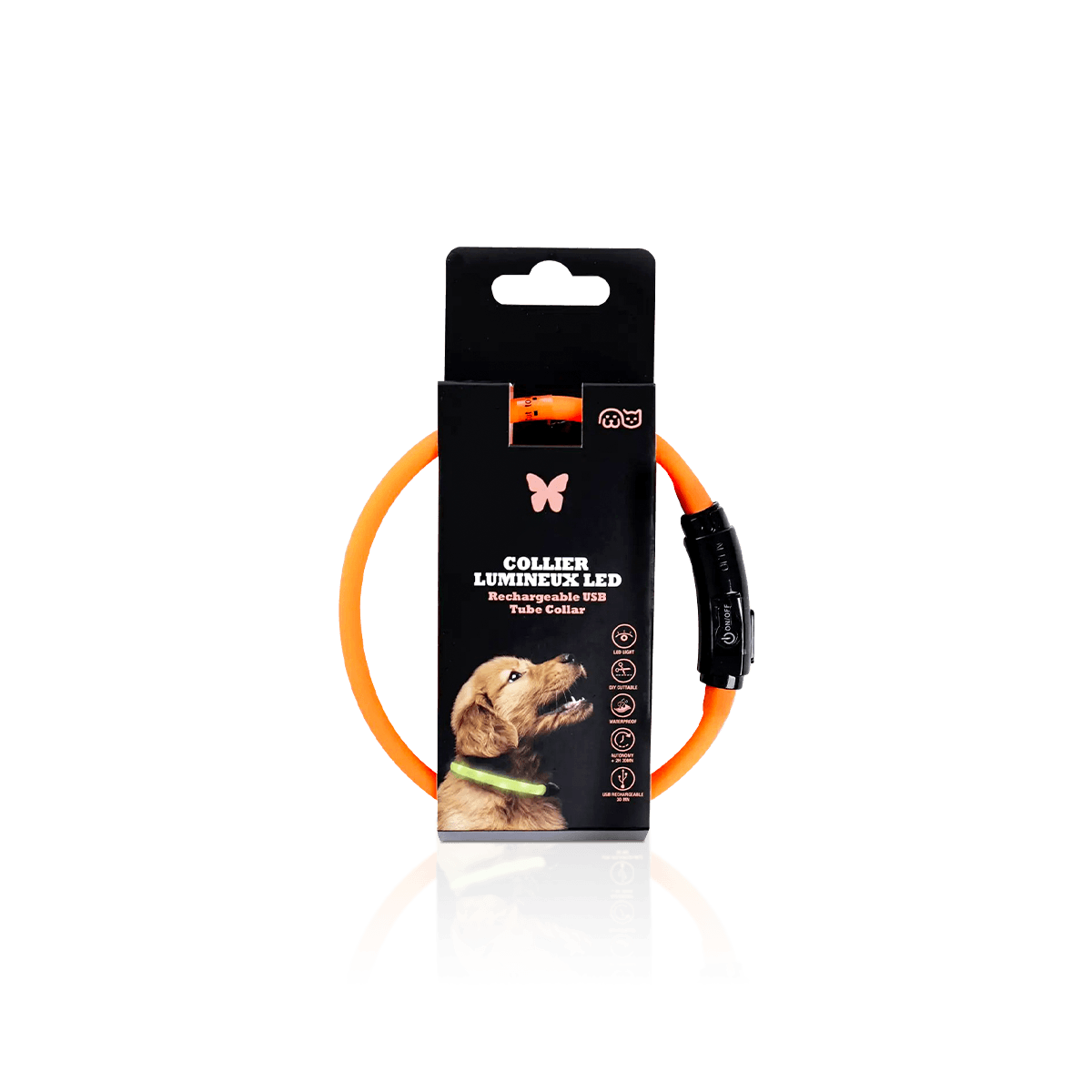
For pet boutiques and larger retail chains, hanging pouches can keep collar sizes organized on peg displays.

A clear front helps customers inspect the product, while the printed header carries the brand and size identification.

The custom retail packaging specification should account for the display fixture, receiving requirements and the number of variants that need to be merchandised.

Ecommerce Shipping

A collar packed inside a flexible pouch may require a separate mailing package.

The appropriate outer structure depends on the collar's hardware, the complete order and the expected distribution conditions.

For an individual accessory or a small walking set, a corrugated mailer may be appropriate.

The distinction between retail packaging and ecommerce packaging matters when one product is sold through both channels.

A retail pouch should not be made unnecessarily heavy simply to eliminate a separate shipping package.

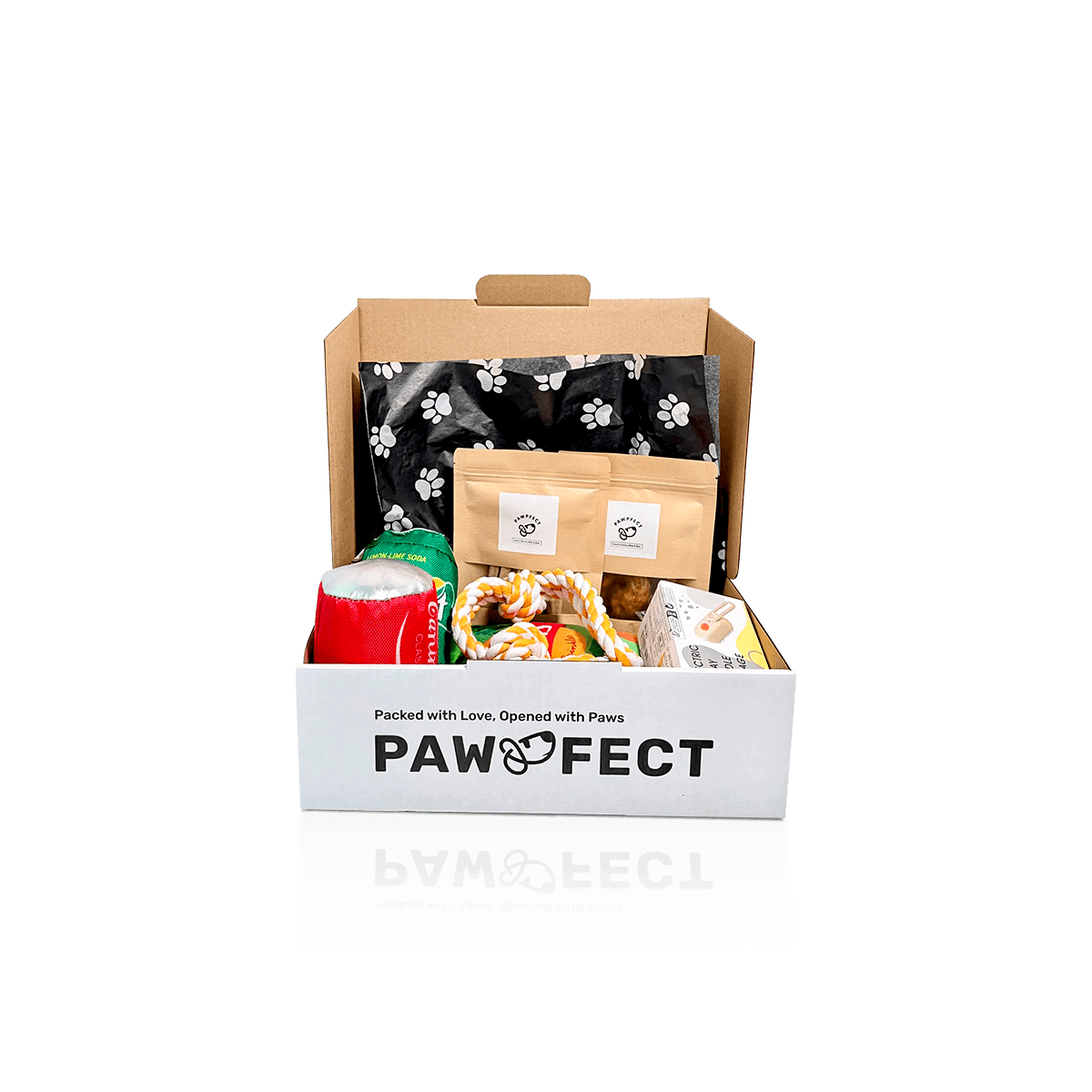
Subscription Assortments

A collar may also appear in a monthly pet subscription.

In that situation, the flexible pouch can identify the collar and keep it separate from the other products.

The outer subscription box remains responsible for organizing and protecting the complete assortment.

The pouch's dimensions should suit the available space without forcing the collar into an unsuitable fold.

Packing Collars at Volume

A pouch that looks tidy after careful manual assembly may behave differently during a larger production run.

The packing process must account for the collar's adjustment hardware, intended fold and final closure.

For multiple collar sizes, the process also needs to prevent products from entering the wrong printed pouch.

A Consistent Folding Method

Establish a repeatable folding arrangement for each product that shares a pouch specification.

The buckle, strap end and adjustment slider should occupy predictable positions.

A simple retaining band may help maintain the arrangement when the collar tends to unfold during handling.

However, the retaining component should be easy for the customer to remove and should not damage the collar's surface.

The packed product should enter the pouch without excessive force.

Separate Product and Packaging Variants

A brand selling several collar sizes may use similar-looking packaging across multiple SKUs.

Clear production identification can reduce the risk of packing a large collar into a medium-sized pouch or applying the wrong product label.

At higher volumes, the relationship between packaging design and fulfillment efficiency becomes increasingly important.

The packaging should support accurate packing without requiring employees to inspect every finished unit through the film.

For established programs, Custom Packly also supports warehousing, bulk orders and scheduled deliveries to coordinate packaging supply with production requirements.

A Pouch or a More Structured Pack

Flexible packaging suits collars that can be folded comfortably and do not require substantial structural support.

It is less suitable when the product has a rigid shape, contains several heavy components or needs a more substantial presentation.

The decision should follow the actual product.

Rigid Hardware and Premium Sets

A collar with a large decorative buckle or several metal attachments may require more protection than a basic flexible pouch can deliver.

The same applies to gift sets containing a collar, leash, identification tag and additional walking accessories.

Pet accessory boxes can accommodate fitted inserts, separate compartments and more substantial retail presentation.

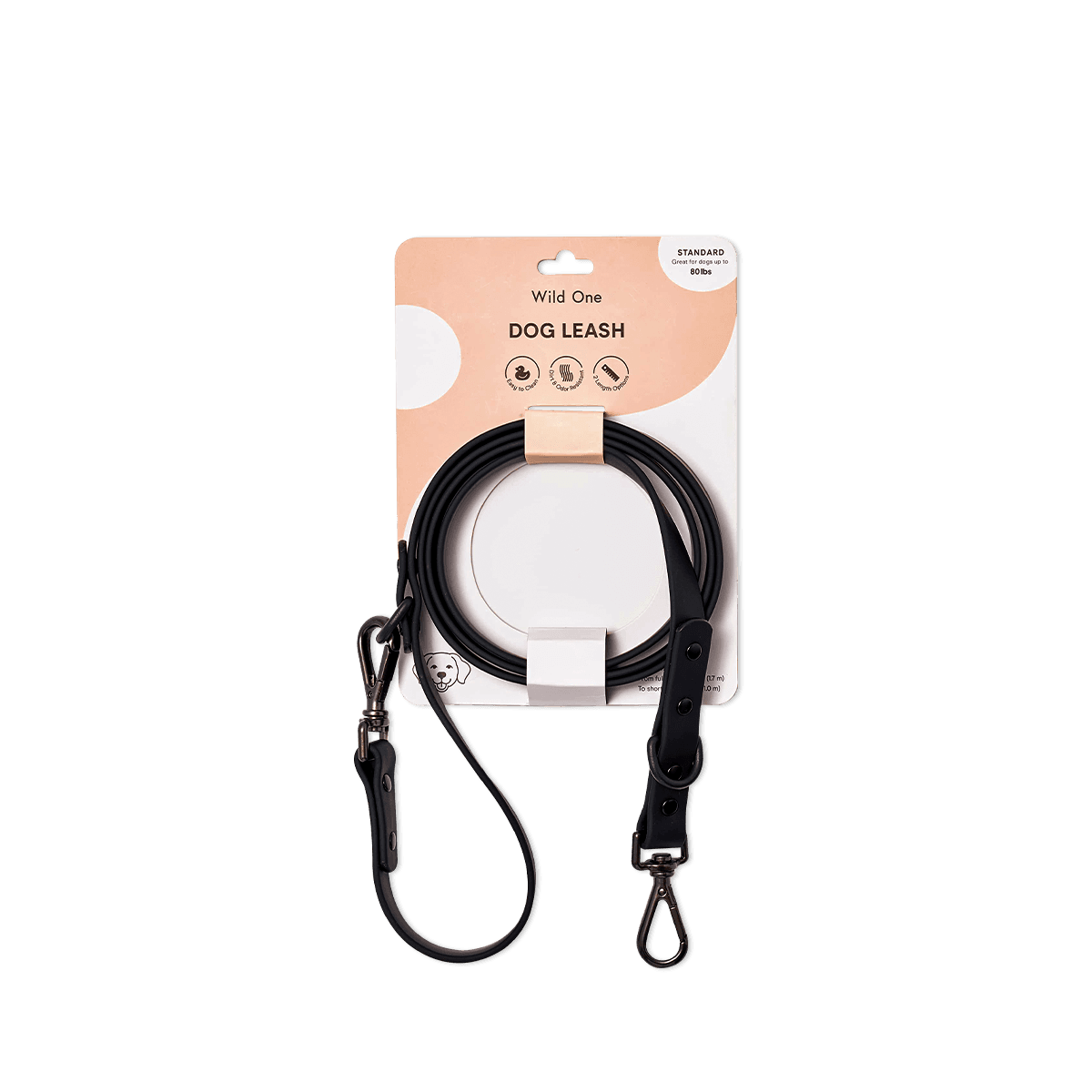
For a leash that forms a natural coil, leash tubes create a cylindrical alternative.

The product's geometry determines which structure makes practical sense.

Everyday Fabric Collars

For lightweight fabric collars, a flexible pouch can keep the product clean, compact and easy to identify.

The customer can see the collar, confirm its size and inspect the visible material before purchase.

The packaging does not need to create a rigid shape that the product itself does not require.

A suitable pouch should accommodate the strap without distortion, contain the buckle and remain stable in the intended retail position.

The Fitting Instructions Stay With the Collar

The customer may discard the outer pouch shortly after purchasing the collar.

Any instructions needed for fitting, adjusting or caring for the product should remain accessible after the packaging has been removed.

A removable product card can be appropriate when the instructions are too important to leave exclusively on the disposable pouch.

For collars with unusual adjustment mechanisms, the printed material should identify the correct procedure without relying solely on illustrations.

The packaging should also make it straightforward to remove the collar without damaging the strap, buckle or decorative components.

If the pouch includes a detachable hang header, adhesive liner or other loose packaging components, those materials should be kept away from pets.

The finished pack has two distinct responsibilities: helping the customer identify the correct collar at purchase and allowing the owner to retrieve the product and its fitting instructions without difficulty.

FAQs

Flexible pouches are usually a strong fit for nylon collars, soft webbing styles, fashion collars, training collars and bundled collar-plus-tag sets that do not need a rigid gift box.

A pouch with a hang hole or reinforced header is often the practical choice for peg-wall merchandising because it saves space and keeps the product facing forward.

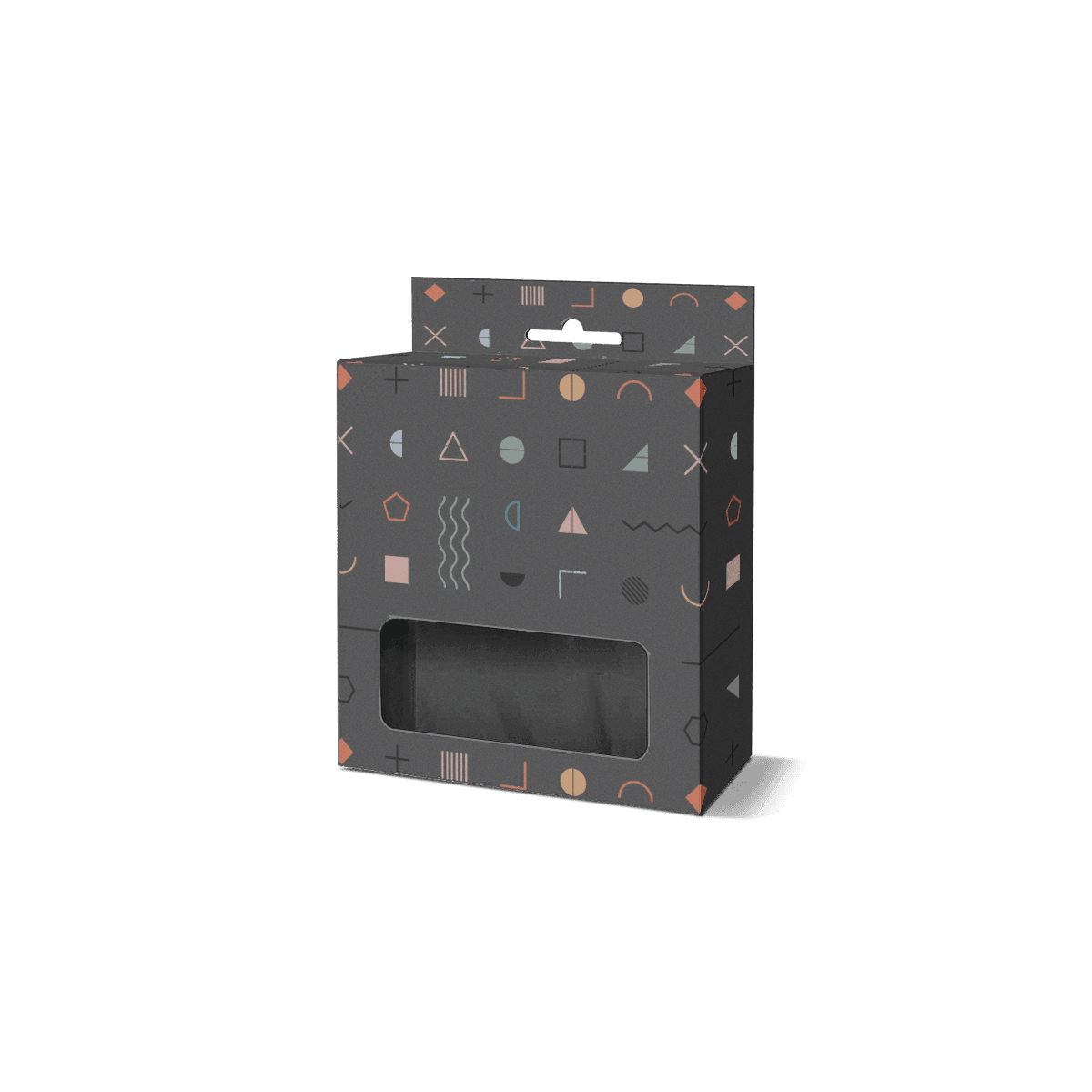
Flexible pouches are better when lower pack weight, visible product windows and compact storage matter most. Hang-Tab Display Boxes make more sense for heavier kits, thicker hardware sets or premium boxed presentation.

Most programs use front size markers or color bands and then place full size guidance on the back panel so shoppers can compare small, medium and large options quickly.

In many cases yes. Made-to-order pouch formats can reduce pack bulk and material use compared with boxed formats, especially for lightweight collar lines sold in volume.

Process

How it works

Your Packaging Journey, From Idea to Production and Delivery

01

Tell Us Your Specs

Custom packaging boxes

Tell Us Your Specs

Provide size, quantity, printing, and finishes.

02

Get a Fast Quote

Custom packaging boxes

Get a Fast Quote

Instant transparent pricing, no hidden fees.

03

Design and Approval

Custom packaging boxes

Design and Approval

Artwork checks, revisions, and final sign-off.

04

Produce

Custom packaging boxes

Produce

Expert manufacturing to meet deadlines.

05

Ship to Your Door

Custom packaging boxes

Ship to Your Door

Hassle-free, flexible delivery options.

Get Your Quote for Custom Collar Flexible Pouches

Share your product details, size, quantity and artwork needs. We’ll help choose the right packaging style and send a clear quote.