Skip to content
Details

Custom Mailer Boxes for Pet Products

Custom printed corrugated mailers for pet toys, treats and accessories, with secure closures, practical product fit and branded doorstep presentation.

The Shipping Label Goes on the Presentation Box

A pet product arrives at the customer's door in the same printed box they will open. Between dispatch and delivery, that box may pass through sorting equipment, sit beneath other parcels and experience repeated handling.

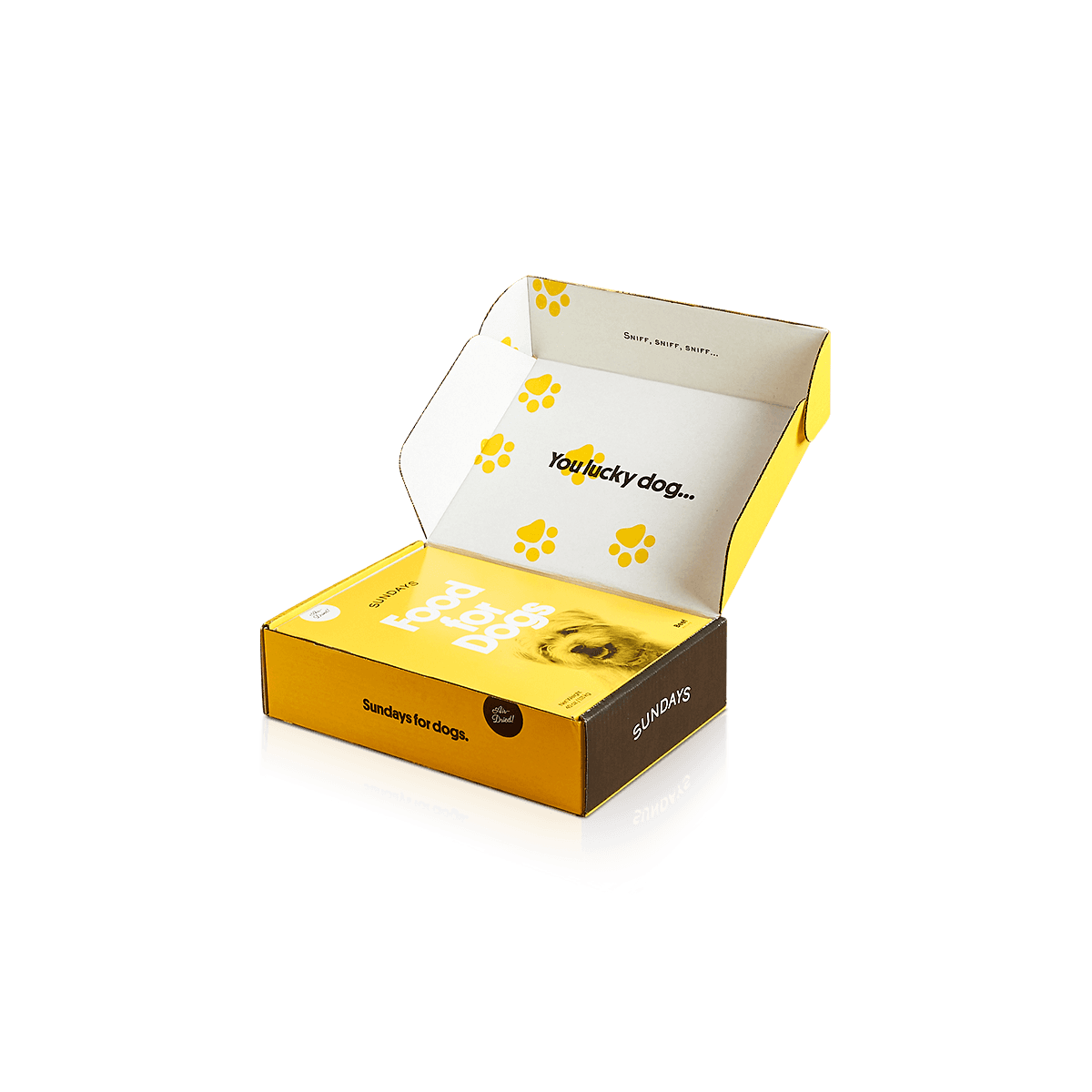
Custom Mailer Boxes for Pet Products combine the protection of a corrugated shipping package with the presentation of a branded product box.

That combination is especially practical for direct-to-consumer pet brands shipping toys, collars, leashes, treat assortments and compact grooming kits.

The construction matters as much as the artwork. A poorly seated front tuck can spring open, a heavy buckle can press against the sidewall and an oversized cavity can let a rubber toy move during transit.

A suitable mailer needs to handle the actual product while remaining straightforward to assemble, close and open.

The Front Tuck and Sidewalls

For many pet orders, a one-piece corrugated mailer offers a practical balance between structural support and branded presentation.

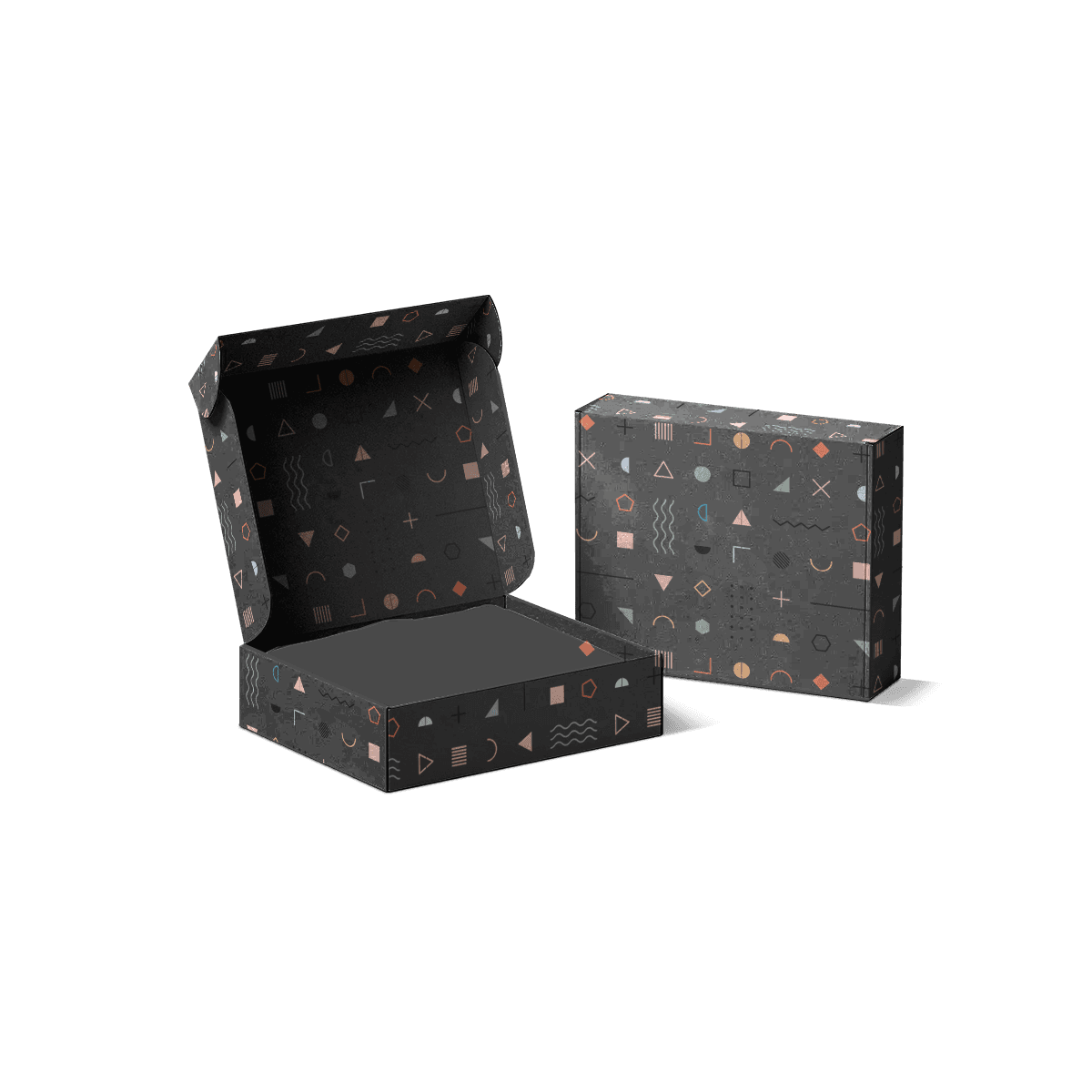
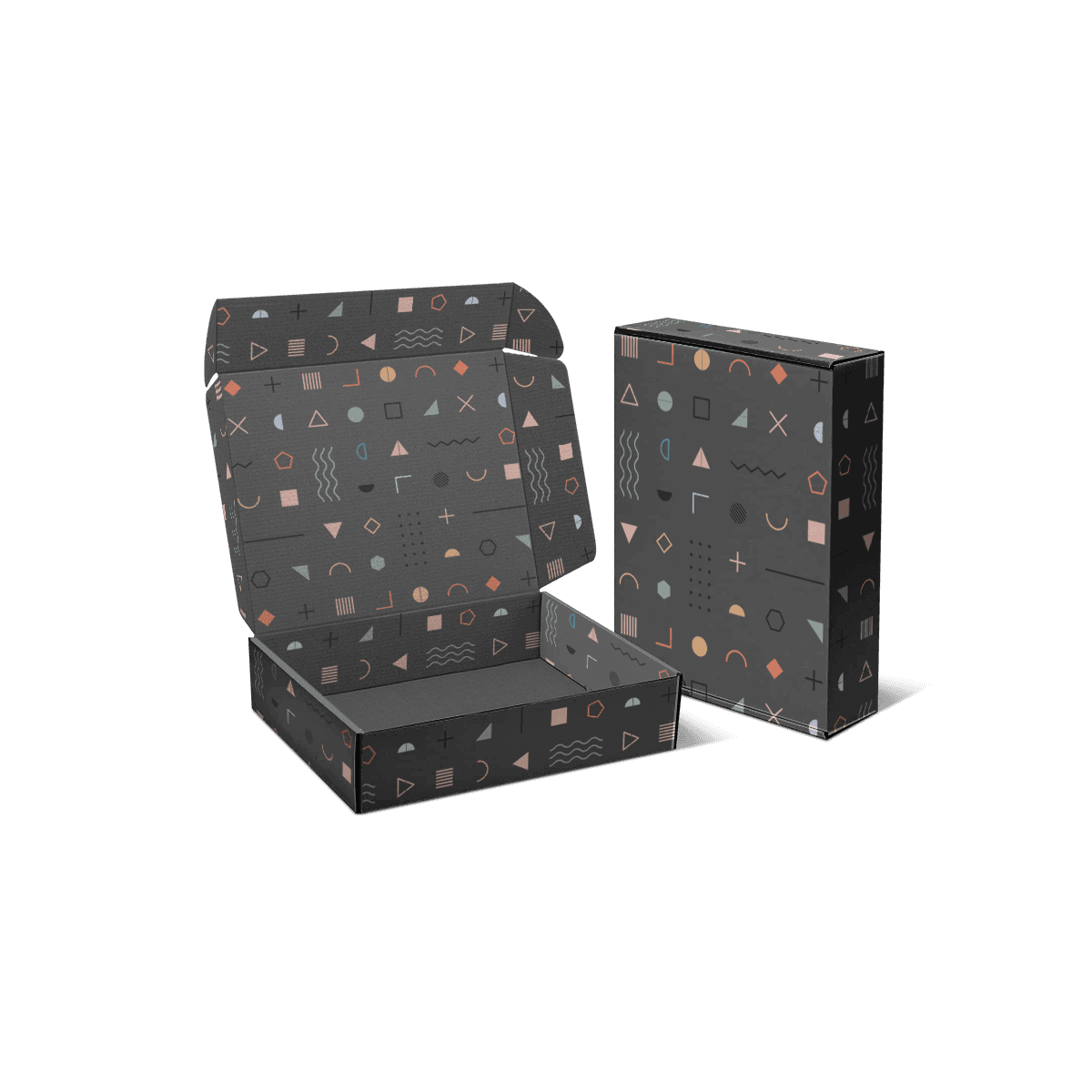
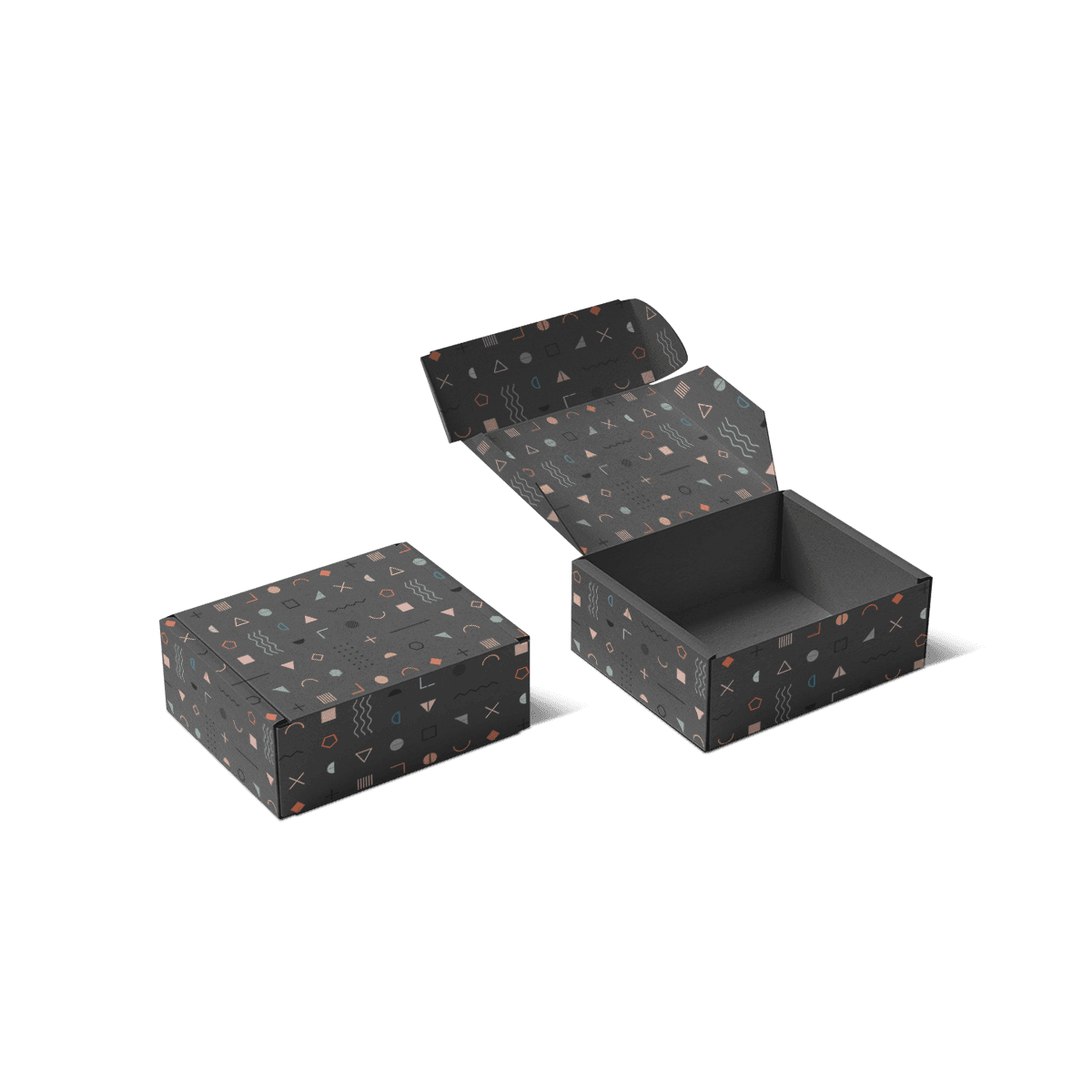
Roll end tuck-front mailers use folded sidewalls and a front tuck to establish the box shape and secure the hinged lid.

The sidewalls need to fold squarely, and the lid must reach its closing position without pressure from the contents.

A collar buckle, folded leash or bulky chew toy sitting against the front edge can interfere with that movement.

If the product presses upward against the lid, increasing the tuck length is not necessarily the answer. The internal arrangement or box depth may need attention.

A More Secure Front Lock

Tab-locking mailers can be considered when the front closure needs a more positive mechanical engagement.

The locking tabs must align with their receiving slots, and the board needs sufficient clearance to fold without damaging those features.

A secure structural closure does not automatically provide tamper evidence.

Where the shipping program requires additional sealing, an appropriate adhesive seal or tamper-evident feature can be considered separately.
One Pet Order, One Branded Mailer

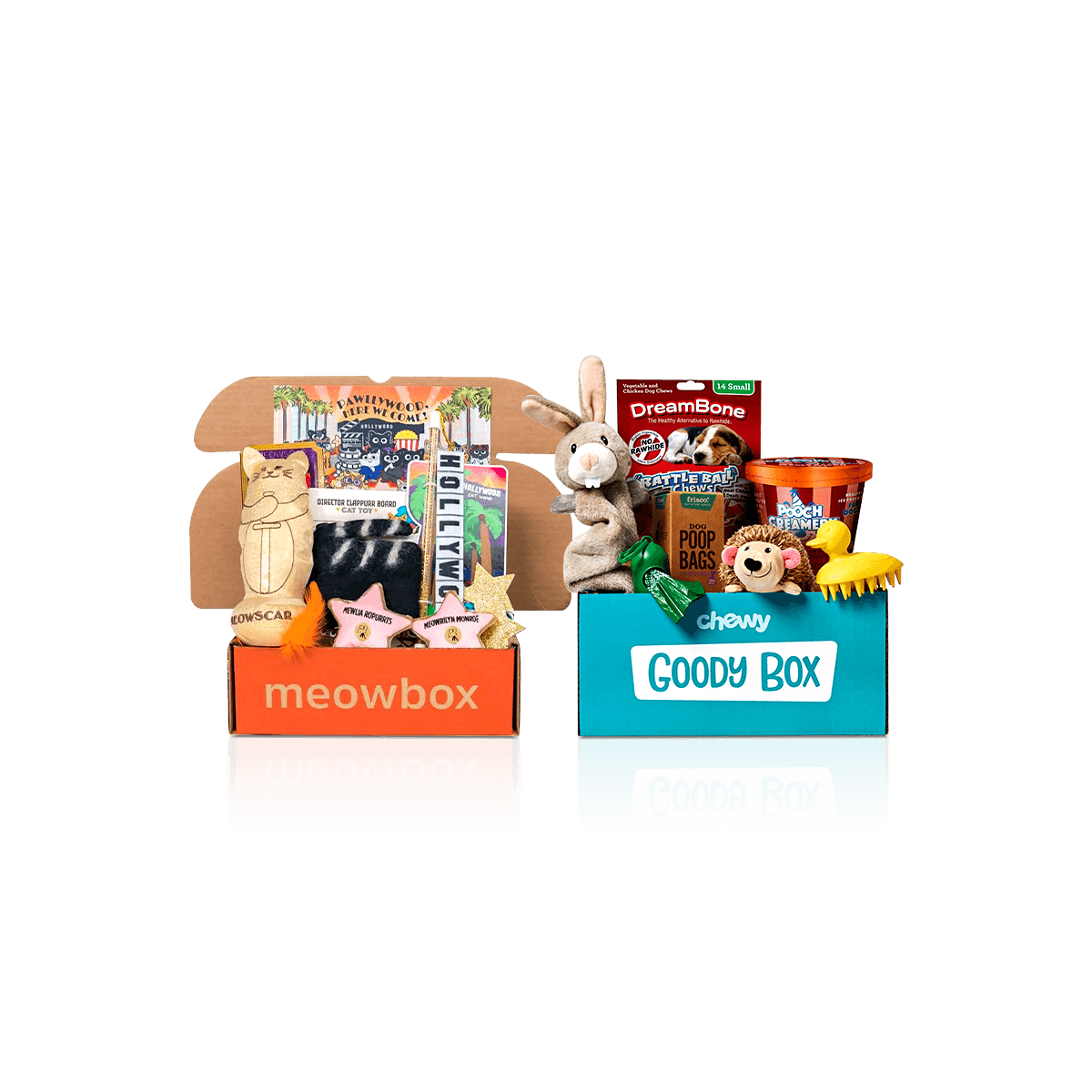
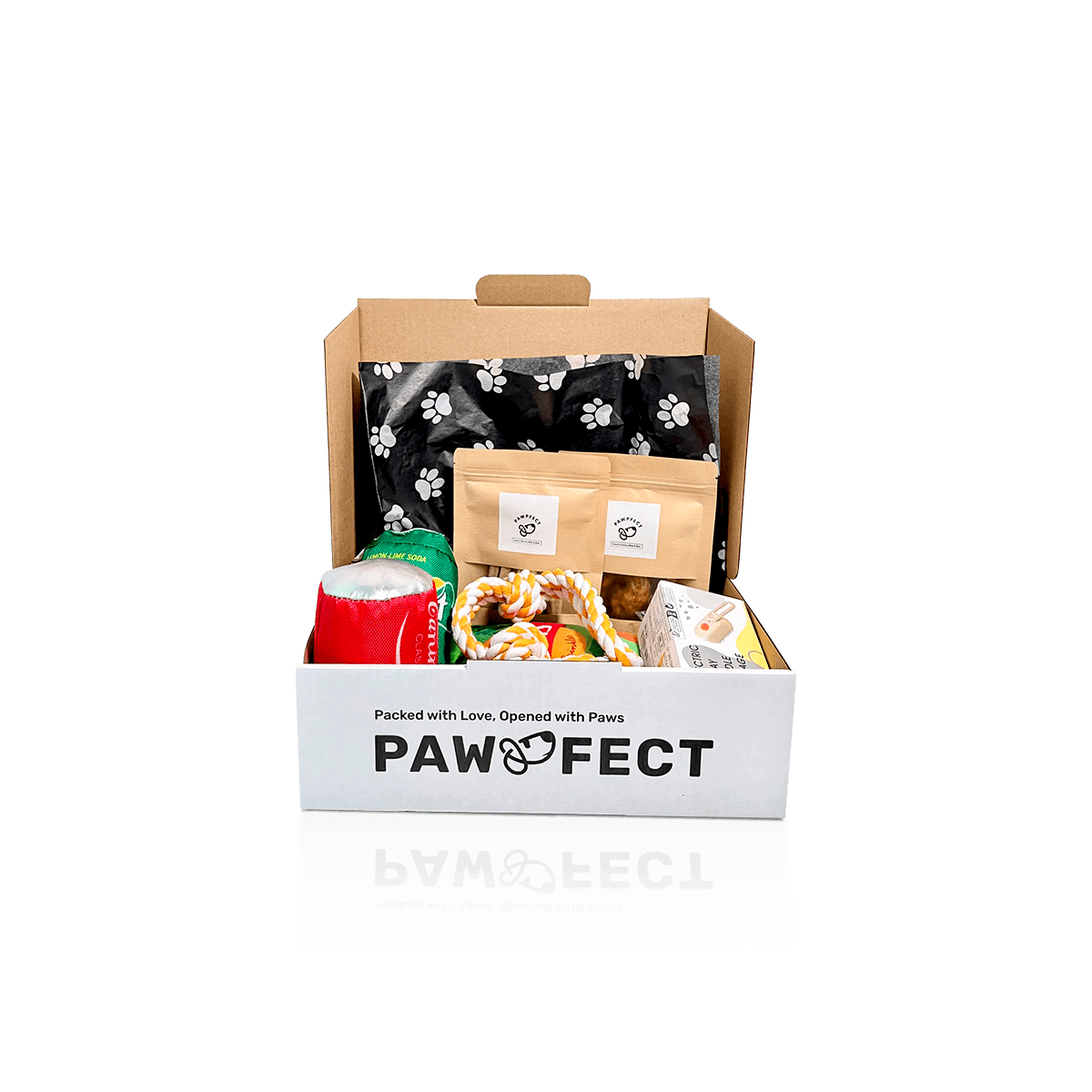
The advantage of a pet product mailer is that the outer packaging can carry an individual online order directly to its destination.

A dog toy, collar set or small pet gift does not necessarily need a retail carton inside a second printed shipping box.

The mailer can perform both jobs when its dimensions, construction and internal protection suit the shipment.

Toys Sold Directly Online

A lightweight plush toy may only need a compact corrugated mailer and a clean internal presentation.

A rubber chew toy has different physical behavior. Its concentrated weight and firmer surface may require closer containment or a simple restraint to prevent repeated contact with the outer walls.

The retail version of the same product may use pet toy boxes with display-oriented graphics and a structure suited to store presentation.

The direct-shipping version needs to account for handling after the order leaves the warehouse.

Both can share the same brand identity without using identical packaging.

Accessories and Starter Kits

Collars, harnesses, training accessories and compact welcome kits are suitable mailer applications when the packed weight and shape are manageable.

A folded harness can sit relatively flat, while a collar with a large metal buckle may require a defined position.

Starter kits can combine a few compatible items inside one corrugated mailer.

For an ongoing program with changing monthly assortments, subscription pet boxes address the additional demands of recurring kitting, changing products and membership variations.

An ordinary pet mailer can instead be optimized around a single product or a defined purchase combination.

Heavier Pet Supplies

Not every online pet order belongs in a presentation mailer.

Large bags of food, bulk litter, heavy feeders and substantial multi-unit orders may require stronger corrugated construction.

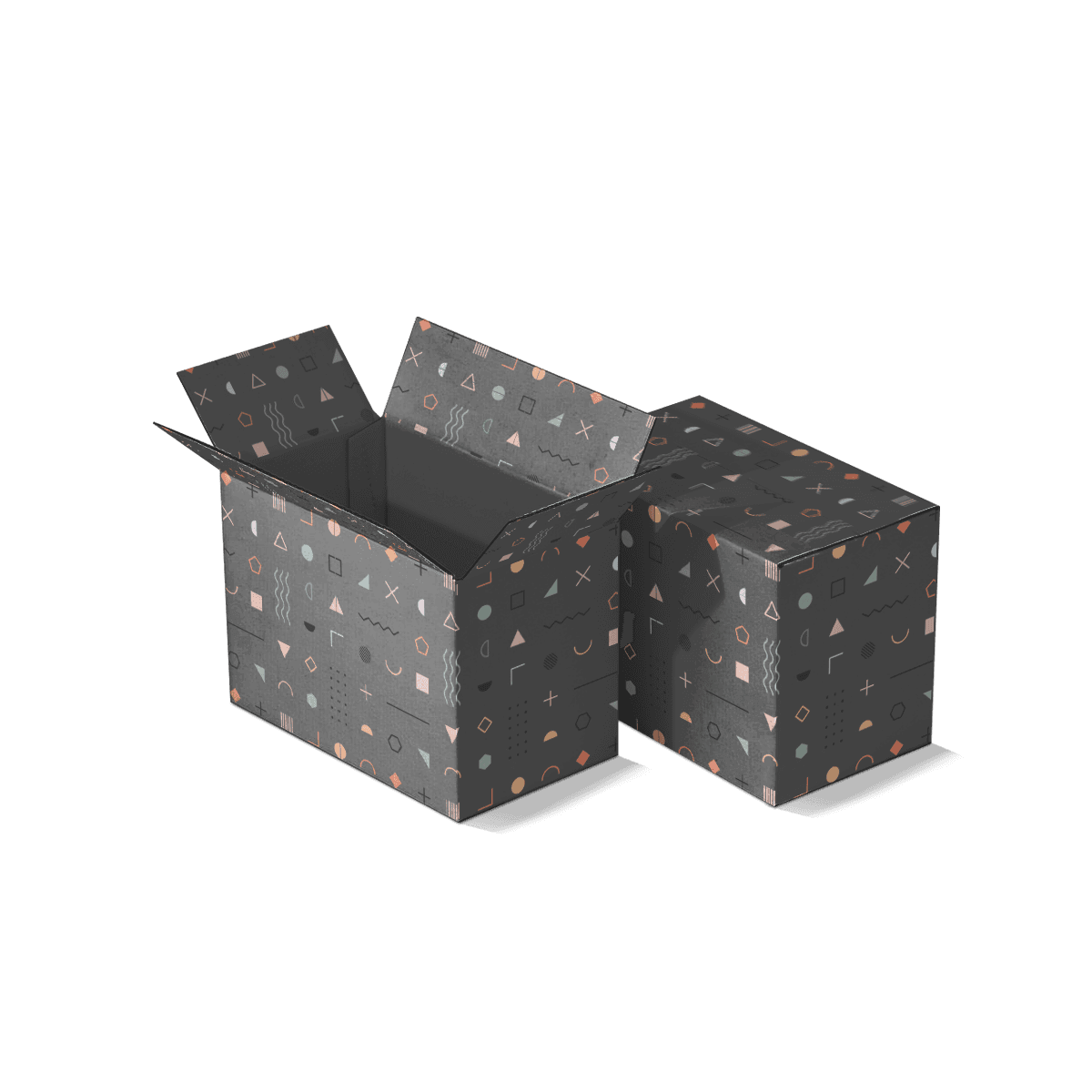
Shipping boxes for pet supplies can be specified around heavier loads, stacking requirements and additional transit protection.

The distinction is practical: use a mailer when its construction can safely perform the shipping job while giving the customer a branded opening experience.

Soft Products and Hard Accessories

Pet products create unusual packing requirements because items with similar retail dimensions may behave differently inside a parcel.

A plush toy compresses under pressure. A rigid chew toy retains its shape. A metal leash clip concentrates its weight into a much smaller contact area.

Those differences should influence how the contents sit inside the mailer.

Plush Toys

Soft toys can usually accommodate a relatively simple packing arrangement.

However, their dimensions should be measured in the intended packing position rather than estimated from their retail photographs.

Large ears, legs and other projecting features may increase the space required.

Avoid relying on excessive compression to close the mailer. If the toy continuously pushes against the lid, the box may become difficult to close consistently.

The packaging should also avoid distorting the product unnecessarily.

Rubber and Enrichment Toys

Dense rubber toys require more attention to weight distribution.

A compact toy can exert considerable force against a box wall if it has enough room to move.

A closer-fitting cavity, folded paperboard restraint or appropriate cushioning can control that movement.

Irregular enrichment toys may need additional clearance around projecting features, particularly when they sit near the corners or front closure.

Collars and Leashes

Soft webbing is relatively easy to fold, but metal hardware creates localized pressure.

Clips, D-rings and adjustable buckles should not be positioned where they interfere with the box folds or press directly against an unsupported outer wall.

The packed dimensions must account for the complete accessory, including its hardware.

For a product with an unusual shape, custom product packaging can be developed around the actual item and its preferred packing orientation.

The objective is to control the product without adding unnecessary packaging components.

Hardware Against the Sidewall

Consider a direct-to-consumer pet brand shipping a folded leash and matching collar in a compact printed mailer.

The dimensions appear correct, and the box closes comfortably during packing.

During transit, however, the leash clip moves toward one side. Its metal edge repeatedly contacts the same area of the corrugated wall.

The outer box may remain intact, but the printed surface can become visibly marked, and the clip may rub against the collar.

Increasing the board thickness alone does not address the source of the problem.

Restrain the Clip

A simple folded paperboard restraint can hold the leash hardware against the body of the folded accessory.

The webbing remains compact, while the clip stays away from the outer wall.

For a presentation-sensitive set, the collar and leash can occupy separate positions inside a shallow insert.

The restraint should hold the hardware without creating unnecessary pressure on the webbing or buckle.

Preserve the Opening

The customer should be able to remove the leash without pulling apart a complicated insert.

A small retention tab may be sufficient. An elaborate fitted tray can add cost and packing time without improving the protection of a relatively durable accessory.

The better arrangement controls the specific contact point and leaves the product easy to retrieve.

Corrugated Construction for Parcel Handling

The correct corrugated board depends on the mailer's dimensions, packed weight, required folding behavior and expected distribution conditions.

A compact accessory mailer does not automatically need the same board construction as a larger box carrying several dense products.

E-Flute and B-Flute

E-flute corrugated board has a relatively slim profile and is often suitable for compact printed mailers.

Its construction can support a cleaner printed surface while keeping the folded box comparatively compact.

B-flute is thicker and may be appropriate where the package requires a different cushioning or structural profile.

Neither flute should be selected solely from appearance or a general assumption about strength.

Board grade, overall box geometry, load distribution and the actual shipping conditions all influence performance.

The Fold Changes With the Board

A mailer dieline must account for the selected material.

Changing from a thinner to a thicker corrugated construction affects the way the board folds around the sidewalls and closure.

A front tuck that works comfortably in one material may become tighter when the board caliper changes.

The same issue can affect locking tabs and the finished internal dimensions.

Custom Packly supports structural development and dieline preparation for custom corrugated packaging.

Where the project involves unusual folds or a demanding closure, a paid, fully custom pre-production sample can help establish how the selected material behaves in the finished box.

Kraft or White Corrugated Board

Kraft corrugated material can suit a restrained pet-brand design with darker graphics, simple illustration or a predominantly natural board appearance.

White-faced corrugated board is often preferable for brighter printed artwork, particularly when color reproduction matters.

The selected surface affects how the final graphics appear.

Natural kraft board should not be expected to reproduce colors in exactly the same way as a white printing surface.

If sustainability claims are part of the branding, they must be supported by the actual material specification rather than inferred from the board's brown appearance.

Food and Grooming Products Need Their Own Containment

An outer corrugated mailer should not be expected to perform the work of the primary product packaging.

This distinction is important when pet brands include edible products, liquids or moisture-sensitive items in direct-to-consumer shipments.

Sealed Treat Packs

Pet treats should remain inside primary packaging appropriate for their storage, containment and shelf-life requirements.

The outer mailer organizes and protects the order during delivery. It does not automatically create a food-contact surface or a suitable moisture and oxygen barrier.

Sealed treat packs can be shipped alongside toys or accessories when the arrangement prevents unnecessary compression and product contact.

The mailer should also accommodate any printed instructions or other product material that needs to accompany the treats.

Grooming Bottles

Shampoos, sprays and grooming liquids introduce leakage risks.

The primary container must have a secure closure, while any necessary secondary leak protection should be specified separately.

A paperboard insert can support the bottle and prevent it from moving into other products.

However, it cannot make an inadequately sealed container leakproof.

The outer box also needs clearance around pumps, caps and dispensing components.

For a compact grooming order, that may mean orienting the bottle differently or using a shallow insert that supports the bottle body without pressing on the closure.

Printing That Survives the Shipping Job

A branded mailer has different printing requirements from a retail carton because its exterior is exposed throughout delivery.

Carrier labels, handling marks and rubbing can affect the appearance of the printed surface.

The artwork should account for those conditions instead of assuming every exterior panel will remain fully visible.

Reserve the Shipping Label Area

The top panel needs a practical position for the carrier label.

Avoid placing a small logo, essential product message or important QR code where the label will cover it.

A large background illustration may continue beneath the designated label area, but the key branding should remain visible around it.

The exact label position depends on the shipping operation and label dimensions.

For a pet brand using several carriers or fulfillment partners, a relatively flexible label area may be more practical than artwork planned around one unusually small label.

Exterior and Interior Printing

Exterior branding should remain recognizable after ordinary parcel handling.

A clear logo, controlled color palette and artwork that tolerates minor surface marks can be more practical than filling every exposed panel with intricate graphics.

Interior printing serves a different purpose.

Once the customer opens the mailer, the lid can carry product instructions, an illustration or a message associated with the purchase.

For a collar or harness shipment, the inside panel may introduce fitting instructions or point to the brand's fitting materials.

Custom Packly supports premium offset printing, including custom artwork and appropriate color specifications.

For projects where printed identity is central to the purchase, custom printed boxes can maintain a consistent visual treatment across different pet products.

Artwork Across Folds

The mailer's visible panels occupy different positions on its flat production layout.

A graphic running across a lid, sidewall and tuck may be interrupted when the box is assembled.

Small text should remain clear of creases, locking slots and areas likely to experience substantial rubbing.

The relationship between cut lines, crease lines, bleed and print-safe areas is especially important for a packaging dieline.

A free 3D mockup can help assess the finished appearance, but the final artwork must follow the production-ready structure.

The Cost of Shipping in One Box

Using a branded corrugated mailer as the final shipping package can eliminate the need for a separate decorative box and outer shipping carton.

That is economically useful only when the mailer has sufficient protection for the actual order.

A weak mailer that requires extensive additional cushioning may not offer a meaningful advantage over a straightforward shipping carton.

The decision should account for the complete packed shipment.

Material and Shipping Volume

Mailer dimensions influence material consumption, flat-packed storage and the finished parcel's dimensional volume.

An oversized mailer may cost more to manufacture and require additional packing material.

It can also affect shipping charges when the carrier applies dimensional-weight pricing.

Before approving a large box for visual impact, assess whether the actual product needs that much space.

The trade-offs between mailer boxes, shipping boxes and folding cartons are particularly relevant when a product is sold through both physical retail and direct-to-consumer channels.

A product that already has suitable retail packaging may only need a protective outer shipper. Another product may be able to ship directly in a branded mailer.

Pricing the Mailer

The manufacturing cost depends on the size, corrugated specification, quantity, printing requirements, structural complexity and any inserts or finishes.

Custom Packly starts orders from 100 boxes, allowing a smaller pet brand to introduce custom mailer packaging without committing to a large initial quantity.

An instant packaging quote can establish pricing for the intended construction and order volume.

For larger orders, the cost assessment should also consider packing labor and the finished parcel rather than comparing box prices alone.

Custom Packly supports US production and free shipping. Standard turnaround is 4–6 days after final artwork and specifications are approved. Complex structures, specialty materials and advanced finishes may require additional time.

Closures at the Packing Station

A mailer that closes neatly in a design sample may behave differently during actual fulfillment.

Employees have to assemble the structure, insert the product, close the lid and apply the shipping label.

The chosen closure should support that sequence without creating unnecessary handling steps.

Manual Tuck Closures

A conventional front-tuck mailer can work well for pet brands packing manageable daily order volumes.

The sidewalls should seat consistently, and the front tuck should engage without requiring excessive downward pressure.

For a simple toy or accessory order, the process can remain straightforward.

Additional protective materials should be introduced only when the product requires them.

Adhesive Closures

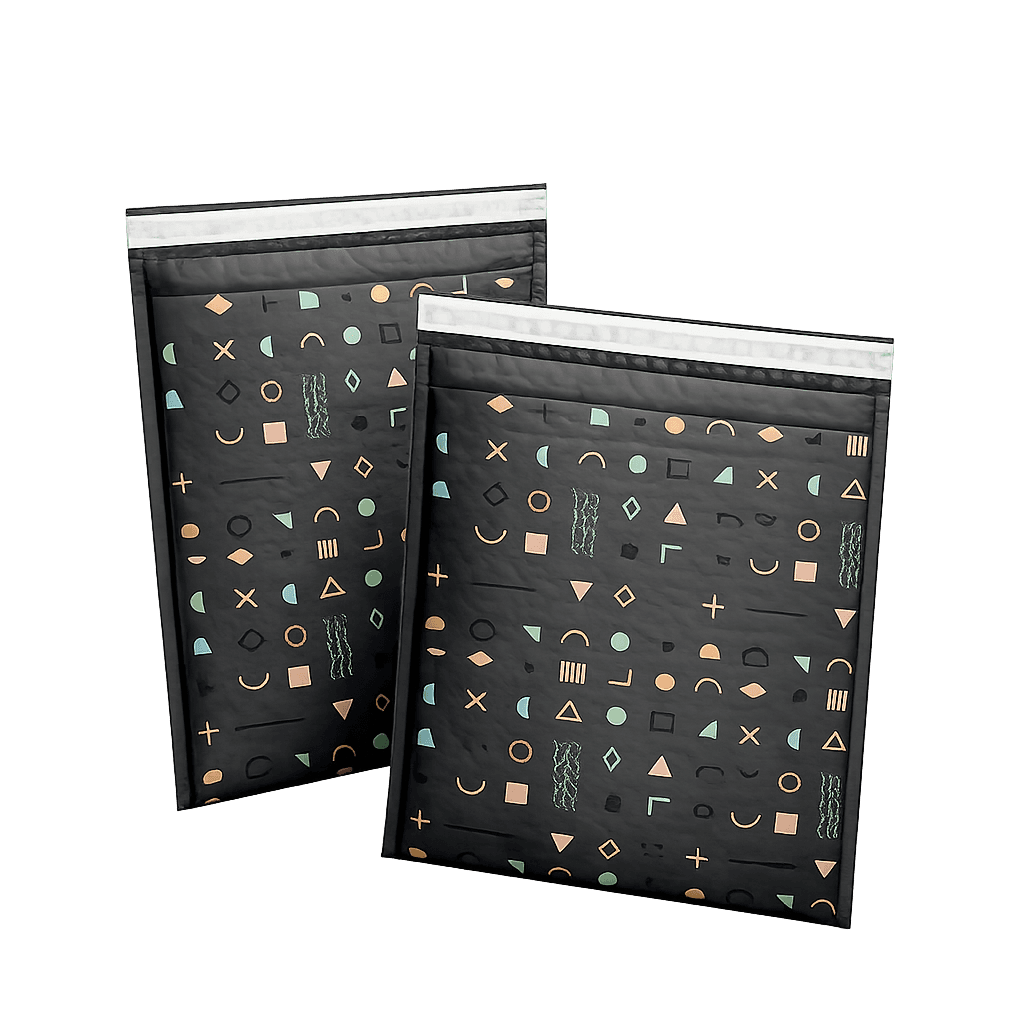
Self-sealing mailers can reduce the need for a separate sealing operation when the adhesive configuration suits the packaging and fulfillment process.

The adhesive must be applied to the intended contact surface, and the closure needs to remain suitable for the packed weight and shipping conditions.

An adhesive strip is not a substitute for adequate corrugated strength or internal product restraint.

It also changes how the customer opens the parcel.

The sealing arrangement should avoid placing the opening action directly against a vulnerable product.

Check the Complete Packout

For an established pet product, the most revealing assembly check uses the actual item and the intended protective materials.

A physical packout can identify several problems that may not be obvious in a flat dieline:

  • A front tuck that catches on the product.
  • Sidewalls that resist folding.
  • An insert that blocks the closure.
  • A metal clip that contacts the outer wall.
  • A shipping label that obscures important artwork.

These checks belong to the relevant structural decisions, not to a separate approval exercise after every design choice has been finalized.

An experienced packaging team can also assess whether a different closure would reduce packing difficulty without compromising the finished parcel.

The First Open Should Be Simple

The mailer completes its job when the customer can open the shipment and remove the product without damaging it or struggling with unnecessary packaging.

That experience is particularly important for pet products because an excited animal may be nearby when the parcel arrives.

Product Access

A collar should lift cleanly out of its restraint. A plush toy should not require the customer to tear apart several packaging layers.

For products with small components, the internal arrangement should make those parts easy for the owner to identify and retrieve.

Opening features should also avoid requiring a blade directly above the product whenever a safer opening arrangement is practical.

Instructions and Packaging Disposal

Essential fitting instructions, product warnings and care information should remain accessible to the owner.

Printed interior messaging can complement the product's own instructions without replacing required labeling.

Loose tabs, protective films, adhesive-strip liners and other detachable packaging components should be removed and kept away from pets.

Clear disposal instructions can help customers identify the different packaging materials, although actual recycling suitability depends on the material specification and local recycling arrangements.

The finished pet mailer should leave the customer with an intact product, a recognizable brand experience and packaging that is straightforward to remove.

FAQs

Mailer boxes work best for lighter bundled orders that need both shipping protection and presentation. Larger or heavier loads usually call for a fuller shipping box format.

Yes, as secondary packaging. Sealed pouches, sachets or inner packs should hold the treats, while the mailer keeps the full order organized and protected.

Secure placement matters most. Inserts, bottle partitions and protective wraps help reduce movement and keep leak-prone items away from paper inserts or dry goods.

Not always, but they are useful when the assortment changes or includes mixed shapes. Inserts improve product retention and make the inside of the box feel more intentional.

Quite a lot. Mailers give you front, side and inner panel space for usage notes, QR codes, seasonal messaging, loyalty offers and product storytelling without crowding the pack.

Process

How it works

Your Packaging Journey, From Idea to Production and Delivery

01

Tell Us Your Specs

Custom packaging boxes

Tell Us Your Specs

Provide size, quantity, printing, and finishes.

02

Get a Fast Quote

Custom packaging boxes

Get a Fast Quote

Instant transparent pricing, no hidden fees.

03

Design and Approval

Custom packaging boxes

Design and Approval

Artwork checks, revisions, and final sign-off.

04

Produce

Custom packaging boxes

Produce

Expert manufacturing to meet deadlines.

05

Ship to Your Door

Custom packaging boxes

Ship to Your Door

Hassle-free, flexible delivery options.

Get Your Quote for Custom Mailer Boxes for Pet Products

Share your product details, size, quantity and artwork needs. We’ll help choose the right packaging style and send a clear quote.