Skip to content
Details

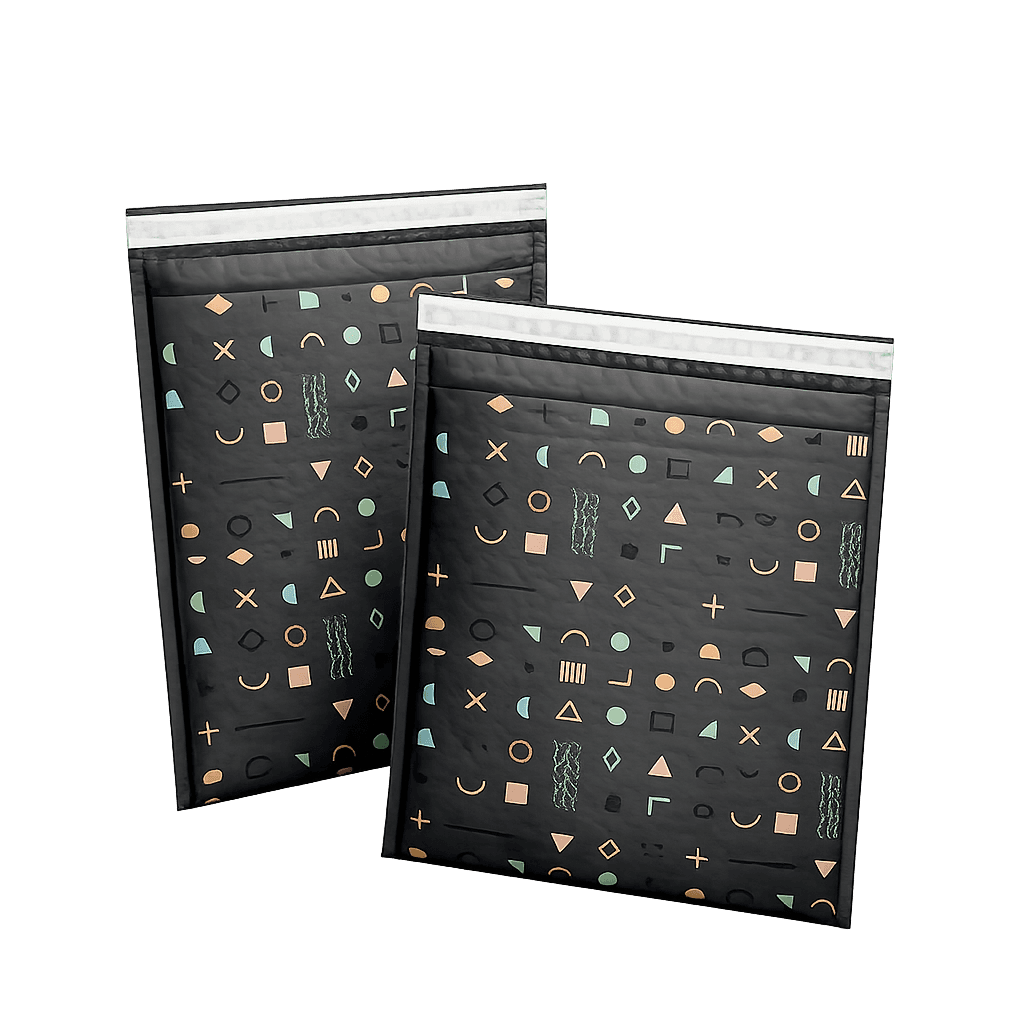
Custom Padded Mailers

Protect compact shipments with a cushioned envelope whose padding, stiffness, size and closure match the product instead of adding more protection than the order needs.

The Padding Changes the Envelope

A padded mailer is more than an outer envelope with something soft added inside. The cushioning material changes how the package bends, absorbs contact, wraps around the product and behaves at its seams.

That makes Custom Padded Mailers a distinct shipping choice for compact products that need more protection than a plain flexible mailer but do not necessarily need rigid corrugated walls.

The protective layer may rely on different cushioning systems depending on the specification. The right choice depends on what can actually damage the product: light impact, rubbing, hard edges, surface marking or movement inside the envelope.

When air cells themselves are the preferred cushioning mechanism, Bubble Mailers are the specific choice. Padded Mailers can use other protective linings.

Soft products that tolerate direct parcel handling may not need padding at all. Poly Mailers keep those shipments thinner by removing a cushioning layer that would serve little purpose.

The first decision is therefore not how thick the mailer should be. It is what the inner layer needs to prevent.
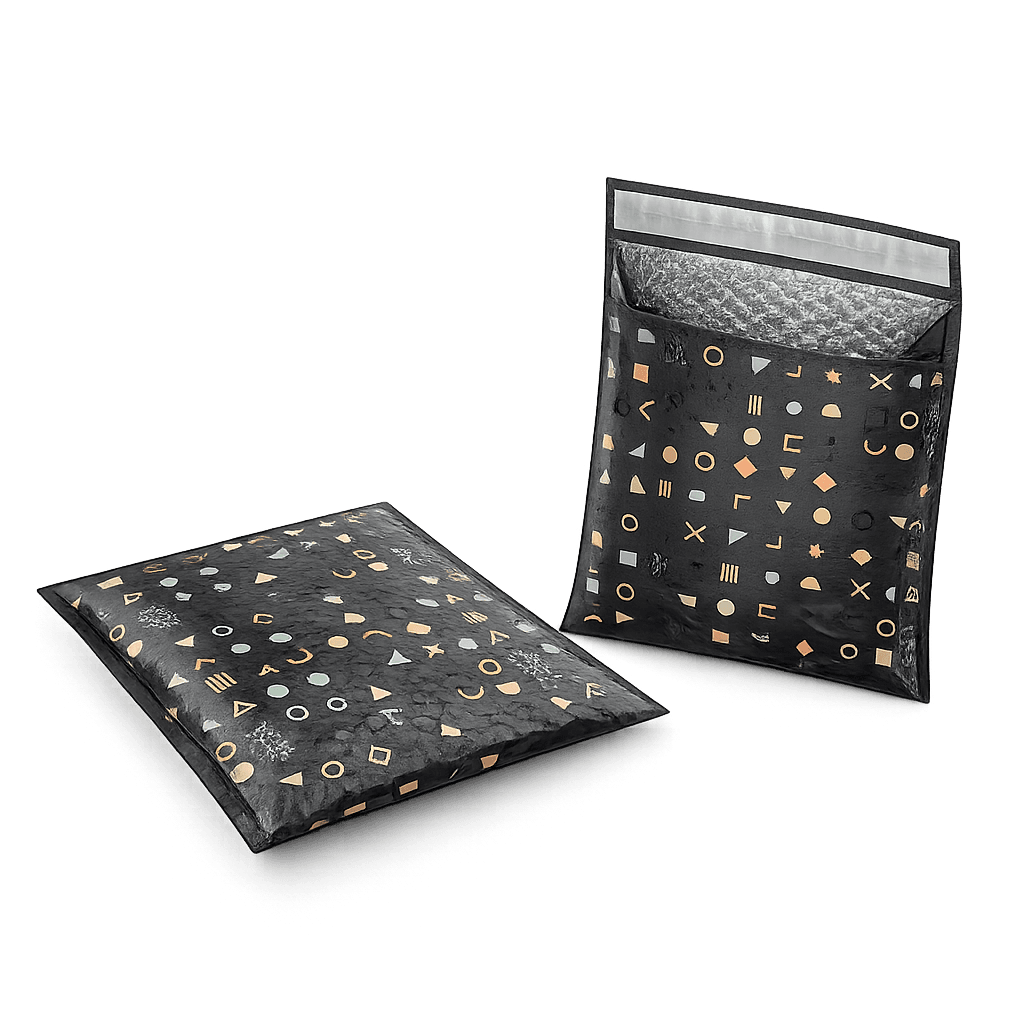
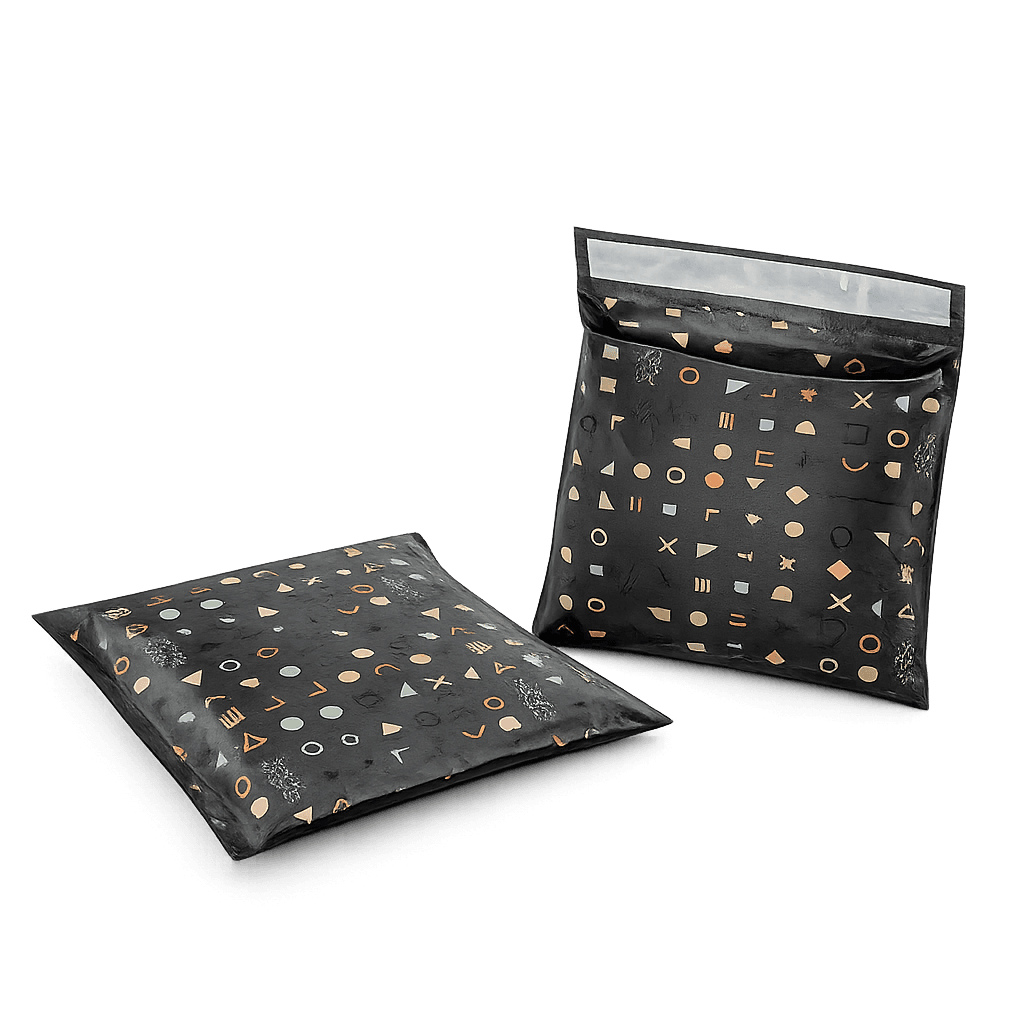
Cushion Material Changes Flexibility

Two padded envelopes with similar outside dimensions can behave very differently once loaded.

A softer internal layer can conform around irregular shapes. A denser fiber-based cushion may give the envelope a firmer feel. Different constructions can also change total thickness, folding behavior and the way hard product edges interact with the outer wall.

Those differences matter at the packing table.

Flexible Padding Follows the Product

A highly flexible padded construction can wrap closely around a compact product and keep parcel bulk down.

That can work well for small accessories, media, boxed components and other shipments that need surface and light-impact protection without rigid containment.

The drawback appears when the product itself contains a sharp corner or projection. A flexible cushion can move with that point instead of keeping it physically separated from the outside environment.

Firmer Padding Spreads Contact

A more structured padded layer can distribute contact across a larger area and create a more substantial envelope.

That does not make it equivalent to corrugated board. The entire mailer can still bend and compress.

If maintaining the product's shape matters more than absorbing small knocks, Custom Mailer Boxes are usually the stronger structural direction.

Size Around the Cushioned Cavity

Padded mailers have less usable internal space than their flat outside dimensions suggest.

The padding itself consumes room. Seams reduce usable width. Product thickness pulls material around the sides. The closure also needs enough clear area above the loaded item to seal without tension.

Measure the finished product exactly as it will ship, including any retail carton, sleeve or protective wrap.

Then test the loaded mailer.

A correct fit should let the product enter without scraping heavily against the inner wall, sit without excessive travel and leave the closure area relaxed.

Do Not Pack to the Seam

A product that presses firmly against both side seams is using the envelope's construction as a restraint system.

That creates unnecessary stress, especially when the item is dense or has square corners.

Moving one size up may create a better protective cavity even when the smaller mailer technically closes.

Avoid Loose End Travel

Excess space creates the opposite problem.

A compact product can accelerate inside a long mailer and repeatedly strike the ends during handling. Padding around the perimeter does not remove that movement.

The goal is controlled clearance: enough room for the cushion to remain active, but not enough for the product to travel freely.

An instant custom packaging quote becomes practical once the product dimensions, cushioning direction, quantity and print requirement are established.

Surface Damage Can Matter More Than Breakage

Not every product placed in a padded mailer is fragile enough to break.

Some need protection because scratches, abrasion, crushed retail corners or cosmetic marks would make an otherwise functional product unacceptable to the customer.

That changes the protection brief.

A metal accessory might survive an impact but scratch against another component. A printed retail carton might remain intact but arrive with rubbed corners. A book or media case might need its surface protected even though the item inside is durable.

Padded mailers can be effective in these situations because the inner layer separates the product from direct contact with the parcel exterior.

If several hard items share one envelope, however, they can still damage one another. External padding does not create internal separation.

For multi-component shipments, custom product packaging can address placement and restraint when the items need more control than one cushioned cavity can create.

Edges Decide More Than Weight

A light product can be difficult to ship if one corner concentrates force into the mailer.

Weight is therefore only one part of padded-mailer selection.

Imagine two items of similar weight. One is a flat fabric accessory with rounded edges. The other is a small rectangular carton with hard corners. The second product can place much more localized pressure on the padding and seams even though the scale shows the same number.

Inspect:

  • corners
  • zipper pulls
  • clips
  • metal hardware
  • stiff plastic edges
  • projecting switches or controls
  • pointed retail-carton corners

Those features should determine orientation inside the envelope.

A small adjustment to the way a product enters the mailer can keep a difficult edge away from a seam or closure without adding another packaging component.

Better packaging structure and fit become especially important when damage keeps appearing at the same product edge rather than across the shipment generally.

The Outer Layer Has Its Own Job

The cushion protects the contents, while the outer face handles abrasion, printing, labels and everyday parcel exposure.

Those two jobs should be specified together.

Paper and polymer outer constructions behave differently when folded, rubbed, printed or exposed to moisture. The selected construction also affects the customer-facing material story and how disposal instructions should be written.

Do not choose the outside solely because it produces the preferred visual appearance.

A paper outer may fit one product and brand direction. Another shipment may need different resistance to tearing or environmental exposure.

The final choice should follow the whole mailer construction rather than treating the cushion and outer surface as independent pieces.

Brands comparing paperboard, corrugated and kraft directions can use packaging material characteristics when the decision starts extending beyond an envelope.

Closures Should Not Fight the Padding

The mailer should lie naturally at the closure before the adhesive strip is pressed down.

If staff need to pull the flap over a bulky product, the seal is being asked to manage internal pressure rather than simply close the package.

Padding makes this especially easy to overlook because the inner layer adds thickness even when the product dimensions appear suitable.

Leave a Clean Seal Area

The filled product should sit below the working closure zone.

Padding, loose internal fibers, folded paper or the product itself should not interfere with the adhesive area.

At higher packing volumes, small closure problems multiply into slower throughput and inconsistent sealing.

Decide on Returns Early

If customers need to send products back in the same mailer, the second closing method belongs in the specification.

A second adhesive strip may suit some constructions. Other programs may use a clearly defined return-sealing method.

The customer should not have to improvise with a partially damaged envelope after opening it.

Return behavior should be tested with the product packed less perfectly than it was at the warehouse. Customers rarely reproduce the original fold or orientation exactly.

Padding Can Be Too Much

Protection has a cost in thickness, material and shipping volume.

A heavily padded envelope may feel safer, but adding more cushion than the product needs can remove the efficiency that made the mailer attractive in the first place.

This is particularly relevant when thousands of compact orders ship each month.

A small increase in finished package thickness can affect storage density, pack-station capacity and parcel dimensions. The packaging should therefore target the actual risk rather than maximizing cushioning automatically.

A useful rule is:

  • no meaningful impact risk: plain flexible mailer may be enough
  • light impact or surface risk: padded mailer may fit
  • air-cell cushioning specifically required: bubble mailer becomes the clearer choice
  • crush resistance required: move toward a box
  • fragile product with movement control needs: use a box plus appropriate internal support

This keeps padded mailers in the part of the protection spectrum where they are most efficient.

A Heavy Accessory Exposes the Wrong Assumption

Consider a small fashion accessory sold inside a printed paperboard carton.

The carton is compact and the business wants to avoid shipping every order in a corrugated box. A padded mailer appears to be the right middle ground.

During packing, however, the accessory settles toward one end. Its dense metal component repeatedly pushes the retail carton corner into the same side of the mailer.

The initial instinct may be to increase overall padding.

The better diagnosis starts with where the force is concentrated.

Rotating the carton may move the dense component away from the seam. A slightly closer internal fit may reduce travel. A simple internal wrap around the retail carton may distribute the hard point.

If the product still concentrates too much load against the flexible wall, the correct answer may be a small box rather than an increasingly heavy padded envelope.

That decision avoids turning an efficient shipping structure into a poor substitute for rigid packaging.

Printing Must Respect the Envelope Shape

A padded mailer changes shape when filled.

Flat artwork may curve over the product, crease near the edges and distort around changes in thickness. Important brand elements need enough clear space to remain readable once the envelope is carrying its real contents.

The shipping label also occupies valuable surface area.

Place the main branding where it is less likely to disappear beneath carrier labels, seams or closure folds.

For high-impact graphics, larger marks and simpler compositions often tolerate the loaded surface better than small typography spread across the full envelope.

The appropriate printing method depends on the outer material, artwork and production quantity. Digital, offset and flexographic printing should be evaluated against the actual substrate rather than assuming the process used on a folding carton will transfer directly.

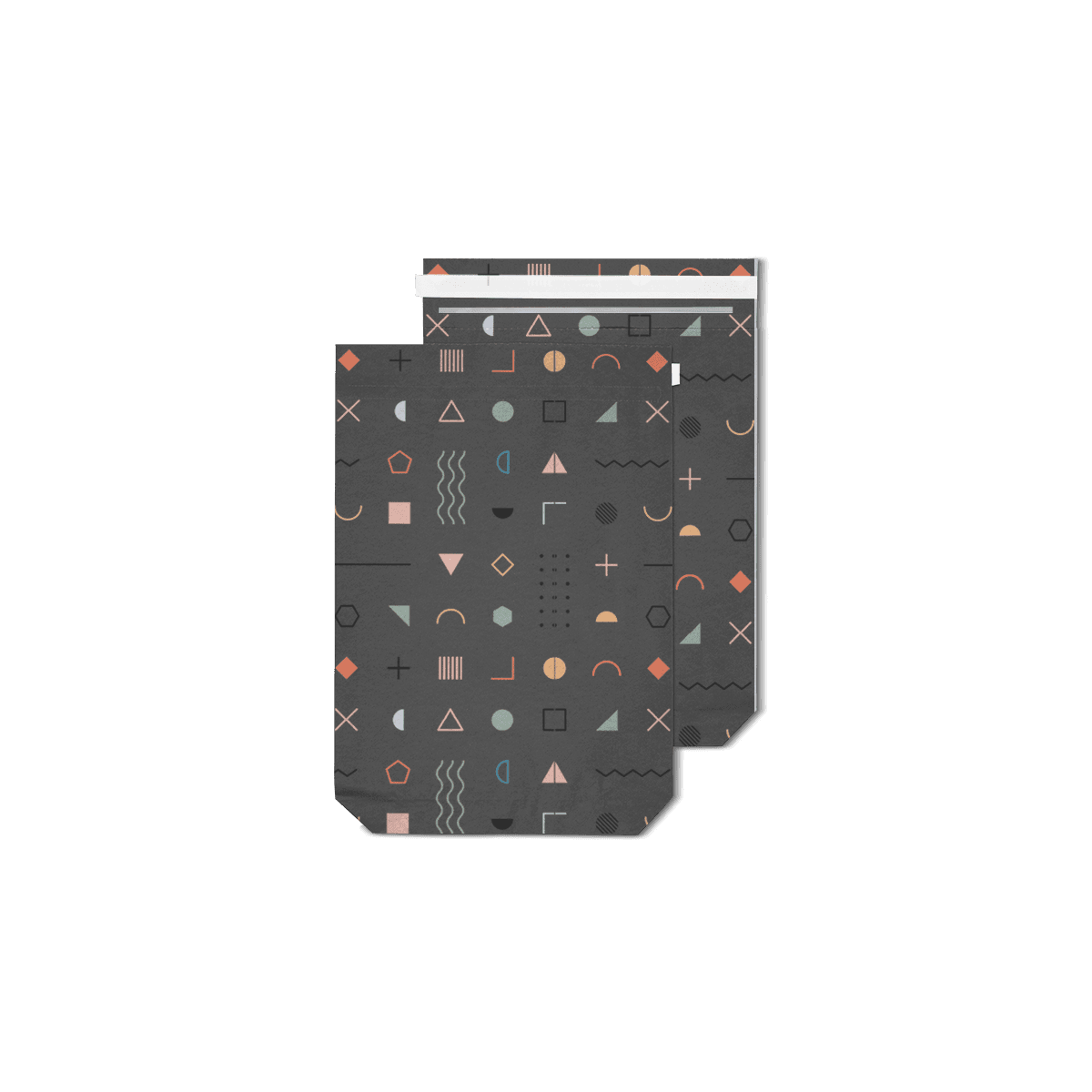
Custom Packly includes design support and free 3D mockups, which can help establish branding position before production.

Physical sampling still matters when the question is how the printed surface looks after the real product changes the mailer's shape.

Disposal Claims Follow the Whole Construction

A padded mailer can combine several materials, so environmental wording needs to match the complete package rather than one visible layer.

A kraft paper exterior does not automatically tell the customer what the internal padding contains. A recyclable component does not automatically establish that the complete mailer can follow the same disposal route.

If a material claim matters to the brand, record the exact outer layer, internal cushion, adhesive and any other permanently attached components before artwork is approved.

Claims such as recycled content, recyclable, plastic-free or compostable should only appear when the selected construction supports them.

This matters particularly for padded mailers because different cushioning systems can look similar from the outside while having very different material compositions.

The strongest disposal instruction is specific to the actual production specification.

Protection Depends on the Cushion

Padded Mailers and Bubble Mailers can look similar from the outside, but the practical distinction is the cushioning mechanism.

Padded Mailers cover protective envelope constructions that can use different cushioning materials. Bubble Mailers are the more specific choice when compressible air cells are the protection mechanism being selected.

Use a padded mailer when a compact product needs a cushioned envelope and the cushioning material should follow the product's surface, edge and impact risks.

Move to bubble when air-cell compression is specifically useful.

Move down to poly when cushioning is unnecessary.

Move up to corrugated when shape retention, compression resistance or stronger internal control becomes necessary.

The packaging should follow the vulnerability of the product rather than whichever mailer name sounds closest.

FAQs

Yes, especially for items that are more likely to scratch or scuff than crack. The inner cushioning helps protect coated, polished, or printed surfaces during normal parcel handling.

Common examples include earphones, cables, flat accessories, travel-size kits, printed inserts, sample packs, and small replacement parts.

Padded Mailers are the better choice when the item needs built-in cushioning. Poly Mailers are more suitable for soft goods that do not need the same level of impact or surface protection.

Paper-based padded versions can be specified, but recyclability depends on the complete construction and local collection rules. The outer layer, cushioning and adhesive all need to be considered together.

Move to a box when the item is heavier, more rigid, or more breakable. If the product needs stronger stacking resistance or structured inserts, a corrugated mailer or shipping box is usually the safer choice.

Process

How it works

Your Packaging Journey, From Idea to Production and Delivery

01

Tell Us Your Specs

Custom packaging boxes

Tell Us Your Specs

Provide size, quantity, printing, and finishes.

02

Get a Fast Quote

Custom packaging boxes

Get a Fast Quote

Instant transparent pricing, no hidden fees.

03

Design and Approval

Custom packaging boxes

Design and Approval

Artwork checks, revisions, and final sign-off.

04

Produce

Custom packaging boxes

Produce

Expert manufacturing to meet deadlines.

05

Ship to Your Door

Custom packaging boxes

Ship to Your Door

Hassle-free, flexible delivery options.

Get Your Quote for Custom Padded Mailers

Share your product details, size, quantity and artwork needs. We’ll help choose the right packaging style and send a clear quote.