Skip to content
Details

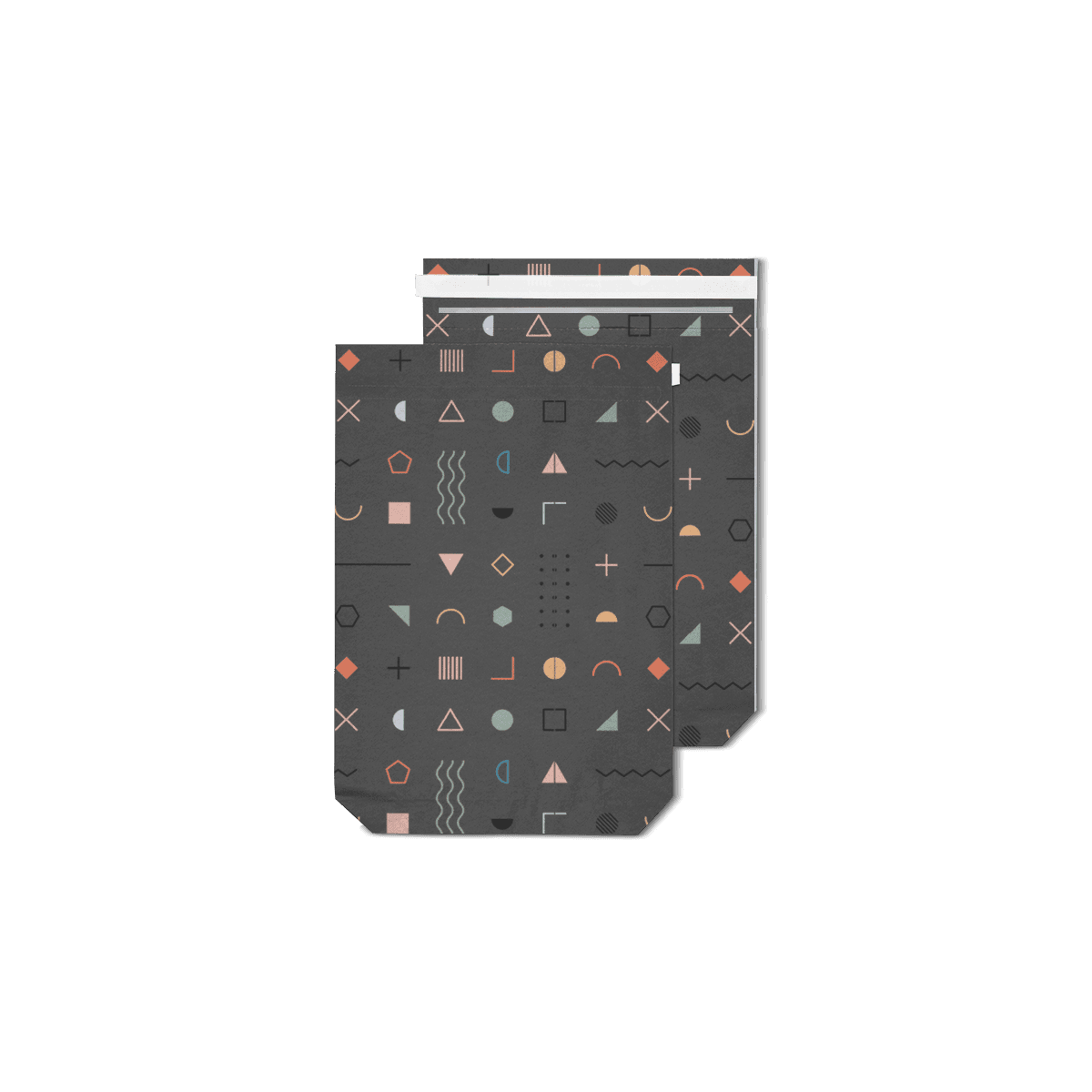
Custom Mailing Paper Bags

Paper-based shipping mailers for lightweight, low-fragility orders where compact storage, branded print and a slim parcel matter more than rigid protection.

Paper Has Less Give Than Film

A paper mailer works best when the product can adapt to the package rather than forcing the package to stretch around it.

Custom Mailing Paper Bags are suited to lightweight, low-fragility shipments such as folded apparel, textiles, documents, printed matter, samples and other relatively flat products. They create a paper-based shipping envelope without the rigid walls and storage volume of a corrugated box.

The important physical difference is that paper folds and creases instead of stretching like polymer film. Once a hard product edge pushes beyond the intended capacity, the stress concentrates into the paper, side seam or closure rather than simply expanding around the item.

Mailing Paper Bags sit under Custom Paper Bags but serve parcel shipping rather than retail carry, food service or counter handoff.

The closest flexible alternative is Poly Mailers, which suit soft shipments where film flexibility and routine moisture resistance matter more than using a paper-based outer pack.
Foldable Products Suit Paper Mailers

The strongest candidates are products with broad, relatively soft surfaces and no vulnerable projections.

A folded T-shirt can distribute pressure across a large area. A scarf, textile accessory or document bundle behaves similarly. These products let the paper mailer retain a fairly flat profile during shipping.

A rigid carton with sharp corners behaves differently.

Its edges can push into one small area of the paper every time the parcel bends, drops or moves against another shipment. A mailer may still hold the item, but simple containment does not prove that the structure is right for transit.

Soft Orders Spread Pressure

Clothing and textiles can conform slightly when the parcel is handled. That reduces isolated stress at the mailer's seams and corners.

The product should still be folded consistently. A loosely packed garment can create a lumpy parcel that is harder to seal, label and stack.

For clothing that needs corrugated walls and a more controlled opening experience, Mailer Apparel Boxes move the same product into a rigid shipping structure.

Hard Products Need a Different Test

Books, small cartons and other flat rigid goods may sometimes work in a paper mailer, but their corners and weight need more attention than soft apparel.

Ask what happens when the parcel bends across the product edge.

If that movement creates a sharp stress line in the paper, a padded envelope or corrugated pack may be more appropriate even though the dimensions fit.

Capacity Comes From Shape, Not Stretch

Mailing paper bags should be sized around the packed thickness of the order as well as its flat footprint.

A flat product can use a relatively simple envelope profile. A folded sweatshirt, stacked garments or thicker document bundle needs material to travel around the sides of the contents.

That extra depth has to come from the bag construction.

Flat Mailers Favor Thin Orders

Flat paper mailers keep lightweight shipments compact and simple.

They suit products whose packed thickness does not force the front and back panels sharply apart. Documents, slim apparel pieces and samples can fit this profile well.

Trying to turn a flat mailer into a deep parcel by overfilling it creates hard creases around the contents and puts extra tension into the side seams.

Gussets Add Controlled Depth

A gusseted paper mailer can create more usable capacity for thicker orders without relying on the paper itself to stretch.

The gusset should open as intended under the normal product load rather than being pulled completely flat by an oversized item.

This is particularly useful when a brand ships similar products in predictable bundles, such as several folded garments instead of one.

The trade-off is parcel thickness. A larger gusset should exist because the recurring order needs that capacity, not because a deeper mailer seems more flexible for future use.

Creases Reveal an Overfilled Mailer

Paper gives visible warning signs when the packout is working against the structure.

Stress whitening, deep uncontrolled creases, distorted seams and a closure that no longer lies flat all indicate that the contents are dictating a shape the mailer was not designed to hold.

These signs are more useful than asking whether the product can physically be pushed inside.

A good packout should leave the paper following deliberate folds and gussets rather than creating random tension lines around the product.

This distinction becomes important at scale because fulfillment staff will usually keep using a mailer if the order can be made to fit. The packaging specification needs a clearer rule than that.

Record which product combinations belong in each mailing size and which ones move into another shipping pack.

E-commerce retail packaging can use several outer formats across one operation when product weight, fragility and parcel profile differ materially.

Parcel Exposure Sets a Hard Limit

Paper mailers are shipping packs, so their route matters.

A package moving through parcel handling may encounter abrasion, compression and routine exposure that a boutique shopping bag never sees. The paper construction needs to be selected for that job.

Paper should not be described as waterproof by default.

If moisture exposure is a significant part of the shipping risk, the selected construction needs to address it specifically or the shipment should use another outer pack.

That is especially relevant for products that could be damaged by water even when they are physically durable.

Porch Exposure Is Different From Store Handoff

A retail paper bag may travel from checkout to a car.

A mailing bag can move through sorting facilities, vehicles and final delivery before remaining outside at the destination.

Those are different conditions.

This is why Custom Fashion Paper Bags should remain focused on customer carryout while Mailing Paper Bags handle the lightweight parcel journey.

Paper Weight Is Only Part of Durability

Moving to heavier paper can increase stiffness and tear resistance, but it does not correct every structural problem.

A sharp internal corner, poor seam position or excessive packed depth can still concentrate stress.

Material weight should follow the intended load after the product shape and mailer construction have been established.

The Closure Must Follow the Filled Shape

A mailing bag should close without the contents pushing into the adhesive or folding area.

The packed product needs to sit below the working closure zone so the flap can reach its intended position naturally.

This is particularly important with paper because forcing the top around an overfilled order can create a permanent crease exactly where the closure needs to remain flat.

Peel-and-seal closures can speed ecommerce packing when the bag and contents already fit correctly.

If returns are part of the program, the second journey should also be considered before production. A second sealing feature or another defined return method may be appropriate depending on the structure.

The return packout is often slightly larger than the original one. Customers do not reproduce a warehouse garment fold with perfect consistency.

That does not mean every paper mailer should be oversized. It means the return requirement belongs in the sizing decision when reuse is expected.

Printing Has to Survive the Folds

Paper creates a strong printable surface, but the mailing bag does not remain flat after loading.

Artwork crosses areas that may bend, crease or expand around a gusset. Important graphics should be positioned with the filled shape in mind.

A logo placed across a major fold can distort when the order creates depth. Fine text near a seam may become difficult to read once the bag forms around the product.

Kraft and White Paper Start Differently

Natural kraft gives artwork a brown base. Dark inks and simpler graphic systems can work strongly on that surface, while pale colors will not behave as though they were printed onto white stock.

White paper gives a brighter starting point for full-color branding.

The substrate should therefore be part of the visual decision before color is approved.

Packaging materials such as kraft and paperboard respond differently to printing and physical use, so material and artwork should not be specified separately.

Leave the Label Somewhere Calm

The shipping label needs a reasonably flat surface.

Do not fill the principal label zone with artwork that the fulfillment team will immediately cover. Avoid placing it where a thick product or gusset creates the strongest curvature.

A clear operational area can make the printed mailer look more intentional after the label is applied, not just before fulfillment.

A Sweatshirt Can Turn a Flat Mailer Into a Drum

Consider an apparel brand using one flat paper mailer for T-shirts and sweatshirts.

Single shirts ship cleanly. Staff can insert them quickly, the closure remains flat and the paper follows the folded garment.

The same mailer is then used for a heavy sweatshirt.

The sweatshirt can be pushed inside, but its packed thickness pulls the front and back panels around the garment. Sharp creases appear along both sides and the paper is held under continuous tension once the flap is sealed.

The package has technically closed, but the mailer is no longer working in its intended shape.

Simply moving to heavier paper keeps the underlying geometry.

A gusseted paper mailer may solve the recurring sweatshirt order by giving the pack controlled depth. If that makes the parcel too bulky or the garment needs more shipping protection, a corrugated apparel mailer may be the cleaner route.

The useful improvement is not maximum strength. It is letting the paper follow designed folds rather than forcing new ones around every thick order.

Paper Mailers Do Not Need Cushioning by Default

Mailing Paper Bags are not the paper equivalent of a padded envelope.

If the product needs impact cushioning, adding loose material inside a basic paper mailer may create a complicated package without giving the product controlled protection.

Padded Mailers are the stronger direction when a compact product needs a protective internal layer while retaining an envelope-style outer pack.

Bubble mailers go further into air-cell cushioning.

Corrugated mailer boxes add rigid sidewalls.

A simple paper mailer remains strongest when the product itself is tolerant enough that the outer package mainly needs to contain it, protect its surface from routine handling and create a clean shipping exterior.

That distinction prevents a lightweight paper structure from accumulating filler, wraps and reinforcement until it becomes less efficient than the package it was meant to replace.

Environmental Claims Need the Exact Paper Spec

Paper-based construction may support a brand's material goals, but the word paper alone does not prove every environmental claim.

Recycled content, recyclability, coatings, adhesives and any additional layers should be confirmed for the actual mailing-bag specification before those characteristics appear in customer-facing artwork.

This matters when moisture treatments, specialty finishes or other components are added to improve shipping performance.

The physical mailing job comes first. Environmental wording should describe the finished construction accurately rather than dictate a technically unsuitable pack.

A simple material system can make disposal communication easier, but only the confirmed specification should determine the claim.

Flat Storage Helps the Fulfillment Floor

One practical advantage of a mailing paper bag is what happens before the order is packed.

Empty bags store flat and can be kept close to the workstation without the volume needed for assembled corrugated boxes.

That makes them attractive for lightweight orders with predictable packing requirements.

The gain disappears if staff have to reinforce the bag manually, add excessive internal wrapping or repeatedly switch to another package after discovering that the product does not fit.

For growing operations, packaging that scales with fulfillment should be judged through storage, packing movements and SKU complexity as well as material cost.

A paper mailer earns its place when the packing motion stays simple:

  • select the correct size
  • insert the order
  • add only necessary paperwork
  • close the mailer
  • apply the shipping label
  • move the parcel outbound

If normal orders require more intervention than that, the package may be solving the wrong problem.

Draw the Exclusion Line Before Reordering

The most useful repeat-production rule for Mailing Paper Bags is not simply which size to reorder.

It is which products should never enter the paper-mailer system.

Define exclusions by physical behavior. A SKU may move to another package when it has sharp exposed hardware, excessive packed depth, meaningful crush sensitivity, significant cushioning needs or shipping conditions that the selected paper construction cannot reasonably handle.

That leaves the paper mailer with a clear role rather than letting it become the cheapest default outer pack.

A simple fulfillment record can state:

  • mailer size
  • flat or gusseted construction
  • approved product groups
  • normal packed thickness
  • paper specification
  • closure type
  • return requirement
  • print version
  • shipping-label position
  • product exclusions

MOQ starts from 100 units, so several justified mailer sizes can be introduced without forcing every lightweight SKU into one oversized bag.

Warehousing and scheduled deliveries can help larger programs separate production quantity from the amount of mailing stock kept at the fulfillment site.

The strongest Mailing Paper Bags program is intentionally narrow: paper carries the shipments that suit paper, while rigid, cushioned or more exposure-resistant formats take the orders that demand something else.

FAQs

They make the most sense when the item is light, flat, and easy to protect without a box. That keeps fulfillment simpler and helps control unnecessary packaging bulk.

Mailing Paper Bags are better when you want a slim paper-based pack for light, low-fragility shipments. Poly Mailers suit soft goods when film flexibility and routine moisture resistance matter more; padded or corrugated packs are better when added protection is required.

This style is well suited to that job. It can handle sample packs, literature, small promotional items, and fold-flat merchandise with a cleaner outer profile.

Yes. Simple logos, shipping graphics, and tailor-made artwork can all be added, depending on the paper stock and print setup.

No. It also fits internal dispatch, event mailings, promotional sends, document circulation, and replacement-part support packs where the shipment stays slim.

Process

How it works

Your Packaging Journey, From Idea to Production and Delivery

01

Tell Us Your Specs

Custom packaging boxes

Tell Us Your Specs

Provide size, quantity, printing, and finishes.

02

Get a Fast Quote

Custom packaging boxes

Get a Fast Quote

Instant transparent pricing, no hidden fees.

03

Design and Approval

Custom packaging boxes

Design and Approval

Artwork checks, revisions, and final sign-off.

04

Produce

Custom packaging boxes

Produce

Expert manufacturing to meet deadlines.

05

Ship to Your Door

Custom packaging boxes

Ship to Your Door

Hassle-free, flexible delivery options.

Get Your Quote for Custom Mailing Paper Bags

Share your product details, size, quantity and artwork needs. We’ll help choose the right packaging style and send a clear quote.