Skip to content
Details

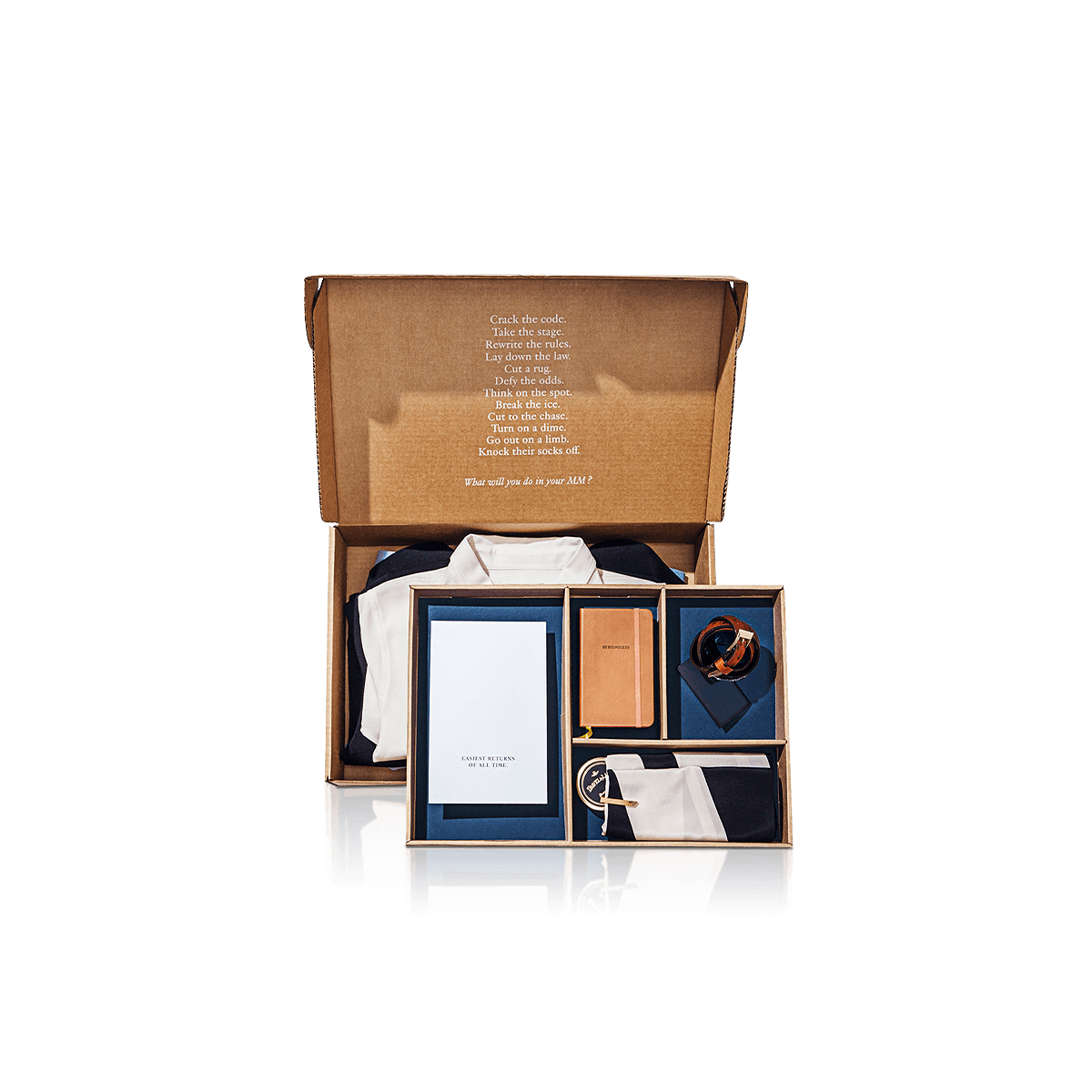
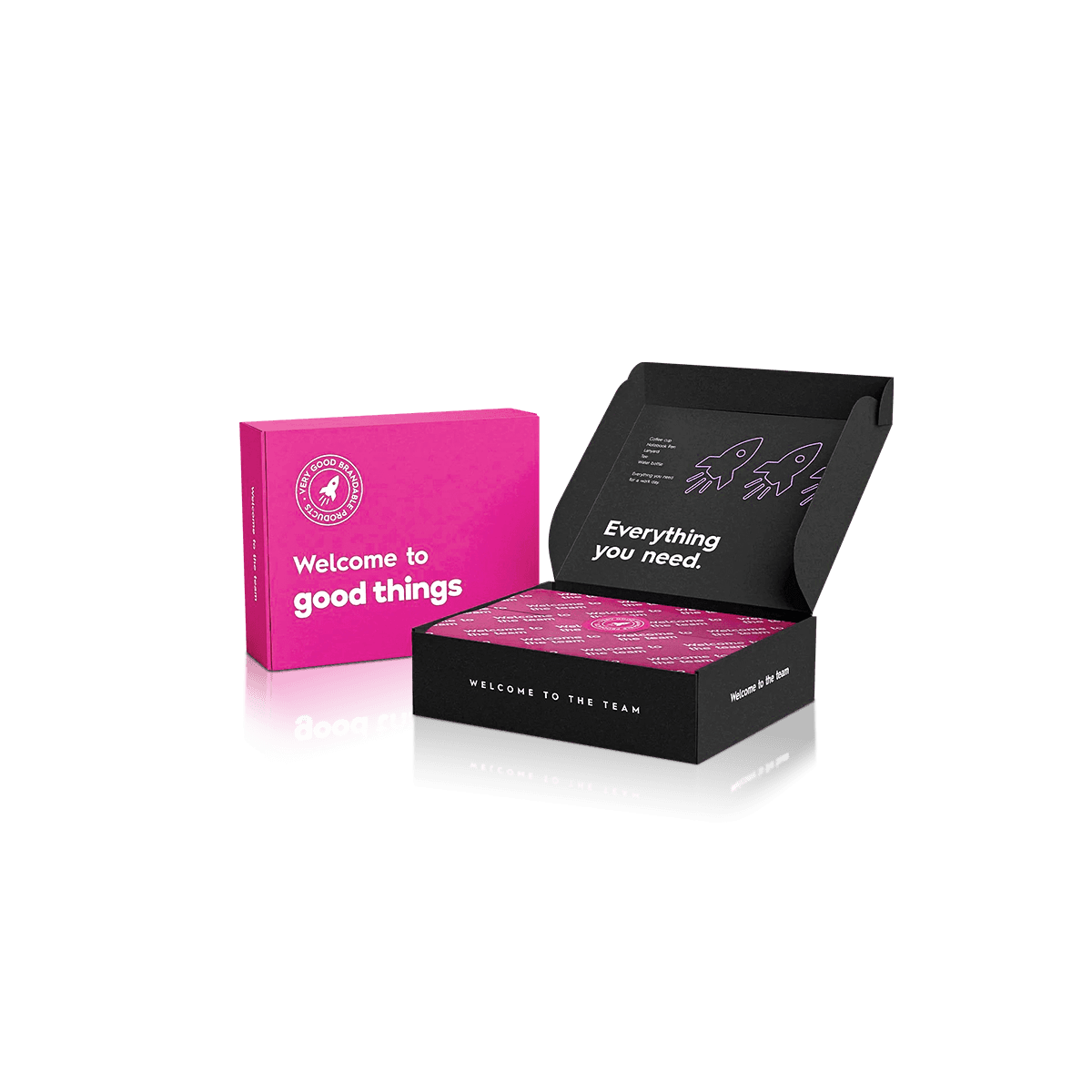
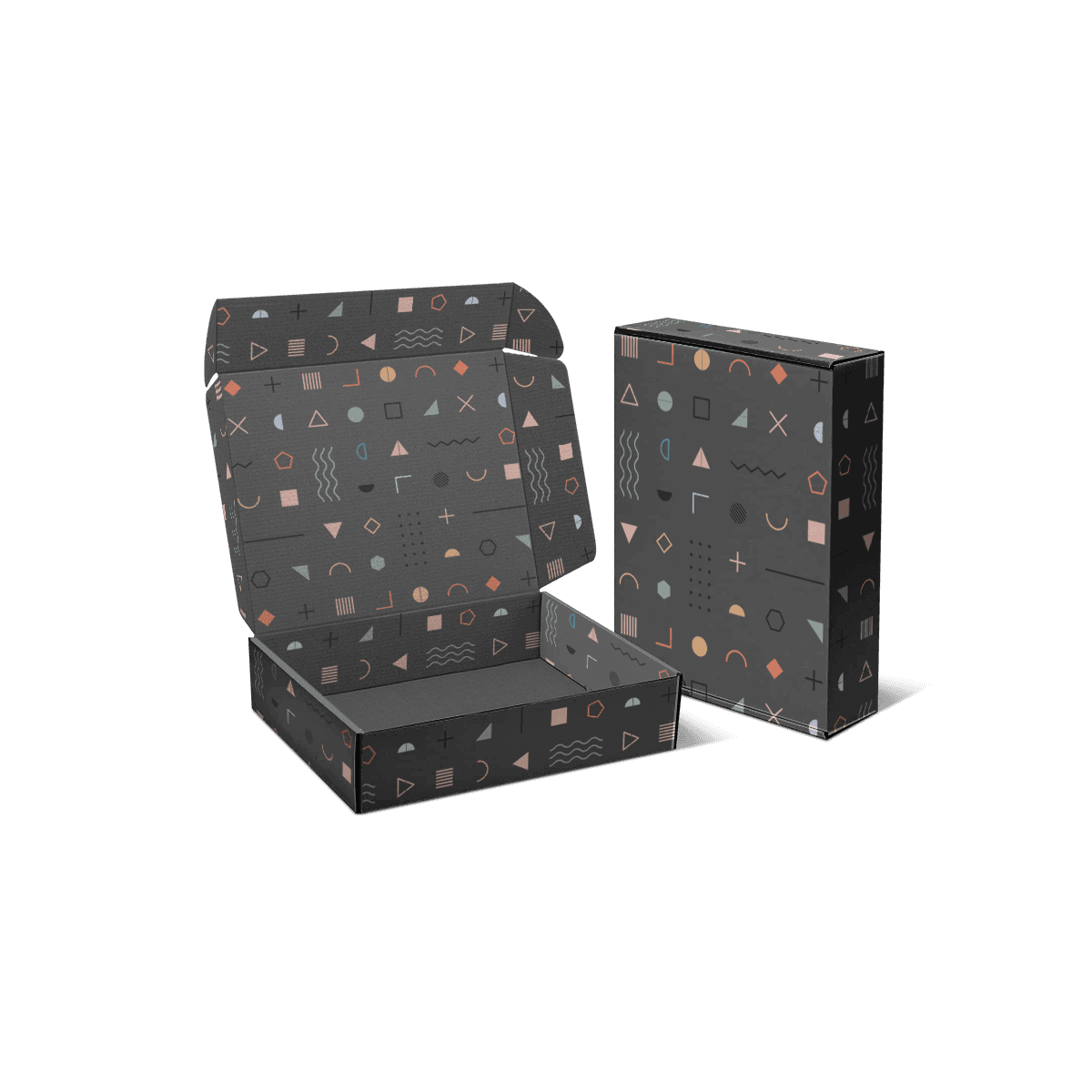
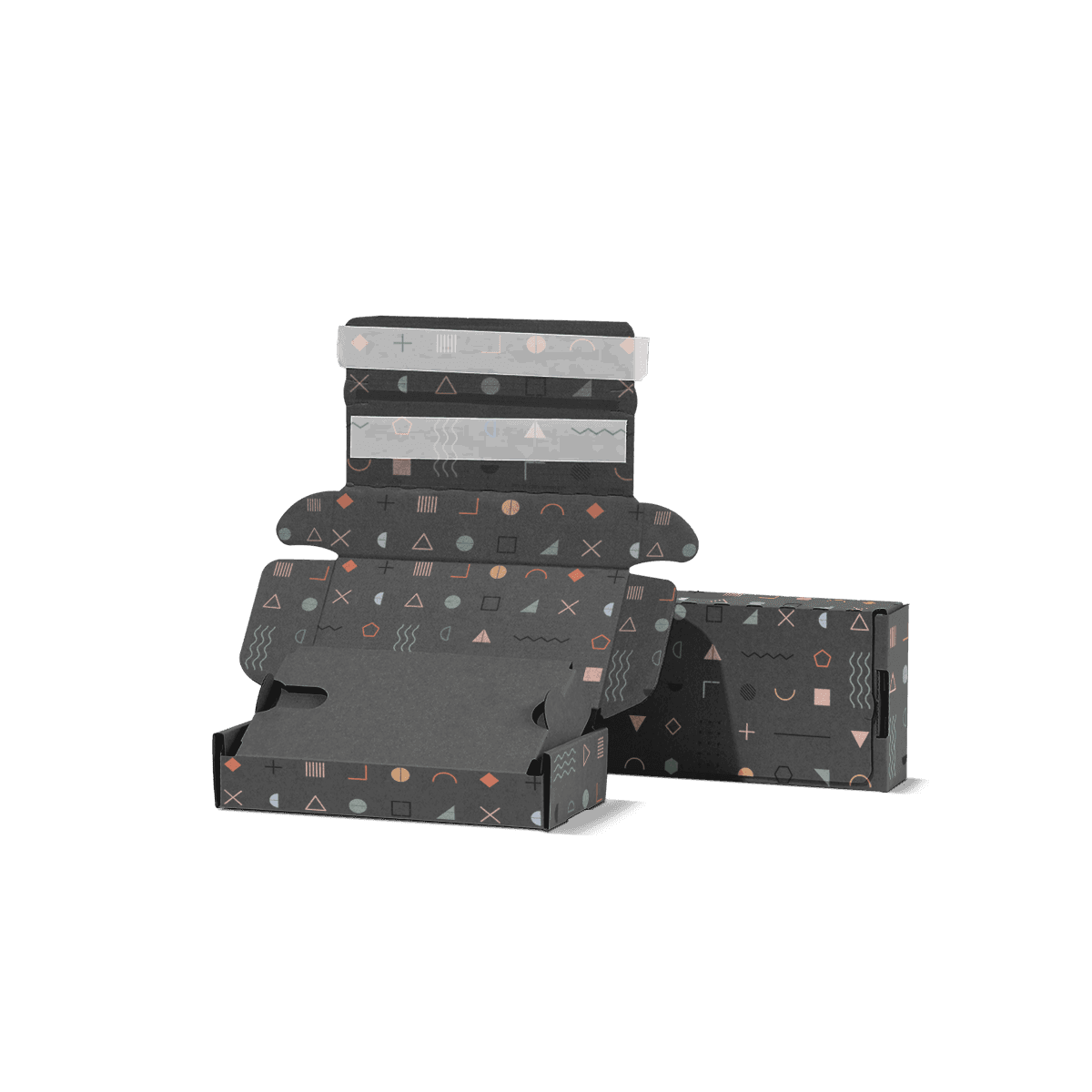
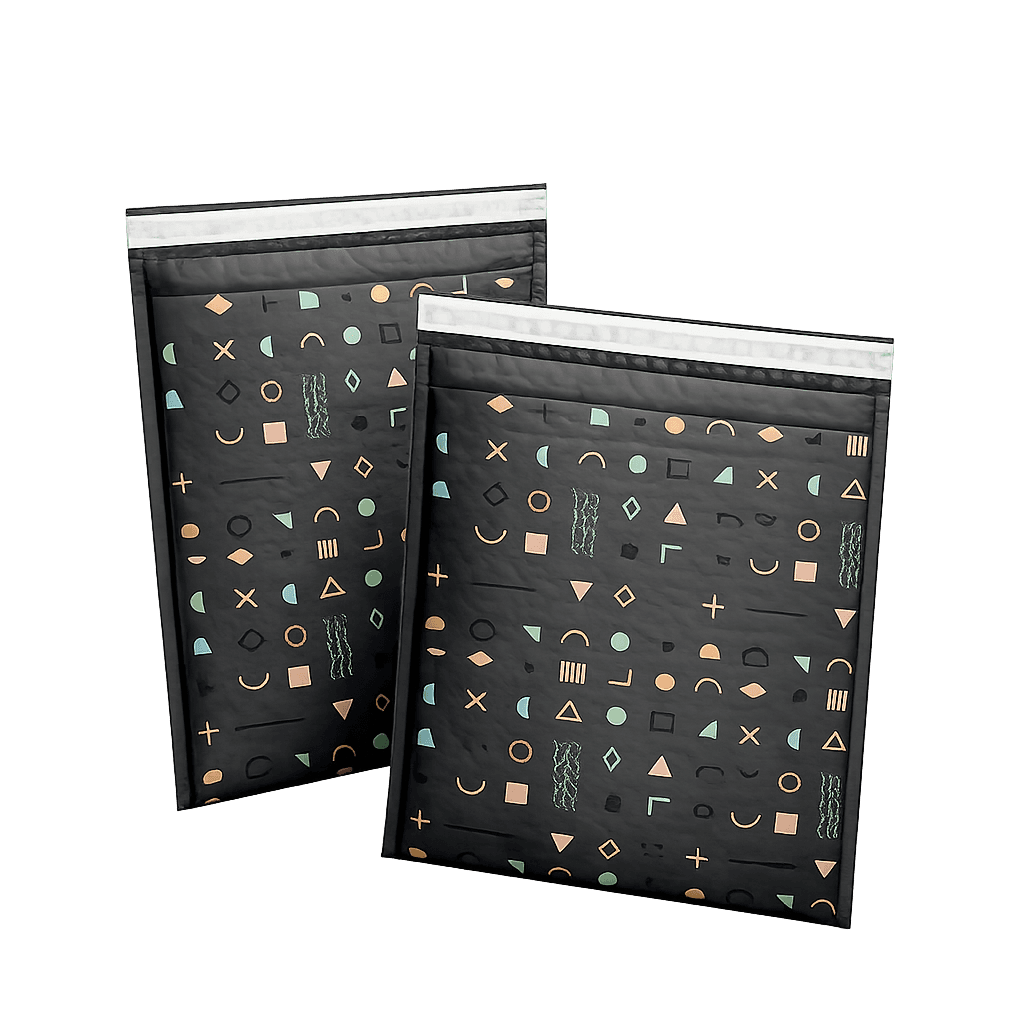
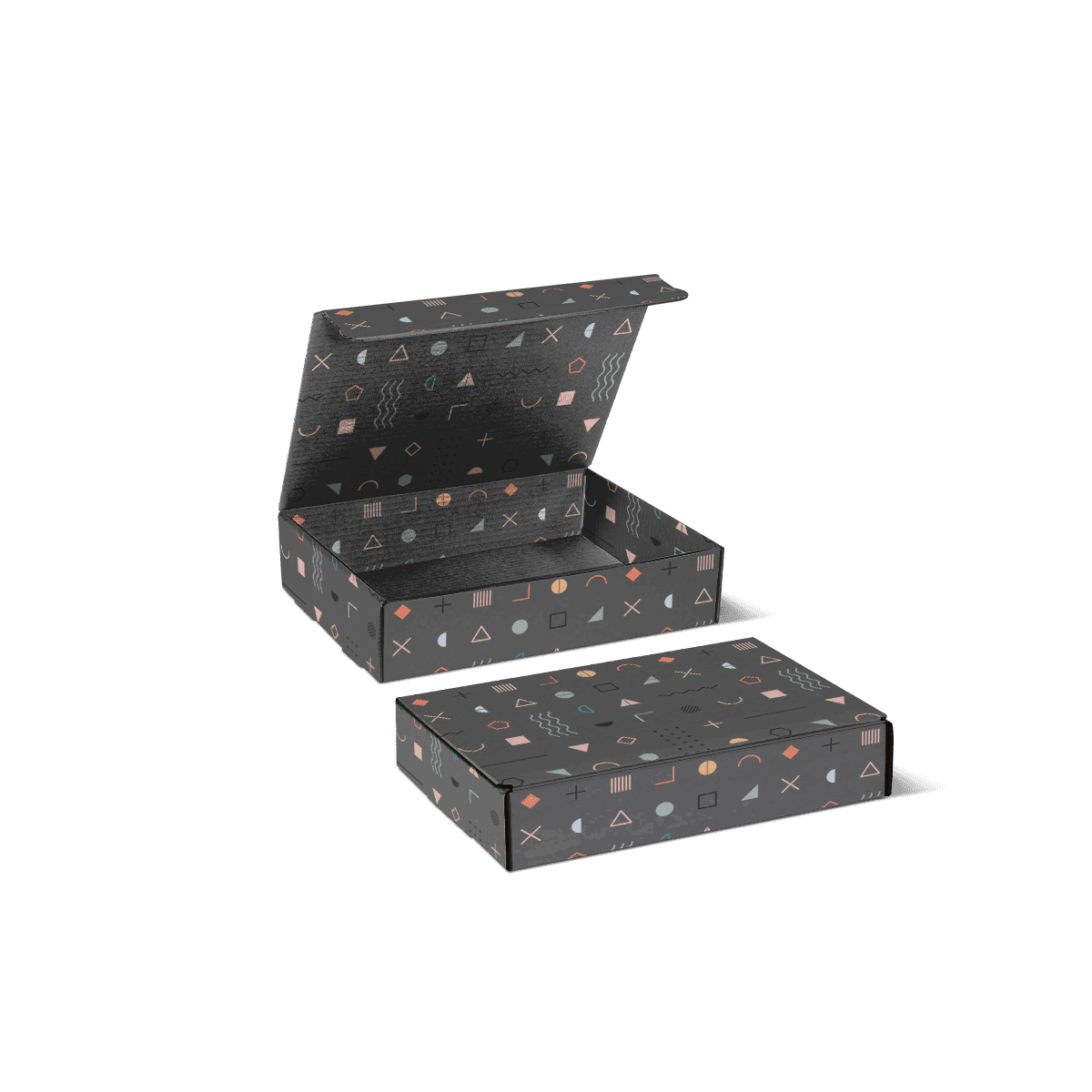
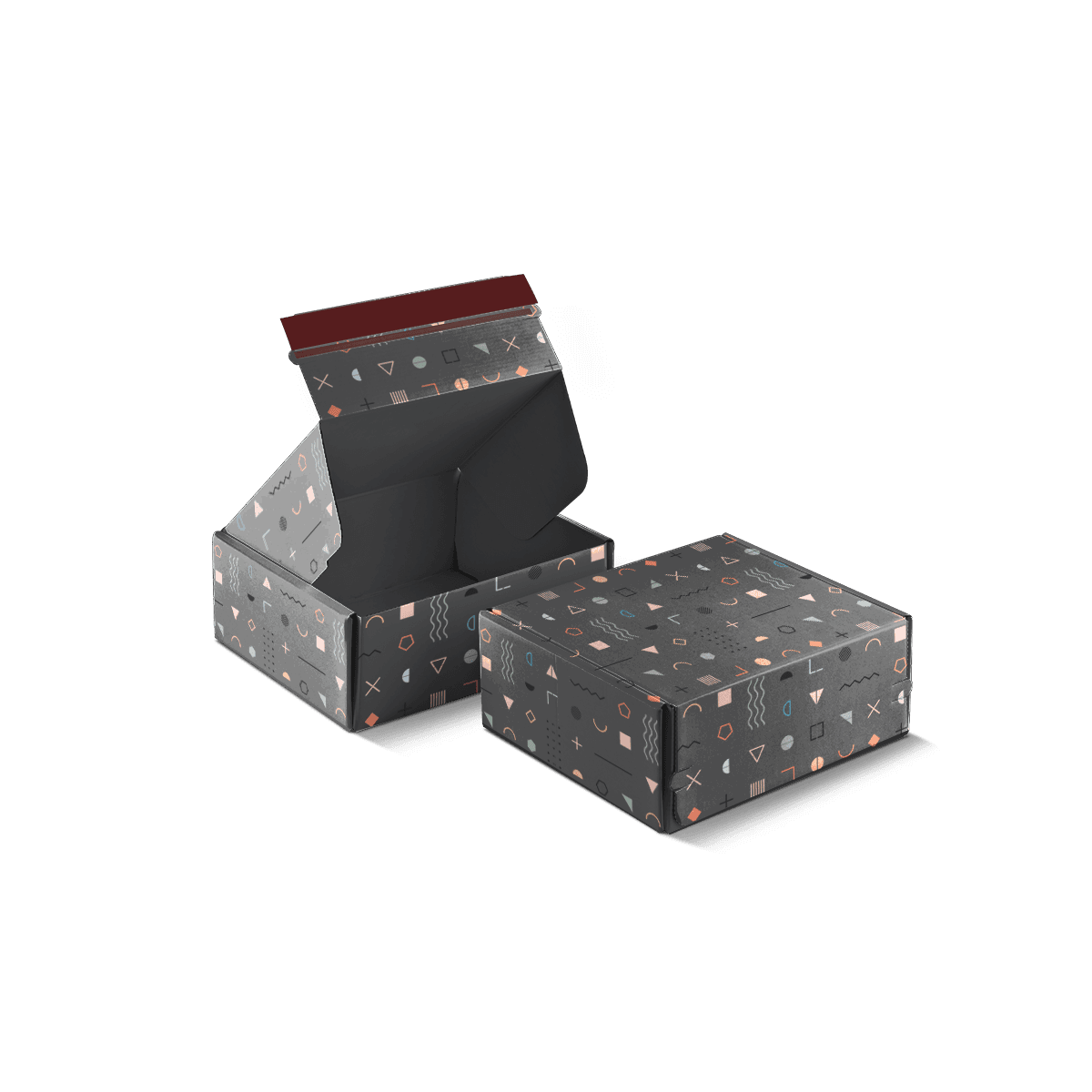
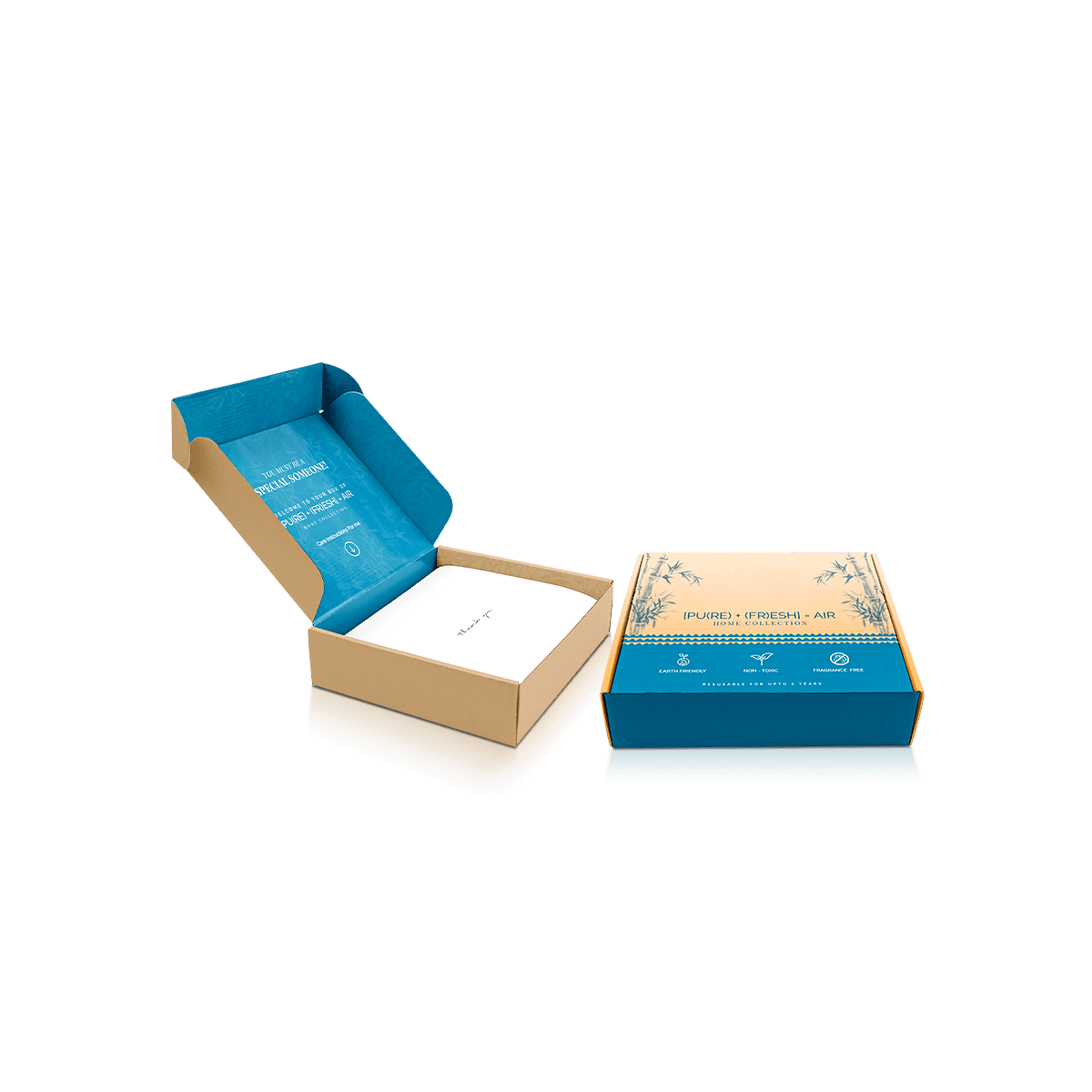
Custom Safety Equipment Mailer Boxes

Corrugated mailers for worker-issued PPE, crew safety packs and remote-jobsite distribution, with controlled kit identification and protection suited to each item.

Issue the Correct Unit

The most important label on a PPE mailer may be the one identifying its intended recipient. A box marked only “safety equipment” tells a receiving team almost nothing about the glove size, eyewear type or approved items inside. That ambiguity becomes a practical problem when several crews are waiting for their gear at different locations.

Custom Safety Equipment Mailer Boxes are parcel-ready corrugated packs for issuing selected protective equipment to individual workers, crews or remote job sites. Their job is to carry a defined set through packing, shipping and handoff while keeping the contents identifiable and in their required protective packaging. The mailer itself does not establish that the PPE is suitable, certified or approved for a task.

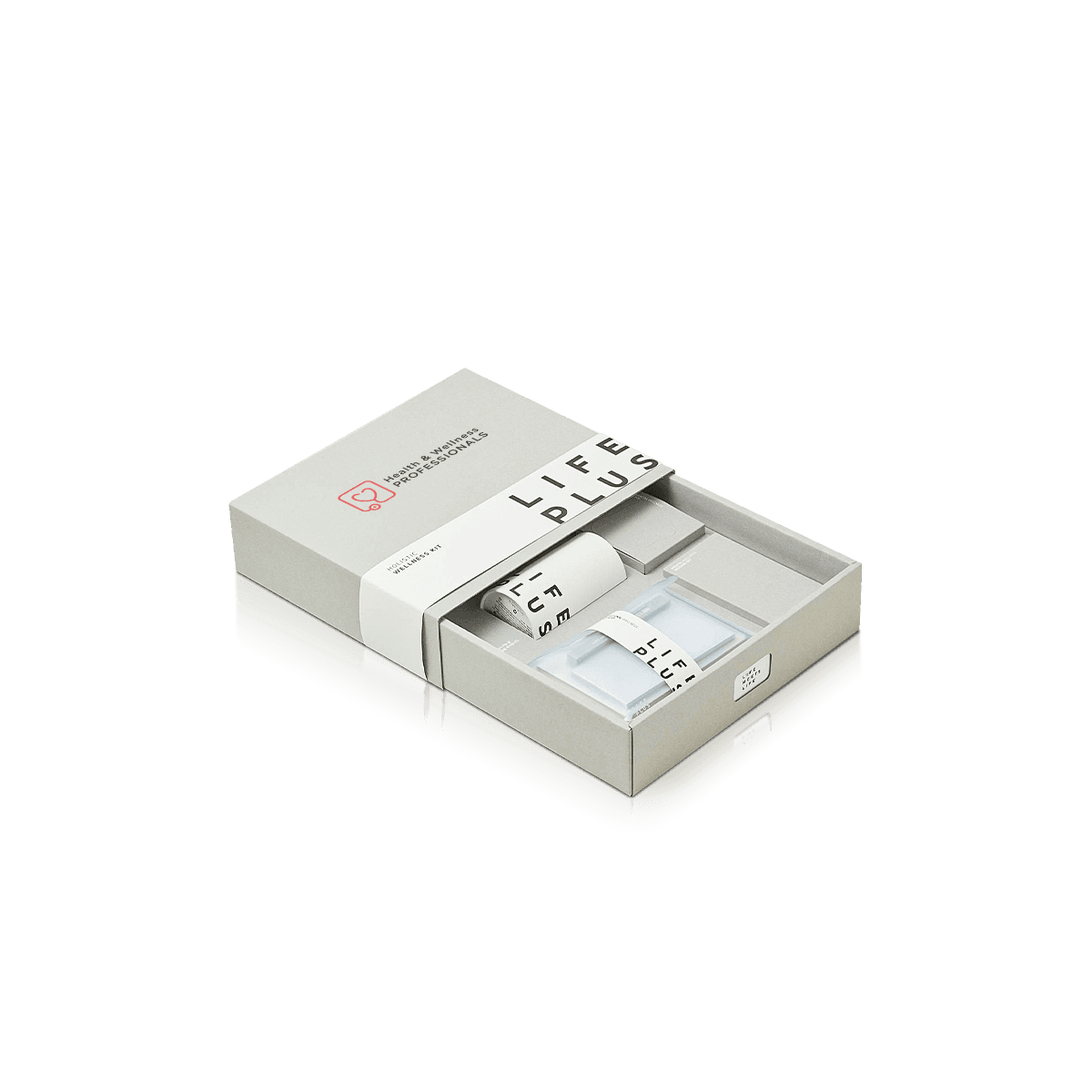
A worker-issued pack needs a different arrangement from a bulk box of gloves. Its contents may include individually packaged safety glasses, work gloves, a high-visibility vest and printed issue documentation. Those items differ in size, surface sensitivity and storage requirements, so a neat-looking assortment is not enough.

The decision starts with the issue unit: one named worker, one role-specific set or a clearly counted crew allocation. Where equipment is held centrally for picking rather than mailed to a recipient, the MRO packaging workflow may call for bins or other storage structures instead of an individual mailer. A mailer earns its cost when it keeps a specific issuance intact through a real distribution route.
One Worker or an Entire Crew

An individual PPE pack is usually controlled by role and size. A crew shipment is controlled by headcount, destination and how the receiving supervisor will divide the equipment. Treating both as the same order can create unnecessary repacking at the job site.

Individual issue packs

Use an individual pack when the recipient needs a ready-to-issue set and the contents can be selected before dispatch. Reserve a flat label face for the worker ID or dispatch reference and identify size-dependent items clearly. Avoid personal data that the recipient or carrier does not need to see.

If the equipment is issued by role, a consistently named pack can reduce ambiguity. The packing record should still identify the actual products and quantities. A printed kit name is not a substitute for checking that the correct manufacturer-specified equipment was selected.

Crew allocations

A supervisor receiving PPE for several workers may prefer individually packed sets inside a larger outer shipper. If the team will distribute items from one central location, a counted replenishment carton can be more efficient than many individually printed mailers.

Routine consumables headed to a fixed workstation may belong in operations supply boxes. Task-specific assemblies that combine safety items with repair components may require maintenance kit boxes. The safety equipment mailer remains focused on getting the approved PPE issue to its intended user.

Room for PPE Without Compression

The internal size must accommodate the fully packaged safety equipment, not the loose dimensions of a glove or an unfolded vest. Product packaging, sealed bags, protective cases and folded fabric all consume room. Some items also need space so a hard component does not press on a softer one.

Eyewear and hard components

Safety glasses in their manufacturer packaging may tolerate ordinary mailer handling differently from unprotected lenses. Keep the lens surface away from metal clips, tools or other hard edges. If a goggle case sits alongside soft goods, position it so the packed load does not force the case into the mailer's lid.

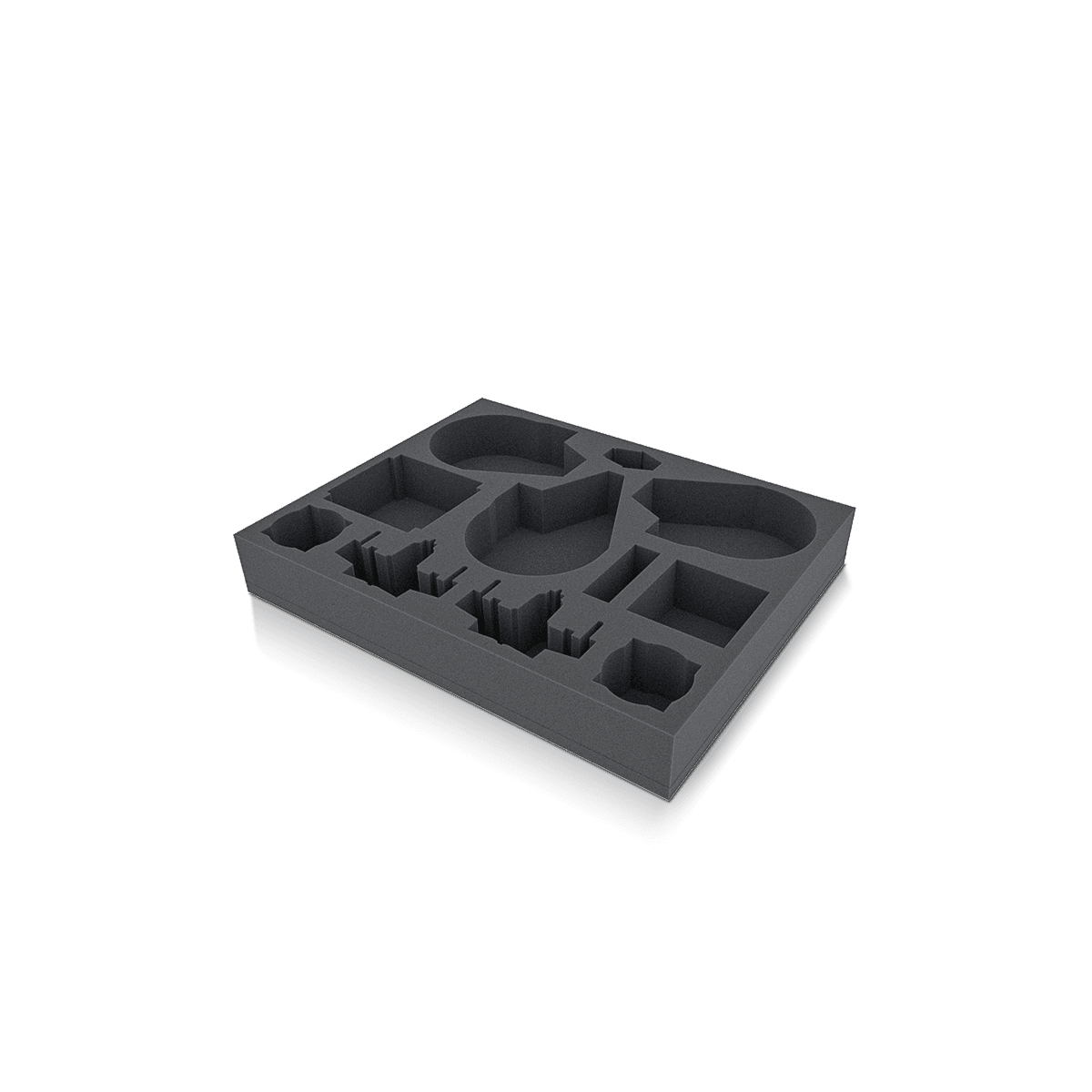
A folded corrugated support may prevent the hard item from sliding across the pack. A foam insert is worth considering when the actual equipment needs cushioning or a shaped hold, not merely to make the contents look organized.

Gloves, vests and sealed products

Gloves and high-visibility garments can fill irregular voids, but they should not become makeshift cushioning for delicate equipment. Their sizes, quantities and manufacturer packaging need to remain identifiable. Do not compress a sealed product into a shallow box to achieve a smaller shipping profile.

For respirators, filters and similar equipment, preserve the required original packaging and follow the manufacturer's storage instructions. The outer carton should not replace a manufacturer seal, deform a facepiece or imply protection against dust, moisture or contamination that its construction has not been qualified to deliver.

The product-fit approach to custom packaging starts with each item's packed dimensions and vulnerable areas. Check the tallest combined arrangement with the actual protective cases or bags in place, including the clearance the mailer needs to close without pressure.

Cost Follows the Issue Plan

Mailer pricing becomes meaningful after the issue plan separates the standard kit from its size or role variations. A single exterior can sometimes serve several worker kits, but alternate inserts, print versions and packing labor may still change the total program cost.

Distinguish the empty carton quantity from the number of finished PPE sets. Record the outer sizes, corrugated grade, print design and any carton-supplied internal supports. If glove size is the only changing item, a controlled variable label may be less complicated than a separately printed box for every size. If the equipment shapes differ substantially, a second mailer size may be the more practical choice.

Custom Packly's USA minimum starts at 100 boxes, with instant pricing, design and dieline support, and free 3D mockups. Free shipping is offered for US orders. The normal 4–6 day turnaround begins after final artwork and specifications are approved; specialty structures, materials or finishes can require more time. The schedule for assembling or supplying the PPE itself must be established separately.

Once the intended kit variants, carton quantities and physical requirements are settled, request pricing for the mailer specifications. The quote should distinguish carton production from any work outside the agreed packaging scope.

A Mailer Must Survive the Parcel Route

A corrugated mailer can ship a light-to-medium PPE set as a parcel when its board, closure and internal arrangement are appropriate for the packed weight and handling conditions. A box suited to a hand-delivered workplace issue may need a different specification for carrier sorting, stacking and last-mile delivery.

Closure that stays put

A roll-end or tuck-front structure can make a compact worker pack easy to open. Its locking tabs, folded walls and lid must still close around the actual packed height. Overfilled soft goods can push the lid upward, reducing the engagement of the front tuck.

Tape or a suitable sealing method may be necessary for the route and box construction. A standard tuck closure is not automatically tamper-evident. If a controlled seal is part of the issuing process, establish how it will be applied and checked rather than assuming a locking flap proves the package was never opened.

One mailer or an outer shipper

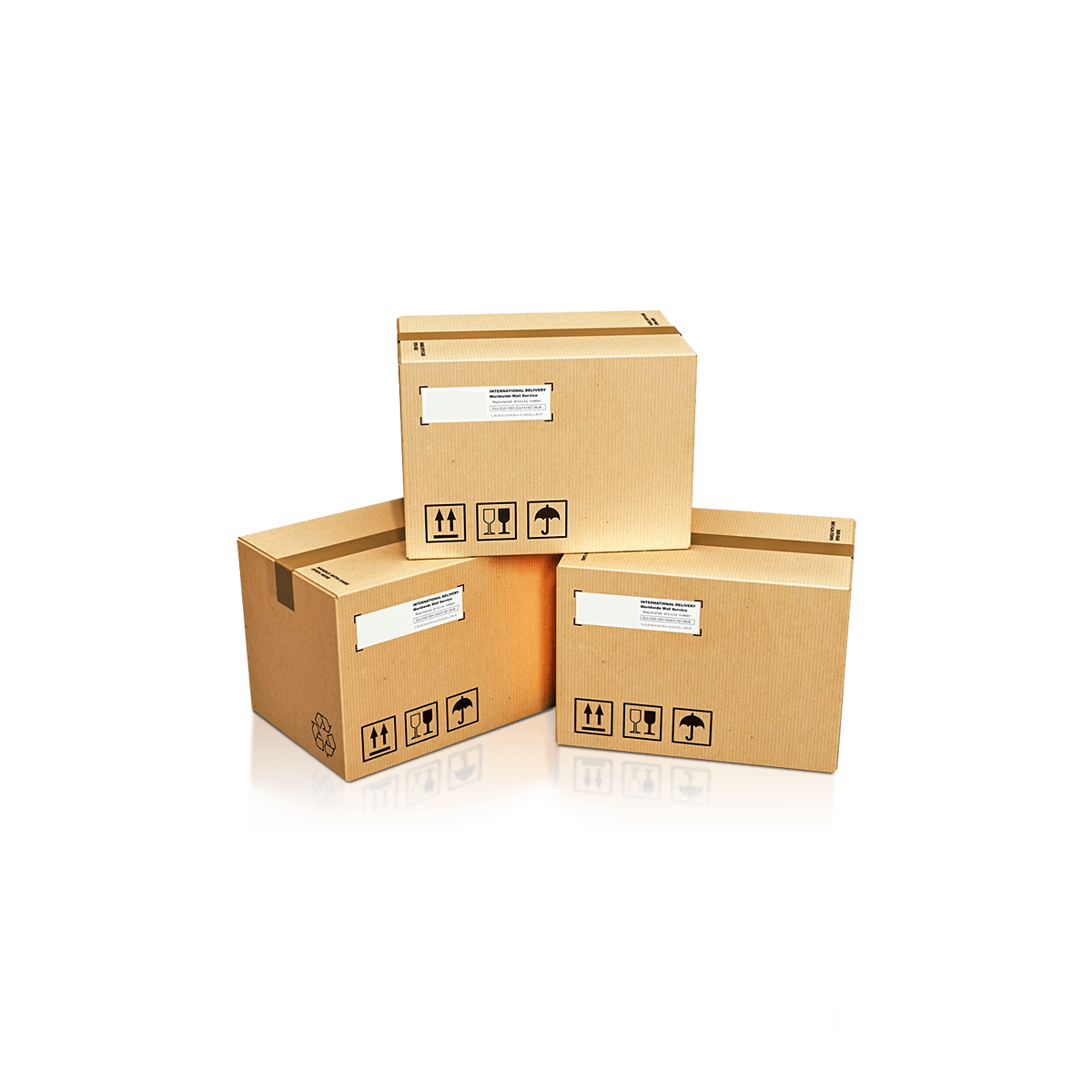
For individual dispatch, custom mailer boxes can combine the parcel enclosure and issue-pack presentation. Several kits moving to the same site may ship more efficiently inside corrugated shipping boxes, with the individual sets protected and identified inside the master carton.

The mailer-versus-shipping-carton decision changes with the packed load and whether the last receiving point needs individual units. Do not assume that an attractive printed mailer is adequate for a heavy consolidated shipment.

Board selection should reflect actual load distribution and handling, not a promised weight capacity based only on the flute name. When a hard eyewear case can strike a box wall, fit and cushioning during shipping matter as much as the outer board. Confirm the final configuration using the real products when transport risk warrants it.

The Remote-Site Size Mix-Up

Consider a facilities contractor issuing PPE packs to two crews at separate sites. The cartons use identical exterior artwork, but one crew needs a different glove-size mix. The packs are sealed correctly and reach the right locations, yet the receiving supervisor cannot distinguish the variants without opening them.

The practical correction is not a new box structure for every glove size. Keep the approved carton where the physical contents fit safely, then add a controlled variant identifier that matches the packing record. Separate dispatch labels from size and issue labels so a new carrier label cannot obscure the information the supervisor needs.

At packout, the operator checks the selected items against the issue record before closure. The exterior size or role identifier is applied to the matching finished pack, not to an empty carton waiting in a stack. If a change in eyewear case or head protection alters the packed height, that variant needs its own fit decision rather than a label-only change.

The improvement is procedural: the intended recipient and contents can be checked without disturbing protective packaging. This is an illustrative scenario, not a claim about a completed Custom Packly customer project or a measured reduction in issuing errors.

The Outer Box Is Not PPE Approval

The protective performance of safety equipment comes from the product and its applicable manufacturer specifications. A branded mailer can assist distribution, but it does not certify its contents, replace required product markings or turn a general corrugated carton into a regulated protective enclosure.

Respiratory products deserve particular care. Storage instructions may call for protection from dust, contamination, damaging chemicals, moisture, temperature extremes or deformation. A printed paperboard box is not a validated barrier against those hazards merely because it is closed. Follow the actual product's instructions and the workplace's applicable requirements.

Preserve original manufacturer labels, product identifiers, relevant lot or expiration information and any instructions that must accompany the equipment. If safety gear is repacked from a larger supply unit, the organization responsible for the issue process must establish what information and protective packaging must remain with it.

The same restraint applies to chemical-resistant gloves, hearing protection, eyewear and other specialized equipment. Suitability varies by product, task and workplace assessment. Packaging artwork must not suggest that a generic kit is universally appropriate for every job.

Custom Packly can manufacture the specified printed corrugated mailer and appropriate paper-based interior components. Product selection, occupational safety decisions and any required PPE certification or validation remain separate responsibilities.

Printed for Dispatch, Not Decoration

The top and side panels have several jobs: identify the issuing organization, show the pack variant and leave space for carrier labels. A large brand graphic should not compete with the content identifier at the moment a supervisor checks a delivery.

Two label systems

The shipping label answers where the parcel goes. The issue label answers what is inside and who should receive it. Reserve separate locations for them whenever the pack will travel by a carrier. Keep the issue identifier clear of folds, sealing tape and any panel that becomes hidden in a stacked group.

Variable labels can carry worker IDs, crew codes, glove sizes or internal issue numbers. Check barcode contrast, quiet space and scan position on the actual printed material. If a site uses a handheld scanner, test the printed or applied label with the device used in that operation.

Printing that stays accurate

A modest exterior print can be sufficient for most industrial issue packs. Premium offset printing becomes relevant when the approved run and artwork justify it, while a stable blank label zone handles changing destinations or recipients. The custom printed boxes decision is about maintaining readable production artwork, not adding finishes that make routine identifiers harder to scan.

Any product-specific claims, safety pictograms or usage instructions should come from the responsible product or EHS team. A printer should reproduce approved content, not invent warnings or substitute decorative safety symbols for required markings.

Replenishment Without Wrong-Size Stock

Repeat orders become difficult when the box inventory is managed by one total while the actual issue demand varies by role, site and size. A stable mailer specification can simplify purchasing, but the packing operation must still reconcile each variant.

Track carton stock separately from finished kit inventory. Keep the approved exterior artwork, structural revision and permissible packed combinations attached to the carton record. Maintain a different record for the items and quantities assigned to each issued kit. That prevents an approved box from being mistaken for proof that its contents have also been approved.

If a site consumes more of one glove size, changing its replenishment mix does not necessarily require another printed carton. If the packed equipment grows or the distribution route changes, revisit the carton instead of carrying forward the old fit by habit.

Larger repeat mailer programs may benefit from warehousing and scheduled deliveries when the expected demand justifies them. For supplier planning, large-order mailer production considerations are particularly relevant to consistent specifications and finished-carton supply. Keep the actual PPE replenishment forecast separate from the supply of empty packaging.

The Pack Is Ready at First Issue

At the receiving point, a supervisor should be able to confirm the destination, variant and number of issued packs before opening any individual carton. The person receiving the equipment should then be able to remove it without cutting through product seals, damaging eyewear or losing the instructions that belong with the PPE.

For a worker pack, place the issue record where it can be seen immediately after opening without covering a manufacturer label. For crew shipments, identify how many individual sets belong in the master carton and where that count will be checked. Do not rely on a decorative interior message to carry the only essential instruction.

A well-specified safety equipment mailer ends its job at a clear handoff: the correct set reaches the intended recipient, its original protective packaging remains intact where required and the organization can account for what was issued. The box supports that process without pretending to determine which safety equipment the worker needs.

FAQs

They are most suitable for person-specific PPE issue sets and small crew assortments dispatched directly to a job site. Consolidated stock replenishment may be better packed in a larger shipping carton.

Place the issue type, size or crew identifier on a visible outer label when needed for dispatch. Preserve the manufacturer's original labels, instructions and any required certification markings on or with the PPE; the mailer does not replace them.

Individual mailers suit worker-specific sets that need separate identification and handoff. Corrugated shipping boxes suit heavier loads or several completed kits sent together to one receiving point.

Cushioning depends on the equipment's original packaging and transit risks. Protect exposed lenses and rigid accessories against impact or abrasion without compressing or altering the PPE.

An adhesive closure can simplify repeated dispatch if it suits the packed weight and shipping route. Verify the finished closure; a self-seal strip does not by itself establish tamper evidence or PPE compliance.

Process

How it works

Your Packaging Journey, From Idea to Production and Delivery

01

Tell Us Your Specs

Custom packaging boxes

Tell Us Your Specs

Provide size, quantity, printing, and finishes.

02

Get a Fast Quote

Custom packaging boxes

Get a Fast Quote

Instant transparent pricing, no hidden fees.

03

Design and Approval

Custom packaging boxes

Design and Approval

Artwork checks, revisions, and final sign-off.

04

Produce

Custom packaging boxes

Produce

Expert manufacturing to meet deadlines.

05

Ship to Your Door

Custom packaging boxes

Ship to Your Door

Hassle-free, flexible delivery options.

Get Your Quote for Custom Safety Equipment Mailer Boxes

Share your product details, size, quantity and artwork needs. We’ll help choose the right packaging style and send a clear quote.