Skip to content
Details

Custom Mailer Apparel Boxes

One corrugated pack for folded clothing, parcel protection, efficient fulfillment and a branded doorstep reveal.

One Box From Pack Table to Door

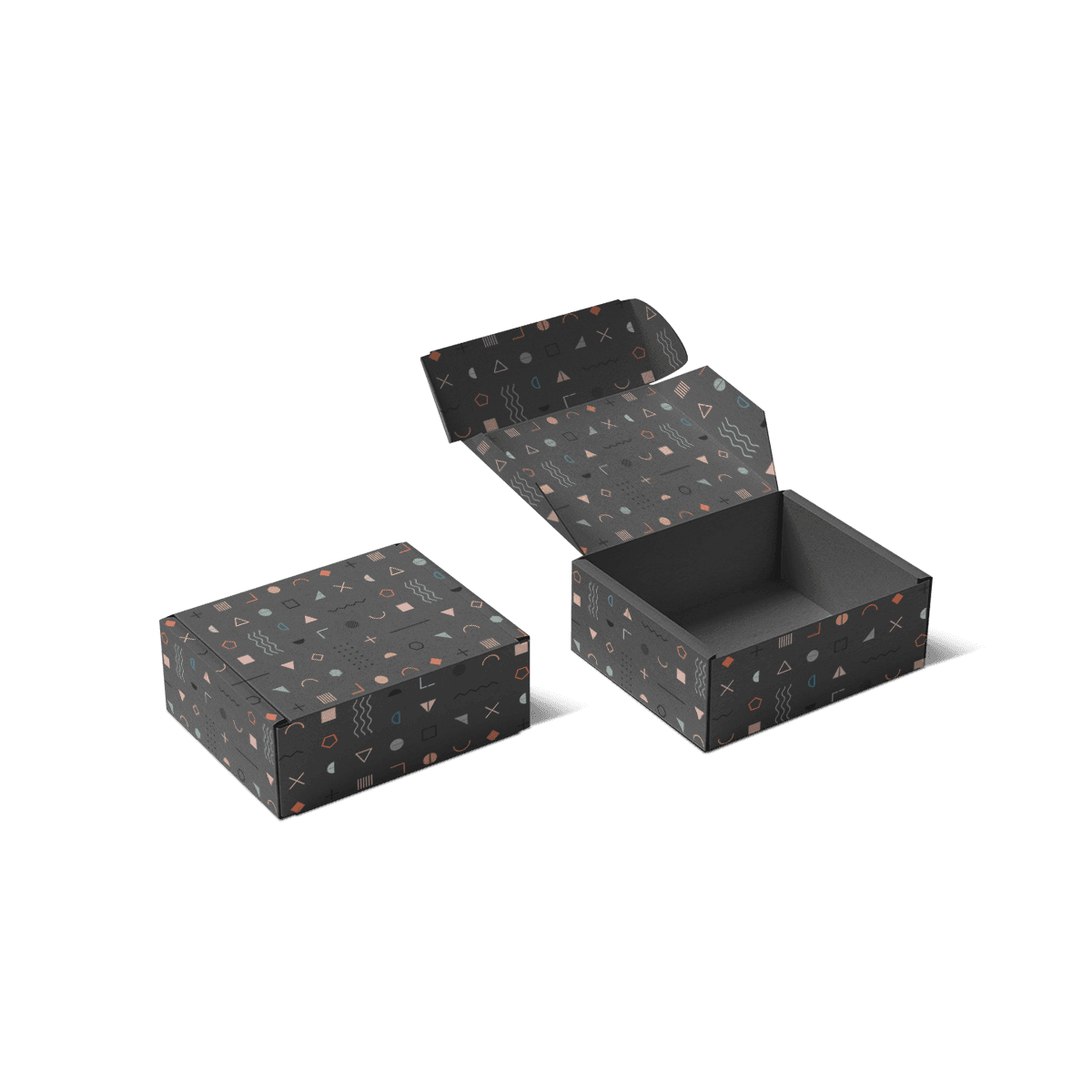
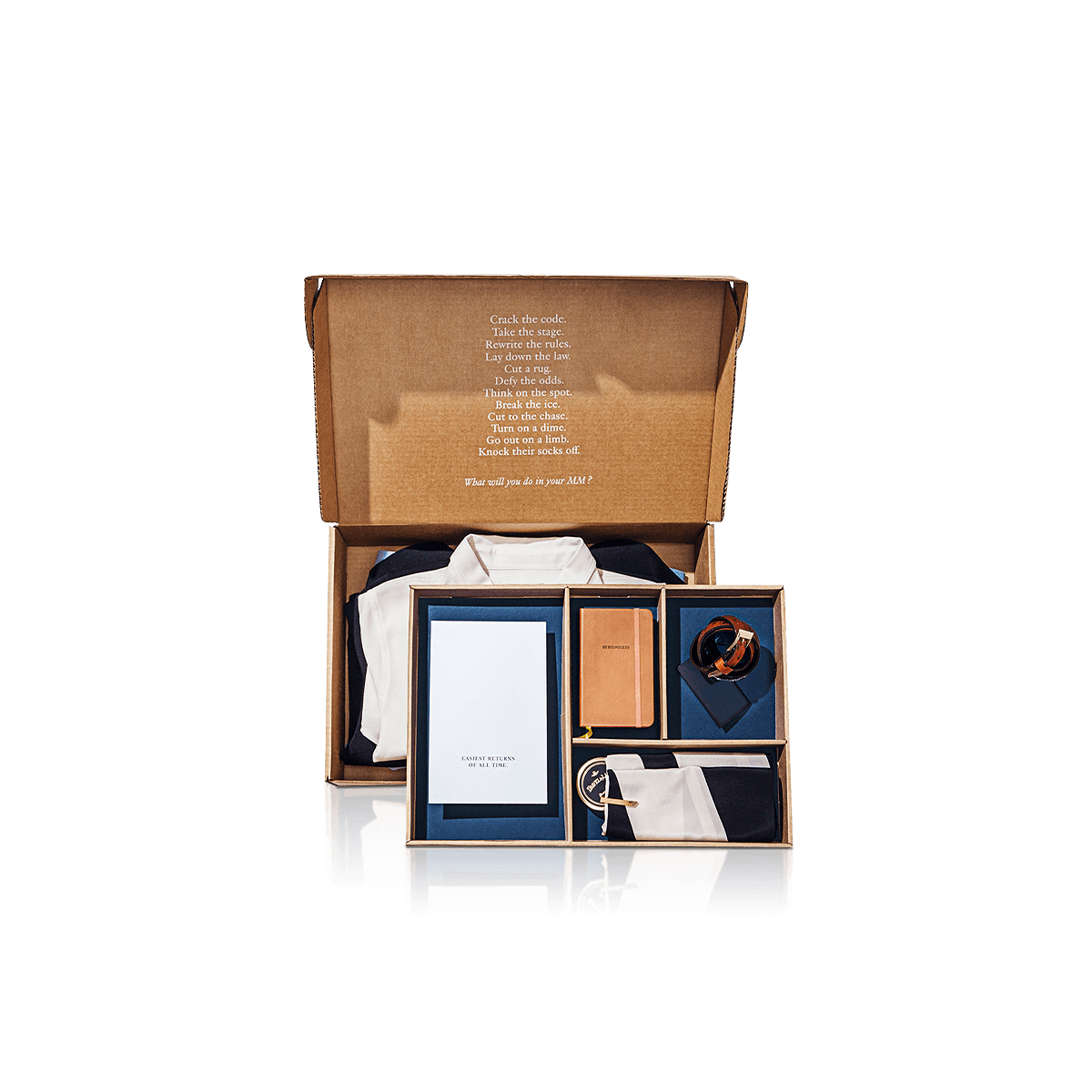
Custom Mailer Apparel Boxes make the most sense when the branded box itself will handle parcel shipping. Instead of putting a presentation carton inside another shipping carton, the garment is folded, packed and closed in one corrugated mailer that carries the order to the customer.

That changes the design priorities. The box needs enough structural strength for handling, but it also needs to open cleanly, keep the garment arranged and leave sensible space for a shipping label, tissue, return paperwork and small accessories.

The distinction matters because apparel boxes may be specified mainly for presentation, gifting or store handoff. A mailer apparel box has to carry the shipping job as well.

At the structural level, retail mailer boxes can use different locking, tuck and sealing methods. Apparel narrows those choices around soft products, changing order combinations and fulfillment speed.

A strong mailer therefore starts with the packed order rather than the visual design. The garment fold, total packed weight, depth, closure and parcel journey should make sense before artwork is spread across the panels.
Measure the Packed Order

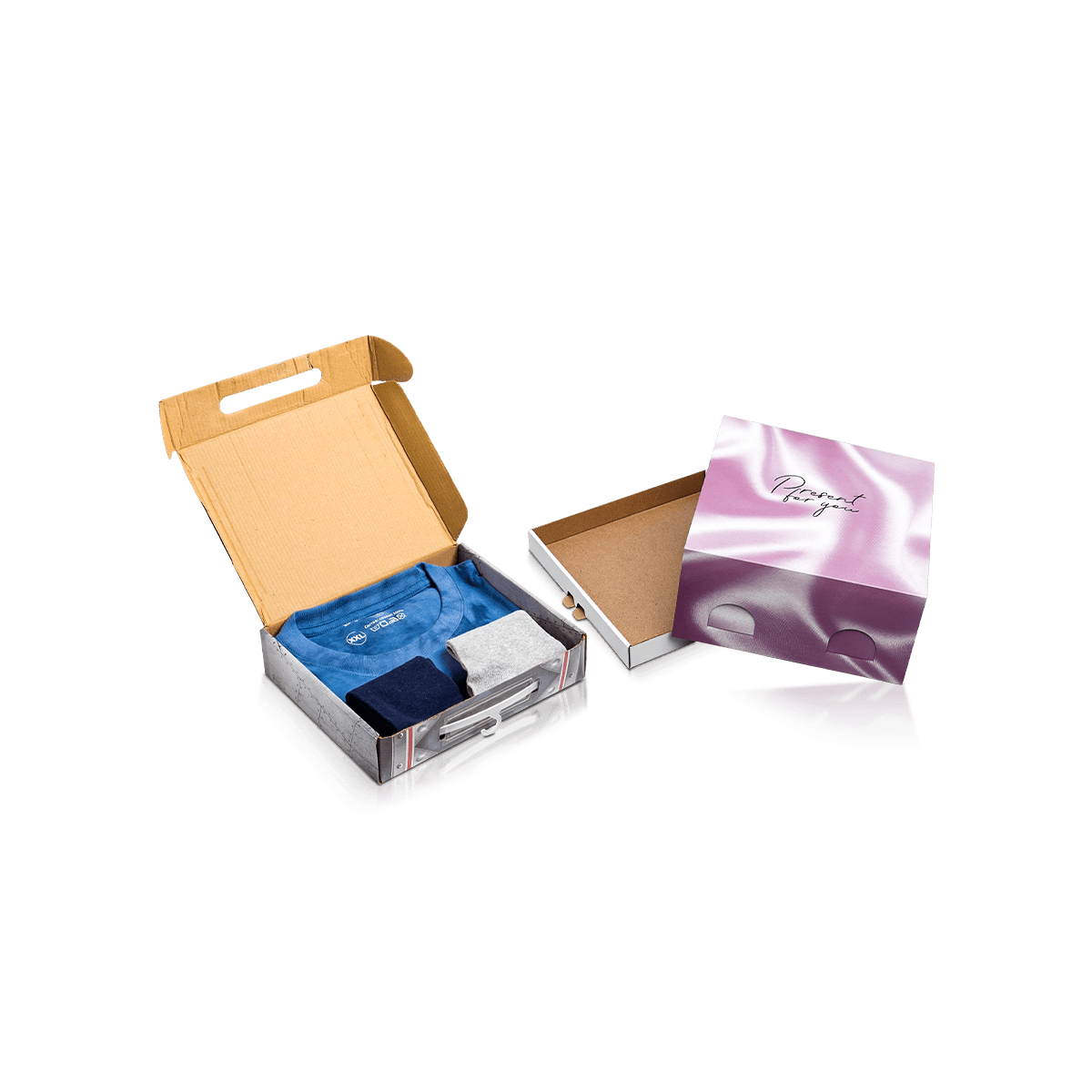
The dimensions of an unfolded shirt or hoodie do not tell you what the mailer needs to hold. Measure the garment after it has been folded as it will be packed, then include tissue, garment bands, cards and any accessories that stay inside the shipment.

The internal footprint should prevent unnecessary sliding without forcing fabric against the sidewalls. Depth needs similar discipline. Too much depth leaves the order floating in the box. Too little depth pushes upward on the lid and can interfere with the front closure.

Fold Pattern Changes the Footprint

A merchandising fold and a warehouse shipping fold may produce different dimensions. Decide which one the fulfillment team will actually repeat.

For a single folded tee, a shallow footprint may be enough. A tee plus sweatshirt, denim item or accessory can change both thickness and weight even when the outside garment sizes appear similar.

A program centered specifically on folded shirts and size identification can use T-shirt boxes when shipping is not the primary structural job.

Group Orders by Real Packout

Trying to make one mailer handle every apparel order can create a bad compromise. The smallest orders sit loose while larger orders strain the closure.

Instead, identify the combinations that occur most often. A brand might separate single-garment orders, standard multi-garment orders and genuinely bulky shipments rather than producing a different box for every SKU.

This is a fulfillment decision, not simply a sizing exercise. Fewer sensible box sizes can make storage and picking easier while still keeping common orders closely fitted.

Once the packed footprint, depth, quantity and closure direction are known, an instant custom packaging quote can price the specification.

Closure Geometry Carries the Load

A mailer closure does more than create the unboxing moment. It has to stay seated while clothing pushes against the top panel, the parcel is turned on its side and other packages press against it.

That is why an overfilled apparel mailer can fail at the front edge even when the corrugated board itself looks strong.

Front Tuck for a Controlled Close

Roll End Tuck-Front Mailers suit folded apparel when the box needs supportive sidewalls and a defined front closure.

The roll-end construction helps form the sidewalls while the front flap creates a clear opening edge. The garment stack still needs to sit below the working closure zone. Fabric or tissue pushing into that zone can make the tuck harder to seat properly.

Integrated Seals for Faster Packing

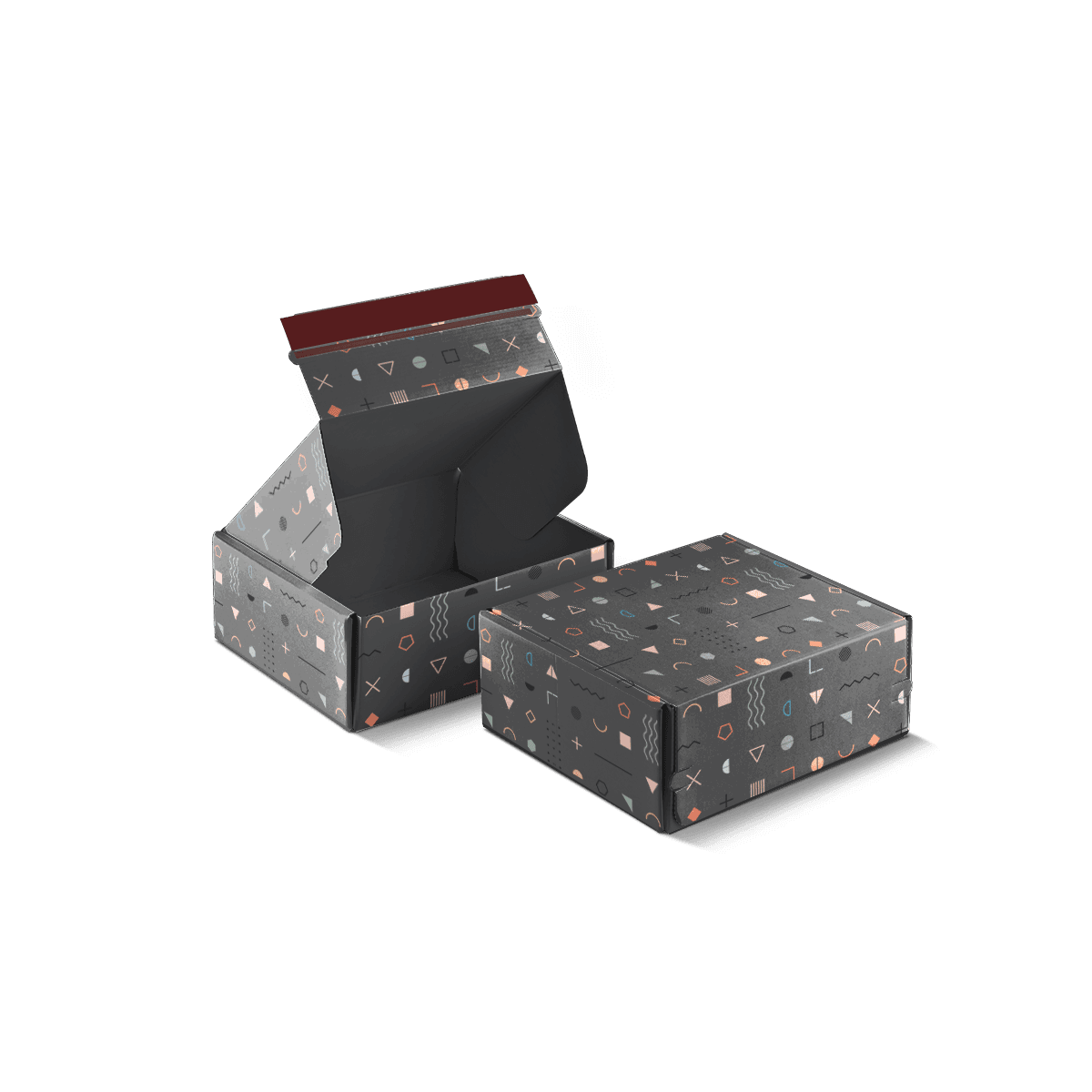
High-volume clothing fulfillment may justify self-sealing mailers when removing a separate taping step has real operational value.

That decision should come from the packing process. A brand shipping a few carefully prepared fashion orders may value a conventional tuck closure. A team closing large numbers of similar parcels may care more about a repeatable one-motion seal.

The closure should therefore be selected with an assembled, filled box in mind rather than from a flat dieline alone.

Corrugated Strength Starts With the Shipment

Most apparel is not fragile in the same way as glass, electronics or cosmetics, but the mailer still faces stacking, edge impacts, compression and repeated handling.

A clothing order also behaves differently from a rigid product. Fabric can compress under pressure and then push back against panels. A dense denim bundle can load a mailer differently from lightweight underwear or a single cotton tee.

E-flute is commonly considered for printed corrugated mailers because its relatively slim profile can balance structural support with a neater presentation surface. The exact board choice should still follow total packed weight, mailer dimensions, stacking conditions and the products shipped together.

Corrugated, paperboard, kraft and rigid stock behave differently, so packaging materials for custom boxes matter when a fashion team is deciding between a ship-ready mailer and a separate presentation box.

Adding thicker board without correcting a poor fit is rarely the first answer. An oversized mailer can still let clothing move. An overfilled mailer can still put pressure on the closure.

For mixed ecommerce shipments with heavier or harder products alongside clothing, shipping damage caused by structure and fit becomes a different problem from transporting soft garments alone.

The Packing Table Reveals Bad Design

A mailer can look excellent in a 3D rendering and still frustrate the fulfillment team. The real test is what happens repeatedly at the packing station.

The flat box has to assemble cleanly. Tissue should not obstruct the locking points. The garment should drop into its intended orientation without being pushed into corners. Paperwork needs a predictable position and the lid should close without an operator forcing it downward.

Pack Sequence Matters

For a basic clothing order, a repeatable sequence might be:

  • assemble the corrugated mailer
  • place tissue or the lower wrap
  • position the folded garment
  • add a garment band if used
  • place small accessories in a controlled area
  • add the return or care card
  • finish the tissue fold
  • close and secure the mailer
  • apply the carrier label to its planned zone

The purpose is not to add more packaging. It is to prevent every packer from inventing a different arrangement.

Brands managing store handoff and DTC fulfillment together can coordinate those systems under retail and apparel packaging while keeping parcel mailers optimized for the shipping operation.

Paperwork Should Not Float

Packing slips, return instructions, discount cards and care cards can disappear underneath folded garments if no position has been established.

A card can sit immediately above the garment, inside the lid or in another controlled paper-based position. Small hard accessories may need a shallow insert or separate compartment so they do not migrate across fabric in transit.

Soft clothing usually does not justify a complex protective insert by itself. Internal components should solve a real organizational problem.

Design the Shipping Face Before the Artwork

The outside of an apparel mailer is both brand space and working parcel space. Shipping labels, sorting equipment, scuffing and handling all compete with the artwork.

A design that looks balanced before a label is added may lose its focal point once a large carrier label covers the lid.

Reserve a deliberate label zone before finalizing the artwork. Keep important logos, typography and campaign elements away from creases, tuck points and areas likely to be covered during fulfillment.

Put the Strongest Reveal Inside

The exterior does not need every visual effect to create a memorable box.

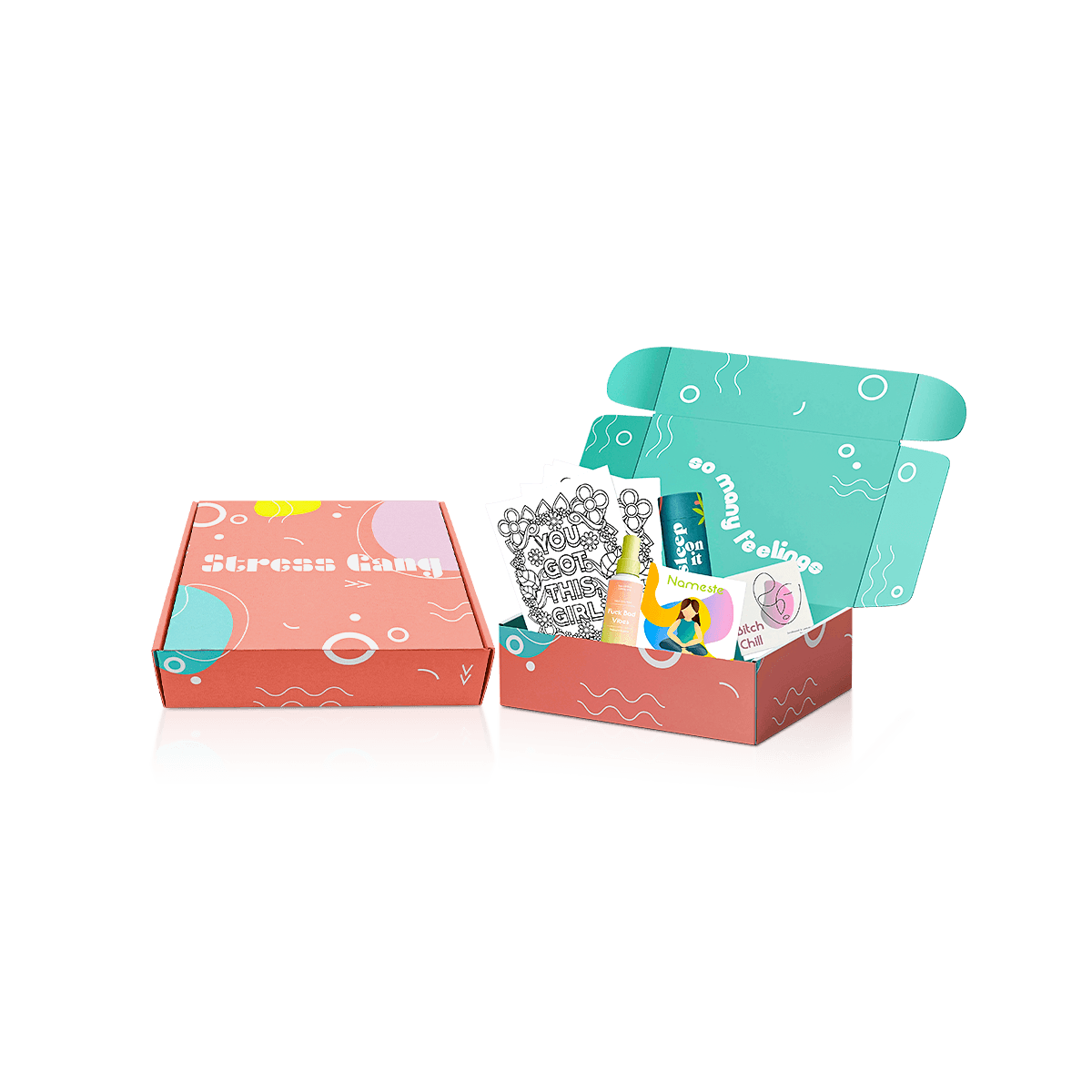
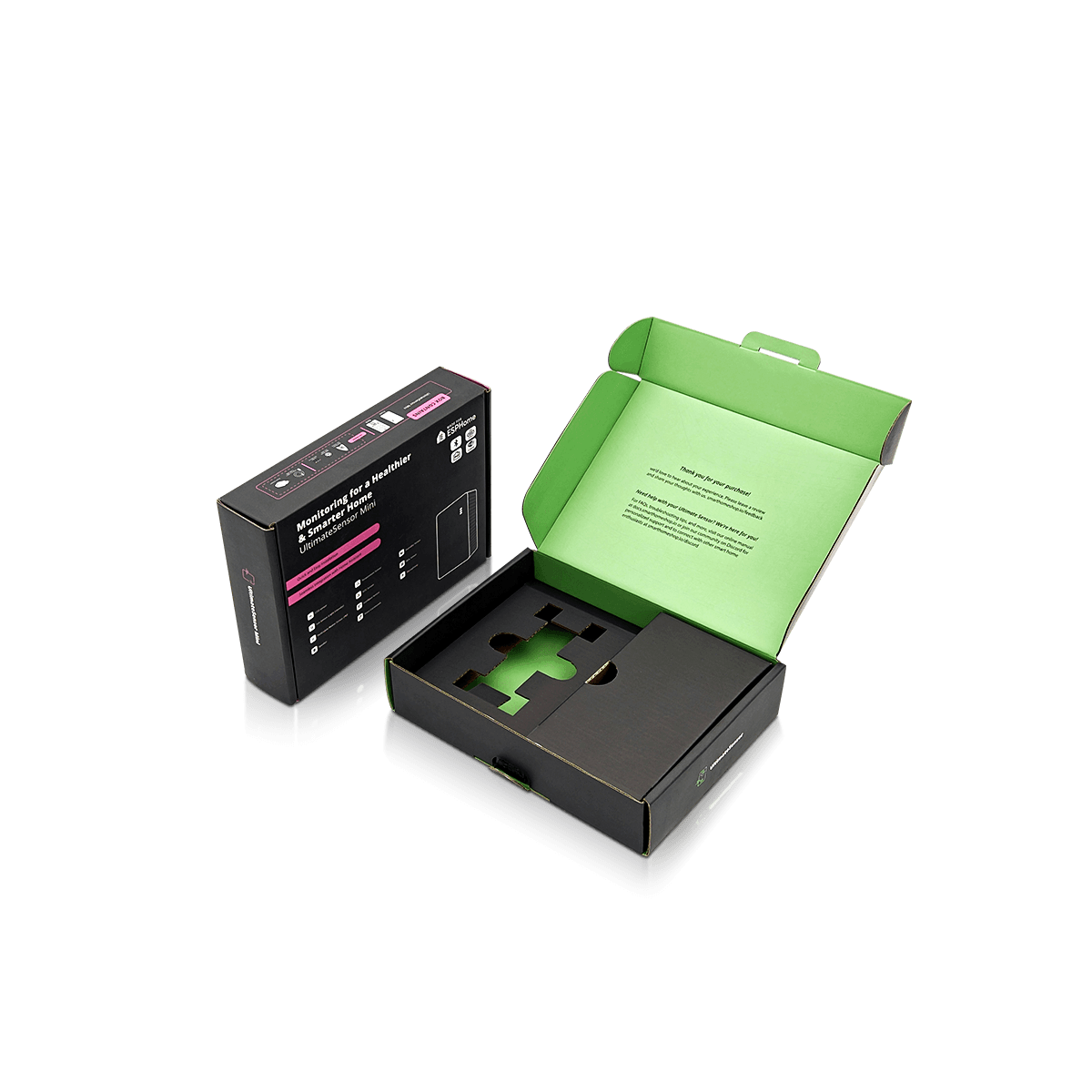
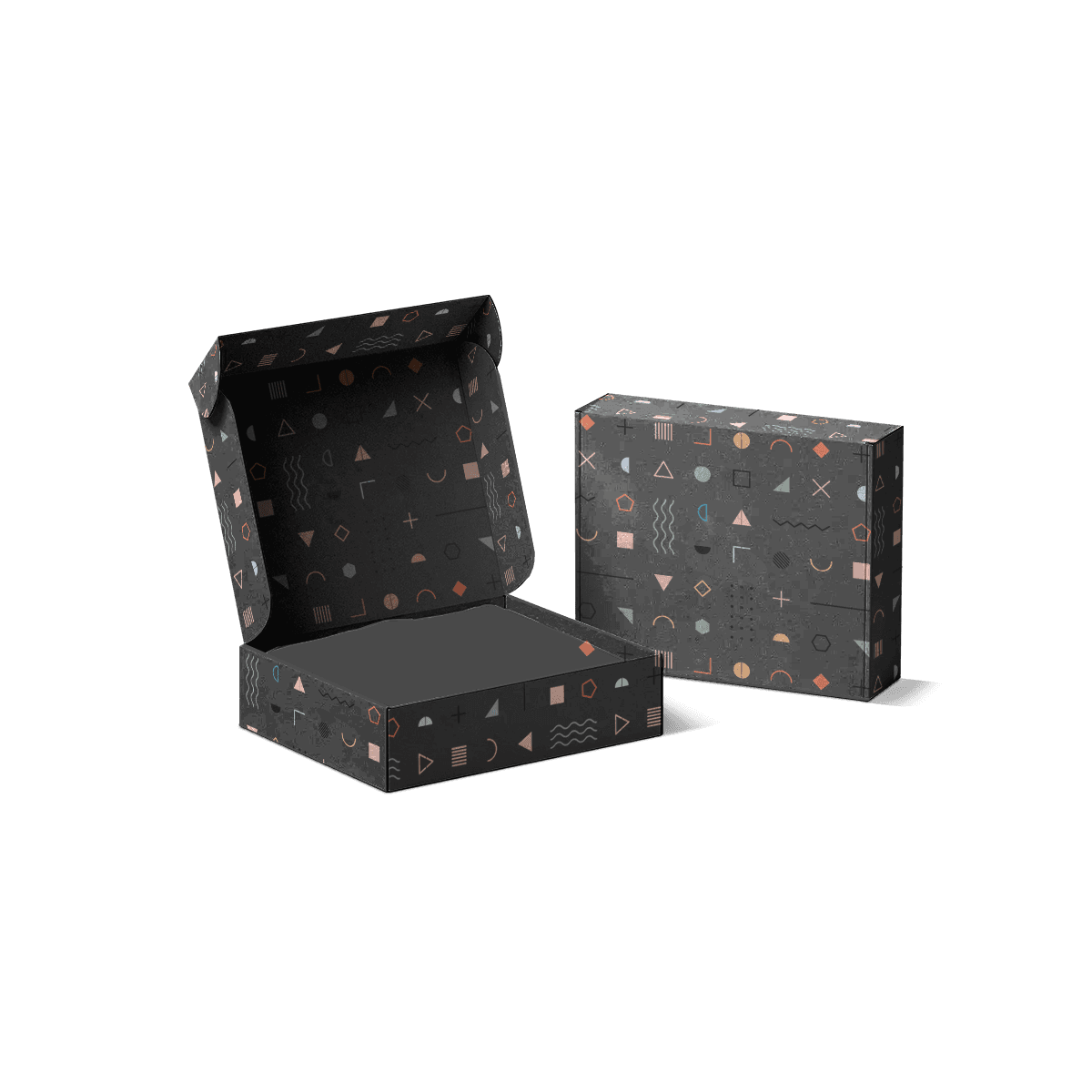
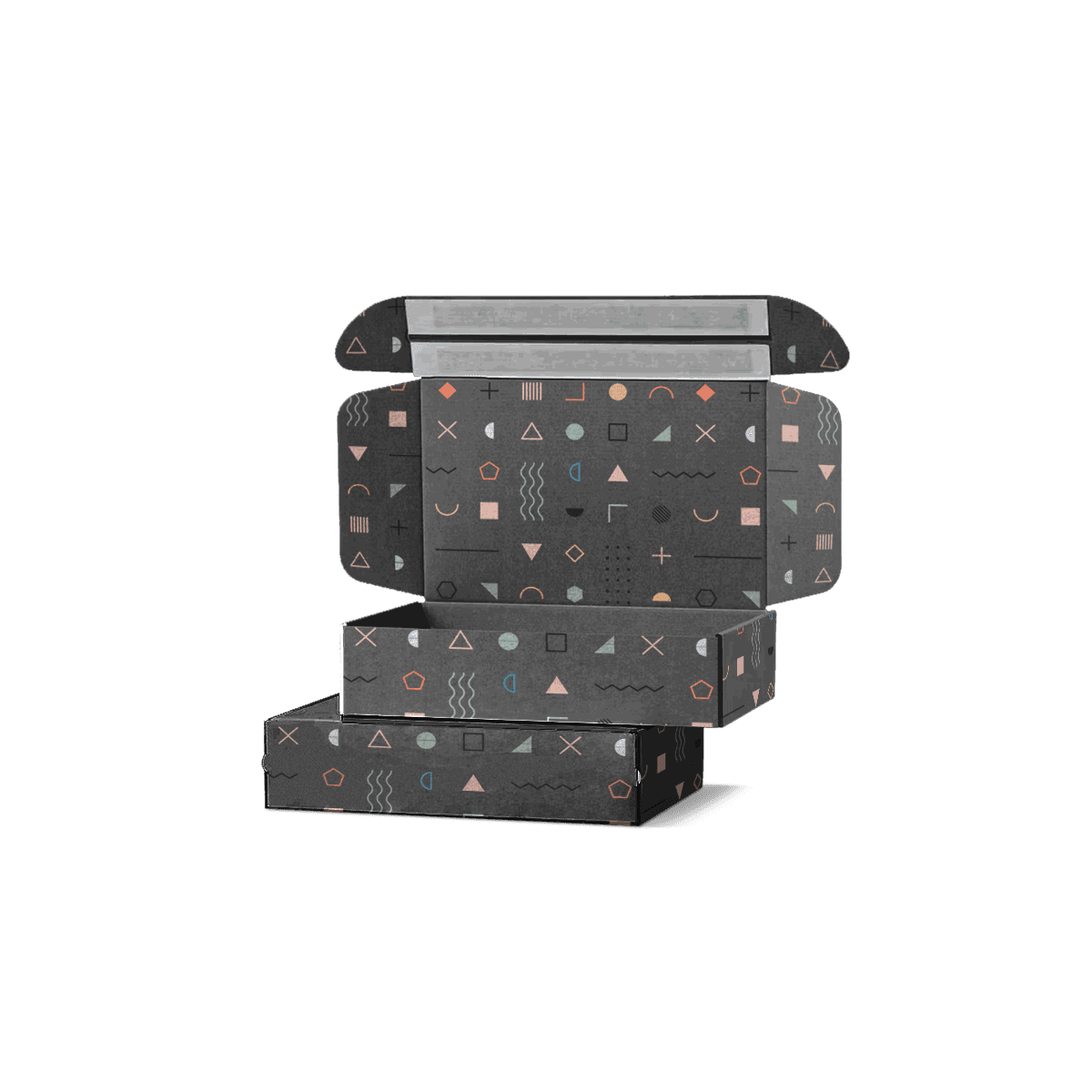
Interior print can carry higher-detail artwork, messaging or color in a cleaner environment because it is revealed after the parcel journey. The outside can use a simpler visual system that tolerates labels and normal transit wear.

Brands where print execution is the primary concern can develop the visual system further with custom printed boxes.

Premium offset printing can support controlled brand graphics across repeat runs. For logos or brand colors where matching matters, the choice between CMYK and Pantone printing should be settled before final artwork approval.

Finishes also need restraint on shipping packs. A finish that looks strong in a sample still has to make sense on an exterior exposed to parcel handling. The inside lid or protected interior panels can sometimes carry the more presentation-led treatment.

Returns Belong in the Structural Brief

If customers are expected to reuse the same box for returns, that requirement should be decided before production.

A standard tuck mailer may be capable of closing again, but the exact return experience depends on how the first shipment was secured. If an adhesive closure is destroyed when opened, the return shipment needs another defined sealing method rather than leaving the customer to improvise.

A return-ready concept may therefore require a second adhesive position, a reusable mechanical closure or an intentional tape area. The structural design should also avoid an opening method that tears away a critical panel if the box needs a second journey.

This decision is especially relevant to apparel because the returned garment should also fit the box after the customer has unfolded and handled it. The original factory-style fold may not be reproduced perfectly.

That does not mean the mailer should be deliberately oversized. It means the return process should be tested with a realistic refold rather than assuming the customer will recreate the original packout.

For online brands managing several parcel types, e-commerce retail packaging connects the clothing mailer to the rest of the fulfillment operation.

Overfilling Can Look Like a Closure Problem

Consider a clothing brand using one tuck-front mailer for its normal two-item orders. The standard pack closes cleanly with two folded tees, but fulfillment occasionally adds a heavy sweatshirt and promotional accessory.

Operators start pushing the lid down to seat the front tuck. Some parcels then receive extra tape because the closure no longer feels secure.

The first reaction might be to strengthen the front flap or move to heavier corrugated board. The actual issue is the packed order pushing into the closure geometry.

The correction begins by assembling the exact high-volume order and examining where the stack sits. If the sweatshirt combination is common, it may justify a second mailer depth or a different fold arrangement. If it is rare, that order may belong in another shipping size rather than changing the standard box for every customer.

The practical improvement is a closure that works without packers forcing it, taping around it or compressing the garment more than intended.

Know When a Mailer Is the Wrong Box

Mailer apparel boxes are strongest when the order is relatively flat, the products are not highly fragile and the same package is expected to carry both shipping and presentation.

They are less convincing when another requirement dominates.

A premium garment already packed in a decorative inner box may be better protected by an outer shipper rather than asking the presentation box to absorb courier wear. Heavy multi-item orders may need a stronger conventional shipping carton. Very lightweight garments with minimal presentation requirements may not need corrugated box construction at all.

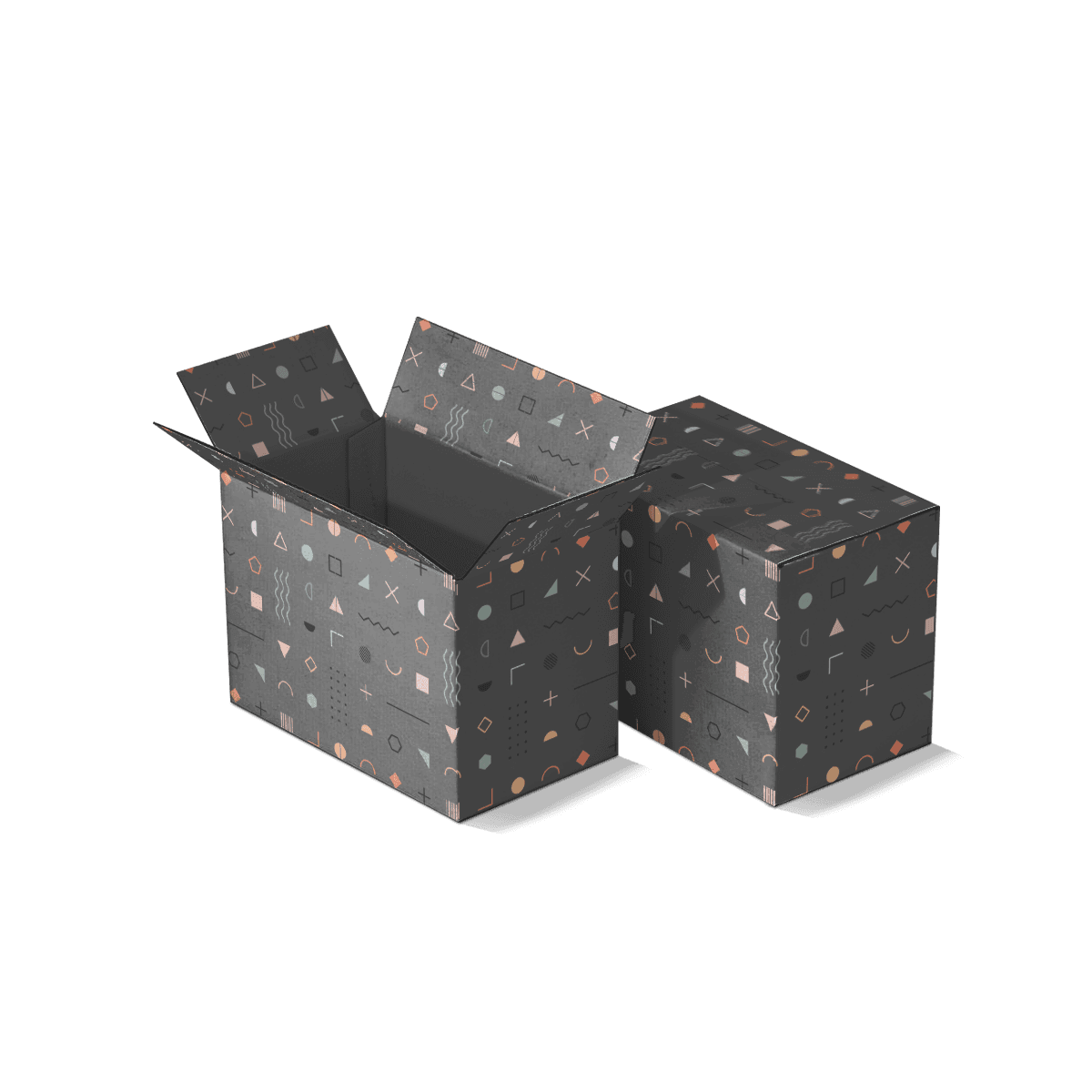
Mailer boxes, shipping boxes and folding cartons solve different combinations of transit protection, presentation and retail packing.

Recurring fashion memberships also create another distinction. Subscription Apparel Boxes should be considered when changing monthly assortments, tier logic and scheduled replenishment are the central problem. Mailer Apparel Boxes stay focused on the shipping pack itself.

That boundary prevents the box from being overloaded with requirements that belong to another packaging system.

Set the Packing Standard Before Production

A finished apparel mailer specification should tell the fulfillment team how the box is meant to work, not just how it is manufactured.

Record the approved box dimensions, corrugated specification, garment orientation, normal pack class, tissue placement, accessory position, paperwork location, closure method and shipping-label zone. If the same structure carries several artwork versions, identify those separately rather than changing the physical specification unnecessarily.

For larger apparel programs, warehousing and scheduled deliveries can keep flat-packed mailer inventory moving to the fulfillment operation in planned quantities instead of requiring the full production run to arrive at once.

The final check is simple: pack a real order the way staff will pack it, close it without forcing the panels, place the shipping label where it will actually sit and open it the way the customer will. If those actions feel controlled, the mailer is doing its job before the artwork has to impress anyone.

FAQs

Folded T-shirts polos lightweight knits scarves sleepwear sets and smaller apparel bundles are strong fits because they pack flat and do not require deep rigid walls.

Mailer Apparel Boxes are usually the better choice for DTC shipments because they combine presentation and delivery in one structure. Folding Apparel Boxes work better when the main job is shelf presentation or lighter in-store packing.

Very little. A close product fit works best because too much open space allows shifting, increases filler use and makes the order look less intentional when opened.

No. When the board grade and dimensions are chosen correctly, corrugated mailers stay efficient while giving noticeably better edge protection than lighter cartons.

Most brands place the strongest graphics on the outer lid and interior panels, then use coatings or simpler outside coverage where scuff resistance matters more than dense artwork.

Process

How it works

Your Packaging Journey, From Idea to Production and Delivery

01

Tell Us Your Specs

Custom packaging boxes

Tell Us Your Specs

Provide size, quantity, printing, and finishes.

02

Get a Fast Quote

Custom packaging boxes

Get a Fast Quote

Instant transparent pricing, no hidden fees.

03

Design and Approval

Custom packaging boxes

Design and Approval

Artwork checks, revisions, and final sign-off.

04

Produce

Custom packaging boxes

Produce

Expert manufacturing to meet deadlines.

05

Ship to Your Door

Custom packaging boxes

Ship to Your Door

Hassle-free, flexible delivery options.

Get Your Quote for Custom Mailer Apparel Boxes

Share your product details, size, quantity and artwork needs. We’ll help choose the right packaging style and send a clear quote.