Skip to content
Details

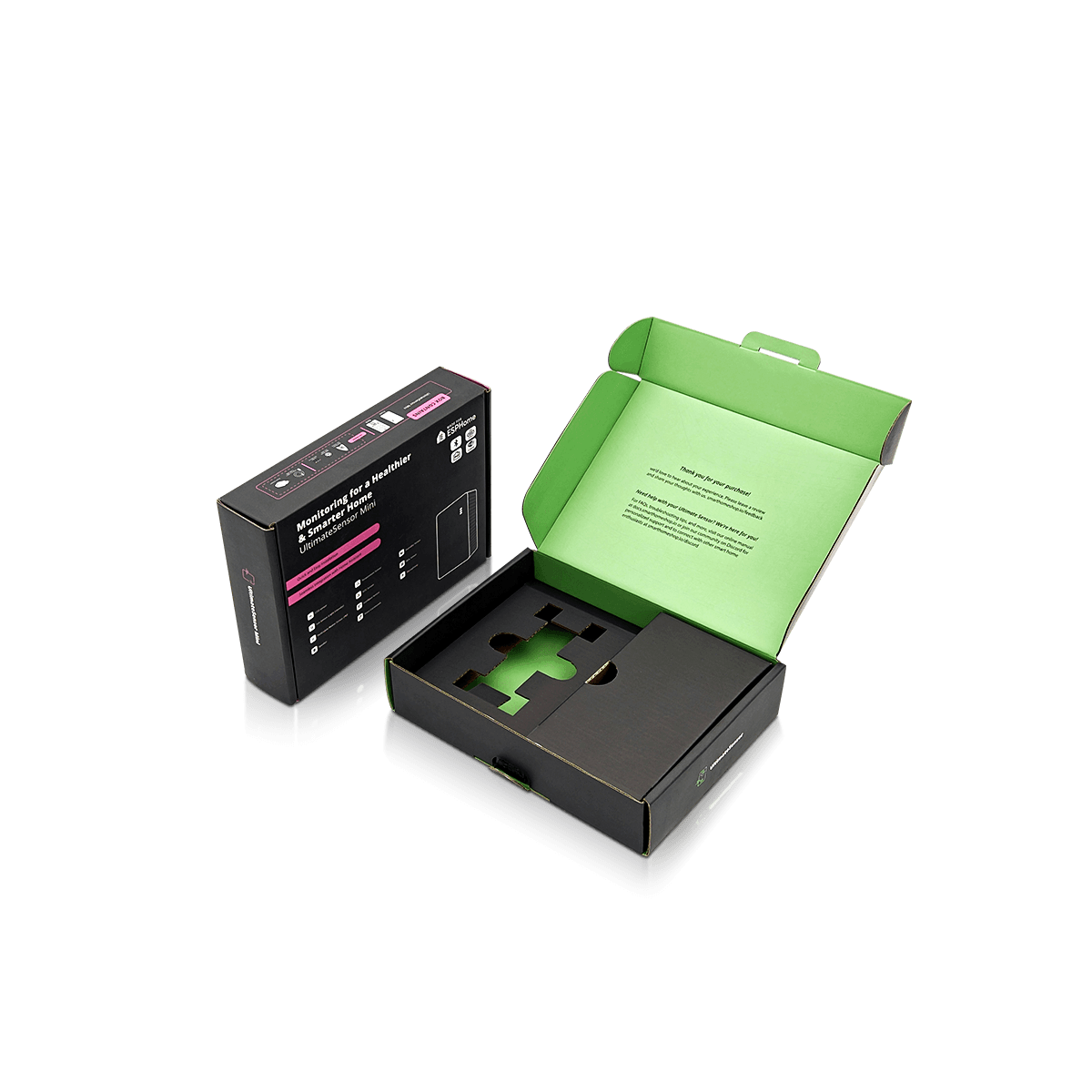
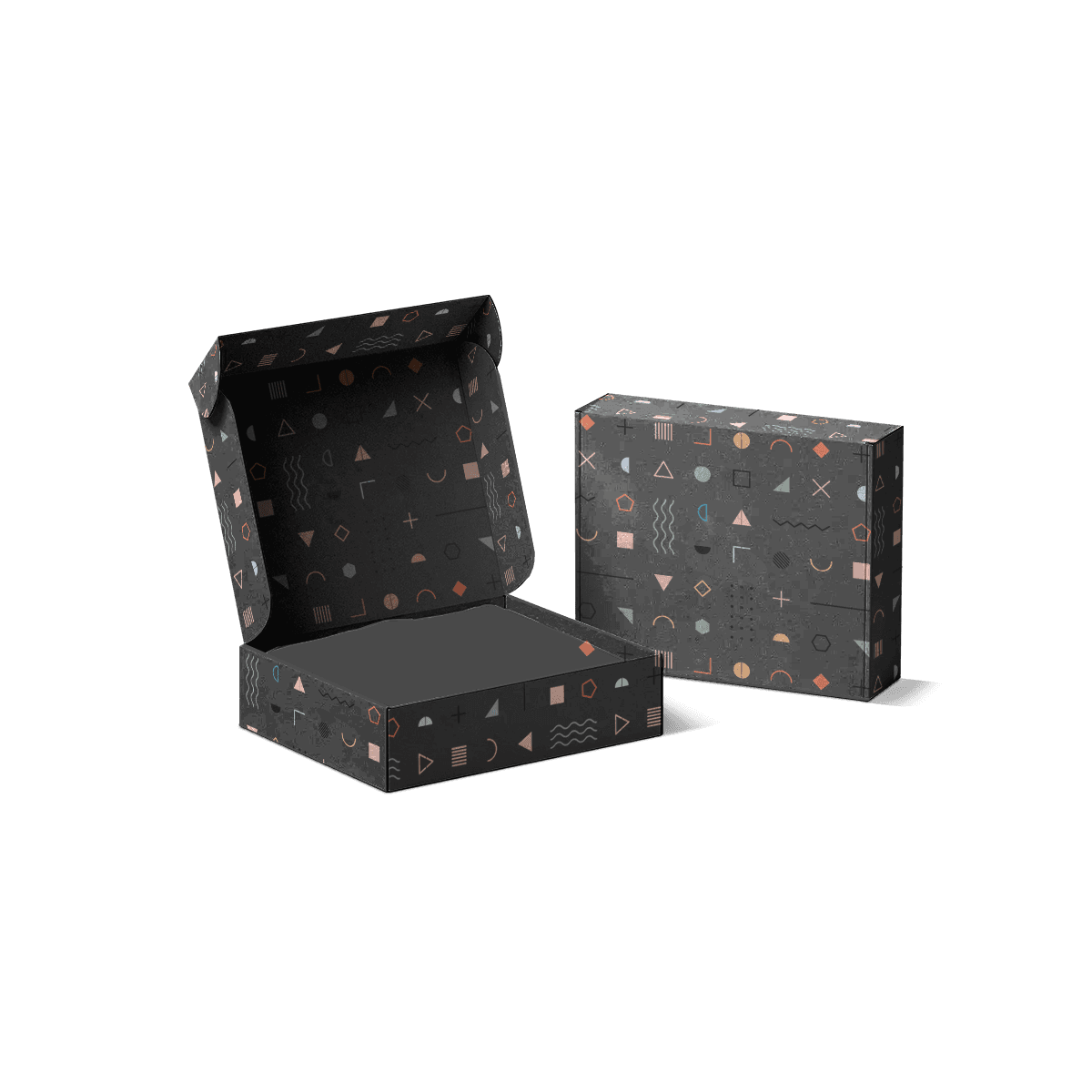
Custom Roll End Tuck-Front Mailers

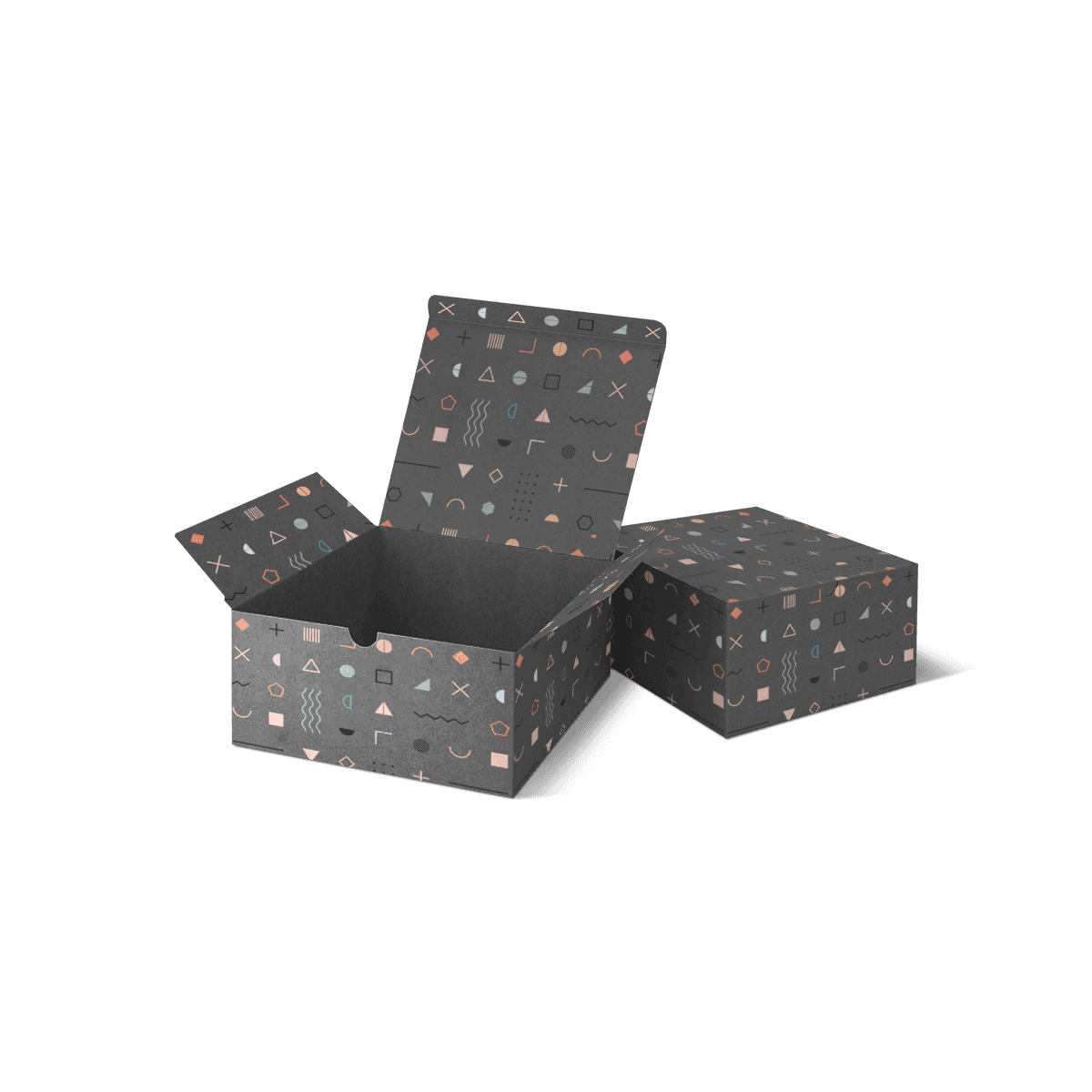
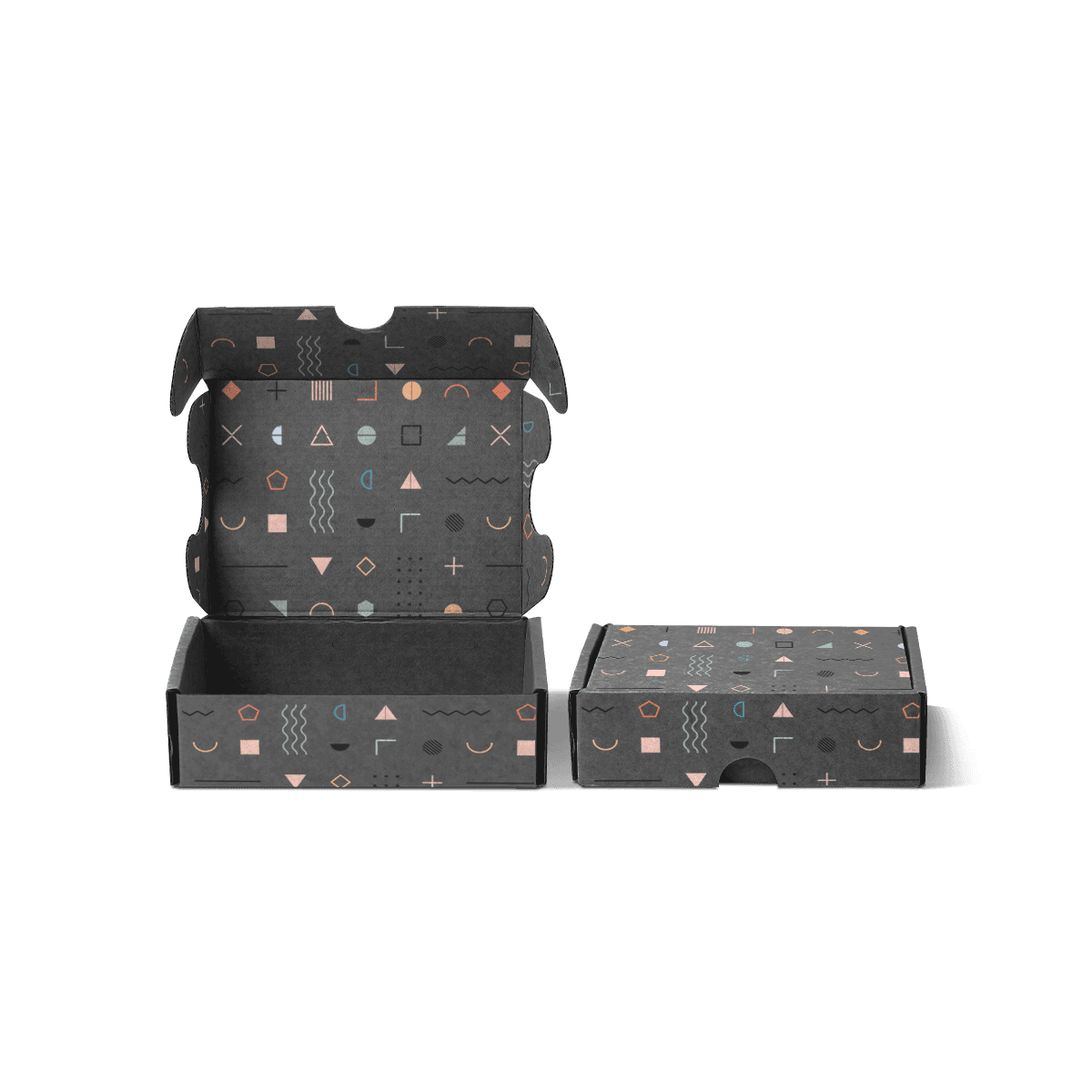
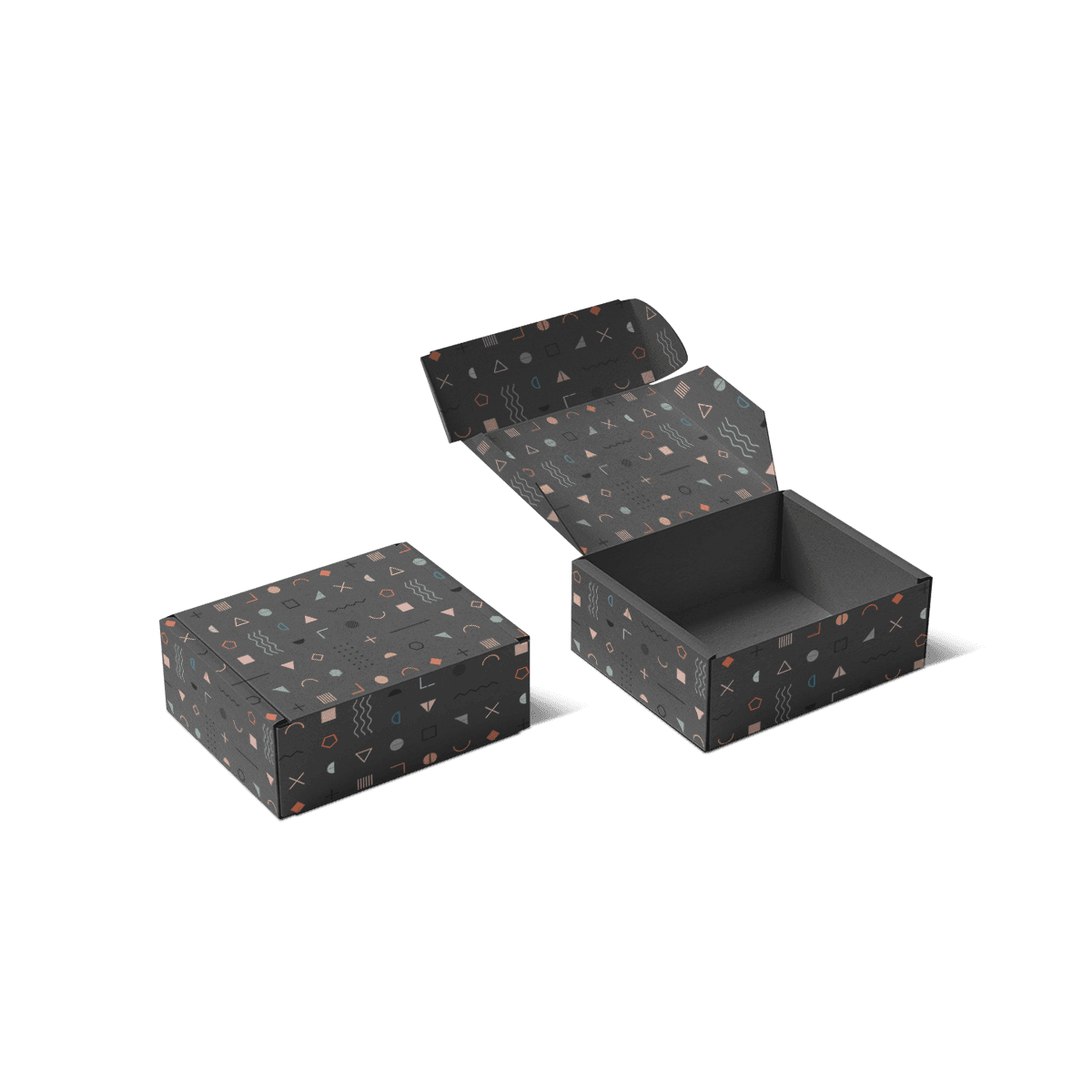
Rolled side walls and a front tuck create a D2C mailer for clean closure, repeatable hand assembly and organized product presentation.

Front Tuck Needs a Clean Landing

The front tuck is only secure when the lid reaches the receiving edge without being forced. If the box is overfilled, the side walls are not fully seated or the tuck geometry is too tight for the board, the lid can bow and the front edge may spring back instead of closing cleanly.

Custom Roll End Tuck-Front Mailers combine a hinged lid with rolled side construction and a front tuck closure. They arrive flat and are formed at the packing station, which makes the relationship among crease position, board thickness, side-wall assembly and lid reach more important than it looks on a flat dieline.

Within custom mailer boxes, RETF works best when a direct-to-customer order needs more side support than a basic folded carton while keeping a one-piece corrugated structure and a deliberate front close.

Lid Reach Follows Packed Height

The lid has to travel over the packed contents before the tuck can seat. An insert, folded garment, booklet or accessory sitting too high can change the closing angle even when the internal length and width are correct.

Check the tallest packed point, not just the product dimensions. Tissue, product cards and soft goods can add unexpected height once the order is assembled.

Front Pressure Is a Warning

If packers have to press down hard while tucking the lid, something upstream needs attention. The box may be too shallow, the insert may sit too high or the side walls may not be fully formed.

The tuck should secure a box that is already sitting square. It should not be used to pull an overloaded mailer into shape.
Rolled Sides Set the Box Square

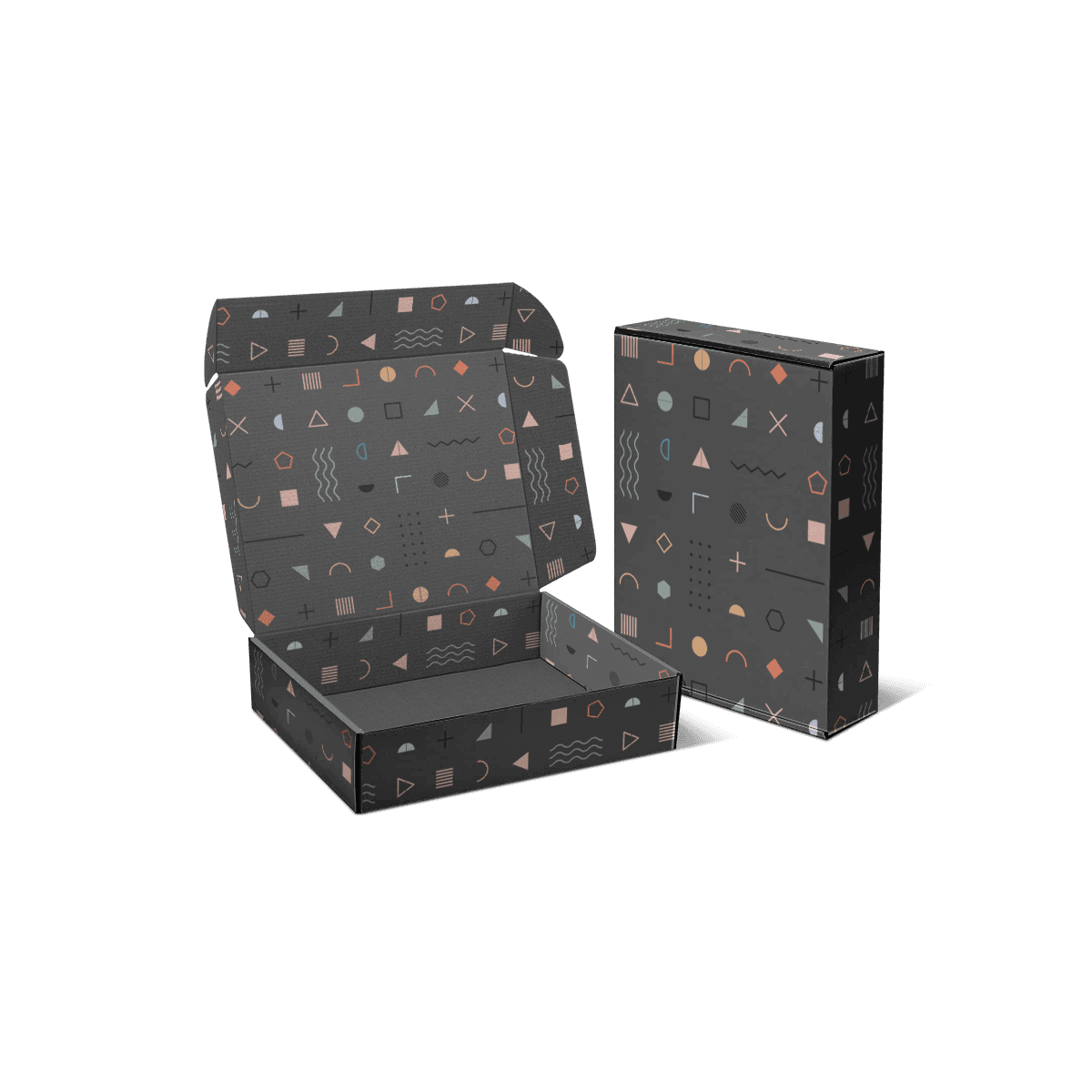
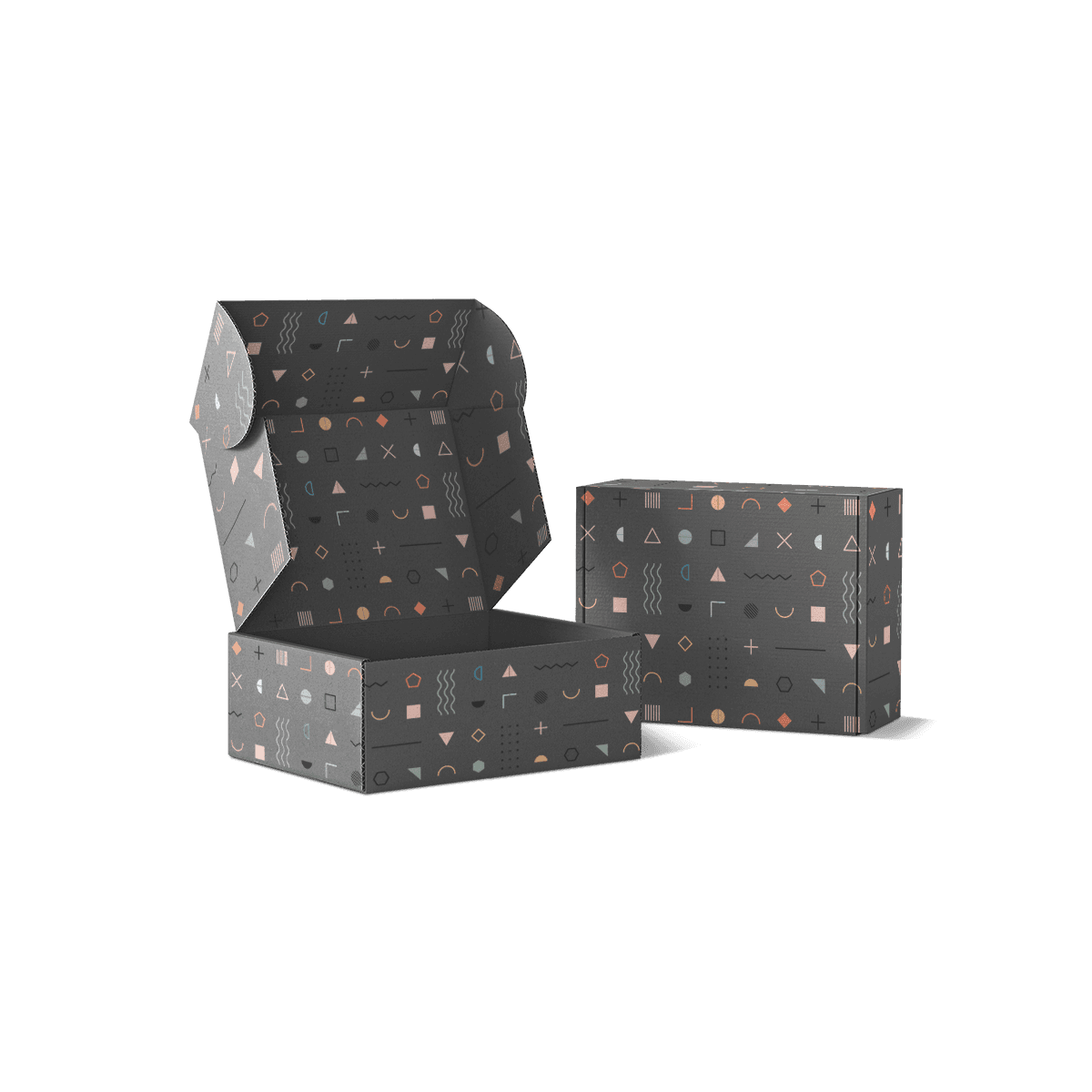
The roll-end side panels do more than thicken the walls. They establish the shape the lid has to close over.

Each side needs to fold along the intended creases and seat consistently against the base. If one side remains partly open or rolls differently from the other, the front wall can shift enough to make the lid look crooked or the tuck feel tighter on one corner.

Assembly Sequence Matters

For manual packout, use one repeatable fold sequence. Pre-break the major creases, form the side walls fully and confirm the front panel is square before loading the product.

That sequence matters most when the box uses firmer corrugated board. Trying to form all folds at once can make an operator fight board memory instead of letting each crease do its job.

A free 3D mockup can confirm proportions and panel relationships before production, while a physical custom sample is more useful when actual board stiffness and folding behavior need to be checked.

Flute Changes the Fold Geometry

A dieline drawn for one corrugated construction should not be treated as interchangeable with a noticeably different flute or board caliper.

Thicker material changes the amount of board that has to travel around roll-end folds and affects how neatly tabs and tuck panels meet. The finished dimensions may be the same, but the fold allowances cannot simply be ignored.

The Dieline Generator gives the project a structure-specific starting point, while Custom Packly can refine the production dieline around the selected corrugated board and finished dimensions.

E-Flute Favors a Slimmer Profile

E-flute is often useful when a printed ecommerce mailer needs a relatively slim corrugated profile and a smoother surface for graphics.

A heavier corrugated construction may make more sense when packed weight, impact exposure or box dimensions create a higher protection requirement. The differences among corrugated and other packaging materials help clarify why material choice should follow the shipping job rather than appearance alone.

More flute is not automatically better. A bulkier board can increase folded thickness and change the behavior of the front tuck, side rolls and finished parcel profile.

Depth Changes Shipping and Closing

Mailer depth affects more than how much product fits inside. It changes lid travel, side-wall height, board use and the amount of empty volume moving through the carrier network.

An oversized RETF can make a small product look lost, require more filler and increase dimensional volume. A shallow box can be just as problematic if the contents push upward and make the lid fight the front tuck.

The practical target is enough depth for the packed arrangement plus realistic loading clearance.

The principles behind reducing shipping damage through better structure and fit apply directly here: control movement first instead of using extra space as a substitute for internal planning.

Soft Products Still Need a Defined Height

Folded apparel, fabric accessories and tissue can compress, but that does not mean depth can be guessed.

A packing team may fold one sweatshirt more loosely than another or use different amounts of tissue. Define the fold and packing method so the closed height stays consistent across orders.

That is especially useful for mailer apparel boxes, where a soft product can still create an inconsistent parcel if the folding standard changes.

Inserts Need Space for the Folds

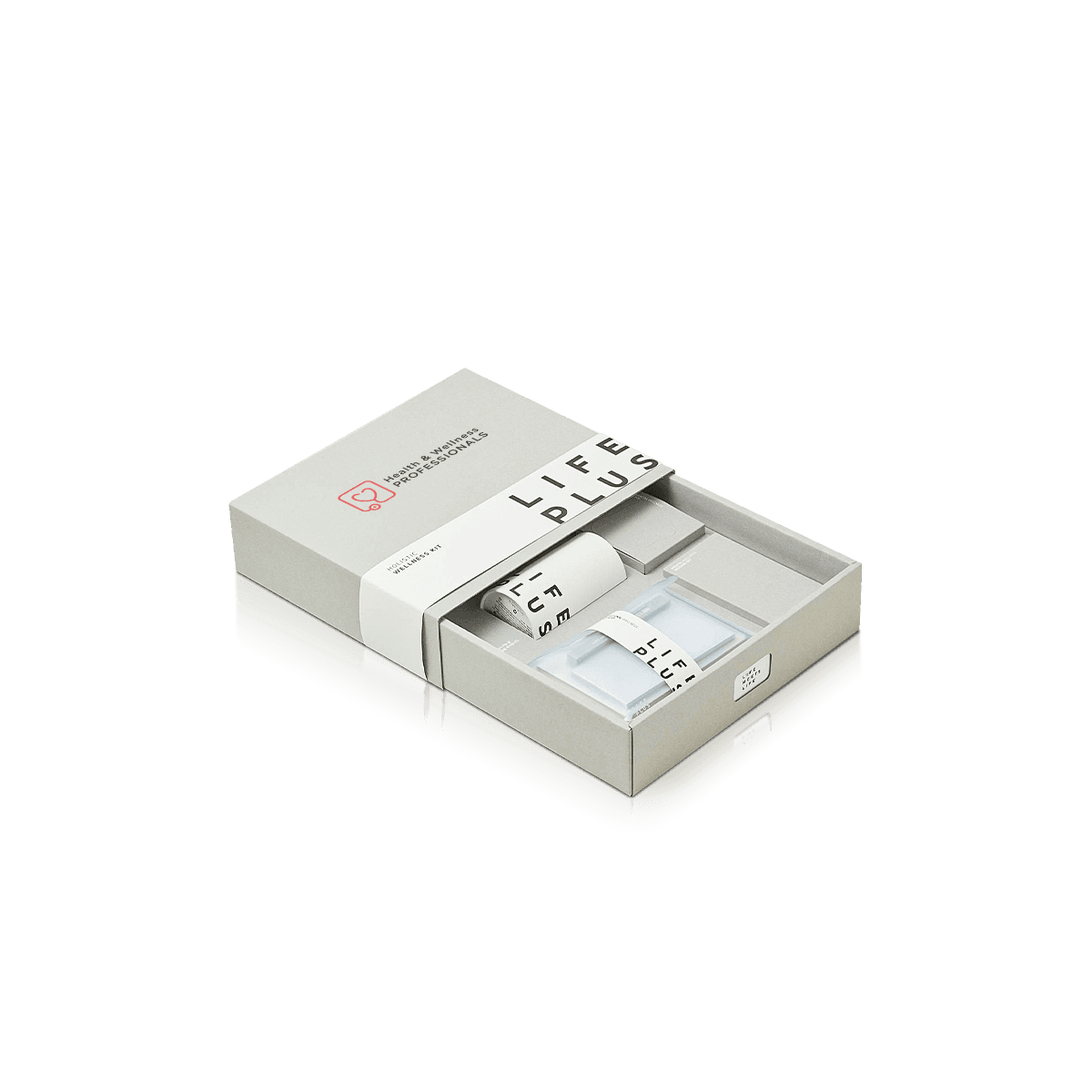
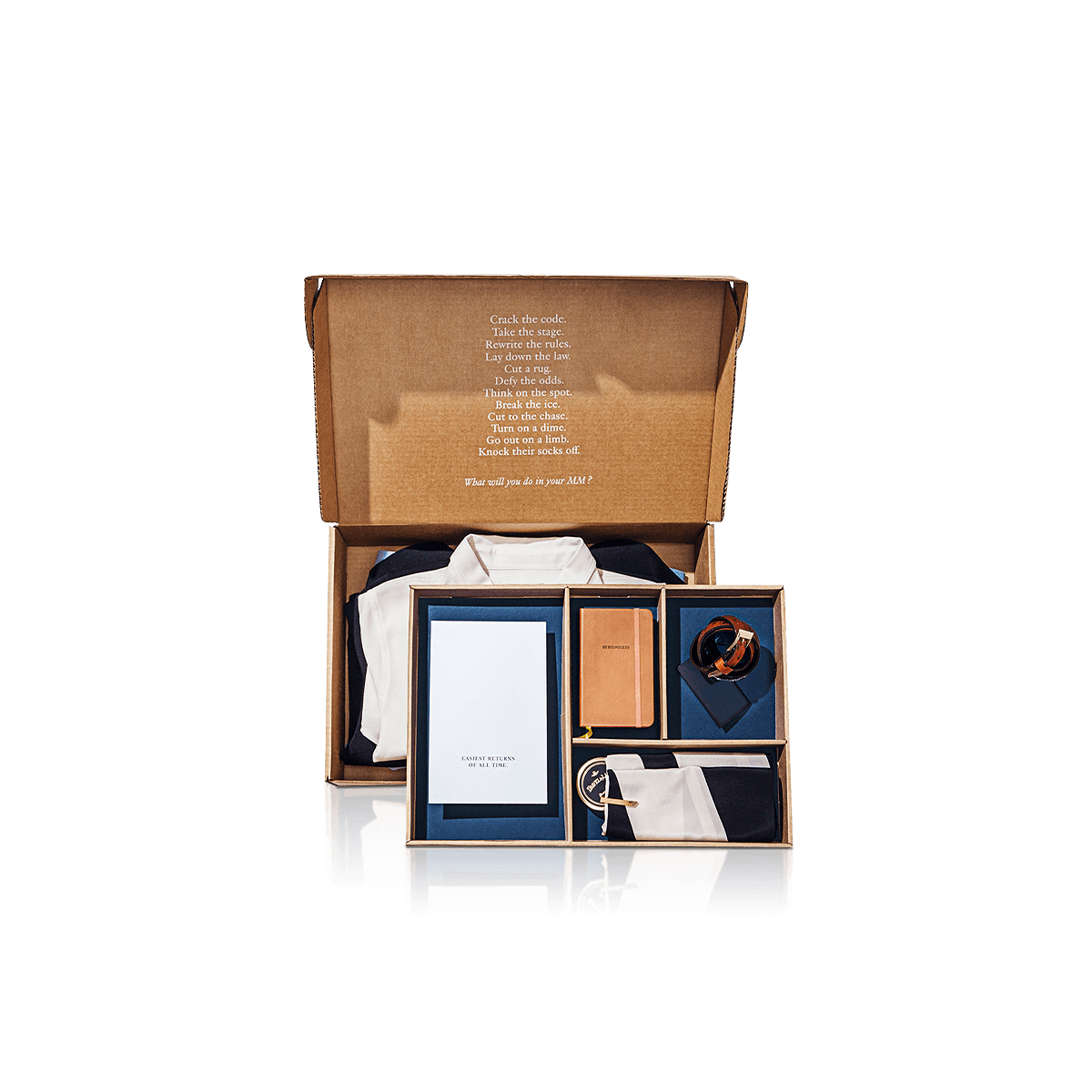
An insert can organize a subscription kit, device bundle, wellness set or launch pack, but it cannot occupy the space the side walls and front tuck need to form.

Keep insert edges clear of rolled side structures. At the front, leave enough room for the tuck to travel without catching an insert lip, product card or divider.

When product restraint drives the entire box, custom product packaging can start with weight, fragility and component layout rather than forcing a generic insert into a finished mailer size.

Restrain Weight Away From the Front Edge

A heavy item sliding repeatedly into the front wall can stress the closure area and make the unboxing feel uncontrolled.

Use an insert, divider or right-sized cavity to hold denser components away from the front tuck. Lighter cards, samples or booklets can then occupy surrounding space without becoming structural blockers.

The goal is not to make every item immovable. It is to stop the contents from shifting far enough to affect the closure or damage one another.

Assembly Time Is Part of Unit Cost

A mailer can be inexpensive to buy and expensive to pack.

RETF assembly includes forming the roll-end walls, loading the order and completing the front close. Inserts, tissue, cards and decorative steps can add more labor than the box itself. A few seconds may not matter at 200 orders but can become a major operational cost when the same sequence is repeated thousands of times.

Custom Packly's recent work on packaging that stops scaling efficiently shows why this matters: multi-piece inserts, wrapping and decorative steps can turn a visually simple RETF into a slow fulfillment process. Time the complete packing sequence before repeat volume makes small inefficiencies expensive.

That is the reason to time the complete packout before scaling, not just admire the finished sample.

Integrated Adhesive Solves a Different Problem

If closing speed is the dominant issue, self-sealing mailers deserve consideration because their integrated adhesive removes a separate sealing step.

RETF earns its place when rolled-side structure and front-tuck presentation are doing useful work. If those benefits are secondary and throughput is the real constraint, a faster closure may be more valuable.

Print the Opening Sequence

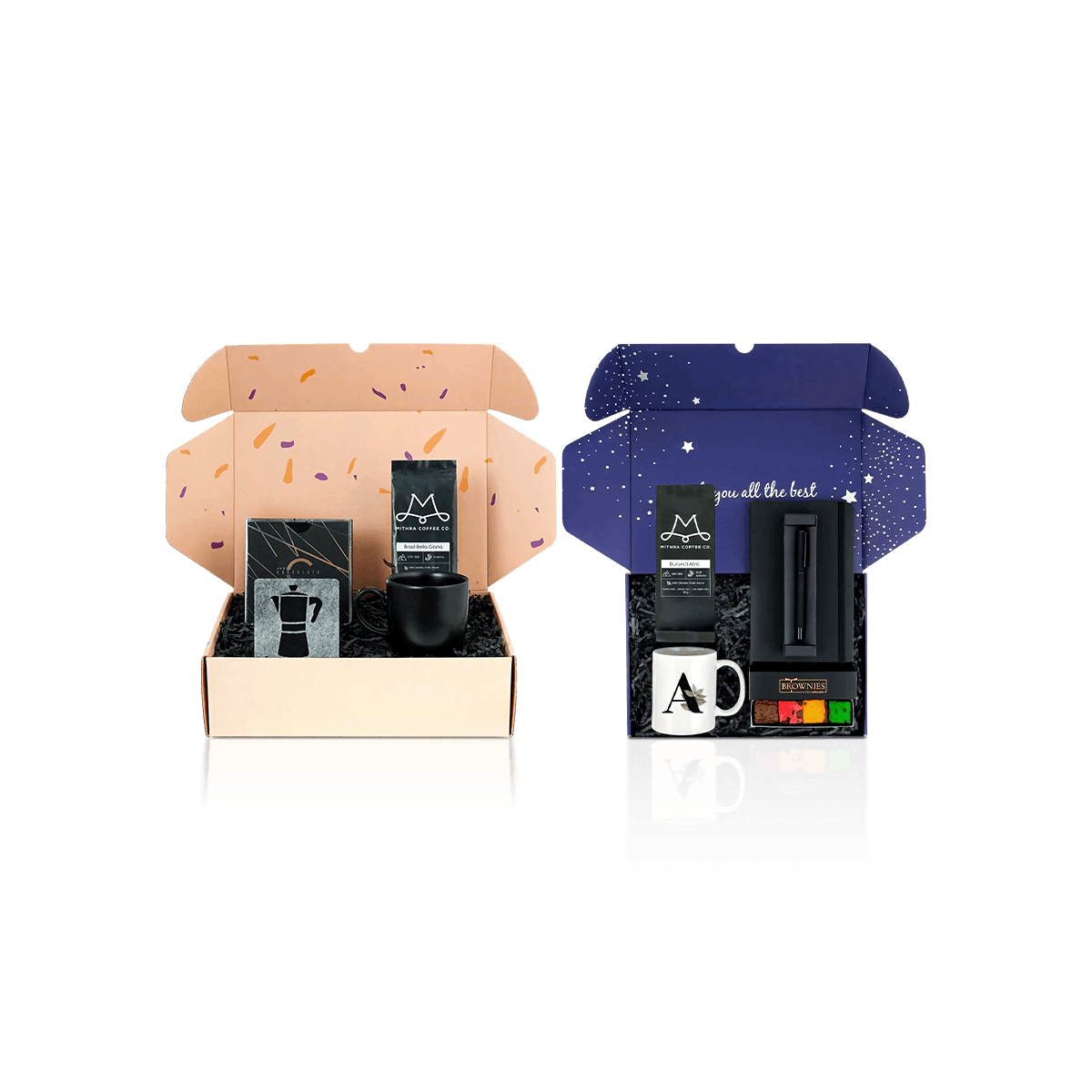
The outside lid is visible during delivery, but the inside lid becomes the dominant panel when the customer opens an RETF mailer.

That makes inside print useful for instructions, launch messaging, QR codes, reorder prompts or a restrained brand statement. The base can remain visually quieter so the product layout stays easy to read.

Premium offset printing can support detailed graphics and repeat color consistency, while the exact print method should follow quantity, board surface and artwork requirements.

Keep Critical Detail Off Working Folds

Roll-end creases, front-tuck folds and high-rub corners are poor places for tiny type or precision finishing.

Place critical messaging on stable lid and base panels. If foil, spot UV or embossing is used, keep the effect focused rather than pushing fine registration into areas that flex repeatedly.

For orders where visual branding is the main priority rather than the closure mechanics, printed branded mailers carry that decision more directly.

Nearby Mailers Solve Different Friction

Several mailer structures can hold the same product. The difference is what problem the closure and side construction are meant to remove.

Tab-Locking Mailers put more emphasis on locking mechanics at the close. Roll-End Mailer Boxes focus on rolled side support rather than one specific front-tuck behavior.

Tuck-Top Mailer Boxes suit buyers who want a straightforward lid close without making RETF geometry the defining feature.

If the shipment is flat and document-heavy, literature mailers can control shallow printed contents with less unnecessary depth.

The distinction matters because RETF should not be selected merely because it is a familiar ecommerce box. The front tuck and rolled sides should solve a real packing or presentation need.

One Loose Side Can Spoil the Close

Consider a subscription pack with sachets, a booklet and one boxed accessory. The dimensions are correct and the product fits well, but some finished mailers show a front tuck that sits slightly higher on the left.

The inconsistency appears only on certain packing shifts.

The problem is not the tuck length. One rolled side wall is occasionally being left partially seated before the product is loaded. That shifts the front panel a few millimeters and changes the lid's landing position.

The practical correction is to change the assembly sequence: pre-break both side folds, fully lock the roll-end walls, square the front edge and only then load the contents. A simple packing reference can make that sequence consistent across operators.

If the side wall still resists seating after the process is corrected, then board caliper, crease geometry or dieline tolerances deserve review.

Cost Depends on More Than the Blank

Box dimensions, flute, print coverage, inside print, inserts, finishes and quantity all affect RETF pricing. But fulfillment labor and shipping volume can matter just as much after the boxes arrive.

A right-sized mailer can reduce board use and filler. A simpler insert can shorten packout. One standardized assembly sequence can cut operator variation. Those operational effects should be considered beside the quoted unit price.

Compare mailers, shipping boxes and folding cartons when deciding whether a branded mailer should ship directly or sit inside another transport pack.

For larger recurring runs, warehousing and scheduled deliveries can keep flat-packed mailer inventory from taking over the packing area. For smaller launches, set quantity around realistic order volume and the number of pack configurations rather than oversizing the first run.

Once dimensions, flute, quantity, print sides and insert requirements are stable, an instant custom packaging quote can price the actual RETF construction with transparent pricing and no hidden charges.

Make the Mailer Eliminate Work

A Roll End Tuck-Front Mailer earns its cost when the structure removes another problem from the fulfillment system.

It might replace a plain outer shipper because the corrugated mailer can handle the direct-to-customer journey. It might reduce loose filler because the dimensions and insert hold the product more closely. It might combine shipping protection and branded presentation in one package instead of requiring a product box inside a separate decorative mailer.

For e-commerce retail, that test matters more than asking whether RETF looks premium.

Before scaling, time the full packing sequence and count every touch: forming the side walls, placing the insert, loading products, adding printed material, closing the front tuck and applying any carrier or tamper seal required by the shipping program.

If the box protects the order, closes consistently and removes enough filler, secondary packaging or labor to justify its folds, RETF is doing real operational work. If the structure adds steps without removing another cost or problem, a simpler mailer should be considered.

FAQs

Yes, for many everyday e-commerce and kit-based shipments it is. The front tuck works well when paired with the right corrugated board grade and a product weight that matches the structure.

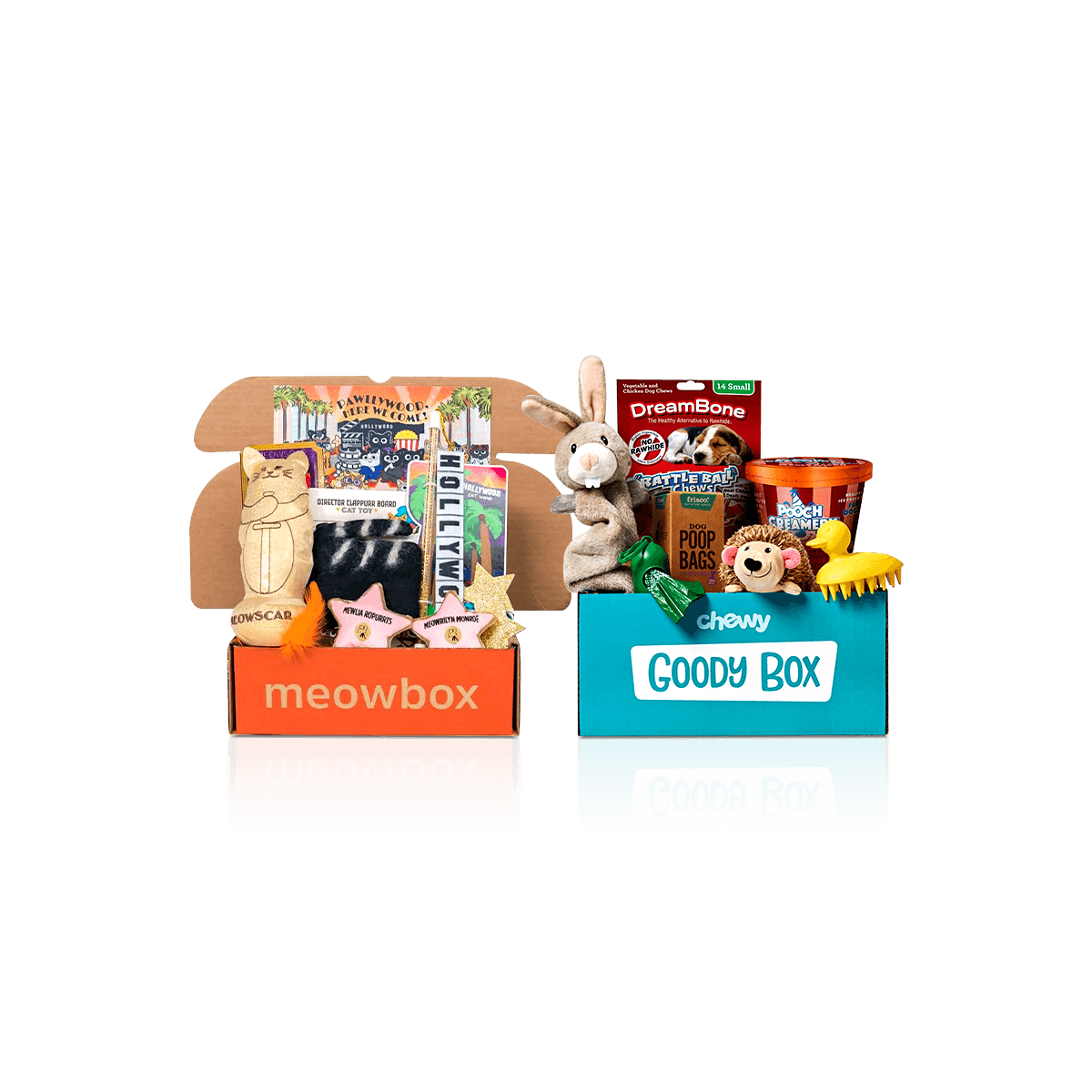
They perform best when the order includes a few coordinated items that should stay organized and look well packed when opened, such as launch kits, folded apparel sets, sample assortments, or branded mailers.

Roll End Tuck-Front Mailers usually offer a smoother front presentation and a more guided opening experience. Tab-Locking Mailers are useful too, but they are often chosen more for locking mechanics than for a polished front-facing reveal.

Usually yes. This style can be paired with paperboard inserts, divider sections, printed cards, and branded tissue when the shipment needs cleaner component organization.

Yes. This format can be produced for branded short runs, campaign mailers, seasonal promotions, and retail sends that need artwork changes without changing the core structure.

Process

How it works

Your Packaging Journey, From Idea to Production and Delivery

01

Tell Us Your Specs

Custom packaging boxes

Tell Us Your Specs

Provide size, quantity, printing, and finishes.

02

Get a Fast Quote

Custom packaging boxes

Get a Fast Quote

Instant transparent pricing, no hidden fees.

03

Design and Approval

Custom packaging boxes

Design and Approval

Artwork checks, revisions, and final sign-off.

04

Produce

Custom packaging boxes

Produce

Expert manufacturing to meet deadlines.

05

Ship to Your Door

Custom packaging boxes

Ship to Your Door

Hassle-free, flexible delivery options.

Get Your Quote for Custom Roll End Tuck-Front Mailers

Share your product details, size, quantity and artwork needs. We’ll help choose the right packaging style and send a clear quote.