Skip to content
Details

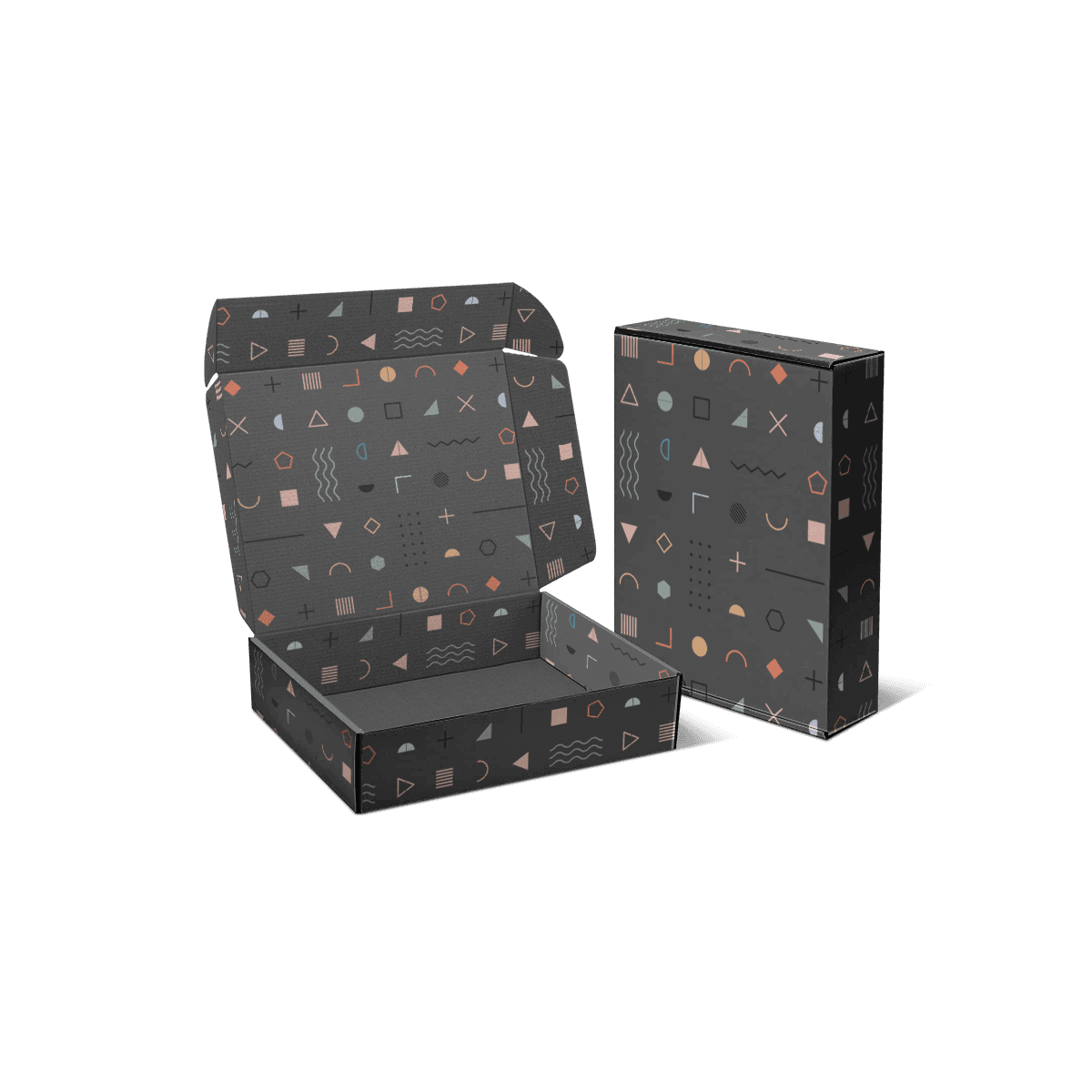
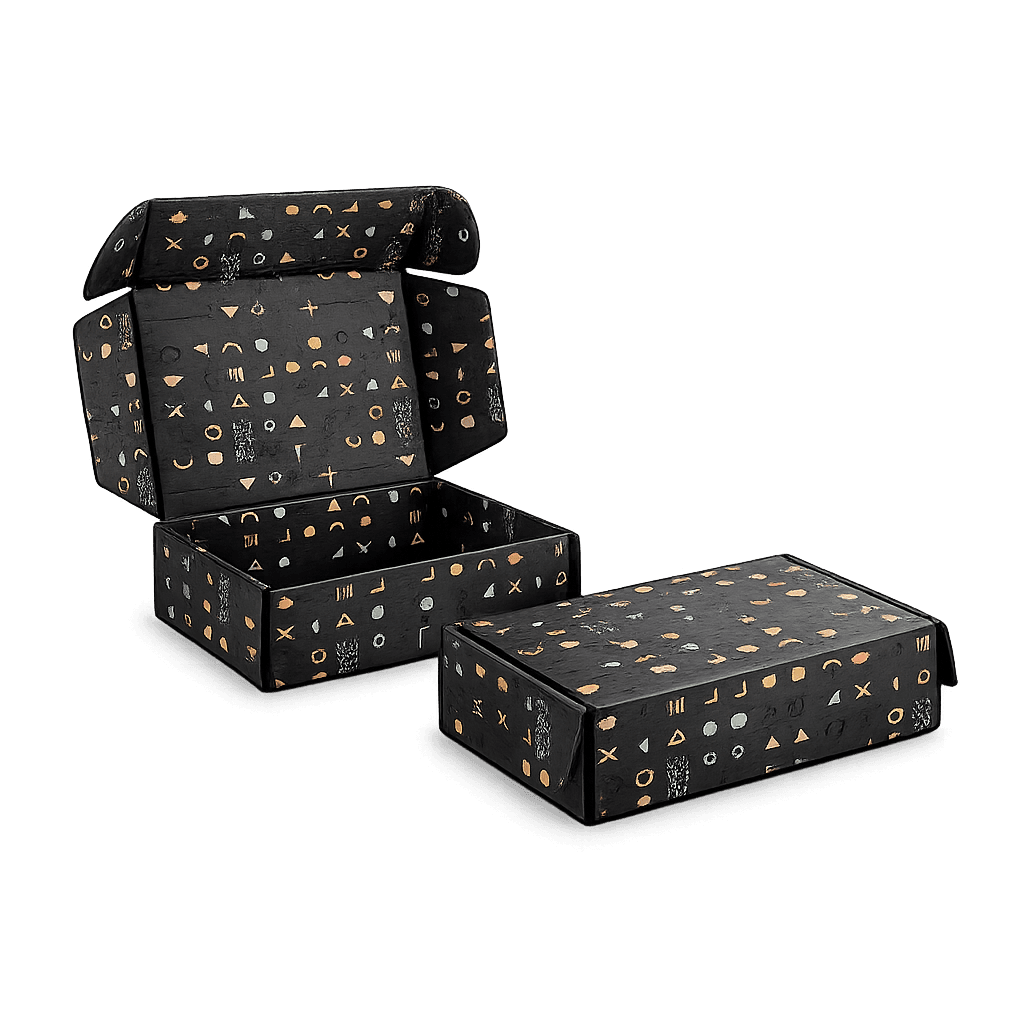
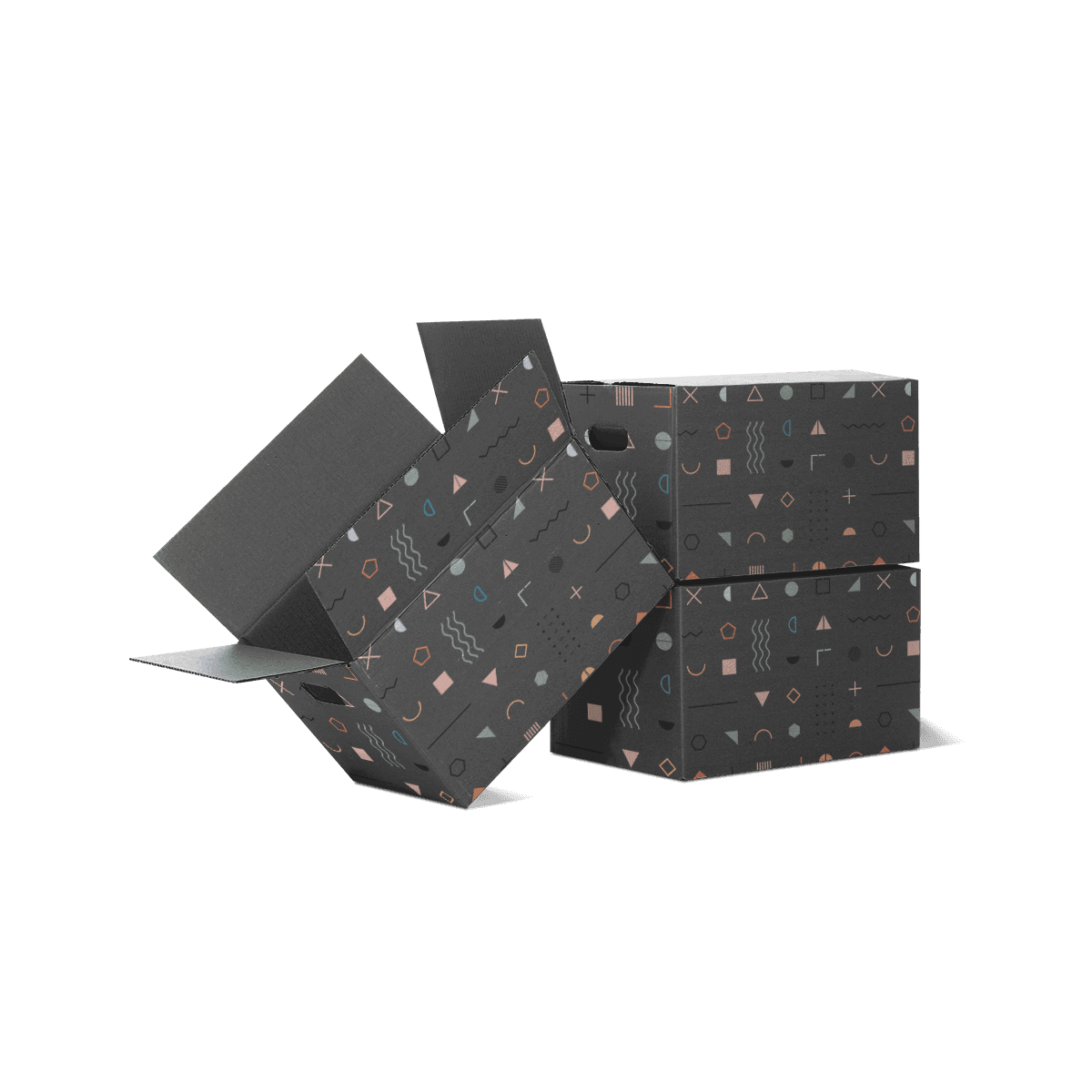
Custom Die-Cut Mailers

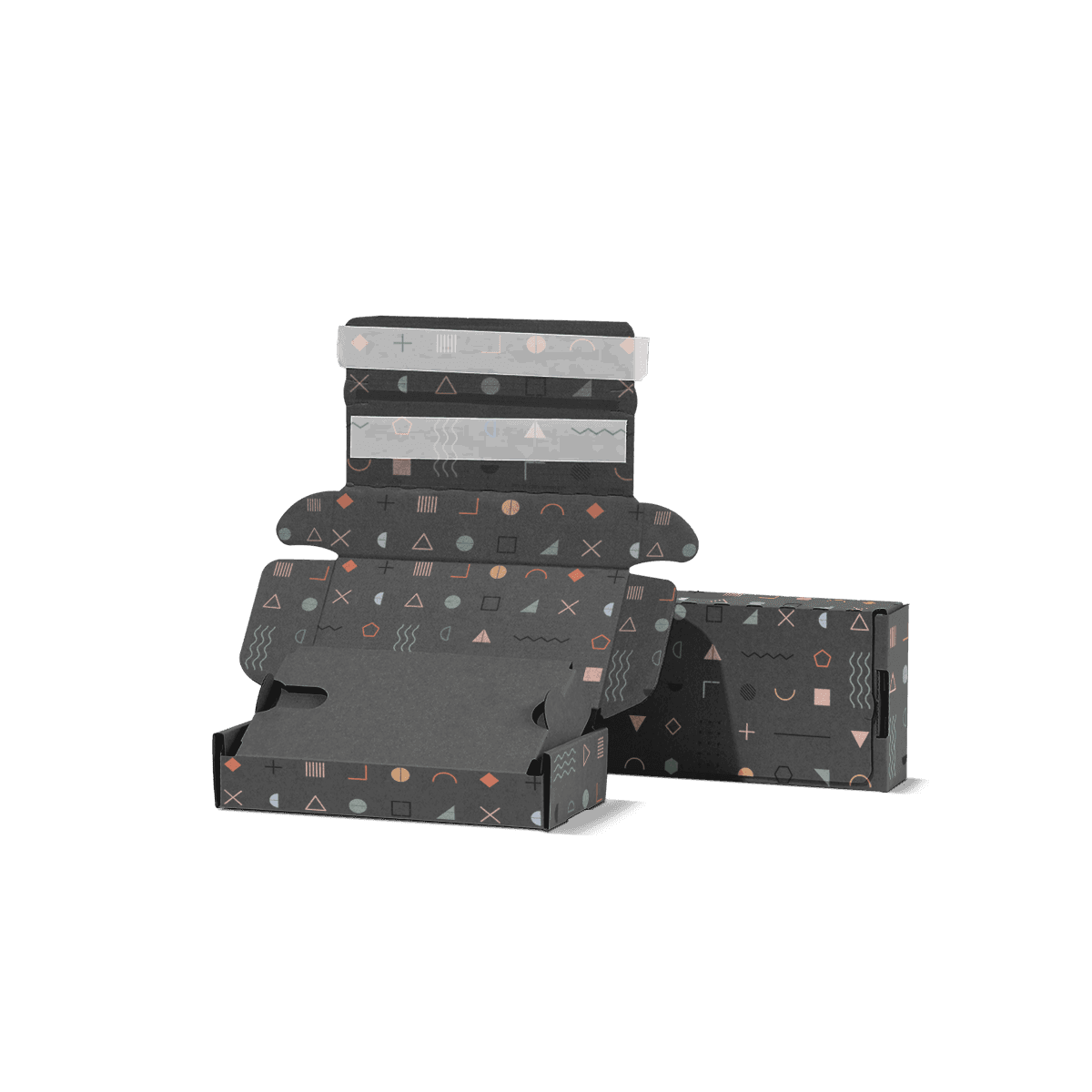
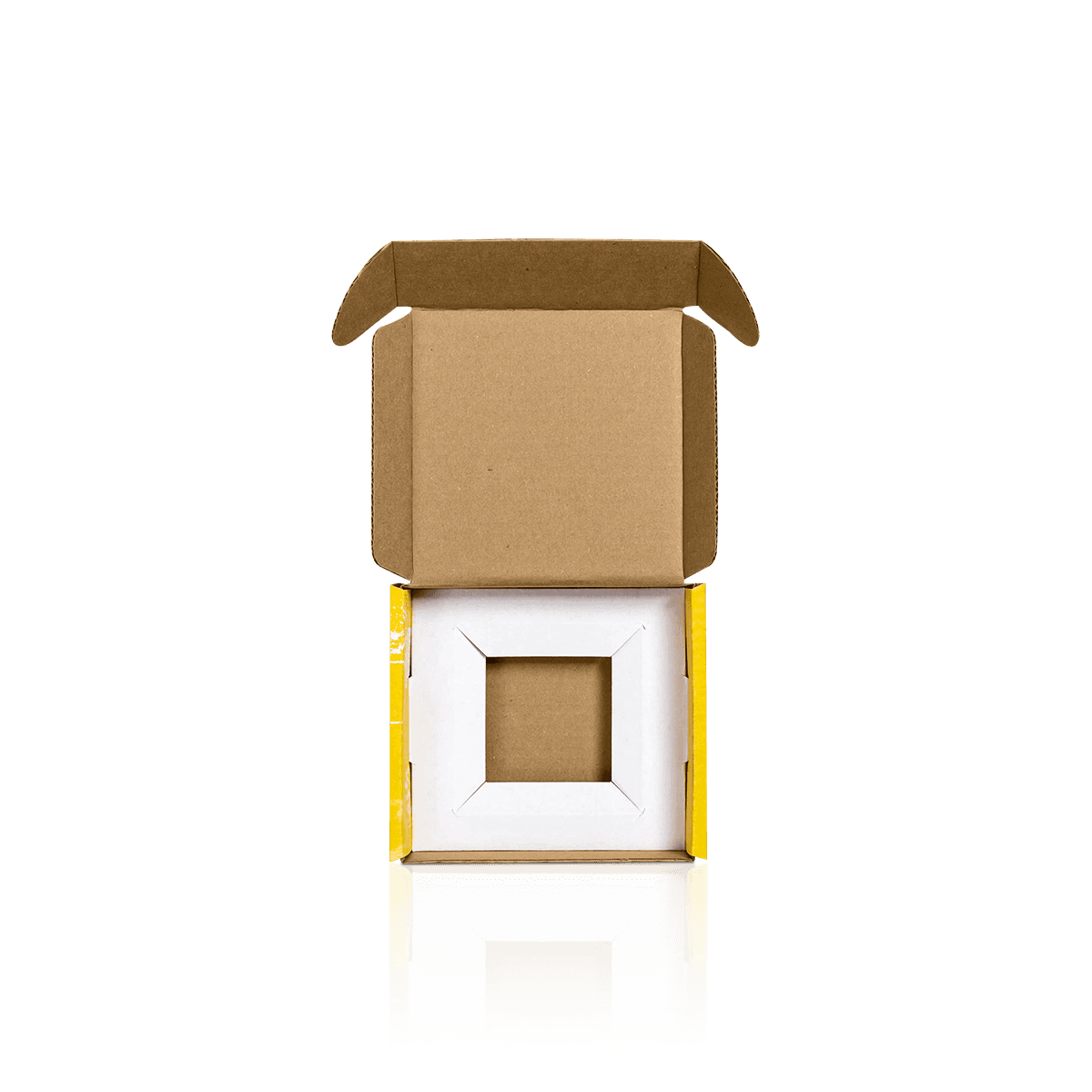
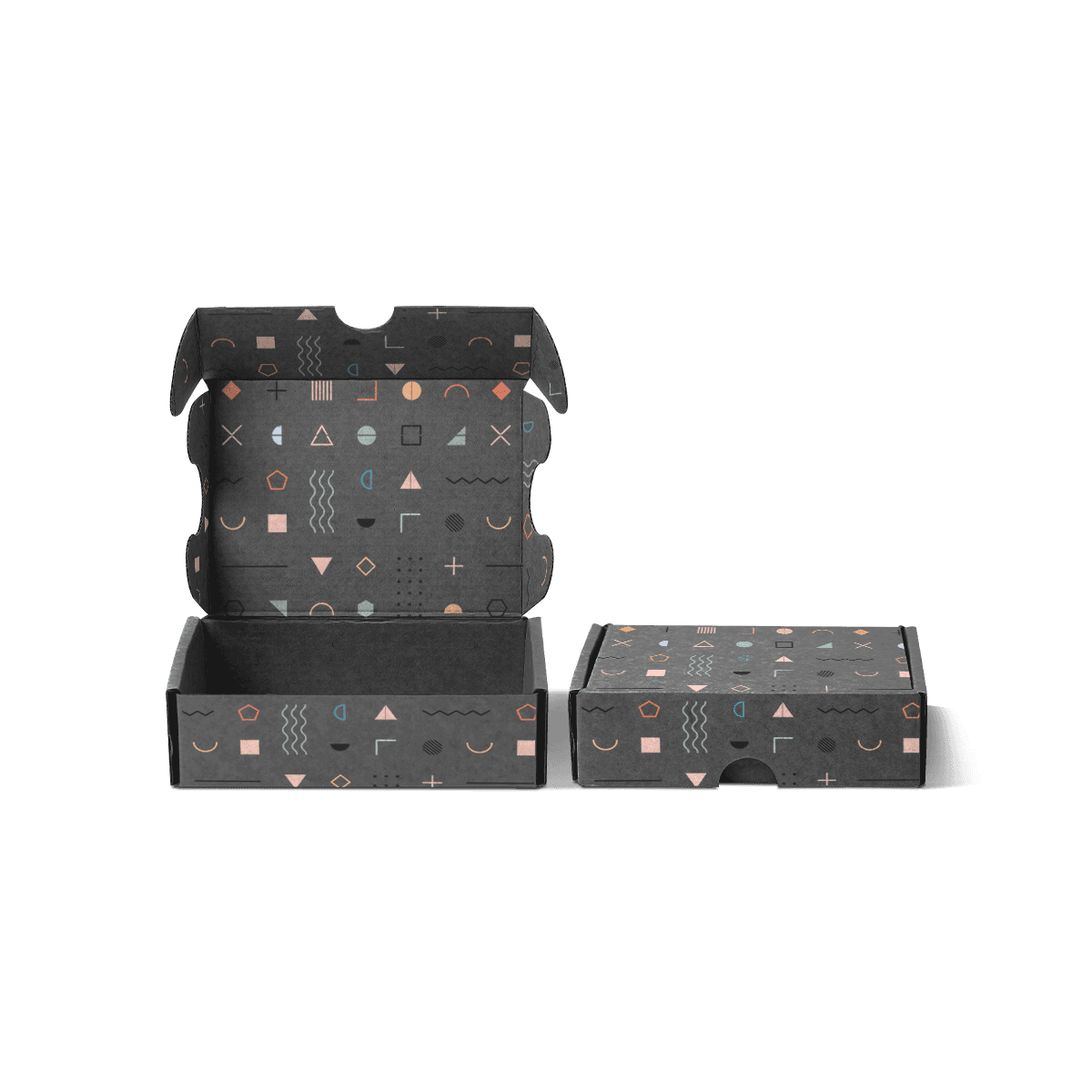
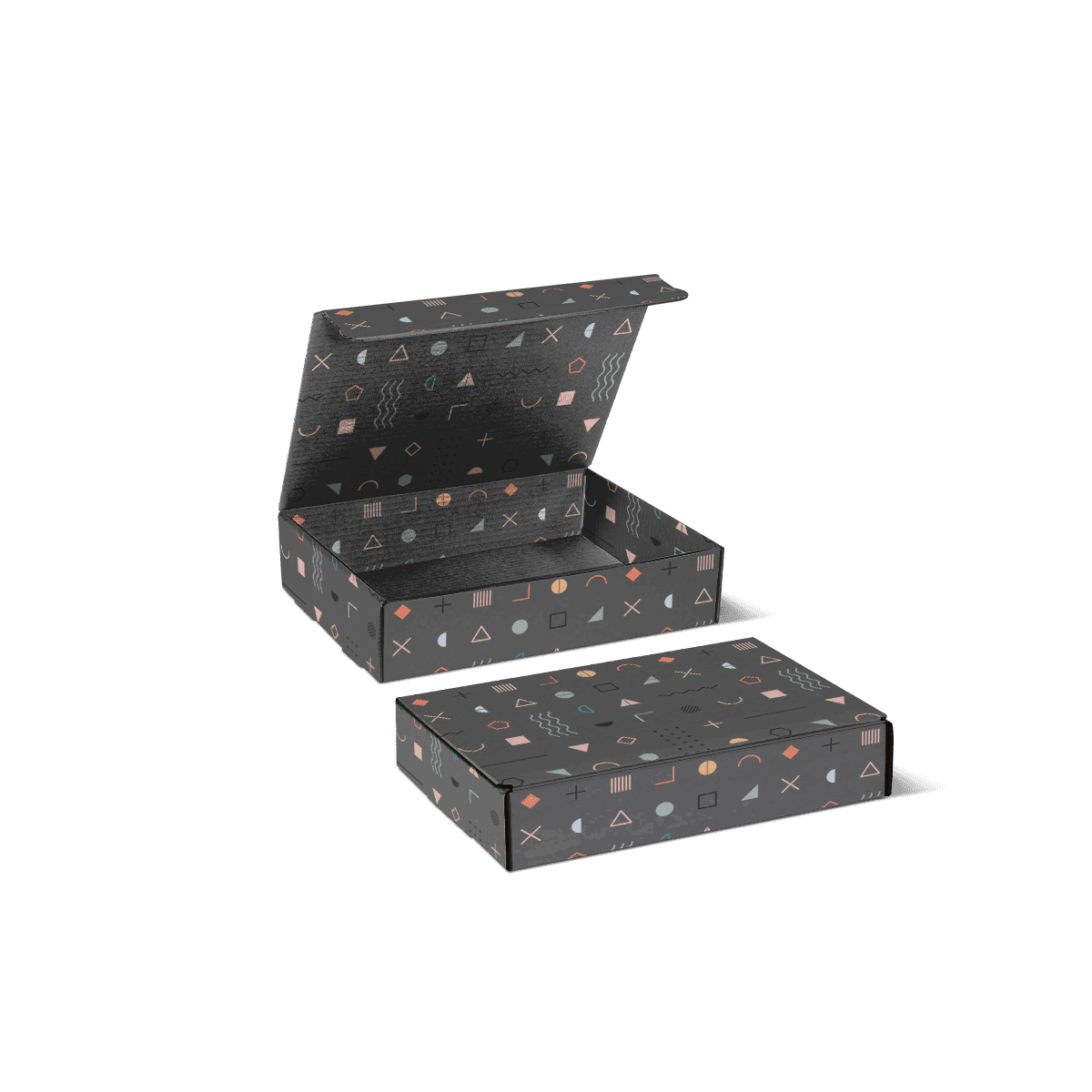
Corrugated mailers cut and creased around the product layout, using purposeful tabs, slots, panels and retention features instead of forcing every shipment into the same box pattern.

Every Cut Must Earn Its Place

Die cutting becomes valuable when changing the flat blank changes how the package actually works.

A shaped tab may lock a panel. A slot may capture that tab. A cutout may create finger access. A folded platform may raise a product. A shaped wall may restrain a component that would move inside a conventional rectangular mailer.

That is the real distinction behind Custom Die-Cut Mailers. They are not ordinary mailer boxes with unusual decoration around the edges. The cut and crease pattern is part of the packaging mechanism.

A standard custom mailer box is often enough when a rectangular corrugated structure already gives the product the right fit, closure and opening experience. Custom die cutting earns the added structural work when the shipment needs geometry a standard blank does not handle cleanly.

The strongest starting question is therefore simple: what should the custom cut make the box do differently?

If there is no strong answer, a simpler mailer may be the better specification.
Cuts and Creases Work Together

A die-cut blank becomes a three-dimensional package because cuts release panels and creases tell those panels where to fold.

Changing one line can affect several parts of the structure.

A locking tab needs a matching slot. A dust flap needs enough clearance to move past the sidewall. A retaining panel needs room to fold without pressing into the product. A thumb notch must help access without weakening an edge that carries shipping load.

This is why die-cut development should start with the assembled behavior rather than with a decorative outline.

Tabs Need Somewhere to Land

A locking feature works only when the receiving panel supports it.

Making a tab longer does not automatically make the closure stronger. If the slot is badly positioned, the tab may buckle during assembly, sit under tension after closing or become frustrating to release during opening.

Tab-Locking Mailers make sense when a defined front locking action is the main structural requirement.

A custom die-cut mailer can go further by changing several parts of the blank at once, including the retention layout, panel profile or access points.

Small Clearances Affect Assembly

Corrugated board has thickness. Folded layers stack. Tabs rotate through an arc as they enter slots.

A layout that appears perfectly aligned as a flat drawing can become tight after the board is folded into multiple layers. Structural clearances have to account for the material and the direction each part moves during assembly.

The goal is a lock that engages deliberately, not one that the packer has to force into place.

Shape the Interior Before Adding Filler

One of the strongest reasons to use a die-cut mailer is to create control from the corrugated structure itself.

A product may need side stops, a raised platform, a folded cradle or a recessed area for an accessory. Those elements can sometimes be formed from the same blank or coordinated with a separate paperboard or corrugated fitment.

This can reduce dependence on loose filler, but it should not be confused with cushioning.

A folded corrugated feature can stop movement. It does not automatically absorb the impact needed for a fragile glass item or delicate electronic device.

Packaging inserts solve different jobs depending on whether the product needs rigid positioning, soft cushioning or formed support.

Integrate Only What Improves the Pack

It can be tempting to create more slots, tabs and folded platforms simply because die cutting permits them.

Every extra feature adds another action during converting or packing. It may consume board area, create another wear point or make the flat blank harder for fulfillment staff to understand.

Integrated retention is strongest when it replaces a genuine packing component or eliminates movement that a plain box could not control.

A separate insert is often the cleaner answer when several SKUs share one outer mailer but need different internal arrangements.

Packing Motion Should Shape the Blank

A die-cut mailer has to work for the person assembling it before it can work for the customer opening it.

Look at the order of motions on the packing bench.

Does the operator form the sidewalls first? Does an internal platform need to fold before the product is inserted? Can a tab be locked with one hand while the other holds the product? Does closing one panel block access to another?

These questions matter because a beautiful custom structure can become expensive if it adds unnecessary handling to every shipment.

Avoid Hidden Assembly Steps

A feature that is obvious to the packaging designer may not be obvious to a new warehouse employee.

If two tabs look almost identical but must be folded in a specific sequence, assembly errors become likely. If the operator has to reach under the product to finish forming the box, the structure is working against the packout.

The best die-cut geometry usually makes the correct assembly path visually and physically obvious.

Physical validation belongs here. Fold the sample from flat, load the actual product and time the normal sequence. Watch for panels that spring back, slots that need repeated alignment or retention features that collapse while the product is being inserted.

A paid fully custom pre-production sample can be used when exact structural behavior needs physical approval. Free sample examples of previous work can help assess general corrugated and print quality.

One Blank Can Organize a Small Kit

Consider a compact electronics accessory shipment containing an adapter, a short cable and an instruction card.

A conventional mailer can hold all three, but the components may need a separate insert or filler to stop the adapter from sliding over the cable. Increasing the box depth gives the items even more room to move.

A die-cut approach can change the internal geometry instead.

A folded corrugated platform can create a defined position for the adapter. A narrow retention slot can hold the coiled cable beside it. The instruction card can sit on top without becoming the structural support for the hardware.

The improvement does not come from making the mailer visually unusual. It comes from giving each component a defined location while preserving a straightforward packing sequence.

If the components change frequently, however, a permanently integrated die-cut interior may become restrictive. Custom product packaging should follow the product set closely enough to control movement without locking the business into geometry that will become obsolete after the next SKU revision.

Die Cutting Does Not Override Shipping Duty

Structural customization and shipping strength are separate decisions.

A precisely fitted mailer can still fail if the corrugated board is too light for the product weight, the span is too large or the parcel will experience handling beyond what the structure was intended to take.

Board selection should account for the finished dimensions, product weight, stacking conditions and whether the mailer ships directly through a parcel network.

Custom Packly’s packaging capabilities can support board, print, finish and insert decisions after the structural concept is established.

Know When a Shipper Is the Better Base

Mailer geometry is well suited to many direct-to-consumer products, sample kits, accessories and branded parcel shipments.

Heavier goods or more demanding distribution conditions may need a shipping-box structure first.

Die-Cut Shipping Boxes apply custom cut-and-fold geometry to a shipping-box requirement where transit strength carries more weight in the specification.

That boundary prevents the phrase “die cut” from becoming the entire packaging decision. The cut pattern changes geometry. The outer structure still has to match the shipping job.

Flat Products Need a Different Kind of Control

Not every product that fits inside a shallow box needs a highly engineered die-cut interior.

Catalogs, folders, manuals and other predominantly flat contents usually need support across broad surfaces and protection at their corners rather than shaped retention around three-dimensional components.

Literature Mailers suit document-heavy shipments where shallow depth, edge control and broad-panel support matter more than custom retention geometry.

Die-Cut Mailers become more relevant when the shipment includes shaped products, mixed components or an opening mechanism that depends on purpose-cut tabs and folds.

Keeping those jobs separate also prevents unnecessary structural complexity in flat packs that already have a simple answer.

The Dieline Is the Engineering File

For a die-cut mailer, the dieline is not merely a template for placing graphics. It describes the package itself.

Cut lines define where material is removed or separated. Creases control where panels rotate. Slots, locks, tabs, dust flaps and shaped retaining features all appear in the flat layout before the box exists in three dimensions.

A clear understanding of packaging dielines helps artwork teams avoid treating structural lines as decorative boundaries.

Artwork Must Respect Moving Panels

A logo can look centered on a flat panel and appear visually off once surrounding flaps fold into place.

Graphics crossing a crease may split deliberately, but small text should not drift into a locking slot or cut edge. Inside printing also needs to follow the opening sequence because some areas remain hidden until particular panels move.

The structural file should therefore settle before final artwork is approved.

The Custom Dieline Generator can be used for supported box structures when dimensions and panel planning are ready to move into a flat technical layout.

Custom Packly also supports dieline and artwork preparation along with free 3D mockups. A mockup helps judge appearance and panel relationships, while a physical custom sample is the stronger check for exact tab engagement, folding resistance and product retention.

Custom Geometry Has a Cost Threshold

Die-cutting gives the most value when its geometry removes another cost or solves a structural problem.

It may reduce loose filler. It may eliminate a separate insert. It may shrink the outer footprint. It may simplify product placement. It may turn a multi-part kit into a more controlled pack.

But custom geometry is not automatically the lowest-cost answer.

A highly complex blank can use more board, require more converting work and add assembly motions. If a conventional mailer plus a simple insert achieves the same result, the extra die-cut complexity may not justify itself.

That decision should be made on the complete packing system rather than box unit price alone.

For an ecommerce operation, e-commerce retail packaging also has to work with storage, fulfillment and parcel handling rather than focusing only on the unboxing moment.

Prototype the Expensive Decisions First

The highest-risk structural features deserve attention before decorative finishing.

Test the tabs, internal supports, product extraction and packed-box closure first. If those mechanics change, artwork mapped across the affected panels may have to change too.

Print approval should come after the structure has stopped moving.

Price the Structural Work

A useful quote for a custom die-cut mailer needs more than length, width and height.

The team should understand what the unusual geometry is expected to accomplish. Product dimensions and weight establish the basic envelope, but the pack layout determines the shaped features.

For a multi-part shipment, share the position of each component. If a tab or opening feature is important, describe the intended behavior. Include insert requirements, exterior and interior print, quantity and whether the mailer will ship directly to the customer.

Custom Die-Cut Mailers can start from 100 boxes. Transparent pricing is especially useful here because blank complexity, inserts and inside printing can change the complete pack cost, and there are no hidden charges.

When the product layout and structural intent are clear, an instant custom packaging quote can price the actual blank, board, printing and internal components instead of treating the project as a standard rectangular mailer.

For larger production runs, warehousing and scheduled deliveries can support staged supply without forcing the full quantity into the packing facility at once.

Print Should Reinforce the Opening Sequence

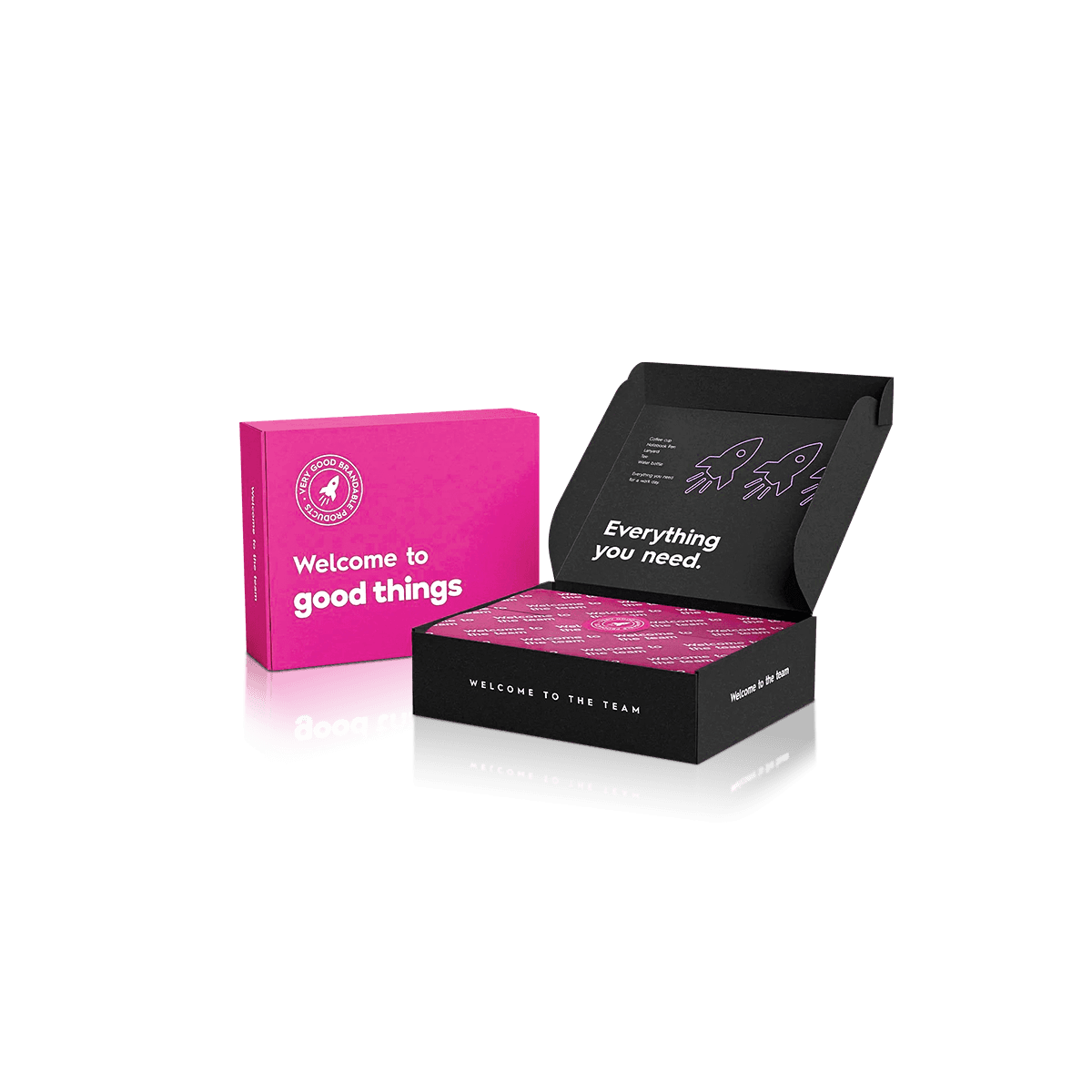
A die-cut mailer creates more opportunities for artwork because panels appear in stages.

The closed exterior can carry the shipping identity. Opening the lid may reveal a second graphic field. Folded internal panels can organize instructional copy, product names or restrained visual cues beside the items they hold.

That does not mean every surface should be printed.

Strong packaging often gives the primary message one clear location and lets structure do the rest.

Premium offset printing can support detailed graphics and controlled repeat color. CMYK can handle multi-color artwork and photographic content, while Pantone can be considered when a specific brand color needs tighter control.

Finishes such as matte, gloss, foil, embossing or spot UV should be placed where folding and parcel handling will not undermine the intended result.

Custom printed boxes can align outside and inside artwork when the box structure and brand presentation need to be developed together.

Approve the Folding Logic

The most important final handoff is not a list of decorative options. It is a shared understanding of how the flat corrugated piece becomes the finished pack.

The approved structure should make clear which panels rise first, which tabs lock them, where the product sits and how the package closes after loading. Any integrated retention feature should have an obvious purpose and an obvious position.

That folding logic protects more than production accuracy. It gives the warehouse team a repeatable assembly method and gives future artwork revisions a stable structural base.

For die-cut mailers, Custom Packly's 24/7 packaging experts can challenge the structure before production. Removing an unnecessary cut, changing a fold or separating an insert from the outer blank can be more valuable than adding another feature simply because the tooling makes it possible.

A strong die-cut mailer is not the one with the most custom geometry. It is the one where every cut, crease and lock has a job.

FAQs

Because they offer more structural control. If product fit, insert placement, or opening sequence matters, a die-cut format usually performs better than a simpler stock-style mailer.

No. They also work well for normal-shaped items that ship with multiple parts, printed materials, samples, or accessories that need a more organized layout.

Literature Mailers are better for flatter contents like catalogs, folders, and documents. Die-Cut Mailers are usually the better option when the pack needs shaped retention, added depth control, or a more engineered presentation.

Very flexible. The cut pattern, board grade, insert plan, and opening style can all be adjusted to fit specific SKUs, campaigns, or recurring shipment formats.

Often yes. A tighter structural fit means the product relies less on loose cushioning, which can improve pack consistency and make fulfillment look cleaner.

Process

How it works

Your Packaging Journey, From Idea to Production and Delivery

01

Tell Us Your Specs

Custom packaging boxes

Tell Us Your Specs

Provide size, quantity, printing, and finishes.

02

Get a Fast Quote

Custom packaging boxes

Get a Fast Quote

Instant transparent pricing, no hidden fees.

03

Design and Approval

Custom packaging boxes

Design and Approval

Artwork checks, revisions, and final sign-off.

04

Produce

Custom packaging boxes

Produce

Expert manufacturing to meet deadlines.

05

Ship to Your Door

Custom packaging boxes

Ship to Your Door

Hassle-free, flexible delivery options.

Get Your Quote for Custom Die-Cut Mailers

Share your product details, size, quantity and artwork needs. We’ll help choose the right packaging style and send a clear quote.