Skip to content
Details

Custom Die-Cut Shipping Boxes

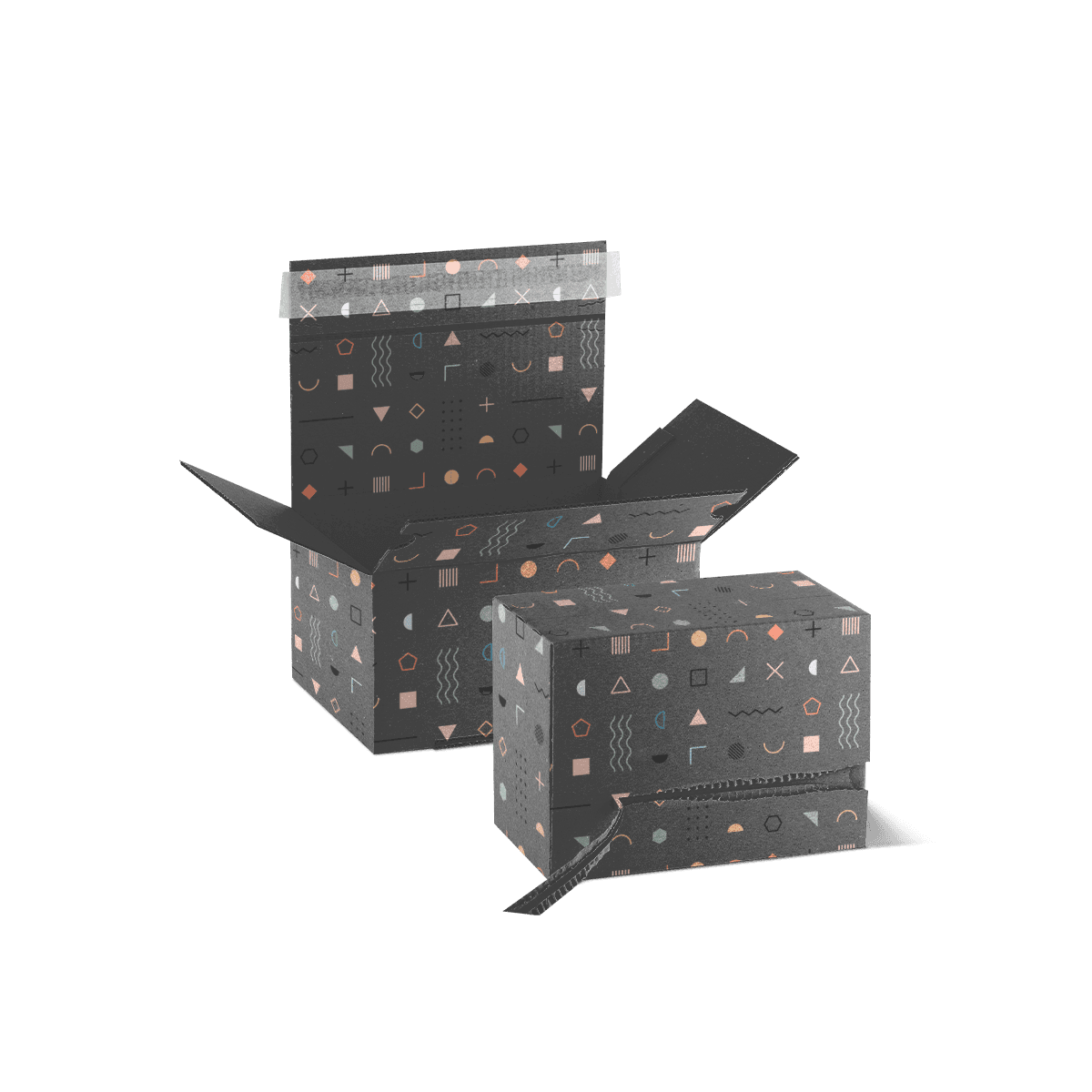
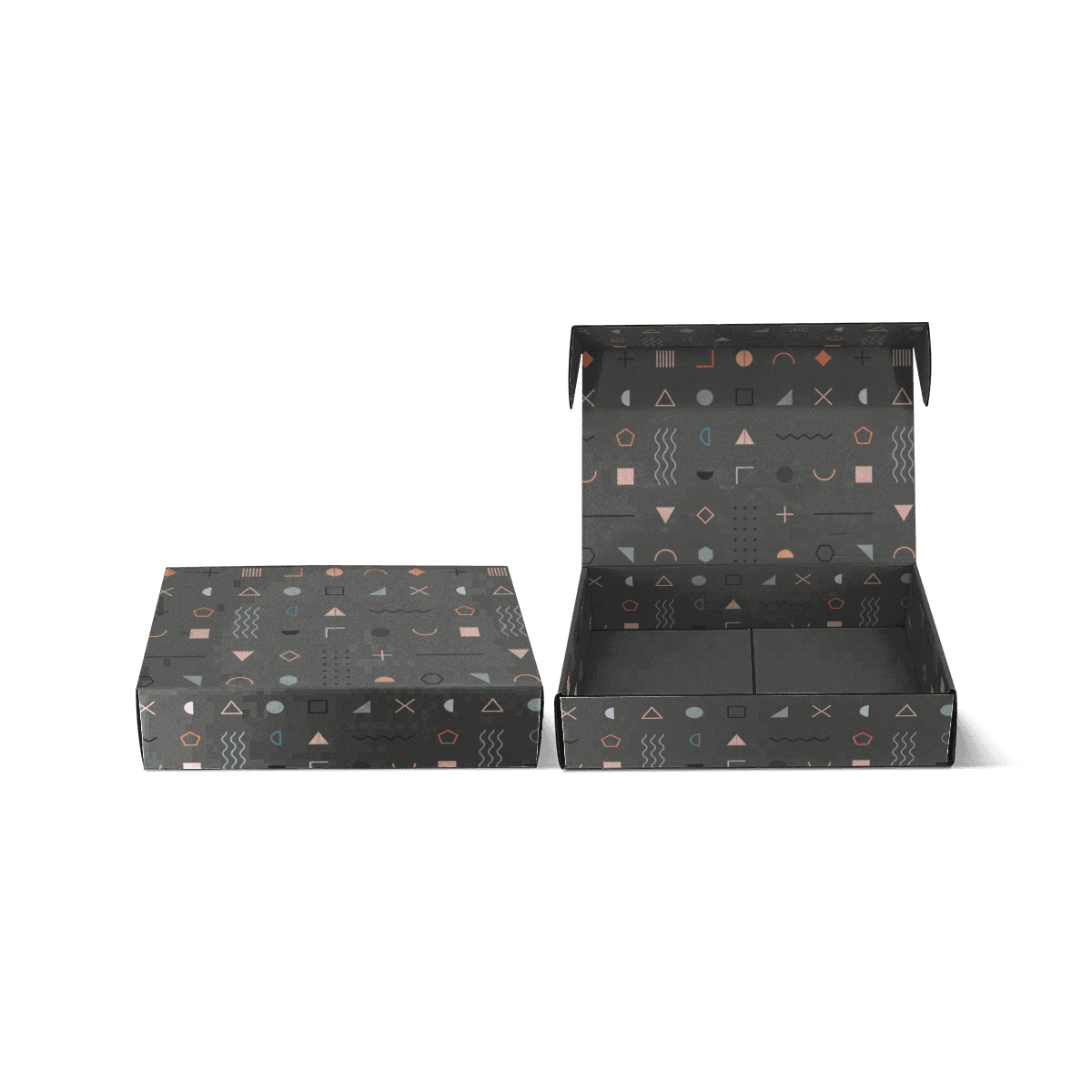
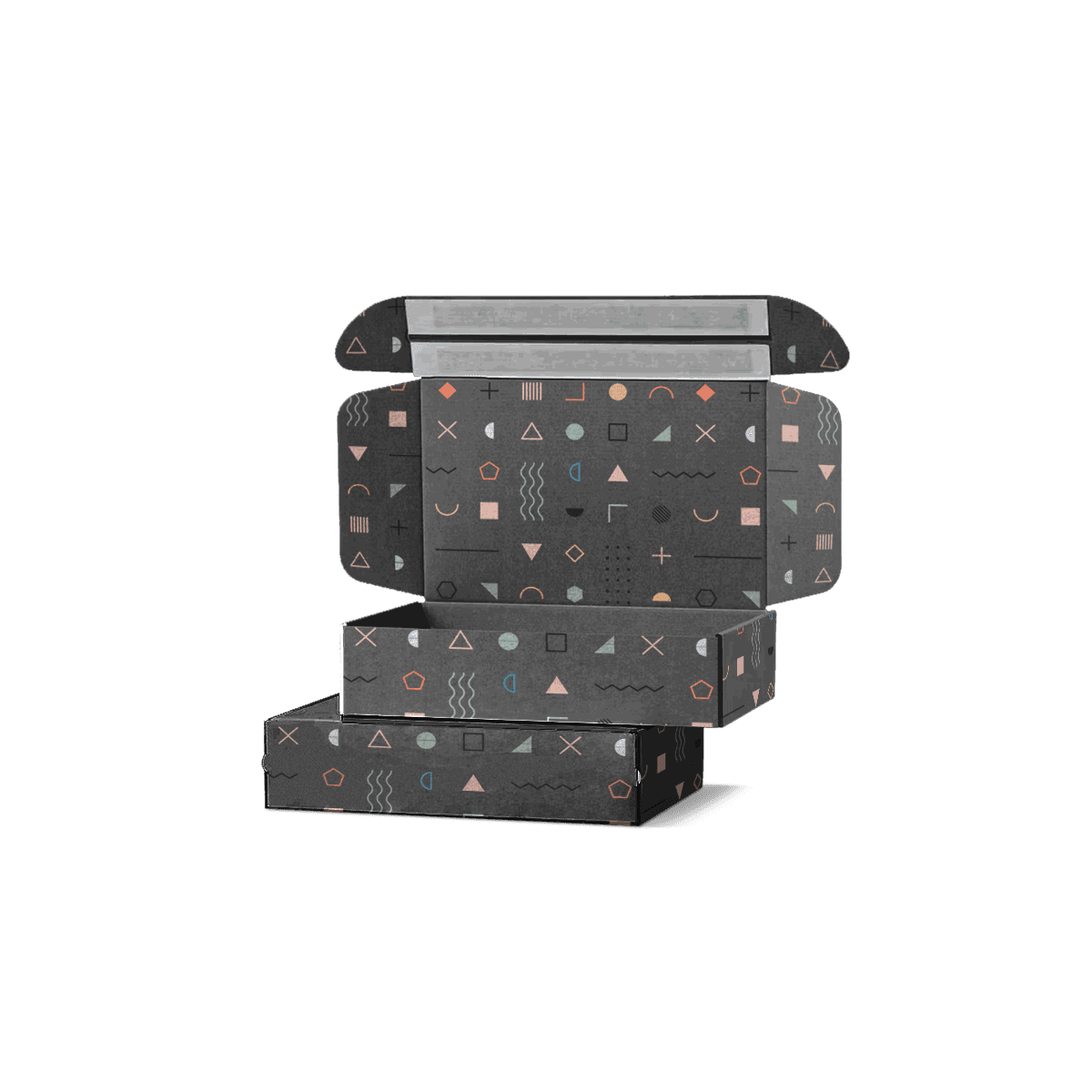
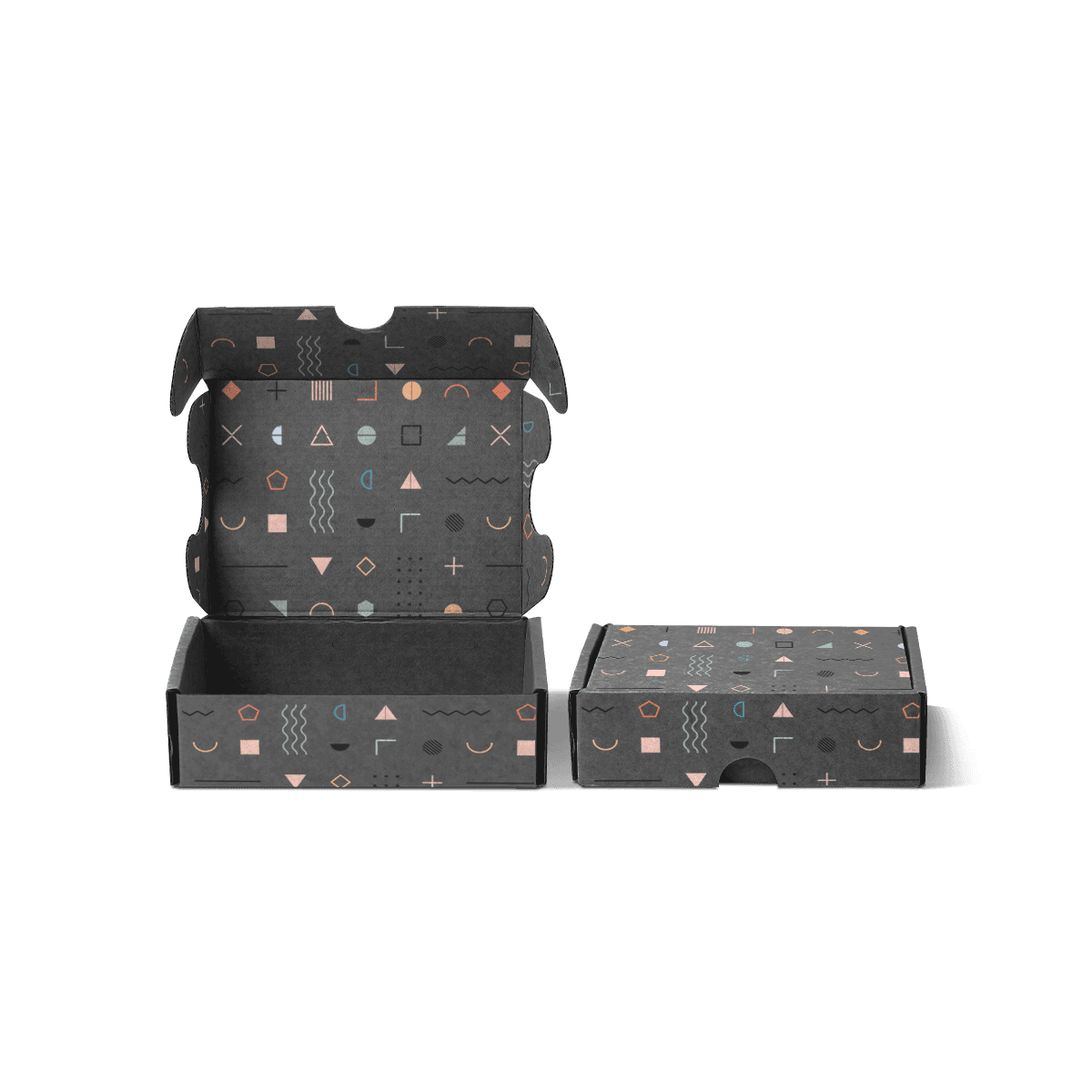
Corrugated shippers with engineered cuts, folds, locking features and fitted geometry for products that need more control than a standard slotted carton.

Every Cut Needs a Job

Die cutting earns its place when the box geometry can solve something a conventional rectangular carton cannot.

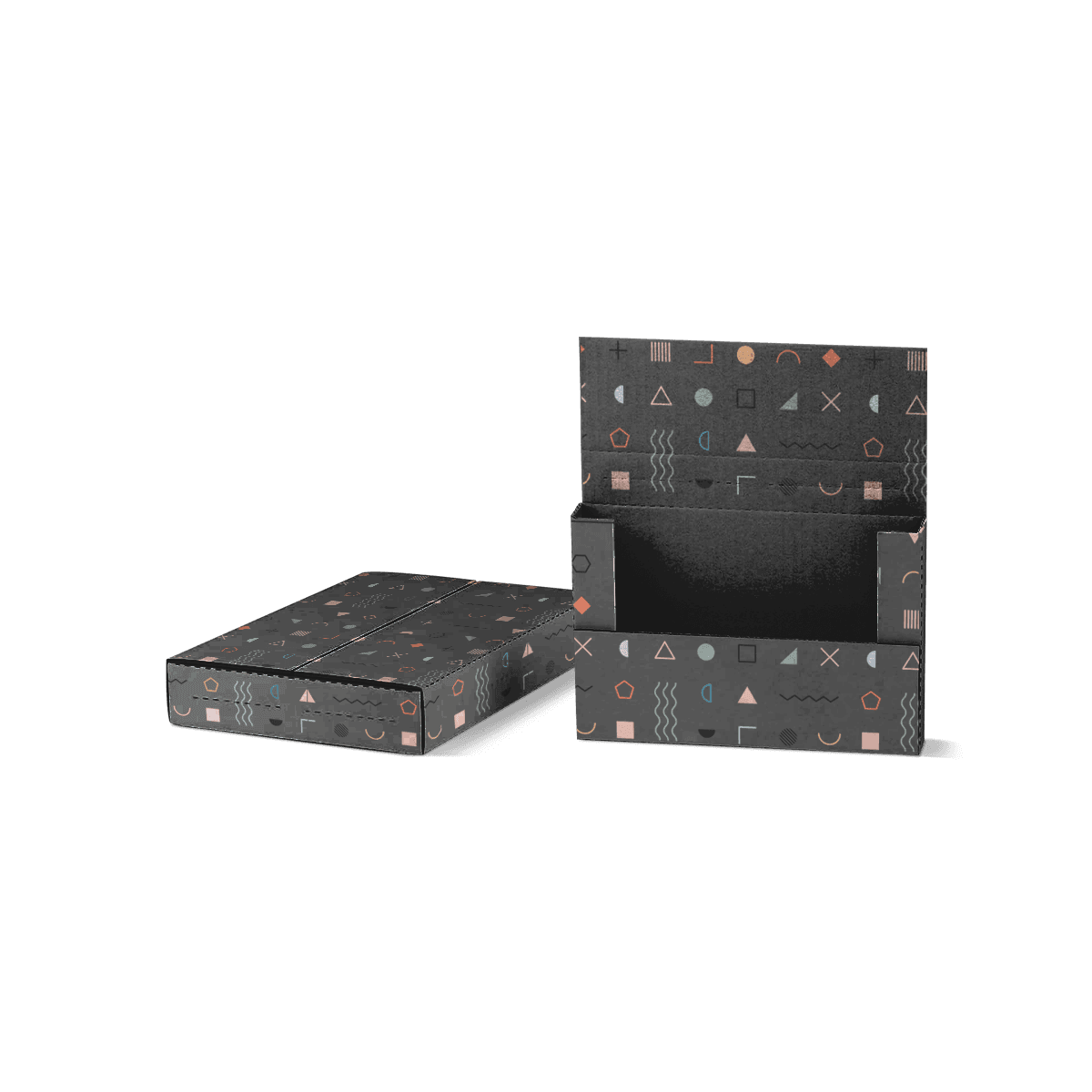
Custom Die-Cut Shipping Boxes use a purpose-made cutting and scoring layout to create tabs, locks, shaped panels, openings and internal support features from flat corrugated board. Those features can control product position, tighten the footprint or change how the box assembles and closes.

That does not make die-cut construction automatically superior. A product that already fits efficiently inside a simple carton may gain little from extra structural complexity.

Across shipping box structures, the die-cut option makes the most sense when product geometry, component organization or closure behavior needs more control.

If the product packs cleanly into a simple rectangular case, Regular Slotted Containers may be the simpler choice.

The decision should begin with what the new geometry removes, controls or improves.
Orient the Product Before Drawing

The product's position inside the box determines much of the eventual dieline.

A long component can lie flat, stand vertically or sit diagonally. A kit can place its largest item in the center or against one wall. A bottle can ship upright or on its side. Those decisions change the footprint, depth, locking panels and any internal support.

Protect the Vulnerable Face

The shortest box is not always the best orientation.

A product with a fragile display surface, protruding switch, cap, connector or decorative edge may need that feature facing away from the strongest external pressure.

The product can also need clearance for removal. A die-cut box that grips every side too tightly may look precise on a drawing but become frustrating to pack or unpack.

For projects where the physical item should determine dimensions and support, custom product packaging keeps the structure tied to the real product rather than a convenient stock footprint.

Leave Room for the Packing Motion

A fitted pack still needs tolerances.

Warehouse staff should be able to place the product without bending flaps out of shape or forcing the item past retaining features. If a tab has to flex every time an item is inserted, repeated packing can damage the structure before it ever enters transit.

Fit should control movement without turning assembly into a precision exercise.

Geometry Can Replace Filler

One of the strongest uses for die cutting is removing empty space through structure rather than filling it afterward.

A standard carton may leave a rectangular void around an irregular object. Paper, air pillows or another filler then has to occupy that space.

A die-cut layout can instead bring corrugated panels closer to the product or create folded shoulders, rails and retention points that restrict movement.

This does not mean the outer box should trace every contour of the product. Shipping cartons still need manufacturable folds, sensible load paths and enough structural simplicity to survive handling.

The useful geometry is selective.

A projecting component may need a relief area. A narrow accessory can sit inside a folded channel. A kit can use one structural partition instead of loose filler around several items.

The strongest designs remove packing material by giving corrugated board another job.

Integrated Retention or Separate Insert

A die-cut outer box can hold the product through folded panels, or it can carry a separate insert. Those approaches solve different problems.

Integrated Corrugated Features

Folded retaining tabs, platforms and internal walls can be cut into the same blank as the outer structure.

That can reduce the number of loose components at the packing station and keep the structural relationship consistent from box to box.

Integrated features work best when they can fold into position without requiring complicated hand assembly.

Separate Fitments

A separate insert makes more sense when the product needs deeper cavities, several support points or an internal component that would make the outer blank too complicated.

It can also let the outer shipper remain stable while the insert changes for different products.

Packaging inserts can use corrugated, paperboard and other materials according to the support the product needs.

Consider an electronics kit containing a small device, charging cable and adapter. A general carton may require three loose wraps and filler to stop those items collecting in one corner. A die-cut corrugated platform could hold the main device while a separate partition creates two accessory cells.

The adjustment solves organization through geometry instead of adding more loose cushioning.

Locks Change the Closure

Die cutting can turn closure panels into working mechanical features.

Tabs can engage slots. Front panels can lock into side walls. Dust flaps can help control openings. Folded wings can reinforce a corner or restrict movement.

The key question is what the lock must withstand.

A closure that feels secure when the empty box is assembled may behave differently once weight pushes outward against the panels. Tab depth, slot position, corrugated thickness and fold direction all affect how the closure engages.

For straightforward top access, Tuck-Top Shipping Boxes keep the opening decision simpler.

If packing speed and integrated adhesive closure matter more than fitted geometry, Self-Sealing Shipping Boxes solve a different operational problem.

A custom lock belongs in the design only when it improves assembly, retention or closure enough to justify the added cuts and folds.

Scores Control How the Box Forms

The cut lines create the blank. Score lines determine how that blank becomes a box.

That distinction matters more in corrugated than it first appears.

Corrugated board has thickness and directional behavior. A score compresses the board so it folds predictably along the intended line. When several folds meet closely, the panels need enough allowance to move past each other without bunching or fighting for space.

A tab can be dimensionally correct and still fail because the neighboring score shifts its real assembled position.

A corner can also bow if the fold sequence forces too much board into one junction.

The packaging dieline establishes the relationship between cuts, scores, panels, tabs and artwork before tooling is made.

For supported structures, the dieline generator can establish dimensions before the final die-cut geometry is developed.

A die-cut shipper should be reviewed as a folded object, not merely as an attractive flat pattern.

Small Features Change Board Behavior

Die-cut structures interrupt corrugated panels.

Every slot, opening, hand hole and narrow neck removes material from somewhere. Those features can be worthwhile, but they should not be placed without considering where the board needs continuity.

A locking slot near a heavily loaded corner is different from one placed in a lightly stressed flap. A large decorative opening weakens a panel more than a small functional notch. A very narrow tab cut across the flute direction may behave differently from a broader locking panel.

That is why structural customization and board selection cannot be separated completely.

Corrugated Boxes need flute, liners, wall construction and geometry to work together.

A heavier board is not a substitute for sensible die geometry. If the cut pattern removes too much material from a critical load path, simply increasing board thickness may add cost without correcting the structural weakness.

Assembly Must Stay Obvious

A die-cut box can remove packing steps or accidentally create new ones.

The difference is usually visible at the first fold.

Good assembly has a natural sequence. Panels move into place without staff needing to study the blank, reverse a fold or hold several parts simultaneously while another tab is inserted.

Complexity becomes especially expensive on recurring fulfillment runs because the extra motion repeats on every order.

One practical test is to hand an unassembled blank to someone who did not design it. Watch what they try to fold first.

If the natural sequence is wrong, the structure may need clearer geometry rather than written instructions.

Free 3D mockups can help review the intended assembled structure before production, but they cannot reveal every packing motion. A fully custom pre-production sample can be arranged as a paid sample when the folding sequence, product fit or locking behavior needs physical validation.

Test assembly beside the assembly decision. There is no reason to postpone it until every print and commercial decision is finished.

Printing Follows the Panel Logic

Die-cut panels create more artwork boundaries than a basic rectangular shipper.

A logo can end up partly on a locking flap. Text can cross a score. A pattern can disappear underneath an overlapping panel. A printed message can land on a tab that customers never see after assembly.

The artwork should therefore be developed on the final structural layout.

Large brand elements need a stable visible panel. Smaller graphics can follow secondary folds when precise alignment is not essential. Interior surfaces can carry another visual layer if the box opens directly to the product.

For projects where branded graphics are central, custom printed boxes can coordinate artwork with the physical structure rather than treating print as an afterthought.

Custom Packly supports premium offset printing where the construction and production route make it appropriate. Digital or flexographic printing may suit other corrugated jobs better depending on quantity, artwork and substrate.

The structure sets the canvas.

Tooling Should Earn Its Cost

Die-cut production adds a structural setup that a simple slotted carton does not need.

That investment makes sense when the die creates repeatable value through tighter fit, fewer packing components, easier assembly, better retention or a closure a standard carton cannot achieve.

It makes less sense when the die exists only to add decorative complexity to a straightforward shipping box.

Quantity also matters because the tooling and setup serve the entire production run. A structure intended for recurring orders can spread that setup across more boxes than a one-time project.

Custom Packly starts USA orders from 100 boxes, which can suit launches and lower-volume custom packaging programs. For higher recurring volumes, bulk custom boxes can support repeat dimensions and structural specifications.

Once the structure, dimensions and quantity are defined, request an instant custom packaging quote against the real die-cut layout rather than a generic box description.

The cutting layout itself becomes part of the repeat specification. Record tab lengths, slot widths, score positions, relief cuts and the approved board construction with the dieline. Changing corrugated thickness can change how tabs engage even when the cutting dimensions remain unchanged.

Artwork revisions should be identified separately from structural revisions. A new logo does not necessarily require a new die. Moving a slot does.

Fewer Parts Can Beat a Cheaper Box

Unit price alone can hide what a die-cut structure changes elsewhere in the packing process.

Suppose a standard carton needs a loose divider, filler and several manual positioning steps. A die-cut alternative may cost more per box while eliminating one component and reducing the amount of loose packing material required.

The reverse can also be true.

A complex die-cut shipper with four locking tabs and an elaborate integrated cradle might save very little material while adding assembly time. In that case, the cheaper conventional carton plus a straightforward insert may be the better operating choice.

Compare the complete packed system:

  • outer box
  • separate inserts or partitions
  • filler
  • sealing method
  • assembly motions
  • storage footprint
  • product control

This keeps structural engineering tied to the actual fulfillment outcome rather than the visual novelty of the flat blank.

Know When Die-Cut Is the Wrong Choice

Die-cut shipping boxes are most valuable when the geometry is doing real work.

Do not choose one merely because the product is custom.

A conventional carton may be better when:

  • the product is already a regular rectangular shape
  • several different products need to share one flexible outer box
  • the pack changes frequently
  • speed comes mainly from standard taping equipment
  • the load needs simple, uninterrupted corrugated walls
  • a separate insert can solve the fit problem more cleanly
  • the expected volume does not justify unnecessary structural complexity

The best die-cut shipper is not the one with the most tabs, folds or unusual contours.

It is the one where each structural feature removes a problem that would otherwise require space, filler, separate components or extra packing work.

That is the decision worth protecting. If the die is not doing enough work to justify itself, simplify the box.

FAQs

Because they solve fit problems more effectively. A die-cut layout can follow the product shape, improve component placement, and reduce the need for excess filler.

Yes. They are especially useful for kits, accessories, shaped items, and products with multiple parts that need a more deliberate interior layout.

Choose Die-Cut Shipping Boxes when product fit, structure, or internal organization matters most. Self-Sealing Shipping Boxes are usually the better pick when packing speed and adhesive closure are the main priority.

Very well. Die-cut formats pair naturally with corrugated inserts, paperboard supports, or dividers when the shipment needs cleaner separation and better part control.

Yes, it can be. Many brands use this structure for pilot launches, promotional kits, or product tests before scaling into larger production volumes.

Process

How it works

Your Packaging Journey, From Idea to Production and Delivery

01

Tell Us Your Specs

Custom packaging boxes

Tell Us Your Specs

Provide size, quantity, printing, and finishes.

02

Get a Fast Quote

Custom packaging boxes

Get a Fast Quote

Instant transparent pricing, no hidden fees.

03

Design and Approval

Custom packaging boxes

Design and Approval

Artwork checks, revisions, and final sign-off.

04

Produce

Custom packaging boxes

Produce

Expert manufacturing to meet deadlines.

05

Ship to Your Door

Custom packaging boxes

Ship to Your Door

Hassle-free, flexible delivery options.

Get Your Quote for Custom Die-Cut Shipping Boxes

Share your product details, size, quantity and artwork needs. We’ll help choose the right packaging style and send a clear quote.