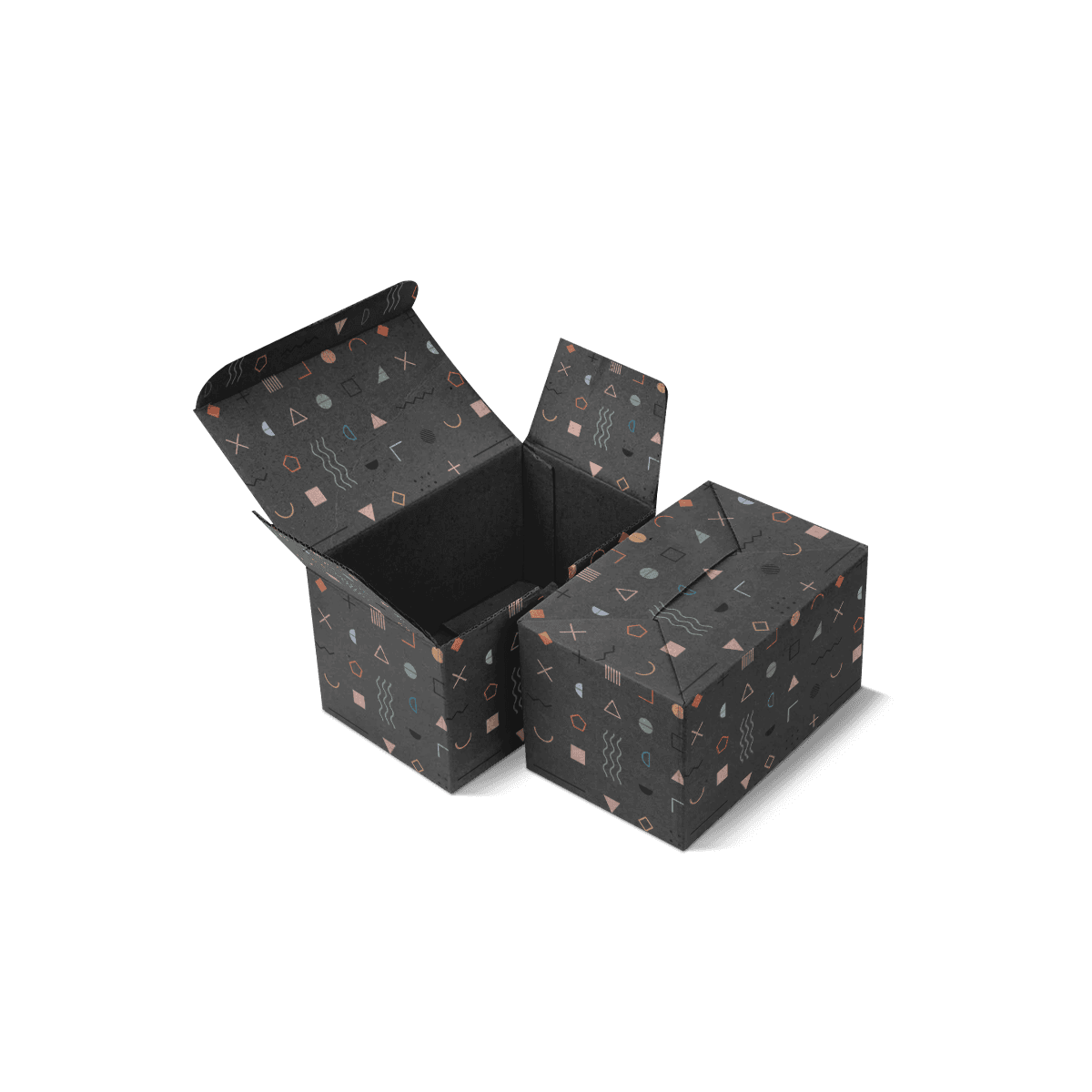
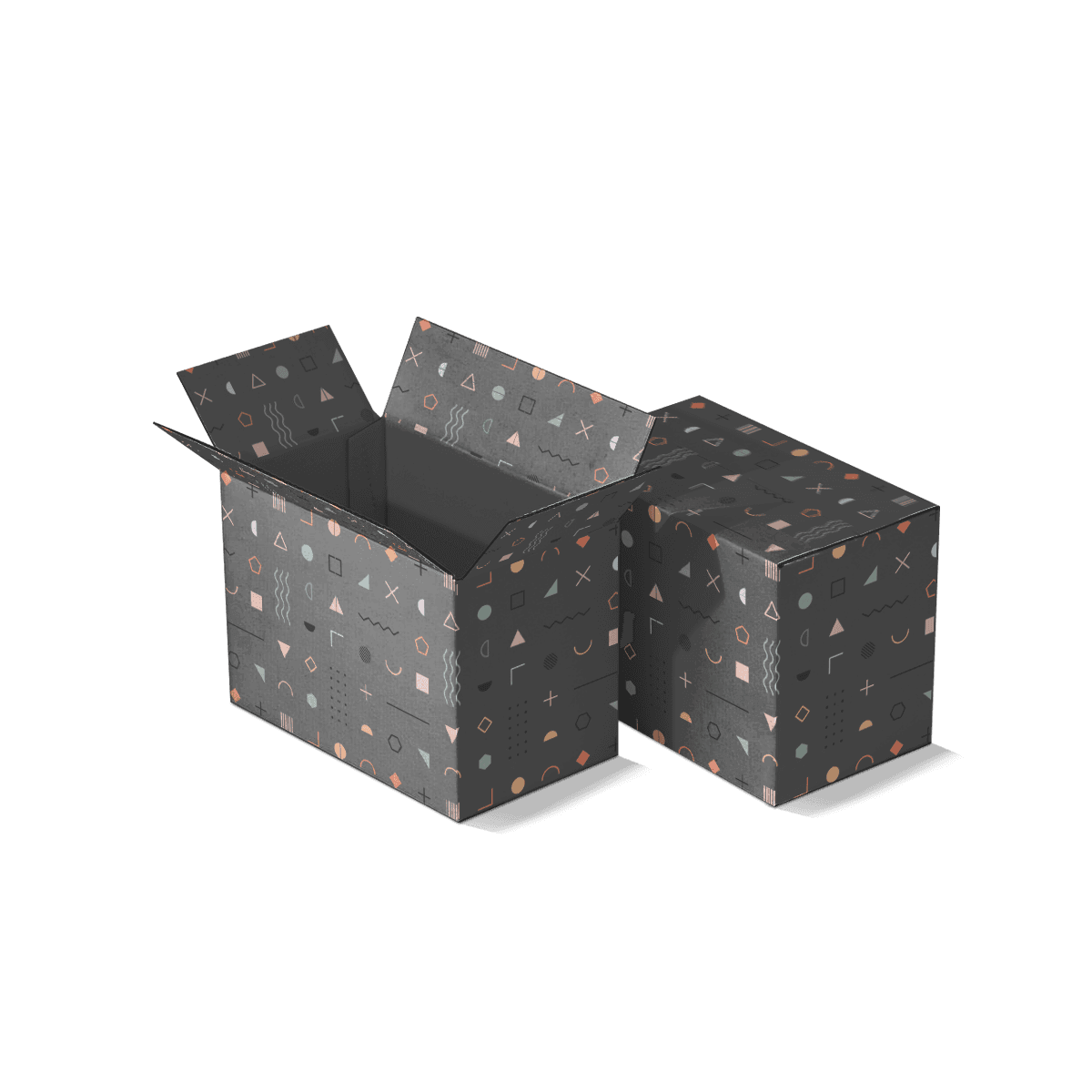
Component-by-Component Layout
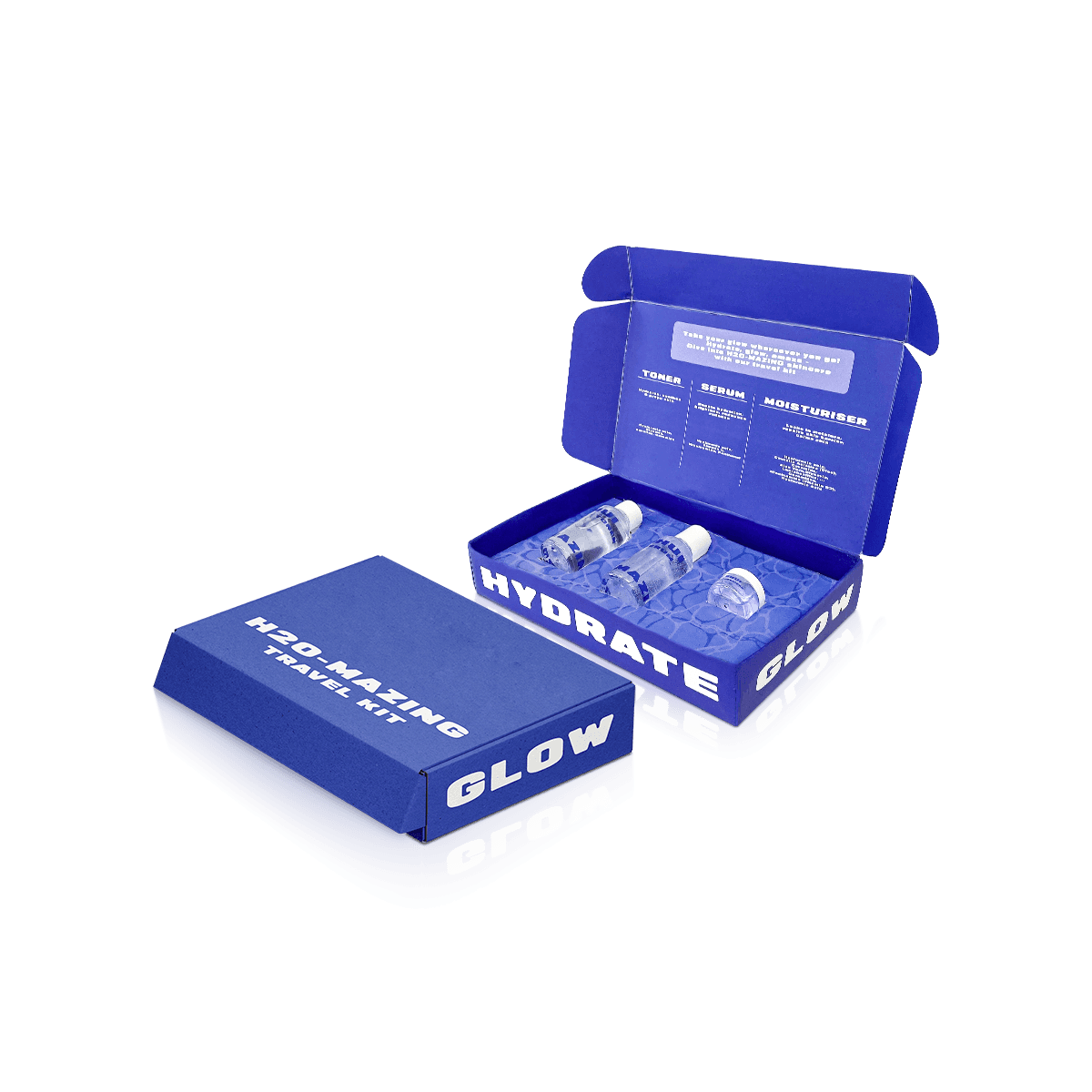
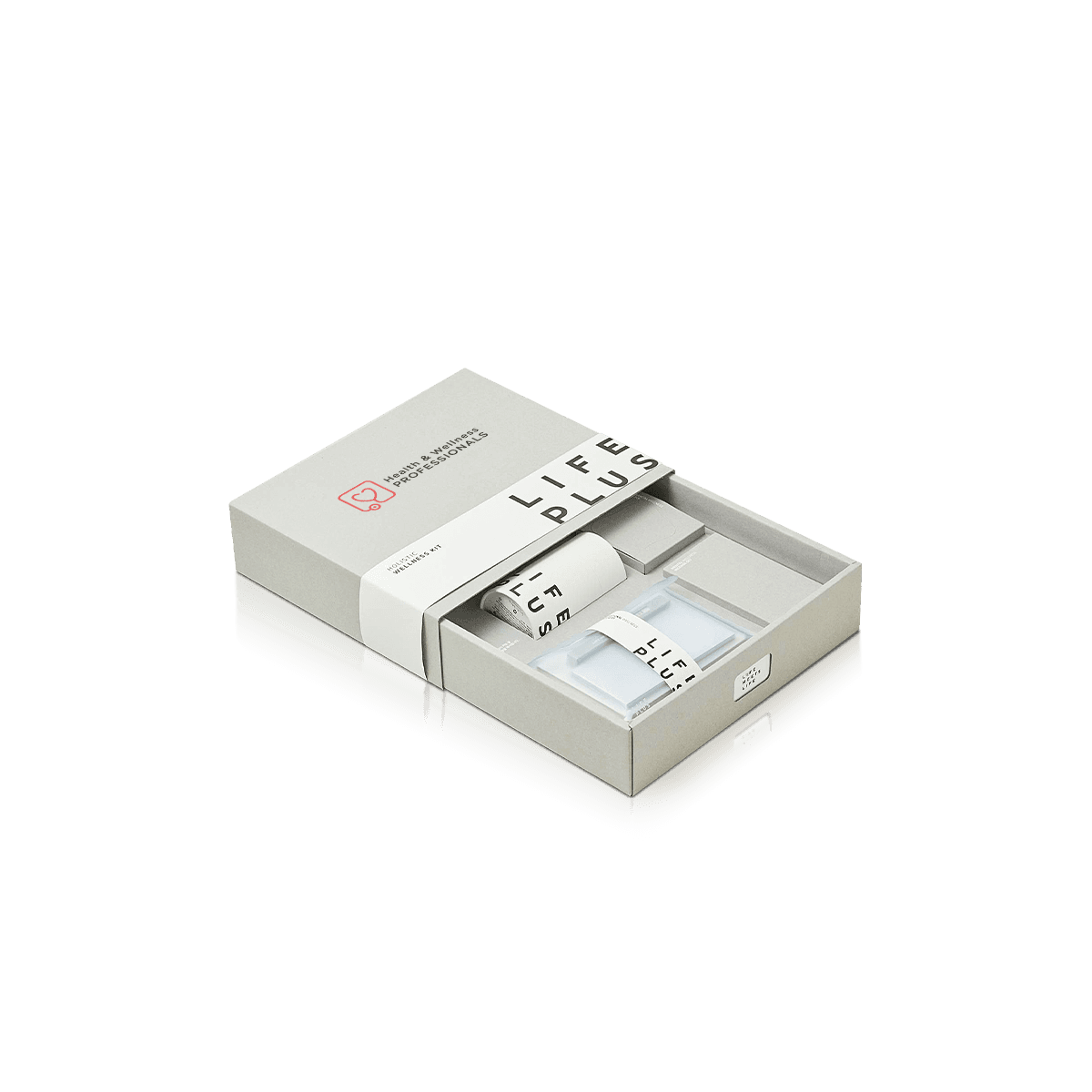
Partitions, trays and pads help separate hardware, seals, cables and other mixed kit contents.
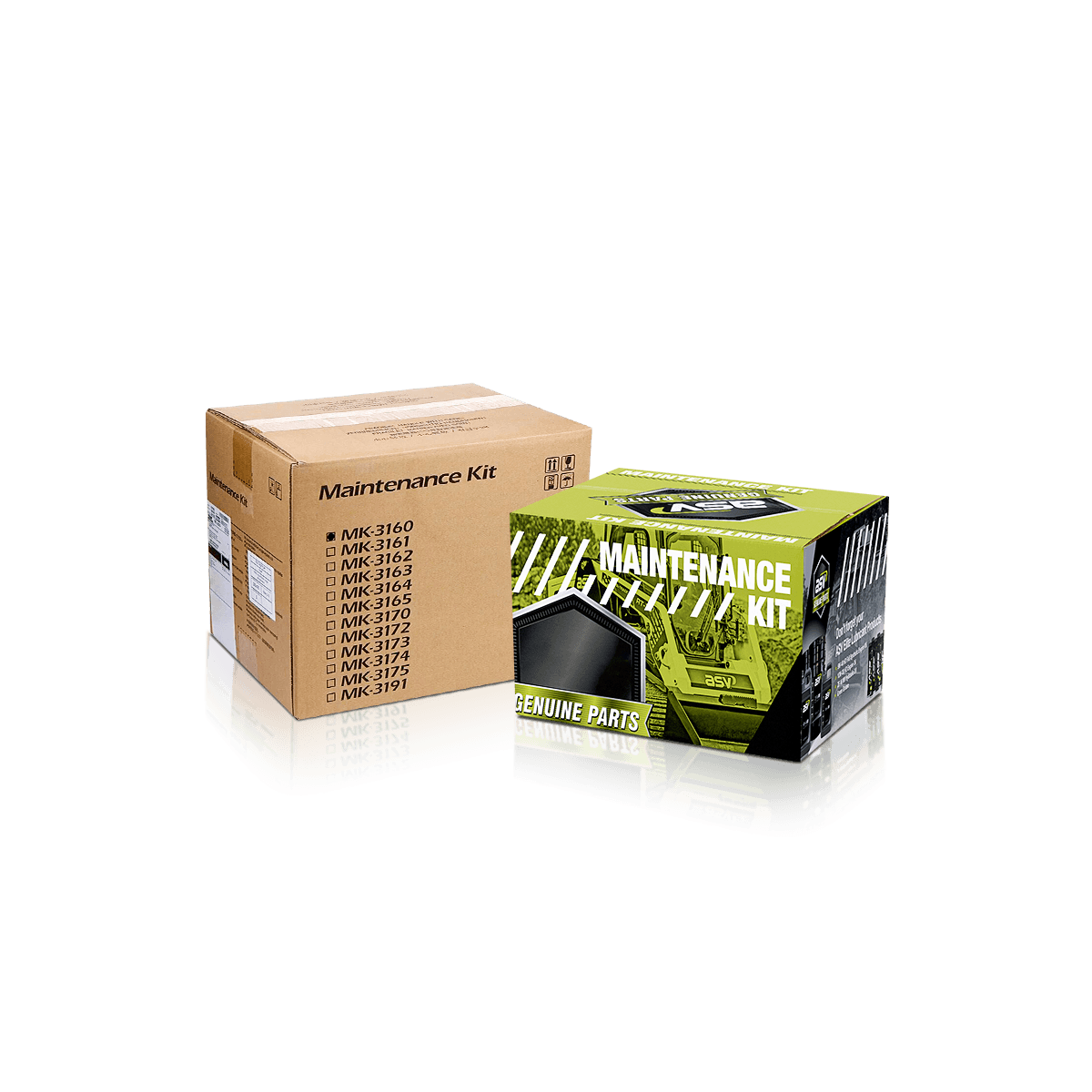
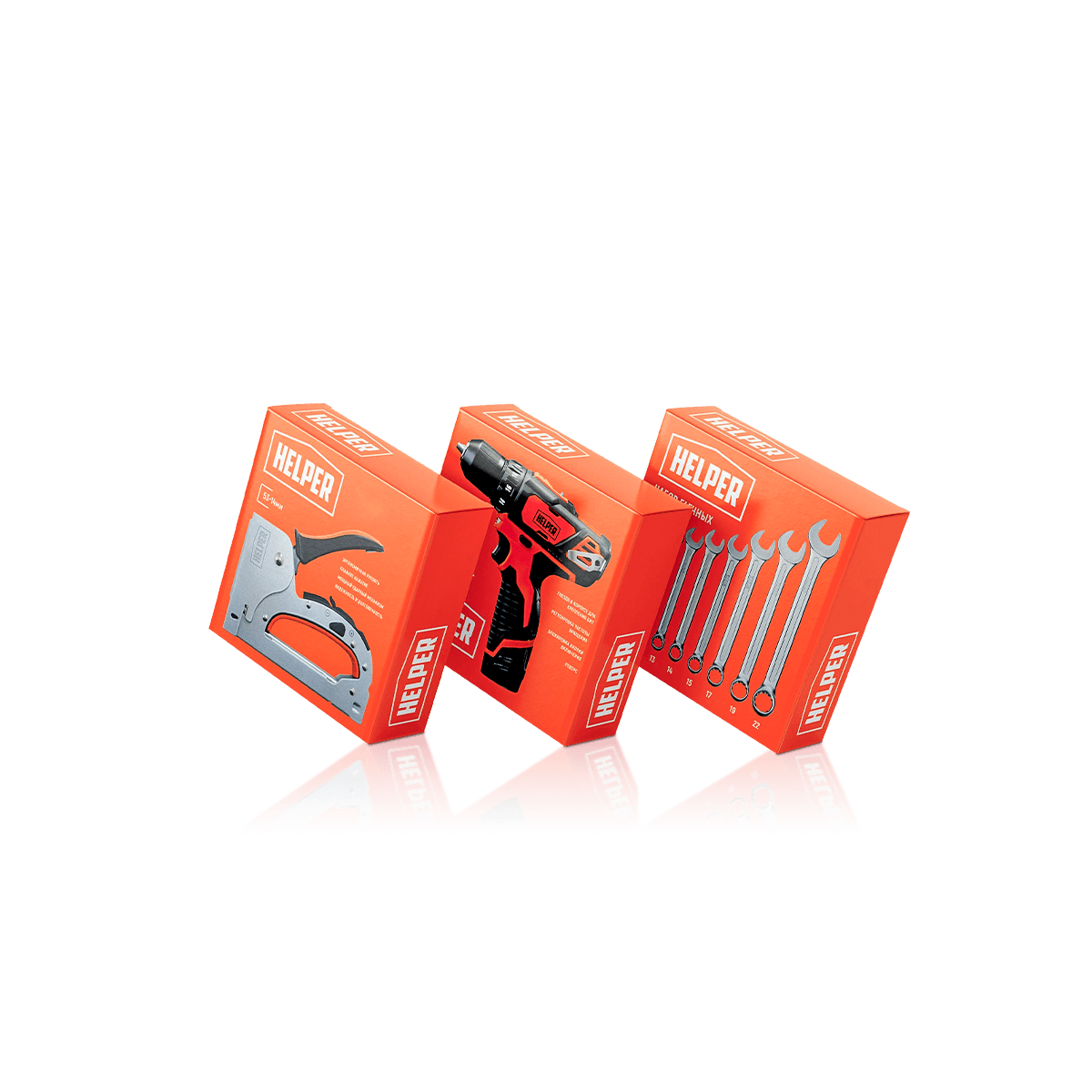
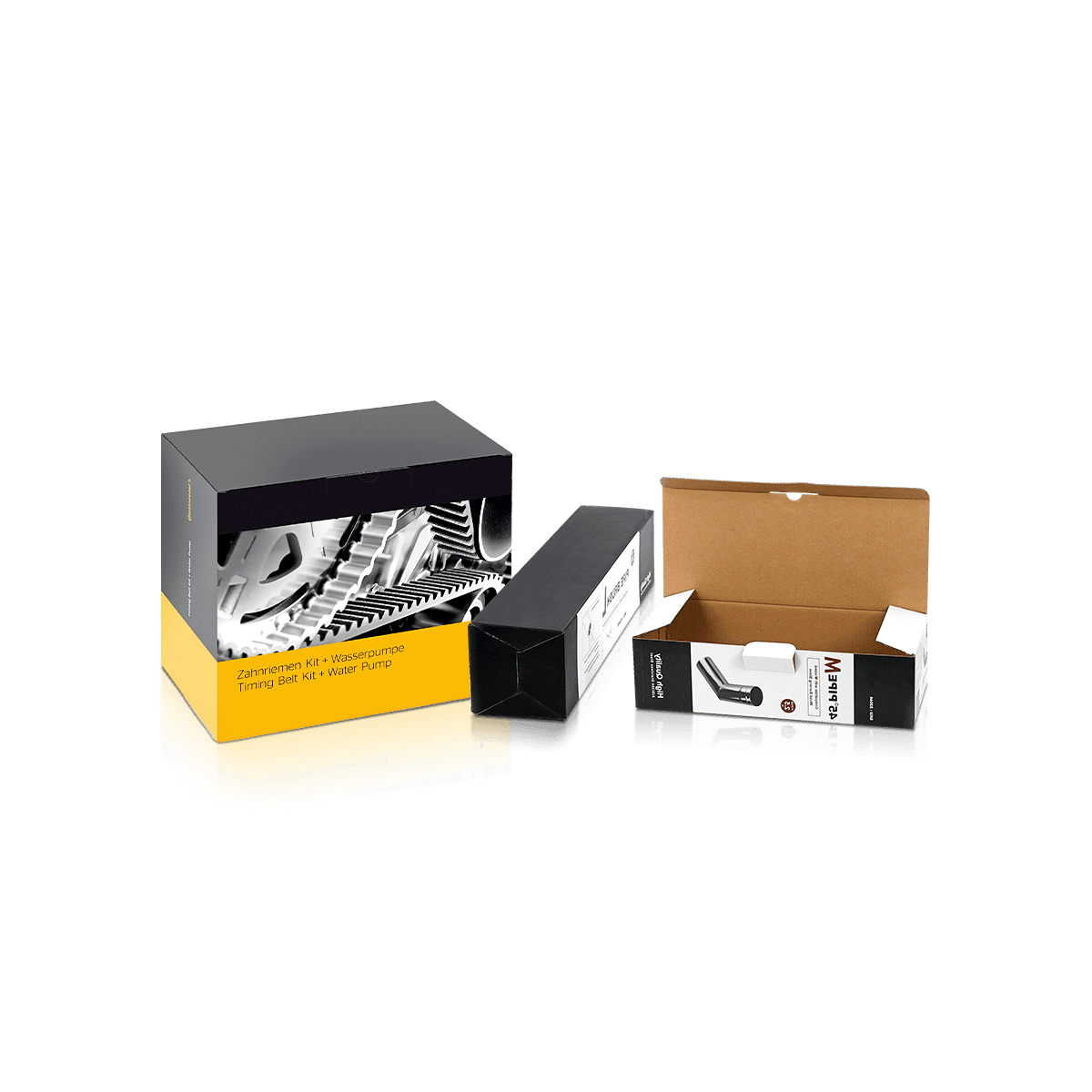
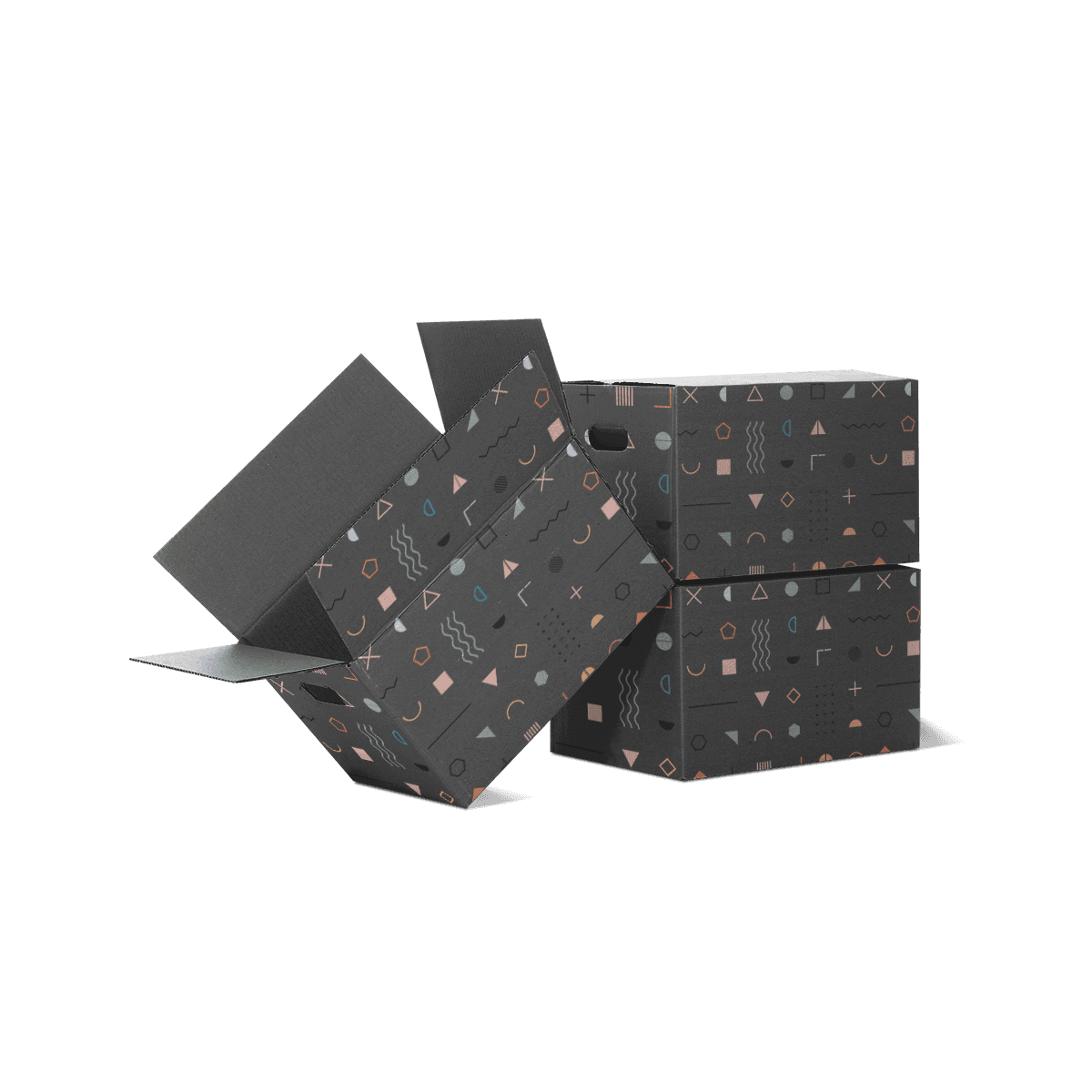
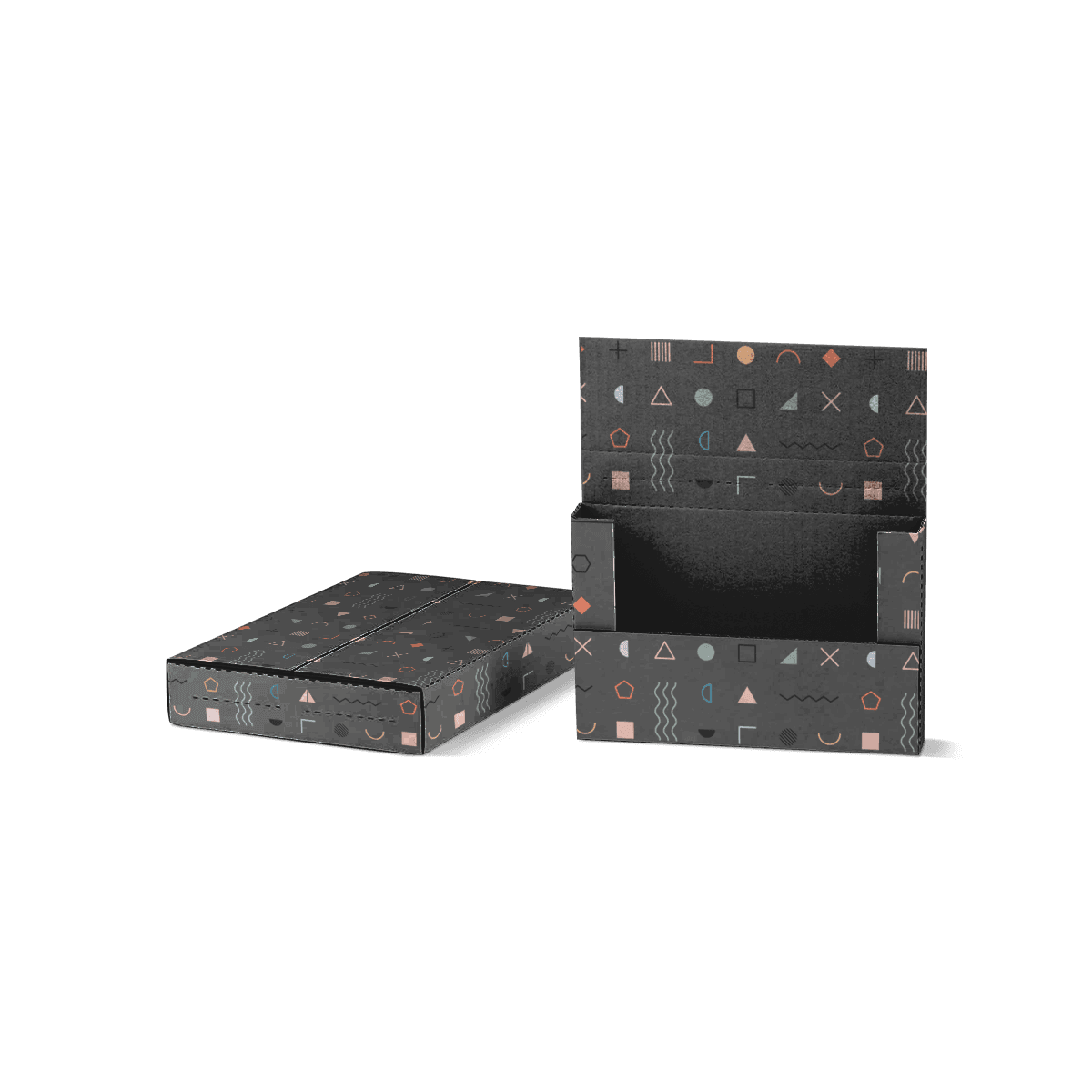
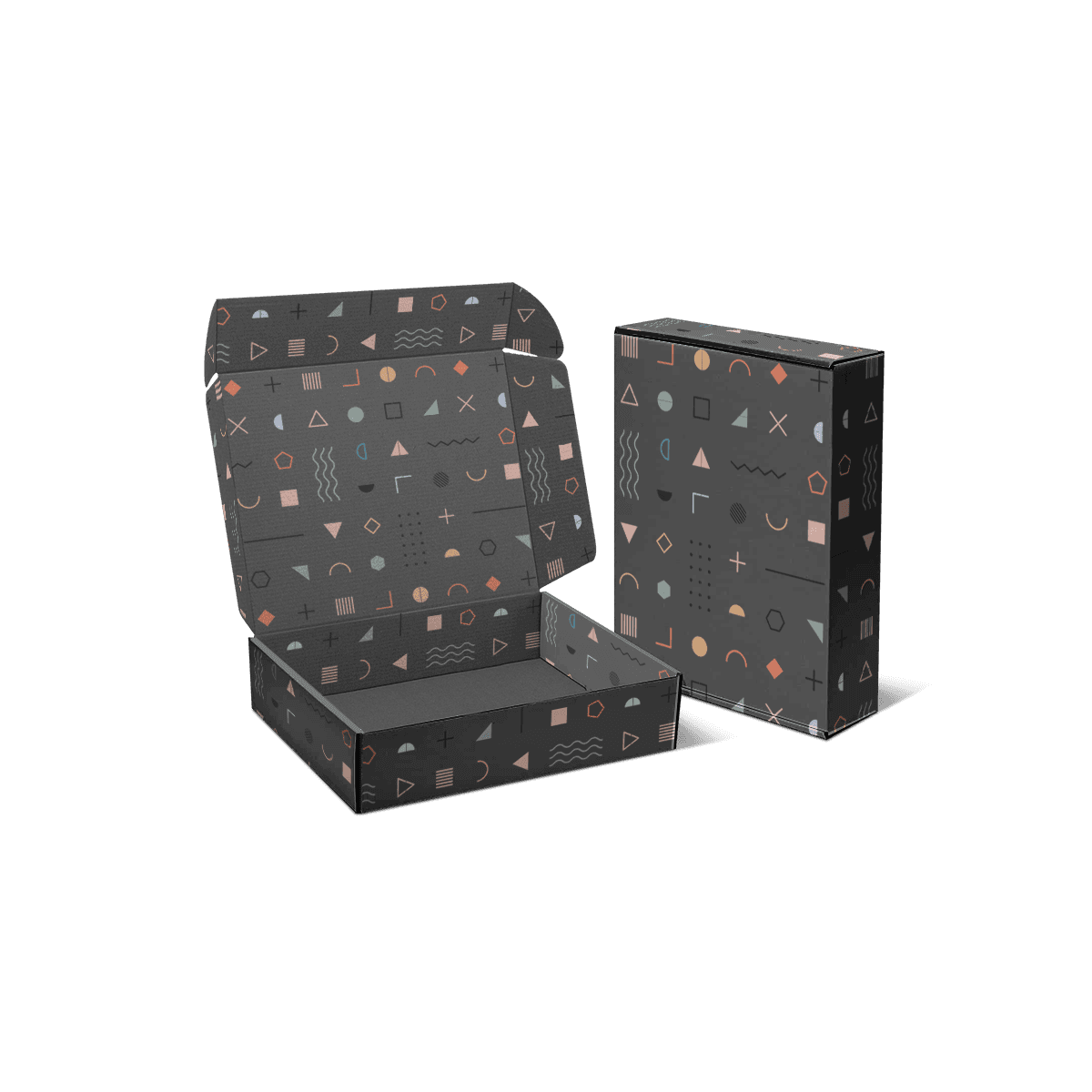
Maintenance Kit Boxes work best when loose components need to arrive counted, protected and easy to use at the next stop. Instead of forcing technicians or warehouse teams to sort mixed items by hand, these boxes can be structured around exact kit contents with corrugated partitions, foam pads, pouches or top-and-bottom protection. That makes them useful for field service replenishment, repair depots, spare-part assortments and planned maintenance programs where faster pack-out and cleaner internal organization matter.
Keeps multi-part kits organized inside one pack
Cuts part mixing during storage and shipment
Cuts part mixing during storage and shipment
Protects fragile and high-value kit components
Gives technicians a cleaner unboxing flow
Partitions, trays and pads help separate hardware, seals, cables and other mixed kit contents.
A custom interior fit improves retention and reduces shifting for small or delicate components.
Panels can be reserved for kit IDs, packing lists, QR labels and step sheets.
Right-sized box footprints help reduce wasted void space and create neater kit presentation.
Foam, folded corrugated and cushioning options can be chosen by fragility, vibration and handling conditions.
Preventive maintenance kits for service routes
Spare-part assortments for repair depots
Filter, gasket and seal replacement packs
Electronics service kits with protected components
Facility maintenance replenishment programs
Simple steps from idea to delivery
Tell Us Your Specs
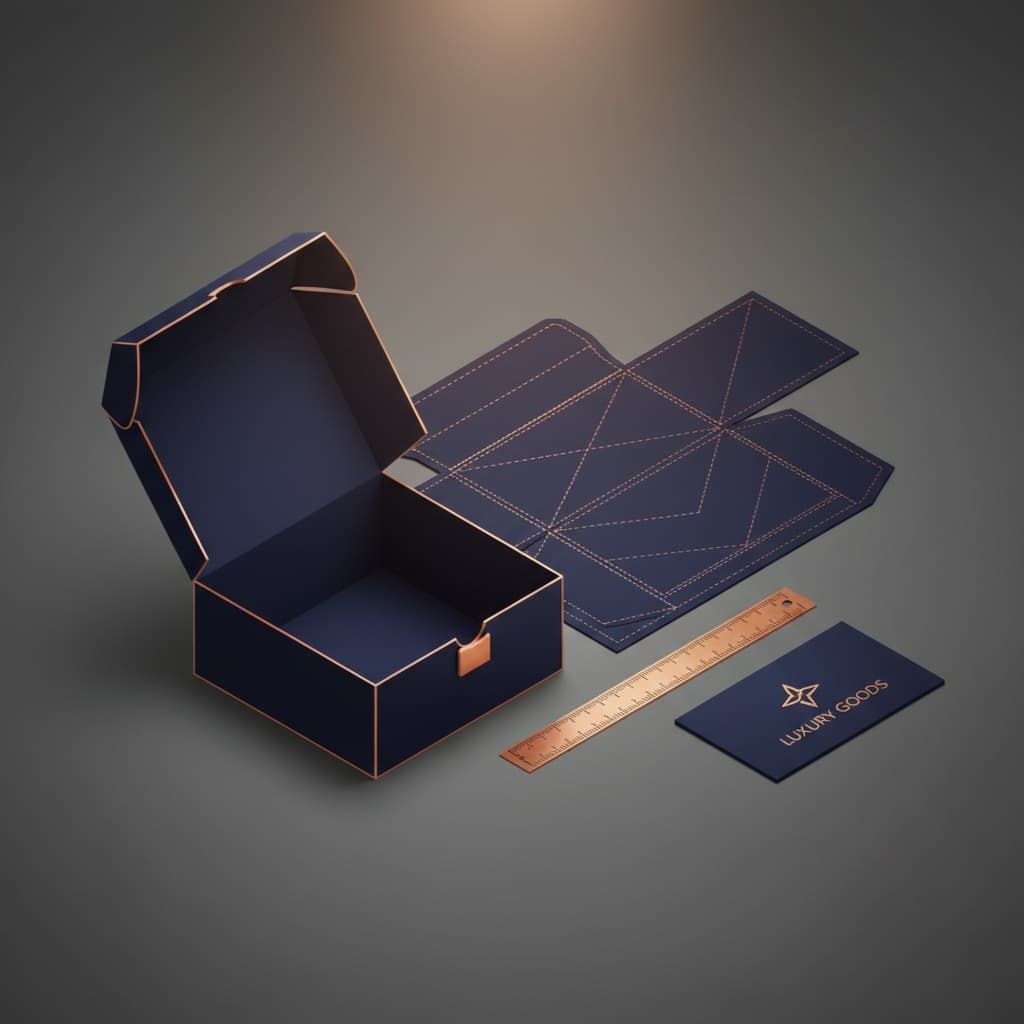
Provide size, quantity, printing, and finishes.
Get a Fast Quote
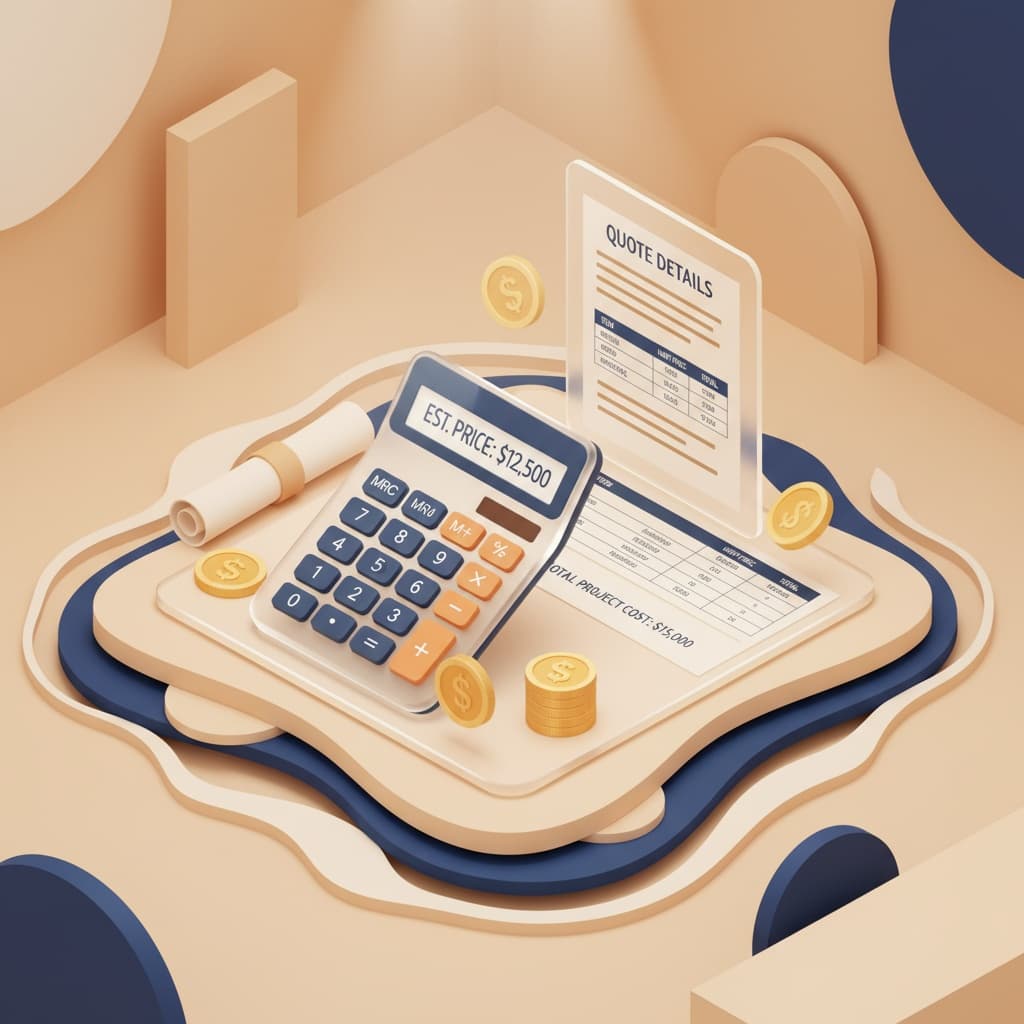
Instant transparent pricing, no hidden fees.
Design and Approval
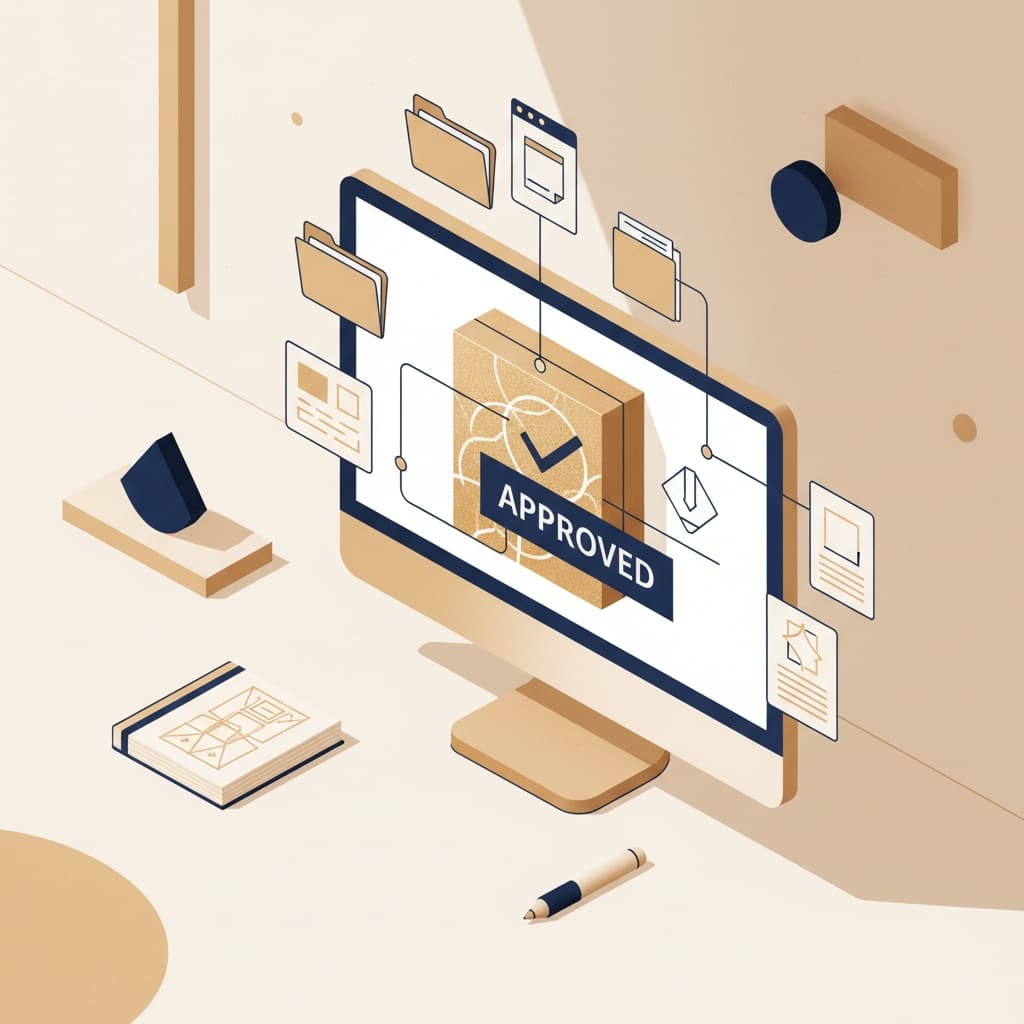
Artwork checks, revisions, and final sign-off.
Produce
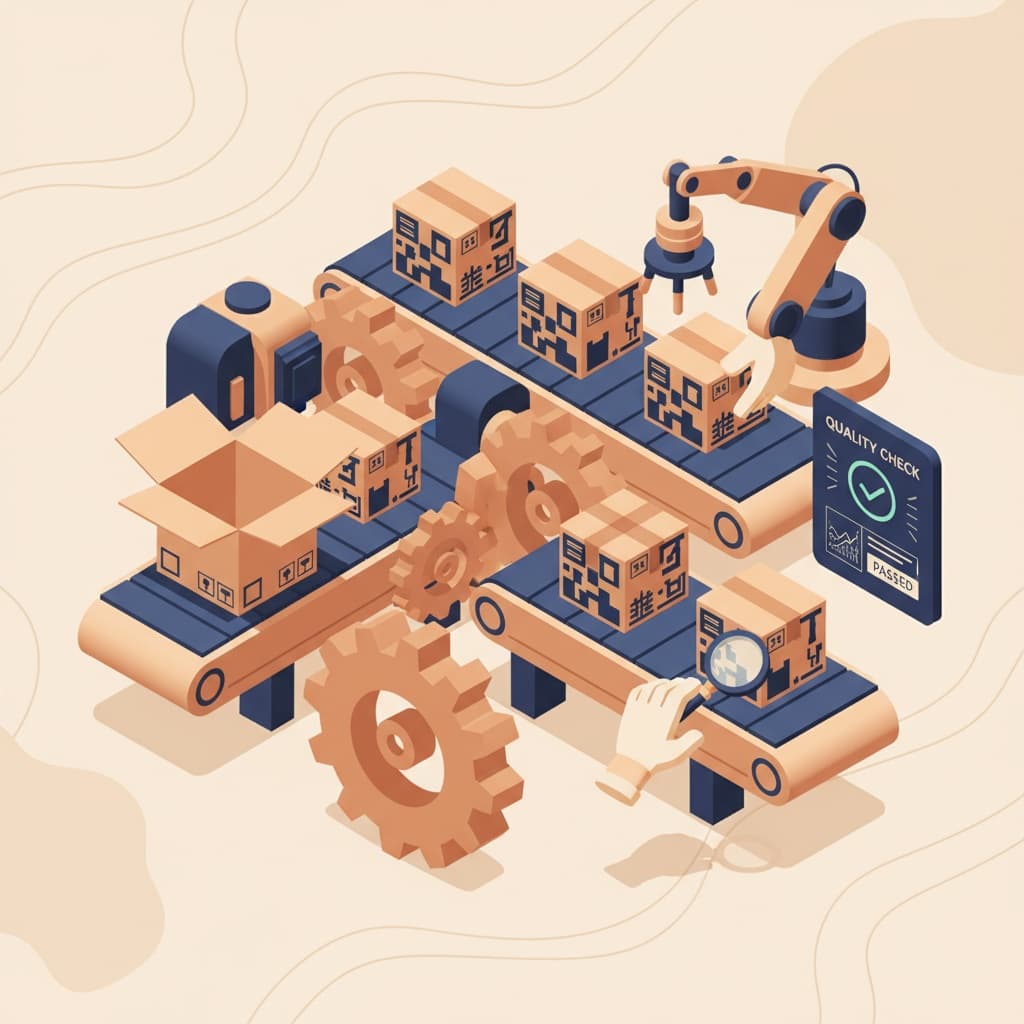
Expert manufacturing to meet deadlines.
Ship to Your Door
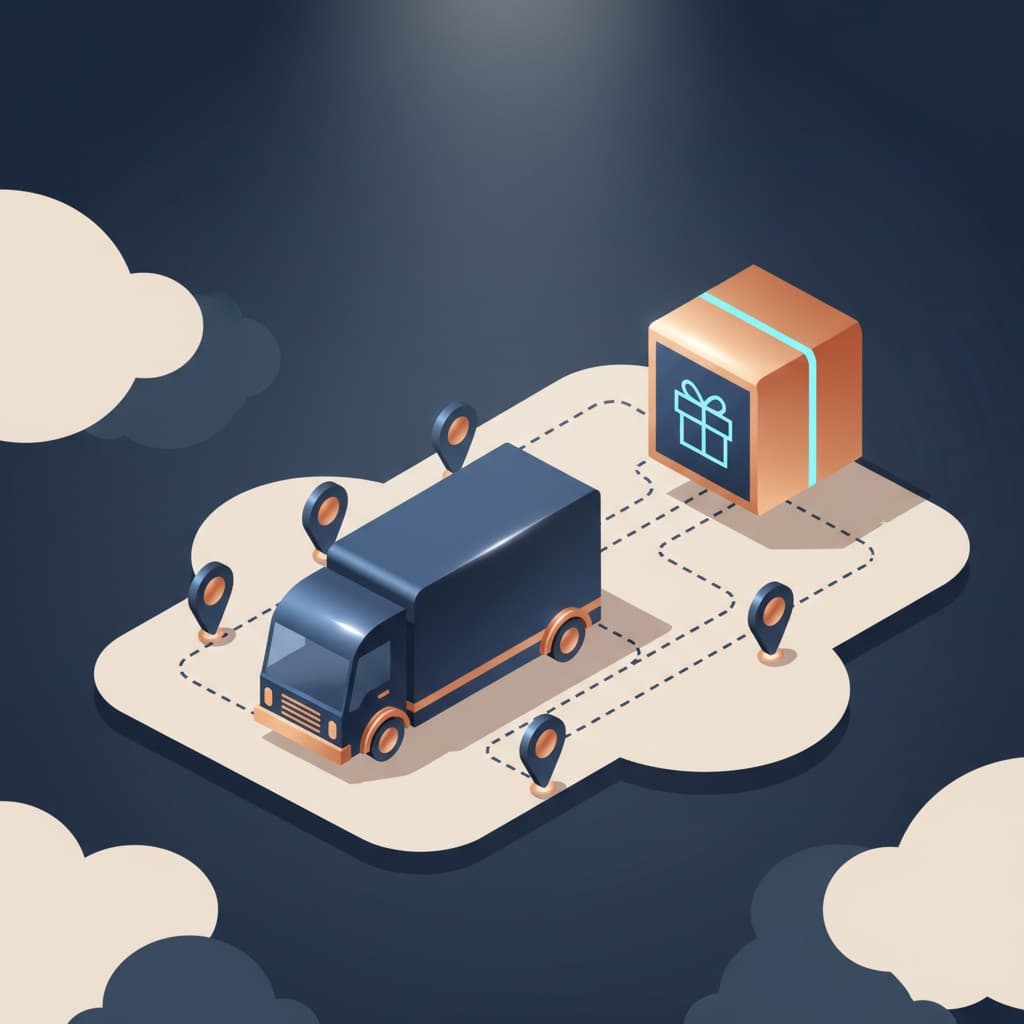
Hassle-free, flexible delivery options.
Share your product details, size, quantity and artwork needs. We’ll help choose the right packaging style and send a clear quote.