Skip to content
Details

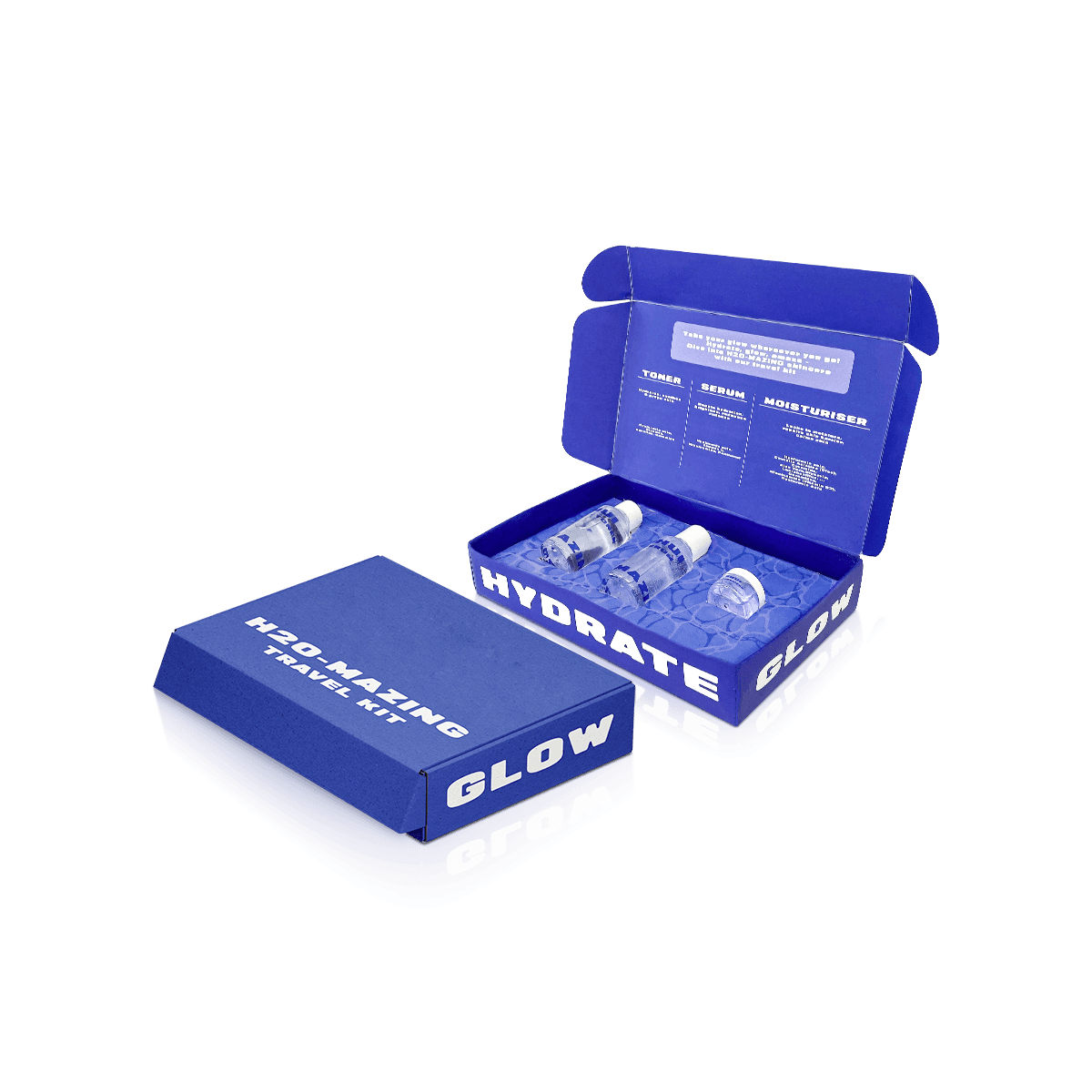
Custom Travel Kit Boxes

Compact packaging for toiletries, sleep items, grooming products and travel essentials that stays organized through handoff, bag transport and repeated opening.

The Kit Will Not Stay Upright

A travel kit may look perfectly organized on a hotel counter and become a different packaging problem as soon as it enters a suitcase, backpack or carry bag.

Custom Travel Kit Boxes should therefore be planned for orientation changes.

Mini bottles can fall sideways. A toothbrush can cross the box diagonally. Earplugs, wipes or cotton items can disappear underneath larger products. A sleep mask can be compressed into whatever space remains. The pack still contains everything, but the organization that made the kit useful at handoff has disappeared.

The interior should control the components well enough that turning the box on its side does not completely rearrange them.

That portability requirement gives the kit a distinct role in hospitality packaging. The kit is not simply several guest amenities presented neatly once. It should remain manageable after the guest takes it away.

Hold the Structured Items First

Mini bottles, tubes, razors and toothbrushes create the main physical landmarks inside a travel kit.

Those items should establish the compartment plan because they are relatively rigid and can push lighter items around when the package changes orientation.

A fitted paperboard divider, locating tab or shallow tray can prevent a bottle from rolling across the cavity without surrounding every product with heavy material.

Soft Items Fill Differently

Sleep masks, wipes, cotton pads and similar lightweight products behave differently.

They may compress around harder items rather than needing an exact cavity of their own. That flexibility can help keep the box compact, but the soft items should not be used as improvised void fill around products that actually need retention.

The layout should still give every component an understandable place.
Compactness Comes From the Whole Packout

The largest item does not automatically determine the best box shape.

A long toothbrush, short bottle and folded sleep mask may create a more efficient pack when their orientations are considered together rather than when every item is placed parallel.

The useful footprint comes from the complete arrangement.

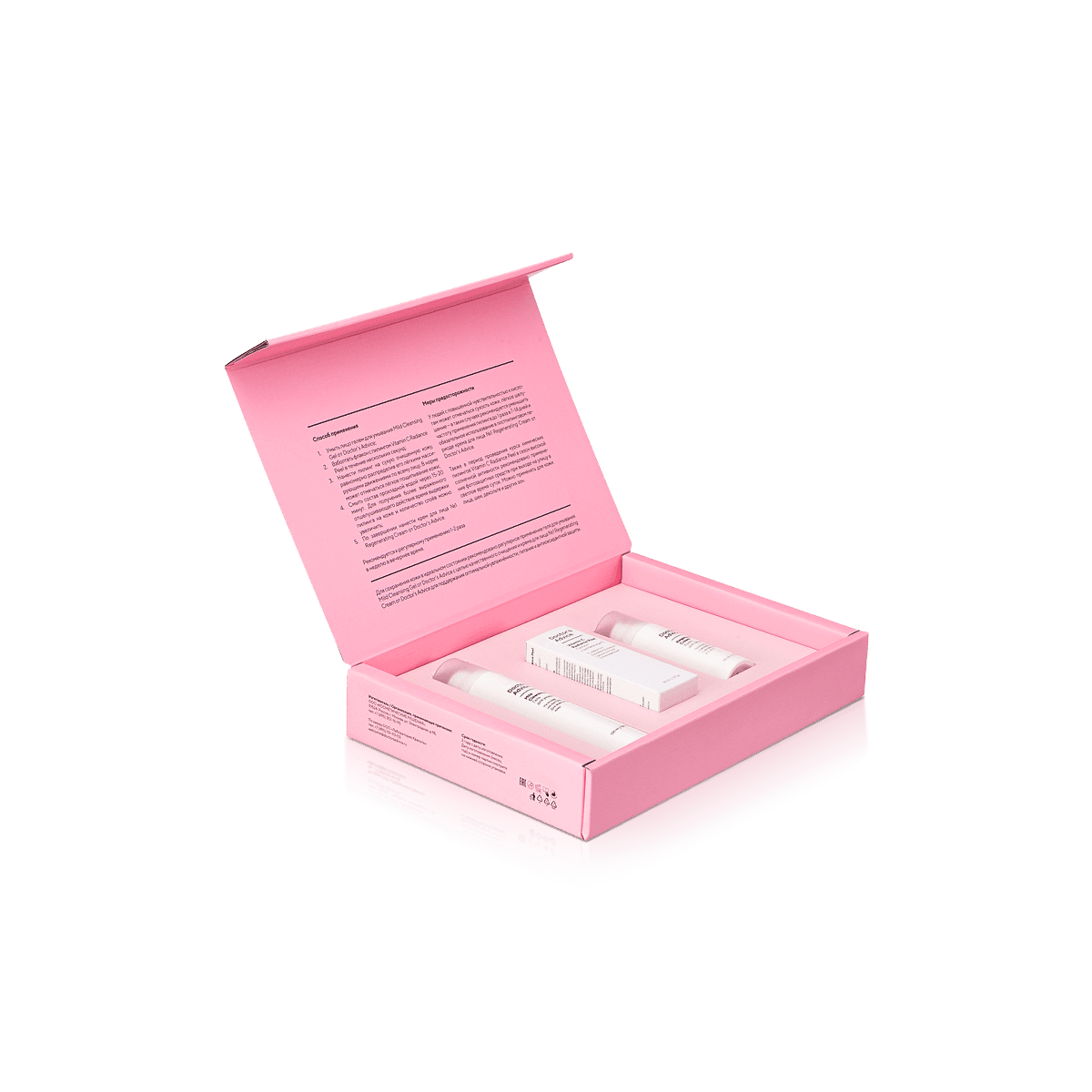
A shallow rectangular box might place the toothbrush along one long edge, stand or cradle the toiletries beside it and use the remaining space for flat comfort items. Another kit may work better with two layers because its products differ substantially in height.

When dimensions must follow the complete item mix, custom product packaging should be planned from the packed kit rather than a preset carton.

Watch the Highest Cap

The tallest bottle or cap often controls depth even when most items are much flatter.

Do not increase the entire cavity automatically.

Changing bottle orientation, creating a local recess or reorganizing the kit may reduce the total depth without compressing the contents.

A compact travel kit should remove unusable space, not remove necessary clearance.

Separate Liquids From Dry Essentials

The outer box should not be treated as a liquid-containment system.

Travel-size shampoo, lotion, cleanser and similar products need their own appropriate primary containers. The travel kit then organizes those products with dry items such as dental packs, sleep accessories, combs or printed instructions.

That distinction matters because mixed contents can create secondary problems even when nothing breaks.

A loose bottle can scuff a toothbrush carton. A tube can cover printed instructions. A leaking primary container could affect every neighboring component if the kit has no separation at all.

Dividers and trays can create useful zones without making the package excessively complex.

When rigid containers, flat packs and small accessories need different movement control, packaging inserts can establish separate zones without making the kit bulky.

Dry Items Need Easy Recognition

The guest should not need to empty the entire kit to find earplugs or a dental item.

Small components can sit in one compartment, sleeve or paper envelope so they remain identifiable even after the box has been moved.

A travel kit becomes more useful when its organization survives beyond the first opening.

Repacking Matters After First Use

Unlike a one-time gift box, a travel kit may be opened and partially used throughout a trip.

The guest might remove toothpaste in the morning, return it later, take out a sleep mask at night and keep the rest of the products together until checkout.

The packaging should make that repeated use simple.

An interior that looks perfect only while every component is untouched can become inconvenient as soon as one product leaves its exact presentation cavity.

This is where restraint needs judgment.

A highly fitted insert can create a polished first reveal, but a slightly more flexible divider system may be more practical if the guest is expected to return products to the box repeatedly.

Travel-oriented packaging should consider both moments.

Travel Kits and Amenity Kits Serve Different Moments

The two products can contain many of the same essentials, but their operational priorities differ.

Amenity Kit Boxes are the stronger direction when the pack is primarily prepared for room placement, bathroom presentation, guest check-in or hospitality replenishment.

Travel Kit Boxes should place more weight on what happens after handoff.

They suit essentials-led packs expected to move with the guest, enter luggage or remain useful during a short trip, event or retreat.

That difference influences structure.

A hotel amenity presentation can prioritize the way bottle labels face when the pack is opened. A travel kit may sacrifice some fixed presentation in exchange for a compact layout that handles repeated opening and orientation changes better.

The same outer artwork can feel premium in both cases. The internal logic should not be identical merely because the item list overlaps.

Welcome Boxes Need More Presentation Space

A welcome package often includes products that do not belong in a compact travel kit.

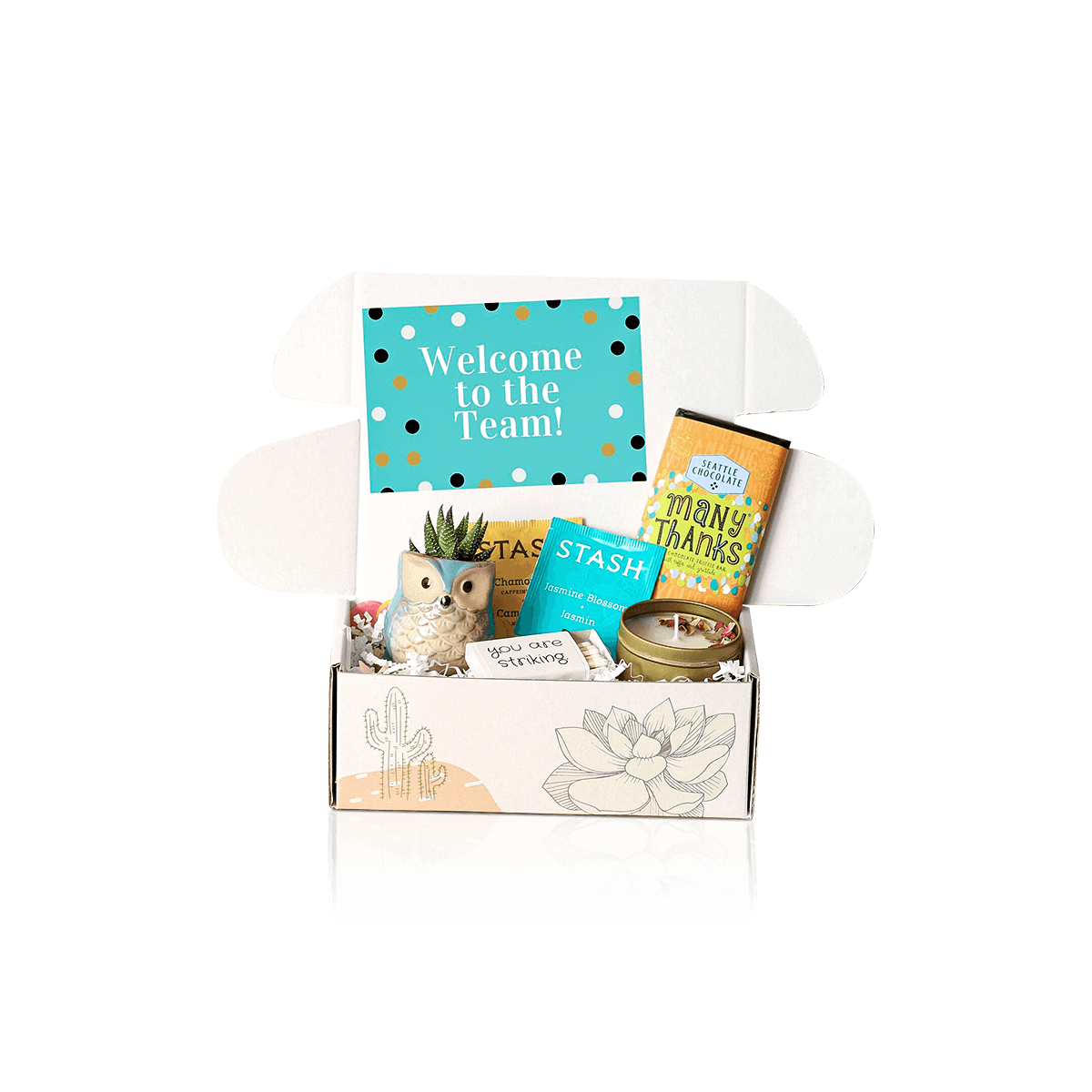
Snacks, local gifts, event information, room cards, bottles, keepsakes and printed greetings can create a broader arrival experience. Those contents usually benefit from more visible separation and a larger opening presentation.

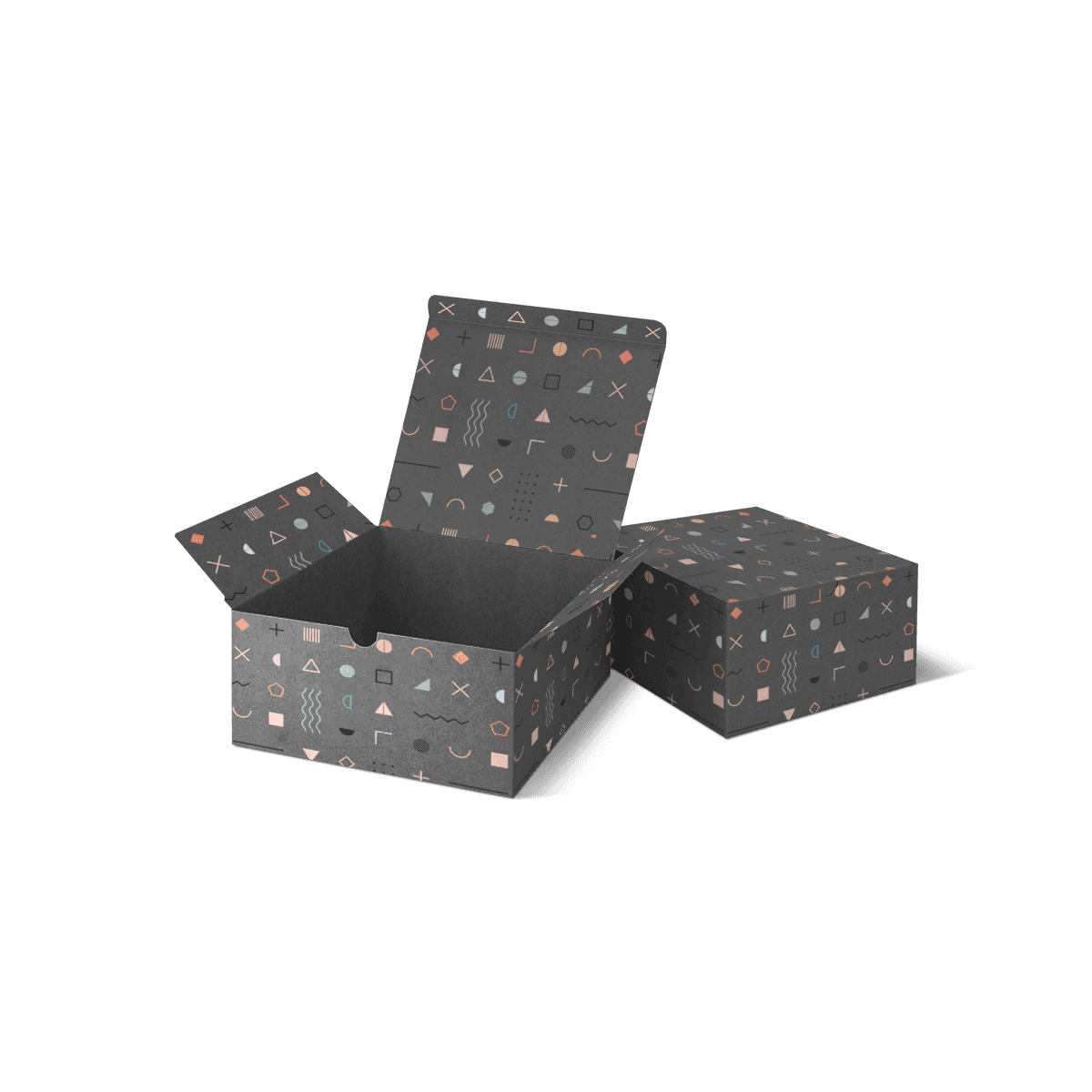
Welcome Gift Boxes fit that job better.

Travel Kit Boxes should stay focused on portable essentials.

Adding promotional merchandise, gourmet items and several cards to a compact kit can make it harder for the guest to understand which products are intended for actual travel use.

The packaging should communicate the role of the contents without needing a long explanation.

Structure Follows How the Kit Is Used

Travel kits do not require one universal box style.

The item mix, weight and desired reuse determine how much structure makes sense.

Folding Cartons Suit Light Kits

A compact toiletries or overnight kit containing sachets, a toothbrush, wipes and other lightweight products may work well in a folding carton.

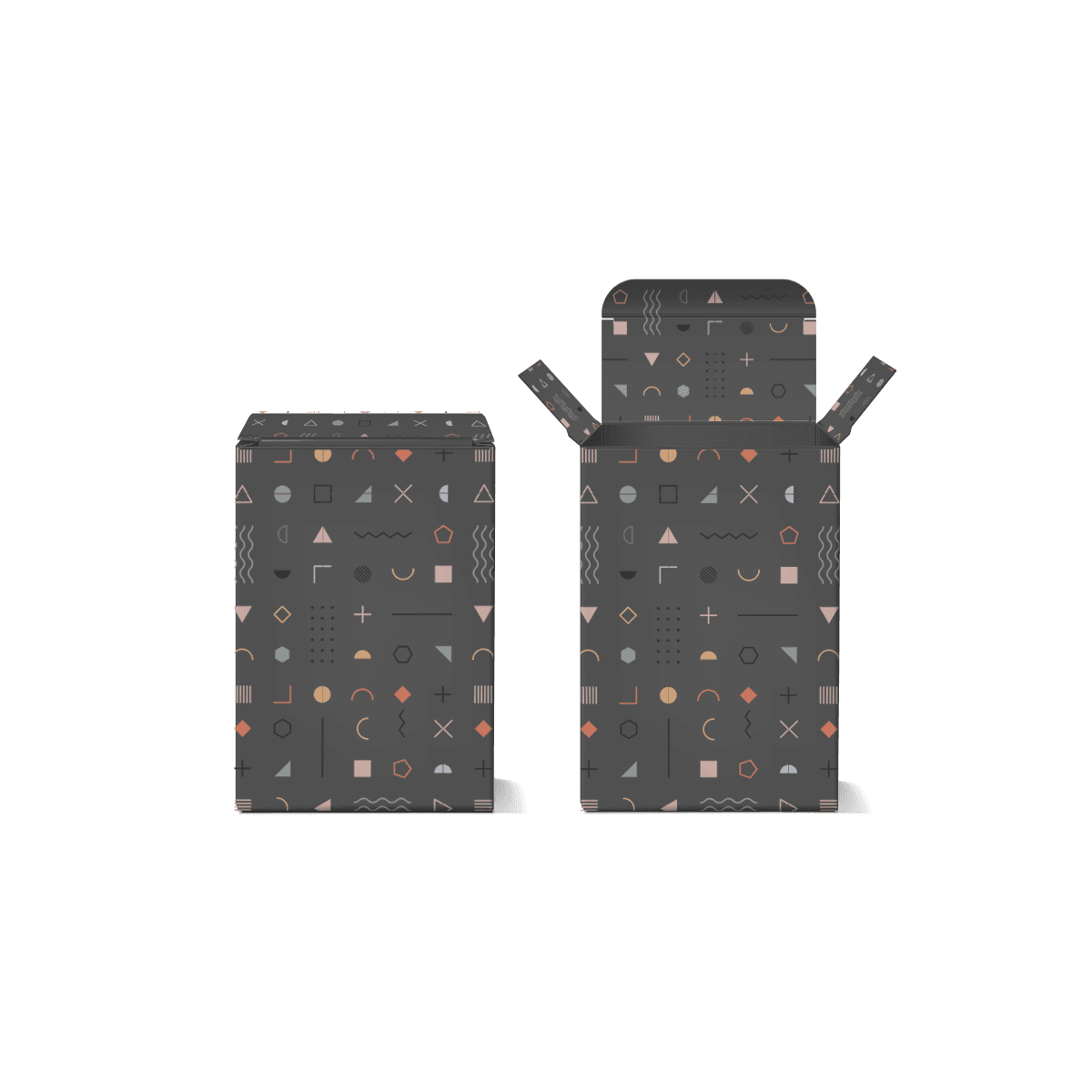
Custom Straight Tuck End Boxes suit light kits that need printable panels and efficient flat storage rather than heavy structure.

The carton can include a simple paperboard divider where movement needs more control.

Tray and Sleeve Adds a Controlled Reveal

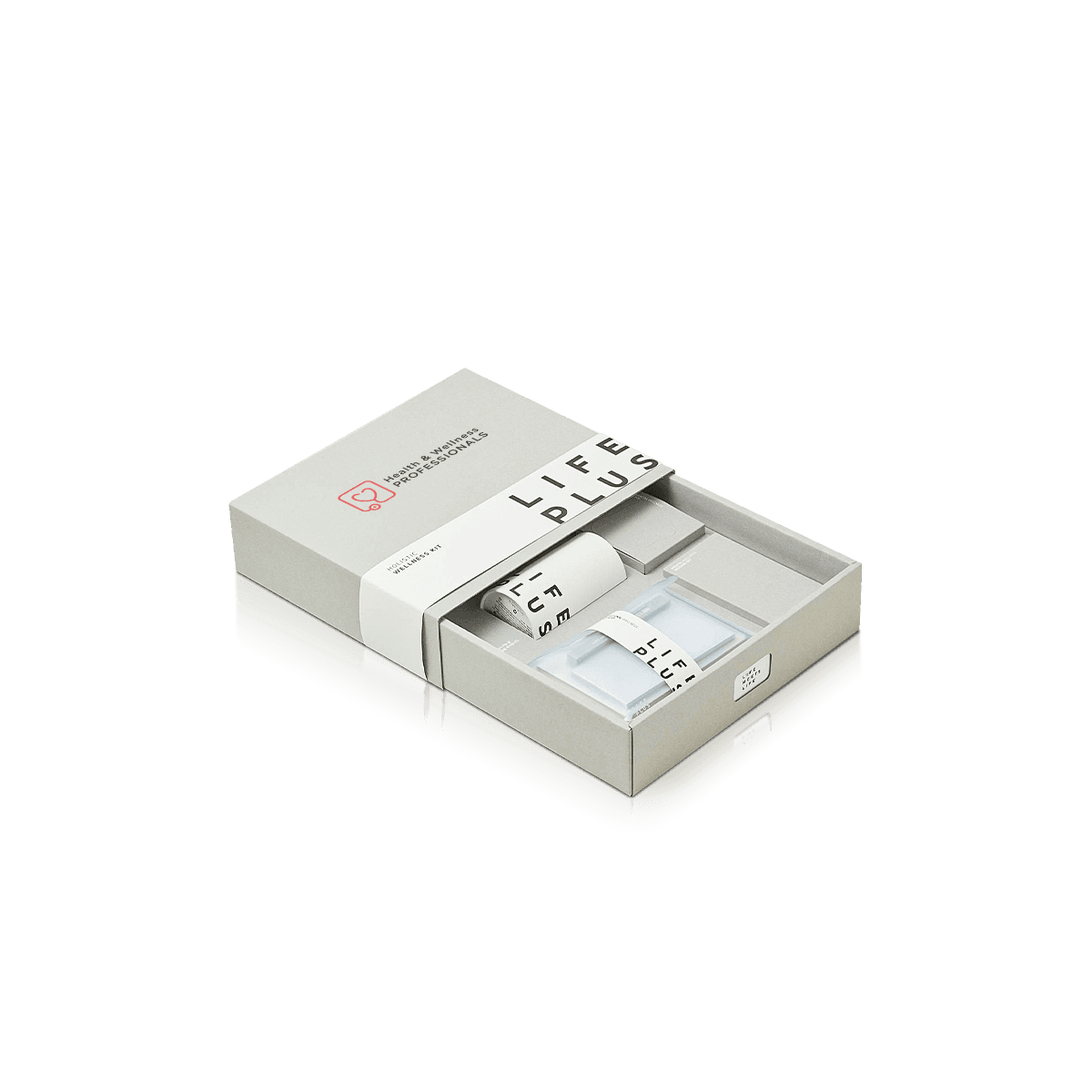
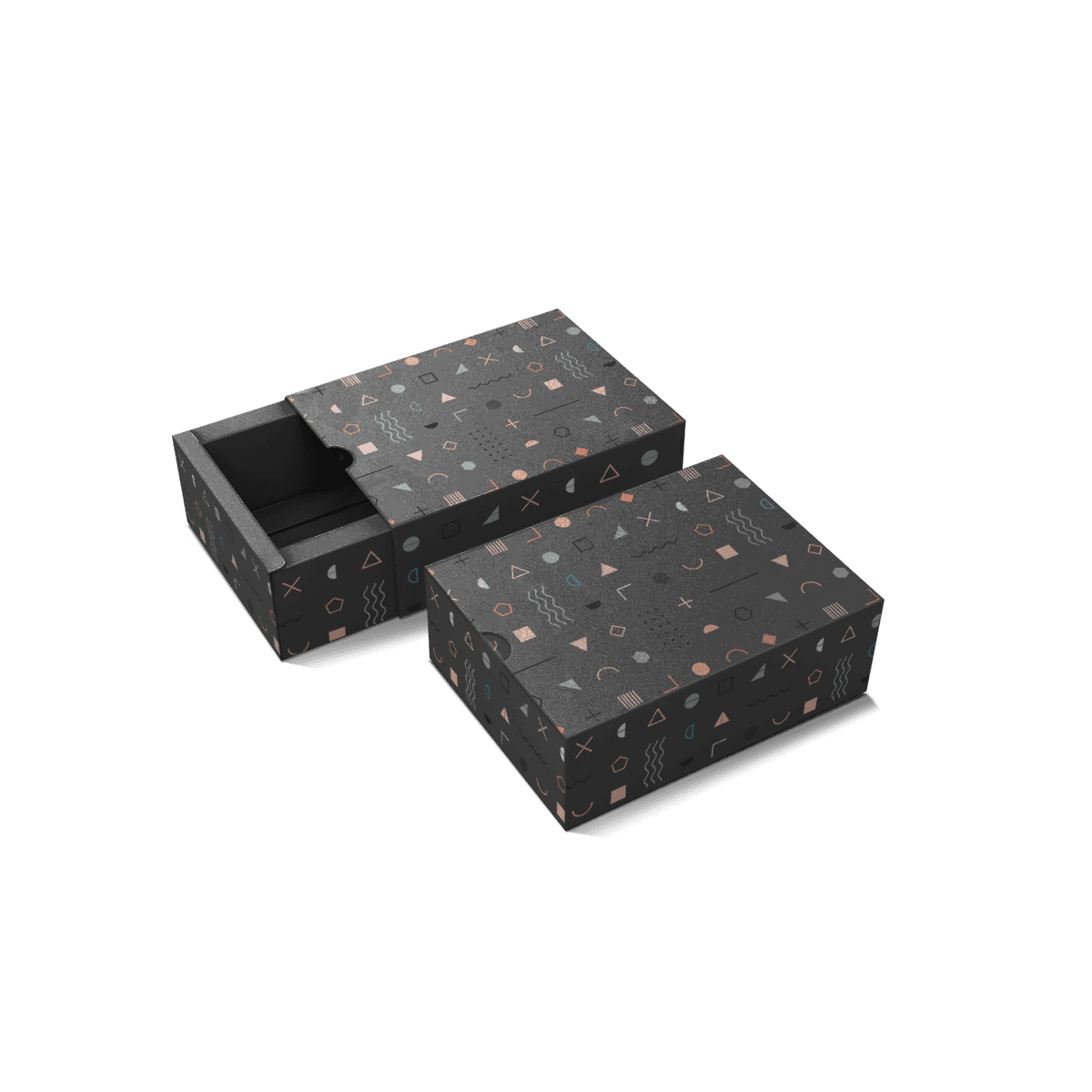
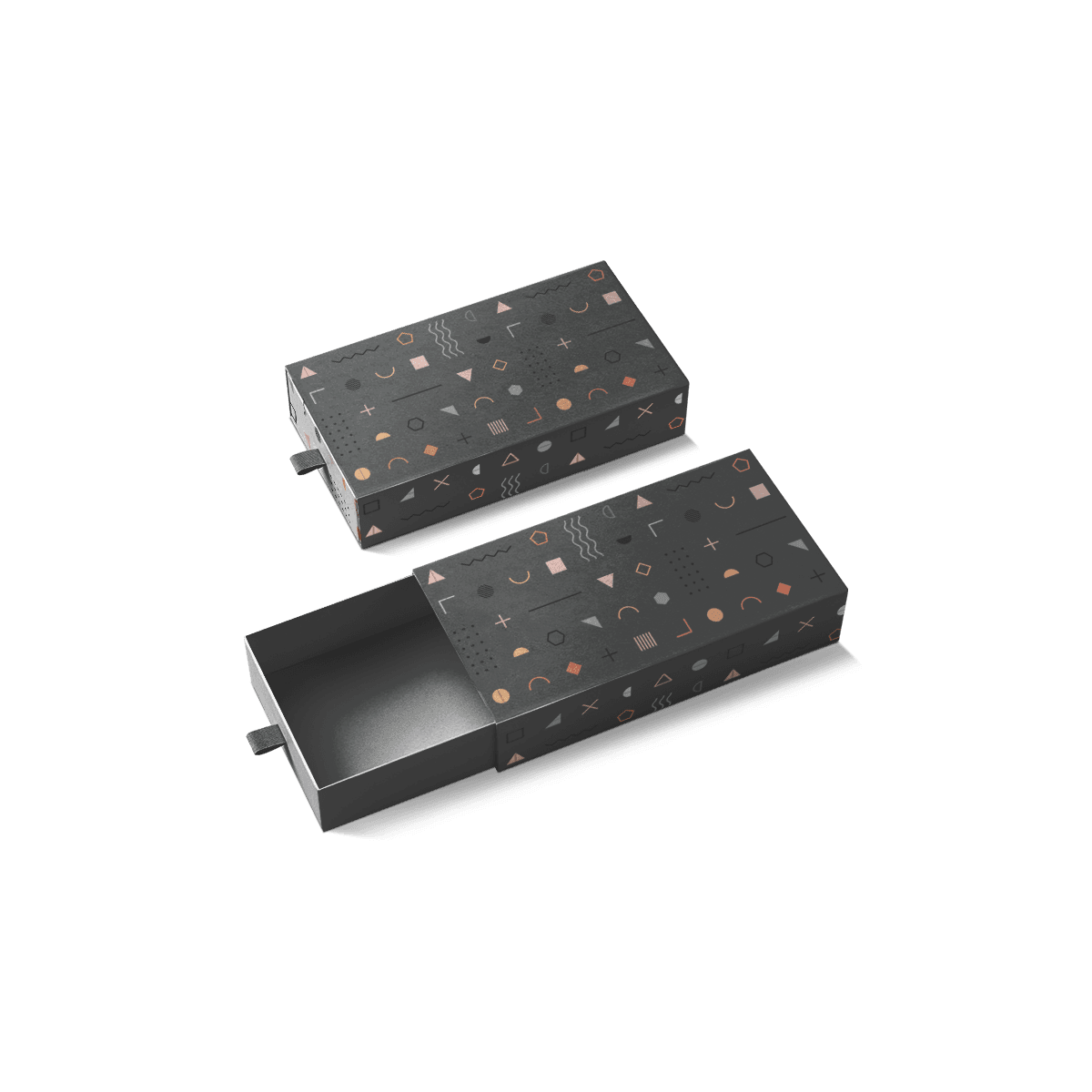
A tray and sleeve box allows the complete kit to move out horizontally while the tray keeps the product arrangement together.

That can work for compact skincare or grooming sets where product visibility matters without moving all the way into permanent rigid-board packaging.

The tray still needs enough retention to keep bottles and accessories from changing position as it slides.

Rigid Construction Needs a Reason

A rigid box can suit executive travel sets, VIP hospitality packs or premium branded kits when the package is intended for repeated storage.

The stronger structure should provide a useful benefit such as longer reuse, a fitted multi-product interior or a more permanent brand presentation.

Do not add rigid board to an essentials pack solely because the word “travel” is being positioned as premium.

Item Count Should Be Obvious During Packing

Travel kits often contain many inexpensive components rather than one dominant product.

That shifts quality control toward completeness.

If the box is supposed to contain a toothbrush, toothpaste, razor, wipe pack, sleep mask and earplugs, the packing team needs an arrangement that makes a missing item easy to detect.

A compartment plan can help because an empty position is immediately visible.

That does not mean every cotton pad or sachet needs its own die-cut cavity. Group similar small items where sensible and reserve fixed positions for components that are easily omitted or difficult to identify once the kit is closed.

The structure should help staff verify the kit without slowing down every pack.

One Loose Bottle Can Reorganize Everything

An overnight kit with a mini lotion bottle, toothbrush pack, sleep mask and two small comfort items can expose the problem in one shallow open cavity.

The kit may look clean when assembled on the table.

After the box is turned onto its side several times, the bottle moves across the cavity. It pushes the sleep mask into one corner, the smaller components disappear beneath it and the toothbrush ends up at an angle across the top.

Increasing the box depth would make the movement worse.

Adding loose paper filler might disguise the empty area but would make the kit harder to repack.

A better correction is a small structural divider that keeps the bottle in one zone while the longer toothbrush remains against the side wall. The soft items can use the remaining flexible space without carrying the load of the bottle.

The box dimensions may stay exactly the same.

The improvement comes from controlling the product that creates the movement.

Artwork Should Identify the Kit Version

Hospitality programs may use one basic travel-kit structure for several guests or service levels.

A standard overnight kit might contain essential toiletries. A suite version could add skincare or comfort items. A conference version may include event-specific travel products. A retreat may need another selection.

The packaging should make those versions difficult to confuse during fulfillment.

Exterior color blocks, clear naming, SKU codes or a controlled label position can differentiate kits without rebuilding the entire visual identity each time.

Premium offset printing can keep logos, typography and brand color consistent across those variations.

For programs with several printed versions, custom printed boxes can support repeat artwork control while the product mix changes by kit.

The variant information should be placed where staff can see it while boxes are stacked, not only on the panel hidden after packing.

Finishes Should Tolerate Bag Handling

A travel kit can experience more surface contact than an in-room gift box.

It may rub against clothing, other boxes, luggage interiors or event materials. That does not mean decorative finishes should be avoided, but their placement should reflect how the package will be handled.

A foil logo centered on a protected top panel may wear differently from foil placed close to a frequently gripped edge. Dark matte surfaces can make fingerprints or rubbing more noticeable. Soft-touch finishes can support a premium feel but should still be judged on the actual kit rather than a flat sample alone.

Artwork should remain readable after normal handling.

The travel kit's practical identity should survive its trip.

Shipping and Carrying Are Separate Jobs

A Travel Kit Box may be portable without being a parcel shipping box.

If hotels or event teams distribute the kits directly, the customer-facing structure may never need to handle courier networks.

If the same kit is mailed to attendees, influencers or customers before an event, the outer shipping requirement changes.

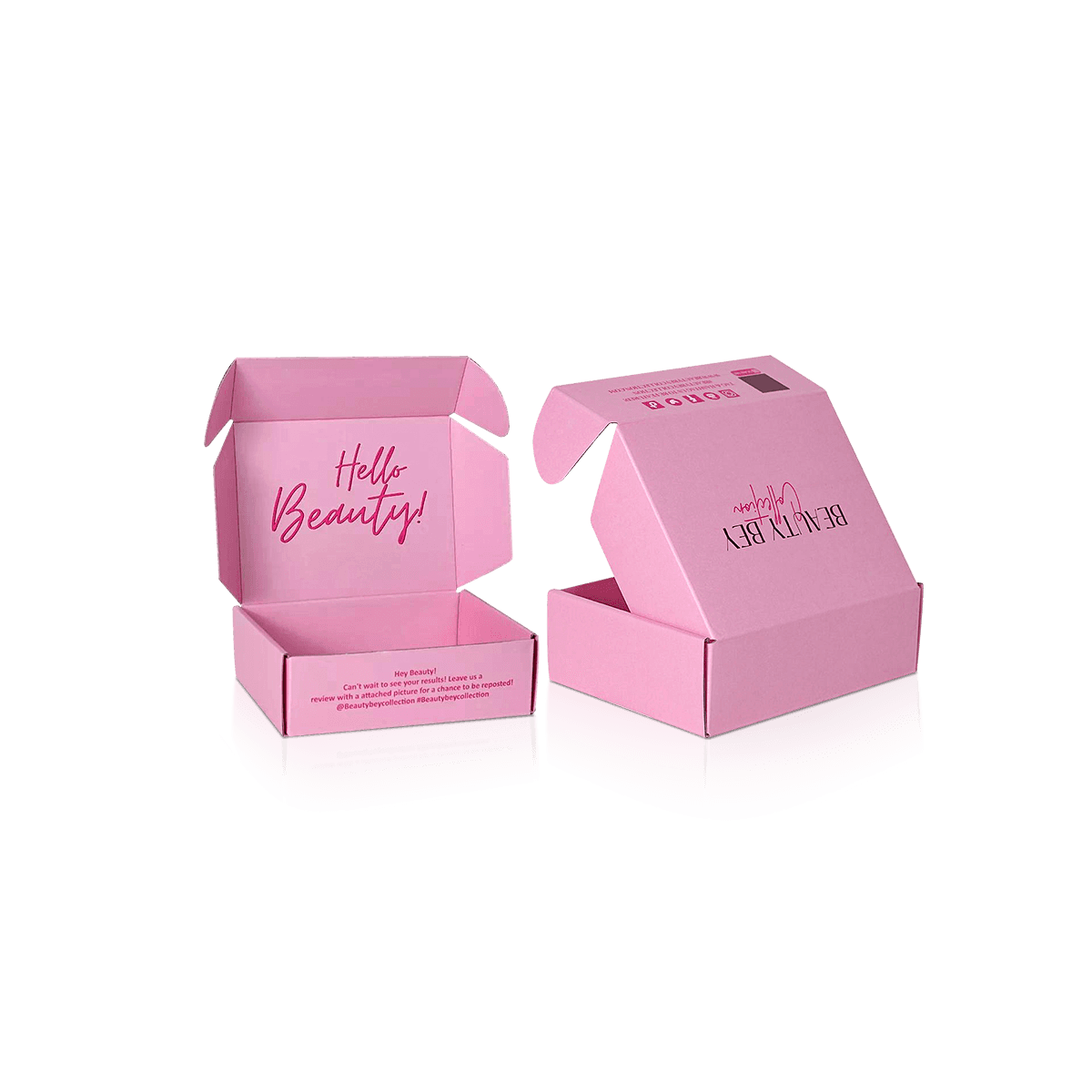
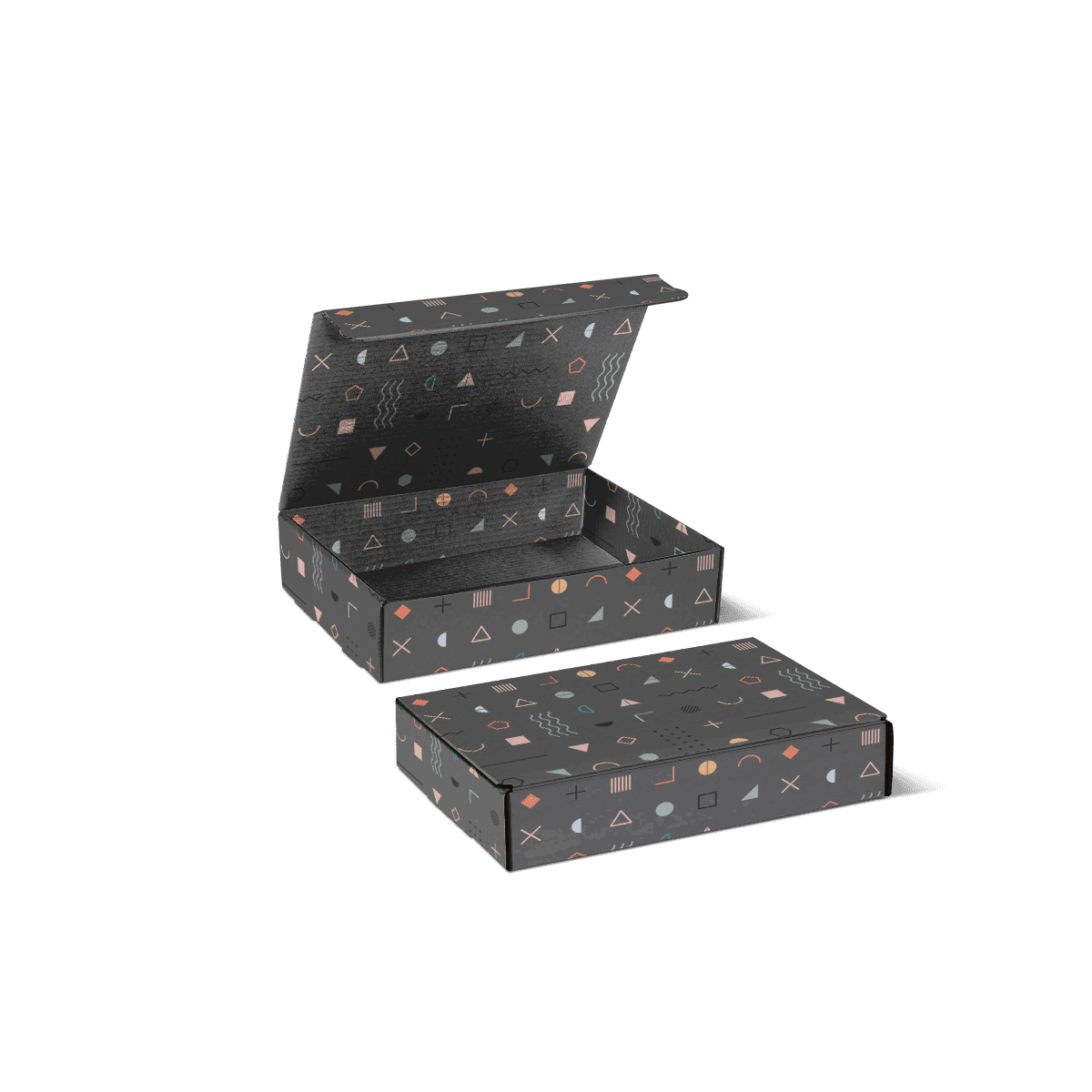
A tuck-top mailer box can protect one or several inner kits during parcel delivery while leaving the compact travel box responsible for product organization.

This separation can also make fulfillment more efficient because the travel kit does not need corrugated walls merely because one distribution channel involves shipping.

Design each layer for its actual handling environment.

Sample the Kit in Several Orientations

A travel kit should not be approved only while sitting flat on a presentation table.

Pack the actual products or accurate production samples. Close the box and turn it onto its long side, short side and lid. Reopen it after handling and inspect what moved.

Check whether bottle caps contact neighboring items, whether flat products disappear underneath heavier components and whether the guest can still identify everything easily.

A 3D mockup can establish dimensions, compartments and artwork before production. Custom Packly also provides design and dieline support.

Where internal fit and movement need physical validation, a fully custom pre-production sample can be arranged as a paid sample. Free sample examples of previous work are available where relevant.

The sample test should imitate the kit's real life, not just the moment when it is photographed.

Quantity Should Follow the Guest Program

Travel kits are often versioned by occupancy, event, property or guest tier.

The ordering plan should follow those real quantities rather than assuming every variation will move at the same rate.

USA orders start from 100 boxes, which can support a focused first run or a smaller version within a larger hospitality program.

For recurring hotel, resort, conference or retreat programs, warehousing and scheduled deliveries can help separate total production planning from the quantity needed at one moment.

Those capabilities are most useful after the kit versions are defined clearly. Fast replenishment will not solve a system in which staff cannot tell two nearly identical packouts apart.

Make Repacking Obvious to the Guest

A travel kit should remain understandable after some products have been used and returned.

Give the guest an obvious place for the bottle, long grooming item and small accessories even after the original presentation has loosened. Compartments do not need to be individually molded, but their roles should remain clear enough that repacking does not become a puzzle.

That also means avoiding an assembly sequence that only trained staff can recreate. If a toothbrush must be threaded underneath another component or a bottle fits only at one hidden angle, the kit may look precise at first opening but fail during actual travel use.

The best travel-kit interior remains organized without demanding perfect repacking.

That is the final test: after a day of use, the guest should still be able to close the box, find the essentials and put the kit back into a bag without rebuilding the original display.

FAQs

Common contents include shampoo, lotion, soap, dental kits, shaving items, cotton products, wipes, sleep masks, earplugs and small printed inserts. The exact mix depends on stay length, room tier and whether the kit is for hospitality, events or travel promotions.

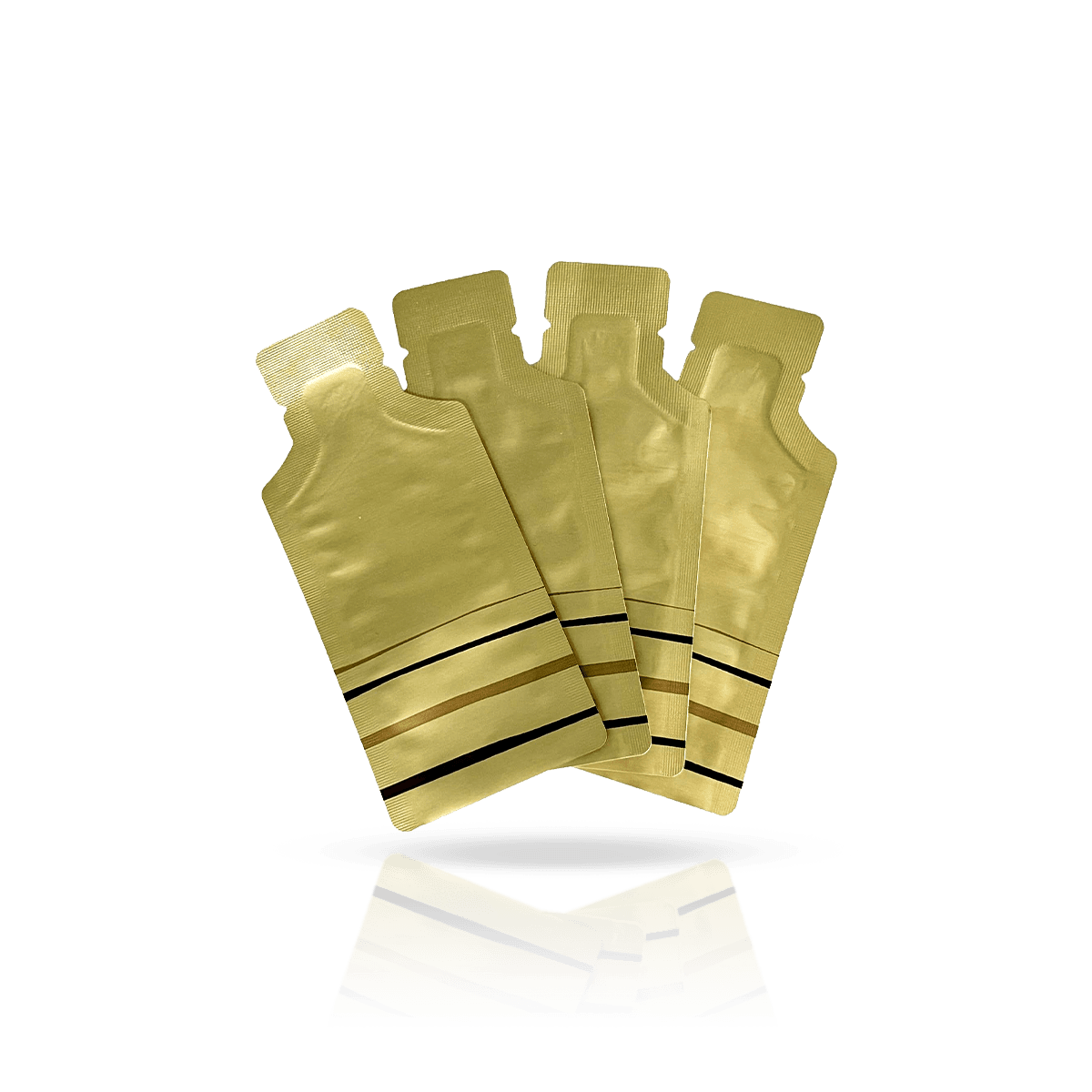
Travel Kit Boxes are the better choice when several items need to be grouped in one orderly pack. Toiletry Mylar Bags work better for single-use liquids, creams or flat personal care items that need sealed individual containment.

Yes, especially when the box combines mini bottles with dry items such as combs, vanity sets or sleep accessories. Inserts help the contents stay sorted and make the kit look more intentional when opened.

That is common. Artwork, insert count and item layout can all be varied so the packaging stays visually consistent while the contents change by guest type or service level.

Travel Kit Boxes are usually more compact and more practical for essentials-led packing, while Welcome Gift Boxes are better for broader arrival experiences that include snacks, printed greetings or premium gift items.

Process

How it works

Your Packaging Journey, From Idea to Production and Delivery

01

Tell Us Your Specs

Custom packaging boxes

Tell Us Your Specs

Provide size, quantity, printing, and finishes.

02

Get a Fast Quote

Custom packaging boxes

Get a Fast Quote

Instant transparent pricing, no hidden fees.

03

Design and Approval

Custom packaging boxes

Design and Approval

Artwork checks, revisions, and final sign-off.

04

Produce

Custom packaging boxes

Produce

Expert manufacturing to meet deadlines.

05

Ship to Your Door

Custom packaging boxes

Ship to Your Door

Hassle-free, flexible delivery options.

Get Your Quote for Custom Travel Kit Boxes

Share your product details, size, quantity and artwork needs. We’ll help choose the right packaging style and send a clear quote.