Skip to content
Details

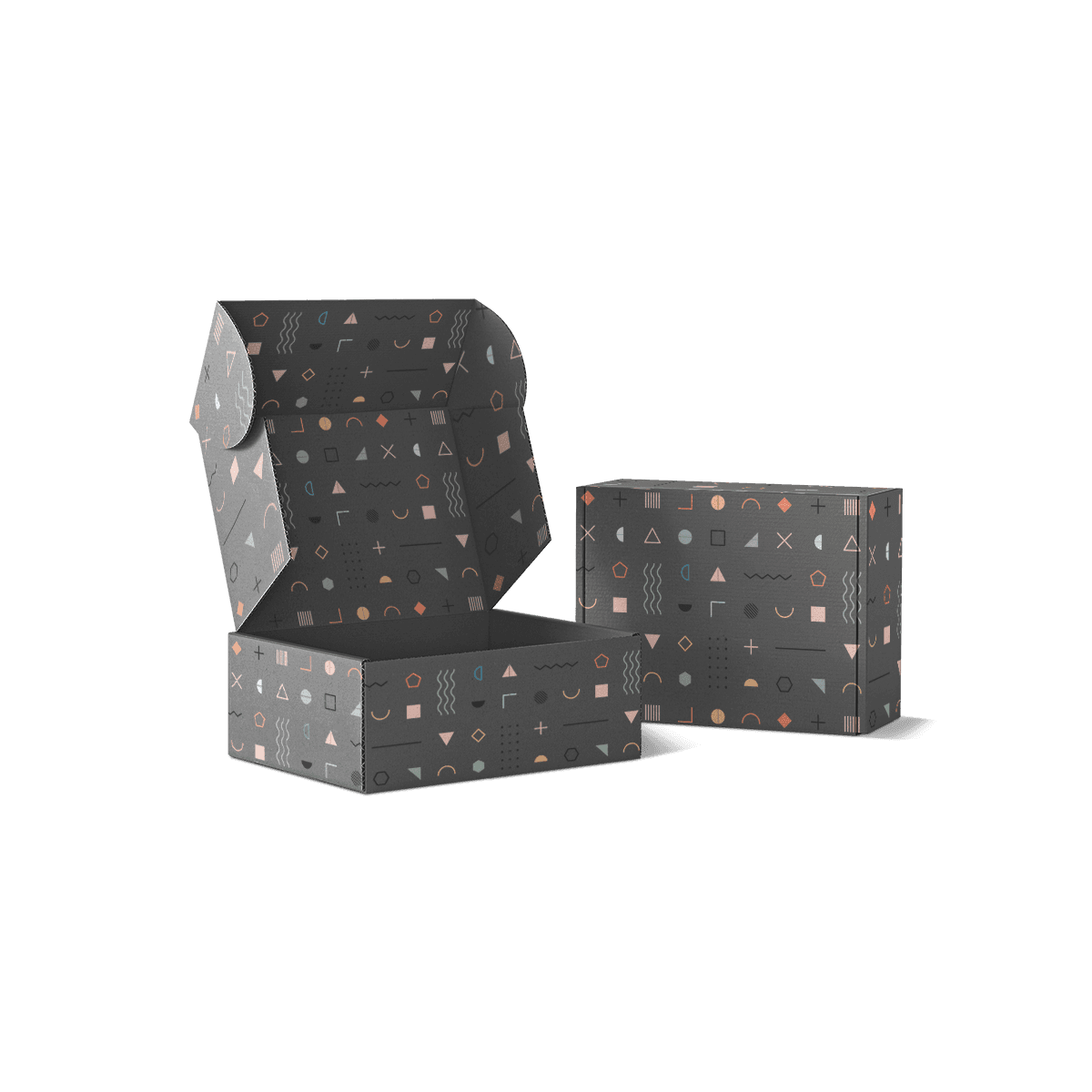
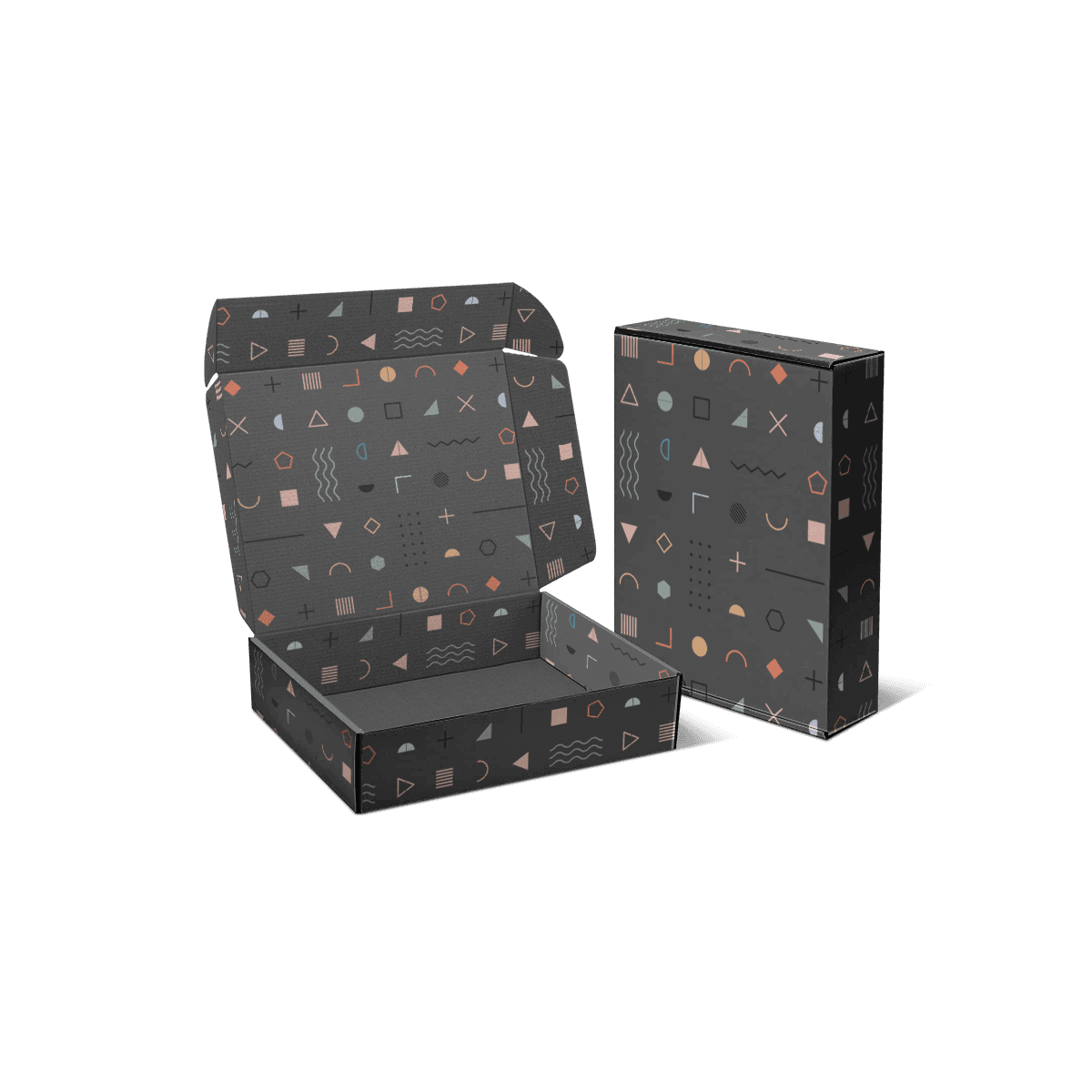
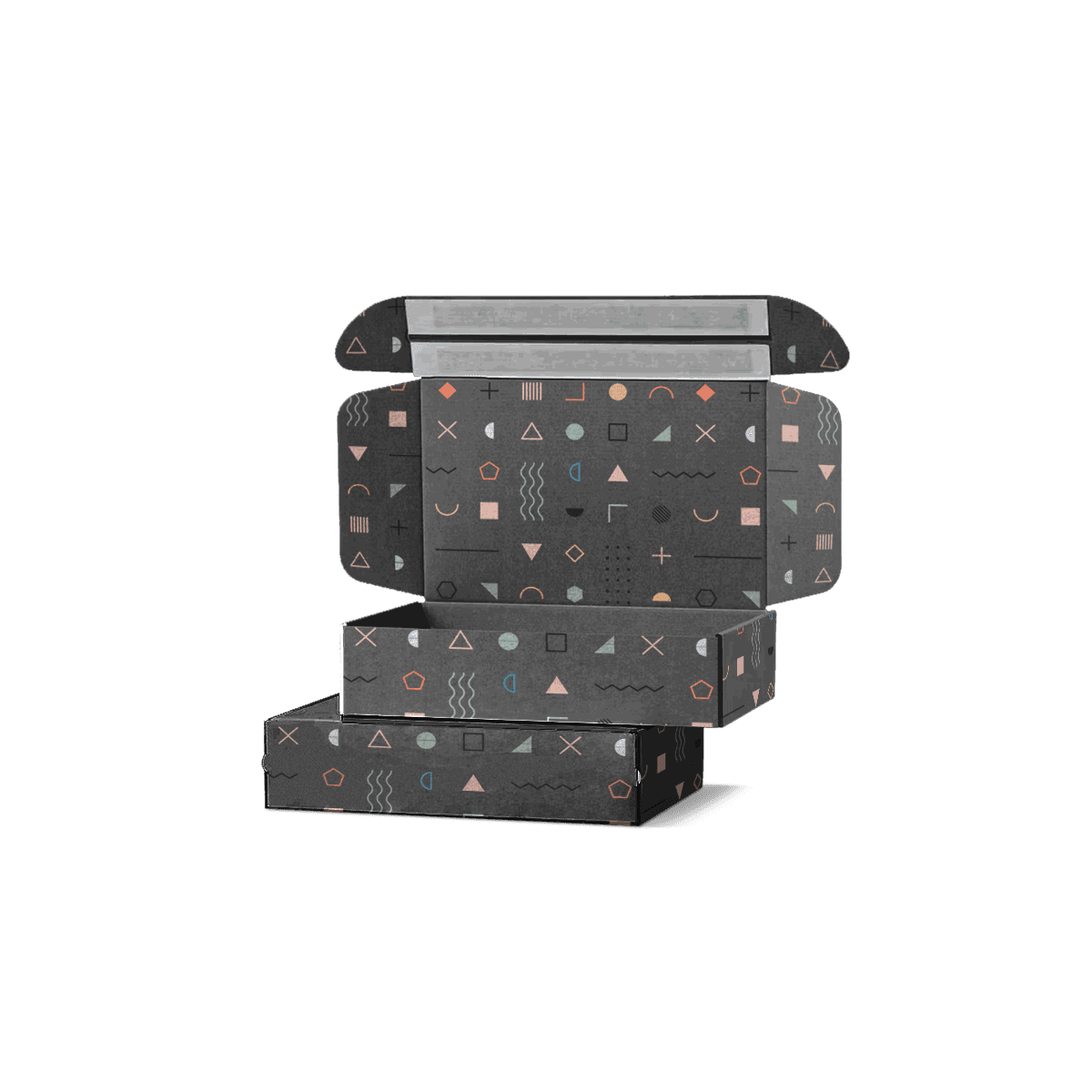
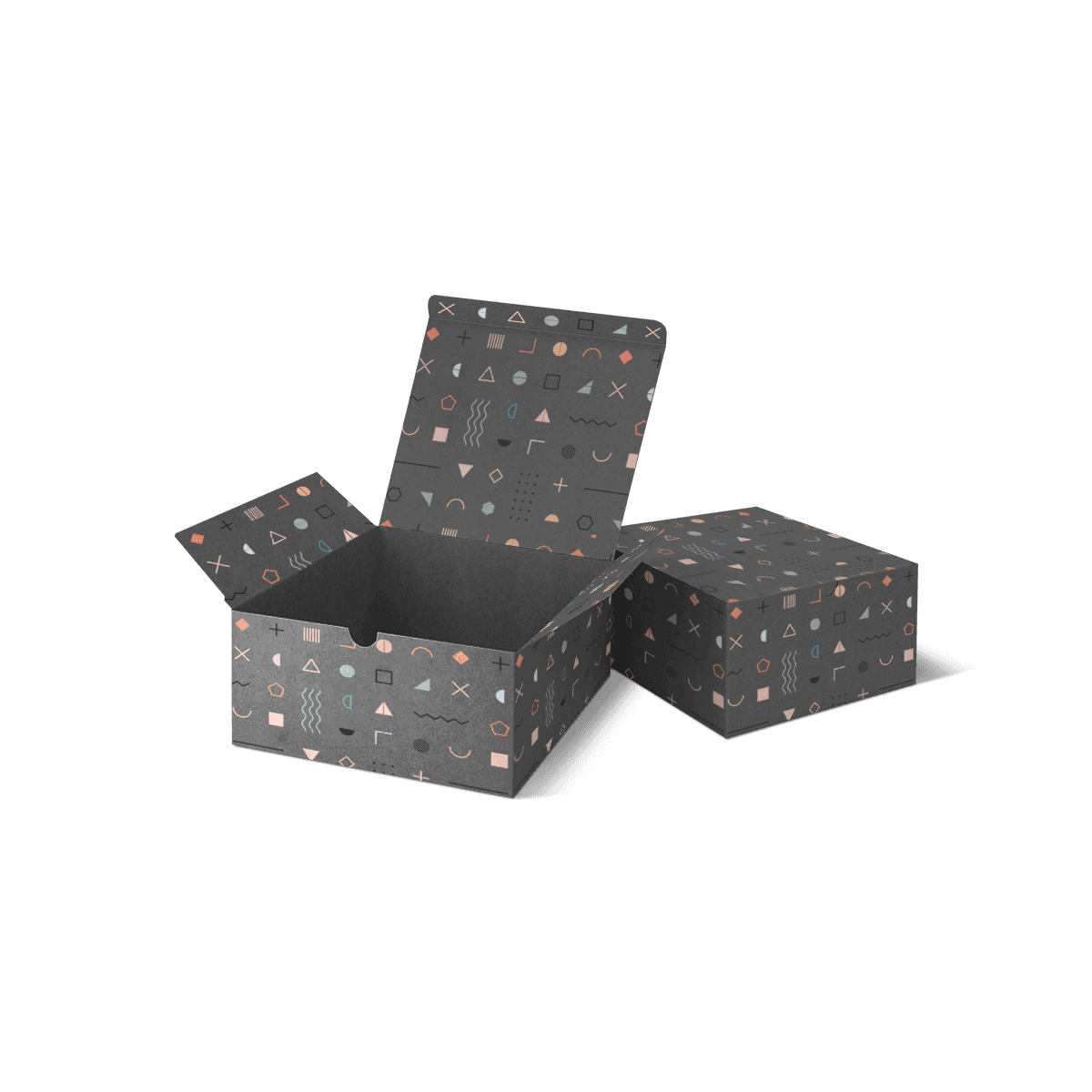
Custom Tuck-Top Mailer Boxes

Corrugated mailers with a straightforward top-tuck closure for fast loading, clean reopening and repeatable ecommerce packing without unnecessary locking complexity.

The Tuck Has to Feel Deliberate

A tuck-top mailer works well when the lid closes with enough resistance to stay seated but not so much that the packer has to force the flap into place.

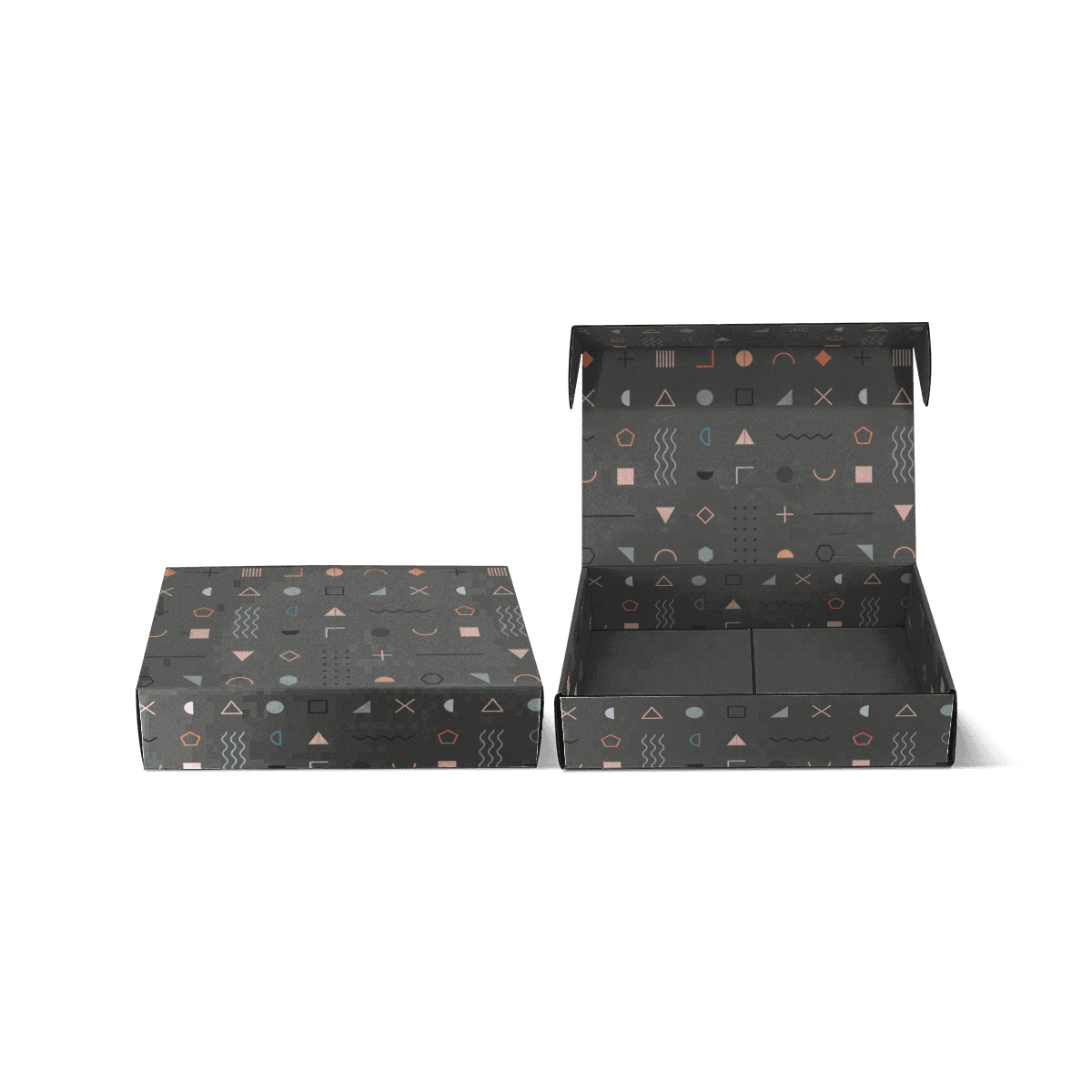
That closing motion is the defining decision behind Custom Tuck-Top Mailer Boxes. The top panel rotates over the contents and the tuck portion engages at the front of the box, creating a neat corrugated package without turning the closure into a complicated locking mechanism.

Too little engagement can leave the lid feeling loose. Too much can make the box awkward to close, mark the front edge or slow a packing line as operators repeatedly realign the flap.

That is why this structure should be planned around closure behavior rather than treated as another generic custom mailer box.

The right result feels simple because the geometry has already been resolved.
Tuck Depth Controls Hold and Release

The tuck needs enough engagement to resist casual opening while still releasing cleanly when the customer lifts the lid.

A shallow tuck may not develop enough friction against the receiving panel. An unnecessarily deep tuck can create the opposite problem: extra board has to travel farther during closing and opening, increasing drag around the front edge.

Board thickness matters too. Corrugated material occupies real space as panels rotate and overlap.

The Front Wall Sets the Entry Angle

The tuck does not move vertically into the box. It follows the arc created by the lid hinge.

That means the receiving area has to meet the flap at a workable angle. If the front wall bows outward or the filled contents press it out of square, the tuck can miss its intended path.

Good closure therefore depends on the whole erected mailer, not the flap alone.

Repeated Opening Changes the Requirement

Some shipments are opened once and discarded. Others may be reopened while the customer works through a kit, stores accessories or returns an item.

A closure intended for repeated access should not depend on excessive friction that quickly damages the board edge.

If a firmer mechanical hold matters more than simple reopening, Tab-Locking Mailers shift more of the closure job to a defined locking feature.

Product Height Can Push the Lid Open

An otherwise correct tuck-top design can fail when the packed contents sit too high.

Tissue, instruction cards, an insert, a folded garment or an accessory placed on top of the main product can raise the effective pack height enough to press against the lid. The tuck may still enter the front wall, but the contents beneath it are constantly trying to lift it back out.

That is not primarily a flap problem.

Measure the Filled Pack

Internal height should be based on the complete packed order in its normal condition.

A soft product can compress during measuring and rebound after the box is closed. Paper fill can sit higher when loosely packed. A cable or booklet placed above an insert can create a local high spot even when the rest of the contents fit comfortably.

The top panel needs room to settle naturally before the tuck engages.

Do Not Use Closure Force as Compression

A mailer lid should not be used to crush the contents down into the available space.

If closing requires downward pressure on the product, either the internal height, insert geometry or packing arrangement needs attention.

For product sets where fit and internal support are closely connected, custom product packaging can coordinate the outer mailer and inside components as one pack.

Side Walls Decide Whether the Box Stays Square

The tuck may be at the front, but the side-wall construction strongly affects how well it works.

If the side walls do not erect squarely, the front opening can distort. The lid then approaches a skewed receiving edge, making a technically correct tuck feel inconsistent from box to box.

Corrugated mailer structures often use folded side panels to create more rigidity around the perimeter. The exact construction should suit the dimensions, board and expected load.

Roll-End Mailer Boxes put more emphasis on rolled side construction when stronger wall formation and bundle containment are higher priorities.

A tuck-top mailer earns its place when a simpler top-closing interaction is more important than adding structural complexity simply for its own sake.

A Popping Lid Is Often a Packing Problem

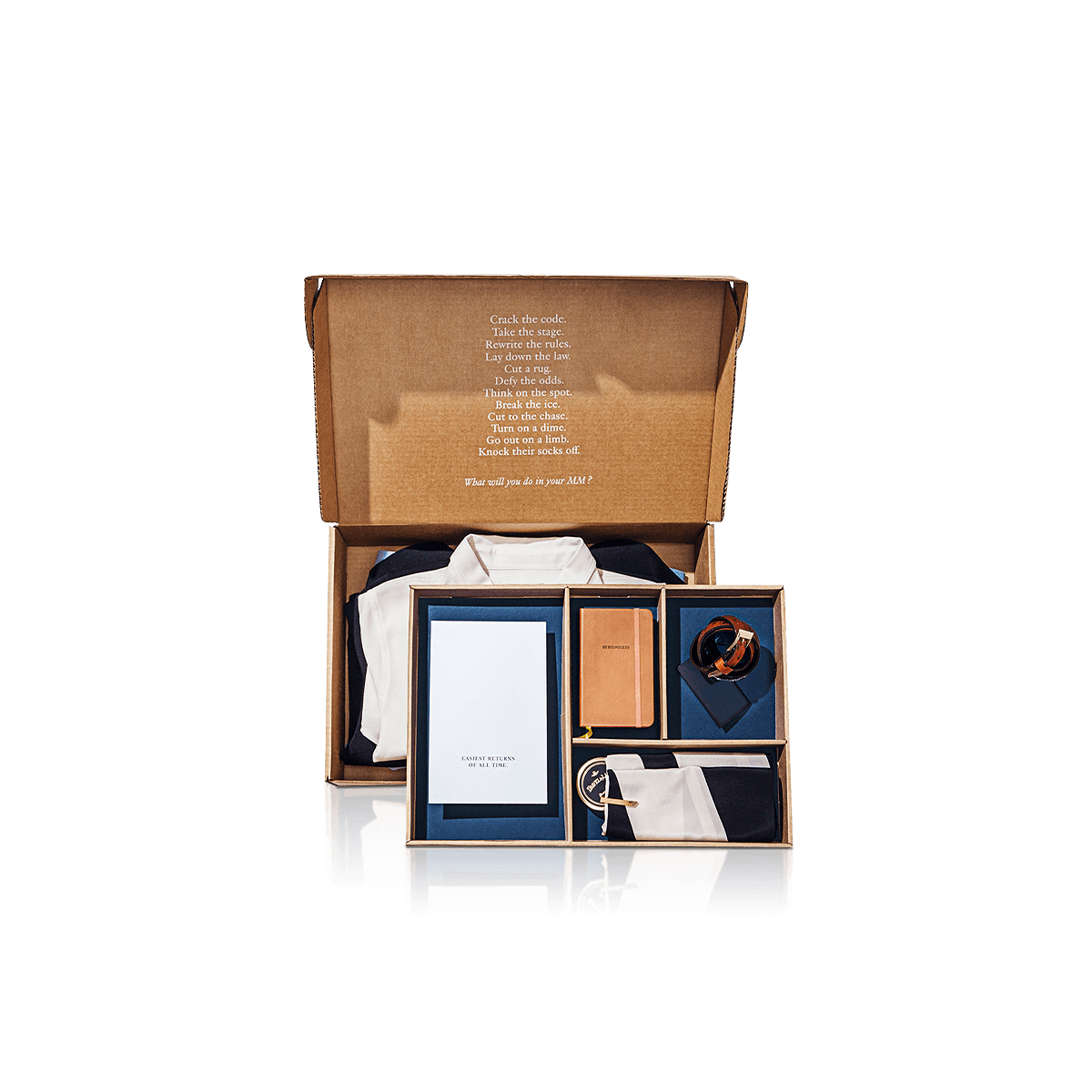
Consider an ecommerce brand shipping a folded T-shirt, a small accessory carton and a printed thank-you card in one mailer.

The empty box closes correctly. Once packed, staff notice that some lids rise slightly after the tuck is inserted. The natural reaction is to lengthen the tuck or add tape.

Neither may address the source.

The accessory carton sits above the folded garment and presses into one side of the lid. That load twists the top panel slightly, reducing the tuck engagement on the opposite side.

Moving the accessory into a shallow side position or adjusting the internal depth lets the lid settle flat again. The original tuck can then work as intended.

The practical lesson is important: closure behavior should be checked with the final packing arrangement, not with an empty structural sample.

Packing Speed Comes From Fewer Corrections

Tuck-top mailers can work well in routine fulfillment because the closing action is easy to understand.

The gain disappears if operators have to fix the box before every close.

Common slowdowns include sidewalls that have not fully squared, overfilled contents, tissue caught in the front opening and inserts sitting high enough to interfere with the lid.

The packer should be able to load the order, lower the lid and complete the tuck with a natural sequence.

Top Access Helps Final Checks

Before closing, the full contents remain visible from above. That makes it easier to confirm that the correct SKU, card, accessory or insert has been packed before the lid comes down.

This is especially relevant for ecommerce kits and orders where several small components are combined.

E-commerce retail packaging has to work with warehouse accuracy and shipping behavior as well as presentation at delivery.

Adhesive Closure Solves a Different Workflow

When packing volume makes peel-and-seal closure more valuable than a reusable tuck, Self-Sealing Mailers can reduce the manual closing action.

The choice should follow the fulfillment process. A simple tuck is attractive when straightforward manual closing and customer reopening matter. Adhesive sealing becomes more attractive when packing throughput and tamper evidence carry more weight.

Board Strength Still Carries the Shipment

A good tuck does not compensate for an under-specified corrugated shell.

The board has to support the packed weight, resist normal parcel pressure and maintain the geometry that lets the closure work.

A lightweight, compact apparel pack behaves differently from a dense bundle of hardware or several bottled products. The same closure principle can be used at different sizes, but the surrounding board specification cannot be copied blindly from one application to another.

Packaging materials affect stiffness, thickness and print behavior, so board choice should follow the actual packed load.

Custom Packly’s packaging capabilities can also support decisions involving flute, printing, finishes and insert construction once the load and closure behavior are understood.

Let the Closure Decide the Specification

A quote becomes more accurate once the product fit and closing behavior are understood.

The main inputs are the packed dimensions, total weight, quantity, board requirement, insert or fill, print coverage and whether the box will ship directly through a parcel network.

Custom Tuck-Top Mailer Boxes can start from 100 units. For recurring fulfillment, US production and a standard 4–6 day turnaround after final artwork and specifications are approved can help align replenishment with the packing schedule. Complex structures, specialty materials or advanced finishes may require additional time.

An instant custom packaging quote can price the actual mailer after the size, board and print direction are established.

For larger programs, warehousing and scheduled deliveries can separate production quantity from the number of flat boxes that need to occupy the fulfillment floor at one time.

Know Where the Mailer Stops

Tuck-top mailers suit many compact direct-to-consumer shipments, but the top-tuck mechanism does not turn every box into a heavy-duty shipper.

Heavier products, larger spans and more demanding distribution conditions may require stronger wall construction or a different shipping-box architecture.

Tuck-Top Shipping Boxes take the same top-access idea into a shipping structure where transit duty is the stronger part of the specification.

That distinction matters because two packages can both close from the top while serving different loads.

If a product needs substantial cushioning, reinforced corners or heavier corrugated construction, those needs should determine the outer structure before the preferred opening motion is considered.

Inserts Must Stay Clear of the Closing Path

An insert can organize the product beautifully and still interfere with the tuck-top closure.

The most common conflict occurs when an insert or product tray reaches too close to the front wall. As the tuck enters, it needs clear space behind that wall. A high insert can block the movement, distort the front panel or catch the flap.

Leave a Closure Zone

The interior should reserve enough room for the tuck to move into its final position without contacting the product or fitment.

That space is part of the structural specification, not wasted volume.

When several components sit near the front edge, the insert may need a setback or lowered area to preserve the closing path.

Packaging inserts behave differently depending on whether the job is positioning, cushioning or presentation, and those functions should not obstruct the mailer mechanics.

Artwork Moves Across a Working Lid

The largest visual surface on a tuck-top mailer is often the lid, but the artwork cannot be planned as if that panel exists alone.

The lid rotates. The front tuck disappears into the box. Side areas fold beneath or beside other panels. Inside printing becomes visible at a different moment from exterior branding.

The artwork should follow those movements.

Treat the Lid and Front as One Sequence

A graphic can transition from the top panel toward the front, but fold lines and the tucked portion should be accounted for before important elements are placed.

Small typography should stay clear of creases and panel edges. A logo intended to appear centered after closing should be judged on the assembled box rather than the flat blank.

A packaging dieline maps the cut lines, creases, panels and tuck geometry before print artwork is finalized.

For supported structures, the Dieline Generator can help move established dimensions into a technical starting layout.

Inside Print Should Appear at the Right Moment

The underside of the lid becomes one of the first interior surfaces the customer sees.

That can carry a restrained message, graphic field or product cue without turning every inner panel into advertising.

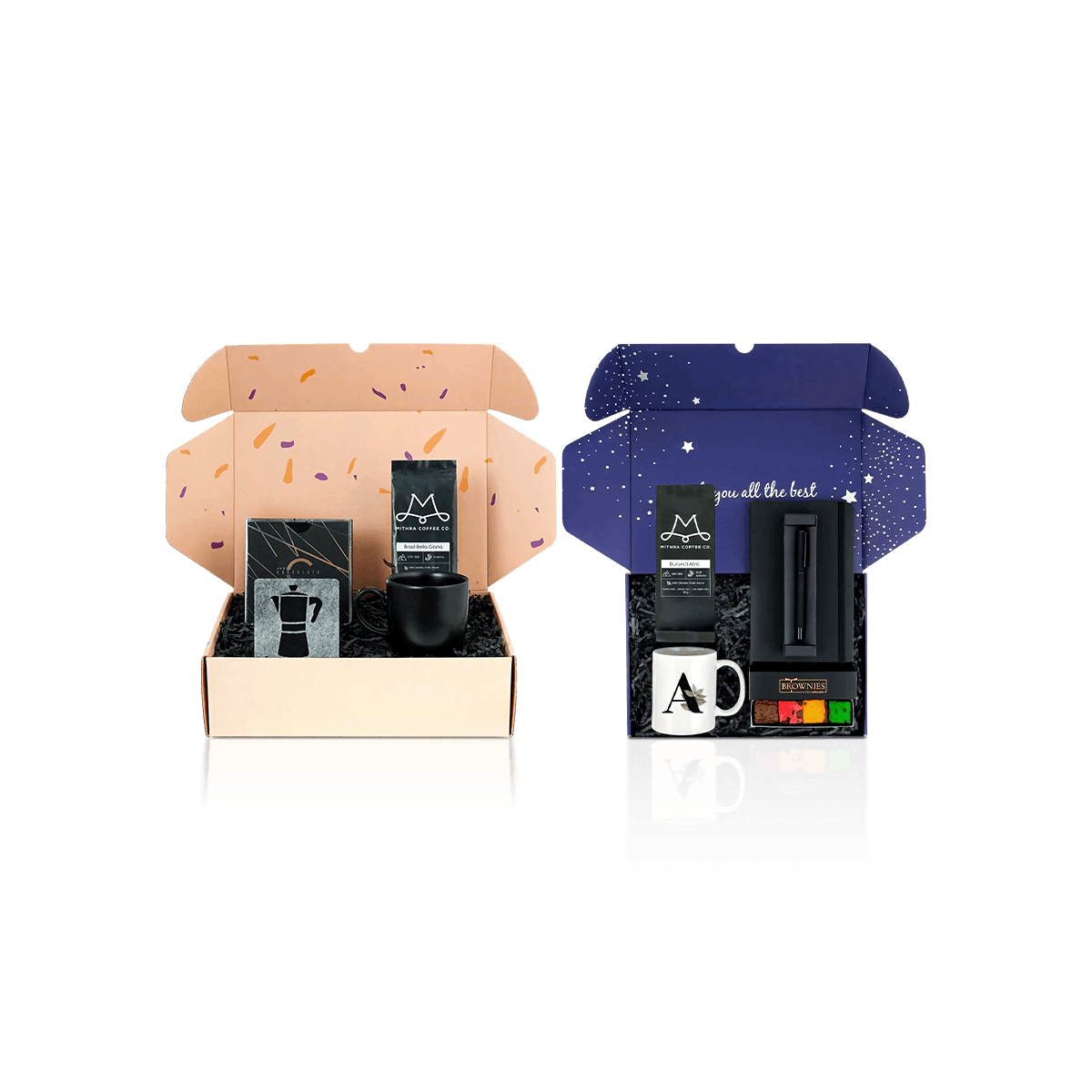
Custom printed boxes can coordinate exterior and interior artwork when the print system needs to follow the complete opening sequence.

Premium offset printing can support detailed graphics and repeat brand color where that matters to the project.

Test the Filled Closure, Not Just the Flat Blank

A structural proof can confirm that the dieline folds, but the meaningful test happens after the intended product is inside.

Pack the real contents in the real sequence. Close the mailer repeatedly. Check whether the tuck enters smoothly, whether the lid stays flat and whether the front edge begins to crush or flare after several openings.

Also examine the package after normal handling. A closure that works perfectly at the packing table may loosen if the box walls deform because the product is moving inside.

Packaging testing can be tied to the actual load, closure and shipping conditions rather than treating the empty carton as the finished package.

Free sample examples of previous work can help assess general manufacturing quality. A fully custom pre-production sample can be arranged as a paid sample where exact fit, closure force or print placement needs physical approval.

Standardize the Packing Motion

The strongest repeat specification is not simply a stored set of dimensions. It is a closure that behaves the same way for the people using it.

The product should sit at a consistent height. Inserts should stop in the same position. The front wall should erect squarely. The tuck should engage without extra manipulation.

If seasonal inserts or promotional items are added later, they should be checked against that closing path before the pack changes.

This gives operations a stable motion: form, load, check, close.

With 24/7 packaging expert support, Custom Packly can resolve small changes in product height, insert position or flap geometry before they become repeated packing problems across an entire run.

The closure should feel uneventful. That is usually the sign that the structure is doing its job.

FAQs

Because they are easy to load, easy to close, and practical for repeat fulfillment. The format gives enough structure for many everyday shipments without slowing the packing line.

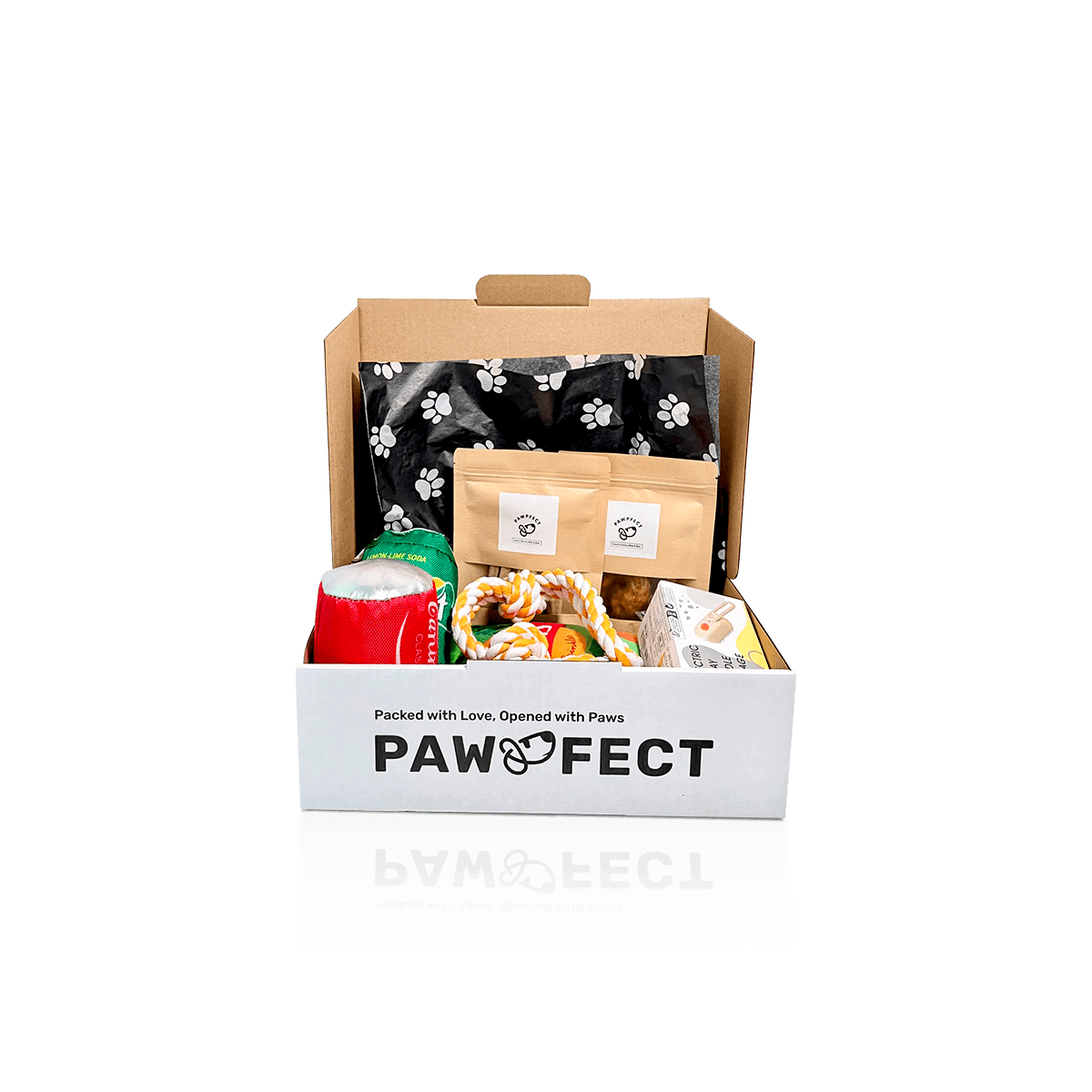
Yes. They work well for grouped SKUs such as sample sets, accessories, printed inserts, and folded goods, especially when the interior is planned around the product mix.

Tuck-Top Mailer Boxes are the better fit when you want simpler closure and quicker top access. Tab-Locking Mailers make more sense when a firmer front lock is the higher priority.

Yes. Outside printing, inside graphics, QR codes, and insert cards are all common ways to make the mailer feel more branded and less generic.

Move up when the product is heavier, more fragile, or stacked in a way that needs stronger wall support. For lighter to midweight orders, this mailer style is often enough.

Process

How it works

Your Packaging Journey, From Idea to Production and Delivery

01

Tell Us Your Specs

Custom packaging boxes

Tell Us Your Specs

Provide size, quantity, printing, and finishes.

02

Get a Fast Quote

Custom packaging boxes

Get a Fast Quote

Instant transparent pricing, no hidden fees.

03

Design and Approval

Custom packaging boxes

Design and Approval

Artwork checks, revisions, and final sign-off.

04

Produce

Custom packaging boxes

Produce

Expert manufacturing to meet deadlines.

05

Ship to Your Door

Custom packaging boxes

Ship to Your Door

Hassle-free, flexible delivery options.

Get Your Quote for Custom Tuck-Top Mailer Boxes

Share your product details, size, quantity and artwork needs. We’ll help choose the right packaging style and send a clear quote.