Skip to content
Details

Custom Conference Gift Boxes

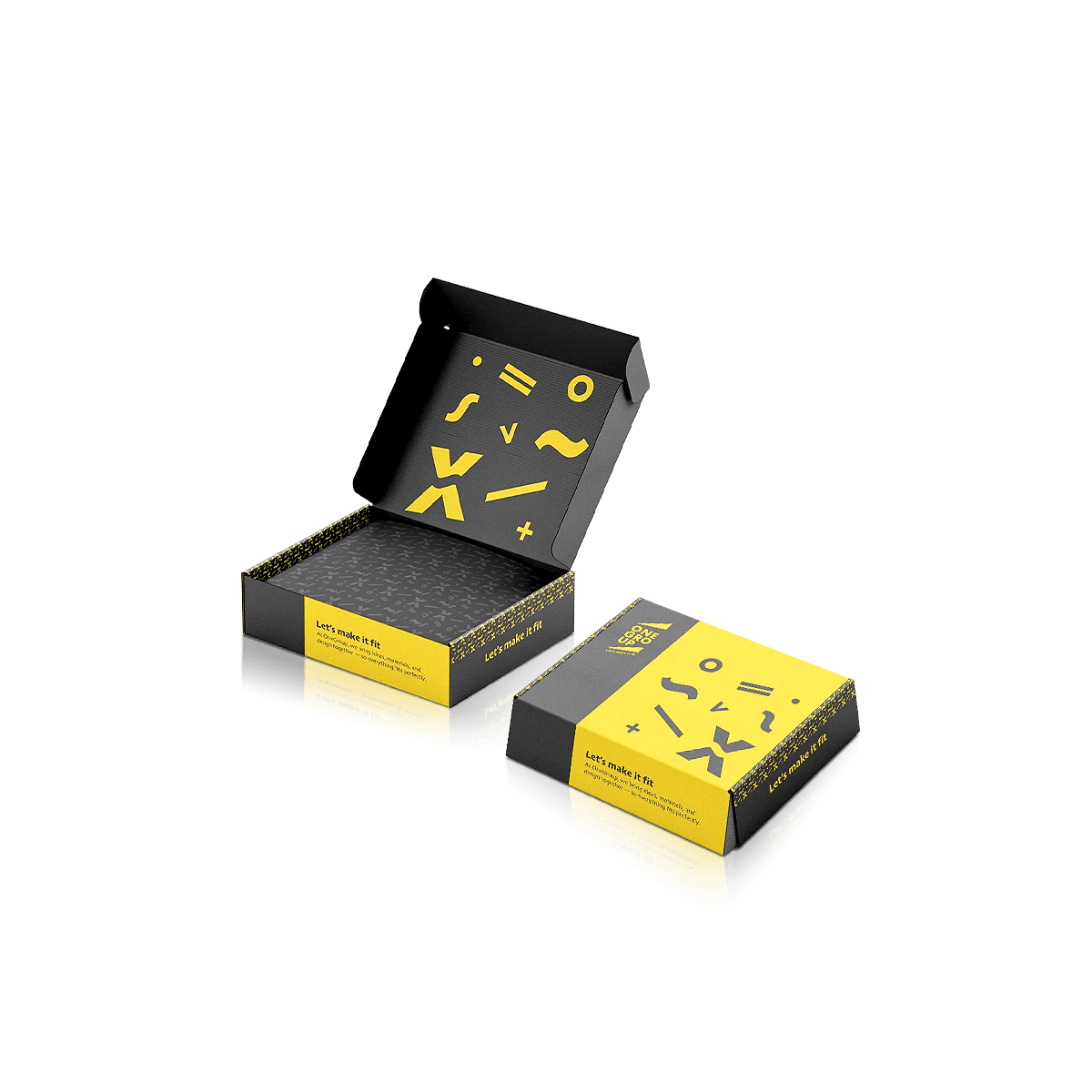
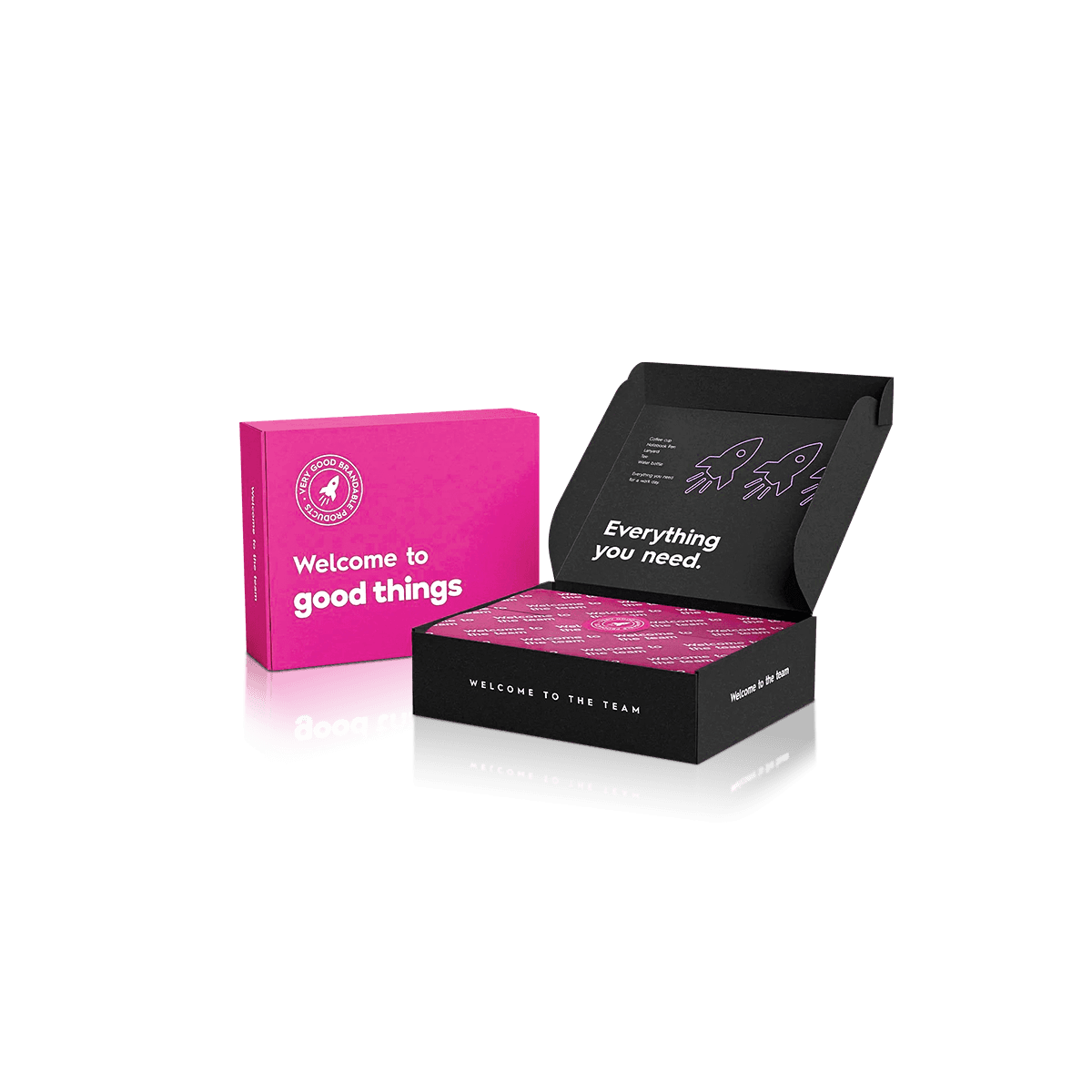
Attendee, speaker and VIP kits organized around fast handoff, mixed-item support, printed materials, sponsor branding and event-day distribution.

Registration Changes the Box

A conference gift box may be packed days before the event, but its real test can happen in a few seconds at registration.

Staff may need to identify the correct kit, hand it over and move to the next attendee without opening boxes, checking loose contents or sorting items at the desk. The packaging should support that handoff from the start.

That makes custom conference gift boxes different from general corporate gifting. The pack may contain notebooks, drinkware, lanyards, printed schedules, tech accessories, sponsor merchandise and other pieces, but the contents also belong to a timed event workflow.

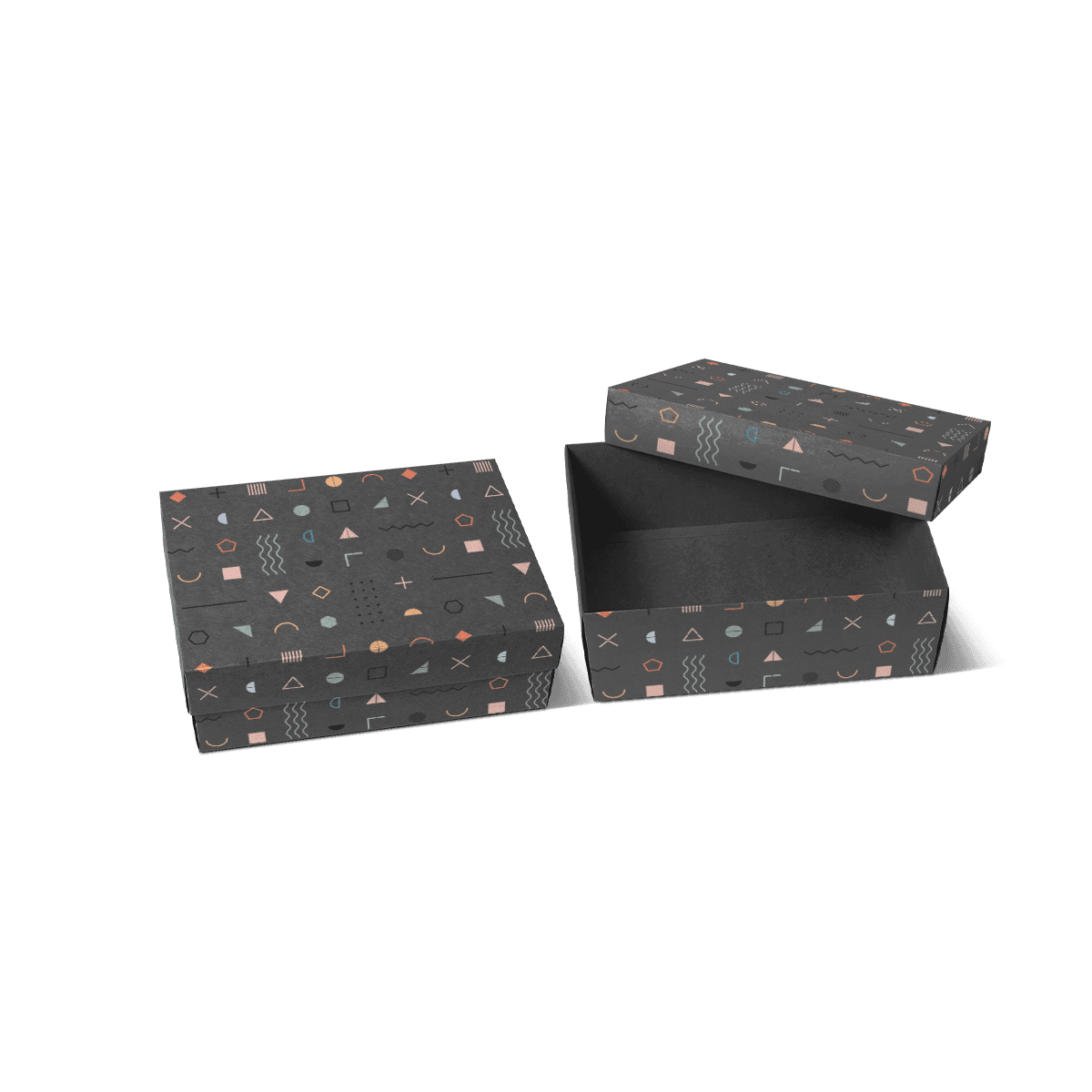
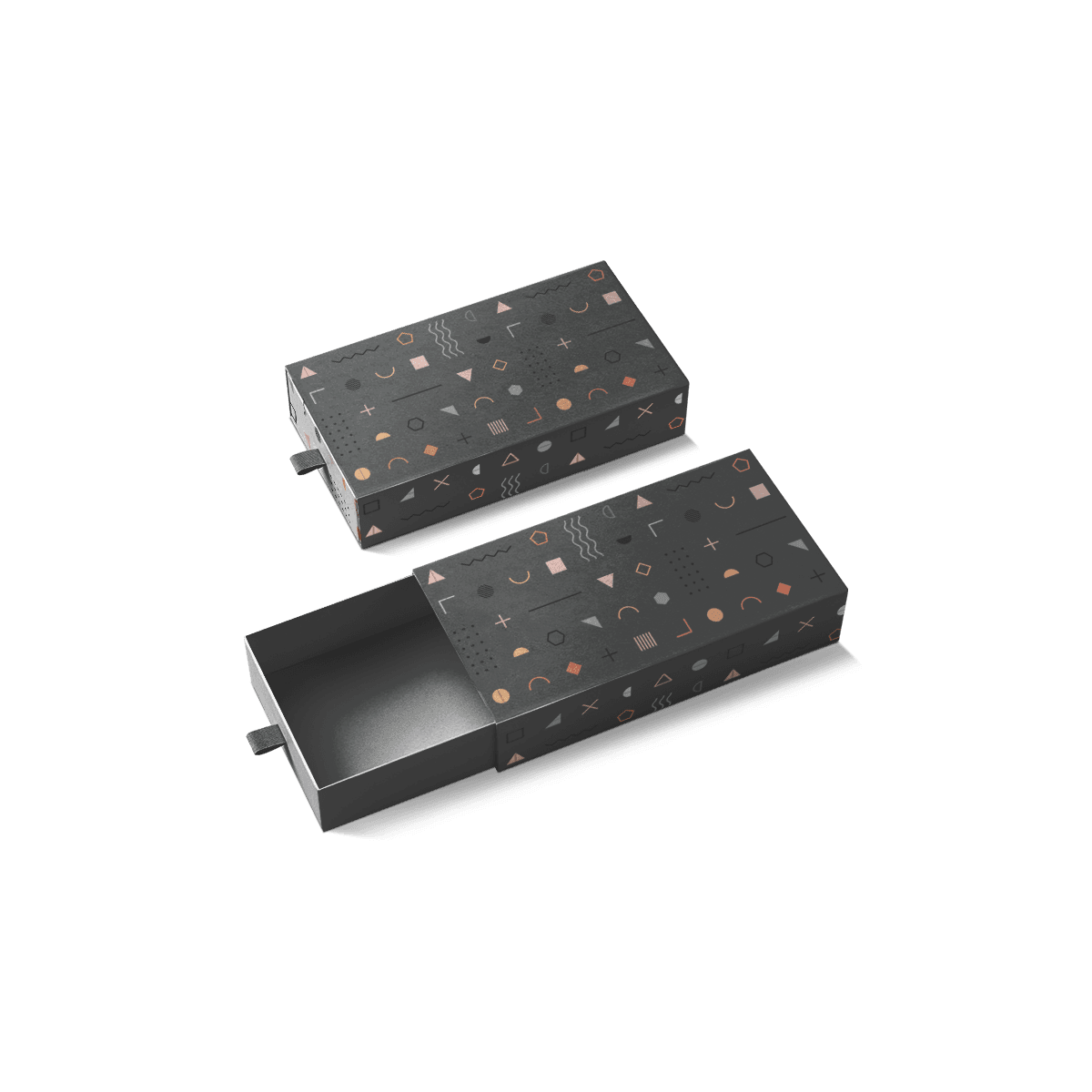
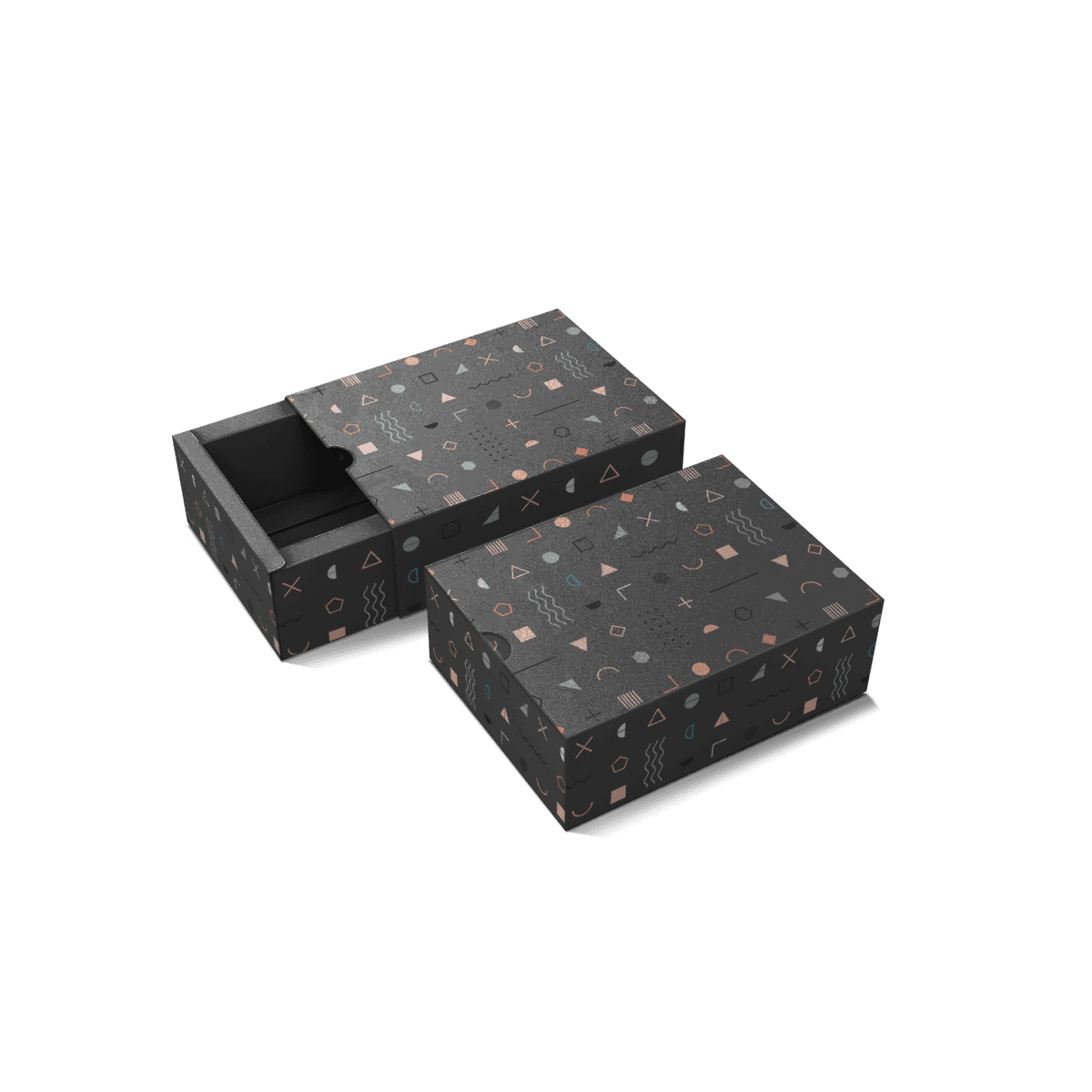
A rigid presentation box can work for a small executive group. A printed corrugated box may be more practical for hundreds of attendee kits. A lightweight paperboard structure can suit compact sets handed out directly at check-in.

That operational role sits inside hospitality packaging for hotels and events, where guest handoff and event logistics shape the pack.

Closed Boxes Need Fast Identification

If attendee, speaker and VIP boxes look identical from the outside, staff may need to inspect them before handoff.

A discreet exterior color cue, printed tier name, label position or controlled artwork variation can make versions easier to distinguish while keeping the event identity consistent.

The identifier should be visible when boxes are stacked in their normal staging orientation.

A mark on the bottom panel may look unobtrusive in design review but become operationally useless if staff cannot see it at the registration table.

Opening Space Matters at the Desk

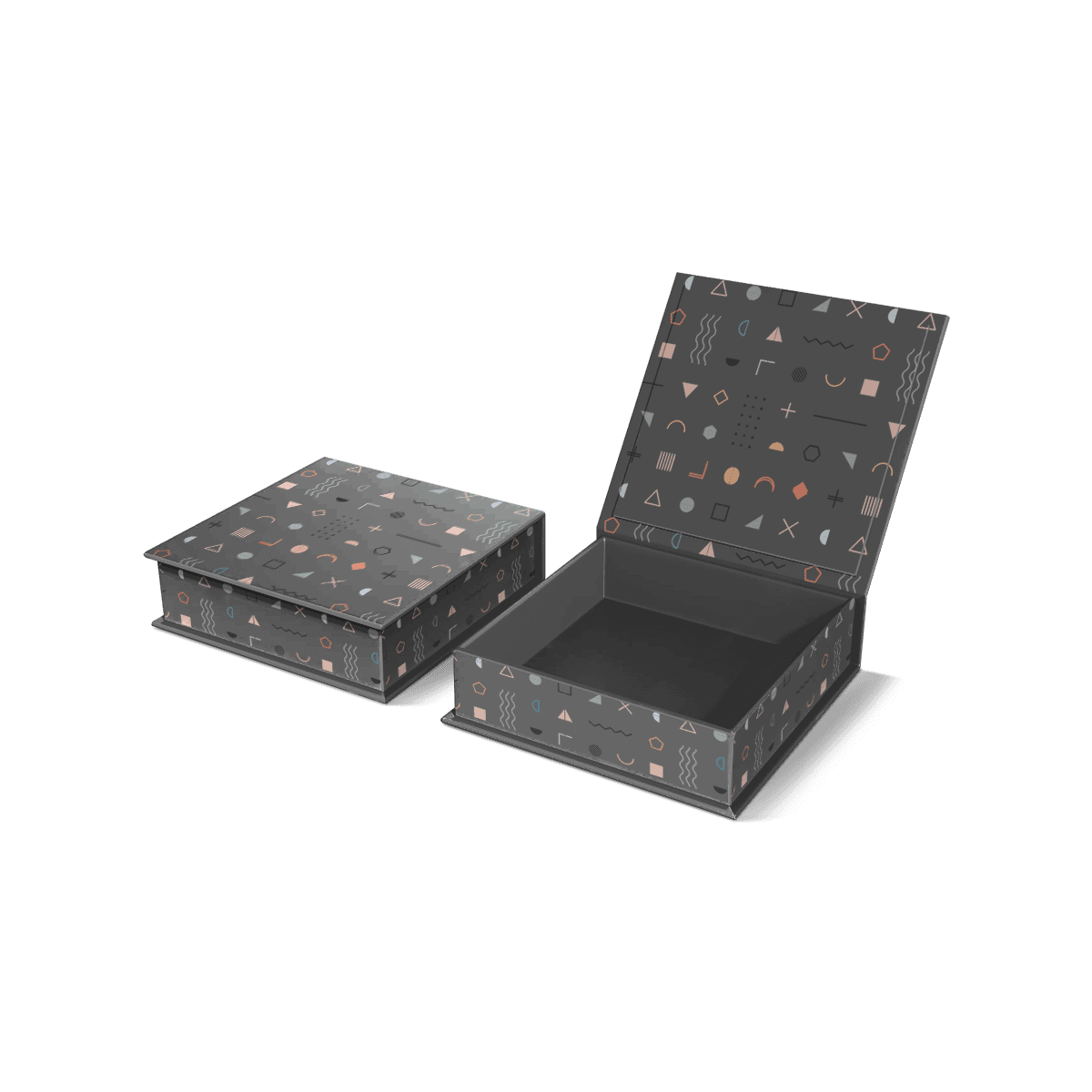
A large hinged lid can look impressive but need more counter depth when fully opened.

That may not matter for a hotel-room drop. It matters at a crowded registration table with laptops, badge equipment and stacks of attendee materials.

The box should fit the physical handoff environment, not only the items inside it.
Pack in Order of First Use

Conference contents do not all need equal access.

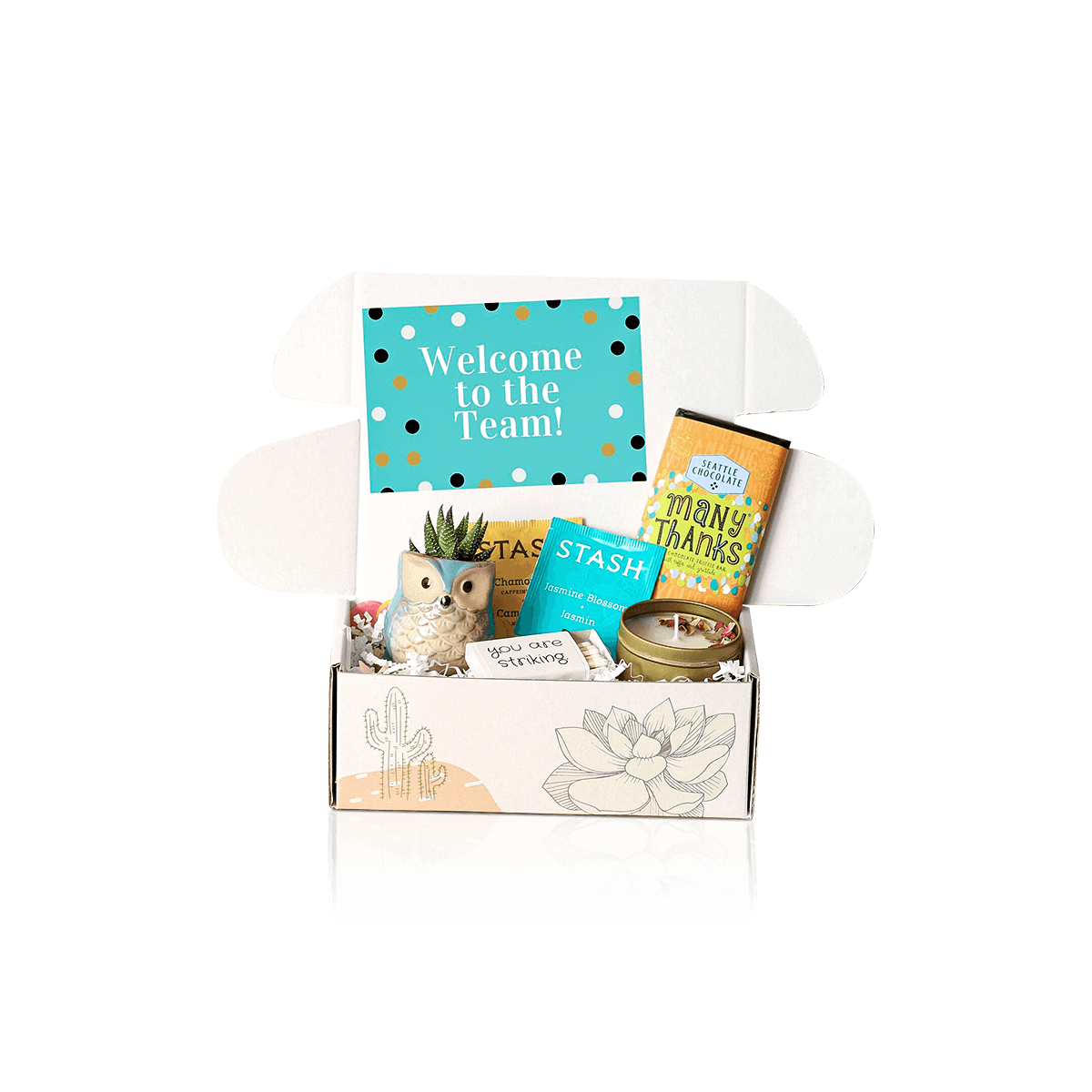
An agenda, badge card, welcome note or QR card may be needed immediately. A bottle, charger or branded gift may not be used until later. If the first-use item sits beneath all the merchandise, the attendee has to unpack the entire box to reach it.

A better layout follows the event sequence.

Printed material can sit under the lid, in a shallow top zone or in a dedicated pocket. Merchandise can occupy the deeper structural space. Small accessories can stay in defined positions rather than disappearing beneath a notebook or garment.

If the pack is primarily an arrival gift rather than a working conference kit, welcome gift boxes place more emphasis on the guest arrival moment and room-drop presentation.

Conference packaging should instead ask what the attendee needs first.

First-Look and First-Use Are Different

The item that creates the strongest visual reveal may not be the first item needed operationally.

A premium tumbler may deserve a strong visual position, but an event schedule may still need to be reached without lifting that tumbler out.

The pack can accommodate both by separating the presentation layer from the document-access layer.

That small decision makes the box work as an event tool rather than only as a gift container.

Give Printed Materials a Flat Zone

Agendas, maps, session cards, sponsor sheets and welcome letters behave differently from three-dimensional gifts.

Loose paper placed beside a bottle or charger can curl, crease or slide under heavier items. Oversizing the whole box to keep a document flat wastes space elsewhere.

Create a dedicated plane for print.

That could be a lid pocket, paperboard sleeve, shallow tray, full-width recess or flat zone above the merchandise depending on the structure.

Keep the document size in the specification from the beginning. An 8.5 × 11-inch sheet folded once creates a very different footprint from a compact agenda card.

Do Not Let Paper Become Filler

Printed conference material should have a deliberate location.

If loose sheets are simply laid across products before closing the lid, they can shift and make an otherwise controlled kit look unfinished when opened.

A simple paperboard pocket can often do more than a decorative insert because it gives the documents a consistent orientation and keeps them separate from products below.

Heavy Items Need Their Own Load Path

Conference kits commonly mix objects that differ sharply in weight and shape.

A metal bottle, hardcover notebook and charging accessory should not be allowed to move freely around a lightweight badge card, snack pack or delicate promotional item.

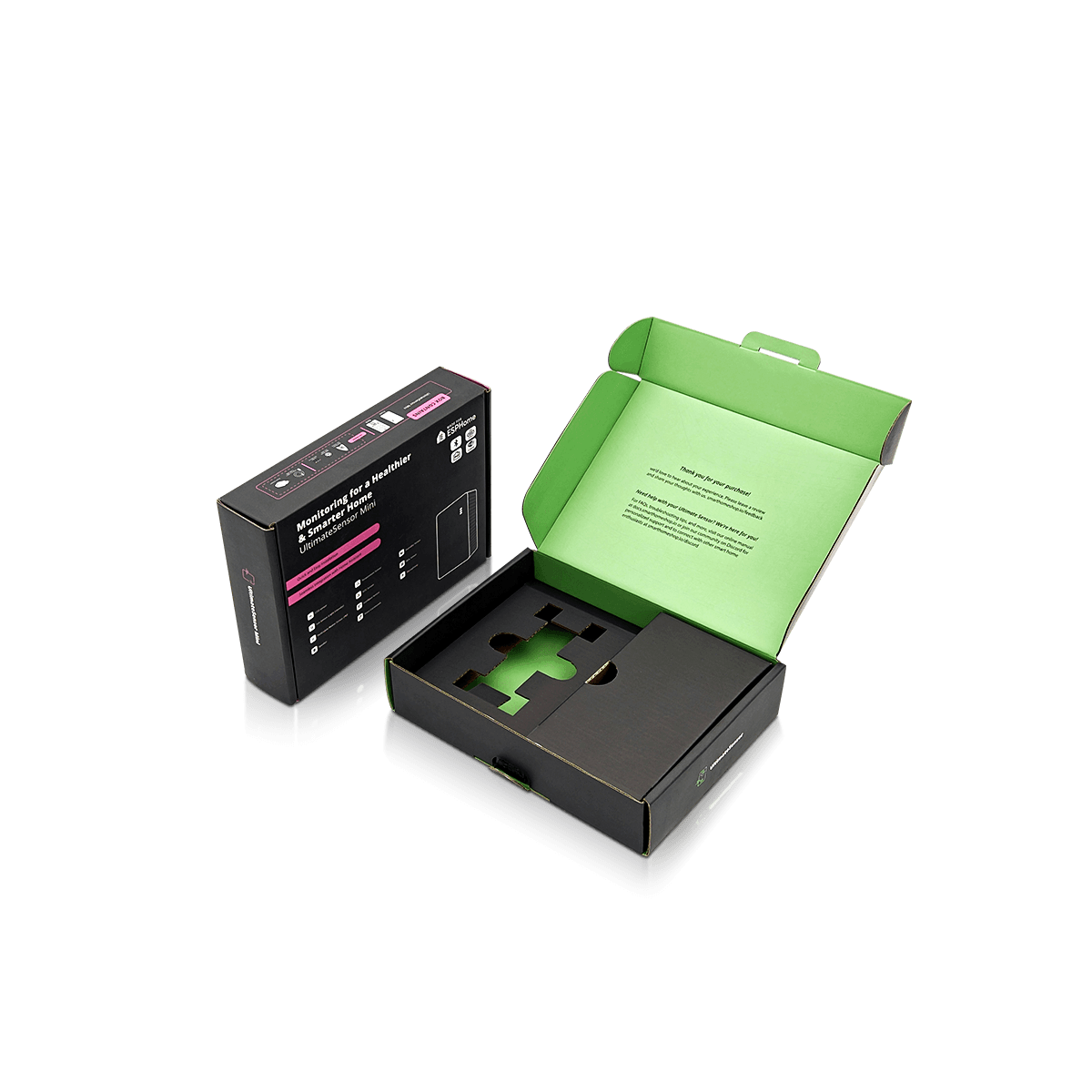
For mixed-item support, packaging inserts can separate products according to shape, weight and presentation need.

The heaviest object should sit in a stable area where its load transfers into the base rather than through a lighter neighboring product.

Depth Should Follow the Tallest Stable Item

One tall bottle can force an entire gift box to become deeper.

Before accepting that extra volume, check whether the item can be oriented differently or whether a shallower product mix would make the overall kit more efficient.

Depth affects more than material. It changes stack height, case packing, storage volume and the amount of space each kit occupies behind a registration desk.

Small Accessories Need Positive Positions

USB drives, charging cables, pins and other small merchandise can disappear beneath larger products if they are placed loosely in the box.

A compact cavity, folded paperboard pocket or defined compartment keeps those pieces visible and helps packing staff confirm that they are present.

The insert should make missing items obvious.

One Box Can Serve Several Attendee Tiers

Many conferences do not have one universal kit.

General attendees may receive core materials and a few promotional pieces. Speakers may need additional schedules or hospitality items. Sponsors, media guests or hosted buyers may receive another assortment. VIP boxes can add premium merchandise without requiring an entirely unrelated packaging system.

The key is deciding which parts stay common.

A shared outer footprint can simplify staging when different kit versions contain items of similar size. Inserts, sleeves, printed cards or artwork cues can then distinguish the packout.

When the physical contents change significantly, forcing every tier into the same box can create wasted space in the smaller kit and poor fit in the larger one.

Count Tiers Before Ordering Boxes

Do not send production one combined attendee number if the event actually uses several kit specifications.

Separate the quantities for standard attendee, speaker, sponsor and VIP versions where they differ.

MOQ starts from 100 boxes, which can support separate event tiers when the quantity and structure justify distinct versions.

When the pack is mainly branded merchandise rather than event documentation and tiered conference materials, promotional merchandise boxes can center the packaging more directly on swag and giveaway products.

Sponsor Branding Needs a Hierarchy

A conference box can involve the event brand, host company, venue identity and several sponsors.

Putting every logo at equal scale on the lid rarely creates a clean result.

Decide which identity owns the package and which marks are supporting partners. Sponsor recognition can then use controlled positions on the exterior, inside lid, printed card or individual merchandise rather than competing across one crowded panel.

Event graphics can be coordinated through custom printed boxes when color control, inside print and repeat artwork matter across several kit versions.

Inside Print Can Absorb Secondary Branding

The inside lid creates another branding surface after the attendee opens the box.

It can carry sponsor marks, a conference message, schedule prompt or event graphic while leaving the exterior cleaner.

That is especially helpful when the outside needs to remain recognizable from a distance during staging and handoff.

Premium offset printing can handle multi-color conference artwork, fine sponsor marks and controlled brand color. Foil, embossing, debossing, matte, gloss and spot UV can be used selectively when the event tier justifies them.

Pre-Event Shipping Changes the Structure

A box handed across a registration desk does not face the same conditions as a kit shipped directly to an attendee.

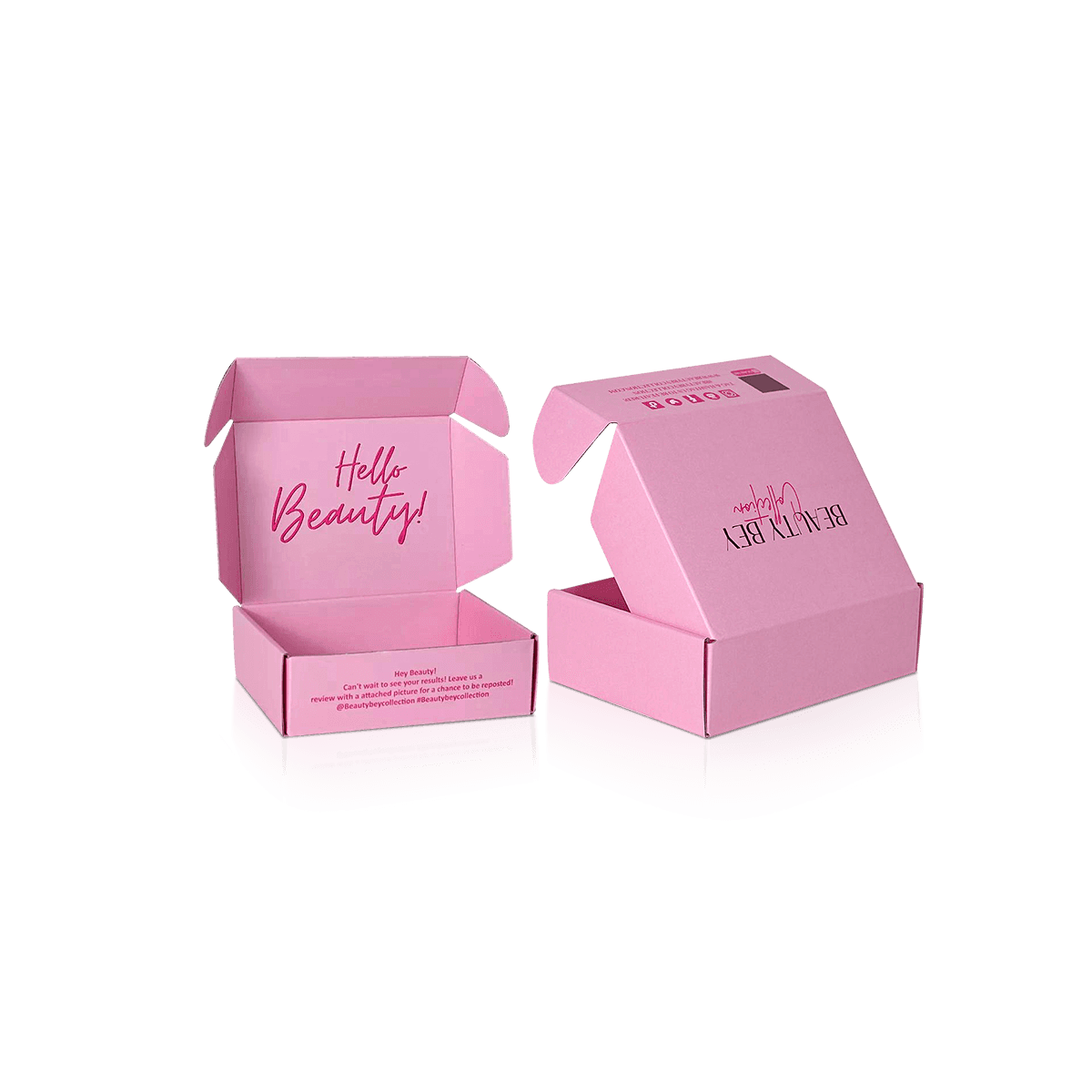
Pre-event attendee shipments often fit custom mailer boxes when the package has to survive parcel handling before the conference begins.

The mailer can combine presentation with corrugated transit strength, or it can protect a separate gift box inside when the interior pack has a more premium role.

Executive and keynote packs may justify luxury gift boxes when substantial construction and a keepsake-style reveal matter more than high-speed distribution.

The shipping route should be decided before the conference box is finalized.

A package designed only for table handoff can become unnecessarily expensive if it is later expected to perform as a parcel shipper. The opposite problem also occurs: a heavy corrugated structure may be excessive for kits that move only from a local staging area to a registration table.

One Loose Bottle Can Damage the Whole Kit

Consider a conference pack containing a hardcover notebook, metal tumbler, charging cable, printed agenda and sponsor card.

The items fit inside one box, so the first layout places them side by side with paper filler around the gaps.

During transport to the venue, the tumbler moves across the base. Its weight pushes into the notebook corners and the printed agenda slides beneath both items. When staff opens the first few boxes, the contents are technically complete but no longer arranged as intended.

The problem is not a weak box.

The kit lacks load zones.

A fitted position for the tumbler controls the heaviest object. The notebook can sit against a flat wall or in its own area. The cable can occupy a compact compartment and the agenda can move to a flat upper pocket.

The same outer box can now arrive in a much more controlled state because each item has a physical job inside it.

Packing Staff Need a Visual Kit Map

Conference kitting often involves repeated assembly of the same set.

The interior itself can help staff confirm that the pack is complete.

Defined cavities make empty positions obvious. A compartment for a charger shows immediately when the charger is missing. A full-width document pocket makes it clear whether the agenda has been inserted. Tier-specific cards can distinguish two kits that otherwise use the same outer structure.

The packing instruction should show the final loaded arrangement, not only list the contents.

Orientation Should Be Fixed

If a bottle can be inserted cap-left or cap-right but the artwork assumes only one orientation, staff will naturally produce inconsistent results unless the insert controls the direction.

The same applies to notebooks, printed merchandise and branded technology.

Set an orientation where presentation matters and let the structure help maintain it.

Packing Sequence Can Remove Extra Handling

The most efficient loading order may begin with the insert, then the deepest or heaviest item, then smaller accessories and finally printed material.

The exact order depends on the kit, but it should avoid repeatedly removing one item to place another underneath it.

A packaging design that looks simple after assembly can still be inefficient if the packing sequence was ignored.

Venue Staging Has Its Own Dimensions

Conference buyers often focus on what fits inside one gift box. Event teams also have to deal with what hundreds of those boxes look like together.

Box footprint affects registration-table storage. Assembled height affects stacking behind the desk. Rigid boxes consume their finished volume before the event begins, while some paperboard and corrugated structures can be transported more compactly before assembly.

If kits are filled off-site, the problem shifts to how many completed boxes fit into master cartons and how those cartons move through the venue.

Warehousing and scheduled deliveries can help larger conference programs release packaging or completed packaging stock in planned stages rather than receiving every empty box at once.

Large multi-tier programs can use bulk custom boxes when quantity, artwork versions, storage and repeat production become part of the commercial decision.

Standard turnaround is 4–6 days after final artwork and specifications are approved for Custom Packly USA, so the packaging schedule should still be built backward from the event date, allowing the brand enough time for artwork approval and any required packing work after the boxes arrive. Complex structures, specialty materials or advanced finishes may require additional time.

The Event Date Is Not the Packaging Deadline

The boxes normally need to exist before the conference does.

How much earlier depends on where they are being packed, how many versions exist and whether the completed kits still need to travel to a venue or individual attendees.

Do not plan the packaging order around the first conference morning if a separate team must still assemble hundreds of kits afterward.

Establish the production-ready date from the packout workflow:

  • when final contents are confirmed
  • when actual product dimensions are known
  • when sponsor artwork is approved
  • when the packaging must reach the packing location
  • when finished kits leave for the venue

Custom Packly supports free design and dieline assistance, free 3D mockups and 24/7 packaging expert support. Free shipping applies to US packaging orders.

Once the box style, dimensions, kit versions, insert layout, print and quantities are established, an instant custom packaging quote can be prepared around the actual conference program.

The Best Kit Arrives Ready to Hand Over

A conference box is finished when the packed kit can move from staging to the attendee without being opened, rearranged or checked again at the desk.

The packout plan should still show every item in position: merchandise, printed materials, sponsor pieces, cards and inserts. Record which items are common across all attendees and which change by tier. Show the opening orientation and the face staff will use to identify each version while boxes are stacked.

That arrangement becomes the packing standard for the event team.

It also exposes problems that an empty packaging sample cannot. A lid may close cleanly before a notebook is added. A divider may look balanced before a heavy bottle loads one side. An attendee card may appear prominent until it sits behind a tall gift item.

Custom Packly can coordinate structure, inserts, printing and event-specific box versions through US production with extensive customization.

The conference box has done its job when packing teams can assemble it consistently, registration staff can identify it quickly and attendees can reach what they need without turning an organized kit back into a pile of loose event materials.

FAQs

Most packs combine practical event items with branded extras. Common examples include agendas, badges, notebooks, pens, drinkware, charger cables, coupons, welcome cards, snack packs and sponsor handouts.

Inserts are the better choice when the box holds mixed item sizes or premium pieces. They keep the contents aligned, improve organized presentation and make faster pack assembly easier for event teams.

Yes, but the structure should match the delivery method. A check-in giveaway can use a lighter presentation format, while mailed conference kits often need corrugated strength or an added outer shipper for transit protection.

A focused design usually performs best. Clear event identity, sponsor placement and useful event information matter more than covering every panel with graphics, especially when multiple stakeholders share the same package.

Conference Gift Boxes are usually the better fit for structured event distribution because they balance presentation with packing efficiency. Luxury Gift Boxes work better when the goal is a heavier keepsake-style reveal for VIP guests or executive gifting.

Process

How it works

Your Packaging Journey, From Idea to Production and Delivery

01

Tell Us Your Specs

Custom packaging boxes

Tell Us Your Specs

Provide size, quantity, printing, and finishes.

02

Get a Fast Quote

Custom packaging boxes

Get a Fast Quote

Instant transparent pricing, no hidden fees.

03

Design and Approval

Custom packaging boxes

Design and Approval

Artwork checks, revisions, and final sign-off.

04

Produce

Custom packaging boxes

Produce

Expert manufacturing to meet deadlines.

05

Ship to Your Door

Custom packaging boxes

Ship to Your Door

Hassle-free, flexible delivery options.

Get Your Quote for Custom Conference Gift Boxes

Share your product details, size, quantity and artwork needs. We’ll help choose the right packaging style and send a clear quote.