Custom Food, Bakery & Restaurant Packaging
Food, bakery and restaurant packaging needs to keep items protected, easy to handle and ready for takeaway, display or delivery without slowing service.
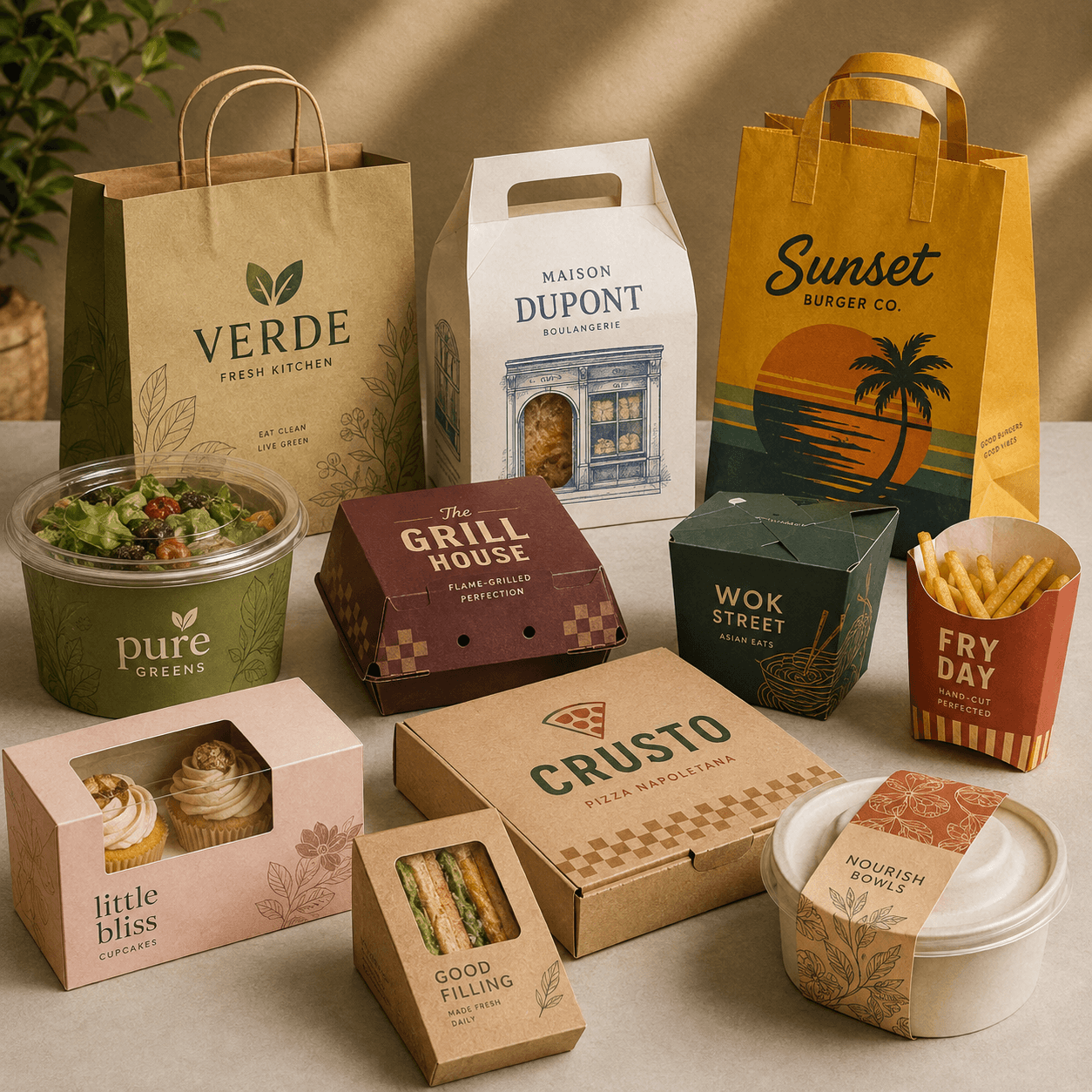
Food, Bakery & Restaurants options
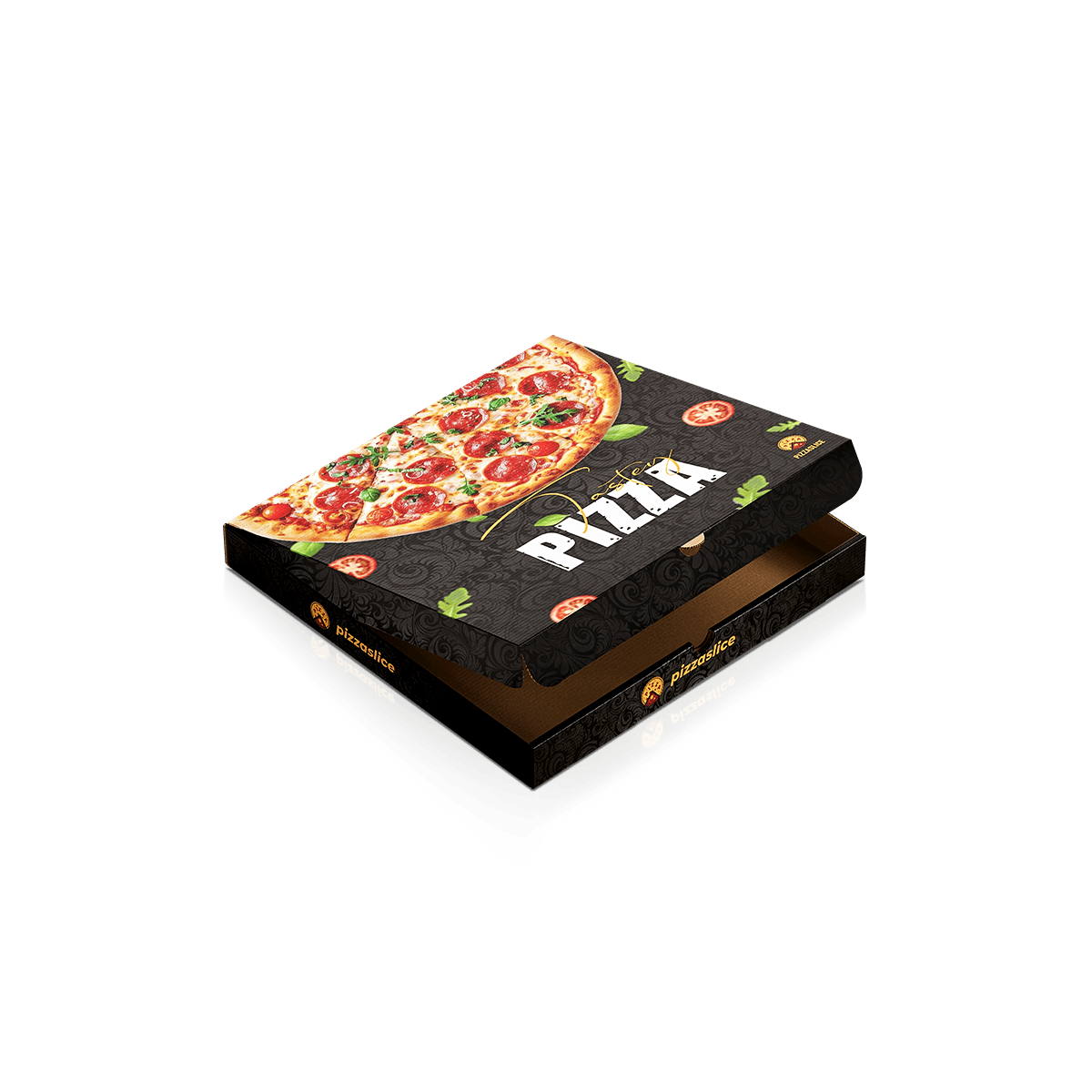
Pizza Boxes
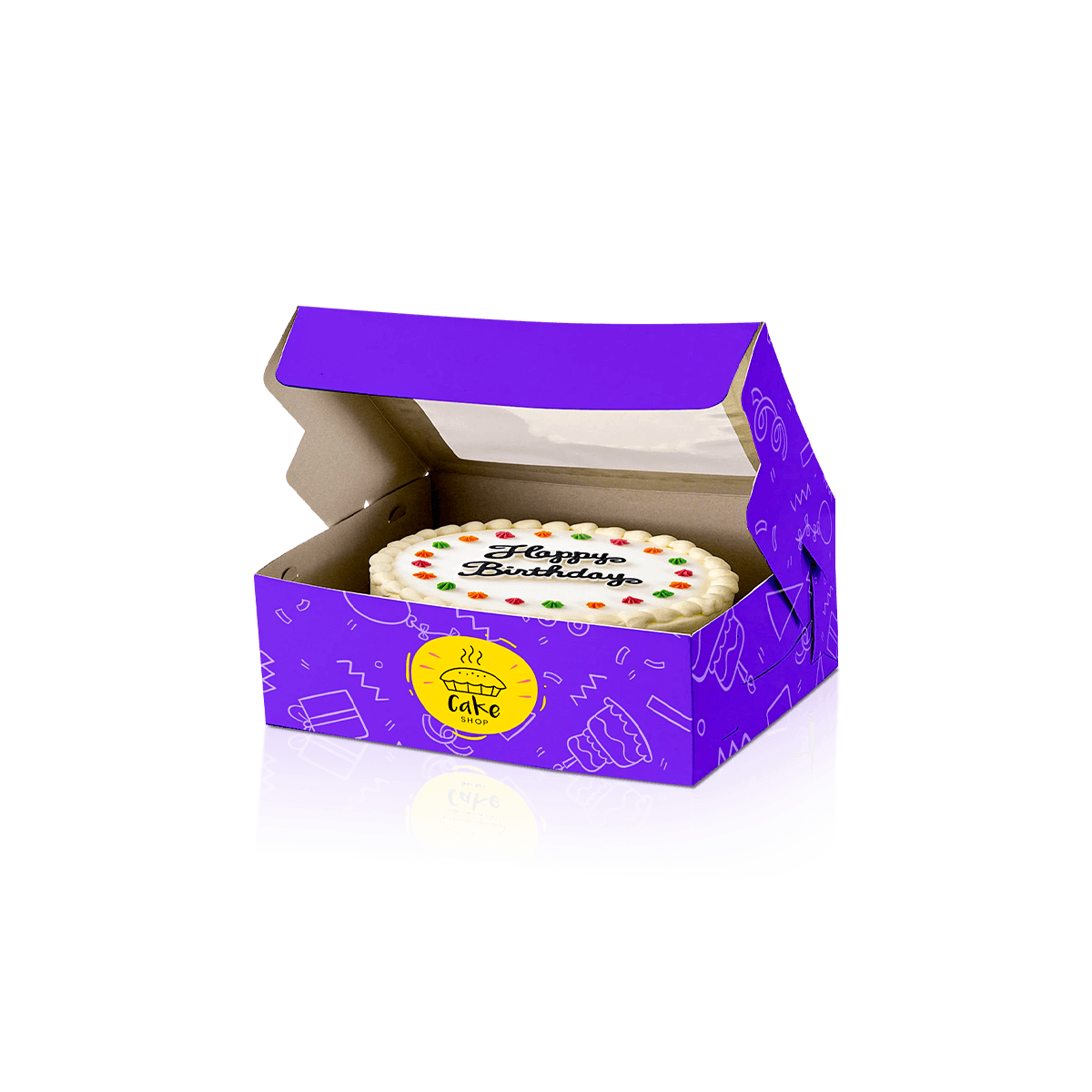
Custom Cake Boxes
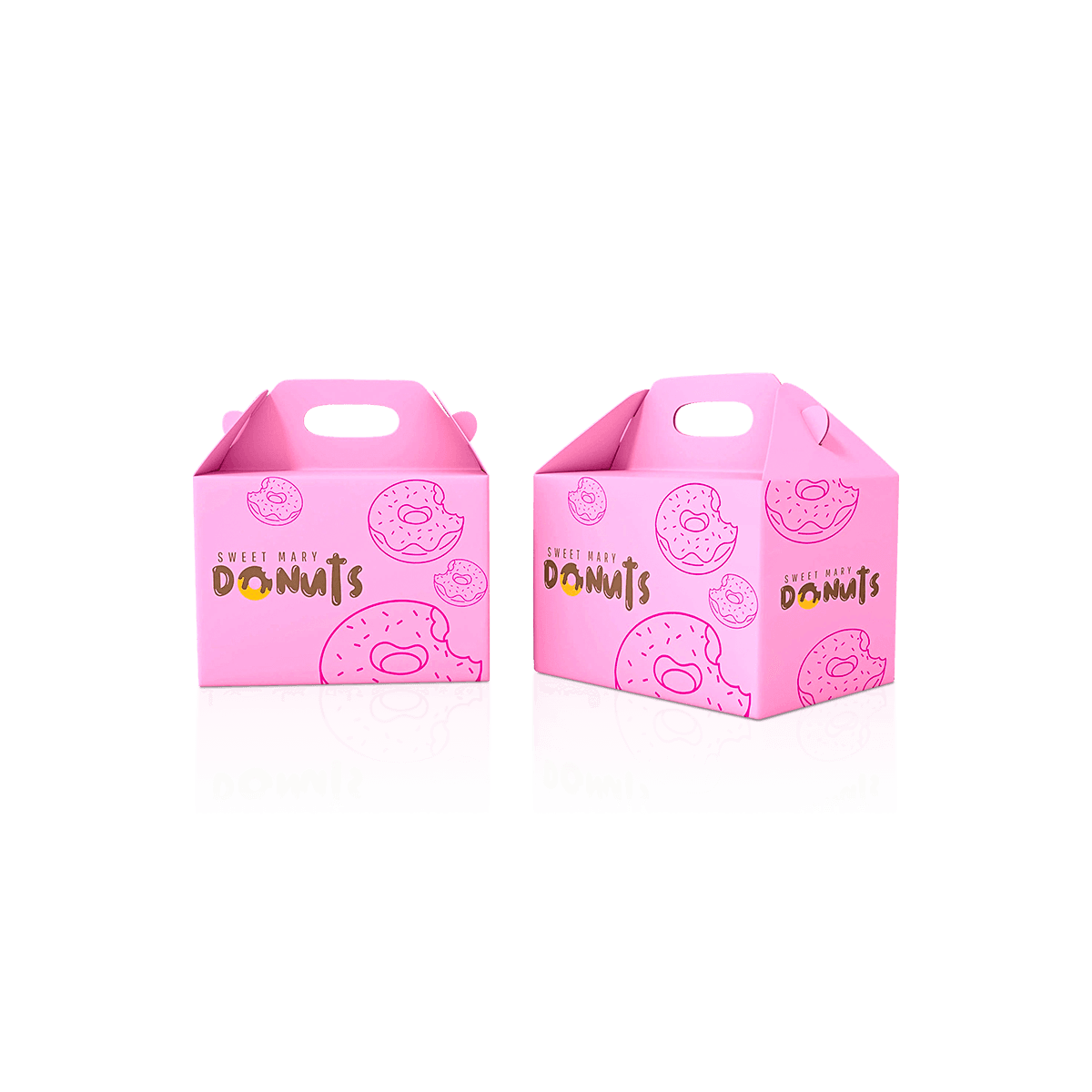
Donut Boxes
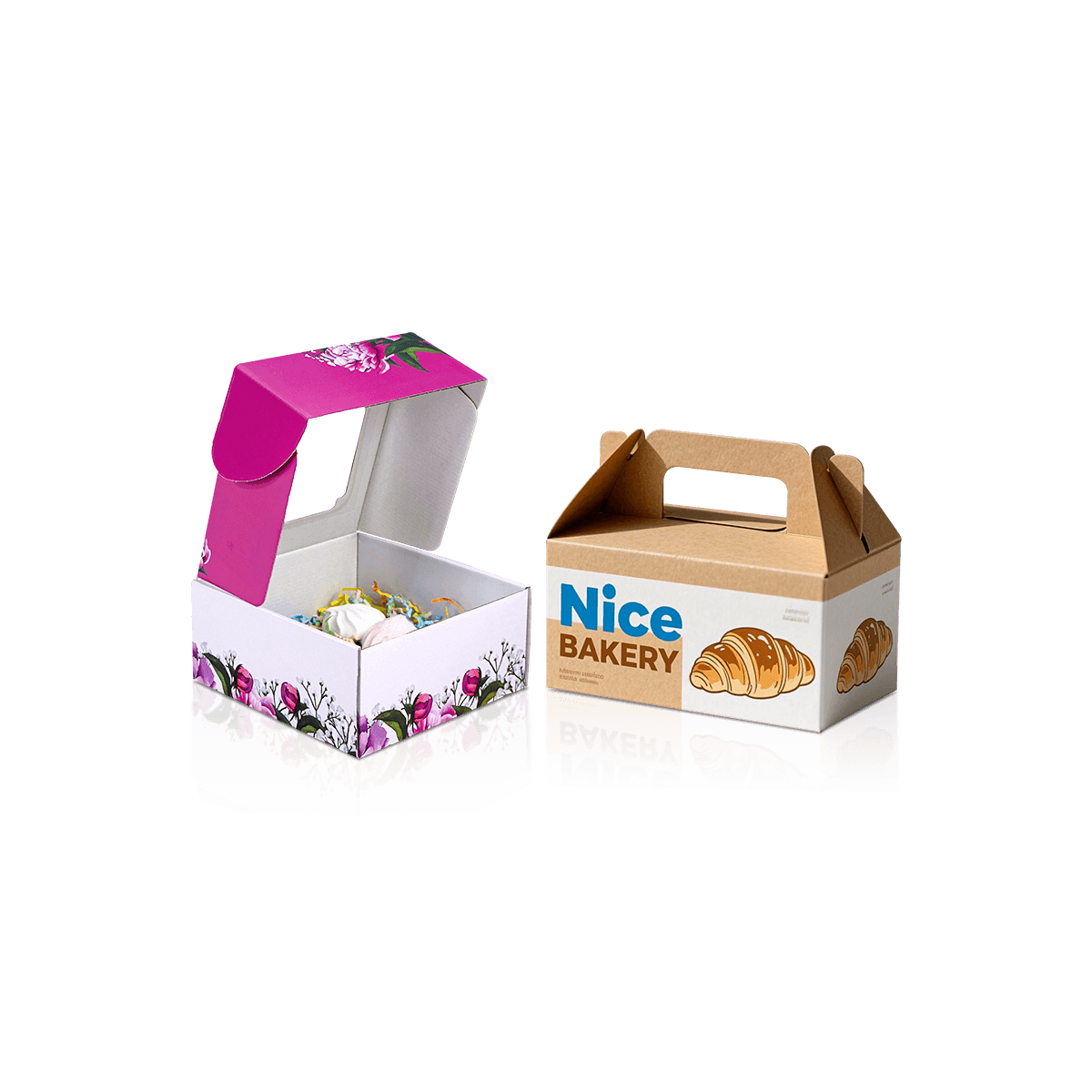
Bakery Boxes
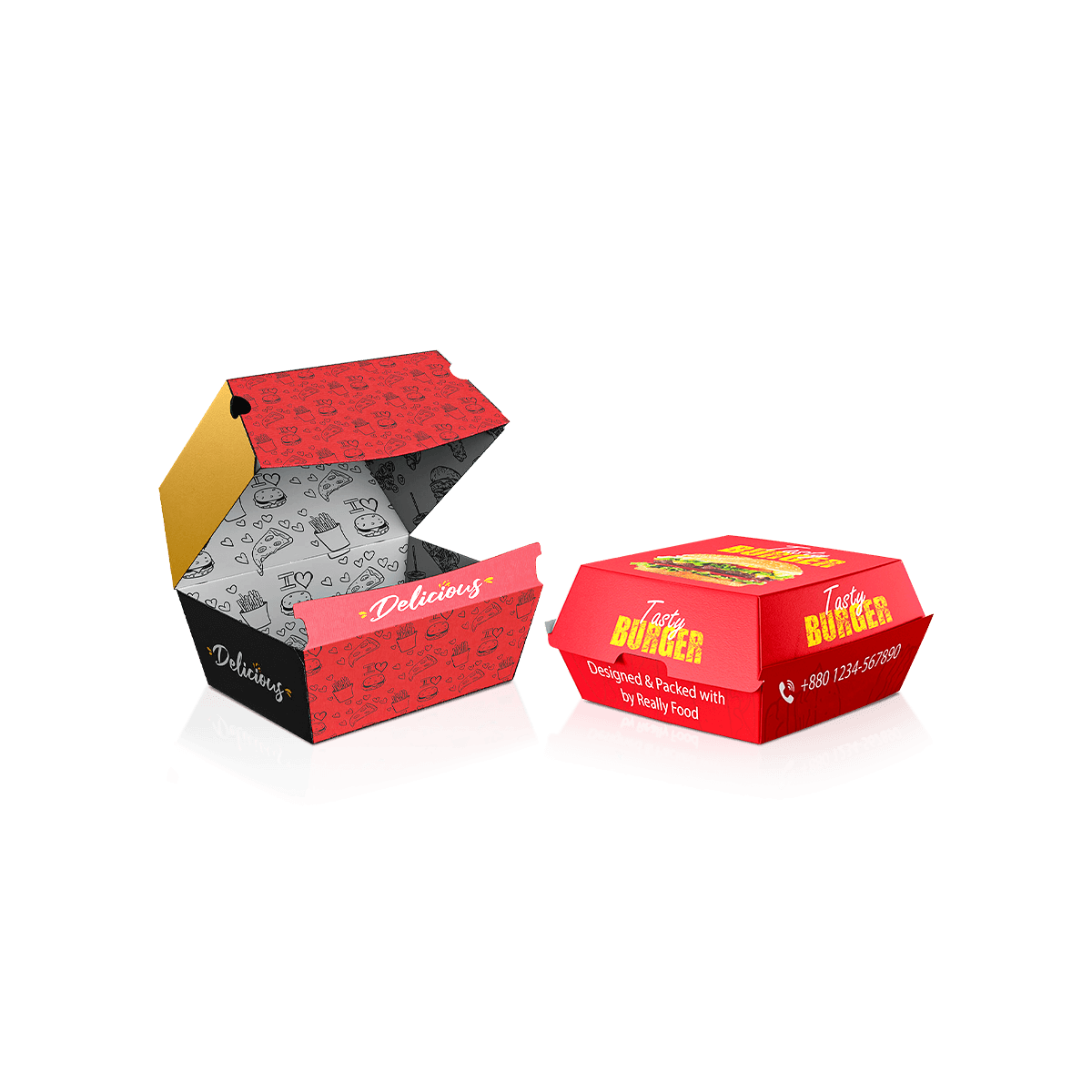
Burger Boxes
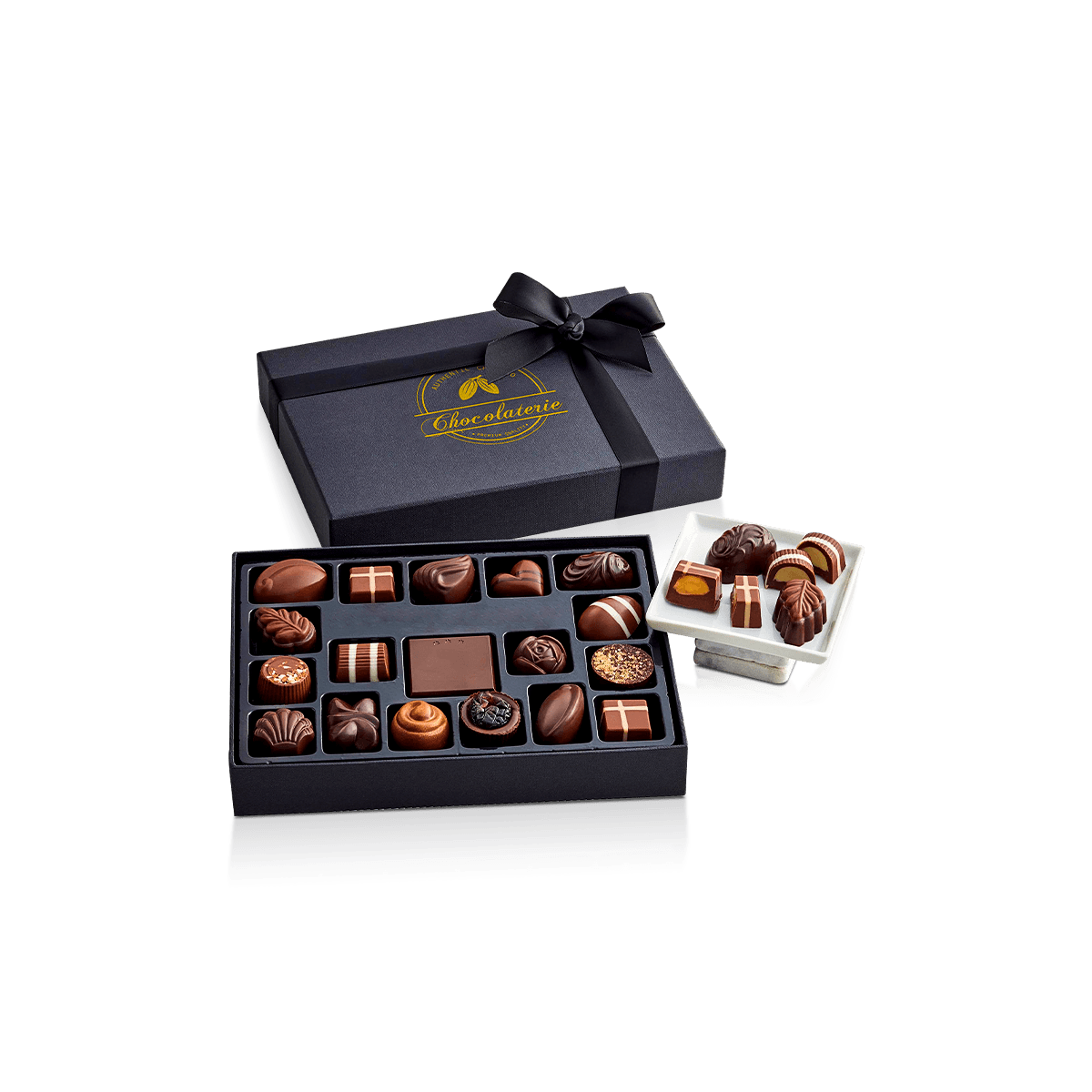
Chocolate Boxes
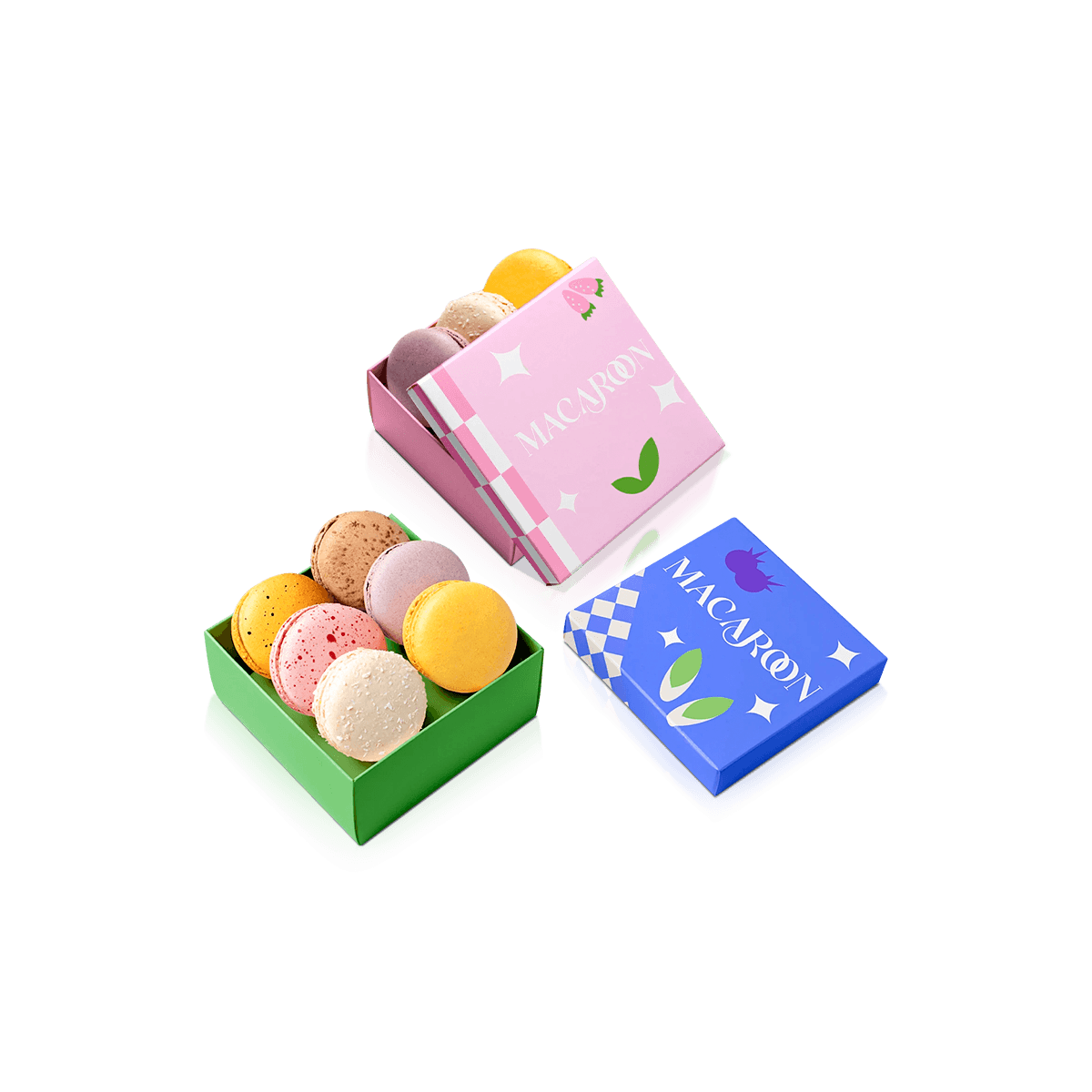
Macaron Boxes
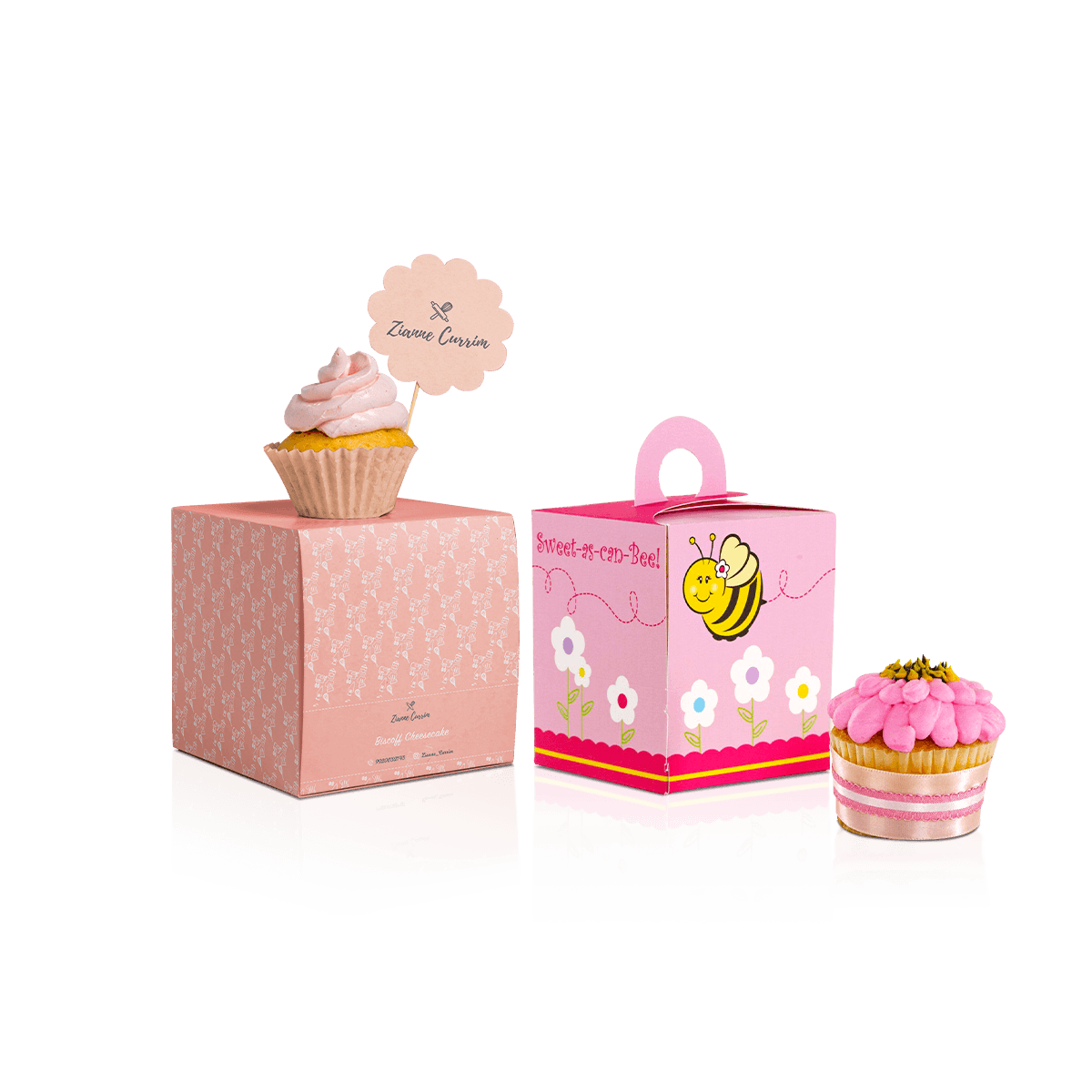
Cupcake Boxes
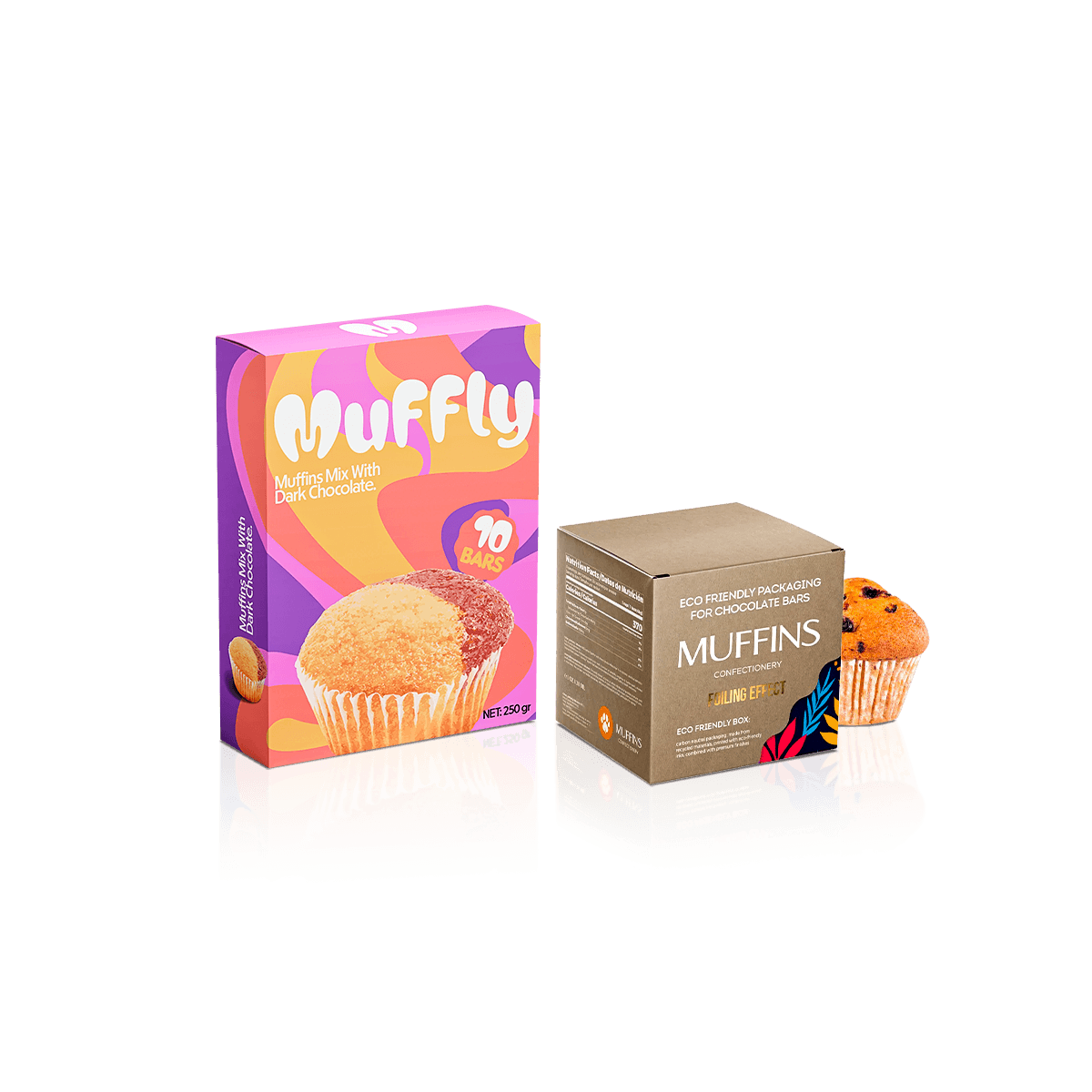
Muffin Boxes
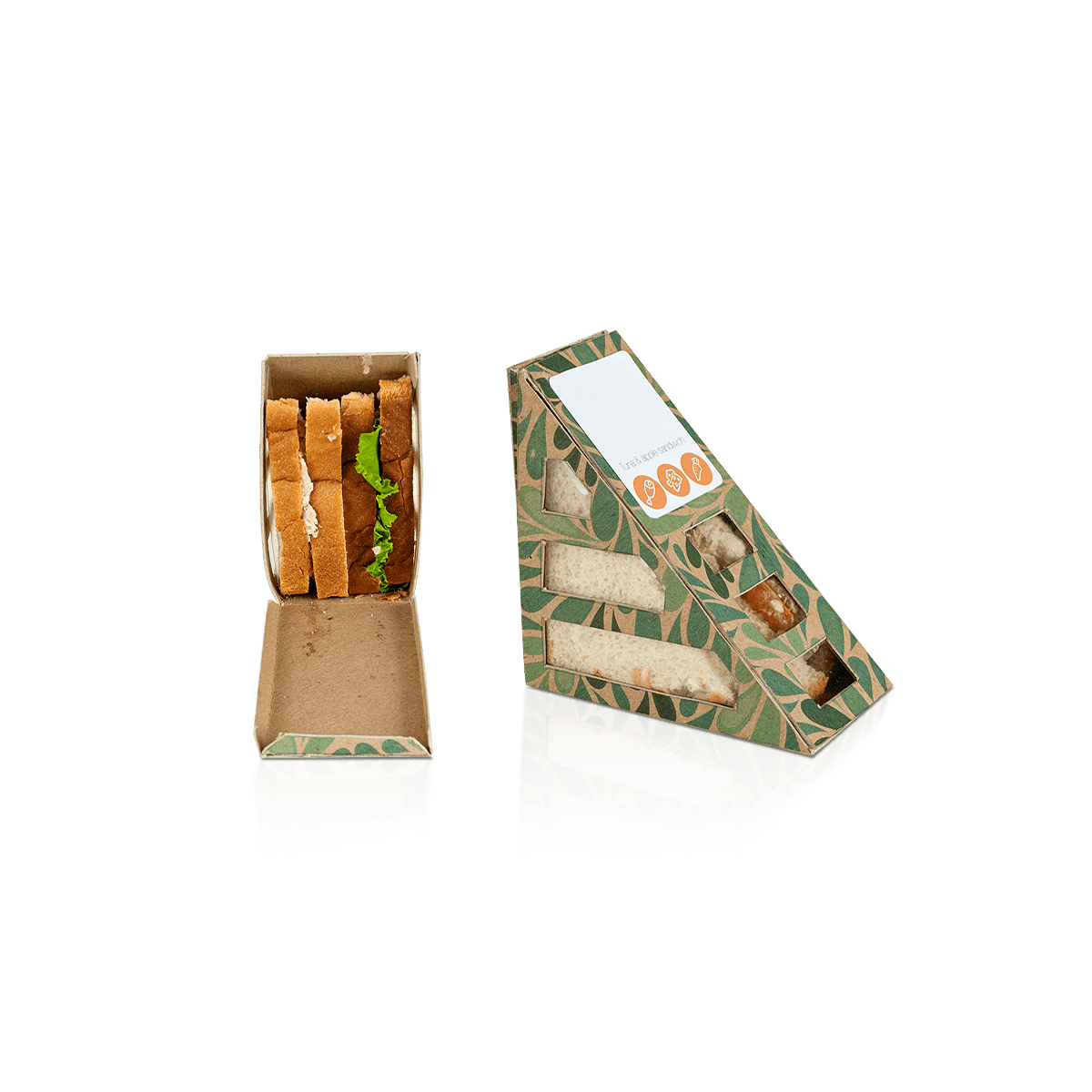
Sandwich Boxes
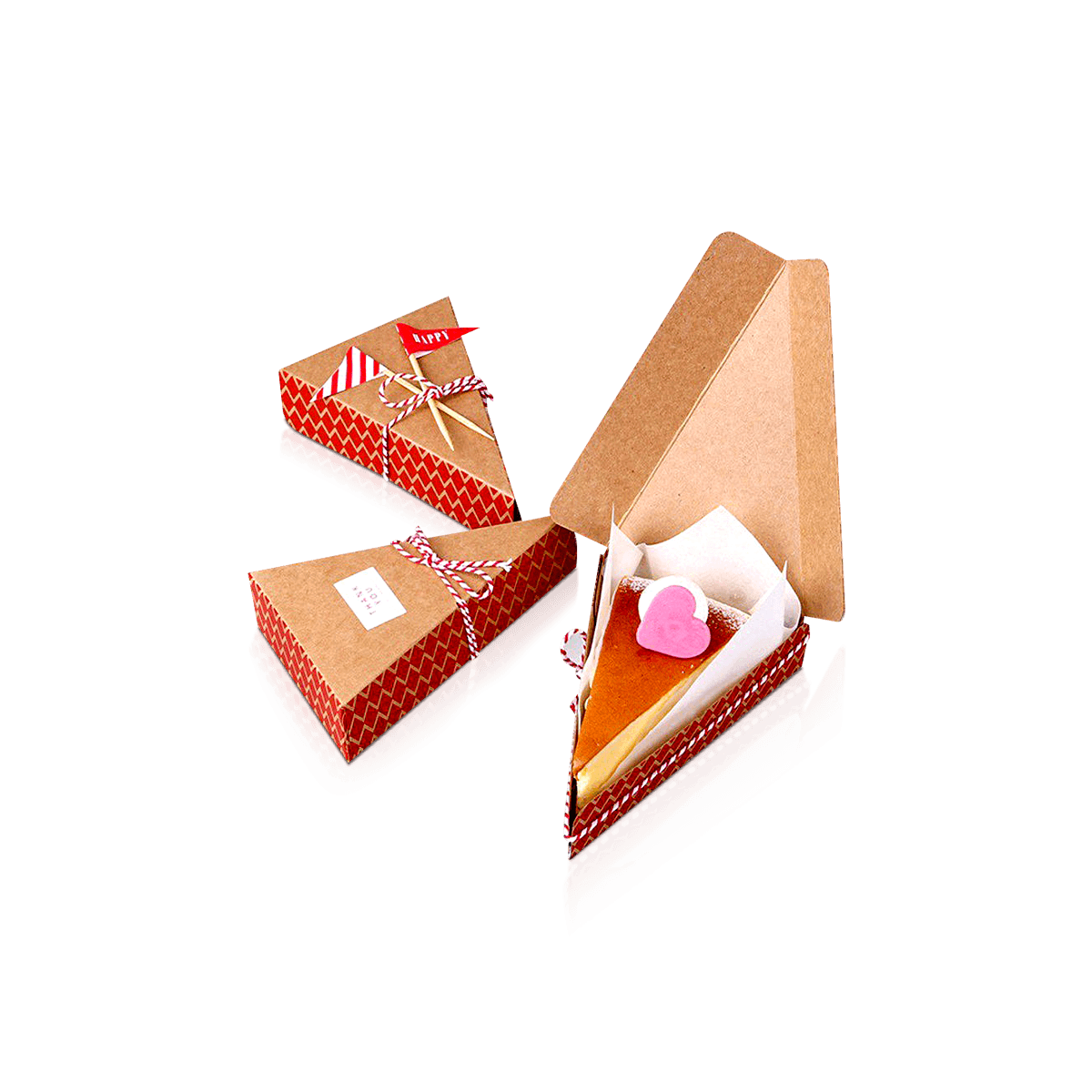
Pastry Boxes
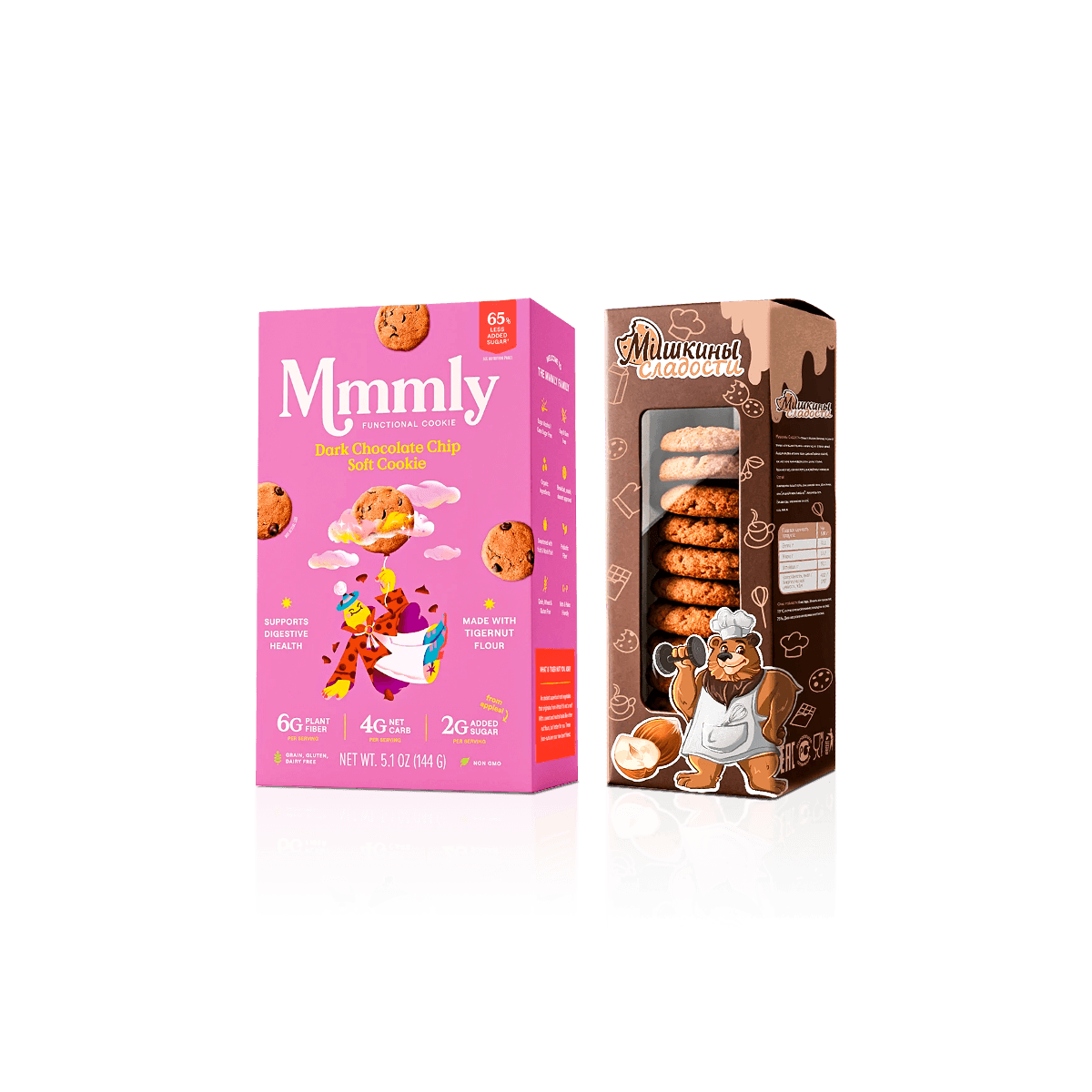
Cookie Boxes
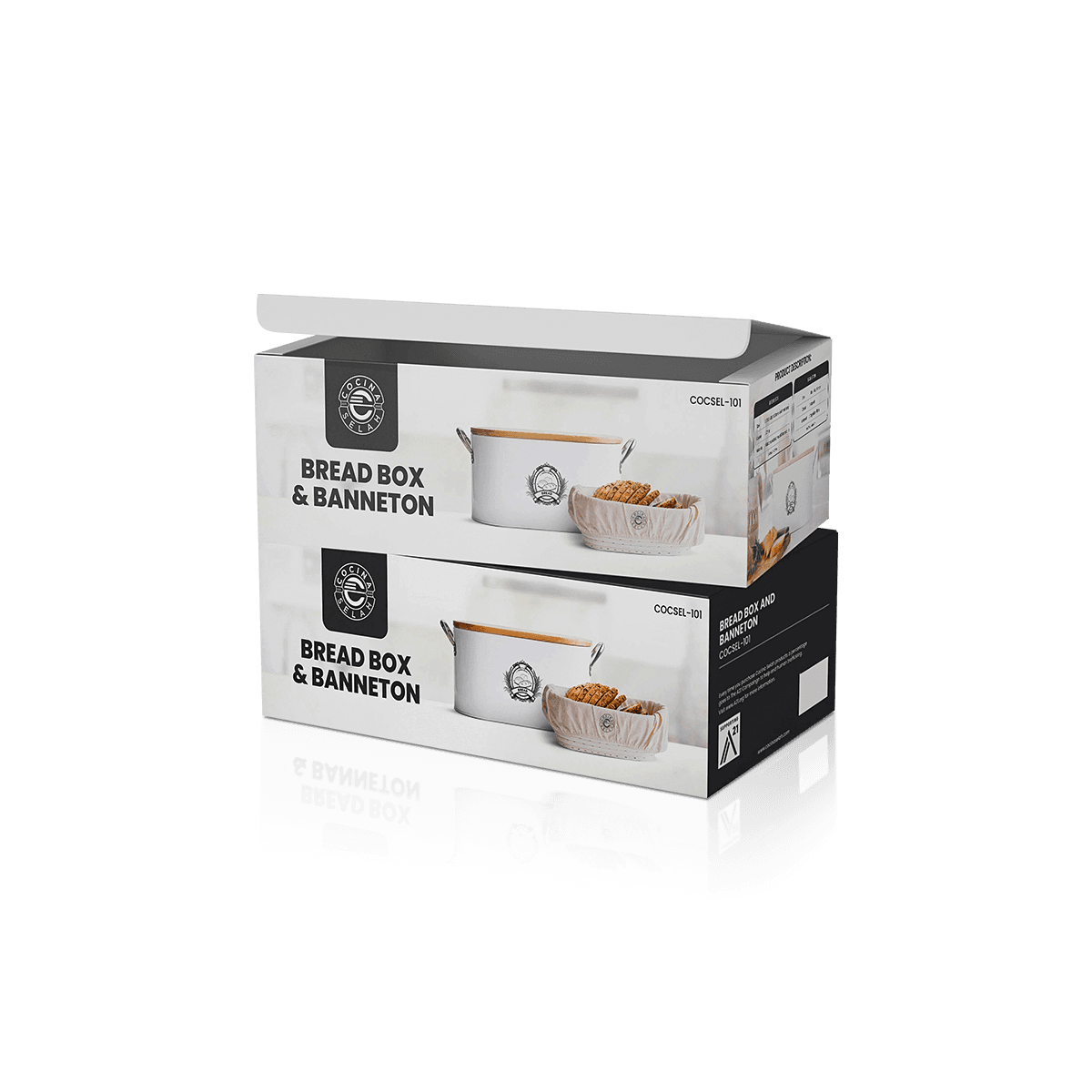
Bread Boxes
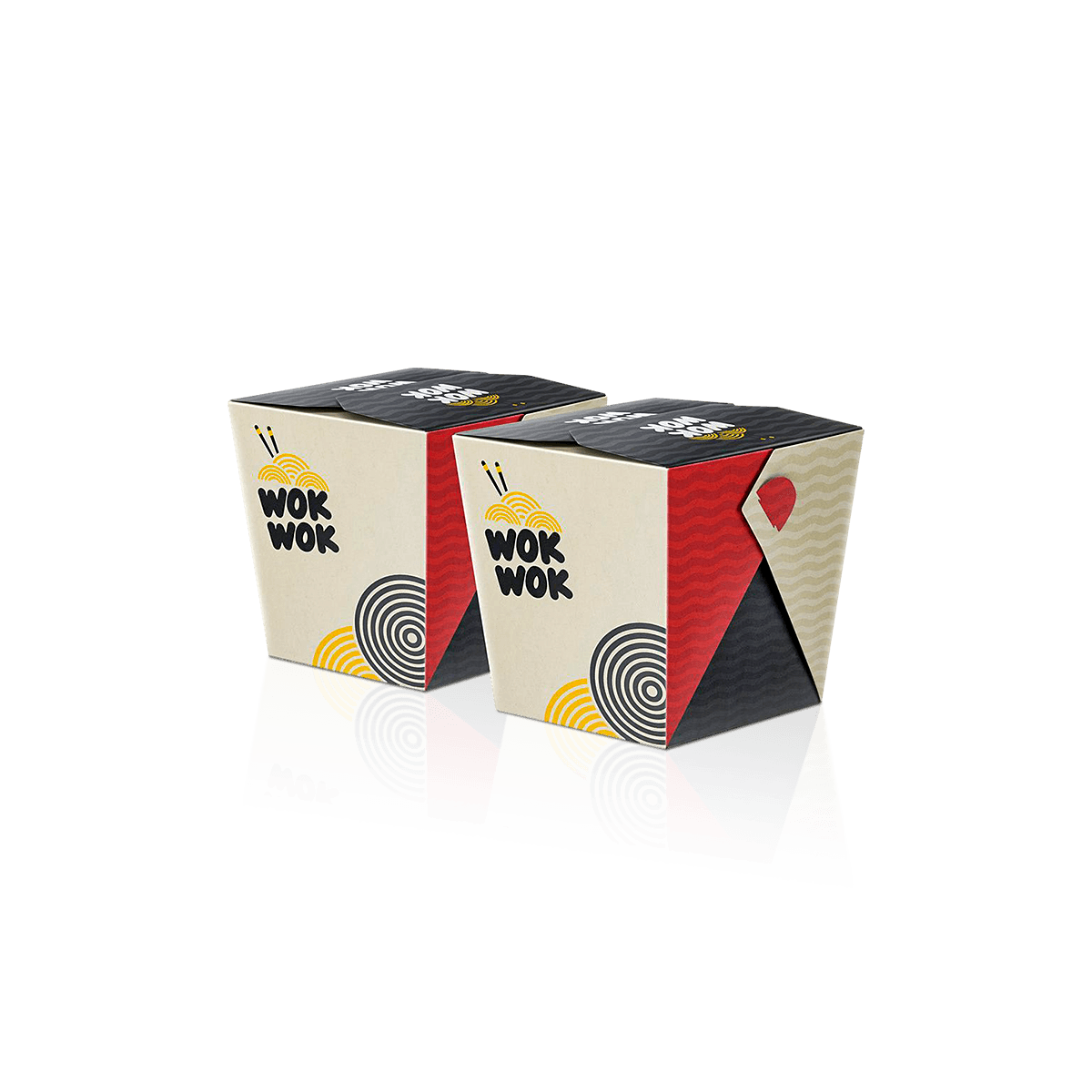
Takeout Boxes
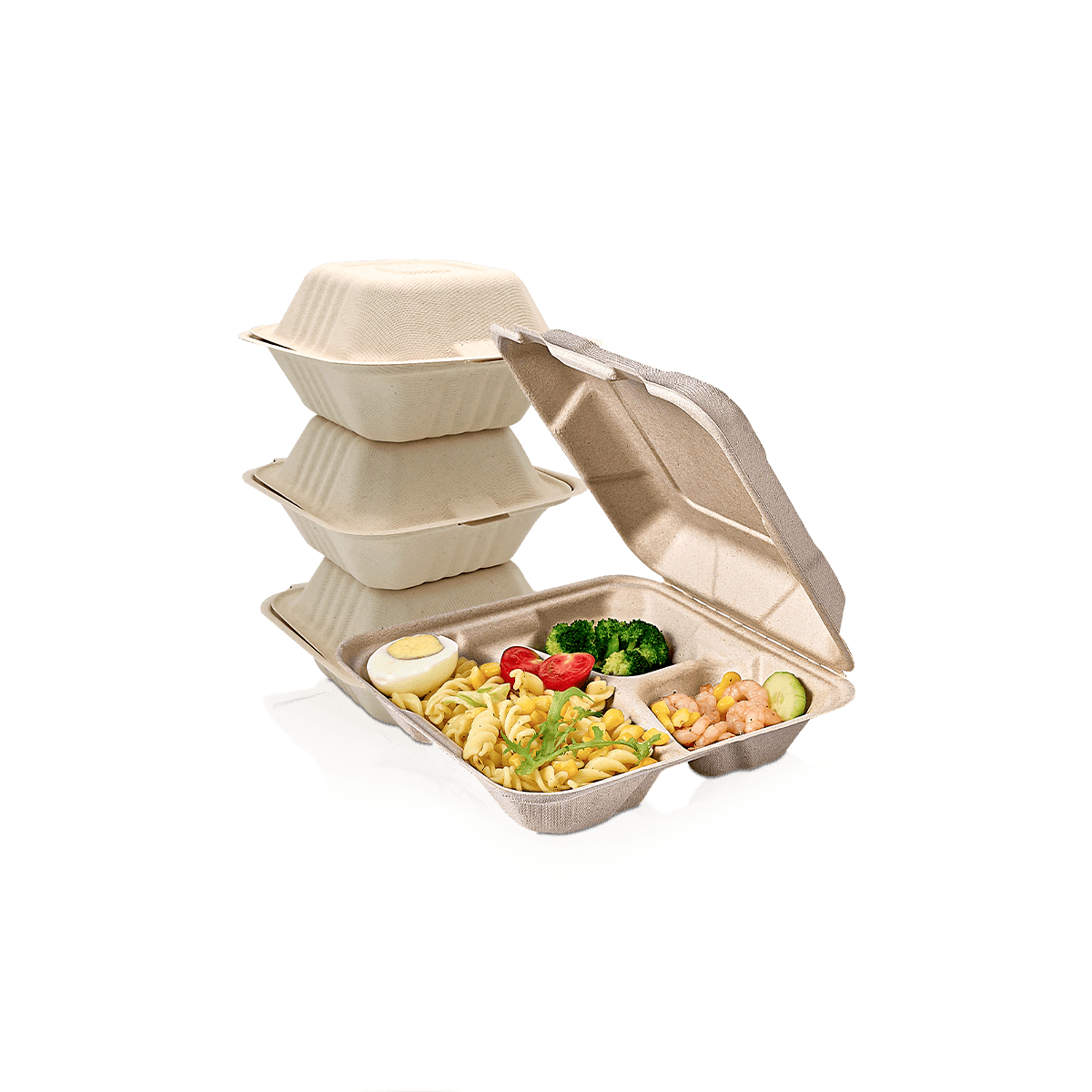
Clamshell Food Boxes
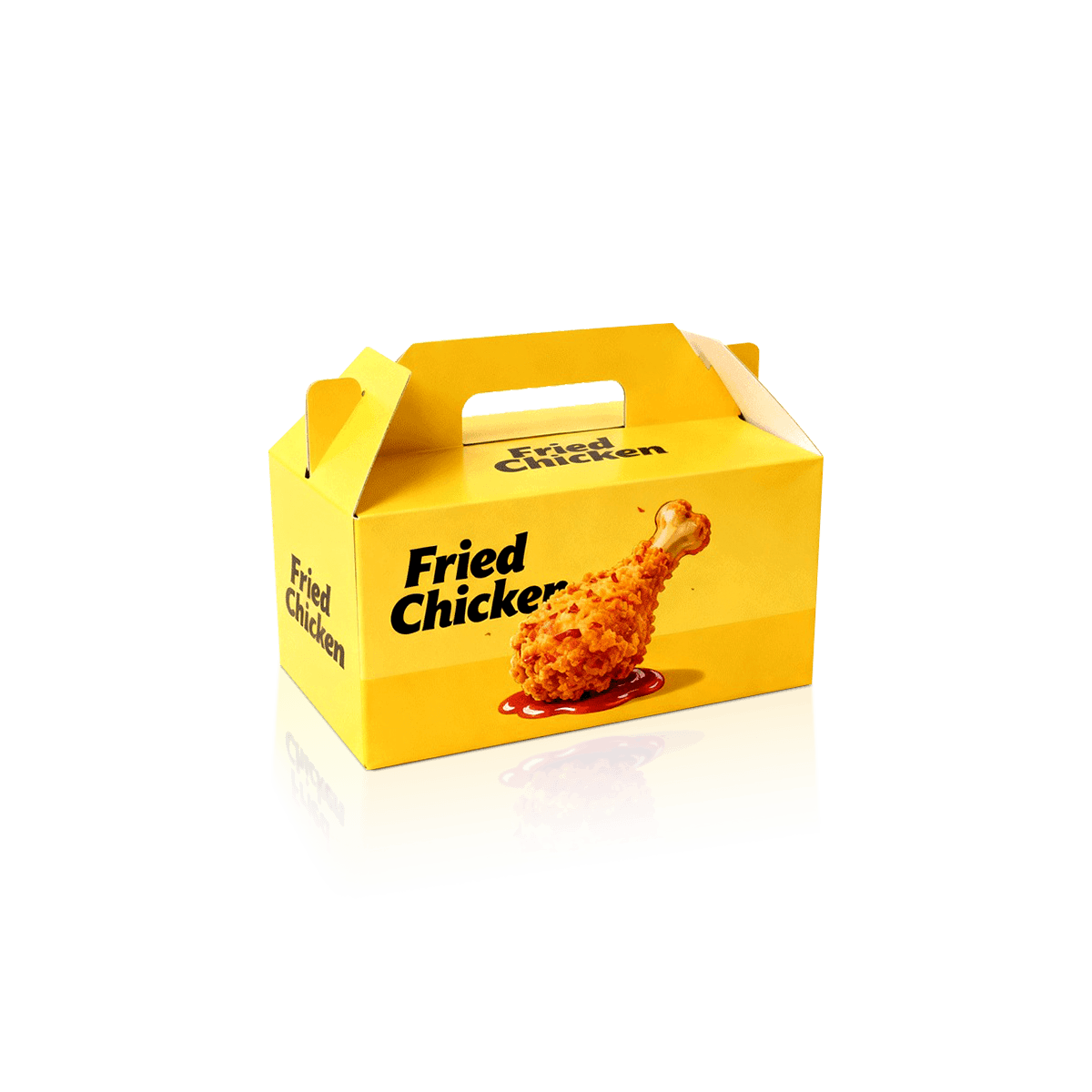
Gable Boxes for Food
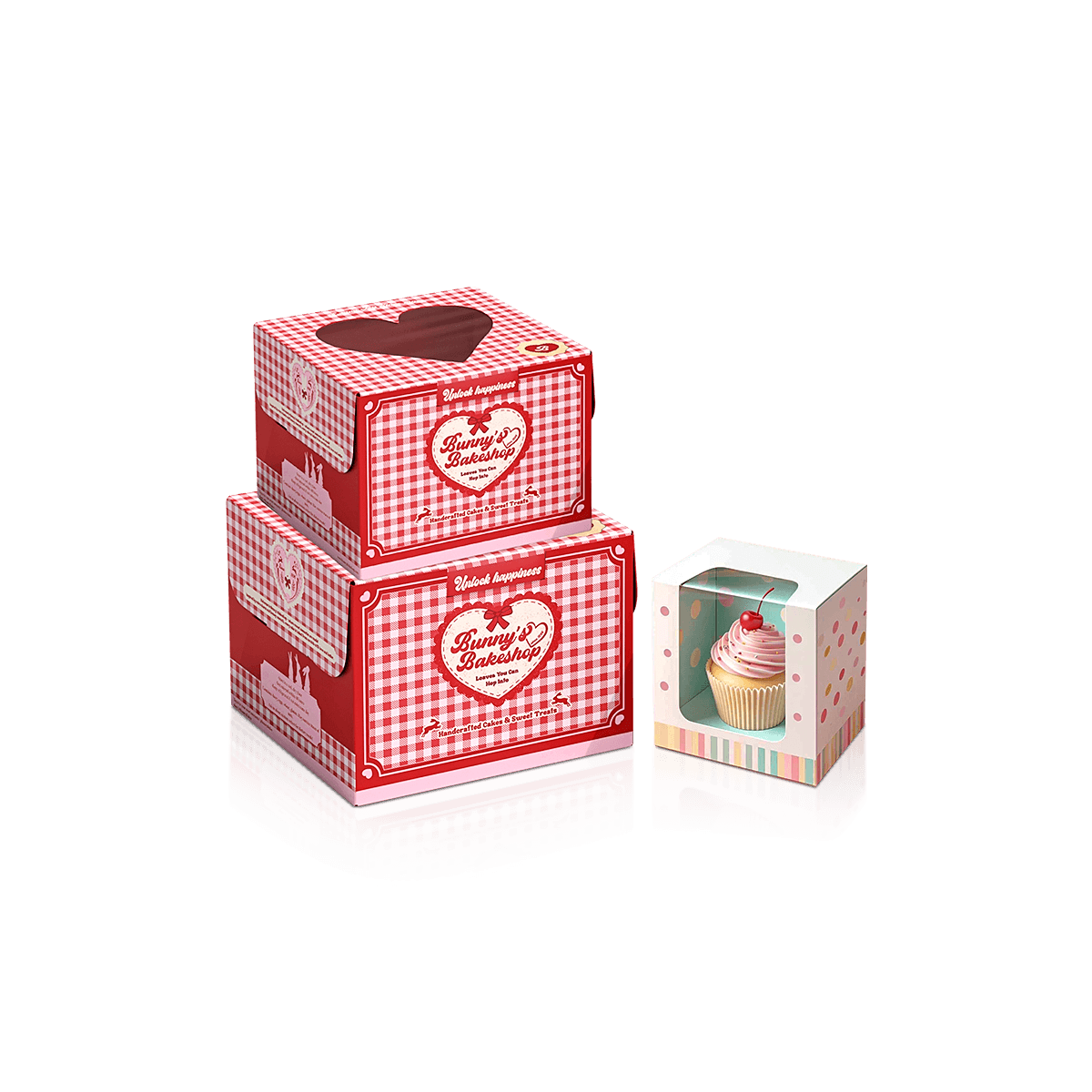
Window Bakery Boxes
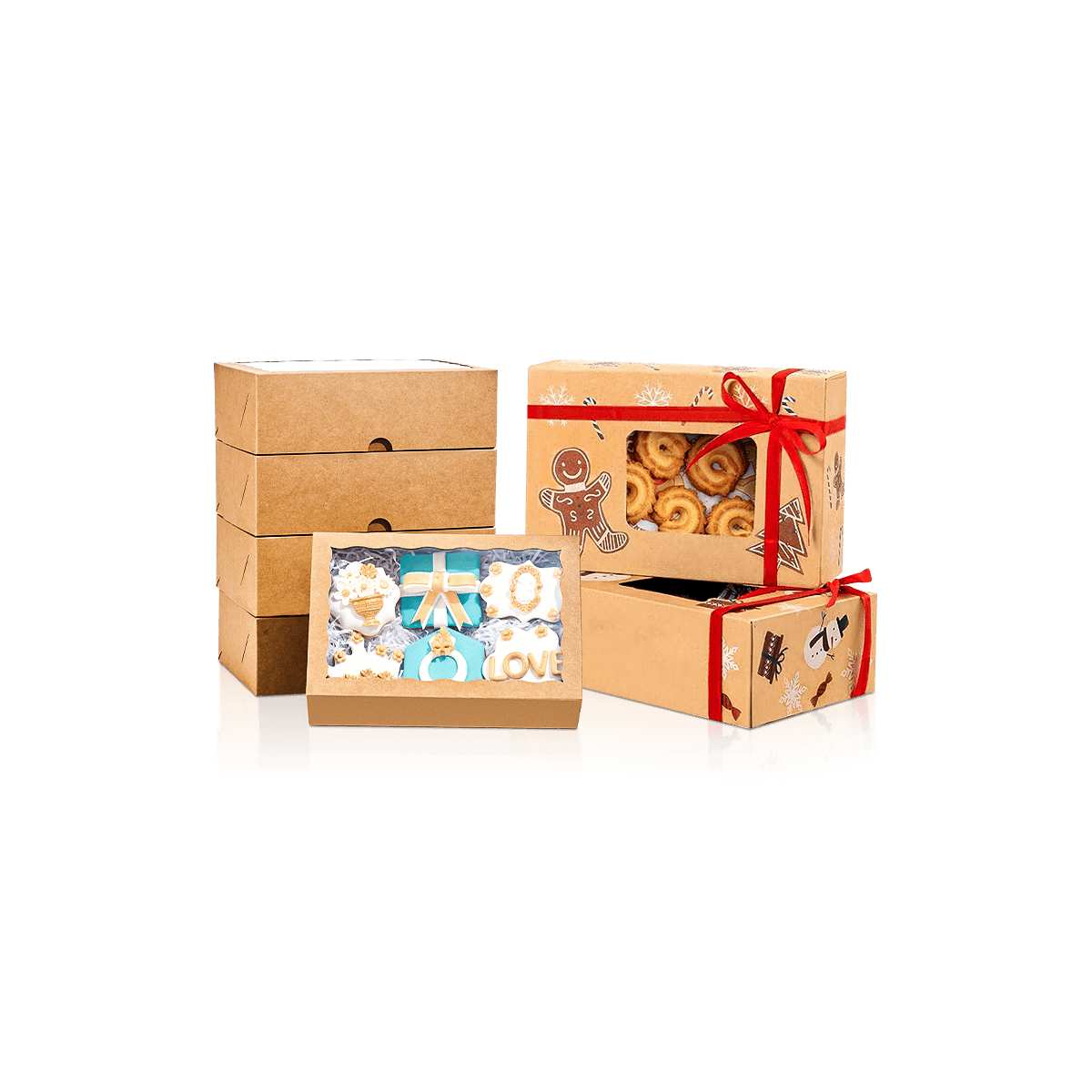
Compostable Bakery Boxes
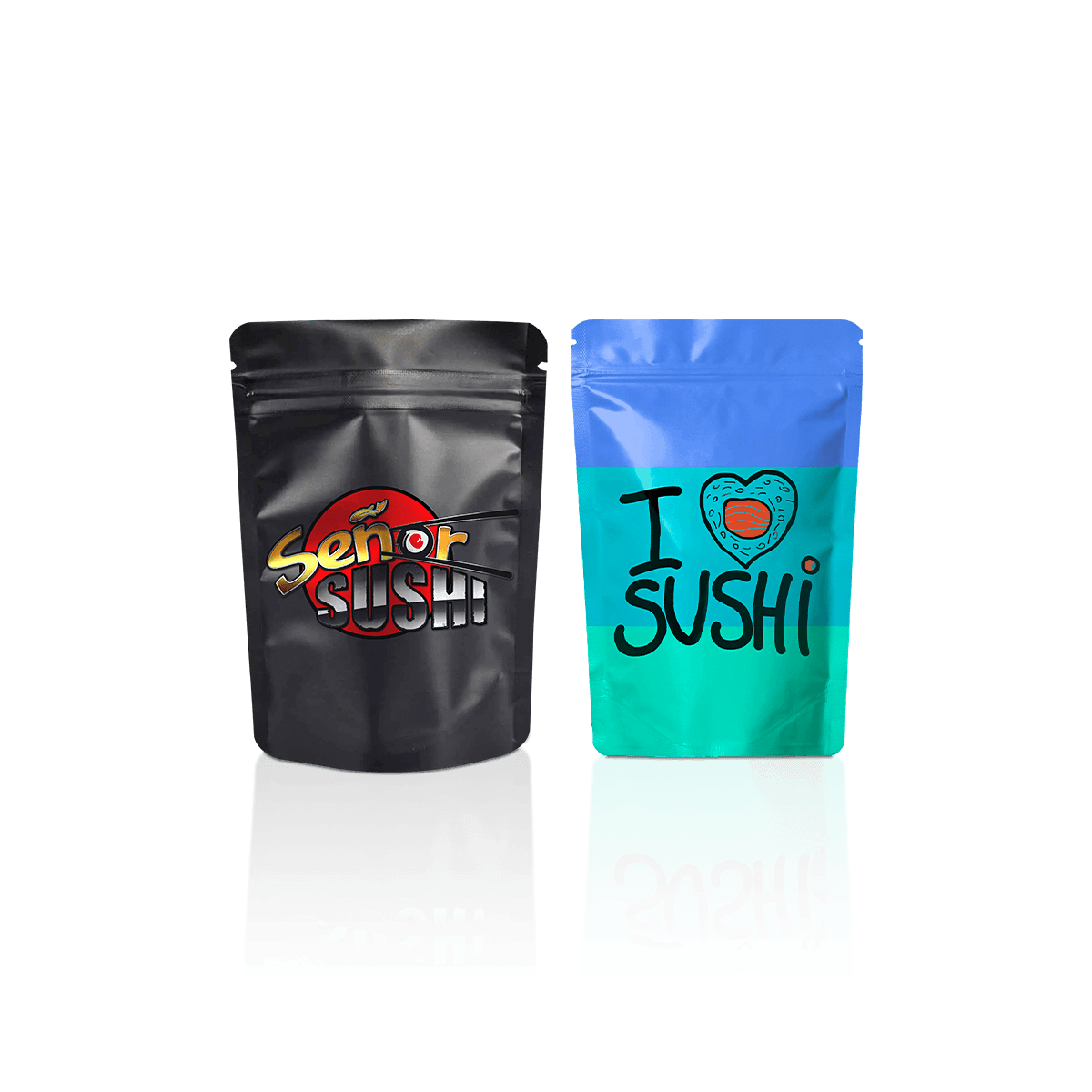
Sushi Mylar Bags
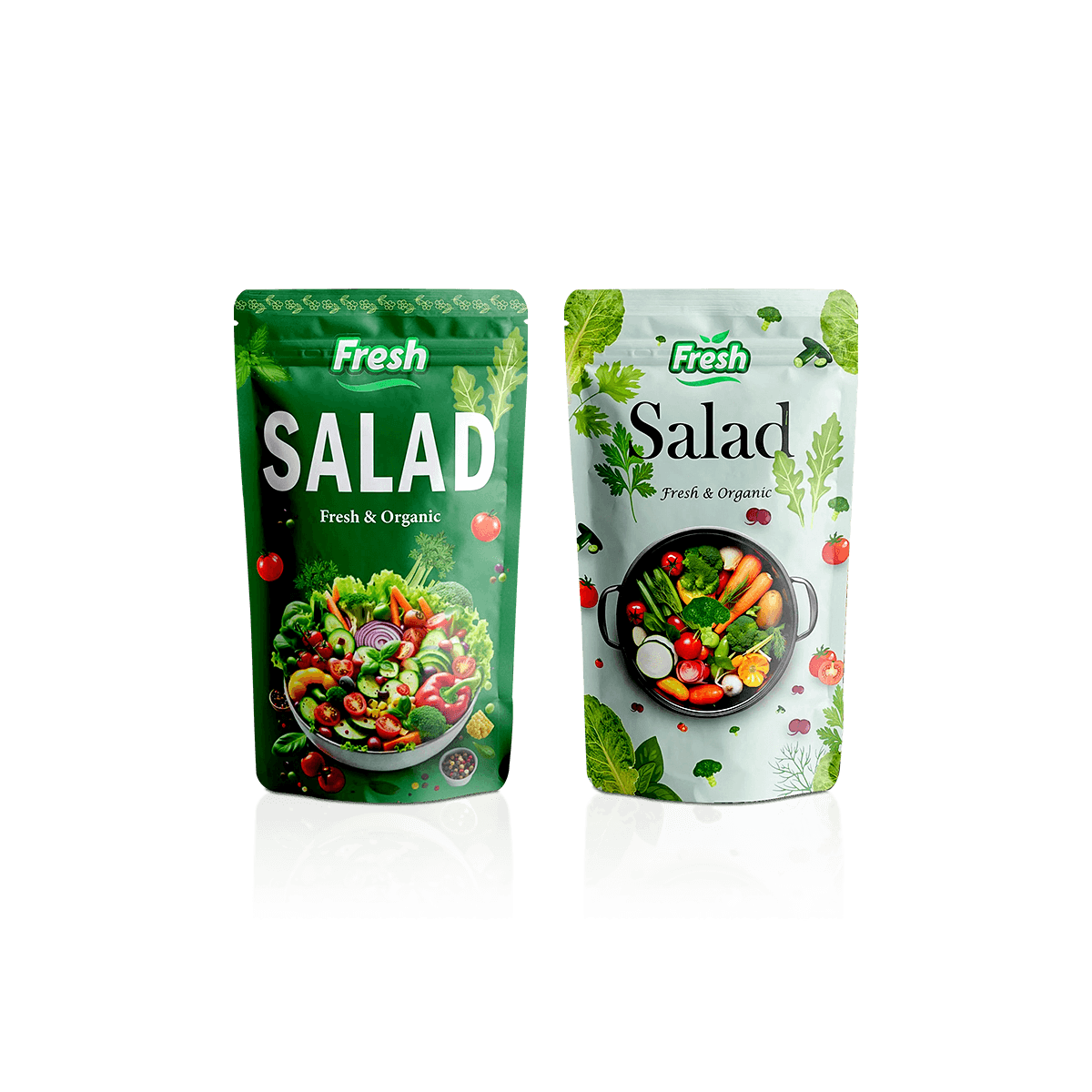
Salad Flexible Pouches
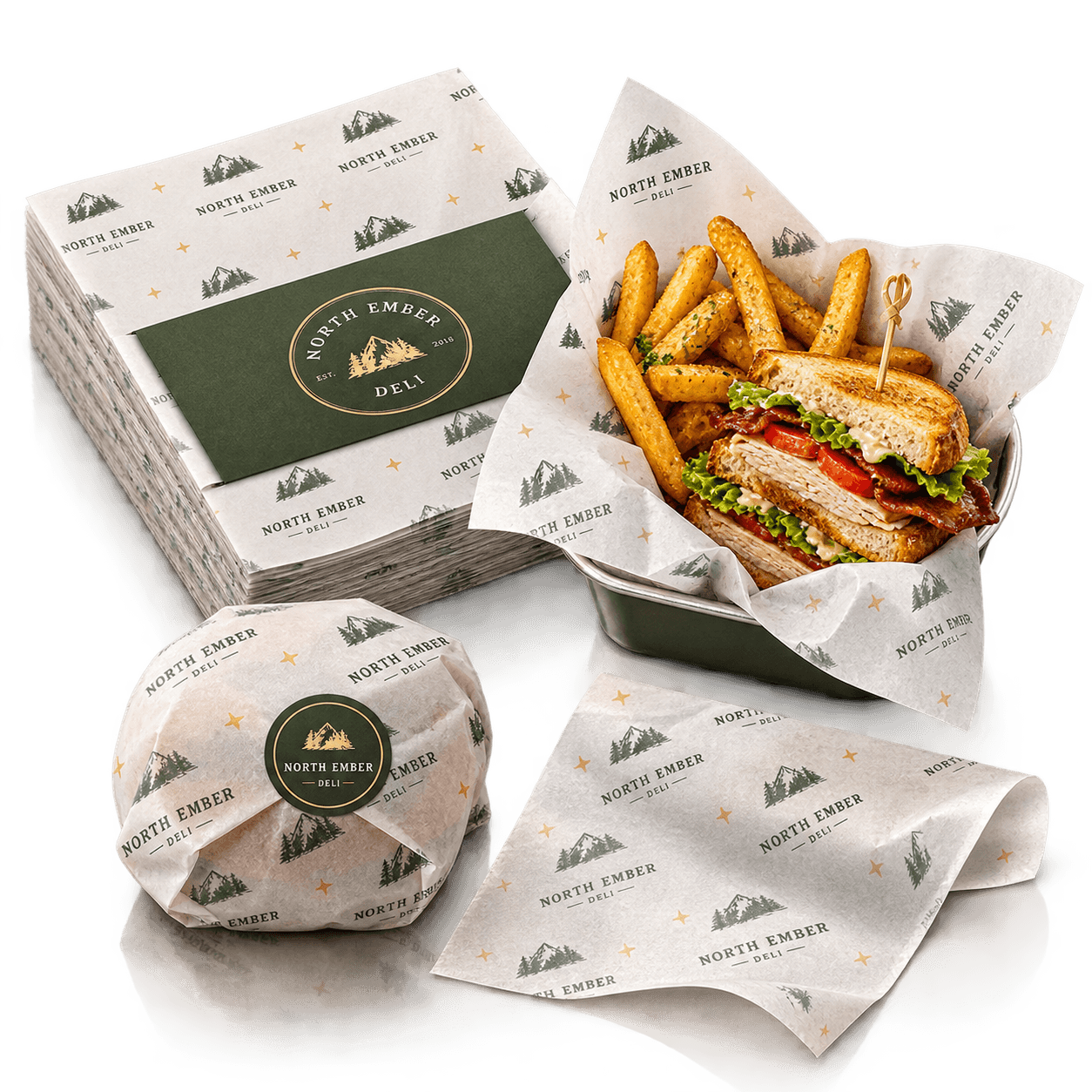
Custom Wax Paper
Your product shouldn’t have to fit an off-the-shelf box.
Share the shape, size, material, finish, or insert you have in mind. We’ll turn the details into a tailored packaging recommendation and a clear quote.
Custom sizes · materials · finishes · inserts
Food Changes After It Is Packed
Food packaging has to manage more than the product at the moment the lid closes. A pastry can release residual warmth. Fried food can transfer grease. A hot meal can create steam. Frosting can shift during a car ride. A crisp product can soften if moisture stays trapped around it.
That makes time part of the packaging specification.
Custom Food Packaging should be planned around the condition of the food when it enters the pack, how long it normally stays there and what happens before the customer opens it. A five-minute bakery counter handoff creates a different problem from a restaurant order that spends 30 minutes stacked inside a delivery bag.
The package does not need to solve every possible condition. It needs to solve the conditions the business actually creates.
That begins with a few practical inputs: food temperature at packing, grease or moisture exposure, portion size, whether the product is delicate, whether the customer needs to see it and whether it will be carried, stacked or delivered.
The current Custom Packly resource on food packaging mistakes examines many of these failure points in more detail, including weak board, grease, delivery conditions, sizing and insufficient testing.
Counter, Pickup and Delivery Are Different
A food business may use the same menu item across several sales channels, but the package does not necessarily face the same conditions.
Counter Display
Bakery and confectionery packaging often has to keep shape, protect decoration and present the food clearly before purchase. Cakes, macarons, cookies and pastries may spend time in a display case or on a counter before the customer carries them away.
Here, product clearance, clean presentation and access can matter more than high transit strength.
Bakery Boxes is the practical starting point for mixed baked goods. Cake, cupcake, donut and pastry packaging should then be selected when those products need more specific clearance or restraint.
Immediate Takeaway
A burger, sandwich or prepared meal usually needs faster packing and better containment than a display-led bakery product. Staff should be able to load the food without complicated assembly, close the package confidently and move to the next order.
Takeout Boxes are the better destination when prepared-food containment and handoff are the central problem.
Delivery
Delivery adds time, movement, stacking and a second handoff.
The food may share a bag with other menu items. Containers can push against one another. Hot and cold products may be placed in the same order. A pack that looks stable on a counter can move when a driver turns, brakes or carries several orders together.
That means restaurant delivery packaging should be evaluated as part of the whole order, not only one container at a time.
Heat and Steam Need an Exit Strategy
Hot food can continue releasing vapor after packing. Whether that moisture should escape or remain contained depends on the product and the packaging system.
A crispy product may lose texture if steam accumulates in a tightly enclosed space. Other foods may prioritize containment over ventilation. There is no universal rule that every hot-food package should be heavily vented or completely sealed.
The decision belongs to the food.
Pizza Boxes, for example, have to coordinate board structure, heat, moisture and the trip from oven to customer. Burger and fried-food packaging creates its own balance among warmth, grease and vapor.
The useful question is: what should the food still be like when the customer opens the pack?
From there, venting, closure style, internal volume and material can be adjusted around the real service interval rather than a generic restaurant-box specification.
Grease Can Become a Structural Problem
Grease is not only a visual stain. It can affect how some paper-based packaging behaves during use.
That risk varies greatly by food. A dry cookie and a burger with melted cheese and sauce should not automatically use the same surface specification just because both fit into paperboard cartons.
Grease exposure should be assessed from the actual recipe and contact pattern. Is oil touching the base continuously? Is the food wrapped before it enters the carton? Is the pack only carrying a sealed inner container?
If the packaging will directly contact food, confirm the exact stock, coating, ink and intended application rather than assuming suitability from a generic material name.
The same applies to moisture resistance. Material requirements should follow the food and contact conditions instead of being treated as universal claims across every bakery or restaurant pack.
Delicate Foods Need Space in the Right Places
Bakery packaging often fails because the outside dimensions are technically large enough while the internal clearance is wrong.
A cake can fit across the base but have too little height above piping. Cupcakes can fit side by side but move because their bases are not located. Macarons can have enough total volume but collide because nothing controls lateral movement.
Custom Cake Boxes should be developed around the finished decorated cake, including the board beneath it and the highest decoration, not only the nominal cake diameter.
The same principle applies to other bakery products. The useful dimensions are those of the finished food as it is packed.
Inserts can help when individual items need separation or positional control. They should be included in the internal dimension plan from the beginning because an insert consumes space and changes the loading sequence.
Warm Bakery Goods Can Change a Good Box
Consider a bakery packing warm pastries into a closed carton immediately after production.
At the counter, the package looks clean and structurally adequate. During a longer pickup journey, vapor from the warm pastries accumulates inside. Moisture appears on cooler surfaces and the board begins to feel softer than it did at handoff.
The first instinct may be to specify a heavier board.
But board thickness alone does not address the cause. The food entered the package too warm for the closed environment and the travel interval allowed moisture to accumulate.
The better adjustment may involve the packing condition, ventilation strategy, internal space or material specification, depending on the pastry and service model.
The improvement comes from testing the complete journey: pack the food at the real operating condition, close it the normal way and inspect it after the amount of time customers actually travel.
This is why food packaging cannot be approved from an empty carton alone.
Visibility Should Help the Sale
A window is useful when seeing the food answers an important customer question.
Cookies, pastries, cupcakes, chocolates and other visual products can benefit when customers can see color, decoration, portion size or assortment before opening the package. Window Bakery Boxes own that specialist presentation decision.
But the window uses structural and artwork space. It can also change what needs to be considered for the package material and product environment.
The right question is not whether windows make bakery packaging look premium. It is whether product visibility contributes enough to justify the opening in the carton design.
Where the product is already recognized, heavily protected or sold through delivery rather than visual display, a large window may contribute less.
Match the Package to the Portion
Portion size affects more than box dimensions.
Too much unused volume allows products to move. Too little clearance can compress toppings, force closures upward or make staff struggle during packing.
Restaurants should test real menu combinations, including sides and extras rather than only the core item. A burger carton may fit the burger perfectly while the actual customer order still needs fries, sauces and napkins inside a secondary carrier.
This is where Custom Paper Bags become a different part of the packaging system. A takeout box contains the meal; the bag groups multiple containers for customer carry or delivery.
Using each structure for its own job normally produces a cleaner system than trying to make one oversized package perform every function.
Not Every Food Needs a Box
Some food applications work better in other packaging families.
Custom Cone Sleeves support handheld ice cream, waffle, sugar, pretzel and selected snack service where the customer needs a clean holding area without enclosing the full product.
Flexible Pouches become relevant for snacks, refills and selected packaged-food programs where barrier requirements, resealability or compact storage are more important than a rigid carton.
Folding Cartons fit many packaged bakery, confectionery and retail food applications that need a defined rectangular structure and printable panels.
Custom Packaging Types can help when the main choice is between tuck ends, auto bottoms, gable structures, tray-and-sleeve formats or other carton constructions.
The industry requirement should lead to the structure, not the other way around.
For wraps, liners and presentation layers where a carton adds no useful structure, Custom Wax Paper can be considered around the exact food, handling method and material specification rather than treated as a substitute for every food box.
Some prepared-food programs are better evaluated as flexible packs than as cartons. Flexible pouches for salad portions make portion shape, filling and handling part of the packaging decision.
For sushi and similar service formats, flexible sushi pouch formats should be judged against the actual packed menu item and handoff method, not treated like a generic dry-goods pouch.
Where the process intentionally removes air before sealing, vacuum-sealed pouch formats represent a different packing method from an ordinary zipper or stand-up pouch.
Delivery Adds an Outer Packaging Layer
Restaurant and bakery delivery often involves packaging inside packaging.
A burger sits in a food carton. The carton may sit inside a paper bag. Several bags may move inside a larger insulated delivery carrier. Wholesale bakery products may move through corrugated cases before they ever reach the customer-facing carton.
Each layer handles a different risk.
The immediate food pack controls product position and containment. The carry bag groups the order. A corrugated shipping case may provide stacking and distribution protection when products move between facilities or into retail.
Shipping Boxes become relevant when the requirement extends beyond local handoff into distribution or more demanding transit.
Do not add shipping strength indiscriminately to every customer-facing carton. Identify which packaging layer actually experiences the load.
Branding Has to Survive Service
A food package is often photographed and handled after it has already encountered heat, condensation, grease, refrigeration or movement.
That changes the print brief.
The important information should remain readable on the areas most likely to stay visible during service. Logos, product names, flavor identifiers, heating or handling instructions and any required product information need enough hierarchy that the pack still communicates clearly when filled.
CMYK can support multi-color imagery and food photography. Pantone can be considered when a specific brand color needs controlled reproduction. Premium offset printing can support detailed repeat production on appropriate paper-based structures.
Finishes should be chosen with actual use in mind. A finish that looks attractive in a presentation sample may be unnecessary on disposable takeaway packaging while being more valuable on gifting or premium confectionery cartons.
Free design and dieline support can help coordinate artwork with windows, folds, closures and food-product positioning before production.
Quote From the Service Conditions
A useful Custom Food Packaging quote needs more than dimensions and quantity.
Include the food type, finished dimensions, packed weight, packing temperature where relevant, grease or moisture exposure, expected counter or delivery time, whether the packaging directly contacts the food, stacking requirements, display needs, quantity and artwork status.
MOQ starts from 100 units for USA orders. Instant free quotes and transparent pricing with no hidden charges help compare packaging against the actual food-service specification.
Free sample examples of previous work can help assess general stock, printing and construction. When exact product fit, window position, insert geometry or service behavior needs to be proven, a paid fully custom pre-production sample may be more useful.
Custom Packly also provides US production, free shipping and a standard 4–6 business-day turnaround after final artwork and specifications are approved. Bulk and repeat-order support, warehousing and scheduled deliveries can support restaurants, bakery groups and food brands with recurring requirements. Complex structures, specialty materials or advanced finishes may require additional time.
When those operating details are ready, request an instant custom packaging quote around the food and service journey instead of sending only a box name.
Record the Service Window
Once a packaging setup works, record the conditions under which it was approved.
Note whether the product was packed hot, warm, chilled or at room temperature. Record how long it stayed closed before evaluation, whether it was stacked, how it was carried and whether the test represented counter pickup, catering, retail display or delivery.
That record is more useful than simply writing “approved bakery box” or “approved restaurant carton.”
If the menu changes, use the same service conditions to decide whether the existing packaging is still appropriate. A new sauce, heavier portion, taller decoration or longer delivery radius can change the packaging problem even when the outside box dimensions remain unchanged.
Food, bakery and restaurant packaging works best when the specification follows the real journey from kitchen or bakery to customer. The objective is not one universal food box. It is packaging that still performs at the moment the customer actually receives and opens the product.
FAQs
Start Your Custom Packaging Quote
Share your product details, size, quantity and artwork needs. We’ll help choose the right packaging style and send a clear quote.