Control the Hinge Geometry
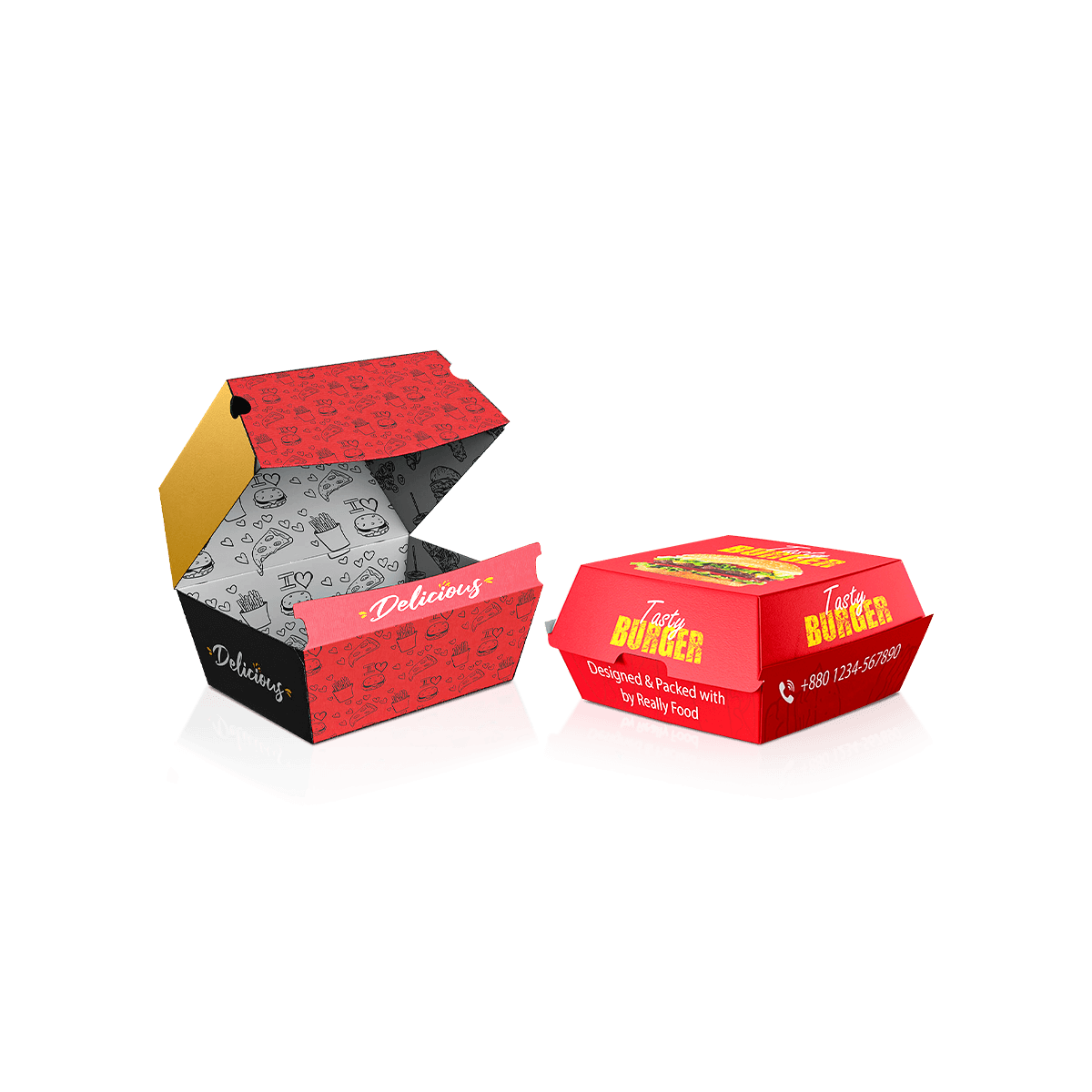
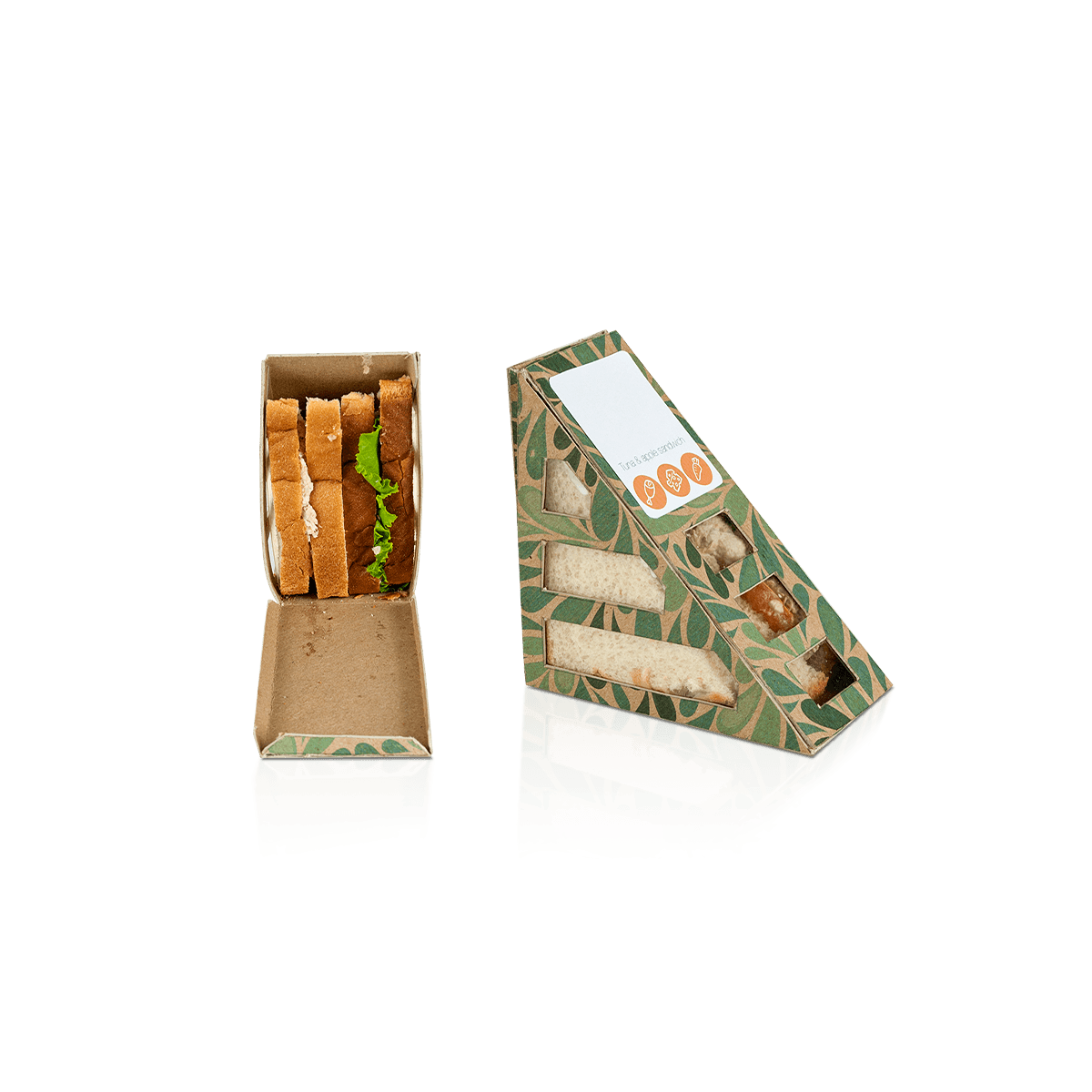
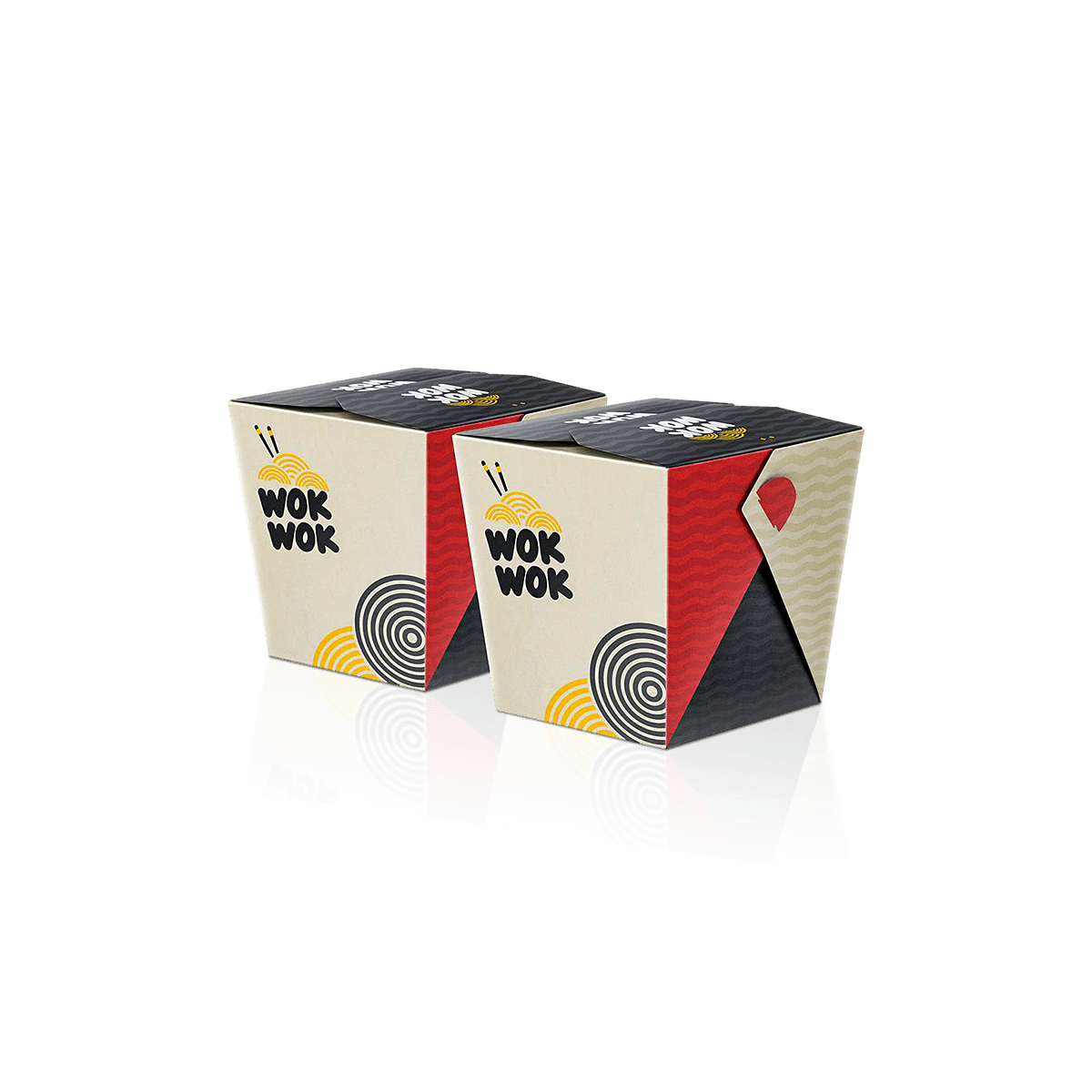
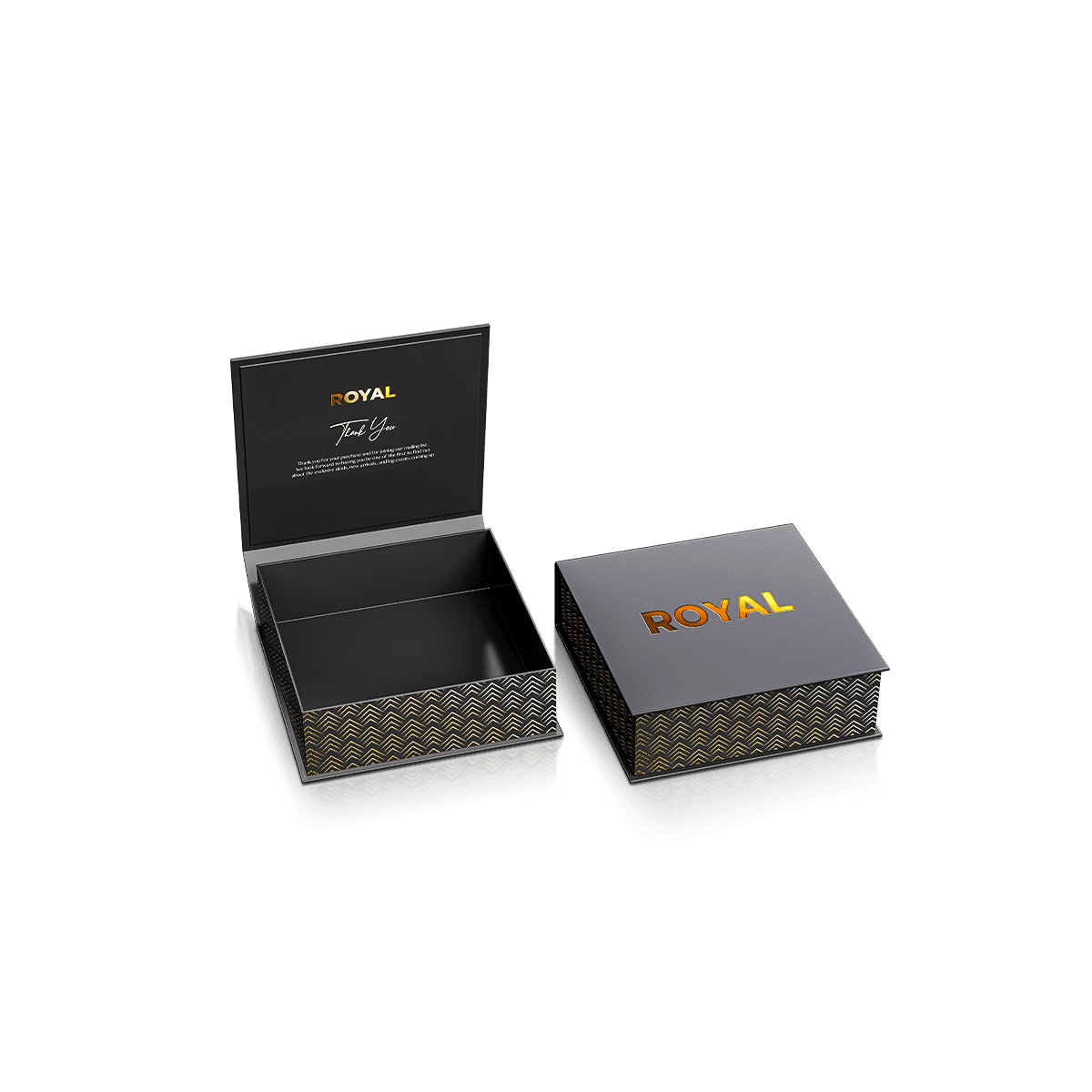
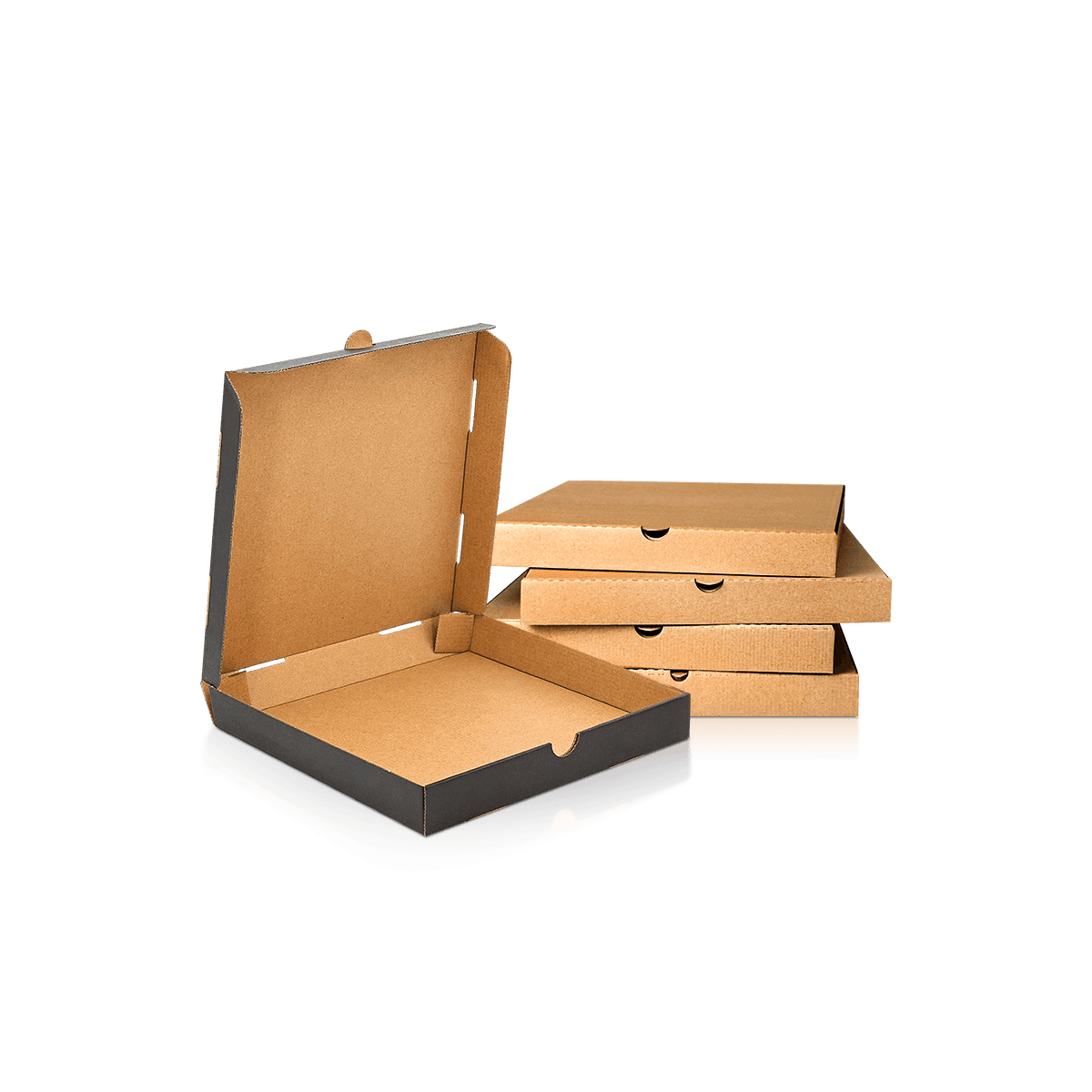
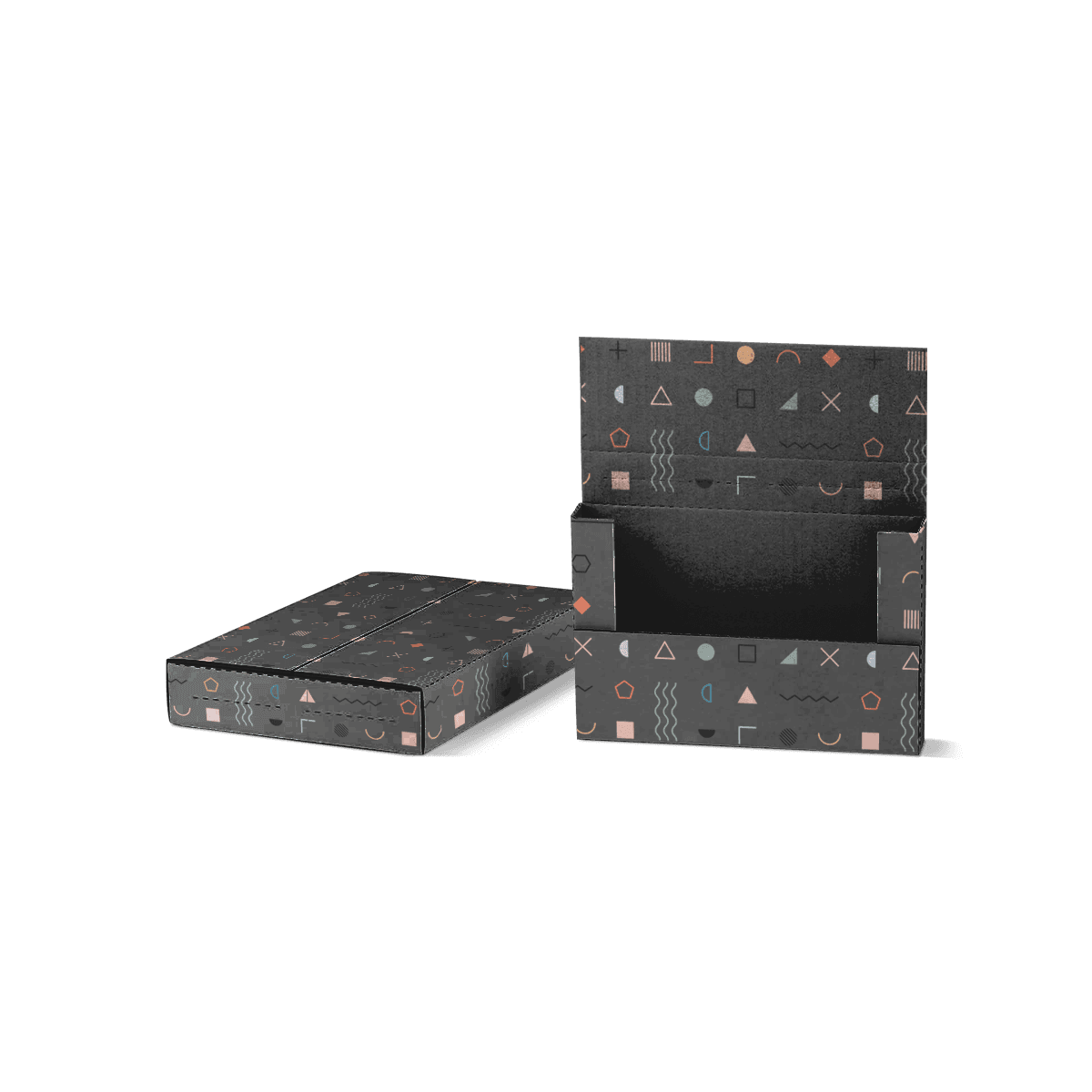
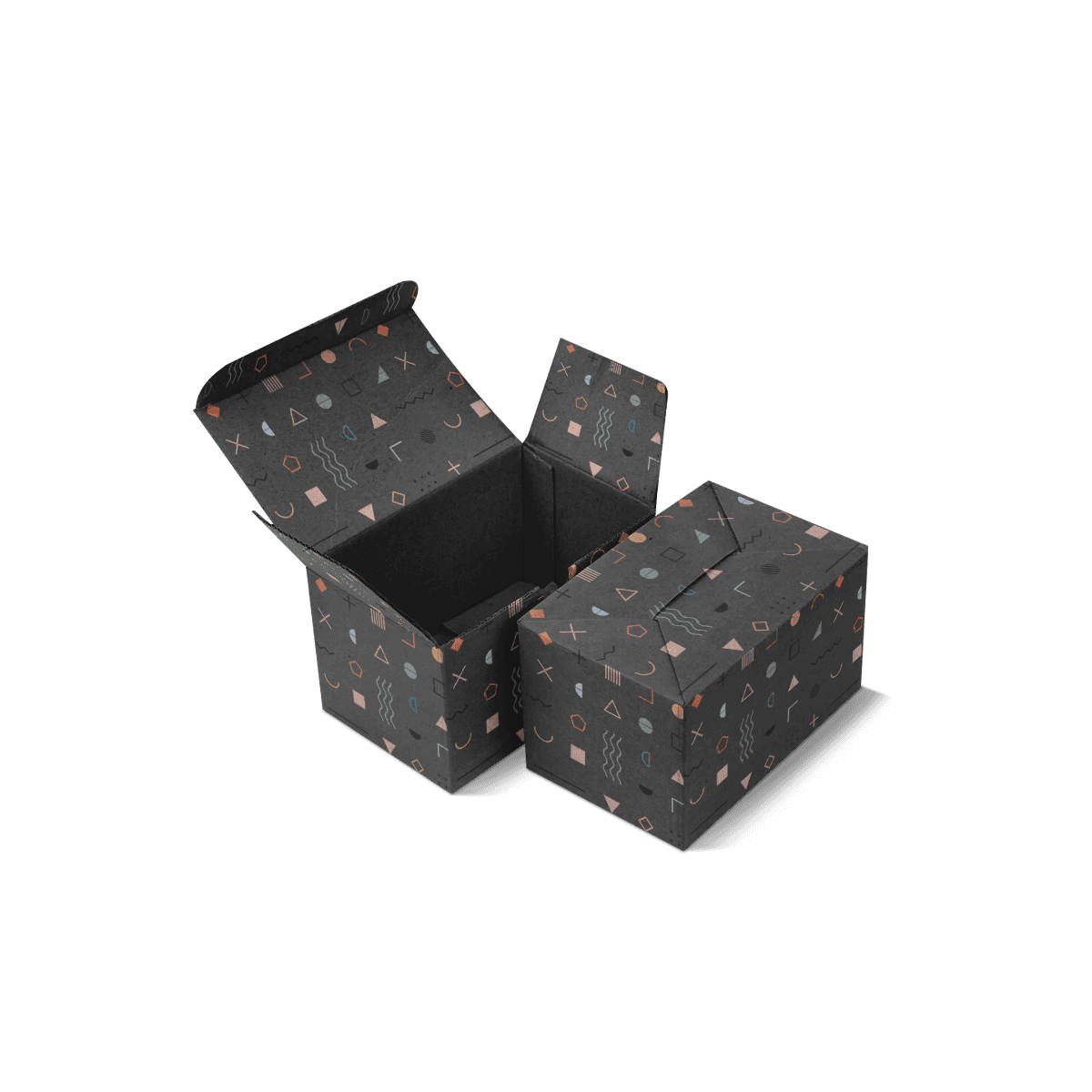
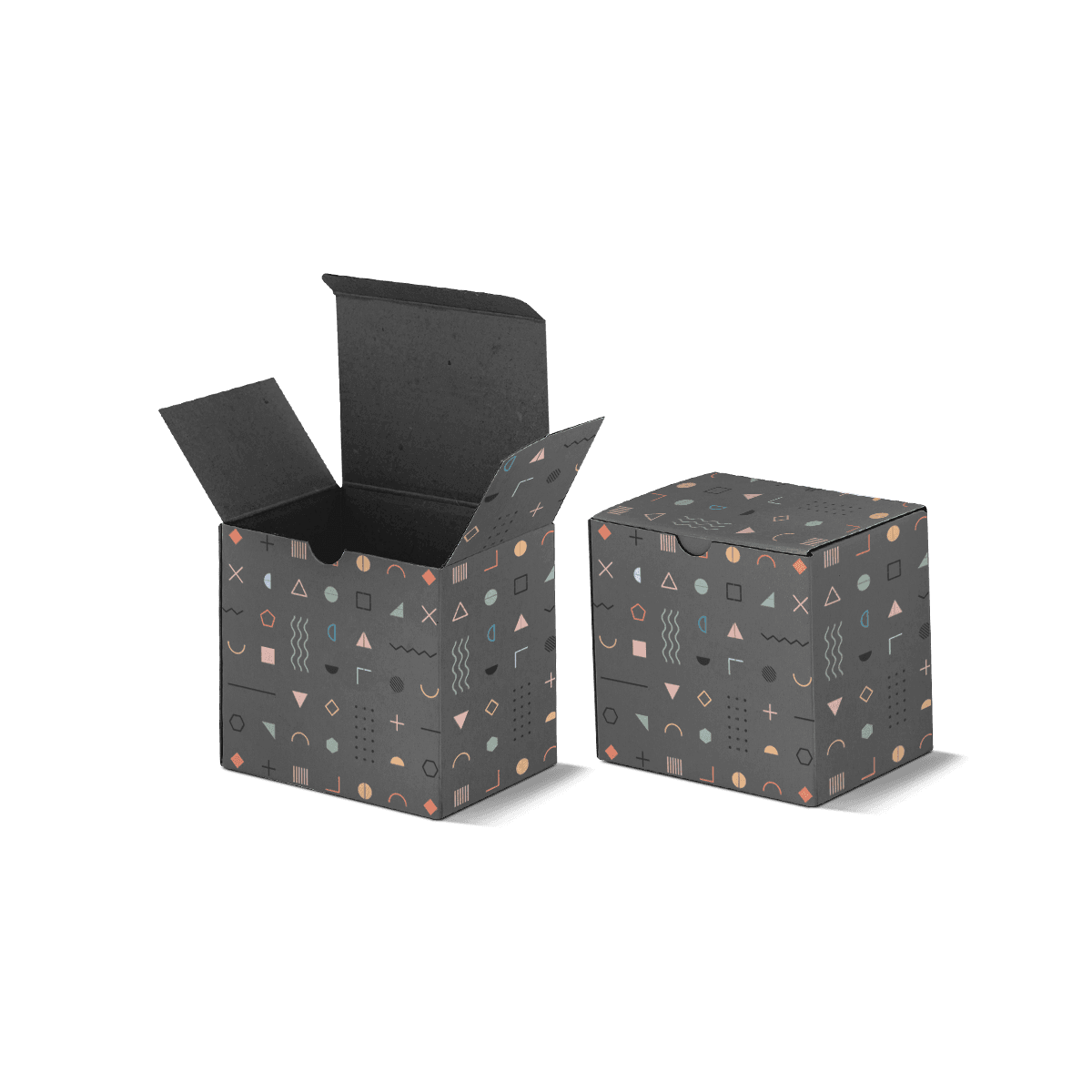
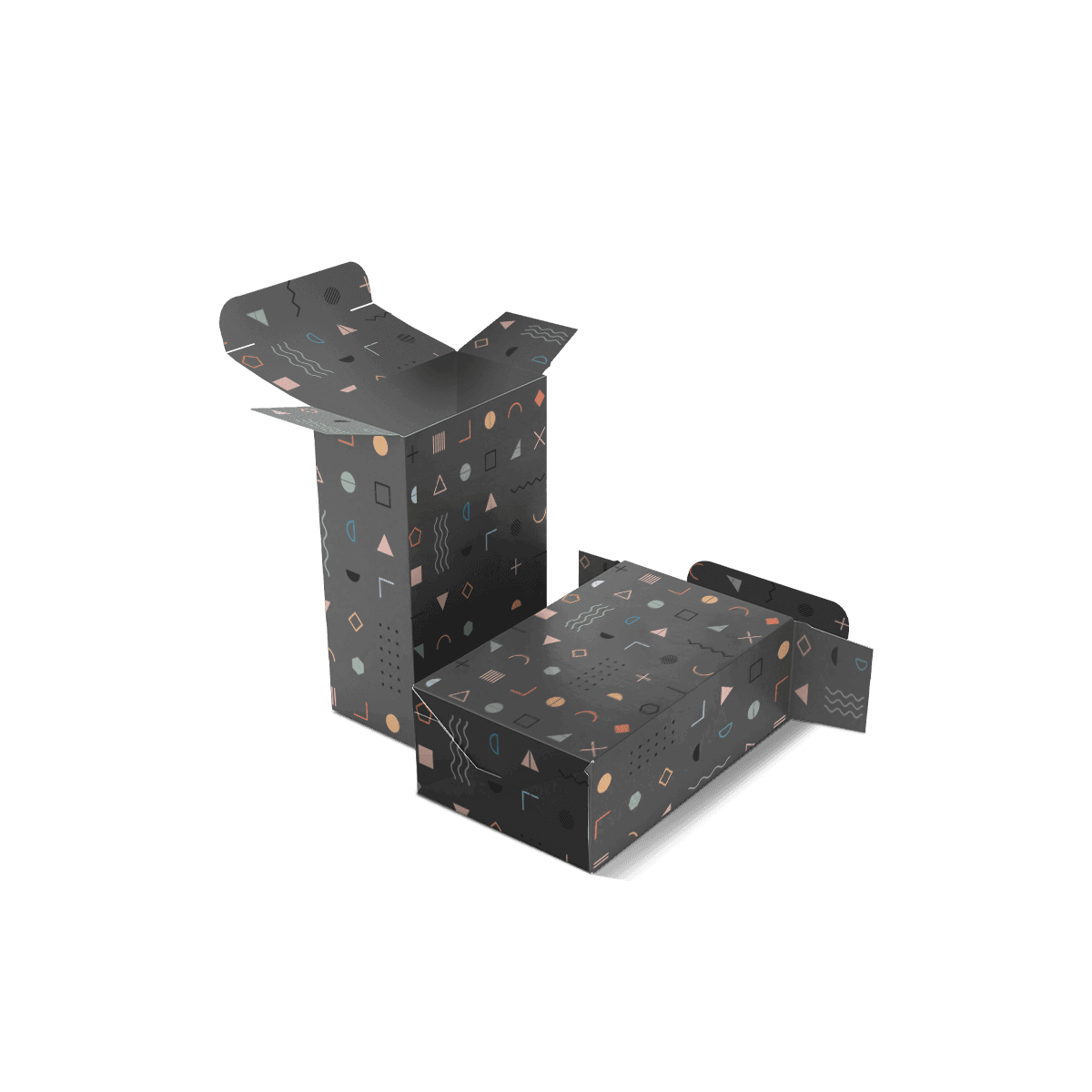
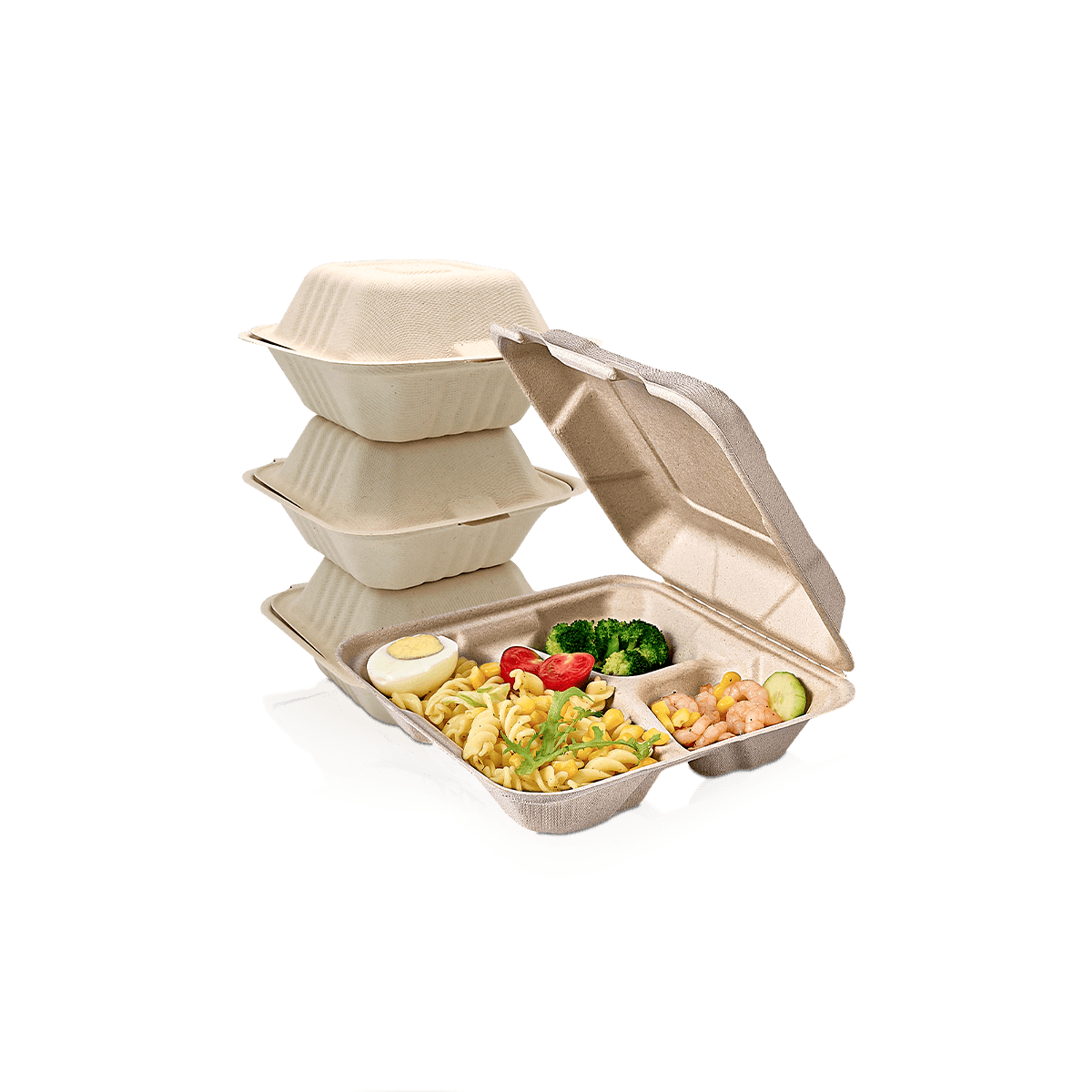
The attached lid is what makes a clamshell fast, but it also creates the structure's main engineering constraint. The hinge has to fold freely, bring the lid into the correct position and let the front lock meet the base without twisting the carton.
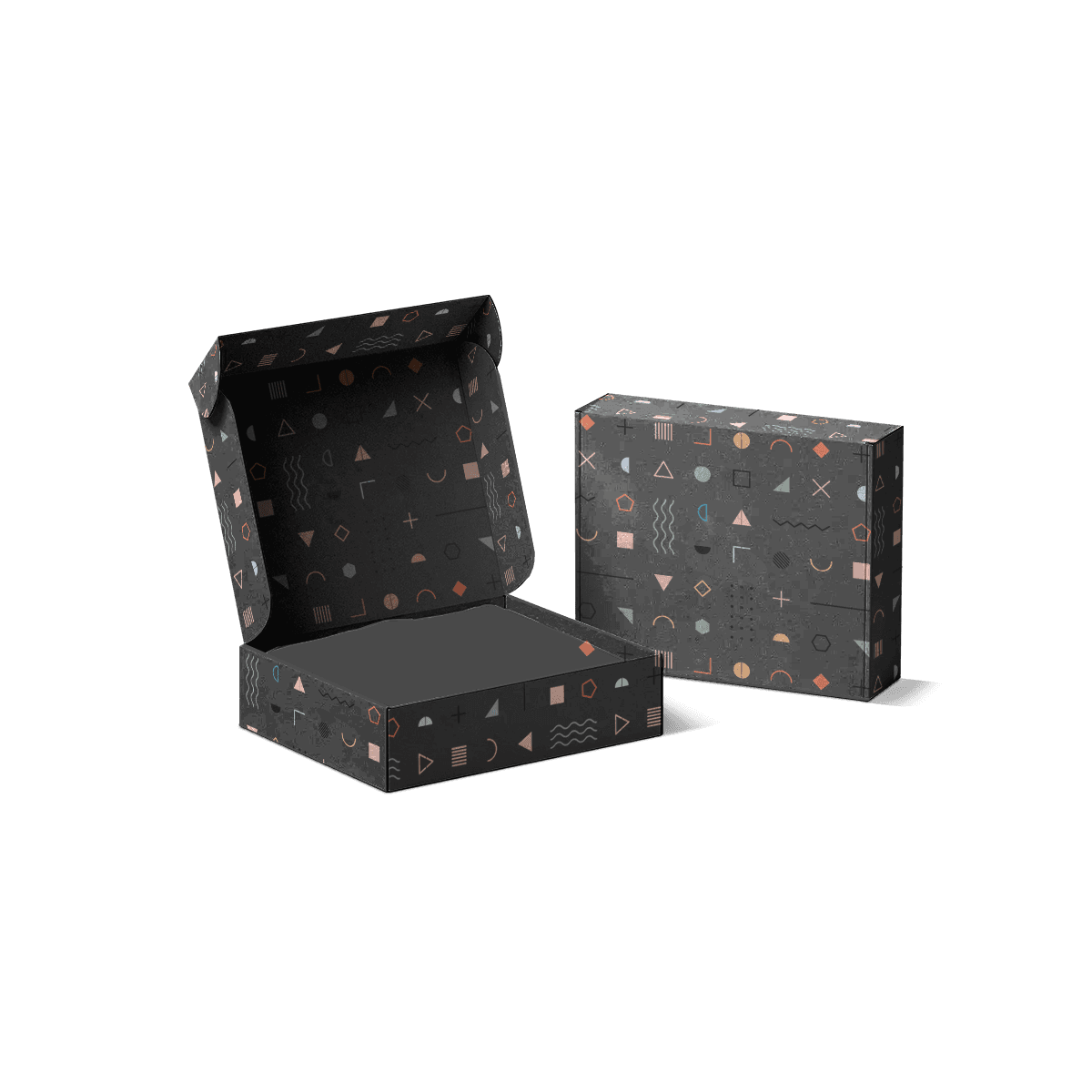
In a paperboard clamshell, the lid and base are formed from one connected blank. That removes a separate lid from the kitchen workflow, but it means the crease between the two halves influences nearly every closing action. If the hinge resists folding, the lid can spring upward. If the walls are not square, the front lock can miss its receiving slot even when the dimensions appear correct on a flat drawing.
That makes hinge behavior more important than simply making the carton deep enough for the food.
Score Quality Affects Closure
Board caliper and crease geometry need to work together. A crease that is too resistant can make the lid push backward against the hinge. A weak or poorly positioned score can leave the top sitting unevenly.
The carton should reach its normal closed position without employees having to overbend the hinge first. That matters during high-volume service because every extra hand movement repeats across the shift.
Lid Alignment Starts at the Base
A lid cannot register cleanly if the base is already out of square. Sidewalls, corner folds and front panels establish the geometry the top has to meet.
Check an erected carton from the front before food is added. The lid should land centrally and the closure should engage without pulling one side farther than the other. Adding the actual meal then reveals whether food height changes that alignment.