Skip to content
Details

Custom Pizza Style Boxes

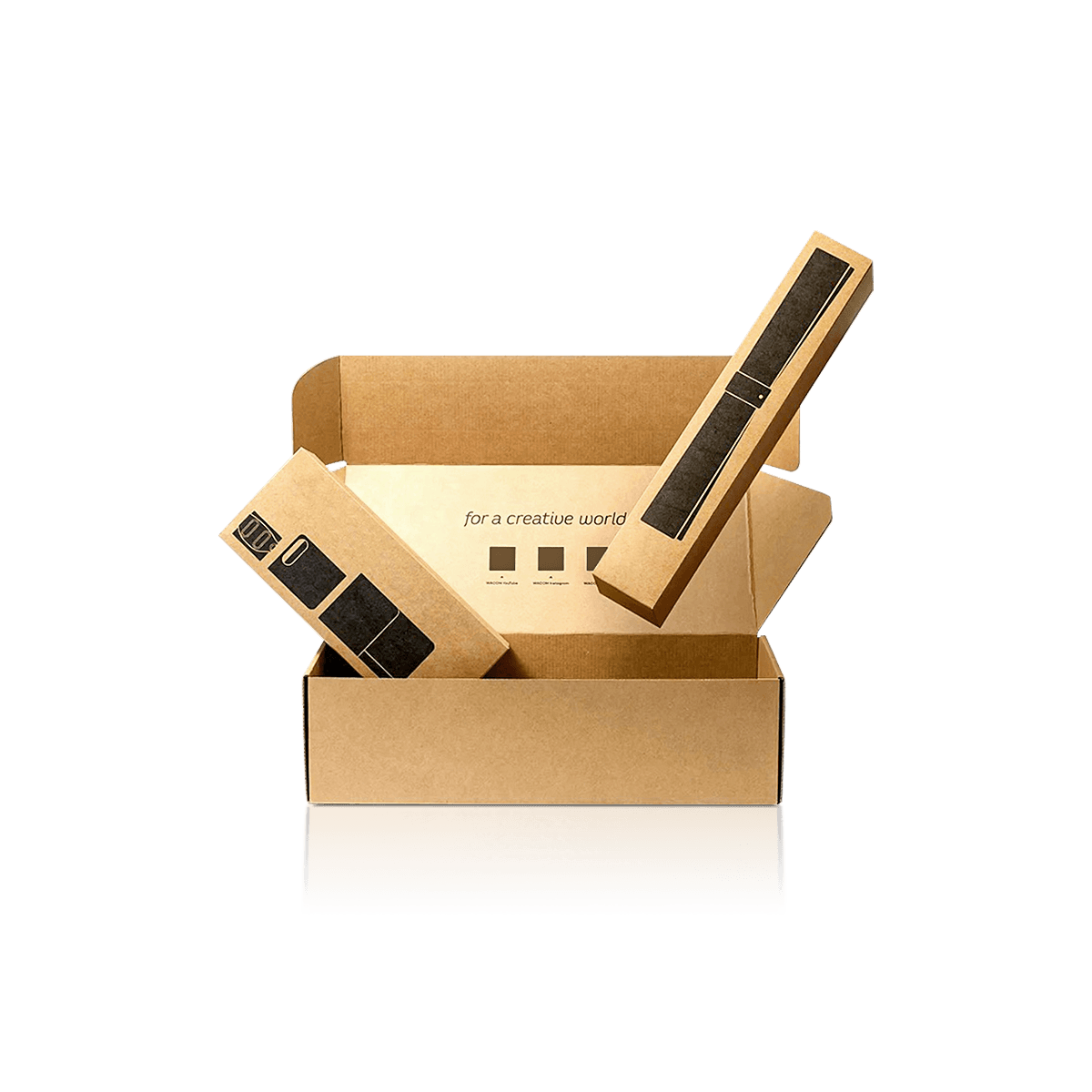
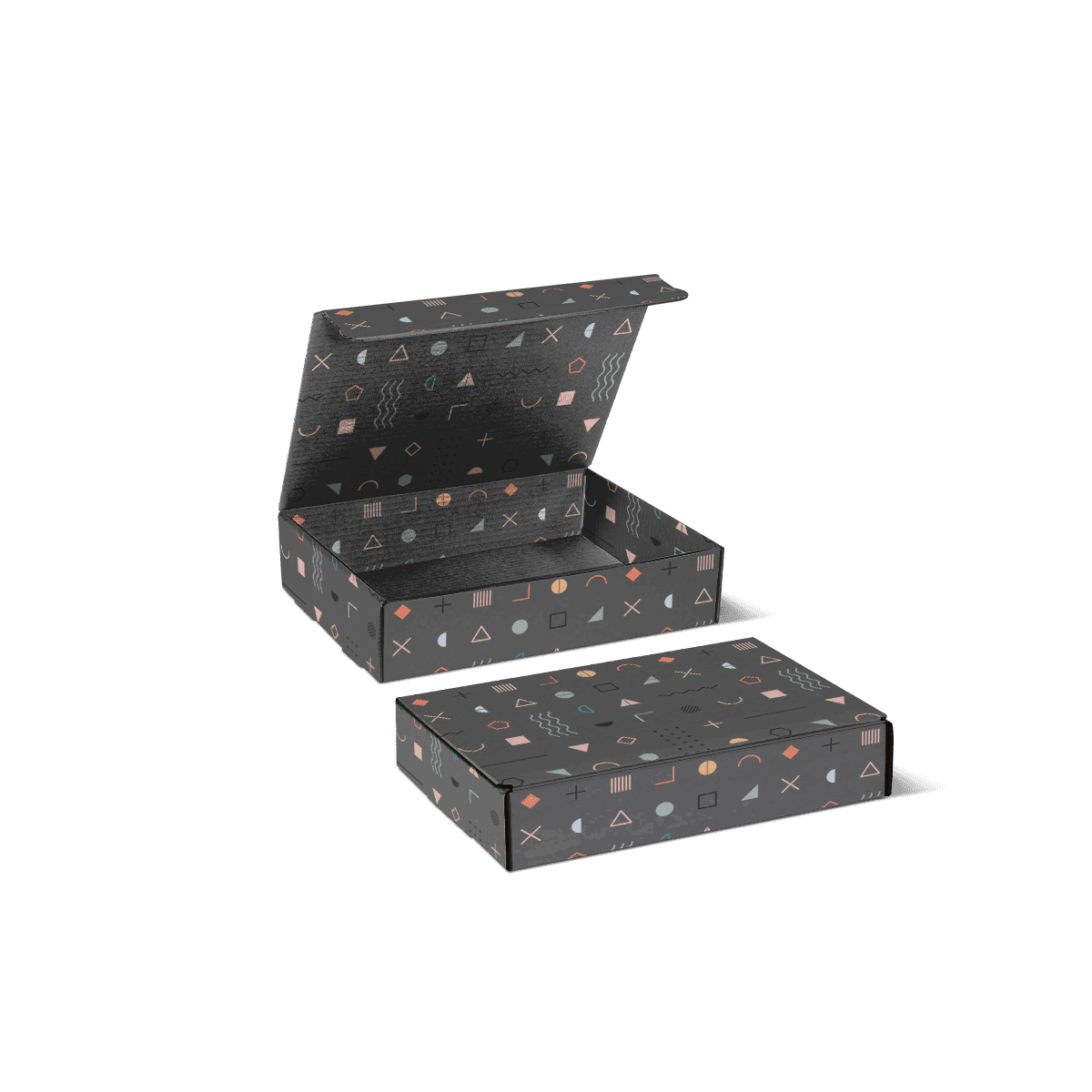
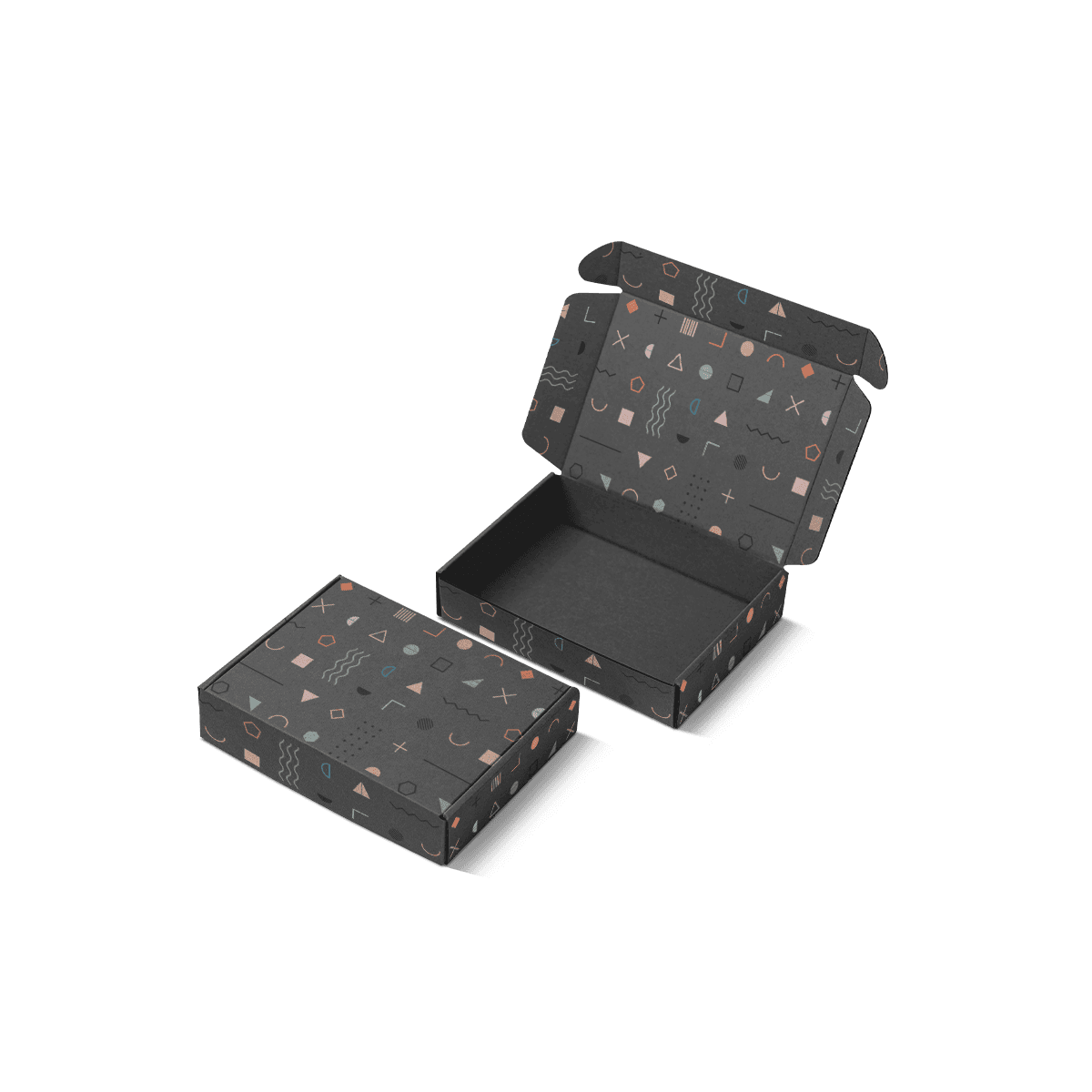
Broad, shallow corrugated mailers for non-food e-commerce orders, using a one-piece hinged lid to open the full footprint for fast loading, organized presentation and compact flat storage.

The Lid Exposes the Whole Order

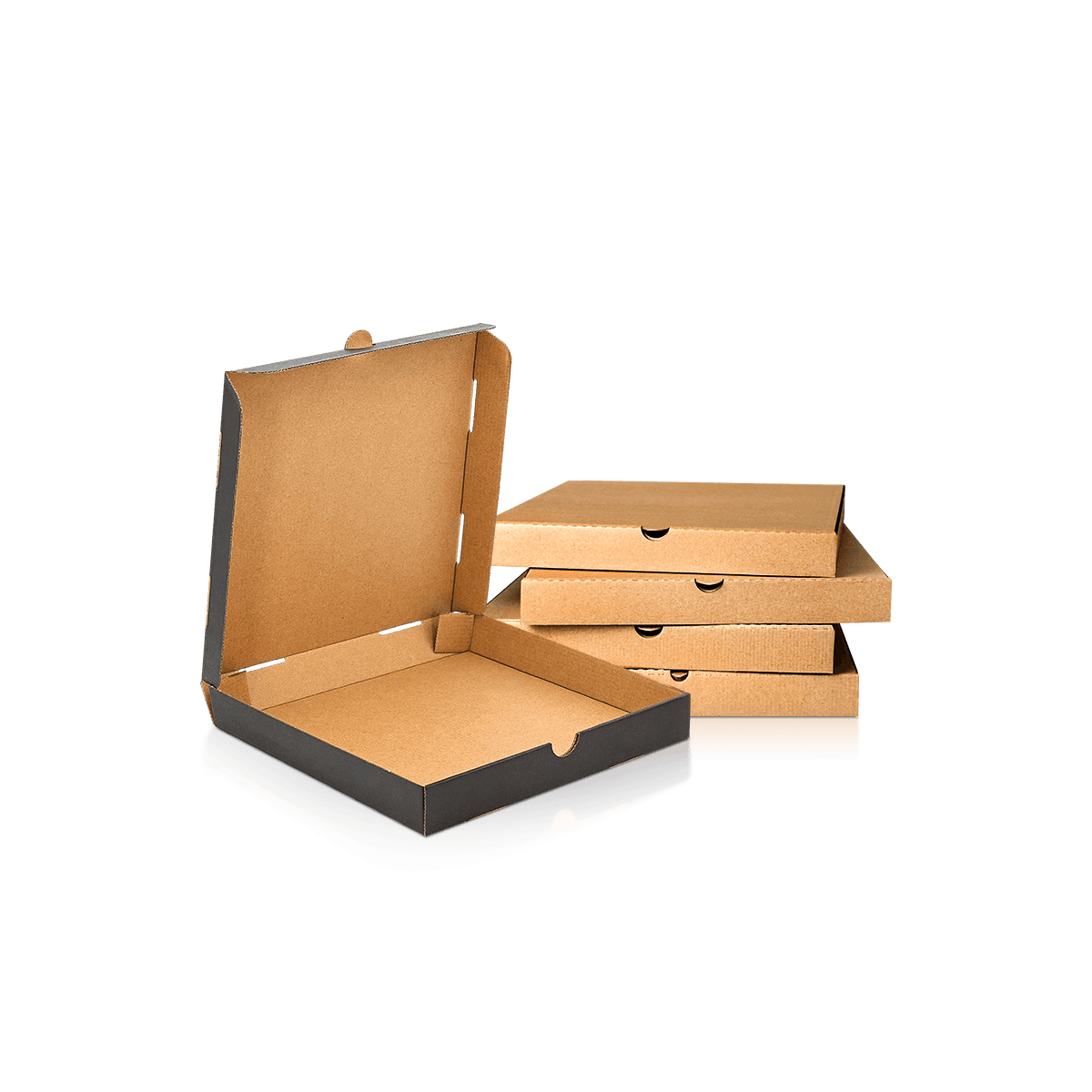
A Pizza Style Box opens differently from a conventional carton.

Instead of loading products down through a relatively small top opening, the hinged lid lifts away from almost the entire footprint. The packer can see the base, arrange the order from above and close one broad panel over it.

That geometry is particularly effective when the shipment is wider than it is deep.

Folded clothing, books, stationery, printed sets, flat accessories, sample kits and merchandise drops can spread naturally across the base instead of being stacked vertically just to fit a conventional box.

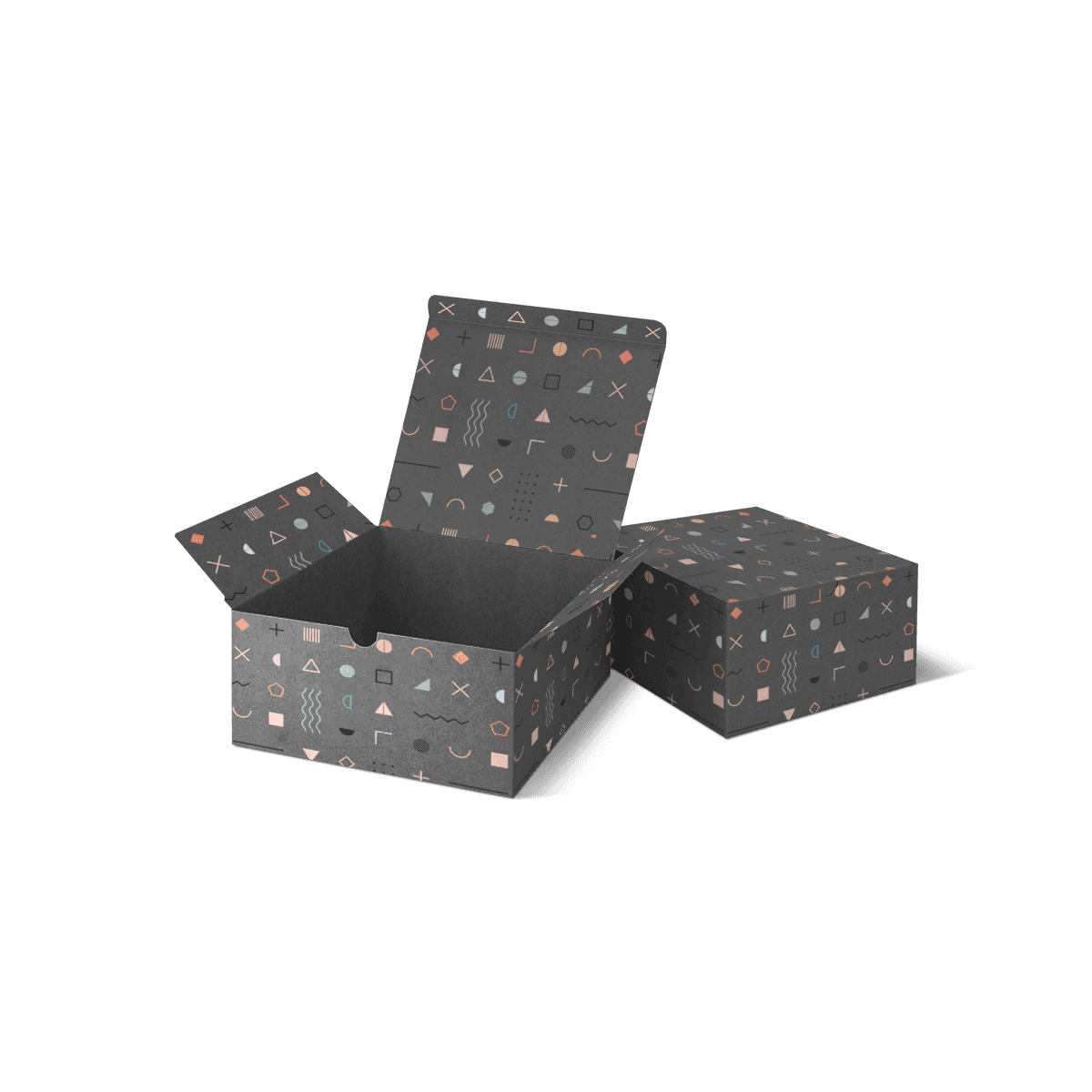
Custom Pizza Style Boxes use that shallow hinged format for non-food e-commerce shipments.

The format sits naturally inside e-commerce retail packaging when the shipment benefits from a broad loading area and a relatively low packed profile.

The main advantage is not resemblance to a food box.

It is access to the entire packing footprint.

Top-Down Packing Changes the Layout

When the whole base is visible, products can be positioned before anything is hidden.

A folded shirt can sit flat. A card can occupy the upper portion of the pack. A small accessory can be placed beside the main product instead of stacked on top of it.

That makes the format useful for assortments that need visual organization without a tall box.

It also exposes poor layouts immediately.

If every component only fits after being piled into the center, the problem is visible before the lid closes.
Use the Footprint Before Adding Depth

A shallow shipment should use its length and width intelligently before the box becomes deeper.

This is one of the strongest reasons to choose the style.

Imagine an apparel order containing a folded sweatshirt, a small accessory pouch and a printed card.

Stacking the pouch and card on top of the garment increases packed height. The box now needs more depth even though unused space remains beside the sweatshirt.

A better layout may place the pouch along one edge and the card across the top of the base.

The same contents now occupy more of the footprint and less vertical space.

That principle can reduce unnecessary box depth while creating a more deliberate opening.

Wide Does Not Mean Loose

A large base still needs controlled fit.

Books can slide toward corners. Small product cartons can migrate underneath printed inserts. Accessories can collect along one wall.

The box footprint should therefore be sized around the final arrangement rather than the largest product alone.

If an item needs to stay in a specific position, a folded support, divider or insert can define that zone.

The objective is not to fill every square inch.

It is to give every component enough territory that the layout survives handling.

The Hinge Has to Clear the Product

The back fold does more than connect the lid to the base.

It determines how the box opens and how much resistance the lid experiences while closing.

A product positioned too close to that fold can interfere with the hinge. A thick insert can push upward into it. A booklet tucked behind the main product can become trapped as the lid rotates down.

The rear area should therefore be treated as moving geometry rather than spare storage space.

A well-planned box leaves enough clearance for the lid to complete its arc without dragging across the contents.

That becomes more important as the packed height approaches the internal depth of the box.

Broad Lids Need Support

A shallow box can still have a large lid.

As the footprint grows, the center of that panel spans more distance between the walls.

The corrugated specification has to maintain enough stiffness that the lid does not look weak or press visibly into the products underneath.

The answer is not automatically heavier board.

A smaller footprint, better internal support or a slight change to product arrangement may solve the problem more efficiently.

Box proportions and board selection should be considered together.

Corners Make the Shallow Body Work

A one-piece hinged box depends on its folded sides and corners to create a stable tray.

Those folds need to seat accurately.

If a corner is not fully formed, the side wall can lean outward. The lid may stop aligning with the front edge and the locking tabs can become harder to engage.

This is why the box should be evaluated after full erection rather than judged from an attractive flat dieline.

The finished corners determine whether the shallow body feels precise.

Corner Geometry Affects Inserts

An insert cut to the maximum theoretical footprint may clash with the folded corners.

That is especially common when a paperboard tray or corrugated platform is designed independently from the outer box.

The insert should follow the usable internal footprint after every side and corner has been assembled.

A small amount of intentional clearance is better than forcing a rigid fitment into the box and bowing its walls outward.

Shallow Orders Do Not All Need the Same Mailer

Pizza Style Boxes overlap physically with several e-commerce mailer formats, but they are most useful when the broad hinged footprint is the reason for choosing them.

A Product Mailer Box can be a better fit when one dedicated product drives the mailer dimensions and presentation.

Postal Boxes make more sense when compact mailed dimensions, label placement and return handling dominate the specification.

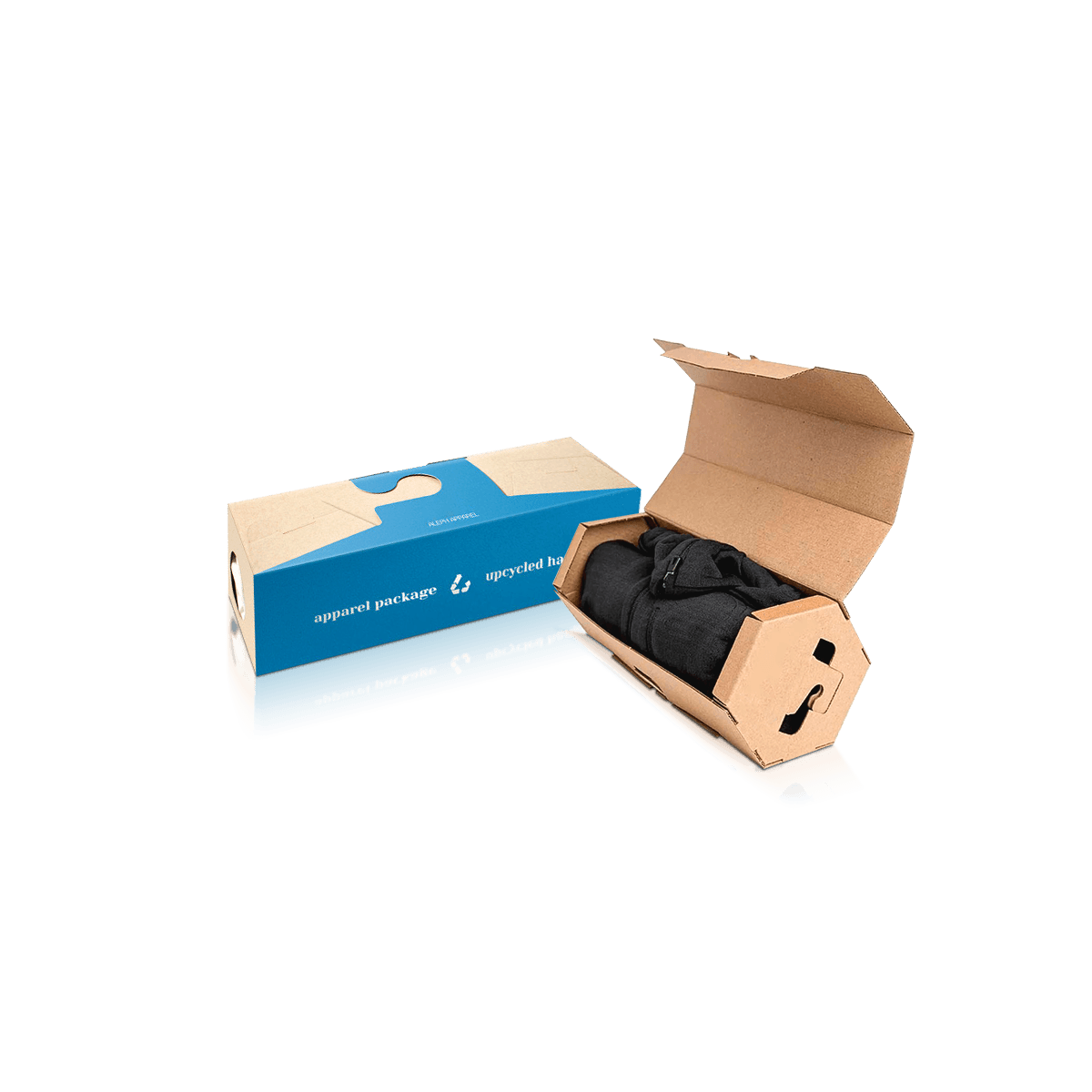
Roll End Tuck Boxes add rolled side-wall construction when the order needs a more built-up corrugated perimeter.

Pizza Style Boxes should stay focused on the broad, low-profile hinged form.

The name is useful only when it leads to that physical decision.

Corrugated Board Needs to Fold Cleanly

The box normally gains its structure from corrugated board that can score, fold and hold the shallow form accurately.

Board selection affects more than strength.

A thicker flute changes the finished dimensions, corner behavior and edge profile. A finer flute can create a cleaner presentation for smaller packs but still has to match the weight and span of the shipment.

The differences among paperboard, kraft, corrugated and rigid board matter when a lightweight product could technically be packed in several material systems.

For this format, corrugated construction earns its place when the box is expected to function as the mailed outer pack rather than merely the primary product carton.

The Board Should Match the Broadest Span

A compact dense product may create local load.

A broad lightweight product creates another problem: panel span.

A shallow clothing box may carry little weight while still needing enough board stiffness to keep its lid and base from flexing excessively across a large footprint.

Material decisions should therefore account for geometry as well as pounds.

Low Profile Does Not Eliminate Shipping Movement

A shallow box can still contain too much free space.

The direction of movement simply changes.

In a deep carton, the product may bounce vertically.

In a broad shallow box, it may slide laterally from one side to the other.

The principles used to reduce shipping damage still begin by controlling movement before adding more material.

For folded apparel, tissue or a paper band may be enough to maintain the bundle.

For books or rigid products, close perimeter fit can matter more.

For a kit, a divider or platform may prevent several components from colliding.

The best restraint follows the product rather than the box name.

Do Not Turn the Box Into a Vertical Kit

One of the easiest ways to lose the advantage of a Pizza Style Box is to keep adding layers.

Consider a stationery order containing a journal, pen set, small card pack and welcome booklet.

The journal occupies most of the base.

The pen box is placed on top of it. The card pack goes above the pen box. The booklet covers everything.

The shipment now needs extra depth, the lid rests against the highest object and the lower products disappear completely when the customer opens it.

The box is being used like a deep kit carton even though its strength is horizontal presentation.

A cleaner layout can place the journal on one side, the pen set beside it and the card pack in a defined lower zone. The booklet can sit against the inside lid or on top without becoming structural filler.

The packed depth falls and the order reads as one arranged set.

The correction came from using the footprint, not from increasing box size.

Closing Tabs Should Seat Without Force

A self-locking shallow box only feels efficient when its closure behaves consistently.

Front or side tabs should engage without the packer crushing an edge or bending the lid backward.

If the closure becomes difficult after loading, inspect the contents before changing the tab.

An accessory may be sitting above the intended fill line. An insert may be pushing a wall outward. A folded garment may have relaxed after packing and gained height.

The empty sample can therefore tell only part of the story.

The closure should be checked with the full production pack inside.

Security Sealing Is a Separate Decision

Interlocking tabs can retain a lid during normal handling.

A project may still call for a label, tape or another seal when tamper indication or parcel security matters.

That added seal should reinforce a correctly closing box.

It should not be used to pull a distorted lid into position.

The Shipping Label Competes for the Lid

A broad lid is attractive branding space.

It is also the obvious location for a carrier label.

Both cannot occupy the same area without planning.

If the entire lid is built around a centered logo, campaign graphic or large product image, the shipping label may cover the most important part of the design.

Custom Branded Boxes can carry a coordinated outside and inside identity when the parcel itself is part of the brand experience.

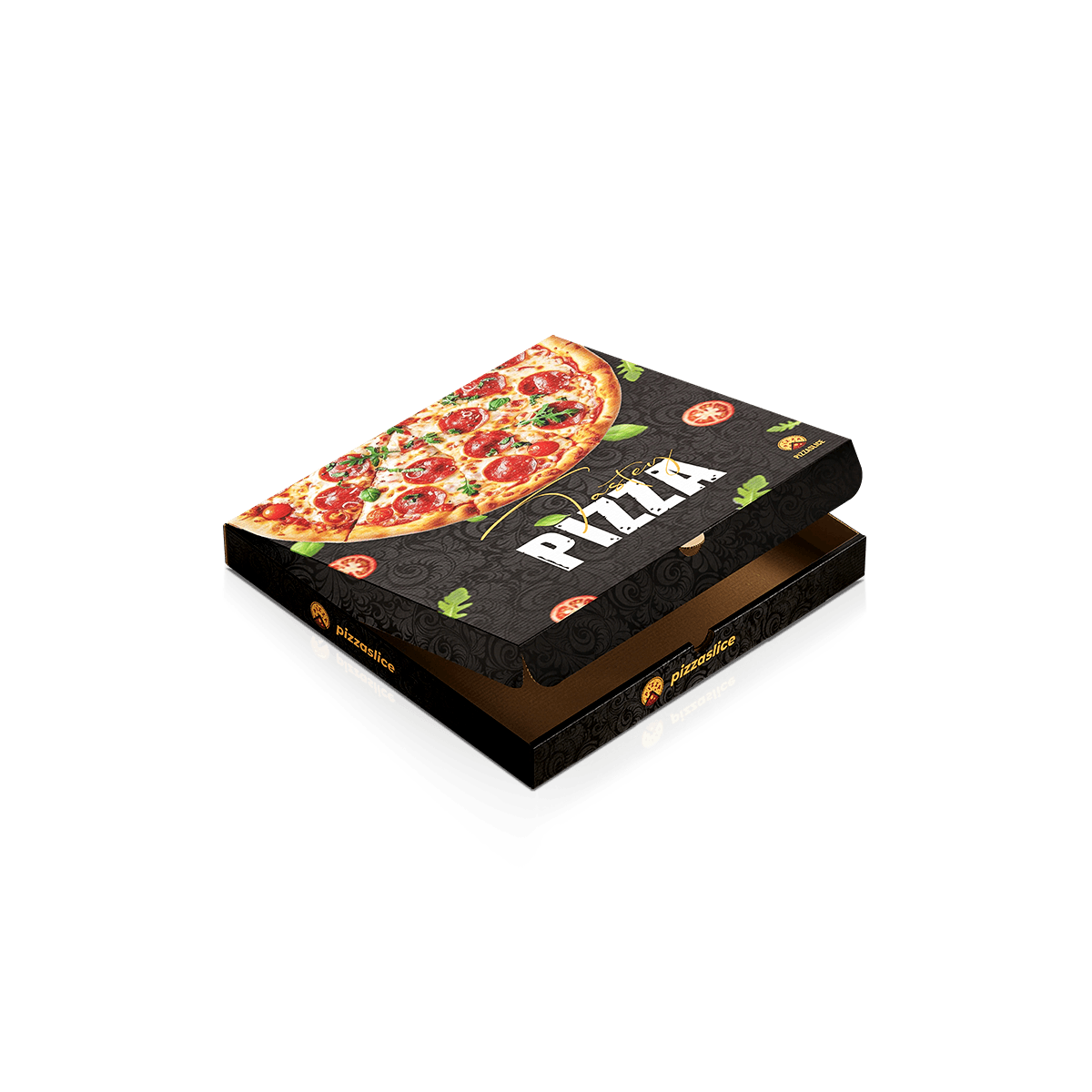
For Pizza Style Boxes, that can mean keeping one portion of the lid visually quiet for logistics and moving the richer message inside.

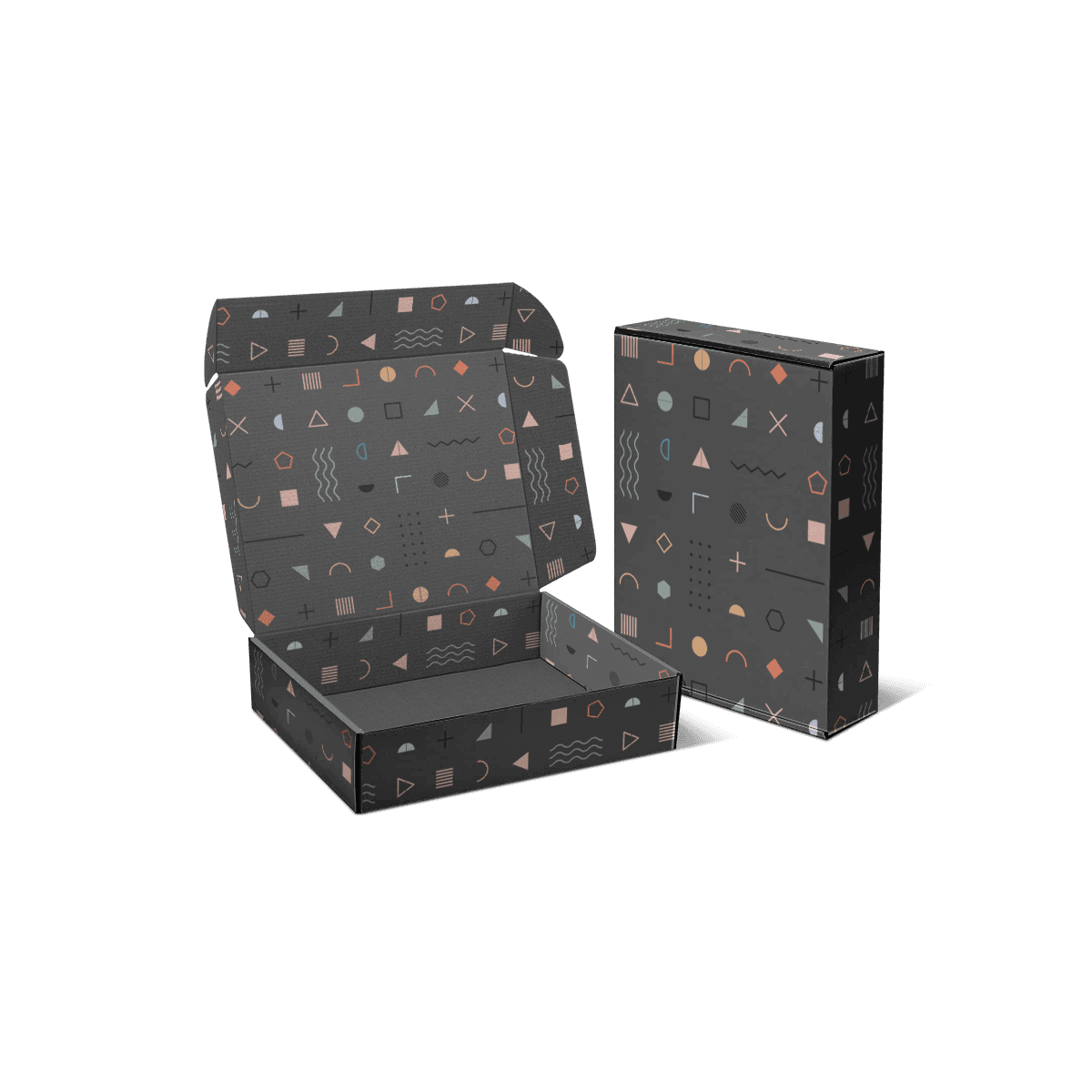
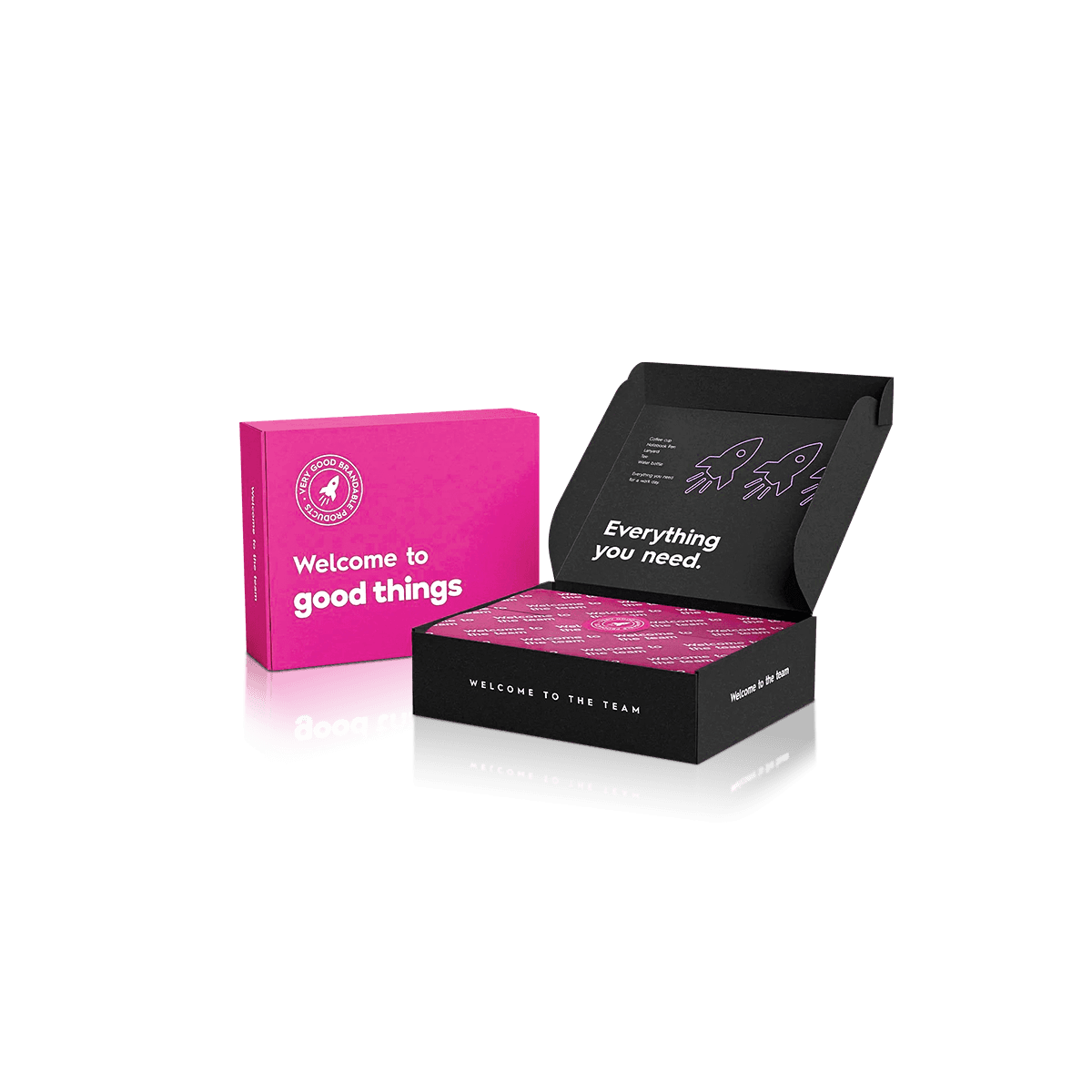
The full-footprint opening makes the inside lid particularly visible once the customer lifts it.

That surface can carry instructions, a campaign statement or a strong graphic moment without competing against carrier labels during delivery.

Artwork Must Follow the One-Piece Blank

The finished box looks simple.

The flat structure is not simply a rectangle with artwork placed in the middle.

Lid, base, side panels, locking tabs, dust areas and corner folds all occupy the same connected blank.

A packaging dieline identifies which portions remain visible and which disappear into the assembled structure.

Artwork should be checked against the opening sequence.

A message printed upside down relative to the customer can happen easily when the lid orientation is misunderstood on the flat file.

Inside printing adds another orientation check because the graphic must read correctly after the lid rotates upward.

Free 3D mockups can help review that relationship before production.

Premium offset printing can support detailed exterior and interior artwork when the order and board specification suit the process.

Pizza Style Does Not Mean Pizza Packaging

The structural name creates an obvious misunderstanding.

A Pizza Style Box can resemble the familiar one-piece hinged geometry associated with a pizza carton without being intended to touch food or carry pizza.

This e-commerce application is for merchandise and non-food products.

Hot-food service belongs under Pizza Boxes.

Those boxes have a different specification problem: food contact, heat, grease, steam, restaurant handling and pizza dimensions.

A merchandise mailer does not inherit those requirements merely because its geometry looks similar.

The distinction should remain explicit in both product selection and artwork.

No food-contact capability should be assumed for an e-commerce Pizza Style Box unless it has been separately specified and confirmed for that use.

Flat Storage Helps Before the Promotion Starts

Large shallow boxes consume significant warehouse volume once erected.

Flat storage delays that space requirement until packing begins.

That can be particularly useful for apparel drops, promotional kits and campaign shipments where many identical boxes are prepared over a relatively short period.

The operation still needs a staging plan.

If hundreds of boxes are erected before the products arrive at the packing station, the storage advantage disappears temporarily.

Some teams will assemble as they pack.

Others may erect manageable batches and feed them to the line.

The correct method depends on bench space, order volume and the number of products that must be arranged in each box.

Warehousing and scheduled deliveries can also help when a larger production quantity should not arrive at the fulfillment site in one shipment.

The Price Follows the Footprint

A shallow box can look small because it has little depth while still consuming substantial corrugated sheet area.

That matters when comparing costs.

A 14 × 10 × 2-inch box and a 7 × 5 × 4-inch box may occupy similar internal volume, yet their blanks and panel proportions are very different.

The broad lid, base and folding walls of the Pizza Style Box all require material.

Cost also changes with:

  • finished footprint
  • depth
  • corrugated specification
  • print coverage
  • inside printing
  • inserts
  • closure features
  • production quantity

That is why total cubic volume is a poor shortcut for pricing the structure.

Custom Packly's USA MOQ starts from 100 boxes.

Design and dieline support are particularly relevant here because footprint, hinge clearance and the broad printed lid all depend on the same one-piece blank.

An instant custom packaging quote can then be based on the actual footprint, depth, board, printing and quantity rather than a generic shallow-box estimate.

Lay Out the Order at Full Scale

The most useful starting point for a Pizza Style Box is a table, not a box.

Place every item from the shipment on a flat surface.

Arrange the products in the order the customer should see them. Move accessories beside the main item before placing them on top. Identify which pieces need restraint. Leave space only where the structure or packing motion requires it.

Then measure the footprint.

Add the depth after the horizontal layout is working.

That sequence protects the main advantage of Custom Pizza Style Boxes.

Instead of choosing a deep carton and filling upward, the package uses a broad hinged format to turn the shipment into one organized plane.

The finished box should feel shallow because the order was designed that way, not because the lid is being forced over a stack that belongs in another structure.

FAQs

Flat and shallow items are the best match, especially books, catalogs, stationery, folded clothing, document kits and similar retail packs that benefit from a neat corrugated shell.

Often not for light and medium orders, because tab-lock and tuck-top style closures are designed to hold the pack shut on their own, though added sealing can still help for heavier contents or rougher shipping routes.

Pizza Style Boxes are usually the better choice when the product is wide and slim and the packing team wants a fast top-load format. Roll End Tuck Boxes make more sense when the shipment needs a deeper mailer feel or a more built-up presentation for bundled items.

Yes. Inside printing is commonly available on corrugated mailers, shippers and tuck-top formats, which makes this style useful for welcome messaging, product instructions and branded reveals.

Start with the full packed height of the item plus any tissue, sleeves or inserts. The best result is a lid that closes without bowing while still leaving just enough room to avoid pressure marks on the product.

Process

How it works

Your Packaging Journey, From Idea to Production and Delivery

01

Tell Us Your Specs

Custom packaging boxes

Tell Us Your Specs

Provide size, quantity, printing, and finishes.

02

Get a Fast Quote

Custom packaging boxes

Get a Fast Quote

Instant transparent pricing, no hidden fees.

03

Design and Approval

Custom packaging boxes

Design and Approval

Artwork checks, revisions, and final sign-off.

04

Produce

Custom packaging boxes

Produce

Expert manufacturing to meet deadlines.

05

Ship to Your Door

Custom packaging boxes

Ship to Your Door

Hassle-free, flexible delivery options.

Get Your Quote for Custom Pizza Style Boxes

Share your product details, size, quantity and artwork needs. We’ll help choose the right packaging style and send a clear quote.