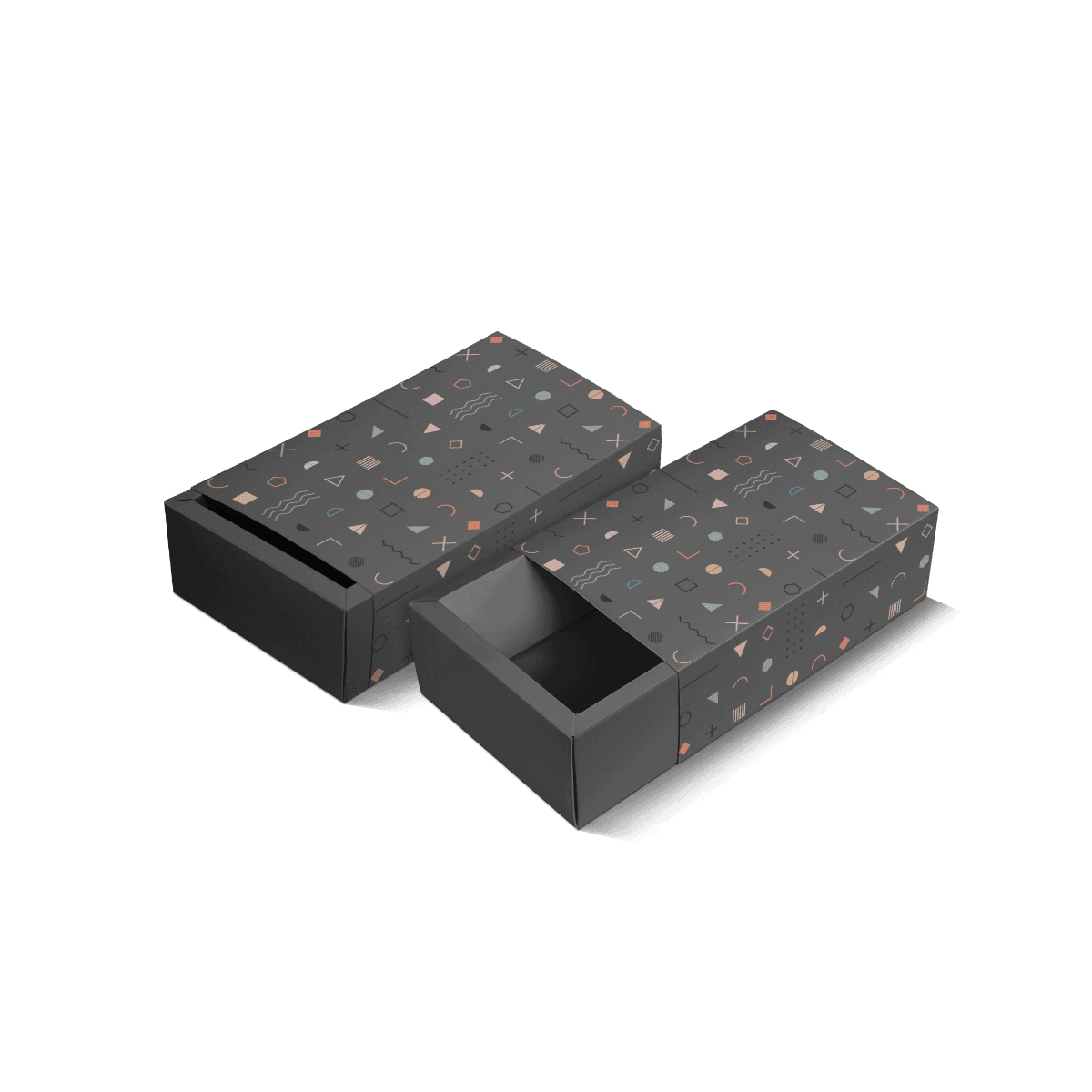
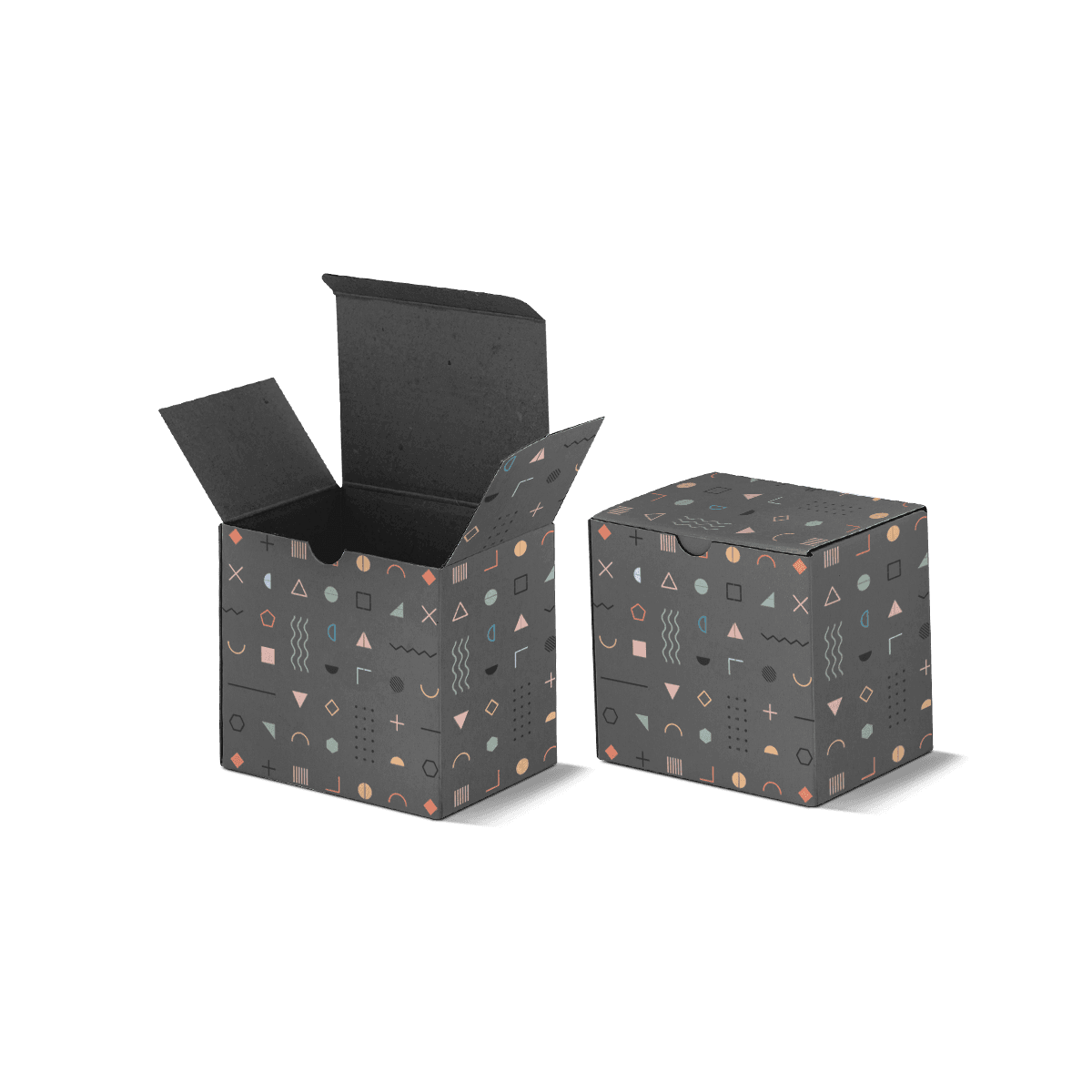
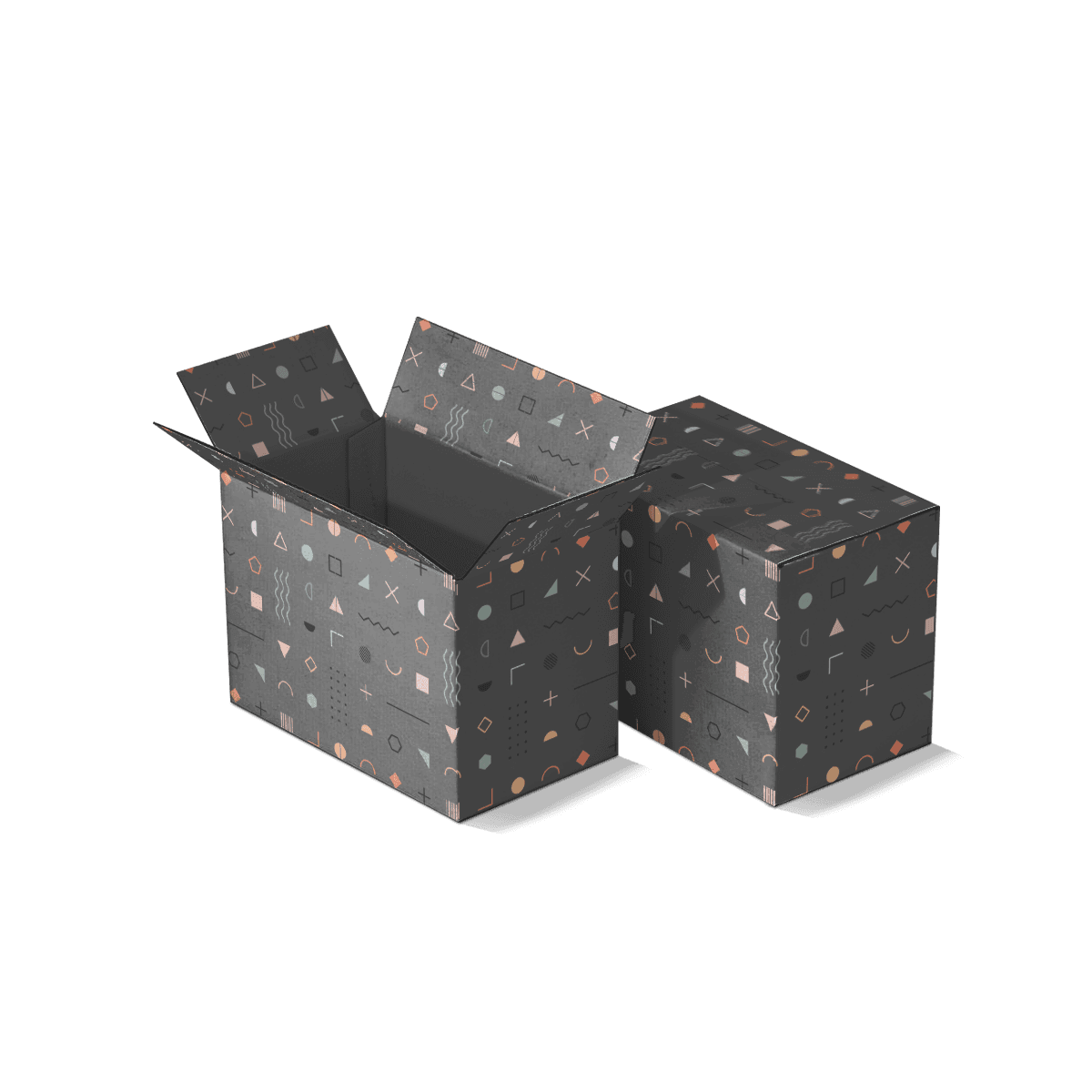
Shelf dimensions matter as much as part dimensions because the box has to fit the storage position and still leave enough room for a hand to reach the contents.
Start with the usable bay width, shelf depth and vertical clearance. Then decide how many storage boxes need to sit across that space.
A box that uses every inch of vertical clearance may look efficient on a drawing but leave no room to reach inside. A box that is much shallower than the shelf wastes usable storage depth. A container that projects beyond the rack face becomes easier to knock or catch during aisle movement.
Front Width
Front width controls how many SKUs can occupy one shelf run.
If a rack gives you 48 inches of usable width, the decision is not simply whether a 6-inch or 8-inch box can fit. You also need to consider label readability, finger clearance between neighboring boxes and whether the front walls remain straight when the boxes are loaded.
Narrow containers can increase SKU density. They can also become awkward if a worker has to reach deep into a long box through a very small opening.
Storage Depth
Depth should follow both shelf depth and normal pick quantity.
Deep storage can work well for high-volume fasteners and fittings, but it creates a visibility problem as inventory falls. Parts can remain at the rear even when the front of the box appears empty.
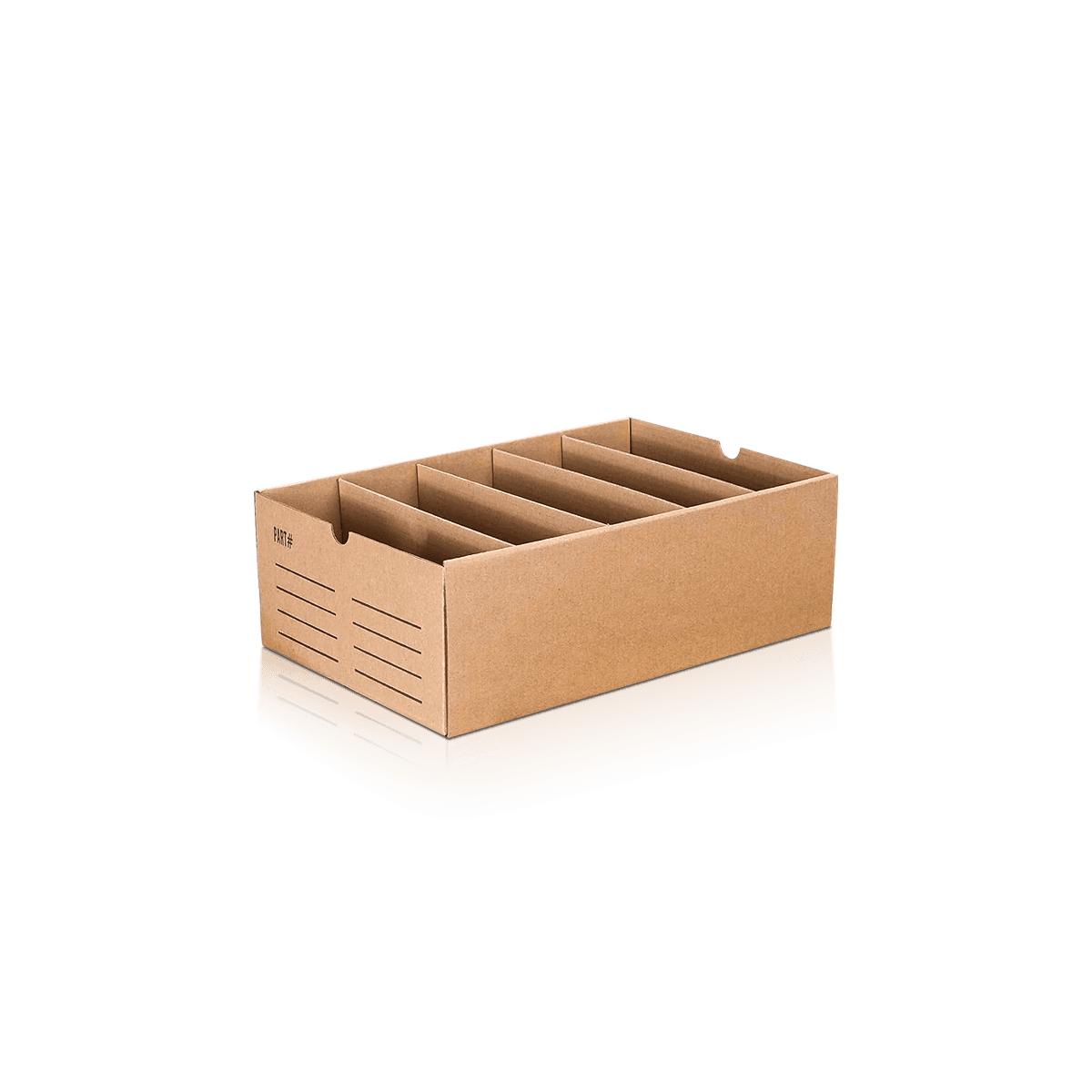
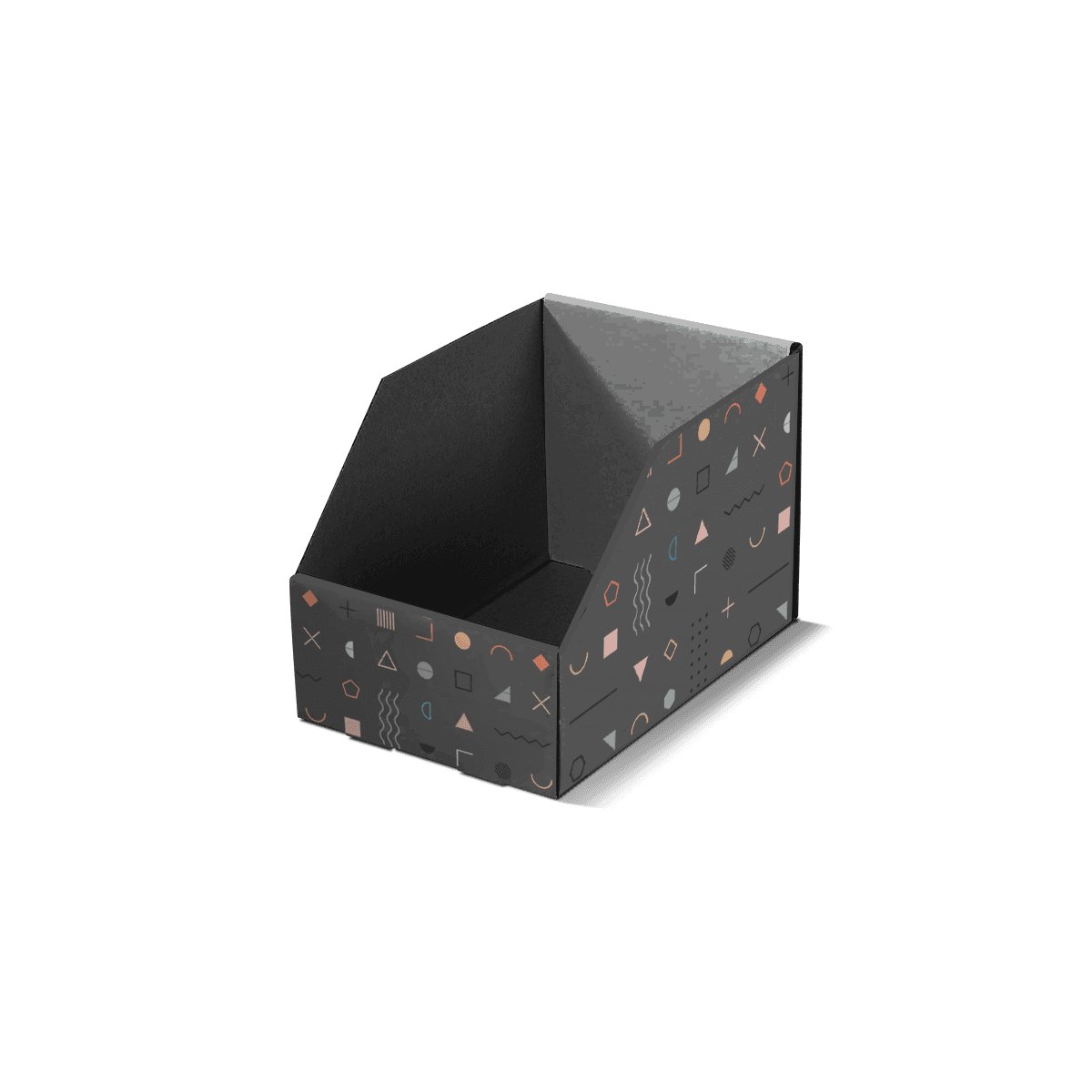
For constant open-front access, Bin Boxes put the pick point directly at the shelf face.
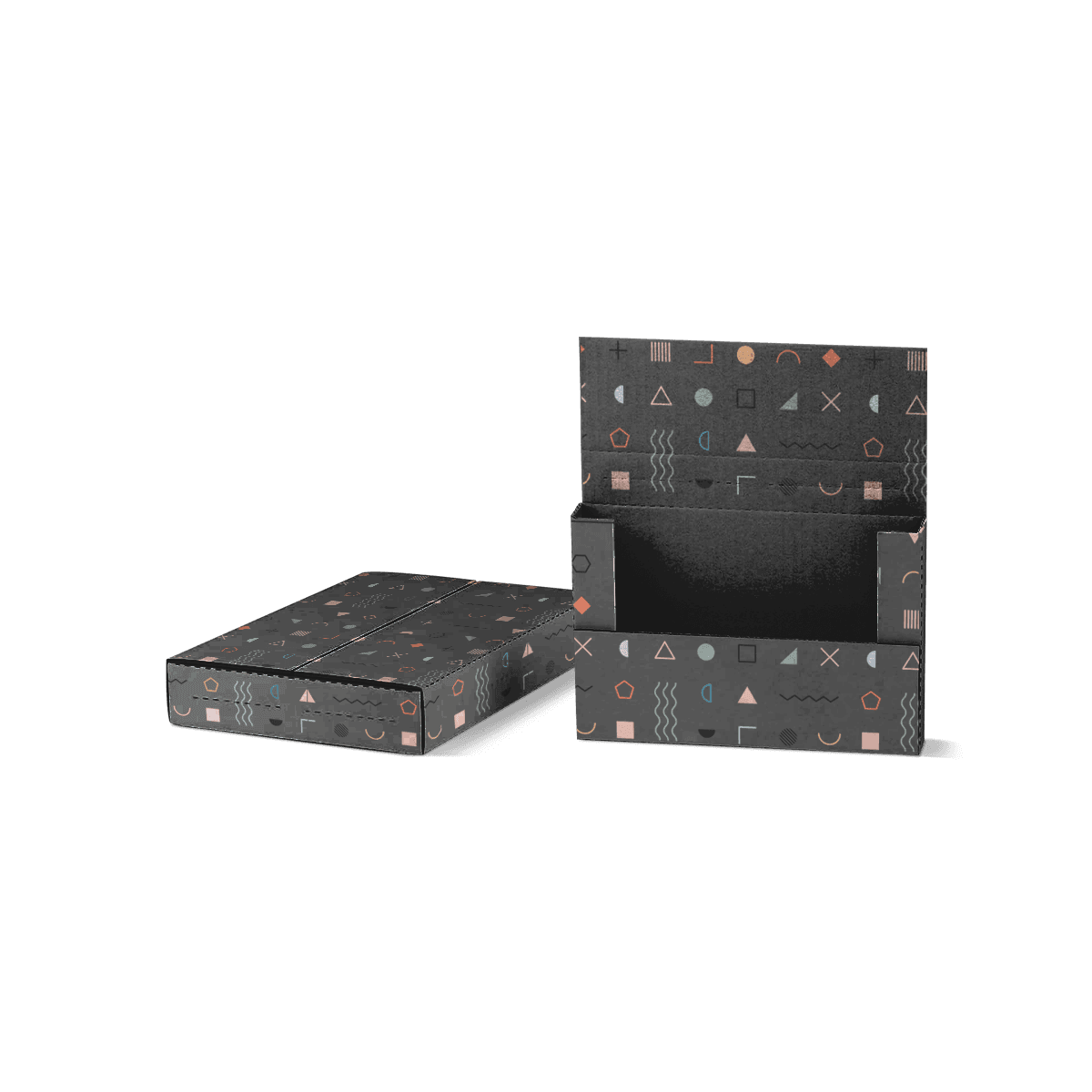
Parts Storage Boxes can also use lowered fronts, removable lids or open-top access, but the opening should reflect how often the stock is touched and how much containment the components need.
Vertical Clearance
Leave enough space above the opening for a hand, scoop or part to move naturally.
Tall rear walls can support labels and containment while a lower front improves access. That difference in wall height is often more important than adding another decorative structural feature.
Custom Packly can develop the dieline around the shelf dimensions as well as the contents. Free design and dieline support and free 3D mockups can help confirm the opening profile, label area and assembled footprint before production.