Skip to content
Details

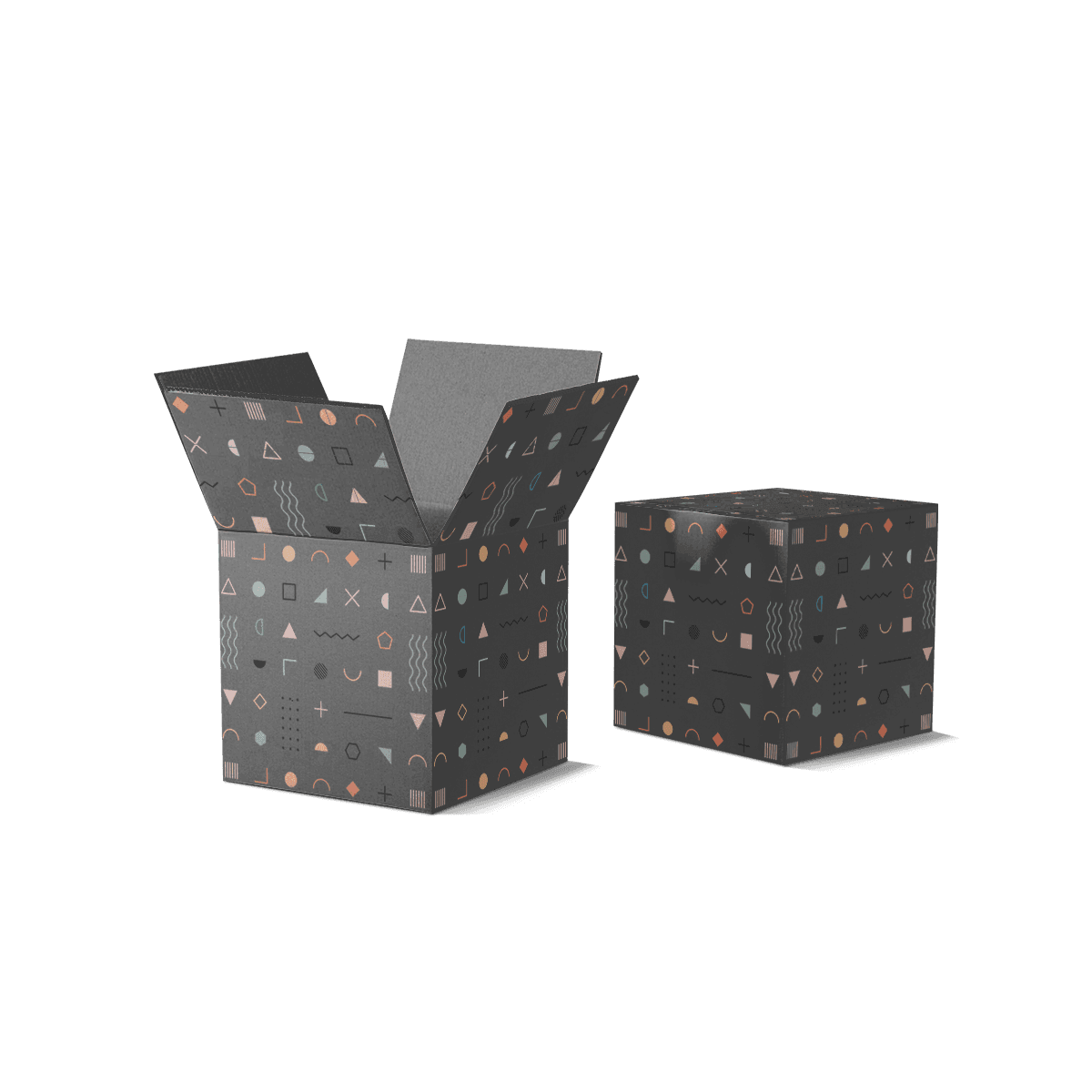
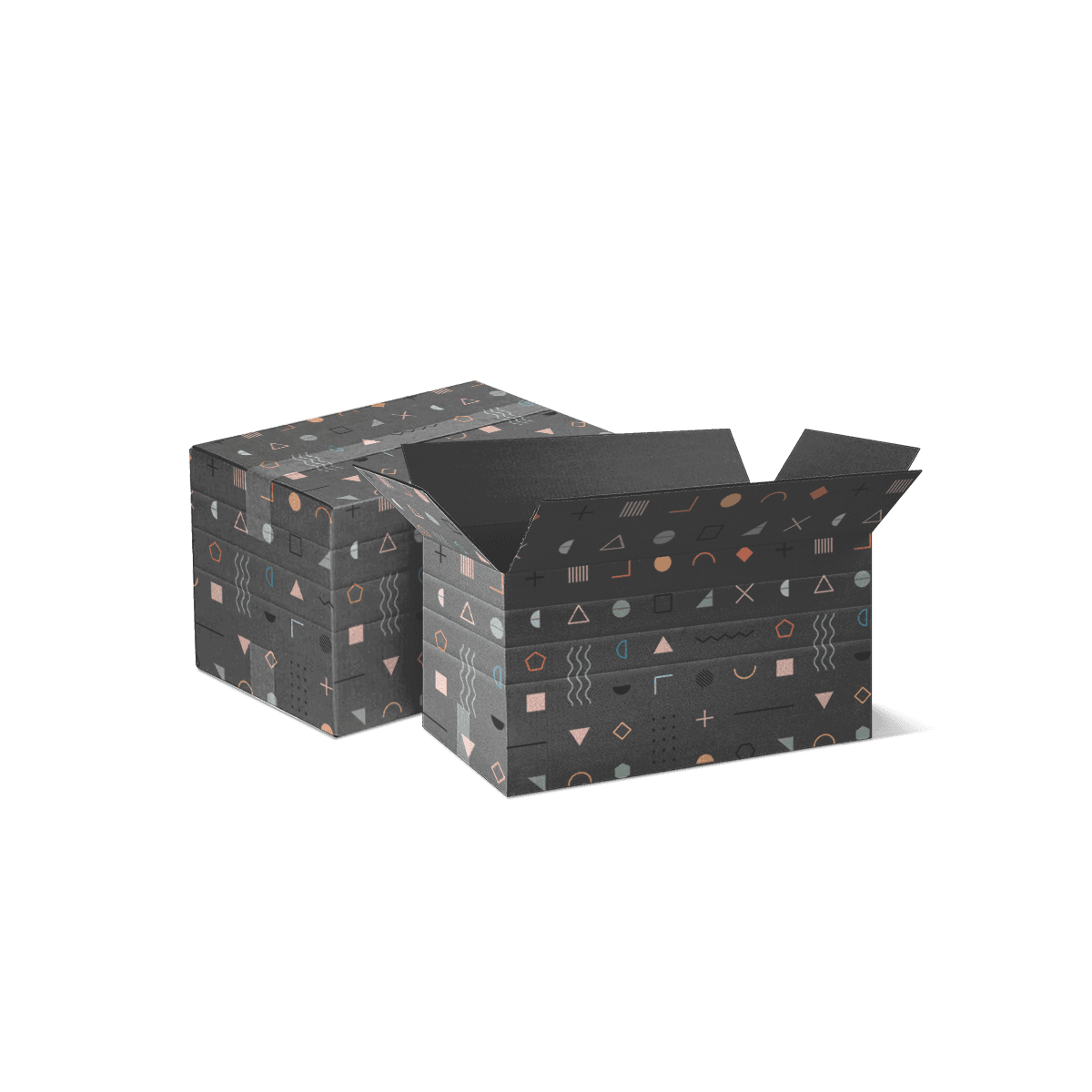
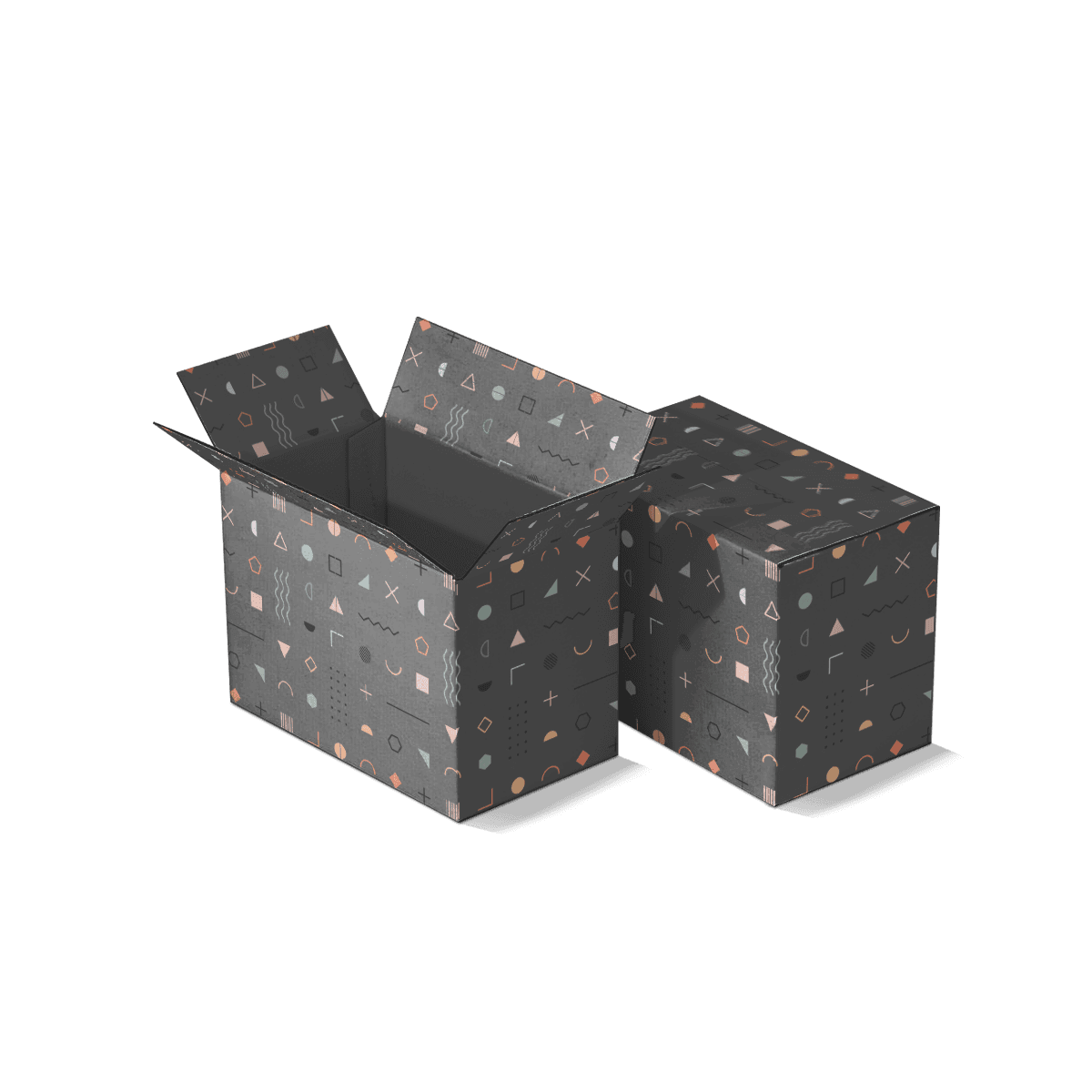
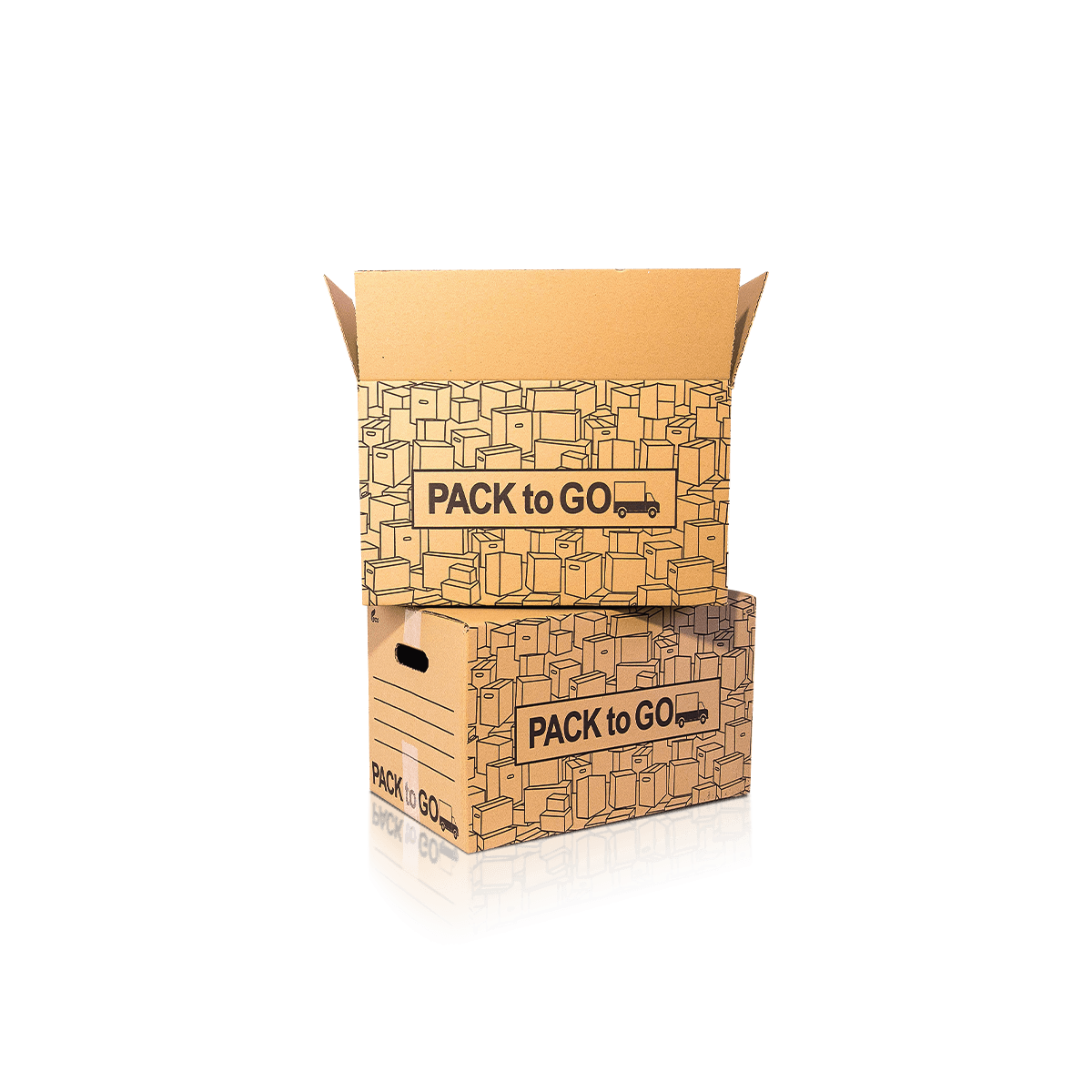
Custom Cardboard Storage Boxes

Enclosed corrugated storage built around stack load, storage duration, identification and the way boxed MRO stock moves through a facility.

Storage Load Never Leaves

A loaded storage carton can sit under continuous compression for weeks or months. Custom Cardboard Storage Boxes therefore need to hold their shape for the full storage period, not just the trip into the warehouse.

That changes the structural problem.

A shipping carton may face several intense handling events and then be emptied. A storage box can sit under another loaded box for weeks or months. Its side walls, corners and base keep carrying load while the contents wait.

For MRO packaging, this makes storage duration, stack pattern and retrieval method important design inputs alongside the weight inside each box.

The first questions should be practical:

  • What will each box hold?
  • How much will the loaded box weigh?
  • Will boxes stack directly on one another?
  • How many boxes may sit in one vertical stack?
  • Will the full box be removed when stock is needed?
  • Does the content need an enclosed top?
  • Where will the identification remain visible?
  • How long might the loaded box stay in storage?

A carton designed around those answers behaves very differently from a generic box selected only because the internal dimensions seem close.
Closed Storage Has a Purpose

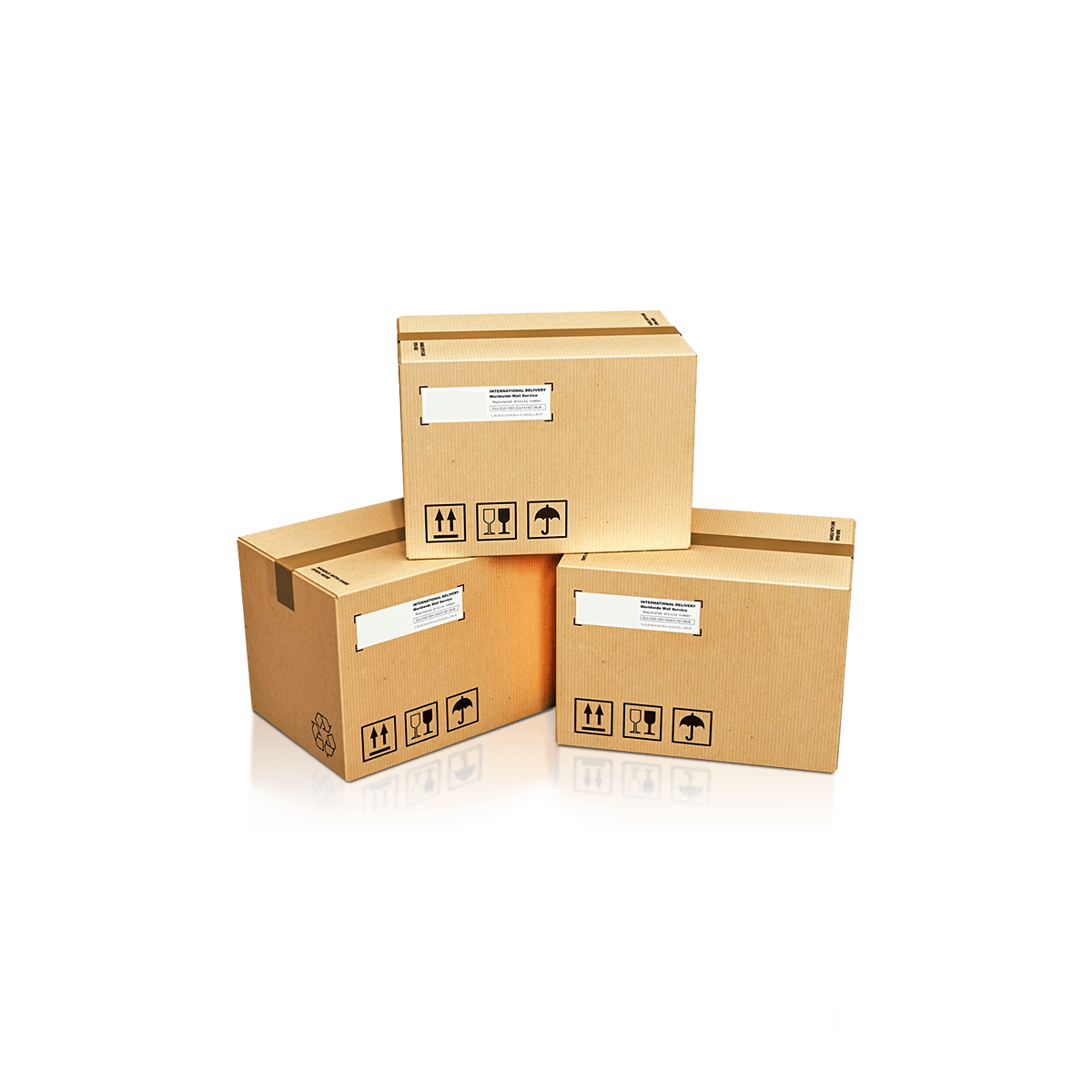
Enclosure is the main reason to use a Cardboard Storage Box instead of an open picking bin.

A lid, top flaps or another closed construction helps keep loose stock contained and reduces direct exposure to ordinary warehouse dust and incidental contact. It also creates a top surface that can support controlled stacking when the structure and load permit it.

That makes enclosed boxes suitable for stock that does not need constant front access.

Longer-hold spare components, packaged hardware, documents, maintenance stock, seasonal supplies and slower-moving inventory can all benefit from a closed carton when the entire box can be retrieved as one unit.

For components that must remain exposed for frequent hand picking, Bin Boxes put access ahead of full enclosure.

The distinction is operational rather than cosmetic.

If a worker opens the same closed carton twenty times per shift, an exposed picking format may remove unnecessary handling. If the box stays untouched for three months and then moves as one unit, full enclosure becomes more valuable.

Stack Height Changes Everything

The contents determine the load inside one box. The warehouse determines the load placed on top of it.

Those are separate forces.

A carton containing 15 pounds may still need substantial compression resistance if several equally loaded boxes sit above it. Conversely, a heavier carton stored alone on a shelf may not face the same vertical pressure.

Bottom Boxes Work Hardest

The lowest carton in a floor or shelf stack carries the greatest cumulative load.

Its walls and corners need to remain aligned so the boxes above transfer load down through the structure instead of leaning into unsupported panels.

Bulging contents can interfere with that path. Overfilling a box until the side walls bow outward may reduce stack stability even if the closure still reaches.

Footprints Should Align

Stacks become more stable when box footprints line up cleanly.

Mixing several slightly different footprints can create unsupported edges where an upper carton bears down on the center of a lower panel rather than on stronger perimeter areas.

A standardized footprint can therefore make sense even when storage heights vary.

Empty Space Matters

A partially filled box may behave differently from the same carton when the contents help support or brace the structure.

Do not assume that product support will always be present, especially if stock is removed gradually before the carton is restacked.

A storage carton should remain stable in the states it will actually occupy.

Cardboard Usually Means Corrugated

In industrial storage, the word cardboard often refers broadly to corrugated fiberboard rather than thin folding-carton stock.

Corrugated construction uses fluted paper between liner sheets. That geometry gives the material more stiffness and compression capability than lightweight paperboard, making it the more practical starting point for many stackable MRO storage applications.

The choice still needs to follow the load.

A small box holding lightweight packaged seals may not need the same board construction as a carton containing dense metal fittings.

The differences between corrugated, paperboard, kraft and rigid board matter when storage weight, print surface and structural stiffness pull the design in different directions.

Kraft corrugated can suit practical warehouse applications where a natural brown surface works. White corrugated can create stronger visual contrast for printed identification and color-coded stock systems.

The material name alone is not enough to specify performance. Box dimensions, flute, board combination, closure, openings and stack pattern all affect how the finished structure behaves.

Handholes Cost Wall Strength

Handholes can make loaded cartons easier to lift, but every cutout removes board from a structural wall.

That trade-off deserves attention when the same panel also carries stacking load.

Grip Position

Handholes should sit where the loaded box balances naturally enough to lift without forcing the worker to twist the carton sharply.

A very high grip can make a dense box feel unstable. A low grip may interfere with the bottom structure or reduce the strongest part of the side panel.

Cutout Geometry

Sharp corners can concentrate stress around an opening.

Rounded cutout geometry can reduce abrupt stress concentration, but the complete panel still needs enough material around the handhole to carry its assigned load.

Box Weight

There is also a practical point where a paper handhold should stop being treated as the answer.

If the packed carton becomes too heavy or awkward for comfortable manual handling, stronger packaging alone does not solve the ergonomic problem. Smaller load units, mechanical handling or another container strategy may be more appropriate.

Storage design should respect the people moving the box as much as the products inside it.

Retrieval Defines the Label Face

The correct label panel is the face a person can actually see when the box is stored.

That may sound obvious, but enclosed storage cartons are often printed as though every surface remains visible.

A box placed front-first on shelving needs its item code, description or barcode on the exposed short panel. A floor stack may need identification on two adjacent faces so the stack does not have to be rotated to confirm what it contains.

Useful MRO fields can include:

  • item or SKU number
  • plain-language description
  • quantity
  • storage location
  • department or equipment association
  • barcode or QR code where the facility uses one
  • lot or revision identifiers where required
  • handling orientation
  • date fields when the internal system calls for them

The printed hierarchy should reflect retrieval.

A large part number may deserve more space than a logo if that number is how warehouse staff locate the correct carton.

The top panel can carry secondary identification, but it should not hold the only critical code if another box will normally sit above it.

Retrieval by Box or Piece

Cardboard Storage Boxes are strongest when the carton itself remains the storage unit and is removed, opened or relocated when its contents are needed.

That separates them from packaging optimized for continuous loose-part picking.

Parts Storage Boxes suit inventory that needs frequent access at the individual-component level.

A closed storage carton is a better fit when stock moves by box, batch, project, period or reserve quantity.

For example, a facility might keep one working quantity of fittings in an accessible pick position and six sealed reserve cartons behind it. The working stock requires fast access. The reserve stock requires efficient stacking and clear identification.

Trying to make one carton perform both jobs can compromise each.

The closed reserve box may open too slowly for constant picking. The open-front pick box may expose reserve stock unnecessarily and stack less effectively.

The warehouse can use both structures for different stages of the same inventory flow.

Dividers Change the Load

Internal partitions can organize several component types inside one closed storage carton, but they also change how forces move through the box.

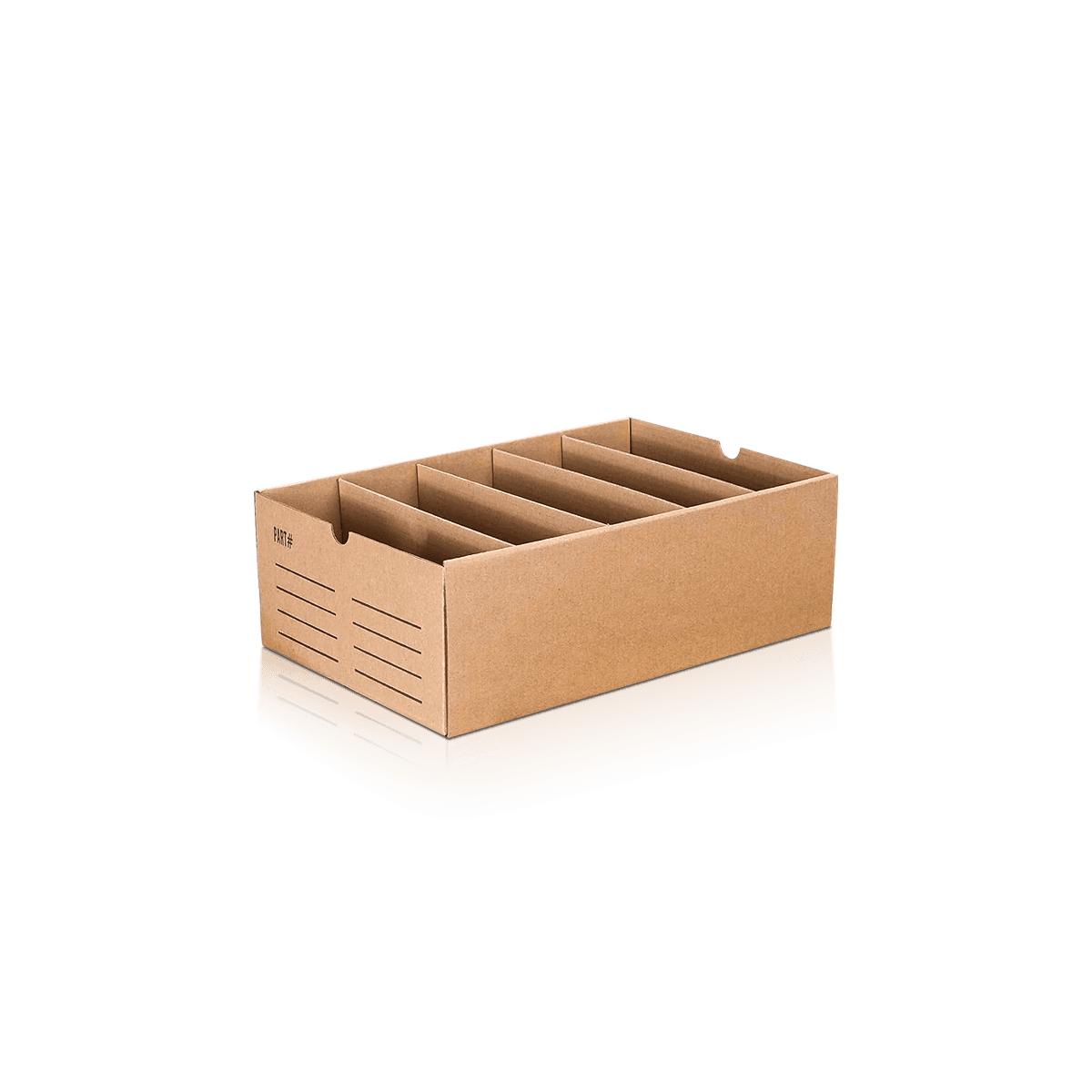
Divider Boxes suit multi-item storage when separation and count control matter inside one outer footprint.

Do not assume the divider grid automatically strengthens the outer carton.

Depending on its design and fit, a partition may support internal organization without carrying meaningful stack compression. If the outer walls require structural reinforcement, that should be designed deliberately.

Compartment dimensions also need to reflect how stock will be removed.

A grid holding packaged bearings may remain orderly as inventory falls. A grid filled with loose fasteners may create awkward deep pockets once quantities become low.

Use dividers when mixing must be prevented or inventory groups benefit from fixed positions. Do not add partitions simply because a storage carton has several items inside it.

Floor Contact Deserves Attention

The bottom of a storage carton often sees a different environment from the upper panels.

Warehouse floors, pallets and lower shelves can expose the base to dirt, abrasion and changing humidity. Paper-based materials also respond to moisture, so storage conditions matter when cartons remain loaded for long periods.

A Cardboard Storage Box should not be described as moisture-proof merely because it uses corrugated board.

For higher-risk storage programs, packaging testing under real storage conditions can reveal problems that a clean dry-room sample will not show.

Think about where the carton will actually sit:

  • steel shelving
  • wood pallets
  • warehouse floors
  • mobile racks
  • service vehicles
  • mezzanine storage
  • conditioned rooms
  • uncontrolled industrial areas

If liquid exposure, persistent oil, outdoor weather or frequent washdown is normal, cardboard may no longer be the correct long-term container.

Plastic or metal storage can be more appropriate for those environments.

Material selection should start by admitting that boundary rather than trying to make paper perform like a permanent washable tote.

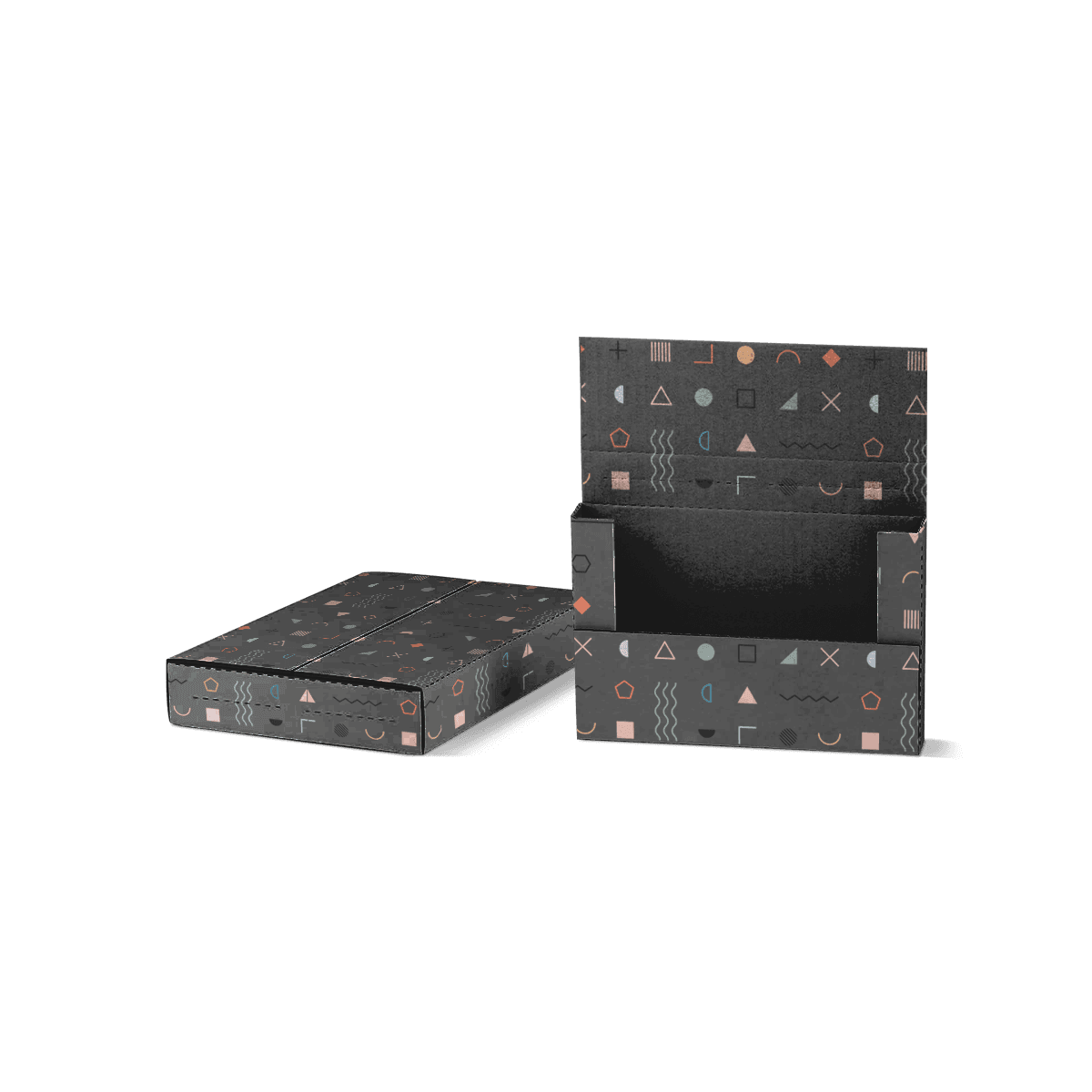
Flat Supply Saves Its Own Space

An empty storage box also consumes warehouse space if it arrives preassembled.

Flat-packed corrugated structures can reduce the storage footprint before use, which matters when hundreds or thousands of replacement cartons must be kept on hand.

The trade-off is assembly.

A box that saves considerable storage cube while flat may require more folding steps at the moment it is needed. If workers erect large numbers every day, assembly time becomes part of the cost.

If boxes are prepared only occasionally for slower-moving stock, the flat-pack benefit may easily outweigh a few extra folds.

This is where structural simplicity matters.

Self-locking tabs, folding sequences and closure design should be judged by the actual erection volume. A complicated structure that saves a small amount of board can become the wrong choice if it creates repeated labor.

Free 3D mockups can help visualize the erected form, but a physical sample can be more valuable when assembly effort or stack behavior remains uncertain.

Storage Sizes Need a System

One custom size per inventory item can eventually create more packaging complexity than it removes.

Storage cartons should be grouped around sensible warehouse modules where compatible contents allow it.

A stockroom might standardize a few footprints that fit its shelving and then use different heights for different quantities. Another operation may use common heights so stacked rows align cleanly.

The right pattern depends on the physical storage system.

The goal is controlled standardization:

  • enough sizes to avoid grossly oversized cartons
  • few enough sizes to manage inventory efficiently
  • footprints that work with shelves or pallets
  • labels that make similar cartons difficult to confuse
  • clear capacity rules for each carton

A very small component should not sit inside a huge box merely to preserve one universal carton size.

Likewise, two items with nearly identical packed requirements may not justify separate structural specifications.

For repeat programs, bulk custom boxes can be produced around the actual size mix instead of treating every storage carton as an isolated purchase.

Storage and Shipping Differ

A box that stays stacked in a warehouse does not automatically make the best distribution carton.

Storage compression can be relatively predictable. Parcel and freight movement introduce drops, impacts, vibration, conveyors, pallet handling and changing orientations.

If the storage carton must also travel through distribution, both jobs need to be considered.

A separate shipping box can carry several storage cartons when the inner boxes should arrive ready to move directly onto shelves.

That approach can preserve the printed storage labels and keep carrier tape away from the carton faces used inside the facility.

For dense stock that puts ordinary corrugated under substantial compression or handling strain, Heavy Duty Boxes shift the priority toward stronger load-bearing performance.

The correct route depends on whether the storage carton is a warehouse container, a shipping container or genuinely both.

Replacement Timing Matters

Storage boxes wear differently according to how they are used.

A carton opened once a year may remain physically sound for a long period. Another box moved between shelves every week can develop softened corners, worn handholes or weakened closure points much sooner.

That means replacement policy should follow observed condition rather than an assumption that all cardboard storage lasts the same number of cycles.

Signs that a box should leave service include:

  • crushed corners affecting stack alignment
  • torn handholes
  • bowed walls
  • damaged closure panels
  • moisture-softened board
  • labels that can no longer be read reliably
  • base damage that makes the carton unstable

Repeatedly placing a loaded box back into a stack after its walls have lost shape can transfer risk to every carton above it.

The storage system is only as stable as the weakest box still being treated as reusable.

Audit One Loaded Stack

Custom Packly's USA MOQ starts from 100 boxes, making it possible to create a storage format around an actual warehouse bay or stock program rather than relying only on generic cartons.

Free design and dieline support can translate storage constraints into the structure. Free 3D mockups can show panel proportions, closure and print placement before production. US production and free shipping support domestic orders.

Standard turnaround is 4–6 days after final specifications and artwork approval. Complex constructions or specialty requirements can require additional time.

For an accurate storage specification, prepare:

  • internal contents and quantity
  • loaded weight
  • desired internal dimensions
  • shelf, rack or pallet dimensions
  • expected stack height
  • closed, lidded or flap-access preference
  • handhole requirement
  • storage duration
  • identification fields
  • number of box sizes
  • expected production quantity
  • whether the carton also needs to ship

Price the actual size mix and expected quantities after the storage footprint and load are known.

Before a larger rollout, assemble and load a representative stack at the intended height. Check wall alignment, handhole behavior, label visibility and the partly filled state so the box is judged as stored inventory rather than as an empty sample.

FAQs

Because they create a more consistent storage system. Cardboard Storage Boxes are easier to stack, easier to label and easier to revisit than mixed leftover cartons used across shelves or stockrooms.

Cardboard Storage Boxes are often the better fit for lighter inventory, short-to-medium term storage, and bulk shelf organization where low weight, lower cost, and printable labeling matter most. Plastic Totes are usually better for wet conditions, repeated washdown, or heavier reuse cycles.

Strength depends on the corrugated board grade, box size, and how the load is distributed. For many business uses they work well for documents, spare parts, packaged accessories, consumables, and other non-fragile stock that does not require heavy industrial containment.

Yes. Dividers help prevent small items from mixing, improve count accuracy and make partial picks easier when one box holds multiple SKUs or accessory sets.

They are commonly used in maintenance rooms, spare parts shelves, stockrooms, fulfillment support areas, retail backrooms and admin storage where organized paper-based storage is more practical than loose shelving.

Process

How it works

Your Packaging Journey, From Idea to Production and Delivery

01

Tell Us Your Specs

Custom packaging boxes

Tell Us Your Specs

Provide size, quantity, printing, and finishes.

02

Get a Fast Quote

Custom packaging boxes

Get a Fast Quote

Instant transparent pricing, no hidden fees.

03

Design and Approval

Custom packaging boxes

Design and Approval

Artwork checks, revisions, and final sign-off.

04

Produce

Custom packaging boxes

Produce

Expert manufacturing to meet deadlines.

05

Ship to Your Door

Custom packaging boxes

Ship to Your Door

Hassle-free, flexible delivery options.

Get Your Quote for Custom Cardboard Storage Boxes

Share your product details, size, quantity and artwork needs. We’ll help choose the right packaging style and send a clear quote.