Skip to content
Details

Custom MRO Boxes

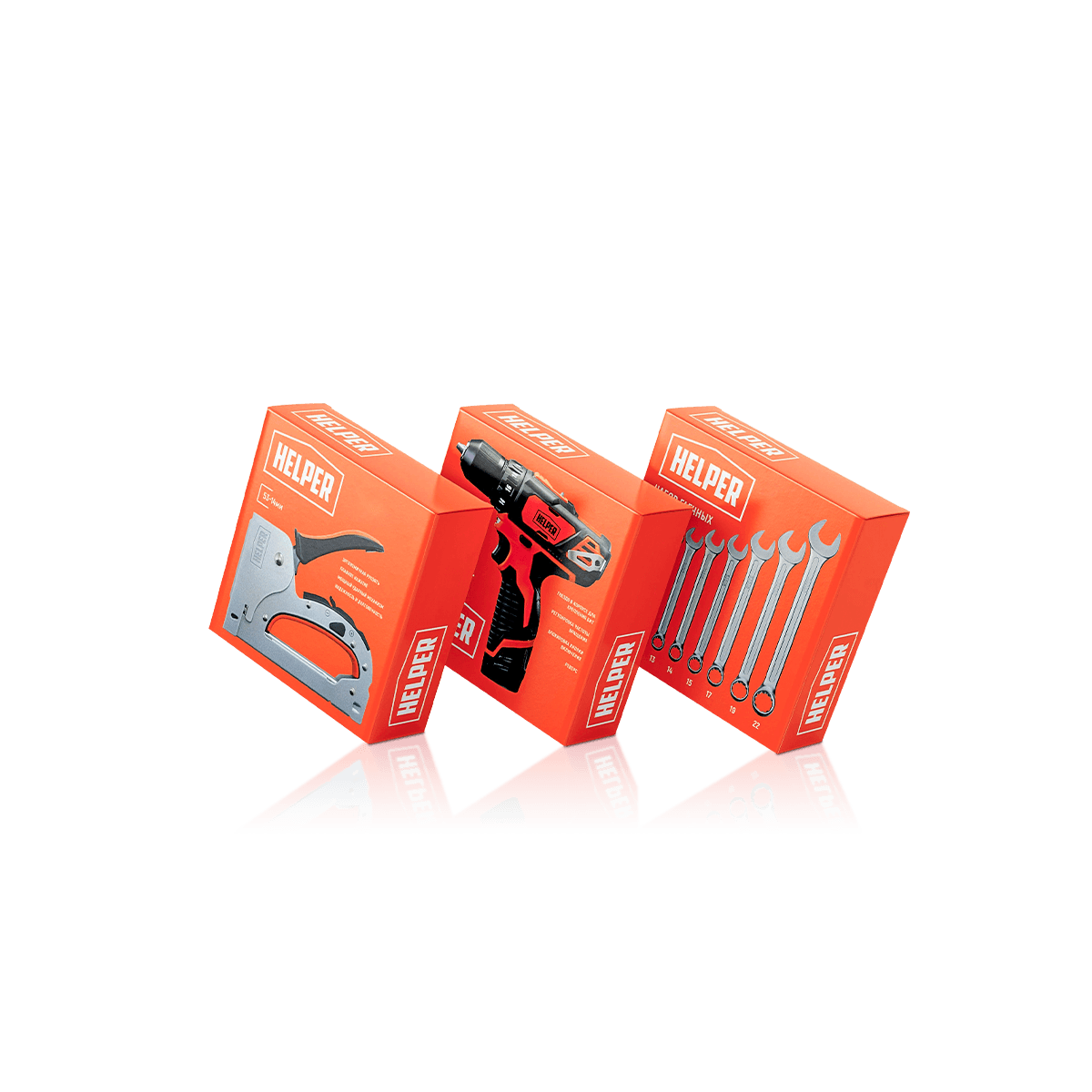
Custom corrugated box programs for maintenance, repair and operations teams managing changing part mixes across sites, with controlled interiors, clear identification and practical repeat supply.

One Box Program, Different Work

A central stockroom may support several plants that use the same replacement component differently. One location dispatches it alone, another adds mounting hardware and a third combines it with consumables. If every request creates a separate box specification, purchasing inherits a growing inventory of cartons that look alike but cannot safely be substituted.

Custom MRO Boxes address the common requirements across those orders: suitable corrugated construction, dependable closure, readable identification and an interior planned for the contents. The objective is not to force every maintenance item into one box. It is to establish a manageable set of approved boxes and change the inserts, labels or packing arrangement only where the job requires it.

That distinction matters for maintenance, repair and operations programs covering plants, service depots, contractors and field teams. A carton can serve as an internal transfer pack, a service-issue box or an outbound shipper, but its specification must reflect the actual handling route. The MRO packaging program may also need open picking bins and pallet containers where a closed carton would slow the work.

The strongest starting point is an inventory of packed uses rather than a list of desired box sizes. Record what stays consistent, what changes by site and which items impose their own protection or handling requirements.
Where Standard Sizes Stop Working

A shared footprint is worthwhile only when it does not create excessive empty space, force dense components onto weak panels or complicate picking. Group items by packed dimensions, weight distribution, fragility and route before deciding which orders can use the same carton.

Shared footprints

For similarly sized supply assortments, a common outer carton can accept several interior arrangements. A removable partition, folded support or bagged hardware set can change without altering the box cutting die. This can simplify replenishment when plants consume different combinations of the same general stock.

The packed height matters more than the tallest loose item. Include protective wrapping, instruction sheets, dividers and the clearance needed to load the carton without bending a component. Oversized cartons can also create unnecessary filler and an unstable mixed load.

Exceptions that deserve their own box

A heavy valve, long replacement shaft or delicate gauge should not inherit a common carton merely because it fits diagonally. Concentrated weight changes bottom support; projecting edges can puncture a sidewall; precision surfaces may require restraint rather than extra void fill.

A fixed service assortment with an unchanging bill of materials may work better in maintenance kit boxes. A single aftermarket component that needs a fitted shipping pack is a stronger candidate for repair parts boxes. The multi-use MRO carton earns its place where approved variations can share a practical outer structure.

Identification Survives Every Handoff

A parts carton changes hands before it reaches the technician. Receiving, putaway, picking, internal transport and field dispatch may each require a different person to confirm the contents. The outside of the box must identify the correct unit without requiring a seal to be broken.

Fixed artwork and changing data

Print the stable information, such as a company mark, handling orientation or reserved label zone, on the carton itself. Apply controlled labels for part numbers, site codes, quantities, work orders and revision-sensitive information that changes between loads. This avoids printing a new carton design for every assortment.

A label must sit on a flat surface that remains visible after stacking and taping. Leave space around the barcode and check scan performance on the actual stock and print treatment. Do not place the only identifier over a tuck, crease, closure or area likely to be hidden by a shipping label.

More than one identification system

Some operations need an exterior dispatch label and an interior contents record. A short packing list or part map can confirm what belongs in each compartment after the outer label is damaged or removed. That redundancy is especially helpful for multi-site transfers where the carton may be opened for inspection and resealed.

Purchasing should retain the approved print file and label specification together. The supplier red flags that cause production drift are particularly relevant when the same carton is replenished for several facilities and an unnoticed substitution affects every location.

Interiors for a Changing Parts Mix

The interior should change at the same pace as the assortment, not at the expense of the outer carton. A loose assortment of hardware may need separation, while a larger finished component may need two shaped supports and no compartment grid.

Replaceable partition sets

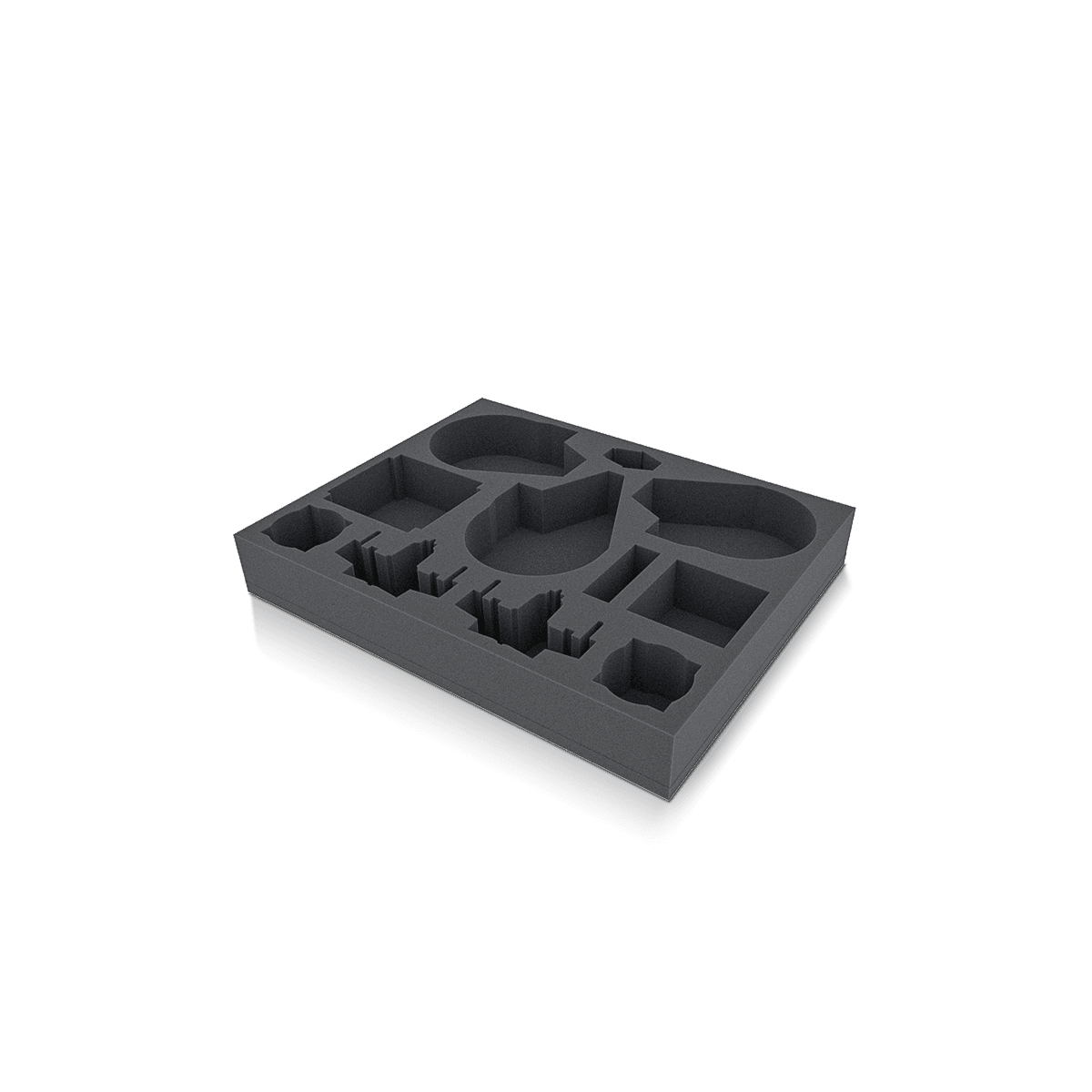
A removable corrugated partition can separate fittings, wrapped seals and small accessories without making every shipment a permanent multi-cell kit. Use cells according to the actual count and shape of the parts. Equal compartments look orderly but waste space when one item is twice the size of the others.

Where the same assortment repeats frequently, divider boxes can use a dedicated grid. The configurable MRO carton instead suits a program in which different sites or work orders need different insert arrangements around a common outer box.

Support the item that carries the risk

Place heavier parts low and prevent them from bearing directly on fragile components. Corrugated pads can separate layers; folded edge supports can keep a machined part away from the sidewall; fitted foam can restrain a delicate gauge when cushioning is necessary. Foam and partitions are not interchangeable: one may absorb impact while the other primarily separates items.

Sharp threads, exposed terminals and oiled surfaces need their own protective treatment before they enter the carton. Ordinary paper-based inserts are not a substitute for a suitable barrier, cap, ESD system or containment method required by the product.

The Mixed-Parts Dispatch Problem

Consider a maintenance depot that sends a pump-repair assortment to several sites. One dispatch needs a seal, fasteners and a small metal fitting; the next includes an additional instrument. A single open cavity lets dense hardware migrate toward the instrument, while preprinted kit names no longer match every shipment.

The correction is to separate the stable carton specification from the variable packout. A base support carries the dense fitting, a removable partition holds counted hardware and a protected position is reserved for the instrument when included. A site-specific label identifies the contents and the interior record confirms the actual assortment.

Before scaling that arrangement, pack both the lightest and heaviest intended combinations. Close the carton using the real tape or locking method, handle it in its normal orientation and check whether any insert rises into the closure or loses restraint when one component is absent. If the heavy combination changes the case load substantially, it may need its own carton grade or size.

The packaging testing decision should follow that specific risk: verify the completed pack, not an empty display sample. This is an illustrative operating scenario, not a claimed customer project or measured damage result.

Corrugated Strength Follows the Route

Material selection starts with the distribution path. A carton moved between nearby workstations has different exposure from one stacked in a distribution center or handed to a parcel carrier. The same printed design does not make these structures interchangeable.

Storage and internal movement

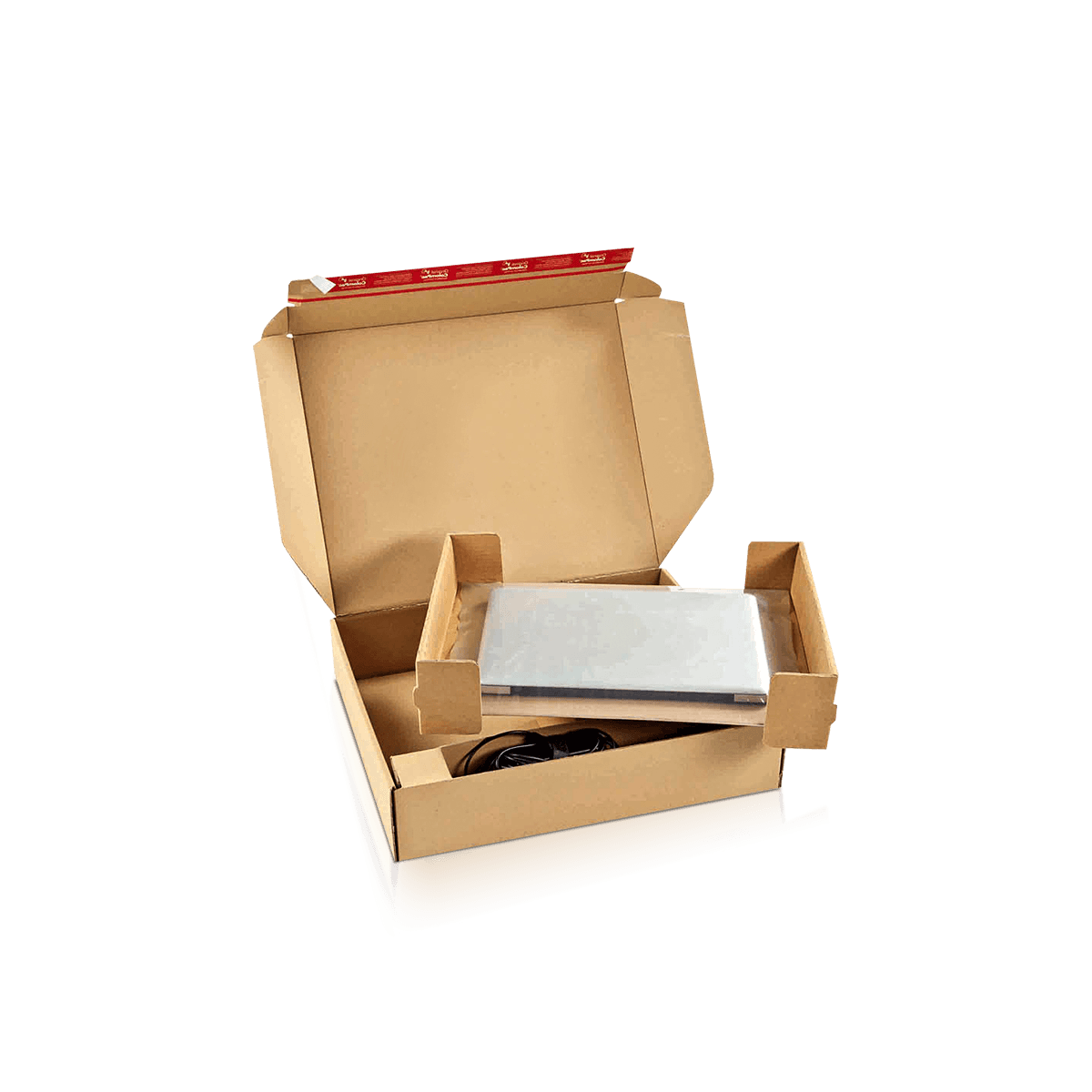
For light supplies, a suitable single-wall corrugated box may give enough stiffness and flat storage efficiency. Check the packed weight, shelf overhang and whether staff will lift the carton by its sides. A shallow structure may improve access for frequent issue, while a closed carton makes more sense for protected transfers.

Parcel and freight handling

Individual outbound cartons need closure integrity and enough cushioning for the actual transport route. The corrugated shipping box structures decision should account for stacking, handling, packed weight and how the load bears on the base. For motors or dense metal components, heavy duty boxes may need stronger board and reinforced load paths rather than the standard program carton.

Ask for a board specification appropriate to the load, not an unsupported promise that a named flute will hold a particular weight. Wall construction, flute combination, case geometry, closure and load distribution interact. A compression or drop evaluation, when warranted, must use the final packed configuration.

Contamination is a separate question

Oil, moisture, abrasive residue and unusual temperature exposure can change the packaging choice. Bagging or other suitable primary protection may be necessary before an item touches a paper-based interior. A regular printed MRO box is not automatically qualified for hazardous materials or electrostatic-sensitive electronics; those applications require their own verified packaging requirements.

Price the Common Carton and Its Variants

A multi-site program should be priced by actual production specifications, not just total boxes ordered. Two assortments may share the same corrugated outer box but need different partitions, printed panels or label arrangements. Those differences affect tooling, assembly and inventory even when the outside dimensions do not change.

Separate the quantities for each outer size, board grade and printed design. Then identify which interiors can be supplied as interchangeable components. If a plant uses a small volume of one unusual configuration, weigh its dedicated setup against a common carton with a compatible insert rather than assuming standardization always saves money.

Custom Packly supports US production, instant pricing, free 3D mockups and design and dieline assistance. The USA MOQ starts from 100 boxes. Standard turnaround is 4–6 days after final artwork and specifications are approved; complex structures, specialty materials and advanced finishes can take longer. Free shipping applies to US orders.

For a recurring requirement, bulk custom boxes can be purchased against controlled sizes and versions, with warehousing and scheduled releases where the order qualifies. Once the base carton, variant quantities and insert requirements are settled, request a custom quote against those specifications rather than one combined unit count.

Print for an Industrial Workday

Industrial carton artwork has to work under warehouse conditions. A clean brand mark may help identify the supplier, but the operational hierarchy should make the part group, count and destination easy to distinguish under ordinary stockroom lighting.

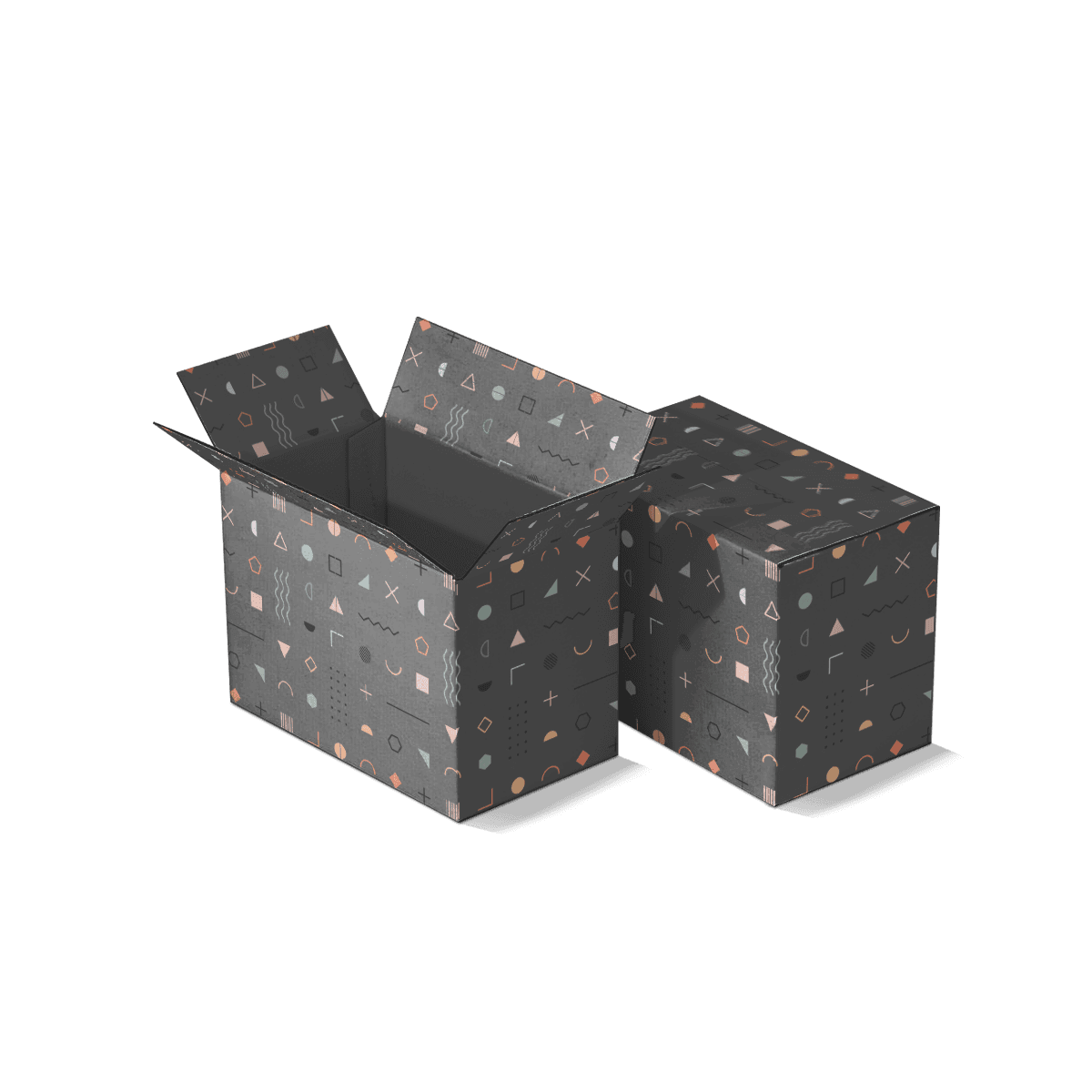
Use premium offset printing when the artwork, quantity and board choice warrant it. Simple one- or two-color treatment may be sufficient for many utilitarian cartons; full-color graphics earn their cost when they support a real identification or customer-facing requirement. Maintain a quiet area for variable labels and avoid placing essential codes on panels that are hidden once the carton is closed.

If several sites use the same printed base carton, distinguish variants through controlled labels or a deliberately limited artwork system. Avoid printing fixed part numbers on a shared carton that will hold changing assortments. A free 3D mockup can help check visible panel hierarchy, but it cannot prove scan quality, abrasion resistance or structural strength.

The carton print also must not be mistaken for a product approval. Hazardous-goods markings, regulated safety instructions and ESD claims require the applicable product and shipment requirements to be established separately. Decorative icons or generic caution text do not make an otherwise unsuitable package compliant.

Replenishment Without Box-SKU Sprawl

A common box specification fails operationally if every location orders a slightly different version without recording why. Maintain a short register for the approved outer cartons, matching inserts and variable labels. Each entry should identify the dimensions, corrugated construction, closure, artwork revision and permitted contents or load class.

Forecast demand by carton specification, then account separately for the inserts or labels consumed by each site. A change in part mix does not always require a new carton. A change in weight, protected geometry or transport route may. Keeping that distinction visible helps purchasing avoid unnecessary small runs and prevents an unsuitable substitution.

The packaging problems that emerge at higher volume often begin with packing steps and uncontrolled SKU variations. For MRO programs, count the time taken to identify a carton, prepare its interior and verify the contents as well as the unit price.

Where a larger production run is justified but several sites cannot hold all the stock, Custom Packly can discuss warehousing and scheduled deliveries. Release plans should follow the approved carton variants and actual site demand, not assume every facility consumes the same mix.

What the Receiving Team Must See

At the final handoff, the receiving team should be able to identify the box, confirm its destination and access the contents without dismantling the protective arrangement. That requirement is easy to miss when the carton is approved only from a closed 3D view.

Place the main identifier on a face that remains visible on the intended shelf or pallet. Reserve a clear opening edge so tape and labels do not destroy the contents record. If the carton will be reopened during internal transfers, decide whether it needs a repeatable closure or whether the contents should move into a dedicated storage container after receiving.

Routine workstation consumables that are issued and refilled directly may belong in operations supply boxes rather than a multi-purpose dispatch carton. That division lets the MRO box do its actual job: carry an approved assortment through the handoffs it was specified for, with the contents and handling requirements intact.

FAQs

Shipping cartons are specified chiefly for transit loads and handling. Custom MRO Boxes can also standardize mixed-part assortments across sites through interchangeable interiors, controlled labels and approved packout variations.

Add dividers when parts need separation or reliable count positions. Use fitted cushioning when a fragile item needs restraint. Sharp components require suitable caps or protective wrapping before they enter the carton.

Custom MRO Boxes suit changing parts mixes across sites when approved configurations can share an outer carton. Maintenance Kit Boxes suit a defined set assembled for a repeat service task.

Yes. Approved carton sizes and adaptable interiors support repeated parts and consumables supply, provided each site records its actual contents and replenishment needs.

Readable exterior identifiers help receiving and stockroom teams confirm the intended assortment before opening. Position the label or barcode where it remains visible after taping and stacking.

Process

How it works

Your Packaging Journey, From Idea to Production and Delivery

01

Tell Us Your Specs

Custom packaging boxes

Tell Us Your Specs

Provide size, quantity, printing, and finishes.

02

Get a Fast Quote

Custom packaging boxes

Get a Fast Quote

Instant transparent pricing, no hidden fees.

03

Design and Approval

Custom packaging boxes

Design and Approval

Artwork checks, revisions, and final sign-off.

04

Produce

Custom packaging boxes

Produce

Expert manufacturing to meet deadlines.

05

Ship to Your Door

Custom packaging boxes

Ship to Your Door

Hassle-free, flexible delivery options.

Get Your Quote for Custom MRO Boxes

Share your product details, size, quantity and artwork needs. We’ll help choose the right packaging style and send a clear quote.