Skip to content
Details

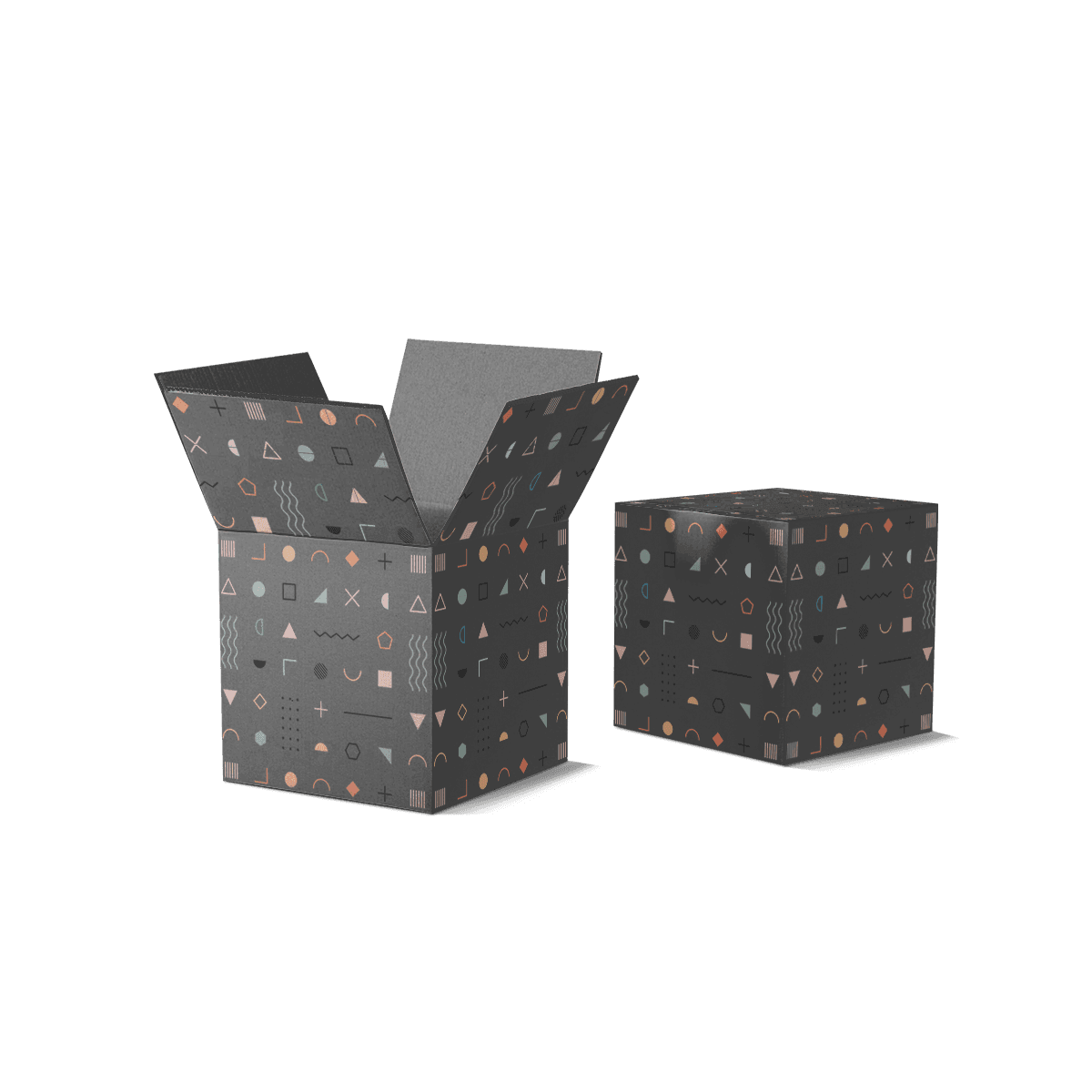
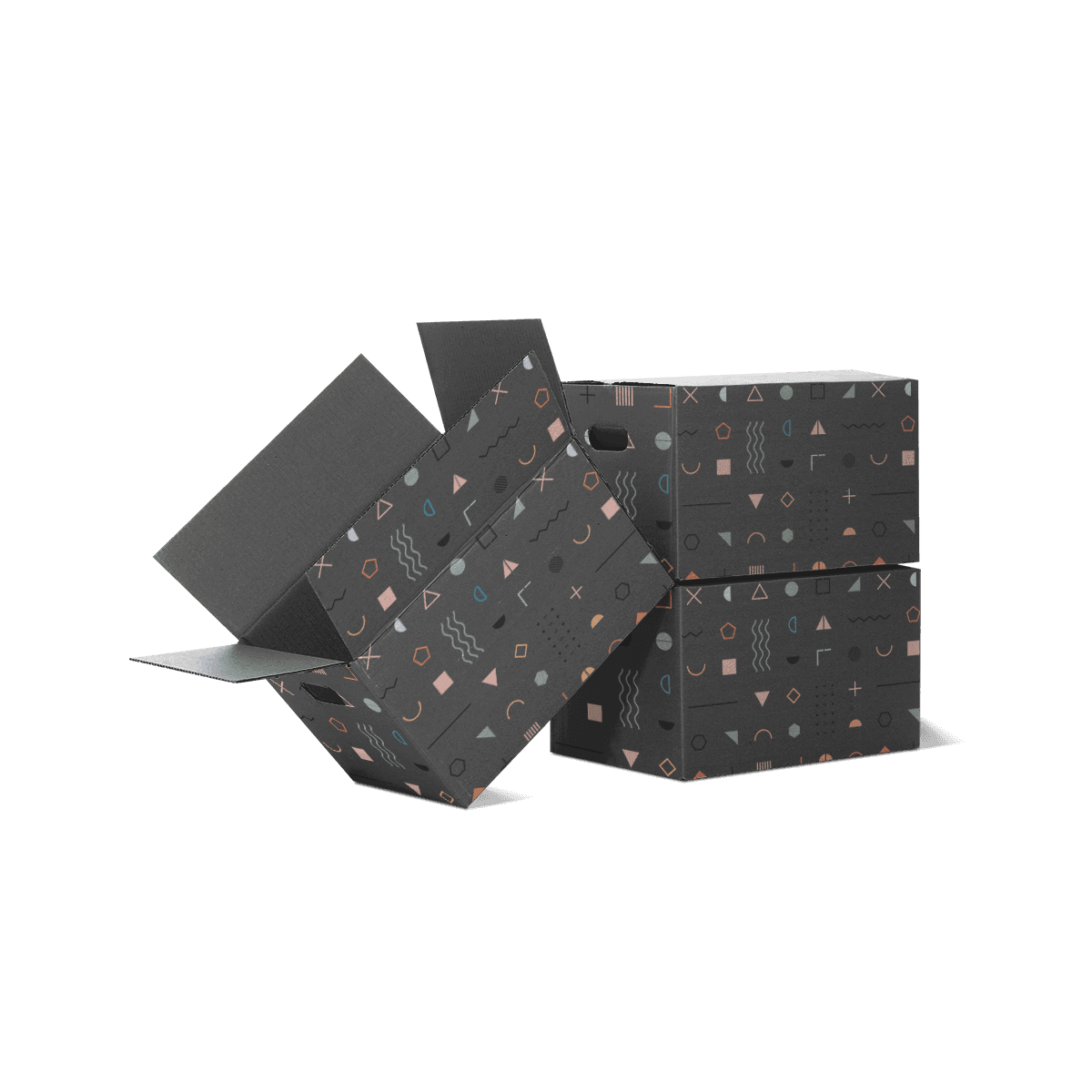
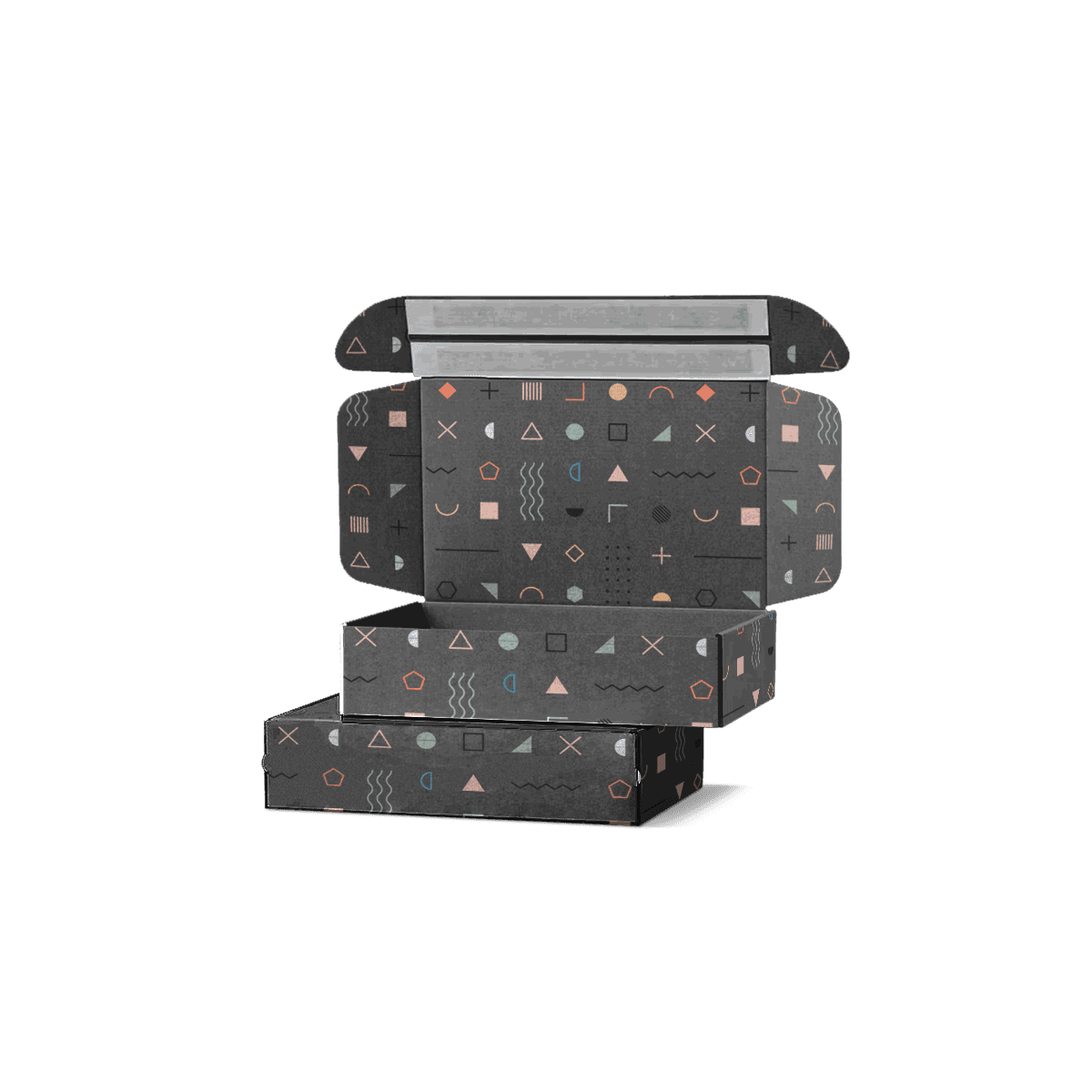
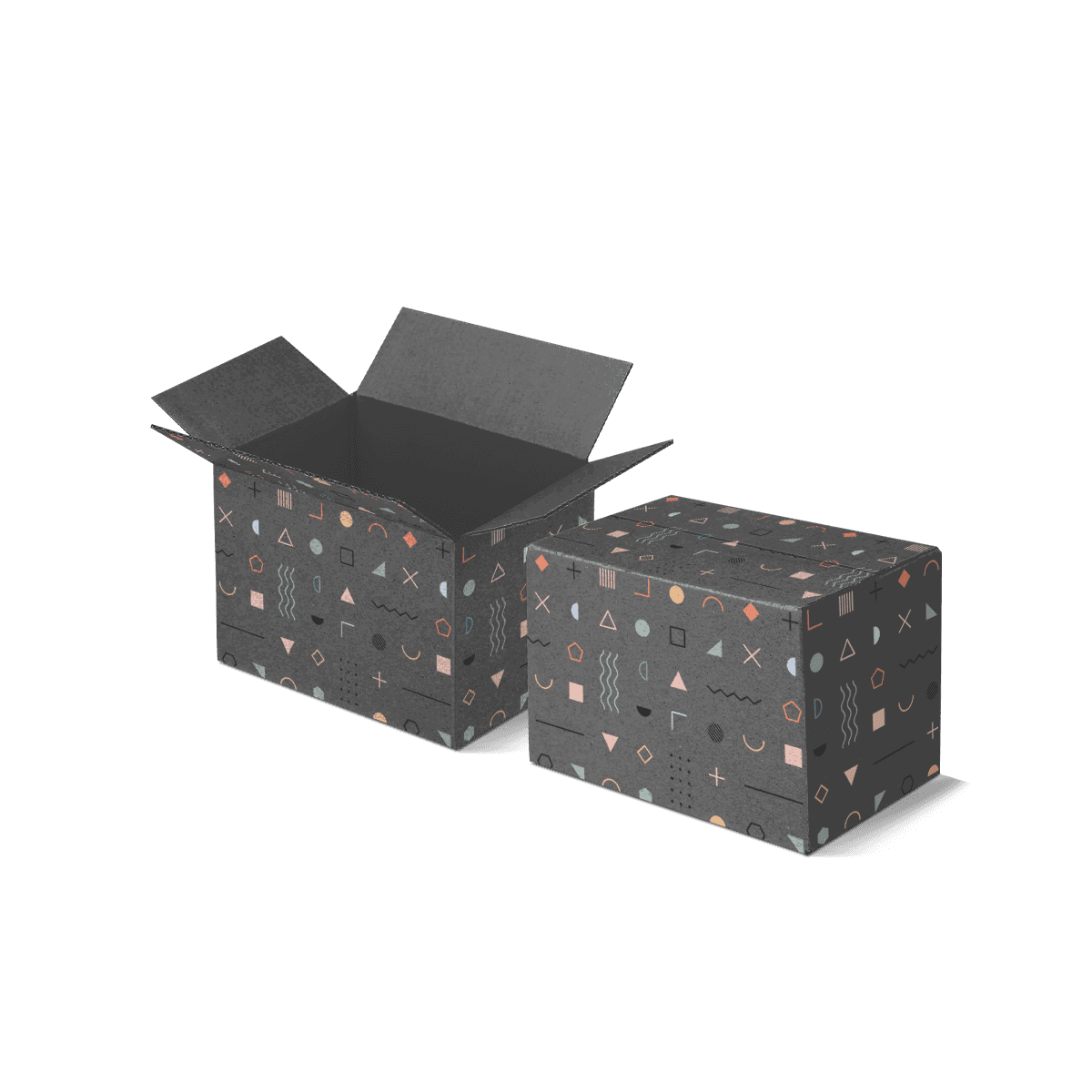
Custom Corrugated MRO Boxes

Corrugated shipping cases for parts, tools and maintenance supplies, specified around packed weight, internal separation, warehouse labels and repeat replenishment.

Build Around the MRO Load

Custom Corrugated MRO Boxes should be specified around the actual maintenance, repair or operations load, not around a generic parcel size. Bearings, valves, tools, electrical parts, filters and service kits create different pressure points even when their outside dimensions are similar.

Record the packed weight, longest dimension, sharp or projecting features, quantity per box and expected route. A case moving between a central warehouse and plant storeroom may face repeated stacking, forklift handling and repacking before it ever reaches the technician.

Identify Concentrated Loads

Dense metal parts can punch into one area of the corrugated wall or base. Distribute those loads with partitions, pads or a stronger case construction rather than relying on empty space or loose fill.

Industrial Packaging Boxes suit shop-floor and industrial handling programs where packaging must work across storage, movement and operational use.

Size the Complete Pack

Measure protective bags, corrosion-control materials, caps, wraps and inserts with the product. These components change the finished pack dimensions and can affect how the load bears against the corrugated case.
Match Board to Handling

Corrugated strength should follow packed weight, stacking conditions and handling rather than a blanket flute recommendation. Wall construction, flute combination, liners and the finished case design all influence performance.

Use the Right Strength Metric

ECT and Mullen values describe different aspects of corrugated performance and should be selected against the actual shipping requirement. The box specification should state the agreed board grade instead of relying on vague terms such as heavy-duty or thick corrugated.

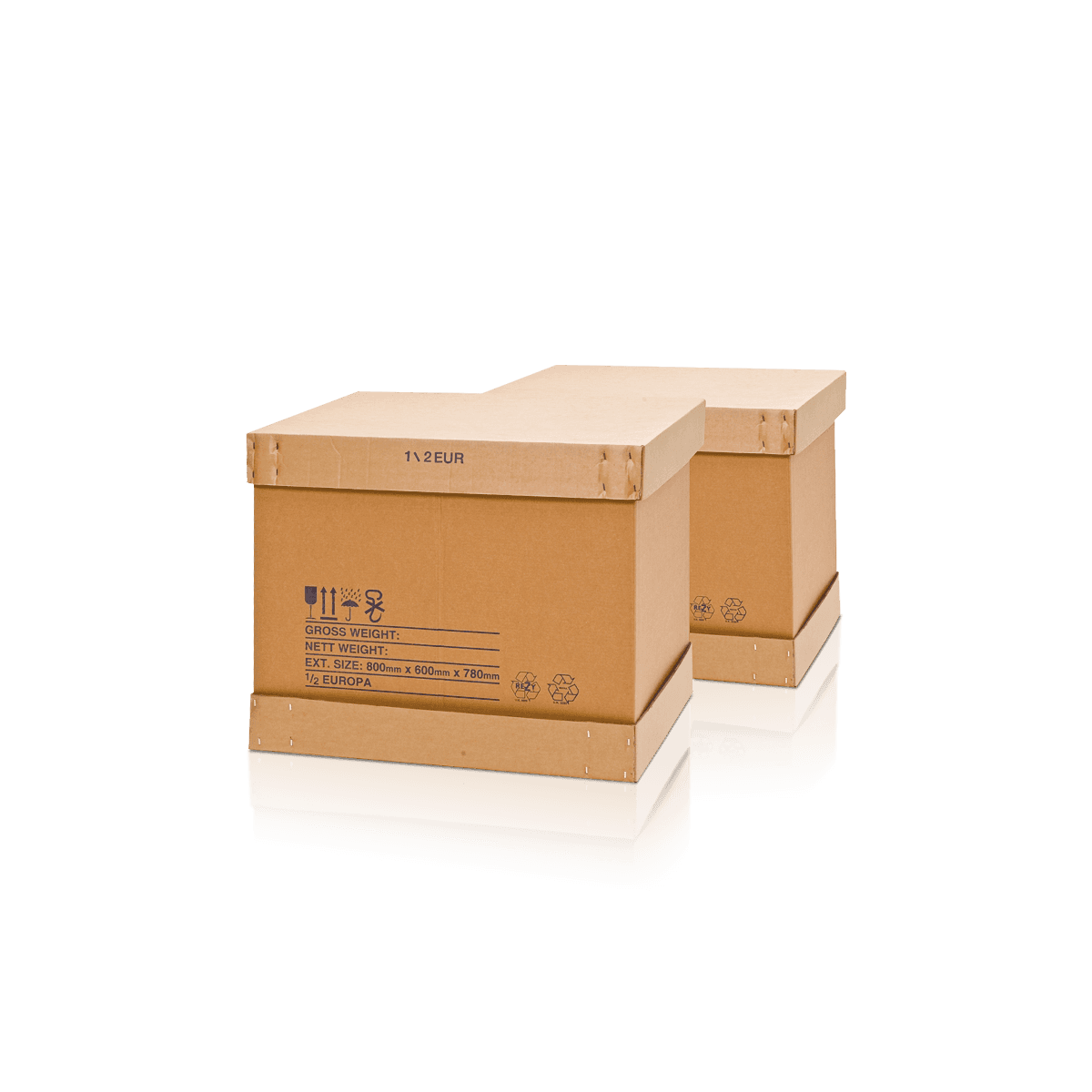
Heavy-Duty Shipping Boxes fit loads that need greater stacking or transit strength than a standard corrugated shipper can reasonably supply.

Protect the Bottom Panel

A compact box holding dense fittings may stress the base more than a larger box holding lightweight filters. Check how the product contacts the bottom and whether a pad, partition or different case style is needed to spread the force.

Stop Parts Moving in Transit

Movement is a common failure point in MRO shipments because hard components can damage each other even when the outer box remains intact. The objective is to control contact between parts as well as contact with the case walls.

Separate Metal Components

Use corrugated partitions, cells, pads or other suitable supports when fittings, fasteners or machined parts would otherwise collide. The divider layout should match the real quantity and orientation rather than forcing a standard grid onto different part shapes.

Divider Boxes are a stronger operational fit when separation and repeat picking are as important as the outer shipping case.

Limit Empty Travel

Excess void lets heavy parts gain momentum before striking a wall or neighboring item. Right-size the carton and use deliberate restraint rather than adding filler to an oversized box.

The shipping damage checks focus on fit, movement, inserts, weak points and the real distribution route.

Label for Fast Receiving

MRO packaging often reaches a receiving dock, stockroom or maintenance crib before the final user sees it. Clear identification can reduce handling time and help prevent similar-looking parts from being stored in the wrong location.

Reserve a Scan Zone

Keep part numbers, barcodes, destination codes and receiving labels on a flat surface that remains readable after sealing and stacking. Avoid placing critical codes across flap gaps, corners or areas likely to be covered by carrier labels.

When multiple SKUs share one case size, use a stable label position so receiving teams know where to scan without rotating every box.

Separate Brand From Operations

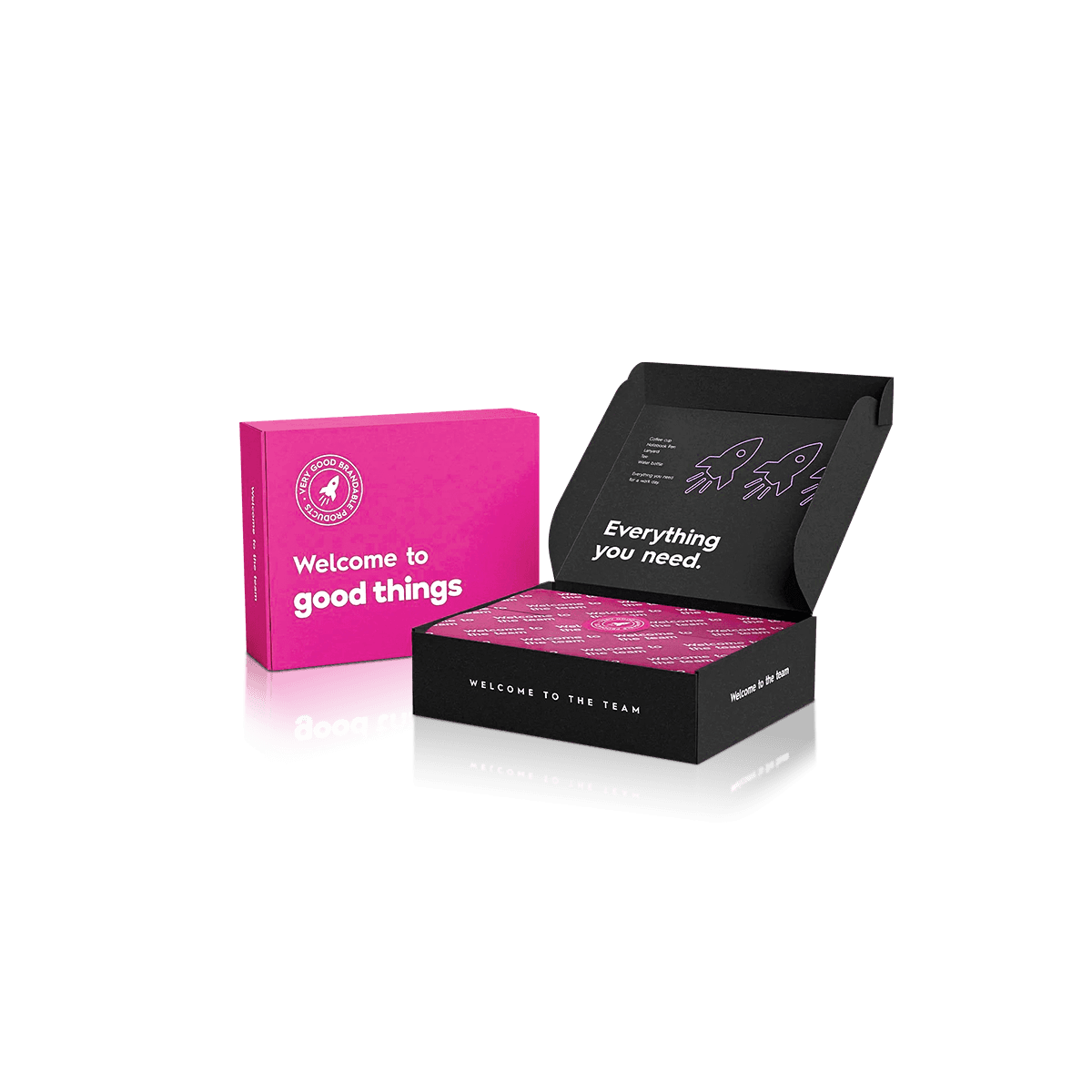
Printed branding can coexist with operational marks, but handling instructions and identification should remain easy to distinguish. A highly decorative exterior should not make the warehouse label harder to find.

Separate Transit From Storage

A corrugated shipping case is designed around movement, stacking and handling. It should not automatically become the long-term stockroom container if workers need repeated open access, picking visibility or durable bin behavior.

Know the Handoff Point

Decide whether the case will be opened once at receiving, remain closed until a maintenance event or stay in active stock for weeks. That changes the value of tear-open features, internal partitions and label placement.

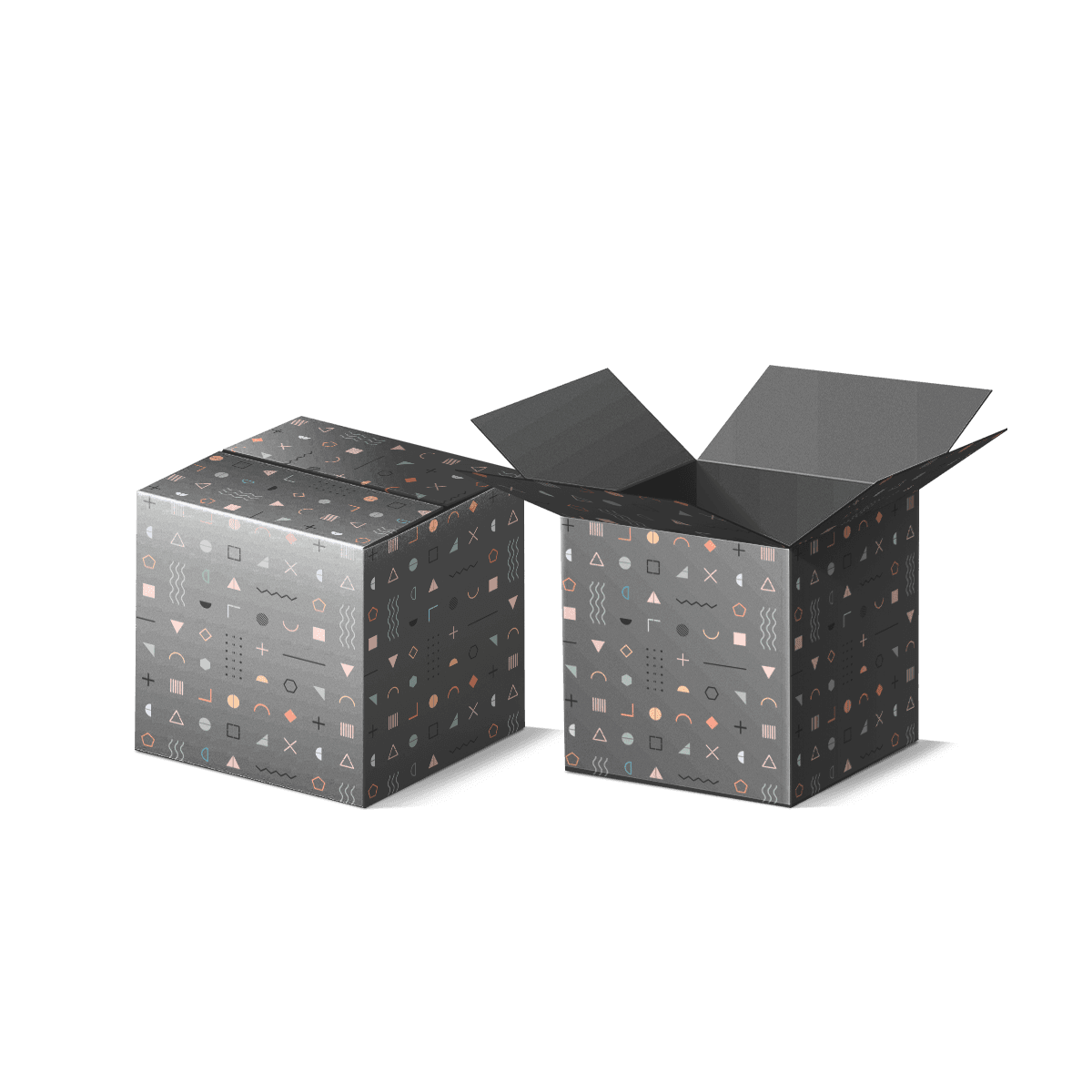
Regular Slotted Containers (RSC) are a practical case format when efficient shipping, stacking and tape closure are the main requirements.

Repack Only When Needed

If technicians receive smaller issue quantities than the warehouse purchases, plan the master case and inner packs as a system. Repacking loose parts at the dock can create labeling mistakes and inconsistent protection.

Standardize Replenishment Packs

Repeat MRO orders benefit from a controlled packaging specification because the same parts may move between the same warehouse, plant and service locations for years.

Record the Approved Pack

Keep the board grade, dimensions, quantity per case, partition layout, label zone and closure method tied to the part or kit specification. A supplier change or product revision should trigger a fit check before the next repeat order.

Standardization is most valuable when it reduces repacking and receiving errors without forcing unlike parts into one case size. The packaging should follow the operational unit of issue.

MRO Packaging should connect storage, warehouse movement, field service and replenishment around the actual part-handling workflow rather than one universal box format.

Plan Scheduled Supply

For stable repeat programs, warehousing and scheduled deliveries can separate production quantity from the number of cases needed at one site or at one time.

Test the Complete Shipping System

Final approval should use the actual parts, internal supports, closures and packed weight. An empty corrugated sample cannot show whether a dense fitting will shift, a divider will collapse or a sharp component will abrade the wall.

Reproduce the Real Route

Test the orientations, stacking and handling that matter for the shipment. Inspect bottom panels, corners, partition joints, product contact points and closure integrity after the packed case has been handled.

The packaging testing process should reproduce the finished load and expected handling conditions instead of approving board strength in isolation.

Custom Packly's USA minimum order starts from 100 boxes. Free design and dieline support plus free 3D mockups can help settle the case dimensions and print before production. Previous-work samples may help assess general board and print quality, while an exact custom sample may be paid when the packed system needs direct validation.

Standard USA turnaround is 4–6 days after final artwork and specifications are approved. Complex structures, specialty materials or advanced requirements may need additional time, and free shipping applies to the current USA offer.

The corrugated material decision should follow load, transit and stacking demands rather than appearance alone.

FAQs

MRO teams use corrugated boxes for replacement parts, service kits, tools, filters, components and maintenance supplies moving between suppliers, warehouses, plants and field-service locations.

Damage control starts with the packed load. Right-sized dimensions, suitable corrugated strength and intentional partitions or pads can limit movement, concentrated pressure and part-to-part contact during transit.

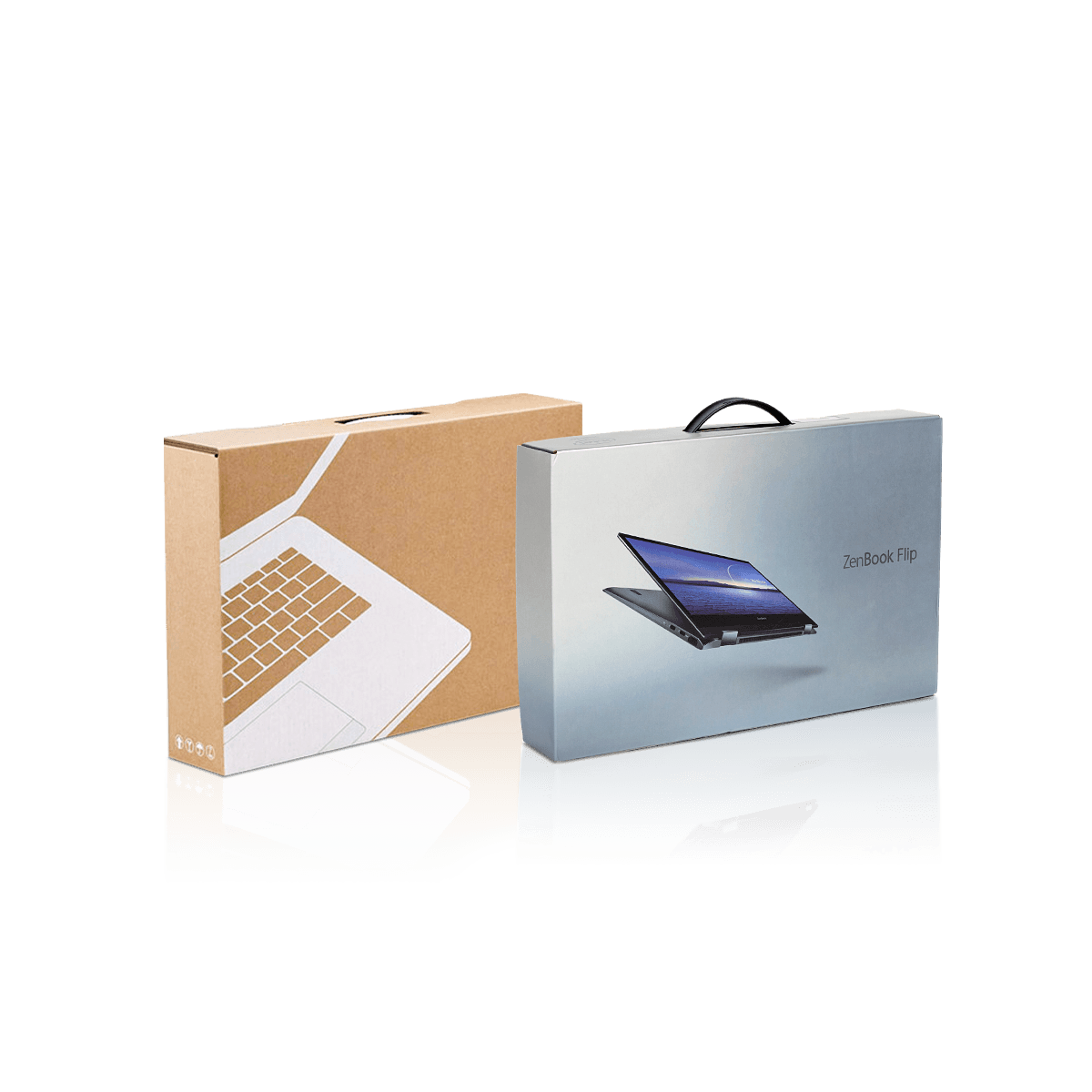
Corrugated Shipping Boxes are usually the better option when the package has to survive courier handling, warehouse stacking, or longer transit cycles, while Folding Cartons are more suitable for lighter retail presentation and shelf-facing packs. The right choice depends on whether shipping protection or retail display is the first priority.

Yes. Some buyers prefer plain kraft shippers for operational simplicity while others use printed outside panels for recognition, instructions or a more polished delivery experience.

They suit bearings, fittings, filters, electrical parts, tools, repair kits and other maintenance supplies when the board grade, internal support and case quantity are matched to the actual packed load.

Process

How it works

Your Packaging Journey, From Idea to Production and Delivery

01

Tell Us Your Specs

Custom packaging boxes

Tell Us Your Specs

Provide size, quantity, printing, and finishes.

02

Get a Fast Quote

Custom packaging boxes

Get a Fast Quote

Instant transparent pricing, no hidden fees.

03

Design and Approval

Custom packaging boxes

Design and Approval

Artwork checks, revisions, and final sign-off.

04

Produce

Custom packaging boxes

Produce

Expert manufacturing to meet deadlines.

05

Ship to Your Door

Custom packaging boxes

Ship to Your Door

Hassle-free, flexible delivery options.

Get Your Quote for Custom Corrugated MRO Boxes

Share your product details, size, quantity and artwork needs. We’ll help choose the right packaging style and send a clear quote.