Parcel Duty Changes the Box
A retail package becomes a shipping problem the moment it has to act as the outermost carton through warehouse handling, carrier movement and doorstep delivery. Custom Retail Shipping Boxes should therefore be specified around the packed order, not around how the empty box looks.
For brands selling through e-commerce retail packaging, the main question is whether the carton will carry one finished retail unit, several products, a fragile bundle or a heavier mixed order. That decision changes the board, dimensions, closure, interior support and amount of printable surface that can safely be treated as brand space.
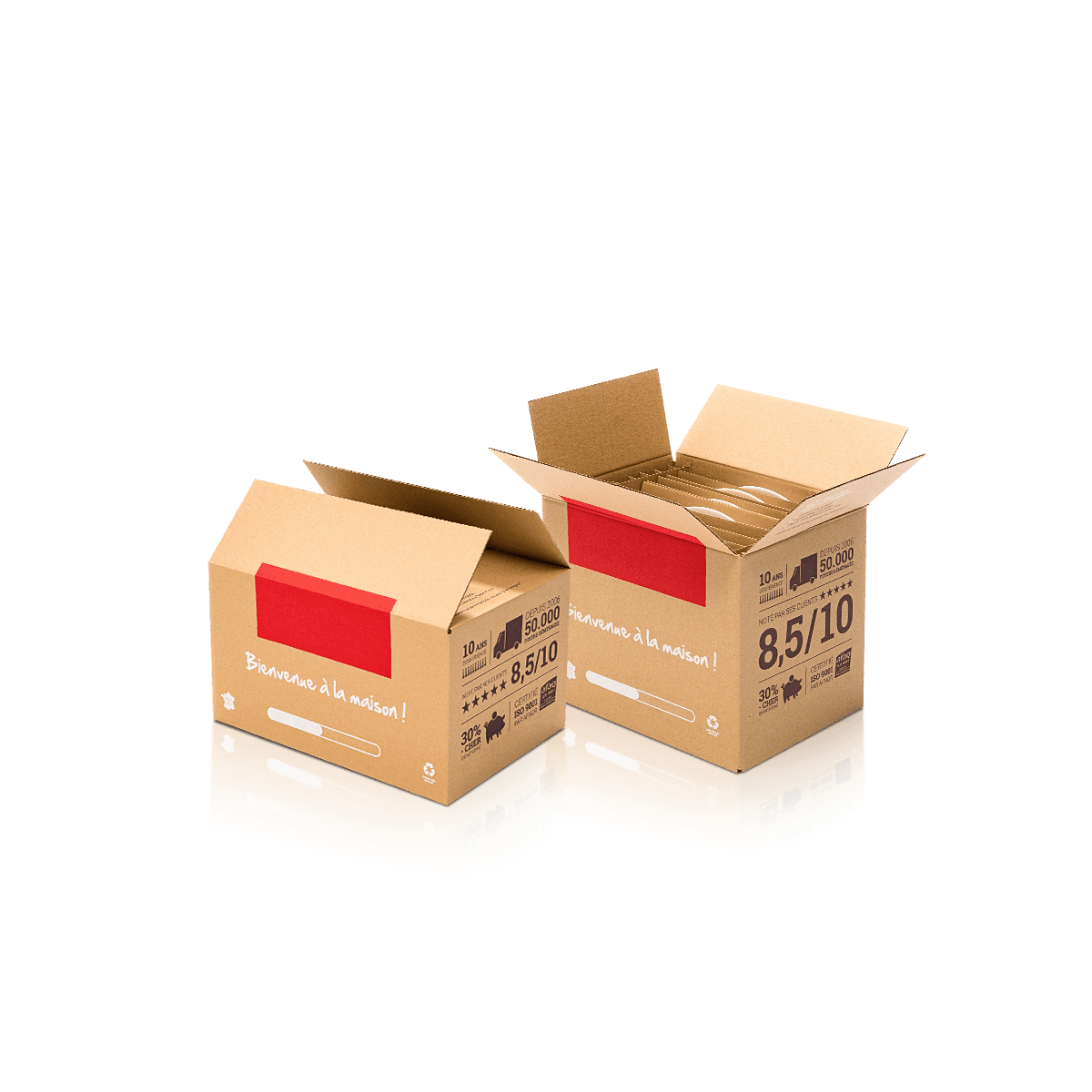
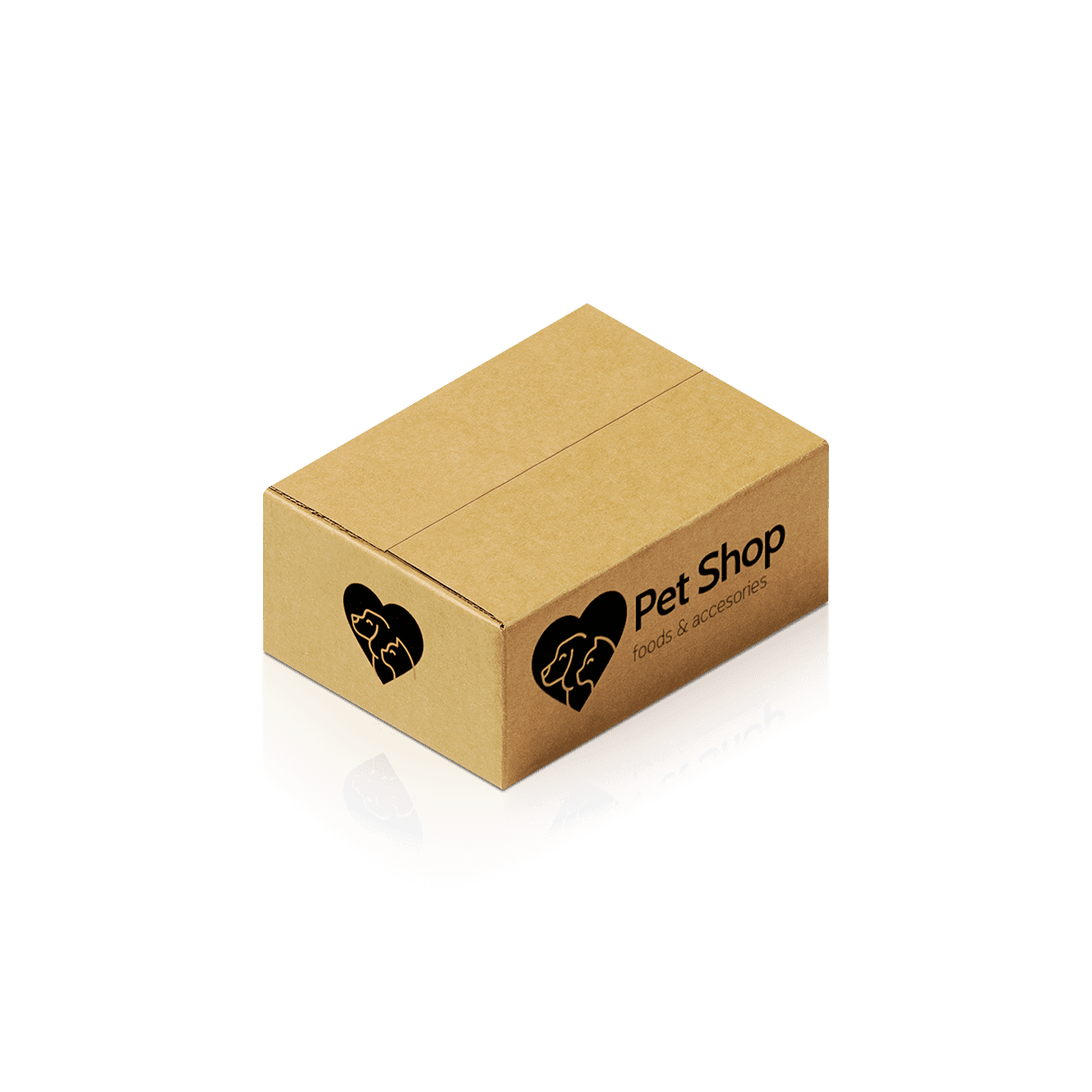
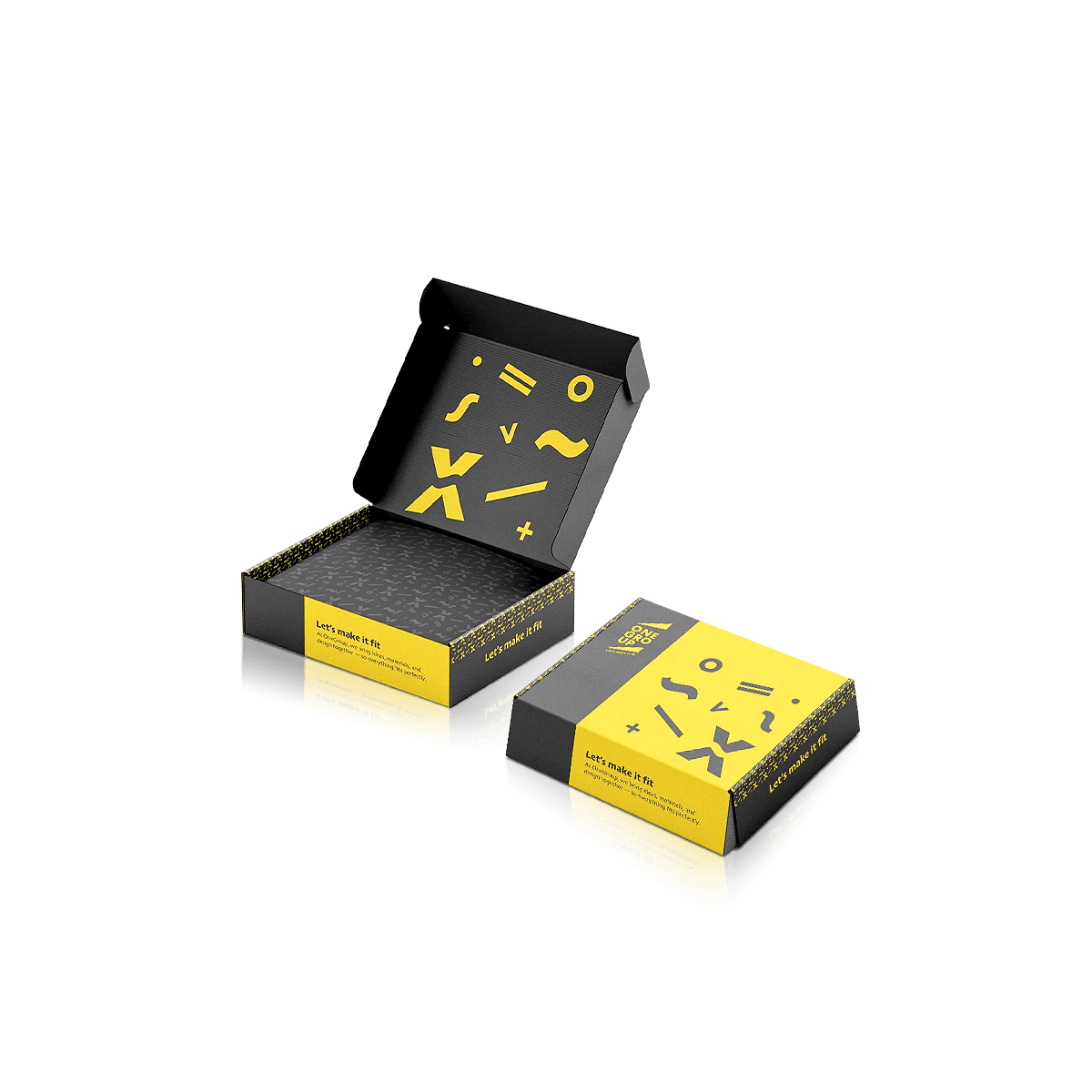
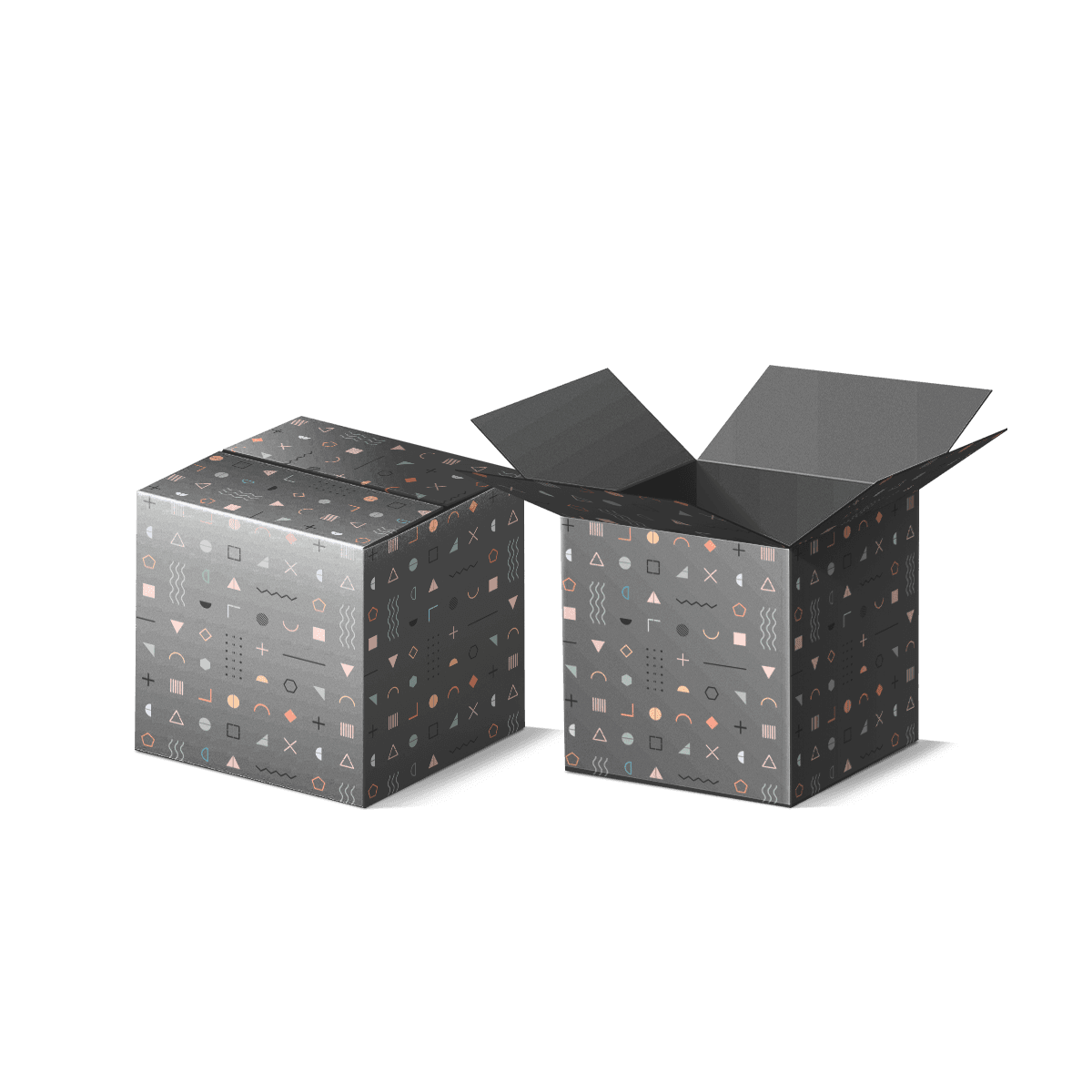
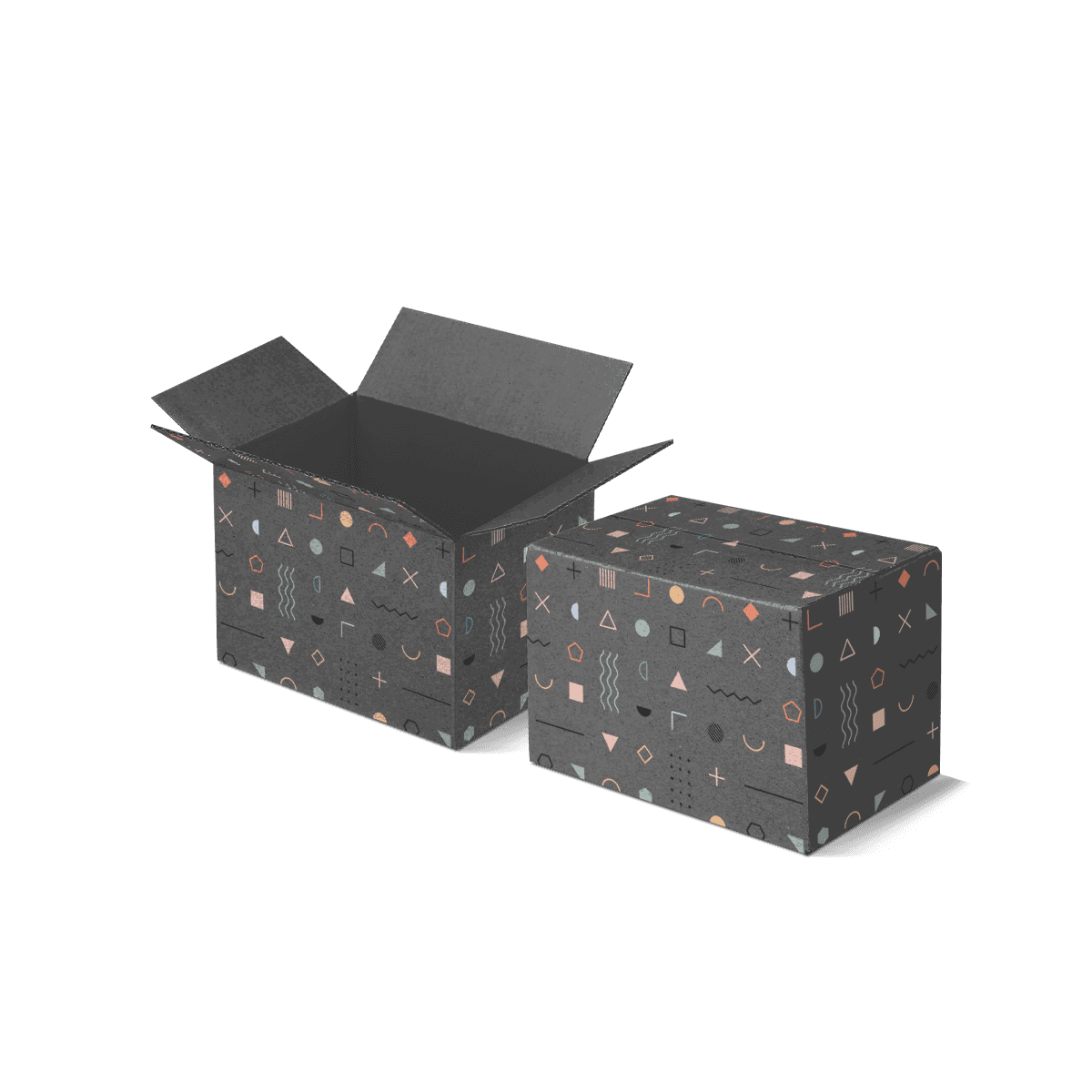
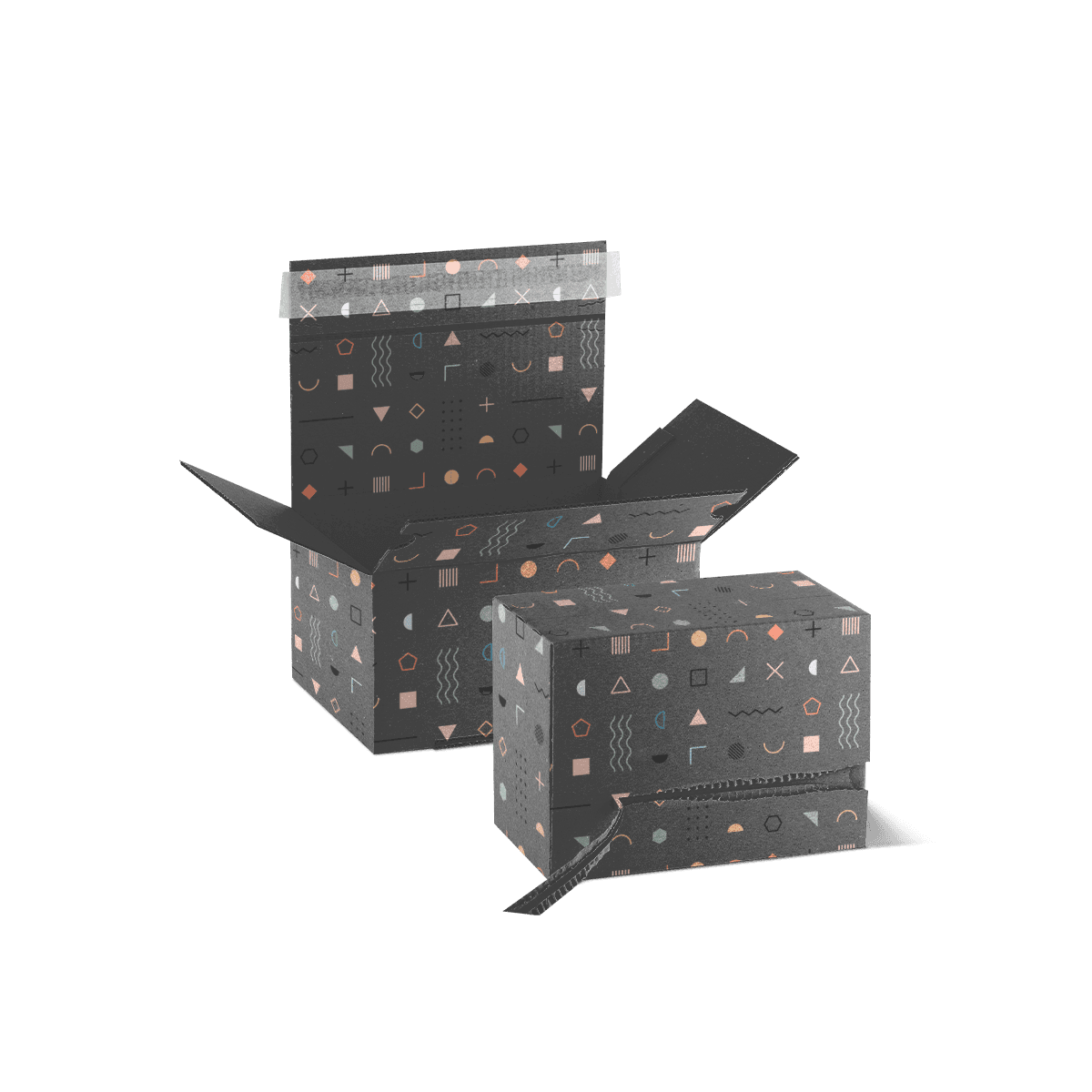
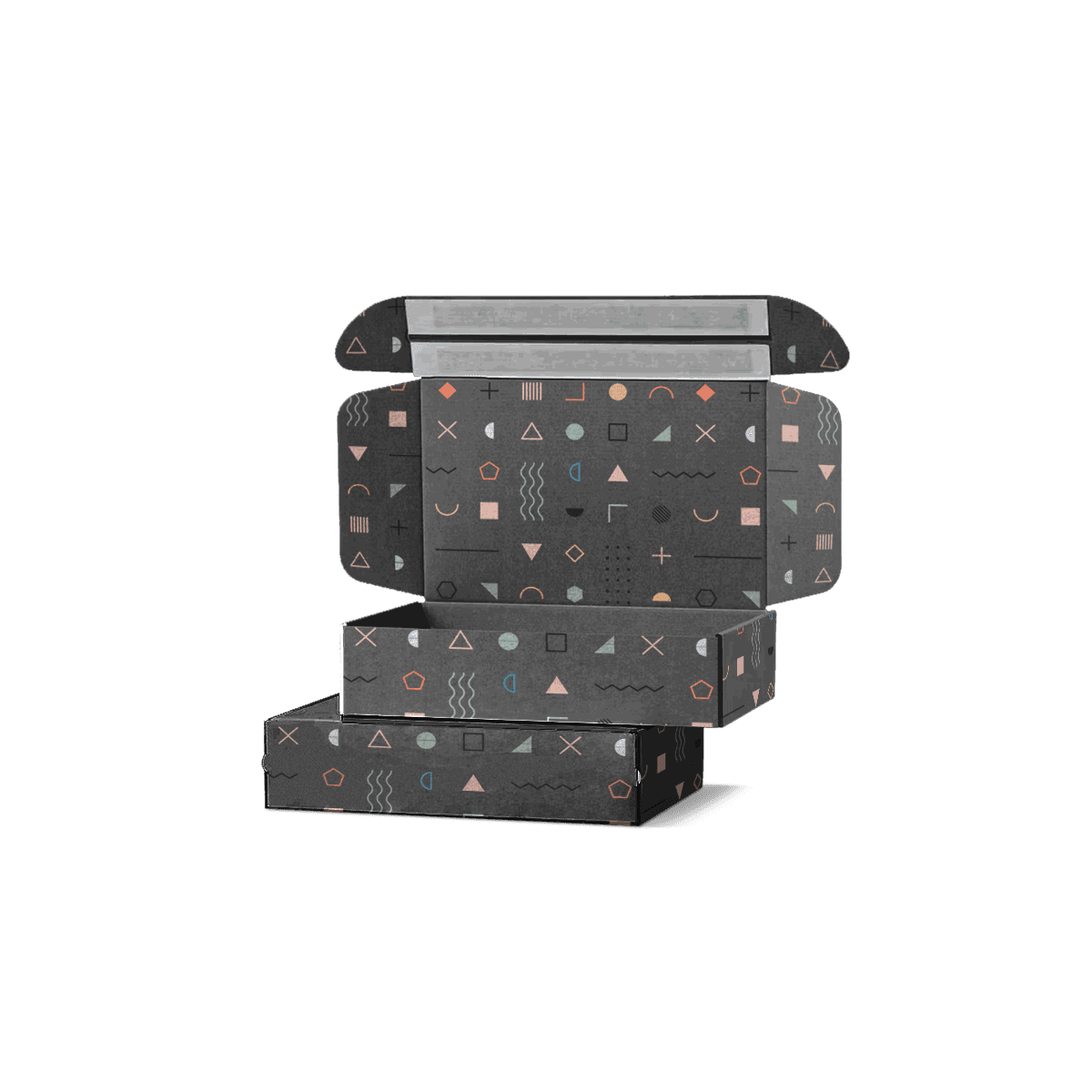
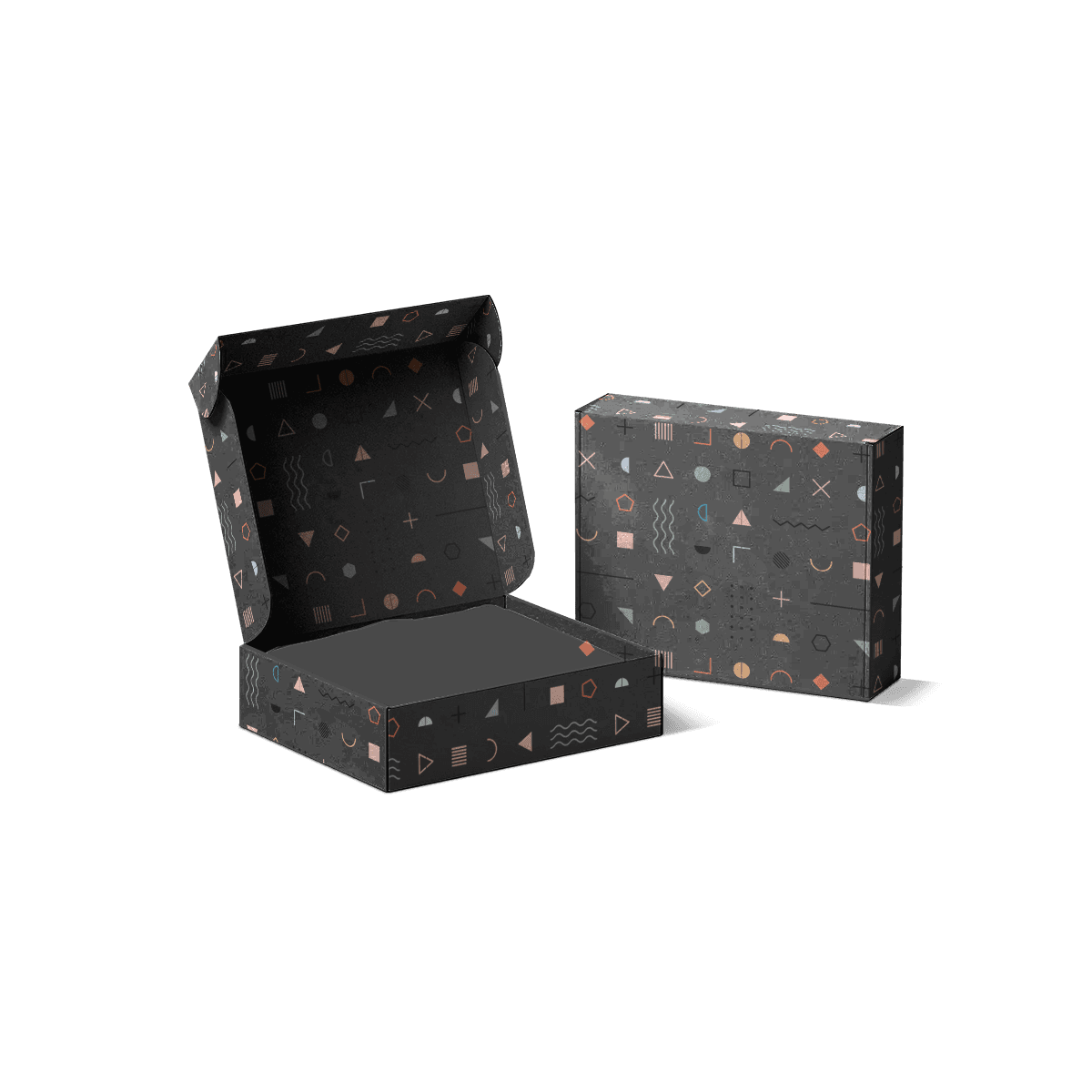
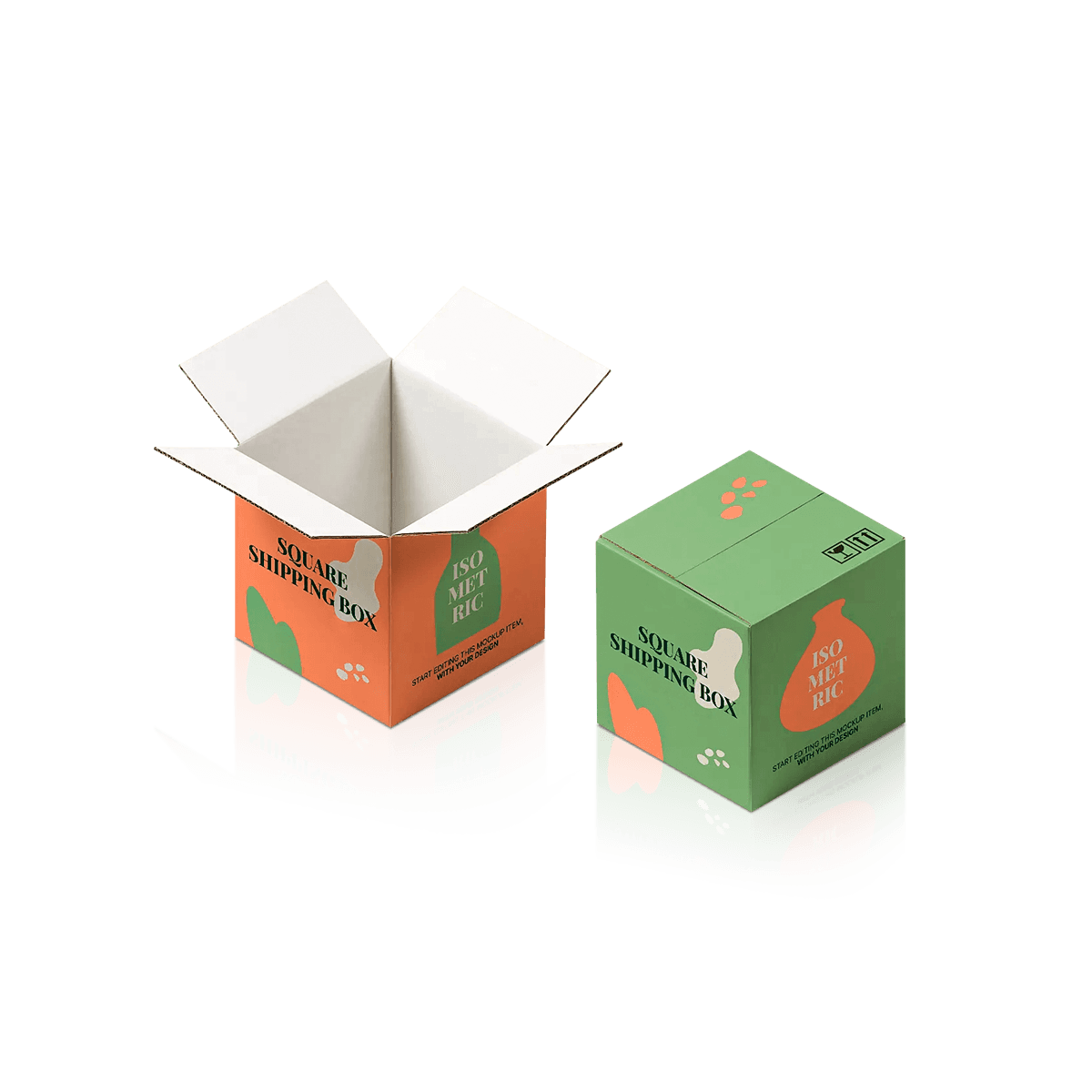
The shipping box structures used for this job include regular slotted cartons, die-cut shippers, multi-depth boxes and other corrugated constructions selected for load and handling demands. A lighter order where the box itself is part of the reveal may fit Product Mailer Boxes better.
The distinction matters because making a mailer heavier does not automatically create a good shipper. Outer cartons see different stresses. Bottom panels carry the packed weight. Top and side panels take compression. Corners meet conveyors, neighboring parcels and warehouse stacks. Labels and tape need uninterrupted surfaces. The structure has to tolerate those jobs before print or finishes are considered.
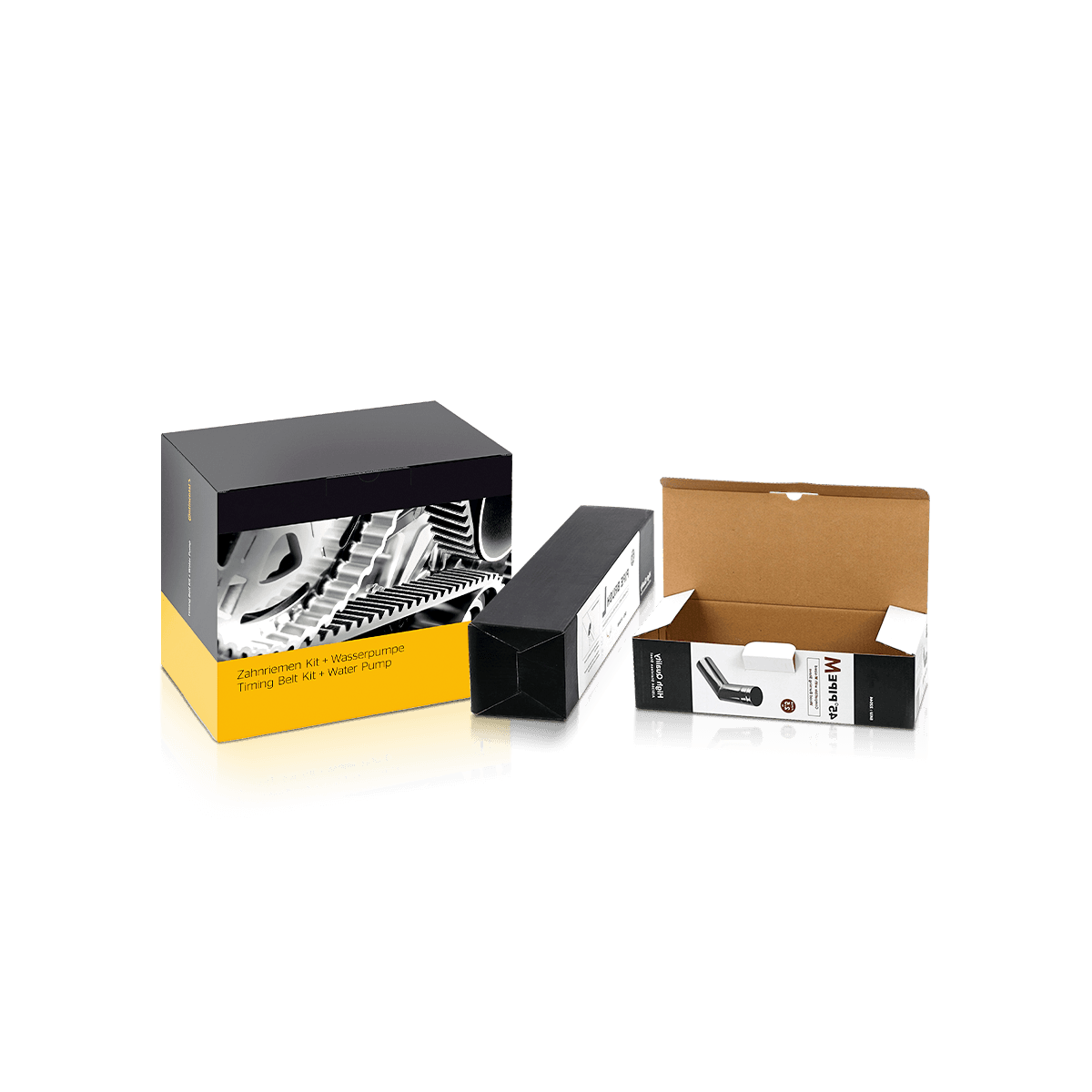
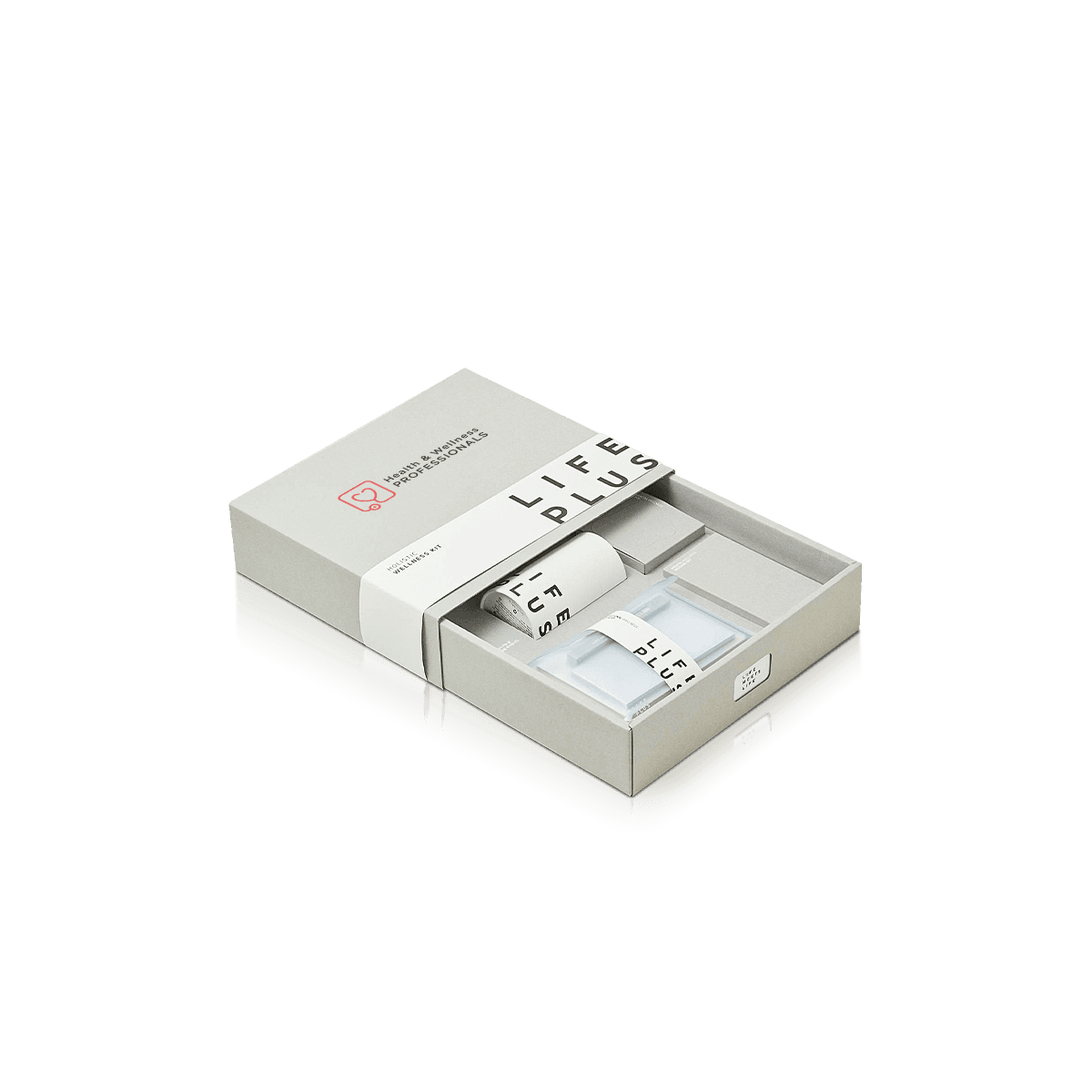
Mailer boxes, shipping boxes and folding cartons solve different packaging jobs, so the customer-facing layer and the transit layer do not always need to be the same box.
If the carton’s primary job is store replenishment, reseller distribution or mixed-SKU stock movement rather than direct parcel delivery, retail replenishment shipping boxes should be planned around the receiving workflow instead.