A Parcel Drop Is Not a Pallet Stack
The same product can require different shipping protection depending on how it travels.
A heavy countertop appliance moving through a parcel network may encounter repeated handling, impacts and changes in orientation. Several identical appliances traveling together on a pallet may instead face sustained compression from the cartons stacked on top.
Both shipments need a strong corrugated case, but the demands placed on each package are different.
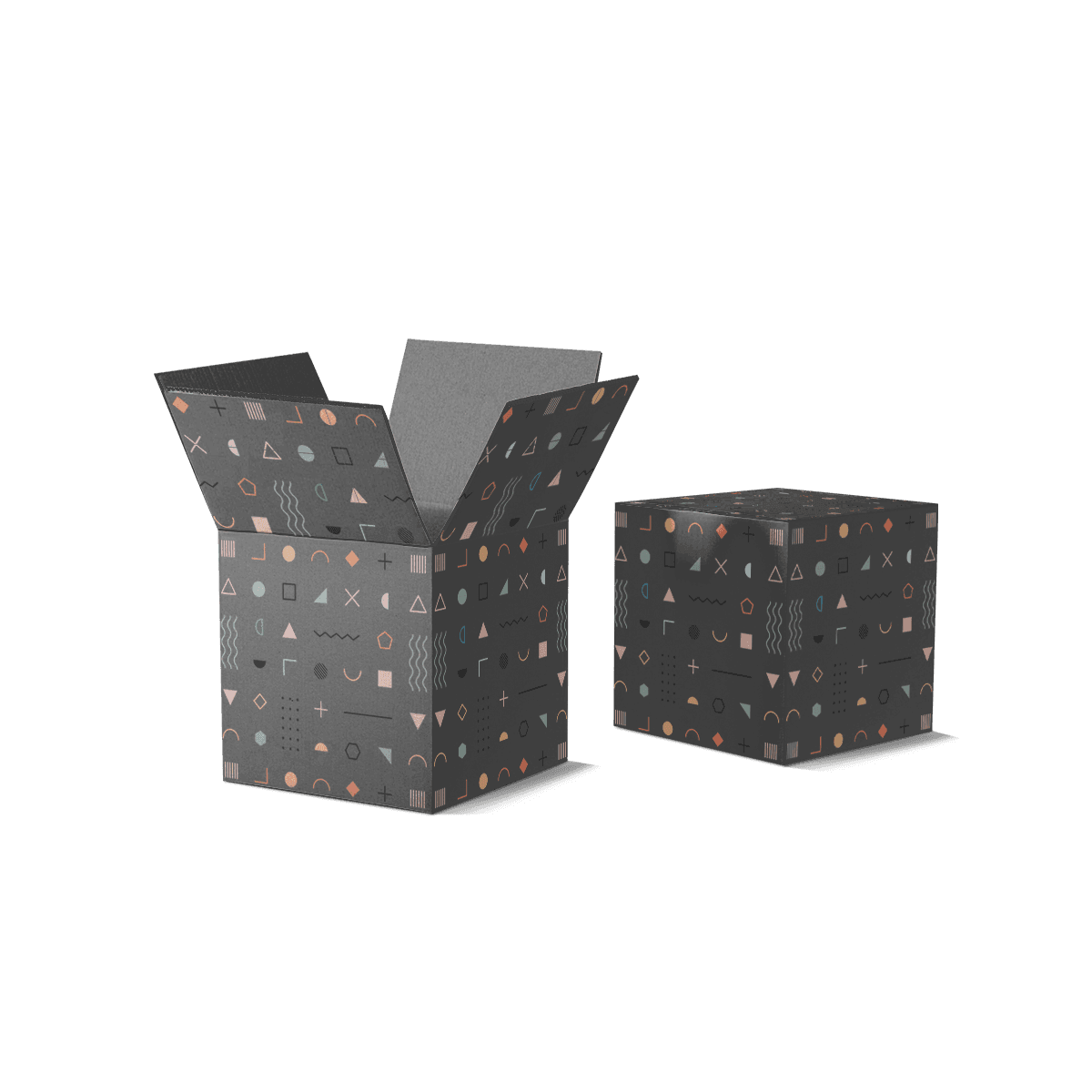
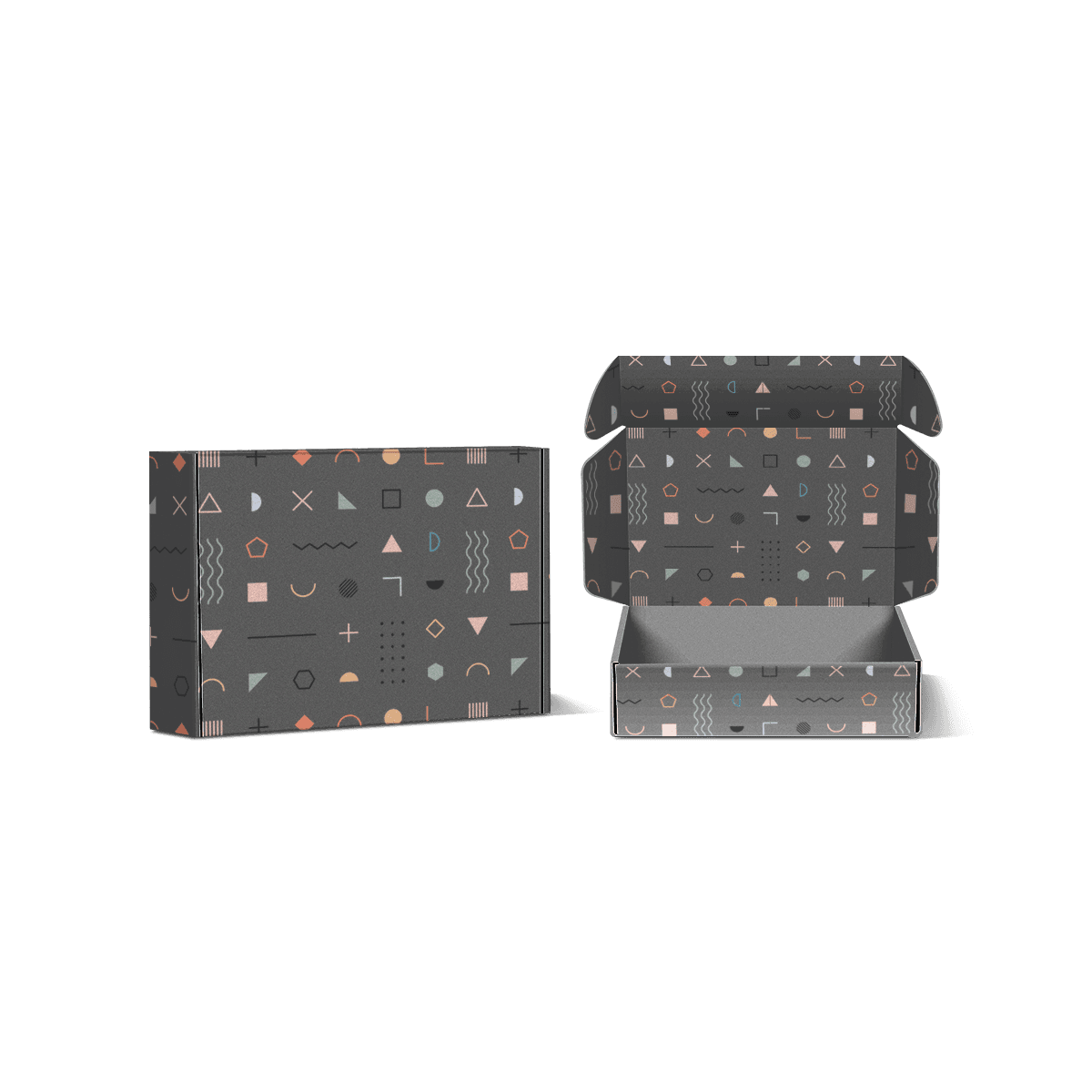
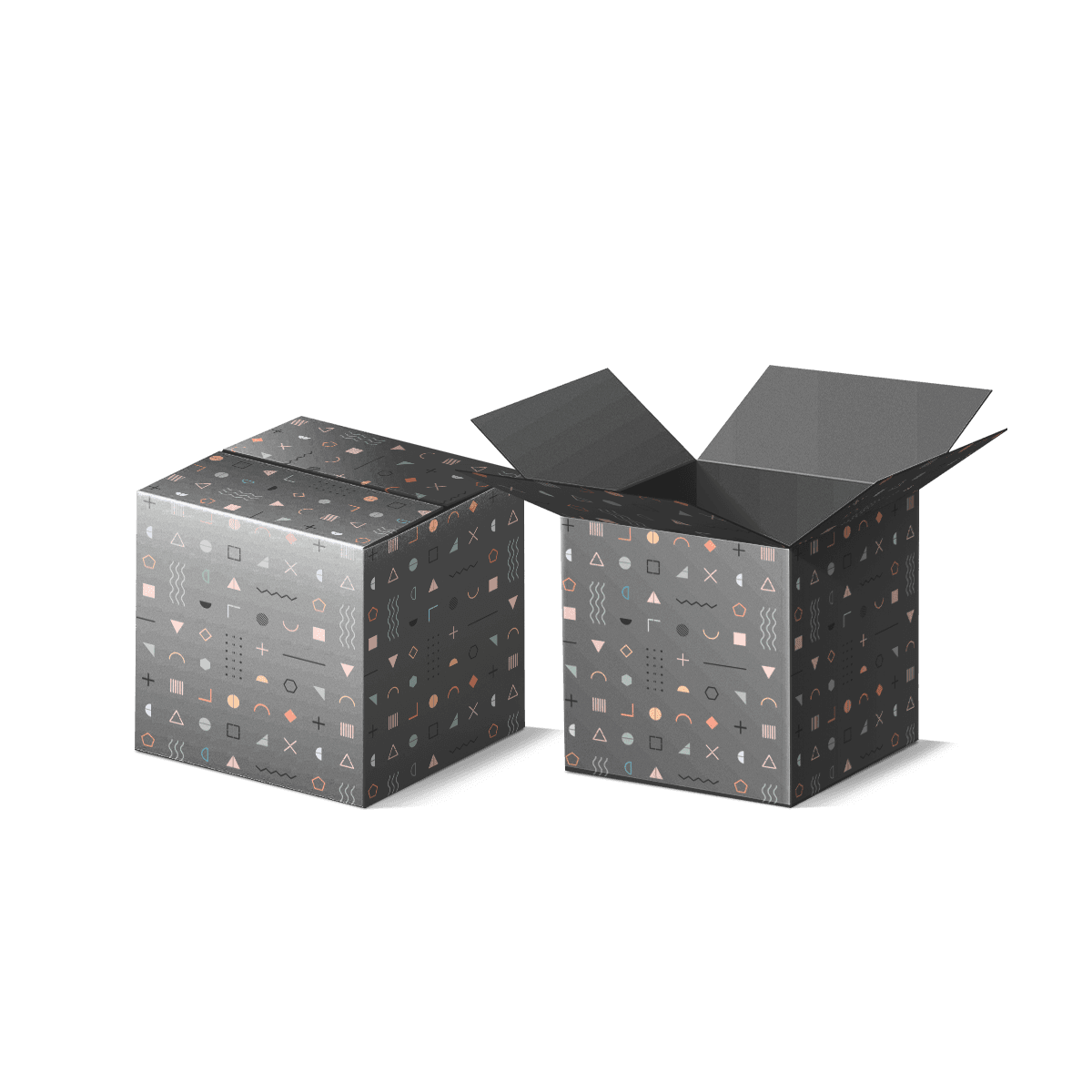
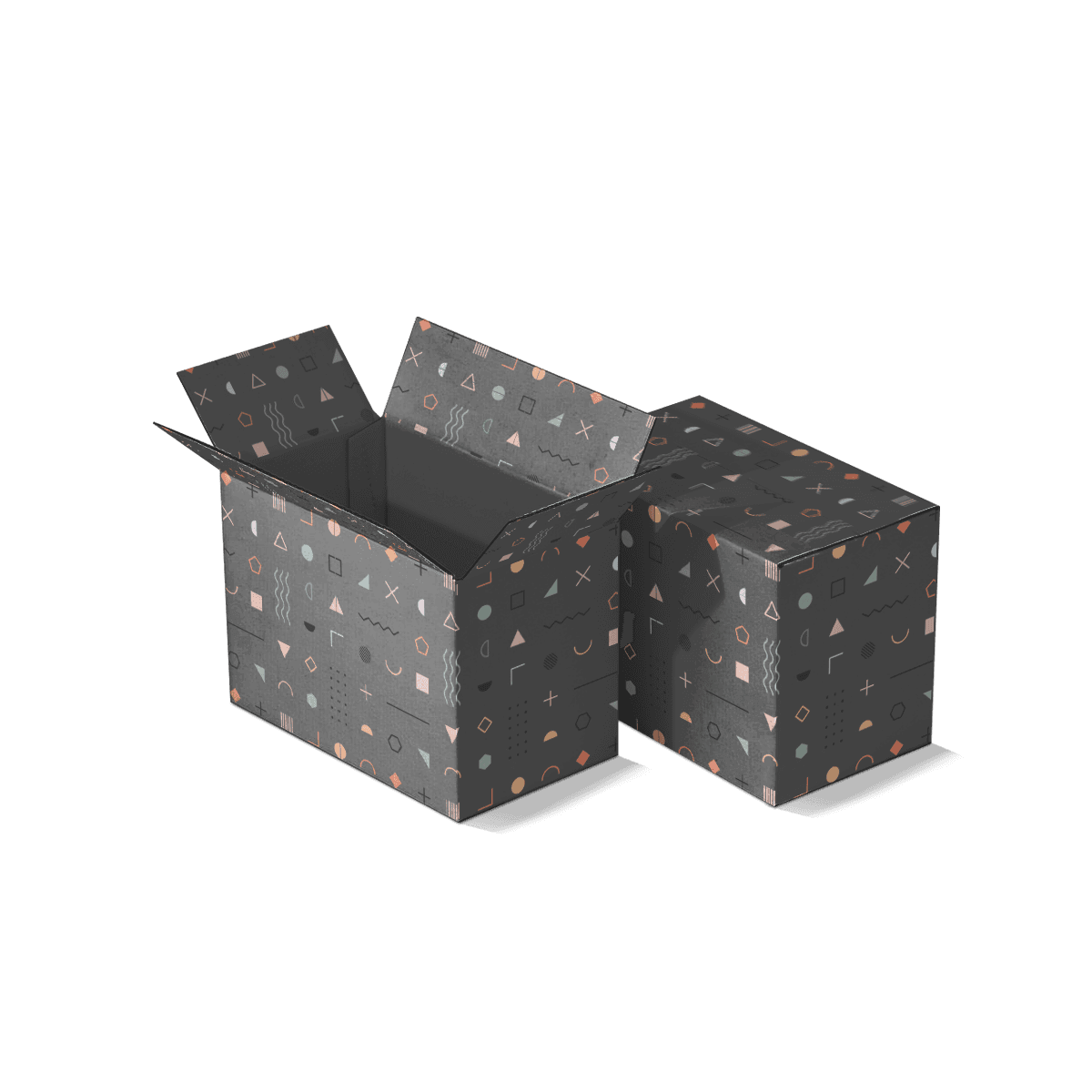
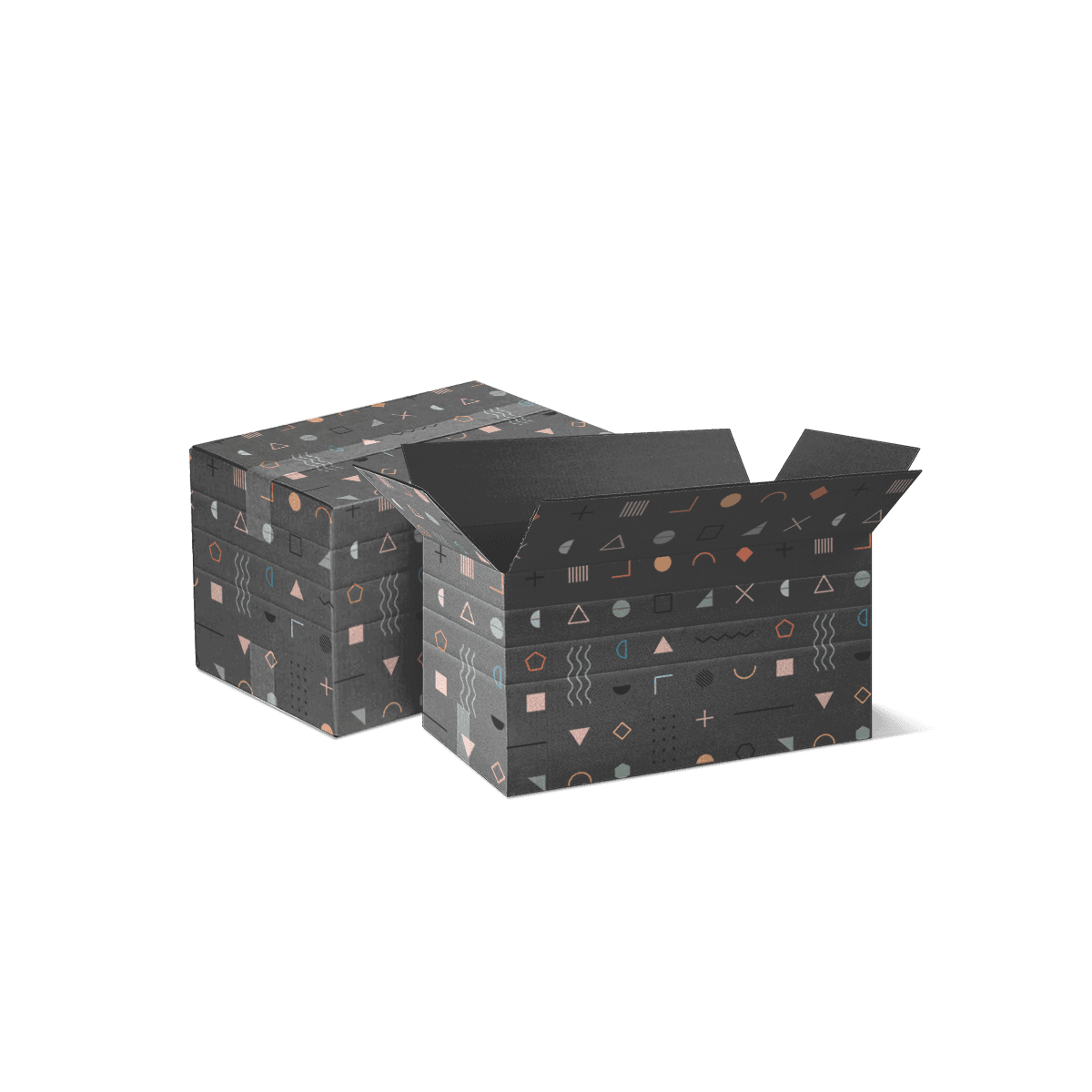
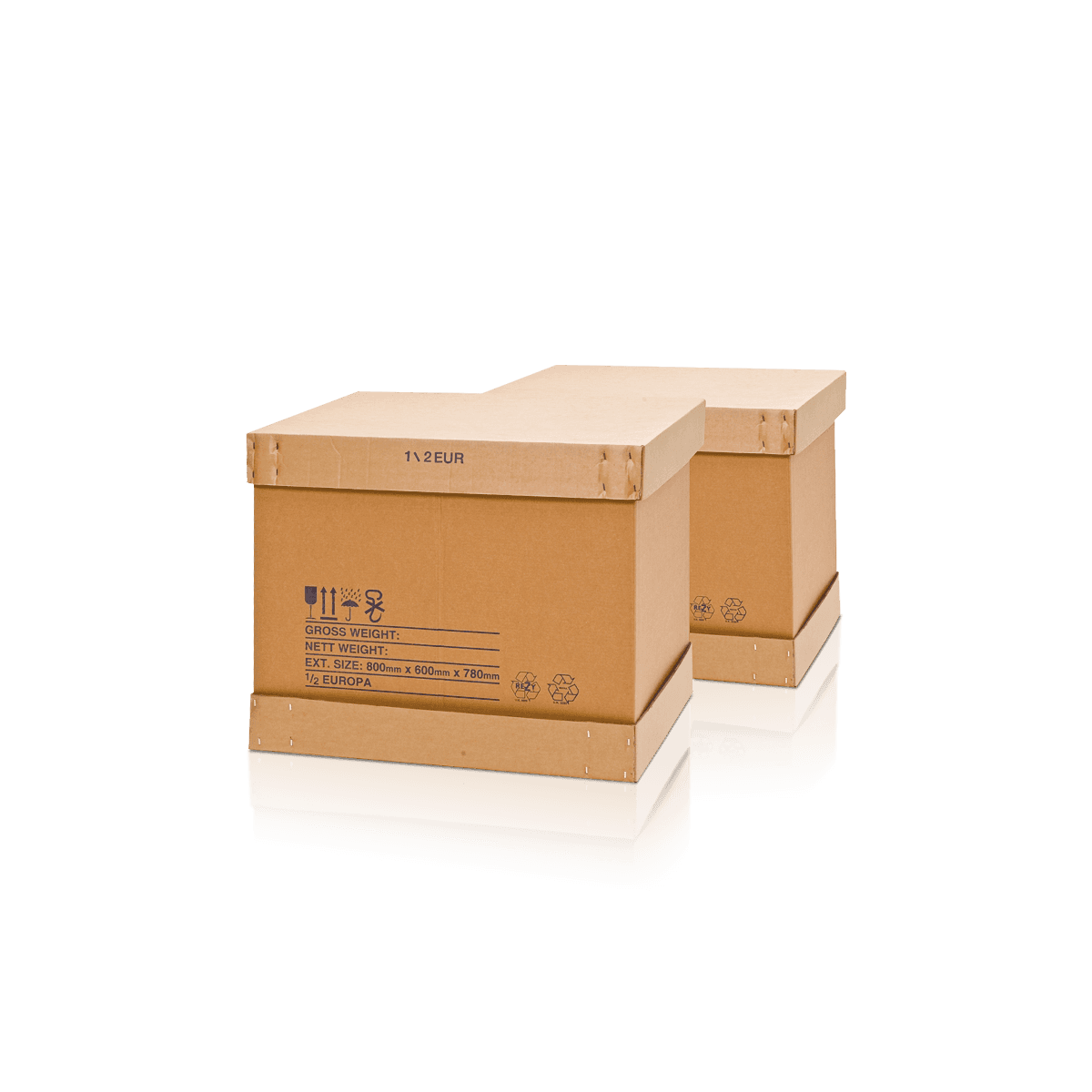
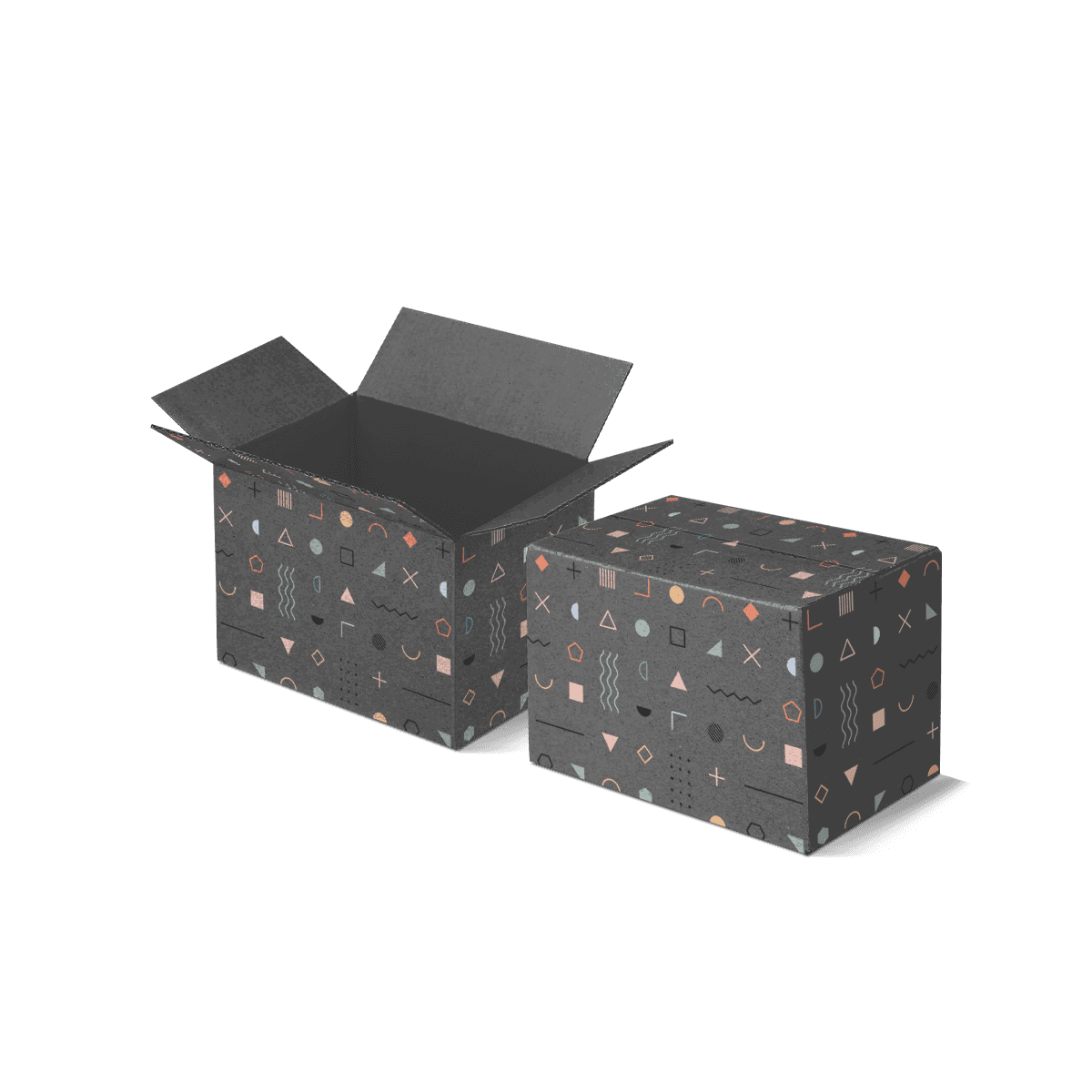
Custom Heavy-Duty Shipping Boxes are made-to-order corrugated cartons for shipments that require greater structural performance than an ordinary shipping case can reliably deliver.
They can accommodate heavy ecommerce orders, fragile equipment, wholesale replenishment and industrial products moving through demanding distribution networks.
The appropriate construction depends on the complete packed shipment and its transportation route.
Individual Parcel Shipments
Individual parcels can pass through automated sorting equipment, loading facilities and several handling stages before reaching the recipient.
Their packaging needs to account for impacts, changes in orientation and pressure against vulnerable surfaces.
A stronger corrugated construction may be appropriate, but the contents must also remain secure.
A fragile product that moves freely inside a double-wall box can still be damaged even when the carton remains intact.
For businesses shipping heavier products directly to customers, ecommerce retail packaging must balance structural performance with practical dimensions and efficient fulfillment.
Palletized Distribution
Palletized cases face a different combination of demands.
Boxes may remain stacked for extended periods before moving between warehouses, distribution facilities and retail destinations.
Compression resistance, stacking arrangements and the condition of the corrugated board become particularly important.
The outer carton must retain its shape while supporting the expected load.
If the shipment will eventually be removed from the pallet and sent individually, the original cases must also be suitable for that subsequent handling.
The approved specification should reflect the entire distribution process rather than assuming pallet transportation is the final stage.