Skip to content
Details

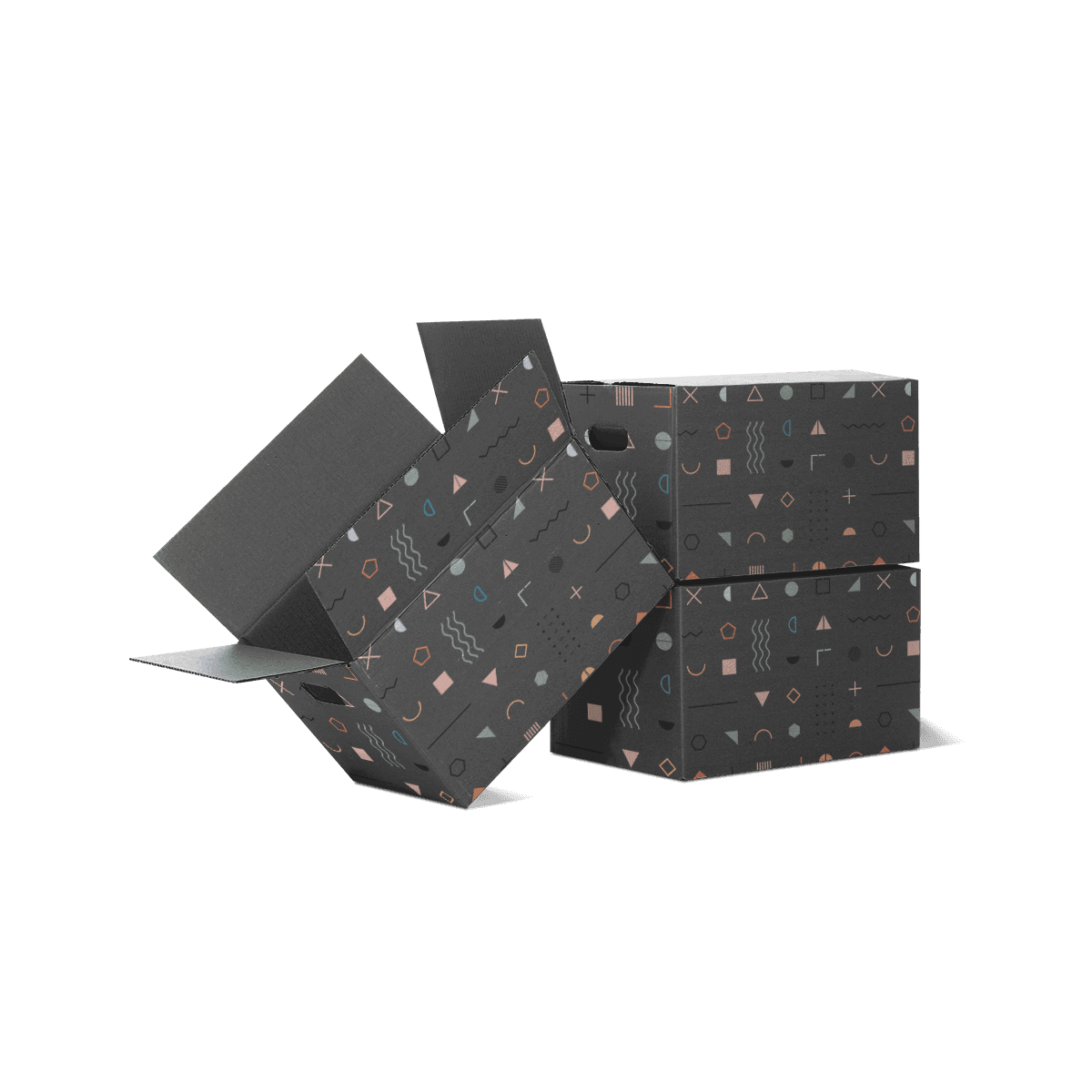
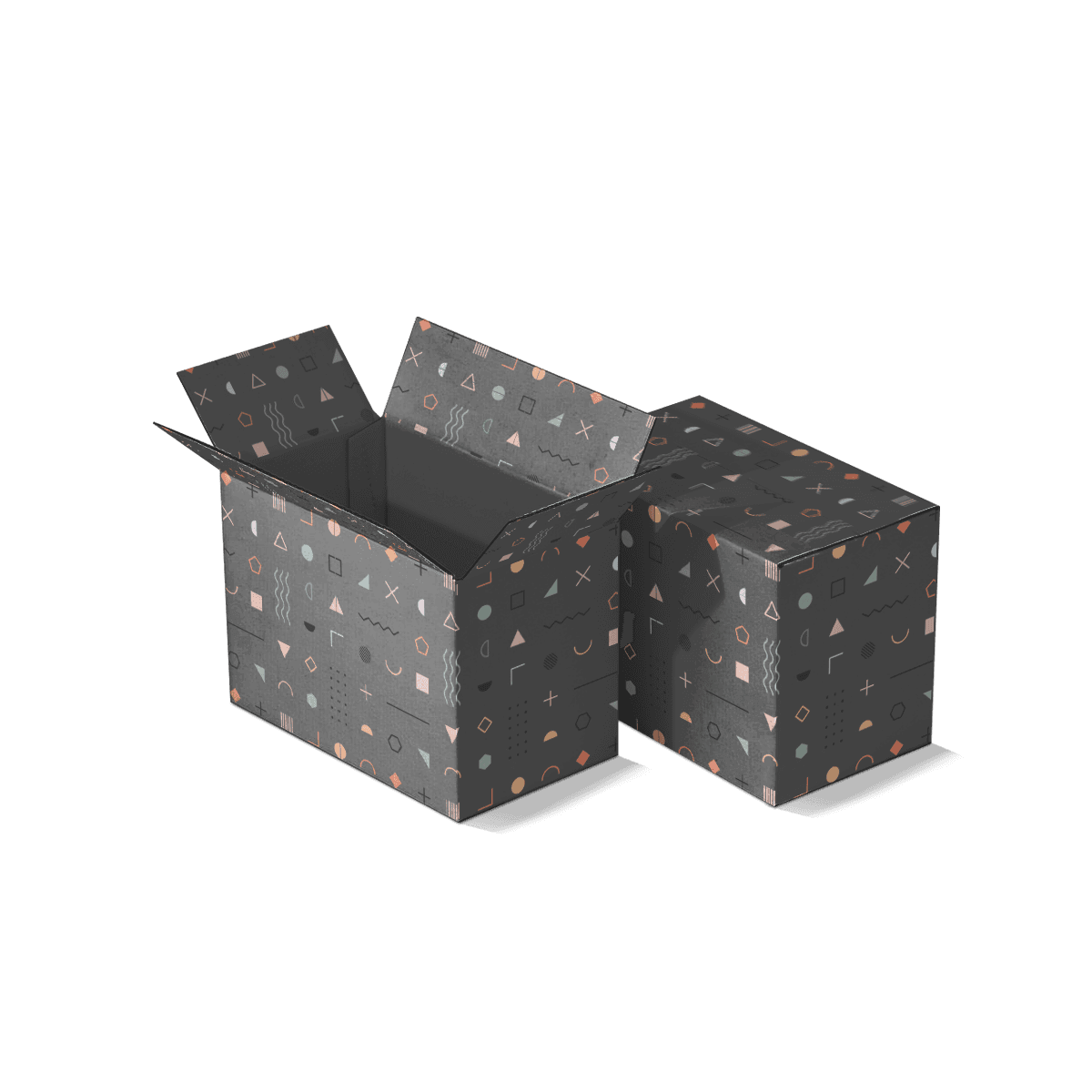
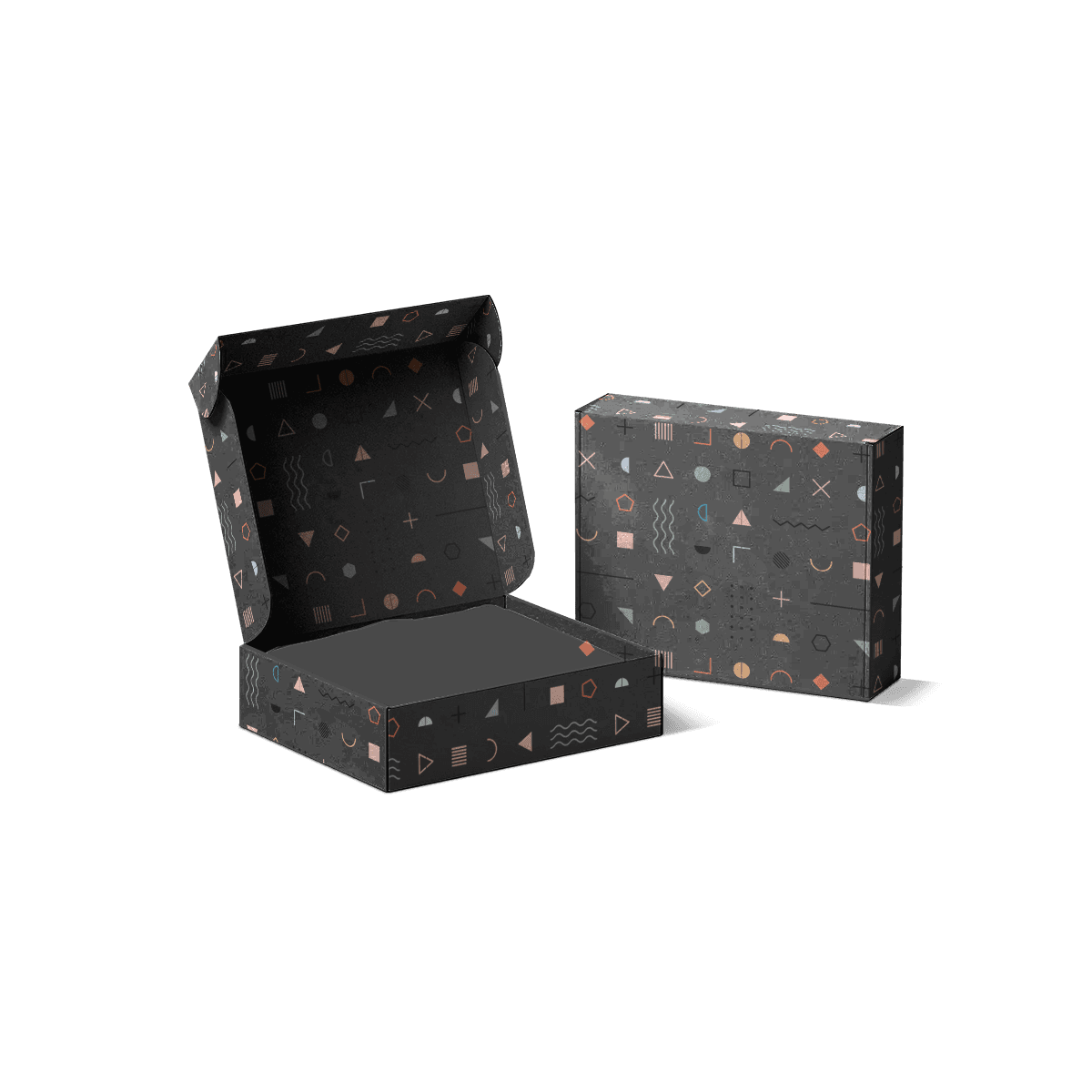
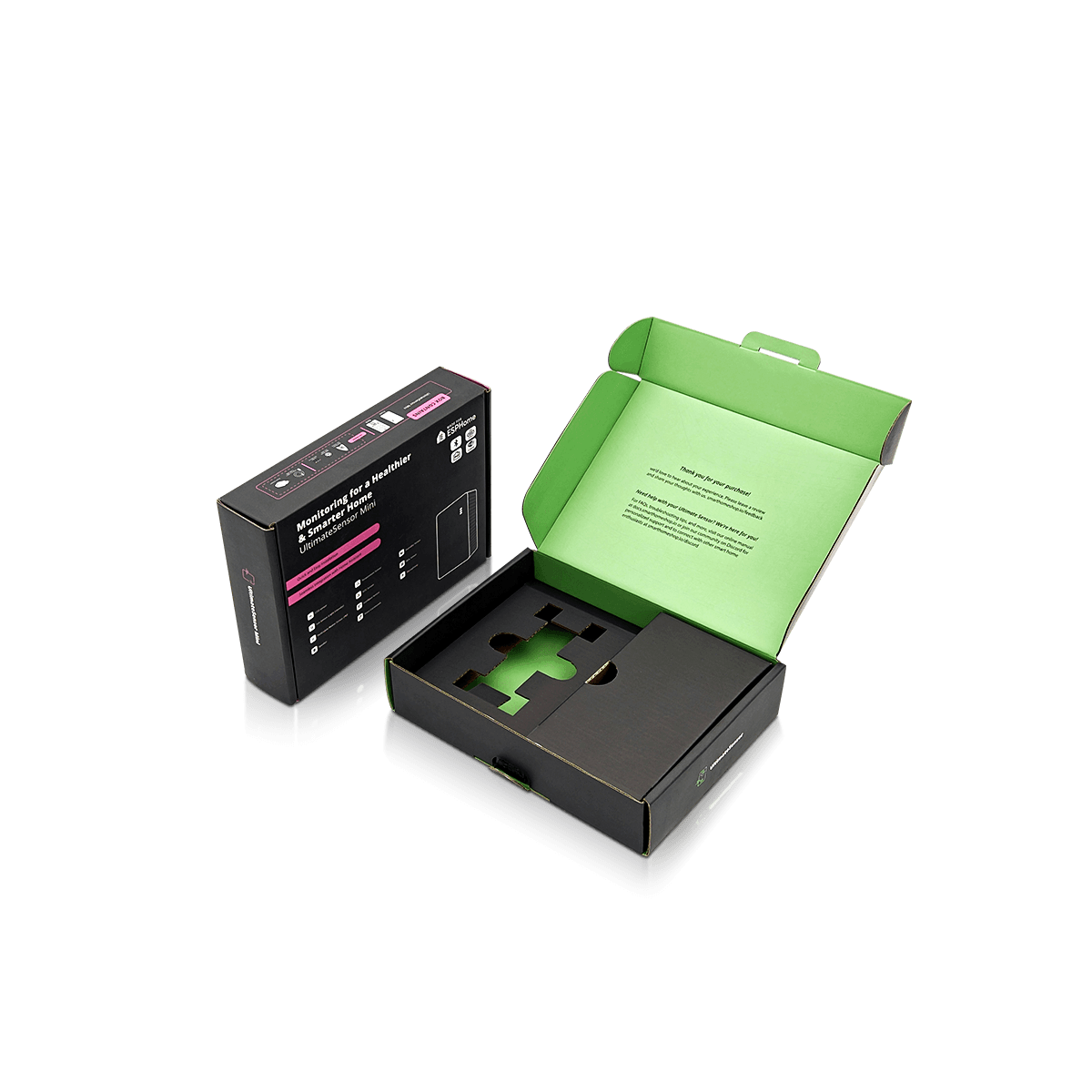
Custom Double-Wall Front Tuck-End Shipping Boxes

Reinforced corrugated shippers that combine layered wall construction with a front tuck closure for stronger edges, cleaner box formation and controlled access to heavier or more demanding packed orders.
Dieline preview

Generate a Half Slotted Container Dieline

Use custom dimensions to view the dieline for this box style and plan artwork with more confidence.

Bleed
Crease
Trim

No preview available

Half Slotted Container

Calibrated controls

Current size315 × 202 × 180 mm
Preview scale100% centered
StateValidated
Next Step

Turn Your Dieline Into Custom Packaging

Share your box size, quantity, material, print and artwork details on the quote page. We’ll review your dieline and email your custom packaging quote with the dieline file.

Continue to quote

“Double Wall” Can Mean Two Different Things

This box style starts with an important distinction.

In Double-Wall Front Tuck-End Shipping Boxes, double wall can describe structural panels that fold over themselves to create reinforced box walls. That is different from double-wall corrugated board, where two fluted mediums are combined in the material itself.

Those decisions should not be treated as interchangeable.

A shipper can use a double-wall tuck-front structure without automatically requiring double-wall corrugated board. Conversely, a conventional shipping carton can be produced from double-wall corrugated without using this front-tuck structural format.

The structural style controls how the box forms, where reinforcement appears and how the front closure works. The corrugated specification controls board stiffness, thickness and load capability.

Separating the two prevents unnecessary material upgrades and makes the structure easier to specify correctly.

The Shipping Boxes group includes formats that solve strength in different places, from flap reinforcement to heavier board construction and custom die-cut geometry.
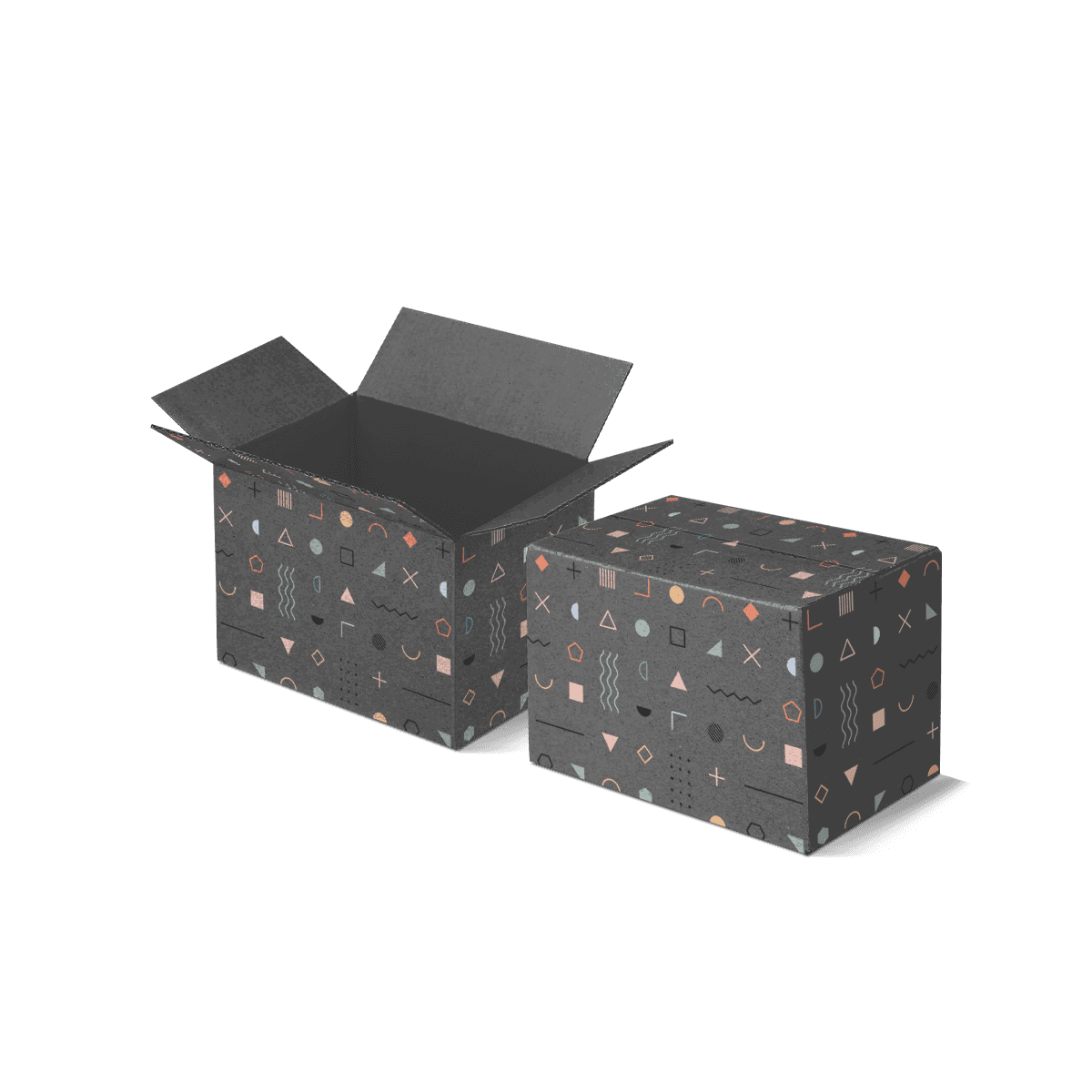
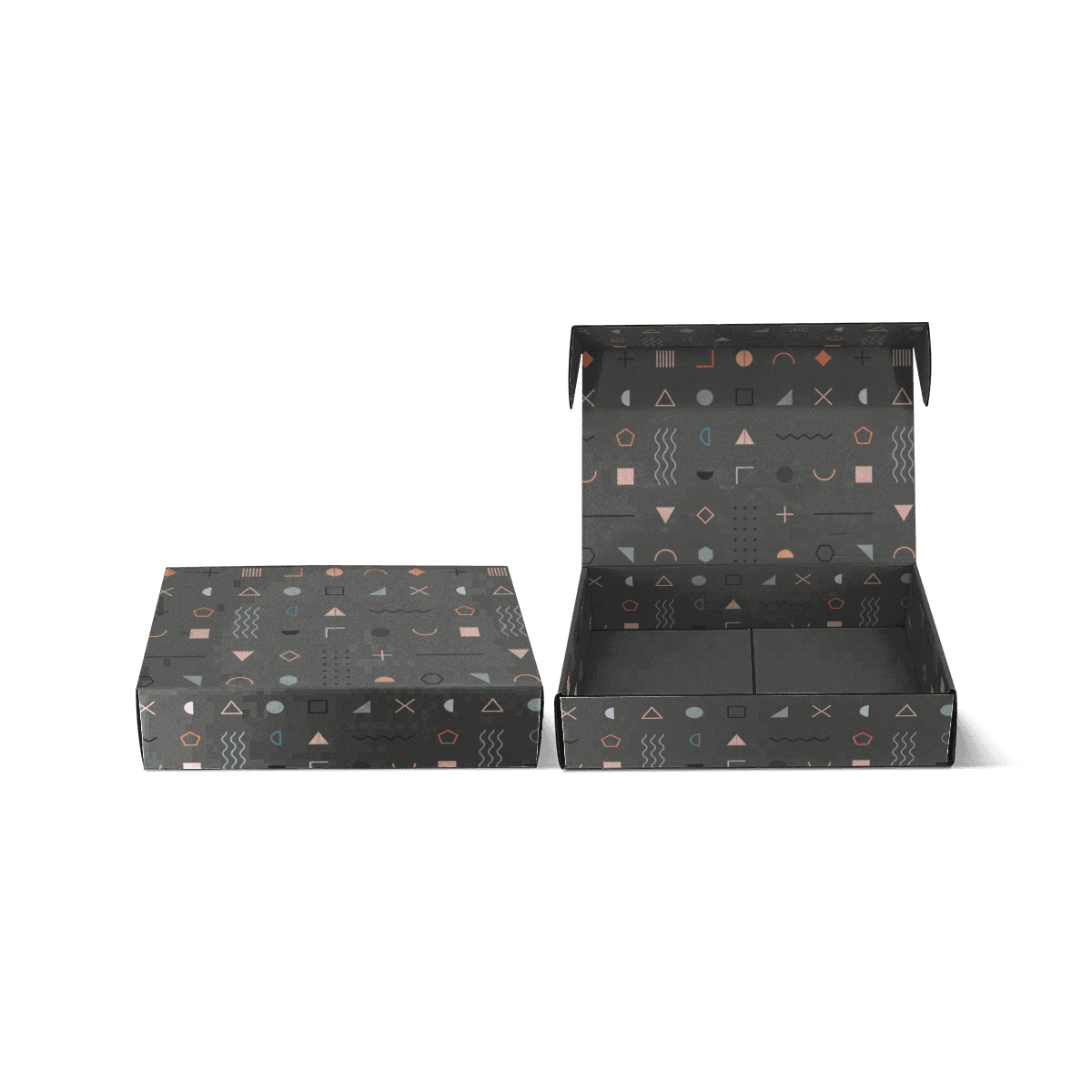
Reinforcement Sits Where the Box Is Handled

A front-tuck shipper is repeatedly touched around its opening edge.

The box is erected, loaded, closed, lifted, transported and eventually opened from the same general area. Reinforcing those walls can help the structure remain square and give the closing panel a more stable surface to engage.

This is different from strengthening the entire carton indiscriminately.

The double-wall folds can create layered support at selected walls while the rest of the structure remains relatively straightforward. That makes the format relevant when the opening perimeter needs more stiffness but the shipment does not justify turning every panel into a heavy-duty construction.

The Front Wall Has Two Jobs

The front wall helps hold the box shape and also receives the tuck closure.

If that wall bows outward under product pressure, the lid may no longer approach it cleanly. If it collapses inward, usable internal space changes and the packed product can interfere with closing.

A reinforced front area gives the closure a more predictable geometry.

Side Walls Keep the Opening Square

The side structure matters because the lid and front panel depend on the box remaining rectangular.

Layered side walls can resist casual bowing better than a single folded edge. Their value becomes especially noticeable in broad boxes where a small side distortion can change the alignment of the entire opening.

The Front Tuck Needs a Stable Landing Point

A front tuck is more than a decorative closing flap.

The lid travels over the product and engages at the front of the box. That movement requires enough clearance for the tuck to enter without dragging against the contents, insert or reinforced wall layers.

The closure should seat naturally rather than being held in place by excessive force.

A tighter tuck is not automatically a better tuck.

If the front engagement is too aggressive, staff may crush the receiving edge during packing. Customers may also tear the front wall while opening the box. Too little engagement can leave the lid loose after handling.

Tuck-Top Shipping Boxes put simple top access at the center of the structural decision.

Double-Wall Front Tuck-End Shipping Boxes add another concern: the reinforced wall system has to stay aligned with that closing motion.

Clear the Tuck Path

Products, padding and inserts should stop before they obstruct the receiving area.

A box can have enough nominal height and still close poorly if an internal fitment rises directly behind the front wall. The tuck then competes for the same space.

The closing path should be reserved while the interior is being engineered.

Folded Layers Reduce the Usable Cavity

Reinforcement takes physical space.

When corrugated panels fold over themselves, the finished wall becomes thicker than the flat dieline may suggest. That affects the product cavity and can become significant when the shipment is already tightly fitted.

Dimensions should therefore be considered after the reinforced walls reach their finished position.

External Size Is Not Internal Fit

Two boxes with the same outside dimensions can offer different usable interiors when their wall constructions differ.

A product carton, tray or rigid component sitting close to the front and side walls may need additional clearance in this structure.

That does not mean leaving a large void.

The aim is to account for the folded corrugated before deciding whether the product fits.

Board Thickness Multiplies at Folded Areas

A heavier flute or thicker board changes more than general strength. It also changes how multiple folded layers meet.

A structural design developed around one board construction should not automatically be transferred to a much thicker corrugated build without checking those interfaces again.

Packaging materials affect thickness and stiffness as well as the way scores and folds behave.

Local Reinforcement Is Not Heavy-Duty Packaging

This format should not take ownership from Heavy-Duty Shipping Boxes.

A reinforced front and layered side structure can improve selected parts of the package, but it does not automatically give the whole shipping unit the performance of a heavy-duty carton.

Product weight, stacking pressure, puncture risk, pallet conditions and shipping route still matter.

For dense loads or demanding distribution, Heavy-Duty Shipping Boxes move the specification toward overall corrugated strength.

That distinction is useful because overspecification can happen in both directions.

A moderate ecommerce shipment may benefit from better wall geometry without needing a major board upgrade. A dense industrial component may need substantially stronger corrugated even if the front-tuck structure itself is well designed.

The structure and material should solve the stresses they actually receive.

Full Overlap Reinforces a Different Area

Double-wall front-tuck construction concentrates attention around walls and closure geometry.

Full-overlap cartons strengthen the package differently.

Full Overlap Boxes add corrugated coverage across the major top and bottom flaps.

That makes them relevant when top-panel pressure, bottom support or overlapping flap coverage is the dominant concern.

A double-wall front-tuck shipper becomes more compelling when the box needs reinforced perimeter geometry plus direct top access and a defined front closing action.

Neither mechanism is simply “stronger.”

They put corrugated in different places.

That is the more useful way to choose between them.

Price the Finished Structure, Not the Name

A meaningful quote needs the packed product dimensions, weight, quantity, corrugated direction, print requirements and any insert or cushioning components.

It also helps to describe why the double-wall front-tuck format is being considered.

Is the front edge deforming in a lighter box? Does the pack need more side-wall stiffness? Is top access important? Are several dense products pushing outward during shipping?

Those answers help separate a genuine structural requirement from an unnecessary upgrade.

Custom Double-Wall Front Tuck-End Shipping Boxes can start from 100 units. Because reinforcement and corrugated grade are separate decisions, transparent pricing with no hidden charges helps compare like-for-like structures before production.

An instant custom packaging quote can price the finished dimensions, corrugated specification, reinforced structure, printing and internal components together.

For larger runs, warehousing and scheduled deliveries can help stage flat packaging stock around actual fulfillment demand.

Product Pressure Can Distort the Front

Consider a shipment containing three dense retail cartons positioned side by side.

The overall dimensions appear correct, but one carton sits directly against the front wall. During packing, the contents press outward enough to bow that wall slightly.

The lid still reaches the front, but the tuck now enters at an angle. Staff begin pressing down on the lid and squeezing the front wall inward to complete the close.

The instinct may be to lengthen the tuck.

That would treat the symptom.

A better adjustment is to control the internal load before changing the closure. A small dimensional correction or a retainer that stops the cartons from pushing directly into the front wall allows the reinforced structure to stay square.

The original closure can then seat without extra force.

The issue was not insufficient front-tuck length. It was product pressure changing the geometry the tuck depended on.

Internal Protection Must Leave the Reinforcement Working

Stronger walls do not stop products from colliding inside the box.

A dense bottle, electronic component or hardware set can still move across the cavity and strike the reinforced perimeter. The wall may survive while the product does not.

That makes product control a separate engineering task.

Pads can separate a product from a wall. Dividers can stop components from contacting one another. Fitted trays can position an item. Cushioning can reduce impact where fragility requires it.

Packaging inserts solve positioning and cushioning jobs that reinforced outer walls do not.

Do Not Block the Folded Wall

An insert should fit inside the finished reinforced cavity rather than compete with the wall as it is erected.

A full-width fitment designed against flat dimensions can become too large once the double-wall panels fold into position.

The insert, outer structure and product should therefore be checked as one assembled system.

Give Dense Products a Load Path

A heavy component should sit where the base can carry it cleanly.

If the product leans against a wall to remain upright, the wall is being asked to position the product and support lateral load at the same time.

A better internal fit can reduce that dependency.

Assembly Has More Consequences Than It Looks

A reinforced die-cut shipper can arrive flat while still requiring several deliberate folds at the packing station.

The order of those folds matters.

If one doubled wall has to be formed before another panel can lock into position, the sequence should be obvious. If the front reinforcement depends on small tabs or slots, they should engage without repeated hand adjustment.

The finished box may look simple even though the flat blank contains several functional panels.

That makes pack-line observation especially valuable.

Erect Several Boxes in Normal Conditions

Do not judge assembly from one carefully folded prototype.

Have the intended packing team form several boxes from flat, load them and close them at a realistic pace.

Watch for walls that spring back, corners that need correction and front panels that change position from one packer to another.

The goal is repeatable geometry, not a perfect demonstration sample.

A paid fully custom pre-production sample can be arranged when exact assembly, fit and closure behavior need physical validation before the main run.

Transit Testing Should Challenge the Whole Pack

Reinforced walls can create a sense of security that hides a weak point elsewhere.

The top panel may still flex. The bottom may still carry too much concentrated weight. The insert may collapse. The product may still move enough to damage itself.

Testing should therefore use the complete packed shipment.

Load the actual product at its intended weight. Include inserts, instruction material and accessories. Close the front tuck exactly as production staff will close it.

Then examine the package after the handling conditions that matter to the shipment.

Custom packaging testing can help structure checks around product fit, closure behavior, board, impact and compression risk.

The useful question after testing is not simply whether the reinforced wall survived.

It is whether the entire packaging system kept the product controlled and the closure functional.

Printing Has to Respect Layered Panels

Double-wall structural panels create artwork surfaces that change during assembly.

Part of a flat panel may remain visible on the finished box. Another part may fold inward and become an internal wall. A locking area may disappear behind another layer.

This matters when exterior branding continues around the front or sides.

Important text, barcodes and logos should sit on faces that remain cleanly visible after the reinforced walls are formed.

Front Artwork Shares Space With the Closure

The front is both a branding surface and a working mechanical area.

A large logo may sit well there, but small text should not crowd tuck slots, fold lines or locking features. If a shipping label may also occupy the top or side, artwork placement should anticipate the operational label area.

Custom Packly’s packaging capabilities can coordinate corrugated structure, printing, inserts and finishing after the panel functions are settled.

Premium offset printing can support controlled graphics and brand color where a branded shipper needs more than basic logistics print.

The Dieline Has to Show Which Wall Becomes Double

This is a structure where the flat layout can be misleading to someone looking only at panel size.

The dieline should make the fold sequence understandable.

Cut lines define the blank. Creases determine where each layer rotates. Slots and tabs establish the locking relationships. Reinforcement comes from how those elements assemble, not from a label placed on the drawing.

For supported structures, the Dieline Generator includes Double-Wall Front Tuck-End Shipping Boxes as a selectable starting format.

That is particularly useful when the internal dimensions are already known and the team needs to see how the flat structure expands around them.

Custom Packly also includes design and dieline support plus free 3D mockups. A 3D view can help confirm panel relationships, while a physical sample remains the stronger check for wall thickness, tuck resistance and assembly feel.

Reinforcement Should Replace a Real Weakness

More corrugated is valuable when it removes a failure point.

The reinforced walls may help a broad shipper stay square. They may give the front tuck a more stable receiving edge. They may support a denser multi-item pack better than a lighter wall construction.

Those are structural reasons.

Adding doubled walls solely because the box sounds more substantial can increase board consumption and assembly work without meaningfully improving the shipment.

The complete pack should determine whether that tradeoff makes sense.

If the shipment only needs a conventional corrugated carton and secure tape closure, Custom Corrugated Shipping Boxes keep the decision centered on fit and transit performance.

If the reinforced front-tuck structure removes a known weakness, its extra folds are doing useful work.

Decide Where the Shipment Needs Strength

The final structural decision is not “single wall or double wall.”

It is where does this shipment actually need reinforcement?

If the problem is a weak opening perimeter, front-wall distortion or side walls that need to stay square around a tuck closure, Double-Wall Front Tuck-End Shipping Boxes can address that problem directly.

If the top and bottom panels need more coverage, full-overlap construction changes the load path differently.

If overall board performance is the limiting factor, a heavy-duty specification deserves more attention than the front-tuck mechanism.

That distinction keeps the package from being overbuilt in one area while remaining weak somewhere else.

Custom Packly's 24/7 packaging experts can work from a real stress point: show where the current shipper bends, opens, shifts or loses shape, then reinforce that behavior deliberately.

FAQs

Yes, that is where it usually performs best. The reinforced wall construction is useful when the shipment carries more weight, includes several components, or needs better side support than a lighter tuck-style box.

It helps most in repeat packing environments. Fulfillment teams can load, close, and reopen the box more easily, which is useful for kitting, quality checks, and occasional returns handling.

Choose Double-Wall Front Tuck-End Shipping Boxes when you need more reinforced wall support, a firmer front closure area, or better support for denser contents. Roll End Tuck-Front Mailers are often the better choice for lighter subscription packs and simpler e-commerce shipments.

Yes. This style pairs well with divider inserts, corrugated fitments, foam supports, and tray-style packing layouts when products need cleaner separation or more stable positioning.

Yes. It offers a more finished appearance than a plain utility shipper, so brands can combine protective function with a better unboxing impression.

Process

How it works

Your Packaging Journey, From Idea to Production and Delivery

01

Tell Us Your Specs

Custom packaging boxes

Tell Us Your Specs

Provide size, quantity, printing, and finishes.

02

Get a Fast Quote

Custom packaging boxes

Get a Fast Quote

Instant transparent pricing, no hidden fees.

03

Design and Approval

Custom packaging boxes

Design and Approval

Artwork checks, revisions, and final sign-off.

04

Produce

Custom packaging boxes

Produce

Expert manufacturing to meet deadlines.

05

Ship to Your Door

Custom packaging boxes

Ship to Your Door

Hassle-free, flexible delivery options.

Get Your Quote for Custom Double-Wall Front Tuck-End Shipping Boxes

Share your product details, size, quantity and artwork needs. We’ll help choose the right packaging style and send a clear quote.