Skip to content
Details

Custom Amenity Kit Boxes

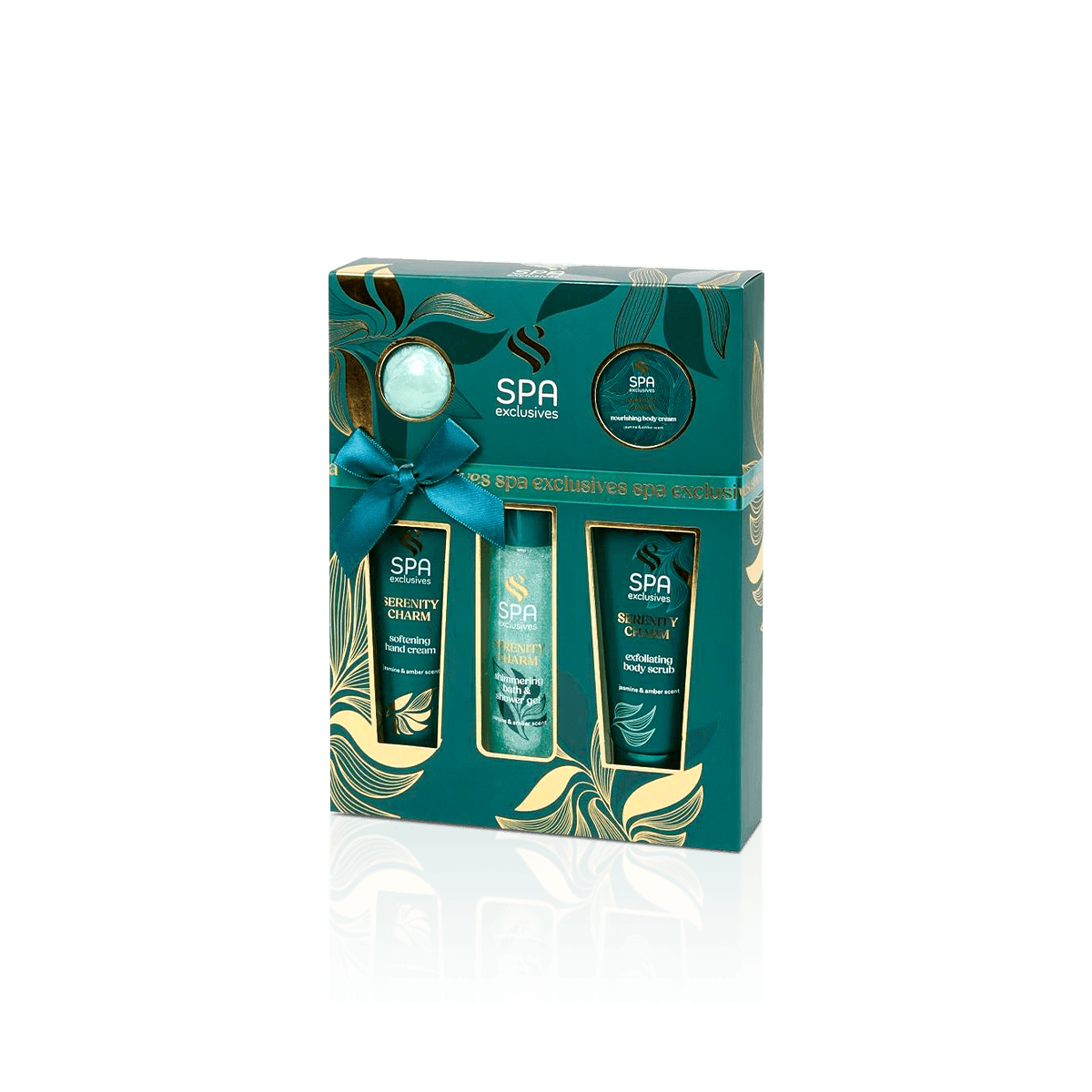
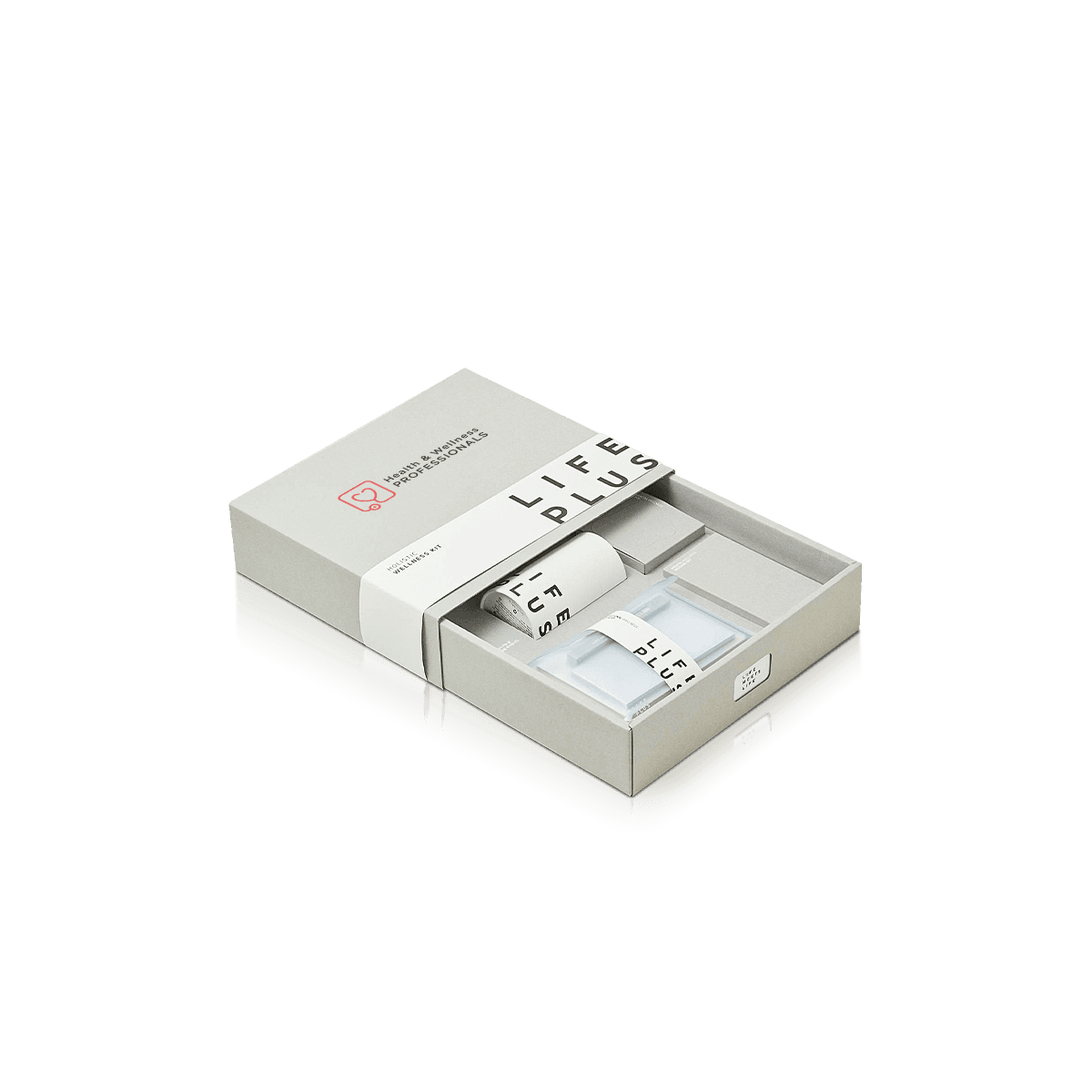
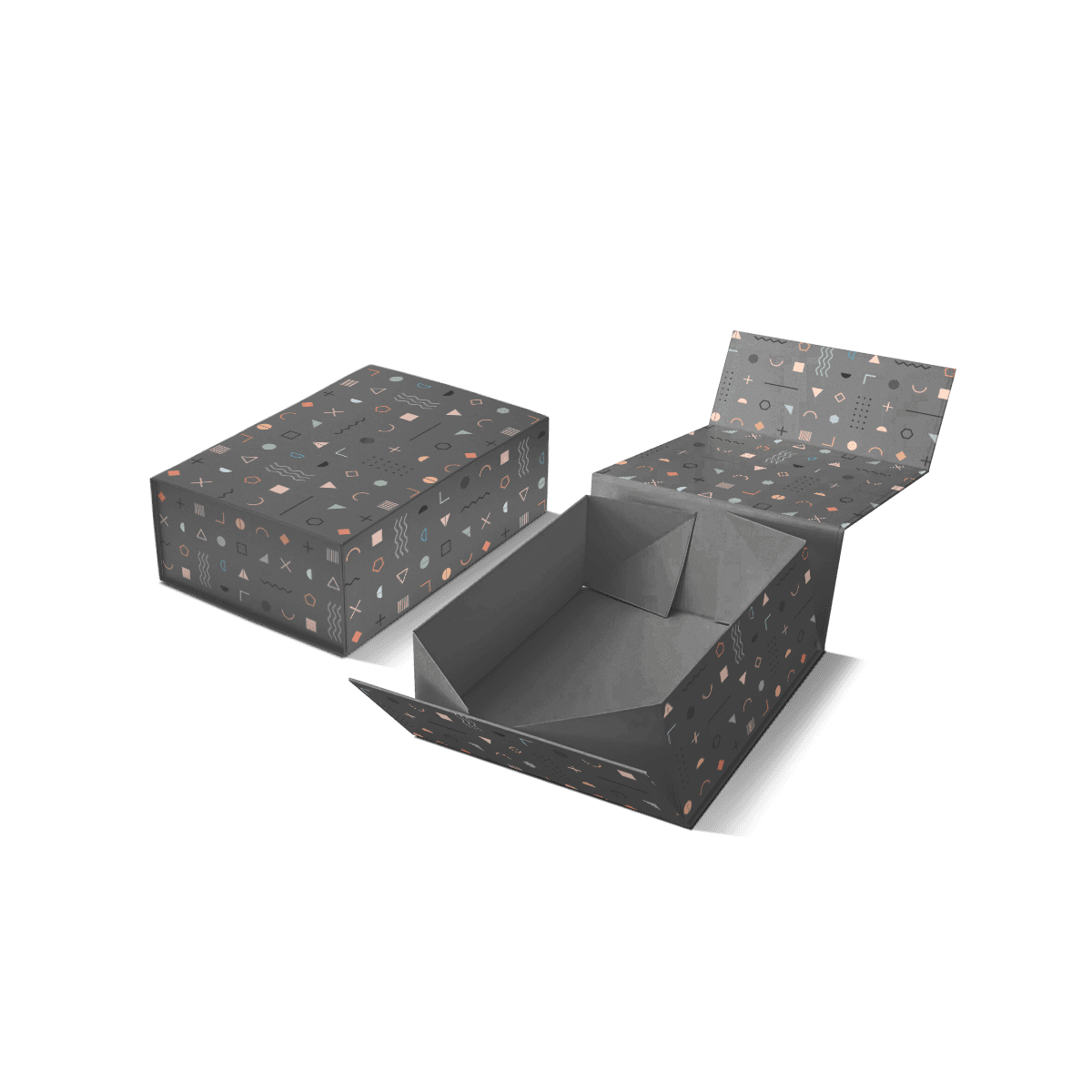
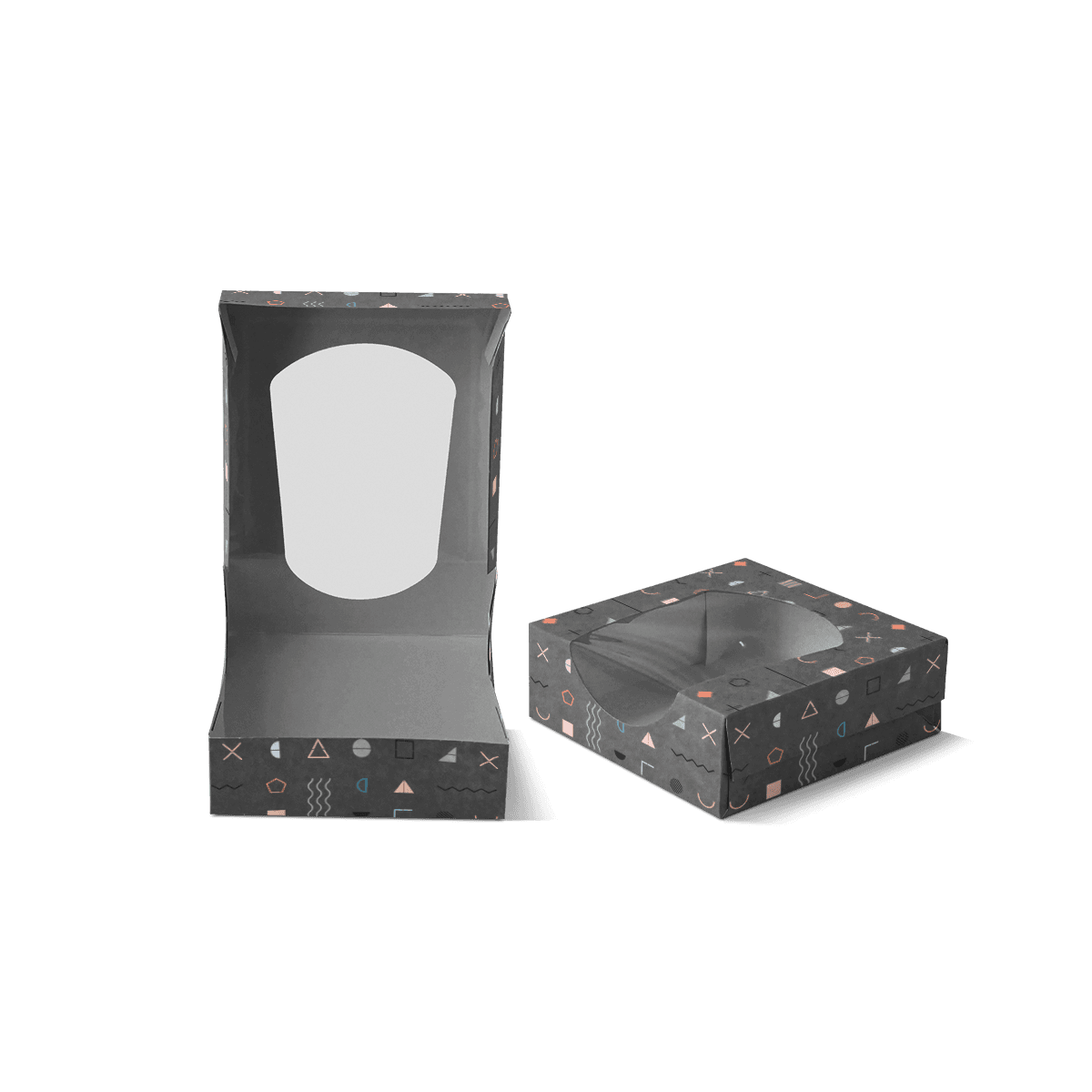
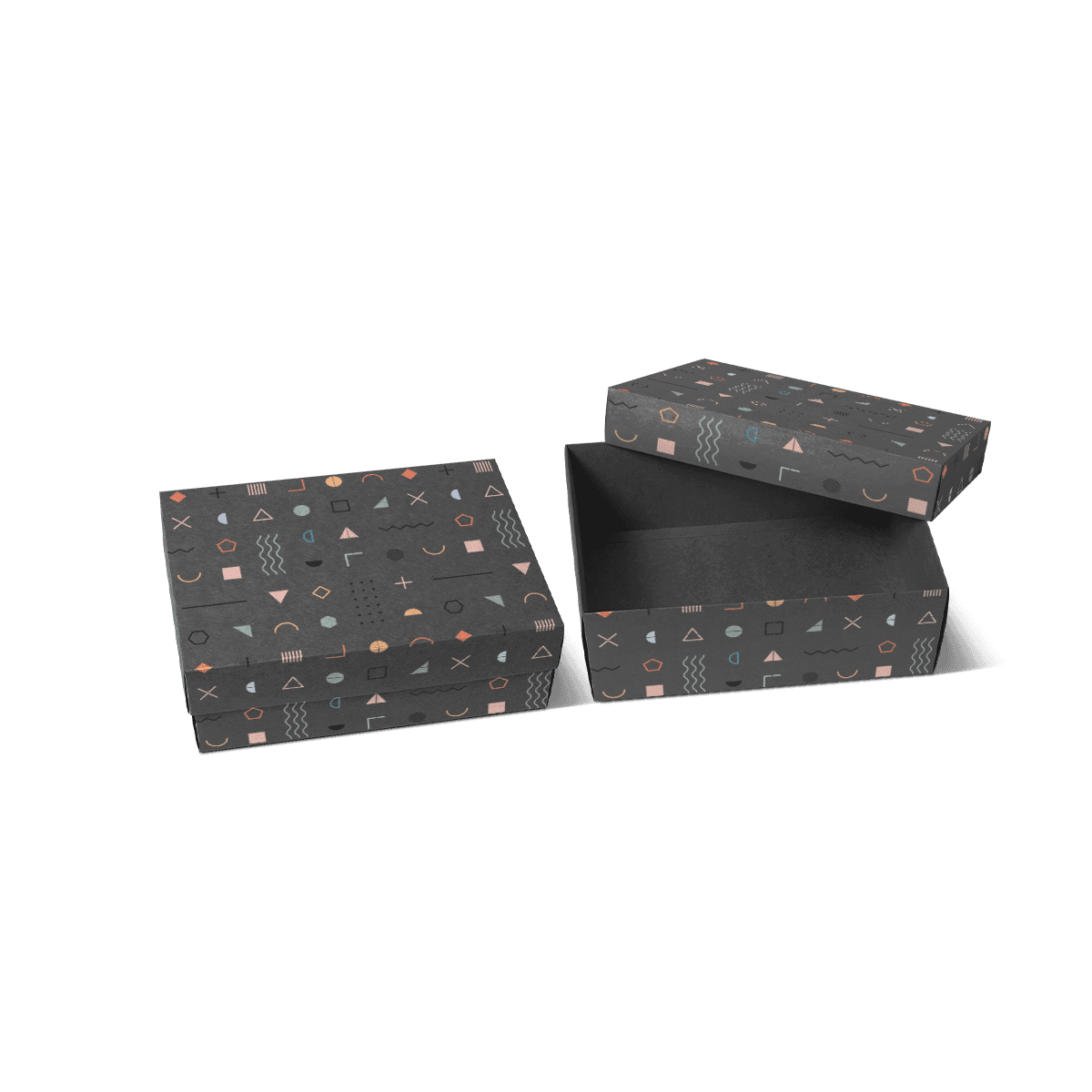
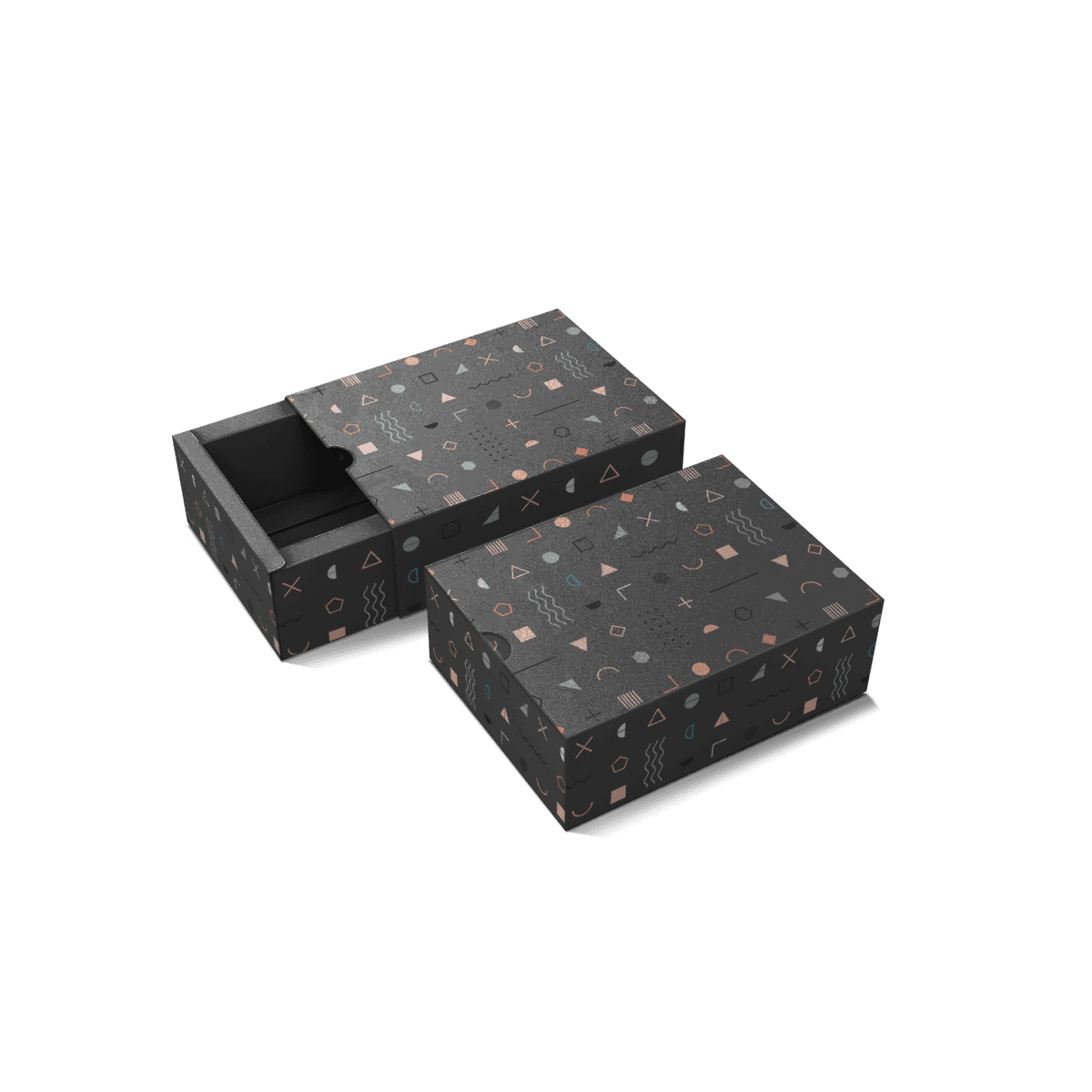
Organize toiletries, grooming items and guest essentials into repeatable kits that are easier to pack, place, replenish and present across hotels, spas and hospitality programs.

A Complete Kit Is More Than a Full Box

Amenity packaging succeeds when every guest receives the intended combination of items in the intended arrangement.

A box can look polished and still fail operationally if one dental kit is missing, a lotion bottle has moved under a card or several small components collect in the same corner.

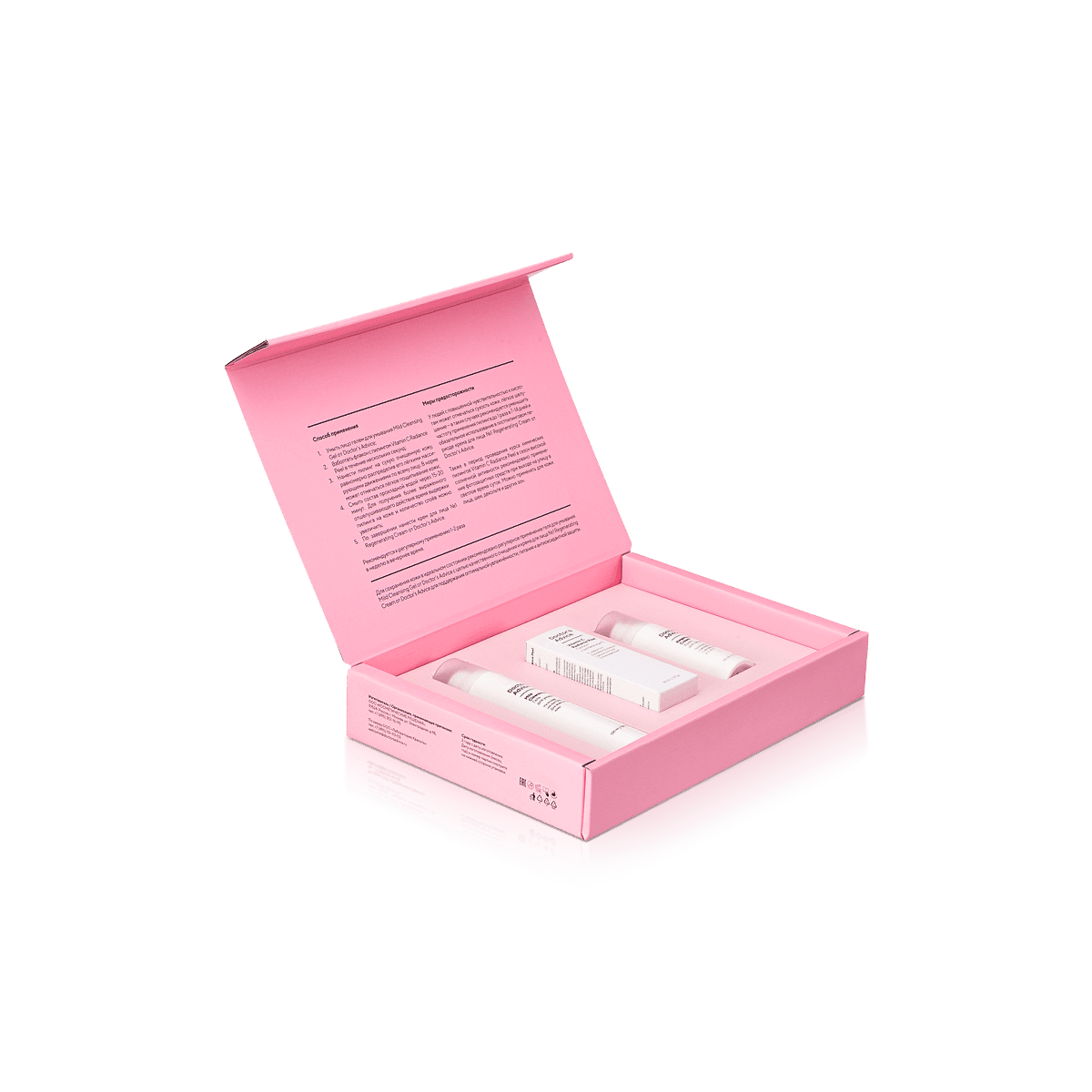
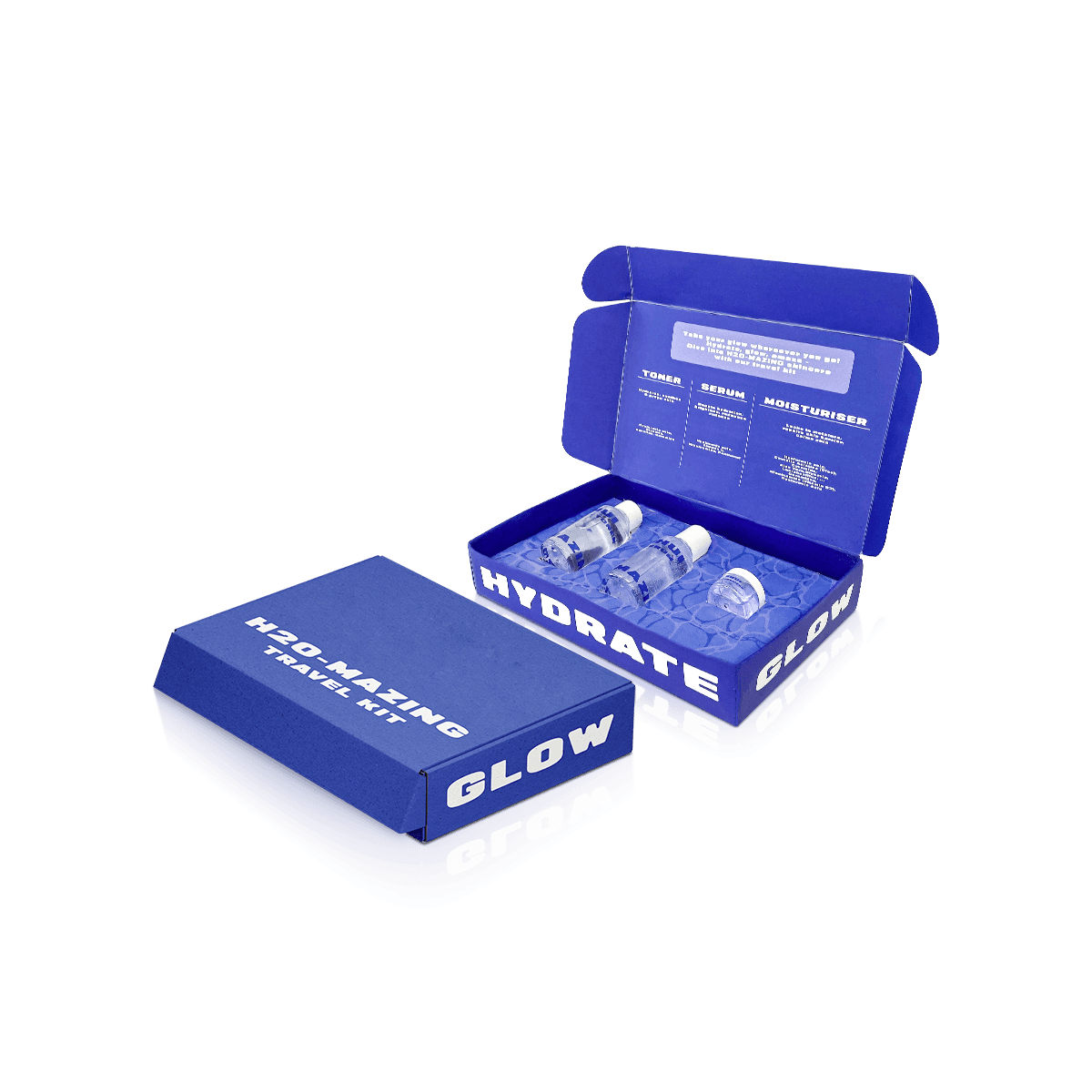
Custom Amenity Kit Boxes turn loose hospitality essentials into a repeatable packout. The structure can organize toiletries, vanity items, grooming products, sleep accessories and printed information so staff can see what belongs in the kit and guests can understand the contents immediately.

That makes the packaging useful before and after the guest opens it.

For hotels, resorts and event operations, the box can simplify room placement, stock handling and replenishment. For the guest, it creates one organized presentation rather than several unrelated items.

Hospitality packaging can handle arrival gifts, event packs and room-service formats separately when their operational jobs differ from guest amenities.
Build the Layout From the Item Count

Amenity kits often combine products with completely different dimensions.

A typical assortment might include a toothbrush pack, small toothpaste tube, vanity kit, razor, soap, lotion bottle and printed card.

Sizing the box around the largest item alone usually leaves inefficient gaps around everything else.

Instead, map the entire packout.

List Every Component Before Sizing the Box

Record the finished size and quantity of each item.

Include the retail or individual wrapper, not just the product inside it. A toothbrush inside a paper sleeve occupies different space from an unwrapped toothbrush. A miniature bottle needs to be measured with its cap or pump fitted.

The item list can also identify which products must remain visible and which can sit underneath another layer.

This creates a more accurate starting point than estimating the box from a collection of loose samples.

Count Repeated Items Explicitly

Two cotton swab packs are not the same specification as one.

Neither are two miniature bottles that happen to be identical in size.

If the standard kit contains multiples, show each position in the internal plan. That makes the packaging easier to use as a packout reference and reduces ambiguity during assembly.

The box is then being designed around a defined kit rather than a general assortment of guest supplies.

Compartments Can Double as a Packing Check

An organized interior does more than improve appearance.

It can make missing components easier to spot.

A paperboard divider with six defined positions provides a visual cue when only five products have been loaded. A loose open box filled with small amenities provides much less feedback.

That matters when kits are being assembled repeatedly.

Give Every Important Item a Home

Not every item needs a deeply fitted cavity.

Simple dividers, folded platforms or grouped compartments can be enough to separate product families and stop pieces from mixing.

For example:

  • miniature bottles can occupy one controlled zone
  • dental items can sit together
  • grooming products can use another compartment
  • a welcome or instruction card can have its own flat area

The amount of internal engineering should match the contents.

A simple dry vanity set may only need separation. Glass containers or more delicate premium amenities may need closer retention.

Packaging inserts can help when paperboard, foam or molded fiber support needs to be compared for a multi-item pack.

Bottles Should Not Dictate Empty Space Everywhere

Travel-size bottles often create the tallest dimension in an amenity kit.

Making the entire box deep enough for an upright bottle and then laying every other item on the same floor can waste a large amount of volume.

A layered arrangement can sometimes use the space more effectively.

Flat packets or printed materials may sit in one zone while bottles occupy a deeper portion. A raised platform can organize smaller accessories beside taller containers.

The objective is not maximum density at any cost.

Items still need to be loaded efficiently and removed without disturbing the rest of the kit.

Decide Which Products Stay Upright

Some amenity layouts look cleaner when miniature bottles stand vertically with labels facing the guest.

Other kits become more compact when the same items lie horizontally.

That decision affects footprint, depth and insert design.

If orientation matters because the bottle label is part of the presentation, the internal support should help maintain that direction rather than expecting loose products to stay aligned during handling.

Keep Dry Items Away From Likely Spill Paths

Amenity kits can combine liquid personal-care products with paper cards, cardboard sleeves and dry accessories.

The primary container should be correctly closed before packing, but the internal arrangement should still consider what would happen if a miniature bottle leaked.

Avoid placing absorbent printed materials directly underneath a liquid container when another practical layout is available.

A divider can also prevent one bottle from rubbing repeatedly against paper-wrapped dental or vanity items.

This does not make a paperboard amenity box waterproof.

If packaging will be placed where direct water exposure is expected, the material and surface treatment need to be considered for that environment. Standard paper packaging should not be treated as a substitute for waterproof primary containment.

The useful distinction is between organizing guest products and trying to make the outer presentation box perform the job of the bottle, tube or sachet itself.

Room Placement and Travel Use Are Different Jobs

Amenity Kit Boxes and Travel Kit Boxes can contain similar products, but their priorities should remain distinct.

Amenity Kit Boxes work best when the kit is assembled for organized guest provision: room placement, bathroom presentation, check-in handoff or a standardized hospitality service.

Travel Kit Boxes put more emphasis on compact portability when the recipient is expected to carry the kit through a journey or keep it with luggage.

That affects structural decisions.

A room amenity kit may prioritize clear presentation and fast replenishment. A travel-focused kit may place greater value on compact dimensions, closure security and carrying efficiency.

The contents can overlap without making the packaging purpose identical.

Housekeeping Needs to Read the Pack Quickly

Guest packaging is also staff-facing packaging.

Housekeeping, fulfillment or event teams may handle many identical kits during preparation and replenishment. The exterior should make version identification straightforward without requiring every box to be opened.

A small printed code, kit name or controlled color area can distinguish different packouts.

For example, one property might have:

  • standard room amenity kit
  • premium suite amenity kit
  • family amenity kit
  • event or wedding guest kit
  • spa arrival kit

The branding can remain consistent while operational identification changes in one predictable location.

This is especially useful when several boxes share similar dimensions.

The pack should look intentional to the guest and remain easy for staff to manage behind the scenes.

A Missing Razor Can Become a Packaging Problem

Consider a hotel kit containing a dental pack, shaving item, vanity set, lotion and soap.

The products are packed loosely into one attractive printed carton.

During assembly, the contents are counted manually. Because the small shaving pack settles underneath the lotion, a completed box can look full even when that item has been omitted.

Nothing is wrong with the printing or exterior structure. The packaging gives the packing team no visual confirmation of completeness.

A divided interior changes that.

Each product family receives a defined position. An empty shaving compartment becomes immediately visible before the box is closed.

The insert now improves both guest presentation and packing control.

That is a stronger reason to add internal structure than simply trying to make the inside look more expensive.

Paperboard Works Well for High-Volume Guest Kits

Many amenity programs do not need rigid construction.

SBS, kraft or other appropriate paperboard can create a clean printed package while remaining efficient to store before assembly.

A folding carton can be supplied flat, formed as kits are packed and sized closely around relatively light toiletries and guest accessories.

Custom Straight Tuck-End Boxes can suit lighter amenity assortments when simple setup and clear exterior panels are priorities.

The structure should still follow the actual weight.

Several glass minis or a dense assortment can require more base support than a kit containing a toothbrush, comb and paper-wrapped vanity products.

Board selection should come from the filled package, not the empty box.

Premium Kits Can Step Into Rigid Packaging

VIP suites, luxury properties, premium airline programs and high-value guest gifting may call for a more substantial structure.

A rigid box can provide stronger walls, a more controlled opening and greater insert depth.

That does not mean every amenity should be packaged this way.

Rigid construction adds material, assembled storage volume and cost. It makes the most sense when the package is intended to feel like a retained gift or when the contents justify a more substantial presentation.

A standard room-replenishment kit may gain little from that extra structure.

Custom Packly’s packaging capabilities can support decisions across paperboard, rigid board, inserts, premium offset printing and finishing when different hospitality tiers need different packaging levels.

Spa Products May Need Their Own Packaging Layer

A hospitality amenity kit can include personal-care products, but a retail-ready spa product creates a different requirement.

An amenity kit organizes several guest essentials into one hospitality pack.

Spa Product Boxes focus more directly on individual soaps, oils, scrubs, balms and wellness products that need their own fit, labeling and retail presentation.

The two can work together.

A branded spa product may arrive in its own carton and then be included as one component inside a larger amenity kit. That allows the primary product packaging to retain its identity while the kit manages the overall guest presentation.

The outer kit should not duplicate every detail already printed on the individual products.

Welcome Boxes Carry a Different Type of Value

Amenities and welcome gifts can overlap, but a welcome package normally has a broader storytelling role.

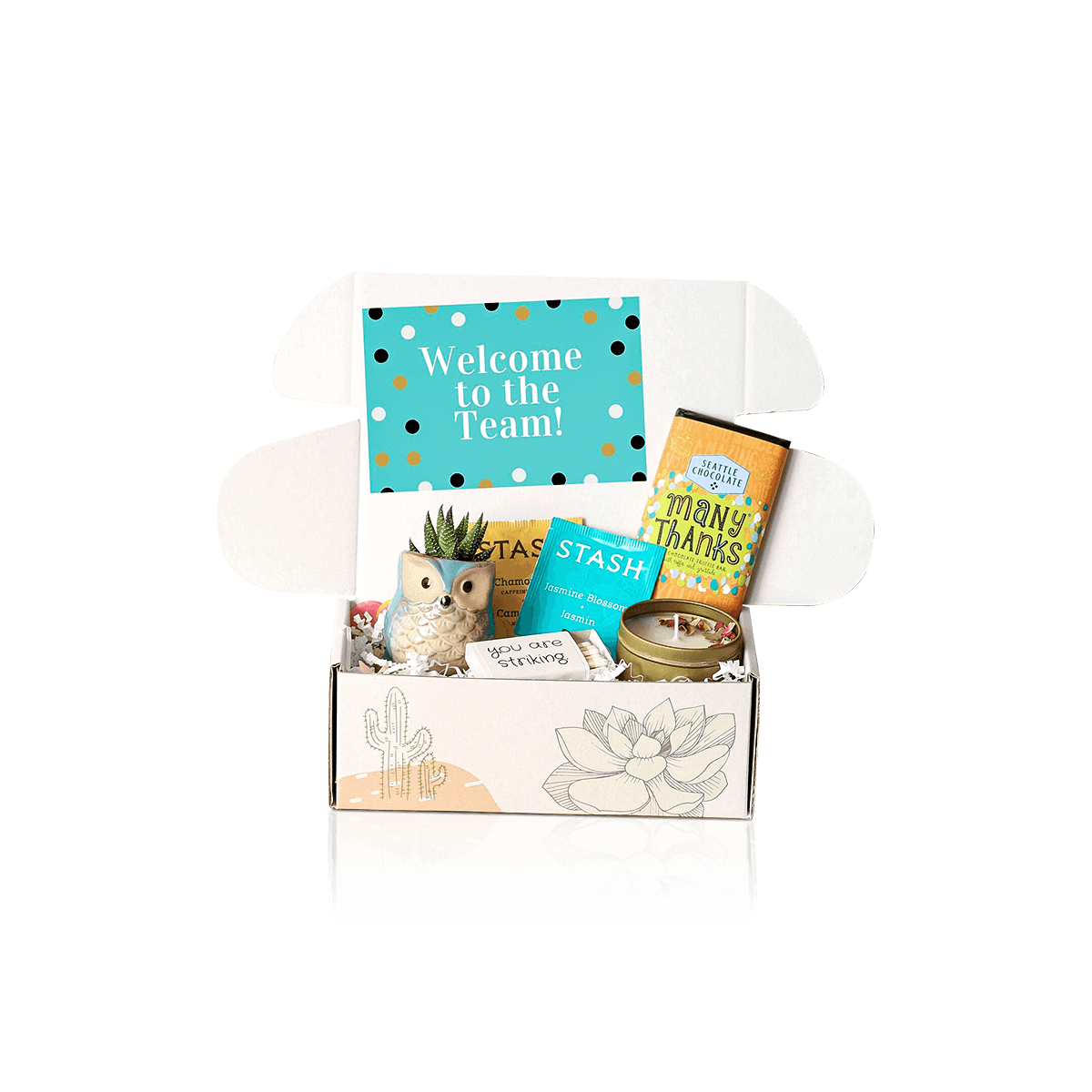
Welcome Gift Boxes can combine snacks, local products, printed notes and branded gifts to shape the arrival experience.

Amenity Kit Boxes are generally more operational.

Their job is to provide a defined set of useful guest essentials cleanly and consistently.

That difference can influence artwork too.

A welcome gift may support richer storytelling or campaign graphics. A standard amenity kit often benefits from quieter branding, clear identification and enough room for useful product or service information.

Not every hospitality box needs to perform the same emotional role.

Branding Should Not Slow Down Packout

Custom printing can turn a practical amenity kit into a recognizable hotel or hospitality touchpoint.

The artwork still needs to work with the operational structure.

A logo should not sit across a closure where it becomes visually inconsistent. Important identifiers should remain visible when boxes are stacked. Different kit versions should not require staff to inspect several panels to identify them.

Premium offset printing, Pantone color control where appropriate, foil, embossing and soft-touch treatments can all be considered.

The finish should match the service level.

A frequently replenished standard amenity carton may benefit more from crisp color and clean typography than from several specialty effects.

Custom printed boxes become relevant when a hospitality program needs consistent color, artwork and version control across repeated packaging runs.

Printed Information Should Stay Separate From Packout Logic

Amenity packaging may need space for an item list, property message, instructions or other supplied information.

That content should have a defined location.

Do not use the same visual area for operational SKU identification, guest-facing messaging and decorative branding if it makes all three harder to understand.

A front panel can stay brand-led while a side or underside handles practical identification.

An internal card can carry a longer guest message without crowding the exterior.

This becomes particularly useful when multiple properties share the same structural box but need different branding or messaging.

The structure can remain stable while artwork changes by hotel, resort, event or service tier.

Sustainability Starts With Removing Unneeded Packaging

A paper-based amenity box does not automatically become a better material choice simply because it replaces loose items.

First ask what the box is doing.

If it improves organization, reduces loose secondary wrapping, provides useful guest information or replaces a collection of separate presentation packs, the format has a clear purpose.

If every item already has substantial individual packaging and the outer box adds little beyond another decorative layer, the specification deserves another look.

The same principle applies to inserts.

A simple paperboard divider may be enough when products only need separation. A complex multi-material insert should be reserved for kits that genuinely need the extra control.

Material efficiency should come from the packout itself, not from unsupported environmental language printed on the box.

Replenishment Quantities Should Follow Kit Versions

Hospitality programs often repeat the same amenity pack many times.

That makes version planning important.

One resort may use the same structural box for standard rooms and suites while changing the insert or printed sleeve. Another may use different sizes because the premium kit contains more products.

Count the packaging requirement by actual kit version.

For example:

  • one outer structure with three artwork versions
  • one artwork version with two inserts
  • two completely different kit sizes
  • seasonal guest packs with a temporary printed change

Those are different production plans even when every unit is called an amenity kit.

Custom Packly’s USA MOQ starts from 100 boxes.

Once the contents, dimensions, box structure, quantities and version split are known, an instant custom packaging quote can reflect the actual pack rather than a generic box size.

Do Not Let the Presentation Box Become the Shipping Box

Amenity kits used for guest-room placement may move through an internal supply chain before the guest sees them.

Boxes can travel from a packaging supplier to a central warehouse, property stockroom or event location.

The guest-facing carton should remain presentable through that process.

Bulk cases or outer shipping cartons should handle distribution loads. The amenity box itself should not be expected to carry the full compression and abrasion of parcel or pallet movement unless it was specifically developed for that role.

This is particularly important with dark printing, soft-touch finishes and exposed decorative surfaces.

The operational packaging around the kit can be plain and protective so the guest-facing package remains clean.

Approve the Filled Kit, Not an Empty Sample

An empty amenity box can look perfectly proportioned and still perform poorly once the actual products are added.

Physical validation should use the real packout whenever the contents are available.

Check:

  • total filled weight
  • bottle and tube orientation
  • compartment widths
  • item removal
  • lid or flap clearance
  • labels facing the intended direction
  • movement when the package is tilted
  • whether small items disappear beneath larger ones
  • whether the kit can be packed efficiently
  • whether staff can identify a missing component

Custom Packly provides free 3D mockups and free sample examples of previous work. A fully custom paid pre-production sample can be arranged when the exact multi-item layout, material or insert needs physical approval.

The strongest sample is not simply the one with the best exterior print. It is the one packed exactly as the operational kit will be packed.

Create a Packout Map Staff Can Repeat

The final specification should show how the kit is assembled, not only how the box is manufactured.

A simple packout map can identify each component and its intended position.

That might record:

  • item name
  • quantity per kit
  • product dimensions
  • orientation
  • insert position
  • artwork version
  • box size
  • internal component
  • packing order
  • final weight where operationally useful

This becomes especially valuable when temporary staff, outside fulfillment teams or several properties assemble the same amenity pack.

If one item changes supplier or size, the affected position can be reviewed before the next production run rather than discovering the difference during packing.

Warehousing and scheduled deliveries can support recurring hospitality programs, but repeat supply works best when the kit itself is already standardized.

For Custom Amenity Kit Boxes, the useful production target is straightforward: every box should contain the correct items, arranged the same way and ready for staff to place without reorganizing the contents before the guest sees them.

FAQs

Common packouts include travel-size shampoo, conditioner, lotion, soap, dental kits, shaving kits, vanity packs, sleep masks, earplugs and other guest comfort items. The exact layout depends on whether the kit is meant for a hotel room, spa welcome set, airline handout or event arrival pack.

Amenity Kit Boxes are usually the better choice when you need a tidy presentation for in-room placement, bathroom display or guest check-in handoff. Travel Kit Boxes make more sense when portability is the priority and the guest is expected to carry the pack through transit or keep it in a bag.

Yes, especially when one kit contains mixed shapes or fragile minis. Inserts improve organized presentation, keep labels facing up and help prevent bottles, razors or accessory packets from sliding into each other during handling.

Less is often more. A personalized logo, strong brand color matching and a clean front panel usually feel more premium than a box crowded with graphics, especially for hotels, spas and executive travel programs.

Yes, if the structure and finish are chosen carefully. Recyclable paperboard, kraft wraps and low-plastic insert choices can support a cleaner sustainability story while still giving guests a neat and dependable presentation.

Process

How it works

Your Packaging Journey, From Idea to Production and Delivery

01

Tell Us Your Specs

Custom packaging boxes

Tell Us Your Specs

Provide size, quantity, printing, and finishes.

02

Get a Fast Quote

Custom packaging boxes

Get a Fast Quote

Instant transparent pricing, no hidden fees.

03

Design and Approval

Custom packaging boxes

Design and Approval

Artwork checks, revisions, and final sign-off.

04

Produce

Custom packaging boxes

Produce

Expert manufacturing to meet deadlines.

05

Ship to Your Door

Custom packaging boxes

Ship to Your Door

Hassle-free, flexible delivery options.

Get Your Quote for Custom Amenity Kit Boxes

Share your product details, size, quantity and artwork needs. We’ll help choose the right packaging style and send a clear quote.