Skip to content
Details

Custom Collapsible Rigid Boxes

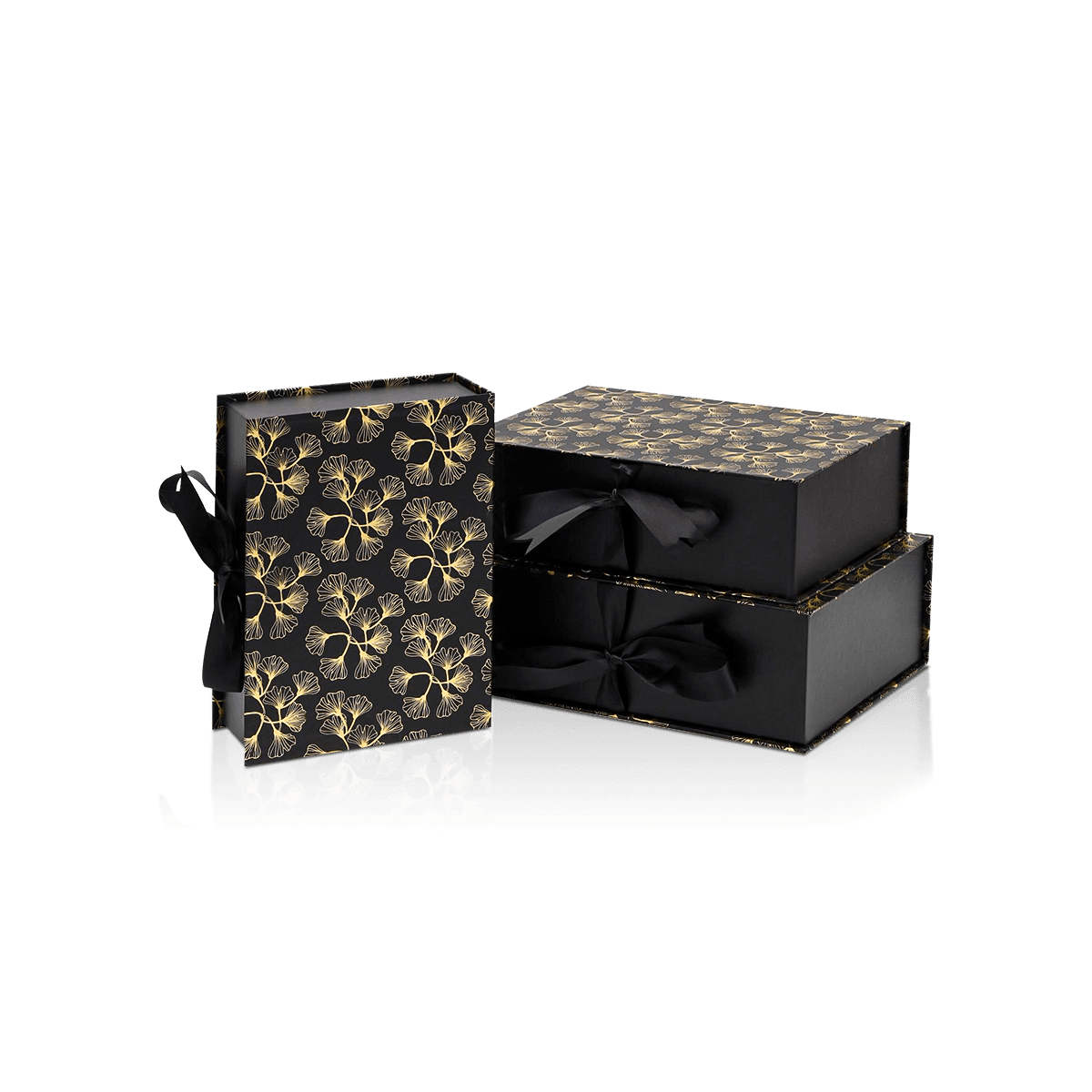
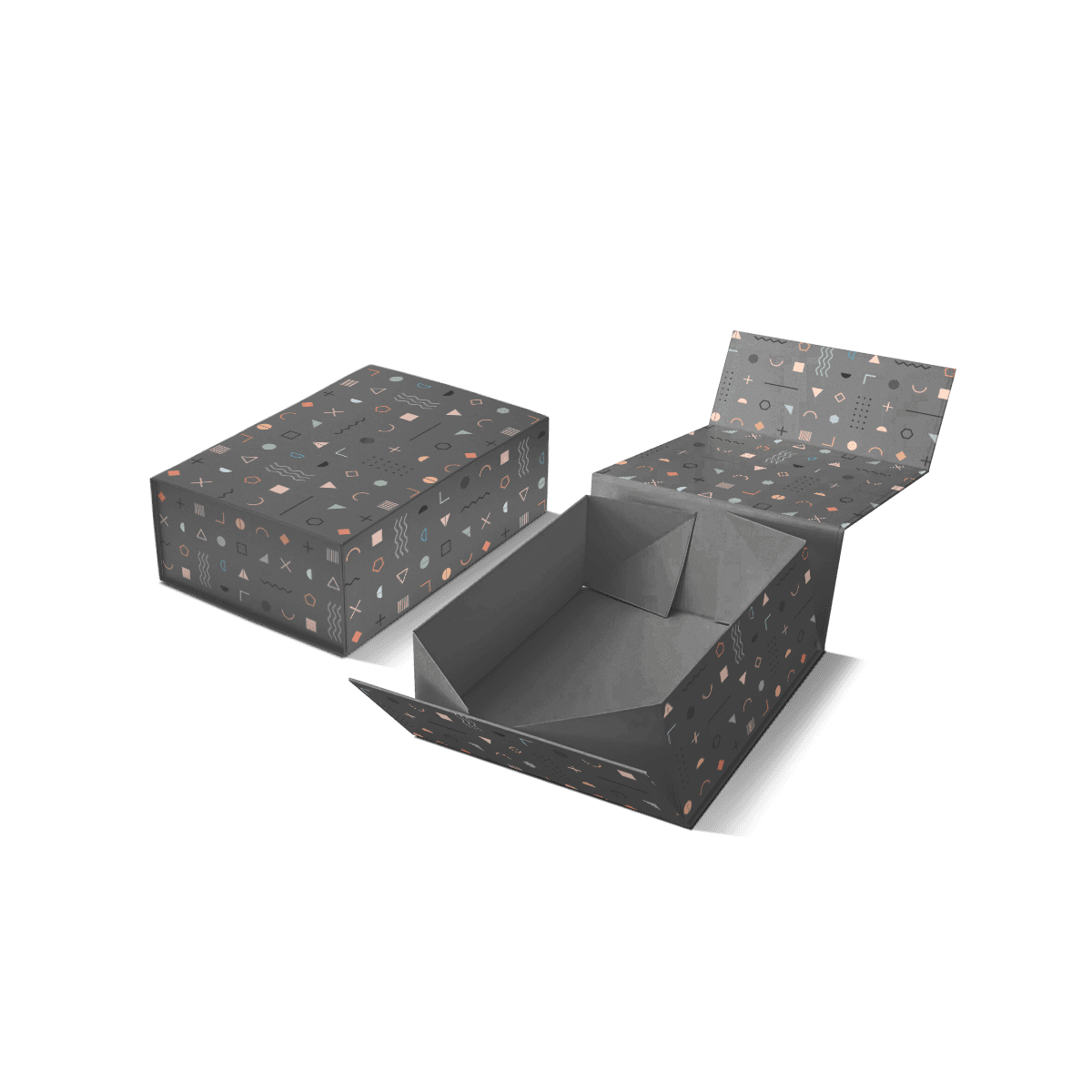
Flat-pack rigid packaging that reduces empty-box storage, then sets up into a premium presentation box for gifts, apparel, beauty kits and launch programs.

Flat Storage Is the Core Advantage

A fixed rigid box occupies its full volume before a product ever goes inside it. Custom collapsible rigid boxes solve that problem by arriving flat, then setting up into a firm presentation box when packing begins.

That difference matters most before the customer sees the package.

Empty packaging takes warehouse space, fills inbound cartons and creates handling volume around launch periods. A collapsible structure reduces that pre-packing footprint while keeping the substantial walls and wrapped presentation associated with custom rigid boxes.

The useful comparison is not simply collapsible versus fixed.

It is the flat storage state versus the finished presentation state.

A brand packing premium apparel, beauty kits, gift sets or launch boxes can receive more empty units in the same storage area, then assemble them closer to the point of use. That can be especially valuable when packaging has to wait in inventory before products are ready.

The trade-off is setup.

A fixed rigid box arrives ready to fill. A collapsible rigid box asks the packing operation to create that final form.

The right decision depends on whether storage savings are worth the assembly step.
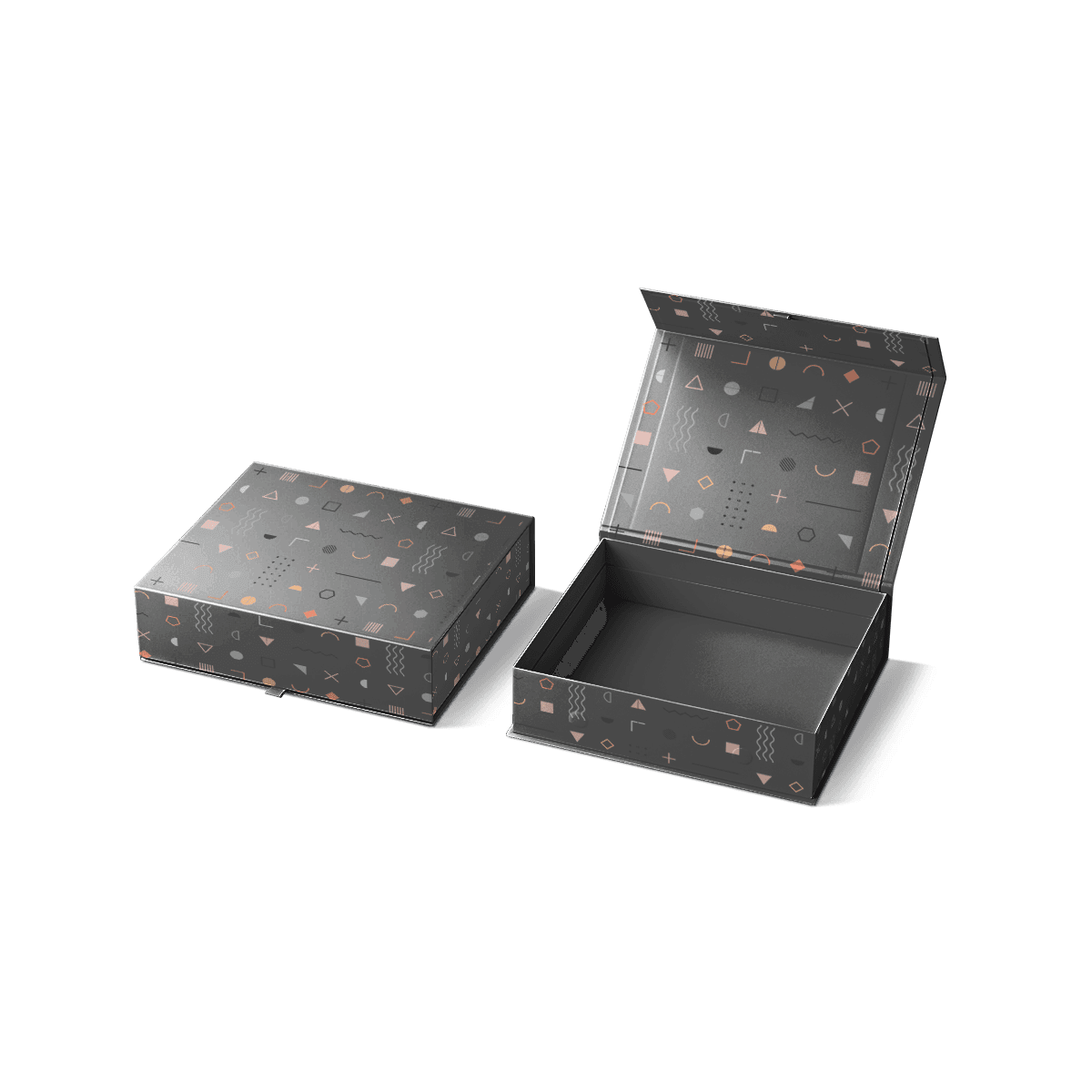
The Setup Method Controls the Box

A collapsible rigid box only feels premium after its panels have been brought into the correct geometry.

The setup system has to pull the walls square, hold the corners firmly and keep the lid or closure aligned after the box is erected.

Different constructions achieve that in different ways.

One-Time Setup

Some collapsible structures are intended to be erected once and then remain assembled through packing, presentation and use.

Adhesive areas, locking corners or concealed structural components can help the box reach its final shape. The assembly should be obvious enough that packing staff can repeat it without creating twisted walls or uneven corners.

This direction works well when flat storage matters before packout but the recipient does not need to collapse the box again.

Reusable Setup

Other constructions are expected to fold and reopen more than once.

That changes the stress around joints, wrapped edges and closure points. A reusable setup should maintain clean alignment after repeated opening and flattening rather than looking precise only on the first assembly.

Where concealed magnets are part of the closure, magnetic closure rigid boxes place more emphasis on magnet alignment and closing behavior. A collapsible box still has a different primary job: achieving rigid presentation after arriving flat.

Setup mechanics should therefore be resolved before decorative finishing is treated as the main design problem.

Packing Time Belongs in the Structure

Flat storage has value only if setup time makes sense for the packing operation.

A box that saves warehouse space but takes too long to erect can move cost from storage into labor.

That makes assembly time a structural decision rather than a warehouse afterthought.

Consider a seasonal apparel program preparing several thousand gift orders over a short launch window. Flat-pack rigid boxes reduce the volume of empty packaging staged around the packing area, but the team still has to erect each box, square the walls, add tissue and load the garment.

If one setup method requires repeated adjustment to get the corners aligned, the packing line slows even though storage improved.

A better structure gives staff an obvious sequence: open, square, secure and fill.

For retail and apparel packaging, this trade-off matters because wide presentation boxes can consume significant storage volume while clothing programs often face concentrated packing periods.

Test the setup with the people who will actually assemble the boxes.

The useful question is not how quickly one careful prototype can be built. It is whether the approved structure can be erected consistently across a real run without repeated correction.

Where longer programs need packaging inventory held and released in stages, warehousing and scheduled deliveries can reduce the amount of stock reaching the packing location at once.

The Insert Must Work After Setup

An insert is fitted to the erected box, not the flat blank.

That sounds simple, but collapsible walls introduce tolerances that fixed setup boxes do not experience in the same way.

If the box is not fully squared, an insert can sit high, press against one side or prevent the structure from reaching its intended shape. An overly tight insert can even become the component forcing the walls outward.

The insert and assembled interior dimensions should therefore be developed together.

Packaging inserts can use foam, paperboard or other fitted constructions depending on product weight, fragility and presentation. In a collapsible rigid box, the insert also has to respect the setup geometry around it.

Removable Trays

A removable tray can make assembly easier because the outer box can be erected first and the fitted interior added afterward.

That separates the box-forming step from the product-loading step.

The tray should sit securely once installed without requiring enough force to distort the walls.

Multi-Item Kits

Gift sets and launch kits often combine products with different weights and heights.

The insert should distribute those loads without making one wall carry unnecessary pressure. Heavy products can sit closer to stable base areas while lighter accessories occupy shallower cavities or raised platforms.

The packed box should remain square after the insert and products are loaded.

That is the state that needs approval.

Folds Change the Surface Specification

A collapsible rigid box asks wrapped materials to move.

That makes fold zones different from the broad rigid panels around them.

A finish that performs well on a stable lid panel may behave differently where the structure repeatedly bends or flexes. Artwork also needs enough tolerance that small movement around a fold does not make alignment look wrong.

Wrap Paper and Moving Joints

Wrap paper has to bridge rigid panels while allowing the intended movement.

The fold should not create excessive bunching, whitening, cracking or tension around the joint. Dark solid colors and heavily textured papers can make movement more visible, so the physical sample matters.

The box should be opened, flattened and erected through the expected use cycle before the wrap is considered approved.

Print and Finish Placement

Large stable panels can carry premium offset printing, foil, embossing, debossing or spot UV where appropriate.

Moving joints deserve more restraint.

Critical logos, fine borders and registration-sensitive artwork should not depend on a fold staying visually identical to a rigid face. The printing, finishing and structural capabilities should be planned around which surfaces stay fixed and which surfaces move.

Custom Packly provides design and dieline support plus free 3D mockups so panel artwork, fold positions and the finished setup can be reviewed before production.

Large Panels Reveal Weak Squaring

The larger the collapsible box becomes, the easier it is to see when setup geometry is slightly wrong.

A compact gift box may hide a small alignment difference. A wide apparel box or large launch kit gives long edges and broad lid panels more opportunity to reveal twist, bowing or uneven corner positions.

This is why setup quality should be checked on a flat surface.

Erect the box and look at the wall lines from several directions. Confirm that the base sits flat. Close the lid. Check whether the front edges meet evenly and whether any magnetic or mechanical closure reaches its intended position without force.

Then load the product and check again.

Weight can change how a large structure settles.

A box that looks square empty but shifts after a heavy insert is installed still needs structural correction.

Physical sampling should therefore validate the finished packed state, not only the empty shell.

Where Flat-Pack Rigid Earns Its Place

Collapsible rigid construction is strongest where premium presentation and storage efficiency are both meaningful.

For cosmetics and personal care packaging, it can support launch kits, beauty collections and premium sets that need fitted interiors but may be produced ahead of the product packing date.

In hospitality and event packaging, it can work for VIP gifts, conference sets and welcome programs where empty packaging has to be staged before a fixed event.

For e-commerce and retail packaging, it can make sense when a presentation box is part of the purchase experience but warehouse space is more constrained than in a boutique environment.

The pattern is consistent:

  • The finished package should feel like a rigid presentation box.
  • Empty-box storage or inbound volume matters.
  • The packing process can absorb an assembly step.
  • The product value justifies rigid construction.
  • The approved setup can be repeated consistently.

If those conditions are absent, fixed rigid or lighter paperboard packaging may be more practical.

Price the Setup, Not Just the Box

Collapsible rigid pricing reflects more than outside dimensions.

Rigid board, wrapped construction, folding joints, closures, inserts, specialty papers and finishing all add production steps. The setup mechanism itself can also change cost because a more complex structure may require additional components or assembly during manufacturing.

The factors behind rigid box pricing help separate structural choices from decorative extras.

Quantity changes the commercial picture too.

USA MOQ starts from 100 boxes. A short launch run may prioritize lower commitment and presentation quality, while a repeat program may care more about storage, packout labor and replenishment.

For larger recurring programs, bulk custom boxes can support planned quantities, repeat specifications, warehousing and scheduled releases.

Pricing should reflect the erected box, insert, closure and actual finishing rather than a generic rigid-box assumption.

When those details are defined, an instant custom packaging quote can be built around the real setup.

Sample the Packout

A collapsible rigid sample should be evaluated as a packing task.

Start flat.

Erect the box using the intended sequence. Add the insert. Load the real product or an accurate weight substitute. Close the package and handle it normally.

Then repeat the process.

The sample should answer practical questions:

  • Do the walls square without repeated adjustment?
  • Does the insert fit only after the box is fully erected?
  • Does the closure align naturally?
  • Does the box remain square after the product is loaded?
  • Do wrap and finish areas tolerate the expected movement?

Free sample examples of previous Custom Packly work can help assess materials and finishing. A paid fully custom pre-production sample can be arranged when the exact setup, insert fit and finished presentation need physical approval.

The objective is not simply to approve what the box looks like once somebody else has assembled it correctly.

The setup process itself has to be part of the approval.

Where Flat-Pack Stops Paying Off

Collapsible rigid construction is not automatically the efficient choice simply because it stores flat.

If packing speed is the dominant requirement, a fixed rigid box can remove the erection step entirely. If the product is very heavy, a permanently formed structure may also provide a more straightforward load path. If the package does not need rigid-board presence at all, a folding carton or corrugated format may achieve the job with less material and assembly.

The decision should therefore be made across the full workflow.

Ask how much empty packaging has to be stored, how many units staff must assemble, how quickly packing needs to move, how heavy the finished product is and whether the customer genuinely benefits from rigid presentation.

A collapsible rigid box earns its place when flat storage solves a real operational constraint without creating a bigger problem at the packing table.

That boundary matters more than the novelty of the folding mechanism.

The best specification is the one that stays efficient before packing and still feels deliberately rigid after setup.

FAQs

Collapsible rigid boxes use a dense rigid board core wrapped with printed or plain paper. The final board and wrap depend on size, product weight, finish and closure style.

The MOQ for USA orders starts from 100 boxes. Larger runs are available for launches, gift programs, retail campaigns and repeat production.

Yes. Collapsible rigid boxes can use hidden magnets, ribbons, locking corners and custom inserts. The best setup depends on product weight, opening style and packing needs.

Standard turnaround is 4–6 days after final artwork and specifications are approved. Timing for fully custom pre-production samples can vary with the structure and finish requirements. Complex structures, specialty materials or advanced finishes may require additional time.

Collapsible rigid boxes can feel firm and premium after correct setup. Fixed rigid boxes may give more instant strength because they arrive fully formed. The better choice depends on storage, setup time and product weight.

Process

How it works

Your Packaging Journey, From Idea to Production and Delivery

01

Tell Us Your Specs

Custom packaging boxes

Tell Us Your Specs

Provide size, quantity, printing, and finishes.

02

Get a Fast Quote

Custom packaging boxes

Get a Fast Quote

Instant transparent pricing, no hidden fees.

03

Design and Approval

Custom packaging boxes

Design and Approval

Artwork checks, revisions, and final sign-off.

04

Produce

Custom packaging boxes

Produce

Expert manufacturing to meet deadlines.

05

Ship to Your Door

Custom packaging boxes

Ship to Your Door

Hassle-free, flexible delivery options.

Get Your Quote for Custom Collapsible Rigid Boxes

Share your product details, size, quantity and artwork needs. We’ll help choose the right packaging style and send a clear quote.