Skip to content
Details

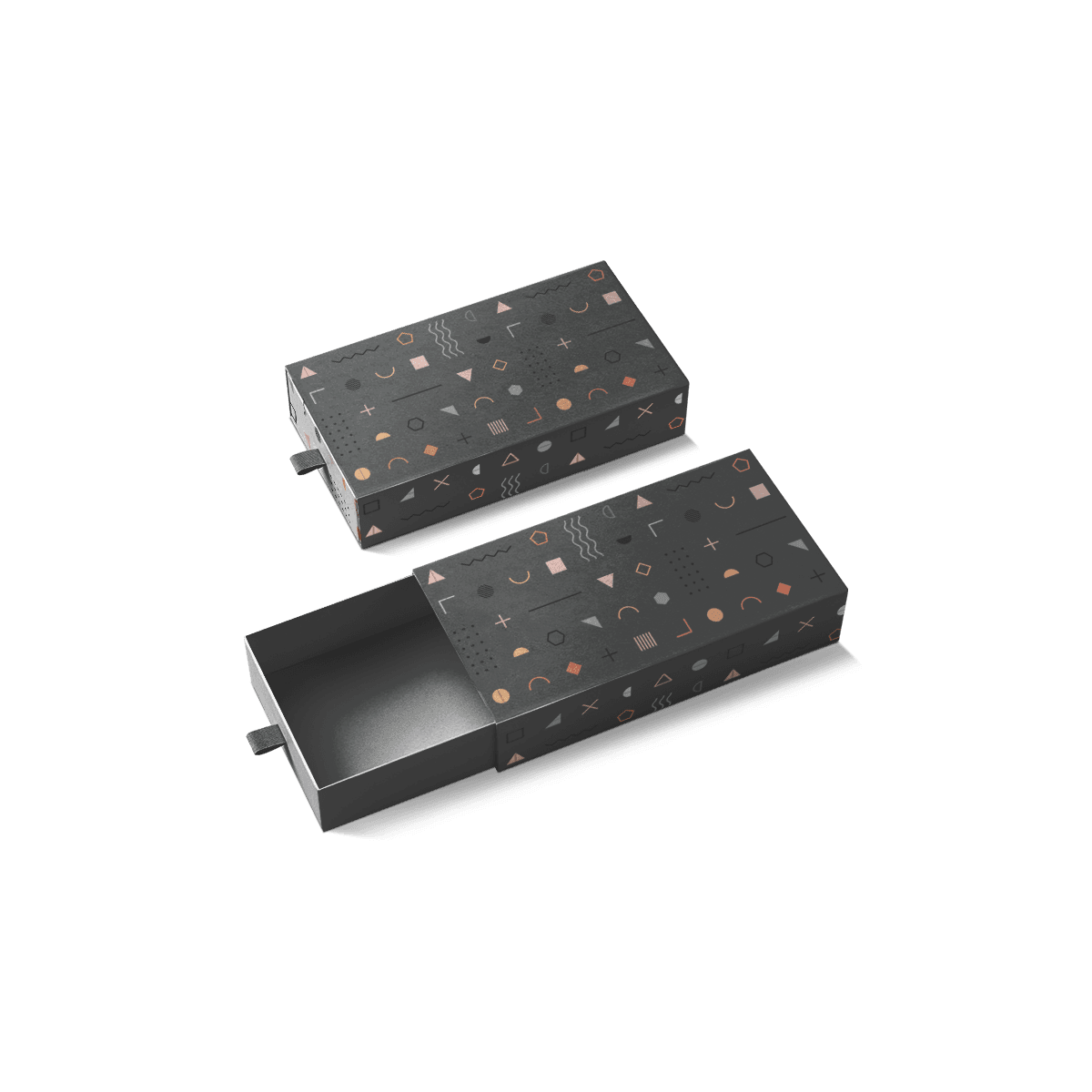
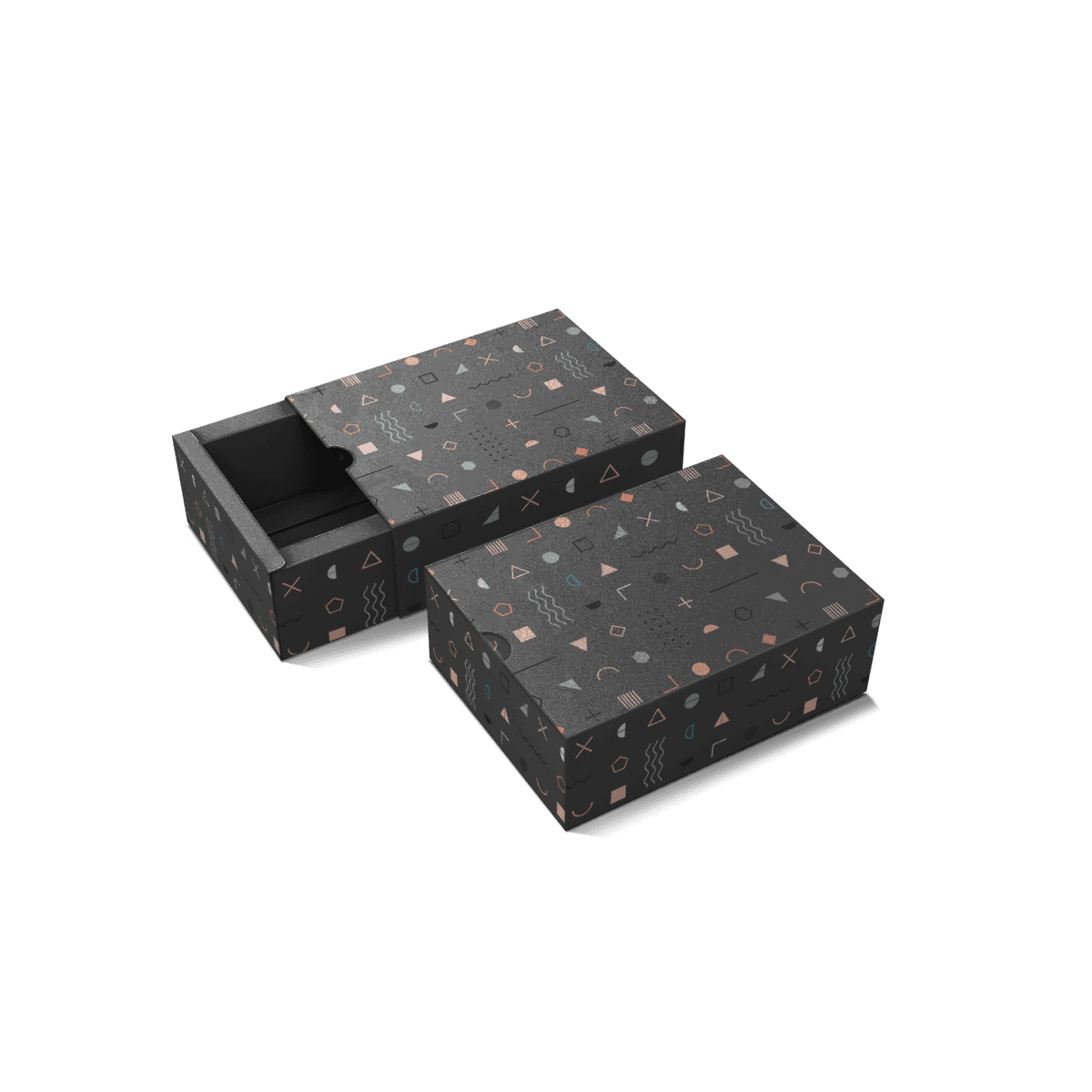
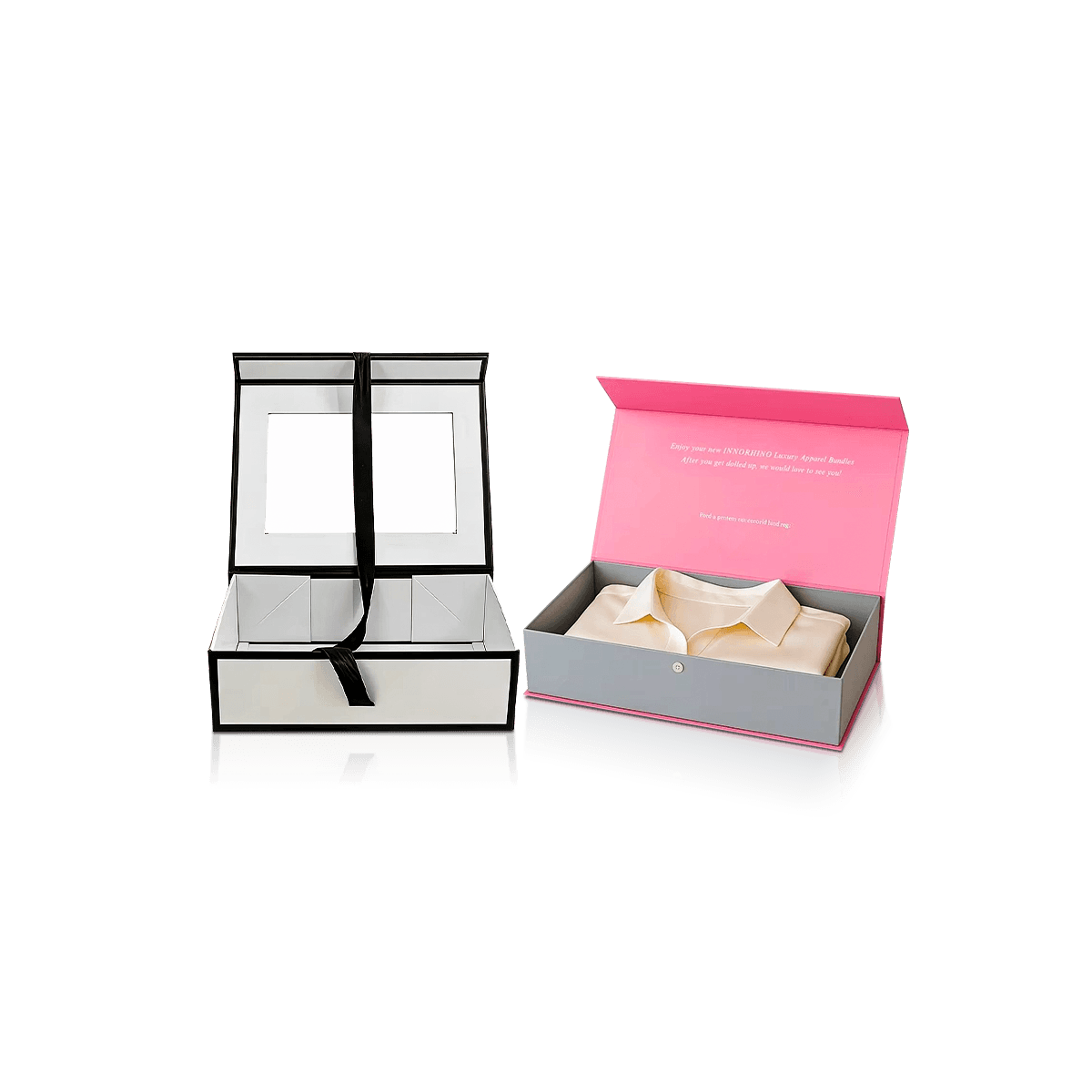
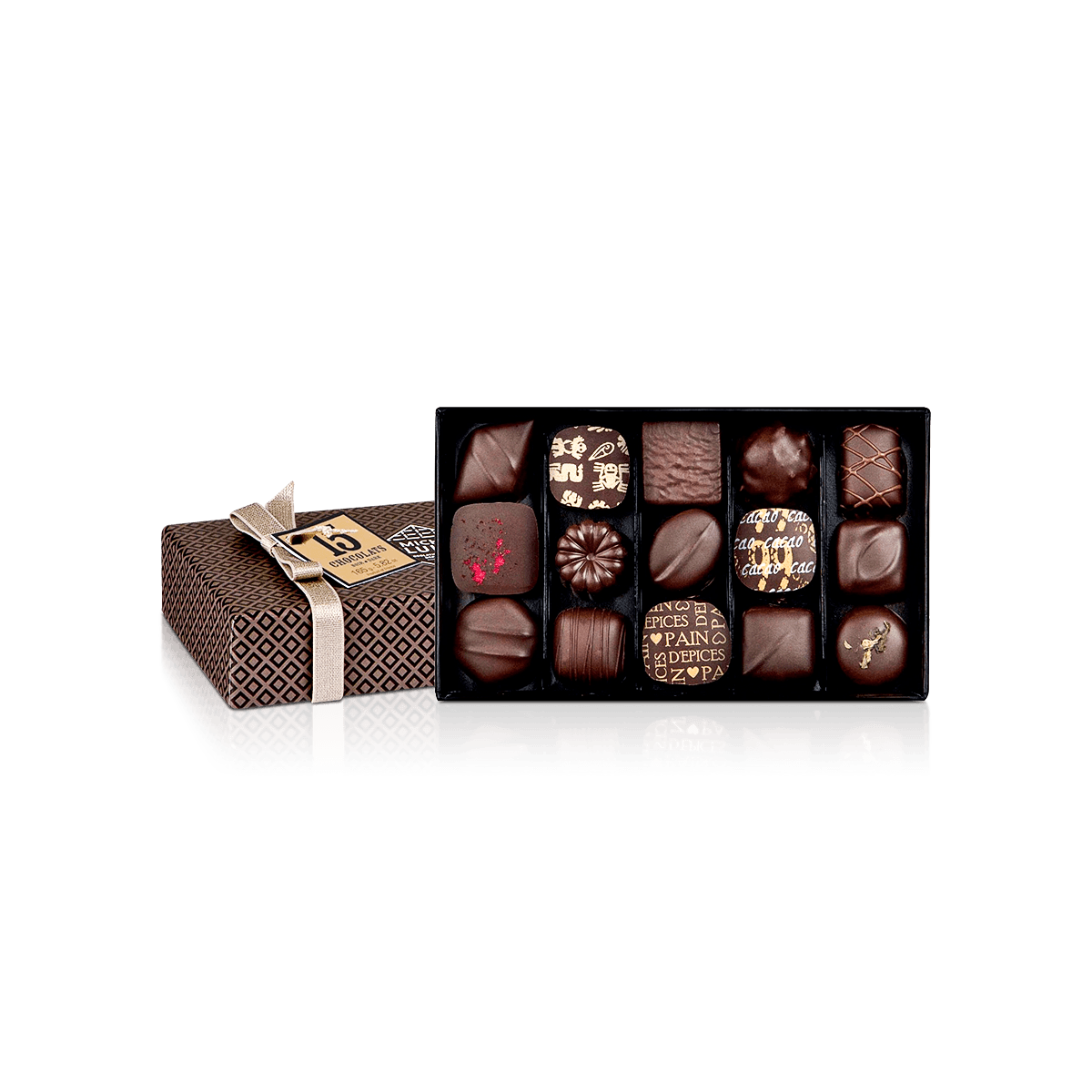
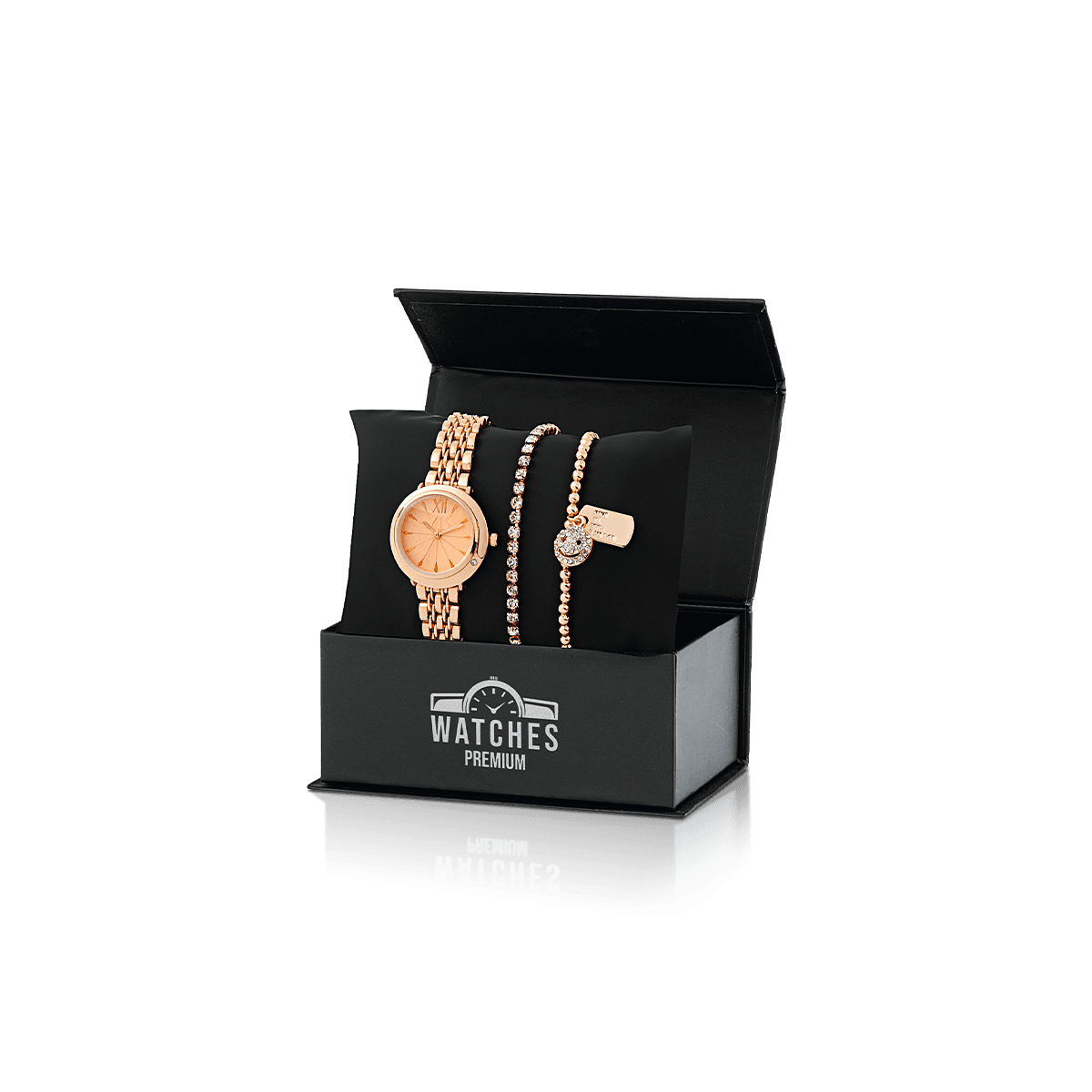
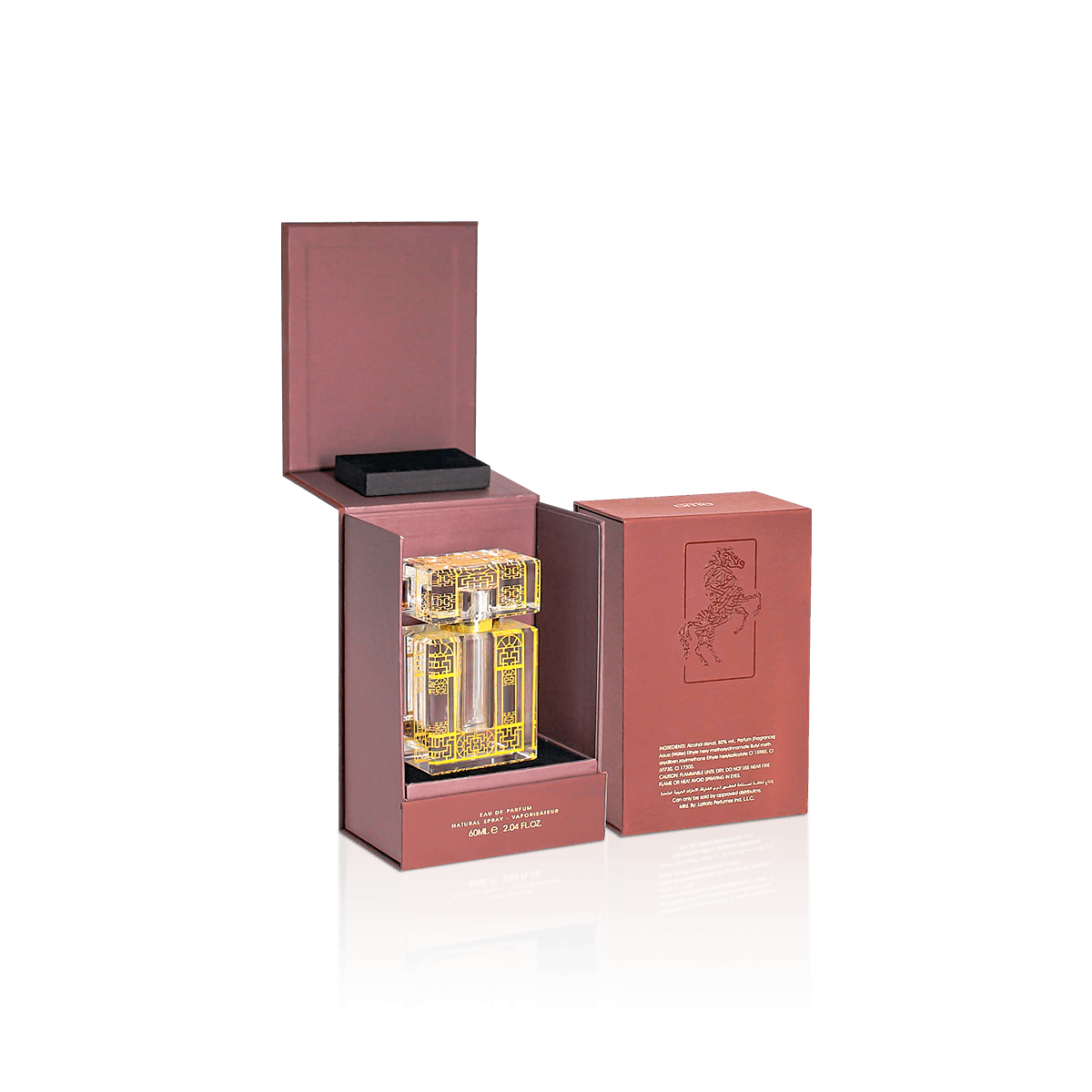
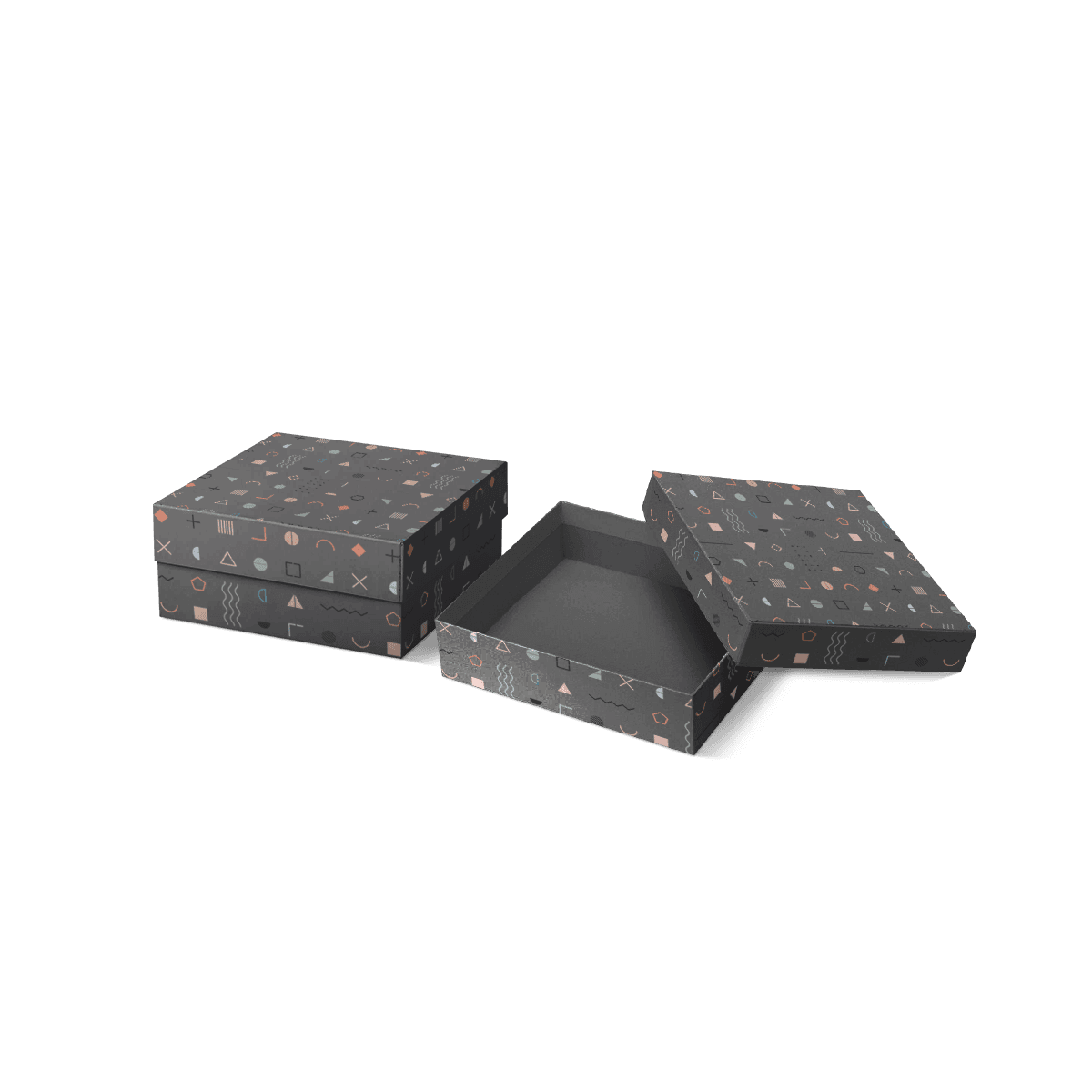
Custom Luxury 2-Piece Rigid Boxes

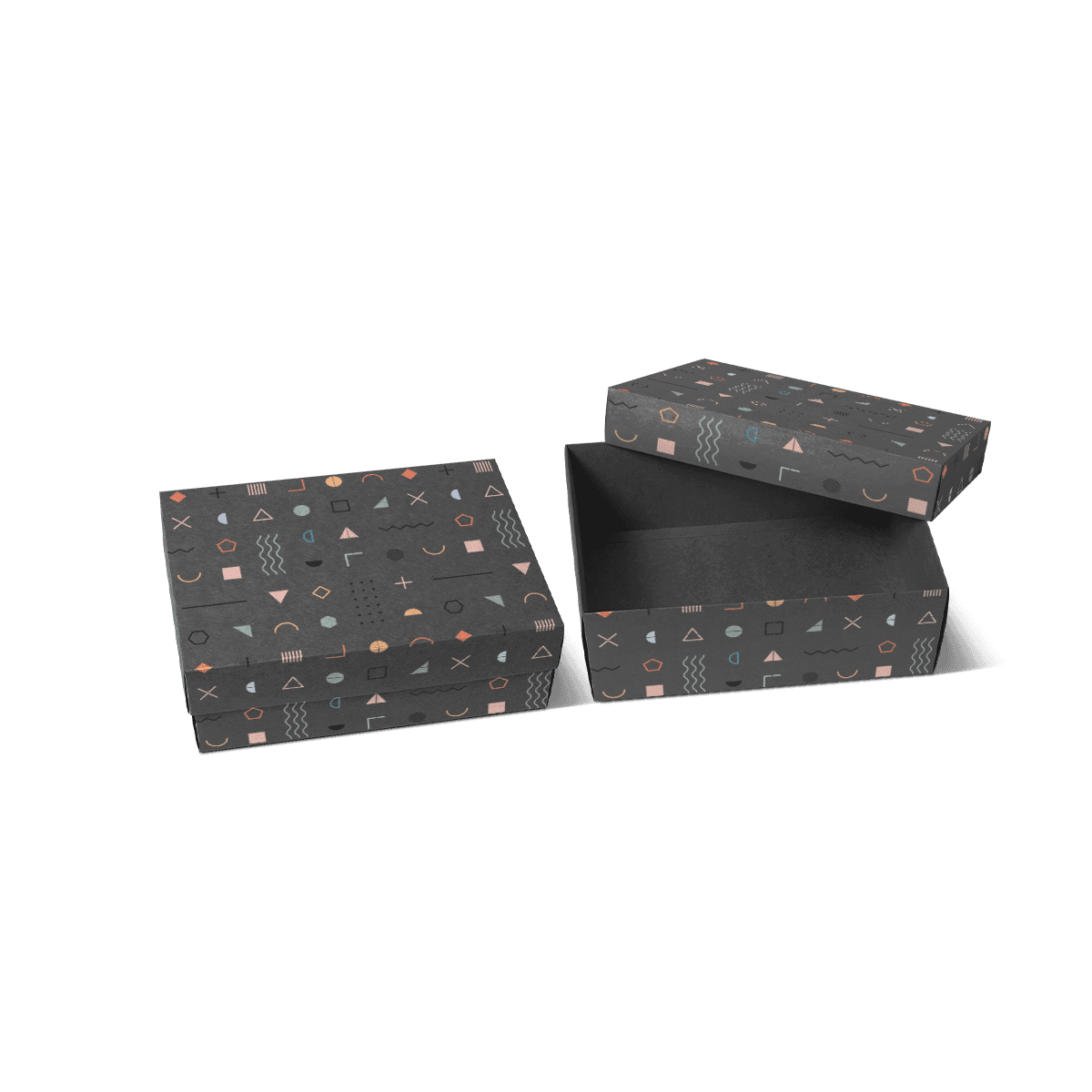
Classic rigid lid-and-base packaging with a clean lift-off reveal, strong edge definition and fitted presentation for premium products, gifts and retail sets.

The Lid Has to Release Cleanly

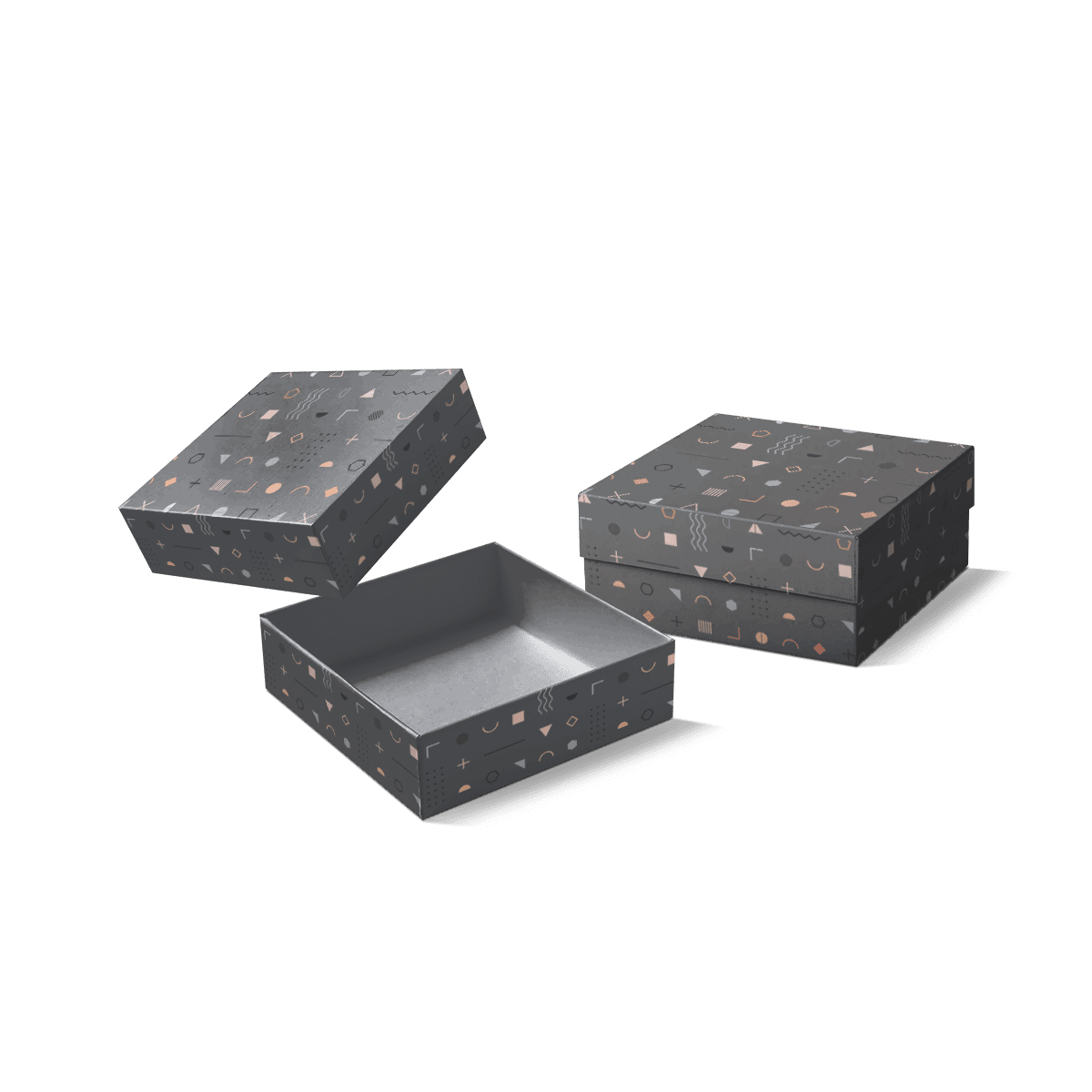
The defining moment in a luxury 2-piece rigid box happens before the product appears: the lid separates from the base.

That movement should feel controlled. A lid that grips too tightly makes the box awkward to open. One with excessive clearance can shift sideways, expose an uneven gap or make the construction feel less precise.

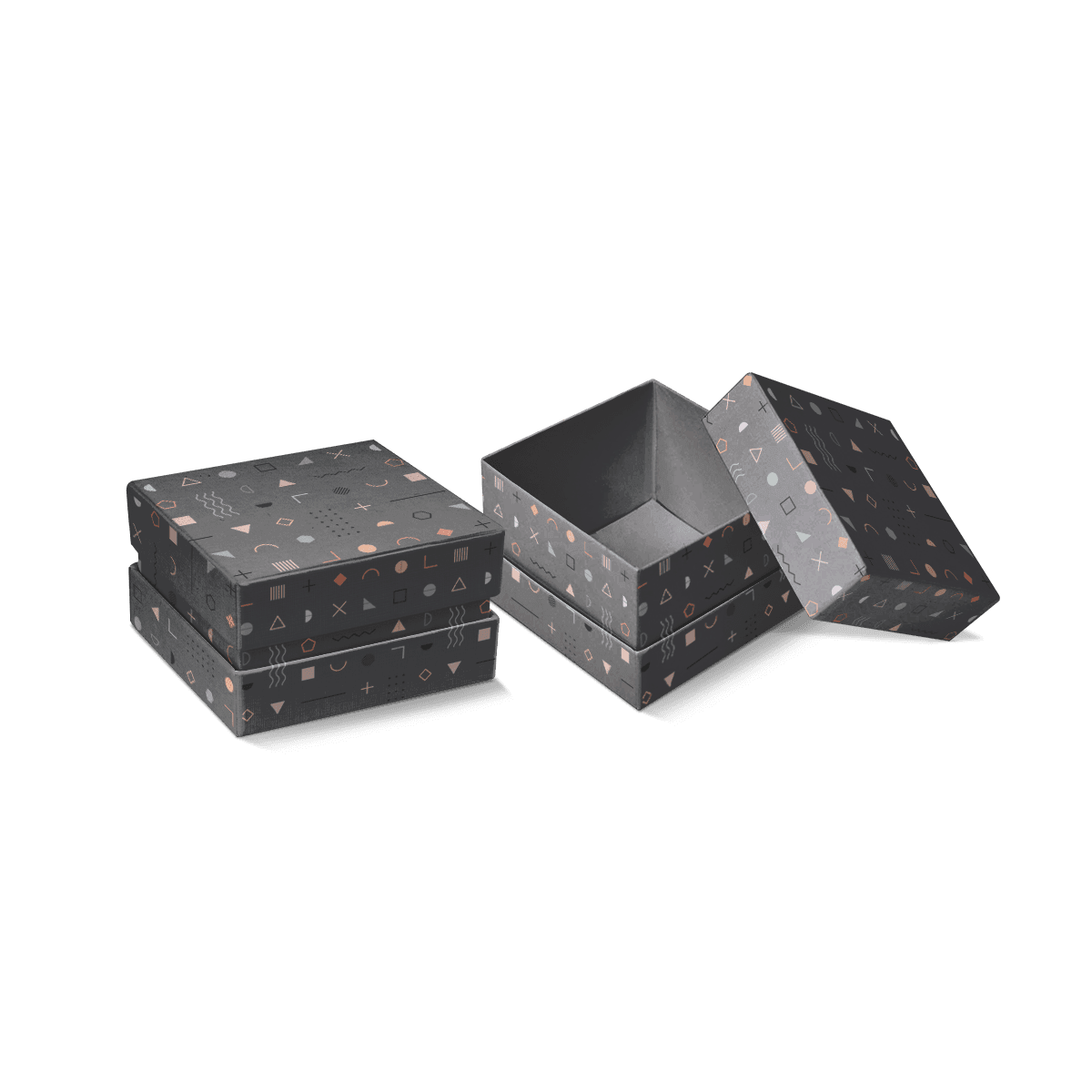
Custom Luxury 2-Piece Rigid Boxes use two separate rigid components, a removable lid and a base. There are no hinges, drawer sleeves or magnetic closing flaps to manage. The quality comes from proportion, fit, rigid-board construction and the relationship between two independently wrapped pieces.

This makes the style one of the cleanest ways to create premium rigid packaging without adding a more complicated opening mechanism.

Other custom rigid boxes use hinged, drawer, collapsible, shoulder-neck or other constructions when the product needs a different opening behavior.
Lid Fit Controls the Opening

The lid has to be slightly larger than the base so it can pass over the outer walls. That sounds simple, but wrap paper, board thickness and manufacturing tolerance all affect the final fit.

A box should not be specified from rigid-board dimensions alone.

Both lid and base are wrapped, so the finished surface adds thickness. Inserts can also push against the base walls if they are too tight, subtly changing how the lid sits.

Too Tight Feels Like a Fault

A very close-fitting lid may look precise when closed but bind during removal.

The problem becomes worse if the customer has to shake the box, pull hard from one corner or hold the base down while lifting the lid.

Large lids can also trap air as they move if the fit and overlap are especially close. The opening should be tested as an assembled package rather than judged only from a dimensional drawing.

The goal is controlled resistance, not maximum friction.

Too Loose Loses Alignment

Excess clearance creates the opposite problem.

The lid can move laterally, leaving different reveal lines around the base. Stacked boxes may look less orderly and the packaging can produce a hollow shifting sensation when handled.

A luxury two-piece box therefore needs enough clearance for repeatable opening while remaining visually centered when closed.

That balance should be checked on a physical sample when the package has tight tolerances, large dimensions or a demanding presentation standard.

Lid Depth Sets the Visual Weight

Not every removable lid should cover the same amount of the base.

A relatively shallow lid leaves more of the base visible when the box is closed. This can create a lighter visual profile and allows the base color to become part of the exterior design.

Increasing the overlap makes the lid more dominant and changes how long it remains engaged with the base during opening.

The strongest fit for this style is the classic shallower lid-and-base construction. If the lid needs to extend significantly farther down the side walls, Telescopic Rigid Boxes are the more appropriate structural direction.

That distinction matters because deeper lid coverage changes more than appearance. It affects grip, release distance, side-wall coverage and the overall opening sequence.

The Seam Can Become a Design Feature

The line where lid and base meet is one of the most visible elements of a two-piece box.

Using the same wrap color on both pieces creates a quieter, monolithic appearance. Contrasting papers can make the construction itself visible.

A dark lid over a lighter base creates a strong horizontal break. A neutral lid with a saturated base can reveal more color as the top lifts away.

The seam should therefore be positioned deliberately rather than treated as an unavoidable manufacturing line.

Product Height Changes the Reveal

The product does not have to sit at the bottom of the base.

Insert height determines where the item appears when the lid comes off. A low product can disappear into a deep cavity. An elevated tray can bring a small jar, watch, accessory or bottle closer to the opening plane.

That changes the first view dramatically.

Raise Small Products With Purpose

For compact products, excessive empty depth can make the box feel oversized even when the external dimensions look impressive.

An insert can elevate the item and use the space underneath for structural support, accessories or hidden components where appropriate.

The product still needs sufficient retention. Raising it too far can leave the top surface vulnerable to contact with the lid.

The right insert height should account for product dimensions, lid clearance and how the item will be removed.

Packaging inserts can use foam, paperboard or other appropriate structures depending on product weight, fragility and presentation needs.

Leave Finger Access

A cavity can hold the product beautifully and still fail in use if there is no practical way to remove it.

Small accessories may need finger notches. A fitted jar may need side clearance. A watch cushion should lift without forcing the customer to pry against the rigid wall.

Removal should be considered while the insert is being developed, not after its appearance is approved.

Two Pieces Give Artwork More Freedom

Because the lid and base are separate components, they do not need identical artwork or wrapping paper.

The top can carry the primary logo while the lower section introduces a secondary brand color. The underside of the lid can carry print that appears only after opening. The base can remain visually quiet so attention stays on the product.

This separation can create hierarchy without requiring a complicated structural feature.

Design the Lid for the Closed View

Most closed-box attention falls on the top face and visible lid walls.

Large logos, foil marks or embossed details should be positioned with the lid proportions in mind. Artwork that is technically centered on a flat file can still feel visually misplaced once the lid depth and side wrap are introduced.

Important elements should stay clear of wrapped edges, corners and areas where paper transitions could reduce consistency.

For strict brand colors, CMYK and Pantone printing can help determine whether process printing or a controlled spot color is more appropriate.

The Base Can Carry the Secondary Moment

A contrasting base becomes increasingly visible as the lid rises.

That gives brands an opportunity to create a reveal without magnets, ribbons or mechanical movement.

The effect can be subtle. A color change alone may be enough.

Inside printing, textured wrap papers, foil, embossing, debossing and other treatments can also be applied where they add a clear visual or tactile purpose. Custom Packly’s packaging capabilities support rigid-board, print, wrap, insert and finishing decisions as one coordinated specification.

Full Finish Is a Separate Choice

Two-piece describes the structure. Full or partial finish describes the amount of visible rigid board that receives wrapping.

The two decisions should not be confused.

A lid-and-base box can use a more restrained interior where selected board remains visible. It can also use a full finish rigid box treatment when the inside needs continuous wrapped surfaces.

The best option depends on how much of the interior remains visible after the insert and product are installed.

If most of the base is occupied by an insert, covering every concealed surface may add little to the opening experience. If the product sits in a shallow tray with large interior walls visible around it, a fully finished interior can have much more impact.

Resolve structure first, then decide how much wrapping the presentation actually needs.

Shoulder Neck Adds Another Layer

A standard two-piece box presents the lid directly over the base. A shoulder-neck construction introduces an additional raised inner collar.

That collar changes both appearance and lid positioning.

Shoulder Neck Rigid Boxes make sense when the box needs a visible stepped reveal or when an inner shoulder is intended to become part of the presentation.

A classic two-piece box is cleaner when that extra architectural layer is unnecessary.

The simpler structure can be especially effective for apparel, larger gifts and product sets where the broad lid and base surfaces already provide enough visual presence.

Structural restraint can be an advantage. Premium packaging does not become better merely by adding more components.

A Heavy Product Can Distort the Experience

Consider a two-piece rigid box for a glass candle and accessory set.

The outer dimensions are generous and the lid fits correctly when the box is empty. The insert, however, does not hold the candle firmly enough.

During handling, the candle shifts toward one wall. Its weight pushes into the insert, which transfers pressure to the rigid base. The next time the lid is fitted, the box still closes, but the product is visibly off-center when opened.

The problem is not the lid.

The internal load was never controlled.

A closer-fitting insert that supports the candle at stable contact points keeps the product centered and reduces repeated pressure against the base walls. The lid-and-base relationship can then perform as intended.

This is why product weight belongs in the structural specification even when the outer box itself is made from substantial rigid board.

Large Two-Piece Boxes Need Operational Space

A classic rigid lid-and-base box is normally stored and handled as a formed structure rather than as a flat folding carton.

That matters once dimensions or quantities increase.

A compact jewelry package takes relatively little warehouse volume. A two-piece box for apparel, large gift sets or corporate merchandise occupies significantly more cubic space because both rigid components retain their shape.

For folded clothing and presentation sets, rigid apparel boxes suit products where a substantial handoff matters, but box footprint should still be planned around the garment rather than oversized for effect.

Warehousing and scheduled deliveries can help when a repeat program needs large rigid-box quantities without bringing every unit into the packing location at once.

The decision is operational as well as visual.

Surface Quality Is Easy to Notice

A two-piece rigid box has large, uninterrupted exterior faces. That makes them useful for clean typography and tactile paper, but it also makes surface defects easy to see.

Dark wraps can show scuffing. Soft-touch surfaces can reveal handling marks. Large foil areas demand careful placement. Textured paper can alter the way fine artwork reproduces.

The broad lid should not become a reason to use every available decoration.

One strong finish often creates a cleaner result than several competing effects.

A centered foil mark on textured paper may carry enough visual weight. An embossed wordmark on a solid wrap may need no spot UV. A printed pattern may work better without another tactile layer.

The most appropriate treatment depends on how the box will be handled, displayed and shipped.

For direct-to-consumer orders, the presentation box may still need an outer mailer or shipping carton so its finished surfaces are not expected to perform as courier packaging.

Two-Piece Boxes Can Control Rigid-Box Cost

A separate lid and base uses a straightforward rigid construction compared with styles that add hinges, magnetic flaps, sliding sleeves or a shoulder-neck assembly.

That relative simplicity can make the structure a sensible starting point when the product deserves premium rigid packaging but does not benefit from extra opening mechanisms.

It does not make every two-piece box inexpensive.

Size, board, wrapping paper, inside treatment, print coverage, inserts and finishes still affect the final price. Large assembled boxes also consume more storage and shipping volume.

The cost of custom rigid boxes changes with quantity, dimensions, structure and finish choices.

For USA orders, Custom Packly’s MOQ starts from 100 boxes.

Once the structure, dimensions and quantity are established, an instant custom packaging quote can price the actual lid-and-base configuration.

Test the Box as Two Separate Components

A digital render is useful for artwork and proportions, but the physical relationship between lid and base needs real-world validation when fit is important.

Check the finished sample in several states.

Place the lid straight down. Try closing it slightly off-center. Lift it from one side and then with both hands. Stack several closed units. Remove the product and close the empty box again.

The opening should remain predictable rather than depending on a perfect hand position.

Also check:

  • lid-to-base clearance
  • visible seam consistency
  • lid depth
  • corner alignment
  • insert pressure against the base
  • top clearance above the product
  • wrap condition after repeated opening
  • artwork alignment across separately wrapped pieces

Custom Packly provides free 3D mockups and free sample examples of previous work. A fully custom pre-production sample can be arranged as a paid option when exact lid fit, insert geometry or finished appearance needs physical approval.

Prevent Lid and Base Mix-Ups Across SKUs

Two-piece packaging creates an operational detail that connected-lid boxes do not: the lid and base can be separated during packing.

That becomes important when several SKUs use boxes with similar dimensions.

Imagine three fragrance sets using the same outer size but different lid artwork and different inserts. If all components enter the packing area together, the wrong lid can be paired with the wrong base even though each individual piece looks correct.

The packaging system should make that error harder to create.

A brand can differentiate components through controlled color changes, printed SKU identifiers in discreet areas, distinct interior treatments or clear packing instructions. The insert can also help distinguish products when the outer lid remains consistent across the collection.

Approved dimensions, lid depth, artwork version and insert specification should be recorded together as one lid-and-base set.

For repeat and bulk orders, Custom Packly can support warehousing and scheduled deliveries so matched components arrive according to the production plan. In a Luxury 2-Piece Rigid Box program, consistency depends on more than producing two good pieces. The correct two pieces have to stay paired from manufacturing through final packout.

FAQs

Because the lid-and-base opening slows the reveal in a good way and makes the product feel more considered. It also gives enough structural stability for heavier finishes and better presentation of sets, accessories, and high-value items.

The answer depends on the product. Foam inserts suit electronics and fragile pieces, paperboard inserts work well for lighter retail items, and divided trays help keep multi-item kits neat and easy to unpack.

Choose Luxury 2-Piece Rigid Boxes when you want a classic lift-off lid and simpler premium construction. Choose Shoulder Neck Rigid Boxes when you want the extra visual detail of an exposed inner shoulder and a more engineered closing fit.

Yes. These boxes can support CMYK or Pantone printing, inside printing, foil, spot UV, embossing, debossing, matte or gloss lamination, and other finish combinations based on artwork and material selection.

Yes. It suits limited-edition releases, seasonal collections, and made-to-order gift packs, and it also scales well for wholesale production once size, board thickness, and insert requirements are finalized.

Process

How it works

Your Packaging Journey, From Idea to Production and Delivery

01

Tell Us Your Specs

Custom packaging boxes

Tell Us Your Specs

Provide size, quantity, printing, and finishes.

02

Get a Fast Quote

Custom packaging boxes

Get a Fast Quote

Instant transparent pricing, no hidden fees.

03

Design and Approval

Custom packaging boxes

Design and Approval

Artwork checks, revisions, and final sign-off.

04

Produce

Custom packaging boxes

Produce

Expert manufacturing to meet deadlines.

05

Ship to Your Door

Custom packaging boxes

Ship to Your Door

Hassle-free, flexible delivery options.

Get Your Quote for Custom Luxury 2-Piece Rigid Boxes

Share your product details, size, quantity and artwork needs. We’ll help choose the right packaging style and send a clear quote.